The Conscious Library
التقارب والتوتّر
من يفكّر على النحو نفسه ومن يرى العكس في الأسئلة الكبرى. كل اتفاق وكل اختلاف نابع من المواقف الموثّقة لكل معلّم؛ وحين يكون التناقض ظاهريًا فحسب — مستوى آخر، لغة أخرى — نقول ذلك.
اختر سؤالًا
ما المطلق؟ هل الله موجود؟
السؤال الذي يفرّق جميع التقاليد ويجمعها: هل في أساس الواقع إلهٌ شخصي، أم مبدأ غير شخصي، أم شيء لا يمكن تسميته، أم أن السؤال نفسه مطروح خطأً؟
إله شخصي
The Absolute is someone: it knows, loves, wills and relates to the creature.
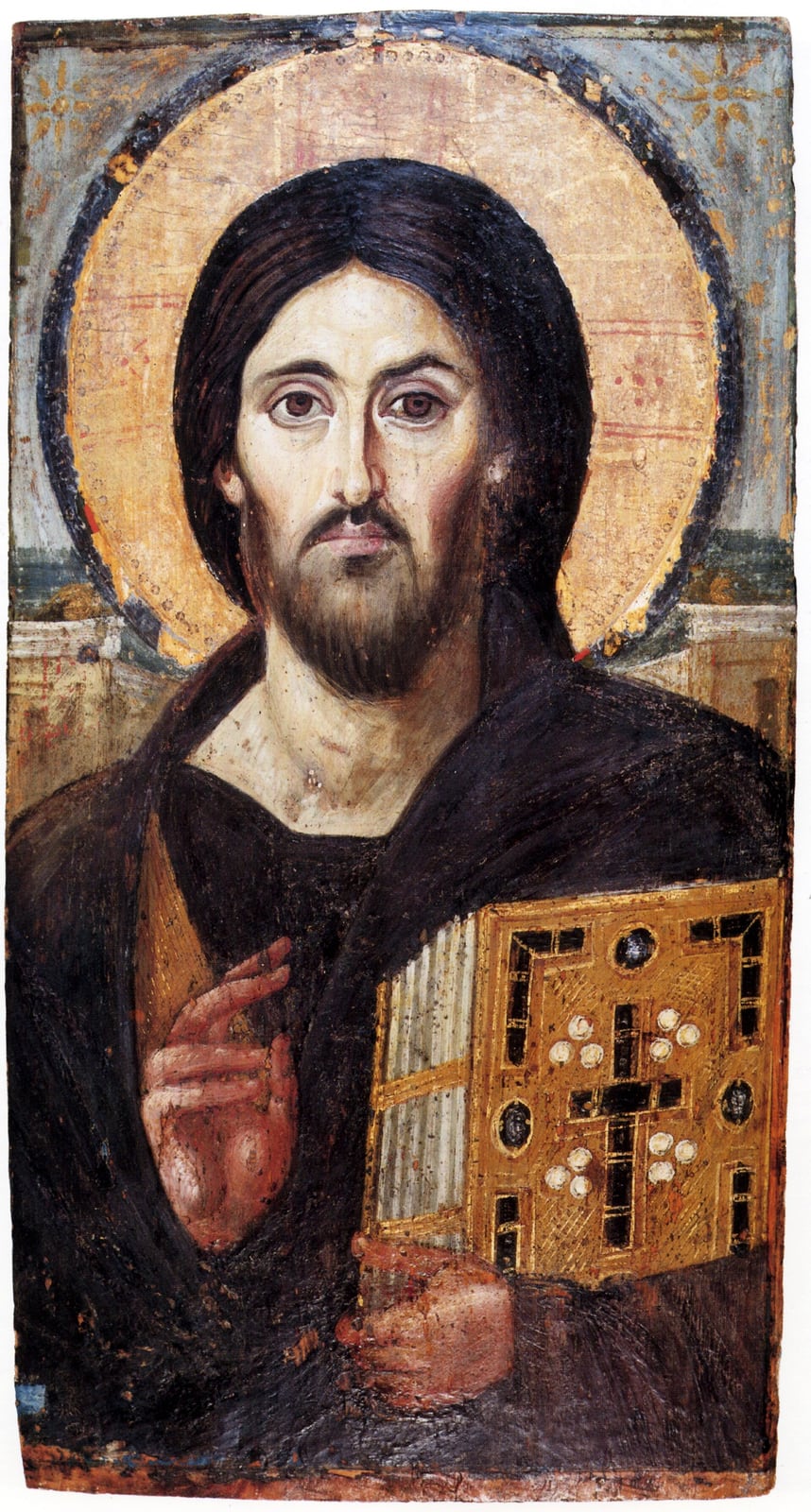 Jesus of NazarethGod is the Father who cares, forgives and reigns
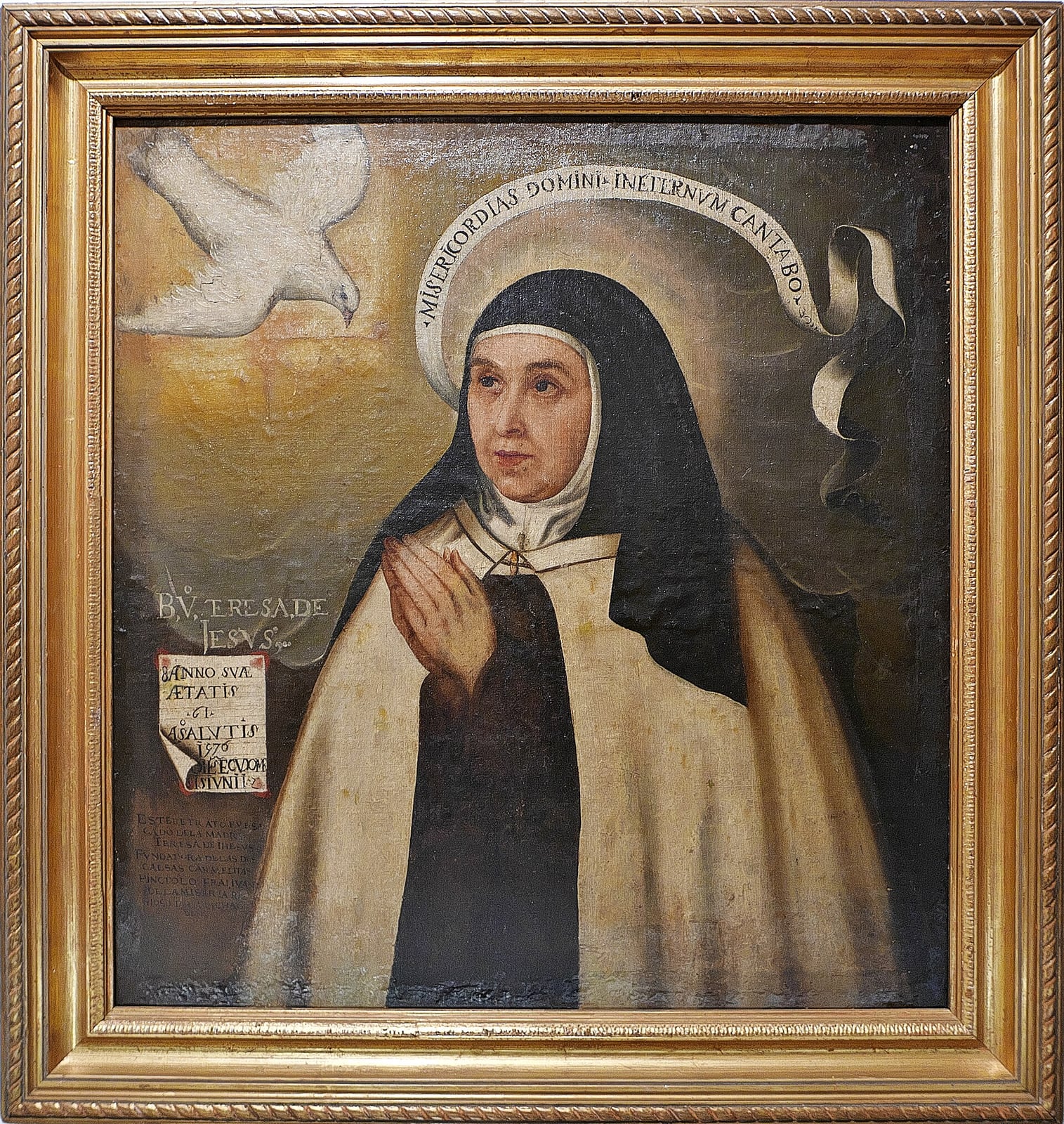 Teresa of ÁvilaGod is someone with whom one keeps friendship: a Trinity dwelling in the soul
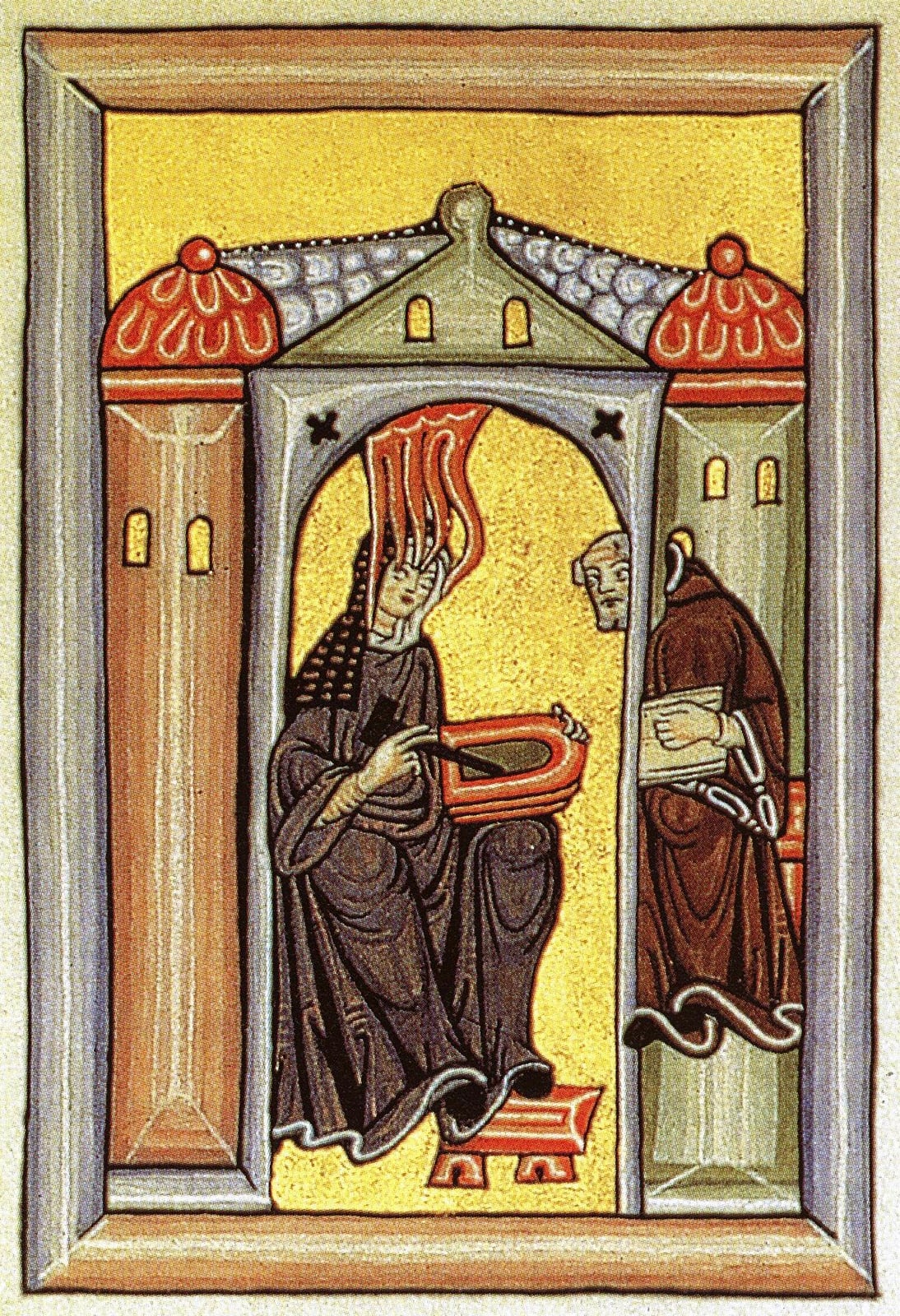 Hildegard of BingenGod is the Living Light who speaks, creates and loves the creation
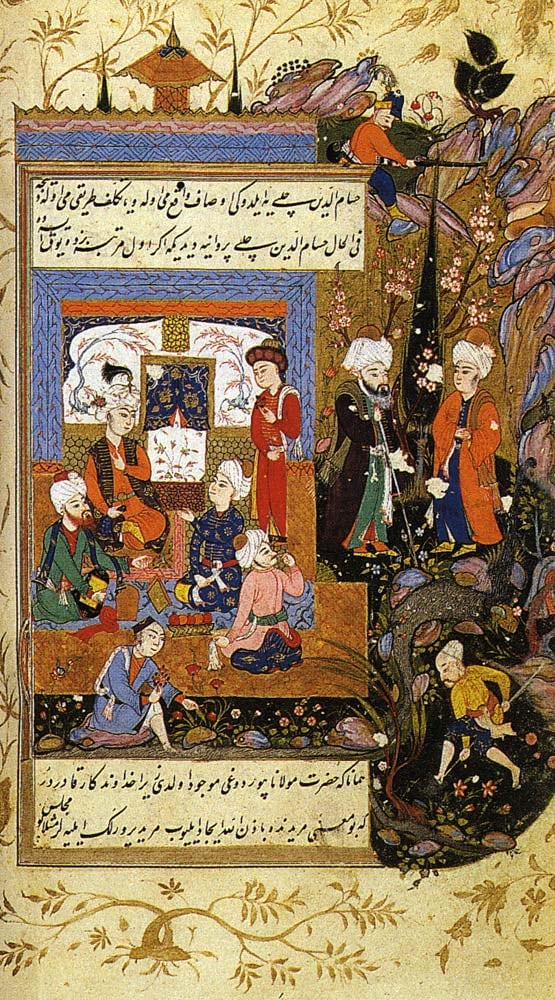 RumiGod is the Beloved: someone who calls, loves and awaits the soul's return
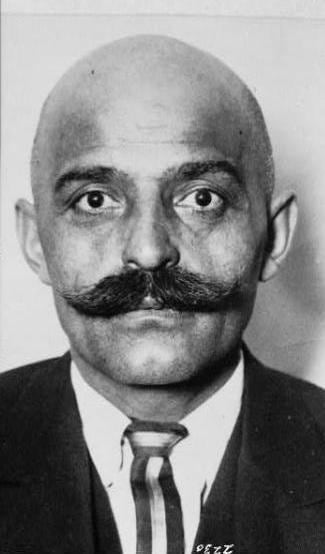 G. I. GurdjieffOur Common Father Endlessness created the universe and suffers for it
 Francis of AssisiGod is the Most High, the highest good, to be praised and thanked
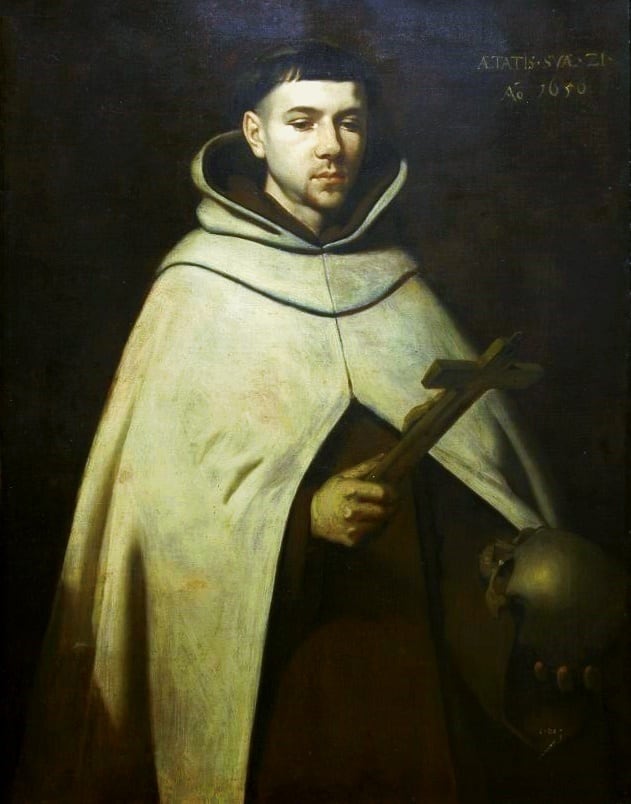 John of the CrossGod is the Beloved who hides and gives himself in dark faith
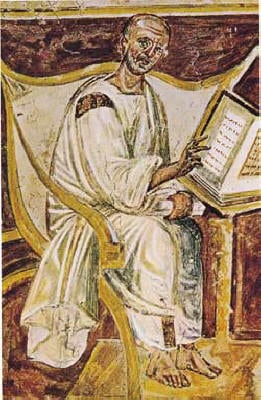 Augustine of HippoGod is immutable, triune Being, more inward than one's inmost self
 Julian of NorwichGod is Trinitarian love, Father and also Mother
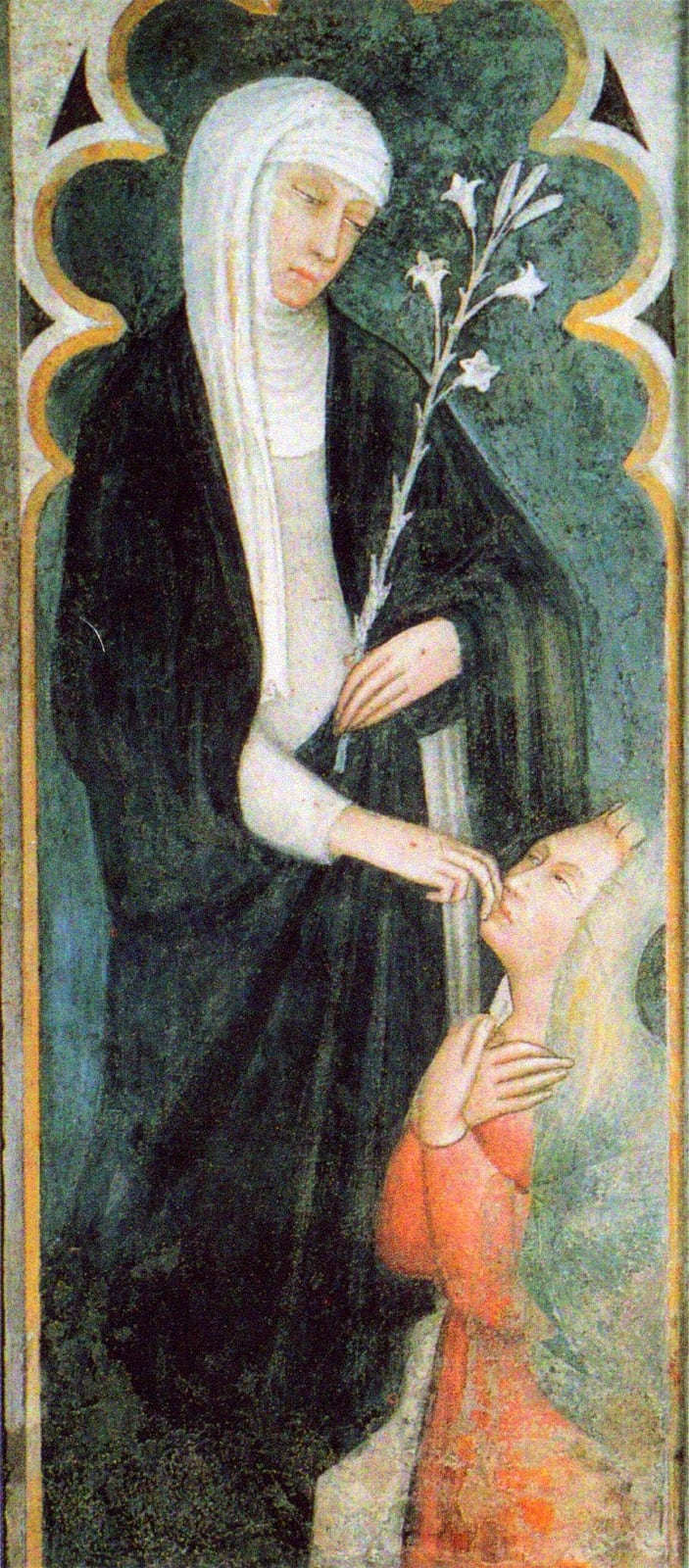 Catherine of SienaGod is the eternal Trinity, a deep sea, mad with love
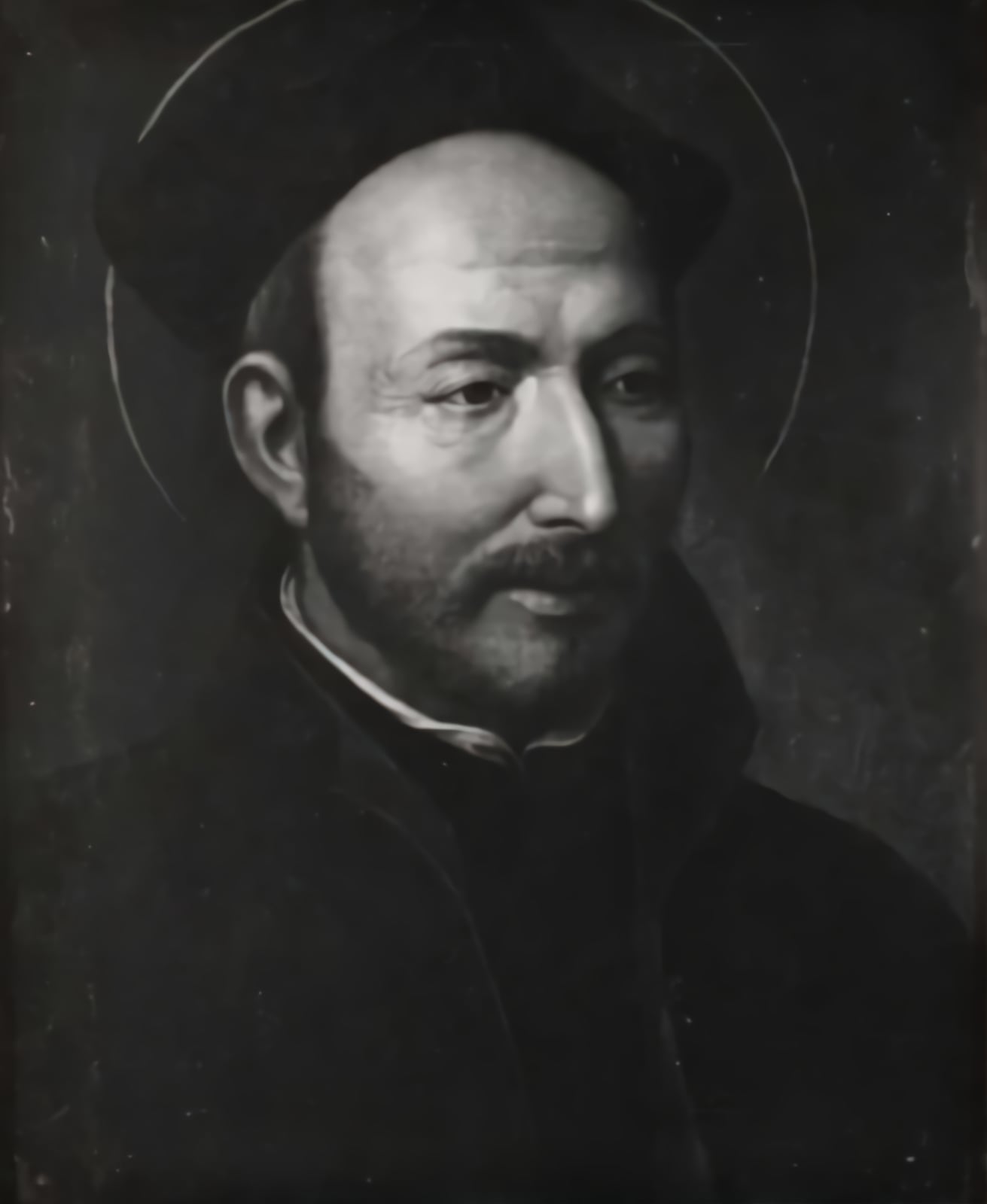 Ignatius of LoyolaGod is Creator and Lord, who deals directly with the creature
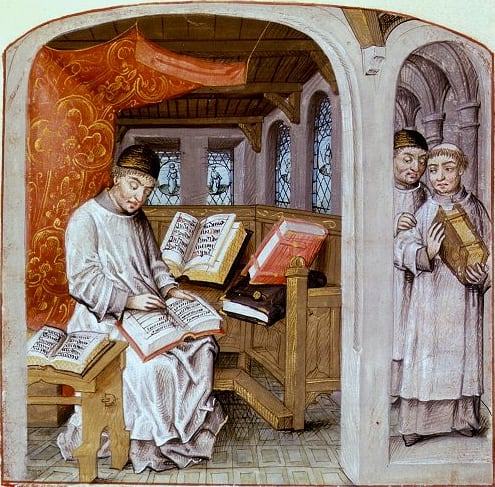 Thomas à KempisGod is the Lord who speaks to the soul and consoles it
 Emanuel SwedenborgGod is one, is a Man, and is the Lord Jesus Christ
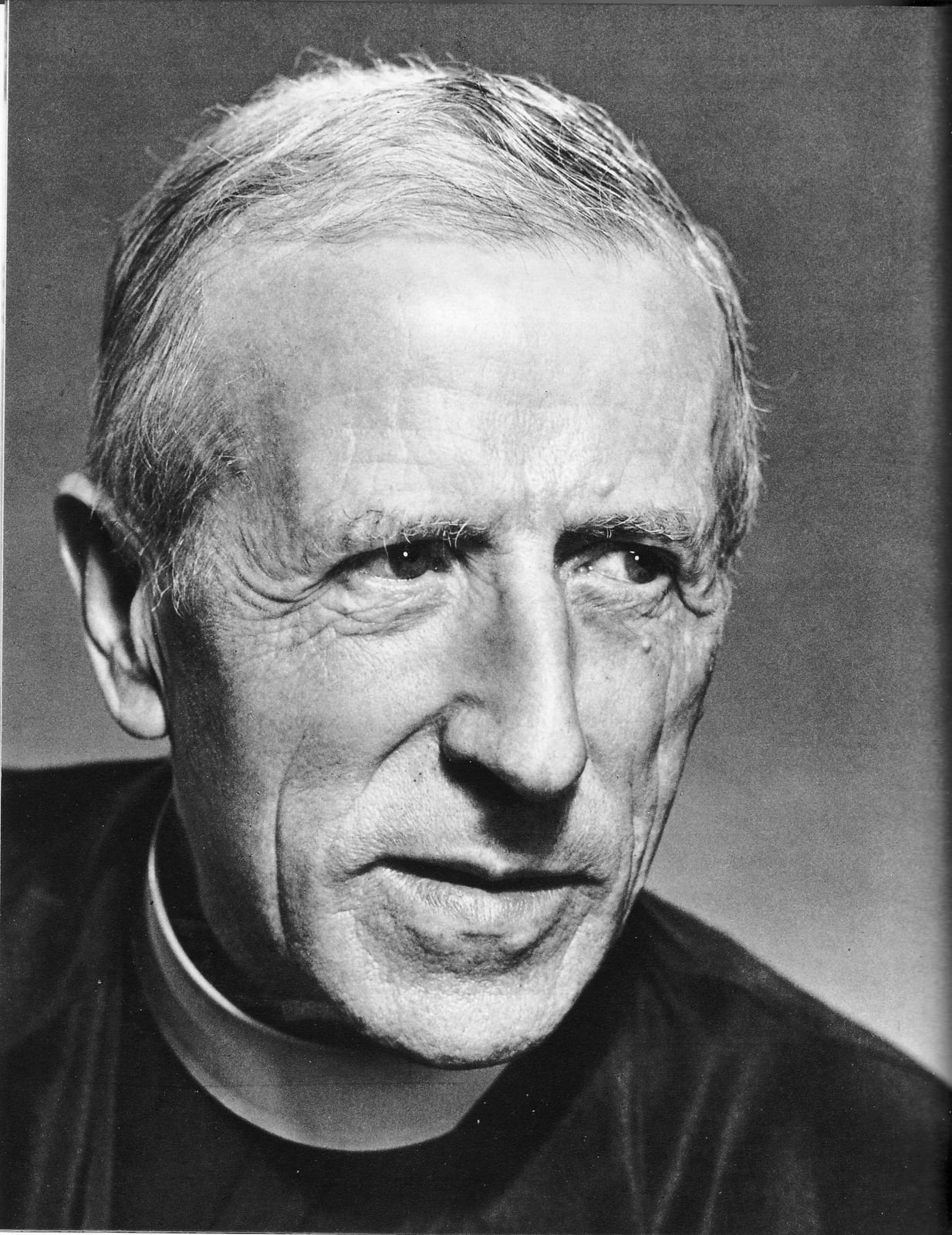 Pierre Teilhard de ChardinGod is the personal Omega toward which evolution converges
 Thomas MertonGod is not an object: he is the hidden ground of love who calls
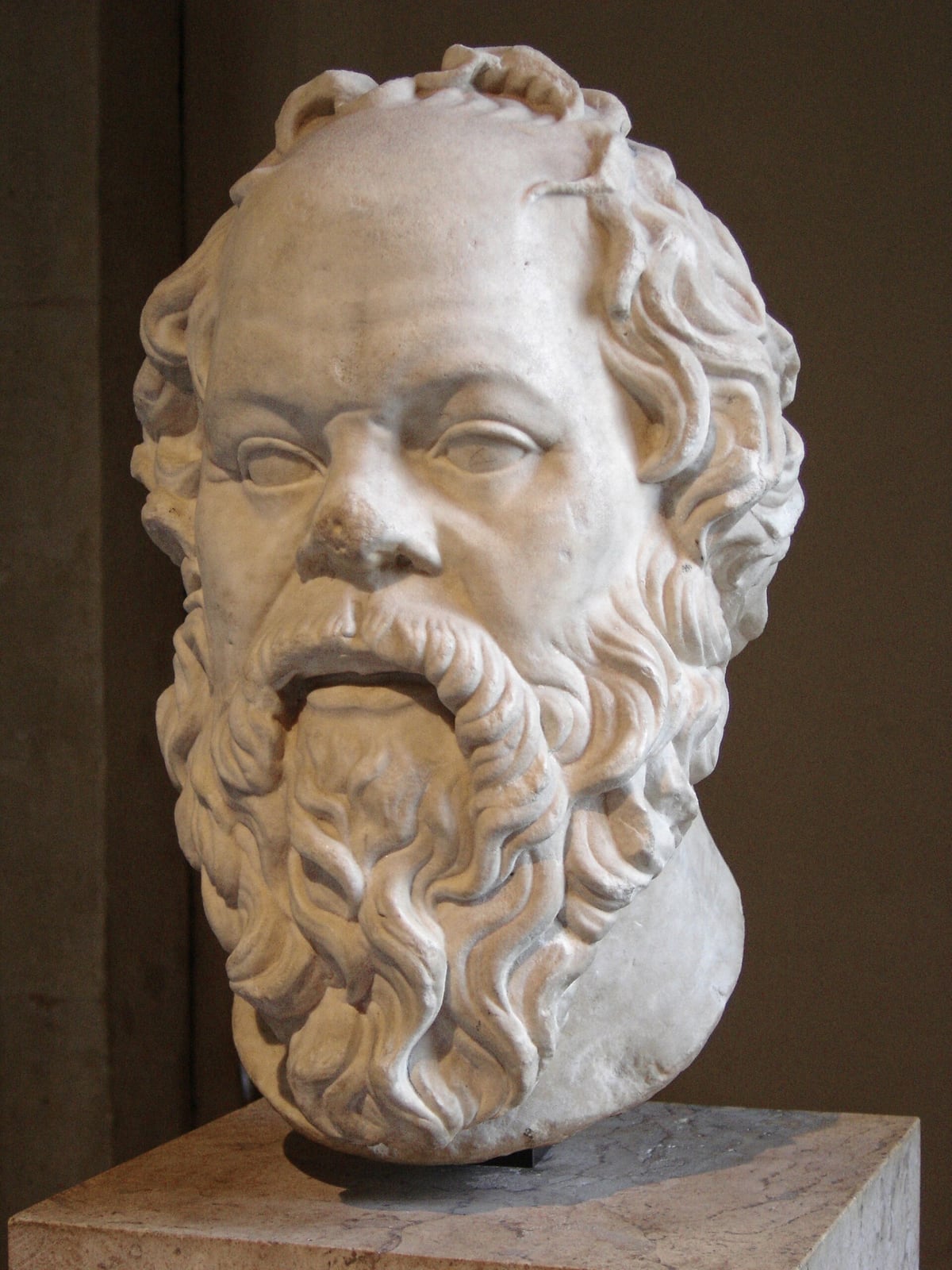 SocratesA god who entrusts him with a mission and warns him by a sign
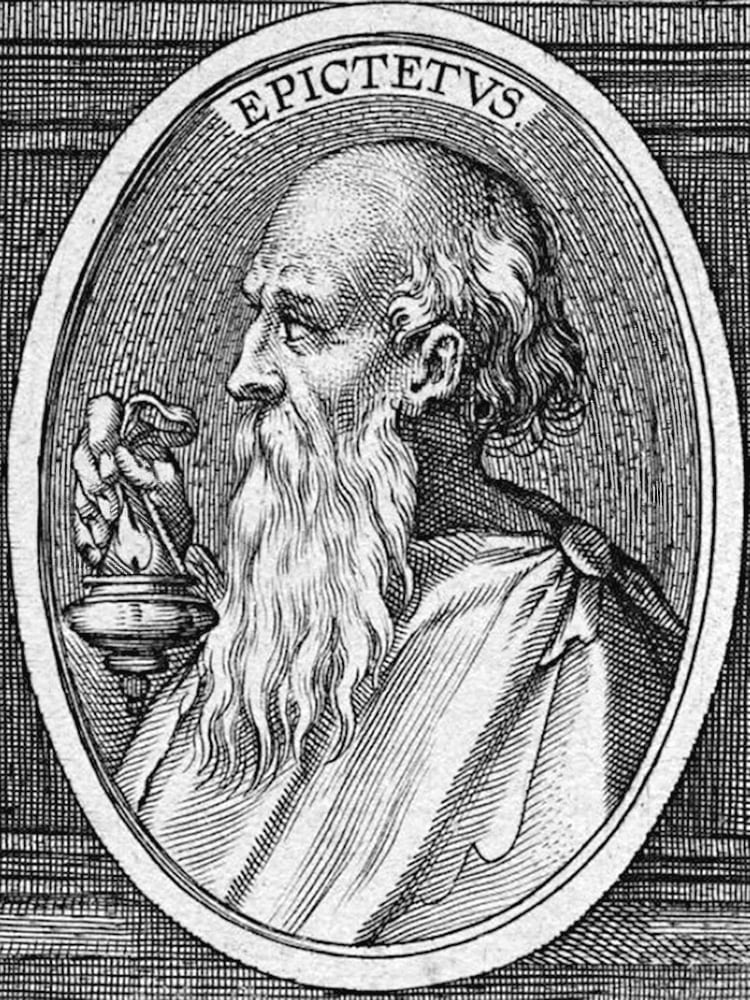 EpictetusGod is a father: he gave us reason, sees us, assigns our role
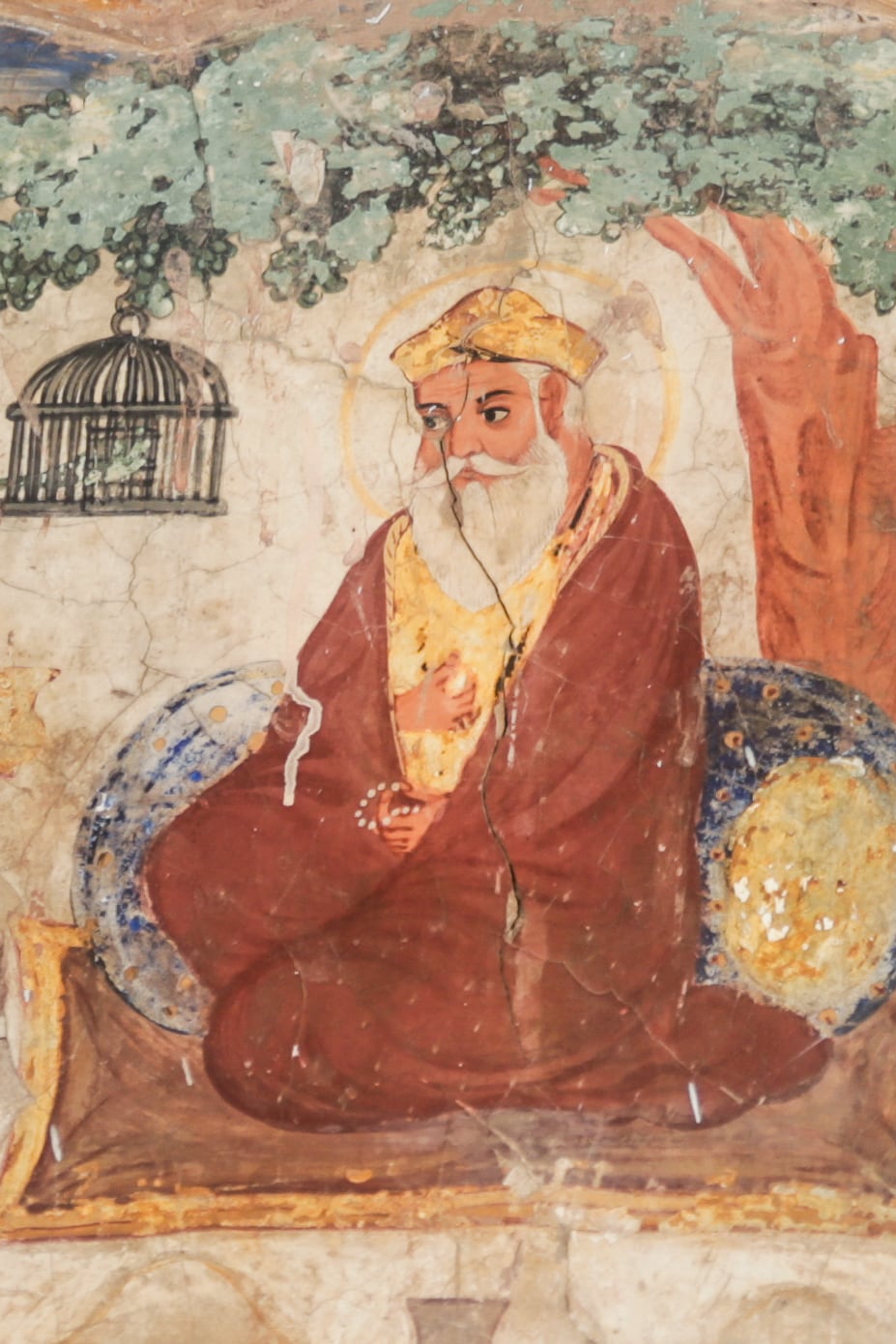 Guru NanakOne creator God, whose name is Truth, reached through grace
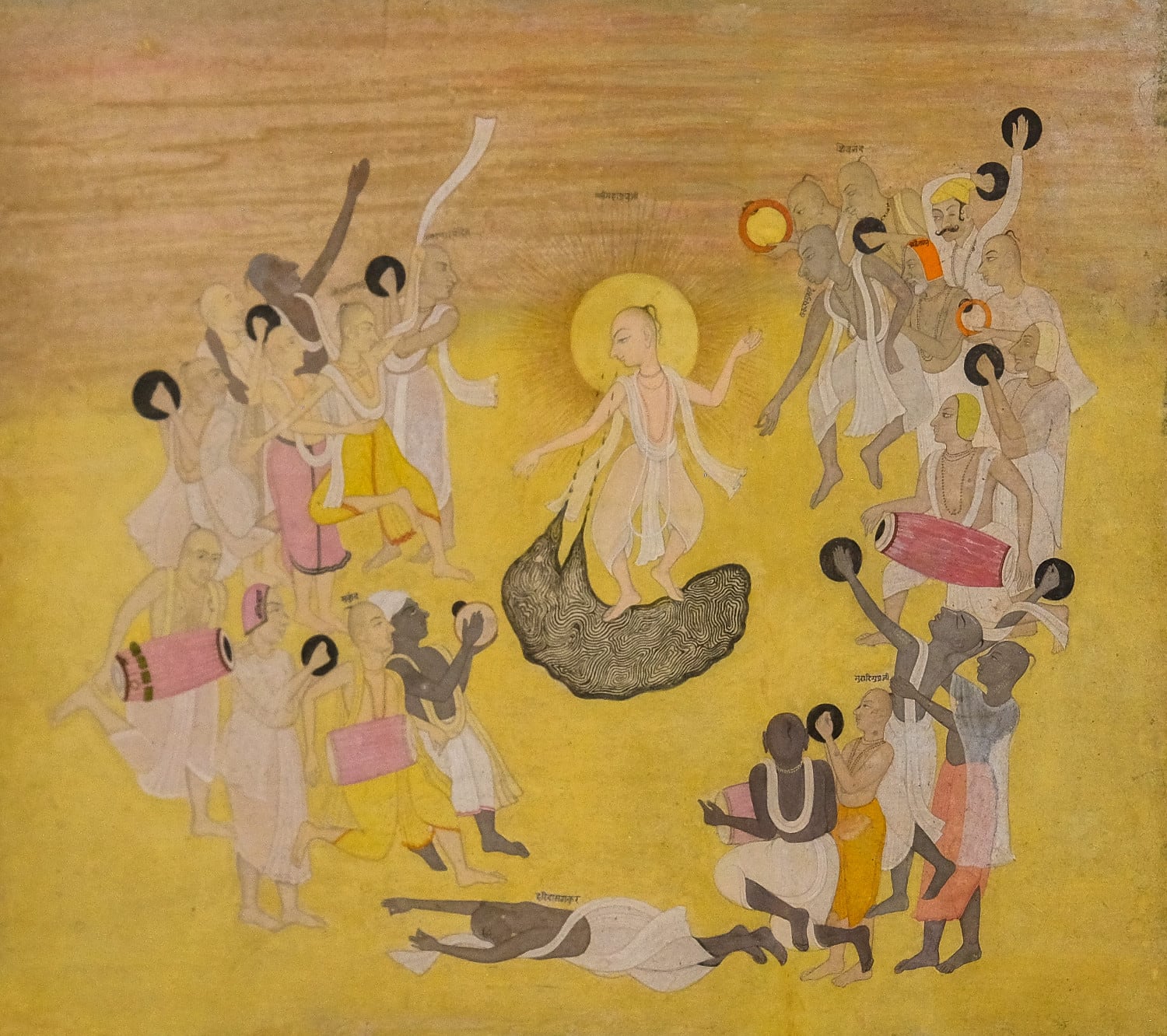 Chaitanya MahaprabhuKrishna is God in person; formless Brahman is his radiance
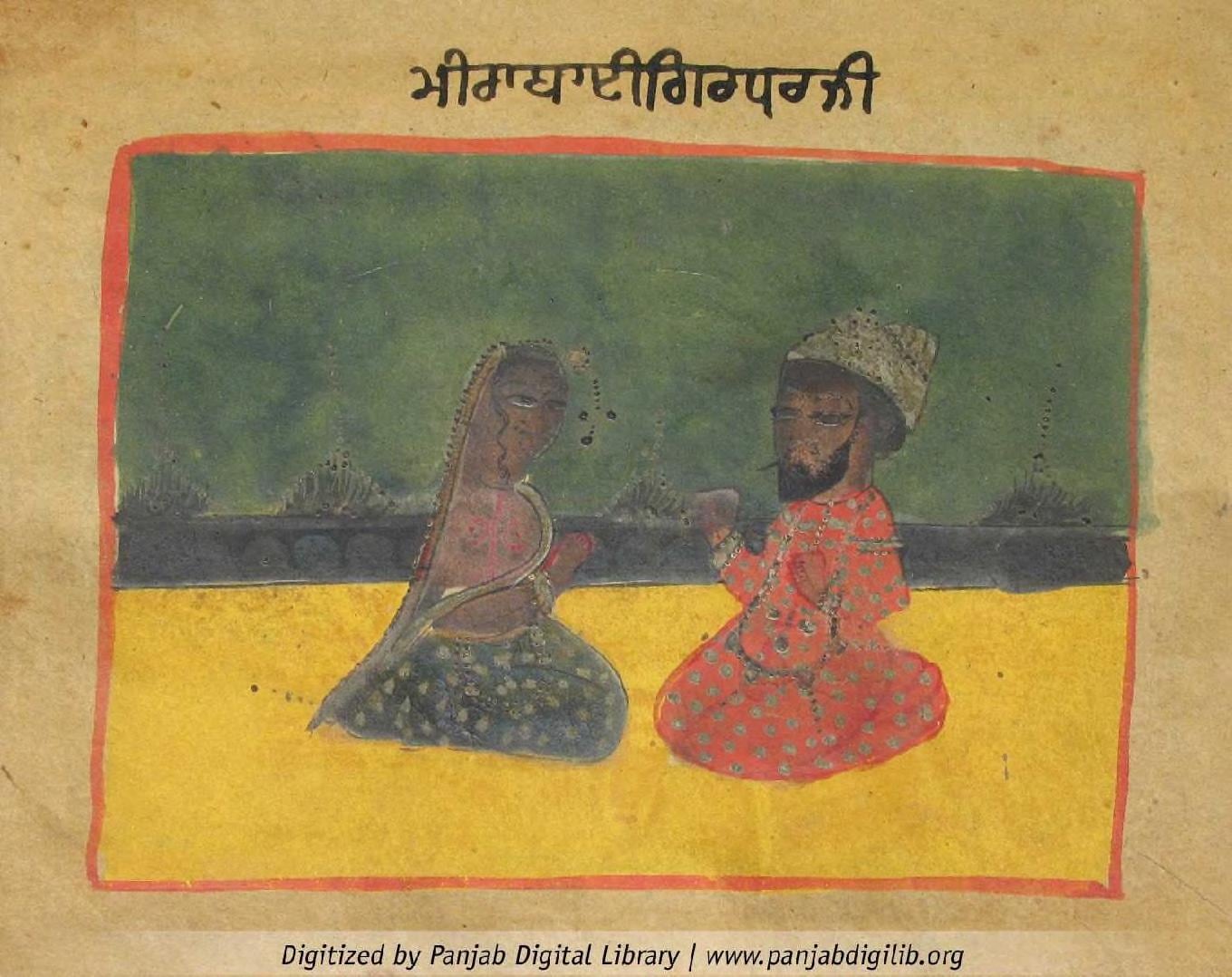 MirabaiThe ultimate has a name and a face: Giridhar Gopal, her husband
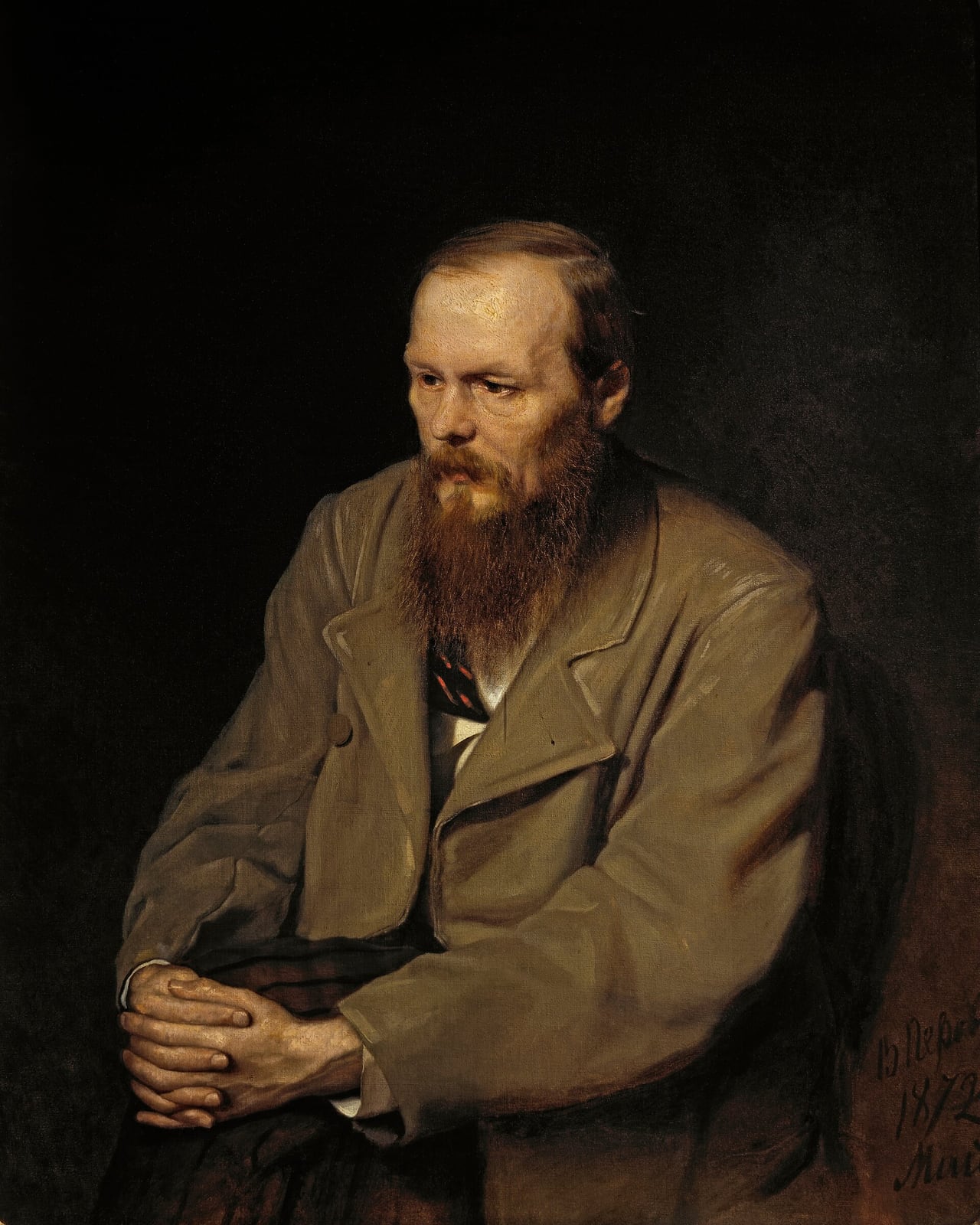 Fyodor DostoevskyFaith in God runs through Christ and passes through the crucible of doubt
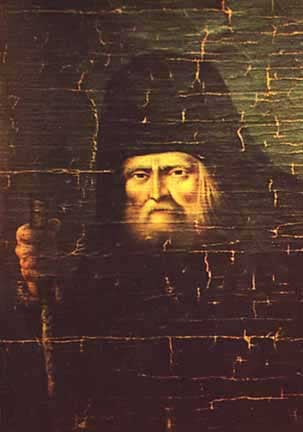 Seraphim of SarovGod is the Trinity giving itself as the Holy Spirit to be acquired
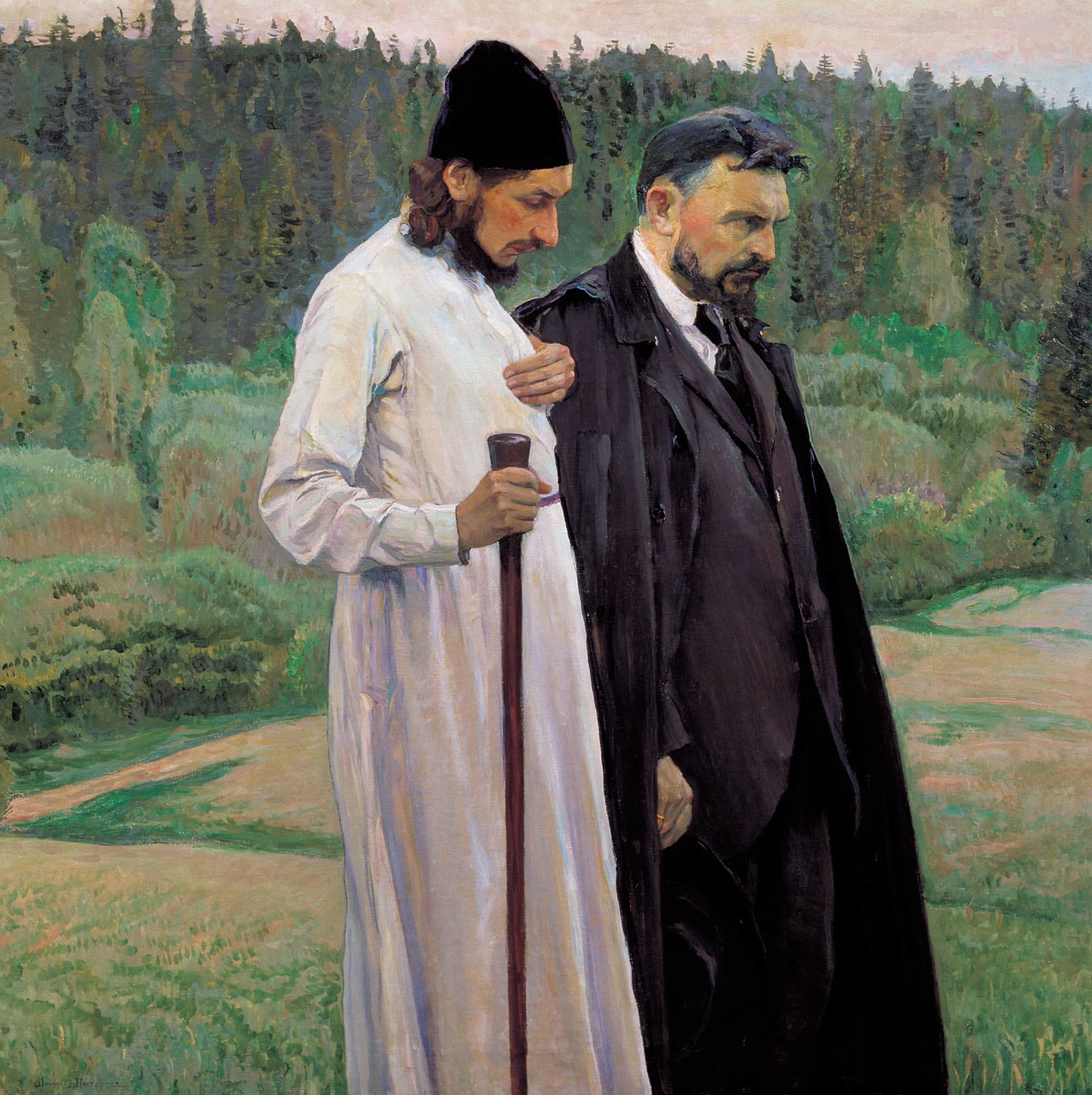 Pavel FlorenskyThe truth that proves itself is the Trinity, and the icon bears witness to it
 Theophan the RecluseGod is the Trinitarian Lord with whom the Christian lives in active communion
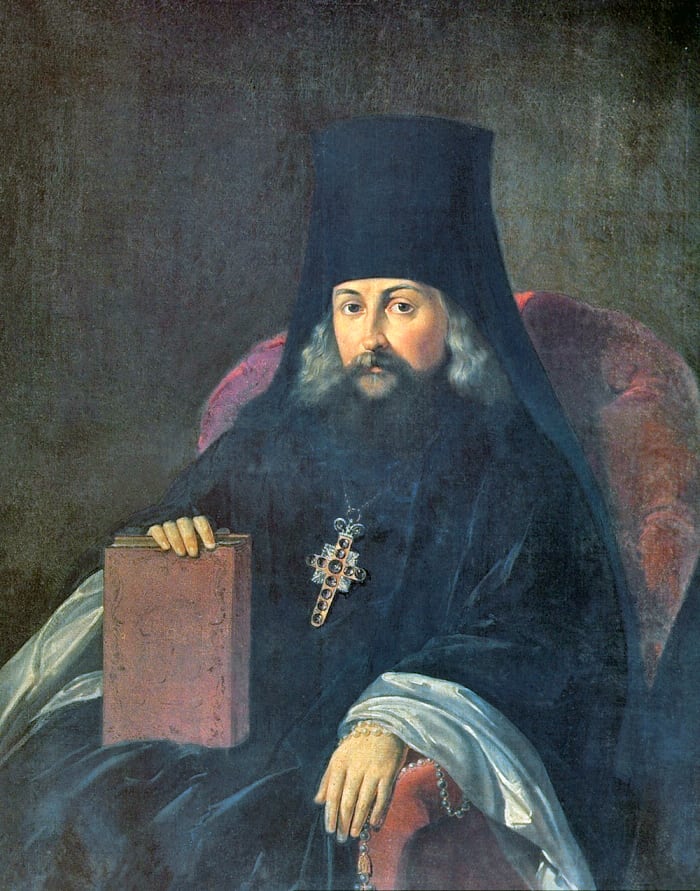 Ignatius BrianchaninovGod is known through humility and prayer, not through speculation
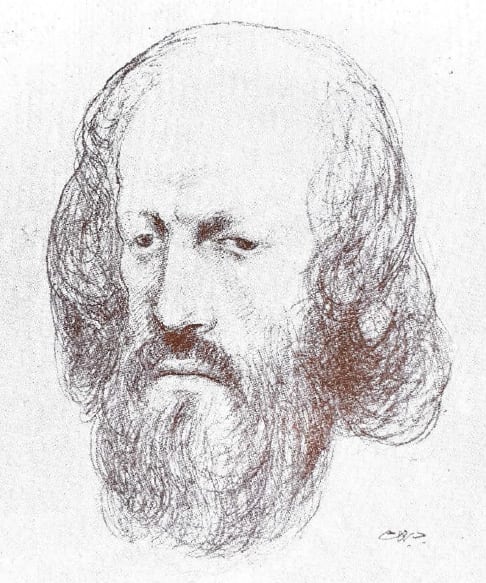 Al-GhazaliA living God who creates by will and is the only true light
 Rabia al-AdawiyyaGod is the Beloved, loved for His own sake
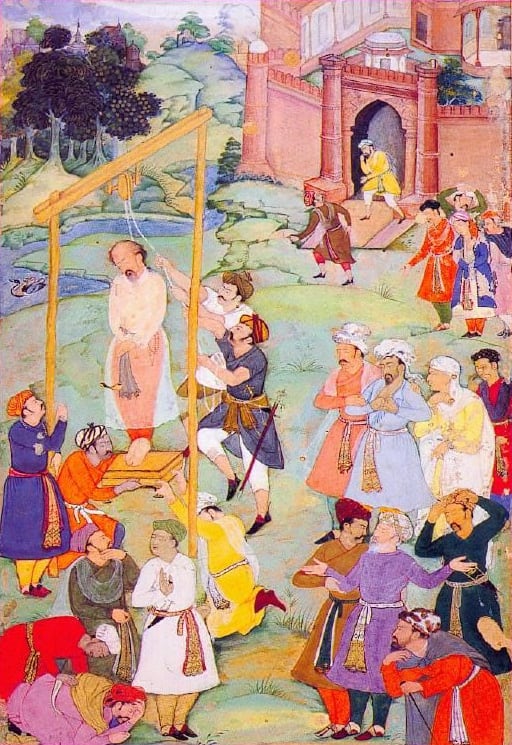 Al-HallajThe transcendent Beloved who speaks through the lover's mouth
 HafezA Friend of grace, glimpsed behind the ambiguity of the ghazal
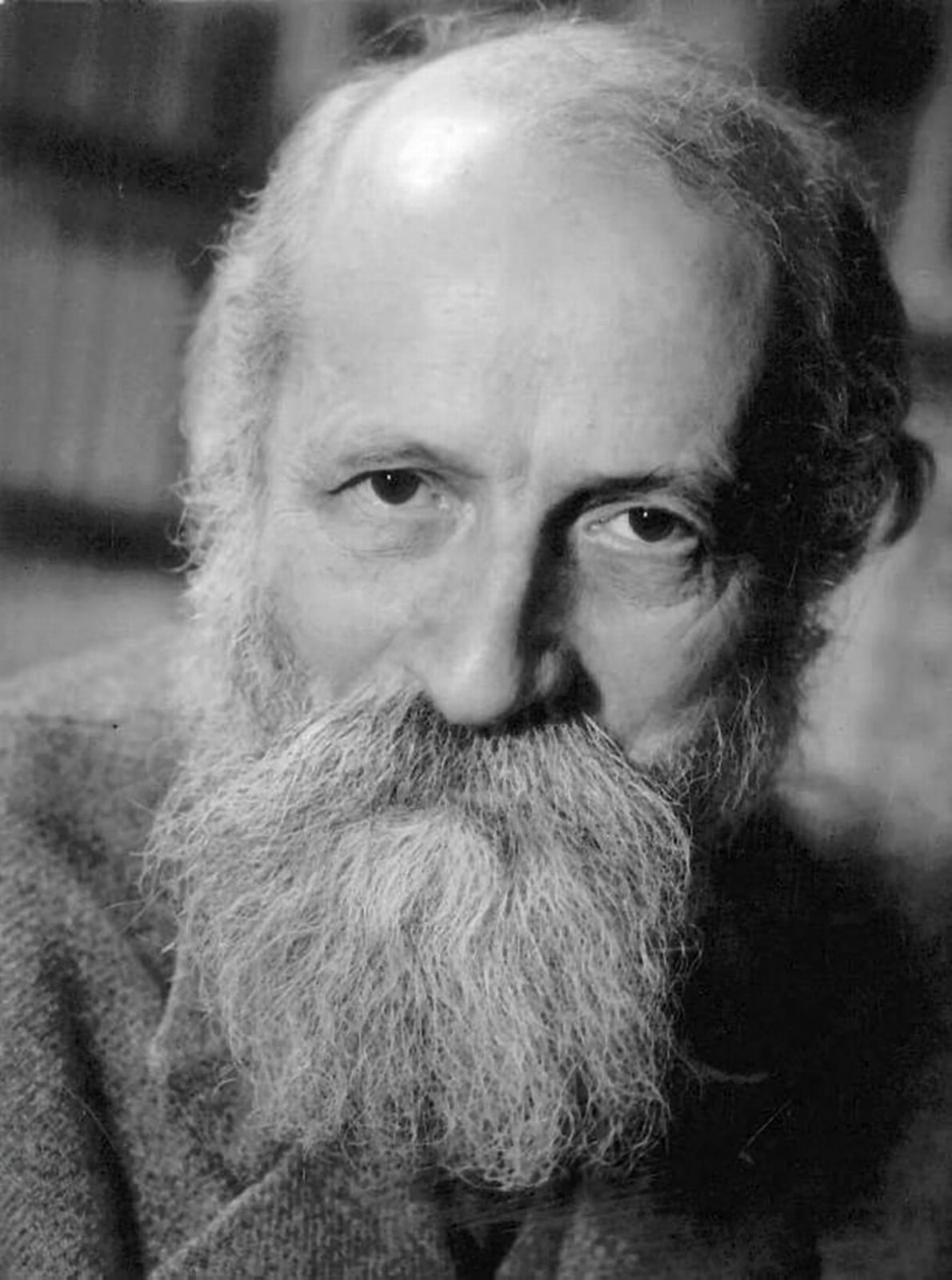 Martin BuberGod is the eternal Thou: not spoken about, but spoken to
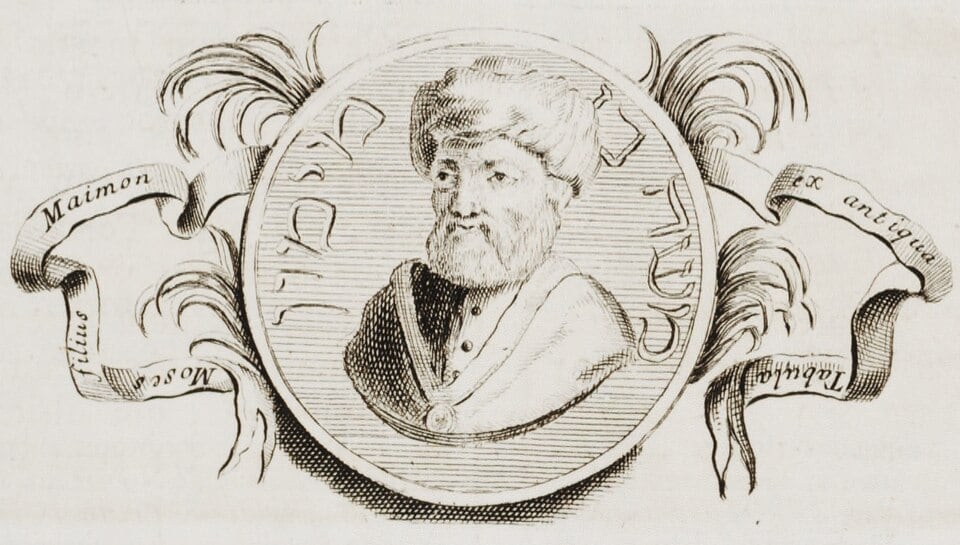 MaimonidesA free Creator of whom one can only say what He is not
 ValmikiThe gods act in history, and Rāma is finally revealed as Viṣṇu
 NaradaGod is the beloved Lord to whom every act is consecrated
يعارض: لا إله خالق
مطلق غير شخصي
The ultimate is consciousness, being or principle without a face; personal gods are aspects or approximations.
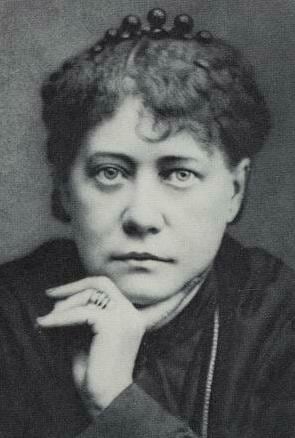 Helena BlavatskyAn eternal, boundless Principle beyond speculation; no personal God
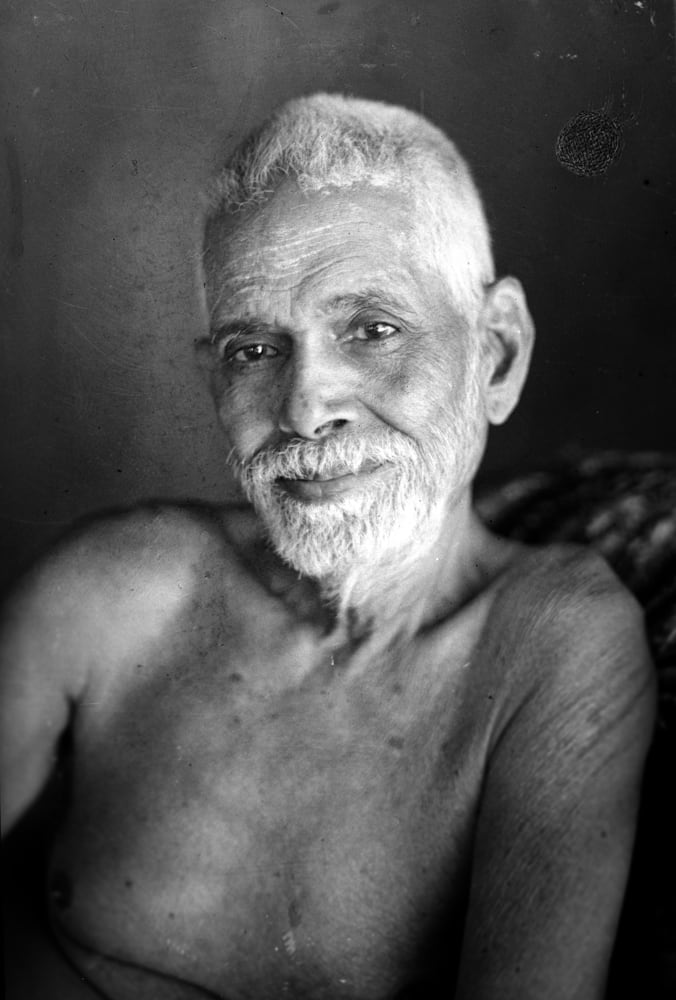 Ramana MaharshiGod, soul and world are the one Reality, which is the Self
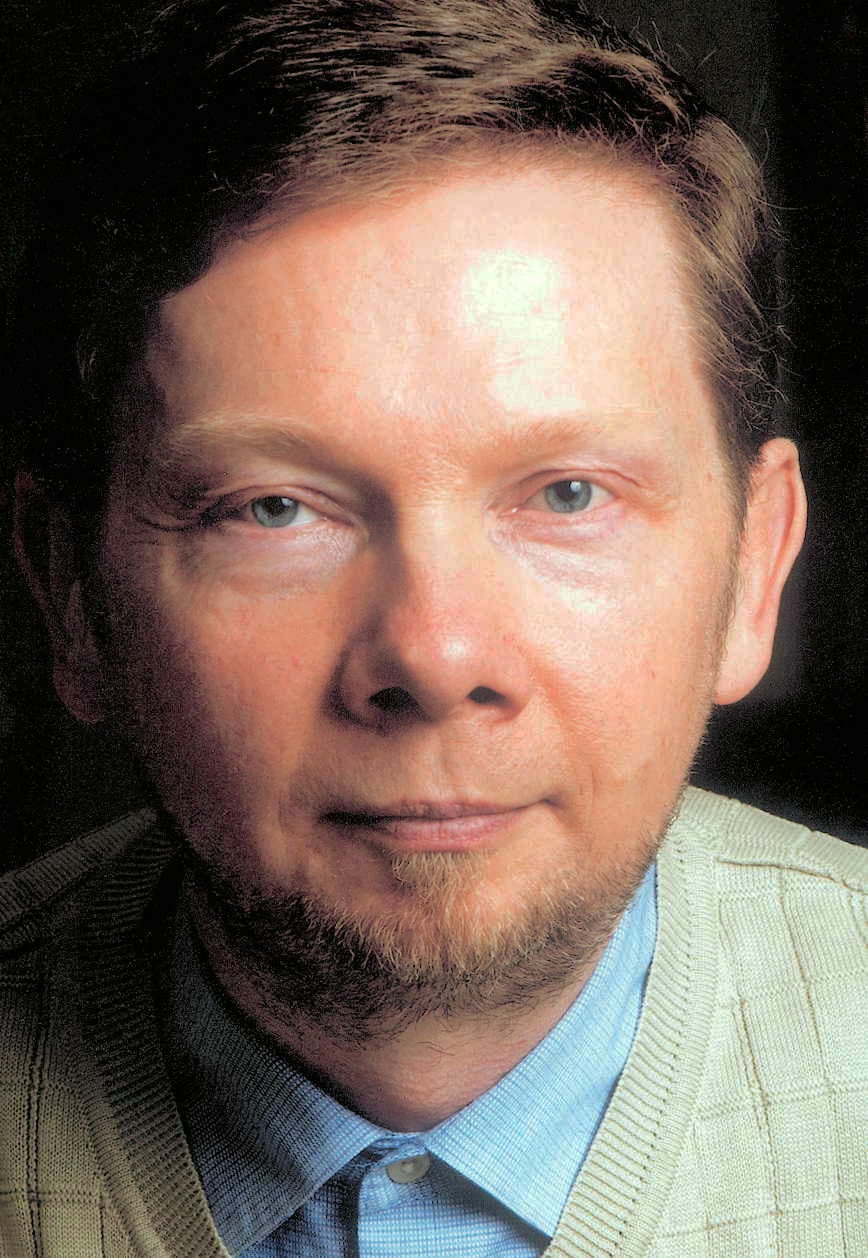 Eckhart TolleHe prefers to speak of Being: the one formless life beyond forms
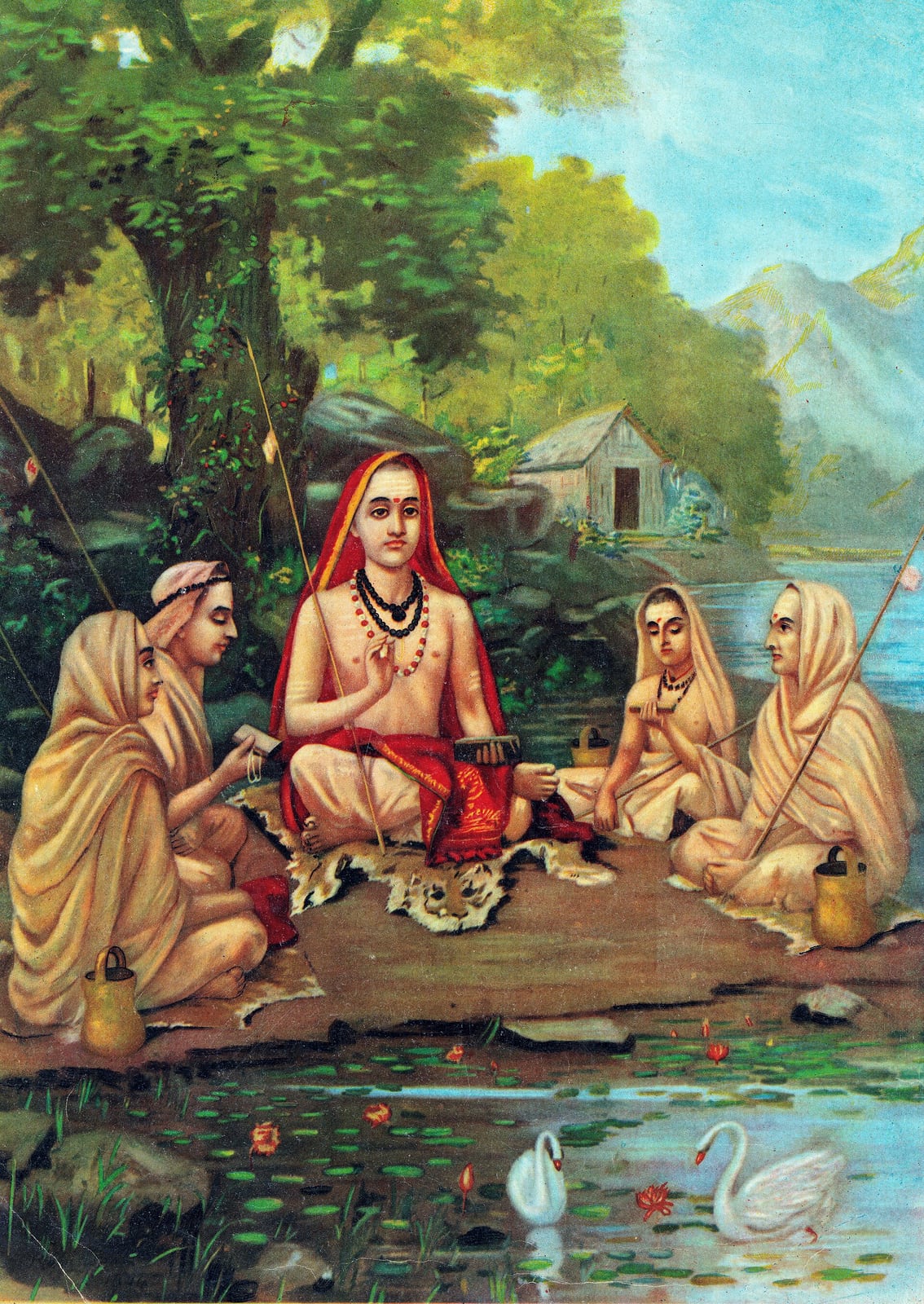 Adi ShankaraOnly attributeless Brahman is real; Ishvara is its relative aspect
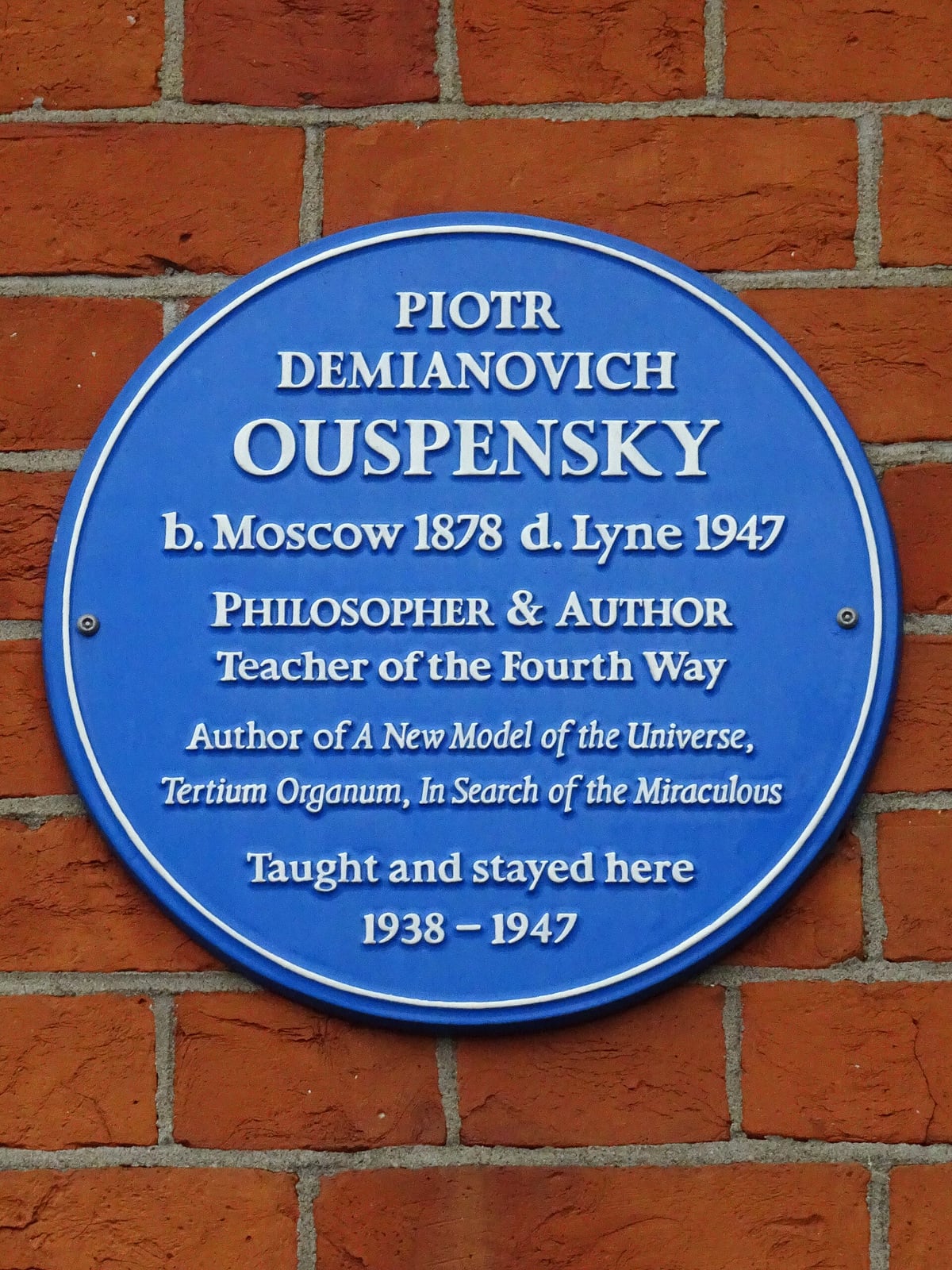 P. D. OuspenskyAt the top of the ray of creation, the Absolute, subject to one law
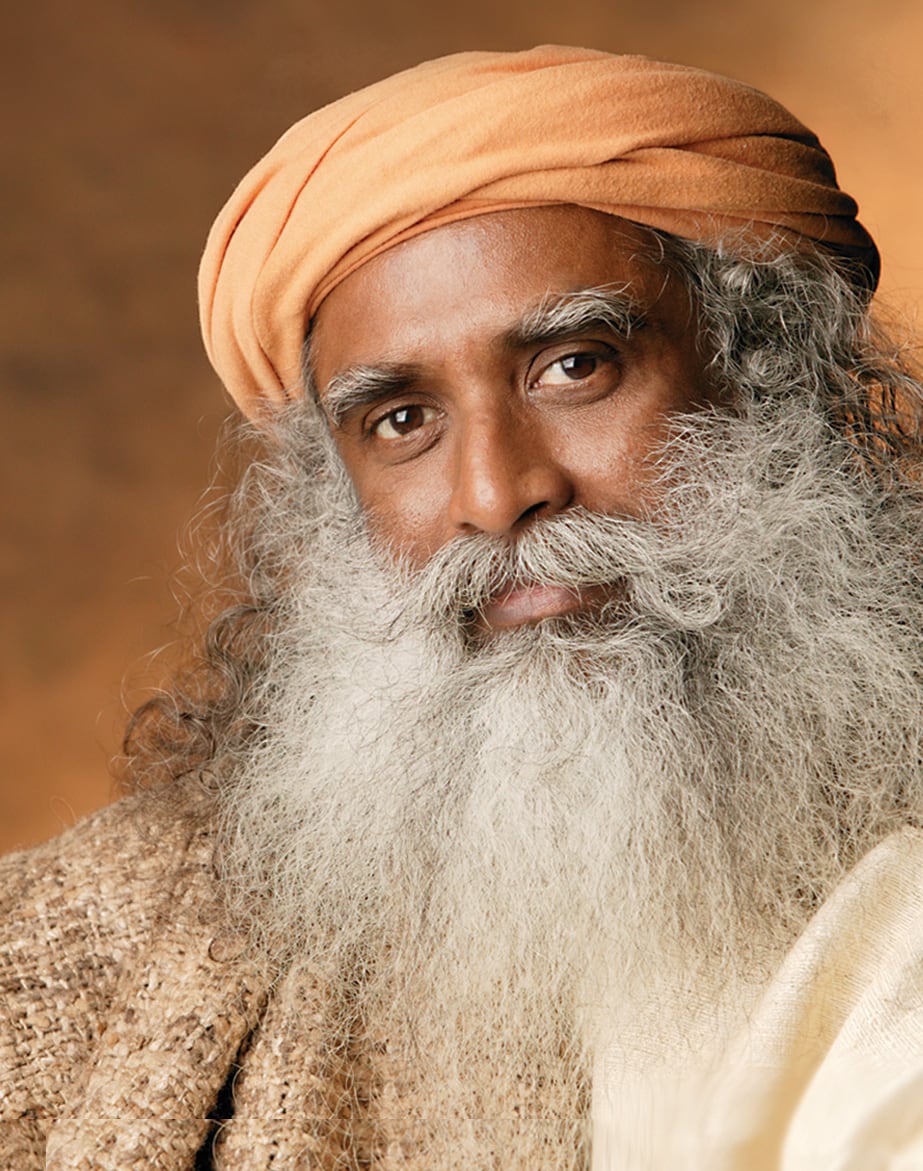 SadhguruThe source of creation is not a man in the sky: it is within
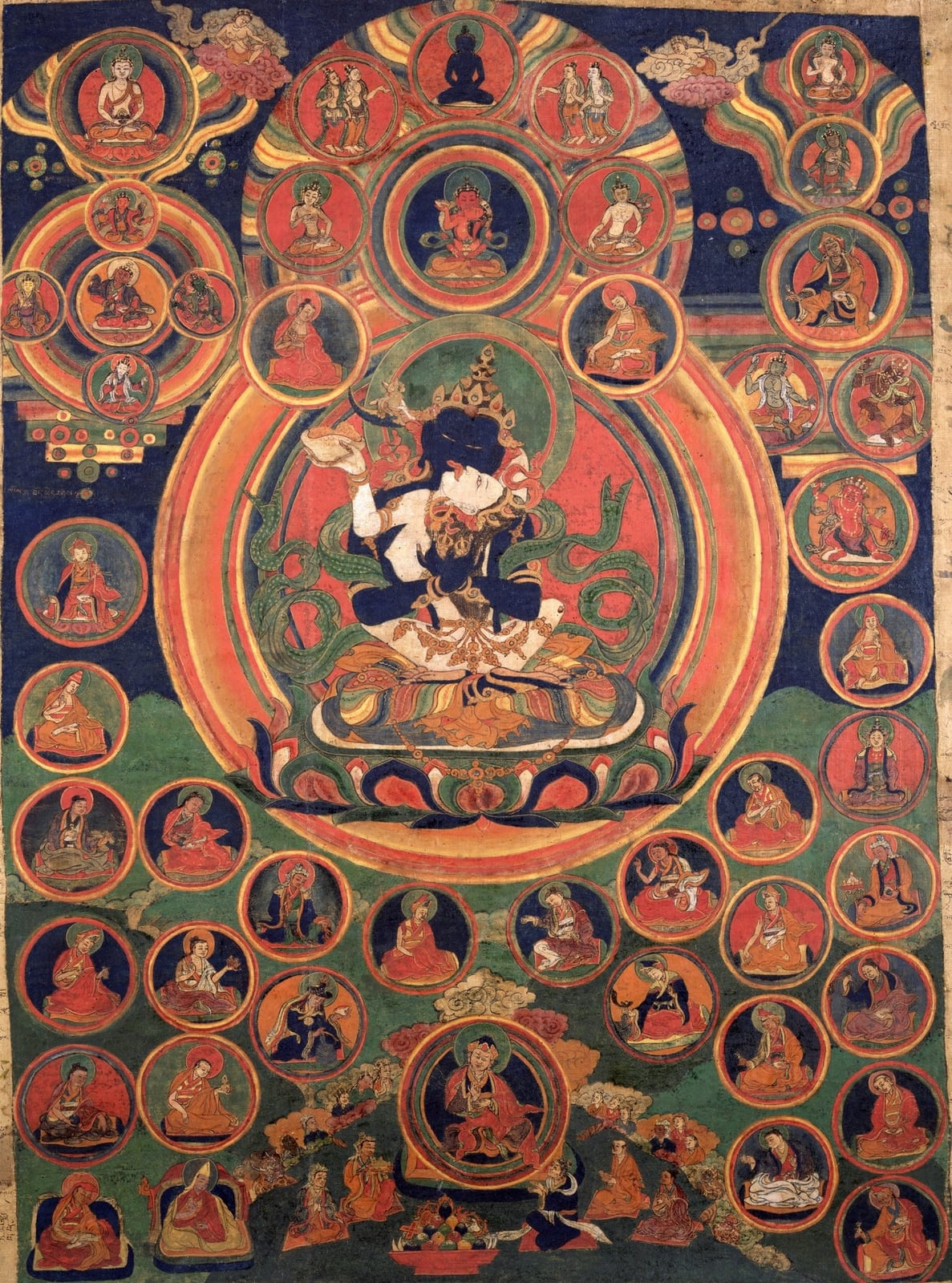 PadmasambhavaThe ultimate is the luminous nature of mind; the deities are its display
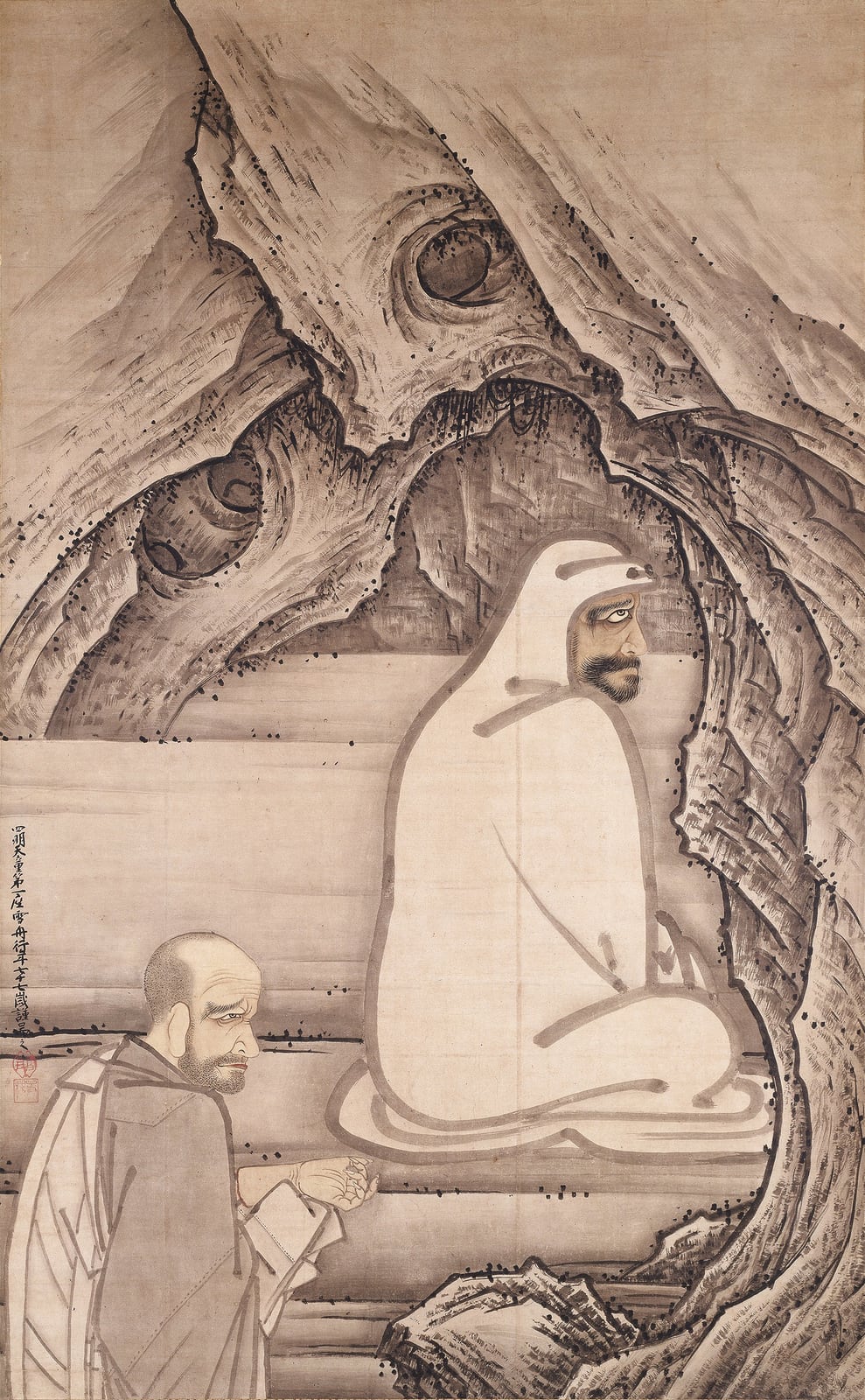 BodhidharmaOne and the same true nature in all beings, hidden by dust
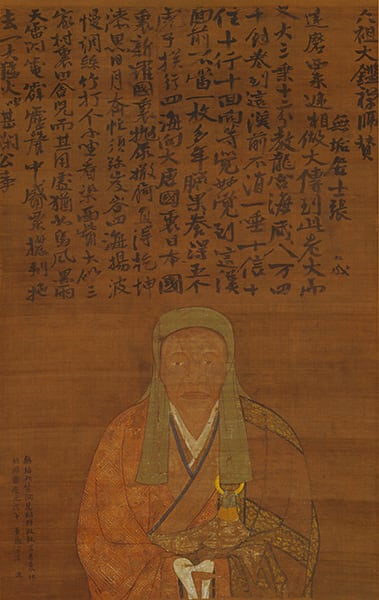 HuinengThe buddha is in one's own nature, ever pure, not outside
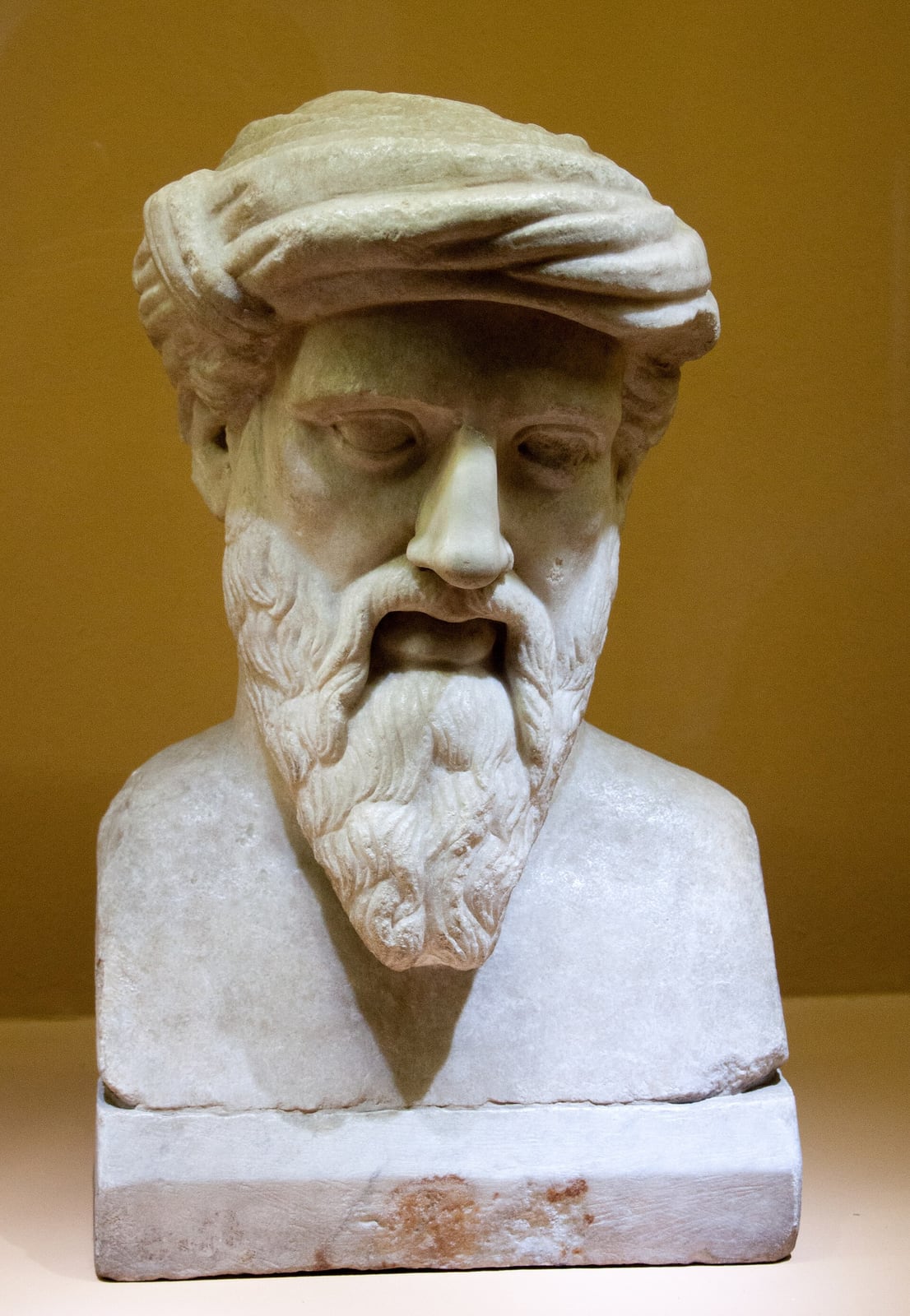 PythagorasThe Pythagorean tradition places the principle of all things in number and harmony
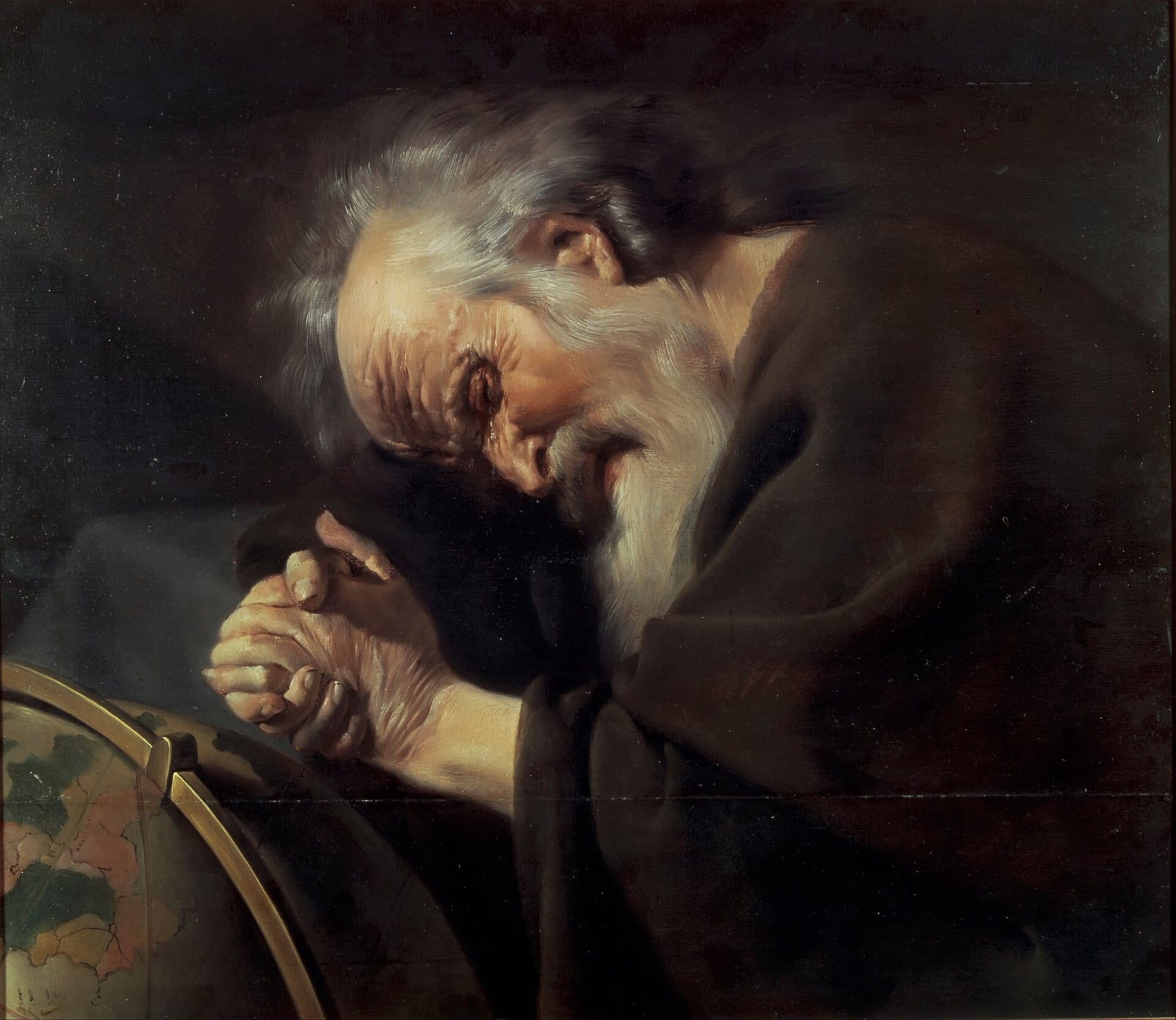 HeraclitusA common logos and an ever-living fire that no god made
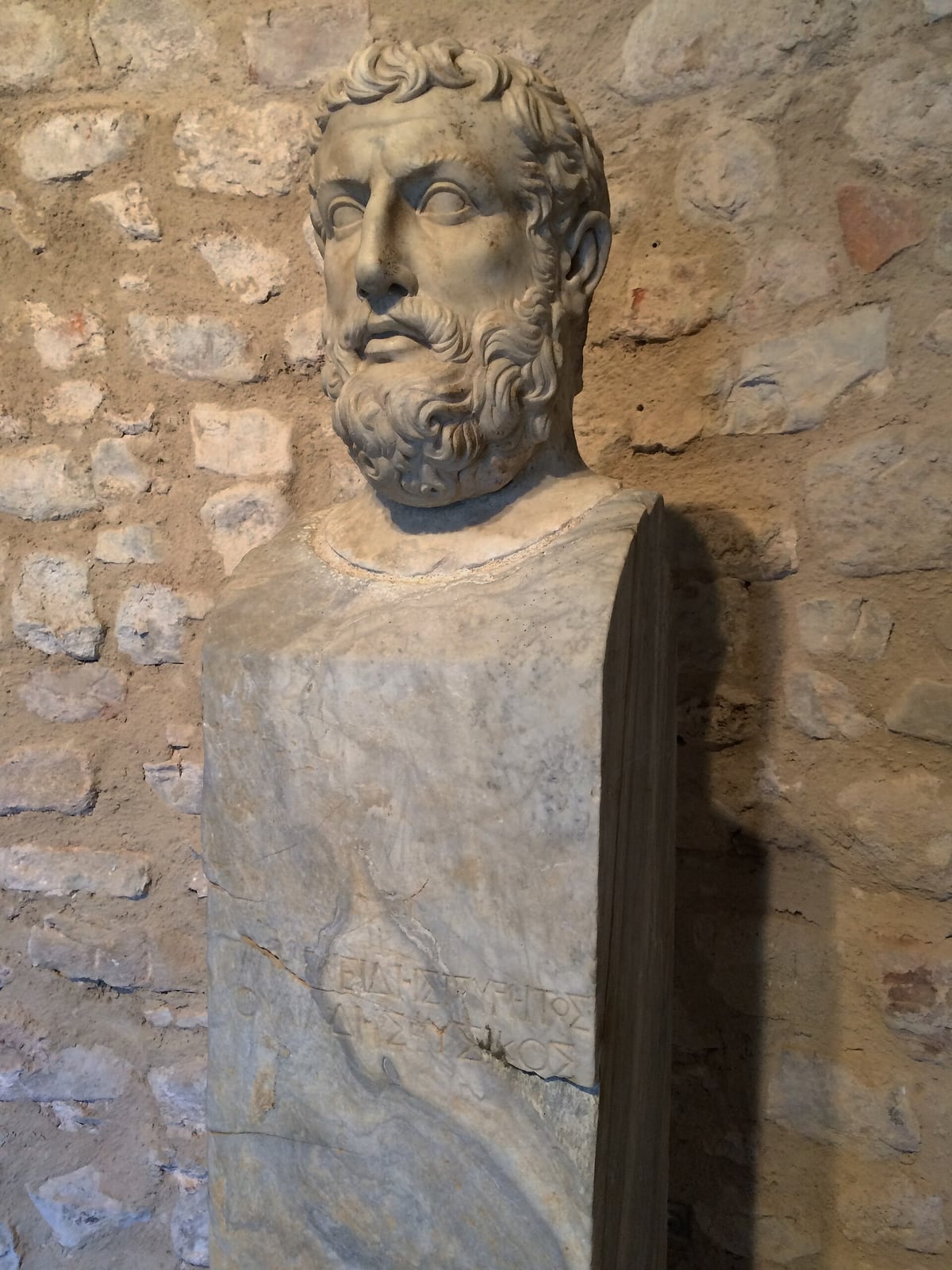 ParmenidesWhat is: one, ungenerated, imperishable and complete like a sphere
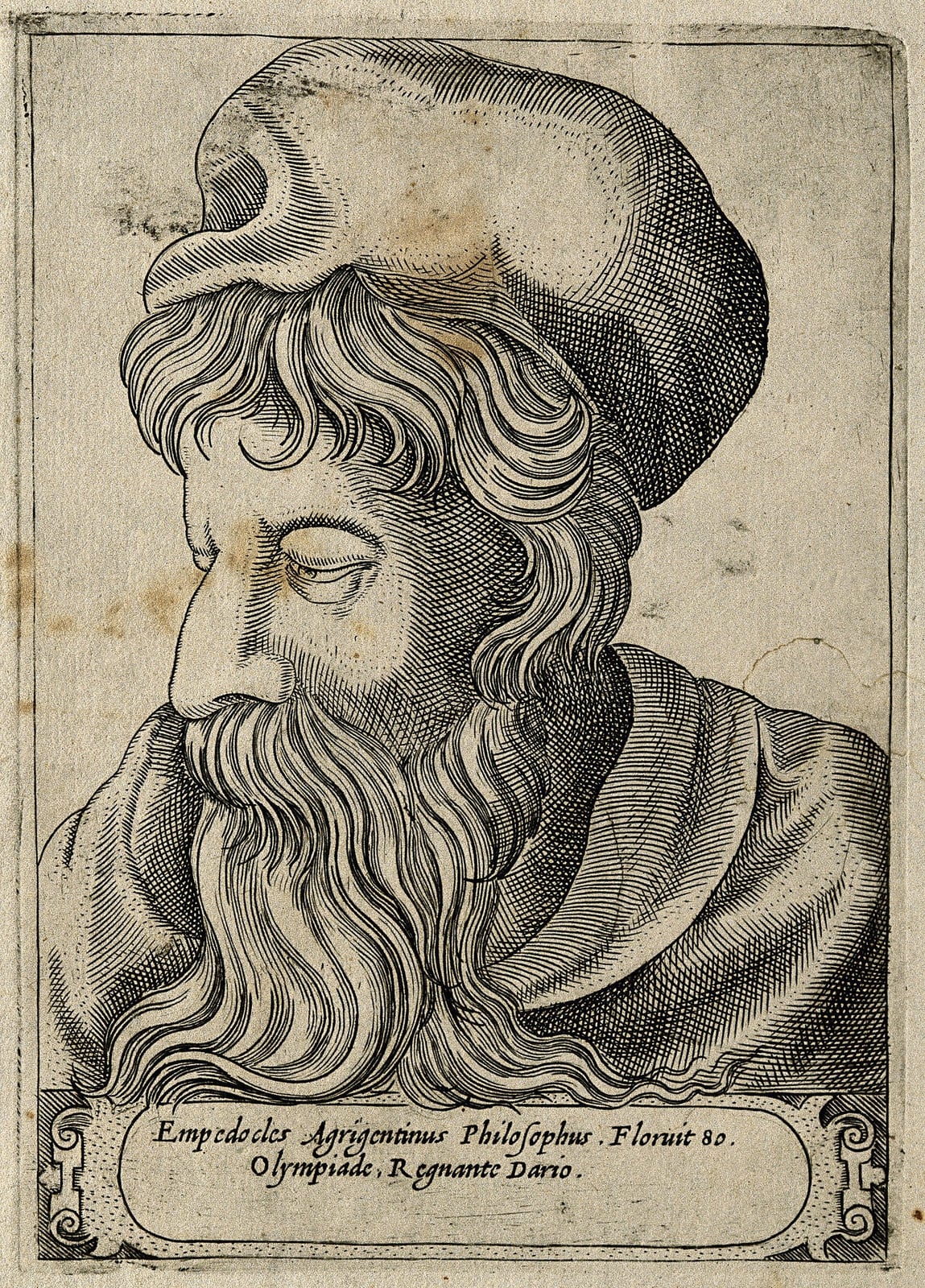 EmpedoclesA holy and ineffable mind, with neither head nor human limbs
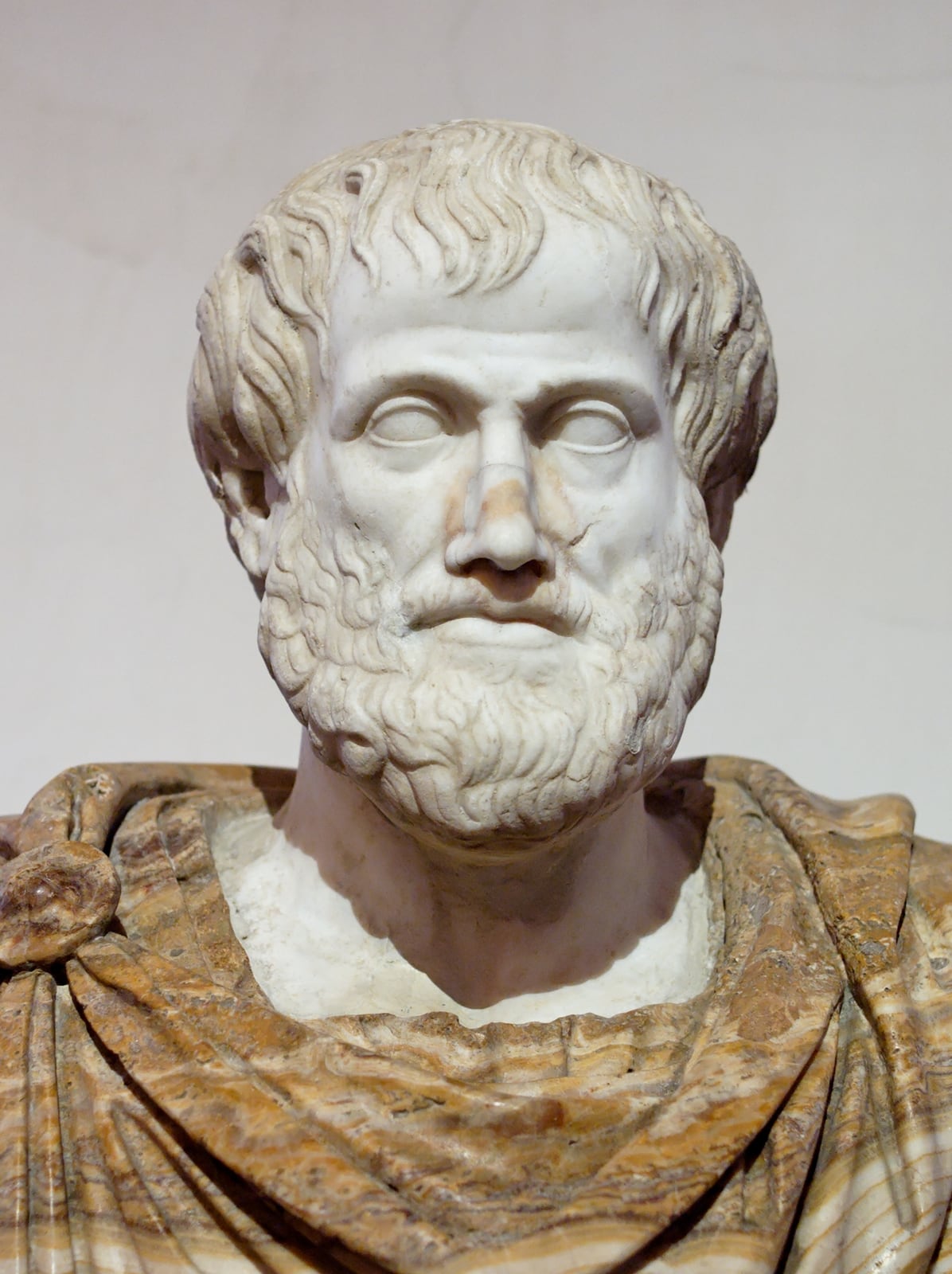 AristotleA first unmoved mover that is thought thinking itself
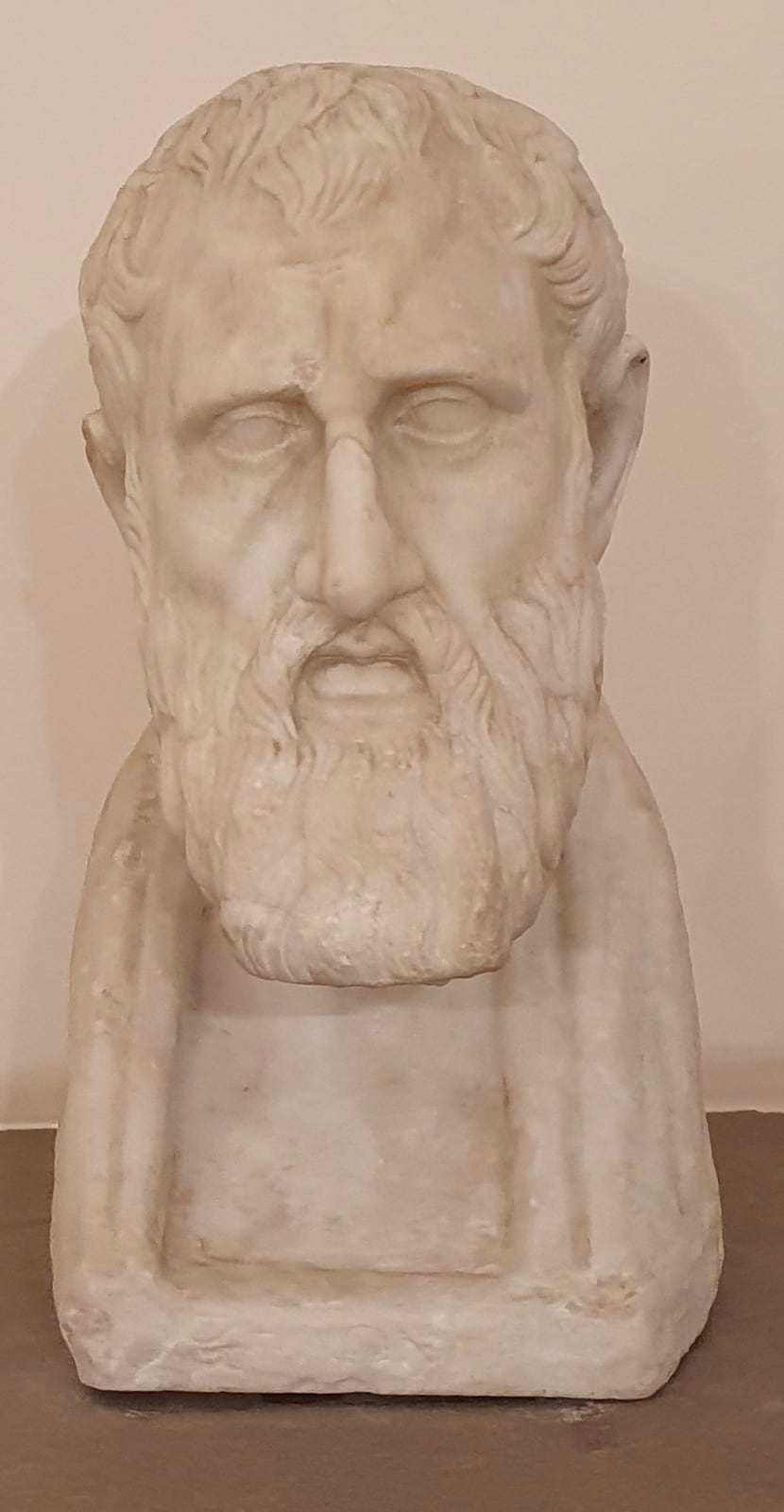 Zeno of CitiumGod is the reason pervading matter, and its substance is the whole cosmos
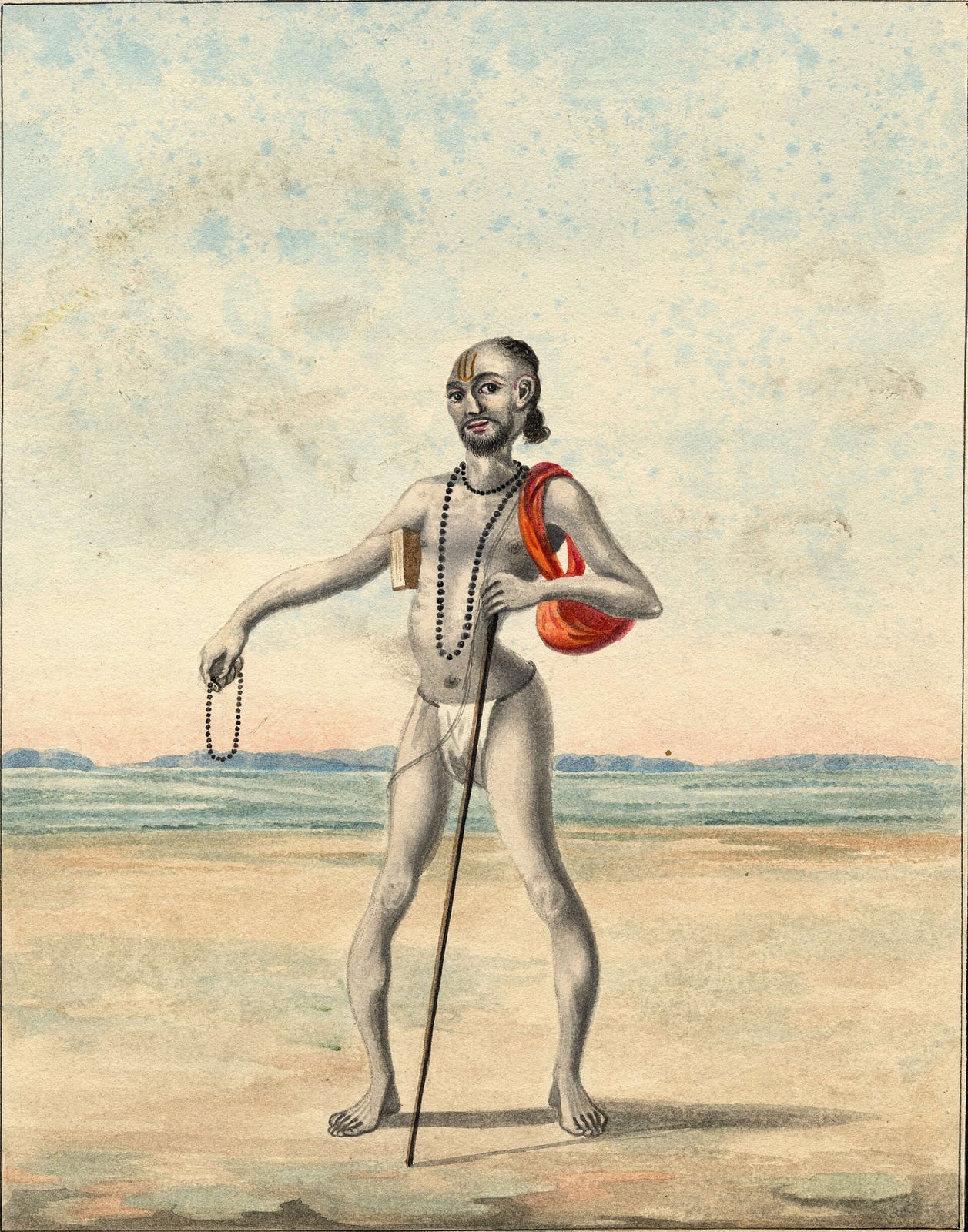 AshtavakraThe Absolute is the witnessing consciousness, one, full and actionless
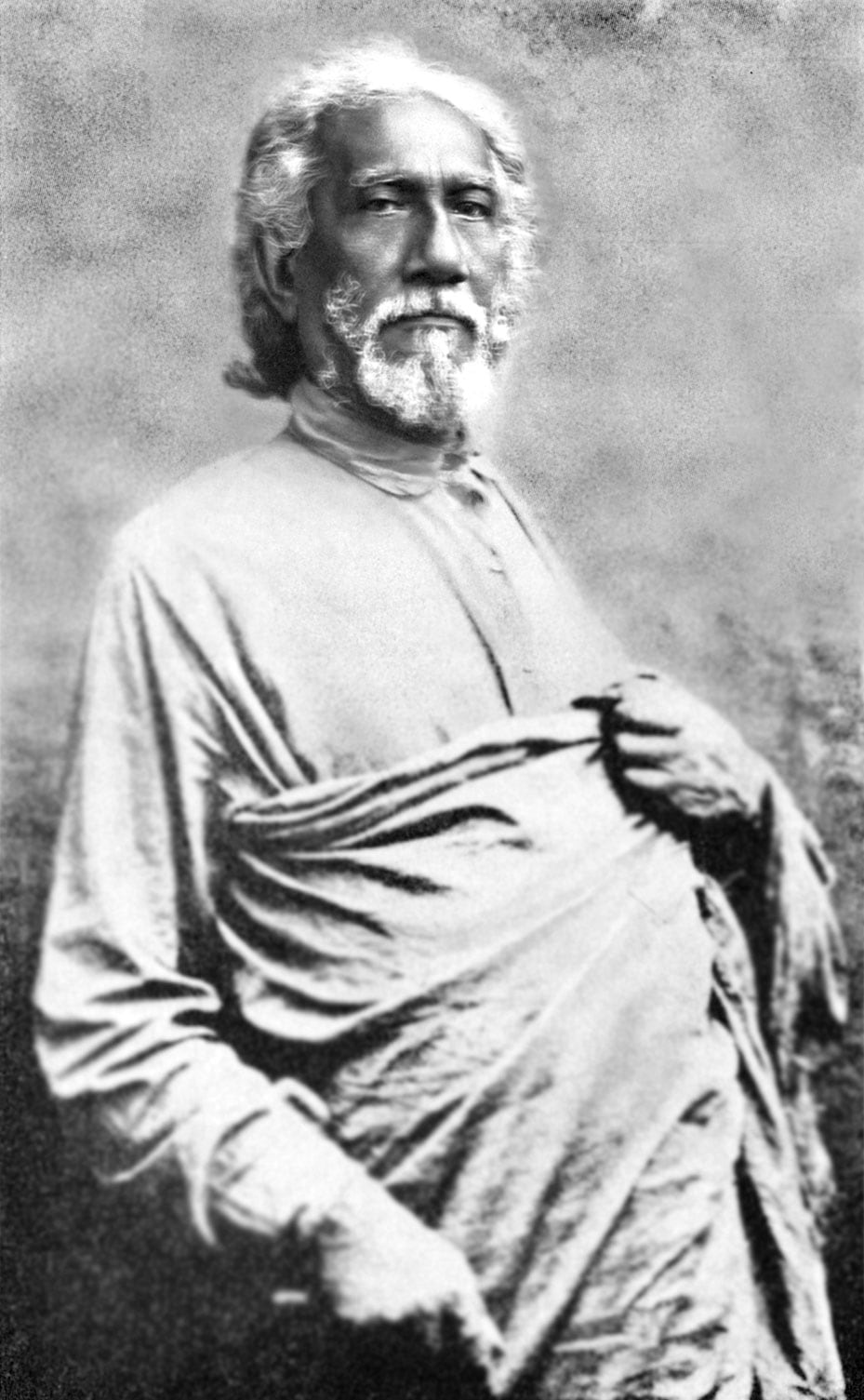 Sri YukteswarParambrahma, the one eternal substance, manifests as Father, Son and Om
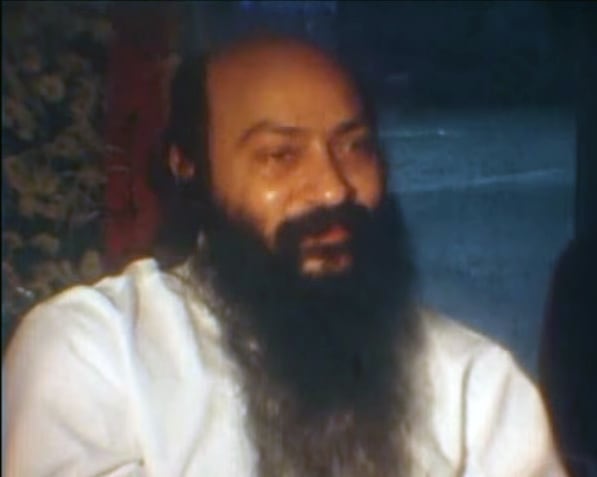 OshoThere is no personal God: only the godliness of existence itself
- BByron KatieShe calls reality as it is God, because it is reality that rules
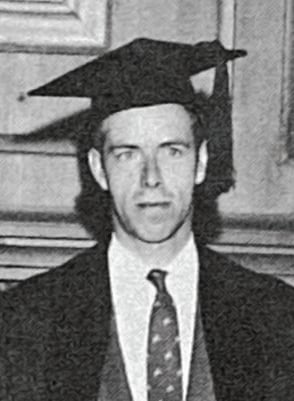 Alan WattsGod is no separate monarch: he is the whole playing at being each one
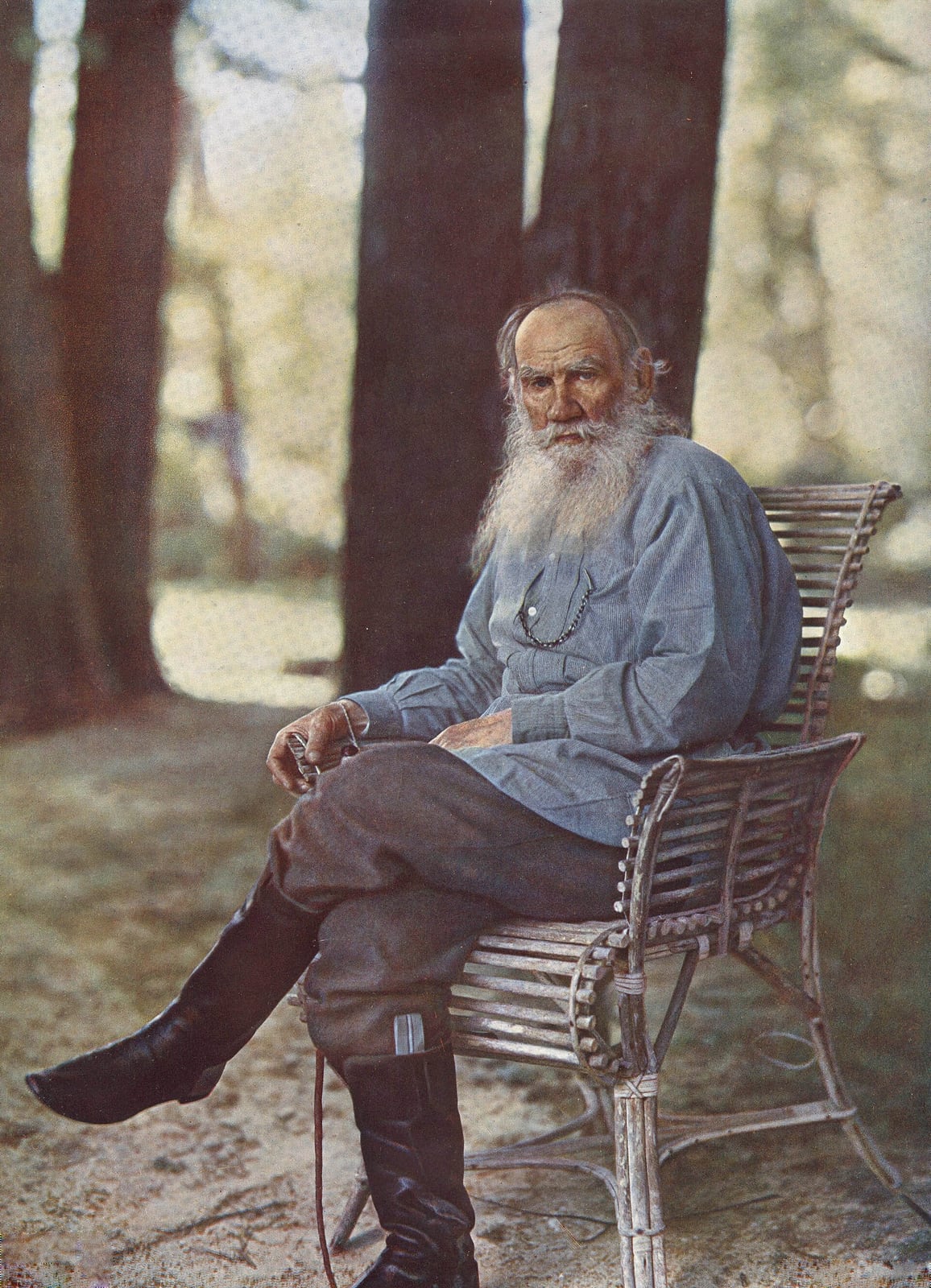 Leo TolstoyGod is spirit, love and source of all; knowing him and living are one
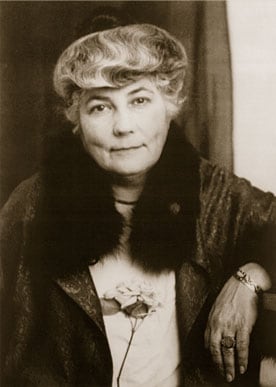 Helena RoerichAn infinite, impersonal Absolute, served by a Hierarchy of higher beings
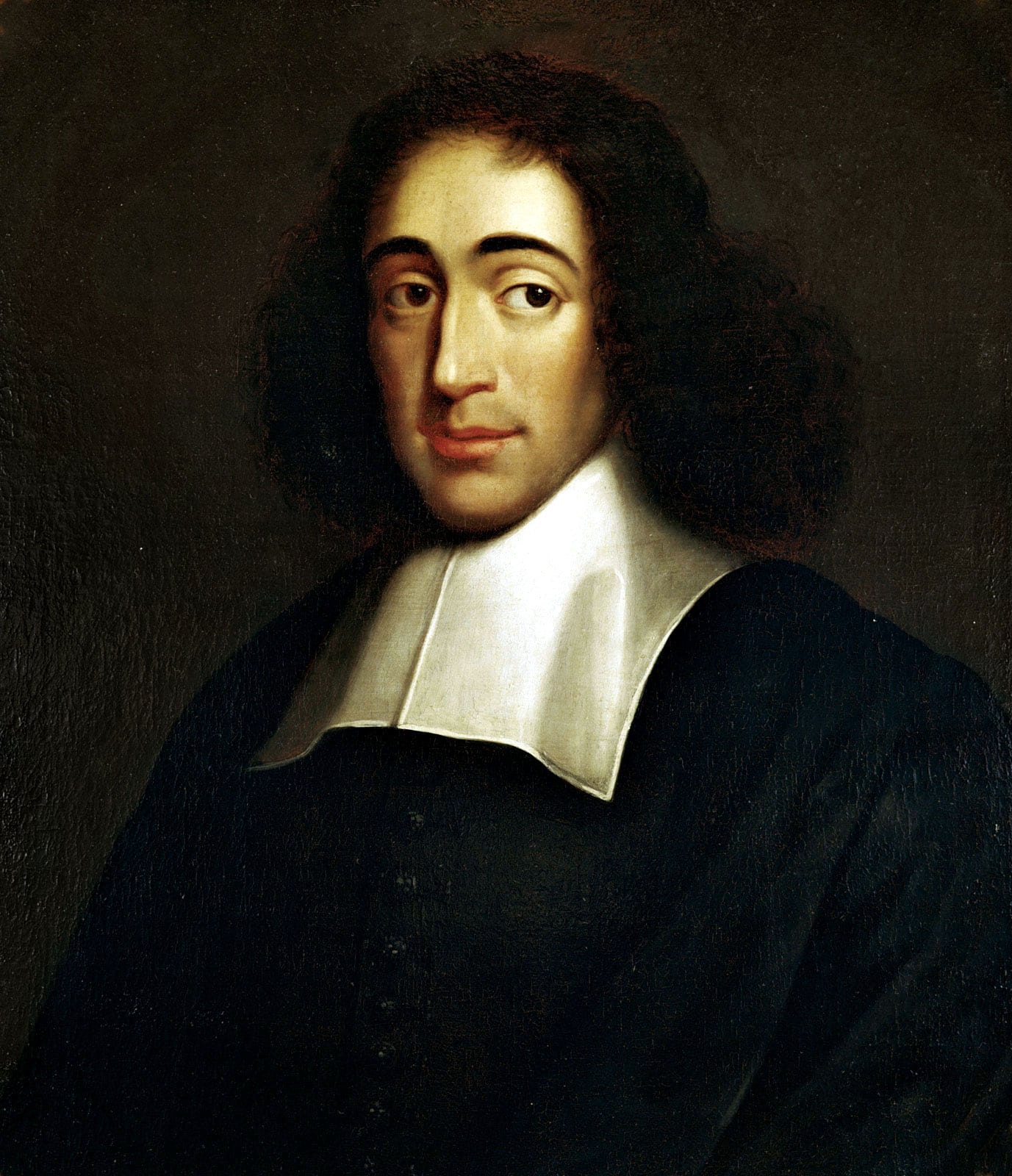 Baruch SpinozaGod, or Nature: an infinite substance without will or ends
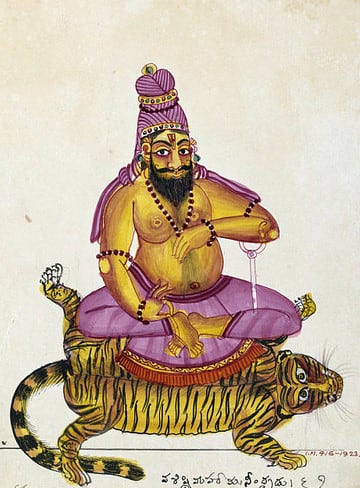 VasishthaThe only reality is pure consciousness; the universe is its imagining
 Uddalaka AruniIn the beginning there was only being, one without a second
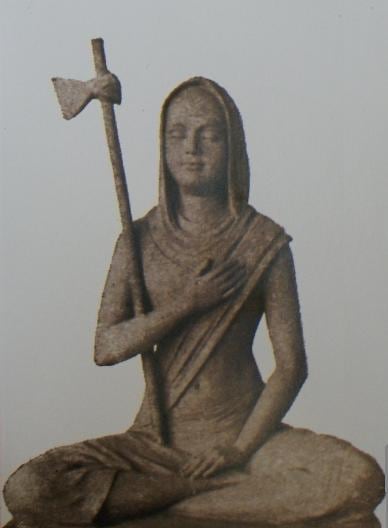 GaudapadaThe only reality is the fourth, turīya: non-dual, unborn, without mark
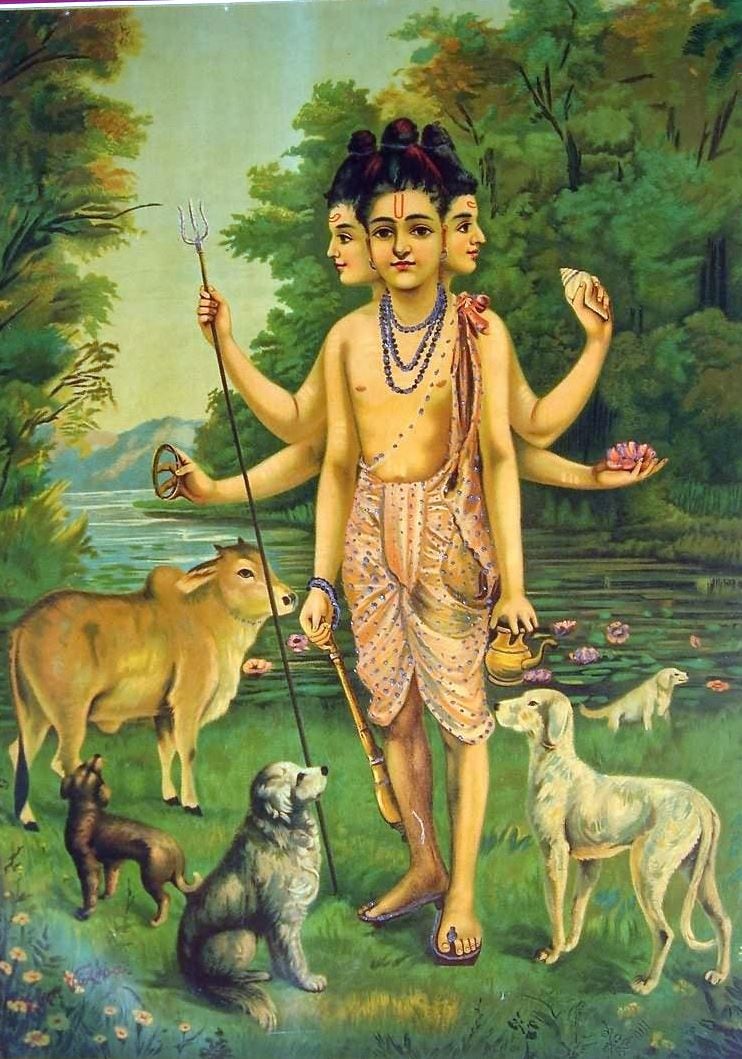 DattatreyaAll is filled by the Self: formless Śiva, undivided and imperishable
شخصي وغير شخصي معًا
The divine has a personal face and a formless ground; both are true depending on the level.
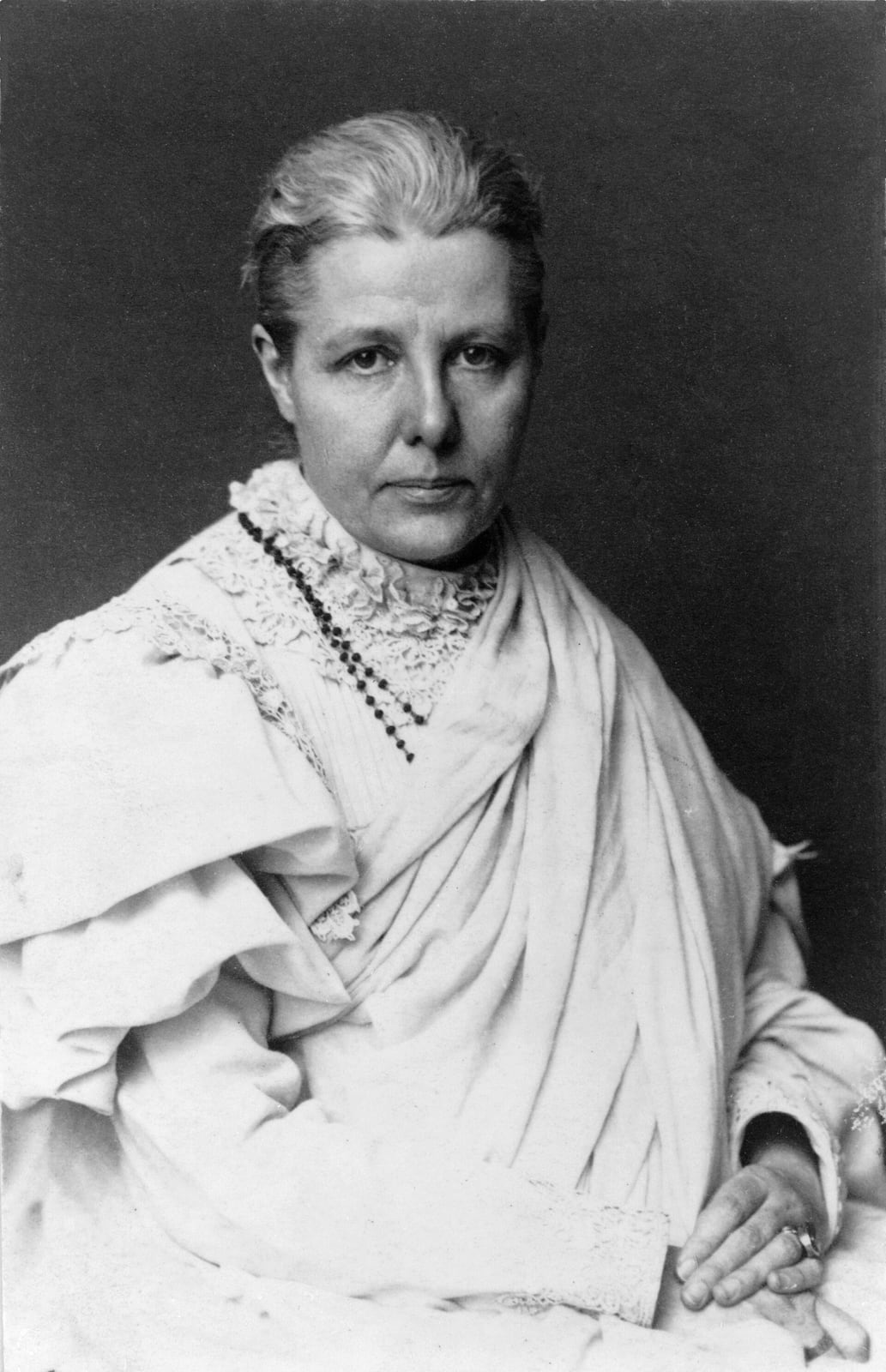 Annie BesantOne Existence from which proceeds a Logos that does relate
 Ibn ArabiThe Essence is unknowable; God makes Himself known through His Names
 David R. HawkinsDivinity is immanent as the Self and transcendent as the Unmanifest
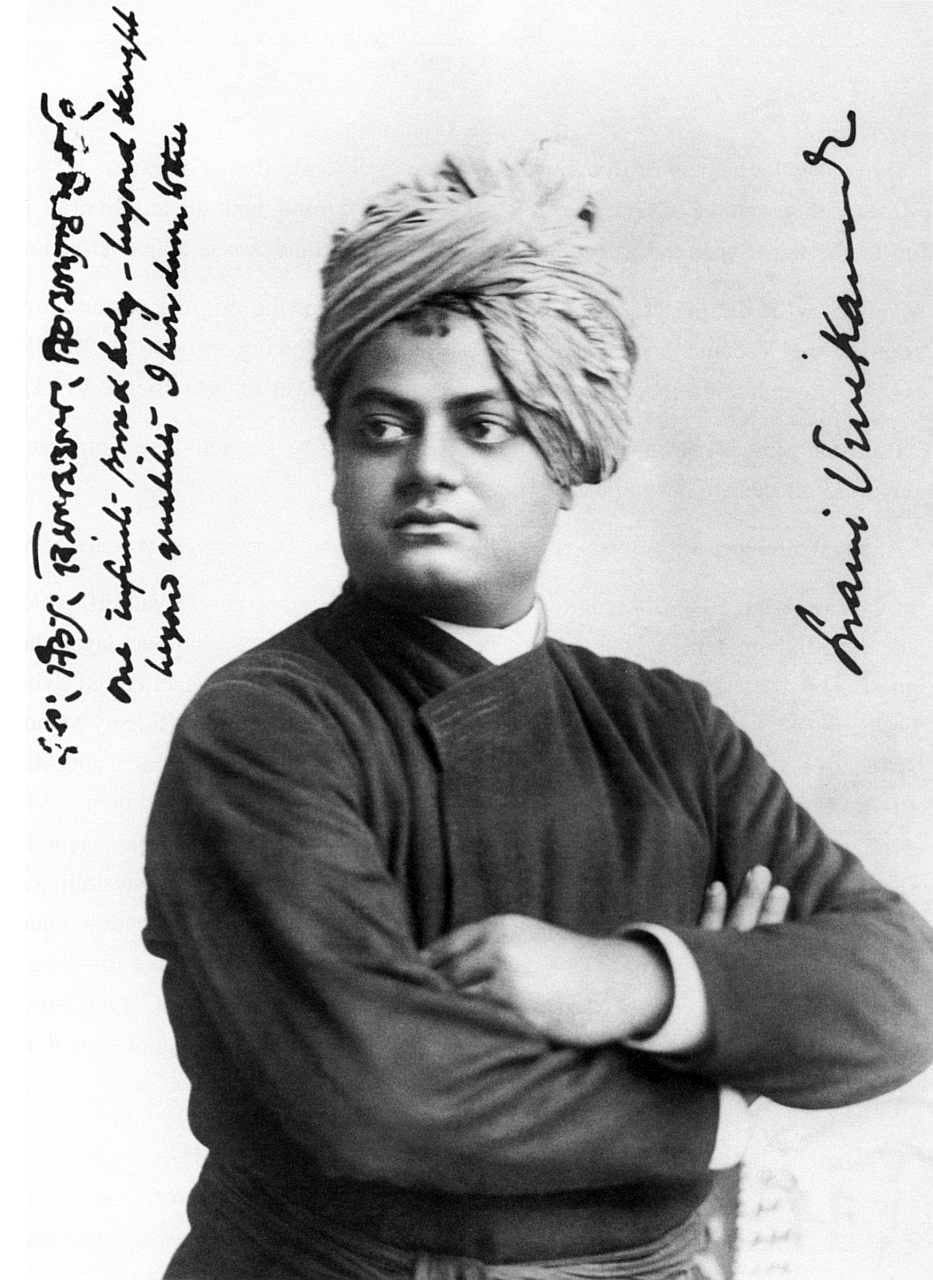 Swami VivekanandaThe personal God is the Absolute as read by the human mind
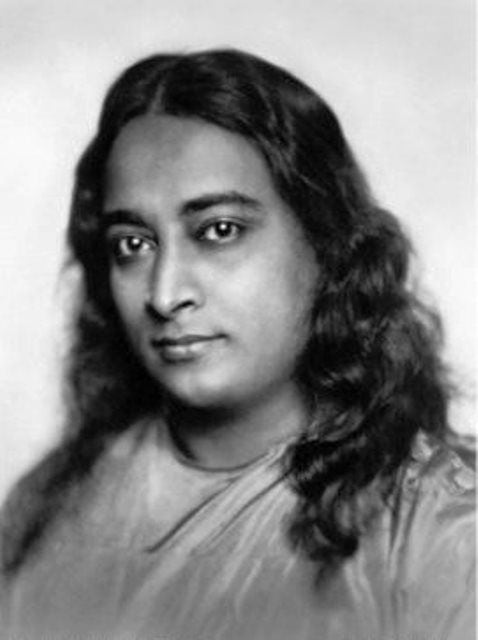 Paramahansa YoganandaGod is formless Spirit and also Divine Mother to whom one speaks
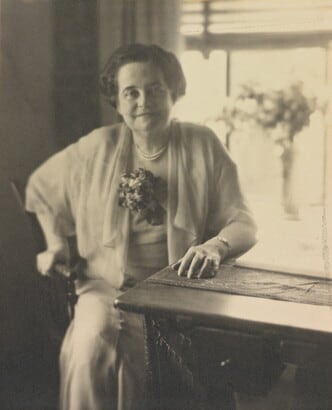 Alice A. BaileyAn Absolute of which nothing can be said, and conscious Logoi animating the worlds
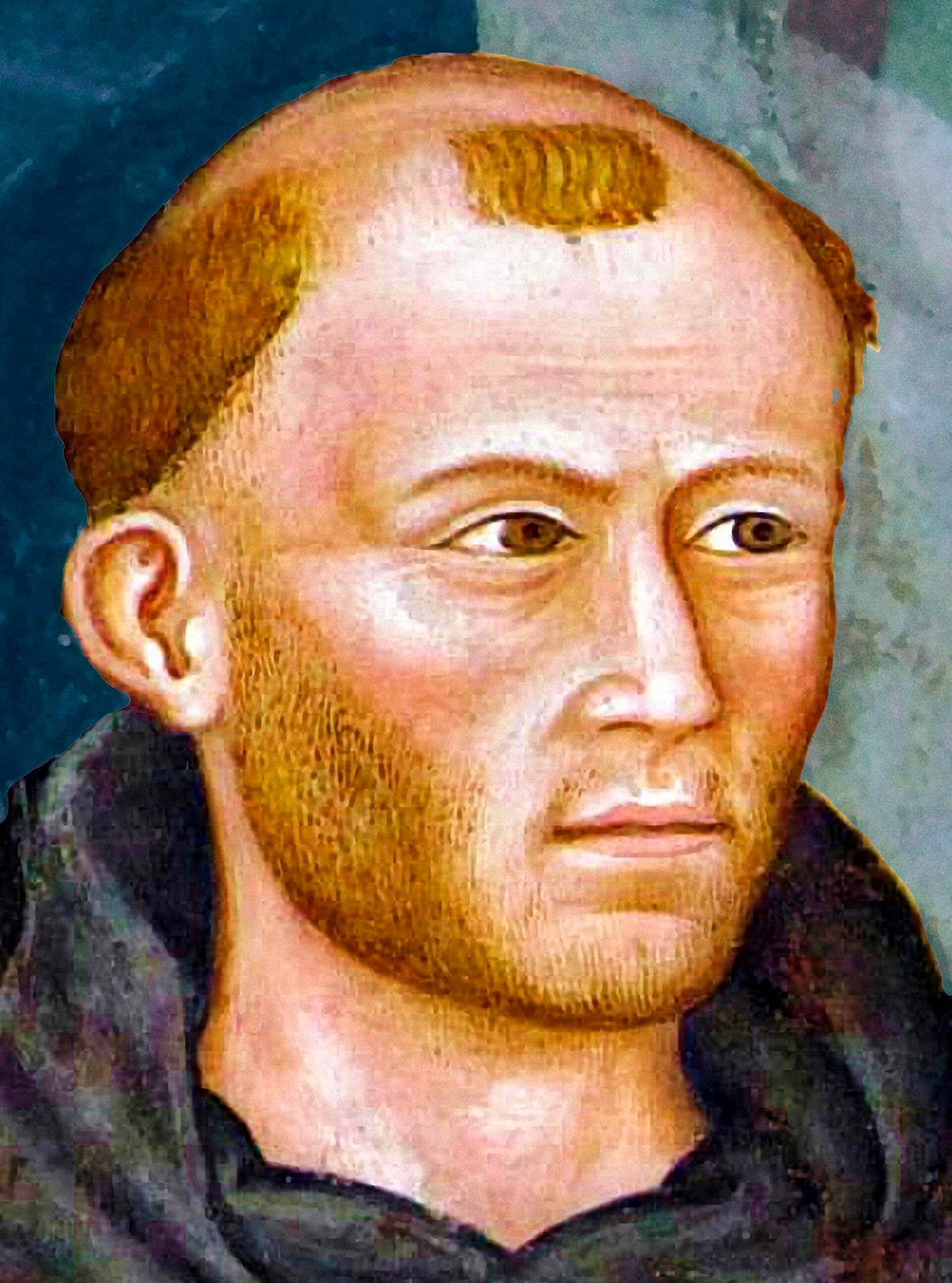 Meister EckhartBeyond the God of three Persons lies the modeless Godhead
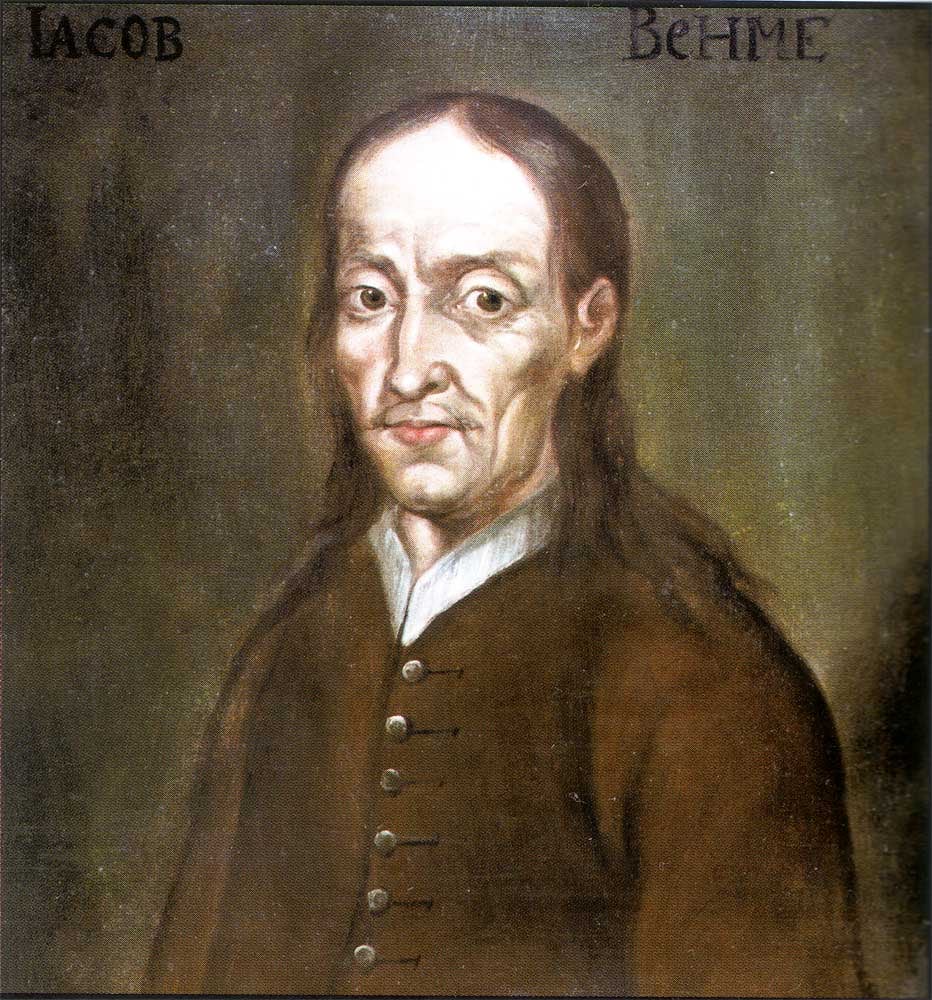 Jakob BöhmeFrom the will-less Unground the self-revealing God is born
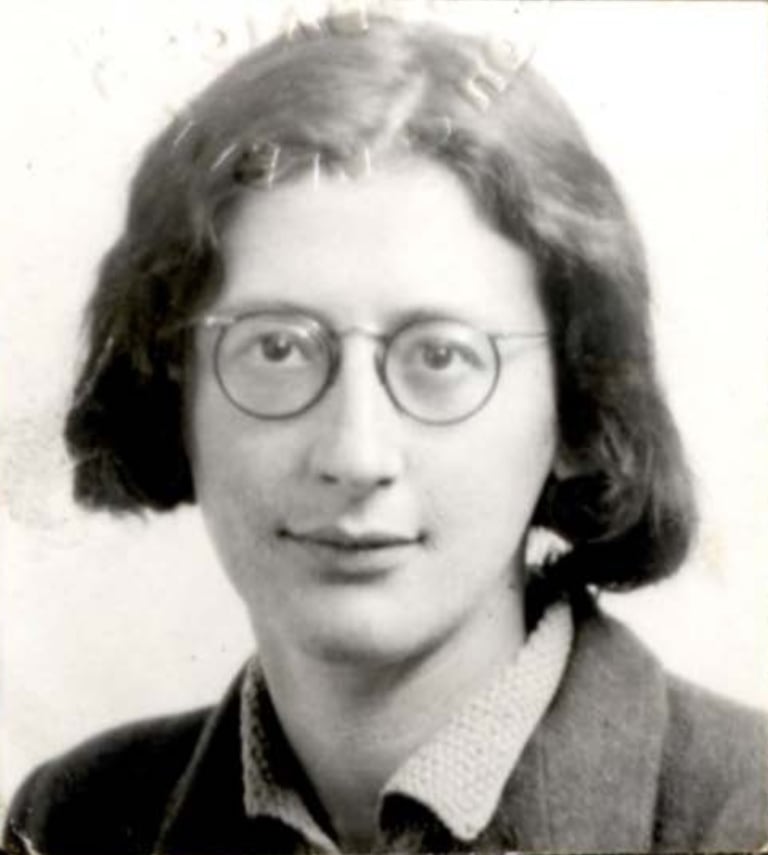 Simone WeilGod is love that withdraws in creating: personal and impersonal at once
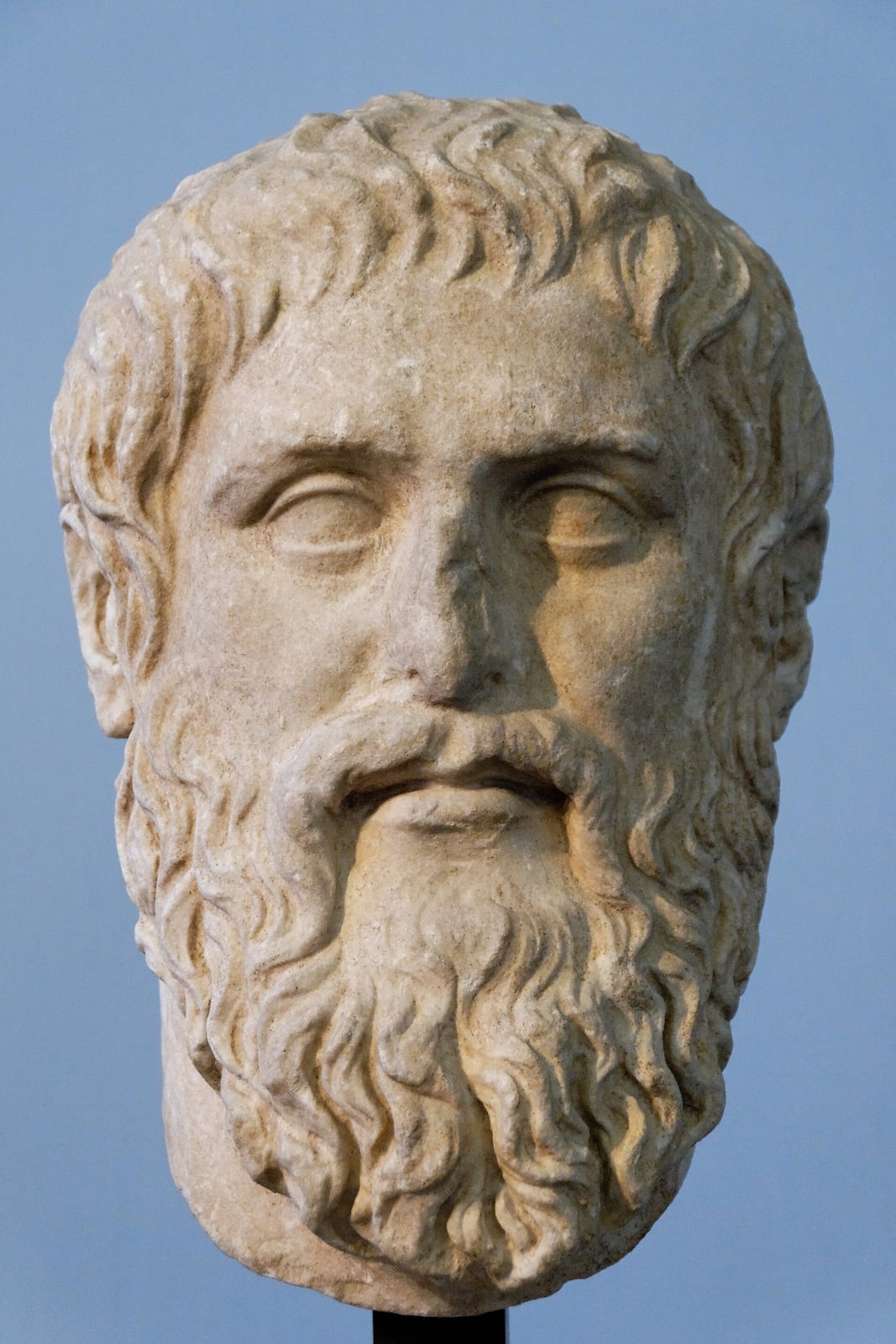 PlatoA Good beyond being and a good craftsman who willed the world
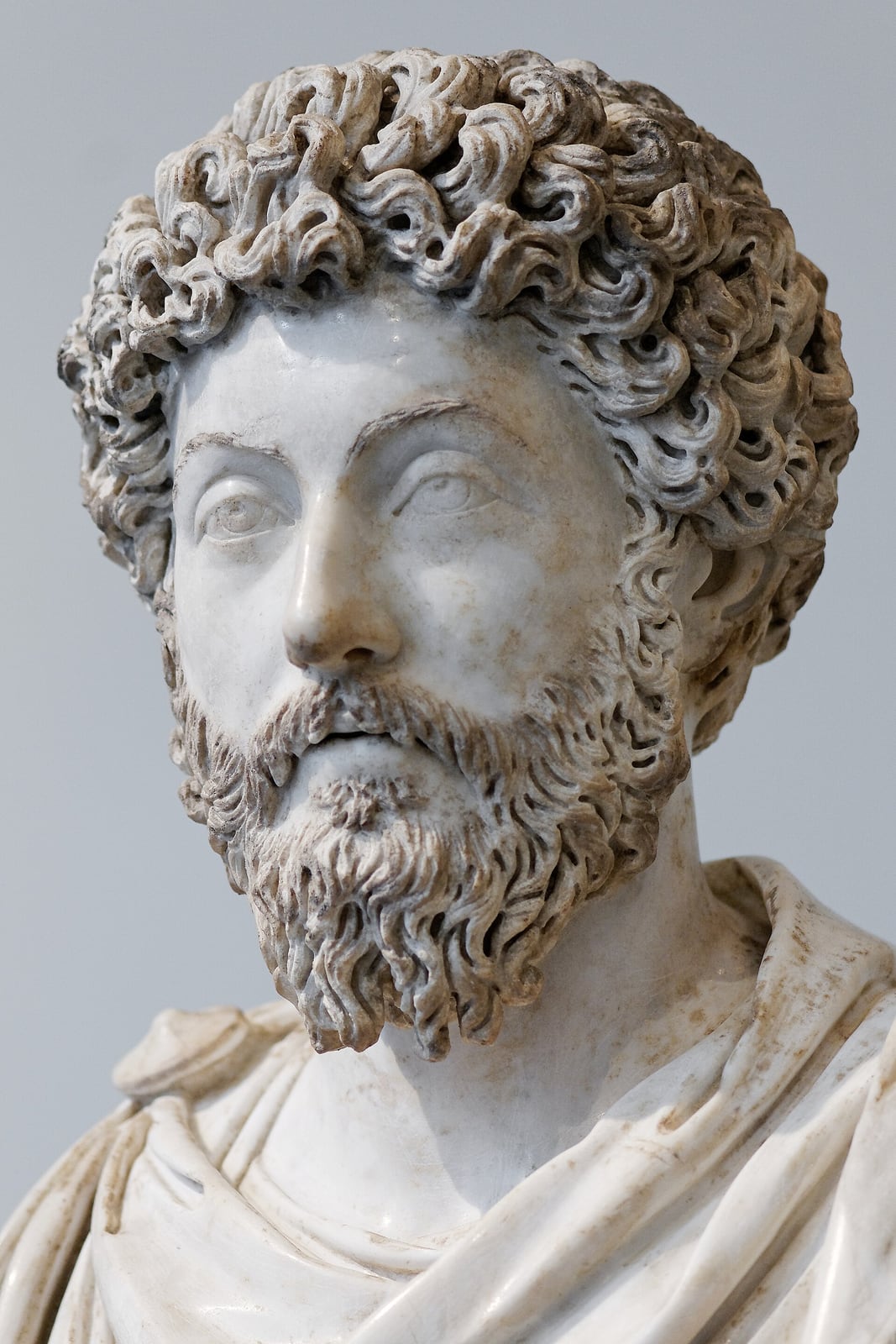 Marcus AureliusOne rational living being and gods who help, or else atoms
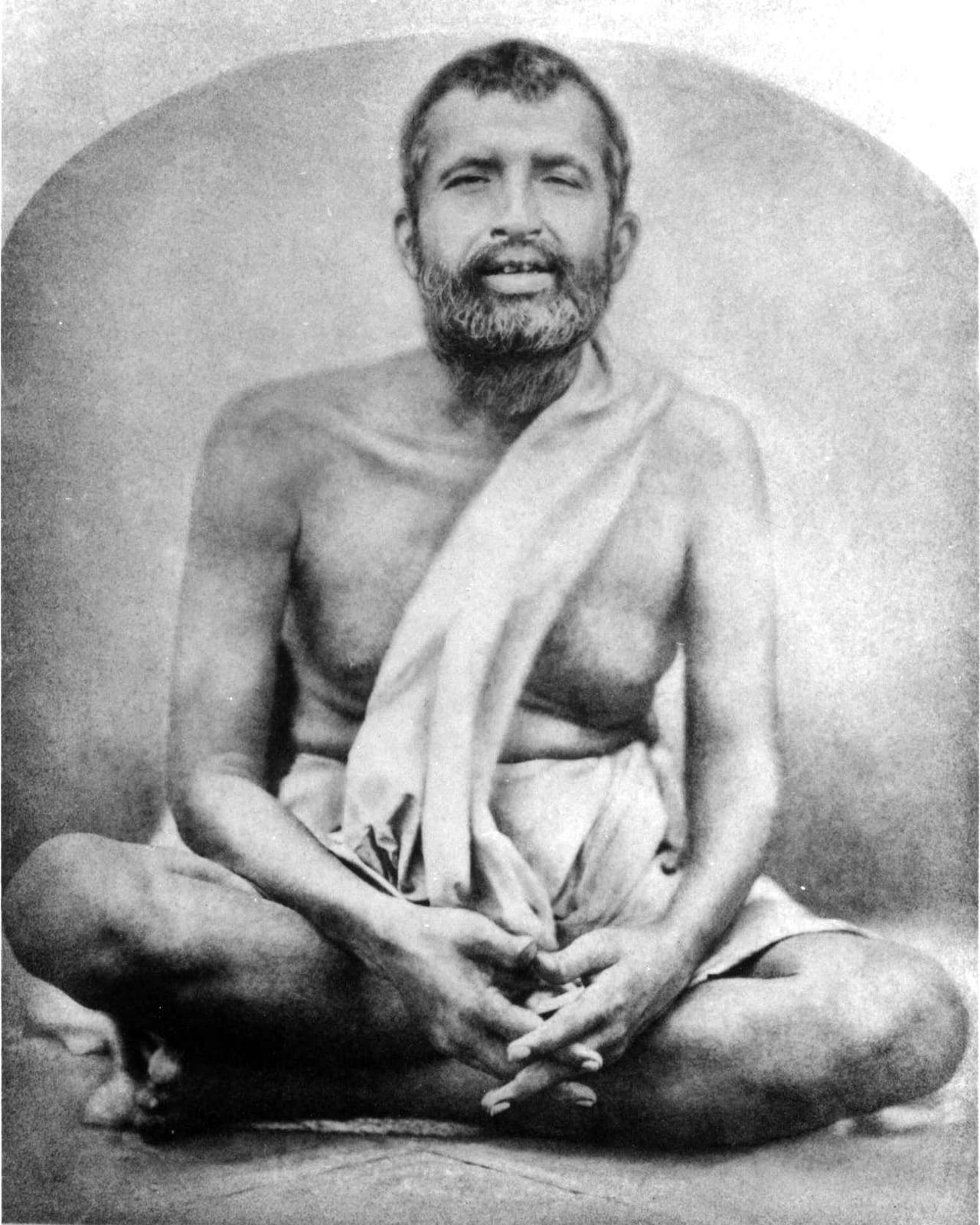 RamakrishnaBrahman and Shakti are one: the divine with form and without form
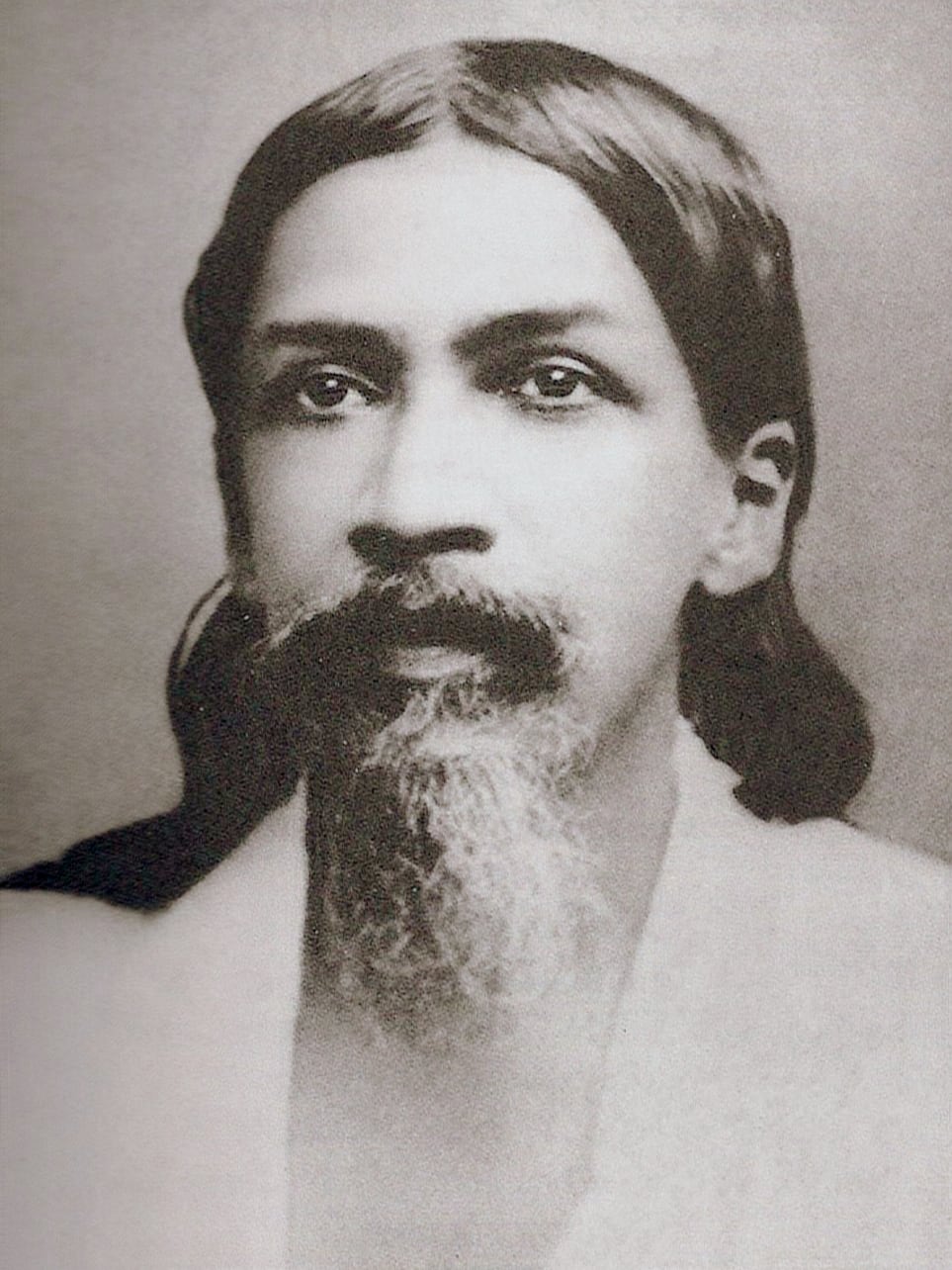 Sri AurobindoSachchidananda is at once impersonal Being and divine Person
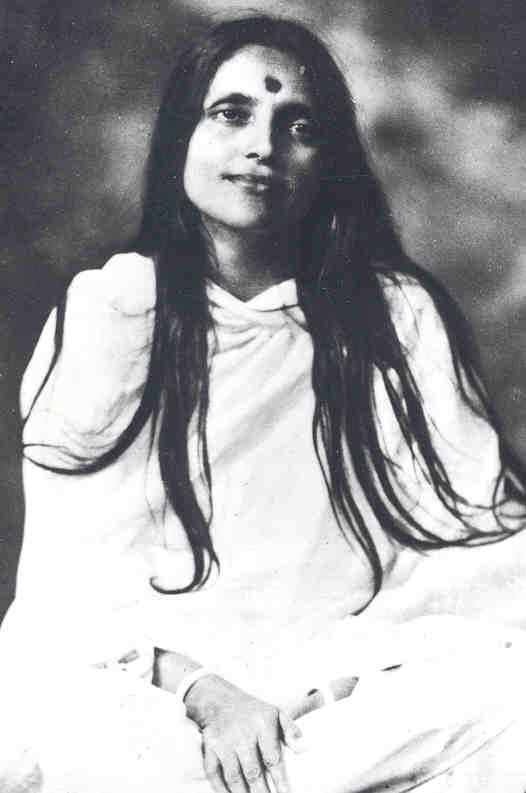 Anandamayi MaThere is nothing but Him: with form and without, all is God
 Meher BabaGod alone is real: featureless infinite and Beloved who incarnates
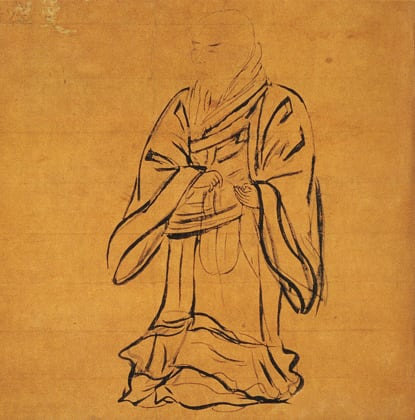 ShinranAmida is compassion that calls, and also the form of the formless
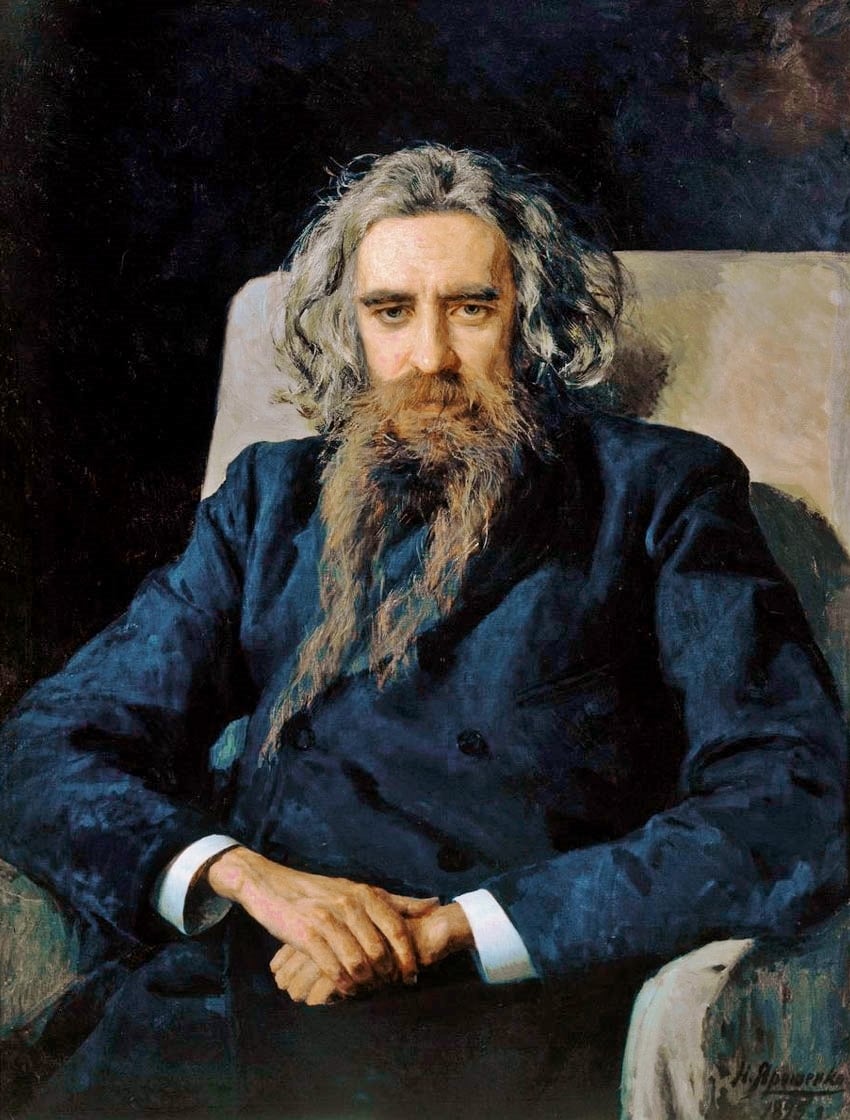 Vladimir SolovyovThe Absolute is all-unity: a superessential ground and a Trinitarian God at once
 Nikolai BerdyaevBefore God the creator lies an abyss of freedom; God is not a master
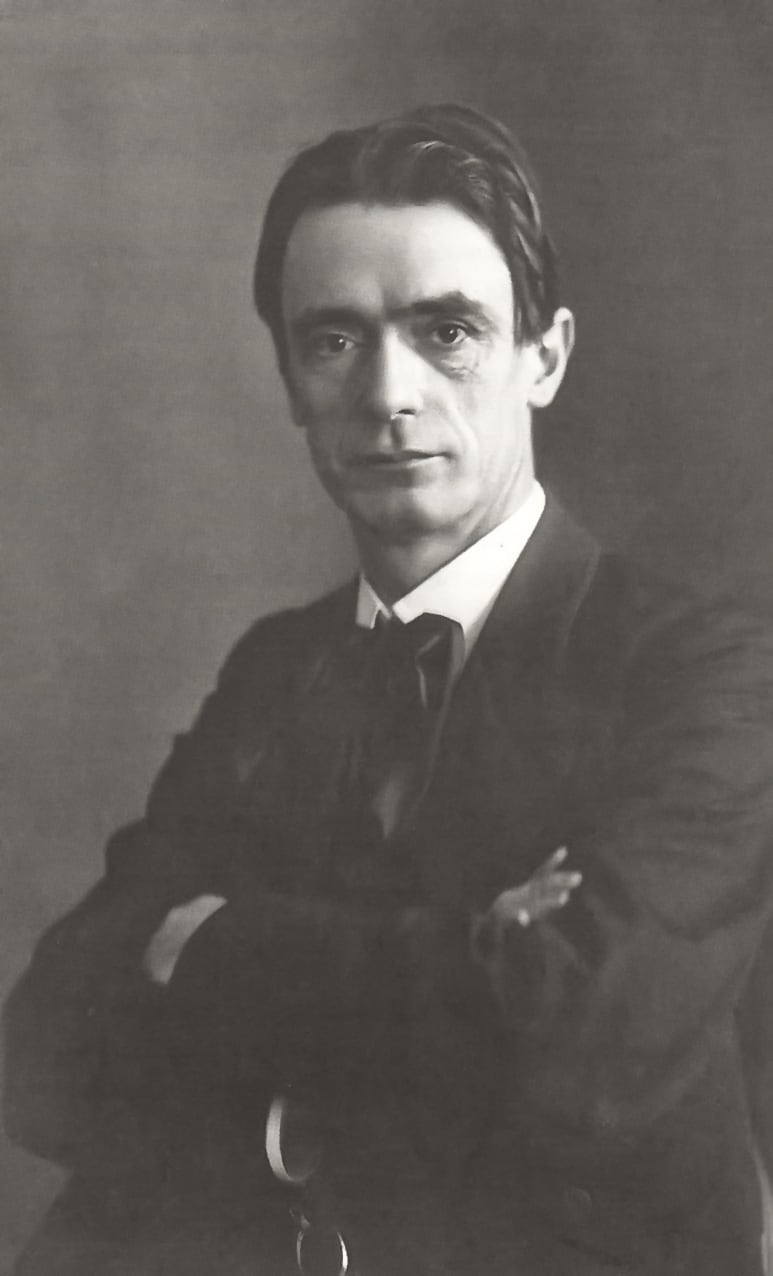 Rudolf SteinerA divine-spiritual world with hierarchies of beings and a cosmic Christ
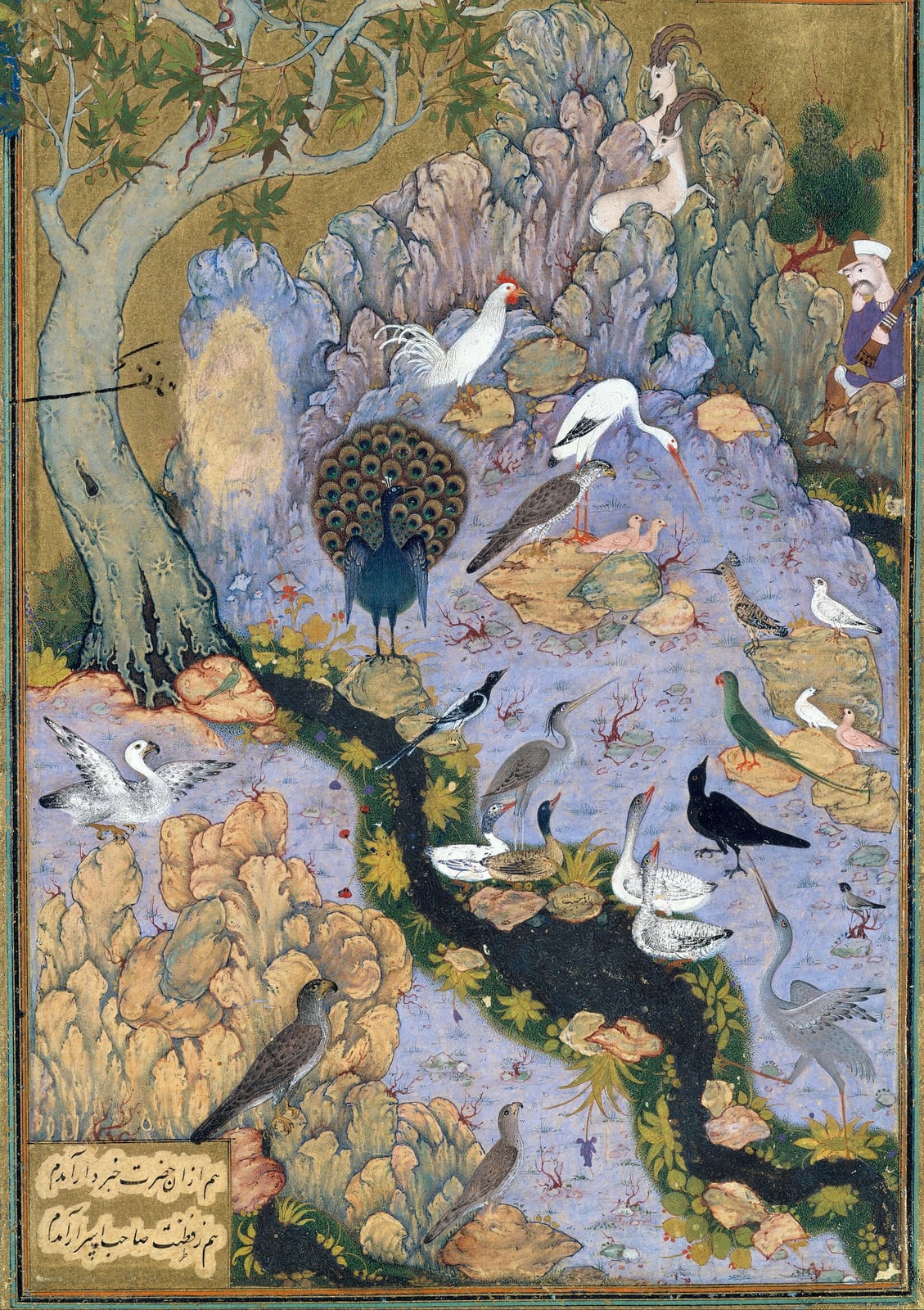 AttarThe Creator praised is also the mirror where the seeker is lost
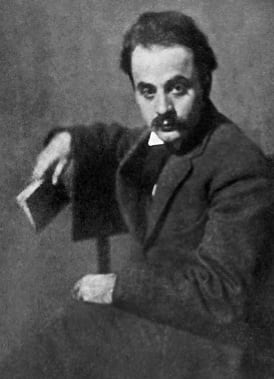 Kahlil GibranA God who plays with children and in whose heart we live
 Baal Shem TovThe King one serves fills everything: in every letter there is divinity
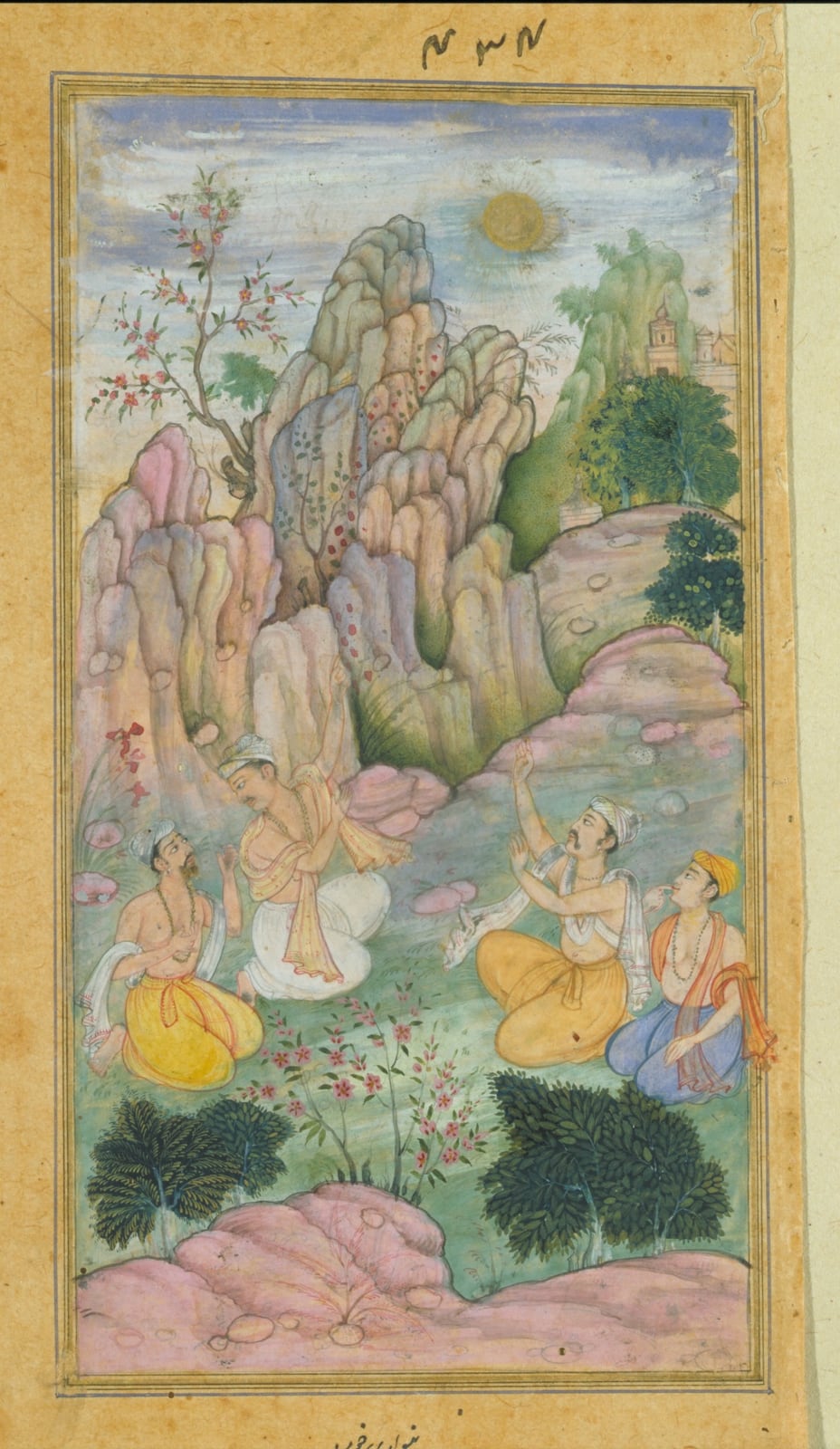 VyasaFormless Brahman and the supreme Lord: the Gītā holds both
لا إله خالق
Liberation does not depend on a God; the question of a creator does not lead to the end of suffering.
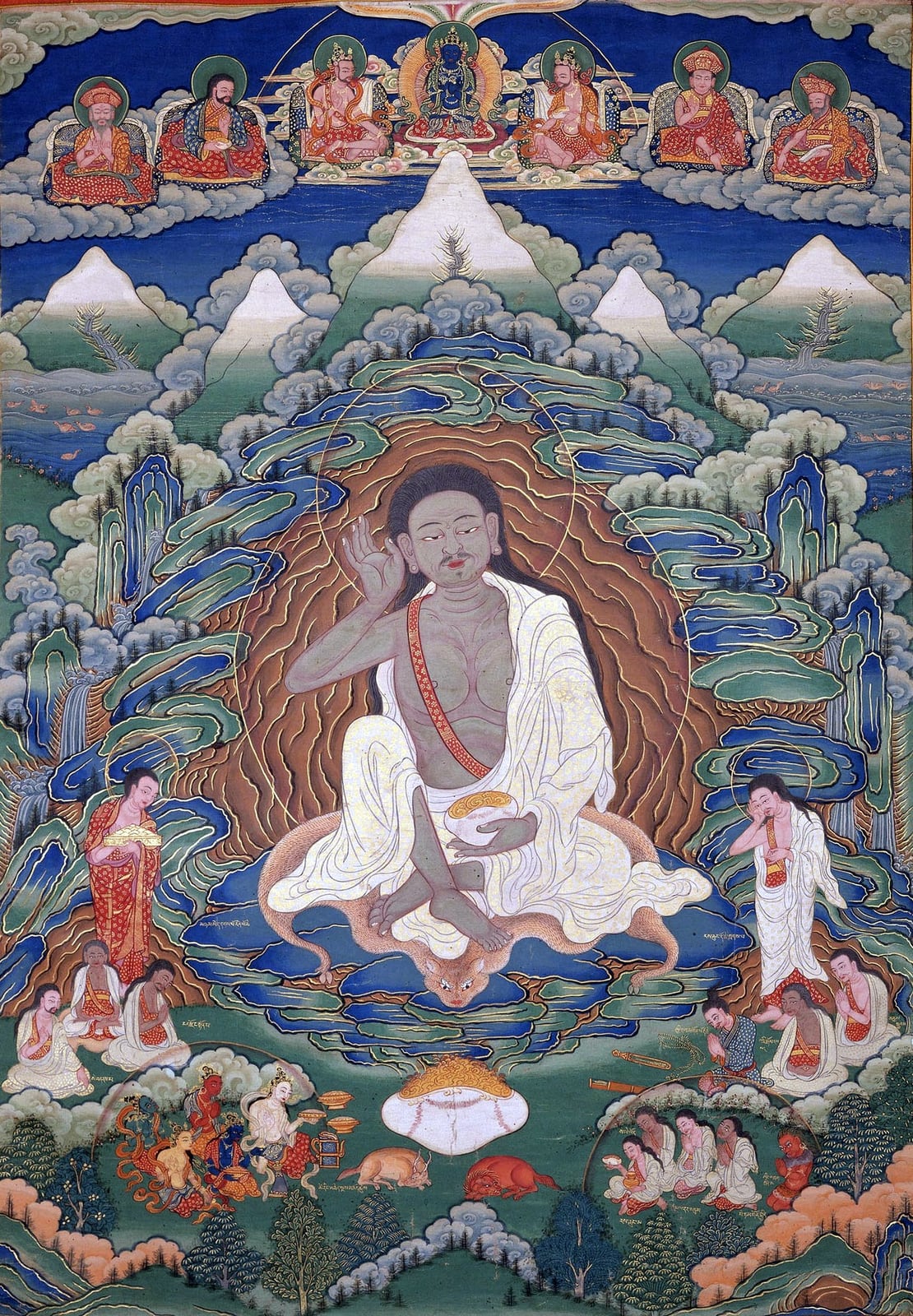 MilarepaHe seeks no creator: the ultimate is the nature of one's own mind
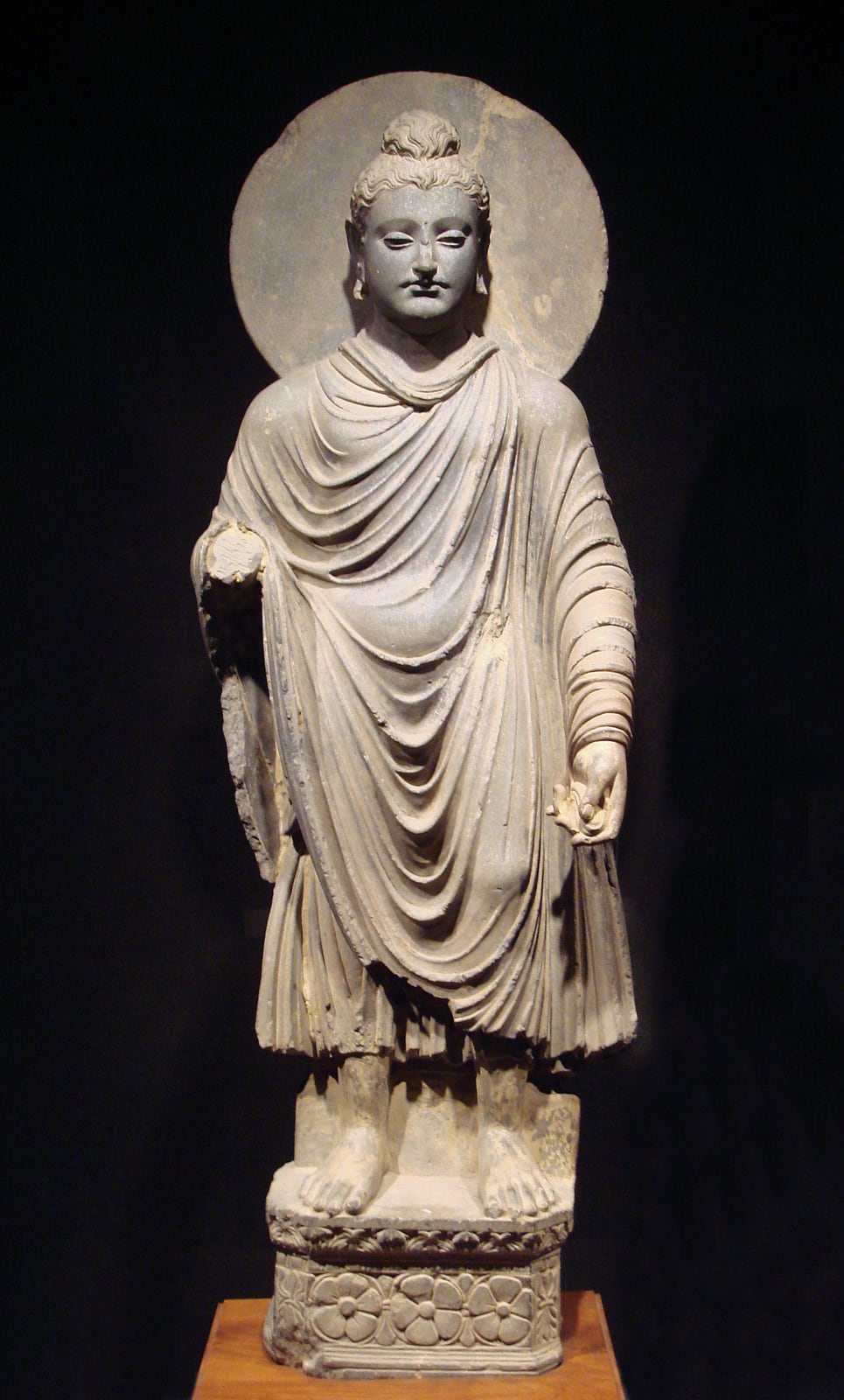 Siddhartha Gautama, the BuddhaLiberation does not depend on a creator, nor does the question lead to it
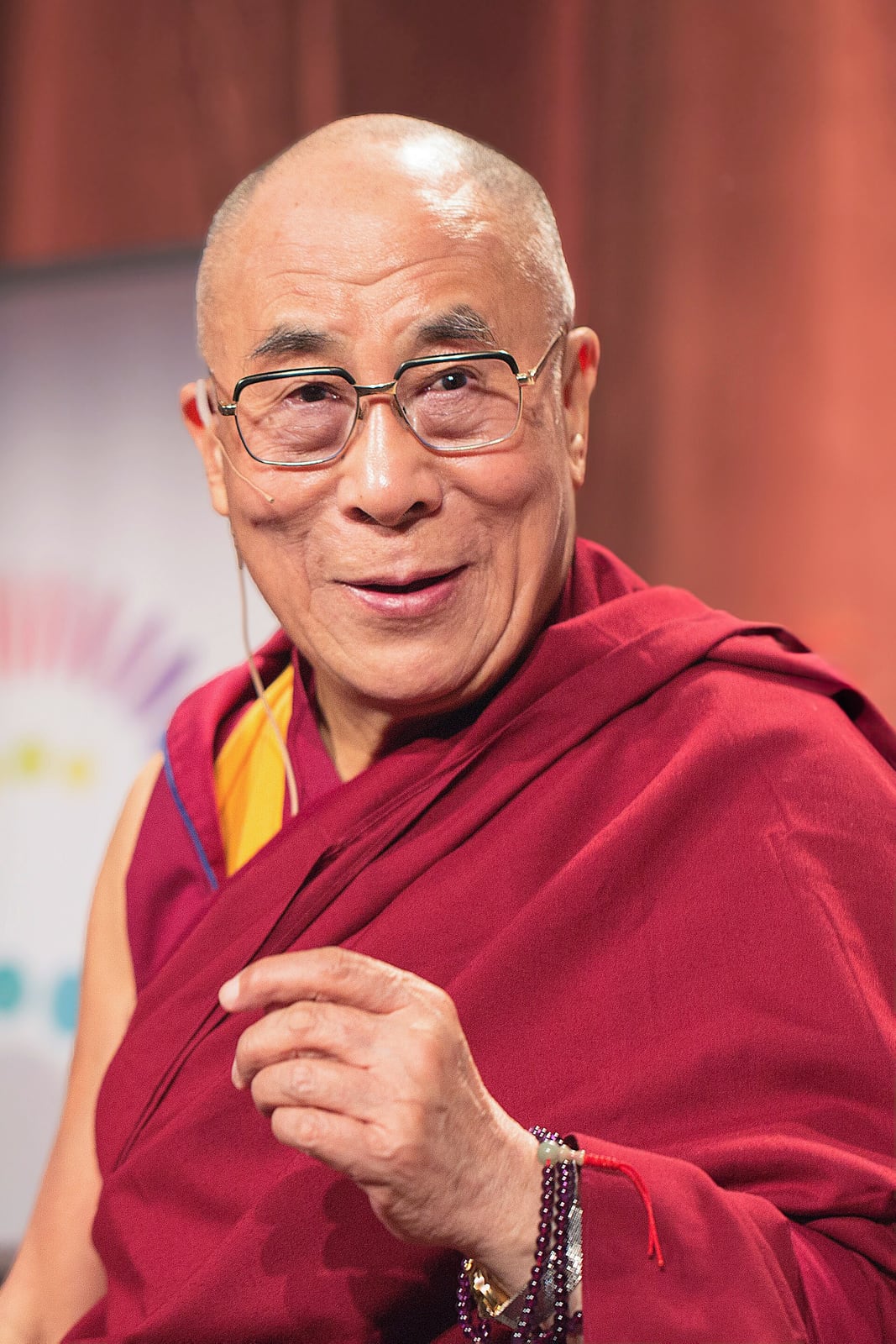 The 14th Dalai Lama (Tenzin Gyatso)Buddhism does not accept a creator, and respects those who do
 NāgārjunaNeither creator nor Absolute: all is empty because it arises dependently
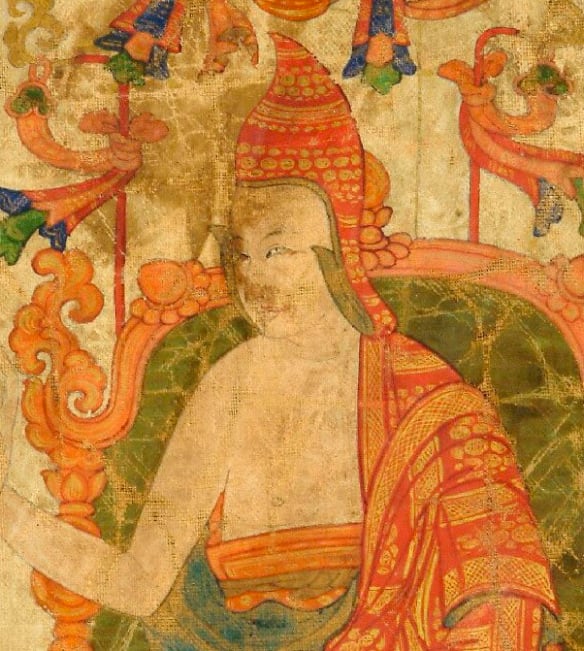 ŚāntidevaHe refutes the creator god; buddhas do not create the world, they teach the path
 TsongkhapaNothing escapes emptiness, neither a god nor an Absolute
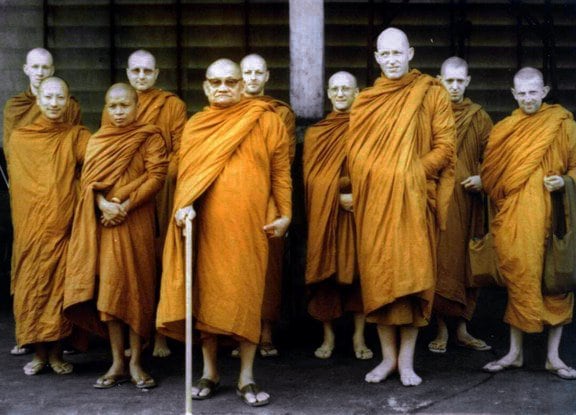 Ajahn ChahNo god intervenes: it is enough to see the transient and let it go
 EpicurusThe gods exist, happy and indifferent: they neither made the world nor govern it
 Pema ChödrönThere is no one outside to save us: nontheism is relaxing into uncertainty
 PatañjaliIshvara is a special purusha, not a creator; liberation is isolation
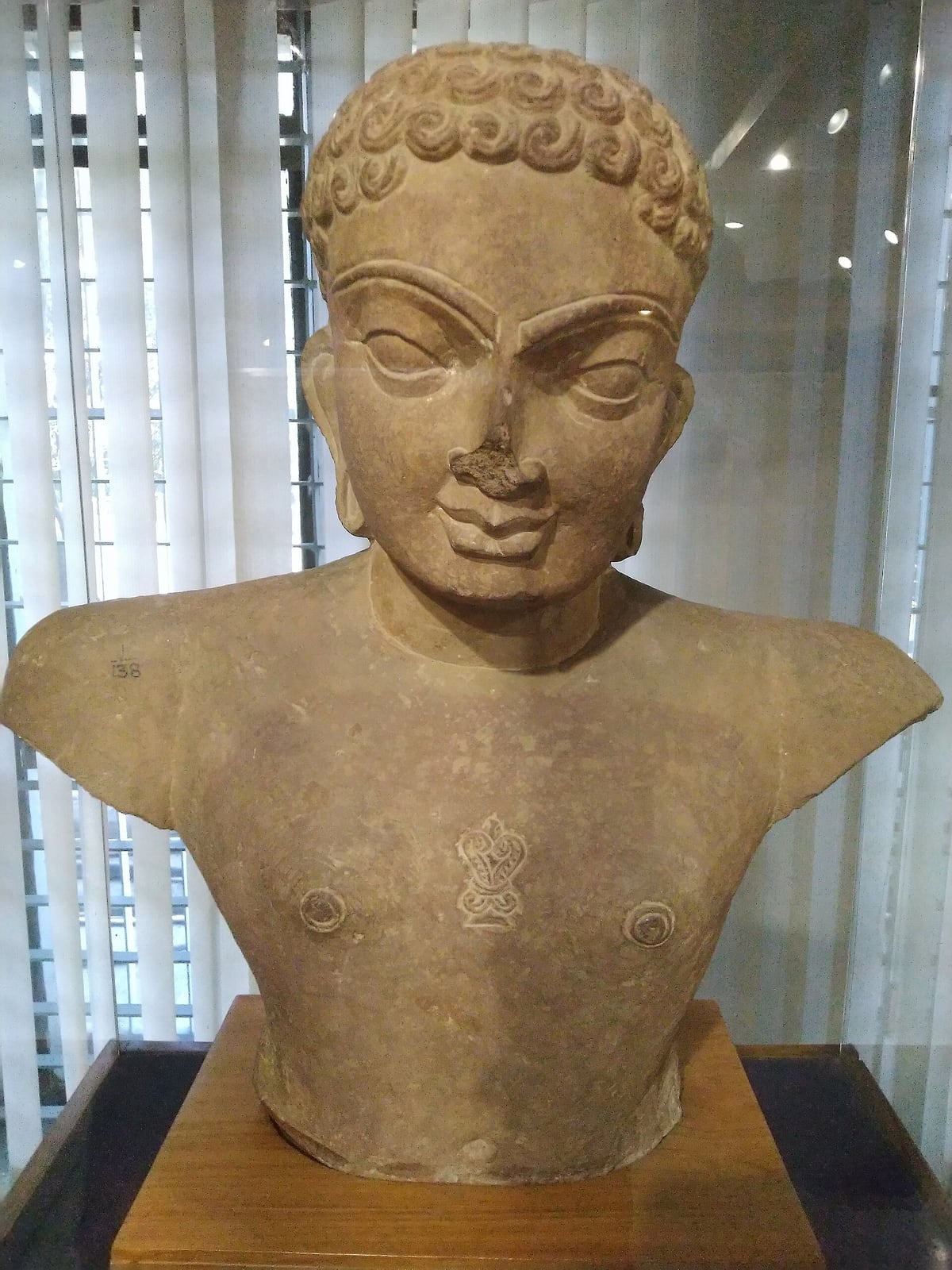 MahāvīraAn eternal universe with no creator; the divine is the liberated soul
 DōgenNo creator and no eternal mind: the whole of existence is buddha-nature
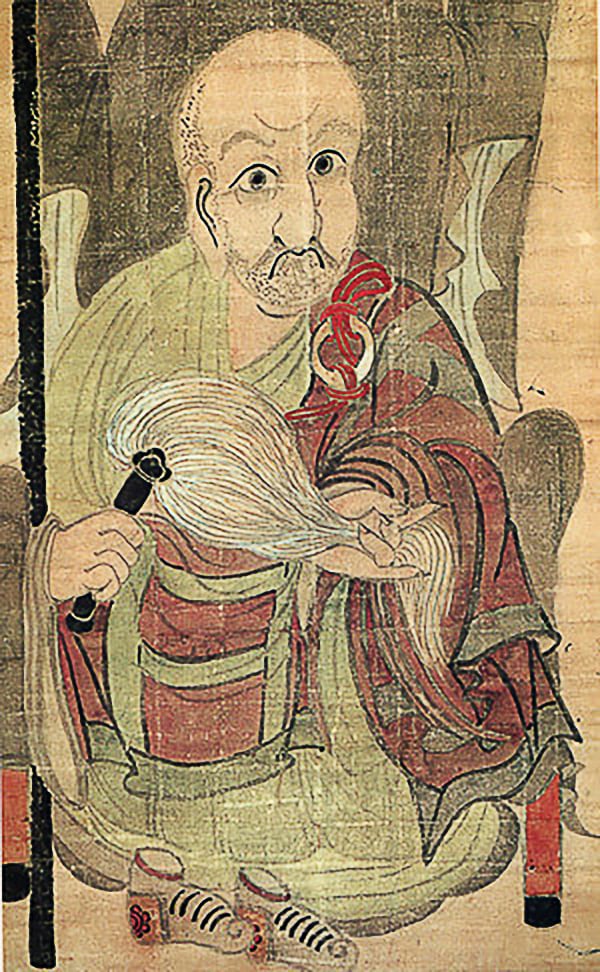 Hakuin EkakuBeings are buddha from the beginning; there is nothing to seek outside
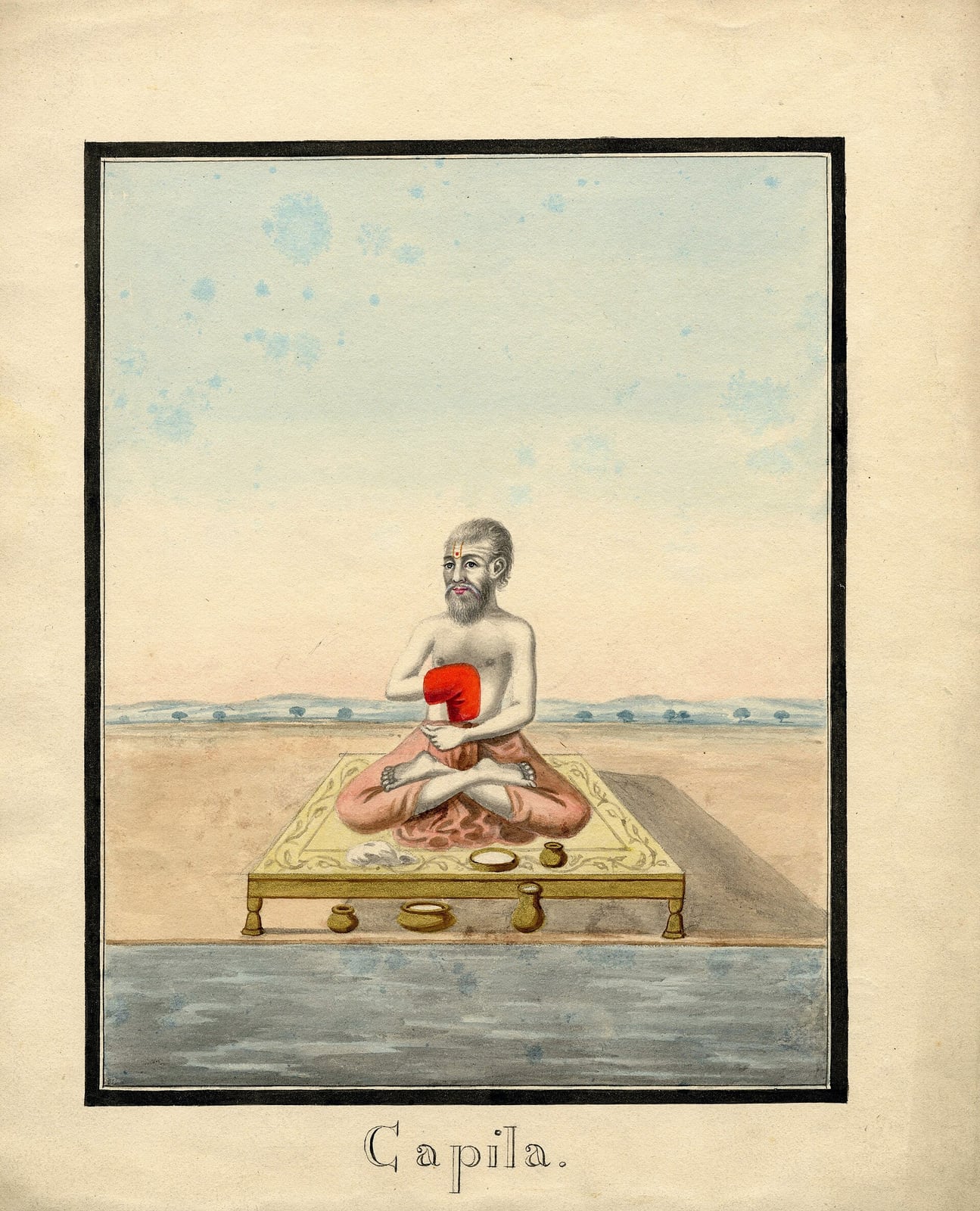 KapilaThe existence of a Lord is not proven: there are consciousnesses and nature
يعارض: إله شخصي
ما لا يُسمّى
The ultimate cannot be said; every name betrays it.
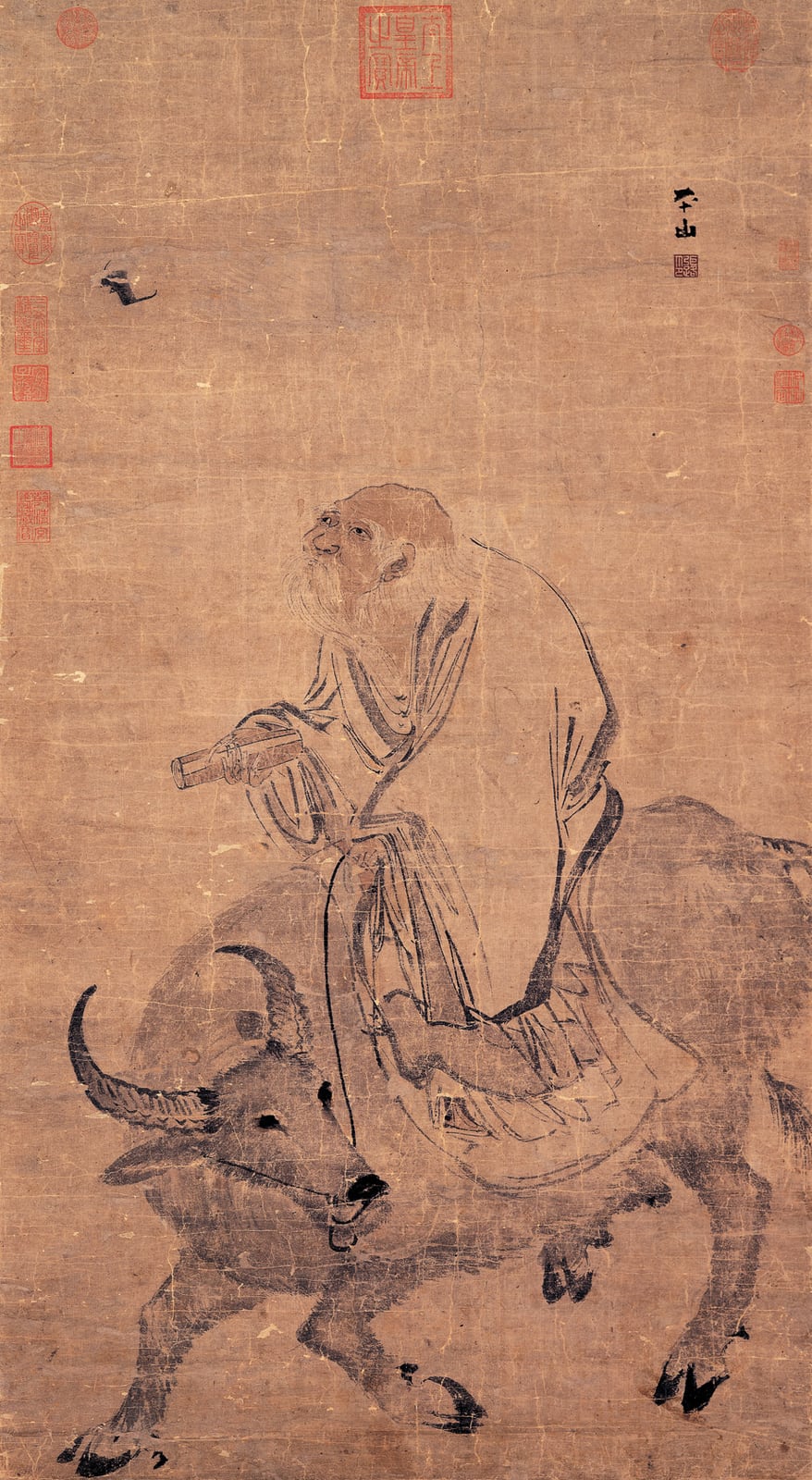 LaoziThe Dao that can be named is not the constant Dao
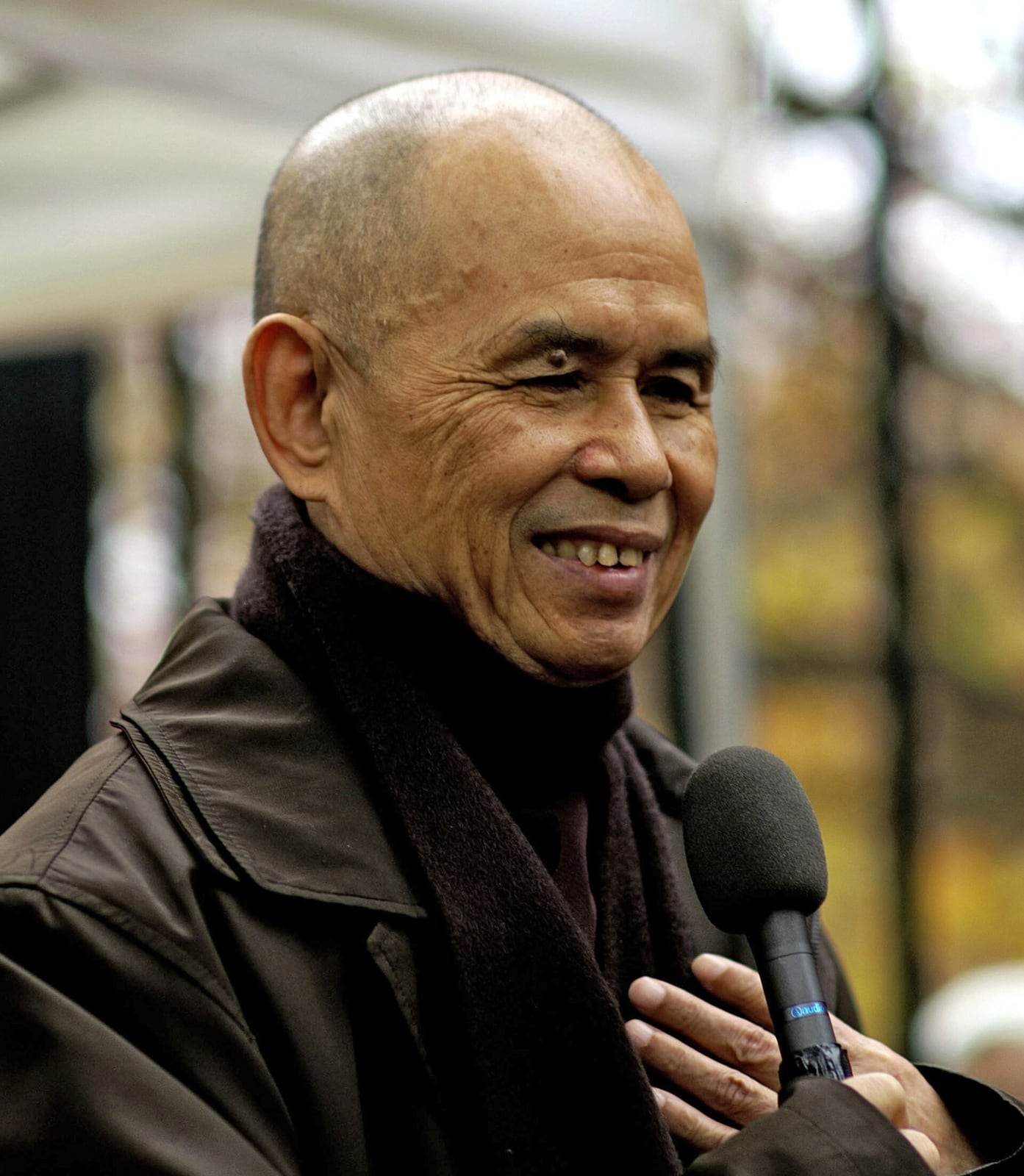 Thich Nhat HanhGod and nirvana belong to the ultimate dimension, which no concept reaches
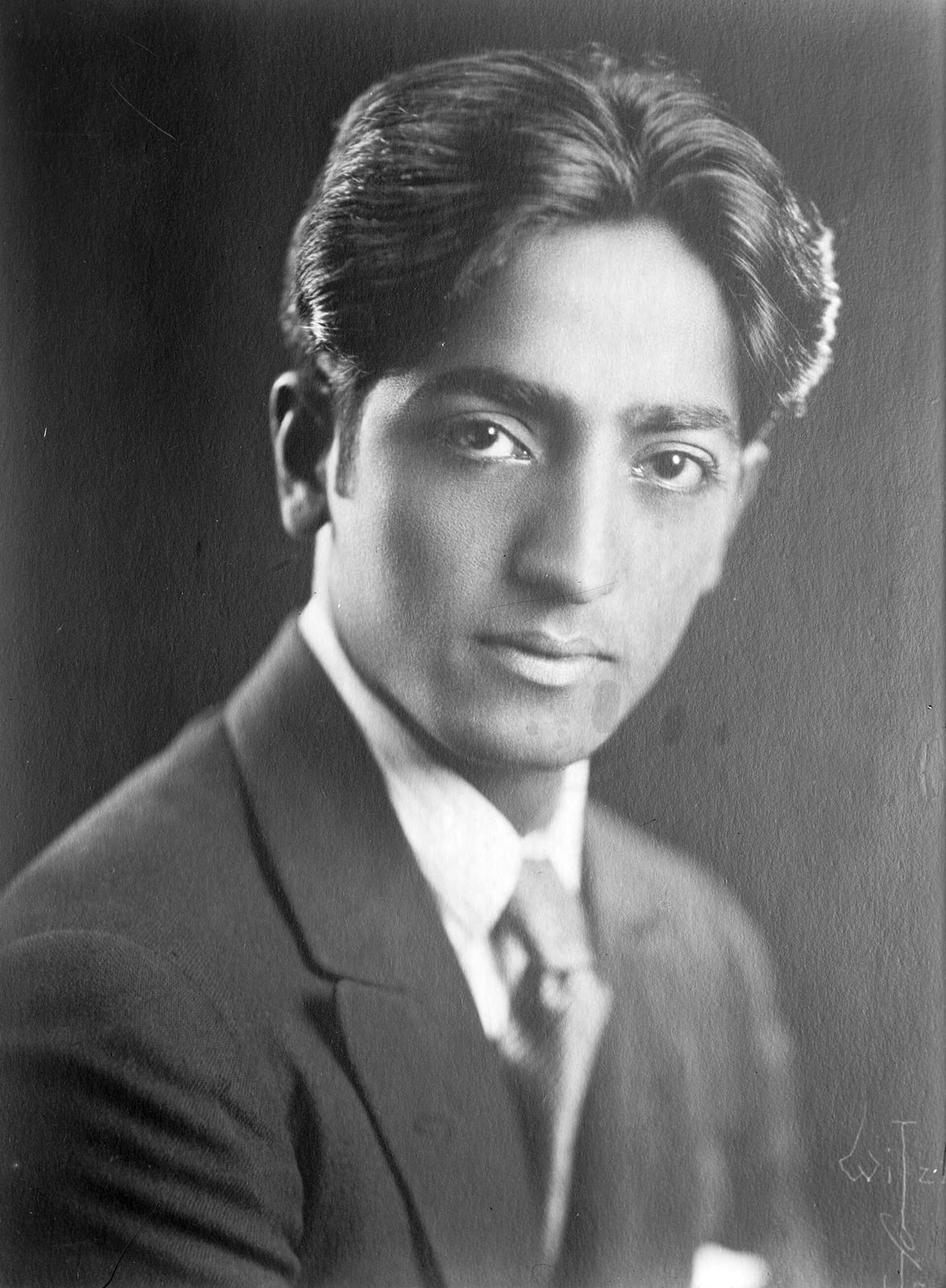 Jiddu KrishnamurtiThe God of thought is invented; the sacred appears only when thought falls silent
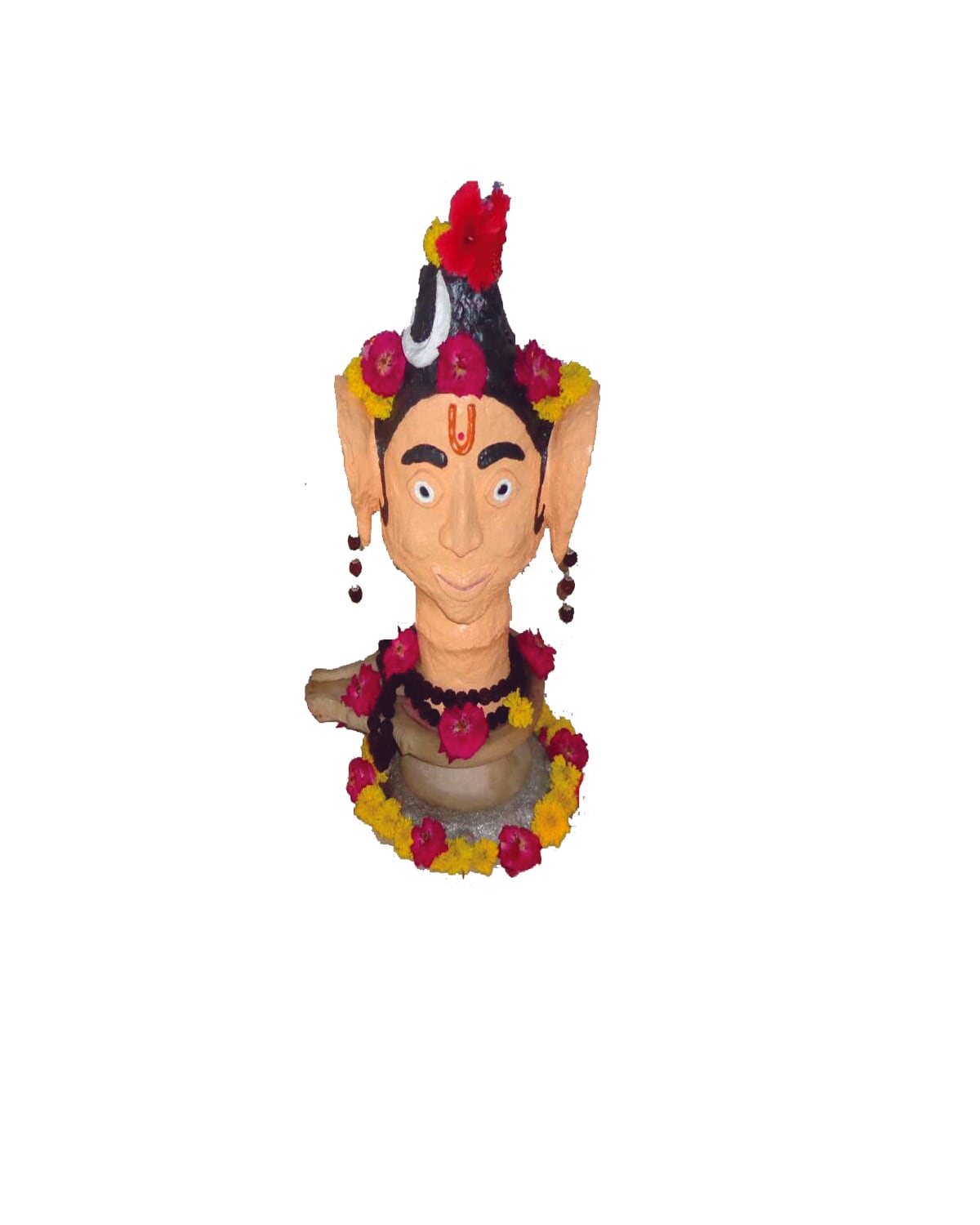 Nisargadatta MaharajThe Absolute is prior even to consciousness and admits no description
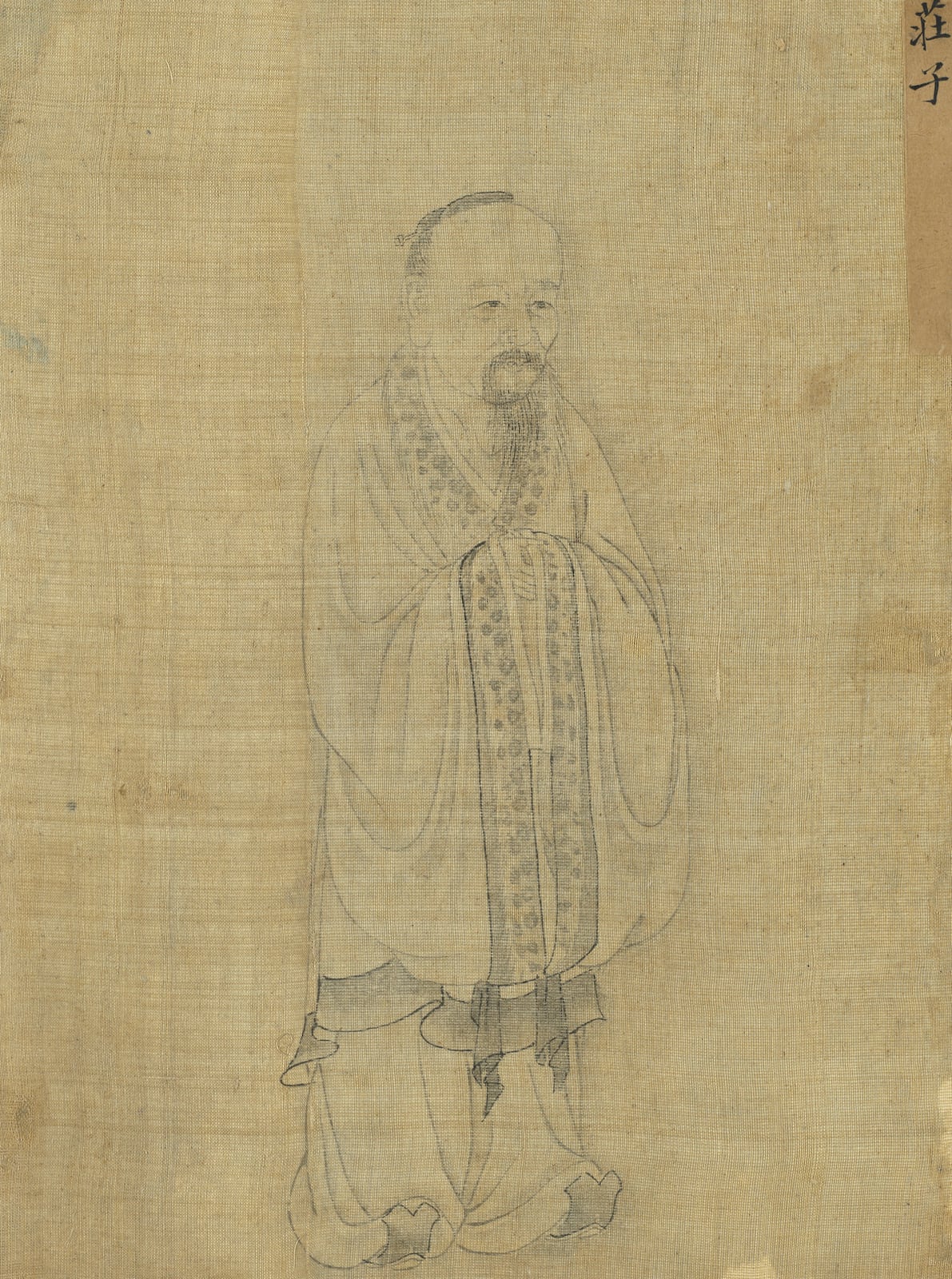 ZhuangziThe Dao has reality but no form: it can be pointed to, not defined
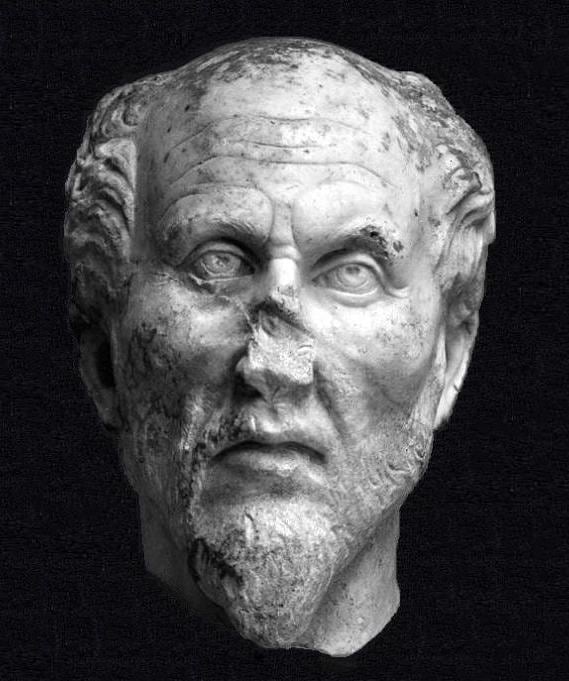 PlotinusThe One, beyond being and thought, can only be spoken of by negation
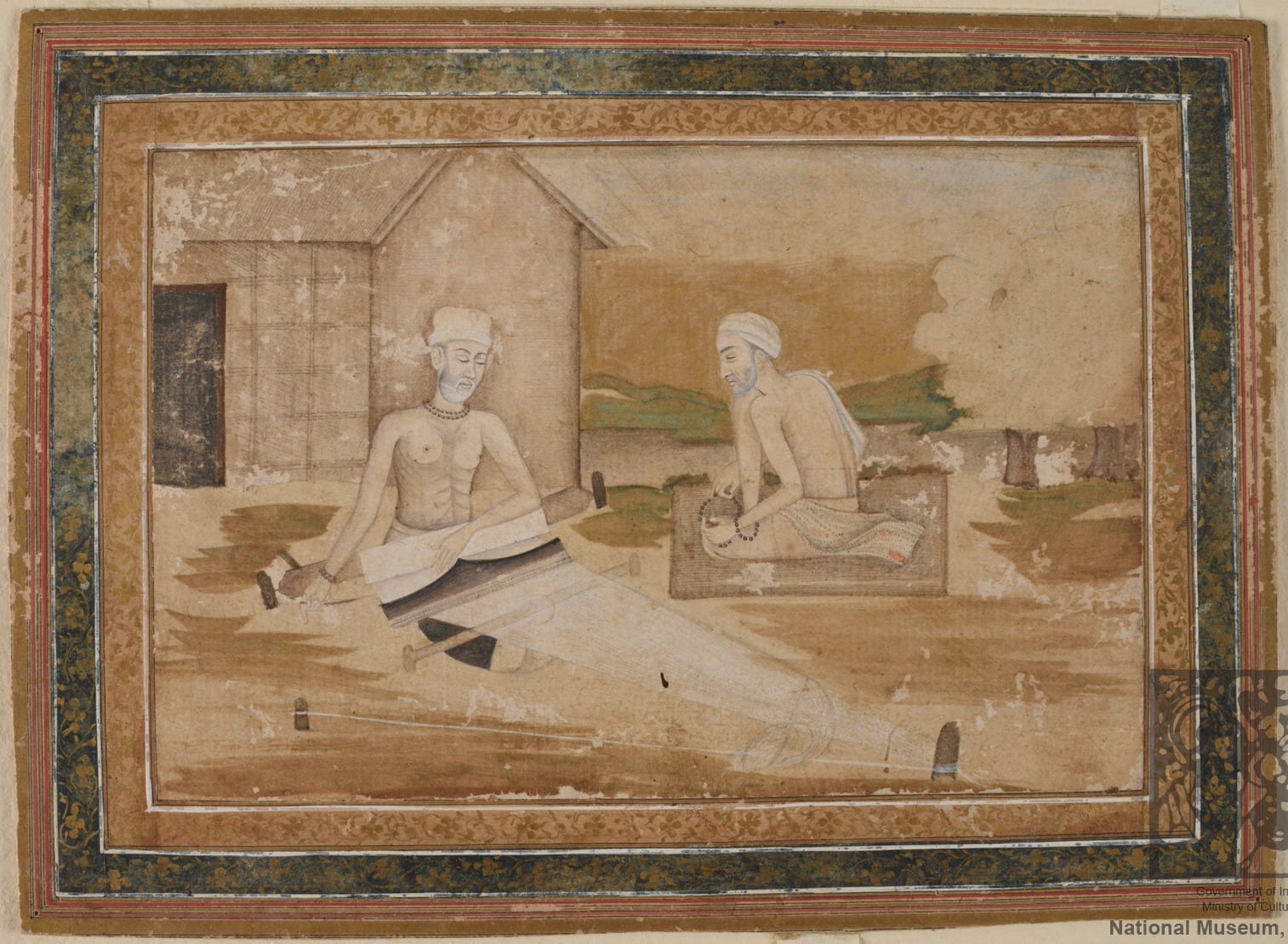 KabirRam without attributes: not in mosque or idol, but in the heart
 Shunryu SuzukiThe absolute is the darkness where nothing is distinguished, inseparable from the relative
 Yajnavalkya«Not this, not this»: the ultimate cannot be the object of any knowing
تحفّظ أمام المتعالي
An order of Heaven is acknowledged, but attention is directed to human life and conduct.
لم يُبدوا رأيًا: Nicholas Roerich
الكلّ مع الكلّ
خريطة التقارب
تلخّص كل خانة الأسئلة الاثني عشر بين معلّمَين: ذهبيّ حين يتّفقان، وحبريّ حين يختلفان. انقر على إحداها لترى فيمَ.
| Laozi | Confucius | Thich Nhat Hanh | Milarepa | Helena Blavatsky | Annie Besant | Jiddu Krishnamurti | Ramana Maharshi | Jesus of Nazareth | Siddhartha Gautama, the Buddha | Nāgārjuna | Teresa of Ávila | Hildegard of Bingen | Rumi | Ibn Arabi | David R. Hawkins | Eckhart Tolle | Swami Vivekananda | Paramahansa Yogananda | Adi Shankara | Nisargadatta Maharaj | Alice A. Bailey | P. D. Ouspensky | G. I. Gurdjieff | Sadhguru | The 14th Dalai Lama (Tenzin Gyatso) | Śāntideva | Padmasambhava | Tsongkhapa | Zhuangzi | Bodhidharma | Huineng | Ajahn Chah | Francis of Assisi | Meister Eckhart | John of the Cross | Augustine of Hippo | Julian of Norwich | Catherine of Siena | Ignatius of Loyola | Thomas à Kempis | Jakob Böhme | Emanuel Swedenborg | Simone Weil | Pierre Teilhard de Chardin | Thomas Merton | Pythagoras | Heraclitus | Parmenides | Empedocles | Socrates | Plato | Aristotle | Diogenes of Sinope | Epicurus | Zeno of Citium | Marcus Aurelius | Plotinus | Epictetus | Ramakrishna | Pema Chödrön | Ashtavakra | Sri Aurobindo | Patañjali | Kabir | Guru Nanak | Mahāvīra | Anandamayi Ma | Meher Baba | Sri Yukteswar | Chaitanya Mahaprabhu | Mirabai | Osho | Dōgen | Hakuin Ekaku | Shinran | Shunryu Suzuki | Byron Katie | Alan Watts | Leo Tolstoy | Fyodor Dostoevsky | Seraphim of Sarov | Vladimir Solovyov | Nikolai Berdyaev | Pavel Florensky | Nicholas Roerich | Helena Roerich | Theophan the Recluse | Ignatius Brianchaninov | Rudolf Steiner | Al-Ghazali | Rabia al-Adawiyya | Al-Hallaj | Hafez | Attar | Kahlil Gibran | Baal Shem Tov | Martin Buber | Maimonides | Baruch Spinoza | Carl Gustav Jung | Vasishtha | Valmiki | Vyasa | Yajnavalkya | Uddalaka Aruni | Gaudapada | Dattatreya | Kapila | Narada | |
|---|---|---|---|---|---|---|---|---|---|---|---|---|---|---|---|---|---|---|---|---|---|---|---|---|---|---|---|---|---|---|---|---|---|---|---|---|---|---|---|---|---|---|---|---|---|---|---|---|---|---|---|---|---|---|---|---|---|---|---|---|---|---|---|---|---|---|---|---|---|---|---|---|---|---|---|---|---|---|---|---|---|---|---|---|---|---|---|---|---|---|---|---|---|---|---|---|---|---|---|---|---|---|---|---|---|---|---|---|---|---|
| Laozi | ||||||||||||||||||||||||||||||||||||||||||||||||||||||||||||||||||||||||||||||||||||||||||||||||||||||||||||||
| Confucius | ||||||||||||||||||||||||||||||||||||||||||||||||||||||||||||||||||||||||||||||||||||||||||||||||||||||||||||||
| Thich Nhat Hanh | ||||||||||||||||||||||||||||||||||||||||||||||||||||||||||||||||||||||||||||||||||||||||||||||||||||||||||||||
| Milarepa | ||||||||||||||||||||||||||||||||||||||||||||||||||||||||||||||||||||||||||||||||||||||||||||||||||||||||||||||
| Helena Blavatsky | ||||||||||||||||||||||||||||||||||||||||||||||||||||||||||||||||||||||||||||||||||||||||||||||||||||||||||||||
| Annie Besant | ||||||||||||||||||||||||||||||||||||||||||||||||||||||||||||||||||||||||||||||||||||||||||||||||||||||||||||||
| Jiddu Krishnamurti | ||||||||||||||||||||||||||||||||||||||||||||||||||||||||||||||||||||||||||||||||||||||||||||||||||||||||||||||
| Ramana Maharshi | ||||||||||||||||||||||||||||||||||||||||||||||||||||||||||||||||||||||||||||||||||||||||||||||||||||||||||||||
| Jesus of Nazareth | ||||||||||||||||||||||||||||||||||||||||||||||||||||||||||||||||||||||||||||||||||||||||||||||||||||||||||||||
| Siddhartha Gautama, the Buddha | ||||||||||||||||||||||||||||||||||||||||||||||||||||||||||||||||||||||||||||||||||||||||||||||||||||||||||||||
| Nāgārjuna | ||||||||||||||||||||||||||||||||||||||||||||||||||||||||||||||||||||||||||||||||||||||||||||||||||||||||||||||
| Teresa of Ávila | ||||||||||||||||||||||||||||||||||||||||||||||||||||||||||||||||||||||||||||||||||||||||||||||||||||||||||||||
| Hildegard of Bingen | ||||||||||||||||||||||||||||||||||||||||||||||||||||||||||||||||||||||||||||||||||||||||||||||||||||||||||||||
| Rumi | ||||||||||||||||||||||||||||||||||||||||||||||||||||||||||||||||||||||||||||||||||||||||||||||||||||||||||||||
| Ibn Arabi | ||||||||||||||||||||||||||||||||||||||||||||||||||||||||||||||||||||||||||||||||||||||||||||||||||||||||||||||
| David R. Hawkins | ||||||||||||||||||||||||||||||||||||||||||||||||||||||||||||||||||||||||||||||||||||||||||||||||||||||||||||||
| Eckhart Tolle | ||||||||||||||||||||||||||||||||||||||||||||||||||||||||||||||||||||||||||||||||||||||||||||||||||||||||||||||
| Swami Vivekananda | ||||||||||||||||||||||||||||||||||||||||||||||||||||||||||||||||||||||||||||||||||||||||||||||||||||||||||||||
| Paramahansa Yogananda | ||||||||||||||||||||||||||||||||||||||||||||||||||||||||||||||||||||||||||||||||||||||||||||||||||||||||||||||
| Adi Shankara | ||||||||||||||||||||||||||||||||||||||||||||||||||||||||||||||||||||||||||||||||||||||||||||||||||||||||||||||
| Nisargadatta Maharaj | ||||||||||||||||||||||||||||||||||||||||||||||||||||||||||||||||||||||||||||||||||||||||||||||||||||||||||||||
| Alice A. Bailey | ||||||||||||||||||||||||||||||||||||||||||||||||||||||||||||||||||||||||||||||||||||||||||||||||||||||||||||||
| P. D. Ouspensky | ||||||||||||||||||||||||||||||||||||||||||||||||||||||||||||||||||||||||||||||||||||||||||||||||||||||||||||||
| G. I. Gurdjieff | ||||||||||||||||||||||||||||||||||||||||||||||||||||||||||||||||||||||||||||||||||||||||||||||||||||||||||||||
| Sadhguru | ||||||||||||||||||||||||||||||||||||||||||||||||||||||||||||||||||||||||||||||||||||||||||||||||||||||||||||||
| The 14th Dalai Lama (Tenzin Gyatso) | ||||||||||||||||||||||||||||||||||||||||||||||||||||||||||||||||||||||||||||||||||||||||||||||||||||||||||||||
| Śāntideva | ||||||||||||||||||||||||||||||||||||||||||||||||||||||||||||||||||||||||||||||||||||||||||||||||||||||||||||||
| Padmasambhava | ||||||||||||||||||||||||||||||||||||||||||||||||||||||||||||||||||||||||||||||||||||||||||||||||||||||||||||||
| Tsongkhapa | ||||||||||||||||||||||||||||||||||||||||||||||||||||||||||||||||||||||||||||||||||||||||||||||||||||||||||||||
| Zhuangzi | ||||||||||||||||||||||||||||||||||||||||||||||||||||||||||||||||||||||||||||||||||||||||||||||||||||||||||||||
| Bodhidharma | ||||||||||||||||||||||||||||||||||||||||||||||||||||||||||||||||||||||||||||||||||||||||||||||||||||||||||||||
| Huineng | ||||||||||||||||||||||||||||||||||||||||||||||||||||||||||||||||||||||||||||||||||||||||||||||||||||||||||||||
| Ajahn Chah | ||||||||||||||||||||||||||||||||||||||||||||||||||||||||||||||||||||||||||||||||||||||||||||||||||||||||||||||
| Francis of Assisi | ||||||||||||||||||||||||||||||||||||||||||||||||||||||||||||||||||||||||||||||||||||||||||||||||||||||||||||||
| Meister Eckhart | ||||||||||||||||||||||||||||||||||||||||||||||||||||||||||||||||||||||||||||||||||||||||||||||||||||||||||||||
| John of the Cross | ||||||||||||||||||||||||||||||||||||||||||||||||||||||||||||||||||||||||||||||||||||||||||||||||||||||||||||||
| Augustine of Hippo | ||||||||||||||||||||||||||||||||||||||||||||||||||||||||||||||||||||||||||||||||||||||||||||||||||||||||||||||
| Julian of Norwich | ||||||||||||||||||||||||||||||||||||||||||||||||||||||||||||||||||||||||||||||||||||||||||||||||||||||||||||||
| Catherine of Siena | ||||||||||||||||||||||||||||||||||||||||||||||||||||||||||||||||||||||||||||||||||||||||||||||||||||||||||||||
| Ignatius of Loyola | ||||||||||||||||||||||||||||||||||||||||||||||||||||||||||||||||||||||||||||||||||||||||||||||||||||||||||||||
| Thomas à Kempis | ||||||||||||||||||||||||||||||||||||||||||||||||||||||||||||||||||||||||||||||||||||||||||||||||||||||||||||||
| Jakob Böhme | ||||||||||||||||||||||||||||||||||||||||||||||||||||||||||||||||||||||||||||||||||||||||||||||||||||||||||||||
| Emanuel Swedenborg | ||||||||||||||||||||||||||||||||||||||||||||||||||||||||||||||||||||||||||||||||||||||||||||||||||||||||||||||
| Simone Weil | ||||||||||||||||||||||||||||||||||||||||||||||||||||||||||||||||||||||||||||||||||||||||||||||||||||||||||||||
| Pierre Teilhard de Chardin | ||||||||||||||||||||||||||||||||||||||||||||||||||||||||||||||||||||||||||||||||||||||||||||||||||||||||||||||
| Thomas Merton | ||||||||||||||||||||||||||||||||||||||||||||||||||||||||||||||||||||||||||||||||||||||||||||||||||||||||||||||
| Pythagoras | ||||||||||||||||||||||||||||||||||||||||||||||||||||||||||||||||||||||||||||||||||||||||||||||||||||||||||||||
| Heraclitus | ||||||||||||||||||||||||||||||||||||||||||||||||||||||||||||||||||||||||||||||||||||||||||||||||||||||||||||||
| Parmenides | ||||||||||||||||||||||||||||||||||||||||||||||||||||||||||||||||||||||||||||||||||||||||||||||||||||||||||||||
| Empedocles | ||||||||||||||||||||||||||||||||||||||||||||||||||||||||||||||||||||||||||||||||||||||||||||||||||||||||||||||
| Socrates | ||||||||||||||||||||||||||||||||||||||||||||||||||||||||||||||||||||||||||||||||||||||||||||||||||||||||||||||
| Plato | ||||||||||||||||||||||||||||||||||||||||||||||||||||||||||||||||||||||||||||||||||||||||||||||||||||||||||||||
| Aristotle | ||||||||||||||||||||||||||||||||||||||||||||||||||||||||||||||||||||||||||||||||||||||||||||||||||||||||||||||
| Diogenes of Sinope | ||||||||||||||||||||||||||||||||||||||||||||||||||||||||||||||||||||||||||||||||||||||||||||||||||||||||||||||
| Epicurus | ||||||||||||||||||||||||||||||||||||||||||||||||||||||||||||||||||||||||||||||||||||||||||||||||||||||||||||||
| Zeno of Citium | ||||||||||||||||||||||||||||||||||||||||||||||||||||||||||||||||||||||||||||||||||||||||||||||||||||||||||||||
| Marcus Aurelius | ||||||||||||||||||||||||||||||||||||||||||||||||||||||||||||||||||||||||||||||||||||||||||||||||||||||||||||||
| Plotinus | ||||||||||||||||||||||||||||||||||||||||||||||||||||||||||||||||||||||||||||||||||||||||||||||||||||||||||||||
| Epictetus | ||||||||||||||||||||||||||||||||||||||||||||||||||||||||||||||||||||||||||||||||||||||||||||||||||||||||||||||
| Ramakrishna | ||||||||||||||||||||||||||||||||||||||||||||||||||||||||||||||||||||||||||||||||||||||||||||||||||||||||||||||
| Pema Chödrön | ||||||||||||||||||||||||||||||||||||||||||||||||||||||||||||||||||||||||||||||||||||||||||||||||||||||||||||||
| Ashtavakra | ||||||||||||||||||||||||||||||||||||||||||||||||||||||||||||||||||||||||||||||||||||||||||||||||||||||||||||||
| Sri Aurobindo | ||||||||||||||||||||||||||||||||||||||||||||||||||||||||||||||||||||||||||||||||||||||||||||||||||||||||||||||
| Patañjali | ||||||||||||||||||||||||||||||||||||||||||||||||||||||||||||||||||||||||||||||||||||||||||||||||||||||||||||||
| Kabir | ||||||||||||||||||||||||||||||||||||||||||||||||||||||||||||||||||||||||||||||||||||||||||||||||||||||||||||||
| Guru Nanak | ||||||||||||||||||||||||||||||||||||||||||||||||||||||||||||||||||||||||||||||||||||||||||||||||||||||||||||||
| Mahāvīra | ||||||||||||||||||||||||||||||||||||||||||||||||||||||||||||||||||||||||||||||||||||||||||||||||||||||||||||||
| Anandamayi Ma | ||||||||||||||||||||||||||||||||||||||||||||||||||||||||||||||||||||||||||||||||||||||||||||||||||||||||||||||
| Meher Baba | ||||||||||||||||||||||||||||||||||||||||||||||||||||||||||||||||||||||||||||||||||||||||||||||||||||||||||||||
| Sri Yukteswar | ||||||||||||||||||||||||||||||||||||||||||||||||||||||||||||||||||||||||||||||||||||||||||||||||||||||||||||||
| Chaitanya Mahaprabhu | ||||||||||||||||||||||||||||||||||||||||||||||||||||||||||||||||||||||||||||||||||||||||||||||||||||||||||||||
| Mirabai | ||||||||||||||||||||||||||||||||||||||||||||||||||||||||||||||||||||||||||||||||||||||||||||||||||||||||||||||
| Osho | ||||||||||||||||||||||||||||||||||||||||||||||||||||||||||||||||||||||||||||||||||||||||||||||||||||||||||||||
| Dōgen | ||||||||||||||||||||||||||||||||||||||||||||||||||||||||||||||||||||||||||||||||||||||||||||||||||||||||||||||
| Hakuin Ekaku | ||||||||||||||||||||||||||||||||||||||||||||||||||||||||||||||||||||||||||||||||||||||||||||||||||||||||||||||
| Shinran | ||||||||||||||||||||||||||||||||||||||||||||||||||||||||||||||||||||||||||||||||||||||||||||||||||||||||||||||
| Shunryu Suzuki | ||||||||||||||||||||||||||||||||||||||||||||||||||||||||||||||||||||||||||||||||||||||||||||||||||||||||||||||
| Byron Katie | ||||||||||||||||||||||||||||||||||||||||||||||||||||||||||||||||||||||||||||||||||||||||||||||||||||||||||||||
| Alan Watts | ||||||||||||||||||||||||||||||||||||||||||||||||||||||||||||||||||||||||||||||||||||||||||||||||||||||||||||||
| Leo Tolstoy | ||||||||||||||||||||||||||||||||||||||||||||||||||||||||||||||||||||||||||||||||||||||||||||||||||||||||||||||
| Fyodor Dostoevsky | ||||||||||||||||||||||||||||||||||||||||||||||||||||||||||||||||||||||||||||||||||||||||||||||||||||||||||||||
| Seraphim of Sarov | ||||||||||||||||||||||||||||||||||||||||||||||||||||||||||||||||||||||||||||||||||||||||||||||||||||||||||||||
| Vladimir Solovyov | ||||||||||||||||||||||||||||||||||||||||||||||||||||||||||||||||||||||||||||||||||||||||||||||||||||||||||||||
| Nikolai Berdyaev | ||||||||||||||||||||||||||||||||||||||||||||||||||||||||||||||||||||||||||||||||||||||||||||||||||||||||||||||
| Pavel Florensky | ||||||||||||||||||||||||||||||||||||||||||||||||||||||||||||||||||||||||||||||||||||||||||||||||||||||||||||||
| Nicholas Roerich | ||||||||||||||||||||||||||||||||||||||||||||||||||||||||||||||||||||||||||||||||||||||||||||||||||||||||||||||
| Helena Roerich | ||||||||||||||||||||||||||||||||||||||||||||||||||||||||||||||||||||||||||||||||||||||||||||||||||||||||||||||
| Theophan the Recluse | ||||||||||||||||||||||||||||||||||||||||||||||||||||||||||||||||||||||||||||||||||||||||||||||||||||||||||||||
| Ignatius Brianchaninov | ||||||||||||||||||||||||||||||||||||||||||||||||||||||||||||||||||||||||||||||||||||||||||||||||||||||||||||||
| Rudolf Steiner | ||||||||||||||||||||||||||||||||||||||||||||||||||||||||||||||||||||||||||||||||||||||||||||||||||||||||||||||
| Al-Ghazali | ||||||||||||||||||||||||||||||||||||||||||||||||||||||||||||||||||||||||||||||||||||||||||||||||||||||||||||||
| Rabia al-Adawiyya | ||||||||||||||||||||||||||||||||||||||||||||||||||||||||||||||||||||||||||||||||||||||||||||||||||||||||||||||
| Al-Hallaj | ||||||||||||||||||||||||||||||||||||||||||||||||||||||||||||||||||||||||||||||||||||||||||||||||||||||||||||||
| Hafez | ||||||||||||||||||||||||||||||||||||||||||||||||||||||||||||||||||||||||||||||||||||||||||||||||||||||||||||||
| Attar | ||||||||||||||||||||||||||||||||||||||||||||||||||||||||||||||||||||||||||||||||||||||||||||||||||||||||||||||
| Kahlil Gibran | ||||||||||||||||||||||||||||||||||||||||||||||||||||||||||||||||||||||||||||||||||||||||||||||||||||||||||||||
| Baal Shem Tov | ||||||||||||||||||||||||||||||||||||||||||||||||||||||||||||||||||||||||||||||||||||||||||||||||||||||||||||||
| Martin Buber | ||||||||||||||||||||||||||||||||||||||||||||||||||||||||||||||||||||||||||||||||||||||||||||||||||||||||||||||
| Maimonides | ||||||||||||||||||||||||||||||||||||||||||||||||||||||||||||||||||||||||||||||||||||||||||||||||||||||||||||||
| Baruch Spinoza | ||||||||||||||||||||||||||||||||||||||||||||||||||||||||||||||||||||||||||||||||||||||||||||||||||||||||||||||
| Carl Gustav Jung | ||||||||||||||||||||||||||||||||||||||||||||||||||||||||||||||||||||||||||||||||||||||||||||||||||||||||||||||
| Vasishtha | ||||||||||||||||||||||||||||||||||||||||||||||||||||||||||||||||||||||||||||||||||||||||||||||||||||||||||||||
| Valmiki | ||||||||||||||||||||||||||||||||||||||||||||||||||||||||||||||||||||||||||||||||||||||||||||||||||||||||||||||
| Vyasa | ||||||||||||||||||||||||||||||||||||||||||||||||||||||||||||||||||||||||||||||||||||||||||||||||||||||||||||||
| Yajnavalkya | ||||||||||||||||||||||||||||||||||||||||||||||||||||||||||||||||||||||||||||||||||||||||||||||||||||||||||||||
| Uddalaka Aruni | ||||||||||||||||||||||||||||||||||||||||||||||||||||||||||||||||||||||||||||||||||||||||||||||||||||||||||||||
| Gaudapada | ||||||||||||||||||||||||||||||||||||||||||||||||||||||||||||||||||||||||||||||||||||||||||||||||||||||||||||||
| Dattatreya | ||||||||||||||||||||||||||||||||||||||||||||||||||||||||||||||||||||||||||||||||||||||||||||||||||||||||||||||
| Kapila | ||||||||||||||||||||||||||||||||||||||||||||||||||||||||||||||||||||||||||||||||||||||||||||||||||||||||||||||
| Narada |
توتّر تقارب
انقر على خانة في الخريطة لترى فيمَ يتّفق معلّمان وفيمَ يختلفان.
حوارات
التقارب والتناقض، مشروحَين
توتّرلاهوتيخلاف جوهري
Laozi · Teresa of Ávila
A Thou who loves versus a Way without a name
لماذا: The contradiction is substantive, not verbal. Teresa writes within the Catholic faith and for nuns who pray; her language is that of the revelation of a God who has made himself known as a person in Christ, and her whole itinerary depends on someone answering. The Daodejing is an anthology of aphorisms from the fourth and third centuries BCE, addressed partly to rulers, which describes the course of things and distrusts any preached benevolence. There is a point of contact: Teresa too admits that what is received in the higher dwelling places exceeds the understanding. But in her that ineffability is that of a friend too great; in the Daodejing, that of a principle that is no one's friend.
توتّرأخلاقيخلاف جوهري
Confucius · Laozi
Two orders for a world at war: ritual that gives form and the Way that removes it
لماذا: The conflict is real and polemical, though between texts and schools rather than persons. The Daodejing names and discredits the central Confucian concepts, humaneness, righteousness and ritual, which suggests it was composed, at least in part, against that school. The meeting between Confucius and Laozi recounted by Sima Qian in the Records of the Grand Historian (ch. 63) belongs to legend and is not considered historical. The underlying difference is anthropological: Confucius trusts that cultivated form educates human nature; the Daodejing suspects that every imposed form falsifies it. Chinese culture eventually read them as complementary, one for public office and the other for retirement.
توتّرفي الخلاصتناقض ظاهري
G. I. Gurdjieff · Ramana Maharshi
Conscious effort versus being what one already is: a smaller conflict than it seems
لماذا: The contradiction is largely apparent because they speak from different levels. Gurdjieff describes the human being from the side of sleep and the machine, and his effort is the condition for something to awaken; Ramana speaks from the Self, for which effort produces nothing new, and he admits it only as a means of stopping the ego from interfering. Both deny the ordinary doer. A real difference remains, however, and should not be glossed over: for Gurdjieff the permanent self does not exist and must be created; for Ramana it already exists and one need only stop veiling it. In one effort builds; in the other, it clears away.
توتّرالممارسةخلاف جوهري
Annie Besant · Jiddu Krishnamurti
The adoptive mother and the Teacher who refused the role: the master as path or as obstacle
لماذا: The contradiction is real and also biographical. Besant, together with Charles Leadbeater, had adopted and raised Krishnamurti as the vehicle of the World Teacher: her doctrine of discipleship needed precisely a master who would embody the Hierarchy. Krishnamurti rejected from within the role that doctrine assigned him, after having lived it, and his critique of spiritual authority is largely a response to that upbringing. They speak on the same plane, the seeker's path, and exclude each other: she affirms transmission and hierarchy; he holds that transmission itself is the obstacle. Besant remained at the head of the Theosophical Society until her death in 1933.
توتّروجوديخلاف جوهري
Adi Shankara · Siddhartha Gautama, the Buddha
The Self that is Brahman versus the absence of self: India's great controversy
لماذا: The clash is not a modern construction: Shankara devotes sutras 2.2.18–32 of his Brahma Sutra commentary to refuting the Buddhist schools, realist, idealist and those of emptiness, and concludes that the Buddha's teaching is incoherent. Some scholars argue that no-self denies the empirical self rather than the atman, so the distance would be smaller than both believed; but the canon itself rejects the eternal self in MN 22, and Shankara held that denying a permanent subject made memory and liberation impossible. The two traditions start from a similar analysis of experience and reach incompatible metaphysical conclusions, which is why they treated each other as rivals for centuries.
تقاربوجودي
Adi Shankara · Ibn Arabi
Two metaphysics of unity, in Murcia and in Kerala
لماذا: The affinity comes from the same question pushed to its limit: how can there be multiplicity if the Absolute is one. Both answer with a doctrine of levels, empirical and ultimate truth in one, Essence and Names in the other, which allows them to keep worship and law without giving up unity. There is no historical relation between them, and the differences are serious: for Ibn Arabi the world is a self-revelation willed by a God who loves to be known, and the servant remains a servant; for Shankara the world is a superimposition due to ignorance, and the liberated one retains no distinction. One thinks a theophany; the other, an error that dissolves. They agree in structure, not in feeling.
تقاربلاهوتي
Hildegard of Bingen · Rumi
Love as the fire that moves the cosmos, and music as memory of the origin
لماذا: There was no contact between the twelfth-century Rhineland abbess and the thirteenth-century poet of Konya, but they share a distant inheritance: the idea of a harmonious cosmos, Pythagorean and Neoplatonic in origin, which Latin Christianity and Persian Sufism received by different routes. Both also write in a symbolic and poetic register, not a scholastic one, where the image teaches more than the concept. The difference lies in emphasis: Hildegard sings love as the order that sustains a good creation and as the liturgy of the community; Rumi, as the wound and longing of the separated soul. In her love orders; in him, it consumes.
تقاربوجودي
Eckhart Tolle · Ramana Maharshi
You are not what you think: the shift of the subject on the hill and in the now
لماذا: The affinity has a contextual explanation: Tolle writes in a contemporary Western milieu that had received Advaita, among other sources, through Ramana and his popularisers, and he adopts a vocabulary without scriptures or gods. The differences are of register and audience. Ramana speaks from the Vedantic tradition, with an explicit metaphysical horizon, since the Self is identical with the Absolute, and with a very precise question-method; Tolle addresses readers without religious training, stresses the now and the inner body, and extends the diagnosis to a collective scale. One asks who; the other asks one to be present. Both point to the same shift of the subject.
تقاربالممارسة
Teresa of Ávila · Thich Nhat Hanh
Among the pots and at the sink: attention in small things
لماذا: The convergence is one of practice, not doctrine. Teresa prays to a personal God present in all things, the kitchen included; Thich Nhat Hanh addresses no one, but looks deeply into the impermanence and interbeing of what he holds in his hands. Yet both face the same difficulty: communities with daily manual work, where contemplation cannot depend on free time. The reformed Carmel and Vietnamese Zen solve it in the same way, making the task the place of presence. No relation between them is recorded; the affinity stems from the community life both organised and from their shared distrust of a merely intellectual spirituality.
توتّرأخلاقيتناقض ظاهري
Adi Shankara · Swami Vivekananda
The sage who renounces and the sage who serves: two readings of the same Advaita
لماذا: The contradiction is largely apparent. Shankara does not condemn action: he regards it as the purifying duty of those who do not yet know, and Vivekananda presents karma yoga precisely as a path of purification towards a knowledge that remains, for him, the summit. What changes is audience and era. Shankara writes for renunciants, in a scholastic dispute with those who combined ritual and knowledge; Vivekananda, who saw himself as heir to Advaita, speaks to a colonised and impoverished India and to a Western public, and turns service into worship of the divine in every being. A real difference of emphasis remains: in Shankara the liberated one ceases to act; in Vivekananda, he goes on serving.
توتّرفي الخلاصتناقض ظاهري
The 14th Dalai Lama (Tenzin Gyatso) · Thich Nhat Hanh
No birth and no death, or a detailed map of dying: two Buddhists facing the end
لماذا: The opposition is apparent because they speak from the two truths distinguished by Mahayana Buddhism. Thich Nhat Hanh deliberately places himself in the ultimate dimension, where nothing is born or dies because nothing exists by itself; he does not deny rebirth but reformulates it as continuation. The Dalai Lama speaks on the conventional plane, that of experience and practice, and from the Tibetan tantric tradition, which has a meticulous description of dying. Audiences matter too: the Vietnamese monk writes for Western readers who fear annihilation; the Tibetan comments on a classical text for practitioners who must prepare. Each would accept the other's truth at its own level.
توتّرالممارسةتناقض ظاهري
Nisargadatta Maharaj · Paramahansa Yogananda
The lineage that transmits and the guru within: two grateful disciples
لماذا: The contradiction is apparent because both describe the same relationship from opposite ends. Both had a decisive guru and both belonged to a lineage with initiation; they differ in where they place the emphasis. Yogananda writes for Western readers to whom he wants to present a living tradition and an organisation, Self-Realization Fellowship, that guarantees transmission; hence he stresses lineage. Nisargadatta speaks to seekers who came to his home in Bombay with years of accumulated practices, and he urges them not to depend on anyone, himself included. The Hindu tradition knows this double face well: the outer master points to the inner one, which is the Self.
توتّرالممارسةتناقض ظاهري
The 14th Dalai Lama (Tenzin Gyatso) · Milarepa
Total obedience in the cave or critical discernment in the world: the guru in Tibet
لماذا: The contradiction is apparent for two reasons. The first is genre: the Life of Milarepa is a fifteenth-century hagiography composed to exalt the Kagyu lineage, and its portrait of the perfect disciple is not a manual for choosing a master; the Dalai Lama speaks in public teachings, before global audiences exposed to unscrupulous teachers. The second is stage: the Tibetan tradition itself asks that the master be examined before acceptance and fully trusted afterwards, so the Dalai Lama's advice precedes the moment the Life recounts. Withdrawal and engagement, for their part, answer to different vocations, and Milarepa himself ended up teaching herdsmen, hunters and villagers.
توتّرالممارسةتناقض ظاهري
Jiddu Krishnamurti · Thich Nhat Hanh
No method versus daily practice: two ways of not turning attention into a technique
لماذا: The contradiction is largely apparent: both fight meditation understood as a technique for obtaining a state. Krishnamurti, raised in the occult disciplines of the Theosophical Society, attacks the word method because it implies time, imitation and a progressing self. Thich Nhat Hanh keeps the language of practice because he teaches monastic and lay communities that need a shared discipline, but he insists that peace is not the goal of the path but the path itself. The real difference lies in pedagogy: one trusts immediate perception; the other, the habit that makes it possible. There is no record that they ever met.
توتّرلاهوتيتناقض ظاهري
Ibn Arabi · Teresa of Ávila
Always a creature, or He and not He: two languages for a union without confusion
لماذا: The tension is apparent because they use different categories for a similar experience. Teresa writes under the scrutiny of the Inquisition and of her learned confessors, within a theology that distinguishes creator and creature at the level of being, and so she stresses the distinction every time she describes union. Ibn Arabi works with a metaphysics of the single existence and of the mirror, in which saying that the creature has no being of its own does not mean it is God in his Essence, which remains unknowable. She speaks of what the soul lives; he, of what being is. They agree in practice: knowing oneself and knowing God go together, and the goal is intimacy without confusion.
توتّرفي الخلاصتناقض ظاهري
Ramana Maharshi · Rumi
The path of knowledge and the path of love: two ways ending in the same burning of the ego
لماذا: The contradiction is apparent at the level of the path: both seek the dissolution of the ego and attribute it to something that exceeds the subject, the Beloved who draws in Rumi, the Self or grace in Ramana. The difference of language comes from their traditions: Persian Sufism expresses the way in terms of lover and Beloved; Advaita, in terms of knowledge of the Self. A metaphysical difference remains, however, that is not apparent: Rumi stays within the Islamic doctrine of creation, and the soul returns to a God who is not itself, while Ramana affirms that the Self is the Absolute. They agree on the how more than on the what.
توتّروجوديتناقض ظاهري
P. D. Ouspensky · Ramana Maharshi
Many I's or a single Self: the same word for two levels
لماذا: The contradiction is apparent at the level of diagnosis because they use the word I for different levels: Ouspensky calls I's the psychological states of ordinary man; Ramana reserves the term Self for the awareness that witnesses them all, which is neither a state nor a content. Ramana's ego and Ouspensky's many I's are the same reality seen from two systems. There is a real difference in the goal: the Fourth Way aims to build a permanent I through work, whereas for Ramana the Self is not built but recognised. One starts from a psychology of the machine; the other, from a Vedantic metaphysics.
تقاربأنثروبولوجي
G. I. Gurdjieff · P. D. Ouspensky
Man is a machine: the master and the disciple who systematised his teaching
لماذا: The affinity is that of a master and his most systematic disciple: Ouspensky worked with Gurdjieff in Russia between 1915 and 1918 and transmitted that teaching in In Search of the Miraculous, published posthumously in 1949. The relationship broke down: Ouspensky withdrew in 1918 and definitively in the 1920s, and led his own groups in London, centred on the study of the system rather than on the figure of the master. They agree in doctrine, not in style: Gurdjieff taught in a demanding and disconcerting way, with dances, movements and provoked situations; Ouspensky, intellectually and in an orderly fashion. Hence they part on the question of the master: one deems him indispensable; the other stresses the school.
تقاربوجودي
Annie Besant · Helena Blavatsky
A soul that learns from life to life: the founder and the systematiser of Theosophy
لماذا: The affinity is one of direct descent. Besant, then a freethinker and activist, reviewed The Secret Doctrine in 1889, met Blavatsky that same year and became her disciple; after Blavatsky's death in 1891 she became a central figure of the movement and presided over the Theosophical Society from 1907. The theological difference is explained by trajectory and audience: Blavatsky polemicised against ecclesiastical Christianity and materialism; Besant, who came from militant atheism, later sought to build bridges with Christianity and with the devotional Hinduism of the India where she lived. She systematised what Blavatsky had left scattered.
توتّروجوديخلاف جوهري
G. I. Gurdjieff · Teresa of Ávila
The soul as gift or as achievement: the diamond castle versus an immortality to be manufactured
لماذا: The contradiction is real and touches the core of both anthropologies. Teresa speaks from the Christian doctrine of creation, in which God gives each soul its immortal being and grace precedes effort. Gurdjieff builds a cosmology of his own, of laws and materials, in which immortality is conditional and must be acquired. There is nonetheless a point of contact: both think that most people live outside themselves, in the outer courtyard of the castle or in sleep, and that knowing oneself demands long and painful work. But in Teresa what is unknown is already there, and in Gurdjieff what is unknown is that there is not yet anyone.
تقاربلاهوتي
Ibn Arabi · Rumi
Love as the origin and return of the world: two summits of Sufism in the same century
لماذا: They share an era, a religious language and sources: the Qur'an, the sayings attributed to the Prophet and the Sufi tradition that made love the principal way. There was also an indirect link: Sadr al-Din al-Qunawi, Ibn Arabi's stepson and chief disciple, taught in Konya in the same years as Rumi, and the Mevlevi hagiographies present them on cordial terms; there is no evidence that Rumi read Ibn Arabi or that they met. The difference is one of register. Ibn Arabi elaborates a technical metaphysics of the divine Names and of manifestation; Rumi writes narrative and lyrical poetry, without a system, where love is an experience of separation and longing before it is doctrine.
تقاربأخلاقي
The 14th Dalai Lama (Tenzin Gyatso) · Jesus of Nazareth
Loving the enemy too: the Tibetan monk reads the Sermon on the Mount
لماذا: The relationship is documented: at the 1994 John Main Seminar in London the Dalai Lama commented on Gospel passages, among them the Sermon on the Mount, and his remarks were published as The Good Heart. He acknowledged the ethical affinity and pointed out frankly the underlying difference. In the Gospels love of the enemy is grounded in imitation of a Father who loves all; in Tibetan Buddhism, in the equality of all beings before the wish for happiness and in interdependence, without a creator God. They agree on the practice and its demands, not on the ultimate reason that sustains it, and neither seeks to erase that distance.
تقاربلاهوتي
Jesus of Nazareth · Thich Nhat Hanh
The Holy Spirit as the energy of mindfulness: a Zen monk before the living Christ
لماذا: The relationship is documented in one sense: Thich Nhat Hanh read and commented on the Gospels, was in dialogue with Thomas Merton and Martin Luther King, and in 1995 published Living Buddha, Living Christ to show convergences. His reading draws on Paul Tillich's theology, which speaks of God as the ground of being. The affinity, however, is asymmetrical: the Gospels present a personal God, the Father who sees, listens and forgives, and Thich Nhat Hanh translates that language into the Buddhist ultimate dimension, in which there is no creator. Many Christian and Buddhist theologians consider that the translation blurs real differences. It is a bridge built from one bank.
تقاربلاهوتي
Jesus of Nazareth · Paramahansa Yogananda
Christ consciousness: a yogi comments on the Gospels
لماذا: The relationship is documented in one direction: Yogananda read and commented on the Gospels and presented Jesus as a realised master. His reading, however, is yogic and Vedantic: he distinguishes the historical Jesus from a universal Christ consciousness, reads some passages in terms of reincarnation and meditative technique, and conceives God as having a formless ground besides a personal face. None of this appears in the Synoptics, which present a first-century Jew who presupposes the God of Israel and announces his Kingdom, and Christian theology rejects reincarnation. They agree on the way of praying, not on the doctrine surrounding it.
تقاربأخلاقي
Confucius · Jesus of Nazareth
The golden rule in two languages, and the exact point where they part
لماذا: There was no contact between them; the convergence comes from a widespread moral intuition, reciprocity, found in very diverse traditions. The divergence before the enemy is explained by each one's framework. Confucius thinks of a society ordered by graded relationships, beginning with the family, where love has measure and justice requires that each act receive its due. Jesus speaks from the imminence of the Kingdom of God and from the imitation of a Father who loves all without distinction, which breaks every measure. One seeks the harmony of the city; the other announces a justice that overflows it.
تقاربالممارسة
Confucius · Hildegard of Bingen
Ritual and music as the form of the soul: the master of Lu and the abbess of the Rhine
لماذا: The affinity is purely comparative and rests on a shared ancient intuition: music and ritual do not adorn moral life, they constitute it, because body and voice are educated before ideas. The Confucian tradition joined ritual and music very early as instruments of government and self-cultivation; Benedictine liturgy made the singing of psalms the axis of the monastic day. The difference is theological: Confucian ritual looks to human conduct and keeps the spirits at a distance, whereas Hildegard's chant is addressed to a personal God and is participation in the praise of the angels. They agree on pedagogy, not on the addressee.
تقاربأنثروبولوجي
Milarepa · Teresa of Ávila
Suffering that purifies: Marpa's towers and the trials of the sixth dwelling places
لماذا: The affinity is comparative: there is no relation between the eleventh-century Tibetan yogi and the sixteenth-century Castilian Carmelite. They converge because their traditions share an ascetic anthropology: the human being is bound by something that must be undone, and that undoing hurts. The explanation of pain, however, differs. In the Life of Milarepa suffering is the fruit of past actions and is exhausted through purification under a master; in Teresa it is participation in the cross of Christ and preparation for a union that God grants by grace. It should also be remembered that the Life is a fifteenth-century hagiography, whereas Teresa writes in the first person about what she lived.
تقاربفي المعرفة
Jiddu Krishnamurti · Laozi
What can be said is not it: the nameless Way and the pathless land
لماذا: There is no record that Krishnamurti engaged with the Daodejing; the affinity is structural. Both react against an excess of form: the Chinese text, against the proliferation of virtues, rites and learning in the schools of its time; Krishnamurti, against organisations, beliefs and spiritual methods, starting with those of the Theosophical Society that raised him. Hence the same gesture of subtraction. The difference lies in context and aim: the Daodejing also addresses the ruler and seeks a natural order of the community; Krishnamurti speaks to individuals and seeks a mutation of consciousness. One contemplates the return of things to their root; the other, the movement of thought.
تقاربالممارسة
Eckhart Tolle · P. D. Ouspensky
Waking from automatic pilot: self-remembering and the power of now
لماذا: There is no documented relationship between them, although the vocabulary of awakening and automatic pilot found in contemporary spirituality owes much to the Fourth Way. The affinity has clear limits. Self-remembering demands effort, a deliberate division of attention and a system of group work, and its goal is to form a permanent self that does not yet exist; Tolle's presence is presented as something not manufactured or reached in time but recognised as one's own being. Ouspensky writes for a school with discipline and hierarchy; Tolle, for individual readers without a tradition. They agree on the first step, not on the path or the goal.
تقاربوجودي
Adi Shankara · Ramana Maharshi
The Advaita of the commentaries and the Advaita of silence
لماذا: The relationship is documented in one sense: Ramana rendered into Tamil texts attributed to Shankara, such as the Vivekachudamani and the Atmabodha, although scholars dispute Shankara's authorship of them. The difference is one of method and authority. Shankara is a commentator who holds that Brahman is known only through scripture, with reason in its service, and who assigns monastic renunciation to the sage. Ramana never received scholastic training, spoke from an experience lived at sixteen, proposed a single question as method and considered that true renunciation is of the ego, not of home or work. One argues for the identity; the other invites one to verify it.
توتّرلاهوتيخلاف جوهري
Helena Blavatsky · Teresa of Ávila
Praying to someone or commanding the inner god: grace versus self-effort
لماذا: The contradiction is real and Blavatsky framed it as such: her Theosophy was born in polemic against the ecclesiastical Christianity of her day and against scientific materialism, and sought to offer a wisdom-religion without a personal God or redemption by another. Teresa writes within the Catholic faith, for which grace precedes and accompanies effort, and her language is that of a relationship between persons. There is, however, a point of contact that should not be forgotten: both seek the divine within the soul, at the centre of the castle or in the higher Self, and neither accepts a religion of formulas without transformation. They differ over whether that interior answers or simply is.
توتّرفي الخلاصخلاف جوهري
Annie Besant · Rumi
He died as a mineral and became a plant: the soul's ascent, not reincarnation
لماذا: The contradiction is real, although it is often presented as an affinity. Besant systematises a Theosophical doctrine that takes reincarnation and karma from Hinduism and Buddhism and combines them with a modern idea of the soul's evolution. Rumi writes in the thirteenth century within Islam, which affirms a single earthly life followed by resurrection; his verses on mineral, plant and animal refer to the Neoplatonic cosmology of the grades of being and to the Sufi saying about dying before death. Reading them as reincarnation, or as an anticipation of evolutionism, projects foreign categories onto the poem. Both see death as a passage and not an end; they differ over whether the passage repeats.
توتّرفي المعرفةخلاف جوهري
The 14th Dalai Lama (Tenzin Gyatso) · David R. Hawkins
Calibrating truth or letting science refute: two attitudes towards evidence
لماذا: The contradiction is real and concerns method. The Dalai Lama speaks from the university tradition of Nalanda, with its developed logic and epistemology, and from decades of dialogue with scientists: he distinguishes what Buddhism says about the mind, which can be tested, from what it affirms about the path. Hawkins, a psychiatrist by training, presents kinesiology as a bridge between science and spirituality, but his procedure lacks independent experimental validation, and the library presents it as doctrine, not as a result. Both agree on the place of reason, necessary but not ultimate; they clash over whether a claim about truth can rest on a measurement no one else can replicate.
توتّرفي الخلاصخلاف جوهري
David R. Hawkins · Jiddu Krishnamurti
A ladder of levels versus a pathless land
لماذا: The contradiction is real, though it starts from a shared diagnosis. Hawkins, trained as a psychiatrist and a reader of devotional traditions, offers his readers a map that lets them locate themselves and orient inner work, and his way is surrender. Krishnamurti, raised in the Theosophical Society, with its doctrine of initiations and grades, rejected precisely every spiritual hierarchy: a map of levels would seem to him the subtlest form of ambition. One sees the scale as an aid to letting go; the other, as a trap that turns letting go into another achievement. They agree that no one can do the work for another and that thought is not the goal.
توتّرأخلاقيخلاف جوهري
Confucius · Siddhartha Gautama, the Buddha
Filial piety as the root, or leaving home as open air
لماذا: The contradiction is real and had historical consequences: when Buddhism reached China, Confucian scholars reproached it for centuries because monks abandoned their parents and left no descendants, and Chinese Buddhists answered by stressing the filial duties found in the canon. The two masters never met; the clash arises from their aims. Confucius seeks the harmony of a society at war and sees in the family the model of the state. The Buddha seeks the end of suffering, which arises from attachment, and sees in domestic ties one more attachment. Neither despises what the other values: one leaves renunciation as an exception; the other, the household as a stage.
توتّرلاهوتيخلاف جوهري
Jesus of Nazareth · Siddhartha Gautama, the Buddha
Abba versus the arrow: a Father who listens and a question that leads nowhere
لماذا: The contradiction is real, but it should be framed carefully. Jesus is a first-century Jew who does not argue for God's existence but radicalises it as a filial relationship; the Buddha teaches in an India full of speculation about the creator and the atman, and deliberately sets those questions aside because they do not lead to the end of suffering. They do not, then, answer exactly the same question: one announces whom to turn to; the other, how to extinguish the cause of pain. Both reach us, moreover, through texts of faith fixed decades or centuries later. The difference over a personal God, however, is not apparent: the Buddhist tradition has always maintained it.
توتّروجوديخلاف جوهري
Helena Blavatsky · Siddhartha Gautama, the Buddha
A Theosophist who took refuge in the Buddha, and an Ego that reincarnates
لماذا: The relationship is documented: in 1880, in Ceylon, Blavatsky and Henry Olcott publicly took the Buddhist refuges and precepts, and Theosophy contributed to the island's Buddhist revival. Her Buddhism, however, was esoteric: Theosophists held that what the Buddha denies is the passing personality and not a higher individuality, a reading the Theravada tradition does not accept. The tension is real because no-self, in the canon, also extends to any entity that transmigrates. It is explained by Blavatsky's project, which sought a primordial wisdom common to all traditions and read each of them through her own scheme of principles and planes.
توتّرالممارسةخلاف جوهري
G. I. Gurdjieff · Jiddu Krishnamurti
Both see man as conditioned; one demands a school and effort, the other forbids them
لماذا: The contradiction is real and comes from two opposite experiences of teaching. Gurdjieff presents himself as a seeker of an ancient knowledge transmitted in schools of Central Asia, and believes that this knowledge, scarce and almost material, can pass only from one who has it to one who works. Krishnamurti was raised precisely within an esoteric organisation with masters, grades and initiations, and his break in 1929 made the rejection of all authority the centre of his teaching. Both distrust comfortable spirituality and inherited beliefs; they part over whether directed effort awakens or lulls.
توتّرفي المعرفةخلاف جوهري
Adi Shankara · Nisargadatta Maharaj
Scripture as the only means of knowing Brahman, or a cigarette seller without books
لماذا: The contradiction is real at the level of method, even if the goal is the same. Shankara is a Brahmin commentator debating rival schools and needs to establish what counts as valid knowledge: for him, without the word of scripture there is no way of knowing that the Self is Brahman. Nisargadatta belongs to a devotional lineage from Maharashtra that transmitted the teaching in the vernacular and through the master's direct instruction, and he speaks to modern seekers, often saturated with reading. Neither trusts free-standing reasoning, and both rely on a master; they differ over whether ultimate authority lies in the revealed word or in the evidence of one's own existing.
توتّرفي المعرفةخلاف جوهري
Annie Besant · Swami Vivekananda
Chicago, 1893: the wisdom of the hidden Masters versus a Vedanta to be verified
لماذا: The relationship is historical: both spoke at the 1893 Parliament of Religions in Chicago, which launched Vivekananda, and they later competed to represent India's wisdom before the West. Vivekananda publicly distanced himself from the Theosophical Society and its doctrine of the Mahatmas, which he regarded as foreign to the Vedantic tradition. The tension is not only one of rivalry: Besant inherits from Blavatsky a wisdom presented as hidden and revealed to initiates; Vivekananda, from Ramakrishna and Vedanta, a public teaching anyone can test through practice. Both wanted to reconcile religion and science; they differed over the place they left for secrecy.
تقاربوجودي
Alice A. Bailey · Helena Blavatsky
Seven planes and a nameless Principle: Theosophical cosmology and its second generation
لماذا: The affinity is one of direct inheritance: Bailey was formed in the Theosophical Society, where she worked in California until her break with its leadership around 1920, and she presented her work as a continuation of the line opened by The Secret Doctrine. She attributes most of her books to a Tibetan master, Djwhal Khul, a claim of hers that cannot be verified, just as the existence of Blavatsky's Mahatmas could not be verified. The differences are of emphasis and period: Blavatsky polemicises against the dogma and materialism of the nineteenth century; Bailey writes in the interwar years, with a strong emphasis on service, goodwill and the preparation of a new age.
تقاربالممارسة
Paramahansa Yogananda · Sadhguru
Yoga as a testable science: from kriya to inner engineering
لماذا: They converge because they share a strategy for presenting yoga to global audiences, inaugurated at the end of the nineteenth century: translating an initiatory tradition into the language of science and efficacy, for readers who distrust dogma. There is no relation between them and their lineages are different. They differ in theology: Yogananda is intensely devotional, speaks to God as Divine Mother and comments on the Gospels; Sadhguru prefers an impersonal language, in which the ultimate is a dimension of life accessed through experience. The claims of both about the effects of their techniques are doctrinal: the library sets them out, it does not verify them.
تقاربأنثروبولوجي
Eckhart Tolle · Jiddu Krishnamurti
Suffering needs time: thought projecting past and future
لماذا: No relationship between them is documented in this library, although Tolle writes in a milieu that knew Krishnamurti's work well, published and circulated for decades. The differences are real. Krishnamurti rejects any metaphysics of a true Being, which he considers another projection of thought, and any exercise, which he considers a method; Tolle affirms a presence or formless consciousness he calls Being, proposes concrete exercises such as feeling the inner body and adds the notion of the pain-body. Krishnamurti speaks harshly of conditioning and revolution; Tolle, in a tone of accompaniment. They agree on the diagnosis of psychological time, not on what they find on the other side.
تقاربوجودي
Jiddu Krishnamurti · Siddhartha Gautama, the Buddha
A bundle of processes without a centre: no-self and the observer who is the observed
لماذا: The relationship is documented in a precise sense: in the late 1970s Krishnamurti held conversations at Brockwood Park with the monk and scholar Walpola Rahula and other Buddhists, later published as Can Humanity Change?, in which they discussed whether his teaching coincided with the Buddha's. Rahula saw a great affinity; Krishnamurti declined any comparison, because comparing seemed to him another form of authority. The real difference lies in the path: the canon proposes a gradual path of ethics, concentration and wisdom, with teacher and community, while Krishnamurti rejects every method. The diagnosis of the self brings them close; pedagogy separates them.
تقاربوجودي
Hildegard of Bingen · Ibn Arabi
The human being as mirror of the cosmos and of the divine
لماذا: There was no contact between the German abbess and the Andalusian mystic, contemporaries for only a few years. The affinity stems from a common inheritance: the ancient idea of the human being as microcosm, Greek and Neoplatonic in origin, which circulated both in Latin Europe and in the Islamic world, and a reading of creation as the language of God. The differences are substantive. Hildegard sharply maintains the distinction between Creator and creature and thinks of the harmony lost through sin and restored in Christ; Ibn Arabi says the world is He and not He, within a metaphysics of the single existence. She contemplates visions; he builds a theory of the Names.
تقاربفي المعرفة
The 14th Dalai Lama (Tenzin Gyatso) · Swami Vivekananda
A religion that accepts examination: the monk of Chicago and the monk of Nalanda
لماذا: The convergence is explained by context: both present an Asian tradition before a West shaped by modern science and by the critique of religion, and both want to show that their tradition does not fear that examination. Each also draws on resources specific to his tradition: Vivekananda, on the experimental reading of yoga and on Vedanta; the Dalai Lama, on the logic and epistemology of Nalanda. They differ on the goal: for Vivekananda experience culminates in identity with Brahman; for the Dalai Lama, in the understanding of emptiness, which denies precisely a permanent Self. No relationship between them is documented.
تقاربأنثروبولوجي
David R. Hawkins · Nisargadatta Maharaj
Everything happens and no one does it: the doer as an assumption
لماذا: The affinity comes from a common matrix, non-duality of Vedantic origin, which Nisargadatta received from his lineage and Hawkins adopted in his mature works. No relationship between them is recorded in this library. They differ in register and audience: Nisargadatta speaks in direct conversations, translated from Marathi, with a negative method that discards everything perceived; Hawkins writes books combining his experience, clinical language and a map of levels of consciousness whose calibration basis lacks scientific validation. Hawkins also stresses devotional surrender to God; Nisargadatta stays with pure enquiry into the I am.
تقاربفي المعرفة
Rumi · Teresa of Ávila
It is not a matter of thinking much: love knows more than reasoning
لماذا: The affinity is comparative: there is no relation between the Castilian Carmelite and the poet of Konya. They converge because both speak from monotheistic traditions with a highly developed scholastic theology, Christian and Islamic, which reserved for mysticism a knowledge through love and experience that does not contradict theology but exceeds it. Both also write for readers who are not professional theologians: nuns in one case, disciples and listeners in the other. The difference lies in the form of that experience: Teresa lives it as friendship with a personal Christ and describes it with almost clinical precision; Rumi, as longing and fire, in poetic images.
تقاربأخلاقي
Confucius · The 14th Dalai Lama (Tenzin Gyatso)
An ethics that needs no metaphysics: humaneness and universal responsibility
لماذا: The convergence is comparative and responds to similar situations: Confucius teaches in a China divided by war between states, and the Dalai Lama in a plural, secularised world, as the leader of a people in exile. Both seek a moral basis that can be shared without requiring a common faith. They differ, however, in the scope of love. Confucius wants it graded, beginning with parents, and rejects repaying evil with good (14.34); the Dalai Lama, from Buddhist compassion, extends it to all beings equally, the enemy included. One orders affection; the other universalises it. And ritual, central in Confucius, carries little weight in the Dalai Lama's secular ethics.
توتّروجوديتناقض ظاهري
Adi Shankara · Eckhart Tolle
Is the world an illusion? Superimposition on Brahman or form in which consciousness awakens
لماذا: The contradiction is largely apparent: both distinguish two levels, a formless source and a world dependent on it, and both locate the error in the subject who confuses the levels, ignorance in Shankara, identification in Tolle. Vocabulary separates them more than structure: maya sounds like negation to a modern reader, although in Shankara it does not amount to a subjective dream. A real difference of evaluation remains. For Shankara multiplicity has no purpose and vanishes for one who knows; for Tolle, along a line closer to manifestation than to illusion, form is the place where consciousness recognises itself, and the universe has an evolutionary meaning.
تقاربفي المعرفة
Jiddu Krishnamurti · Ramana Maharshi
No outer authority: the question who am I and the observer who is the observed
لماذا: The affinity is comparative: there is no record that they met. It is explained by a shared distrust of institutional religion and of learning, which in Ramana stems from an early experience lived without teacher or study, and in Krishnamurti from his break with the Theosophical organisation that had formed him. The underlying difference is metaphysical. Ramana speaks from Advaita and affirms a Self that is the Absolute, and accepts devotion and surrender as a path; Krishnamurti rejects any doctrine of the Self, which he sees as another projection of thought seeking security, and every tradition. One enquires in order to find what has always been; the other observes so that what thought manufactures comes to an end.
توتّرالممارسةخلاف جوهري
Jiddu Krishnamurti · Sadhguru
Inner technology with initiation versus an attention without method or guru
لماذا: The contradiction is real and reflects two ideas of tradition. Sadhguru belongs to the yogic line that trusts body, energy and breath as vehicles of transformation, and the relationship with the guru as what makes it possible; hence his organisation transmits techniques by initiation. Krishnamurti, formed in an organisation with masters and disciplines, concluded that every practice aimed at a result arises from the very thought it claims to overcome. Sadhguru would say that cultivating body and mind is not pursuing meditation but creating the conditions for it to flower; Krishnamurti would see in those conditions another form of time and seeking.