المسيحية · التصوف المسيحي · الأفلاطونية
Simone Weil
1909 – 1943شخصية موثّقة تاريخيًا
فيلسوفة فرنسية (1909–1943)، تلميذة آلان وأستاذة في التعليم الثانويّ، أرادت أن تفكّر انطلاقًا من تجربة المقهورين: فعملت سنةً في المصانع، وقاتلت مدّة قصيرة في الحرب الإسبانية، وعاشت منذ 1937 تجربة صوفية مسيحية من غير أن تتعمّد. ماتت بالسلّ وسوء التغذية في إنجلترا في الرابعة والثلاثين، وهي في خدمة فرنسا الحرة. وأعمالها، التي صدر جلّها بعد وفاتها — «الثقل والنعمة» و«التجذّر» و«انتظار الله» و«الدفاتر» —، تتأمّل الانتباه والشقاء والقوة.
- مؤلَّفًا
- 33مؤلَّفًا
- طبعة
- 63طبعة
- اقتباسًا
- 8اقتباسًا
- مقطع فيديو
- 13مقطع فيديو
- صورة
- 8صورة
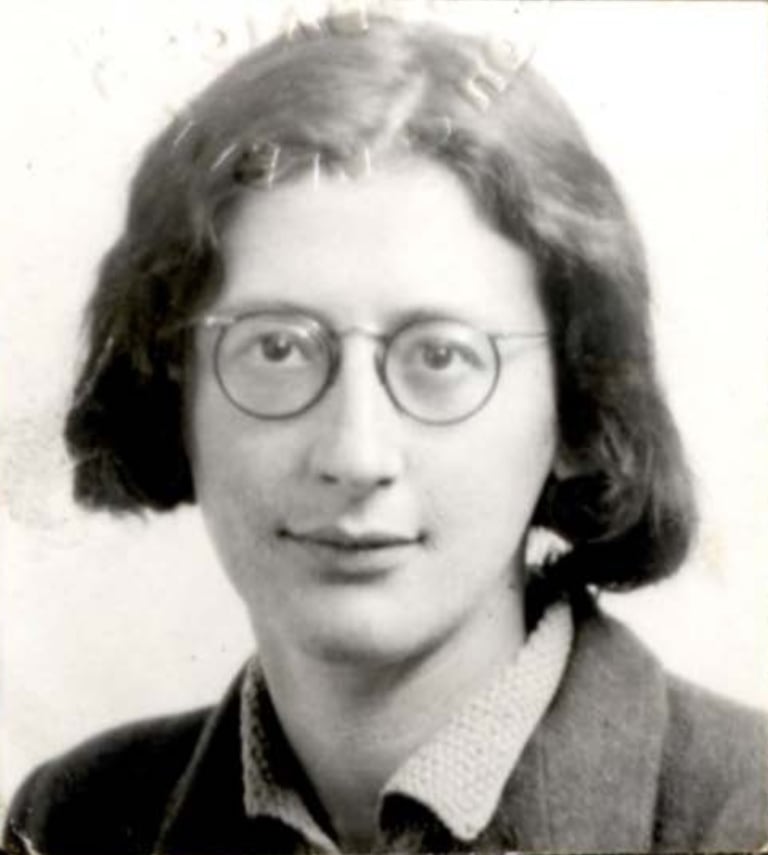
Simone Weil en 1943 · Public domain
بكلماته
«The true hero, the true subject, the centre of the Iliad is force.»«L'Iliade ou le poème de la force», primera frase (Cahiers du Sud, 1940–1941)

للبدء، عمل واحد
Gravity and Graceفكرته المحورية
For Weil, attention is the highest faculty of the soul: it consists in suspending thought, leaving it empty and available, without searching, so that the object may enter it. In its purest form it is prayer, and turned toward an afflicted person it is the rarest form of love of neighbour.
السيرة
4 دقيقة قراءة
ترجمة مُعانة من الأصل الإسباني، بانتظار مراجعة مترجم من أهل اللغة.
طفولة بلا تنازلات
وُلدت سيمون أدولفين فايل في باريس في 3 فبراير 1909 لأسرة يهودية علمانية ميسورة: كان أبوها برنار فايل طبيبًا، وكانت أمها سالوميا راينهرتس قد نشأت في روستوف وفي بلجيكا. وسيغدو أخوها الأكبر أندريه واحدًا من كبار رياضيّي القرن ومؤسّسًا لجماعة بورباكي. وكانت الأسرة تروي أن الطفلة، وهي في الخامسة، في أثناء الحرب العالمية الأولى، امتنعت عن السكّر لأن الجنود على الجبهة كانوا محرومين منه؛ وهذه البادرة، التي نقلها أهلها ودوّنتها كاتبة سيرتها سيمون بيترومان، تنبئ بحياة لم تقف فيها الرحمة عند حدّ الشعور، بل انتقلت إلى الجسد.
تلميذة آلان
درست في ثانوية فيكتور دوروي على يد رينيه لو سين، ثم منذ 1925 في الصف التحضيري بثانوية هنري الرابع على يد إميل شارتييه المعروف بآلان، الذي علّمها أن تفكّر في مواجهة الأفكار الموروثة وأن ترتاب في كل تجريد لا يمكن التحقّق منه في الفعل. وفي سنة 1928 التحقت بدار المعلمين العليا، وكانت المرأة الوحيدة في دفعتها. ولقّبها نائب مدير الدار، سيليستان بوغليه، بـ«العذراء الحمراء» لنشاطها النقابيّ والسلميّ. وفي رسالتها للدبلوم، «العلم والإدراك عند ديكارت» (1930)، تدافع منذ ذلك الحين عن فكرة لن تتخلّى عنها: المعرفة تولد من العمل، من تماسّ الذهن مع مقاومة العالم. ونالت شهادة التبريز (الأغريغاسيون) في الفلسفة سنة 1931.
أستاذة ومناضلة
أستاذةً في ثانويات لو بوي (1931–1932) وأوكسير (1932–1933) وروان (1933–1934)، أثارت سخط السلطات حين تقدّمت وفود العاطلين عن العمل، وكانت تدفع إلى صندوق التضامن ما زاد من راتبها على إعانة العاطل. وسافرت إلى ألمانيا صيف 1932 ووصفت بنفاذ بصيرة التحلّل الذي كان يمهّد للنازية؛ وكتبت في الصحافة النقابية الثورية، وصاغت سنة 1934 «تأمّلات في أسباب الحرية والقهر الاجتماعيّ»، وهو تحليل للقهر لا يُختزل في الماركسية ولا في الليبرالية. ونُشرت فيما بعد الملاحظات التي دوّنتها إحدى تلميذاتها في روان بعنوان «دروس في الفلسفة».
سنة المصنع
في ديسمبر 1934 طلبت إجازة من التعليم ودخلت عاملةً غير مؤهّلة في مصنع ألستوم بباريس؛ ثم عملت في مصانع «فورج دو باس إندر» ولدى رونو حتى أغسطس 1935. ويسجّل «يوميات المصنع» بدقّة عالمة إثنوغرافيا الإيقاع ووتيرة الإنتاج والخوف من فقدان العمل ومهانة الأوامر. وكتبت عن تلك التجربة أنها تلقّت فيها «إلى الأبد وسم العبودية»، وأن شقاء الآخرين دخل في لحمها. وقد صارت جسدًا وروحًا «أشلاءً»، فسافرت مع والديها إلى البرتغال؛ وفي قرية للصيّادين رأت موكبًا من النساء ينشدن في ضوء القمر، فأيقنت أن المسيحية هي «دين العبيد».
إسبانيا وأسيزي وسوليم
في أغسطس 1936، حين اندلعت الحرب الأهلية الإسبانية، عبرت إلى برشلونة وانضمّت إلى الفريق الدوليّ في رتل فوضويّ على جبهة أراغون. وفي 20 أغسطس احترقت ساقها بزيت مغليّ، فجاء والداها لاصطحابها. وما رأته هناك — إعدامات بلا محاكمة يحتفي بها الطرفان كلاهما — روته سنة 1938 في رسالة إلى جورج برنانوس. وفي ربيع 1937، وهي وحيدة في كنيسة سانتا ماريا ديلي أنجيلي في أسيزي، أرغمها شيء «أقوى» منها على الركوع للمرة الأولى. وفي الأسبوع المقدّس من سنة 1938، في دير سوليم، أعانها الترتيل الغريغوريّ على اجتياز نوبات صداع نصفيّ مبرّحة؛ وهناك عرّفها شابّ كاثوليكيّ إنجليزيّ بالشاعر جورج هربرت. وتكتب أنها حين كانت تتلو قصيدته «الحب» بكل انتباهها، «نزل المسيح نفسه وأخذني».
مرسيليا: العمل الخفيّ
بعد احتلال باريس في يونيو 1940، لجأت الأسرة إلى فيشي ثم إلى مرسيليا. ولمّا أُقصيت فايل عن التعليم بموجب القوانين المعادية لليهود، كتبت في مجلة «كاييه دو سود» — وفيها نُشرت، باسم مستعار مقلوب الحروف هو إميل نوفيس، مقالتها «الإلياذة أو قصيدة القوة» —، ودرست اليونانية والسنسكريتية، وشاركت في شبكات المقاومة، وملأت دفاتر بشذرات ستصير إرثها. وأصبح الراهب الدومينيكيّ جوزيف ماري بيرّان محاورها؛ فشرحت له في رسائل لماذا تبقى على عتبة الكنيسة من غير أن تتعمّد، تضامنًا مع كل ما تتركه الكنيسة خارجها. وعرّفها بيرّان بالفيلسوف الفلّاح غوستاف تيبون، فعملت في مزرعته في الأرديش، وشاركته قطاف العنب سنة 1941، وهي تتلو كل صباح الصلاة الربّية باليونانية.
نيويورك ولندن
في مايو 1942 أبحرت مع والديها إلى الدار البيضاء ثم نيويورك، عازمةً على العودة إلى النضال في أقرب وقت. ومن هناك كتبت «رسالة إلى راهب»، وهي ثبت باعتراضاتها على الكنيسة، وفي نوفمبر تمكّنت من الوصول إلى لندن لتعمل في صفوف فرنسا الحرة. ورفض رؤساؤها مشروعها لإرسال ممرّضات إلى الخطوط الأمامية، وكلّفوها بإعداد تقارير عن إعادة بناء فرنسا. ومن ذلك التكليف وُلد كتاب «التجذّر»، وهو تأمّل في «حاجات النفس» وفي الاقتلاع الحديث، ومعه «الشخص والمقدّس» و«مذكّرة في الإلغاء العامّ للأحزاب السياسية».
الموت في آشفورد
في 15 أبريل 1943 وُجدت فاقدة الوعي في غرفتها؛ وفي مستشفى ميدلسكس شُخّصت إصابتها بالسلّ. كانت تأكل قليلًا جدًّا، وقيل في محيطها إنها كانت ترفض أن تتناول أكثر مما يُقنَّن لأهل فرنسا المحتلة. واستقالت من فرنسا الحرة في أواخر يوليو، وفي 17 أغسطس نُقلت إلى مصحّة غروفنر في آشفورد بمقاطعة كِنت، حيث ماتت في 24 أغسطس 1943 في الرابعة والثلاثين من عمرها. وقضى قاضي التحقيق في الوفيات بأنها انتحرت بامتناعها عن الطعام في لحظة اختلال عقليّ، وهو حكم يعترض عليه كتّاب سيرتها. ودُفنت في مقبرة آشفورد بين القسمين اليهوديّ والكاثوليكيّ.
عمل صدر بعد الموت
لم يُنشر في حياتها شيء يُذكر مما صنع شهرتها. فقد جمع تيبون شذرات من الدفاتر في «الثقل والنعمة» (1947)؛ ونشر ألبير كامو لدى دار غاليمار «التجذّر» وقسمًا كبيرًا من نصوصها غير المنشورة؛ وأصدر بيرّان «انتظار الله» (1950). ومنذ ذلك الحين ما فتئ فكرها — الانتباه بوصفه صورة من صور الصلاة، والشقاء، و«نقض الخلق»، وأولوية الواجبات على الحقوق — يسائل المؤمنين واللاأدريين، وفلاسفة السياسة والمتصوّفة. والشخصية التاريخية أقلّ قداسةً وأكثر إزعاجًا من الأسطورة: مفكّرة صارمة، لا تهادن نفسها، جعلت من الاتّساق بين الفكرة والحياة مطلبًا لا هوادة فيه.
المصادر: Perrin, Joseph-Marie, y Gustave Thibon. Simone Weil telle que nous l'avons connue. Paris: La Colombe, 1952. · Du Plessix Gray, Francine. Simone Weil. New York: Viking (Penguin Lives), 2001. · Pétrement, Simone. La Vie de Simone Weil. 2 vols. Paris: Fayard, 1973 (reed. en un volumen, 1997). · Weil, Simone. Attente de Dieu. Ed. Joseph-Marie Perrin. Paris: La Colombe, 1950 (incluye la «Autobiographie spirituelle», carta al P. Perrin de mayo de 1942). Texto en Wikisource. · Weil, Simone. La Pesanteur et la Grâce. Ed. Gustave Thibon. Paris: Plon, 1947. Texto en Wikisource.
الخط الزمني
الحياة عامًا بعد عام
كل نقطة حدث موثّق. انقر لتقرأه مع مصدره ودرجة اليقين فيه.
3 فبراير 1909أقل من عامParís
Birth
Born into a secular Jewish family; her brother André is almost three.
موثّقRozelle-Stone, A. Rebecca, y Benjamin P. Davis. «Simone Weil». Stanford Encyclopedia of Philosophy, publicado el 10 de marzo de 2018, revisión sustantiva del 18 de septiembre de 2025.
بعد وفاته
- 1947Gravity and Grace
- 1949The Need for Roots in the 'Espoir' series
- 1988Complete works
3 فبراير 1909 · أقل من عام
Birth
Born into a secular Jewish family; her brother André is almost three.
موثّق
أكتوبر 1925 · 16 عامًا
Pupil of Alain
She enters the khâgne of the Lycée Henri-IV, where Émile Chartier (Alain) shapes her philosophical method.
موثّق
1928
Admission to the École normale supérieure
The only woman in her year; Célestin Bouglé nicknames her the 'Red Virgin'.
موثّق
1931
Agrégation and first post
She passes the agrégation in philosophy and is posted to the lycée at Le Puy, where she supports the unemployed.
موثّق
أغسطس 1932
Journey to Germany
She observes the German crisis on the eve of Nazism and publishes a series of articles.
موثّق
1934
Reflections on oppression
She writes the Reflections concerning the Causes of Liberty and Social Oppression, which she calls her 'great work'.
موثّق
ديسمبر 1934
Factory worker at Alsthom
She begins her factory year (Alsthom, Basse-Indre, Renault), which lasts until August 1935.
موثّق
أغسطس 1935
The fishermen's procession
In a Portuguese village she feels that Christianity is 'the religion of slaves': her first decisive contact with Catholicism.
موثّق
20 أغسطس 1936
Injured in the Spanish war
A militia volunteer in an anarchist column, she burns her leg with boiling oil and returns to France.
موثّق
أبريل 1937
Santa Maria degli Angeli
Alone in Saint Francis's chapel, something 'stronger' than herself makes her kneel for the first time.
موثّق
أبريل 1938
Solesmes and the poem 'Love'
She attends the Holy Week offices; she discovers George Herbert's poem whose recitation will lead her to feel that 'Christ himself came down'.
موثّق
ديسمبر 1940
The Iliad, or the Poem of Force
The Cahiers du Sud publish the essay under the anagram Émile Novis (December 1940–January 1941).
موثّق
سبتمبر 1941
Grape harvest with Gustave Thibon
She works on the land and recites the Lord's Prayer in Greek daily, making it her only practice of prayer.
موثّق
مايو 1942
Exile in New York
She leaves with her parents for the United States; there she writes the Letter to a Priest.
موثّق
نوفمبر 1942
In the service of Free France
She reaches England; in the office of the Commissariat for the Interior she writes The Need for Roots and the London Writings.
موثّق
15 أبريل 1943
Hospitalised
She is found unconscious; at the Middlesex Hospital she is diagnosed with tuberculosis.
موثّق
24 أغسطس 1943 · 34 عامًا
Death
She dies at the Grosvenor Sanatorium; the coroner returns a verdict of suicide by refusing to eat.
موثّق
1947
Gravity and Grace
Gustave Thibon publishes with Plon the anthology from the notebooks that makes her known.
موثّق
1949
The Need for Roots in the 'Espoir' series
Albert Camus publishes L'Enracinement with Gallimard and begins editing her unpublished writings.
موثّق
1988
Complete works
Gallimard begins the edition of the Œuvres complètes directed by André A. Devaux and Florence de Lussy.
موثّق
المؤلَّفات
المؤلَّفات الأساسية
المؤلَّفات التي لا يُفهم إرثه من دونها.
مؤلَّف نُشر بعد الوفاة · 1947
Gravity and Grace
La Pesanteur et la Grâce
Short fragments grouped into chapters —gravity and grace, the void, detachment, decreation, the self, affliction, violence, attention and will, love, chance, the sacred— which set out her metaphysics: every natural movement of the soul obeys a law analogous to gravity, and only grace, which needs a void in order to enter, is the exception. This was the book that revealed Weil to the public and it remains the most widespread entry point to her thought, although Thibon's edition emphasises her spiritual side.
5 طبعات

مؤلَّف نُشر بعد الوفاة · 1949
The Need for Roots
L'Enracinement. Prélude à une déclaration des devoirs envers l'être humain
It starts from a principle: obligation precedes right. The first part lists the 'needs of the soul' (order, liberty, obedience, responsibility, equality, hierarchy, honour, punishment, freedom of opinion, security, risk, property, truth…); the second analyses the uprootedness of workers, peasants and nations; the third sketches how to give a people roots again through education and work with a spiritual meaning. It is her major political work and a radical critique both of the modern state and of the cult of greatness.
5 طبعات

مؤلَّف نُشر بعد الوفاة · 1950
Waiting for God
Attente de Dieu
It contains the six letters to Perrin —among them 'Hesitations concerning Baptism' and the 'Spiritual Autobiography', which recounts Portugal, Assisi, Solesmes and Herbert's poem— and the essays 'Reflections on the Right Use of School Studies', 'The Love of God and Affliction', 'Forms of the Implicit Love of God', 'Concerning the Our Father' and 'The Three Sons of Noah'. It is Weil's most personal text and the one that fixes her position on the threshold of the Church.
4 طبعات

مؤلَّف نُشر بعد الوفاة · 1951
Notebooks
Cahiers
The laboratory of all her thought: reading notes on Plato, the Upanishads and the Gita, the Pythagoreans and the Gospels, exercises in Greek and Sanskrit, problems of mathematics and physics, and fragments on gravity, grace, the void, necessity, beauty and decreation. They are the source of Gravity and Grace and the most direct way to read Weil without an editor's mediation.
3 طبعات
جميع مؤلَّفاته (33)

First and Last Notebooks (Supernatural Knowledge)
1950

Reflections concerning the Causes of Liberty and Social Oppression
1934
Oppression and Liberty
1955

The Worker's Condition (La Condition ouvrière)
1951
Factory Journal
1935

The Iliad, or the Poem of Force
1940

The Greek Source
1953

Intimations of Christianity among the Ancient Greeks
1951

Letter to a Priest
1951

London Writings and Last Letters
1957

Human Personality (The Person and the Sacred)
1943

On the Abolition of All Political Parties
1943
Simone Weil
Draft for a Statement of Human Obligations
The Conscious LibraryDraft for a Statement of Human Obligations
1943
Simone Weil
Project for a Formation of Front-Line Nurses
The Conscious LibraryProject for a Formation of Front-Line Nurses
1940

Reflections on the Right Use of School Studies with a View to the Love of God
1942
The Love of God and Affliction
1942

Forms of the Implicit Love of God
1942
Spiritual Autobiography
1942

Unordered Thoughts on the Love of God
1962

Lectures on Philosophy
1959
Simone Weil
Science and Perception in Descartes
The Conscious LibraryScience and Perception in Descartes
1930

On Science
1966

Historical and Political Writings
1960
Letter to Georges Bernanos
1938
الأقوال
أقوال محدَّدة الموضع في مؤلَّف بعينه. كل منها يحمل مصدره ودرجة الثقة به.
The true hero, the true subject, the centre of the Iliad is force.Le vrai héros, le vrai sujet, le centre de l’Iliade, c’est la force.
متحقَّق منه«L'Iliade ou le poème de la force», primera frase (Cahiers du Sud, 1940–1941)
الأفكار الجوهرية (خلاصة تحريرية)
احترامًا لحقوق المؤلف، تُلخَّص هذه الأفكار بكلماتنا ولا تُقدَّم بوصفها اقتباسات حرفية.
- For Weil, attention is the highest faculty of the soul: it consists in suspending thought, leaving it empty and available, without searching, so that the object may enter it. In its purest form it is prayer, and turned toward an afflicted person it is the rarest form of love of neighbour.
- Affliction (malheur) is not simply pain but a simultaneous destruction of body, soul and social place that marks the victim with contempt, even in their own eyes; that is why it can scarcely be looked at directly and almost no one is capable of true compassion.
- Creation is an act of withdrawal: God limits himself to let the world be. 'Decreation' is the reverse movement asked of human beings: renouncing the self so that God may love through them, without destroying themselves by force of will.
- Force, in her reading of the Iliad, is what turns a person into a thing; it intoxicates those who wield it and petrifies those who suffer it, and no one truly possesses it. Justice begins by recognising that law without being deceived by it.
- Obligations come before rights: a right exists only if someone recognises an obligation to respect it. Hence her proposal to replace the declaration of the rights of man with a declaration of obligations toward the human being, founded on the needs of body and soul.
- Uprootedness —of workers by the factory, of peasants by the rural exodus, of peoples by conquest and the centralised state— is the gravest disease of modern societies, because it spreads: the uprooted uproot others.
- Manual work, carried out with attention and free from haste and fear, can be contact with the necessity of the world and therefore a form of spirituality; a well-ordered civilisation would place physical work at its spiritual centre.
- The 'metaxu' (intermediaries, in Plato's word) are the relative goods —homeland, home, culture, beauty— that must not be mistaken for the absolute good, yet cannot be taken from anyone without harming their soul.
الكلمات الأخيرة
لا توجد سجلات يمكن التحقق منها لكلماته الأخيرة.
No reliable final words survive. Weil died at the Grosvenor Sanatorium in Ashford on the night of 24 August 1943, after falling into a coma, with no family or friends present; her parents were still in New York and did not know how ill she was, because her last letters concealed it. The last written words that survive are those letters to her family (Écrits de Londres et dernières lettres).
المصدر: Weil, Simone. Écrits de Londres et dernières lettres. Paris: Gallimard (col. «Espoir»), 1957. Texto en Wikisource.
اسأل
بماذا يجيب أثره
اثنا عشر سؤالًا كبيرًا من أسئلة الإنسانية، وما تتيح نصوصه الإجابة به عنها، مع المراجع. ولا نقوّله ما لم يقل أبدًا.
ما المطلق؟ هل الله موجود؟
God is love that withdraws in creating: personal and impersonal at once
شخصي وغير شخصي معًايقوله صراحةً
Simone Weil, raised in agnosticism, recounts in her Spiritual Autobiography that in 1938 Christ himself came down and took her, without her having sought it. Her God is love, but a love that shows itself as renunciation: in creating, God withdraws, abdicates, ceases to be everything so that something other than him may exist, and the world is handed over to necessity. In the Notebooks and in The Love of God and Affliction, the cross is the infinite distance between God and God crossed by love. Weil insists that God is at once personal and impersonal: personal in Christ and in the relationship of love; impersonal in the order of the world, in beauty, and in the sacred that dwells in every human being.
قارن هذا السؤال مع معلّمين آخرينمن أنا؟ هل توجد ذات حقيقية؟
We own only the power to say «I»: it must be surrendered
الأنا بناءٌ من صنع الفكريقوله صراحةً
Simone Weil does not look for a true self to discover, but for a self to undo. In Gravity and Grace, the «I» is what a human being believes to be their own and which actually belongs to gravity: psychological necessity, the imagination that fills voids, the will to be the centre. The only thing that truly belongs to us is the faculty of saying «I», and that is what must be offered to God. She calls this process decreation: undoing in ourselves what is created so that God may love himself through us. In Human Personality she adds that what is sacred in each human being is not their person, but something impersonal that expects good.
قارن هذا السؤال مع معلّمين آخرينلماذا نتألّم؟
Affliction is distance from God that love can cross
الانفصال عن اللهيقوله صراحةً
Simone Weil distinguishes mere suffering from affliction (malheur), which strikes body, soul and social standing at once, and marks the one who undergoes it like a slave. In The Love of God and Affliction she maintains that affliction is not punishment: it is the effect of the mechanical necessity to which God handed over the world when he withdrew so that it could exist. That is why it makes God absent for a time. But the cross reveals that this distance is the one separating God from God, and that love crosses it: if the soul goes on loving in the void, even if only by wanting to love, affliction becomes the place where God touches it.
قارن هذا السؤال مع معلّمين آخرينماذا يحدث بعد الموت؟
Belief in immortality robs us of the use of death
صمت أو تحفّظيقوله صراحةً
Simone Weil distrusts hope in another life as consolation. In the texts gathered in Gravity and Grace she writes that belief in the immortality of the soul is harmful, because we cannot picture the soul as truly incorporeal: it becomes belief in a prolongation of life and takes away the use of death. What matters is to love God without expecting reward, to consent to necessity and to one's own disappearance, and to accept the void without filling it with imagination. She does not deny eternal life, which in her Spiritual Autobiography she associates with grace, but refuses to speculate on it: death teaches renunciation of the self here.
قارن هذا السؤال مع معلّمين آخرينكيف يُبلَغ التحرّر أو الخلاص؟
Only grace escapes gravity; ours is to wait
بالنعمة والمحبةيقوله صراحةً
Simone Weil frames the question with a physical image: all the natural movements of the soul are governed by laws analogous to those of gravity, and grace alone is the exception. The human being cannot rise by himself; every effort of the will to be good returns him to gravity. What is his to do is attention and waiting (attente): to look, to desire, not to fill the void with imaginings, to consent. In her Reflections on the Right Use of School Studies she argues that a geometry problem solved with true attention prepares for prayer. Salvation is grace descending into the soul that has emptied itself to receive it.
قارن هذا السؤال مع معلّمين آخرينهل نحتاج إلى معلّم؟
Intelligence needs total freedom, even before the Church
لا سلطة روحيةيقوله صراحةً
Simone Weil stresses that no human being played a part in her encounter with Christ: neither in her reasoning nor in her reading had she foreseen the possibility of a real contact, person to person, with God. She had decisive interlocutors, such as the Dominican Joseph-Marie Perrin and Gustave Thibon, but declined baptism. In the Spiritual Autobiography and the Letter to a Priest she explains that the proper function of the intelligence demands total freedom, implying the right to deny everything and the absence of all domination; the Church's anathema sit, as an instrument of collective power, seemed to her incompatible with that freedom. No authority can take the place of personal attention to truth.
قارن هذا السؤال مع معلّمين آخرينهل العالم حقيقي؟
Love the order of the world and consent to necessity
نظام طبيعي في تحوّليقوله صراحةً
Simone Weil sees the world as a fabric of necessity: blind forces, mechanical laws, gravity, to which God handed it over when he withdrew to let it be. That necessity crushes, produces affliction and takes no account of anyone. And yet it is beautiful: in Forms of the Implicit Love of God, love of the order of the world and its beauty appears as one of the ways in which the soul loves God without knowing it, and Weil links it with the Stoic tradition of amor fati. The sea is no less beautiful because it sinks ships. The right attitude is consent: to obey necessity as the stars do, without rebellion and without imagination, until one recognises in it the world's obedience to God.
قارن هذا السؤال مع معلّمين آخرينما الحب؟
To love is to give attention to the afflicted
رحمة بلا حدوديقوله صراحةً
For Simone Weil, love of neighbour begins with attention. In the Reflections on the Right Use of School Studies she writes that the afflicted need nothing else in this world than people capable of giving them their attention, and that to ask the other «what are you going through?» is to recognise them as a fellow being, not as a specimen of the category of the afflicted. In Forms of the Implicit Love of God, love of neighbour is one of the ways God is loved without being named, and she describes it as a creative love which, like the Samaritan's, gives existence to one whom affliction had reduced to a thing. That love requires renouncing being the centre: it is attention emptied of self.
قارن هذا السؤال مع معلّمين آخرينهل نحن أحرار أم أن كل شيء مقدَّر؟
The soul obeys a gravity; only grace is the exception
نحن آلات إلى أن نستيقظيقوله صراحةً
Simone Weil opens the selection Gravity and Grace with a thesis that sounds like physics: all the natural movements of the soul are governed by laws analogous to those of physical gravity, and grace alone is the exception. The human being, left to himself, does nothing but fall: he seeks compensations, fills voids with imagination, yields to force. What we call will changes hardly anything essential. The only true freedom is consent: accepting necessity and desiring the good without claiming to reach it by one's own effort, leaving a void through which grace may descend. Apart from that consented obedience, the soul is mechanism.
قارن هذا السؤال مع معلّمين آخرينلماذا نتأمّل أو نصلّي؟
Attention, at its highest, is prayer
أن تكون حاضرًايقوله صراحةً
For Simone Weil, prayer consists in attention. In the Reflections on the Right Use of School Studies she argues that attention consists in suspending thought, leaving it available, empty and open to its object, and that this capacity, exercised even on a geometry problem, prepares for prayer; elsewhere she writes that attention, at its highest degree, is the same thing as prayer. In the Spiritual Autobiography she recounts that she made herself recite the Our Father in Greek each day with absolute attention, and that sometimes, during that recitation, Christ was present in person. To pray is to stop filling the void and to look without appropriating.
قارن هذا السؤال مع معلّمين آخرينهل يستطيع العقل أن يعرف الحقيقة القصوى؟
Intelligence must go to its limit, where contradiction opens the way
الإيمان والعقل يتعاونانيقوله صراحةً
Simone Weil, agrégée in philosophy and a pupil of Alain, always defended the honesty of the intelligence. In the Spiritual Autobiography she recounts that, even after Christ took her, she continued to think that one can never wrestle enough with God if one does so out of pure regard for truth, because Christ likes us to prefer truth to him, since before being Christ he is truth. The intelligence must be exercised with total freedom and go to its limit; there it meets contradictions —necessity and the good, justice and affliction— that it cannot resolve, and which, held with attention, open it to the supernatural. Faith does not cancel reason: reason pushed to the extreme makes way for mystery.
قارن هذا السؤال مع معلّمين آخرينالانسحاب من العالم أم تغييره؟
Share the condition of the oppressed and think through rootedness
الانخراط في العالميقوله صراحةً
Simone Weil carried engagement into her own body. A philosophy teacher, she was active in trade unionism, took leave to work as a labourer in metalworking factories in 1934–1935 —an experience recorded in the Factory Journal and The Workers' Condition—, enlisted in Durruti's anarchist column in the Spanish war and, in London, worked for Free France. There she wrote The Need for Roots, a programme for the reconstruction of France based on the needs of the soul and on obligations toward the human being. But her engagement was never merely political: in The Iliad, or the Poem of Force she analyses the force that turns people into things, which only attention and grace can counter.
قارن هذا السؤال مع معلّمين آخرين
التقارب والتوتّر
التقارب والتوتّر
محسوبة سؤالًا سؤالًا انطلاقًا من مواقفه. وسبب كل اتفاق أو اختلاف يظهر بالنقر.
يقترب في تفكيره من

Nikolai Berdyaev
يتّفقان في: ما المطلق؟ هل الله موجود؟ · لماذا نتألّم؟ · كيف يُبلَغ التحرّر أو الخلاص؟
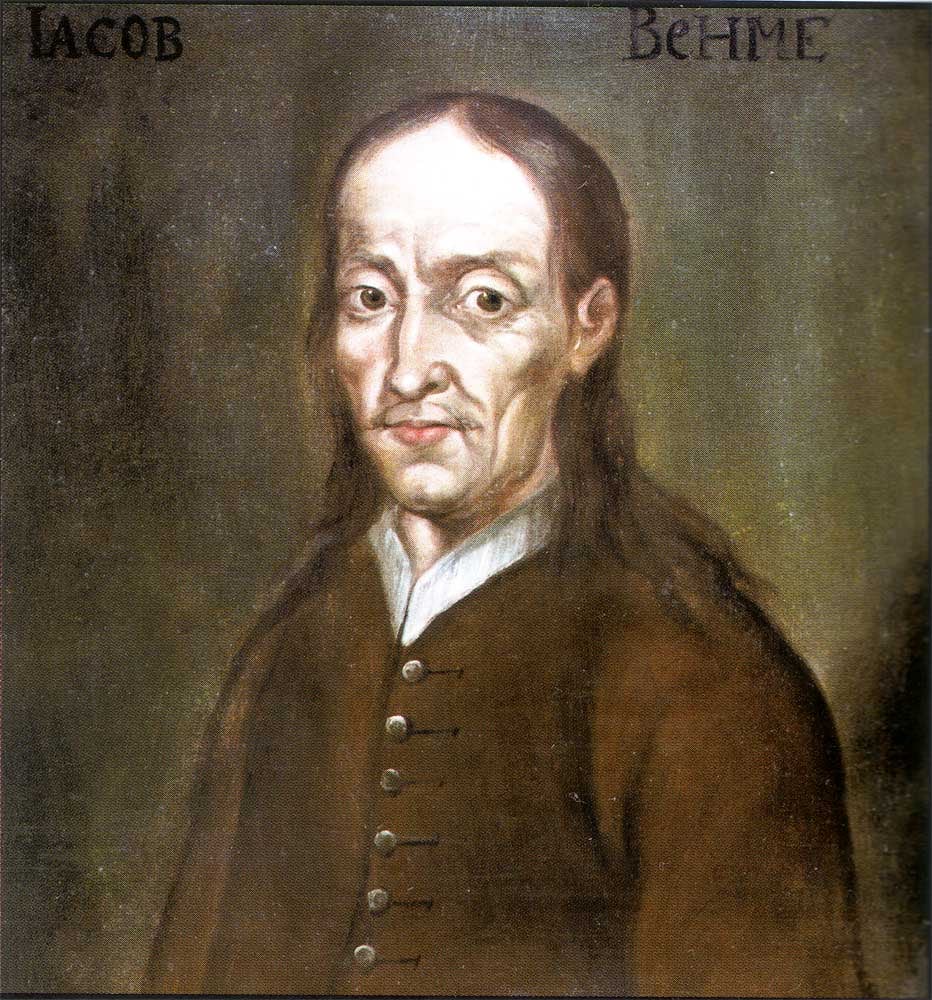
Jakob Böhme
يتّفقان في: ما المطلق؟ هل الله موجود؟ · لماذا نتألّم؟ · كيف يُبلَغ التحرّر أو الخلاص؟
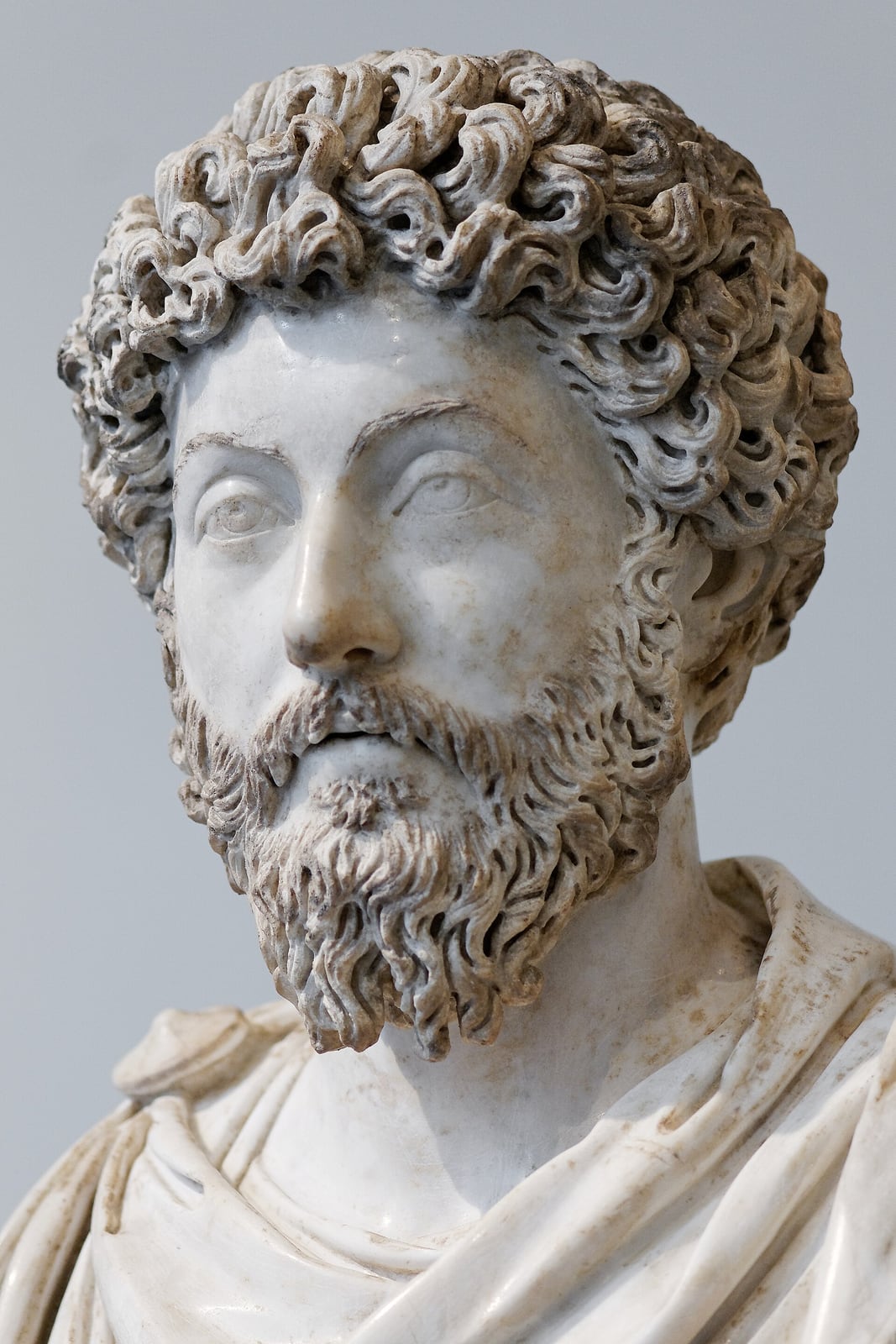
Marcus Aurelius
يتّفقان في: ما المطلق؟ هل الله موجود؟ · ماذا يحدث بعد الموت؟ · هل العالم حقيقي؟
Vladimir Solovyov
يتّفقان في: ما المطلق؟ هل الله موجود؟ · لماذا نتألّم؟ · كيف يُبلَغ التحرّر أو الخلاص؟

حكايات وروايات
حكايات وروايات
شهادة1914–1915
The soldiers' sugar
أصل الرواية: Family recollections gathered by Simone Pétrement, her friend and fellow student, in La Vie de Simone Weil (1973).
المصدر: Pétrement, Simone. La Vie de Simone Weil. 2 vols. Paris: Fayard, 1973 (reed. en un volumen, 1997).
شهادة1931–1932
The 'Red Virgin' of Le Puy
أصل الرواية: Told by Pétrement on the basis of the local press and testimony; the reply about dismissal is handed down in several versions.
المصدر: Pétrement, Simone. La Vie de Simone Weil. 2 vols. Paris: Fayard, 1973 (reed. en un volumen, 1997).
شهادة1933
Trotsky in the flat on rue Auguste-Comte
أصل الرواية: Pétrement (La Vie de Simone Weil), from her parents' recollections and Simone's notes on the discussion.
المصدر: Pétrement, Simone. La Vie de Simone Weil. 2 vols. Paris: Fayard, 1973 (reed. en un volumen, 1997).
شهادة1934–1935
The mark of slavery
أصل الرواية: Her own testimony in the 'Spiritual Autobiography' (1942) and the Journal d'usine published in La Condition ouvrière.
موثّق1936
The boiling oil on the Aragon front
أصل الرواية: Date of the accident according to the Stanford Encyclopedia of Philosophy; details of the stay in Pétrement and in the letter to Bernanos (Écrits historiques et politiques).
شهادة1938
George Herbert's poem 'Love'
أصل الرواية: 'Spiritual Autobiography', letter to Fr. Perrin of May 1942 (Attente de Dieu). Weil does not give the young Englishman's name.
شهادة1941
The Greek Our Father in the vineyard
أصل الرواية: 'Spiritual Autobiography' (Attente de Dieu), where Thibon appears as 'T…'; Thibon gave his version in Simone Weil telle que nous l'avons connue (1952).
مختلَف فيه1943
The rations of occupied France
أصل الرواية: The verdict appears on the death certificate and is cited by the Stanford Encyclopedia of Philosophy and the biographies by Pétrement and Du Plessix Gray; the ration motive comes from testimony by those around her in London.
التعاليم
التعاليم
المفاهيم التي ينتظم بها فكره، مشروحة في سياقها.
Attentionattention
Developed above all in Marseille (1941–1942), rooted in Alain's teaching on perception.
Affliction (malheur)malheur
Born of the factory experience (1934–1935) and formulated in 'L'Amour de Dieu et le malheur' (1942).
Decreationdecreation
A term coined in the Marseille Notebooks; gathered by Thibon into a chapter of La Pesanteur et la Grâce.
المصدر: Weil, Simone. La Pesanteur et la Grâce. Ed. Gustave Thibon. Paris: Plon, 1947. Texto en Wikisource.
Gravity and gracepesanteur-et-grace
The founding metaphor of the 1940–1942 Notebooks.
المصدر: Weil, Simone. La Pesanteur et la Grâce. Ed. Gustave Thibon. Paris: Plon, 1947. Texto en Wikisource.
Forceforce
Written in 1939–1940, in the face of war.
Rootedness and uprootednessenracinement
The core of L'Enracinement (London, 1943).
Obligations and the needs of the soulobligations
First part of L'Enracinement and the 'Draft for a Statement of Obligations'.
Metaxu (intermediaries)metaxu
Fragments from the Notebooks gathered in La Pesanteur et la Grâce (chapter 'Metaxu').
المصدر: Weil, Simone. La Pesanteur et la Grâce. Ed. Gustave Thibon. Paris: Plon, 1947. Texto en Wikisource.
مقاطع الفيديو
مقاطع الفيديو
تسجيلات ومقابلات وأفلام وثائقية. تُشغَّل مقاطع الفيديو من YouTube؛ ولا تُستضاف هنا.
Simone Weil "L'irrégulière" | Documentaire
فيلم وثائقي· FR· 26 min
Le Jour du Seigneurالقناة الرسمية
Pourquoi il faut lire Simone Weil aujourd'hui - #CulturePrime
تحليل· FR· 4 min
France Cultureالقناة الرسمية
Relire la philosophe Simone Weil - L'édito culture
تحليل· FR· 5 min
France Interالقناة الرسمية
Colloque Simone Weil - Emmanuel Gabellieri
محاضرة· FR· 52 min
Institut du Pont-Neuf
Conférence de Christian Loubère, Simone Weil et le poème de la force
محاضرة· FR· 75 min
Société toulousaine de philosophie
An Encounter with Simone Weil: trailer (documentary feature)
فيلم وثائقي· EN· 3 min
SimoneWeilMovieالقناة الرسمية
Sylvie Weil talks about what it was like growing up as Simone Weil's niece
مقابلة· EN· 1 min
SimoneWeilMovieالقناة الرسمية
Why Study Simone Weil with Philip Goodchild
محاضرة· EN· 6 min
University of Nottinghamالقناة الرسمية
Simone Weil, Waiting for God
محاضرة· EN· 62 min
The Philosophical Research Society
Remedios Zafra. Conversando con la obra de Simone Weil
محاضرة· ES· 62 min
La Casa Encendidaالقناة الرسمية
«Simone Weil: una filosofía nueva y muy antigua» por Laia Colell. Foro Arte y Pensamiento
محاضرة· ES· 70 min
Fundación CajaCanariasالقناة الرسمية
En torno a la cuestión colonial. Simone Weil y el destino de Europa — Cristina Basili
محاضرة· ES· 75 min
Círculo de Bellas Artesالقناة الرسمية
Hebe Uhart - «¿Para qué le sirve Simone Weil a los escritores?»
محاضرة· ES· 68 min
Cátedra Abierta Roberto Bolaño
المعرض
المعرض
صور بترخيص متحقَّق منه. كل منها تحتفظ بمؤلّفها ونسبتها.
المخطوطات
المخطوطات
شواهد مخطوطة ونصوص قديمة، مع جهة حفظها وشروط الاطّلاع عليها.
FR · Latin · 1925–1943
Fonds Simone Weil (cuadernos, manuscritos y correspondencia)
- الشاهد المحفوظ
- Cuadernos de Marsella, Nueva York y Londres; borradores de L'Enracinement y de los ensayos
- جهة الحفظ
- Bibliothèque nationale de France, departamento de Manuscritos (París)
العلاقات
العلاقات
تأثيرات وتلمذة وتقارب في الأفكار. تُميَّز العلاقة الموثّقة عن التشابه المستخلَص بالتحليل.
تأثّر بـ
She considered him the father of Western mysticism; she translated and commented on him at length in Intuitions pré-chrétiennes and La Source grecque.
علاقة موثّقة
تأثّر بـ
She devoted her longest study in Intuitions pré-chrétiennes to 'The Pythagorean Doctrine', seeing in harmony and mediation Christian foreshadowings.
علاقة موثّقة
تأثّر بـ
'I fell in love with Saint Francis as soon as I came to know of him,' she writes; in his chapel at Assisi she knelt for the first time (1937).
علاقة موثّقة
تأثّر بـ
She quotes him repeatedly in the Notebooks and the letters to Perrin (the image of the thread that holds the bird down).
علاقة موثّقة
تأثّر بـ
In the Spiritual Autobiography she acknowledges having found in Marcus Aurelius, as amor fati, the duty of accepting God's will.
علاقة موثّقة
تأثّر بـ
In the fragments on non-action she states that the highest 'passive activity' is perfectly described in the Bhagavad Gita and in Lao Tzu.
علاقة موثّقة
تأثّر بـ
Her mystical experience of 1938 was, by her own account, a personal contact with Christ; the Passion is at the centre of her theology of affliction.
علاقة موثّقة
أفكار قريبة من
'Decreation' and the critique of self-will have been compared with Eckhart's detachment (Abgeschiedenheit); no significant direct reading is recorded.
تشابه مستخلَص بالتحليل
معاصر لـ
French contemporaries engaging with Catholicism from opposite positions: Teilhard optimistic about evolution, Weil focused on affliction and necessity. There is no record that they met.
تشابه مستخلَص بالتحليل
المصادر
المصادر
المراجع والفهارس التي رُوجعت لهذه الصفحة.
- Perrin, Joseph-Marie, y Gustave Thibon. Simone Weil telle que nous l'avons connue. Paris: La Colombe, 1952.
- Du Plessix Gray, Francine. Simone Weil. New York: Viking (Penguin Lives), 2001.
- Wikidata, «Simone Weil» (Q157309).
- Pétrement, Simone. La Vie de Simone Weil. 2 vols. Paris: Fayard, 1973 (reed. en un volumen, 1997).
- Weil, Simone. Attente de Dieu. Ed. Joseph-Marie Perrin. Paris: La Colombe, 1950 (incluye la «Autobiographie spirituelle», carta al P. Perrin de mayo de 1942). Texto en Wikisource.
- Rozelle-Stone, A. Rebecca, y Benjamin P. Davis. «Simone Weil». Stanford Encyclopedia of Philosophy, publicado el 10 de marzo de 2018, revisión sustantiva del 18 de septiembre de 2025.
- Weil, Simone. La Pesanteur et la Grâce. Ed. Gustave Thibon. Paris: Plon, 1947. Texto en Wikisource.
- Weil, Simone. L'Enracinement: prélude à une déclaration des devoirs envers l'être humain. Paris: Gallimard (col. «Espoir»), 1949. Texto en Wikisource.
- Weil, Simone [Émile Novis]. «L'Iliade ou le poème de la force». Cahiers du Sud, n.º 230–231, diciembre de 1940 – enero de 1941; recogido en La Source grecque, Gallimard, 1953. Texto en Wikisource.
- Weil, Simone. La Condition ouvrière. Paris: Gallimard (col. «Espoir»), 1951 (incluye el Journal d'usine). Texto en Wikisource.
- Fiori, Gabriella. Simone Weil: biografia di un pensiero. Milano: Garzanti, 1981.
- Weil, Simone. Œuvres complètes. Dir. André A. Devaux y Florence de Lussy. Paris: Gallimard, 1988– (7 tomos previstos en 16 volúmenes).
- Wikisource en francés, «Auteur:Simone Weil» (relación de obras con fechas de redacción y publicación).
- Weil, Simone. Écrits de Londres et dernières lettres. Paris: Gallimard (col. «Espoir»), 1957. Texto en Wikisource.
- Weil, Simone. Oppression et Liberté. Paris: Gallimard (col. «Espoir»), 1955 (incluye las Réflexions sur les causes de la liberté et de l'oppression sociale, 1934). Texto en Wikisource.
- Weil, Simone. Lettre à un religieux. Paris: Gallimard (col. «Espoir»), 1951. Texto en Wikisource.
- Weil, Simone. Intuitions pré-chrétiennes. Paris: La Colombe, 1951. Texto en Wikisource.
- Open Library, registros de edición consultados por ISBN (obras de Simone Weil).
- Haslett, Julia (dir.). An Encounter with Simone Weil. Documental, Line Street Productions, 2010.
- Weil, Simone, y Joë Bousquet. Correspondance 1942. Paris: Éditions Claire Paulhan, 2019 (primera ed.: Lausanne, L'Âge d'homme, 1982).
- صاحب الحقوق
- Éditions Gallimard (ediciones francesas) y los herederos de Simone Weil; obra de dominio público en la UE desde 2014 y en España desde 2024, pero no en EE. UU. Las traducciones tienen derechos propios (Trotta, Routledge, NYRB, Harper, etc.).
- الموقع الرسمي
- www.simoneweil-association.com/
في انتظار التأكيد
ما لم تتمكّن هذه الصفحة من حسمه بعد. نفضّل أن نقول ذلك على أن نملأ الفراغ.
- Derechos: comprobar si Simone Weil fue declarada «morte pour la France», lo que en Francia añadiría 30 años de protección a sus obras; no afecta a la regla UE/España/EE. UU. aplicada aquí, pero sí a la difusión en Francia.
- Todas las entradas de reading_texts llevan caution: la obra no es de dominio público en EE. UU. (publicaciones francesas de 1940–1968 restauradas por la URAA). Reevaluar a partir de 2036 (La Ilíada) y de 2043 (primeras obras póstumas).
- Verificar en la biografía de Pétrement los detalles de la anécdota de Trotski (fecha exacta y lugar) y la réplica de Le Puy sobre la destitución.
- Localizar ISBN de ediciones en alemán, italiano y ruso de La gravedad y la gracia, Echar raíces y A la espera de Dios; y de la edición castellana de Venecia salvada.
- Confirmar los traductores de las ediciones de Trotta sin traductor registrado (A la espera de Dios, Intuiciones precristianas, Escritos de Londres).
- Confirmar la signatura del fondo Simone Weil en la Bibliothèque nationale de France y si existe digitalización en Gallica.
- Vídeos: no se encontraron en YouTube documentales completos de televisiones públicas en alemán o italiano con canal oficial; se registran 13.
- Programas de afiliación: ninguno verificado.
بُحث بتاريخ 2026-10-25