المسيحية · التصوف المسيحي · الكاثوليكية · البروتستانتية · المسيحية الأرثوذكسية
Jesus of Nazareth
יֵשׁוּעַ · Ἰησοῦς ὁ Ναζαρηνός · ܝܫܘܥ · عيسى
نحو 5 ق.م – نحو 30رواية تجمع بين التاريخ واللاهوت والتقليد
واعظ يهودي من الجليل، صُلب في أورشليم بأمر من الوالي الروماني بيلاطس البنطي نحو سنة 30، ومن حركته نشأت المسيحية. وما نعرفه عنه مصدره في المقام الأول الأناجيل، التي كُتبت باليونانية بعد موته بأربعين إلى سبعين سنة على أيدي مؤلفين آمنوا بقيامته. ويقرّ النقد التاريخي بوجوده، وبمعموديته على يد يوحنا، وبتبشيره بملكوت الله، وبموته على الصليب؛ أما كل ما عدا ذلك تقريبًا فموضع تأويل لاهوتي وجدل.
- مؤلَّفًا
- 31مؤلَّفًا
- طبعة
- 96طبعة
- اقتباسًا
- 11اقتباسًا
- مقطع فيديو
- 11مقطع فيديو
- صورة
- 8صورة
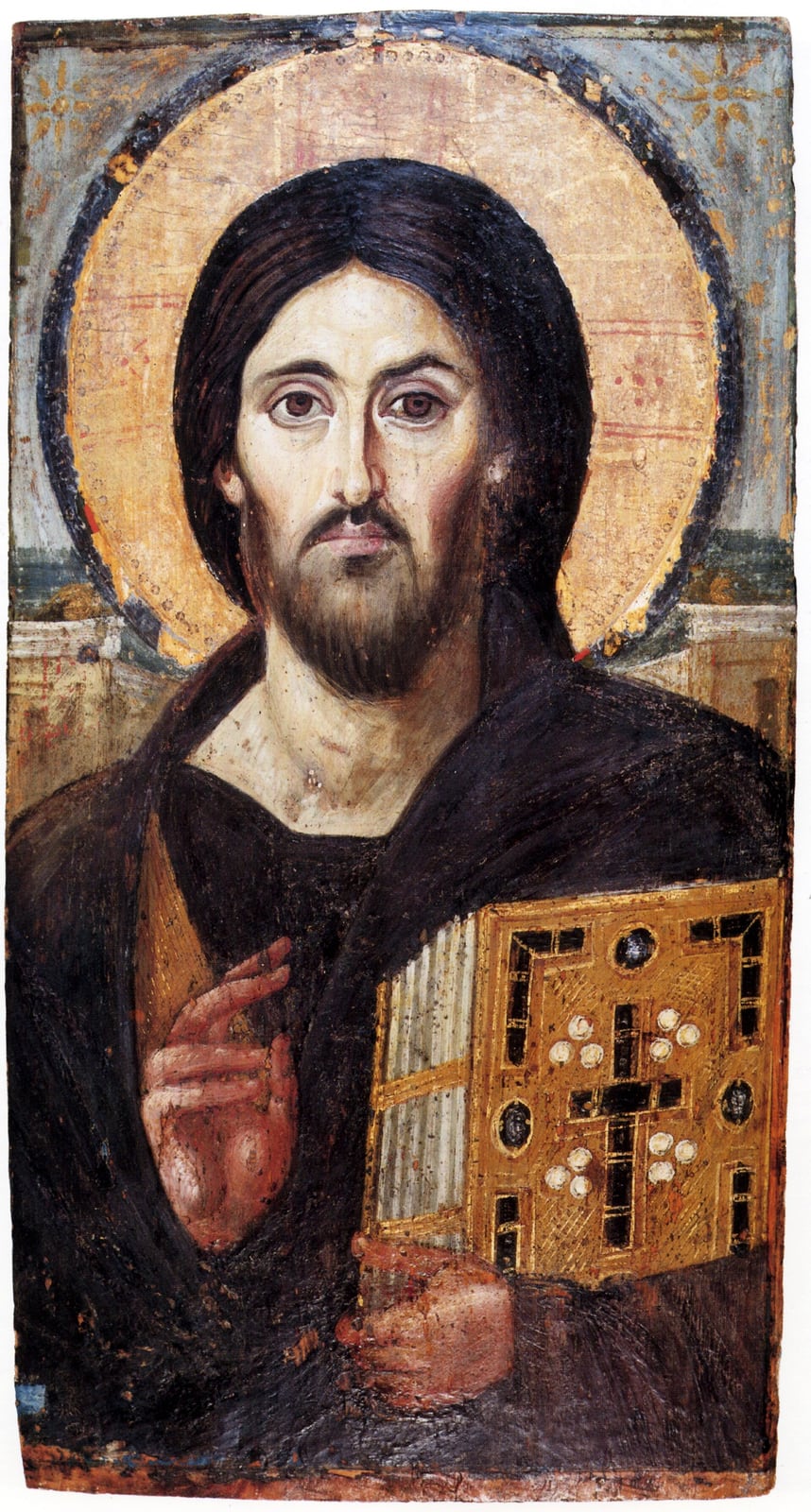
Cristo Pantocrátor del Sinaí · Public domain
بكلماته
«The time is fulfilled, and the kingdom of God is at hand: repent ye, and believe the gospel.»Marcos 1:15. Griego: SBLGNT; inglés: King James Version (1611); español: traducción propia.

فكرته المحورية
The kingdom of God: It is the centre of Jesus's preaching according to the Synoptics: the expression appears more than a hundred times in the gospels and almost never in the rest of the New Testament.
السيرة
4 دقيقة قراءة
ترجمة مُعانة من الأصل الإسباني، بانتظار مراجعة مترجم من أهل اللغة.
معضلة المصادر
لم يكتب يسوع شيئًا، ولم يترك أحد من معاصريه شهادة وصلت إلينا. وأقدم الوثائق المسيحية هي رسائل بولس الطرسوسي، المكتوبة نحو خمسينيات القرن الأول، وهي قلّما تُعنى بحياته على الأرض: يُستفاد منها أنه كان يهوديًا، وأنّ له إخوة — أحدهم يعقوب الذي كان يرأس جماعة أورشليم —، وأنه أقام عشاءً أخيرًا، وأنه مات مصلوبًا. أما الأناجيل القانونية الأربعة، التي دُوِّنت بين نحو سنة 70 (مرقس) ونحو 90–110 (يوحنا)، فهي مجهولة المؤلف: إذ لم تُنسب إلى مرقس ومتّى ولوقا ويوحنا إلا في القرن الثاني. وليست سيرًا بالمعنى الحديث، بل هي بشارات إيمانية تجمع تقاليد شفهية ومكتوبة رُتّبت بحسب حاجات جماعات بعينها. ومن المصادر غير المسيحية، يذكره المؤرخ اليهودي يوسيفوس فلافيوس (نحو 93) مرتين — وقد عبث النسّاخ المسيحيون بإحداهما —، ويروي تاسيتوس (نحو 116) أنّ «المسيح» أُعدم على يد بيلاطس البنطي في عهد طيباريوس.
وانطلاقًا من هذه المواد، سعى البحث الحديث — من رايماروس في القرن الثامن عشر إلى «مساعي البحث» المتعاقبة عن يسوع التاريخي — إلى التمييز بين ما يمكن تقريره على وجه الترجيح وما ينتمي إلى الإيمان. وثمة إجماع واسع على نواة صغيرة من الوقائع؛ وحولها تتباعد إعادات البناء تباعدًا عميقًا.
الجليل
وُلد يسوع — واسمه بالآرامية يِشوع، وهو صيغة مختصرة من يهوشوع، اسم يشوع بن نون — في أواخر حكم هيرودس الكبير، الذي مات سنة 4 ق.م. وتجعل روايات الطفولة عند متّى ولوقا مولده في بيت لحم، مدينة داود، لكن من طرق لا يمكن التوفيق بينها؛ ويرى معظم المؤرخين أنها صياغات لاهوتية، ويضعون منشأه الفعلي في الناصرة، وهي قرية صغيرة في الجليل، الإقليم الذي كان يحكمه رئيس الربع هيرودس أنتيباس. كانت أمه تُدعى مريم (مِريام)؛ وأبوه، بحسب الأناجيل، يوسف، وهو صانع حِرَفي (تِكتون). ويذكر مرقس أربعة إخوة له ويشير إلى أخوات. كان يتكلم الآرامية، ومن المرجّح جدًا أنه كان يعرف عبرية الأسفار المقدسة؛ ولا دليل على أنه بشّر باليونانية.
نشأ في جليلٍ يهودي ريفي، على مسيرة ساعات قليلة من صفورية، المدينة المتأغرقة التي كان أنتيباس يعيد بناءها، في زمن توترات اقتصادية وترقّبات دينية: فقد كان الحكم الروماني والضرائب وطهارة الهيكل والرجاء في أن يعيد الله إسرائيل همومًا مشتركة بين الناس.
يوحنا المعمدان وملكوت الله
أول واقعة ثابتة الشهادة من حياته الراشدة هي معموديته على يد يوحنا، وهو نبيّ كان يبشّر عند الأردن بدينونة وشيكة وبمعمودية توبة. وكان المشهد يُحرج الإنجيليين أنفسهم — لماذا يخضع المسيح لمعمودية لمغفرة الخطايا؟ —، ولهذا السبب تحديدًا يعدّه المؤرخون أصيلًا. ويؤرخه لوقا بالسنة الخامسة عشرة من حكم طيباريوس، أي نحو 28–29. وبعد أن اعتقل أنتيباس يوحنا، بدأ يسوع رسالته الخاصة حول بحيرة الجليل، متخذًا كفرناحوم مركزًا لها.
تُختصر رسالته في عبارة واحدة: قد اقترب ملكوت الله. يبشّر به في أمثال مستمدة من حياة الفلاحين — حبة الخردل، والخميرة، والزارع، والكنز المخفي —، ويجسّده في موائد مفتوحة للعشّارين والخطأة، ويقرنه بأشفية وطرد للأرواح الشريرة كان خصومه أنفسهم، بحسب المصادر، ينسبونها إليه وإن جادلوا في مصدرها. ويختار اثني عشر تلميذًا، وهو عدد يستحضر أسباط إسرائيل الاثني عشر. أخلاقه جذرية: محبة الأعداء، والغفران بلا حدّ، وترك اكتناز الثروات، وقلب المراتب. ويدعو الله أبّا، أي «الآب». ويجادل معلمين آخرين في تفسير الشريعة — السبت والطهارة والطلاق — من داخل يهودية عصره، لا ضدها. أمّا هل كان يرى نفسه المسيح، أو «ابن الإنسان» في التقليد الرؤيوي، فتلك من أشد المسائل خلافًا في البحث كله.
أورشليم
نحو سنة 30، وفي موسم الفصح، صعد يسوع إلى أورشليم مع أتباعه. وتروي الأناجيل الأربعة حادثة في الهيكل — قلب موائد الصيارفة — يعدّها كثير من المؤرخين الشرارة التي أدت إلى اعتقاله. وبعد عشاء أخير مع الاثني عشر، قُبض عليه ليلًا في جثسيماني، واستجوبته سلطات الهيكل، ثم أُسلم إلى الوالي بيلاطس البنطي الذي حكم عليه بالصلب، وهو العقوبة الرومانية المخصّصة للعبيد والمتمردين. ولافتة الصليب، «ملك اليهود»، تلخّص التهمة السياسية. وتختلف الأناجيل في اليوم — إذ يجعله يوحنا عشية الفصح، والأناجيل الإزائية يوم الفصح نفسه —، وفي تفاصيل المحاكمة، وفي الكلمات التي نطق بها على الصليب. مات في غضون ساعات قليلة، ودُفن في اليوم نفسه.
ما بعد الصليب
بعد قليل، أعلن تلاميذه أنّ الله أقامه من بين الأموات وأنه ظهر لهم. وأقدم قائمة بتلك الظهورات ينقلها بولس نحو سنة 54 (الرسالة الأولى إلى أهل كورنثوس، الإصحاح 15). ولا يستطيع المؤرخ أن يثبت القيامة ولا أن يدحضها، فهي موضوع إيمان؛ لكنه يستطيع أن يلاحظ أنّ هذه القناعة حوّلت حركة تجديد يهودية إلى ديانة ستصير، في غضون ثلاثة قرون، ديانة الإمبراطورية الرومانية. فالألقاب — المسيح («الممسوح»)، والرب، وابن الله —، وعقيدة طبيعتيه وعقيدة الثالوث، التي ثُبّتت في مجمعي نيقية (325) وخلقيدونية (451)، هي صياغات لذلك الإيمان.
ذاكرات كثيرة
إلى جانب الأناجيل القانونية الأربعة، كانت تتداول أناجيل أخرى: مجموعات أقوال مثل إنجيل توما، وروايات للآلام مثل إنجيل بطرس، وحوارات غنوصية مثل إنجيلَي مريم وفيلبس، وروايات عن الطفولة. وقد كشف العثور عليها — ولا سيما في نجع حمادي (مصر) سنة 1945 — عن تنوّع المسيحية في قرونها الأولى. وفي الإسلام، عيسى نبيّ من أولي العزم، وُلد من عذراء، لكنه لم يُصلب وليس إلهًا. وفي اليهودية، هو معلّم يهودي لا يُعترف بمسيحانيته. وفي نظر التاريخ، هو نبيّ جليلي من القرن الأول تبقى شخصيته، بعد ألفي عام، من أكثر الشخصيات دراسةً وإثارةً للجدل في تاريخ البشرية.
المصادر: Nestle, Eberhard y Erwin; Aland, Barbara y Kurt, et al. (eds.). Novum Testamentum Graece, 28.ª ed. Deutsche Bibelgesellschaft, Stuttgart, 2012; y Holmes, Michael W. (ed.). The Greek New Testament: SBL Edition. Society of Biblical Literature / Logos, 2010 (texto griego citado, CC BY 4.0). · Meier, John P. A Marginal Jew: Rethinking the Historical Jesus. 5 vols. Doubleday / Yale University Press, Nueva York y New Haven, 1991–2016 (trad. esp.: Un judío marginal, Verbo Divino). · Sanders, E. P. The Historical Figure of Jesus. Allen Lane / Penguin, Londres, 1993 (trad. esp.: La figura histórica de Jesús, Verbo Divino, 2000). · Theissen, Gerd y Merz, Annette. Der historische Jesus: Ein Lehrbuch. Vandenhoeck & Ruprecht, Gotinga, 1996 (trad. esp.: El Jesús histórico, Sígueme, Salamanca, 1999). · Ehrman, Bart D. Jesus: Apocalyptic Prophet of the New Millennium. Oxford University Press, Nueva York, 1999.
الخط الزمني
الحياة عامًا بعد عام
كل نقطة حدث موثّق. انقر لتقرأه مع مصدره ودرجة اليقين فيه.
نحو 5 ق.مأقل من عامProbablemente Nazaret (Galilea); según Mateo y Lucas, Belén (Judea)
Birth
Matthew places the birth under Herod the Great, who died in 4 BCE; hence the conventional date of c. 6–4 BCE. The infancy narratives of Matthew and Luke are incompatible in their itinerary and scholarship regards them as theological compositions. Years BCE are expressed as negative numbers.
مرجَّحSanders, E. P. The Historical Figure of Jesus. Allen Lane / Penguin, Londres, 1993 (trad. esp.: La figura histórica de Jesús, Verbo Divino, 2000).
بعد وفاته
- نحو 50Paul's letters
- نحو 70Gospel of Mark
- نحو 93Flavius Josephus mentions Jesus
- نحو 116Tacitus and the execution of "Christ"
- 325Council of Nicaea
- ديسمبر 1945Discovery of the Nag Hammadi codices
- 1961Discovery of the Pilate inscription
نحو 5 ق.م · أقل من عام
Birth
Matthew places the birth under Herod the Great, who died in 4 BCE; hence the conventional date of c. 6–4 BCE. The infancy narratives of Matthew and Luke are incompatible in their itinerary and scholarship regards them as theological compositions. Years BCE are expressed as negative numbers.
مرجَّح
نحو 4 ق.م
Death of Herod the Great
His kingdom is divided among his sons: Galilee passes to the tetrarch Herod Antipas, who will rule the territory where Jesus grows up.
موثّق
6
Census of Quirinius
Judea becomes a Roman province and the legate of Syria, Quirinius, conducts a fiscal census (Josephus, Antiquities 18.1). Luke links it to Jesus's birth, which clashes with Matthew's chronology; it is one of the classic problems of research.
موثّق
نحو 8 · 12 عامًا
The boy in the Temple
The only episode of his youth in the canonical gospels (Luke 2:41–52): at twelve, Jesus stays behind in the Temple debating with the teachers. It is a tradition found only in Luke.
تقليد
26
Pontius Pilate, prefect of Judea
Pilate governs Judea from 26 to 36. The inscription found at Caesarea in 1961 confirms his office of praefectus.
موثّق
نحو 28 · 32 عامًا
Baptism by John
Jesus is baptised by John the Baptist. Luke (3:1) dates the start of John's preaching to the fifteenth year of Tiberius (c. 28–29). The baptism is considered very probably historical because it embarrassed the evangelists themselves.
مرجَّح
نحو 28
Preaching in Galilee
He proclaims the kingdom of God in parables, performs healings and exorcisms and gathers a group of Twelve. The length of the ministry ranges from one year (Synoptics) to about three (John, who mentions three Passovers).
مرجَّح
نحو 29
Execution of John the Baptist
Herod Antipas imprisons and executes John. Josephus (Antiquities 18.116–119) ascribes it to fear of revolt; the gospels, to John's criticism of Antipas's marriage to Herodias.
موثّق
نحو 30
Entry into Jerusalem and the Temple incident
At Passover Jesus reaches Jerusalem and overturns the money-changers' tables in the Temple, an act many historians regard as the immediate cause of his arrest.
مرجَّح
نحو 30
Last supper, arrest and crucifixion
After a supper with the Twelve he is arrested, questioned by the Temple authorities and crucified on Pilate's orders on the charge of claiming to be "king of the Jews". Tacitus and Josephus confirm the execution under Pilate. Astronomical calculations for 14 Nisan point to 7 April 30 or 3 April 33.
موثّق
نحو 30
Belief in the resurrection
His disciples claim that he has risen and appeared to them. It is an object of faith, not a verifiable fact; the belief is documented by Paul around 54 (1 Corinthians 15:3–8), who passes on an earlier formula.
تقليد
نحو 50
Paul's letters
Paul's authentic letters (c. 50–58) are the oldest surviving Christian documents and mention some facts about Jesus: his Jewish origin, his brothers, the last supper and the crucifixion.
موثّق
نحو 70
Gospel of Mark
The oldest gospel is composed around the destruction of the Jerusalem Temple by Rome (70). Matthew and Luke use it as a source around 80–90; John is written c. 90–110.
مرجَّح
نحو 93
Flavius Josephus mentions Jesus
In the Jewish Antiquities Josephus refers to "Jesus, who was called Christ", brother of James (20.200), and devotes a passage to him (18.63–64) that Christian copyists interpolated; most specialists believe it contains an authentic core.
موثّق
نحو 116
Tacitus and the execution of "Christ"
Narrating the fire of Rome under Nero, Tacitus (Annals 15.44) explains that the Christians' name comes from Christ, executed by the procurator Pontius Pilate in the reign of Tiberius.
موثّق
325
Council of Nicaea
The first ecumenical council defines the Son as "consubstantial" with the Father; Chalcedon (451) will fix the doctrine of his two natures, divine and human, in one person.
موثّق
ديسمبر 1945
Discovery of the Nag Hammadi codices
Farmers find in a jar twelve fourth-century Coptic codices and the loose leaves of a thirteenth, containing among other texts the complete Gospel of Thomas and the Gospels of Philip and of Truth.
موثّق
1961
Discovery of the Pilate inscription
An Italian expedition discovers in the theatre at Caesarea a reused stone bearing the name of Pontius Pilate, prefect of Judea: the first archaeological evidence of the governor who condemned Jesus.
موثّق
المؤلَّفات
المؤلَّفات الأساسية
المؤلَّفات التي لا يُفهم إرثه من دونها.
مجموعة لاحقة · نحو 70
The Gospel according to Mark
Τὸ κατὰ Μᾶρκον εὐαγγέλιον
The shortest and oldest of the canonical gospels. It begins without an infancy narrative, with the baptism in the Jordan, and moves swiftly through the Galilean activity—healings, exorcisms, parables of the kingdom—to the passion in Jerusalem, which takes up almost a third of the text. Its Jesus is a man of action who imposes silence about his identity (the "messianic secret"), and his disciples often fail to understand him. The original ending (16:8) closes with the women fleeing the empty tomb "for they were afraid"; verses 16:9–20 are a later addition.
8 طبعات · amazon.com
مجموعة لاحقة · نحو 85
The Gospel according to Matthew
Τὸ κατὰ Ματθαῖον εὐαγγέλιον
The gospel the early Church placed first and the most quoted in the liturgy. It organises Jesus's teaching into five great discourses, the first being the Sermon on the Mount (chs. 5–7), with the beatitudes, the Lord's Prayer and the golden rule. It presents Jesus as a new Moses and the fulfilment of Israel's Scriptures, with frequent fulfilment quotations, and opens with its own genealogy and infancy narrative (the magi, the flight into Egypt). It ends with the sending of the disciples to all nations.
8 طبعات · amazon.com
مجموعة لاحقة · نحو 85
The Gospel according to Luke
Τὸ κατὰ Λουκᾶν εὐαγγέλιον
The most literary of the gospels, written in careful Greek and addressed to one Theophilus. It contains its own infancy narrative (the annunciation, the manger, the shepherds) and exclusive parables—the good Samaritan, the prodigal son, the rich man and Lazarus—that stress mercy towards the poor, women and the marginalised. It sets Jesus's life in the history of the Empire (Augustus, Tiberius, Quirinius) and narrates a long journey to Jerusalem. On the cross it transmits the words of forgiveness and of surrender to the Father.
8 طبعات · amazon.com
مجموعة لاحقة · نحو 100
The Gospel according to John
Τὸ κατὰ Ἰωάννην εὐαγγέλιον
Very different from the other three: it begins with a prologue on the Logos that "became flesh", replaces the parables with long discourses and seven "signs" (water turned into wine, the raising of Lazarus), and puts in Jesus's mouth the "I am" sayings (the bread of life, the light of the world, the way, the truth and the life). It places the cleansing of the Temple at the beginning and the crucifixion on the eve of Passover. It has been the main source of Christian Christology and mysticism.
8 طبعات · amazon.com
جميع مؤلَّفاته (31)

The Q Source (Sayings Gospel Q)
60

The Gospel of Thomas
125

The Gospel of Peter
150

The Gospel of Mary (Magdalene)
150

The Gospel of Philip
250

The Gospel of Judas
150

The Infancy Gospel of Thomas
150
The Protevangelium of James
150
The Gospel of Pseudo-Matthew
625
إنجيل الطفولة العربي
550
The History of Joseph the Carpenter
600
The Gospel of Nicodemus (Acts of Pilate)
350
Jesus of Nazareth
The Letters of Christ and Abgar
The Conscious LibraryThe Letters of Christ and Abgar
300
Jesus of Nazareth
The Epistle of the Apostles
The Conscious LibraryThe Epistle of the Apostles
150
Jesus of Nazareth
Agrapha (Sayings of Jesus outside the Gospels)
The Conscious LibraryAgrapha (Sayings of Jesus outside the Gospels)
The Gospel according to the Hebrews
125
The Gospel of the Ebionites
150
The Gospel of the Nazareans
150
The Gospel of the Egyptians
130
The Egerton Gospel (Papyrus Egerton 2)
150
Jesus of Nazareth
The Secret Book of James
The Conscious LibraryThe Secret Book of James
150
Jesus of Nazareth
The Dialogue of the Savior
The Conscious LibraryThe Dialogue of the Savior
150
Jesus of Nazareth
The Book of Thomas the Contender
The Conscious LibraryThe Book of Thomas the Contender
200
Jesus of Nazareth
The Wisdom of Jesus Christ
The Conscious LibraryThe Wisdom of Jesus Christ
175
الأقوال
أقوال محدَّدة الموضع في مؤلَّف بعينه. كل منها يحمل مصدره ودرجة الثقة به.
The time is fulfilled, and the kingdom of God is at hand: repent ye, and believe the gospel.Πεπλήρωται ὁ καιρὸς καὶ ἤγγικεν ἡ βασιλεία τοῦ θεοῦ· μετανοεῖτε καὶ πιστεύετε ἐν τῷ εὐαγγελίῳ.
متحقَّق منهMarcos 1:15. Griego: SBLGNT; inglés: King James Version (1611); español: traducción propia.
أقوال منحولة أو مختلَف في نسبتها (5)
«He that is without sin among you, let him first cast a stone.»
It belongs to the episode of the woman taken in adultery (John 7:53–8:11), which is missing from the oldest manuscripts of the gospel (P66, P75, Sinaiticus, Vaticanus) and in others appears in different places, even in Luke. Textual criticism regards it as an ancient tradition added to the text, not an original part of John.
«Father, forgive them; for they know not what they do.»
Luke 23:34a is missing from important early witnesses (P75, Vaticanus, Bezae, and a corrector's hand in Sinaiticus). Editors print it in double brackets: it is ancient but probably not part of Luke's original text.
«Go ye into all the world, and preach the gospel to every creature… They shall take up serpents.»
It comes from the "longer ending" of Mark (16:9–20), absent from Sinaiticus and Vaticanus and unknown to Clement of Alexandria and Origen. It is regarded as a second-century addition harmonising Mark's abrupt ending with the other gospels.
«God helps those who help themselves.»
It is often attributed to Jesus or the Bible, but it appears in no biblical text. The widespread English wording comes from Algernon Sidney (1698) and Benjamin Franklin's Poor Richard's Almanack (1736); the idea has precedents in Greek antiquity.
«It is more blessed to give than to receive.»
It is an agraphon: it appears in no gospel. Only Paul quotes it in the Acts of the Apostles (20:35) as "words of the Lord Jesus", and its origin cannot be verified; it has parallels in Greek literature.
الكلمات الأخيرة
روايات متضاربة
«"Eloi, Eloi, lama sabachthani?" which is, being interpreted, "My God, my God, why hast thou forsaken me?" (Mark 15:34).»Ἐλωῒ ἐλωῒ λεμὰ σαβαχθάνι; ὅ ἐστιν μεθερμηνευόμενον Ὁ θεός μου ὁ θεός μου, εἰς τί ἐγκατέλιπές με;
There is no direct testimony: the gospels are later and do not agree. Mark (15:34–37) gives as the only sentence on the cross the Aramaic cry of Psalm 22:1 and adds that Jesus expired "with a loud cry", without words. Matthew (27:46–50) follows Mark, with the Hebrew form "Eli, Eli", and repeats the final cry. Luke (23:46) omits the cry of abandonment and puts in his mouth Psalm 31:5: "Father, into thy hands I commend my spirit"; before that, the prayer of forgiveness for his executioners (23:34, textually doubtful) and the promise to the good thief (23:43). John (19:30) ends with "It is finished" (tetelestai), after entrusting his mother to the beloved disciple and saying "I thirst". The Gospel of Peter (5:19) gives another variant: "My power, O power, you have left me." Devotional tradition harmonised all these sayings into the "Seven Last Words"; historians see in each version the theology of its evangelist.
المصدر: Nestle, Eberhard y Erwin; Aland, Barbara y Kurt, et al. (eds.). Novum Testamentum Graece, 28.ª ed. Deutsche Bibelgesellschaft, Stuttgart, 2012; y Holmes, Michael W. (ed.). The Greek New Testament: SBL Edition. Society of Biblical Literature / Logos, 2010 (texto griego citado, CC BY 4.0).
اسأل
بماذا يجيب أثره
اثنا عشر سؤالًا كبيرًا من أسئلة الإنسانية، وما تتيح نصوصه الإجابة به عنها، مع المراجع. ولا نقوّله ما لم يقل أبدًا.
ما المطلق؟ هل الله موجود؟
God is the Father who cares, forgives and reigns
إله شخصييقوله صراحةً
According to the Synoptic Gospels, Jesus does not discuss God's existence: as a first-century Galilean Jew he presupposes it, and radicalises it as relationship. Asked about the first commandment he quotes the Shema: the Lord is one, and is to be loved with all one's heart (Mk 12:29–30). He addresses God as Father, and Mark preserves the Aramaic word Abba in the Gethsemane prayer (Mk 14:36); he teaches people to ask for daily bread and forgiveness (Mt 6:9–13; Lk 11:2–4) and describes a Father who knows what is needed before it is asked and who clothes the lilies of the field. The heart of his preaching is the Kingdom of God, the sovereignty of that God breaking into history. The Absolute is, in these texts, someone who sees, hears, forgives and acts.
قارن هذا السؤال مع معلّمين آخرينمن أنا؟ هل توجد ذات حقيقية؟
One's life is worth more than the world; whoever gives it up gains it
روح مخلوقة خالدةيُستنتج من تعاليمه
The Synoptic Gospels record no theory of the self, but they do contain statements about the worth of the person before God. Jesus asks what it profits someone to gain the whole world and lose their life (psyche), and states that whoever wishes to save it will lose it, and whoever loses it for his sake and the gospel's will save it (Mk 8:35–37). In Matthew he urges not fearing those who kill the body but cannot kill the soul (Mt 10:28), and assures that even the hairs of one's head are numbered (Mt 10:30). The self thus appears as a unique life, known by God, not reducible to the body, found in self-giving rather than self-assertion. Christian tradition later developed, with Greek categories, the doctrine of the created, immortal soul.
قارن هذا السؤال مع معلّمين آخرينلماذا نتألّم؟
He gives no theory of pain: he heals it, shares it and announces its end
الانفصال عن اللهيُستنتج من تعاليمه
The Synoptic Gospels do not attribute to Jesus a systematic explanation of suffering, and in one passage he expressly rejects the most common explanation of his time. Told of some Galileans killed by Pilate and of eighteen people crushed by the tower of Siloam, he asks whether they were more guilty than others and answers no, though he adds a call to repentance (Lk 13:1–5). In other scenes, however, he links healing to the forgiveness of sins (Mk 2:1–12). His response to pain is above all practical: he heals the sick, eats with the excluded, declares the poor and those who weep blessed (Lk 6:20–21) and announces a Kingdom that reverses their lot. In Gethsemane he asks that the cup pass and accepts it (Mk 14:36). The theology of redemptive suffering comes later.
قارن هذا السؤال مع معلّمين آخرينماذا يحدث بعد الموت؟
God is not God of the dead but of the living: the dead will rise
الحياة الأبدية والقيامةيقوله صراحةً
According to the Synoptic Gospels, Jesus shares with the Pharisees the Jewish hope in the resurrection of the dead. When the Sadducees, who denied it, put to him the case of the woman married in turn to seven brothers, he answers that those who rise will be like angels and that God is not God of the dead but of the living. His parables announce a final judgement with two destinies — eternal life or punishment — decided by one's conduct towards the least, and that of the rich man and Lazarus describes an immediate fate after death. In Luke he promises the crucified wrongdoer to be with him that very day in paradise. The Gospel of John, later and more theological in composition, puts on his lips that he himself is the resurrection and the life. His followers' faith in his own resurrection is the centre of the later tradition.
قارن هذا السؤال مع معلّمين آخرينكيف يُبلَغ التحرّر أو الخلاص؟
Repent and receive the Kingdom of God, which comes as gift and demands deeds
بالنعمة والمحبةيُستنتج من تعاليمه
According to the Synoptic Gospels, Jesus's central proclamation is that the Kingdom of God has come near and that one must repent and believe (Mark 1:15). Entry into the Kingdom is presented as a gift: to the question of who can be saved, he answers that for humans it is impossible, but not for God (Mark 10:27), and the Kingdom belongs to those who receive it like children. At the same time, the same texts demand a concrete response: doing the Father's will, renouncing binding wealth, forgiving, and in the judgement scene of Matthew 25 the criterion is works of mercy towards the least. Grace and conduct thus appear intertwined, without the doctrinal systematisation that came later.
قارن هذا السؤال مع معلّمين آخرينهل نحتاج إلى معلّم؟
Follow him, the one Teacher; among disciples, all are brothers
لا غنى عنهيقوله صراحةً
According to the gospels, Jesus acted as an itinerant teacher who called people to follow him (Mark 1:17) and formed a group of disciples. Personal following is the centre of his proposal: knowing a doctrine is not enough, one must go after him. At the same time, in Matthew 23:8-10 he forbids his disciples to be called rabbi, father or teacher, because they have only one Teacher and are all brothers. John's gospel takes the centrality of his figure further by presenting him as the way, the truth and the life (John 14:6). The position is therefore that of an indispensable and unique teacher, who at the same time relativises any human authority among those who follow him.
قارن هذا السؤال مع معلّمين آخرينهل العالم حقيقي؟
The Father cares for lilies and birds; the world is His work
خلقٌ صالح وحقيقييقوله صراحةً
In the Synoptic Gospels, Jesus speaks of the natural world as a creation God cares for: the Father feeds the birds of the air and clothes the lilies of the field (Matthew 6:26-30), makes his sun rise on the evil and the good and sends rain on the just and the unjust (Matthew 5:45). His parables draw on seeds, harvests, nets and yeast, with no trace of the material world being illusory or evil in itself. The danger lies not in creation but in attachment to wealth and anxious worry. John's gospel uses «world» in another sense, often as the human order that rejects God, though it also states that God so loved the world that He gave His Son.
قارن هذا السؤال مع معلّمين آخرينما الحب؟
Loving God and neighbour sums up the Law; the enemy too
محبة الله والقريبيقوله صراحةً
According to Mark's Gospel, when asked about the first commandment Jesus joins two texts of the Torah: to love God with all one's heart (Deuteronomy 6:5) and one's neighbour as oneself (Leviticus 19:18), and declares that there is no greater commandment. Luke illustrates who one's neighbour is with the parable of the Samaritan, which turns the despised foreigner into a model of active compassion. The most radical feature of the Synoptics is love of enemies: in the Sermon on the Mount Jesus asks his hearers to love those who persecute them and pray for them, so as to be children of the Father, who makes the sun rise on the evil and the good. John's Gospel, composed later, formulates a new commandment — love one another as I have loved you — and defines the greatest proof of love as laying down one's life for one's friends.
قارن هذا السؤال مع معلّمين آخرينهل نحن أحرار أم أن كل شيء مقدَّر؟
A call to conversion that presupposes freedom, under a providence that cares for everything
إرادة حرة حقيقيةيُستنتج من تعاليمه
The gospels contain no doctrine of free will, but their very form presupposes it. According to Mark, Jesus' preaching begins with a call: the time is fulfilled, repent and believe in the good news (Mk 1:15). That demand for change, the parables of decision and the judgement according to what each did with the hungry and the stranger (Mt 25:31-46) only make sense if the person can respond or refuse. Alongside this, the synoptics transmit a radical trust in providence: not a sparrow falls to the ground without the Father knowing, and even the hairs of the head are counted (Mt 10:29-31). Jesus does not reconcile the two in theory; he lives them as filial trust and responsibility at once.
قارن هذا السؤال مع معلّمين آخرينلماذا نتأمّل أو نصلّي؟
Praying in secret to the Father, calling him Abba, with a child's trust
صداقة مع اللهيقوله صراحةً
The gospels show Jesus withdrawing to pray alone, at dawn or by night (Mk 1:35; Lk 6:12), and attribute to him a teaching on prayer centred on the filial relationship. In the Sermon on the Mount he asks for prayer in secret, without heaping up words, because the Father knows what we need, and teaches the Lord's Prayer (Mt 6:5-13). In Gethsemane he calls him *Abba*, an Aramaic term of family intimacy (Mk 14:36). The Gospel of John, later and more theological in composition, has him tell the disciples that he no longer calls them servants but friends (Jn 15:15). Prayer is neither technique nor rite, but personal trust in a Father who listens, joined to conformity with his will.
قارن هذا السؤال مع معلّمين آخرينهل يستطيع العقل أن يعرف الحقيقة القصوى؟
He argues from Scripture, yet what is revealed is hidden from the wise
النصّ المقدّس والاستدلاليُستنتج من تعاليمه
The gospels show Jesus debating with scribes, Pharisees and Sadducees using the tools of the Jewish exegesis of his time. Facing the Sadducees, who deny the resurrection, he reproaches them for knowing neither the Scriptures nor the power of God and argues from the burning-bush passage: God is the God of Abraham, Isaac and Jacob, and is not God of the dead but of the living (Mk 12:24-27). Luke presents him explaining to the disciples at Emmaus what the Scriptures said about him (Lk 24:27). But the synoptic tradition also attributes to him a thanksgiving because the Father has hidden these things from the wise and learned and revealed them to little ones (Mt 11:25-27). Reason interprets Scripture; knowledge of the Father is a gift.
قارن هذا السؤال مع معلّمين آخرينالانسحاب من العالم أم تغييره؟
Retreats for prayer and a mission among the sick, the poor and sinners
الانخراط في العالميُستنتج من تعاليمه
According to the Synoptic Gospels, Jesus did not found a separate community like that of Qumran nor live as a hermit, although he withdrew to deserted places to pray. His mission unfolds in the villages, synagogues, houses and roads of Galilee, among the sick, the poor, tax collectors and sinners, with whom he shares table fellowship, which earns him criticism. He sends his disciples to heal and proclaim the kingdom, and in the parable of the last judgement he makes care for the hungry, the stranger, the sick and the prisoner the decisive criterion. At the same time, he refuses to turn his message into a political programme: asked about the tribute, he answers that one should give to Caesar what is Caesar's and to God what is God's. The kingdom he proclaims transforms human relations here, but is not identified with any power of this world.
قارن هذا السؤال مع معلّمين آخرين
التقارب والتوتّر
التقارب والتوتّر
محسوبة سؤالًا سؤالًا انطلاقًا من مواقفه. وسبب كل اتفاق أو اختلاف يظهر بالنقر.
يقترب في تفكيره من

Theophan the Recluse
يتّفقان في: ما المطلق؟ هل الله موجود؟ · من أنا؟ هل توجد ذات حقيقية؟ · لماذا نتألّم؟
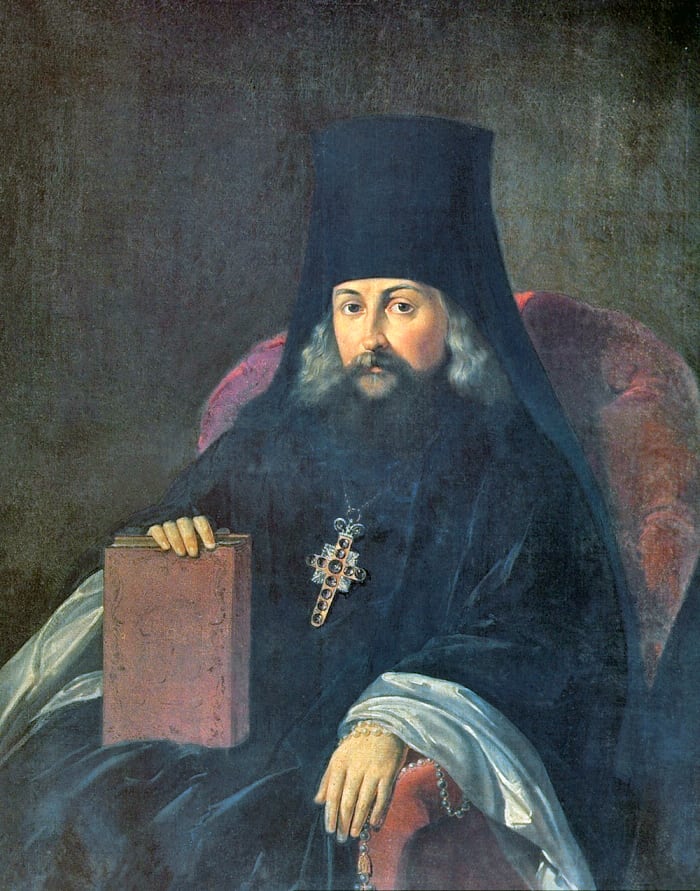
Ignatius Brianchaninov
يتّفقان في: ما المطلق؟ هل الله موجود؟ · من أنا؟ هل توجد ذات حقيقية؟ · لماذا نتألّم؟

Francis of Assisi
يتّفقان في: ما المطلق؟ هل الله موجود؟ · من أنا؟ هل توجد ذات حقيقية؟ · لماذا نتألّم؟
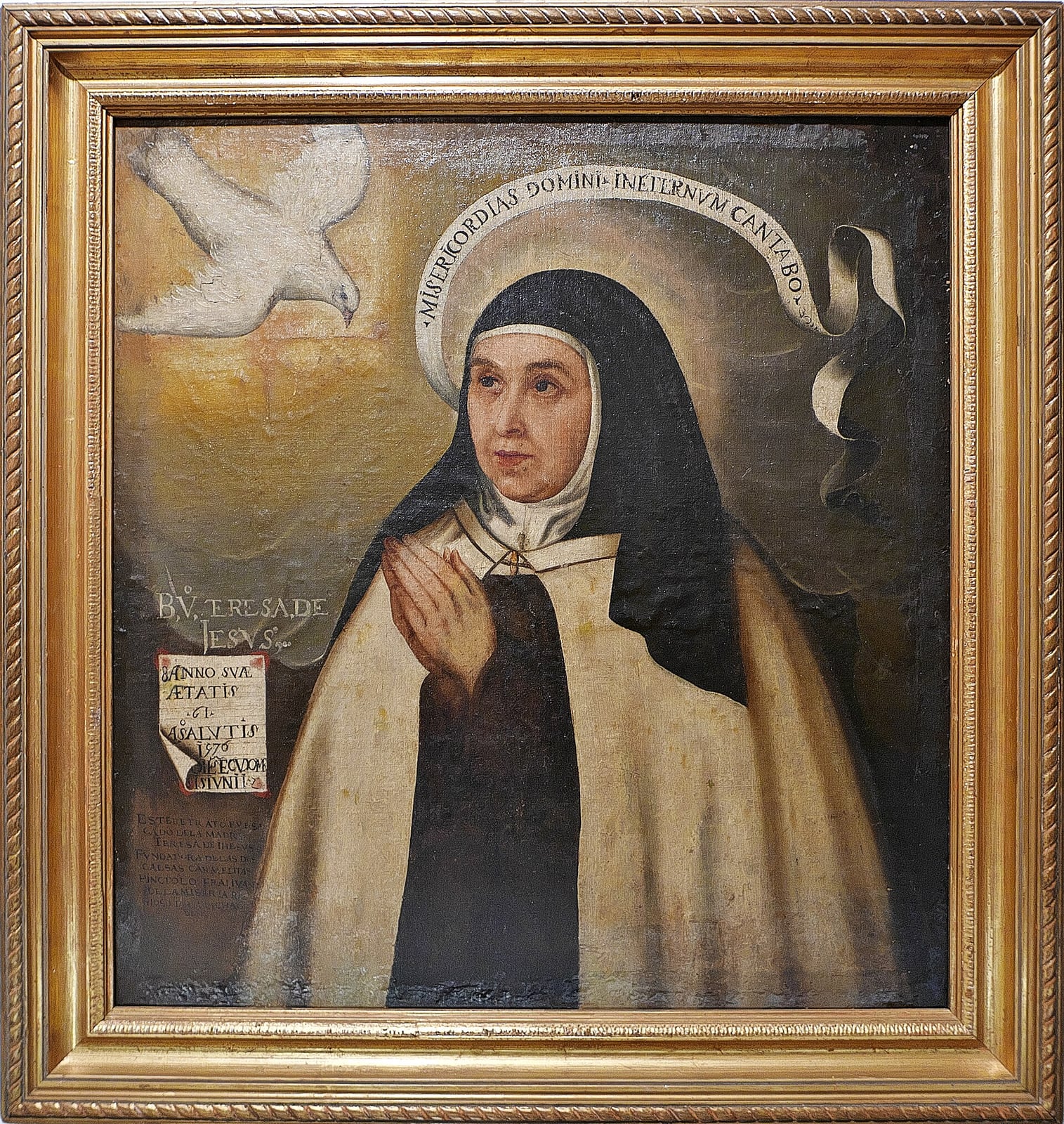
Teresa of Ávila
يتّفقان في: ما المطلق؟ هل الله موجود؟ · من أنا؟ هل توجد ذات حقيقية؟ · لماذا نتألّم؟
يبتعد في تفكيره عن

Patañjali
يختلفان في: ما المطلق؟ هل الله موجود؟ · من أنا؟ هل توجد ذات حقيقية؟ · ماذا يحدث بعد الموت؟

Pema Chödrön
يختلفان في: ما المطلق؟ هل الله موجود؟ · من أنا؟ هل توجد ذات حقيقية؟ · ماذا يحدث بعد الموت؟

Nāgārjuna
يختلفان في: ما المطلق؟ هل الله موجود؟ · من أنا؟ هل توجد ذات حقيقية؟ · ماذا يحدث بعد الموت؟
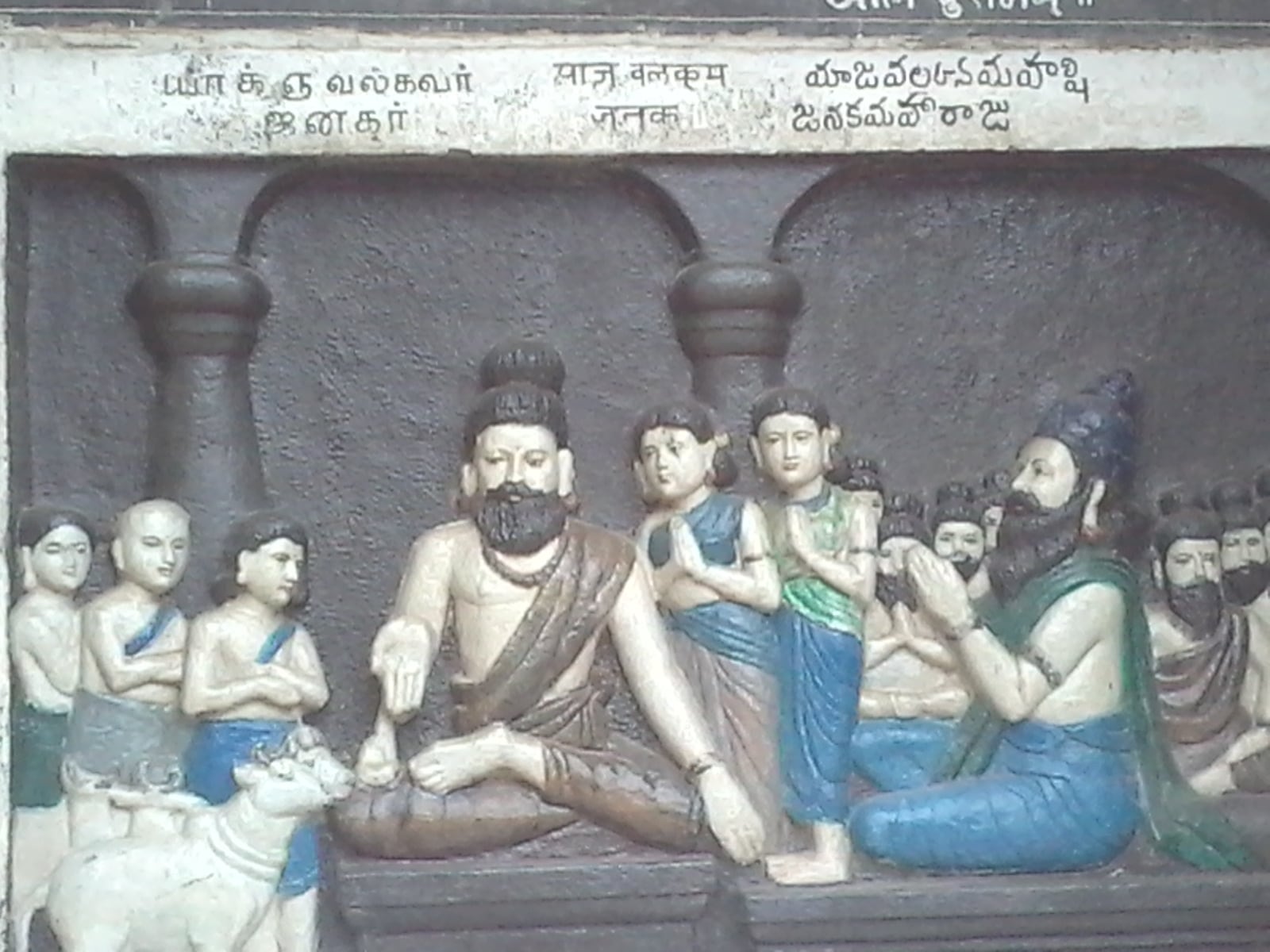
Yajnavalkya
يختلفان في: من أنا؟ هل توجد ذات حقيقية؟ · ماذا يحدث بعد الموت؟ · هل العالم حقيقي؟
يتّفقان في
Jesus of Nazareth · The 14th Dalai Lama (Tenzin Gyatso)
Loving the enemy too: the Tibetan monk reads the Sermon on the Mount
لماذا: The relationship is documented: at the 1994 John Main Seminar in London the Dalai Lama commented on Gospel passages, among them the Sermon on the Mount, and his remarks were published as The Good Heart. He acknowledged the ethical affinity and pointed out frankly the underlying difference. In the Gospels love of the enemy is grounded in imitation of a Father who loves all; in Tibetan Buddhism, in the equality of all beings before the wish for happiness and in interdependence, without a creator God. They agree on the practice and its demands, not on the ultimate reason that sustains it, and neither seeks to erase that distance.
يتّفقان في
Jesus of Nazareth · Thich Nhat Hanh
The Holy Spirit as the energy of mindfulness: a Zen monk before the living Christ
لماذا: The relationship is documented in one sense: Thich Nhat Hanh read and commented on the Gospels, was in dialogue with Thomas Merton and Martin Luther King, and in 1995 published Living Buddha, Living Christ to show convergences. His reading draws on Paul Tillich's theology, which speaks of God as the ground of being. The affinity, however, is asymmetrical: the Gospels present a personal God, the Father who sees, listens and forgives, and Thich Nhat Hanh translates that language into the Buddhist ultimate dimension, in which there is no creator. Many Christian and Buddhist theologians consider that the translation blurs real differences. It is a bridge built from one bank.
يتّفقان في
Jesus of Nazareth · Paramahansa Yogananda
Christ consciousness: a yogi comments on the Gospels
لماذا: The relationship is documented in one direction: Yogananda read and commented on the Gospels and presented Jesus as a realised master. His reading, however, is yogic and Vedantic: he distinguishes the historical Jesus from a universal Christ consciousness, reads some passages in terms of reincarnation and meditative technique, and conceives God as having a formless ground besides a personal face. None of this appears in the Synoptics, which present a first-century Jew who presupposes the God of Israel and announces his Kingdom, and Christian theology rejects reincarnation. They agree on the way of praying, not on the doctrine surrounding it.
يتّفقان في
Jesus of Nazareth · Confucius
The golden rule in two languages, and the exact point where they part
لماذا: There was no contact between them; the convergence comes from a widespread moral intuition, reciprocity, found in very diverse traditions. The divergence before the enemy is explained by each one's framework. Confucius thinks of a society ordered by graded relationships, beginning with the family, where love has measure and justice requires that each act receive its due. Jesus speaks from the imminence of the Kingdom of God and from the imitation of a Father who loves all without distinction, which breaks every measure. One seeks the harmony of the city; the other announces a justice that overflows it.
يختلفان فيخلاف جوهري
Jesus of Nazareth · Siddhartha Gautama, the Buddha
Abba versus the arrow: a Father who listens and a question that leads nowhere
لماذا: The contradiction is real, but it should be framed carefully. Jesus is a first-century Jew who does not argue for God's existence but radicalises it as a filial relationship; the Buddha teaches in an India full of speculation about the creator and the atman, and deliberately sets those questions aside because they do not lead to the end of suffering. They do not, then, answer exactly the same question: one announces whom to turn to; the other, how to extinguish the cause of pain. Both reach us, moreover, through texts of faith fixed decades or centuries later. The difference over a personal God, however, is not apparent: the Buddhist tradition has always maintained it.
حكايات وروايات
حكايات وروايات
رواية من سِيَر القدّيسينc. 28 (tradicional)
The temptations in the wilderness
أصل الرواية: Mark 1:12–13; Matthew 4:1–11 and Luke 4:1–13, which differ in the order of the last two temptations and derive from the Q source. It is a theological narrative built on texts from Deuteronomy (6–8); historians do not regard it as verifiable.
المصدر: Robinson, James M., Hoffmann, Paul y Kloppenborg, John S. (eds.). The Critical Edition of Q. Fortress Press / Peeters, Mineápolis y Lovaina, 2000. ISBN 9780800631499.
تقليد شفهيc. 28–30
"He is beside himself": Jesus's family
أصل الرواية: Mark 3:20–21 and 3:31–35; parallels in Matthew 12:46–50, Luke 8:19–21 and Thomas 99. The omission of Mark 3:21 by the later evangelists is cited as an example of the "criterion of embarrassment": an awkward memory unlikely to have been invented.
المصدر: Meier, John P. A Marginal Jew: Rethinking the Historical Jesus. 5 vols. Doubleday / Yale University Press, Nueva York y New Haven, 1991–2016 (trad. esp.: Un judío marginal, Verbo Divino).
تقليد شفهيc. 29–30
"Who do you say that I am?"
أصل الرواية: Mark 8:27–33; Matthew 16:13–23 (with the promise to Peter, 16:17–19, only in Matthew); Luke 9:18–22. Historians debate whether the scene preserves a memory or is a composition on messianic identity; the passion predictions are generally regarded as written after the event.
المصدر: Meier, John P. A Marginal Jew: Rethinking the Historical Jesus. 5 vols. Doubleday / Yale University Press, Nueva York y New Haven, 1991–2016 (trad. esp.: Un judío marginal, Verbo Divino).
تقليد شفهيc. 30
The money-changers' tables
أصل الرواية: Mark 11:15–18; Matthew 21:12–13; Luke 19:45–46; John 2:13–22. It is one of the episodes E. P. Sanders regards as historically most secure and the probable cause of the arrest; its meaning (protest against commerce, symbolic announcement of the Temple's destruction) is debated.
المصدر: Sanders, E. P. The Historical Figure of Jesus. Allen Lane / Penguin, Londres, 1993 (trad. esp.: La figura histórica de Jesús, Verbo Divino, 2000).
مختلَف فيهc. 30 (tradicional)
The woman taken in adultery
أصل الرواية: John 7:53–8:11. It is missing from papyri P66 and P75 and the codices Sinaiticus and Vaticanus; some manuscripts place it after John 21:25 or after Luke 21:38. Papias seems to have known a similar story. It is probably an ancient tradition that circulated independently and was incorporated into the fourth gospel in the fourth to fifth centuries.
المصدر: Metzger, Bruce M. A Textual Commentary on the Greek New Testament. 2.ª ed. Deutsche Bibelgesellschaft / United Bible Societies, Stuttgart, 1994.
رواية من سِيَر القدّيسينc. 30 (tradicional); relato del s. III–IV
The letter to King Abgar
أصل الرواية: Eusebius of Caesarea, Ecclesiastical History 1.13, who claims to have translated the letters from Syriac from the archives of Edessa; expanded version in the Syriac Doctrine of Addai (c. 400). The decree attributed to Pope Gelasius (6th century) declared them apocryphal. No historian regards them as authentic.
المصدر: Eusebio de Cesarea. Historia eclesiástica 3.39 (testimonio de Papías sobre Marcos y Mateo) y 6.12 (Serapión de Antioquía sobre el Evangelio de Pedro), c. 325. Trad. esp. Argimiro Velasco Delgado, BAC, Madrid.
التعاليم
التعاليم
المفاهيم التي ينتظم بها فكره، مشروحة في سياقها.
The kingdom of Godreino-de-dios
A concept of Second Temple Judaism (Daniel, psalms, synagogue prayers) that Jesus makes the core of his message.
المصدر: Ehrman, Bart D. Jesus: Apocalyptic Prophet of the New Millennium. Oxford University Press, Nueva York, 1999.
Abba: God as fatherabba
The basis of Christian prayer and of the later Trinitarian theology of sonship.
المصدر: Meier, John P. A Marginal Jew: Rethinking the Historical Jesus. 5 vols. Doubleday / Yale University Press, Nueva York y New Haven, 1991–2016 (trad. esp.: Un judío marginal, Verbo Divino).
Love of enemiesamor-a-los-enemigos
Ethical core of the Sermon on the Mount (Matthew 5–7) and the Sermon on the Plain (Luke 6), deriving from the Q source.
المصدر: Robinson, James M., Hoffmann, Paul y Kloppenborg, John S. (eds.). The Critical Edition of Q. Fortress Press / Peeters, Mineápolis y Lovaina, 2000. ISBN 9780800631499.
The parablesparabolas
A Jewish wisdom genre reworked as proclamation of the kingdom; the Gospel of Thomas preserves independent versions of several of them.
المصدر: Funk, Robert W., Hoover, Roy W. y The Jesus Seminar. The Five Gospels: The Search for the Authentic Words of Jesus. Macmillan, Nueva York, 1993.
The Son of Manhijo-del-hombre
A Christological title of Jewish apocalyptic origin, practically abandoned after the gospels.
المصدر: Theissen, Gerd y Merz, Annette. Der historische Jesus: Ein Lehrbuch. Vandenhoeck & Ruprecht, Gotinga, 1996 (trad. esp.: El Jesús histórico, Sígueme, Salamanca, 1999).
Messiah and Christmesias
A concept of Second Temple Judaism that became the central title of Christian faith.
المصدر: Fredriksen, Paula. Jesus of Nazareth, King of the Jews: A Jewish Life and the Emergence of Christianity. Alfred A. Knopf, Nueva York, 1999.
الخلوات
خلوات ومراكز
أماكن ولقاءات مرتبطة بتعليمه. نضعك على تواصل مع من ينظّمها.
Taizé, Borgoña · Francia
Taizé Community
Communauté de Taizé
Taizé is an ecumenical monastic community founded by Brother Roger in a small Burgundy village, where brothers from different Christian confessions live together. Every week it welcomes thousands of young people, as well as adults and families, to share common prayer three times a day, with its simple, repetitive chants, reflection on biblical texts in small groups and community life. Far from proselytism, its approach centres on the Gospel and on what the community calls a pilgrimage of trust on earth, which also continues in European youth meetings held in different cities.
Jerusalén, Belén, Nazaret, Cafarnaún y otros santuarios · Israel y Palestina
The Holy Land with the Franciscan Custody
Custodia de Tierra Santa (Custodia Terrae Sanctae)
Since the fourteenth century, the Franciscans of the Custody of the Holy Land have looked after many of the places linked to the life of Jesus of Nazareth: the Holy Sepulchre in Jerusalem, the Basilica of the Nativity in Bethlehem, the Basilica of the Annunciation in Nazareth and Capernaum by the Sea of Galilee. Its website brings together information on pilgrimage, visiting each shrine and services for pilgrims, such as the office that coordinates group celebrations and a Christian information centre in Jerusalem. It is the historical reference for visiting the settings of the Gospels, whatever one's confession.
Manresa, Barcelona · España
Cova de Sant Ignasi: Spiritual Exercises in Manresa
Centre d'Espiritualitat Cova de Sant Ignasi (Compañía de Jesús)
In a cave above the Cardoner river at Manresa, Ignatius of Loyola spent long months in prayer in 1522 and 1523 and there conceived his Spiritual Exercises, a method of contemplation centred on the life of Jesus that is still practised worldwide. The site is now a Jesuit spirituality centre offering silent prayer retreats, courses of the Exercises and visits, and it is the goal of the Ignatian Way that sets out from Loyola. It is one of the most established paths in the Christian tradition for contemplating the Gospels in retreat, open to people of any background.
مقاطع الفيديو
مقاطع الفيديو
تسجيلات ومقابلات وأفلام وثائقية. تُشغَّل مقاطع الفيديو من YouTube؛ ولا تُستضاف هنا.
13. The Historical Jesus
محاضرة· EN· 2009· 52 min
YaleCoursesالقناة الرسمية
6. The Gospel of Mark
محاضرة· EN· 2009· 45 min
YaleCoursesالقناة الرسمية
8. The Gospel of Thomas
محاضرة· EN· 2009· 50 min
YaleCoursesالقناة الرسمية
Jesus and the Historian
محاضرة· EN· 2015· 82 min
Bart D. Ehrmanالقناة الرسمية
Elaine Pagels - What do "secret gospels" suggest about Jesus and his teaching?
محاضرة· EN· 2019· 81 min
Kaufman Interfaith Instituteالقناة الرسمية
Conferencia Antonio Piñero: 1-La discusión moderna sobre la existencia de Jesús de Nazaret
محاضرة· ES· 2024· 64 min
Zamora Inquieta (ZINQ)القناة الرسمية
Conferencia Antonio Piñero: 2-El trágico final de Jesús. ¿Quién mató a Jesús y por qué?
محاضرة· ES· 2024· 79 min
Zamora Inquieta (ZINQ)القناة الرسمية
Los esenios, la comunidad de Qumrán y las sectas en el judaísmo | Adolfo Roitman
محاضرة· ES· 2015· 53 min
Fundación Juan Marchالقناة الرسمية
Auf der Suche nach dem historischen Jesus
محاضرة· DE· 2015· 86 min
Worthausالقناة الرسمية
New Fieldwork at Hinton St Mary, Dorset: The Mosaic in Context
محاضرة· EN· 2023· 64 min
Royal Archaeological Instituteالقناة الرسمية
PBS Frontline From Jesus to Christ The First Christians Part I
فيلم وثائقي· EN· 1998· 111 min
Flippant
المعرض
المعرض
صور بترخيص متحقَّق منه. كل منها تحتفظ بمؤلّفها ونسبتها.
المخطوطات
المخطوطات
شواهد مخطوطة ونصوص قديمة، مع جهة حفظها وشروط الاطّلاع عليها.
GRC · Uncial griega · s. II (el primer editor lo fechó en 100–150; dataciones posteriores llegan hasta c. 200)
Papiro Rylands 457 (P52)
- الشاهد المحفوظ
- Fragmento de códice de papiro de 8,9 × 6,0 cm
- جهة الحفظ
- John Rylands Library, Universidad de Mánchester · P. Ryl. Gr. 457
- الرقمنة
- www.digitalcollections.manchester.ac.uk/view/MS-…
GRC · Uncial griega · s. IV (mediados)
Codex Sinaiticus
- الشاهد المحفوظ
- Códice de pergamino; unos 400 folios conservados de los aproximadamente 730 originales
- جهة الحفظ
- British Library (la mayor parte); partes en Leipzig, San Petersburgo y el Sinaí · British Library, Add MS 43725
- الرقمنة
- codexsinaiticus.org/en/…
COP · Copto (sahídico) · c. 350 (copia)
Códice II de Nag Hammadi
- الشاهد المحفوظ
- Códice de papiro encuadernado en cuero
- جهة الحفظ
- Museo Copto, El Cairo · NHC II
COP · Copto (sahídico) · s. V (copia)
Papyrus Berolinensis 8502 (Códice de Berlín)
- الشاهد المحفوظ
- Códice de papiro; faltan las páginas 1–6 y 11–14 del Evangelio de María
- جهة الحفظ
- Ägyptisches Museum und Papyrussammlung, Berlín · P. Berol. 8502
العلاقات
العلاقات
تأثيرات وتلمذة وتقارب في الأفكار. تُميَّز العلاقة الموثّقة عن التشابه المستخلَص بالتحليل.
تأثّر بـ
Juan el Bautista
Jesus was baptised by John and probably belonged to his circle before beginning his own preaching; Josephus documents John independently (Antiquities 18.116–119).
علاقة موثّقة
أثّر في
Pablo de Tarso
Paul did not know Jesus in life, but his letters (c. 50–58) are the first Christian documents and shaped the interpretation of his death and resurrection.
علاقة موثّقة
أثّر في
Francis made the literal imitation of Jesus's poor life according to the gospels the rule of his order; his biographers narrate the stigmata as identification with the Crucified.
علاقة موثّقة
أثّر في
In the Masnavi, Jesus (Isa) frequently appears as a figure of the spirit and of the power to heal, following the Qur'anic and Sufi tradition.
علاقة موثّقة
أفكار قريبة من
Siddhartha Gautama, the Buddha
Since the nineteenth century their teachings on renunciation, compassion and love of enemies have been compared; there is no documented historical link between them.
تشابه مستخلَص بالتحليل
مرتبط من صفحات أخرى
- Socrates · أفكار قريبة من
- John of the Cross · تأثّر بـ
- Siddhartha Gautama, the Buddha · أفكار قريبة من
- Francis of Assisi · تأثّر بـ
- Simone Weil · تأثّر بـ
- Catherine of Siena · تأثّر بـ
- Leo Tolstoy · تأثّر بـ
- Osho · تأثّر بـ
- Meher Baba · أفكار قريبة من
- Pierre Teilhard de Chardin · تأثّر بـ
- Diogenes of Sinope · أفكار قريبة من
- Julian of Norwich · تأثّر بـ
- Rudolf Steiner · تأثّر بـ
- Martin Buber · أفكار قريبة من
- Ramakrishna · تأثّر بـ
- Kahlil Gibran · تأثّر بـ
- Meister Eckhart · تأثّر بـ
- Rabia al-Adawiyya · أفكار قريبة من
- Paramahansa Yogananda · تأثّر بـ
- Sri Yukteswar · تأثّر بـ
- Al-Hallaj · أفكار قريبة من
- Augustine of Hippo · تأثّر بـ
- Confucius · أفكار قريبة من
- Fyodor Dostoevsky · تأثّر بـ
- Alice A. Bailey · تأثّر بـ
المصادر
المصادر
المراجع والفهارس التي رُوجعت لهذه الصفحة.
- Wikidata, entidad Q302 «Jesus / Jesús de Nazaret» (346 enlaces entre wikis; P31: figura religiosa y personaje bíblico, no Q5). Registra como nacimiento -7, -5 y -2, y como muerte el 7 de abril de 30 y el 3 de abril de 33; lugares de nacimiento Belén (Q5776) y Nazaret; nombre nativo ישו.
- Nestle, Eberhard y Erwin; Aland, Barbara y Kurt, et al. (eds.). Novum Testamentum Graece, 28.ª ed. Deutsche Bibelgesellschaft, Stuttgart, 2012; y Holmes, Michael W. (ed.). The Greek New Testament: SBL Edition. Society of Biblical Literature / Logos, 2010 (texto griego citado, CC BY 4.0).
- Meier, John P. A Marginal Jew: Rethinking the Historical Jesus. 5 vols. Doubleday / Yale University Press, Nueva York y New Haven, 1991–2016 (trad. esp.: Un judío marginal, Verbo Divino).
- Sanders, E. P. The Historical Figure of Jesus. Allen Lane / Penguin, Londres, 1993 (trad. esp.: La figura histórica de Jesús, Verbo Divino, 2000).
- Theissen, Gerd y Merz, Annette. Der historische Jesus: Ein Lehrbuch. Vandenhoeck & Ruprecht, Gotinga, 1996 (trad. esp.: El Jesús histórico, Sígueme, Salamanca, 1999).
- Ehrman, Bart D. Jesus: Apocalyptic Prophet of the New Millennium. Oxford University Press, Nueva York, 1999.
- Flavio Josefo, Antigüedades judías 18.63–64 (Testimonium Flavianum) y 20.200, c. 93–94; Tácito, Anales 15.44, c. 116. Ediciones de la Loeb Classical Library (Harvard University Press).
- Robinson, James M., Hoffmann, Paul y Kloppenborg, John S. (eds.). The Critical Edition of Q. Fortress Press / Peeters, Mineápolis y Lovaina, 2000. ISBN 9780800631499.
- Meyer, Marvin (ed.). The Nag Hammadi Scriptures: The International Edition. HarperOne, Nueva York, 2007. ISBN 9780060523787.
- Ehrman, Bart D. y Pleše, Zlatko. The Apocryphal Gospels: Texts and Translations. Oxford University Press, Nueva York, 2011. ISBN 9780199732104.
- Santos Otero, Aurelio de (ed.). Los Evangelios apócrifos. Biblioteca de Autores Cristianos, Madrid, 1956 (ed. bilingüe; reed. 2009, ISBN 9788422014096).
- Piñero, Antonio, Montserrat Torrents, José y García Bazán, Francisco (eds.). Textos gnósticos. Biblioteca de Nag Hammadi. 3 vols. Trotta, Madrid, 1997–2000 (vol. II: Evangelios, hechos, cartas).
- Kasser, Rodolphe, Meyer, Marvin y Wurst, Gregor (eds.). The Gospel of Judas from Codex Tchacos. National Geographic, Washington, 2006. ISBN 9781426200427.
- King, Karen L. The Gospel of Mary of Magdala: Jesus and the First Woman Apostle. Polebridge Press, Santa Rosa, 2003. ISBN 9780944344583.
- The Holy Bible, King James Version (1611). Project Gutenberg, n.º 10 (y n.º 8040–8043 para los cuatro evangelios). Dominio público.
- James, M. R. (trad.). The Apocryphal New Testament. Clarendon Press, Oxford, 1924.
- Funk, Robert W., Hoover, Roy W. y The Jesus Seminar. The Five Gospels: The Search for the Authentic Words of Jesus. Macmillan, Nueva York, 1993.
- Dunn, James D. G. Jesus Remembered (Christianity in the Making, vol. 1). Eerdmans, Grand Rapids, 2003.
- Inscripción de Poncio Pilato hallada en Cesarea Marítima (1961). L'Année épigraphique 1963, 104. Museo de Israel, Jerusalén.
- Fredriksen, Paula. Jesus of Nazareth, King of the Jews: A Jewish Life and the Emergence of Christianity. Alfred A. Knopf, Nueva York, 1999.
- Metzger, Bruce M. A Textual Commentary on the Greek New Testament. 2.ª ed. Deutsche Bibelgesellschaft / United Bible Societies, Stuttgart, 1994.
- Franklin, Benjamin. Poor Richard's Almanack, Filadelfia, 1736 («God helps them that help themselves»); antecedente en Algernon Sidney, Discourses Concerning Government, 1698.
- Eusebio de Cesarea. Historia eclesiástica 3.39 (testimonio de Papías sobre Marcos y Mateo) y 6.12 (Serapión de Antioquía sobre el Evangelio de Pedro), c. 325. Trad. esp. Argimiro Velasco Delgado, BAC, Madrid.
- Universidad de Mánchester, John Rylands Research Institute and Library. Papiro Rylands P52 (P. Ryl. Gr. 457), fragmento del Evangelio de Juan (18:31–33, 37–38), 8,9 × 6,0 cm; Manchester Digital Collections.
- Robinson, James M. (ed.). The Nag Hammadi Library in English. 3.ª ed. HarperCollins, San Francisco, 1988 (relato del hallazgo de 1945 en la introducción).
- British Library. «Codex Sinaiticus», ficha de la colección (Add MS 43725) y Codex Sinaiticus Project.
- Tomás de Celano. Vita prima sancti Francisci (c. 1228–1229). Trad. esp. en San Francisco de Asís: Escritos, biografías, documentos de la época, ed. J. A. Guerra, BAC, Madrid.
- Rumi, Jalal al-Din. The Mathnawí of Jalálu'ddín Rúmí. Ed. y trad. R. A. Nicholson, 8 vols., E. J. W. Gibb Memorial / Luzac, Londres, 1925–1940.
- Pelikan, Jaroslav. The Christian Tradition: A History of the Development of Doctrine. Vol. 1: The Emergence of the Catholic Tradition (100–600). Chicago: University of Chicago Press, 1971 (formación de la cristología y de la doctrina trinitaria hasta Nicea y Calcedonia).
- El Corán, azoras 3:45–59, 4:157–158, 5:116–117 y 19:16–36 (Jesús/ʿĪsā, hijo de María). Trad. inglesa de Marmaduke Pickthall, The Meaning of the Glorious Koran. Nueva York: Alfred A. Knopf, 1930.
- Smith, Morton. Clement of Alexandria and a Secret Gospel of Mark. Cambridge (Mass.): Harvard University Press, 1973.
- Horner, George (trad.). Pistis Sophia. Introducción de Francis Legge. Londres: Society for Promoting Christian Knowledge, 1924. Project Gutenberg, n.º 76266.
- Bell, H. Idris y Skeat, T. C. Fragments of an Unknown Gospel and Other Early Christian Papyri. Londres: British Museum, 1935 (editio princeps del Papiro Egerton 2).
- Wikisource (en). «The Apocryphal New Testament (1924)», transcripción de M. R. James, The Apocryphal New Testament, Oxford, Clarendon Press, 1924, con una página por texto.
- Wikisource: «Biblia Reina-Valera 1909» (es, una subpágina por capítulo) y «Bible (American Standard)» (en, American Standard Version, 1901).
- صاحب الحقوق
- Textos antiguos en dominio público; cada traducción y edición crítica pertenece a su traductor o editorial
في انتظار التأكيد
ما لم تتمكّن هذه الصفحة من حسمه بعد. نفضّل أن نقول ذلك على أن نملأ الفراغ.
- Fechas: nacimiento c. 6–4 a. C. (se ha adoptado 5 a. C., aproximado) y muerte en 30 (o 33) d. C.; Wikidata registra -7, -5, -2 y los días 7 de abril de 30 y 3 de abril de 33. La elección del 30 sigue la opinión mayoritaria, no un dato cierto.
- Wikidata clasifica a Q302 como figura religiosa y personaje bíblico, no como ser humano (P31=Q5); se ha usado igualmente como identificador.
- Custodio actual del Códice Tchacos (Evangelio de Judas): según lo publicado, debía entregarse al Museo Copto de El Cairo; no se ha podido confirmar su paradero ni signatura, por lo que no se ha incluido en «manuscripts».
- El sitio del Museo Copto de El Cairo no respondía el 2026-10-23; no se ha podido comprobar si existe digitalización pública del Códice II de Nag Hammadi.
- No se ha localizado en Open Library un ISBN verificable para la Lutherbibel ni para la Bible de Jérusalem (Cerf); faltan ediciones alemana, italiana, rusa, árabe e hindi con ISBN de los evangelios.
- Evangelio de Pedro y Evangelio de la infancia de Tomás: falta una edición española con ISBN distinta de la antología de Santos Otero.
- Programas de afiliación: ninguno verificado (Trotta, BAC, Desclée, Oxford University Press no publican uno accesible). Lista vacía.
- El documental de Frontline «From Jesus to Christ» solo se ha encontrado en subidas de terceros; buscar una versión oficial de PBS insertable.
- Sala de lectura, evangelios canónicos en español: se registra la Reina-Valera 1909 (Wikisource, una subpágina por capítulo). La traducción de Félix Torres Amat (m. 1847; ed. de 1836) también está en Wikisource como página única por evangelio, con sus notas, en https://es.wikisource.org/wiki/La_Sagrada_Biblia_(XIII)/Mateo (y /Marcos, /Lucas, /Juan; capítulos «CAPÍTULO II…», split «inline»); no se registra porque la sala admite un solo texto por obra e idioma.
- Sala de lectura en inglés: se registra la King James Version (Wikisource, edición de Oxford de 1772). La American Standard Version (1901) se descartó porque no se ha podido documentar la fecha de muerte del último revisor superviviente, que la guarda de derechos exige.
- Evangelio de Tomás: no existe traducción libre en EE. UU., la UE y España del texto copto completo (hallado en 1945); solo se registran en inglés los fragmentos griegos de Oxirrinco en la traducción de M. R. James (1924). La versión española de Wikisource es anónima y moderna y no se registra.
- Apócrifos en español: las páginas de Wikisource del Evangelio de Pedro, del Pseudo-Mateo y del Evangelio árabe de la infancia no identifican traductor ni edición de origen; se registran con caution:true hasta identificarlo (posiblemente Edmundo González-Blanco, 1934, que no sería libre en EE. UU. hasta 2030).
- Sin texto libre para la sala de lectura: Evangelio de María, de Felipe, de Judas, fuente Q y textos de Nag Hammadi (traducciones posteriores a 1945); también los fragmentos judeocristianos (Hebreos, Ebionitas, Nazarenos, Egipcios), que James 1924 reúne en una sola página compartida que el importador no puede separar.
بُحث بتاريخ 2026-10-23