المسيحية · التصوف المسيحي · الكاثوليكية · الأفلاطونية المحدثة
Meister Eckhart
نحو 1260 – 1328شخصية موثّقة تاريخيًا
راهب دومينيكي من تورينغن (نحو 1260–1328)، شغل كرسيّ اللاهوت في باريس مرتين، وكان رئيسًا إقليميًّا لساكسونيا وواعظًا في ستراسبورغ وكولونيا. كتب باللاتينية عملًا مدرسيًّا لم يكتمل — «العمل الثلاثي» وشروحًا كتابية ومواعظ — ووعظ بالألمانية في قاع النفس والتجرّد وولادة الله في النفس، فصاغ المعجم التجريدي للغة الألمانية. حاكمه رئيس أساقفة كولونيا، ومات قبل أن تُدين البراءة البابوية «In agro dominico» (1329) ثماني وعشرين قضية منتزعة من مؤلفاته.
- مؤلَّفًا
- 37مؤلَّفًا
- طبعة
- 112طبعة
- اقتباسًا
- 9اقتباسًا
- مقطع فيديو
- 12مقطع فيديو
- صورة
- 6صورة

Fraile dominico identificado tradicionalmente con Eckhart (Andrea di Bonaiuto, Via Veritatis) · CC BY-SA 4.0
بكلماته
«Here God's ground is my ground and my ground is God's ground.»Sermón alemán 5b, «In hoc apparuit caritas dei» (DW I)

فكرته المحورية
The ground (grunt): 'Grunt' is the word Eckhart uses for what is innermost in the soul and, at the same time, innermost in God, and his boldest thesis is that the two grounds coincide: 'here God's ground is my ground and my ground God's ground' (Sermon 5b).
السيرة
4 دقيقة قراءة
ترجمة مُعانة من الأصل الإسباني، بانتظار مراجعة مترجم من أهل اللغة.
راهب من تورينغن
وُلد إكهارت نحو سنة 1260 في تورينغن، في تامباخ أو في هوخهايم قرب غوتا، ولا يُعرف شيء موثوق عن أسرته أو طفولته. دخل شابًّا دير الدومينيكان في إرفورت، وتلقّى تكوينه في دُور الدراسة التابعة للرهبنة، في كولونيا على الأرجح، حيث كان إرث ألبرت الكبير لا يزال حاضرًا بقوة، ثم في باريس. وحياته المعروفة لنا هي حياة رجل فكر من رهبنة الإخوة الواعظين: الدرس، ثم مناصب التدبير، ثم الوعظ، بهذا الترتيب، وكثيرًا ما اجتمعت كلها في وقت واحد.
في 1293–1294 شرح في باريس «كتاب الأحكام» لبطرس اللومباردي، ولم يبق من تلك الأشهر إلا محاضرة افتتاحية وعظة فصحية. وبعد عودته إلى تورينغن صار رئيسًا لدير إرفورت ونائبًا رهبانيًّا على الإقليم. وهناك ألقى على المبتدئين أحاديث نُسخت بعنوان «إرشادات روحية» (Die rede der underscheidunge)، وفيها: لا ينبغي أن ينشغل المرء بما يفعل قدر انشغاله بما هو عليه؛ فليست الأعمال هي التي تقدّس الإنسان، بل الإنسان هو الذي يقدّس الأعمال.
معلّمٌ في باريس
في سنة 1302 نال في باريس كرسيّ اللاهوت المخصّص للدومينيكان الأجانب، ومعه لقب «ماجستر» الذي لازمه بعد ذلك أبدًا: «مايستر» أي المعلّم. وفي المسائل الجدلية التي عُرضت في تلك السنة الدراسية ذهب، خلافًا للقراءة المألوفة لتوما الأكويني، إلى أن التعقّل في الله أكثر جوهرية من الوجود، وجادل الفرنسيسكاني غونسالفوس الإسباني في أيّهما له الأولوية: العقل أم الإرادة.
وبين 1303 و1311 كان أول رئيس إقليمي لإقليم ساكسونيا الدومينيكي الجديد، الممتد من الأراضي المنخفضة إلى ليفونيا، وفي سنة 1307 صار نائبًا عامًّا على بوهيميا. وفي 1311 أوفدته الرهبنة إلى باريس مرة ثانية، وهو شرف لم ينله قبله إلا توما الأكويني. ومن تلك السنوات يعود مشروع «العمل الثلاثي» (Opus tripartitum) — كتاب للقضايا، وآخر للمسائل، وثالث للتفاسير — الذي لم يتحقق منه إلا مقدمات، وشروح على سفر التكوين وسفر الخروج وسفر الحكمة وإنجيل يوحنا، ومواعظ لاتينية. وتعلن مقدمته العامة الأطروحة التي تنتظم كل شيء: «الوجود هو الله».
واعظ ستراسبورغ وكولونيا
نحو سنة 1313 استقرّ في ستراسبورغ نائبًا عن الرئيس العام للرهبنة، وأُوكلت إليه رعاية الأديرة الكثيرة للراهبات الدومينيكيات وجماعات البيغينات في منطقة الراين الأعلى. ولهنّ وعظ بالألمانية. وعظاته، التي دوّنها سامعون ونُسخت في مئات المخطوطات، هي لبّ شهرته: فالطبعة النقدية تعترف اليوم بأكثر من مئة منها، رقّمها يوزف كفينت وغيورغ شتير، إلى جانب ست وخمسين عظة لاتينية.
لم تصلنا أي عظة ألمانية بخطّ يده. وإنما نعرفها من نُسخ السامعين، وكثير منهم راهبات، وقد تداولتها الأيدي بلا اسم أو ممزوجة بنصوص واعظين آخرين؛ ومجموعات مثل «فردوس النفس العاقلة» (Paradisus anime intelligentis) تضمّ مواعظه إلى جانب مواعظ دومينيكان آخرين. ولكي يميّز الأصيل من المنحول، انطلق يوزف كفينت من المقاطع المقتبسة في محاكمة كولونيا وفي دفاع إكهارت نفسه، وهي تضمن نسبتها إليه، ثم بنى عليها بتتبّع أوجه التوازي في المذهب والأسلوب. ولهذا غدا ترقيم كفينت الطريقة المعتمدة للإحالة إلى إكهارت، ولهذا أيضًا خرج من متنه بعضُ ما نُسب إليه في القرن التاسع عشر، كرسالة «الأخت كاترين».
وفي هذه المواعظ تعود أفكار قليلة بجرأة لفظية لم يُسمع بمثلها: للنفس «قاعٌ» أو «شرارة» غير مخلوقة يلد فيها الآب ابنه بلا انقطاع؛ ولكي تتمّ هذه الولادة لا بدّ من «التجرّد» من كل صورة ومن كل إرادة، بل ومن الله كما نتصوّره؛ وما وراء الله توجد «الألوهة»، صحراء صامتة لا تمايز فيها. وبقوله ذلك صاغ إكهارت قسطًا كبيرًا من المعجم التجريدي في اللغة الألمانية.
وكتب للملكة الأرملة أغنيس الهنغارية «كتاب العزاء الإلهي»، وأرفقه بعظة «في الإنسان النبيل» التي تعلّم كيف يُلتمس في الله العزاء عن كل فقد. أما رسالة «في التجرّد»، التي ترفع التجرّد فوق المحبة والتواضع، فتُنسب إليه منذ القدم، وإن كانت صحة نسبتها موضع خلاف.
المحاكمة
نحو سنة 1323 نقلته الرهبنة إلى المدرسة العامة في كولونيا. وفي 1326 فتح رئيس الأساقفة هاينريش فون فيرنبورغ، وقد أقلقته حركات «الروح الحر» وكان على خلاف مع الدومينيكان، محاكمةً تفتيشية ضده استندت إلى قوائم من القضايا المنتزعة من كتبه ومواعظه. فردّ إكهارت بدفاع دقيق يميّز فيه بين الخطأ والهرطقة: قد يخطئ، كما يكتب، لكنه لا يمكن أن يكون هرطوقيًّا، لأن الأول من شأن العقل والثانية من شأن الإرادة.
وفي كانون الثاني/يناير 1327 رفع استئنافه إلى البابا، وفي 13 شباط/فبراير أمر بأن يُتلى في كنيسة الدومينيكان في كولونيا إعلان علني بسلامة إيمانه، وثّقه كاتب عدل، ثم سافر إلى أفينيون. وهناك اختصرت لجنة بابوية التهم في ثمانٍ وعشرين مادة. ومات إكهارت قبل 30 نيسان/أبريل 1328، وهو التاريخ الذي كتب فيه البابا يوحنا الثاني والعشرون إلى رئيس الأساقفة أن المحاكمة ماضية في مجراها؛ ولا يُعرف يوم وفاته ولا مكانها على وجه الدقة.
وفي 27 آذار/مارس 1329 أعلنت البراءة البابوية «In agro dominico» سبع عشرة مادة منها هرطوقية، والإحدى عشرة الباقية «سيئة الوقع» ومشبوهة، وأضافت أن إكهارت كان قد تراجع في آخر حياته عن كل ما قد يولّد لدى المؤمنين فهمًا هرطوقيًّا. ولم تُنشر البراءة إلا في إقليم كولونيا الكنسي، ولم تُدِن شخصه.
إرث يجري تحت الأرض
واصل تلميذاه يوهانس تاولر وهاينريش زوزه تعليمه بحذر، وتداول الناس كثيرًا من مواعظه بلا اسم أو منسوبة إلى غيره. وأمر نيقولاوس الكوزاني بنسخ أعماله اللاتينية ودافع عنه سنة 1449، وإن طلب ألّا توضع في أيدي العامّة. وعبر هذه القنوات، وعبر ترجمات تاولر، بلغ التصوفُ الراينيّ الروحانيةَ الأوروبية في القرنين الخامس عشر والسادس عشر.
وفي القرن التاسع عشر أعاد اكتشافه فرانز فون بادر وهيغل؛ ونشر فرانز بفايفر سنة 1857 النصوص الألمانية، واكتشف هاينريش دينيفله سنة 1886 الأعمال اللاتينية التي فرضت قراءته لاهوتيًّا مدرسيًّا. وأرادت الاشتراكية القومية (النازية) أن تستولي عليه بوصفه متصوفًا جرمانيًّا؛ غير أن الطبعة النقدية، التي بدأت سنة 1936، والأبحاث اللاحقة أعادت إليه مكانه داخل التقليد الدومينيكي والأفلاطوني المحدث.
ومنذ أن قارنه رودولف أوتو بشنكرا سنة 1926، أصبح إكهارت محاورًا مفضّلًا في الحوار مع الفيدانتا وبوذية الزن، من سوزوكي إلى مدرسة كيوتو. وقد كان هذا التلقّي خصبًا، لكن مؤرخين مثل كورت فلاش يحذّرون من إكهارت منتزَع من سياقه: معلّمٍ مدرسيّ كان يتحدث عن المسيح والكتاب المقدس بأدوات فلسفة عصره.
المصادر: Meister Eckhart. Die deutschen und lateinischen Werke. Herausgegeben im Auftrage der Deutschen Forschungsgemeinschaft. Stuttgart: W. Kohlhammer, 1936– (Die deutschen Werke, ed. Josef Quint y Georg Steer; Die lateinischen Werke, ed. Konrad Weiß, Josef Koch, Loris Sturlese et al.). · McGinn, Bernard. The Mystical Thought of Meister Eckhart: The Man from Whom God Hid Nothing. Nueva York: Crossroad, 2001. · Ruh, Kurt. Meister Eckhart: Theologe, Prediger, Mystiker. Múnich: C. H. Beck, 1985 (2.ª ed. 1989). · Flasch, Kurt. Meister Eckhart: Philosoph des Christentums. Múnich: C. H. Beck, 2010. Trad. ingl.: Meister Eckhart: Philosopher of Christianity. New Haven: Yale University Press, 2015. · Meister Eckhart. The Essential Sermons, Commentaries, Treatises, and Defense. Trad. e introd. de Edmund Colledge y Bernard McGinn. Nueva York: Paulist Press, 1981 (Classics of Western Spirituality; ISBN 0809123703).
الخط الزمني
الحياة عامًا بعد عام
كل نقطة حدث موثّق. انقر لتقرأه مع مصدره ودرجة اليقين فيه.
نحو 1260أقل من عامTambach o Hochheim (Turingia)
Birth
He is born in Thuringia, near Gotha. Neither the exact date nor his family is known.
مرجَّحRuh, Kurt. Meister Eckhart: Theologe, Prediger, Mystiker. Múnich: C. H. Beck, 1985 (2.ª ed. 1989).
بعد وفاته
- 27 مارس 1329Bull In agro dominico
- 1449Defence by Nicholas of Cusa
- 1857Pfeiffer's edition
- 1886Discovery of the Latin works
- 1936The critical edition begins
نحو 1260 · أقل من عام
Birth
He is born in Thuringia, near Gotha. Neither the exact date nor his family is known.
مرجَّح
نحو 1275 · 15 عامًا
Joins the Dominicans
He enters the Dominican convent of Erfurt; the date is an estimate.
مرجَّح
نحو 1293 · 33 عامًا
Lecturer on the Sentences
He lectures on the Sentences in Paris (1293–1294); the inaugural Collatio and the Easter Sermon of 1294 survive.
موثّق
نحو 1294 · 34 عامًا
Prior of Erfurt
Prior of Erfurt and vicar of Thuringia (until c. 1298); he delivers the Talks of Instruction.
موثّق
1302 · 42 عامًا
Master of theology
He holds the Dominican chair for foreigners (1302–1303); Parisian Questions.
موثّق
1303 · 43 عامًا
Provincial of Saxony
First provincial of the new Dominican province of Saxony (1303–1311).
موثّق
1307 · 47 عامًا
Vicar general of Bohemia
The general chapter entrusts him with reforming the convents of Bohemia.
موثّق
1311 · 51 عامًا
Second regency in Paris
He teaches in Paris again (1311–1313), a privilege previously held only by Thomas Aquinas.
موثّق
نحو 1313 · 53 عامًا
Vicar in Strasbourg
Vicar of the master general with care of the Dominican nuns and beguines of the Upper Rhine; the period of the great German sermons.
مرجَّح
نحو 1323 · 63 عامًا
Studium generale in Cologne
He teaches and preaches in Cologne.
مرجَّح
1326 · 66 عامًا
The trial begins
Archbishop Henry of Virneburg opens an inquisitorial process; Eckhart writes his defence.
موثّق
24 يناير 1327 · 67 عامًا
Appeal to the pope
Eckhart appeals to the Holy See against the archbishop's commissioners.
موثّق
13 فبراير 1327 · 67 عامًا
Public declaration
He has a protestation of orthodoxy read, recorded in a notarial instrument (now in the Vatican Archives), and leaves for Avignon.
موثّق
1328 · 68 عامًا
Death
He dies before 30 April 1328, when John XXII writes to the archbishop referring to him as deceased.
موثّق
27 مارس 1329
Bull In agro dominico
John XXII condemns twenty-eight articles: seventeen heretical and eleven evil-sounding or suspect.
موثّق
1449
Defence by Nicholas of Cusa
In the Apologia doctae ignorantiae Cusanus defends Eckhart; his library preserves the main codex of the Latin works.
موثّق
1857
Pfeiffer's edition
Franz Pfeiffer publishes the German texts attributed to Eckhart, the basis of his rediscovery.
موثّق
1886
Discovery of the Latin works
Heinrich Denifle publishes the Latin works found in Erfurt and in Cusanus's library.
موثّق
1936
The critical edition begins
The Deutsche Forschungsgemeinschaft begins Die deutschen und lateinischen Werke (Kohlhammer).
موثّق
المؤلَّفات
المؤلَّفات الأساسية
المؤلَّفات التي لا يُفهم إرثه من دونها.
مؤلَّف مكتوب · نحو 1296
Talks of Instruction (Counsels on Discernment)
Die rede der underscheidunge
Twenty-three chapters of practical spiritual direction on true obedience, prayer, detachment from one's own will, the Eucharist, sins and how to work without losing God. They contain the maxim that what one does matters less than what one is. It is Eckhart's earliest German work.
5 طبعات · amazon.com
مؤلَّف مكتوب · نحو 1318
The Book of Divine Consolation
Daz buoch der götlîchen træstunge (Liber Benedictus I)
A treatise of consolation in three parts: truths about the relation between the just man and justice, some thirty grounds of comfort in loss, and examples of sages and saints. It teaches that whoever suffers with God and for God finds that God suffers with him, and that accepted suffering becomes sweet.
6 طبعات · amazon.com
مؤلَّف مكتوب · نحو 1320
On Detachment
Von abegescheidenheit
A short treatise that places detachment above love, humility and mercy, because it compels God to come into the soul: a detached heart is a blank tablet on which God writes. Its image of the door swinging on its motionless hinge is among the most quoted in German mysticism.
6 طبعات · amazon.com
مجموعة لاحقة · نحو 1320
German Sermons (complete corpus)
Predigten (deutsche Predigten)
More than a hundred sermons preached mainly to nuns and beguines, commenting on the Gospel or Epistle of the day. In them the theses for which Eckhart is known are formulated: the birth of the Son in the ground of the soul, the uncreated spark, poverty of spirit, the Godhead beyond God. Their language, at once popular and abstract, is a landmark of German prose.
10 طبعات · amazon.com
مؤلَّف مكتوب
German Sermon 5b: 'In hoc apparuit caritas dei in nobis'
Predigt 5b: «In hoc apparuit caritas dei in nobis»
A sermon on the incarnation and the ground: God became man so that man might be born as son, and 'here God's ground is my ground and my ground God's ground'. It asks for a life 'without why', lived from one's own ground. A manuscript fragment discovered in 2010 is one of its oldest witnesses.
4 طبعات · amazon.com
مؤلَّف مكتوب
German Sermon 52: 'Beati pauperes spiritu'
Predigt 52: «Beati pauperes spiritu»
The sermon on poverty: poor is the one who wills nothing, knows nothing and has nothing, not even a place in which God could work. It contains the prayer that God rid us of 'God' and the evocation of the state in which man was before he was created. It is his most commented sermon.
5 طبعات · amazon.com
مؤلَّف مكتوب
German Sermon 86: 'Intravit Iesus in quoddam castellum'
Predigt 86: «Intravit Iesus in quoddam castellum»
It reverses the traditional reading of Martha and Mary: Martha, mature and active, knows how to work from the ground without losing God, while Mary is still learning. It is Eckhart's key text on the union of contemplation and action.
4 طبعات · amazon.com
جميع مؤلَّفاته (37)
Meister Eckhart
Inaugural Lecture on the Sentences
The Conscious LibraryInaugural Lecture on the Sentences
1293
Meister Eckhart
Easter Sermon (Paris, 1294)
The Conscious LibraryEaster Sermon (Paris, 1294)
1294
Meister Eckhart
Treatise on the Lord's Prayer
The Conscious LibraryTreatise on the Lord's Prayer
1294
Meister Eckhart
Sermon on the Feast of Saint Augustine (Paris)
The Conscious LibrarySermon on the Feast of Saint Augustine (Paris)
1302

Parisian Questions
1302
Tripartite Work (prologues)
1311

Commentary on the Book of Genesis
1314
Book of the Parables of Genesis
1314

Commentary on the Book of Exodus
1314
Sermons and Lectures on Ecclesiasticus 24
1314
Commentary on the Book of Wisdom
1314
Commentary on the Gospel of John
1320
Latin Sermons
1320
Defence (Reply to the Cologne charges)
1326
On the Noble Man
1318
German Sermon 1: 'Intravit Iesus in templum'
German Sermon 2: 'Intravit Iesus in quoddam castellum'
German Sermon 6: 'Iusti vivent in aeternum'
German Sermon 9: 'Quasi stella matutina'
German Sermon 12: 'Qui audit me'
German Sermon 22: 'Ave, gratia plena'
German Sermon 48: 'Ein meister sprichet: alliu glîchiu dinc minnent sich'
German Sermon 71: 'Surrexit autem Saulus de terra'
German Sermon 83: 'Renovamini spiritu'
الأقوال
أقوال محدَّدة الموضع في مؤلَّف بعينه. كل منها يحمل مصدره ودرجة الثقة به.
Here God's ground is my ground and my ground is God's ground.Hie ist gotes grunt mîn grunt und mîn grunt gotes grunt.
متحقَّق منهSermón alemán 5b, «In hoc apparuit caritas dei» (DW I)
أقوال منحولة أو مختلَف في نسبتها (2)
«If the only prayer you ever say in your entire life is thank you, it will be enough.»
A widely circulated English quotation not found in the German or Latin works of the critical edition. It appears to be a modern paraphrase; its first appearance has not been located.
«What we plant in the soil of contemplation, we shall reap in the harvest of action.»
Attributed to Eckhart in modern compilations without reference to any sermon or treatise. The idea recalls Sermon 86 on Martha and Mary, but the sentence is not in it.
الكلمات الأخيرة
لا توجد سجلات يمكن التحقق منها لكلماته الأخيرة.
No account of his death survives. It is known only that he died before 30 April 1328, probably in Avignon or on the road, while the process was still open. The bull In agro dominico (1329) states that at the end of his life he revoked and deplored the articles he had admitted teaching 'insofar as they could generate a heretical sense in the minds of the faithful', but that is a legal formula, not last words.
المصدر: Juan XXII. Bula «In agro dominico», Aviñón, 27 de marzo de 1329. Texto en Denzinger–Hünermann, Enchiridion symbolorum, n.os 950–980; trad. ingl. en Colledge y McGinn (1981), 77–81.
اسأل
بماذا يجيب أثره
اثنا عشر سؤالًا كبيرًا من أسئلة الإنسانية، وما تتيح نصوصه الإجابة به عنها، مع المراجع. ولا نقوّله ما لم يقل أبدًا.
ما المطلق؟ هل الله موجود؟
Beyond the God of three Persons lies the modeless Godhead
شخصي وغير شخصي معًايقوله صراحةً
Eckhart affirms the Trinitarian faith without reservation and, in his Latin works, identifies God with being itself («being is God», prologue to the Tripartite Work) and, in the Parisian Questions, with understanding. But in the German sermons he distinguishes between God, who is spoken in Persons, acts and is named by creatures, and the Godhead (gotheit), a desert ground without mode in which there is no distinction. Hence in sermon 52 he prays that God rid us of «God», that is, of the image of God as an object, and in sermon 83 he proposes loving him as a non-God, a non-spirit, a non-person. Both levels are true: the personal God is the Godhead as manifested; the Godhead is that same God in his ground, which no name reaches.
قارن هذا السؤال مع معلّمين آخرينمن أنا؟ هل توجد ذات حقيقية؟
In the ground of the soul, God's ground and mine are one
الذات هي المطلقيقوله صراحةً
Eckhart distinguishes in the soul its powers, which deal with images and creatures, and a ground (grunt), a spark or «little castle» so simple that not even God as Persons can peer into it (sermon 2). In that ground, he says in sermon 5b, God's ground is my ground and my ground is God's; there the Father begets his Son, and the eye in which I see God is the same eye in which God sees me (sermon 12). Sermon 52 even evokes the state in which man was in God before being created. The true self is not the one who owns, knows and wills, but the one who, detached, coincides with the divine ground.
قارن هذا السؤال مع معلّمين آخرينلماذا نتألّم؟
All sorrow springs from love of what is lost
التعلّق والشهوةيقوله صراحةً
In the Book of Divine Consolation, written for a grieving queen, Eckhart diagnoses suffering with precision: all sorrow comes from love of what loss takes from us. Whoever grieves over outward goods shows that their heart was set on them and not on God. The remedy is detachment: the soul that wills nothing of its own, that has left its will in God's, cannot be wounded in what is essential, because nothing it loses was its own. Eckhart adds a theological consolation: whoever suffers for God and in God does not suffer alone, because God suffers with him, and so pain loses its bitterness.
قارن هذا السؤال مع معلّمين آخرينماذا يحدث بعد الموت؟
The just live in eternity, which is a timeless now
الحياة الأبدية والقيامةيقوله صراحةً
Eckhart shares the faith in eternal life, but shifts the emphasis from afterwards to now. In sermon 6, on the verse «the just shall live for ever», he explains that the just man, as just, is begotten by justice and lives in it as the Son in the Father; this life does not begin after death, because eternity is a now that knows no before or after. The sermons on the eternal birth place in that same now the birth of the Son in the ground of the soul. The death that matters is the death of attachment and of self-will; whoever has died to himself already shares, in the ground, in the life that does not end.
قارن هذا السؤال مع معلّمين آخرينكيف يُبلَغ التحرّر أو الخلاص؟
Whoever seeks God by a way keeps the way and loses God
بلا منهج: الانتباه الكامليقوله صراحةً
Eckhart distrusts paths that turn into ends. In sermon 5b he warns that whoever seeks God by a way takes the way and leaves God hidden in it; whoever seeks him without a way takes him as he is in himself. What is decisive is not what one does, but what one is: the Talks of Instruction ask us to think less about works and more about being. The path, if it can be called that, is detachment: a heart empty of images, of self-will and of desire for reward, in which God begets his Son. The noble man, poor in spirit, lives and acts «without why», like life that lives because it lives.
قارن هذا السؤال مع معلّمين آخرينهل نحتاج إلى معلّم؟
God speaks his Word in the ground of the silent soul
المعلّم في الداخليُستنتج من تعاليمه
Eckhart was himself a master —the title came from his chair in Paris— and a preacher to communities of friars and nuns. But his doctrine places the true teacher within: in the sermons on the eternal birth, the Father speaks his Word in the ground of the soul, and to hear it the faculties and images must be silenced. No outward teaching can give what is received only in that silence. In sermon 12, the eye with which the soul sees God is the same with which God sees it: ultimate knowledge does not come from outside. The preacher can only point and awaken.
قارن هذا السؤال مع معلّمين آخرينهل العالم حقيقي؟
Creatures are a pure nothing; all their being is God in them
تجلٍّ للإلهييقوله صراحةً
Eckhart holds two theses that only appear contradictory. On the one hand, if being is God, creatures have no being of their own: in a German sermon he goes so far as to say that all creatures are a pure nothing, not small or something, but nothing. On the other, all they have they receive from God at every instant, so that every creature is full of God and is a book about him: whoever knew a single creature thoroughly would need no sermons. In the Commentary on Genesis he interprets «in the beginning» as the Word: God creates in the eternal now in which he begets the Son. The world is real as manifestation, never as something that stands by itself.
قارن هذا السؤال مع معلّمين آخرينما الحب؟
To love without why, from a ground that seeks nothing
ما يظهر حين تتوقّف الأنايقوله صراحةً
Eckhart distrusts love that seeks something, even God or his consolation: whoever loves God for the reward treats him like a cow, wanted for its milk and cheese. True love is «without why», like life that lives because it lives. In the treatise On Detachment he goes so far as to place detachment above love, because love urges me to love God, whereas detachment compels God to love me. And in sermon 12 he explains that whoever truly loves himself loves all people as himself, without preference. Love appears when the possessive self yields: it is God loving himself in the bare ground of the soul.
قارن هذا السؤال مع معلّمين آخرينهل نحن أحرار أم أن كل شيء مقدَّر؟
The will is free, and its summit is to let itself go into God's
إرادة حرة حقيقيةيُستنتج من تعاليمه
Eckhart presupposes the scholastic doctrine of free will: in his Defence he distinguishes error, which belongs to the intellect, from heresy, which belongs to the will, and therefore asserts that he can err but cannot be a heretic. But his interest lies not in the freedom to choose, but in what the will does with it. The Talks of Instruction teach gelâzenheit, letting go: renouncing one's own will so that God's will may be one's own. Whoever achieves this wills all that God wills and acts without why. The highest freedom, for Eckhart, is not choosing among options, but willing nothing of one's own.
قارن هذا السؤال مع معلّمين آخرينلماذا نتأمّل أو نصلّي؟
The most powerful prayer comes from an empty mind
التأمّل ليس تقنيةيقوله صراحةً
Eckhart proposes no meditation techniques. In the Talks of Instruction, asked which prayer is most powerful, he answers that it is the one that comes from an empty mind, detached from all things and from itself. Asking God for this or that is, in a sense, treating him as a means; pure prayer asks for nothing. In sermon 52, the poor in spirit do not even wish to fulfil God's will, nor keep within themselves a place where God might act. And in the sermons on the eternal birth, the Word is spoken when all the faculties fall silent. Meditation is not a method to be carried out, but a silence without a centre of its own.
قارن هذا السؤال مع معلّمين آخرينهل يستطيع العقل أن يعرف الحقيقة القصوى؟
Expound faith and Scripture with the natural reasons of philosophers
الإيمان والعقل يتعاونانيقوله صراحةً
Eckhart, master of theology in Paris, states at the beginning of his Commentary on the Gospel of John his purpose: to expound what the Christian faith and the Scripture of both Testaments affirm by means of the natural reasons of the philosophers. For him, Scripture, theology and philosophy say the same thing in different ways, and Moses, Christ and Aristotle teach one truth. In the Parisian Questions he even asserts that in God understanding is more fundamental than being. But this intellectualism ends in silence: the intellect, carried to its ground, breaks through all images and concepts, and God remains beyond every name. Reason is a path, not a destination.
قارن هذا السؤال مع معلّمين آخرينالانسحاب من العالم أم تغييره؟
Martha, mature, acts from the ground without losing God
التأمّل في الفعليقوله صراحةً
Eckhart reverses a traditional reading of the Gospel. In sermon 86, on Martha and Mary, he holds that Martha, who serves, is more mature than Mary, who listens seated at Jesus's feet: Mary is still learning, whereas Martha has come to act from the ground without activity separating her from God. The Talks of Instruction insist on the same point: whoever truly has God has him everywhere, in the street and among people as much as in church or in the cell, and need not flee things but learn to pass through them. Holiness depends not on place or work, but on the being from which one acts.
قارن هذا السؤال مع معلّمين آخرين
التقارب والتوتّر
التقارب والتوتّر
محسوبة سؤالًا سؤالًا انطلاقًا من مواقفه. وسبب كل اتفاق أو اختلاف يظهر بالنقر.
يقترب في تفكيره من
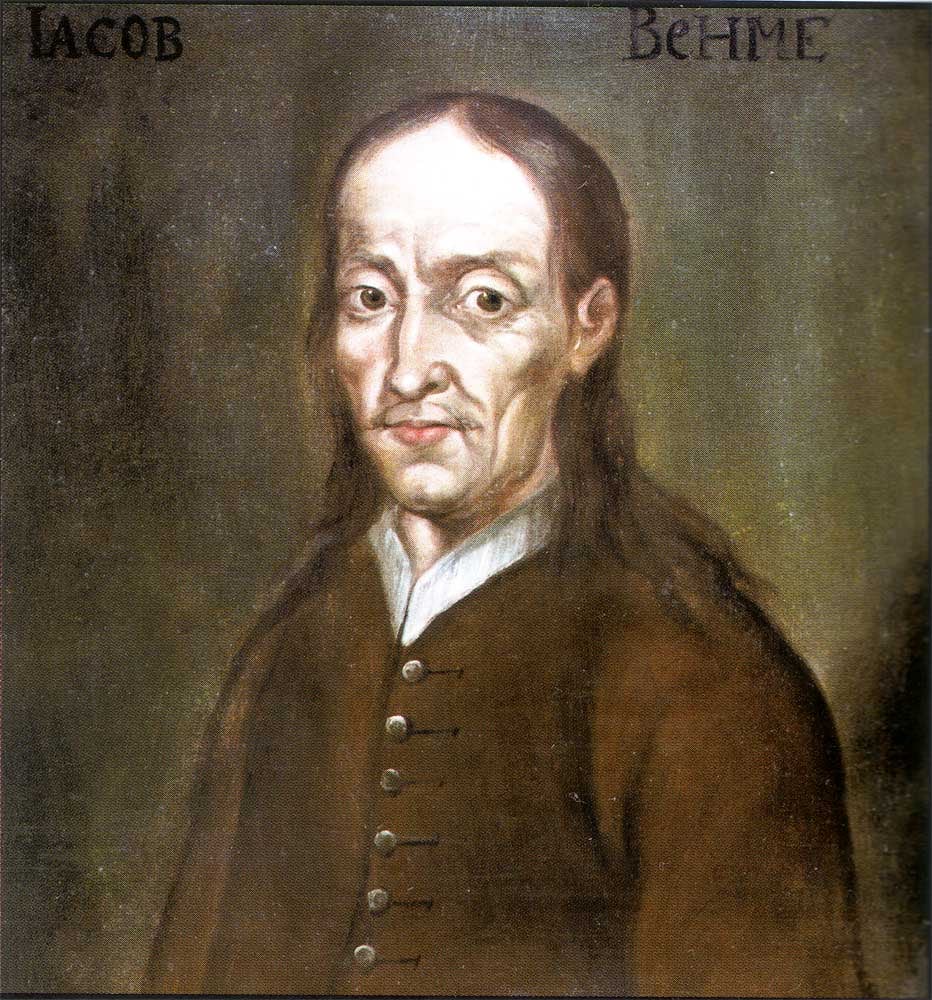
Jakob Böhme
يتّفقان في: ما المطلق؟ هل الله موجود؟ · ماذا يحدث بعد الموت؟ · هل نحتاج إلى معلّم؟
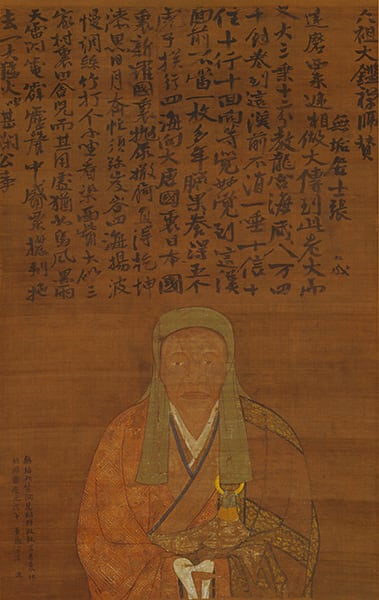
Huineng
يتّفقان في: من أنا؟ هل توجد ذات حقيقية؟ · هل نحتاج إلى معلّم؟ · هل العالم حقيقي؟
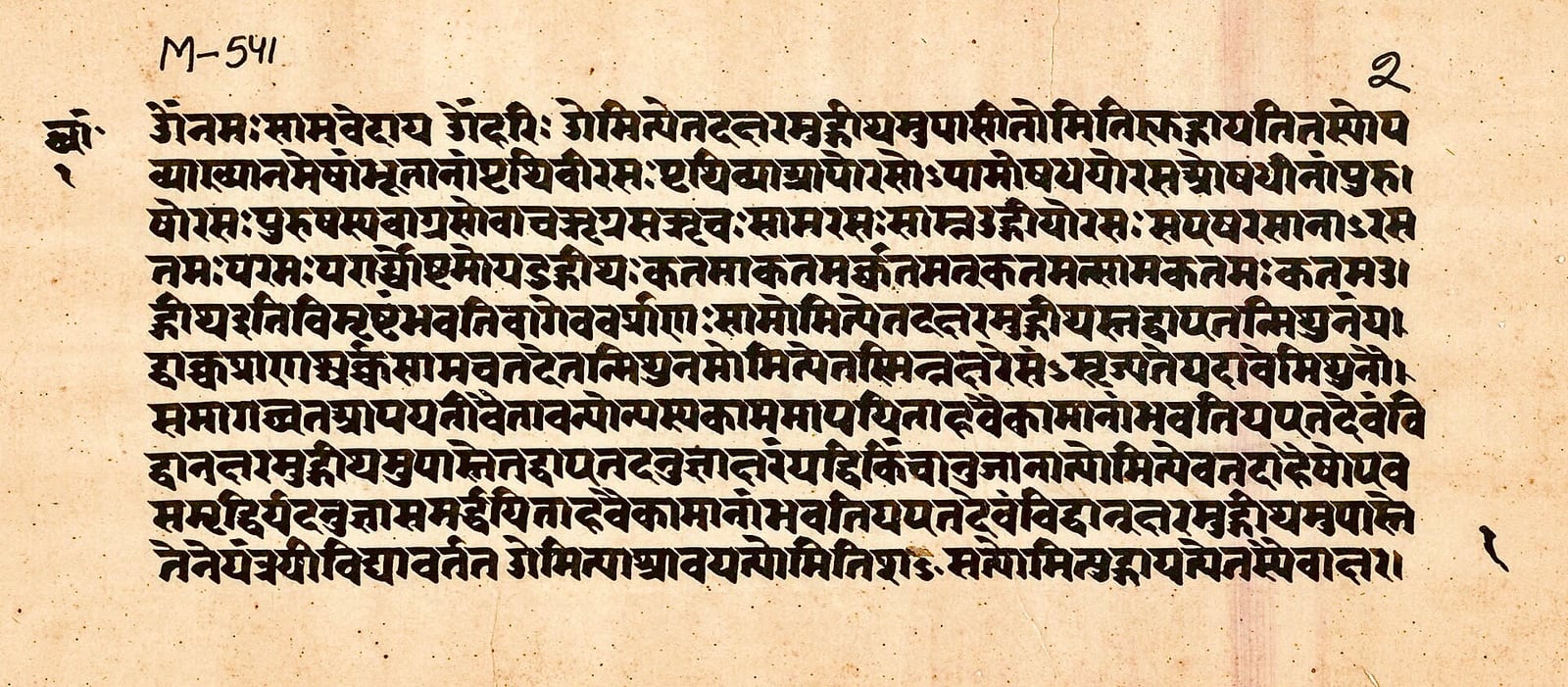
Uddalaka Aruni
يتّفقان في: من أنا؟ هل توجد ذات حقيقية؟ · هل العالم حقيقي؟ · هل يستطيع العقل أن يعرف الحقيقة القصوى؟

Ibn Arabi
يتّفقان في: ما المطلق؟ هل الله موجود؟ · من أنا؟ هل توجد ذات حقيقية؟ · ماذا يحدث بعد الموت؟
يبتعد في تفكيره عن

Milarepa
يختلفان في: من أنا؟ هل توجد ذات حقيقية؟ · ماذا يحدث بعد الموت؟ · كيف يُبلَغ التحرّر أو الخلاص؟

Pema Chödrön
يختلفان في: من أنا؟ هل توجد ذات حقيقية؟ · ماذا يحدث بعد الموت؟ · كيف يُبلَغ التحرّر أو الخلاص؟
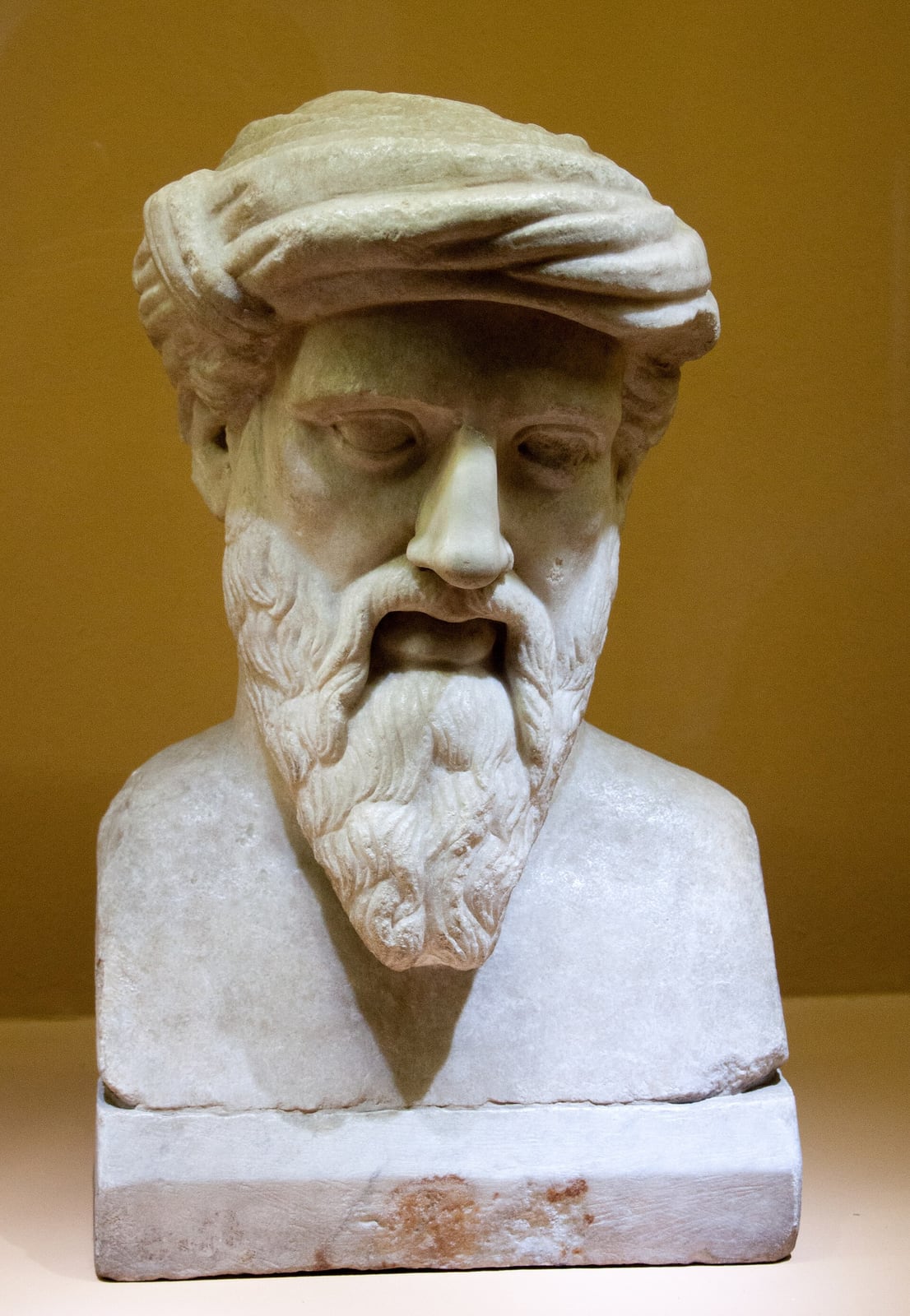
Pythagoras
يختلفان في: ماذا يحدث بعد الموت؟ · كيف يُبلَغ التحرّر أو الخلاص؟
Mahāvīra
يختلفان في: ماذا يحدث بعد الموت؟ · كيف يُبلَغ التحرّر أو الخلاص؟
حكايات وروايات
حكايات وروايات
موثّق1302–1303
The master and the Franciscan
أصل الرواية: Quaestiones Parisienses (LW V) and Quaestio magistri Consalvi; analysis in McGinn (2001) and Flasch (2010).
المصدر: McGinn, Bernard. The Mystical Thought of Meister Eckhart: The Man from Whom God Hid Nothing. Nueva York: Crossroad, 2001.
موثّق1326
'I can err, but I cannot be a heretic'
أصل الرواية: Rechtfertigungsschrift, in the Acta Echardiana (LW V); partial English translation in Colledge and McGinn (1981).
المصدر: Acta Echardiana: documentos del proceso de Colonia y Aviñón (listas de artículos, defensa, apelación, protesta pública de 13 de febrero de 1327, votum de Aviñón, carta de Juan XXII de 30 de abril de 1328). Ed. Loris Sturlese, en Die lateinischen Werke, vol. V. Stuttgart: Kohlhammer, 2000–2006.
موثّق13 de febrero de 1327
The protestation in the Dominican church
أصل الرواية: Notarial instrument of 13 February 1327 (Vatican Apostolic Archive, Archivum Arcis, Arm. C, 1123), edited in the Acta Echardiana.
المصدر: Acta Echardiana: documentos del proceso de Colonia y Aviñón (listas de artículos, defensa, apelación, protesta pública de 13 de febrero de 1327, votum de Aviñón, carta de Juan XXII de 30 de abril de 1328). Ed. Loris Sturlese, en Die lateinischen Werke, vol. V. Stuttgart: Kohlhammer, 2000–2006.
موثّق1328–1329
A condemnation without a condemned man
أصل الرواية: Letter of John XXII of 30 April 1328 (Acta Echardiana); bull In agro dominico (DH 950–980).
المصدر: Juan XXII. Bula «In agro dominico», Aviñón, 27 de marzo de 1329. Texto en Denzinger–Hünermann, Enchiridion symbolorum, n.os 950–980; trad. ingl. en Colledge y McGinn (1981), 77–81.
موثّق1449
The books Cusanus did not want in common hands
أصل الرواية: Nicholas of Cusa, Apologia doctae ignorantiae (1449); Codex Cusanus 21 (Bernkastel-Kues, library of the St Nicholas Hospital).
المصدر: Nicolás de Cusa. Apologia doctae ignorantiae (1449). Ed. Raymond Klibansky, Nicolai de Cusa Opera omnia, vol. II. Leipzig: Meiner, 1932.
تقليد شفهيrelato del siglo XIV
Meister Eckhart's daughter
أصل الرواية: An anonymous legend edited by Pfeiffer (1857) among the attributed texts; the Augsburg version, Universitätsbibliothek, Cod. III.2.8.9, fol. 104v, titles it 'Meister Eckharts Wirtschaft'.
التعاليم
التعاليم
المفاهيم التي ينتظم بها فكره، مشروحة في سياقها.
The ground (grunt)grunt
Christian Neoplatonism (Augustine, Dionysius, Proclus through the Liber de causis) and scholastic debate on the powers of the soul.
المصدر: McGinn, Bernard. The Mystical Thought of Meister Eckhart: The Man from Whom God Hid Nothing. Nueva York: Crossroad, 2001.
The birth of God in the soulnacimiento-de-dios-en-el-alma
Greek and Latin patristics (Origen, Augustine) and the Christmas liturgy; Christology of adoptive grace.
المصدر: McGinn, Bernard. The Mystical Thought of Meister Eckhart: The Man from Whom God Hid Nothing. Nueva York: Crossroad, 2001.
Detachment (abegescheidenheit) and releasement (gelâzenheit)desasimiento
Dominican and beguine spirituality of the Upper Rhine; the monastic tradition of renouncing one's own will.
المصدر: McGinn, Bernard. The Mystical Thought of Meister Eckhart: The Man from Whom God Hid Nothing. Nueva York: Crossroad, 2001.
God and the Godheaddeidad
Dionysian apophatic theology and the Neoplatonism of the One.
المصدر: McGinn, Bernard. The Mystical Thought of Meister Eckhart: The Man from Whom God Hid Nothing. Nueva York: Crossroad, 2001.
Poverty of spiritpobreza-de-espiritu
The early fourteenth-century controversy on evangelical poverty and beguine spirituality.
المصدر: Meister Eckhart. Die deutschen und lateinischen Werke. Herausgegeben im Auftrage der Deutschen Forschungsgemeinschaft. Stuttgart: W. Kohlhammer, 1936– (Die deutschen Werke, ed. Josef Quint y Georg Steer; Die lateinischen Werke, ed. Konrad Weiß, Josef Koch, Loris Sturlese et al.).
Living without whysin-porque
The scholastic ethics of intention and the critique of self-interested piety.
المصدر: McGinn, Bernard. The Mystical Thought of Meister Eckhart: The Man from Whom God Hid Nothing. Nueva York: Crossroad, 2001.
'Being is God' and 'God is understanding'esse-est-deus
Parisian scholastic metaphysics (Thomas Aquinas, Albert the Great, Dietrich of Freiberg) and the Liber de causis.
المصدر: Flasch, Kurt. Meister Eckhart: Philosoph des Christentums. Múnich: C. H. Beck, 2010. Trad. ingl.: Meister Eckhart: Philosopher of Christianity. New Haven: Yale University Press, 2015.
مقاطع الفيديو
مقاطع الفيديو
تسجيلات ومقابلات وأفلام وثائقية. تُشغَّل مقاطع الفيديو من YouTube؛ ولا تُستضاف هنا.
Meister Eckhart with Prof. Bernard McGinn
محاضرة· EN· 2020· 70 min
Lumen Christi Instituteالقناة الرسمية
Bernard McGinn on The Nothingness of God in Jewish and Christian Mysticism
محاضرة· EN· 2017· 64 min
University of Glasgowالقناة الرسمية
The Bible and Western Culture - Meister Eckhart: From Whom God Hid Nothing
محاضرة· EN· 2020· 44 min
Michael Sugrue
Meister Eckhart & Christian Mysticism
تحليل· EN· 2021· 44 min
Let's Talk Religion
Christian Mysticism, Vedanta und Meister Eckhart – by Swami Sarvapriyānanda
محاضرة· EN· 2025· 84 min
Vedanta Germanyالقناة الرسمية
La experiencia de Dios en el Maestro Eckhart: el nacimiento de Dios en el fondo del alma
محاضرة· ES· 2023· 74 min
Universidad Pontificia Comillasالقناة الرسمية
El todo y la nada de Dios: Maestro Eckhart (Inés Fuente)
محاضرة· ES· 2016· 15 min
Dominicos Españaالقناة الرسمية
Conferencia sobre el Maestro Eckhart y Santo Tomás de Aquino
محاضرة· ES· 2020· 83 min
Facultad de Teología San Vicente Ferrer de Valenciaالقناة الرسمية
Silvia Bara Bancel: «San Juan de la Cruz, lector del Maestro Eckhart»
محاضرة· ES· 2026· 109 min
Centro de Estudios de Hermenéuticaالقناة الرسمية
Dietmar Mieth: Mystik, Widerstand und Politik – Zugänge bei Meister Eckhart
محاضرة· DE· 2021· 65 min
Evangelische Akademie Thüringenالقناة الرسمية
«L'Ombra della Luce: Tommaso d'Aquino e Meister Eckhart» con Marco Vannini e Giuseppe Barzaghi
محاضرة· IT· 2026· 120 min
IstitutoTomisticoالقناة الرسمية
Marco Vannini | Distacco | festivalfilosofia 2024
محاضرة· IT· 2024· 48 min
Festivalfilosofiaالقناة الرسمية
المعرض
المعرض
صور بترخيص متحقَّق منه. كل منها تحتفظ بمؤلّفها ونسبتها.
المخطوطات
المخطوطات
شواهد مخطوطة ونصوص قديمة، مع جهة حفظها وشروط الاطّلاع عليها.
LA · Latina (gótica) · Obras de c. 1305–1326; copia del siglo XV
Codex Cusanus 21 (obras latinas de Eckhart)
- الشاهد المحفوظ
- Testigo principal del Opus tripartitum y de los comentarios bíblicos
- جهة الحفظ
- Biblioteca del Hospital de San Nicolás (Cusanusstift), Bernkastel-Kues · Cod. Cus. 21
LA · Latina (notarial) · 13 de febrero de 1327
Instrumento notarial de la protesta de Colonia
- الشاهد المحفوظ
- Original
- جهة الحفظ
- Archivo Apostólico Vaticano · Archivum Arcis, Arm. C, 1123
GMH · Latina (gótica) · c. 1340
Paradisus anime intelligentis
- الشاهد المحفوظ
- Manuscrito principal de la colección
- جهة الحفظ
- Bodleian Library, Oxford · MS. Laud Misc. 479
LA · Latina · 1326
Rechtfertigungsschrift (Defensa)
- الشاهد المحفوظ
- Copia única conocida
- جهة الحفظ
- Stadtbibliothek Soest
العلاقات
العلاقات
تأثيرات وتلمذة وتقارب في الأفكار. تُميَّز العلاقة الموثّقة عن التشابه المستخلَص بالتحليل.
أفكار قريبة من
Two summits of spirituality in German lands with opposite paths: Hildegard's symbolic, imaginative vision and Eckhart's detachment from every image.
تشابه مستخلَص بالتحليل
تأثّر بـ
His whole work is exegesis: Latin commentaries on the Gospel of John and German sermons on the Gospels of the day. His central doctrine, the birth of the Son in the soul, is a reading of the incarnation.
علاقة موثّقة
تأثّر بـ
Eckhart's metaphysics of the One, procession and return, and his negative theology are Neoplatonic in origin, received mainly through Augustine, Dionysius the Areopagite, Proclus (Liber de causis) and Macrobius rather than by direct reading of the Enneads.
تشابه مستخلَص بالتحليل
أفكار قريبة من
In 1926 Rudolf Otto compared Eckhart's mysticism with Shankara's Advaita: both distinguish an attributeless absolute (Godhead / nirguna brahman) from its personal manifestation and place liberation in recognising the identity of the ground. Otto also stressed the differences, especially the living dynamism of Eckhart's God.
تشابه مستخلَص بالتحليل
أفكار قريبة من
Since D. T. Suzuki and the Kyoto School (Nishitani, Ueda Shizuteru), Eckhart has been a partner of Zen: his 'nothing', the life 'without why' and detachment have been read alongside emptiness and Dōgen's dropping off of body and mind. There is no historical contact.
تشابه مستخلَص بالتحليل
أثّر في
Rhineland mysticism reached sixteenth-century Spain through Latin and Castilian translations attributed to Tauler, Eckhart's disciple. Research (Silvia Bara Bancel) has studied John of the Cross as an indirect reader of Eckhart in the doctrine of nothingness and the ground of the soul; the exact route of transmission is still debated.
تشابه مستخلَص بالتحليل
أفكار قريبة من
Both speak of a centre or ground of the soul where God dwells, but Teresa refuses to leave behind the Humanity of Christ and distrusts imageless prayer, distancing herself from the more speculative Eckhart.
تشابه مستخلَص بالتحليل
أفكار قريبة من
Sermon 52 transposes to the inner plane the poverty Francis lived materially, at a time when the Franciscan controversy over Christ's poverty divided the Church.
تشابه مستخلَص بالتحليل
أثّر في
Ulrich Tölle adopted the name Eckhart in homage to the Dominican master, as he himself has explained on his official channel.
علاقة موثّقة
مرتبط من صفحات أخرى
- Aristotle · أثّر في
- John of the Cross · تأثّر بـ
- Laozi · أفكار قريبة من
- Francis of Assisi · أفكار قريبة من
- Simone Weil · أفكار قريبة من
- Hildegard of Bingen · أفكار قريبة من
- Adi Shankara · أفكار قريبة من
- Carl Gustav Jung · تأثّر بـ
- Catherine of Siena · أفكار قريبة من
- Thomas à Kempis · أفكار قريبة من
- Julian of Norwich · أفكار قريبة من
- Rudolf Steiner · تأثّر بـ
- Thomas Merton · تأثّر بـ
- Baruch Spinoza · أفكار قريبة من
- Jakob Böhme · أفكار قريبة من
- Maimonides · أثّر في
- Martin Buber · أفكار قريبة من
- Ibn Arabi · أفكار قريبة من
- Al-Hallaj · أفكار قريبة من
- Augustine of Hippo · أثّر في
- Plato · أفكار قريبة من
- Rumi · أفكار قريبة من
- Teresa of Ávila · أفكار قريبة من
- Baal Shem Tov · أفكار قريبة من
- Yajnavalkya · أفكار قريبة من
المصادر
المصادر
المراجع والفهارس التي رُوجعت لهذه الصفحة.
- Wikidata, Q76548 «Meister Eckhart» (P31=Q5; 74 enlaces entre wikis).
- Meister Eckhart. Die deutschen und lateinischen Werke. Herausgegeben im Auftrage der Deutschen Forschungsgemeinschaft. Stuttgart: W. Kohlhammer, 1936– (Die deutschen Werke, ed. Josef Quint y Georg Steer; Die lateinischen Werke, ed. Konrad Weiß, Josef Koch, Loris Sturlese et al.).
- McGinn, Bernard. The Mystical Thought of Meister Eckhart: The Man from Whom God Hid Nothing. Nueva York: Crossroad, 2001.
- Ruh, Kurt. Meister Eckhart: Theologe, Prediger, Mystiker. Múnich: C. H. Beck, 1985 (2.ª ed. 1989).
- Flasch, Kurt. Meister Eckhart: Philosoph des Christentums. Múnich: C. H. Beck, 2010. Trad. ingl.: Meister Eckhart: Philosopher of Christianity. New Haven: Yale University Press, 2015.
- Meister Eckhart. The Essential Sermons, Commentaries, Treatises, and Defense. Trad. e introd. de Edmund Colledge y Bernard McGinn. Nueva York: Paulist Press, 1981 (Classics of Western Spirituality; ISBN 0809123703).
- Acta Echardiana: documentos del proceso de Colonia y Aviñón (listas de artículos, defensa, apelación, protesta pública de 13 de febrero de 1327, votum de Aviñón, carta de Juan XXII de 30 de abril de 1328). Ed. Loris Sturlese, en Die lateinischen Werke, vol. V. Stuttgart: Kohlhammer, 2000–2006.
- Juan XXII. Bula «In agro dominico», Aviñón, 27 de marzo de 1329. Texto en Denzinger–Hünermann, Enchiridion symbolorum, n.os 950–980; trad. ingl. en Colledge y McGinn (1981), 77–81.
- Vega Esquerra, Amador (ed. y trad.). Maestro Eckhart, El fruto de la nada y otros escritos. Madrid: Siruela, 1998; Alianza Editorial, 2011 (ISBN 9788420654966).
- Otto, Rudolf. West-östliche Mystik. Vergleich und Unterscheidung zur Wesensdeutung. Gotha: Leopold Klotz, 1926. Trad. ingl.: Mysticism East and West: A Comparative Analysis of the Nature of Mysticism. Nueva York: Macmillan, 1932.
- Ueda, Shizuteru. Die Gottesgeburt in der Seele und der Durchbruch zur Gottheit. Die mystische Anthropologie Meister Eckharts und ihre Konfrontation mit der Mystik des Zen-Buddhismus. Gütersloh: Gerd Mohn, 1965.
- Pfeiffer, Franz (ed.). Deutsche Mystiker des vierzehnten Jahrhunderts, vol. II: Meister Eckhart. Leipzig: G. J. Göschen, 1857; reimpr. anastática Gotinga: Vandenhoeck & Ruprecht, 1906.
- Open Library, registros de edición de las obras de Meister Eckhart (consultados por ISBN y por obra).
- Nicolás de Cusa. Apologia doctae ignorantiae (1449). Ed. Raymond Klibansky, Nicolai de Cusa Opera omnia, vol. II. Leipzig: Meiner, 1932.
- Eckhart Tolle. «Why Did You Choose the Name ‘Eckhart’?», canal oficial Eckhart Tolle en YouTube (vídeo no insertable).
- Bara Bancel, Silvia. «San Juan de la Cruz, lector del Maestro Eckhart». Conferencia, Centro de Estudios de Hermenéutica, 2026.
- Meister Eckhart. Werke. Texte und Übersetzungen von Josef Quint. Ed. y comentario de Niklaus Largier. 2 vols. Fráncfort: Deutscher Klassiker Verlag, 1993.
- Field, Claud (trad.). Meister Eckhart's Sermons. Londres: H. R. Allenson, 1909. Texto en Christian Classics Ethereal Library.
- صاحب الحقوق
- Dominio público (obras del siglo XIV). La edición crítica Die deutschen und lateinischen Werke (Kohlhammer) y las traducciones modernas (Quint, Largier, Walshe, Colledge y McGinn, Vega, Vannini) están sujetas a los derechos de sus editores.
- الموقع الرسمي
- www.eckhartsociety.org/
في انتظار التأكيد
ما لم تتمكّن هذه الصفحة من حسمه بعد. نفضّل أن نقول ذلك على أن نملأ الفراغ.
- Registrar individualmente los sermones alemanes que faltan (Pr. 3–4, 7–8, 10–11, 13–21, 23–47, 49–51, 53–70, 72–82, 84–85 de DW I–III y los de DW IV desde el 87, salvo 101–104), cada uno con su incipit según la edición crítica: no se ha podido consultar un índice fiable en línea y no se ha querido reconstruir de memoria.
- Verificar con la edición crítica la grafía exacta de las citas en alemán medio marcadas como «probable» (Instrucciones 4, sermones 5b —«sin porqué»— y 83).
- Localizar ISBN de Tratados y sermones (trad. Ilse M. de Brugger, Edhasa, 1983), de los Sermoni tedeschi (Adelphi, 1985) y de los volúmenes de la edición Kohlhammer.
- Confirmar la signatura del manuscrito de Soest que conserva la defensa y la del códice de Erfurt (Amploniana) con obras latinas.
- C. de B. Evans (traductor, 1924): fecha de muerte desconocida; la traducción queda marcada con precaución en la sala de lectura.
- El fragmento de Gotinga (sermón 5b): confirmar institución custodia y signatura.
- Las fechas de subida de los vídeos se han deducido de la fecha relativa que muestra YouTube.
- Programas de afiliación: ninguno verificado.
بُحث بتاريخ 2026-10-25