اللاثنائية المعاصرة · التأمل العلماني
Eckhart Tolle
1948 –على قيد الحياةشخصية موثّقة تاريخيًا
معلّم روحي وكاتب وُلد في ألمانيا عام 1948 ويقيم في فانكوفر. بعد أزمة اكتئاب عاشها عام 1977 بوصفها يقظة، أمضى سنوات في الصمت في لندن قبل أن يبدأ التعليم. وقد جعل منه كتابا «قوة الآن» (1997) و«أرض جديدة» (2005)، بدعمٍ من أوبرا وينفري، أكثرَ الكتّاب الروحيين قراءةً في عصره. يعلّم الحضور في اللحظة الراهنة وفكّ التماهي مع الفكر، من غير أن ينتسب إلى أي دين.
- مؤلَّفًا
- 39مؤلَّفًا
- طبعة
- 52طبعة
- اقتباسًا
- 3اقتباسًا
- مقطع فيديو
- 14مقطع فيديو
- صورة
- 2صورة
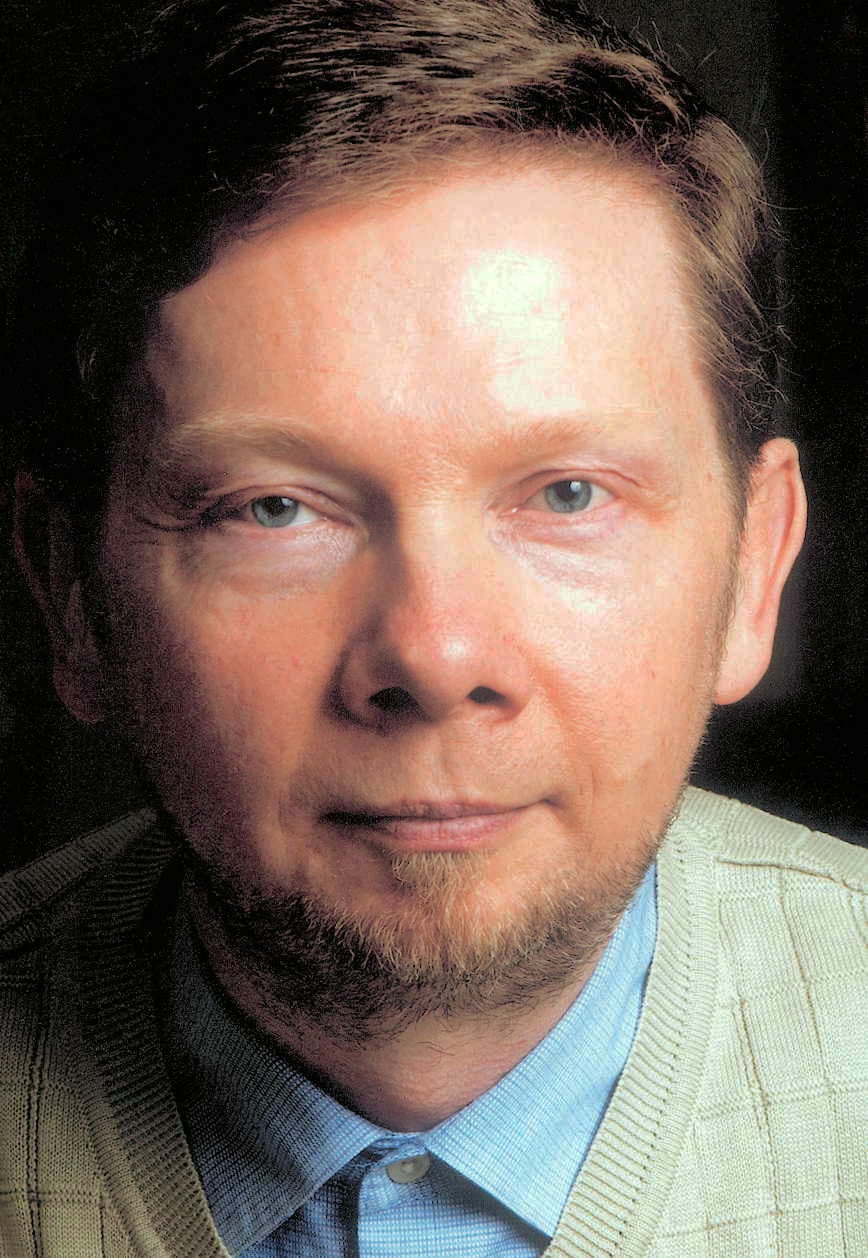
Eckhart Tolle · CC BY-SA 3.0
بكلماته
«You are not your mind.»The Power of Now (1997), título del capítulo 1

فكرته المحورية
Psychological suffering comes from identifying with thought: the inner voice that comments, judges and anticipates is not who one is, and simply watching it begins the release.
السيرة
4 دقيقة قراءة
ترجمة مُعانة من الأصل الإسباني، بانتظار مراجعة مترجم من أهل اللغة.
صبيٌّ من الرور رفض المدرسة
وُلد أولريش ليونارد تولِه في السادس عشر من فبراير 1948 في لونن، وهي بلدة صناعية صغيرة شمال دورتموند، في المنطقة البريطانية من ألمانيا ما بعد الحرب. نشأ بين أنقاض الحرب التي كانت لا تزال ماثلة للعيان، وفي بيتٍ وصفه هو نفسه بأنه عسير: كان أبواه كثيرَي الشجار، وانتهى بهما الأمر إلى الانفصال. وفي الثالثة عشرة انتقل للعيش مع أبيه في إسبانيا، حيث قضى ما تبقّى من مراهقته. وهناك اتخذ قرارًا غير مألوف: فقد رفض التعليم النظامي بين الثالثة عشرة والثانية والعشرين، وانصرف إلى تعلّم اللغات والأدب وعلم الفلك بنفسه، مستعينًا ببعض الدروس الخصوصية.
وجاء أول اتصال له بالروحانية في نحو الخامسة عشرة، حين أهداه أحدهم كتب المتصوّف الألماني يوزف أنتون شنايدرفرانكن، المعروف باسم بو يين را. وقد أقرّ بنفسه بأن تلك الصفحات تركت فيه أثرًا عميقًا، وإن لم يدرِ يومئذٍ ما يصنع بها.
لندن والاكتئاب وليلة 1977
في التاسعة عشرة انتقل إلى إنجلترا. ودرّس الألمانية والإسبانية ثلاث سنوات في مدرسة لغات بلندن، ثم درس في جامعة لندن، وفي عام 1977 بدأ دراساته العليا في جامعة كامبريدج. غير أنه كان يعيش في داخله كربًا لا ينقطع: فتراتٍ طويلة من القلق واكتئابًا يصفه بأنه يكاد لا يُحتمل.
وفي ليلةٍ من ليالي عام 1977، بُعيد بلوغه التاسعة والعشرين، استيقظ وقد تملّكه يأسٌ أشدّ حدّة من أي وقت مضى. وبحسب روايته هو، التي يستهلّ بها كتابه الأول، فرضت عليه نفسَها عبارةٌ — لم يعد يطيق العيش مع نفسه — ومعها سؤال: من هذا «الأنا» الذي لا يطيق «النفس»؟ ويروي أنه أحسّ كأنه يُجذَب إلى فراغ، وأنه حين استيقظ في الصباح التالي وجد كل شيء يسوده السلام. فخرج يتمشّى في لندن، فبدا له كل شيء معجزًا، حتى حركة السير. ثم فسّر تلك الليلة لاحقًا بأنها انهيار الأنا الذي يبنيه العقل، ذلك الأنا الأسير بين ماضٍ غير مُرضٍ ومستقبلٍ مَخوف.
ولم يعقب ذلك مسارٌ مهني، بل فاصلٌ طويل. فقد ترك الدكتوراه، وأمضى قرابة عامين جالسًا على مقاعد ميدان راسل في قلب لندن، في حالٍ يصفها بالغبطة العميقة، يتأمّل العالم وهو يمرّ أمامه. عاش عند أصدقاء، وأقام فتراتٍ في دير بوذي، ونام أحيانًا في العراء في متنزّه هامبستيد هيث. وعدّته أسرته غير مسؤول، بل مختلّ العقل.
من ناصحٍ متكتّم إلى مؤلّفٍ عالمي
أخذ زملاء سابقون من كامبريدج يقصدونه ليطرحوا عليه أسئلتهم. ومن غير أن يسعى إلى ذلك، صار ناصحًا، ثم شيئًا فشيئًا معلّمًا روحيًا لجماعات صغيرة. وفي تلك السنوات غيّر اسمه إلى إيكهارت. وتتباين الروايات في ذلك: فمنهم من يرى فيه تحيةً للمعلّم إيكهارت، المتصوّف الرايني؛ أما هو فقد روى عام 2012 أنه رأى هذا الاسم في المنام على غلاف كتابٍ كان يعلم أنه كتابه، وأن صديقةً له نادته به بعد ذلك بقليل من غير سبب ظاهر.
وبعد مرحلةٍ قضاها في غلاستونبري، المركز الإنجليزي الصغير لأنماط الحياة البديلة، وعدّة رحلات إلى الساحل الغربي لأمريكا الشمالية، استقرّ عام 1995 في فانكوفر بكندا، حيث تعرّف إلى كيم إنغ، رفيقة دربه منذ ذلك الحين وشريكته في التعليم.
وفي عام 1997 نشرت دار نشر صغيرة جدًا في فانكوفر، هي «ناماستي للنشر»، كتاب The Power of Now (قوة الآن) في طبعة من نحو ثلاثة آلاف نسخة. وقد تداولته الأيدي — وهو مكتوب في صورة سلسلة من الأسئلة والأجوبة — إلى أن أعادت دار «نيو وورلد لايبرري» نشره على نطاق واسع عام 1999. وفي عام 2000 أوصت به أوبرا وينفري في مجلتها، فدخل في ذلك الصيف قائمة الكتب الأكثر مبيعًا في صحيفة نيويورك تايمز، وبلغ صدارتها بعد عامين. وبحلول عام 2008 كان قد تُرجم إلى أكثر من ثلاثين لغة.
ثم توالت Stillness Speaks (السكون يتكلّم، 2003)، وهو خلاصة تكاد تكون في صورة حِكَم لتعاليمه، وA New Earth (أرض جديدة، 2005)، الذي يوسّع النظر من الفرد إلى البشرية: الأنا بوصفه خللًا جماعيًا، ويقظة الوعي بوصفها المخرج منه. وحين اختارت وينفري هذا الكتاب الثاني لنادي القراءة الخاص بها في يناير 2008، وُزّعت منه ثلاثة ملايين ونصف مليون نسخة في أربعة أسابيع. وبلغت الندوات الإلكترونية التي سجّلاها معًا فصلًا فصلًا عشرات الملايين من المشاهدات، ووصفته نيويورك تايمز حينها بأنه أكثر الكتّاب الروحيين شعبيةً في الولايات المتحدة.
ما يعلّمه
تعاليم تول بسيطة عن قصد، ولا تنتمي إلى أي دين. فهو يرى أن المعاناة النفسية تنشأ من التماهي مع الفكر، مع ذلك الصوت الذي لا يهدأ، يعلّق ويقارن ويخاف؛ وأن اللحظة الحقيقية الوحيدة هي الحاضر؛ وأن مراقبة العقل، بدلًا من الانجراف معه، تفتح فسحةً من السكينة يسمّيها الحضور. وقد صاغ عبارة «جسد الألم» (pain-body) ليصف بها الرواسب الانفعالية المتراكمة التي تعود فتنشط وتبحث عن غذائها في النزاع. وهو يستقي بحرية من بوذية الزن والفيدانتا والتصوّف والمتصوّفة المسيحيين، ويكثر من الاستشهاد بالأناجيل.
التلقّي والإرث
انقسم النقّاد حول نجاحه. فمنهم من يُثني على قدرته على أن يقول بلغةٍ يسيرة ما قالته التقاليد التأمّلية بلغة الرمز؛ ويَنسب إليه اللاهوتي الفرنسيسكاني ريتشارد رور فضلَ إعادة كثير من المسيحيين إلى تصوّفهم الخاص. ومنهم من يأخذ عليه قلّة الأصالة، والخلط بين العلم الزائف وتقاليد دخيلة، أو — من منظور اللاهوت الإنجيلي — رؤيةً تتعارض مع التمييز المسيحي بين الله والإنسان. كما أُشير إلى المسافة بين رفضه المُعلَن لإنشاء «بنية تجارية ثقيلة» والقائمة الواسعة من المنتجات المعروضة للبيع على موقعه.
وفي عام 2009 شارك الدالاي لاما المنصّة في قمة فانكوفر للسلام. ونشر كتبًا مصوّرة — Guardians of Being بالاشتراك مع باتريك ماكدونيل — وقصةً للأطفال بعنوان Milton's Secret تحوّلت إلى فيلم سينمائي عام 2016. وفي عام 2022 قدّمه مغني الراب كندريك لامار مرشدًا له في ألبوم Mr. Morale & the Big Steppers، حيث يُسمع صوته في عدة مقاطع. وفي يناير 2025 اختارت أوبرا وينفري أرض جديدة مرة أخرى لناديها، وهي المرة الوحيدة التي يُختار فيها كتابٌ مرتين. ولا يزال يعلّم من كولومبيا البريطانية، في الخلوات واللقاءات عبر الإنترنت ومن خلال مؤسسته.
المصادر: Tolle, Eckhart. The Power of Now: A Guide to Spiritual Enlightenment. Vancouver: Namaste Publishing, 1997 (introducción autobiográfica).
الخط الزمني
الحياة عامًا بعد عام
كل نقطة حدث موثّق. انقر لتقرأه مع مصدره ودرجة اليقين فيه.
16 فبراير 1948أقل من عامLünen (Alemania)
Birth
Ulrich Leonard Tölle is born in Lünen, north of Dortmund, in the British occupation zone.
موثّق«Eckhart Tolle», Wikipedia en inglés (consultada para hechos verificables; texto propio).
16 فبراير 1948 · أقل من عام
Birth
Ulrich Leonard Tölle is born in Lünen, north of Dortmund, in the British occupation zone.
موثّق
1961 · 13 عامًا
To Spain with his father
After his parents separate he moves to Spain with his father and refuses formal schooling until twenty-two.
موثّق
1963 · 15 عامًا
The books of Bô Yin Râ
He is given the books of the German mystic Joseph Anton Schneiderfranken, which he says influenced him deeply.
مرجَّح
1967 · 19 عامًا
Language teacher in London
He moves to England and teaches German and Spanish for three years at a language school, then studies at the University of London.
مرجَّح
1977 · 29 عامًا
The night of transformation
He begins postgraduate study at Cambridge. One night, in deep depression, he experiences what he describes as the collapse of the mental self; he abandons his studies.
موثّق
1978 · 30 عامًا
The benches of Russell Square
He spends about two years on the benches of Russell Square in deep peace, sleeping at friends', in a Buddhist monastery or rough on Hampstead Heath.
موثّق
1982 · 34 عامًا
Counsellor and teacher
Former acquaintances consult him; he begins working as a counsellor and teacher of small groups and takes the name Eckhart. He later lives in Glastonbury.
مرجَّح
1995 · 47 عامًا
Settles in Vancouver
He settles in British Columbia, where he meets Kim Eng, his partner and collaborator.
موثّق
1997 · 49 عامًا
The Power of Now
Namaste Publishing brings out his first book in a small run; New World Library reissues it widely in 1999.
موثّق
2000 · 52 عامًا
Oprah's recommendation
Oprah Winfrey recommends The Power of Now in her magazine; in August it enters The New York Times bestseller list, which it tops in 2002.
موثّق
2003 · 55 عامًا
Stillness Speaks
He publishes his second book, a brief distillation of his teaching.
موثّق
2005 · 57 عامًا
A New Earth
Dutton publishes A New Earth, on the collective ego and the awakening of consciousness.
موثّق
يناير 2008 · 60 عامًا
The book club and the webinars with Oprah
Oprah picks A New Earth for her club; 3.5 million copies in four weeks and a webinar series accessed tens of millions of times.
موثّق
سبتمبر 2009 · 61 عامًا
Peace Summit with the Dalai Lama
He shares the stage with the Dalai Lama at the Vancouver Peace Summit. Publishes Guardians of Being with Patrick McDonnell.
موثّق
2011 · 63 عامًا
First on the Watkins list
Watkins magazine ranks him first in its inaugural list of the 100 most spiritually influential living people.
موثّق
2016 · 68 عامًا
Milton's Secret on film
His children's story is filmed with Donald Sutherland and Michelle Rodriguez.
موثّق
2022 · 74 عامًا
Kendrick Lamar
The album Mr. Morale & the Big Steppers presents him as the rapper's spiritual guide, with his voice on several tracks.
موثّق
يناير 2025 · 76 عامًا
Back in Oprah's club
Oprah chooses A New Earth again, the only book ever selected twice in the club's history.
موثّق
المؤلَّفات
المؤلَّفات الأساسية
المؤلَّفات التي لا يُفهم إرثه من دونها.
مؤلَّف مكتوب · 1997
The Power of Now
The Power of Now: A Guide to Spiritual Enlightenment
His first and most read book: a guide in question-and-answer form for stepping out of identification with the mind and living in the present moment. It explains the pain-body, acceptance of the now and presence, and since 1999 has been translated into over thirty languages.
7 طبعات · amazon.com

مؤلَّف مكتوب · 2003
Stillness Speaks
Tolle's second book, made of short texts, almost aphorisms, grouped in ten chapters on inner silence, thought, the body, nature, relationships and death. It seeks to transmit stillness rather than explain it, and is read slowly, like a meditation book.
طبعتان · amazon.com

مؤلَّف مكتوب · 2005
A New Earth
A New Earth: Awakening to Your Life's Purpose
Widens his teaching from the individual to humanity: it describes the ego as a collective dysfunction expressed in violence and greed, and presents the awakening of consciousness as the species' next step. Chosen twice by Oprah Winfrey's book club (2008 and 2025).
5 طبعات · amazon.com
جميع مؤلَّفاته (39)

Practicing the Power of Now
2001

Oneness with All Life
2008

Milton's Secret
2008

Guardians of Being
2009

Findhorn Retreat
2006

Peace in the Present Moment
2010

The Power of Now Journal
2019

Living the Liberated Life and Dealing with the Pain-Body
2001

The Realization of Being
2001

Even the Sun Will Die
2002

Realizing the Power of Now
2003

Entering the Now
2003

Gateways to Now
2003

The Flowering of Human Consciousness
2004

Through the Open Door to the Vastness of Your True Being
2005

In the Presence of a Great Mystery
2006

Touching the Eternal: India Retreat
2007

The Art of Presence
2007

Finding Your Life's Purpose
2015
Eckhart Tolle
Breitenbush 01: The "Rains" Retreat — The Journey Home
The Conscious LibraryBreitenbush 01: The "Rains" Retreat — The Journey Home
2001

Know That "I Am"
2002

May the Mind Be the Servant of Awareness
2002
Eckhart Tolle
The Journey into Yourself
The Conscious LibraryThe Journey into Yourself
2003

Practicing Presence: A Guide for the Spiritual Teacher and Health Practitioner
2004
الأقوال
أقوال محدَّدة الموضع في مؤلَّف بعينه. كل منها يحمل مصدره ودرجة الثقة به.
You are not your mind.متحقَّق منهThe Power of Now (1997), título del capítulo 1
الأفكار الجوهرية (خلاصة تحريرية)
احترامًا لحقوق المؤلف، تُلخَّص هذه الأفكار بكلماتنا ولا تُقدَّم بوصفها اقتباسات حرفية.
- Psychological suffering comes from identifying with thought: the inner voice that comments, judges and anticipates is not who one is, and simply watching it begins the release.
- The present is the only real moment; past and future exist only as thought. Fully accepting the now is not resignation but ceasing inner resistance to it.
- The pain-body is the accumulation of old painful emotion that reawakens and feeds on conflict; seeing it arise with attention removes its power.
- The ego is not only a personal problem: it is a collective dysfunction of humanity, expressed in violence, greed and the destruction of the planet.
- Inner stillness is not achieved but discovered by allowing space between thoughts; in that space is presence, which is consciousness itself.
- A life's primary purpose is inner — being awake in what one does; the outer purpose, what one does, is secondary and changes.
اسأل
بماذا يجيب أثره
اثنا عشر سؤالًا كبيرًا من أسئلة الإنسانية، وما تتيح نصوصه الإجابة به عنها، مع المراجع. ولا نقوّله ما لم يقل أبدًا.
ما المطلق؟ هل الله موجود؟
He prefers to speak of Being: the one formless life beyond forms
مطلق غير شخصييقوله صراحةً
Eckhart Tolle does not deny God, but he distrusts the word. In the first chapter of The Power of Now he explains that the term God has been emptied by centuries of misuse, associated with a separate, often male, entity placed outside; he proposes instead to speak of Being, the one eternal life underlying the countless forms subject to birth and death. That Being is not an object of knowledge or belief: it is felt as one's own presence when the mind grows quiet. In A New Earth he keeps the same approach: the divine is not someone judging from outside but formless consciousness recognising itself in the human being. His language is therefore that of an impersonal absolute, though immediate and inward.
قارن هذا السؤال مع معلّمين آخرينمن أنا؟ هل توجد ذات حقيقية؟
You are not your thoughts: the ego is identification with mind
الأنا بناءٌ من صنع الفكريقوله صراحةً
Eckhart Tolle defines the ego as identification with the mind: with thoughts, emotions, personal history and the forms by which the self reinforces itself, such as possessions, opinions or the victim role. In A New Earth (2005) he devotes whole chapters to describing its structure and its need to compare, be right and feel separate. The key of his teaching is that simply observing thought is enough to stop identifying with it: the one who observes is not what is observed. Unlike Krishnamurti, Tolle does affirm a deeper identity, formless presence or awareness, which he calls Being and which is recognised when the mind falls silent. His practical emphasis, however, is on unmasking the ego as a mental construction, and on the claim that seeing it is already the beginning of liberation.
قارن هذا السؤال مع معلّمين آخرينلماذا نتألّم؟
Suffering needs time: it cannot survive in the now
الفكر والزمن النفسييقوله صراحةً
Eckhart Tolle locates the origin of suffering in the mind living in psychological time: the past, from which it draws identity and grievances, and the future, onto which it projects its salvation or its fear. In the opening chapters of The Power of Now he holds that almost all human pain is unnecessary, created by mental resistance to what is, and that suffering cannot survive in full presence to the moment. He adds the notion of the pain-body: a field of accumulated emotional energy, personal and collective, which reactivates periodically and feeds on thoughts and conflict; in A New Earth he devotes a whole chapter to it. The remedy is not to analyse the story of pain but to observe it without identifying with it and to accept the present moment, which, he says, cuts off the supply that keeps it alive.
قارن هذا السؤال مع معلّمين آخرينماذا يحدث بعد الموت؟
The opposite of death is birth; life has no opposite
ما أنا عليه لا يولد ولا يموتيقوله صراحةً
Eckhart Tolle distinguishes between form, which is born and dies, and the life or consciousness expressed in it, which has no opposite. What dissolves at death is form and the mental identity built upon it; what one essentially is, conscious presence, neither begins nor ends. That is why, he holds, the death of a loved one or the nearness of one's own can open a door: when one stops resisting the loss of form, a space of peace appears that does not depend on it. In Stillness Speaks he devotes a chapter to death and the eternal, and in The Power of Now he presents surrender to what is as a way of dying before dying. Tolle avoids describing states after death; what he affirms is the timelessness of what we are, accessible now.
قارن هذا السؤال مع معلّمين آخرينكيف يُبلَغ التحرّر أو الخلاص؟
Awakening is not in time: it is presence, ceasing to identify with the mind
بلا منهج: الانتباه الكامليقوله صراحةً
Eckhart Tolle holds in The Power of Now that suffering arises from identification with the mind and with psychological time, that is, with the continuous projection into past and future. Liberation is not a future state conquered through progressive effort, because seeking it in time reinforces the very mechanism that prevents it: it can only happen now. It consists in being aware of thoughts without identifying with them, in «watching the thinker», and in accepting what is in the present moment. In A New Earth he extends this idea to a collective scale: the ego is a structure of identification with form, and awakening is the emergence of a consciousness that recognises itself beyond that form.
قارن هذا السؤال مع معلّمين آخرينهل نحتاج إلى معلّم؟
The teacher's words are signposts; what matters is presence within oneself
المعلّم في الداخليُستنتج من تعاليمه
In the introduction to The Power of Now, Eckhart Tolle recounts that his inner transformation happened without a teacher, after a personal crisis, and that he later recognised in various traditions what had happened to him. Consistently, he presents his own books and talks as pointers: words are signposts pointing to something that is not a word, and readers should attend to what the words awaken in them rather than to their conceptual content. The true teacher would be presence itself, the state of consciousness that recognises itself. He does not deny that the company of someone present helps, but avoids presenting himself as a guru and demands neither membership nor devotion.
قارن هذا السؤال مع معلّمين آخرينهل العالم حقيقي؟
The unmanifested expresses itself in form; the universe awakens to itself
تجلٍّ للإلهييُستنتج من تعاليمه
Eckhart Tolle does not consider the world an illusion. In The Power of Now he distinguishes between the manifested, the world of forms, and the unmanifested, the formless source from which they arise, accessed through portals such as silence, space or attention to the inner body. What is illusory is not form but identification with it: the ego, which takes itself to be one form among forms. In A New Earth he holds that the purpose of the universe is for consciousness to awaken in form, and that each thing, a flower or a stone, can be recognised as an expression of that consciousness. The world is thus the realm in which the formless recognises itself.
قارن هذا السؤال مع معلّمين آخرينما الحب؟
To love is to recognise oneself in the other beyond form and ego
ما يظهر حين تتوقّف الأنايقوله صراحةً
Eckhart Tolle separates true love from the relationships the ego calls love. In the chapter on relationships in The Power of Now he describes the love-hate relationship: need, attachment and the search in the other for what is lacking in oneself, which turn love into addiction and soon alternate with resentment and conflict. Real love, he holds, is not an emotion or something obtained from another person: it is the recognition of oneself in the other, of the same presence or consciousness beyond form. It appears when one is present and does not project the mind's past and expectations onto the other. In A New Earth he adds that this recognition extends to all beings and to nature, and that a relationship can become a spiritual practice if it is used to become conscious of the ego.
قارن هذا السؤال مع معلّمين آخرينهل نحن أحرار أم أن كل شيء مقدَّر؟
While the mind runs on automatic there is no choice; presence makes it possible
نحن آلات إلى أن نستيقظيُستنتج من تعاليمه
Tolle describes the ordinary human being as identified with a mind that thinks compulsively and with a «pain-body» that reacts through inherited patterns. In that state, he holds in *The Power of Now*, what look like decisions are conditioned reactions: the unconscious person does not choose but repeats. Hence his advice towards someone who harms us is to understand that they could not have acted otherwise from their level of consciousness. True choice appears with presence, when one becomes the observer of the mind and stops being dragged along by it. In *A New Earth* he extends this to humanity: collective consciousness runs in a dysfunctional egoic mode from which only an awakening can free it.
قارن هذا السؤال مع معلّمين آخرينلماذا نتأمّل أو نصلّي؟
Stepping out of compulsive thinking into the now, where stillness arises
أن تكون حاضرًايقوله صراحةً
Tolle is the reference for this key. In *The Power of Now* (1997) he holds that most human suffering comes from identification with a mind that thinks ceaselessly and lives in the past or the future. Practice does not consist in a formal method, although he offers exercises —watching the thinker, feeling the inner body, attending to the gaps between thoughts—, but in returning again and again to the present moment, the only thing that exists. When attention leaves thought, a conscious stillness arises that he identifies with one's own being. In *A New Earth* (2005) he adds that this presence also transforms everyday action, which stops serving the ego.
قارن هذا السؤال مع معلّمين آخرينهل يستطيع العقل أن يعرف الحقيقة القصوى؟
You are not your mind: being is known in stillness, not in thought
الحقيقة القصوى وراء العقليقوله صراحةً
The first chapter of *The Power of Now* is titled «You Are Not Your Mind», and it sums up his stance: thought is a useful instrument, but identification with it is the great human dysfunction, and through it one does not reach what Tolle calls Being. Words and concepts, he insists, are signposts pointing to reality, not reality itself, and most religious disputes arise from confusing the one with the other. True knowledge arises when the mind falls quiet and a space of awareness appears in which thought is observed. In *A New Earth* he puts it as the shift from a consciousness centred on thought to one centred on presence, not as a new doctrine.
قارن هذا السؤال مع معلّمين آخرينالانسحاب من العالم أم تغييره؟
A new world is born of a new consciousness, not of new ideologies
الثورة داخليةيقوله صراحةً
Eckhart Tolle holds in A New Earth that humanity faces a choice: either it transforms its consciousness or it destroys itself. Wars, exploitation and the ecological crisis are, for him, collective manifestations of the ego, identification with a mind that feels separate and threatened; that is why solutions that do not touch this root — new ideologies, systems or struggles against an enemy — end up reproducing the same pattern. The change that matters is the flowering of consciousness in individuals. He does not advise abandoning the world: in the last chapter he describes «awakened doing», action springing from presence, in three modalities — acceptance, enjoyment and enthusiasm — and speaks of people whose role is to hold a frequency of consciousness amid ordinary life. Outward action is valid if it flows from presence and not from the ego.
قارن هذا السؤال مع معلّمين آخرين
التقارب والتوتّر
التقارب والتوتّر
محسوبة سؤالًا سؤالًا انطلاقًا من مواقفه. وسبب كل اتفاق أو اختلاف يظهر بالنقر.
يقترب في تفكيره من
Osho
يتّفقان في: ما المطلق؟ هل الله موجود؟ · من أنا؟ هل توجد ذات حقيقية؟ · لماذا نتألّم؟
Alan Watts
يتّفقان في: ما المطلق؟ هل الله موجود؟ · لماذا نتألّم؟ · ماذا يحدث بعد الموت؟
- BKByron Katie
Byron Katie
يتّفقان في: ما المطلق؟ هل الله موجود؟ · من أنا؟ هل توجد ذات حقيقية؟ · لماذا نتألّم؟
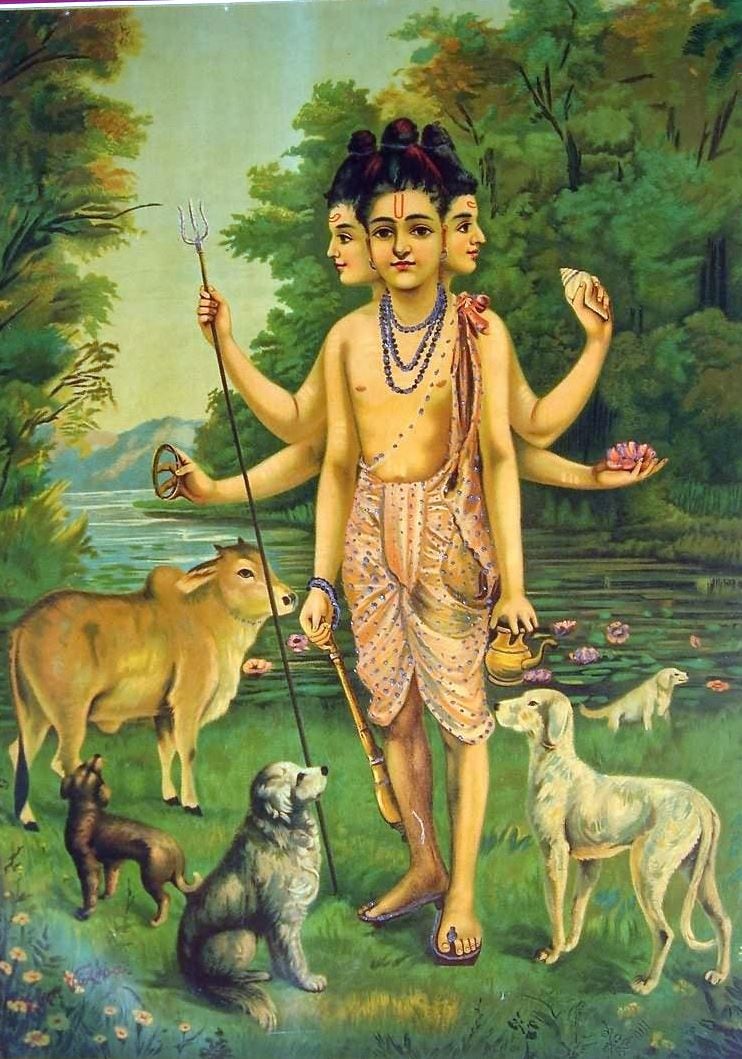
Dattatreya
يتّفقان في: ما المطلق؟ هل الله موجود؟ · ماذا يحدث بعد الموت؟ · هل نحتاج إلى معلّم؟


يتّفقان في
Eckhart Tolle · Ramana Maharshi
You are not what you think: the shift of the subject on the hill and in the now
لماذا: The affinity has a contextual explanation: Tolle writes in a contemporary Western milieu that had received Advaita, among other sources, through Ramana and his popularisers, and he adopts a vocabulary without scriptures or gods. The differences are of register and audience. Ramana speaks from the Vedantic tradition, with an explicit metaphysical horizon, since the Self is identical with the Absolute, and with a very precise question-method; Tolle addresses readers without religious training, stresses the now and the inner body, and extends the diagnosis to a collective scale. One asks who; the other asks one to be present. Both point to the same shift of the subject.
يتّفقان في
Eckhart Tolle · P. D. Ouspensky
Waking from automatic pilot: self-remembering and the power of now
لماذا: There is no documented relationship between them, although the vocabulary of awakening and automatic pilot found in contemporary spirituality owes much to the Fourth Way. The affinity has clear limits. Self-remembering demands effort, a deliberate division of attention and a system of group work, and its goal is to form a permanent self that does not yet exist; Tolle's presence is presented as something not manufactured or reached in time but recognised as one's own being. Ouspensky writes for a school with discipline and hierarchy; Tolle, for individual readers without a tradition. They agree on the first step, not on the path or the goal.
يتّفقان في
Eckhart Tolle · Jiddu Krishnamurti
Suffering needs time: thought projecting past and future
لماذا: No relationship between them is documented in this library, although Tolle writes in a milieu that knew Krishnamurti's work well, published and circulated for decades. The differences are real. Krishnamurti rejects any metaphysics of a true Being, which he considers another projection of thought, and any exercise, which he considers a method; Tolle affirms a presence or formless consciousness he calls Being, proposes concrete exercises such as feeling the inner body and adds the notion of the pain-body. Krishnamurti speaks harshly of conditioning and revolution; Tolle, in a tone of accompaniment. They agree on the diagnosis of psychological time, not on what they find on the other side.
يختلفان فيتناقض ظاهري
Eckhart Tolle · Adi Shankara
Is the world an illusion? Superimposition on Brahman or form in which consciousness awakens
لماذا: The contradiction is largely apparent: both distinguish two levels, a formless source and a world dependent on it, and both locate the error in the subject who confuses the levels, ignorance in Shankara, identification in Tolle. Vocabulary separates them more than structure: maya sounds like negation to a modern reader, although in Shankara it does not amount to a subjective dream. A real difference of evaluation remains. For Shankara multiplicity has no purpose and vanishes for one who knows; for Tolle, along a line closer to manifestation than to illusion, form is the place where consciousness recognises itself, and the universe has an evolutionary meaning.
حكايات وروايات
حكايات وروايات
شهادة1977
The night he could not live with himself
أصل الرواية: Autobiographical account in the introduction to The Power of Now (1997) and later interviews.
المصدر: Tolle, Eckhart. The Power of Now: A Guide to Spiritual Enlightenment. Vancouver: Namaste Publishing, 1997 (introducción autobiográfica).
شهادة1977–1979
Two years on a bench in Russell Square
أصل الرواية: Tolle's own testimony from interviews, summarised in the Wikipedia biography; no independent sources.
المصدر: «Eckhart Tolle», Wikipedia en inglés (consultada para hechos verificables; texto propio).
مختلَف فيه1980s
A name seen in a dream
أصل الرواية: Two versions: the homage (attributed by others) and the dream (2012 interview cited by Wikipedia).
المصدر: «Eckhart Tolle», Wikipedia en inglés (consultada para hechos verificables; texto propio).
موثّق2008
Eleven million people in one class
أصل الرواية: Figures published in the press and collected by Wikipedia.
المصدر: «Eckhart Tolle», Wikipedia en inglés (consultada para hechos verificables; texto propio).
التعاليم
التعاليم
المفاهيم التي ينتظم بها فكره، مشروحة في سياقها.
Pain-bodycuerpo-del-dolor
Developed in The Power of Now (ch. 2) and expanded in A New Earth (chs. 5 and 6).
المصدر: Tolle, Eckhart. The Power of Now: A Guide to Spiritual Enlightenment. Vancouver: Namaste Publishing, 1997 (introducción autobiográfica).
Presencepresencia
Central concept of The Power of Now and Stillness Speaks.
المصدر: Tolle, Eckhart. The Power of Now: A Guide to Spiritual Enlightenment. Vancouver: Namaste Publishing, 1997 (introducción autobiográfica).
الخلوات
خلوات ومراكز
أماكن ولقاءات مرتبطة بتعليمه. نضعك على تواصل مع من ينظّمها.
En línea · Internacional
Eckhart Tolle: membership community and online courses
Eckhart Teachings
Besides his public gatherings, Eckhart Tolle runs a private online membership community which, according to his website, includes quarterly live teachings, monthly video practices and access to more than four hundred hours of recorded teachings, with a free seven-day trial. His shop also offers online courses. It is the most continuous way to follow his teaching from home, with a regular rhythm of practice rather than a one-off event. As in his books, the emphasis is on attention to the present moment and on observing the mind without identifying with it.
Sede variable (retiros recientes en Whistler, Canadá) y en línea · Internacional
Eckhart Tolle: retreats, events and livestreams
Eckhart Teachings
Eckhart Tolle, author of The Power of Now, teaches mainly through public gatherings: multi-day in-person retreats, weekend intensives and evening talks in different cities. His official website publishes the calendar, and many of these events can also be followed live online, so those who cannot get a seat in the hall can take part remotely. The content centres on presence, observing thought and accepting the present moment, without affiliation to any religion. In-person places tend to sell out, so it is worth checking well in advance.
مقاطع الفيديو
مقاطع الفيديو
تسجيلات ومقابلات وأفلام وثائقية. تُشغَّل مقاطع الفيديو من YouTube؛ ولا تُستضاف هنا.
Eckhart Tolle: “A New Earth” | Oprah’s Book Club
مقابلة· EN· 2025· 53 min
Oprahالقناة الرسمية
Eckhart Tolle: Author of 'A New Earth' | Super Soul Sunday S8E9 | Full Episode
مقابلة· EN· 42 min
OWNالقناة الرسمية
Understanding the Pain-Body | A Special 3 Part Compilation from Eckhart Tolle
محاضرة· EN· 40 min
Eckhart Tolleالقناة الرسمية
Why You Don’t Need to Fear Death | Eckhart Tolle Foundation
محاضرة· EN· 2026· 11 min
Eckhart Tolleالقناة الرسمية
What being awake actually means
محاضرة· EN· 2026· 10 min
Eckhart Tolleالقناة الرسمية
Eckhart Tolle Reveals the Secret to Fulfillment Through Stillness and Action
محاضرة· EN· 95 min
Eckhart Tolleالقناة الرسمية
Eckhart Tolle interview with host Nina Rhodes 1998
مقابلة· EN· 1998· 27 min
Craig Delahunt
Eckhart Tolle at the Omega Institute 2001, Session 2
محاضرة· EN· 2001· 73 min
Namaste Publishingالقناة الرسمية
Eckhart Tolle — Reality Is Beyond Thought
محاضرة· EN· 87 min
Namaste Publishingالقناة الرسمية
Eckhart Tolle on The Hour with George Stroumboulopoulos
مقابلة· EN· 2009· 13 min
Strombo
Eckhart Tolle and Tami Simon | Conscious Manifestation and The Present Moment
مقابلة· EN· 2019· 27 min
Sounds Trueالقناة الرسمية
Eckhart Tolle on Finding Your Identity, Meaning & Purpose in Life
مقابلة· EN· 2024· 90 min
Tony Robbins
Eckhart Tolle: Spirituelles Erwachen, das wahre Selbst und die Überwindung des Egos
مقابلة· DE· 2024· 81 min
Laura Malina Seiler
Eckhart Tolle: El 99 % de las Personas MANIFIESTA de Forma Incorrecta (Así Puedes Solucionarlo)
مقابلة· ES· 2026· 95 min
Lewis Howes Español
المعرض
المعرض
صور بترخيص متحقَّق منه. كل منها تحتفظ بمؤلّفها ونسبتها.
العلاقات
العلاقات
تأثيرات وتلمذة وتقارب في الأفكار. تُميَّز العلاقة الموثّقة عن التشابه المستخلَص بالتحليل.
أفكار قريبة من
The question 'who is this I?' of his 1977 night matches Ramana's self-enquiry.
تشابه مستخلَص بالتحليل
التقى بـ
The 14th Dalai Lama (Tenzin Gyatso)
They shared the stage at the Vancouver Peace Summit (September 2009).
علاقة موثّقة
أفكار قريبة من
Choiceless observation of thought and the rejection of spiritual authority bring the two teachings close; Tolle names him among his references.
تشابه مستخلَص بالتحليل
المصادر
المصادر
المراجع والفهارس التي رُوجعت لهذه الصفحة.
- «Eckhart Tolle», Wikipedia en inglés (consultada para hechos verificables; texto propio).
- Eckhart Tolle — web oficial (biografía, libros y enseñanzas).
- Open Library: obras y ediciones de Eckhart Tolle.
- Tolle, Eckhart. The Power of Now: A Guide to Spiritual Enlightenment. Vancouver: Namaste Publishing, 1997 (introducción autobiográfica).
- Goodreads: ediciones por idioma de las obras de Eckhart Tolle.
- Wikidata Q60137 (Eckhart Tolle).
- Sounds True, fichas de producto de los programas de audio de Eckhart Tolle (At the Source of Being, The Illusion of Time, The Secret of Happiness, Entering the Now, Discovering the Essential Self, Journeys into Stillness, Eckhart Tolle Learning Intensive, Beyond the Thinking Mind).
- صاحب الحقوق
- Eckhart Tolle / Eckhart Teachings Inc.
- الموقع الرسمي
- eckharttolle.com
في انتظار التأكيد
ما لم تتمكّن هذه الصفحة من حسمه بعد. نفضّل أن نقول ذلك على أن نملأ الفراغ.
- Localizar capítulo y página de las citas marcadas como «probable» en una edición impresa de The Power of Now.
- Ediciones en español de «Milton's Secret», «Oneness with All Life» y de las enseñanzas en audio: no verificadas en catálogo.
- Fecha exacta del cambio de nombre a Eckhart y del traslado a Glastonbury.
- Obra (2026-10-25): cotejada con Wikipedia (en) y Open Library; todos los libros están registrados. Se añadieron 16 programas de audio/vídeo con ISBN y la recopilación alemana Lebendige Beziehungen JETZT! (2013). Quedan fuera, sin ISBN confirmado o por no ser obras: Companion to the Power of Now (casete de Namaste, 2001, contenido sin confirmar), Meditations on the Now: 365 Inspirational Selections from The Power of Now (Hodder & Stoughton, ISBN 9780340919682, año no fiable en el catálogo), The Eckhart Tolle Audio Collection (Sounds True, 2002, reúne programas ya registrados), barajas de cartas (Power of Now Meditation Deck, 2003; Stillness Speaks Inspiration Deck, 2004) y calendarios. El catálogo de audio de Sounds True y Eckhart Teachings es más amplio: Discovering the Essential Self, Journeys into Stillness, Eckhart Tolle Learning Intensive, Beyond the Thinking Mind, Intelligence Beyond the Mind y otros retiros grabados están por registrar con su ISBN. Los prólogos a libros ajenos (Steve Taylor, Peter Russell, Michael Brown, Kim Eng) no son obras suyas.
- Vídeos (2026-10-25): no existe en YouTube ninguna charla o entrevista oficial de Tolle en español; el único vídeo en castellano registrado es un doblaje del canal en español de Lewis Howes.
بُحث بتاريخ 2026-10-25