الهندوسية · بهاكتي
Mirabai
मीराबाई · મીરાંબાઈ
نحو 1498 – نحو 1547تاريخيّته موضع جدل
شاعرة وقدّيسة راجبوتية من القرن السادس عشر (نحو 1498 – نحو 1547)، متعبّدة لكريشنا، أعلنت أنها زوجته. كانت أميرة من عشيرة الراثور في ميرتا، وأرملةً لوليّ عهد ميوار، فتحدّت أعراف طبقتها ومكانتها، وتذكرها الرواية مضطهَدةً من أهل زوجها، مختفيةً في دواركا. تُنسب إليها مئات الأغاني (البادات) التي لا تزال تُغنّى في أرجاء الهند كلها، مع أن أيًّا منها تقريبًا لا يرد في مخطوطات سابقة على القرن الثامن عشر.
- مؤلَّفًا
- 11مؤلَّفًا
- طبعة
- 14طبعة
- اقتباسًا
- 5اقتباسًا
- مقطع فيديو
- 11مقطع فيديو
- صورة
- 7صورة
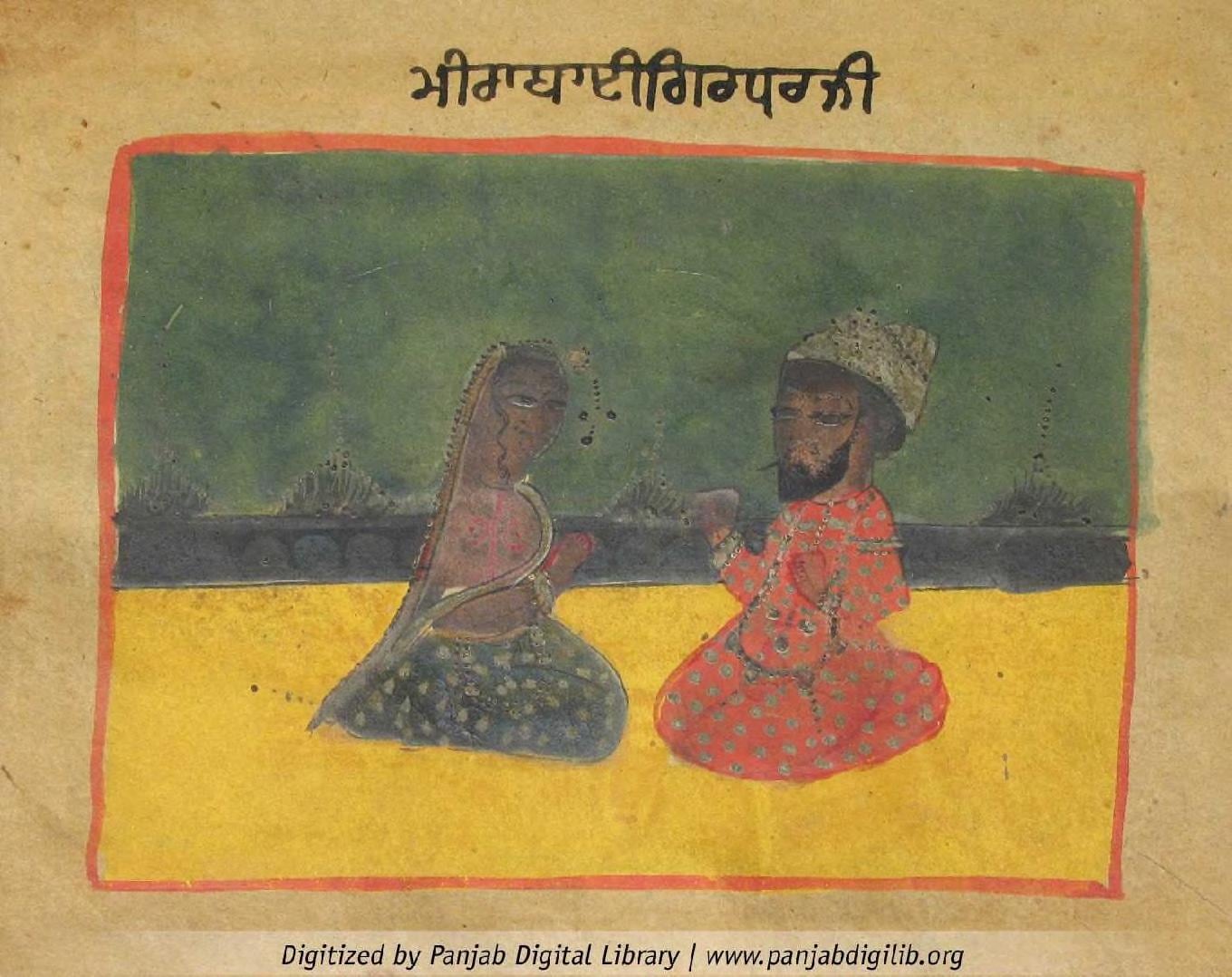
Mirabai y Girdharji en la Prem Ambodh Pothi · Public domain
بكلماته
«Mine is Giridhar Gopal, and no one else. The one who wears the peacock-feather crown on his head, he is my husband.»Pada atribuido, en la Mīrāṃbāī kī padāvalī de P. Chaturvedi. Traducción propia.

فكرته المحورية
Krishna as husband (Giridhar Nagar): The most personal feature of Mira's devotion is its form: she does not love Krishna as one of the many cowherd women of legend, but as a wife married to him, and she calls her god by the epithet Giridhar Nagar, the gallant who held up Mount Govardhana to protect the herders.
السيرة
3 دقيقة قراءة
ترجمة مُعانة من الأصل الإسباني، بانتظار مراجعة مترجم من أهل اللغة.
أميرة من ميرتا
وُلدت ميرا — أو ميرابائي، بلاحقة التوقير — نحو سنة 1498 في كودكي، وهي قرية من أعمال ميرتا في قلب راجستان. وكانت تنتمي إلى فرع ميرتا من عشيرة الراثور الراجبوتية: ابنةَ راتان سينغ، وحفيدةَ راو دودا مؤسس المدينة، وابنةَ عمّ جايمال، المدافع عن تشيتور. وتروي الحكاية أنها أُهديت في طفولتها تمثالًا صغيرًا لكريشنا، وأنها لما رأت موكب عرس يمرّ سألت أمها من سيكون زوجها، فأشارت الأم إلى التمثال. إنه مشهد من نسج الأسطورة، لكنه يختزل جوهر صورتها: امرأة أعلنت أنها زوجة كريشنا، «غيريدهار»، «الذي رفع الجبل».
ما نعرفه وما يُروى
ينبغي أن نفصل منذ البداية بين طبقتين. الأولى شحيحة: لا تذكرها أي حولية من عصرها، وأقدم الإشارات إليها من القرن السابع عشر، وكلها كُتبت بعد موتها بأقل من مئة وخمسين عامًا. وأقدم ما يمكن تأريخه مقطعٌ من «بهاكتامال» لنابهاداس، نحو سنة 1600، يشبّهها براعيات كريشنا، ويقول إنها نبذت حياء الناس وأغلال الأسرة، وشربت كالرحيق السمَّ الذي سقاها إياه الأشرار. أما الطبقة الثانية فهائلة: شرح بريّاداس (1712)، والأساطير المحلية، والأغاني، والسينما. وبين الطبقتين بُنيت حياةٌ لا يستطيع المؤرخون أن يثبتوا منها تفصيلًا واحدًا تقريبًا، ولا يزال الناس يغنّونها.
تشيتور
نحو سنة 1516 زُوِّجت من بهوج راج، بكر رانا سانغا، ملك ميوار، أرفع ممالك الراجبوت شأنًا، وعاصمتها قلعة تشيتور. ومات بهوج راج شابًّا قبل أبيه، نحو سنة 1521، والأرجح أنه مات من جراح حرب. ثم حلّت الكارثة: ففي سنة 1527 هزم بابر التحالف الراجبوتي في خانوا؛ ومات أبو ميرا متأثرًا بتلك المعركة، ثم سانغا بعد قليل. وكانت السنوات التالية سنوات صراع على العرش في ميوار وحصار: ففي سنة 1535 استولى بهادر شاه، سلطان كجرات، على تشيتور. ومن المعقول أن نرى، كما تقترح نانسي مارتن، أن خلاف ميرا مع البلاط كان سياسيًّا بقدر ما كان دينيًّا: أرملة رفيعة المقام من عشيرة حليفة ثم منافسة، تأبى أن تسلك سلوك الأرامل.
الأرملة التي أبت أن تكونها
أما الرواية التقليدية فشيء آخر. ترفض ميرا التزام حداد الأرامل الراجبوتيات، وترفض بحسب الروايات المتأخرة أن تُحرق نفسها على محرقة زوجها؛ وتغني وترقص في المعابد أمام نُسّاك (سادهو) من كل طبقة؛ وتستقبل الحجاج؛ وتقول إن زوجها هو كريشنا. ويحاول صهرها فيكراماديتيا، الذي حكم ميوار في مطلع ثلاثينيات القرن السادس عشر، أن يقتلها: كأس سمّ تستحيل رحيقًا، وأفعى في سلة زهور تتحوّل إلى تمثال لكريشنا أو إلى إكليل، وسرير من مسامير يصير فراشًا من زهر. والسمّ مذكور منذ نابهاداس؛ أما الباقي فأضافه بريّاداس والرواية الشفهية. والقصائد التي تحمل توقيعها تحفظ الشكوى: الناس يقولون إن ميرا جُنّت، والحماة تقول إنها جلبت العار على الأسرة.
فريندافان ودواركا
تتفق الروايات على أنها غادرت تشيتور، وعادت إلى ميرتا حينًا، ثم شدّت الرحال حاجّةً إلى فريندافان، أرض كريشنا، حيث يجعل بريّاداس لقاءها باللاهوتي جيفا غوسوامي، الذي كان لا يستقبل النساء. ومن هناك مضت إلى دواركا، على ساحل كجرات، مدينة كريشنا الملك. وتقول الأسطورة الأخيرة إن وفدًا من البراهمة جاء من ميوار ليعيدها، وهدّد بالصوم حتى الموت إن هي أبت؛ فاستأذنت ميرا في أن تودّع تمثال رانتشهودجي في المعبد، فدخلت ولم تخرج: لم يبقَ منها إلا ساريها ملفوفًا على التمثال. ويؤرَّخ ذلك بنحو سنة 1546 أو 1547، دون وثيقة تؤكده.
متنٌ نما معها
تُنسب إليها مئات «البادات»، وهي أغانٍ قصيرة يرد اسمها في بيتها الأخير، بمزيج من الراجستانية والبراج بهاشا، وبالكجراتية أيضًا. غير أن الأساس المخطوط ضعيف على نحو مدهش. فجون ستراتون هاولي، الذي درسها أكثر من أي أحد، لم يجد في المخطوطات السابقة على القرن الثامن عشر سوى قصيدتين منسوبتين إلى ميرا؛ ومعظم المتن يظهر في نسخ من أواخر القرن الثامن عشر ومن القرن التاسع عشر. والطبعة النقدية التي أعدّها باراشورام تشاتورفيدي (1932)، والتي تستند إليها جميع الترجمات الحديثة تقريبًا، تضمّ نحو مئتي قصيدة دون أن تذكر المخطوطات التي اعتمدتها. ومن هنا حذر هاولي: الحديث عن شعر ميرابائي حديثٌ دائمًا عن لغز. لكن ما يمكن وصفه هو أسلوب: حبّ كريشنا معيشًا زواجًا، ونفاد صبر العاشقة المنتظرة، وكريشنا اليوغي الذي يفتن ثم يرحل، والتحدّي الصريح لشرف الأسرة.
وجهٌ من وجوه الشعب
ميرا، كما كتبت باريتا موكتا، قدّيسة الشعب قبل أن تكون قدّيسة البلاط: ففي راجستان يغنّيها الفلاحون والحاكة وأبناء الطبقات الدنيا خاصةً، ويذكرونها ملكةً اختارت الإسكافيَّ رايداس مرشدًا (غورو) واستخفّت بشرف نسبها، في حين ظلت ذاكرة النبلاء الراجبوت تنظر إليها قرونًا بشيء من الحرج. وجعل منها القرن العشرون رمزًا. فقد رأى غاندي في مقاومتها السلمية مثالًا، ومنح اسمها لتلميذته الإنجليزية مادلين سليد، «ميرابِن»؛ وجسّدتها م. س. سوبولاكشمي في السينما سنة 1945؛ وأفرد لها غولزار فيلمًا سنة 1979. وحملتها ترجمات روبرت بلاي وجين هيرشفيلد وأندرو شيلينغ إلى لغات أخرى شاعرةً للحرية الباطنة. ووراء كل هذه الصور لميرا امرأةٌ حقيقية لا نعرف عنها إلا القليل، وصوتٌ لم يكفّ عن التبدّل.
المصادر: Hawley, John Stratton. Three Bhakti Voices: Mirabai, Surdas, and Kabir in Their Times and Ours. Nueva Delhi: Oxford University Press, 2005. ISBN 9780195670851. · Hawley, John Stratton, y Mark Juergensmeyer. Songs of the Saints of India. Nueva York: Oxford University Press, 1988. ISBN 9780195052213. · Mukta, Parita. Upholding the Common Life: The Community of Mirabai. Delhi: Oxford University Press, 1994. ISBN 9780195631159. · Nābhādās. Bhaktamāl (c. 1600), con el comentario Bhaktirasabodhinī de Priyādās (1712). Ed. y trad. parcial en Hawley, Three Bhakti Voices, y en Mukta, Upholding the Common Life. · Martin, Nancy M. Mirabai: The Making of a Saint. Nueva York: Oxford University Press, 2023. ISBN 9780195153903.
الخط الزمني
الحياة عامًا بعد عام
كل نقطة حدث موثّق. انقر لتقرأه مع مصدره ودرجة اليقين فيه.
نحو 1498أقل من عامKudki, territorio de Merta (Rajastán)
Birth
Born into the Merta branch of the Rathor clan, daughter of Ratan Singh and granddaughter of Rao Duda. The year is a historians' estimate; other proposals go as late as 1504.
مرجَّحGoetz, Hermann. Mira Bai: Her Life and Times. Bombay: Bharatiya Vidya Bhavan, 1966.
بعد وفاته
- نحو 1600Nabhadas's Bhaktamal
- 1712Priyadas's commentary
- 1829James Tod confuses her with Rana Kumbha's wife
- 1932Parashuram Chaturvedi's edition
- 1945Meera, with M. S. Subbulakshmi
نحو 1498 · أقل من عام
Birth
Born into the Merta branch of the Rathor clan, daughter of Ratan Singh and granddaughter of Rao Duda. The year is a historians' estimate; other proposals go as late as 1504.
مرجَّح
نحو 1516 · 18 عامًا
Marriage to Bhoj Raj
She is married to the heir of Rana Sanga of Mewar. Tradition says she already considered herself married to Krishna.
مرجَّح
نحو 1521 · 23 عامًا
Death of Bhoj Raj
Her husband dies before succeeding his father, probably of war wounds. Mira is left a childless widow.
مرجَّح
مارس 1527 · 29 عامًا
Battle of Khanwa
Babur defeats Rana Sanga's Rajput coalition; Mira's father dies as a result of the battle and Sanga soon afterwards.
موثّق
نحو 1531 · 33 عامًا
The persecution
Under Vikramaditya (c. 1531-1536), according to tradition, she suffers poisoning attempts and the court's hostility for her public devotion. Nabhadas (c. 1600) already mentions the poison.
تقليد
نحو 1535 · 37 عامًا
Departure from Mewar and pilgrimage
She leaves Chittor, returns to Merta and makes the pilgrimage to Vrindavan. Priyadas places her meeting with Jiva Gosvamin there.
تقليد
نحو 1540
Dwarka
She settles in Dwarka, the city of Krishna as king, where she will spend her last years.
تقليد
نحو 1547 · 49 عامًا
Death or disappearance
Legend has her vanish into the image of Ranchhodji when a delegation from Mewar comes for her. It is dated to around 1546-1547; other sources give later dates.
مختلَف فيه
نحو 1600
Nabhadas's Bhaktamal
The first datable reference to Mira: a stanza presenting her as a fearless devotee who drank poison as nectar.
موثّق
1712
Priyadas's commentary
Priyadas's Bhaktirasabodhini expands Mira's life with the episodes of the snake, Jiva Gosvamin and Dwarka.
موثّق
1829
James Tod confuses her with Rana Kumbha's wife
The Annals and Antiquities of Rajast'han place her a century earlier, as Kumbha's wife; the error was repeated for decades.
موثّق
1932
Parashuram Chaturvedi's edition
The Hindi Sahitya Sammelan's Mīrāṃbāī kī padāvalī fixes the corpus of some two hundred padas on which almost all translators work.
موثّق
1945
Meera, with M. S. Subbulakshmi
Tamil film by Ellis R. Dungan with the singer in the lead role; the 1947 Hindi version was introduced by Sarojini Naidu.
موثّق
المؤلَّفات
المؤلَّفات الأساسية
المؤلَّفات التي لا يُفهم إرثه من دونها.
مجموعة لاحقة
Padavali (Mirabai's songs)
मीराँबाई की पदावली
Short songs, composed to be sung to a raga, ending with the signature "Mira ke prabhu Giridhar Nagar" ("Mira's lord is the gallant Giridhar"). They speak of Krishna as a husband chosen against the family's will, of waiting and separation, of the yogi Krishna who seduces and leaves, of mockery and persecution, of the joy of meeting. The language mixes Rajasthani and Braj Bhasha; there is also a Gujarati corpus. Musical tradition also attributes to her a variant of raga Malhar, called "Mira ki Malhar". It is the work for which she is known throughout India.
8 طبعات · amazon.com
Mirabai
"Mere to Giridhar Gopal" ("Mine is Giridhar Gopal")
نسبة تقليدية
"Mere to Giridhar Gopal" ("Mine is Giridhar Gopal")
मेरे तो गिरधर गोपाल, दूसरो न कोई
Probably the pada most associated with her name. The singer declares she has no one but Krishna, the one with the peacock-feather crown, and that for him she has lost the family's honour: she has sat with the saints, cast off public shame, watered the creeper of love with her tears. It sums up the break with lineage that defines her figure.
طبعة واحدة
Mirabai
"Payoji maine Ram ratan dhan payo" ("I have found the jewel of Ram's name")
نسبة تقليدية
"Payoji maine Ram ratan dhan payo" ("I have found the jewel of Ram's name")
पायो जी मैंने राम रतन धन पायो
A song of gratitude for the divine name, presented as a treasure that is never spent, that thieves cannot steal and that grows every day. It is one of the most popular bhajans of modern India, spread by Lata Mangeshkar's recording and by singing in temples and schools.
طبعة واحدة
جميع مؤلَّفاته (11)
Mirabai
Narsi ji ro Mahero
The Conscious LibraryNarsi ji ro Mahero
Mirabai
Commentary on the Gita Govinda
The Conscious LibraryCommentary on the Gita Govinda
Mirabai
Rag Govind
The Conscious LibraryRag Govind
Mirabai
Padas in raga Sorath
The Conscious LibraryPadas in raga Sorath

Three Bhakti Voices (John Stratton Hawley)
2005
Mirabai
Upholding the Common Life (Parita Mukta)
The Conscious LibraryUpholding the Common Life (Parita Mukta)
1994
Mirabai
Mirabai: The Making of a Saint (Nancy M. Martin)
The Conscious LibraryMirabai: The Making of a Saint (Nancy M. Martin)
2023
Mirabai
Mira Bai: Her Life and Times (Hermann Goetz)
The Conscious LibraryMira Bai: Her Life and Times (Hermann Goetz)
1966
الأقوال
أقوال محدَّدة الموضع في مؤلَّف بعينه. كل منها يحمل مصدره ودرجة الثقة به.
Mine is Giridhar Gopal, and no one else. The one who wears the peacock-feather crown on his head, he is my husband.मेरे तो गिरधर गोपाल, दूसरो न कोई। जाके सिर मोर मुकुट, मेरो पति सोई॥
مختلَف فيهPada atribuido, en la Mīrāṃbāī kī padāvalī de P. Chaturvedi. Traducción propia.
الكلمات الأخيرة
لا توجد سجلات يمكن التحقق منها لكلماته الأخيرة.
There is no testimony of her last words or her death. The legend transmitted since Priyadas (1712) has her enter the temple of Ranchhodji in Dwarka and vanish into the image; some popular versions attribute a final song to her, but there is no fixed form and no early source that records it.
المصدر: Nābhādās. Bhaktamāl (c. 1600), con el comentario Bhaktirasabodhinī de Priyādās (1712). Ed. y trad. parcial en Hawley, Three Bhakti Voices, y en Mukta, Upholding the Common Life.
اسأل
بماذا يجيب أثره
اثنا عشر سؤالًا كبيرًا من أسئلة الإنسانية، وما تتيح نصوصه الإجابة به عنها، مع المراجع. ولا نقوّله ما لم يقل أبدًا.
ما المطلق؟ هل الله موجود؟
The ultimate has a name and a face: Giridhar Gopal, her husband
إله شخصييقوله صراحةً
In the songs attributed to Mirabai the divine is neither a principle nor an idea: it is Krishna, Giridhar Gopal, the one who lifts the mountain, the cowherd with the peacock-feather crown. Her most famous pada declares him hers and no one else’s, and calls him husband. Mirabai does not debate the nature of the Absolute or compare schools; her theology is that of loving bhakti, which presupposes a personal God who can be loved, awaited and lost. In other songs she also invokes the name of Ram as a jewel received from her teacher, but the figure that dominates her work is a concrete lover with a face, to whom she gives herself above family and convention.
قارن هذا السؤال مع معلّمين آخرينمن أنا؟ هل توجد ذات حقيقية؟
She does not theorise the self: she knows herself as Krishna’s bride
لم يُبدِ رأيًا
The songs attributed to Mirabai contain no doctrine of soul or ego. The closest thing to an answer is the way she names herself: as the bride of Giridhar Gopal, as the one who has lost all shame before public opinion (lok-laj), as a woman mad with love whom nobody understands. Her identity is defined by her relation to Krishna and by her break with the roles assigned to her by caste, by the royal family of Mewar and by widowhood. In some songs she says she was his in earlier lives, which presupposes a persisting soul, but she draws no theory from it. Asking her for an anthropology would force a voice that is, above all, lyrical.
قارن هذا السؤال مع معلّمين آخرينلماذا نتألّم؟
The pain of separation from the Beloved, which no one else understands
الانفصال عن اللهيقوله صراحةً
The songs attributed to Mirabai are shot through with viraha, the pain of separation from Krishna: sleepless nights, eyes that never dry, a wound no physician can heal. One of the most quoted lines says it plainly: she is mad with love and no one knows her pain. To that suffering is added another, inflicted by her in-laws and by society for choosing Krishna above the norms of caste and widowhood; tradition tells of attempts to poison her. Mirabai does not explain the origin of pain: she sings it. But in her songs the suffering of separation is inseparable from love, and the only possible cure is the Beloved’s coming.
قارن هذا السؤال مع معلّمين آخرينماذا يحدث بعد الموت؟
No speculation on the afterlife: she sings a love across lives
لم يُبدِ رأيًا
The songs attributed to Mirabai contain no teaching about what happens after death. What appears is the conviction of a bond with Krishna that precedes this life and outlives it: in some padas she presents herself as his bride from previous births and asks not to be separated from him in those to come. Hagiography gives her a symbolic end: in Dwarka, before the image of Krishna, she is said to have vanished into it, leaving no body. That story expresses the devotional hope of a union that death does not interrupt, but it is not a doctrine of Mirabai’s, rather a later legend. In her voice death hardly matters: what matters is not being far from the Beloved.
قارن هذا السؤال مع معلّمين آخرينكيف يُبلَغ التحرّر أو الخلاص؟
Giving herself wholly to Giridhar, though the world calls her mad
بالتعبّد والتسليميقوله صراحةً
In the songs attributed to Mirabai the only path is love of Krishna lived without reserve. She does not speak of liberation in a technical sense; what she seeks is the Beloved’s presence. Her devotion is expressed in song and dance: one of her best-known verses shows her dancing with bells on her ankles while people say she has gone mad and her mother-in-law that she is the ruin of the family. Another pada speaks of the Name of Ram as a priceless jewel received from her true teacher. Surrendering like this means breaking with public opinion (lok-laj), with caste and with the royal family: for Mirabai devotion is also a form of freedom.
قارن هذا السؤال مع معلّمين آخرينهل نحتاج إلى معلّم؟
The true master gave her the jewel of the Name
لا غنى عنهيُستنتج من تعاليمه
The songs attributed to Mirabai mention the teacher in few places, but with weight. In the pada that begins by saying she has found the treasure, the jewel of Ram’s name, she states that her true teacher gave her something priceless and, by his grace, made her his own. Another verse says she found her guru, Raidas, the saintly cobbler, who gave her the pill of knowledge. The link with Raidas, of untouchable caste, carries a strong social meaning: a Rajput princess declaring herself the disciple of an untouchable. Whatever the historicity, Mirabai’s tradition makes the teacher the one who hands over the Name, without which devotion does not catch fire.
قارن هذا السؤال مع معلّمين آخرينهل العالم حقيقي؟
She does not ask about the world’s reality: she turns from it for love
لم يُبدِ رأيًا
The songs attributed to Mirabai do not ask whether the world is real or illusory. What they do is relativise it from love: palaces, jewels, honours and kinship are worthless beside Giridhar Gopal, and other people’s opinion (lok-laj) ceases to matter. Some padas call the world fleeting, a fair of a few days, in the common language of North Indian bhakti, but without developing an ontology. Her relation to the world is more ethical and social than metaphysical: she leaves the one assigned to her as princess and widow to live among devotees. Attributing to her a doctrine on the nature of the real would go beyond what the texts say.
قارن هذا السؤال مع معلّمين آخرينما الحب؟
Mad with love for Giridhar, defying the world
الشوق والوصاليقوله صراحةً
The songs attributed to Mirabai are above all love songs. Krishna is her husband, to whom she has always belonged; she waits for him at night, calls him, complains of his absence and celebrates his arrival. One of her most quoted lines shows her mad with love with no one to understand her pain. Her love is not abstract: it has body, desire and jealousy, and uses the language of lover and wife. What sets it apart from human love is its object and its radicality: for it she renounces honour, family and the social place that was hers. In Mirabai divine love is longing for union lived as transgression.
قارن هذا السؤال مع معلّمين آخرينهل نحن أحرار أم أن كل شيء مقدَّر؟
She does not speak of fate: she chooses Krishna against what was imposed
لم يُبدِ رأيًا
The songs attributed to Mirabai do not deal with the problem of freedom and fate. What they show is a radical choice: against marriage, caste, the widow’s duty and the royal family’s honour, she chooses Krishna and declares him her only husband. In some padas she ascribes that choice to a bond older than this life, as if her destiny were precisely to belong to Giridhar, and in others to the grace of the teacher who gave her the Name. But none of this is presented as doctrine. Modern readings that see Mirabai as an emblem of women’s freedom start from that choice, not from any theory of hers.
قارن هذا السؤال مع معلّمين آخرينلماذا نتأمّل أو نصلّي؟
Singing and dancing before Giridhar: prayer as love song
صداقة مع اللهيقوله صراحةً
Mirabai’s prayer, as the songs attributed to her preserve it, is song and dance before the image of Krishna. One of her verses shows her dancing with bells on her ankles amid people’s mockery and her family’s scandal; others show her keeping vigil at night, talking to the Beloved, complaining of his absence or begging him to come. There is no technique or method: prayer is the direct expression of a loving relationship with a personal God. The songs themselves serve that function for those who sing them, which is why they have survived in the oral tradition of northern India. To pray, for Mirabai, is to speak to the Beloved.
قارن هذا السؤال مع معلّمين آخرينهل يستطيع العقل أن يعرف الحقيقة القصوى؟
She does not discuss knowledge: love suffices her
لم يُبدِ رأيًا
The songs attributed to Mirabai do not address the relation between reason and the divine. They contain no arguments nor any critique of scholars comparable to Kabir’s; what they contain is the affirmation that love of Krishna suffices and that no one who has not felt it can understand her pain or her madness. One pada speaks of the pill of knowledge received from the teacher, but that knowledge is of the Name, not a doctrine. Her voice belongs to the bhakti tradition that values loving experience above learning, but she does not formulate that hierarchy as a theory. Attributing an epistemology to her would go beyond the texts.
قارن هذا السؤال مع معلّمين آخرينالانسحاب من العالم أم تغييره؟
Breaking with court and convention to live among devotees
الانسحاب لكي نجديُستنتج من تعاليمه
Mirabai’s tradition narrates a rupture: a Rajput princess married into the royal house of Mewar, she refused the roles of wife and widow, kept company with devotees and wandering saints, endured her in-laws’ hostility and finally left court to live in Vrindavan and Dwarka. Her songs repeat that she has abandoned shame before public opinion (lok-laj) and cares nothing for palace or jewels. It is not the regulated renunciation of the monastery but the abandonment of a social order for love of Krishna. Some studies have read that rupture as social protest, but its meaning in the texts is above all devotional.
قارن هذا السؤال مع معلّمين آخرين
التقارب والتوتّر
التقارب والتوتّر
محسوبة سؤالًا سؤالًا انطلاقًا من مواقفه. وسبب كل اتفاق أو اختلاف يظهر بالنقر.
يقترب في تفكيره من

Rabia al-Adawiyya
يتّفقان في: ما المطلق؟ هل الله موجود؟ · لماذا نتألّم؟ · كيف يُبلَغ التحرّر أو الخلاص؟
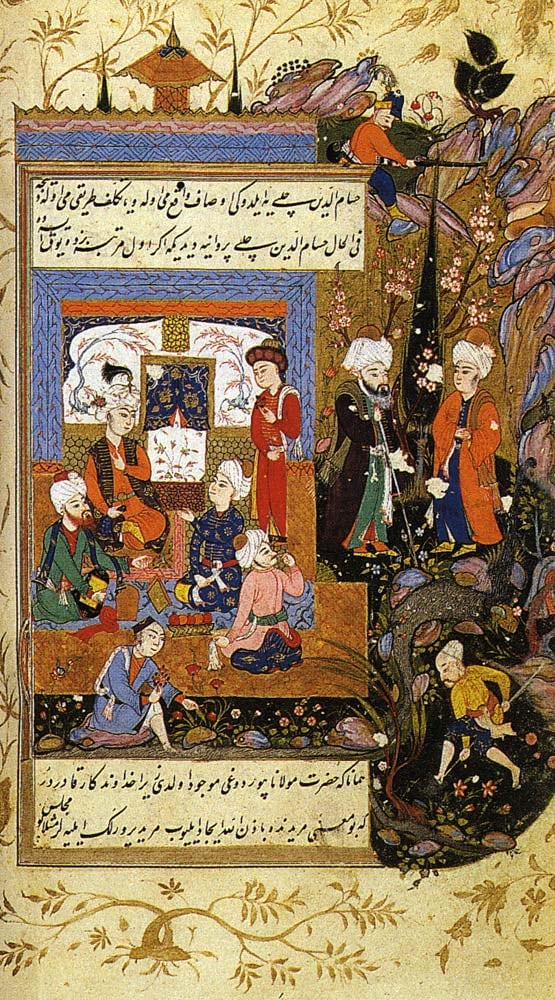
Rumi
يتّفقان في: ما المطلق؟ هل الله موجود؟ · لماذا نتألّم؟ · كيف يُبلَغ التحرّر أو الخلاص؟
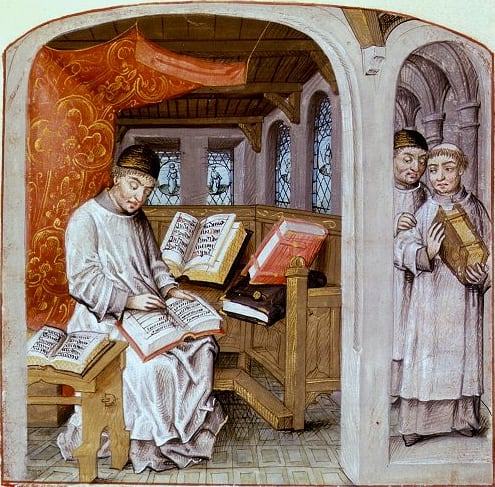
Thomas à Kempis
يتّفقان في: ما المطلق؟ هل الله موجود؟ · لماذا نتألّم؟ · كيف يُبلَغ التحرّر أو الخلاص؟

Chaitanya Mahaprabhu
يتّفقان في: ما المطلق؟ هل الله موجود؟ · لماذا نتألّم؟ · كيف يُبلَغ التحرّر أو الخلاص؟
حكايات وروايات
حكايات وروايات
رواية من سِيَر القدّيسينc. 1530
The cup of poison
أصل الرواية: Nabhadas's Bhaktamal (c. 1600), stanza on Mira; developed by Priyadas (1712) and by the attributed poems ("the Rana sent me a cup of poison").
المصدر: Nābhādās. Bhaktamāl (c. 1600), con el comentario Bhaktirasabodhinī de Priyādās (1712). Ed. y trad. parcial en Hawley, Three Bhakti Voices, y en Mukta, Upholding the Common Life.
رواية من سِيَر القدّيسينc. 1530
The snake in the basket
أصل الرواية: Absent from Nabhadas; it appears in Priyadas's commentary (1712) and in attributed padas. No documentary basis.
المصدر: Nābhādās. Bhaktamāl (c. 1600), con el comentario Bhaktirasabodhinī de Priyādās (1712). Ed. y trad. parcial en Hawley, Three Bhakti Voices, y en Mukta, Upholding the Common Life.
رواية من سِيَر القدّيسينc. 1540
"I thought there was only one male in Vrindavan"
أصل الرواية: Priyadas's Bhaktirasabodhini (1712); it does not appear in Gaudiya sources. The meeting is chronologically possible but undocumented.
المصدر: Nābhādās. Bhaktamāl (c. 1600), con el comentario Bhaktirasabodhinī de Priyādās (1712). Ed. y trad. parcial en Hawley, Three Bhakti Voices, y en Mukta, Upholding the Common Life.
مختلَف فيهs. XVI (legendario)
Akbar and Tansen at the temple
أصل الرواية: Popular tradition recorded in modern biographies and in films; it does not appear in Nabhadas and is anachronistic.
المصدر: Goetz, Hermann. Mira Bai: Her Life and Times. Bombay: Bharatiya Vidya Bhavan, 1966.
لا يمكن التحقق منهs. XVI (legendario)
The letter to Tulsidas
أصل الرواية: Tulsidas's poem exists in the Vinaya Patrika; Mira's letter and its connection with the poem come from late oral tradition and have no documentary support.
المصدر: Nilsson, Usha S. Mira Bai. Nueva Delhi: Sahitya Akademi (Makers of Indian Literature), 1969.
رواية من سِيَر القدّيسينc. 1546-1547
The sari on the image of Ranchhodji
أصل الرواية: Priyadas (1712) and later tradition of Dwarka and Mewar. There is no historical record of her death.
المصدر: Nābhādās. Bhaktamāl (c. 1600), con el comentario Bhaktirasabodhinī de Priyādās (1712). Ed. y trad. parcial en Hawley, Three Bhakti Voices, y en Mukta, Upholding the Common Life.
موثّق1925
Gandhi and Mirabehn
أصل الرواية: Madeleine Slade, The Spirit's Pilgrimage (1960); Mukta (1994) analyses the nationalist appropriation of Mira.
المصدر: Slade, Madeleine (Mirabehn). The Spirit's Pilgrimage. Londres: Longmans, 1960.
التعاليم
التعاليم
المفاهيم التي ينتظم بها فكره، مشروحة في سياقها.
Krishna as husband (Giridhar Nagar)giridhar-nagar
Krishnaite bhakti of northern India; madhurya attitude; comparison with the gopis in Nabhadas.
المصدر: Hawley, John Stratton. Three Bhakti Voices: Mirabai, Surdas, and Kabir in Their Times and Ours. Nueva Delhi: Oxford University Press, 2005. ISBN 9780195670851.
Separation (viraha)viraha
Lyric of the seasons (baramasa) and the poetics of viraha; compare with the vipralambha of Chaitanya's school.
المصدر: Hawley, John Stratton. Three Bhakti Voices: Mirabai, Surdas, and Kabir in Their Times and Ours. Nueva Delhi: Oxford University Press, 2005. ISBN 9780195670851.
Casting off "public shame" (lok laj)lok-laj
Rajput ethics of honour; critique of caste in bhakti; Mukta's study (1994).
المصدر: Mukta, Parita. Upholding the Common Life: The Community of Mirabai. Delhi: Oxford University Press, 1994. ISBN 9780195631159.
The yogi and the yoginijogi
Nath and Sant traditions of Rajasthan; the literary motif of the yogi lover.
المصدر: Hawley, John Stratton, y Mark Juergensmeyer. Songs of the Saints of India. Nueva York: Oxford University Press, 1988. ISBN 9780195052213.
مقاطع الفيديو
مقاطع الفيديو
تسجيلات ومقابلات وأفلام وثائقية. تُشغَّل مقاطع الفيديو من YouTube؛ ولا تُستضاف هنا.
"Seeking Mirabai: Scholarly Engagement and Personal Empowerment" lecture with Nancy M. Martin, PhD
محاضرة· EN· 71 min
Loyola Marymount University, BCLA Yoga Studiesالقناة الرسمية
"Mirabai speaks....": The Emergent Voice of Medieval Saint
محاضرة· EN· 2017· 70 min
Claremont McKenna Collegeالقناة الرسمية
Meera, Thaare Kain Laage Gopal? | Meera, Who Is Krishna To You After All?
فيلم وثائقي· HI· 41 min
ajab shahar - kabir projectالقناة الرسمية
Meera | Movie | 1945 | Part-1
تسجيل من طرف ثالث· HI· 1947· 35 min
Prasar Bharati Archivesالقناة الرسمية
Meera Bhajan by M.S. Subbulakshmi
المشاهدة على YouTube
لا يسمح هذا الفيديو بالتضمين؛ وسيُفتح على YouTube.
Meera Bhajan by M.S. Subbulakshmi
تسجيل من طرف ثالث· HI· 5 min
Prasar Bharati Archivesالقناة الرسمية
Pandit Kumar Gandharva sings a Meerabai Bhajan
تسجيل من طرف ثالث· HI· 11 min
Sangeetveda1
Payoji Maine Ram Ratan Dhan Payo (Official Lyric Video) | Lata Mangeshkar
تسجيل من طرف ثالث· HI· 4 min
Universal Music Indiaالقناة الرسمية
Meera (1979) {HD + Eng Subs}
تسجيل من طرف ثالث· HI· 1979· 140 min
Shemarooالقناة الرسمية
Mirabai's Life and Teachings – Swami Mukundananda | Saints of India
محاضرة· EN· 48 min
Swami Mukundanandaالقناة الرسمية
Mirabai (Meera) - Selected Poems for Meditation
تسجيل من طرف ثالث· EN· 22 min
Samaneri Jayasāra - Wisdom of the Masters
Mirabai: La princesa que dejó un reino por amor a un dios (Audio Podcast)
تحليل· ES· 36 min
Almas de la Historia
المعرض
المعرض
صور بترخيص متحقَّق منه. كل منها تحتفظ بمؤلّفها ونسبتها.
العلاقات
العلاقات
تأثيرات وتلمذة وتقارب في الأفكار. تُميَّز العلاقة الموثّقة عن التشابه المستخلَص بالتحليل.
أفكار قريبة من
Both belong to northern bhakti and share the challenge to caste and ritualism; Kabir sings to a formless God, Mira to Krishna. Tradition links both with Raidas.
تشابه مستخلَص بالتحليل
أفكار قريبة من
Contemporaries and devotees of Krishna in the language of the separated lover; Priyadas brings her into contact with Jiva Gosvamin, of Chaitanya's school, not with him.
تشابه مستخلَص بالتحليل
معاصر لـ
Contemporaries. A Mira pada appears in the Bhai Banno recension of the Adi Granth, which the Sikh canon excluded, and the Prem Ambodh Pothi (1693) counts her among the bhakti saints.
تشابه مستخلَص بالتحليل
أفكار قريبة من
A frequent comparison: two contemporary women who lived their relationship with God as betrothal and confronted the norms of their milieu. No historical connection.
تشابه مستخلَص بالتحليل
أفكار قريبة من
Two female figures of the love of God turned into legend, with an attributed corpus of uncertain authenticity. No historical connection.
تشابه مستخلَص بالتحليل
المصادر
المصادر
المراجع والفهارس التي رُوجعت لهذه الصفحة.
- Hawley, John Stratton. Three Bhakti Voices: Mirabai, Surdas, and Kabir in Their Times and Ours. Nueva Delhi: Oxford University Press, 2005. ISBN 9780195670851.
- Hawley, John Stratton, y Mark Juergensmeyer. Songs of the Saints of India. Nueva York: Oxford University Press, 1988. ISBN 9780195052213.
- Mukta, Parita. Upholding the Common Life: The Community of Mirabai. Delhi: Oxford University Press, 1994. ISBN 9780195631159.
- Nābhādās. Bhaktamāl (c. 1600), con el comentario Bhaktirasabodhinī de Priyādās (1712). Ed. y trad. parcial en Hawley, Three Bhakti Voices, y en Mukta, Upholding the Common Life.
- Martin, Nancy M. Mirabai: The Making of a Saint. Nueva York: Oxford University Press, 2023. ISBN 9780195153903.
- Alston, A. J. (trad.). The Devotional Poems of Mīrābāī. Delhi: Motilal Banarsidass, 1980 (reimpr. 1998, ISBN 9788120804425).
- Caturvedī, Paraśurām (ed.). Mīrāṃbāī kī padāvalī. Prayāg: Hindī Sāhitya Sammelan, 1932 (ediciones posteriores de 1947 y 1966).
- Tod, James. Annals and Antiquities of Rajast'han, or the Central and Western Rajpoot States of India. 2 vols. Londres: Smith, Elder, 1829-1832.
- Wikidata, «Meera / Mirabai» (Q466330).
- Bly, Robert, y Jane Hirshfield. Mirabai: Ecstatic Poems. Epílogo de John Stratton Hawley. Boston: Beacon Press, 2004. ISBN 9780807063866.
- Schelling, Andrew (trad.). For Love of the Dark One: Songs of Mirabai. Boston: Shambhala, 1993 (ISBN 9780877738725); ed. rev. Prescott: Hohm Press, 1998 (ISBN 9780934252843).
- Goetz, Hermann. Mira Bai: Her Life and Times. Bombay: Bharatiya Vidya Bhavan, 1966.
- Nilsson, Usha S. Mira Bai. Nueva Delhi: Sahitya Akademi (Makers of Indian Literature), 1969.
- Futehally, Shama (trad.). In the Dark of the Heart: Songs of Meera. Prólogo de M. S. Subbulakshmi. San Francisco: HarperCollins, 1994. ISBN 9780060628819.
- Slade, Madeleine (Mirabehn). The Spirit's Pilgrimage. Londres: Longmans, 1960.
- Prasar Bharati Archives. «Meera | Movie | 1945 | Part-1» (versión hindi de 1947 con la presentación de Sarojini Naidu). YouTube, 2020.
- Mīrābāī kī śabdāvalī aura jīvana-caritra. Allahabad: Belvedere Printing Works (serie Santbānī), principios del siglo XX. Ejemplar digitalizado en Internet Archive (colección hindi-urdu de Sarai, CSDS).
- صاحب الحقوق
- Los padas atribuidos a Mirabai son de dominio público. Las traducciones y ediciones modernas tienen titulares propios (Beacon Press, Shambhala y Hohm Press, Motilal Banarsidass, Oxford University Press, HarperCollins; la edición de Chaturvedi, el Hindi Sahitya Sammelan).
في انتظار التأكيد
ما لم تتمكّن هذه الصفحة من حسمه بعد. نفضّل أن نقول ذلك على أن نملأ الفراغ.
- No se localizó ninguna traducción española publicada de los padas de Mirabai con ISBN (consultas en Open Library y en la web).
- No hay en Wikisource ni en Project Gutenberg una edición en dominio público de la Padavali; la de Belvedere en Internet Archive queda con cautela (editor desconocido, OCR sin verificar).
- Localizar los dos manuscritos anteriores al siglo XVIII que, según Hawley, contienen poemas de Mira, para fichar su signatura en manuscripts[].
- Contrastar la datación (1498-1547) con Martin (2023); las fechas proceden en buena parte de Goetz (1966) y son conjeturales.
- Confirmar la numeración de los padas citados en la edición de Chaturvedi.
بُحث بتاريخ 2026-10-25