البوذية · زن / تشان · الطاوية · التصوف المسيحي · أدفايتا فيدانتا
Alan Watts
1915 – 1973شخصية موثّقة تاريخيًا
فيلسوف ومبسّط للمعرفة بريطاني تجنّس بالجنسية الأمريكية (1915–1973)، قرّب إلى الغرب بوذية الزن والطاوية والفيدانتا. كان كاهنًا أسقفيًّا بضع سنوات، ثم أستاذًا في سان فرانسيسكو وصوتًا مألوفًا في إذاعة KPFA والتلفزيون العامّ، وألّف كتبًا منها «طريق الزن» و«حكمة اللاأمان» و«العلاج النفسي بين الشرق والغرب» و«الكتاب». ولا تزال محاضراته المسجّلة تنتشر على نطاق واسع جدًّا، ويتداولها جمهور عريض في أنحاء العالم.
- مؤلَّفًا
- 59مؤلَّفًا
- طبعة
- 150طبعة
- اقتباسًا
- 8اقتباسًا
- مقطع فيديو
- 13مقطع فيديو
- صورة
- 5صورة
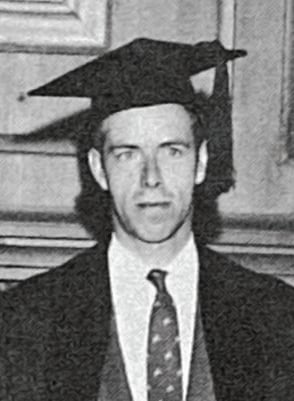
Alan Watts en la Universidad de Vermont (1958) · Public domain
بكلماته
«If you get the message, hang up the phone.»The Joyous Cosmology, ed. Vintage 1970, p. 26 (sobre los psicodélicos como instrumentos)

فكرته المحورية
The feeling of being an isolated self inside the body, facing an alien world, is not a datum of experience but a learned social convention; organism and environment form a single field.
السيرة
4 دقيقة قراءة
ترجمة مُعانة من الأصل الإسباني، بانتظار مراجعة مترجم من أهل اللغة.
فتى من كنت مفتون بالشرق
وُلد آلان ويلسون واتس في السادس من يناير 1915 في تشيزلهرست بمقاطعة كنت، وكان الابن الوحيد للورنس ويلسون واتس، ممثّل شركة ميشلان في لندن، وإميلي ماري بيوكان، ابنة أحد المبشّرين. نشأ في بيت ريفي متواضع، يتعلّم أسماء الأزهار والفراشات، وتحيط به المطرّزات واللوحات التي أهداها إلى أمّه مبشّرون عائدون من الصين. وقد ظلّ يذكر، حين صار رجلًا، افتتانه في تلك الصور بـ«شيء من الصفاء والشفافية والرحابة» لم يكن يجده في الفنّ الإنجليزي.
التحق بالمدارس الداخلية منذ السابعة، أولًا بمدرسة سانت هيوز التحضيرية ثم بمدرسة الملك (The King's School) في كانتربري، وتلقّى تربية أنغليكانية وصفها بالكآبة. وفي العطل كان يسافر عبر فرنسا مع فرانسيس كروشو، وهو أبيقوري مثقّف مهتمّ بالبوذية، فاكتشف في مكتبته النصوص التي ستحدّد وجهته. وفي السادسة عشرة كان أمينًا للمحفل البوذي في لندن الذي كان يرأسه المحامي كريسماس همفريز. ثم إنّ ورقة امتحان كتبها بجرأة تفوق الحصافة حرمته من المنحة إلى أكسفورد، فراح الشابّ يثقّف نفسه بنفسه: في المحفل، وفي المكتبات، وفي صحبة المفكّر الصربي الغريب الأطوار ديميتريه ميترينوفيتش. وتصفه كاتبة سيرته مونيكا فورلونغ، قبل كلّ شيء، بأنّه عصاميّ التعلّم.
المفسّر الشابّ للزن
في عام 1936، وهو في الحادية والعشرين، حضر المؤتمر العالمي للأديان المنعقد في لندن، والتقى د. ت. سوزوكي، وكان قد عرّف القرّاء بأعماله في العام نفسه في كتابه «روح الزن» (The Spirit of Zen). وتلاه «إرث آسيا والإنسان الغربي» (The Legacy of Asia and Western Man، 1937). وبعد عقدين سيحكم هو نفسه على كتابه الأوّل بأنّه قليل الدقّة ومضلّل في كثير من جوانبه؛ غير أنّ رسالته كانت قد تحدّدت: أن يجعل بوذية الزن والطاوية والفيدانتا مفهومة للغرب.
وفي المحفل تعرّف إلى إليانور إيفريت، ابنة روث فولر إيفريت، الأمريكية التي ستحتلّ بعد سنوات، باسم روث فولر ساساكي، مكانة فريدة في زن كيوتو. تزوّجا في أبريل 1938 واستقرّا في نيويورك، حيث تردّد واتس على المعلّم سوكيه-آن ساساكي من غير أن يلتزم معه بتدريب منتظم. وفي عام 1940 نشر «معنى السعادة» (The Meaning of Happiness)، وفي عام 1943 حصل على الجنسية الأمريكية.
كاهن أسقفي
بحثًا عن إطار مهني لرسالته، التحق بمعهد سيبري-ويسترن اللاهوتي الأسقفي في إيفانستون (إلينوي)، ورُسم كاهنًا في منتصف الأربعينيات: تذكر سيرته الذاتية عام 1945، في حين تشير الرسائل التي جمعتها بناته إلى عام 1944. عمل قسًّا أسقفيًّا في جامعة نورثوسترن، وترجم «اللاهوت الصوفي» لديونيسيوس الأريوباغي المنحول (1944)، وسعى في كتاب «انظروا الروح» (Behold the Spirit، 1947) إلى التوفيق بين المسيحية الصوفية والفلسفة الآسيوية. ولم يصمد الزواج أمام طبعه القليل الميل إلى الاكتفاء بزوجة واحدة: فحصلت إليانور على فسخ الزواج، وفي عام 1950 تخلّى واتس عن الكهنوت. وفي العام نفسه تزوّج دوروثي ديويت.
سان فرانسيسكو: الأكاديمية والإذاعة والتلفزيون
في عام 1951 انتقل إلى كاليفورنيا ليدرّس في الأكاديمية الأمريكية للدراسات الآسيوية في سان فرانسيسكو، وكان أيضًا مديرها الإداري، إلى جانب فريدريك شبيغلبرغ وهاريداس تشودري والرسّام سابورو هاسيغاوا، الذي مارس معه الخطّ الصيني. ومنذ عام 1953 قدّم برنامجًا أسبوعيًّا تطوّعيًّا على إذاعة KPFA في بيركلي، أكسبه جمهورًا وفيًّا. وكان قد نشر عام 1951 «حكمة اللاأمان» (The Wisdom of Insecurity)، وهو تأمّل في القلق الحديث؛ وفي عام 1957 صدر «طريق الزن» (The Way of Zen)، العرض التاريخي والفلسفي الذي كرّسه ولم يتوقّف عن الصدور في طبعات جديدة.
في عام 1958 منحته جامعة فيرمونت دكتوراه فخرية في اللاهوت، وفي صيف ذلك العام جال في أوروبا مع أبيه وزار كارل غوستاف يونغ وكارلفريد غراف دوركهايم. وفي عامي 1959 و1960 سجّل لتلفزيون KQED العامّ في سان فرانسيسكو سلسلة «حكمة الشرق والحياة الحديثة» (Eastern Wisdom and Modern Life). واقترح في «العلاج النفسي بين الشرق والغرب» (Psychotherapy East and West، 1961) أن تُقرأ البوذية والطاوية والفيدانتا بوصفها «طرقًا للتحرّر» تمتّ بقرابة إلى العلاج النفسي، لا بوصفها أديانًا أو فلسفات بالمعنى الغربي.
المخدّرات المهلوسة والثقافة المضادّة والنقد
منذ أواخر الخمسينيات شارك في تجارب على الميسكالين وعقار LSD أشرف عليها باحثون من كاليفورنيا، ومنها وُلد كتاب «الكونيات البهيجة» (The Joyous Cosmology، 1962)، الذي نبّه فيه إلى أنّ هذه المواد أدوات، كالمجهر أو الهاتف، وأنّ على المرء متى تلقّى الرسالة أن يُغلق الخطّ. وحظي بمنحة من جامعة هارفارد بين 1962 و1964، وانفصل عن دوروثي وتزوّج ماري جين ييتس كينغ. ومعها قسم حياته بين العبّارة الجانحة «فاليهو» في ساوساليتو وكوخ في درويد هايتس، المجتمع البوهيمي الذي أسّسته الشاعرة إلسا غيدلو على سفوح جبل تامالبايس.
ومن تلك السنوات «ما وراء اللاهوت» (Beyond Theology، 1964) و«الكتاب: في المحظور الذي يمنعك من معرفة من أنت» (The Book: On the Taboo Against Knowing Who You Are، 1966)، أكثر خلاصاته شخصيّة: الكون فيه لعبة غمّيضة كونية، والأنا المنفصلة المحبوسة في كيس من الجلد ليست إلّا هلوسة. لم يكن واتس يعدّ نفسه أكاديميًّا. وجاءته الاعتراضات من الزن أيضًا: فقد عاب عليه فيليب كابلو استخفافه بممارسة التأمّل جلوسًا، ونقل روبرت أيتكن حكم د. ت. سوزوكي بأنّ واتس لم يفهم حكاية كلاسيكية بعينها. أمّا شونريو سوزوكي، مؤسّس مركز الزن في سان فرانسيسكو، فقد دافع عنه بوصفه «بوديساتفا عظيمًا».
السنوات الأخيرة
في عام 1971 سجّل في درويد هايتس برنامج «حوار مع نفسي» (A Conversation with Myself) للتلفزيون التعليمي، وفي عام 1972 نشر سيرته الذاتية «على طريقتي» (In My Own Way)، مهداةً إلى إلسا غيدلو. وكانت تلك السنوات أيضًا سنوات إدمان متزايد على الكحول أقلق أصدقاءه وأهله. وفي أكتوبر 1973 عاد من جولة محاضرات في أوروبا، وفي السادس عشر من نوفمبر مات في نومه في بيته في درويد هايتس، عن ثمانية وخمسين عامًا. وقُسّم رماده بين درويد هايتس ومركز الزن في غرين غالتش. أمّا الكتاب الذي كان يعدّه مع معلّم التاي تشي آل تشونغ-ليانغ هوانغ، «الطاو: طريق مجرى الماء» (Tao: The Watercourse Way)، فقد صدر عام 1975 مع خاتمة كتبها هوانغ عن أشهره الأخيرة.
إرث من صوت
ترك واتس أكثر من خمسة وعشرين كتابًا ومئات الساعات من المحاضرات، حفظها ابنه مارك واتس وحوّلها إلى كتب صدرت بعد وفاته انطلاقًا من تفريغها المكتوب. وقد بلغ ذلك الصوت، بنطقه البريطاني ودعابته الساخرة، أجيالًا لم تقرأ كتبه قطّ: فالمسلسلات والأفلام والأغاني ومقاطع الفيديو تعيد استخدامه بلا انقطاع، وكثيرًا ما تنتزعه من سياقه. ويتّفق النقّاد على أنّه لم يكن عالمًا متبحّرًا في البوذية ولا معلّمًا ينتمي إلى سلسلة نسب روحية، بل كان مبسّطًا استثنائيًّا، فضله أنّه مدّ الجسور بين الشرق والغرب، وبين الدين وعلم النفس، وبين الثقافة والطبيعة.
المصادر: Watts, Alan. In My Own Way: An Autobiography, 1915–1965. Nueva York: Pantheon Books, 1972 (reed. New World Library, 2007, ISBN 9781577315841). · Furlong, Monica. Zen Effects: The Life of Alan Watts. Boston: Houghton Mifflin, 1986 (publicado en Reino Unido como Genuine Fake, Heinemann, 1986; reed. SkyLight Paths, 2001, ISBN 9781893361324). · Columbus, Peter J. y Rice, Donadrian L. (eds.). Alan Watts—Here and Now: Contributions to Psychology, Philosophy, and Religion. Albany: State University of New York Press, 2012 (ISBN 9781438441993). · Watts, Joan y Watts, Anne (eds.). The Collected Letters of Alan Watts. Novato: New World Library, 2017 (ISBN 9781608684151). · Chadwick, David. Crooked Cucumber: The Life and Zen Teaching of Shunryu Suzuki. Nueva York: Broadway Books, 1999.
الخط الزمني
الحياة عامًا بعد عام
كل نقطة حدث موثّق. انقر لتقرأه مع مصدره ودرجة اليقين فيه.
6 يناير 1915أقل من عامChislehurst, Kent
Born in Chislehurst
Born on 6 January in Chislehurst, Kent, the only child of Laurence Wilson Watts and Emily Mary Buchan.
موثّقWatts, Alan. In My Own Way: An Autobiography, 1915–1965. Nueva York: Pantheon Books, 1972 (reed. New World Library, 2007, ISBN 9781577315841).
بعد وفاته
- 1975Tao: The Watercourse Way
6 يناير 1915 · أقل من عام
Born in Chislehurst
Born on 6 January in Chislehurst, Kent, the only child of Laurence Wilson Watts and Emily Mary Buchan.
موثّق
1922 · 7 أعوام
Boarder at St Hugh's
Aged seven he is sent as a boarder to St Hugh's preparatory school; he will later attend The King's School, Canterbury.
موثّق
1931 · 16 عامًا
Secretary of the Buddhist Lodge
At sixteen he becomes secretary of the Buddhist Lodge in London, run by Christmas Humphreys.
موثّق
1936 · 21 عامًا
The Spirit of Zen and D. T. Suzuki
Publishes The Spirit of Zen and meets D. T. Suzuki at the World Congress of Faiths in London.
موثّق
أبريل 1938 · 23 عامًا
Marriage and emigration
In April he marries Eleanor Everett and the couple settle in New York.
موثّق
1943 · 28 عامًا
US citizenship
Becomes a United States citizen.
موثّق
1945 · 30 عامًا
Ordination
Ordained an Episcopal priest after studying at Seabury-Western seminary. His autobiography gives 1945; his published letters suggest 1944.
مختلَف فيه
1947 · 32 عامًا
Behold the Spirit
Publishes Behold the Spirit, an attempt to unite mystical Christianity and Eastern philosophy.
موثّق
أغسطس 1950 · 35 عامًا
Leaves the priesthood
After the annulment of his marriage he resigns from the priesthood in August; he marries Dorothy DeWitt.
موثّق
1951 · 36 عامًا
American Academy of Asian Studies
Moves to San Francisco to teach at the American Academy of Asian Studies; publishes The Wisdom of Insecurity.
موثّق
1953 – 1962 · 38 عامًا
KPFA programme
Begins a weekly programme on KPFA radio in Berkeley, which he will keep until 1962.
موثّق
1957 · 42 عامًا
The Way of Zen
Publishes The Way of Zen, his most influential book on Zen Buddhism.
موثّق
15 يونيو 1958 · 43 عامًا
Honorary doctorate and visit to Jung
On 15 June he receives an honorary Doctor of Divinity from the University of Vermont; that summer he visits Carl Jung in Switzerland.
موثّق
1959 – 1960 · 44 عامًا
Eastern Wisdom and Modern Life
Records the television series Eastern Wisdom and Modern Life for KQED (two seasons, 1959–1960).
موثّق
1961 · 46 عامًا
Psychotherapy East and West
Publishes Psychotherapy East and West.
موثّق
1962 – 1964 · 47 عامًا
The Joyous Cosmology and Harvard
Publishes The Joyous Cosmology; holds a Harvard fellowship until 1964.
موثّق
1966 · 51 عامًا
The Book
Publishes The Book: On the Taboo Against Knowing Who You Are.
موثّق
1971 · 56 عامًا
A Conversation with Myself
Films A Conversation with Myself at Druid Heights for educational television.
موثّق
1972 · 57 عامًا
In My Own Way
Publishes his autobiography, In My Own Way, dedicated to Elsa Gidlow.
موثّق
16 نوفمبر 1973 · 58 عامًا
Death at Druid Heights
Dies in his sleep on 16 November at his home in Druid Heights, after returning from a European tour.
موثّق
1975
Tao: The Watercourse Way
Tao: The Watercourse Way appears posthumously, completed by Al Chung-liang Huang.
موثّق
المؤلَّفات
المؤلَّفات الأساسية
المؤلَّفات التي لا يُفهم إرثه من دونها.
مؤلَّف مكتوب · 1951
The Wisdom of Insecurity
The Wisdom of Insecurity: A Message for an Age of Anxiety
Short treatise written after he left the priesthood and one of his most widely read books. It argues that modern anxiety springs from seeking security in a future that does not exist and from splitting the observing 'I' off from experience; the way out is not another belief but full attention to the present and acceptance of change. Without technical vocabulary it distils what Watts had learned from Zen, Taoism and Christian mysticism.
11 طبعة · amazon.com

مؤلَّف مكتوب · 1957
The Way of Zen
His standard work and the book that made him internationally known. Part one reconstructs Zen's background — Indian thought, Taoism and Mahayana Buddhism — and its formation in China; part two sets out its principles and practice: zazen, koans and Zen's expression in the arts. Watts draws on general semantics and cybernetics to explain non-dual experience. In print continuously since 1957 and translated into many languages.
9 طبعات · amazon.com

مؤلَّف مكتوب · 1961
Psychotherapy East and West
Proposes that Buddhism, Vedanta, Taoism and Zen are better understood as 'ways of liberation' — disciplines for undoing the social conditioning that produces the feeling of an isolated self — than as religions or philosophies. From there he engages Freud, Jung, existential psychology and Gregory Bateson's double-bind theory, suggesting that the Western therapist and the Eastern teacher perform similar functions. It is one of his most cited books in psychology.
7 طبعات · amazon.com

مؤلَّف مكتوب · 1966
The Book
The Book: On the Taboo Against Knowing Who You Are
His most personal and accessible statement. Written as the book a parent might give a child on entering adult life, it argues that the sense of being an ego enclosed in a bag of skin is a social hallucination and that the universe is a single process playing hide-and-seek with itself. It blends Vedanta, Taoism, ecology and cybernetics in a lively, humorous style and became an emblematic book of the counterculture.
6 طبعات · amazon.com
جميع مؤلَّفاته (59)
Alan Watts
An Outline of Zen Buddhism
The Conscious LibraryAn Outline of Zen Buddhism
1932

The Spirit of Zen
1936
Alan Watts
The Legacy of Asia and Western Man
The Conscious LibraryThe Legacy of Asia and Western Man
1937
Alan Watts
The Meaning of Happiness
The Conscious LibraryThe Meaning of Happiness
1940
Alan Watts
Theologia Mystica (translation of Pseudo-Dionysius)
The Conscious LibraryTheologia Mystica (translation of Pseudo-Dionysius)
1944

Behold the Spirit
1947
Alan Watts
Easter: Its Story and Meaning
The Conscious LibraryEaster: Its Story and Meaning
1950

The Supreme Identity
1950

Myth and Ritual in Christianity
1953

Nature, Man and Woman
1958

Beat Zen, Square Zen, and Zen
1959

This Is It
1960

The Joyous Cosmology
1962

The Two Hands of God
1963

Beyond Theology
1964
Alan Watts
Nonsense
The Conscious LibraryNonsense
1967
Alan Watts
Psychedelics and Religious Experience
The Conscious LibraryPsychedelics and Religious Experience
1968

Does It Matter?
1970
Alan Watts
Erotic Spirituality
The Conscious LibraryErotic Spirituality
1971
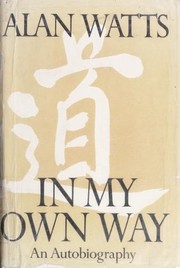
In My Own Way
1972

The Art of Contemplation
1972

Cloud-Hidden, Whereabouts Unknown
1973

Tao: The Watercourse Way
1975

The Essence of Alan Watts
1974
الأقوال
أقوال محدَّدة الموضع في مؤلَّف بعينه. كل منها يحمل مصدره ودرجة الثقة به.
If you get the message, hang up the phone.متحقَّق منهThe Joyous Cosmology, ed. Vintage 1970, p. 26 (sobre los psicodélicos como instrumentos)
الأفكار الجوهرية (خلاصة تحريرية)
احترامًا لحقوق المؤلف، تُلخَّص هذه الأفكار بكلماتنا ولا تُقدَّم بوصفها اقتباسات حرفية.
- The feeling of being an isolated self inside the body, facing an alien world, is not a datum of experience but a learned social convention; organism and environment form a single field.
- Seeking psychological security in the future produces the very anxiety one wishes to escape; only acceptance of change and attention to the present dissolve it.
- Asian traditions such as Buddhism, Vedanta and Taoism resemble psychotherapy more than religion: their aim is to free one from conditioning, not to impose beliefs.
- The universe can be understood as a game in which a single reality hides from itself by taking every form, and enlightenment is the moment the player recognises itself.
- The West is not too materialistic but not materialistic enough: it confuses money and symbols with real things and therefore mistreats matter, the body and nature.
- Meditation is not a means of reaching a future state but a purposeless game, like music or dance, whose meaning lies in the act itself.
- Opposites — pleasure and pain, life and death, good and evil — are inseparable poles of one process, and wanting to keep only one of them is the root of frustration.
أقوال منحولة أو مختلَف في نسبتها (2)
«Trying to define yourself is like trying to bite your own teeth.»
Widely circulated online under Watts's name. It expresses an image he used in lectures (the eye that cannot see itself, teeth that cannot bite themselves), but it has not been located in this wording in any of his published books; it may paraphrase a talk.
«You are an aperture through which the universe is looking at and exploring itself.»
Spread as a Watts quotation on posters and videos with no indication of work. The idea is consistent with his thought, but the sentence has not been found in his books; if it comes from a recorded lecture, the exact source remains to be identified.
الكلمات الأخيرة
لا توجد سجلات يمكن التحقق منها لكلماته الأخيرة.
There is no reliable record of any last words. He died in his sleep at Druid Heights on the night of 15–16 November 1973. The phrase 'the secret of life is knowing when to stop', which his widow Mary Jane Watts attributed to him and Monica Furlong records, is presented not as his last words but as something he had told her.
المصدر: Furlong, Monica. Zen Effects: The Life of Alan Watts. Boston: Houghton Mifflin, 1986 (publicado en Reino Unido como Genuine Fake, Heinemann, 1986; reed. SkyLight Paths, 2001, ISBN 9781893361324).
اسأل
بماذا يجيب أثره
اثنا عشر سؤالًا كبيرًا من أسئلة الإنسانية، وما تتيح نصوصه الإجابة به عنها، مع المراجع. ولا نقوّله ما لم يقل أبدًا.
ما المطلق؟ هل الله موجود؟
God is no separate monarch: he is the whole playing at being each one
مطلق غير شخصييقوله صراحةً
Alan Watts, an Episcopal priest until 1950 and afterwards a popular expositor of Asian traditions, rejected the image of God as a monarch separate from his work. In The Book he contrasts the ceramic model of the world, made by an outside craftsman, and the mechanical model with a dramatic model drawn from his reading of Vedānta: the ultimate hides from and finds itself in all beings, as in a game of hide-and-seek. Beyond Theology carries the idea into Christianity and reproaches it for having made God a jealous king. Already in The Supreme Identity, under the influence of Coomaraswamy and Guénon, he had presented the identity of the human ground with the Absolute as the common core of the great traditions.
قارن هذا السؤال مع معلّمين آخرينمن أنا؟ هل توجد ذات حقيقية؟
The skin-encapsulated ego is a hallucination: what you are is the whole
الذات هي المطلقيقوله صراحةً
The Book, Watts's most personal work, is subtitled on the taboo against knowing who you are, and answers bluntly: the prevalent sensation of oneself as a separate ego enclosed in a bag of skin is a hallucination. For him that ego is a social convention, reinforced by language and upbringing. What one really is, is the whole process of the universe, which manifests as this person just as a wave is the ocean at one point. Watts takes this thesis from his reading of Vedānta, the identity of ātman and brahman, which he had already set out in The Supreme Identity, and combines it with Buddhism and Western psychology; in Psychotherapy East and West he presents those traditions as ways of undoing the feeling of an isolated self.
قارن هذا السؤال مع معلّمين آخرينلماذا نتألّم؟
Anxiety comes from seeking security in a future that does not exist
الفكر والزمن النفسييقوله صراحةً
The Wisdom of Insecurity, one of Watts's most widely read books, states the problem clearly: modern man suffers because he seeks security in a world that is essentially changing, and seeks it in a future that exists only as an idea. Living for a tomorrow that never comes, he misses the only real moment. To this is added an inner split: the self that observes and tries to control experience separates itself from experience itself, and the harder it strives to secure itself the more anxious it becomes; Watts calls this the law of reversed effort. The only way to make sense out of change, he writes, is to plunge into it, move with it and join the dance. It is his own synthesis of Buddhism, Taoism and psychology.
قارن هذا السؤال مع معلّمين آخرينماذا يحدث بعد الموت؟
The ego dies, not what we are: the universe wakes up again as others
ما أنا عليه لا يولد ولا يموتيُستنتج من تعاليمه
Watts did not uphold personal survival or a judgement after death. But, consistently with his reading of Vedānta, he held that what we really are is not the ego that dies. In The Book and in his lectures he proposes imagining death as the end of one waking and the beginning of another: if the ego is a function of the universe, when one dies the universe goes on waking up as every new being that is born, and each of them says «I» as we did. Death for him is the other side of life, as the valley is of the mountain. In Cloud-Hidden, Whereabouts Unknown, his last book, written shortly before he died, he meditates on it with the same serenity.
قارن هذا السؤال مع معلّمين آخرينكيف يُبلَغ التحرّر أو الخلاص؟
Wanting liberation is the trap: there is nothing to get, only something to see
بلا منهج: الانتباه الكامليُستنتج من تعاليمه
Watts held that seeking liberation as an achievement prevents it. In The Wisdom of Insecurity he calls this the law of reversed effort: the more one tries to secure oneself or to stop thinking, the more the striving self is reinforced. In Psychotherapy East and West he presents Buddhism, Vedānta and Taoism not as religions but as ways of liberation that undo the double binds by which society convinces us we are a separate self, and notes that Zen masters often use tricks to show the disciple there is nothing to attain. On psychedelics he wrote: if you get the message, hang up the phone. Liberation is sudden understanding, not the accumulation of merit.
قارن هذا السؤال مع معلّمين آخرينهل نحتاج إلى معلّم؟
A philosophical entertainer, not a guru: there is nothing to transmit
لا سلطة روحيةيُستنتج من تعاليمه
Watts declined to present himself as a spiritual teacher; he preferred to describe himself as a philosopher and popular expositor, and in his memoir, In My Own Way, he portrays himself ironically as an intellectual, a mystic and a disreputable epicurean. He was not a formal disciple of any lineage, though he acknowledged his debt to D. T. Suzuki and to the texts. On the teacher's role, his thesis, set out in Psychotherapy East and West and in many lectures, is that the authentic teacher transmits nothing: with paradoxes and tricks he leads the disciple to discover that what he sought was not lacking, and then the disciple no longer needs him. He distrusted dependence on gurus and on religious organisations as a substitute for understanding.
قارن هذا السؤال مع معلّمين آخرينهل العالم حقيقي؟
The world is a game in which the One hides and finds itself
تجلٍّ للإلهييقوله صراحةً
For Watts, the world is not a machine nor a work made from outside, but a game. From his reading of Hinduism he takes the idea of līlā, divine play, and develops it in The Book and in his lectures: the ultimate hides from itself in the multitude of beings and finds itself again in them, with no purpose but play, just as music does not exist to reach the end of the piece. With the Buddhist image of Indra's net, which he sets out in The Diamond Web, he adds that each thing reflects all the others. Hence his critique of the Western contempt for matter in Does It Matter?: the concrete world is not something to overcome, but the place where the game is played.
قارن هذا السؤال مع معلّمين آخرينما الحب؟
Love cannot be commanded: it springs up when the self stops watching itself
ما يظهر حين تتوقّف الأنايُستنتج من تعاليمه
Watts applied his analysis of the double bind to love: the command to love, whether religious or social, demands something that cannot be produced at will, and generates a feigned and guilty love. Authentic love is spontaneous, like everything alive, and appears when the person stops seeing himself as a separate ego that calculates and watches itself. In Nature, Man and Woman he carries this idea into love between the sexes: against the Christian distrust of the body he proposes, drawing on Taoism and tantra, a relationship in which sexual love is a form of contemplation and neither a conquest nor an obligation. For Watts, love is not a virtue to be acquired but what flows when it is not forced.
قارن هذا السؤال مع معلّمين آخرينهل نحن أحرار أم أن كل شيء مقدَّر؟
Neither free will nor determinism: both assume a separate self that does not exist
لا يوجد فاعليقوله صراحةً
Watts considered the dilemma badly framed. Both free will and determinism assume a self separate from the world: one that controls it or one the world pushes around. If, as he holds in The Book, that skin-encapsulated self is a hallucination, the question loses its basis: what one is is not an agent facing the universe, but the universe acting here. That is why the distinction between voluntary and involuntary, as between the heart beating and the hand moving, is for him conventional. In his expositions of Taoism, from The Way of Zen to Tao: The Watercourse Way, he finds the same idea in wu wei, action that does not force and springs up spontaneously.
قارن هذا السؤال مع معلّمين آخرينلماذا نتأمّل أو نصلّي؟
Meditating is attending to what is without purpose, like listening to music
أن تكون حاضرًايقوله صراحةً
Watts understood meditation as purposeless attention to the present. In The Art of Contemplation, published in facsimile of his own handwriting, and in the lectures collected in Still the Mind, he describes it as ceasing to talk inwardly and listening to what is happening, the sounds, the breath, thoughts themselves as if they were noises, without trying to control anything. Meditating to obtain something, enlightenment or calm, would repeat the trap of goal-directed effort; true meditation has no goal, just as music is not played to reach the end. In The Wisdom of Insecurity he had already put it: the only real moment is this one, and full awareness of it dissolves anxiety.
قارن هذا السؤال مع معلّمين آخرينهل يستطيع العقل أن يعرف الحقيقة القصوى؟
The word is not the thing: reality slips through the net of concepts
الحقيقة القصوى وراء العقليقوله صراحةً
Watts was a brilliant intellectual who devoted much of his work to explaining that what is essential is not grasped by the intellect. In The Way of Zen he shows how conventional thought divides the world into useful things and categories, but confuses that net of concepts with the reality it tries to catch; Zen, in his reading, seeks to return to direct experience, prior to words. In The Wisdom of Insecurity he insists that thinking about life is not living it, and in his lectures he repeated the image that the menu is not the meal. He does not reject reason, which he uses with relish, but its claim to encompass everything.
قارن هذا السؤال مع معلّمين آخرينالانسحاب من العالم أم تغييره؟
Neither flee nor reform from the ego: live the everyday without standing apart
التأمّل في الفعليُستنتج من تعاليمه
Watts distrusted both ascetic flight and the reformism that springs from a separate self. He was drawn to the Zen and Taoist ideal of one who returns to the marketplace after awakening and lives the everyday without pose: in Beat Zen, Square Zen, and Zen he criticised both the use of Zen as an alibi for rebellion and its conversion into a rigid discipline. At the same time he took an interest in the problems of his time: in Does It Matter? he argued that the West is not too materialistic but not materialistic enough, because it despises the matter it consumes, and he wrote about money, technology and ecology. His proposal is not to withdraw, but to live in the world without feeling a stranger in it, and to care for it from there.
قارن هذا السؤال مع معلّمين آخرين
التقارب والتوتّر
التقارب والتوتّر
محسوبة سؤالًا سؤالًا انطلاقًا من مواقفه. وسبب كل اتفاق أو اختلاف يظهر بالنقر.
يقترب في تفكيره من
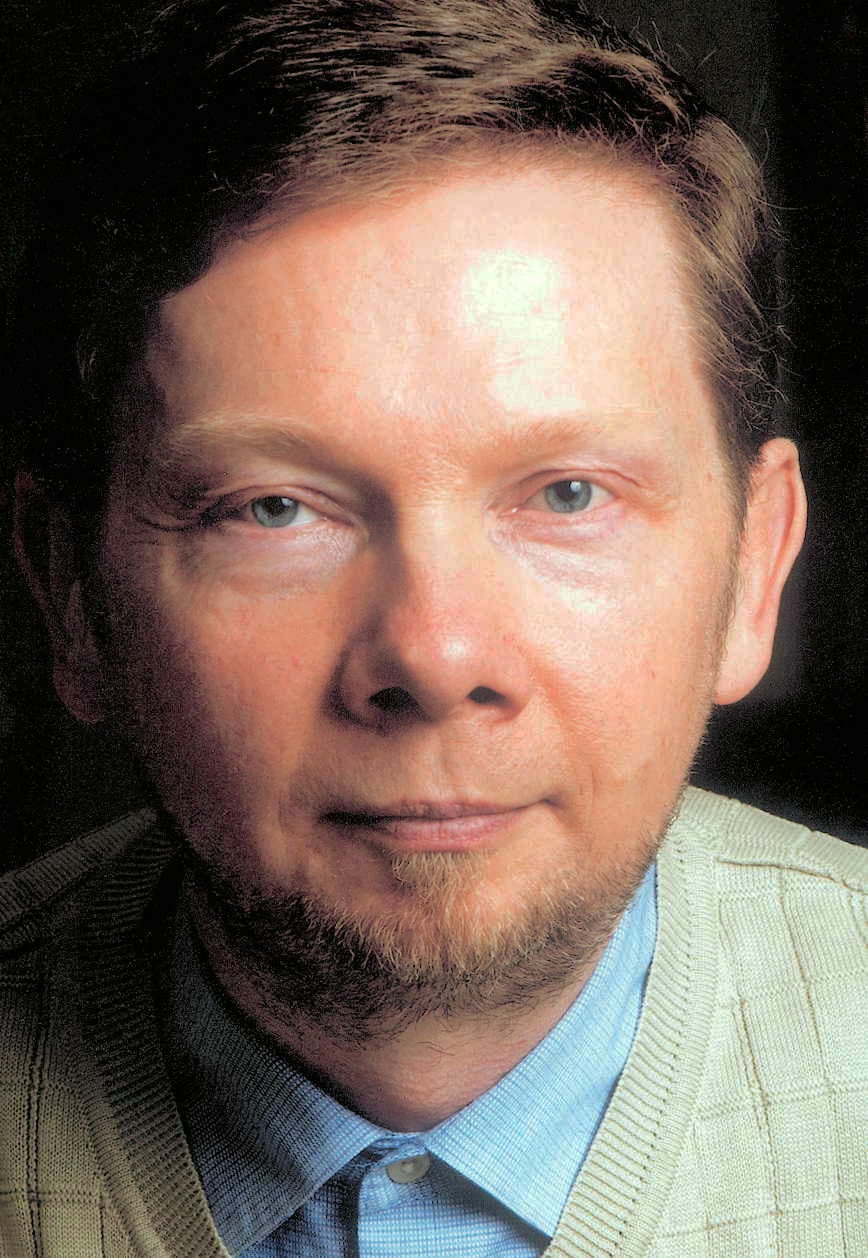
Eckhart Tolle
يتّفقان في: ما المطلق؟ هل الله موجود؟ · لماذا نتألّم؟ · ماذا يحدث بعد الموت؟
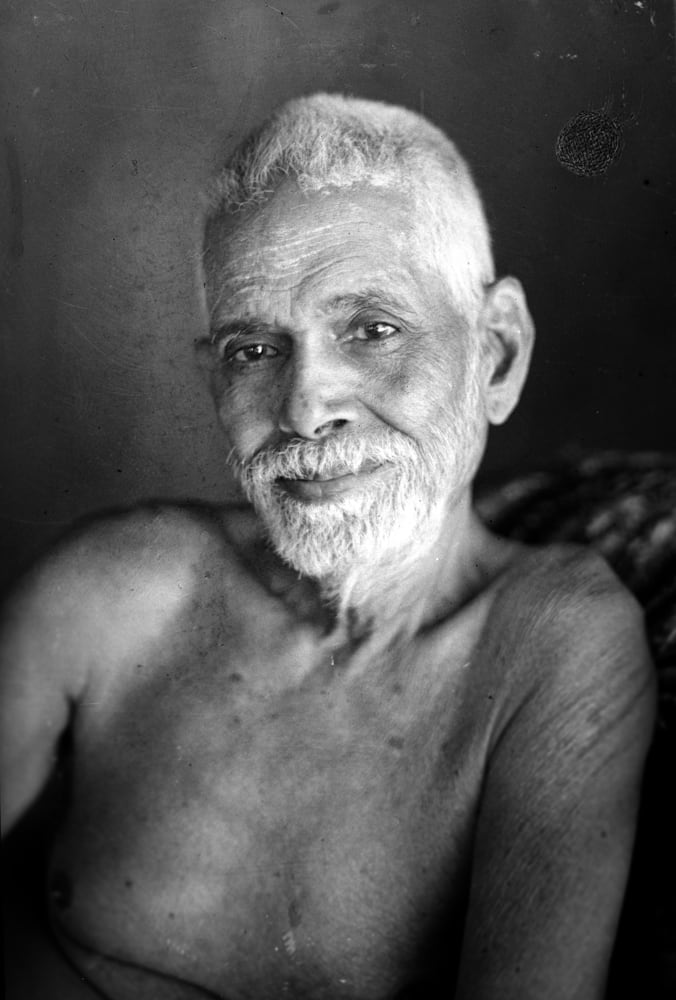
Ramana Maharshi
يتّفقان في: ما المطلق؟ هل الله موجود؟ · من أنا؟ هل توجد ذات حقيقية؟ · ماذا يحدث بعد الموت؟
Osho
يتّفقان في: ما المطلق؟ هل الله موجود؟ · لماذا نتألّم؟ · ماذا يحدث بعد الموت؟
Dattatreya
يتّفقان في: ما المطلق؟ هل الله موجود؟ · من أنا؟ هل توجد ذات حقيقية؟ · ماذا يحدث بعد الموت؟
يبتعد في تفكيره عن
Mirabai
يختلفان في: كيف يُبلَغ التحرّر أو الخلاص؟ · هل نحتاج إلى معلّم؟
Tsongkhapa
يختلفان في: من أنا؟ هل توجد ذات حقيقية؟ · كيف يُبلَغ التحرّر أو الخلاص؟ · هل نحتاج إلى معلّم؟
Nicholas Roerich
يختلفان في: هل نحتاج إلى معلّم؟

Pema Chödrön
يختلفان في: من أنا؟ هل توجد ذات حقيقية؟ · كيف يُبلَغ التحرّر أو الخلاص؟
حكايات وروايات
حكايات وروايات
شهادة1936
The lecture in a diving suit
أصل الرواية: It comes from Watts's own account in In My Own Way (1972) and is recorded by Monica Furlong in her biography. Later versions differ in details — who helped him remove the helmet and at exactly which event it occurred; it is usually placed in the context of the 1936 World Congress of Faiths.
المصدر: Watts, Alan. In My Own Way: An Autobiography, 1915–1965. Nueva York: Pantheon Books, 1972 (reed. New World Library, 2007, ISBN 9781577315841).
شهادةdécada de 1960
'He is a great bodhisattva'
أصل الرواية: Recorded by David Chadwick in Crooked Cucumber (1999), from testimony by students of the San Francisco Zen Center.
المصدر: Chadwick, David. Crooked Cucumber: The Life and Zen Teaching of Shunryu Suzuki. Nueva York: Broadway Books, 1999.
شهادة1960s–1990s
Half a koan
أصل الرواية: Kapleau, The Three Pillars of Zen (1967 ed.), pp. 21–22; D. T. Suzuki's remark is reported by Robert Aitken in Original Dwelling Place (1997). The Zen story in question is the dialogue of Mazu and Nanyue about the polished tile.
المصدر: Kapleau, Philip. The Three Pillars of Zen. Boston: Beacon Press, 1967 (ed. citada), pp. 21–22.
شهادة1958
A visit to Küsnacht
أصل الرواية: Watts's own account in In My Own Way (1972), p. 321.
المصدر: Watts, Alan. In My Own Way: An Autobiography, 1915–1965. Nueva York: Pantheon Books, 1972 (reed. New World Library, 2007, ISBN 9781577315841).
موثّق1958–1970
Hanging up the phone
أصل الرواية: The phrase comes from the Vintage edition of The Joyous Cosmology (1970), p. 26; the researchers' identities are recorded in the biographical literature drawing on In My Own Way.
المصدر: Watts, Alan. The Joyous Cosmology: Adventures in the Chemistry of Consciousness. Nueva York: Vintage Books, 1970 (1.ª ed. Pantheon, 1962).
موثّق1960s–1973
Between a beached ferry and a cabin in the woods
أصل الرواية: In My Own Way (1972), pp. 300–304, and the dedications of The Joyous Cosmology and the autobiography; Elsa Gidlow's memoir, Elsa: I Come with My Songs (1986), completes the picture of Druid Heights.
المصدر: Watts, Alan. In My Own Way: An Autobiography, 1915–1965. Nueva York: Pantheon Books, 1972 (reed. New World Library, 2007, ISBN 9781577315841).
التعاليم
التعاليم
المفاهيم التي ينتظم بها فكره، مشروحة في سياقها.
The skin-encapsulated egoego-encerrado-en-la-piel
Developed above all in The Book (1966) and his 1960s lectures, under the influence of Vedanta, cybernetics and general semantics.
المصدر: Watts, Alan. The Book: On the Taboo Against Knowing Who You Are. Nueva York: Pantheon Books, 1966.
The cosmic game of hide-and-seekjuego-cosmico
The Book (1966) and Beyond Theology (1964); drawn from Vedanta and devotional Hinduism, freely reinterpreted.
المصدر: Watts, Alan. The Book: On the Taboo Against Knowing Who You Are. Nueva York: Pantheon Books, 1966.
The law of reversed effortley-del-esfuerzo-invertido
The Wisdom of Insecurity (1951) and later lectures; connected with the Taoism of Laozi and Zhuangzi.
المصدر: Watts, Alan. The Wisdom of Insecurity: A Message for an Age of Anxiety. Nueva York: Pantheon Books, 1951.
Ways of liberationvias-de-liberacion
Psychotherapy East and West (1961); a forerunner of transpersonal psychology.
المصدر: Watts, Alan. Psychotherapy East and West. Nueva York: Pantheon Books, 1961.
The social double binddoble-vinculo
Psychotherapy East and West (1961) and The Book (1966).
المصدر: Watts, Alan. Psychotherapy East and West. Nueva York: Pantheon Books, 1961.
Beat Zen and square Zenzen-beat-y-zen-cuadrado
Essay published in Chicago Review (1958) and as a City Lights pamphlet (1959).
مقاطع الفيديو
مقاطع الفيديو
تسجيلات ومقابلات وأفلام وثائقية. تُشغَّل مقاطع الفيديو من YouTube؛ ولا تُستضاف هنا.
Alan Watts: A Conversation with Myself - Part 1
تسجيل أصلي· EN· 1971· 28 min
Mark Wattsالقناة الرسمية
Alan Watts: A Conversation with Myself - Part 2
تسجيل أصلي· EN· 1971· 28 min
Mark Wattsالقناة الرسمية
Eastern Wisdom & Modern Life (1959) with Alan Watts - Program 1: Man & Nature (Recolored)
تسجيل أصلي· EN· 1959· 29 min
HermesTrismegistus
Eastern Wisdom and Modern Life - Alan Watts: The Silent Mind, program five (1959)
تسجيل أصلي· EN· 1959· 28 min
Torridstream12
Eastern Wisdom and Modern Life - Alan Watts: Death, program six (1959)
تسجيل أصلي· EN· 1959· 27 min
Torridstream12
Alan Watts - Myth of Myself Full Lecture Part 1
محاضرة· EN· 37 min
Official Alan Watts Orgالقناة الرسمية
Alan Watts - Individual and the World Pt 1 Full Lecture
محاضرة· EN· 47 min
Official Alan Watts Orgالقناة الرسمية
Alan Watts - Taoist Way Full Lecture
محاضرة· EN· 27 min
Official Alan Watts Orgالقناة الرسمية
Alan Watts - What Is Reality?
محاضرة· EN· 53 min
Official Alan Watts Orgالقناة الرسمية
Alan Watts In Conversation With Elliot Mintz
مقابلة· EN· 1972· 48 min
Elliot Mintzالقناة الرسمية
Alan Watts Interview in Dallas - March 1970
مقابلة· EN· 1970· 2 min
SMU Jones Filmالقناة الرسمية
First Wednesday: Following Alan Watts with Mark Watts
محاضرة· EN· 106 min
MillValleyLibraryالقناة الرسمية
Alan Watts en español - Conferencia - El mito del yo
محاضرة· ES· 35 min
fer.de.erratas
المعرض
المعرض
صور بترخيص متحقَّق منه. كل منها تحتفظ بمؤلّفها ونسبتها.
العلاقات
العلاقات
تأثيرات وتلمذة وتقارب في الأفكار. تُميَّز العلاقة الموثّقة عن التشابه المستخلَص بالتحليل.
تأثّر بـ
D. T. Suzuki
Watts met him in 1936 and his first book popularised Suzuki's work.
علاقة موثّقة
التقى بـ
Founder of the San Francisco Zen Center; defended Watts as 'a great bodhisattva'.
علاقة موثّقة
التقى بـ
Watts visited him in Switzerland in 1958; his psychology influenced The Meaning of Happiness.
علاقة موثّقة
أفكار قريبة من
Both question the separate self and spiritual authority; Watts discussed Krishnamurti in his 1968 radio interview with Laura Huxley.
تشابه مستخلَص بالتحليل
تلميذ
Christmas Humphreys
Watts was secretary of the London Buddhist Lodge, which Humphreys led, and was formed there.
علاقة موثّقة
من عائلة
Ruth Fuller Sasaki
His mother-in-law during his first marriage and a key figure of American Zen.
علاقة موثّقة
التقى بـ
Sokei-an Sasaki
New York Zen teacher with whom Watts kept in contact without entering formal training.
علاقة موثّقة
تراسل مع
Al Chung-liang Huang
Collaborator on Tao: The Watercourse Way, which he completed after Watts's death.
علاقة موثّقة
التقى بـ
Elsa Gidlow
Poet who founded Druid Heights, neighbour and friend; Watts dedicated his autobiography to her.
علاقة موثّقة
تأثّر بـ
His last book expounds the Taoism of Laozi and Zhuangzi.
علاقة موثّقة
تأثّر بـ
A constant source of his lectures on Taoism and wu wei.
علاقة موثّقة
أفكار قريبة من
The identity of self and ultimate ground, central to Watts, comes from the Advaita Vedanta systematised by Shankara.
تشابه مستخلَص بالتحليل
أفكار قريبة من
Both popularise attention to the present and the critique of identification with thought for a wide audience.
تشابه مستخلَص بالتحليل
معاصر لـ
Contemporaries who spread Zen, Tantra and Taoism in the West in a free and provocative style; there is no record that they met.
تشابه مستخلَص بالتحليل
أفكار قريبة من
Both explored the dialogue between contemplative Christianity and Zen in the 1950s and 1960s.
تشابه مستخلَص بالتحليل
مرتبط من صفحات أخرى
المصادر
المصادر
المراجع والفهارس التي رُوجعت لهذه الصفحة.
- Wikidata, «Alan Watts» (Q354867).
- Watts, Alan. In My Own Way: An Autobiography, 1915–1965. Nueva York: Pantheon Books, 1972 (reed. New World Library, 2007, ISBN 9781577315841).
- Furlong, Monica. Zen Effects: The Life of Alan Watts. Boston: Houghton Mifflin, 1986 (publicado en Reino Unido como Genuine Fake, Heinemann, 1986; reed. SkyLight Paths, 2001, ISBN 9781893361324).
- Columbus, Peter J. y Rice, Donadrian L. (eds.). Alan Watts—Here and Now: Contributions to Psychology, Philosophy, and Religion. Albany: State University of New York Press, 2012 (ISBN 9781438441993).
- Watts, Joan y Watts, Anne (eds.). The Collected Letters of Alan Watts. Novato: New World Library, 2017 (ISBN 9781608684151).
- «Alan Watts» y «Alan Watts bibliography», Wikipedia en inglés (consultadas para cotejar hechos y bibliografía; texto propio).
- Open Library: obras y ediciones de Alan Watts (autor OL…; búsqueda por autor y por título, ediciones con ISBN).
- Chadwick, David. Crooked Cucumber: The Life and Zen Teaching of Shunryu Suzuki. Nueva York: Broadway Books, 1999.
- Aitken, Robert. Original Dwelling Place: Zen Buddhist Essays. Washington D. C.: Counterpoint, 1997 (ISBN 1887178414).
- Kapleau, Philip. The Three Pillars of Zen. Boston: Beacon Press, 1967 (ed. citada), pp. 21–22.
- Alan Watts Organization (archivo de grabaciones gestionado por la familia Watts) y Alan Watts Official Store.
- Watts, Alan. The Joyous Cosmology: Adventures in the Chemistry of Consciousness. Nueva York: Vintage Books, 1970 (1.ª ed. Pantheon, 1962).
- Watts, Alan. The Book: On the Taboo Against Knowing Who You Are. Nueva York: Pantheon Books, 1966.
- Watts, Alan. The Wisdom of Insecurity: A Message for an Age of Anxiety. Nueva York: Pantheon Books, 1951.
- Watts, Alan. The Way of Zen. Nueva York: Pantheon Books, 1957.
- Stirling, Isabel. Zen Pioneer: The Life and Works of Ruth Fuller Sasaki. Emeryville: Shoemaker & Hoard, 2006 (ISBN 9781593761103).
- University of Vermont, programa de la 154.ª ceremonia de graduación (15 de junio de 1958) y UVM Alumni Magazine, vol. 39, n.º 1, p. 22 (UVM Digital Collections; reproducido en Wikimedia Commons).
- Indiana University Libraries Moving Image Archive, exposición «Eastern Wisdom and Modern Life» (KQED, San Francisco, 1959–1960).
- Watts, Alan. Psychotherapy East and West. Nueva York: Pantheon Books, 1961.
- Gidlow, Elsa. Elsa: I Come with My Songs. San Francisco: Bootlegger Press y Druid Heights Books, 1986.
- Watts, Alan y Huang, Al Chung-liang. Tao: The Watercourse Way. Nueva York: Pantheon Books, 1975 (prólogo y epílogo de Al Chung-liang Huang).
- Open Culture, «Alan Watts Brings Eastern Wisdom to American TV Viewers in 1959» (2012).
- صاحب الحقوق
- Herederos de Alan Watts (gestión de grabaciones: Alan Watts Organization / Electronic University, Mark Watts); derechos de los libros según cada editorial
- الموقع الرسمي
- alanwatts.org
في انتظار التأكيد
ما لم تتمكّن هذه الصفحة من حسمه بعد. نفضّل أن نقول ذلك على أن نملأ الفراغ.
- Localizar página exacta de las citas marcadas como «probable» (The Book, cap. 1; The Wisdom of Insecurity, cap. 3) en una edición impresa.
- Ediciones con ISBN no verificadas en catálogo: The Book (Vintage, 1989), Tao for Now (2023), Taoism: Way Beyond Seeking (Tuttle, 1997), The Way of Liberation (Weatherhill, 1983), Om: Creative Meditations (1979) y The Essential Alan Watts (1976).
- Identificar la obra inglesa de la que procede «Qué es la realidad» (Kairós, 1995, ISBN 9788472453630), registrada en Open Library sin correspondencia clara.
- Ediciones en español sin ISBN verificado de In My Own Way, The Joyous Cosmology, Does It Matter?, Cloud-Hidden y Tao: The Watercourse Way (Kairós).
- Fecha exacta de la ordenación (1944 según las cartas, 1945 según la autobiografía) y del matrimonio con Mary Jane Yates King.
- Detalles del episodio de la escafandra (acto exacto y quién le ayudó) en la edición impresa de In My Own Way.
- Catálogo de grabaciones: la obra oral (cientos de conferencias en alanwatts.org y alanwatts.com) no se registra pieza a pieza; se incluyen las series de televisión y la antología Out of Your Mind.
- Vídeos: no hay en YouTube conferencias oficiales de Watts en español; el único vídeo en castellano registrado es una versión preparada por un tercero.
بُحث بتاريخ 2026-10-25