التانترا · زن / تشان · الجاينية · اللاثنائية المعاصرة
Osho
चन्द्र मोहन जैन · ओशो
1931 – 1990شخصية موثّقة تاريخيًا
معلّم روحي هندي (1931–1990)، عُرف على التوالي باسم آتشاريا راجنيش، ثم بهاغوان شري راجنيش، ثم أوشو. أستاذ فلسفة تحوّل إلى غورو، ابتكر «التأمّل الديناميكي» وأسّس حركة عالمية من «السانياسيين الجدد». وانتهت كومونته في أوريغون، راجنيشبورام، عام 1985، بعد الهجوم الإرهابي البيولوجي الذي نفّذه عام 1984 أعضاء بإدارة سكرتيرته، وبعد مغادرته الولايات المتحدة على خلفية قضية احتيال في شؤون الهجرة. وعناوينه التي تزيد على ستّمئة هي أحاديث مفرّغة كتابةً.
- مؤلَّفًا
- 54مؤلَّفًا
- طبعة
- 95طبعة
- اقتباسًا
- 8اقتباسًا
- مقطع فيديو
- 14مقطع فيديو
- صورة
- 6صورة
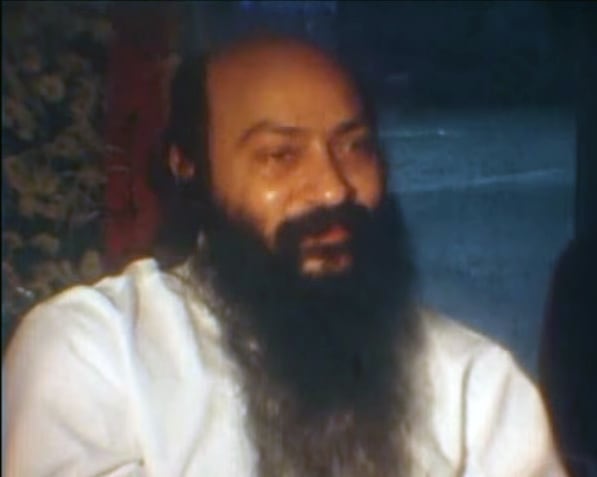
Osho en 1972 · CC BY-SA 3.0
بكلماته
«Never Born – Never Died. Only visited this planet Earth between December 11, 1931 and January 19, 1990»Epitafio de su samadhi en la casa Lao Tzu, Pune; texto dictado por él semanas antes de morir

فكرته المحورية
Enlightenment is not the preserve of exceptional saints: every human being is a potential buddha, and what prevents it is the ego, formed by social conditioning.
السيرة
4 دقيقة قراءة
ترجمة مُعانة من الأصل الإسباني، بانتظار مراجعة مترجم من أهل اللغة.
طفل جاينيّ من ماديا براديش
وُلد تشاندرا موهان جاين في الحادي عشر من ديسمبر 1931 في كوتشوادا، وهي قرية تقع في ما يُعرف اليوم بمقاطعة رايسن (ماديا براديش)، في بيت جدّيه لأمّه. وكان أكبر الأبناء الأحد عشر لبابولال، تاجر الأقمشة المنتمي إلى أسرة جاينية من طائفة الديغامبارا، ولساراسواتي. عاش مع جدّيه حتى السابعة، حين حمله موت جدّه إلى والديه في غادروارا. ومنذ صغره دُعي «راجنيش»، أي «سيّد الليل». وقد ردّ هو نفسه جذور طبعه إلى تلك الطفولة الخالية من أيّ انضباط مفروض، وإلى تماسّ مبكّر مع الموت: موت جدّه، ثم موت صديقته شاشي وهو في الخامسة عشرة. وكان تلميذًا لامعًا ومجادلًا يُهاب، قرأ ماركس والفوضويين الروس، وارتاب مبكّرًا في الأديان القائمة.
الأستاذ المتمرّد
في عام 1951 بدأ دراسته الجامعية في جبلبور. وبحسب روايته هو، عاش في الحادي والعشرين من مارس 1953، وهو في الحادية والعشرين من عمره، تجربة استنارة وهو جالس تحت شجرة في حديقة بهانفارتال؛ ولا شاهد عليها غير شهادته. نال الإجازة في الفلسفة عام 1955 والماجستير من جامعة ساغار عام 1957، ودرّس في كلّية السنسكريتية في رايبور، ثم في جامعة جبلبور منذ عام 1958. وفي الوقت نفسه كان يجوب الهند باسم «آتشاريا راجنيش»، ناقدًا الاشتراكية وغاندي والأديان المؤسّسية، ومنذ عام 1962 أخذ يدير مخيّمات للتأمّل. وفي عام 1966 ترك الجامعة.
وأكسبته محاضراته عن الجنس عام 1968، التي نُشرت لاحقًا بعنوان «من الجنس إلى الوعي الأسمى»، لقب «غورو الجنس» في الصحافة الهندية. وفي المؤتمر الهندوسي العالمي الثاني عام 1969 أكّد أنّ الدين الذي يعلّم كراهية الحياة ليس دينًا حقًّا، فأثار سخط الزعماء التقليديين.
بومباي وبونا: السانياس الجديد
في عام 1970 قدّم «التأمّل الديناميكي» — تنفّس سريع، وتفريغ انفعالي، وقفز، وسكون، ورقص — وفي السادس والعشرين من سبتمبر أدخل أوّل مريديه في طريقته، وهم «السانياسيّون الجدد»، الذين كانوا يتلقّون اسمًا جديدًا، ويلبسون ثيابًا بلون الزعفران، ويحملون «مالا» (مسبحة) عليها صورته، من غير أن يُطلب منهم اعتزال العالم. وبعد أن استقرّ في بومباي، اتّخذ عام 1971 لقب «بهاغوان شري راجنيش». وفي عام 1974 انتقل إلى حيّ كوريغاون بارك في بونا، حيث صار الأشرم يستقبل نحو ثلاثين ألف زائر في السنة، أكثرهم من الغربيين. وكان يتحدّث كلّ صباح، متناوبًا بين سلاسل بالهندية وأخرى بالإنجليزية عن بوذا ولاو تزو والمسيح والصوفية والتانترا والزن؛ وتلك الأحاديث، المسجّلة والمفرّغة كتابةً، هي أصل معظم أعماله تقريبًا. وجمع الأشرم بين التأمّل والعلاجات الجماعية المستمدّة من «حركة الإمكانات البشرية»، وكان بعضها عنيفًا إلى حدّ أنّ الأشرم نفسه ألغاه عام 1979.
أوريغون: راجنيشبورام
في عام 1981 دخل في صمت علنيّ طويل، وتولّت سكرتيرته ما أناند شيلا إدارة المنظّمة. وفي العام نفسه سافر إلى الولايات المتحدة بتأشيرة سياحية لأسباب طبّية، واشترت المؤسّسة مزرعة «بيغ مادي» في أوريغون، حيث شيّد المريدون مدينة، هي راجنيشبورام، التي اعتُرف بها بلديّةً عام 1982. ولم تنقطع النزاعات مع الجيران ومع الولاية ومع القضاء حول استخدام الأراضي، وغدت مجموعته التي تجاوزت تسعين سيّارة رولز رويس الرمز الإعلامي للكومونة.
في سبتمبر 1984 لوّث أعضاء من الكومونة، بإدارة شيلا، موائد السلطات المفتوحة في عشرة مطاعم في بلدة ذا دالز ببكتيريا السالمونيلا، لمنع سكّانها من التصويت في انتخابات المقاطعة. فمرض 751 شخصًا، ونُقل 45 منهم إلى المستشفى، ولم تقع وفيات: وهو أكبر هجوم إرهابي بيولوجي في تاريخ الولايات المتحدة. ولم يتأكّد أنّ التسمّم كان متعمّدًا إلّا في سبتمبر 1985، حين اتّهم راجنيش نفسه، بعد فرار شيلا وفريقها إلى أوروبا، في مؤتمر صحفي، بارتكاب هذه الجريمة وجرائم أخرى، وطالب بالتحقيق فيها. وصدرت أحكام بإدانة شيلا وعدد من معاونيها. وأقرّ المدّعون العامّون بأنّ ما لديهم من أدلّة على مشاركة راجنيش المباشرة شحيح، وإن كان بعضهم قد أكّد علنًا أنّ مسؤوليّته تتجاوز ما نظر فيه القضاء.
في أكتوبر 1985 وجّهت إليه هيئة محلّفين كبرى فدرالية تهمة الاحتيال في شؤون الهجرة. وقُبض عليه في شارلوت (كارولاينا الشمالية) وهو في طريقه جوًّا إلى برمودا، وبموجب اتّفاق مع الادّعاء أقرّ بالذنب في تهمتين — إخفاء نيّته البقاء في البلاد، والتشجيع على زيجات صوريّة — عن طريق ما يُعرف بـ«إقرار ألفورد» (Alford plea)، الذي لا ينطوي على الاعتراف بالوقائع. وحُكم عليه بالسجن عشر سنوات مع وقف التنفيذ، وخمس سنوات من المراقبة القضائية، و400 ألف دولار بين غرامة ونفقات قضائية، فغادر الولايات المتحدة متعهّدًا بألّا يعود إليها خمس سنوات. وانحلّت الكومونة بعد ذلك بقليل.
جولة حول العالم وعودة إلى بونا
وصل إلى دلهي في السابع عشر من نوفمبر 1985. وفي الأشهر التالية مرّ بنيبال واليونان والأوروغواي وبلدان أخرى، رفض كثير منها دخوله أو إقامته؛ وفي يوليو 1986 عاد إلى بومباي، وفي يناير 1987 إلى أشرم بونا. وعزا تدهور صحّته إلى تسميم تعرّض له في السجون الأمريكية، وهو اتّهام وصفه الادّعاء بأنّه محض اختلاق، ولم يثبت قطّ. وتخلّى عن لقب «بهاغوان»، واتّخذ عام 1989 اسم «أوشو». وتوفّي في بونا في التاسع عشر من يناير 1990، عن ثمانية وخمسين عامًا، وكان السبب الرسمي قصورًا في القلب. ويرقد رماده في «بيت لاو تزو» داخل الأشرم، تحت شاهد يقول إنّه لم يولد قطّ ولم يمت قطّ، وإنّما زار الأرض بين هذين التاريخين.
أعمال منطوقة وإرث متنازع عليه
لم يكتب أوشو كتبًا بالمعنى الدقيق إلّا قليلًا: فالعناوين التي تحمل اسمه، وهي أكثر من ستّمئة، ليست في معظمها سوى أحاديث مفرّغة ومحرّرة، تُضاف إليها رسائل وحوارات «دارشان» ومجموعات موضوعية أعدّتها بعد وفاته مؤسّسة أوشو الدولية (Osho International Foundation)، ومقرّها زيورخ، التي تدير حقوقه والعلامة التجارية OSHO؛ وقد أكّدت المحكمة العامّة للاتحاد الأوروبي عام 2017 ملكيّتها لها في مواجهة مجموعة أخرى من المريدين. ويعمل أشرم بونا اليوم باسم «منتجع أوشو الدولي للتأمّل» (Osho International Meditation Resort).
ولا يزال الحكم على شخصيّته منقسمًا. فقد رأى فيه الكاتب خوشونت سينغ والفيلسوف بيتر سلوتردايك مفكّرًا أصيلًا؛ ويُبرز دارسون مثل هيو ب. أوربان النزعة التلفيقية في أفكاره وانسجامها مع ثقافة الاستهلاك، ونسب إليه أستاذ الدراسات الدينية رونالد أ. كلارك سمات شخصية نرجسية. ومنذ عام 2022 اتّهمته مريدات سابقات، في كتب وبرامج صوتية وأفلام وثائقية، بارتكاب اعتداءات جنسية في لقاءات خاصّة، وجمع تحقيق وثائقي صدر عام 2024 شهادات عن اعتداءات على قاصرين داخل الحركة؛ وهي اتّهامات ظهرت بعد وفاته ولم تُعرض قطّ على القضاء.
المصادر: Joshi, Vasant. The Awakened One: The Life and Work of Bhagwan Shree Rajneesh. San Francisco: Harper & Row, 1982 (ISBN 006064205X). Biografía escrita por un discípulo. · Fox, Judith M. Osho Rajneesh. Studies in Contemporary Religion, 4. Salt Lake City: Signature Books, 2002 (ISBN 1560851562). · Carter, Lewis F. Charisma and Control in Rajneeshpuram: A Community without Shared Values. Cambridge: Cambridge University Press, 1990 (ISBN 0521385547). · Urban, Hugh B. Zorba the Buddha: Sex, Spirituality, and Capitalism in the Global Osho Movement. Oakland: University of California Press, 2015. · Gordon, James S. The Golden Guru: The Strange Journey of Bhagwan Shree Rajneesh. Lexington (Massachusetts): The Stephen Greene Press, 1987 (ISBN 0828906300).
الخط الزمني
الحياة عامًا بعد عام
كل نقطة حدث موثّق. انقر لتقرأه مع مصدره ودرجة اليقين فيه.
11 ديسمبر 1931أقل من عامKuchwada, Madhya Pradesh
Born in Kuchwada
Chandra Mohan Jain is born on 11 December in Kuchwada (Madhya Pradesh) into a Jain family.
موثّقWikidata, «Osho» (Q148285).
بعد وفاته
- 11 أكتوبر 2017Ruling on the OSHO trademark
- 2022Abuse allegations
11 ديسمبر 1931 · أقل من عام
Born in Kuchwada
Chandra Mohan Jain is born on 11 December in Kuchwada (Madhya Pradesh) into a Jain family.
موثّق
1939 · 7 أعوام
Move to Gadarwara
After his maternal grandfather's death he goes to live with his parents in Gadarwara.
مرجَّح
21 مارس 1953 · 21 عامًا
Enlightenment experience
By his own account, on 21 March he attains enlightenment under a tree in the Bhanvartal garden, Jabalpur.
تقليد
1957 · 25 عامًا
Master's in philosophy
Gains his master's in philosophy at the University of Sagar and begins teaching in Raipur.
موثّق
1958 · 26 عامًا
Lecturer at Jabalpur
Teaches philosophy at the University of Jabalpur, where he is made professor in 1960.
موثّق
1966 · 34 عامًا
Leaves the university
After a controversial lecture tour he leaves his university post.
موثّق
1968 · 36 عامًا
Talks on sex
The Bombay lectures later published as From Sex to Superconsciousness earn him the nickname 'sex guru'.
موثّق
26 سبتمبر 1970 · 38 عامًا
Dynamic Meditation and first sannyasins
Introduces Dynamic Meditation and on 26 September initiates his first neo-sannyasins.
موثّق
1971 · 39 عامًا
Bhagwan Shree Rajneesh
Adopts the title Bhagwan Shree Rajneesh.
موثّق
1974 · 42 عامًا
Pune ashram
Settles in Koregaon Park (Pune), where he founds the ashram.
موثّق
مايو 1980 · 48 عامًا
Attack during a talk
In May a young Hindu fundamentalist attempts to attack him during a discourse.
موثّق
1981 · 49 عامًا
Silence and move to the United States
On 10 April he begins a public silence; on 1 June he travels to the United States and in August settles on the Oregon ranch.
موثّق
مايو 1982 · 50 عامًا
Rajneeshpuram
Ranch residents vote to incorporate it as the city of Rajneeshpuram.
موثّق
سبتمبر 1984 · 52 عامًا
The Dalles bioterror attack
Commune members led by Ma Anand Sheela contaminate restaurants in The Dalles with salmonella: 751 people fall ill.
موثّق
16 سبتمبر 1985 · 53 عامًا
Accusation against Sheela
On 16 September he accuses Sheela and her team of serious crimes at a press conference and asks for an investigation.
موثّق
28 أكتوبر 1985 · 53 عامًا
Arrest and departure from the United States
Arrested on 28 October in Charlotte; in November he accepts a plea deal for immigration fraud and leaves the country. He lands in Delhi on 17 November.
موثّق
1986 · 54 عامًا
World tour
Travels through several countries that refuse him entry or residence; returns to Bombay on 30 July.
موثّق
يناير 1987 · 55 عامًا
Return to Pune
In January he returns to the Pune ashram and resumes his talks.
موثّق
1989 · 57 عامًا
Takes the name Osho
Drops the title Bhagwan and adopts the name Osho; in April he gives his last public discourse.
موثّق
19 يناير 1990 · 58 عامًا
Death in Pune
Dies on 19 January at the Pune ashram; official cause, heart failure.
موثّق
11 أكتوبر 2017
Ruling on the OSHO trademark
The EU General Court upholds the Osho International Foundation's ownership of the OSHO trademark.
موثّق
2022
Abuse allegations
Former disciples publicly allege sexual abuse by Osho; the accusations have not been tried.
مختلَف فيه
المؤلَّفات
المؤلَّفات الأساسية
المؤلَّفات التي لا يُفهم إرثه من دونها.
محاضرات منشورة · 1968
From Sex to Superconsciousness
संभोग से समाधि की ओर (Sambhog se samadhi ki or)
Series of talks given in Hindi in Bombay in 1968 that caused the scandal that made him famous in India. It argues that religious repression of sex produces sex-obsessed societies and that sexual energy, lived with full awareness, can be transformed into meditation and lead to samadhi. It is probably the best-selling and most controversial title of his Indian period.
5 طبعات · amazon.com

محاضرات منشورة · 1974
The Book of Secrets
Vigyan Bhairav Tantra
Commentary, in eighty talks given in Bombay and Pune in 1972–1973, on the 112 meditation techniques of the Vigyan Bhairav Tantra, a Kashmir Shaivite text framed as a dialogue between Shiva and Devi. Osho explains each technique — attention to breath, the senses, sound, emptiness — and relates it to modern psychology. His followers regard it as his central work on meditation.
طبعتان · amazon.com

مجموعة لاحقة · 1988
Meditation: The First and Last Freedom
Practical handbook gathering, from his talks, the active meditations Osho created — dynamic, kundalini, nadabrahma, nataraj — and techniques from various traditions, with instructions and answers to practitioners' questions. It is the Osho International Foundation's reference guide to his methods and one of his most translated works.
4 طبعات · amazon.com

مؤلَّف نُشر بعد الوفاة · 2000
Autobiography of a Spiritually Incorrect Mystic
Account of his life assembled posthumously by the Osho International Foundation from excerpts of hundreds of talks in which he spoke of his childhood, student and teaching years, the 1953 experience, Pune, Oregon and his arrest. It is not a written autobiography but an editorial selection that presents events from his point of view and omits or softens the most controversial episodes.
3 طبعات · amazon.com
جميع مؤلَّفاته (54)

Glimpses of a Golden Childhood
1985

Notes of a Madman
1985
Osho
Books I Have Loved
The Conscious LibraryBooks I Have Loved
1985

The Mustard Seed
1975
Osho
Come Follow Me
The Conscious LibraryCome Follow Me
1976

Tantra: The Supreme Understanding
1975

The Tantra Vision
1978

Tao: The Three Treasures
1975

The Empty Boat
1976

When the Shoe Fits
1976

The Hidden Harmony
1976

No Water, No Moon
1975

And the Flowers Showered
1975

Neither This Nor That
1975
Osho
This Very Body the Buddha
The Conscious LibraryThis Very Body the Buddha
1978

The Heart Sutra
1977

The Diamond Sutra
1979
Osho
The Dhammapada
The Conscious LibraryThe Dhammapada
1979

The Discipline of Transcendence
1976
Osho
Yoga: The Alpha and the Omega
The Conscious LibraryYoga: The Alpha and the Omega
1976

The Ultimate Alchemy
1974
Osho
I Am That
The Conscious LibraryI Am That
1980

Until You Die
1976

Unio Mystica
1980
الأقوال
أقوال محدَّدة الموضع في مؤلَّف بعينه. كل منها يحمل مصدره ودرجة الثقة به.
Never Born – Never Died. Only visited this planet Earth between December 11, 1931 and January 19, 1990متحقَّق منهEpitafio de su samadhi en la casa Lao Tzu, Pune; texto dictado por él semanas antes de morir
الأفكار الجوهرية (خلاصة تحريرية)
احترامًا لحقوق المؤلف، تُلخَّص هذه الأفكار بكلماتنا ولا تُقدَّم بوصفها اقتباسات حرفية.
- Enlightenment is not the preserve of exceptional saints: every human being is a potential buddha, and what prevents it is the ego, formed by social conditioning.
- Repressing desires — especially sex — does not eliminate them but displaces them and makes them obsessive; accepted and lived with awareness, they transform of their own accord.
- Modern people are too tense to sit in silence; they first need to discharge their emotions physically before they can meditate, hence the active meditations.
- Spirituality does not require renouncing the world or wealth: the ideal is a human being who unites the sensual fullness of Zorba the Greek with the Buddha's inner silence.
- Organised religions, political ideologies, the traditional family and the nation are structures of control that keep people in obedience and fear.
- Meditation is not a practice confined to a moment of the day but a state of witnessing awareness that can be maintained in any activity.
- Truth cannot be transmitted as doctrine; the master only creates situations — talks, jokes, contradictions, silences — to shake the disciple's mind.
أقوال منحولة أو مختلَف في نسبتها (2)
«If you love a flower, don't pick it up. Because if you pick it up it dies and it ceases to be what you love. Love is not about possession; love is about appreciation.»
Probably the most widely shared line under his name on social media, but it has not been located in the published transcripts consulted or in the Osho International Foundation's talk archive; its wording looks like a modern paraphrase.
«'The most beautiful sayings of Osho' on Italian politics.»
Since 2016 an Italian satirical page, Le più belle frasi di Osho, has put humorous comments on current affairs into Osho's mouth over photographs of him. It passed a million followers and its lines have sometimes been quoted as genuine: none is.
الكلمات الأخيرة
لا توجد سجلات يمكن التحقق منها لكلماته الأخيرة.
There is no independent record of his last words. He died on 19 January 1990 in Pune and his physician, Swami Amrito, announced the death that afternoon in Buddha Hall. Several versions circulate in the movement — instructions about his belongings, a sentence naming a disciple as his 'medium', the title 'I Leave You My Dream' of the commemorative video — all from internal sources and unconfirmed. The epitaph text was dictated a few weeks before his death, according to his press secretary Swami Chaitanya Keerti.
المصدر: «Osho», «1984 Rajneeshee bioterror attack» y «Ma Anand Sheela», Wikipedia en inglés (consultadas para cotejar hechos y bibliografía secundaria; texto propio).
اسأل
بماذا يجيب أثره
اثنا عشر سؤالًا كبيرًا من أسئلة الإنسانية، وما تتيح نصوصه الإجابة به عنها، مع المراجع. ولا نقوّله ما لم يقل أبدًا.
ما المطلق؟ هل الله موجود؟
There is no personal God: only the godliness of existence itself
مطلق غير شخصييقوله صراحةً
Osho rejects the creator and personal God of organised religions, which he regards as a projection of fear and an instrument of priests. In its place he speaks of godliness as a quality of existence: there is no God but life itself, in one of his most repeated formulas. The ultimate is not someone who judges or rewards but the living totality in which one dissolves when the ego disappears, an experience reached through meditation and not through belief. In his commentaries on the Upanishads, Zen or Tantra he renders that totality in each tradition’s vocabulary: Brahman, emptiness, consciousness. What remains constant is the denial of a separate God and the affirmation of the sacred in what exists.
قارن هذا السؤال مع معلّمين آخرينمن أنا؟ هل توجد ذات حقيقية؟
The ego is a social product; behind it is the witness, the potential buddha
الأنا بناءٌ من صنع الفكريقوله صراحةً
Osho describes the ego as a construction: an image manufactured by parents, school, religion and society so that the individual will be useful and obedient. It is not an enemy to be defeated, since fighting it strengthens it, but an illusion that vanishes when observed. What observes is the witnessing consciousness (sakshi), which is neither a thing nor an idea and which he identifies with the buddha-nature every human being carries in potential. In The Book of the Ego and in his commentaries on the Heart Sutra he sets out this double thesis: the social self is fictitious, and what remains when its fiction is seen is not a sad void but consciousness itself, free and joyful.
قارن هذا السؤال مع معلّمين آخرينلماذا نتألّم؟
Misery is made by the mind: repression, ego and living outside the now
الفكر والزمن النفسييقوله صراحةً
Osho holds that human misery is largely manufactured: it is produced by a mind that lives in past and future, compares, desires and fears, and that, as one of his recorded sayings puts it, has no capacity of its own for joy but only thinks about joy. To this cause he adds another he regards as social: religions and morality have taught people to repress the body, sex and emotions, and what is repressed becomes obsessive and painful. Hence his criticism of any religion that teaches hatred of life. The way out he proposes is not a doctrine but meditation: first releasing what is repressed through active techniques, then watching the mind until it loses its hold.
قارن هذا السؤال مع معلّمين آخرينماذا يحدث بعد الموت؟
Never born, never died: death is a threshold crossed awake
ما أنا عليه لا يولد ولا يموتيقوله صراحةً
The epitaph Osho dictated weeks before his death says that he was never born and never died, and only visited this planet between 1931 and 1990. That formula sums up the thesis he develops in The Art of Dying and in his commentaries on the Upanishads: what dies is body and mind; witnessing consciousness has no beginning or end. Hence his proposal to learn to die before dying, through a meditation that allows one to watch the dissolution of the ego, so that physical death is lived lucidly. In certain contexts he accepted rebirth: he even claimed that in a previous life he had died seven hundred years earlier, during a long fast, without completing his path.
قارن هذا السؤال مع معلّمين آخرينكيف يُبلَغ التحرّر أو الخلاص؟
Techniques to reach witnessing awareness, then dropping them
بلا منهج: الانتباه الكامليقوله صراحةً
For Osho enlightenment is not an achievement reserved for saints: it is the nature of every human being, hidden by ego and conditioning. What reveals it is witnessing awareness: watching body, mind and emotions without identifying with them. Unlike Krishnamurti, whom he both admired and criticised, Osho defended the use of techniques: he commented on the 112 of the Vigyan Bhairav Tantra in The Book of Secrets and created active meditations, such as Dynamic Meditation, for modern people too tense to sit in silence. But he insisted that techniques are provisional devices to be dropped: meditation itself is not a method but a state of effortless attention.
قارن هذا السؤال مع معلّمين آخرينهل نحتاج إلى معلّم؟
The master shares his being; but obey nothing that does not arise in you
المعلّم في الداخليقوله صراحةً
Osho holds two claims that pull in opposite directions. On the one hand he initiated thousands into neo-sannyas and spoke of surrender to the master as the condition of transformation: a master, as one of his recorded sayings has it, shares his being, not his philosophy, and transmission happens through closeness rather than words. On the other he repeated that no one should obey an order that does not also come from within, criticised all religious authority, and in his last years presented himself as a friend rather than a guru. What reconciles the two, in his account, is that the master serves only to awaken the inner witness.
قارن هذا السؤال مع معلّمين آخرينهل العالم حقيقي؟
No need to flee the world: existence itself is the divine
تجلٍّ للإلهييقوله صراحةً
Osho fights the Indian tradition that declares the world illusory and counsels renouncing it. For him there is no God but life itself, and the world, with its beauty, pleasures and wealth, is the expression of that godliness. His ideal of ‘Zorba the Buddha’ joins the sensual fullness of Kazantzakis’s character with the Buddha’s inner silence: the point is not to choose between world and spirit but to live both consciously. Hence he criticises religions that teach hatred of life and defines religion as the art of enjoying it. What is illusory for Osho is not the world but the mind that interprets it and turns it into a problem.
قارن هذا السؤال مع معلّمين آخرينما الحب؟
Love is a state of being, not a relationship: it flowers without ego
ما يظهر حين تتوقّف الأنايقوله صراحةً
Osho distinguishes love as need, which seeks to possess and turns into jealousy and dependence, from love as overflowing, which is only possible when the ego has quietened. In Love, Freedom, Aloneness he holds that only someone who can be alone without feeling isolated is able to love without chaining the other, and that love and freedom are inseparable. His approach also has an energetic trajectory: in From Sex to Superconsciousness he argues that sexual energy, accepted and lived consciously rather than repressed, is transformed into love and, in its highest form, into prayer and meditation. Love is not cultivated as a virtue: it appears when the self is absent.
قارن هذا السؤال مع معلّمين آخرينهل نحن أحرار أم أن كل شيء مقدَّر؟
The sleeping man is a robot; awareness is the only freedom
نحن آلات إلى أن نستيقظيُستنتج من تعاليمه
Osho often takes up the diagnosis of Gurdjieff, whom he commented on and admired: ordinary human beings live asleep, reacting mechanically according to their conditioning, like robots. What he calls freedom is not the capacity to choose between options but the awareness that watches the mechanisms without identifying with them; only one who is awake acts instead of reacting. But this view coexists with another, equally insistent, that recommends letting go of control and being carried by existence, floating with the river rather than swimming against it. The two theses meet in witnessing consciousness: one who watches without choosing is no longer a mechanism, and has no need to impose a will either.
قارن هذا السؤال مع معلّمين آخرينلماذا نتأمّل أو نصلّي؟
Meditation is not concentration: it is being present, a witness, without mind
أن تكون حاضرًايقوله صراحةً
Osho distinguishes meditation from concentration and contemplation: to concentrate is to narrow the mind, to contemplate is to think about something, and to meditate is a state of no-mind, of pure attention to the present. Hence it can be done while walking, eating or working, and its goal is not to achieve anything in the future but to be wholly here. To reach that state he designed active meditations, such as Dynamic or Kundalini, which begin with movement, catharsis or dance and end in silence, because he held that modern people are too tense to sit still. Prayer, in his devotional talks, is the same state lived as gratitude towards existence.
قارن هذا السؤال مع معلّمين آخرينهل يستطيع العقل أن يعرف الحقيقة القصوى؟
The mind only thinks about joy; truth lies in no-mind
الفكر محدوديقوله صراحةً
Osho, who was a philosophy lecturer before becoming a spiritual teacher, uses reason with polemical skill, but holds that thought cannot reach truth. The mind works with memory and language, repeats the known and cannot touch the new; according to one of his recorded sayings it has no capacity of its own for joy, it only thinks about joy. Hence he sets mind against no-mind, the meditative state in which thought falls quiet and reality is perceived directly. He does not, however, ask for faith: he sharply criticises beliefs and encourages doubting everything, himself included. Reason serves to dismantle beliefs; truth appears when the mind falls silent.
قارن هذا السؤال مع معلّمين آخرينالانسحاب من العالم أم تغييره؟
The rebel, not the revolutionary: change consciousness, not the system
الثورة داخليةيقوله صراحةً
Osho rejected traditional renunciation: his sannyasins wore orange but kept working, earning money and living in the world, following the ideal of Zorba the Buddha. At the same time he distrusted projects of social transformation. In The Rebel he distinguishes the revolutionary, who wants to change society and ends up reproducing the power he fights, from the rebel, who transforms himself and, by contagion, creates a new human being. He criticised Gandhi, socialism and organised religions as ways of imposing ideals. The only thing that truly changes the world, he held, is individual consciousness, and a new society can only be born of meditative individuals.
قارن هذا السؤال مع معلّمين آخرين
التقارب والتوتّر
التقارب والتوتّر
محسوبة سؤالًا سؤالًا انطلاقًا من مواقفه. وسبب كل اتفاق أو اختلاف يظهر بالنقر.
يقترب في تفكيره من
Eckhart Tolle
يتّفقان في: ما المطلق؟ هل الله موجود؟ · من أنا؟ هل توجد ذات حقيقية؟ · لماذا نتألّم؟
- BKByron Katie
Byron Katie
يتّفقان في: ما المطلق؟ هل الله موجود؟ · من أنا؟ هل توجد ذات حقيقية؟ · لماذا نتألّم؟
Alan Watts
يتّفقان في: ما المطلق؟ هل الله موجود؟ · لماذا نتألّم؟ · ماذا يحدث بعد الموت؟
Jiddu Krishnamurti
يتّفقان في: من أنا؟ هل توجد ذات حقيقية؟ · لماذا نتألّم؟ · كيف يُبلَغ التحرّر أو الخلاص؟



حكايات وروايات
حكايات وروايات
شهادة1953
Under a tree in Jabalpur
أصل الرواية: The only testimony is his own, in later talks; it is recorded in the biography by his disciple Vasant Joshi (1982) and repeated in the movement's publications.
المصدر: Joshi, Vasant. The Awakened One: The Life and Work of Bhagwan Shree Rajneesh. San Francisco: Harper & Row, 1982 (ISBN 006064205X). Biografía escrita por un discípulo.
موثّق1970
The first sannyasins
أصل الرواية: Facts recorded by Judith M. Fox, Bob Mullan and Vasant Joshi; the description of the stages comes from the instructions published by the movement itself.
المصدر: Fox, Judith M. Osho Rajneesh. Studies in Contemporary Religion, 4. Salt Lake City: Signature Books, 2002 (ISBN 1560851562).
موثّق1980
A knife in Buddha Hall
أصل الرواية: Recorded in the literature on the movement (Fox, Carter) and in the Indian press of the time; the attacker's motives come from his own statement.
موثّق1981–1985
Ninety-three Rolls-Royces
أصل الرواية: Documented by Lewis F. Carter, Frances FitzGerald and the Oregon press; the figure of 93 vehicles comes from the inventory of the owning company.
المصدر: Carter, Lewis F. Charisma and Control in Rajneeshpuram: A Community without Shared Values. Cambridge: Cambridge University Press, 1990 (ISBN 0521385547).
موثّقseptiembre de 1985
The press conference and the bonfire
أصل الرواية: Press conference reported by the Oregon press and by Frances FitzGerald (The New Yorker, 1986); the booklet burning was reported by international agencies and is recorded in the academic literature.
شهادة1990
'Never born, never died'
أصل الرواية: The plaque text can be verified on site; the circumstances of its dictation come from the testimony of his press secretary, Swami Chaitanya Keerti (The Indian Express, 2024), and the cremation is described by Judith M. Fox and the Indian press.
المصدر: Fox, Judith M. Osho Rajneesh. Studies in Contemporary Religion, 4. Salt Lake City: Signature Books, 2002 (ISBN 1560851562).
التعاليم
التعاليم
المفاهيم التي ينتظم بها فكره، مشروحة في سياقها.
Dynamic Meditationmeditacion-dinamica
Osho's active meditations (dynamic, kundalini, nadabrahma, nataraj), described in Meditation: The First and Last Freedom.
المصدر: Fox, Judith M. Osho Rajneesh. Studies in Contemporary Religion, 4. Salt Lake City: Signature Books, 2002 (ISBN 1560851562).
Neo-sannyasneo-sannyas
Neo-sannyasin movement (1970–1990); studied by Carter, Mullan and Palmer.
المصدر: Mullan, Bob. Life as Laughter: Following Bhagwan Shree Rajneesh. Londres: Routledge & Kegan Paul, 1983 (ISBN 0710200439).
Zorba the Buddhazorba-el-buda
Pune talks (1970s and 1987–1989); critical analysis in Urban, Zorba the Buddha (2015).
المصدر: Urban, Hugh B. Zorba the Buddha: Sex, Spirituality, and Capitalism in the Global Osho Movement. Oakland: University of California Press, 2015.
Witnessing awarenessconciencia-testigo
Present in almost all his talk series, especially The Book of Secrets.
المصدر: Fox, Judith M. Osho Rajneesh. Studies in Contemporary Religion, 4. Salt Lake City: Signature Books, 2002 (ISBN 1560851562).
From sex to superconsciousnessdel-sexo-a-la-superconsciencia
Bombay talks of 1968 (Sambhog se samadhi ki or); later commentaries on Tilopa and Saraha.
المصدر: Urban, Hugh B. Zorba the Buddha: Sex, Spirituality, and Capitalism in the Global Osho Movement. Oakland: University of California Press, 2015.
Silence and heart-to-heart communionsilencio-y-comunion
Rajneeshpuram, 1981–1984; assessment in Carter (1990) and FitzGerald (1986).
المصدر: Carter, Lewis F. Charisma and Control in Rajneeshpuram: A Community without Shared Values. Cambridge: Cambridge University Press, 1990 (ISBN 0521385547).
مقاطع الفيديو
مقاطع الفيديو
تسجيلات ومقابلات وأفلام وثائقية. تُشغَّل مقاطع الفيديو من YouTube؛ ولا تُستضاف هنا.
OSHO: Waking Up the World
تسجيل أصلي· EN· 14 min
OSHO Internationalالقناة الرسمية
OSHO: The Greatest Courage Is Being Capable of Change
تسجيل أصلي· EN· 22 min
OSHO Internationalالقناة الرسمية
OSHO: Sheela Never Even Listened
تسجيل أصلي· EN· 1985· 21 min
OSHO Internationalالقناة الرسمية
OSHO: Ateet Aur Bhavishya Se Mukti (अतीत और भविष्य से मुक्ति)
تسجيل أصلي· HI· 15 min
OSHO Internationalالقناة الرسمية
OSHO: Nacho, Gao, Dhyan Mein Dubo
تسجيل أصلي· HI· 7 min
OSHO Internationalالقناة الرسمية
OSHO Dynamic Meditation – a revolution in consciousness
فيلم وثائقي· EN· 24 min
OSHO Internationalالقناة الرسمية
Bhagwan Shree Rajneesh Interview - July 1985 | KATU In The Archives
مقابلة· EN· 1985· 13 min
KATU Newsالقناة الرسمية
Rajneeshpuram: Paradise Lost? - November 2nd, 1985 - KATU In The Archives
فيلم وثائقي· EN· 1985· 23 min
KATU Newsالقناة الرسمية
Rajneeshpuram - News Footage (KGW, 1985)
فيلم وثائقي· EN· 1985· 52 min
Oregon Historical Societyالقناة الرسمية
Update: Rajneesh | KGW 1984 award-winning documentary
فيلم وثائقي· EN· 1984· 59 min
KGW Newsالقناة الرسمية
How the Rajneesh Cult Overran This Oregon Town
فيلم وثائقي· EN· 1 min
Smithsonian Channelالقناة الرسمية
Wild Wild Country | Official Trailer | Netflix
فيلم وثائقي· EN· 2018· 3 min
Netflixالقناة الرسمية
Bhagwan - Die Deutschen und der Guru | Dokumentarfilm | Trailer
فيلم وثائقي· DE· 11 min
ARDالقناة الرسمية
Einblicke in Oshos umstrittenen Kult - Die dunkle Seite der Rajneesh-Bewegung (Dokumentation, 2013)
فيلم وثائقي· DE· 2013· 97 min
wocomoDEUTSCH
المعرض
المعرض
صور بترخيص متحقَّق منه. كل منها تحتفظ بمؤلّفها ونسبتها.
العلاقات
العلاقات
تأثيرات وتلمذة وتقارب في الأفكار. تُميَّز العلاقة الموثّقة عن التشابه المستخلَص بالتحليل.
معلّم
Ma Anand Sheela
His secretary from 1981 to 1985 and manager of Rajneeshpuram; she led the 1984 bioterror attack and was convicted. Osho accused her publicly in September 1985.
علاقة موثّقة
تأثّر بـ
The Pune ashram's work regime was consciously modelled on Gurdjieff's community in France.
علاقة موثّقة
معاصر لـ
Krishnamurti disapproved of Rajneesh, though similarities between their teachings have been noted; Osho commented on him often.
علاقة موثّقة
تأثّر بـ
Siddhartha Gautama, the Buddha
He devoted long cycles of talks to the Dhammapada and the Mahayana sutras.
علاقة موثّقة
تأثّر بـ
He commented on the Tao Te Ching in Tao: The Three Treasures.
علاقة موثّقة
تأثّر بـ
He commented on his stories in The Empty Boat and When the Shoe Fits.
علاقة موثّقة
تأثّر بـ
He commented on his fragments in The Hidden Harmony.
علاقة موثّقة
تأثّر بـ
He devoted several talk cycles to him, such as The Divine Melody.
علاقة موثّقة
تأثّر بـ
He commented on the Japji in The True Name.
علاقة موثّقة
تأثّر بـ
He commented on the Yoga Sutras in Yoga: The Alpha and the Omega.
علاقة موثّقة
تأثّر بـ
He commented on the Gospel of Thomas and the canonical Gospels in The Mustard Seed and Come Follow Me.
علاقة موثّقة
تأثّر بـ
He commented on his Song of Meditation in This Very Body the Buddha.
علاقة موثّقة
تأثّر بـ
During his 1981 silence The Prophet was read at satsangs; he commented on it in several talks.
علاقة موثّقة
معلّم
Peter Sloterdijk
The German philosopher lived at the Pune ashram from 1978 to 1980 and called him 'a Wittgenstein of religions'.
علاقة موثّقة
معاصر لـ
Both spread Zen, Tantra and Taoism in the West in a free and provocative style; there is no record that they met.
تشابه مستخلَص بالتحليل
أفكار قريبة من
The emphasis on witnessing awareness recalls Ramana's self-enquiry, though their teaching styles are opposite.
تشابه مستخلَص بالتحليل
مرتبط من صفحات أخرى
المصادر
المصادر
المراجع والفهارس التي رُوجعت لهذه الصفحة.
- Wikidata, «Osho» (Q148285).
- Joshi, Vasant. The Awakened One: The Life and Work of Bhagwan Shree Rajneesh. San Francisco: Harper & Row, 1982 (ISBN 006064205X). Biografía escrita por un discípulo.
- Fox, Judith M. Osho Rajneesh. Studies in Contemporary Religion, 4. Salt Lake City: Signature Books, 2002 (ISBN 1560851562).
- Carter, Lewis F. Charisma and Control in Rajneeshpuram: A Community without Shared Values. Cambridge: Cambridge University Press, 1990 (ISBN 0521385547).
- FitzGerald, Frances. «Rajneeshpuram», The New Yorker, 22 y 29 de septiembre de 1986 (recogido en Cities on a Hill, Nueva York: Simon & Schuster, 1986).
- Török, Thomas J. et al. «A Large Community Outbreak of Salmonellosis Caused by Intentional Contamination of Restaurant Salad Bars». JAMA 278, n.º 5 (1997): 389–395.
- Urban, Hugh B. Zorba the Buddha: Sex, Spirituality, and Capitalism in the Global Osho Movement. Oakland: University of California Press, 2015.
- Gordon, James S. The Golden Guru: The Strange Journey of Bhagwan Shree Rajneesh. Lexington (Massachusetts): The Stephen Greene Press, 1987 (ISBN 0828906300).
- «Osho», «1984 Rajneeshee bioterror attack» y «Ma Anand Sheela», Wikipedia en inglés (consultadas para cotejar hechos y bibliografía secundaria; texto propio).
- OSHO International Foundation, web oficial (biblioteca de charlas, meditaciones y catálogo).
- Open Library: obras y ediciones atribuidas a Osho / Bhagwan Shree Rajneesh (búsqueda por autor y por título).
- Carus, W. Seth. «The Rajneeshees (1984)», en Jonathan B. Tucker (ed.), Toxic Terror: Assessing Terrorist Use of Chemical and Biological Weapons. Cambridge (Massachusetts): MIT Press, 2000, pp. 115–137.
- Goldman, Marion S. «Rajneesh/Osho», en James R. Lewis (ed.), Controversial New Religions. Nueva York: Oxford University Press, 2004.
- Mullan, Bob. Life as Laughter: Following Bhagwan Shree Rajneesh. Londres: Routledge & Kegan Paul, 1983 (ISBN 0710200439).
- Richter, Anke. Cult Trip: Inside the World of Coercion and Control. Auckland: HarperCollins New Zealand, 2022.
- Tribunal General de la Unión Europea, sentencia de 11 de octubre de 2017, asunto T-670/15, Osho Lotus Commune contra EUIPO (marca denominativa «OSHO»).
- Milne, Hugh. Bhagwan: The God That Failed. Londres: Caliban Books, 1986 (ISBN 1850660069). Memorias de su antiguo guardaespaldas.
- Abbott, Carl. «Utopia and Bureaucracy: The Fall of Rajneeshpuram, Oregon». Pacific Historical Review 59, n.º 1 (1990): 77–103.
- Children of the Cult (documental, 2024), investigación periodística sobre abusos a menores dentro del movimiento Rajneesh.
- Archivo audiovisual de KGW y KATU (Portland) y Oregon Historical Society: reportajes y entrevistas sobre Rajneeshpuram, 1984–1985.
- Chryssides, George D. Exploring New Religions. Londres y Nueva York: Cassell, 1999, cap. «New Forms of Buddhism: Osho/Rajneesh».
- Clarke, Ronald O. «The Narcissistic Guru: A Profile of Bhagwan Shree Rajneesh». Free Inquiry, primavera de 1988, pp. 33–45 (reimpr. en Harry Aveling, ed., Osho Rajneesh and His Disciples, Delhi: Motilal Banarsidass, 1999).
- صاحب الحقوق
- OSHO International Foundation (Zúrich); marca OSHO registrada en la Unión Europea (confirmada por el Tribunal General en 2017)
- الموقع الرسمي
- www.osho.com
في انتظار التأكيد
ما لم تتمكّن هذه الصفحة من حسمه بعد. نفضّل أن نقول ذلك على أن نملأ الفراغ.
- Obra: más de 600 títulos atribuidos (transcripciones de charlas en hindi e inglés, cartas, diarios de darshan y recopilaciones póstumas de la Osho International Foundation). Se registran 54 principales; el resto son compilaciones de discursos editadas por la OIF. Pendiente cotejar el catálogo completo de la OIF y la lista de series en hindi (Geeta Darshan, Shiv Sutra, Mahavir Vani, etc.) con su año y su ISBN.
- ISBN sin verificar en catálogo: Geeta Darshan, The True Name, Yoga: The Alpha and the Omega, The Silent Explosion; ediciones en español de El libro de los secretos posteriores a 2003 y de los ciclos sobre Tao y zen.
- Localizar en la transcripción original (archivo de la OIF) las citas marcadas como «probable», hoy tomadas de fuentes secundarias (Joshi, Fox, Goldman, Gordon).
- Acusaciones de abusos (2022–2024): seguir la bibliografía y la prensa de referencia; hoy se apoyan en el libro de Anke Richter (2022), pódcasts de antiguas discípulas y el documental Children of the Cult (2024). Confirmar la ficha técnica completa del documental.
- Coordenadas exactas de Kuchwada (distrito de Raisen) sin verificar.
- Vídeos: no hay en YouTube un canal oficial de Osho en español ni documentales en castellano de televisiones públicas; los vídeos en español disponibles son de canales de terceros sin garantías.
بُحث بتاريخ 2026-10-25