المسيحية · التصوف المسيحي · التصوف
Kahlil Gibran
جبران خليل جبران
1883 – 1931شخصية موثّقة تاريخيًا
شاعر وكاتب ورسّام لبناني هاجر إلى الولايات المتحدة (1883–1931). كتب بالعربية قصصًا وقصائد نثرية ومقالات جدّدت أدب المهجر، وكتب بالإنجليزية كتبًا من الأمثال والحِكَم. أشهر أعماله، «النبي» (1923)، يضمّ ستًّا وعشرين موعظة في المحبة والعمل والحرية والموت، وهو من أكثر كتب القرن العشرين ترجمةً. وتولّى رئاسة الرابطة القلمية في نيويورك، التي جمعت أدباء المهجر الشمالي وأسهمت في تجديد الشعر العربي الحديث.
- مؤلَّفًا
- 24مؤلَّفًا
- طبعة
- 65طبعة
- اقتباسًا
- 13اقتباسًا
- مقطع فيديو
- 12مقطع فيديو
- صورة
- 10صورة
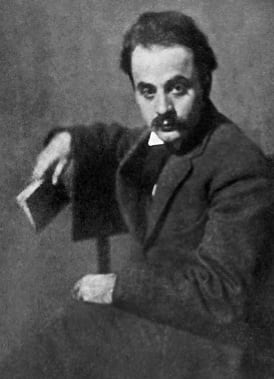
Khalil Gibran en 1913 · Public domain
بكلماته
«Your children are not your children. They are the sons and daughters of Life’s longing for itself.»The Prophet (1923), «On Children»

فكرته المحورية
Almustafa and the prophetic voice: Gibran does not present himself as a prophet: he creates one.
السيرة
4 دقيقة قراءة
ترجمة مُعانة من الأصل الإسباني، بانتظار مراجعة مترجم من أهل اللغة.
بشرّي، عند أقدام الأرز
وُلد جبران خليل جبران في السادس من كانون الثاني/يناير 1883 في بشرّي، القرية المارونية المعلّقة فوق وادي قاديشا في جبل لبنان، الذي كان يومئذٍ متصرفيةً ذات حكم ذاتي في الدولة العثمانية. وكانت أمه، كاملة رحمة، ابنة كاهن، قد جاءت إلى الزواج بابن من زواج سابق هو بطرس؛ أما أبوه خليل، وهو رجل صعب الطبع أغرقه القمار في الديون، فقد سُجن سنة 1891 بتهمة الاختلاس حين كان يعمل جابيًا للضرائب، وحُجز على أملاك الأسرة. ومضت طفولة الشاعر المقبل بين الفقر والمدرسة الرعوية، حيث تعلّم مبادئ العربية والسريانية، ومشهدٍ من الأودية السحيقة والأرز والأديرة سيعود، وقد تبدّلت صورته، في كل ما كتبه تقريبًا.
بوسطن ونظرة الآخرين
في حزيران/يونيو 1895 اتخذت كاملة قرارًا غير مألوف لامرأة من بيئتها: أن تهاجر إلى الولايات المتحدة مع أولادها الأربعة وتترك زوجها وراءها. واستقرّت الأسرة في حيّ ساوث إند في بوسطن، وهو من أكبر أحياء المهاجرين السوريين واللبنانيين في البلاد. وسُجّل الصبي في مدرسة جوزايا كوينسي بالتهجئة الإنجليزية «Kahlil Gibran» التي احتفظ بها طوال حياته، وأخذ يرسم في دار دينيسون الاجتماعية. وقدّمته معلّماته إلى المصوّر والناشر فريد هولاند داي، أحد أعلام الحركة الجمالية في بوسطن، فصوّره في أزياء شرقية، وأعاره الكتب، وفتح له باب عالمٍ فنيّ ما كان لفتى من أصله أن يبلغه بجهده وحده.
بين بيروت والفجيعة
وخشيةَ أن ينسى جذوره، أرسلته الأسرة سنة 1898 إلى بيروت ليدرس في مدرسة الحكمة المارونية، فتمكّن فيها من اللغة العربية وآدابها. ثم عاد إلى بوسطن سنة 1902 حين بلغه أن أخته الصغرى سلطانة ماتت بالسلّ. وفي الأشهر التالية فقد أخاه لأمّه بطرس، الذي قضى بالداء نفسه، ثم أمّه التي توفيت بالسرطان في حزيران/يونيو 1903. وفي العشرين من عمره بقي وحيدًا مع أخته مريانا، التي أعالت الاثنين بعملها في الخياطة. ويُجمع كتّاب سيرته على أن هذه الفجيعة الثلاثية هي التي طبعت أعماله الأولى بطابعها الرثائي.
ماري هاسكل وباريس
في سنة 1904 عرض رسومه للمرة الأولى في مرسم داي، وهناك تعرّف إلى ماري هاسكل، مديرة مدرسة للبنات في بوسطن تكبره بتسع سنوات. وكان ذلك اللقاء الحاسم في حياته: فقد موّلت هاسكل دراسته، وناقشته في كل فكرة، وراجعت سنواتٍ طويلة، جملةً جملة، إنجليزية كتبه. ويوميّاتها والرسائل المتبادلة بينهما، التي نُشرت سنة 1972 بعنوان Beloved Prophet («النبي الحبيب»)، هي أغنى مصدر عن جبران الإنسان في حياته الحميمة. وبفضلها قضى في باريس الأعوام من 1908 إلى 1910، أولًا في أكاديمية جوليان، ثم في مرسم الرمزي بيير مارسيل بيرونو. وفي الأثناء كان ينشر بالعربية: رسالة قصيرة في «الموسيقى» (1905)، وقصص «عرائس المروج» (1906)، و«الأرواح المتمردة» (1908)، وهو مرافعة ضد سلطة الإكليروس والإقطاع رَوَت باربرا يونغ بعد سنوات أنها أُحرقت في ساحة عامة في بيروت.
نيويورك والرابطة القلمية
في سنة 1911 انتقل إلى مرسم في مبنى «تِنث ستريت ستوديو» في نيويورك، كان يسميه «الصومعة»، وأقام فيه حتى وفاته. وفي السنة التالية نشر «الأجنحة المتكسرة»، وهي رواية قصيرة عن الحب المستحيل في مجتمع يتحكّم فيه رجال الدين والوجهاء، وبدأ مراسلته مع الأديبة ميّ زيادة المقيمة في القاهرة: وقد دامت قرابة عشرين عامًا من غير أن يلتقيا قط. وفي سنة 1914 صدر «دمعة وابتسامة»، الذي جمع قصائده النثرية المنشورة في صحافة المهجر. وفي أثناء الحرب العالمية الأولى عمل في لجنة إغاثة منكوبي المجاعة في جبل لبنان، وفي سنة 1920 أعاد مع نسيب عريضة وعبد المسيح حداد وميخائيل نعيمة وغيرهم من الأدباء المهاجرين تأسيس «الرابطة القلمية»، التي جدّدت لغة الشعر العربي من المنفى الأمريكي.
النبي
منذ سنة 1918 صار يكتب بالإنجليزية في الغالب. فنشر له ألفرد أ. كنوبف في تلك السنة «المجنون»، وهو مجموعة من الأمثال، ثم «السابق» (1920). وفي سنة 1923 صدر «النبي»: ستّ وعشرون موعظة في نثر شعري يوجّهها المصطفى، الحكيم الذي ينتظر منذ اثنتي عشرة سنة السفينة التي ستعيده إلى جزيرته التي وُلد فيها، إلى أهل مدينة أورفليس، في المحبة والزواج والأبناء والعمل والألم والحرية والموت. وقد استقبله النقّاد بفتور، لكن الكتاب لم يتوقف عن الصدور في طبعات جديدة، وتُرجم إلى أكثر من مئة لغة. وزيّنه جبران بنفسه برسوم مائية لأجساد عارية ووجوه يلفّها الضباب، تدين بالكثير لوليم بليك ورودان.
السنوات الأخيرة
ثم تلا ذلك «رمل وزبد» (1926)، وهو كتاب حِكَم، و«يسوع ابن الإنسان» (1928)، الذي يستحضر فيه سبعة وسبعون معاصرًا متخيَّلًا، من أصدقاء وأعداء وتلاميذ، شخصيةَ يسوع. وفي هذه المرحلة وقفت إلى جانبه الشاعرة باربرا يونغ، التي عملت سكرتيرةً له بلا أجر، ثم أكملت بعد وفاته «حديقة النبي» ونشرته (1933). وكانت صحة جبران، الذي كان يُفرط في الشراب، قد تدهورت منذ أواخر عشرينيات القرن. فأُدخل مستشفى سانت فنسنت في نيويورك في العاشر من نيسان/أبريل 1931، وتوفي في اليوم نفسه، في الثامنة والأربعين من عمره؛ وسجّلت شهادة الوفاة تليّف الكبد مع بداية سلّ في إحدى رئتيه. ويروي كتّاب سيرته أنه رفض الأسرار الأخيرة.
العودة إلى الجبل
نُقل جثمانه إلى لبنان في صيف 1931 ووُضع في دير مار سركيس القديم في بشرّي، الذي اشترته أسرته وأصبح اليوم متحف جبران. وأوصى لقريته بحقوق كتبه المقبلة في الولايات المتحدة، ووهبت ماري هاسكل سنة 1950 قرابة مئة من أعماله التشكيلية لمتحف تلفير في سافانا. وقد نظر النقد الأكاديمي بعين الريبة إلى نجاحه الجماهيري، غير أن مكانته في الأدب العربي الحديث لا جدال فيها: فقد عدّته سلمى الخضراء الجيوسي أهمّ مؤثّر في الشعر العربي في النصف الأول من القرن العشرين. وفي الغرب كان «النبي» الكتاب الأثير لدى الثقافة المضادة في الستينيات، ولا يزال يُقرأ في الأعراس والمآتم، وكثيرًا ما يجهل قارئه كل شيء عن المهاجر الماروني الذي كتبه.
المصادر: Bushrui, Suheil y Jenkins, Joe. Kahlil Gibran, Man and Poet: A New Biography. Oxford: Oneworld, 1998. · Gibran, Jean y Gibran, Kahlil. Kahlil Gibran: His Life and World. Boston: New York Graphic Society, 1974 (ed. rev. Nueva York: Interlink, 1991). · Waterfield, Robin. Prophet: The Life and Times of Kahlil Gibran. Londres: Allen Lane / Nueva York: St. Martin's Press, 1998. · Hilu, Virginia (ed.). Beloved Prophet: The Love Letters of Kahlil Gibran and Mary Haskell, and Her Private Journal. Nueva York: Alfred A. Knopf, 1972. · Naimy, Mikhail. Kahlil Gibran: A Biography. Nueva York: Philosophical Library, 1950 (orig. árabe, Beirut, 1934).
الخط الزمني
الحياة عامًا بعد عام
كل نقطة حدث موثّق. انقر لتقرأه مع مصدره ودرجة اليقين فيه.
6 يناير 1883أقل من عامBsharri, Monte Líbano
Birth
Jubran Khalil Jubran is born into a poor Maronite family in Bsharri, son of Khalil Jubran and Kamila Rahmeh.
موثّقBushrui, Suheil y Jenkins, Joe. Kahlil Gibran, Man and Poet: A New Biography. Oxford: Oneworld, 1998.
بعد وفاته
- 1933The Garden of the Prophet
- 1950Gift to the Telfair
- 1972Beloved Prophet
6 يناير 1883 · أقل من عام
Birth
Jubran Khalil Jubran is born into a poor Maronite family in Bsharri, son of Khalil Jubran and Kamila Rahmeh.
موثّق
1891 · 8 أعوام
His father's imprisonment
Khalil Jubran is imprisoned for embezzlement and the family property is seized; the mother decides to emigrate.
موثّق
25 يونيو 1895 · 12 عامًا
Emigration to the United States
Kamila leaves with Boutros, Jubran, Marianna and Sultana; the family settles in Boston's South End and the boy enters the Josiah Quincy School.
موثّق
1896 · 13 عامًا
F. Holland Day
Through Denison House he meets the photographer and publisher Fred Holland Day, who photographs him and introduces him to Boston's artistic circles.
موثّق
1898 – 1902 · 15 عامًا
Studies in Beirut
He enters the Maronite Collège de la Sagesse (Madrasat al-Hikma), studying Arabic and literature until 1902.
موثّق
2 أبريل 1902 · 19 عامًا
Death of Sultana
His younger sister dies of tuberculosis; Gibran returns to Boston. Boutros dies in March 1903 and his mother in June.
موثّق
يناير 1904 · 21 عامًا
First exhibition; Mary Haskell
He exhibits drawings at Day's studio and meets Mary Haskell, who will become his patron, confidante and editor.
موثّق
1905 · 22 عامًا
First book in Arabic
The press of the newspaper al-Muhajir publishes Nubdha fi fann al-musiqa, a short essay on music.
موثّق
يوليو 1908 – 1910 · 25 عامًا
Studies in Paris
With Haskell's financial support he studies at the Académie Julian and then with Pierre Marcel-Béronneau, returning in October 1910. That year Spirits Rebellious is published.
موثّق
1911 · 28 عامًا
Settles in New York
He settles in the Tenth Street Studio Building, in the studio he will call 'the Hermitage', where he lives until his death.
موثّق
1912 · 29 عامًا
The Broken Wings and May Ziadeh
He publishes al-Ajniha al-mutakassira and sends a copy to May Ziadeh, beginning a correspondence of nearly twenty years without ever meeting her.
موثّق
1918 · 35 عامًا
The Madman
His first book in English, published by Alfred A. Knopf, his publisher from then on.
موثّق
1920 · 37 عامًا
The Pen League
With Nasib Arida, Abd al-Masih Haddad, Mikhail Naimy and other Mahjar writers he refounds the Pen League, of which he is president.
موثّق
سبتمبر 1923 · 40 عامًا
The Prophet
Knopf publishes The Prophet, illustrated by the author. Lukewarm critical reception; enduring readership to this day.
مرجَّح
1928 · 45 عامًا
Jesus, the Son of Man
He publishes his choral portrait of Jesus through seventy-seven imagined witnesses.
موثّق
10 أبريل 1931 · 48 عامًا
Death
He dies on the day of his admission; the recorded cause is cirrhosis of the liver with incipient tuberculosis.
موثّق
أغسطس 1931
Burial at Mar Sarkis
His remains reach Bsharri and rest in the former monastery of Mar Sarkis, now the Gibran Museum.
موثّق
1933
The Garden of the Prophet
Barbara Young completes and publishes the posthumous book from the author's manuscripts.
موثّق
1950
Gift to the Telfair
Mary Haskell Minis gives nearly a hundred of Gibran's artworks to the Telfair Museum.
موثّق
1972
Beloved Prophet
Virginia Hilu publishes the letters of Gibran and Haskell and her journals, the principal source for his biography.
موثّق
المؤلَّفات
المؤلَّفات الأساسية
المؤلَّفات التي لا يُفهم إرثه من دونها.
مؤلَّف مكتوب · 1912
الأجنحة المتكسرة
A short novel narrated by a young man who at eighteen falls in love with Selma Karamy in Beirut. The archbishop forces her father to marry her to his nephew, and their love burns out in secret meetings until Selma dies in childbirth. Regarded as one of the first modern romantic novels in Arabic, it is both an idealised autobiographical tale and an indictment of women's condition in Lebanese society.
4 طبعات · amazon.es

مؤلَّف مكتوب · 1923
The Prophet
Gibran's masterpiece. Almustafa, who has waited twelve years in the city of Orphalese for the ship that will take him home, answers before leaving the questions of the seeress Almitra and the townspeople on twenty-six subjects: love, marriage, children, giving, work, joy and sorrow, freedom, reason and passion, pain, friendship, prayer, beauty, religion and death. Rhythmic prose with biblical resonances, illustrated with twelve drawings by the author. Despite cool reviews it has never gone out of print since 1923 and has been translated into more than a hundred languages.
11 طبعة · amazon.com

مؤلَّف مكتوب · 1928
Jesus, the Son of Man
Jesus, the Son of Man: His Words and His Deeds as Told and Recorded by Those Who Knew Him
A choral portrait of Jesus through seventy-seven imagined testimonies—Peter, Mary Magdalene, Caiaphas, Pilate, a Lebanese shepherd, a Greek philosopher. Gibran presents a virile Jesus, poet and rebel, far from the 'lamb' of devotional imagery. Its genesis has been linked to the portrait he drew of ʿAbdu'l-Bahá in New York in 1912.
5 طبعات · amazon.com

مراسلات · 1972
Beloved Prophet
Beloved Prophet: The Love Letters of Kahlil Gibran and Mary Haskell, and Her Private Journal
Virginia Hilu's edition of hundreds of letters exchanged by Gibran and Mary Haskell between 1908 and 1931, with extracts from her journal, in which she recorded their conversations word for word. It is the most important documentary source for his life, his working method and the making of The Prophet.
طبعتان · amazon.com
جميع مؤلَّفاته (24)
Kahlil Gibran
نبذة في فن الموسيقى
The Conscious Libraryنبذة في فن الموسيقى
1905

عرائس المروج
1906

الأرواح المتمردة
1908

دمعة وابتسامة
1914

The Madman
1918

المواكب
1919

Twenty Drawings
1919
Kahlil Gibran
العواصف
The Conscious Libraryالعواصف
1920

The Forerunner
1920
Kahlil Gibran
البدائع والطرائف
The Conscious Libraryالبدائع والطرائف
1923

Sand and Foam
1926

The Earth Gods
1931

The Wanderer
1932
The Garden of the Prophet
1933

Prose Poems
1934

A Treasury of Kahlil Gibran
1951

Thoughts and Meditations
1960

A Self-Portrait
1959

Lazarus and His Beloved
1973
Kahlil Gibran
الشعلة الزرقاء
The Conscious Libraryالشعلة الزرقاء
1979
الأقوال
أقوال محدَّدة الموضع في مؤلَّف بعينه. كل منها يحمل مصدره ودرجة الثقة به.
Your children are not your children. They are the sons and daughters of Life’s longing for itself.متحقَّق منهThe Prophet (1923), «On Children»
أقوال منحولة أو مختلَف في نسبتها (2)
«"If you love somebody, let them go, for if they return, they were always yours. And if they don't, they never were."»
It circulates widely under Gibran's name, but it does not appear in The Prophet, The Madman, The Forerunner or Sand and Foam (checked against Project Gutenberg and Wikisource), nor in the anthologies of his Arabic work. It is an anonymous self-help maxim from the second half of the twentieth century.
«Kennedy's line 'Ask not what your country can do for you…' comes from Gibran.»
In 'The New Frontier' (1925) Gibran contrasts those who ask what their country can do for them with those who ask what they can do for their country. The resemblance to the 1961 inaugural address is real, but there is no documentary proof that Kennedy or his speechwriters knew the text: it is a hypothesis, not a quotation.
الكلمات الأخيرة
لا توجد سجلات يمكن التحقق منها لكلماته الأخيرة.
No reliably attested last words exist. He died at St. Vincent's Hospital in New York on the night of 10 April 1931, a few hours after admission; Barbara Young, who was with him, left a devout account of those days (This Man from Lebanon, 1945), and later biographers report that he refused the last rites, but none records a verifiable final sentence.
المصدر: Young, Barbara. This Man from Lebanon: A Study of Kahlil Gibran. Nueva York: Alfred A. Knopf, 1945.
اسأل
بماذا يجيب أثره
اثنا عشر سؤالًا كبيرًا من أسئلة الإنسانية، وما تتيح نصوصه الإجابة به عنها، مع المراجع. ولا نقوّله ما لم يقل أبدًا.
ما المطلق؟ هل الله موجود؟
A God who plays with children and in whose heart we live
شخصي وغير شخصي معًايُستنتج من تعاليمه
Gibran built no theology, but his English work sketches a God at once intimate and cosmic. In The Prophet, Almustafa advises not to seek God as a solver of riddles: it is enough to look around to see Him playing with the children, walking in the clouds, smiling in the flowers and waving His hands in the trees. This God diffused in nature is also Someone in whom one dwells: when you love, the book says, do not say that God is in your heart, but rather that you are in the heart of God. Gibran also speaks of a divine self in each person, greater than the small self, towards which man grows. His Jesus, the Son of Man and his Arabic stories distrust churches that lock God into dogmas at the service of power.
قارن هذا السؤال مع معلّمين آخرينمن أنا؟ هل توجد ذات حقيقية؟
A soul that unfolds like a lotus of countless petals
روح في تطوّريقوله صراحةً
In The Prophet, Gibran presents the self as a sea boundless and measureless, impossible to chart: whoever claims to have found the truth should say he has found a truth, because the soul walks upon all paths and unfolds itself like a lotus of countless petals. In man there coexist a divine self, comparable to the ocean or the sun, and a part that is not yet fully human, shapeless and clumsy, seeking its own awakening. Life consists in growing towards that greater self. And this growth does not end with death: in the book's farewell, Almustafa announces that after a brief rest upon the wind another woman shall bear him. Gibran thinks of the self as a process, not a finished substance.
قارن هذا السؤال مع معلّمين آخرينلماذا نتألّم؟
Pain is the shell that breaks so that understanding may be born
الكارما وتعلّم الروحيقوله صراحةً
In The Prophet, Gibran gives pain a meaning of growth: pain is the breaking of the shell that encloses understanding, like the stone of the fruit that must break so its heart may stand in the sun. Much of suffering, he adds, is self-chosen: it is the bitter potion by which the physician within heals the sick self. And sorrow enlarges: the deeper it carves into one's being, the more joy one can contain, for joy and sorrow are inseparable. The same Gibran, in his early Arabic stories, denounced the suffering inflicted by the clergy and the feudal lords on the poor and on the women of Lebanon. But in his mature work pain is above all a school of the soul.
قارن هذا السؤال مع معلّمين آخرينماذا يحدث بعد الموت؟
To die is to melt into the sun; and another woman shall bear me
الولادة من جديد وفق الكارمايقوله صراحةً
In The Prophet, when Almitra asks him about death, Almustafa replies that to know its secret one must seek it in the heart of life, for life and death are one, even as the river and the sea are one. To die is not to vanish but to stand naked in the wind and melt into the sun, to let the breath be freed from its restless tides so that it may seek God unencumbered. And in the book's farewell the prophet announces his return: a little while, a moment of rest upon the wind, and another woman shall bear him. Gibran thus combines two images, dissolution into the greater life and return to another existence, without fixing them in a doctrine. What there is not in his work is fear: death belongs to the same movement as life.
قارن هذا السؤال مع معلّمين آخرينكيف يُبلَغ التحرّر أو الخلاص؟
Free when we break the chains we ourselves have forged
بالمعرفة المباشرةيُستنتج من تعاليمه
Gibran proposes no doctrine of salvation; what his work describes is an inner liberation. In The Prophet, Almustafa warns those who prostrate themselves before freedom that they will be free not when their days are without a care, but when cares girdle their life and yet they rise above them naked and unbound. The chains that weigh on them, he says, they have forged themselves, and what they would cast off is a fragment of their own self. The path is self-knowledge: the heart knows in silence the secrets of the days and the nights, and that knowledge must be allowed to reach words without trying to measure it. To be freed is to recognise the greater self waiting within and to stop identifying with the small one.
قارن هذا السؤال مع معلّمين آخرينهل نحتاج إلى معلّم؟
The teacher only leads to the threshold of one's own mind
المعلّم في الداخليقوله صراحةً
In The Prophet, when a teacher asks him to speak of teaching, Almustafa replies that no one can reveal to another anything but what already lies half asleep in the dawning of his own knowledge. The teacher who walks in the shadow of the temple among his followers gives not of his wisdom but of his faith and his lovingness; if he is indeed wise he does not bid you enter the house of his wisdom, but leads you to the threshold of your own mind. The vision of one lends not its wings to another: each must stand alone in his knowledge of God. Gibran, who lived surrounded by readers who treated him as a prophet, always distrusted that role; his Almustafa teaches and departs.
قارن هذا السؤال مع معلّمين آخرينهل العالم حقيقي؟
God walks in the clouds and waves His hands in the trees
تجلٍّ للإلهييقوله صراحةً
Gibran sees the world as a place of the divine. In The Prophet, whoever would know God need only look around: he will see Him playing with the children, walking in the cloud, outstretching His arms in the lightning and descending in rain, smiling in flowers and rising to wave His hands in trees. Daily life is the temple and the religion. This vision, heir to romanticism and mysticism, does not make the world an appearance: the earth, work, the body and love have a sacred value in his work, and beauty is almost a revelation; we live, says one of his aphorisms, only to discover it. What Gibran fights is not the world but the institutions that diminish it.
قارن هذا السؤال مع معلّمين آخرينما الحب؟
Love neither possesses nor would be possessed: we are in the heart of God
محبة الله والقريبيقوله صراحةً
The chapter on love in The Prophet is Gibran's most widely read. Love crowns and crucifies, makes one grow and prunes; it gives naught but itself and takes naught but from itself; it possesses not nor would it be possessed, for love is sufficient unto love. Whoever loves must not think he can direct the course of love: it is love that, if it finds him worthy, directs his. And its origin is divine: when you love, says Almustafa, do not say that God is in your heart, but rather that you are in the heart of God. In marriage he asks that there be spaces in the togetherness. In Jesus, the Son of Man, love is also charity without frontiers towards the other, the poor and the enemy.
قارن هذا السؤال مع معلّمين آخرينهل نحن أحرار أم أن كل شيء مقدَّر؟
You will be free by rising above your bonds, not by lacking them
إرادة حرة حقيقيةيُستنتج من تعاليمه
Gibran does not discuss determinism in philosophical terms, but his work affirms a demanding inner freedom. In The Prophet, freedom does not consist in a life without cares but in rising above them unbound; the chains that weigh are usually those one has forged oneself. In the chapter on reason and passion, the soul is a ship that needs the rudder of reason and the sails of passion: man steers his course, though not the winds. Gibran also insists on shared responsibility: the righteous man is not wholly innocent of the deeds of the wicked, because all are part of one life. Freedom is real, but it is conquered and never purely individual.
قارن هذا السؤال مع معلّمين آخرينلماذا نتأمّل أو نصلّي؟
I cannot teach you to pray in words: prayer is the expansion of oneself
التأمّل ليس تقنيةيقوله صراحةً
In The Prophet, when a priestess asks him to speak of prayer, Almustafa answers that people pray in their distress and need, and he wishes they would pray also in the fullness of their joy. Prayer is not asking: it is the expansion of oneself into the living ether. Whoever enters the temple only to ask will receive nothing; it is enough to enter the temple invisible. And he adds that he cannot teach anyone to pray in words, for God listens to no words save those He Himself utters through our lips. In the chapter on religion he goes further: daily life is the temple and the religion, and whoever sets apart one hour for God and another for himself has understood nothing.
قارن هذا السؤال مع معلّمين آخرينهل يستطيع العقل أن يعرف الحقيقة القصوى؟
The heart knows in silence what reason merely steers
الحقيقة القصوى وراء العقليُستنتج من تعاليمه
Gibran does not despise reason, but he places it. In The Prophet, reason and passion are the rudder and the sails of the seafaring soul: reason alone is a confining force, passion alone a flame that burns itself out; the soul must exalt reason to the height of passion so that it may sing. The deepest knowledge, however, is not reasoned. Your hearts, says Almustafa, know in silence the secrets of the days and the nights, and the ear thirsts to hear that knowledge; but the self is a sea without measure, and one should not try to sound it with a measuring rod. That is why whoever says he has found the truth should say he has found a truth.
قارن هذا السؤال مع معلّمين آخرينالانسحاب من العالم أم تغييره؟
Work is love made visible, and tyranny must be denounced
الانخراط في العالميقوله صراحةً
Gibran never preached withdrawal. His early Arabic stories, such as Spirits Rebellious, denounced the oppression exercised by the clergy and feudal lords over the peasants and women of Lebanon, and the book was badly received by the religious authorities. In New York he took part in the life of the Arab emigration, founded the Pen League with other writers and worked for relief to Syria and Mount Lebanon during the famine of the First World War. In The Prophet, spirituality is lived in work, marriage, the house and trade: work is love made visible, and whoever works without love would do better to sit at the temple gate and take alms.
قارن هذا السؤال مع معلّمين آخرين
التقارب والتوتّر
التقارب والتوتّر
محسوبة سؤالًا سؤالًا انطلاقًا من مواقفه. وسبب كل اتفاق أو اختلاف يظهر بالنقر.
يقترب في تفكيره من
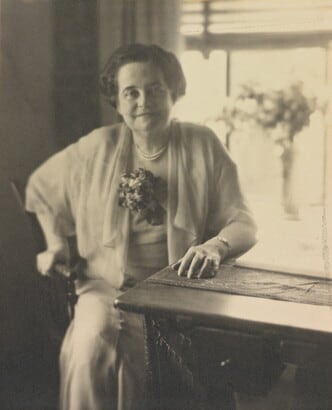
Alice A. Bailey
يتّفقان في: ما المطلق؟ هل الله موجود؟ · من أنا؟ هل توجد ذات حقيقية؟ · لماذا نتألّم؟
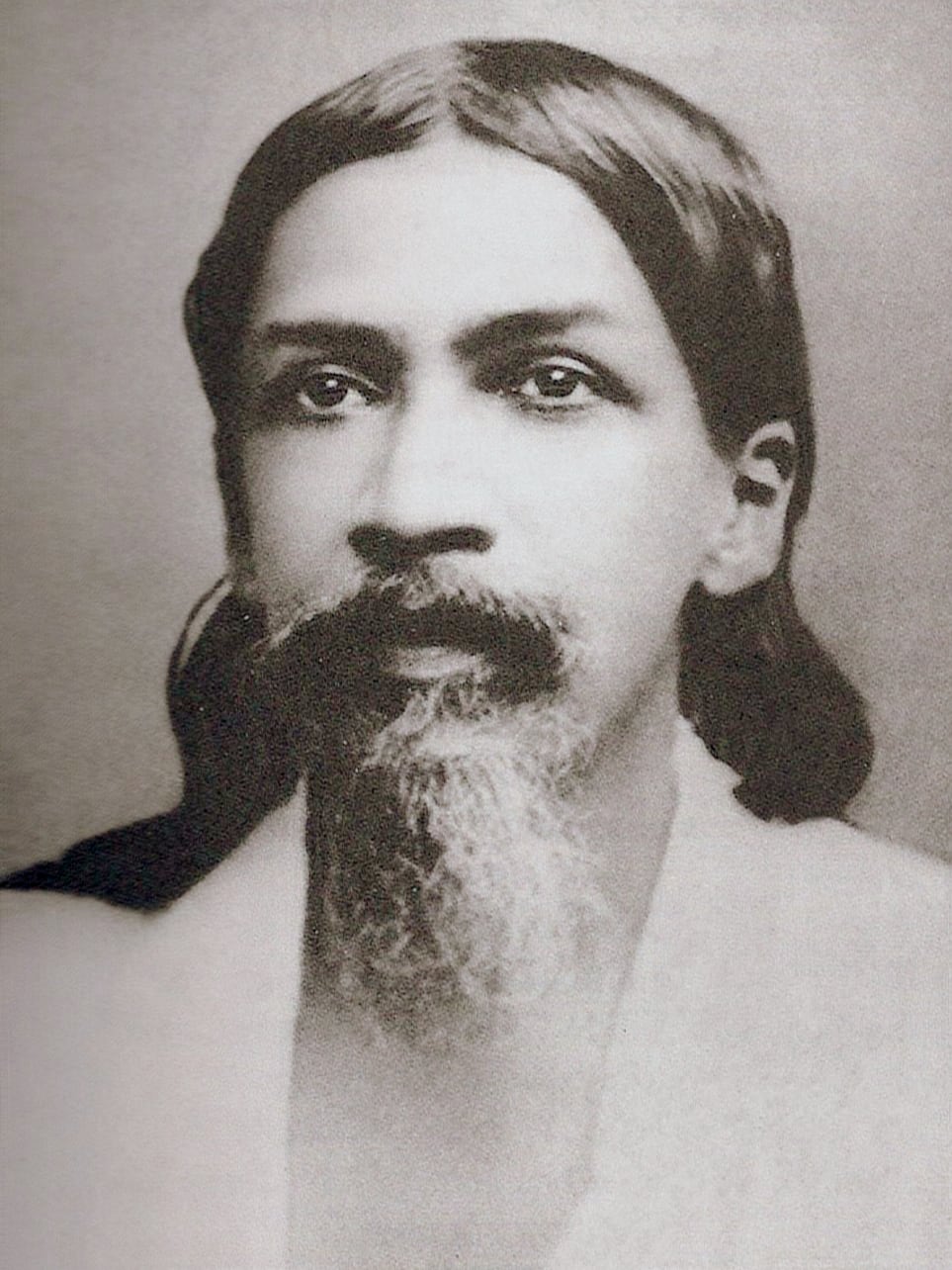
Sri Aurobindo
يتّفقان في: ما المطلق؟ هل الله موجود؟ · من أنا؟ هل توجد ذات حقيقية؟ · ماذا يحدث بعد الموت؟
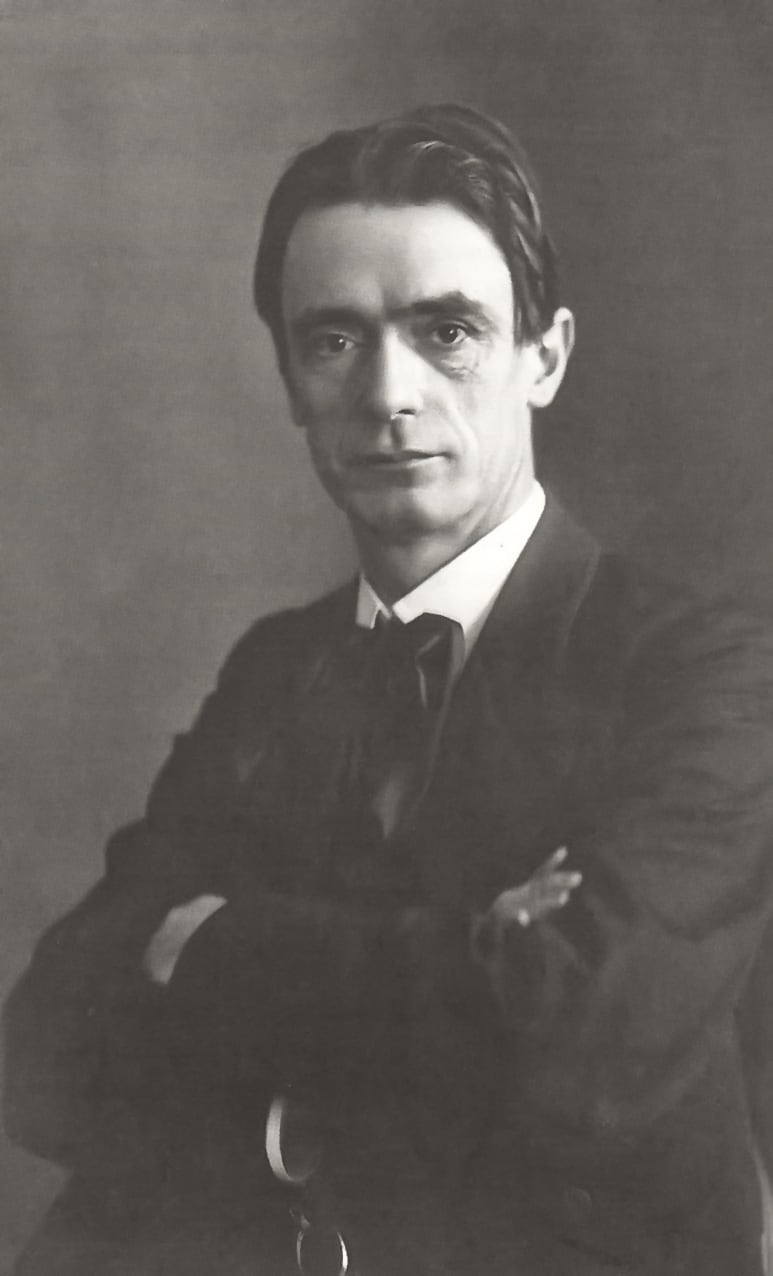
Rudolf Steiner
يتّفقان في: ما المطلق؟ هل الله موجود؟ · من أنا؟ هل توجد ذات حقيقية؟ · لماذا نتألّم؟
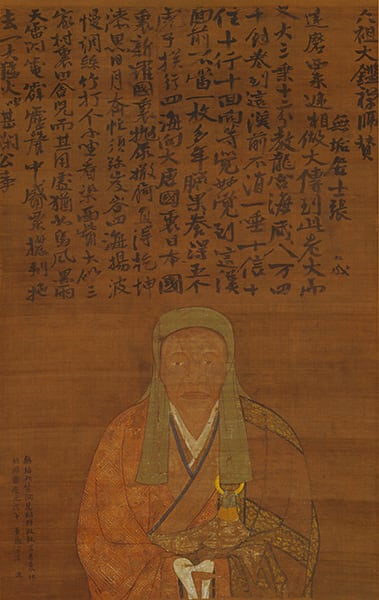
Huineng
يتّفقان في: كيف يُبلَغ التحرّر أو الخلاص؟ · هل نحتاج إلى معلّم؟ · هل العالم حقيقي؟

حكايات وروايات
حكايات وروايات
موثّق1896–1898
The boy in Holland Day's photographs
أصل الرواية: Account reconstructed by Jean and Kahlil Gibran from the correspondence of Day and Jessie Beale; the photographs are held by the Library of Congress (LCCN 95503209) and the Metropolitan Museum.
المصدر: Gibran, Jean y Gibran, Kahlil. Kahlil Gibran: His Life and World. Boston: New York Graphic Society, 1974 (ed. rev. Nueva York: Interlink, 1991).
مختلَف فيه1908
Spirits Rebellious on the bonfire
أصل الرواية: The burning comes from Barbara Young, This Man from Lebanon (1945); Waterfield and Bushrui-Jenkins confirm the scandal but find no record of a formal excommunication.
المصدر: Young, Barbara. This Man from Lebanon: A Study of Kahlil Gibran. Nueva York: Alfred A. Knopf, 1945.
موثّق1908–1931
The editing evenings with Mary Haskell
أصل الرواية: Mary Haskell's journals and letters, held at the University of North Carolina and edited by Virginia Hilu in Beloved Prophet (1972).
المصدر: Hilu, Virginia (ed.). Beloved Prophet: The Love Letters of Kahlil Gibran and Mary Haskell, and Her Private Journal. Nueva York: Alfred A. Knopf, 1972.
موثّق1912–1931
Twenty years of letters without a meeting
أصل الرواية: Gibran's letters edited by Salma Haffar al-Kuzbari and Suheil Bushrui (al-Shu'la al-zarqa', 1979; Blue Flame, 1983).
المصدر: Bushrui, Suheil y Kuzbari, Salma Haffar (eds. y trads.). Blue Flame: The Love Letters of Kahlil Gibran to May Ziadah. Harlow: Longman, 1983.
لا يمكن التحقق منه1908–1910
'The William Blake of the twentieth century'
أصل الرواية: An attribution going back to Gibran himself and Barbara Young (1945); critical biographers find no trace of it in Rodin's papers.
المصدر: Waterfield, Robin. Prophet: The Life and Times of Kahlil Gibran. Londres: Allen Lane / Nueva York: St. Martin's Press, 1998.
شهادة1912
The portrait of ʿAbdu'l-Bahá
أصل الرواية: Juliet Thompson's diary (published as The Diary of Juliet Thompson, 1983); the portrait survives. The link with Jesus, the Son of Man is an interpretation by later scholars.
التعاليم
التعاليم
المفاهيم التي ينتظم بها فكره، مشروحة في سياقها.
Almustafa and the prophetic voicealmustafa-la-voz-profetica
Wisdom literature, Nietzsche and the biblical prophetic tradition read from the Mahjar.
المصدر: Bushrui, Suheil y Jenkins, Joe. Kahlil Gibran, Man and Poet: A New Biography. Oxford: Oneworld, 1998.
The god-selfel-yo-divino
Romantic pantheism, Blake and Sufi mysticism; an ethics of inwardness.
Reconciled oppositeslos-contrarios-reconciliados
Romanticism and Eastern Christian mysticism.
Love that does not possessel-amor-que-no-posee
A critique of patriarchal marriage in Mount Lebanon; a mysticism of love.
Work as love made visibletrabajo-amor-visible
An ethic of craft; Arts and Crafts; wisdom tradition.
The Mahjar and the Arabic prose poemmahyar-y-poema-en-prosa
Modern Arabic literature; Lebanese emigration to the Americas.
المصدر: Hawi, Khalil S. Kahlil Gibran: His Background, Character and Works. Beirut: American University of Beirut, 1963 (reed. Londres: Third World Centre, 1982).
مقاطع الفيديو
مقاطع الفيديو
تسجيلات ومقابلات وأفلام وثائقية. تُشغَّل مقاطع الفيديو من YouTube؛ ولا تُستضاف هنا.
وثائقي عن جبران خليل جبران (Documental sobre Gibran)
فيلم وثائقي· AR· 26 min
Gibran National Committeeالقناة الرسمية
أرواح متمردة – جبران خليل جبران (Espíritus rebeldes)
فيلم وثائقي· AR· 53 min
Al Jazeera Documentary
Khalil Gibran – Une vie, une œuvre (France Culture, 1990)
فيلم وثائقي· FR· 1990· 78 min
ÉCLAIR BRUT
Khalil Gibran
فيلم وثائقي· FR· 52 min
KTO TV
Gibran Khalil Gibran
فيلم وثائقي· ES· 27 min
Canal22القناة الرسمية
Gibran Kahlil Gibran Museum, an in-depth explanation with Mr. Joseph Geagea
فيلم وثائقي· EN· 26 min
Anthony Rahayel
Gibran, Naimy and Afifa Karam: Gender Politics in Mahjar Literature — Elizabeth Saylor
محاضرة· EN· 21 min
Gibran Chairالقناة الرسمية
In Search of a Prophet — Kahlil Gibran: An Unparalleled Guide for Our Times (Paul-Gordon Chandler)
محاضرة· EN· 66 min
The Jerusalem Fund & Palestine Center
Kahlil Gibran ~ with Paul-Gordon Chandler
محاضرة· EN· 62 min
Banyen Books & Sound
Interview of Kahlil Gibran, artist, by David Ossman in Boston
مقابلة· EN· 10 min
ArtistKahlil Gibran
Academy Conversations: Khalil Gibran's The Prophet
مقابلة· EN· 2015· 12 min
Oscarsالقناة الرسمية
The Madman by Kahlil Gibran (audiolibro)
تسجيل من طرف ثالث· EN· 45 min
LearnOutLoud
المعرض
المعرض
صور بترخيص متحقَّق منه. كل منها تحتفظ بمؤلّفها ونسبتها.
المخطوطات
المخطوطات
شواهد مخطوطة ونصوص قديمة، مع جهة حفظها وشروط الاطّلاع عليها.
EN · Latin · 1904–1931
Kahlil Gibran–Mary Haskell papers
- الشاهد المحفوظ
- Cartas autógrafas y diarios de Mary Haskell
- جهة الحفظ
- Southern Historical Collection, University of North Carolina at Chapel Hill
العلاقات
العلاقات
تأثيرات وتلمذة وتقارب في الأفكار. تُميَّز العلاقة الموثّقة عن التشابه المستخلَص بالتحليل.
تراسل مع
Mary Haskell
Patron, editor and confidante from 1904 to 1931; hundreds of letters and her journal document the relationship.
علاقة موثّقة
تراسل مع
May Ziadeh
Literary and amorous correspondence from 1912 to 1931; they never met.
علاقة موثّقة
التقى بـ
Mijaíl Naimy
Close friend from 1916, fellow member of the Pen League and author of a biography of Gibran (1934).
علاقة موثّقة
التقى بـ
Fred Holland Day
Boston photographer and publisher who discovered him in 1896 and organised his first exhibition in 1904.
علاقة موثّقة
التقى بـ
ʿAbdu'l-Bahá
Gibran drew his portrait in New York in 1912; the meeting left a lasting impression.
علاقة موثّقة
تأثّر بـ
Friedrich Nietzsche
A decisive reading in his Paris and New York years; Thus Spoke Zarathustra is the formal antecedent of The Madman and The Prophet.
علاقة موثّقة
تأثّر بـ
William Blake
A model as visionary poet-painter, acknowledged by Gibran and noted by all his biographers.
علاقة موثّقة
تأثّر بـ
Central figure of his religious imagination; he devoted Jesus, the Son of Man (1928) to him, and he is the implicit model for Almustafa.
علاقة موثّقة
تأثّر بـ
He devoted to him one of the portraits in al-Bada'i' wa-l-Tara'if (1923), as part of his interest in Islamic mysticism.
علاقة موثّقة
أثّر في
Osho commented on The Prophet in two volumes of talks, The Messiah (1987), and quoted it often.
علاقة موثّقة
أفكار قريبة من
Love as a consuming and transforming force, and poetry as a mystical path, bring Gibran close to Rumi; no direct influence is documented.
تشابه مستخلَص بالتحليل
معاصر لـ
Contemporaries in the United States of the 1890s with no known contact; both contributed to the American reception of Eastern spirituality.
تشابه مستخلَص بالتحليل
مرتبط من صفحات أخرى
المصادر
المصادر
المراجع والفهارس التي رُوجعت لهذه الصفحة.
- Bushrui, Suheil y Jenkins, Joe. Kahlil Gibran, Man and Poet: A New Biography. Oxford: Oneworld, 1998.
- Gibran, Jean y Gibran, Kahlil. Kahlil Gibran: His Life and World. Boston: New York Graphic Society, 1974 (ed. rev. Nueva York: Interlink, 1991).
- Waterfield, Robin. Prophet: The Life and Times of Kahlil Gibran. Londres: Allen Lane / Nueva York: St. Martin's Press, 1998.
- Hilu, Virginia (ed.). Beloved Prophet: The Love Letters of Kahlil Gibran and Mary Haskell, and Her Private Journal. Nueva York: Alfred A. Knopf, 1972.
- Naimy, Mikhail. Kahlil Gibran: A Biography. Nueva York: Philosophical Library, 1950 (orig. árabe, Beirut, 1934).
- Young, Barbara. This Man from Lebanon: A Study of Kahlil Gibran. Nueva York: Alfred A. Knopf, 1945.
- Wikidata, «Kahlil Gibran» (Q47737).
- Hawi, Khalil S. Kahlil Gibran: His Background, Character and Works. Beirut: American University of Beirut, 1963 (reed. Londres: Third World Centre, 1982).
- Project Gutenberg: Gibran, Kahlil, The Prophet (Nueva York: Knopf, 1923), ebook n.º 58585; The Madman (1918), n.º 5616; The Forerunner (1920), n.º 54580.
- Gibran National Committee (Comité National Gibran), Museo Gibran, Bsharri.
- Telfair Museums, Savannah: colección Kahlil Gibran (legado de Mary Haskell Minis, 1950).
- Wikipedia (en), «Kahlil Gibran», consultada el 25 de octubre de 2026 (sección «Later years and death»).
- Wikisource en árabe: textos de Yubrán Jalil Yubrán (al-Ajniha al-mutakassira; Dam'a wa-ibtisama, 1914; al-Arwah al-mutamarrida, 1908; Nubdha fi fann al-musiqa, 1905).
- Bushrui, Suheil y Kuzbari, Salma Haffar (eds. y trads.). Blue Flame: The Love Letters of Kahlil Gibran to May Ziadah. Harlow: Longman, 1983.
- Library of Congress, Prints and Photographs Division: F. Holland Day, retratos de Kahlil Gibran (c. 1898), LCCN 95503209.
- Wikisource en inglés: Gibran, Kahlil, Sand and Foam: A Book of Aphorisms (Nueva York: Knopf, 1926).
- Osho (Bhagwan Shree Rajneesh). The Messiah: Commentaries on Kahlil Gibran's The Prophet. 2 vols. Rajneeshpuram / Poona: Rajneesh Foundation International, 1987.
- صاحب الحقوق
- Gibran National Committee (Bsharri), beneficiario por legado testamentario de los derechos de autor del escritor. Las obras publicadas hasta 1930 son de dominio público en EE. UU.; toda la obra del autor (m. 1931) es de dominio público en la UE desde 2002 y en España desde 2012. Las traducciones y ediciones modernas tienen sus propios derechos.
- الموقع الرسمي
- www.gibrankhalilgibran.org/
في انتظار التأكيد
ما لم تتمكّن هذه الصفحة من حسمه بعد. نفضّل أن نقول ذلك على أن نملأ الفراغ.
- Confirmar el día exacto de publicación de The Prophet (septiembre de 1923, según la tradición editorial de Knopf).
- Localizar ISBN verificados de ediciones en árabe moderno, ruso e hindi de The Prophet y de al-Ajniha al-mutakassira (no figuran en Open Library).
- Verificar ISBN de las traducciones inglesas de A Tear and a Smile (Nahmad, 1950) y The Broken Wings (Ferris, 1957).
- Fechar y registrar las piezas dramáticas póstumas (The Blind y las cinco obras breves en árabe publicadas entre 1973 y 1993).
- Comprobar si la Southern Historical Collection (UNC) ofrece digitalización de los papeles Haskell-Gibran y su signatura.
- The Earth Gods (1931), The Wanderer (1932) y The Garden of the Prophet (1933) entrarán en dominio público en EE. UU. en 2027, 2028 y 2029: añadirlos entonces a la sala de lectura si hay texto en línea.
بُحث بتاريخ 2026-10-25