التصوف المسيحي · الثيوصوفية · الأنثروبوصوفيا
Rudolf Steiner
1861 – 1925شخصية موثّقة تاريخيًا
فيلسوف ومفكّر باطني ومصلح اجتماعي نمساوي (1861–1925). حقّق كتابات غوته العلمية وألّف «فلسفة الحرية» (1894)، وتولّى قيادة الفرع الألماني للجمعية الثيوصوفية، ثم أسّس عام 1913 الأنثروبوسوفيا، وهي «علم روحي» ذو جذور مسيحية وغوتية. ونشأت من عمله تربية والدورف، والزراعة البيوديناميكية، والطب الأنثروبوسوفي، وفنّ الحركة المعروف باليوريثمي. وخلّف أكثر من ثلاثين كتابًا ونحو ستة آلاف محاضرة، يُنتقد كثير مما ورد فيها لطابعه العلمي الزائف.
- مؤلَّفًا
- 68مؤلَّفًا
- طبعة
- 131طبعة
- اقتباسًا
- 7اقتباسًا
- مقطع فيديو
- 12مقطع فيديو
- صورة
- 10صورة
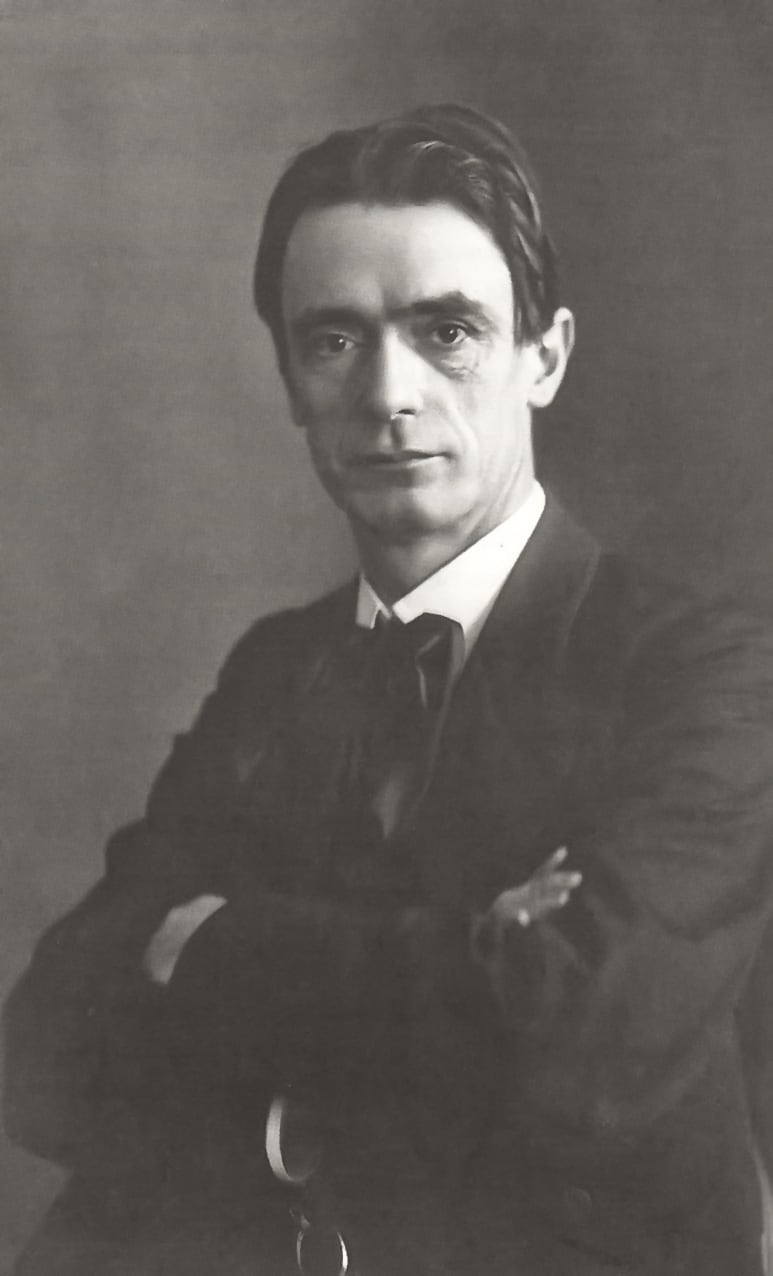
Rudolf Steiner hacia 1905 · Public domain
بكلماته
«Only when I follow my love for the object is it I myself who act.»Die Philosophie der Freiheit (1894), cap. «Die Idee der Freiheit»
فكرته المحورية
Anthroposophy (spiritual science): Steiner took the term 'anthroposophy' from a book by the Austrian philosopher Robert Zimmermann (1856) and defined it as 'a path of knowledge that would lead the spiritual in the human being to the spiritual in the universe'.
السيرة
4 دقيقة قراءة
ترجمة مُعانة من الأصل الإسباني، بانتظار مراجعة مترجم من أهل اللغة.
ابن عامل التلغراف
وُلد رودولف يوزف لورنتس شتاينر في كرالييفيتس، في إقليم موراكوز — الذي كان آنذاك جزءًا من مملكة المجر وهو اليوم جزء من كرواتيا — في السابع والعشرين من فبراير 1861 وفق التاريخ الذي ظلّ يذكره دائمًا، وإن كانت وثائق عائلية تشير إلى الخامس والعشرين منه. كان أبوه يوهان شتاينر حارسًا للصيد في أملاك الكونتات هويوس، ثم صار عاملَ تلغراف في سكة حديد الجنوب النمساوية؛ وكانت أمه فرانتسيسكا بلي قد خدمت في البيت نفسه. عاشت الأسرة في محطات صغيرة بالنمسا السفلى — مودلينغ وبوتشاخ — ثم منذ عام 1869 في نويدورفل، وهي قرية مجرية على الحدود مع النمسا السفلى، بين التلغراف والقطارات والمشهد الألبي. ويروي شتاينر في سيرته الذاتية أنه وجد في الهندسة، وهو طفل، البرهانَ على أن النفس قادرة على معرفة ما لا تراه الحواس، وأنه في الثامنة أو التاسعة من عمره أدرك لأول مرة ما سيسمّيه لاحقًا العالم الروحي. غير أنها ذكريات دُوّنت بعد ستين عامًا، ويقرؤها النقاد بوصفها جزءًا من بنائه لصورته الخاصة.
فيينا وغوته
درس في المدرسة الثانوية الواقعية (الريالشوله) في فينر نويشتات، ثم من 1879 إلى 1883 في المدرسة التقنية العليا في فيينا، حيث تابع دروسًا في الرياضيات والعلوم الطبيعية والأدب والفلسفة من غير أن ينال شهادتها. وهناك التقى بأستاذه، عالم الأدب الألماني كارل يوليوس شروير، الذي زكّاه عام 1882 لدى يوزف كورشنر ليتولّى تحقيق كتابات غوته العلمية في سلسلة «الأدب القومي الألماني». فكتب الشاب ذو الحادية والعشرين مقدّمات تلك المجلدات (1883–1897)، ووضع «الخطوط الأساسية لنظرية المعرفة في رؤية غوته للعالم» (1886). ولكي يكسب عيشه عمل ستّ سنوات مربّيًا خاصًّا في بيت أسرة شبيشت في فيينا، حيث نجح في تعليم صبيّ مصاب باستسقاء الدماغ كان يُعدّ عاجزًا عن التعلّم، فصار فيما بعد طبيبًا.
فايمار وفلسفة الحرية
في عام 1890 انتقل إلى فايمار للعمل في أرشيف غوته وشيلر على الطبعة الكبرى لأعمال غوته. وفي عام 1891 نال الدكتوراه في الفلسفة من جامعة روستوك بأطروحة عن نظرية المعرفة عند فيشته، وسّعها في العام التالي في كتاب «الحقيقة والعلم». وفي عام 1894 نشر «فلسفة الحرية»، الكتاب الذي عدّه دائمًا أساسَ كل ما جاء بعده: نظريةٌ في المعرفة تجعل من التفكير النشاطَ الذي يختبر فيه الإنسان نفسه حرًّا، وأخلاقٌ قوامها «الفردية الأخلاقية»، يصدر فيها الفعل الحرّ عن محبة الفعل ذاته لا عن قواعد مفروضة من الخارج. وفي تلك السنوات خالط إرنست هيكل، وأُعجب بماكس شتيرنر، وكتب «فريدريش نيتشه، مناضل ضد عصره» (1895)؛ وفي عام 1896 قادته إليزابيث فورستر-نيتشه إلى الفيلسوف المريض.
برلين: من الفكر الحرّ إلى الثيوصوفيا
في عام 1897 استقرّ في برلين رئيسًا لتحرير مجلة «ماغازين فور ليتيراتور»، وتنقّل بين أوساط البوهيميين والفوضويين الفردانيين في العاصمة. ودرّس التاريخ وفنّ الخطابة في مدرسة تثقيف العمال التي أسسها فيلهلم ليبكنخت (1899–1904)، وتزوّج عام 1899 من آنا أونيكه، وهي أرملة كان يسكن في بيتها. وفي العام التالي، 1900، بدأ يلقي محاضرات في المكتبة الثيوصوفية للكونت والكونتيسة بروكدورف؛ وفي عام 1902، ولم يكن قد انضمّ إلى الجمعية الثيوصوفية إلا في يناير من العام نفسه، قبِل منصب الأمين العام لفرعها الألماني الجديد، إلى جانب ماري فون زيفرس، التي ستغدو معاونته ثم زوجته الثانية منذ عام 1914. وفي سنوات قليلة نشر الكتب التي تؤلّف نواة تعليمه: «الثيوصوفيا» (1904)، و«كيف تُكتسَب معرفة العوالم العليا؟» (1904–1905)، و«العلم الخفيّ في خطوطه العريضة» (1910).
الأنثروبوسوفيا والغوتيانوم
وجّه شتاينر الثيوصوفيا نحو التقليد الباطني الغربي — الحركة الوردية الصليبية، والتصوّف الألماني، وغوته — وجعل في قلبها «سرّ الجلجثة»، أي تجسّد المسيح بوصفه حدثًا كونيًّا فريدًا. وبلغ التوتر مع القيادة في أديار ذروته حين أعلنت آني بيزانت أن الفتى جِدّو كريشنامورتي هو معلّم العالم المنتظَر؛ ففي 1912–1913 انفصلت غالبية الفرع الألماني وأسّست الجمعية الأنثروبوسوفية. وبين 1910 و1913 كتب أربع مسرحيات من نوع «دراما الأسرار» وقدّم عروضها الأولى في ميونخ، وطوّر مع ماري فون زيفرس اليوريثمي، وهو فنّ للحركة. وفي عام 1913 وُضع في دورناخ، قرب بازل، حجرُ الأساس للغوتيانوم، وهو صرح خشبي كبير ذو قبّتين صمّمه بنفسه وشيّده متطوعون من سبعة عشر بلدًا في أثناء الحرب العالمية الأولى.
الدفعات العملية
قادت الهزيمة الألمانية عام 1918 شتاينر إلى العمل الاجتماعي. فاقترح «التقسيم الثلاثي للكيان الاجتماعي» — أي الفصل بين الحياة الثقافية والحياة الحقوقية والحياة الاقتصادية — في كتابه «النقاط الجوهرية في المسألة الاجتماعية» (1919). وفي العام نفسه، بطلب من الصناعي إميل مولت، أسّس في شتوتغارت أول مدرسة والدورف لأبناء عمّال مصنع السجائر «والدورف-أستوريا». ثم تلتها دورات للأطباء، بالاشتراك مع إيتا فيغمان، نشأ عنها الطبّ الأنثروبوسوفي ومختبر «فيليدا»؛ ودورة للكهنة انبثقت منها عام 1922 «جماعة المسيحيين» بقيادة فريدريش ريتلماير؛ ثم في عام 1924 دورة الزراعة في كوبرفيتس، التي كانت منشأ الزراعة البيوديناميكية. وفي الوقت ذاته كان هدفًا لهجمات اليمين القومي: ففي عام 1922 قوطعت إحدى محاضراته في ميونخ بالعنف.
الحريق وعيد الميلاد عام 1923
في ليلة رأس السنة من عام 1922 احترق الغوتيانوم الأول عن آخره، في حريق رجّحت الشرطة أنه كان متعمَّدًا. فصمّم شتاينر مبنى ثانيًا، من الخرسانة هذه المرة، اكتمل عام 1928. وفي عيد الميلاد من عام 1923 أعاد تأسيس الجمعية باسم الجمعية الأنثروبوسوفية العامة، وتولّى بنفسه رئاستها ورئاسة مدرستها العليا الحرة لعلم الروح، وألقى «تأمّل حجر الأساس». وكان عام 1924 عامًا من النشاط المُنهِك: مئات المحاضرات، منها سلاسل محاضرات عن الصلات الكارمية، ودورات في التربية العلاجية والزراعة وفنّ الكلام.
النهاية والإرث
في الثامن والعشرين من سبتمبر 1924 ألقى محاضرته الأخيرة؛ وقضى، مريضًا، الأشهر التالية في مرسمه بدورناخ، حيث واصل كتابة سيرته الذاتية «مسار حياتي» التي توقّفت عند أحداث عام 1907. وهناك توفّي في الثلاثين من مارس 1925 عن أربعة وستين عامًا. وخلّف أكثر من ثلاثين كتابًا ونحو ستة آلاف محاضرة، دوّن معظمَها كتبةُ الاختزال ولم يراجعها هو، وتؤلّف اليوم «الأعمال الكاملة» (Gesamtausgabe) في أكثر من 350 مجلدًا. وقد أثار عمله الولاءَ والنقد الشديد معًا: فقد نبّه مؤرخون مثل هلموت تساندر إلى اقتباساته من الأدب الثيوصوفي، والطابع العلمي الزائف لكثير من أقواله، ونظريته في الأعراق، في حين لا تزال مبادراته — أكثر من ألف مدرسة والدورف، والزراعة البيوديناميكية، والطب الأنثروبوسوفي، وجماعات كامبهيل — قائمة في أنحاء العالم.
المصادر: Steiner, Rudolf. Mein Lebensgang. Eine nicht vollendete Autobiographie (GA 28). Dornach: Philosophisch-Anthroposophischer Verlag, 1925; ed. actual Basilea: Rudolf Steiner Verlag. · Lindenberg, Christoph. Rudolf Steiner. Eine Biographie. 2 vols. Stuttgart: Verlag Freies Geistesleben, 1997. · Zander, Helmut. Rudolf Steiner. Die Biografie. Múnich: Piper, 2011 (ed. rústica 2016). · Lachman, Gary. Rudolf Steiner: An Introduction to His Life and Work. Nueva York: Jeremy P. Tarcher/Penguin, 2007. · Steiner, Rudolf. Die Philosophie der Freiheit. Grundzüge einer modernen Weltanschauung. Berlín: Emil Felber, 1894 (texto en Project Gutenberg, ebook n.º 53493).
الخط الزمني
الحياة عامًا بعد عام
كل نقطة حدث موثّق. انقر لتقرأه مع مصدره ودرجة اليقين فيه.
27 فبراير 1861أقل من عامKraljevec (Muraköz, Reino de Hungría; hoy Donji Kraljevec, Croacia)
Birth
The first child of the railway telegraphist Johann Steiner and Franziska Blie is born. Steiner always gave 27 February; family documents suggest the 25th.
مختلَف فيهSteiner, Rudolf. Mein Lebensgang. Eine nicht vollendete Autobiographie (GA 28). Dornach: Philosophisch-Anthroposophischer Verlag, 1925; ed. actual Basilea: Rudolf Steiner Verlag.
بعد وفاته
- 29 سبتمبر 1928Second Goetheanum
- 1956The Gesamtausgabe begins
27 فبراير 1861 · أقل من عام
Birth
The first child of the railway telegraphist Johann Steiner and Franziska Blie is born. Steiner always gave 27 February; family documents suggest the 25th.
مختلَف فيه
1869 · 8 أعوام
Neudörfl
The family settles in Neudörfl; Steiner would date his first supersensible experiences and his fascination with geometry to these years.
مرجَّح
1879 – 1883 · 18 عامًا
Vienna Technical University
He studies science and attends Karl Julius Schröer's literature lectures; he leaves in 1883 without a degree.
موثّق
1882 · 21 عامًا
Editor of Goethe
On Schröer's recommendation, Joseph Kürschner commissions him to edit Goethe's scientific writings (published 1883–1897).
موثّق
1884 – 1890 · 23 عامًا
Tutor to the Specht family
For six years he tutors the children of the merchant Ladislaus Specht, among them a hydrocephalic boy who later becomes a physician.
موثّق
1890 – 1897 · 29 عامًا
Goethe and Schiller Archive
He works on the Weimar (Sophien) edition of Goethe's scientific works until 1897.
موثّق
أكتوبر 1891 · 30 عامًا
Doctorate
He takes his doctorate at the University of Rostock with a thesis on Fichte's theory of knowledge.
مرجَّح
1894 · 33 عامًا
The Philosophy of Freedom
He publishes Die Philosophie der Freiheit (dated 1894, issued at the end of 1893).
موثّق
يناير 1896 · 34 عامًا
Before Nietzsche
Elisabeth Förster-Nietzsche takes him to see her brother, already incapacitated; for a time Steiner arranges the philosopher's library.
مرجَّح
1897 · 36 عامًا
Magazin für Literatur
He moves to Berlin as co-owner and editor of the literary magazine; in 1899 he marries Anna Eunike and begins teaching at the Workers' Education School.
موثّق
أكتوبر 1902 · 41 عامًا
General Secretary of the German Section of the Theosophical Society
With Marie von Sivers he takes charge of the new German Section; he publishes Christianity as Mystical Fact.
موثّق
1904 · 43 عامًا
Theosophy and the path of knowledge
He publishes Theosophy and begins serialising How to Know Higher Worlds in Lucifer-Gnosis.
موثّق
مايو 1907 · 46 عامًا
Munich Congress
He organises the congress of the Federation of European Sections of the Theosophical Society, with a Rosicrucian aesthetic announcing his own direction.
موثّق
1910 · 49 عامًا
Occult Science and the first mystery drama
Die Geheimwissenschaft im Umriss appears (dated 1910) and The Portal of Initiation is premiered in Munich.
موثّق
فبراير 1913 · 51 عامًا
Founding of the Anthroposophical Society
After expulsion from the Theosophical Society over the Krishnamurti dispute, most of the German Section forms the Anthroposophical Society.
موثّق
20 سبتمبر 1913 · 52 عامًا
Foundation stone of the Goetheanum
The foundation stone of the double-domed wooden building designed by Steiner is laid.
موثّق
24 ديسمبر 1914 · 53 عامًا
Marriage to Marie von Sivers
He marries his collaborator of twelve years; Anna Eunike had died in 1911.
مرجَّح
7 سبتمبر 1919 · 58 عامًا
First Waldorf school
He opens the Freie Waldorfschule for the children of workers at Emil Molt's Waldorf-Astoria factory; that year he publishes Towards Social Renewal.
موثّق
31 ديسمبر 1922 · 61 عامًا
Fire at the Goetheanum
On New Year's Eve the first Goetheanum burns to the ground; police point to arson.
موثّق
24 ديسمبر 1923 – 1924 · 62 عامًا
Christmas Conference
He refounds the General Anthroposophical Society, assumes its presidency and gives the Foundation Stone Meditation (24 December 1923 – 1 January 1924).
موثّق
7 يونيو 1924 · 63 عامًا
Agriculture course
He gives the eight lectures that originate biodynamic agriculture (7–16 June).
موثّق
28 سبتمبر 1924 · 63 عامًا
Last lecture
He gives his last address, on the eve of Michaelmas; thereafter he remains ill in his studio.
موثّق
30 مارس 1925 · 64 عامًا
Death
He dies in his studio beside the Goetheanum under construction; the autobiography is left unfinished.
موثّق
29 سبتمبر 1928
Second Goetheanum
The second Goetheanum, in concrete, built to Steiner's model, is inaugurated.
مرجَّح
1956
The Gesamtausgabe begins
The Rudolf Steiner Nachlassverwaltung begins the complete edition (GA), which today exceeds 350 volumes.
مرجَّح
المؤلَّفات
المؤلَّفات الأساسية
المؤلَّفات التي لا يُفهم إرثه من دونها.

مؤلَّف مكتوب · 1894
The Philosophy of Freedom (Intuitive Thinking as a Spiritual Path)
Die Philosophie der Freiheit. Grundzüge einer modernen Weltanschauung (GA 4)
Steiner's central philosophical work. Part one, 'The Science of Freedom', analyses the observation of thinking as the secure starting point of knowledge and the relation between percept and concept; part two, 'The Reality of Freedom', founds an 'ethical individualism': free action springs from a moral intuition loved for its own sake, guided by 'moral imagination'. Steiner reissued it in 1918 with additions and regarded it as the philosophical germ of anthroposophy.
5 طبعات
مؤلَّف مكتوب · 1904
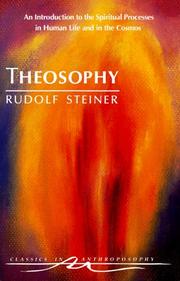
Theosophy
Theosophie. Einführung in übersinnliche Welterkenntnis und Menschenbestimmung (GA 9)
A fundamental book of his teaching. It describes the human being in three aspects—body, soul and spirit—subdivided into nine members; explains reincarnation and karma as spiritual law; surveys the three worlds (physical, soul and spiritual) through which the human being passes between death and a new birth; and ends with an outline of the 'path of knowledge'. Steiner revised it in many editions.
4 طبعات

مؤلَّف مكتوب · نحو 1904
How to Know Higher Worlds
Wie erlangt man Erkenntnisse der höheren Welten? (GA 10)
A manual of inner development serialised in Lucifer-Gnosis (1904–1905) and published as a book in 1909. It describes the conditions of discipleship—reverence, inner calm, control of thought, equanimity—meditation exercises and the stages of preparation, illumination and initiation, with the warning to take three steps in moral improvement for every step in occult knowledge.
5 طبعات

مؤلَّف مكتوب · 1910
An Outline of Esoteric Science
Die Geheimwissenschaft im Umriss (GA 13)
His principal cosmological work, issued in December 1909 with the date 1910. It describes the nature of the human being, sleep and death, and the evolution of the cosmos through the planetary states of Saturn, Sun, Moon, Earth and the future Jupiter, Venus and Vulcan, with the intervention of the spiritual hierarchies, of Lucifer and Ahriman and of Christ; it closes with the path of knowledge of higher worlds.
5 طبعات
جميع مؤلَّفاته (68)

Goethean Science
1883

A Theory of Knowledge Implicit in Goethe's World-Conception
1886

Truth and Knowledge
1892

Documents on The Philosophy of Freedom
1994

Friedrich Nietzsche, Fighter for Freedom
1895

Goethe's World View
1897

Mysticism at the Dawn of the Modern Age
1901

Christianity as Mystical Fact
1902

Cosmic Memory
1904

The Stages of Higher Knowledge
1905

The Education of the Child in the Light of Anthroposophy
1907

Four Mystery Dramas
1910

The Spiritual Guidance of the Individual and Humanity
1911

A Way of Self-Knowledge
1912

The Threshold of the Spiritual World
1913

The Riddles of Philosophy
1914

The Riddle of Man
1916

Riddles of the Soul
1917

Goethe's Standard of the Soul
1918

Towards Social Renewal (The Threefold Commonwealth)
1919

The Renewal of the Social Organism
1961
Rudolf Steiner
Cosmology, Religion and Philosophy
The Conscious LibraryCosmology, Religion and Philosophy
1922

Anthroposophical Leading Thoughts
1925
Rudolf Steiner
Extending Practical Medicine (Fundamentals of Therapy)
The Conscious LibraryExtending Practical Medicine (Fundamentals of Therapy)
1925
الأقوال
أقوال محدَّدة الموضع في مؤلَّف بعينه. كل منها يحمل مصدره ودرجة الثقة به.
Only when I follow my love for the object is it I myself who act.Nur wenn ich meiner Liebe zu dem Objekte folge, dann bin ich es selbst, der handelt.
متحقَّق منهDie Philosophie der Freiheit (1894), cap. «Die Idee der Freiheit»
أقوال منحولة أو مختلَف في نسبتها (1)
«"Receive the child in reverence, educate him in love, and send him forth in freedom."»
A widely circulated Waldorf motto attributed to Steiner. We have not found this literal wording in his books or in the GA education cycles; it summarises ideas from his lectures to teachers and appears to be a later synthesis by the Waldorf movement. It should be cited as a motto, not as a verbatim quotation.
الكلمات الأخيرة
لا توجد سجلات يمكن التحقق منها لكلماته الأخيرة.
No reliable last words survive. He died on the morning of 30 March 1925 in his studio at Dornach, attended by the physician Ita Wegman; Marie Steiner arrived from Stuttgart after he had died. The accounts of those present, gathered by Guenther Wachsmuth, describe a peaceful death, with his hands crossed on his breast, but record no final sentence.
المصدر: Wachsmuth, Guenther. Die Geburt der Geisteswissenschaft. Rudolf Steiners Lebensgang von der Jahrhundertwende bis zum Tode. Dornach: Philosophisch-Anthroposophischer Verlag, 1941 (trad. ingl. The Life and Work of Rudolf Steiner, 1955).
اسأل
بماذا يجيب أثره
اثنا عشر سؤالًا كبيرًا من أسئلة الإنسانية، وما تتيح نصوصه الإجابة به عنها، مع المراجع. ولا نقوّله ما لم يقل أبدًا.
ما المطلق؟ هل الله موجود؟
A divine-spiritual world with hierarchies of beings and a cosmic Christ
شخصي وغير شخصي معًايُستنتج من تعاليمه
Steiner hardly uses the word God in the abstract. In The Philosophy of Freedom he defends a monism that needs no lawgiver outside the world. In his anthroposophical period he describes, in An Outline of Esoteric Science, a divine-spiritual world populated by hierarchies of beings who, through the cosmic phases he calls Saturn, Sun, Moon and Earth, have guided the evolution of the human being. Within that picture he places a trinity: the paternal ground of the world, Christ as a cosmic being incarnated in Jesus, whose death at Golgotha he regards as the centre of earthly evolution, and the Spirit. The divine thus has an aspect of universal ground and another of personal beings with whom the human being relates, but both are to be known through spiritual research, not accepted on faith.
قارن هذا السؤال مع معلّمين آخرينمن أنا؟ هل توجد ذات حقيقية؟
The I is the spiritual core that reincarnates in body, soul and spirit
روح في تطوّريقوله صراحةً
In Theosophy, of 1904, Steiner describes the human being as body, soul and spirit, and divides these members into a physical body, an etheric or life body, an astral body and the I, to which are added spiritual members still in germ. The I is the centre: the instance that says I of itself and that no other person can utter for it. This spiritual core is not exhausted in one life; in the chapter on the reincarnation of the spirit and destiny he maintains that it incarnates again, and that the capacities and destiny of each biography are the fruit of earlier lives. Already in The Philosophy of Freedom he had placed individuality in thinking and free action. The true self is not an illusion: it is a spiritual individuality in evolution.
قارن هذا السؤال مع معلّمين آخرينلماذا نتألّم؟
Destiny is the fruit of earlier lives and an organ of the I's development
الكارما وتعلّم الروحيقوله صراحةً
Steiner approaches suffering through karma. In Theosophy he maintains that each person's destiny, including their pains, is the consequence of what their individuality did in earlier lives; and in the lecture cycle Manifestations of Karma, of 1910, he studies how illnesses, accidents and catastrophes relate to spiritual causes. But he insists that karma is neither punishment nor fatalism: the I, before birth, in some way seeks out the circumstances it needs in order to compensate and develop, and pain can become strength and capacity in a future life. In his cosmology, moreover, suffering is inscribed in the evolution of humanity, in which act powers he calls Luciferic and Ahrimanic, which the Christ impulse makes it possible to balance.
قارن هذا السؤال مع معلّمين آخرينماذا يحدث بعد الموت؟
The I passes through the soul world and spirit land before reincarnating
الولادة من جديد وفق الكارمايقوله صراحةً
Steiner describes the path after death in the chapter on the three worlds in Theosophy. At death the human being leaves the physical body and, shortly afterwards, the etheric, at which point he beholds his past life as a great tableau. He then passes through the soul world, where he must free himself from desires bound to the physical, a phase he elsewhere calls kamaloka, and enters spirit land, where he works over the fruits of the completed life and prepares the next. Afterwards he incarnates again, according to accumulated karma. In his lectures he developed these stages in detail, as well as the relation between the living and the dead, to whom he recommended reading spiritual texts. Death is neither end nor fusion, but a rhythm in the evolution of the I.
قارن هذا السؤال مع معلّمين آخرينكيف يُبلَغ التحرّر أو الخلاص؟
A path of conscious exercises awakening organs of spiritual perception
بالعمل الداخلي الواعييقوله صراحةً
Steiner does not speak of salvation in an ecclesiastical sense, but of a development of the human being that each person can freely undertake. In How to Know Higher Worlds and in An Outline of Esoteric Science he describes a path of exercises: reverence, inner calm, a retrospective review of the day, concentration of thought, control of the will, equanimity, unprejudiced openness and meditation on images and phrases, which gradually awaken faculties of spiritual perception he calls imagination, inspiration and intuition. The moral condition is strict: for every step in occult knowledge, three must be taken in the perfection of character. To one's own work he adds the Christ impulse, which he regards as the force that makes the freedom of the I possible in the Earth's evolution, but which does not replace conscious effort.
قارن هذا السؤال مع معلّمين آخرينهل نحتاج إلى معلّم؟
The teacher gives directions, but the modern pupil must test everything by thinking
مفيد لكنه ليس ضروريًايقوله صراحةً
Steiner was for decades the teacher of a large movement and gave personal esoteric instruction to many pupils, but he insisted that the modern path of knowledge does not require blind obedience. In How to Know Higher Worlds he explains that the spiritual teacher can indicate the exercises and conditions, but that the pupil must travel them freely and understand what he is doing; the communications of spiritual research, he adds in other writings, can be examined with sound thinking even before one has verified them by one's own vision. Already in The Philosophy of Freedom he had argued that authentic moral action springs from one's own intuition and not from authority. He therefore recognises the guide's value, but subordinates it to the freedom of the I.
قارن هذا السؤال مع معلّمين آخرينهل العالم حقيقي؟
Physical world, soul world and spirit land, in cosmic evolution
مستويات من الوجوديقوله صراحةً
In Theosophy, Steiner describes three worlds: the physical, perceived by the senses; the soul world, made of forces of sympathy and antipathy, desires and feelings; and spirit land, where the archetypes of everything that exists reside. The human being belongs to all three through body, soul and spirit. In An Outline of Esoteric Science he adds a temporal dimension: the present world is the fourth phase of a cosmic evolution, preceded by those he calls Saturn, Sun and Moon, in which hierarchies of spiritual beings have gradually formed the cosmos and the human being. The physical world is real and must be studied with the rigour of natural science, which Steiner admired since his work on Goethe, but it is the outer manifestation of spiritual realities accessible to an extended knowledge.
قارن هذا السؤال مع معلّمين آخرينما الحب؟
The Earth is the cosmos of love; free action is born of love for the deed
محبة الله والقريبيقوله صراحةً
Steiner treats love on two levels. In The Philosophy of Freedom, truly free action proceeds not from duty or authority but from love of the action's object: only when I follow my love for the object am I the one who acts; and the maxim of free human beings is to live in love for the deed and let live in understanding of the other's will. In An Outline of Esoteric Science he gives love a cosmic dimension: the old Moon was the cosmos of wisdom, and the Earth's mission is to become the cosmos of love. In that process he assigns a central role to the Christ impulse, which he regards as the source of a love able to unite human beings without cancelling their individuality. Love is thus both the fruit of freedom and the task of evolution.
قارن هذا السؤال مع معلّمين آخرينهل نحن أحرار أم أن كل شيء مقدَّر؟
Freedom is not given: it is won in pure thinking, within karma
الكارما والاختياريقوله صراحةً
The Philosophy of Freedom, of 1894, asks whether the human being is free or determined, and answers that he is neither in advance: he can become free. He is free when he acts moved by moral intuitions he himself grasps through thinking, and not by impulses, habits or others' commands; Steiner calls this view ethical individualism. In his anthroposophical period he adds the law of karma: the circumstances of each life are the consequence of earlier lives, but they do not determine how the I responds to them, which can transform them and, by present action, sow future destiny. In his writings and lectures on karma he insists that it does not contradict freedom: it inherits the starting situation, not the response.
قارن هذا السؤال مع معلّمين آخرينلماذا نتأمّل أو نصلّي؟
Meditating to awaken organs that perceive spiritual reality
رؤية الواقع كما هويقوله صراحةً
Steiner conceives meditation as an instrument of knowledge. In How to Know Higher Worlds and An Outline of Esoteric Science he proposes exercises of concentration on symbolic images and phrases, such as the cross with roses, which strengthen the soul until faculties of spiritual perception awaken in it: imagination, inspiration and intuition. The aim is to see reality as it is, including what the senses do not reach, with the same clarity with which scientific thinking sees nature. Meditation must be practised in full consciousness, without losing the I or falling into trance states, and accompanied by moral work. He also wrote meditative verses for each week of the year in the Calendar of the Soul.
قارن هذا السؤال مع معلّمين آخرينهل يستطيع العقل أن يعرف الحقيقة القصوى؟
There are no limits to knowledge: thinking can investigate the spiritual
معرفة باطنيةيقوله صراحةً
Steiner argues expressly with Kant and with those who assert insuperable limits to knowledge. In Truth and Knowledge, in A Theory of Knowledge Implicit in Goethe's World-Conception and in The Philosophy of Freedom he holds that knowing is the synthesis of percept and concept, and that thinking, which lies beyond subject and object, grasps reality itself, not a subjective representation of it. From there he takes the step to his spiritual science: if thinking is strengthened through meditative exercises, it can investigate the spiritual worlds with a rigour comparable to that of natural science. He calls this research anthroposophy and maintains that its results, though born of supersensible experience, can be examined with sound thinking.
قارن هذا السؤال مع معلّمين آخرينالانسحاب من العالم أم تغييره؟
Spiritual science must fertilise school, farm, medicine and social order
الانخراط في العالميقوله صراحةً
Few spiritual teachers have left so practical a mark as Steiner. From 1919 he applied his spiritual science to almost every field: he founded in Stuttgart the first Waldorf school for the children of workers at a cigarette factory; in 1924 he gave the agriculture course from which biodynamic farming arose; with the physician Ita Wegman he developed anthroposophical medicine and a curative education; and in The Threefold Social Order he proposed a threefolding of the social organism into three autonomous spheres, free spiritual life, egalitarian legal life and fraternal economic life. He warned that there is no panacea for ordering social relations. Inner life is not separated from the world: it must transform it.
قارن هذا السؤال مع معلّمين آخرين
التقارب والتوتّر
التقارب والتوتّر
محسوبة سؤالًا سؤالًا انطلاقًا من مواقفه. وسبب كل اتفاق أو اختلاف يظهر بالنقر.
يقترب في تفكيره من
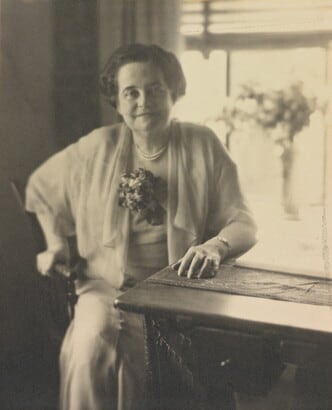
Alice A. Bailey
يتّفقان في: ما المطلق؟ هل الله موجود؟ · من أنا؟ هل توجد ذات حقيقية؟ · لماذا نتألّم؟
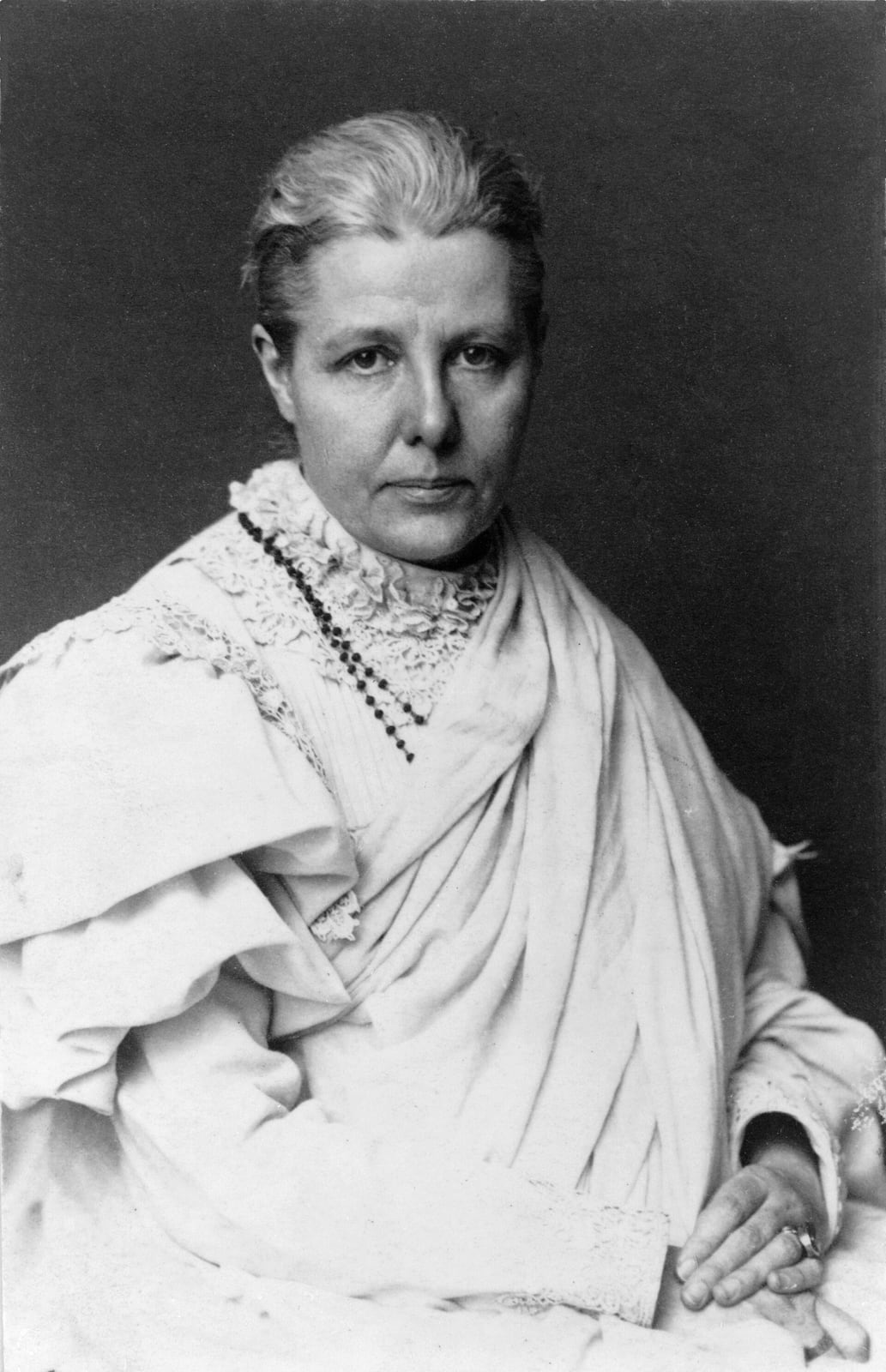
Annie Besant
يتّفقان في: ما المطلق؟ هل الله موجود؟ · هل العالم حقيقي؟ · من أنا؟ هل توجد ذات حقيقية؟
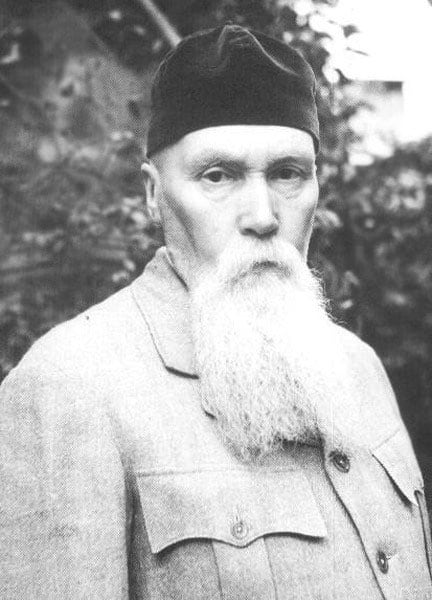
Nicholas Roerich
يتّفقان في: هل العالم حقيقي؟ · هل يستطيع العقل أن يعرف الحقيقة القصوى؟ · الانسحاب من العالم أم تغييره؟
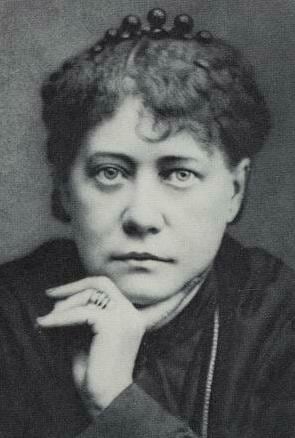
Helena Blavatsky
يتّفقان في: هل العالم حقيقي؟ · من أنا؟ هل توجد ذات حقيقية؟ · لماذا نتألّم؟


حكايات وروايات
حكايات وروايات
شهادةc. 1868
The visit of the dead aunt
أصل الرواية: Steiner's autobiographical lecture in Berlin, 4 February 1913 (published in the Beiträge zur Rudolf Steiner Gesamtausgabe); recorded by Lindenberg and critically discussed by Zander.
المصدر: Lindenberg, Christoph. Rudolf Steiner. Eine Biographie. 2 vols. Stuttgart: Verlag Freies Geistesleben, 1997.
شهادةc. 1879–1882
The herb gatherer on the train
أصل الرواية: The Course of My Life, ch. III; Koguzki's identity and house were documented by anthroposophical researchers. The figure of the 'Master' has no documentary support (Zander).
المصدر: Steiner, Rudolf. Mein Lebensgang. Eine nicht vollendete Autobiographie (GA 28). Dornach: Philosophisch-Anthroposophischer Verlag, 1925; ed. actual Basilea: Rudolf Steiner Verlag.
شهادة1884–1890
The boy who could not learn
أصل الرواية: The Course of My Life, ch. VI. Otto Specht's medical career and death in the war are confirmed by biographers (Lindenberg); the degree of his initial disability is known only from Steiner.
المصدر: Steiner, Rudolf. Mein Lebensgang. Eine nicht vollendete Autobiographie (GA 28). Dornach: Philosophisch-Anthroposophischer Verlag, 1925; ed. actual Basilea: Rudolf Steiner Verlag.
موثّق1896
Before the sick Nietzsche
أصل الرواية: The Course of My Life, ch. XVIII, and Steiner's articles on the Nietzsche archive (1900). The lessons and the break with Elisabeth Förster-Nietzsche are documented in letters.
المصدر: Steiner, Rudolf. Mein Lebensgang. Eine nicht vollendete Autobiographie (GA 28). Dornach: Philosophisch-Anthroposophischer Verlag, 1925; ed. actual Basilea: Rudolf Steiner Verlag.
موثّق1922–1923
The night of the fire
أصل الرواية: Police reports and contemporary press; eyewitness accounts gathered by Wachsmuth and Lindenberg. Responsibility for the fire remains unproven.
المصدر: Zander, Helmut. Rudolf Steiner. Die Biografie. Múnich: Piper, 2011 (ed. rústica 2016).
موثّق1924
The farmers of Koberwitz
أصل الرواية: Transcript of the course (GA 327) and documentation of the Agriculture Section of the Goetheanum.
المصدر: Steiner, Rudolf. Geisteswissenschaftliche Grundlagen zum Gedeihen der Landwirtschaft. Landwirtschaftlicher Kurs (GA 327). Koberwitz, 7–16 de junio de 1924.
التعاليم
التعاليم
المفاهيم التي ينتظم بها فكره، مشروحة في سياقها.
Anthroposophy (spiritual science)antroposofia
From German idealism and Goethe to Theosophy and Western esotericism.
المصدر: Zander, Helmut. Rudolf Steiner. Die Biografie. Múnich: Piper, 2011 (ed. rústica 2016).
Ethical individualism and free thinkingindividualismo-etico
Post-Kantian epistemology; nineteenth-century individualism.
The members of the human beingmiembros-del-ser-humano
Reworked Theosophical anthropology.
المصدر: Zander, Helmut. Rudolf Steiner. Die Biografie. Múnich: Piper, 2011 (ed. rústica 2016).
Reincarnation and karmareencarnacion-y-karma
Theosophy; German idealism (Lessing).
المصدر: Zander, Helmut. Rudolf Steiner. Die Biografie. Múnich: Piper, 2011 (ed. rústica 2016).
Imagination, Inspiration, Intuitionimaginacion-inspiracion-intuicion
Western mysticism and Rosicrucian esotericism.
المصدر: Steiner, Rudolf. Mein Lebensgang. Eine nicht vollendete Autobiographie (GA 28). Dornach: Philosophisch-Anthroposophischer Verlag, 1925; ed. actual Basilea: Rudolf Steiner Verlag.
The threefold social ordertriformacion-social
Postwar German crisis; European social thought.
The Mystery of Golgotha, Lucifer and Ahrimanmisterio-del-golgota
Esoteric Christology; break with the Theosophical Society.
المصدر: Zander, Helmut. Rudolf Steiner. Die Biografie. Múnich: Piper, 2011 (ed. rústica 2016).
مقاطع الفيديو
مقاطع الفيديو
تسجيلات ومقابلات وأفلام وثائقية. تُشغَّل مقاطع الفيديو من YouTube؛ ولا تُستضاف هنا.
Rudolf Steiner and his Waldorf philosophy
فيلم وثائقي· EN· 2025· 43 min
DW Documentaryالقناة الرسمية
Rudolf Steiner y su universo Waldorf
فيلم وثائقي· ES· 2025· 43 min
DW Documentalالقناة الرسمية
Mythos Rudolf Steiner – was steckt hinter Waldorfschulen, Weleda und Demeter?
فيلم وثائقي· DE· 2024· 30 min
Terra X Historyالقناة الرسمية
Rudolf Steiner und die Anthroposophie (Sternstunde Philosophie)
مقابلة· DE· 2022· 65 min
SRF Kultur Sternstundenالقناة الرسمية
Dr. Rudolf Steiner, aus seinem Lebensgang (ARTE)
فيلم وثائقي· DE· 2025· 90 min
videoattac2
The Life of Rudolf Steiner (Rudolf Steiners Leben)
فيلم وثائقي· DE· 59 min
Steinerfilms
The Challenge of Rudolf Steiner, part one
فيلم وثائقي· DE· 93 min
Steinerfilms
The Life and Work of Rudolf Steiner with Gary Lachman
مقابلة· EN· 2018· 66 min
New Thinking Allowed with Jeffrey Mishlove
Rudolf Steiner's First Goetheanum with Brian Gray
محاضرة· EN· 2022· 94 min
Anthroposophical Society · Faust Branch Sacramento
André Leu — Rudolf Steiner: 100 years ahead of the science of his time
محاضرة· EN· 2019· 31 min
Sektion für Landwirtschaftالقناة الرسمية
Intuitive Thinking as a Spiritual Path (The Philosophy of Freedom) — audiolibro
تسجيل من طرف ثالث· EN· 2019· 457 min
Rudolf Steiner Press Audioالقناة الرسمية
El desafío de Rudolf Steiner
المشاهدة على YouTube
لا يسمح هذا الفيديو بالتضمين؛ وسيُفتح على YouTube.
El desafío de Rudolf Steiner
فيلم وثائقي· ES· 93 min
Benjamin Moreno
المعرض
المعرض
صور بترخيص متحقَّق منه. كل منها تحتفظ بمؤلّفها ونسبتها.
المخطوطات
المخطوطات
شواهد مخطوطة ونصوص قديمة، مع جهة حفظها وشروط الاطّلاع عليها.
DE · Latin (Kurrent y escritura latina) · 1879–1925
Nachlass Rudolf Steiner (manuscritos, cuadernos de notas, cartas, dibujos de pizarra)
- الشاهد المحفوظ
- Unos 600 cuadernos de notas, manuscritos de libros, cartas y alrededor de 1100 dibujos en pizarra
- جهة الحفظ
- Rudolf Steiner Archiv, Dornach (Suiza)
DE · Taquigrafía Gabelsberger · 1900–1924
Mitschriften der Vorträge (estenogramas)
- الشاهد المحفوظ
- Unas 3700 transcripciones taquigráficas de conferencias
- جهة الحفظ
- Rudolf Steiner Archiv, Dornach
العلاقات
العلاقات
تأثيرات وتلمذة وتقارب في الأفكار. تُميَّز العلاقة الموثّقة عن التشابه المستخلَص بالتحليل.
تأثّر بـ
Her cosmology (root races, Atlantis, planes) is a reworked source of Cosmic Memory and Occult Science; Steiner acknowledged her work and disagreed with its Eastern orientation.
علاقة موثّقة
اختلف مع
She appointed him head of the Esoteric School in Germany (1904); the proclamation of Krishnamurti as World Teacher led to the 1912–1913 break.
علاقة موثّقة
اختلف مع
Steiner publicly rejected the doctrine that Krishnamurti was the vehicle of the World Teacher; it was the immediate cause of the German Section's separation.
علاقة موثّقة
التقى بـ
Friedrich Nietzsche
He devoted a book to him (1895) and saw him ill at Naumburg in 1896.
علاقة موثّقة
تأثّر بـ
Johann Wolfgang von Goethe
Editor of his scientific writings (1883–1897); his method of observation is the basis of Steiner's theory of knowledge and gives the Goetheanum its name.
علاقة موثّقة
تلميذ
Karl Julius Schröer
His teacher in Vienna, who introduced him to Goethe and recommended him to Kürschner.
علاقة موثّقة
من عائلة
Marie Steiner-von Sivers
Collaborator from 1902 and wife from 1914; co-founder of eurythmy and speech formation and editor of his legacy.
علاقة موثّقة
التقى بـ
Ita Wegman
Physician, co-author of Extending Practical Medicine and member of the Society's executive from 1923; she attended him in his last illness.
علاقة موثّقة
تأثّر بـ
The first chapter of Mysticism at the Dawn of the Modern Age (1901).
علاقة موثّقة
تأثّر بـ
Studied in Mysticism at the Dawn of the Modern Age (1901) as a precursor of his spiritual science.
علاقة موثّقة
تأثّر بـ
The centre of his Christology: he devoted cycles to the four Gospels and to the 'fifth Gospel'.
علاقة موثّقة
التقى بـ
Édouard Schuré
Friend and collaborator; Steiner adapted and staged his dramas (GA 42), and Schuré prefaced the French translation of Christianity as Mystical Fact.
علاقة موثّقة
تأثّر بـ
Ernst Haeckel
Steiner defended his evolutionary monism in Haeckel and His Opponents (1900) before his Theosophical period.
علاقة موثّقة
معاصر لـ
Contemporaries in the German-speaking world with shared interests in Goethe, Gnosis and the life of the spirit, with no documented relationship.
تشابه مستخلَص بالتحليل
معاصر لـ
Contemporaries in early twentieth-century European esotericism; no direct relationship is recorded.
تشابه مستخلَص بالتحليل
أفكار قريبة من
Both conceived Christ and Sophia within a religious philosophy of evolution; the affinity was noted by Russian anthroposophists, not by Steiner himself.
تشابه مستخلَص بالتحليل
معاصر لـ
Both reworked Blavatsky's Theosophy in their own directions; there was no relationship.
تشابه مستخلَص بالتحليل
المصادر
المصادر
المراجع والفهارس التي رُوجعت لهذه الصفحة.
- Steiner, Rudolf. Mein Lebensgang. Eine nicht vollendete Autobiographie (GA 28). Dornach: Philosophisch-Anthroposophischer Verlag, 1925; ed. actual Basilea: Rudolf Steiner Verlag.
- Lindenberg, Christoph. Rudolf Steiner. Eine Biographie. 2 vols. Stuttgart: Verlag Freies Geistesleben, 1997.
- Zander, Helmut. Rudolf Steiner. Die Biografie. Múnich: Piper, 2011 (ed. rústica 2016).
- Lachman, Gary. Rudolf Steiner: An Introduction to His Life and Work. Nueva York: Jeremy P. Tarcher/Penguin, 2007.
- Steiner, Rudolf. Die Philosophie der Freiheit. Grundzüge einer modernen Weltanschauung. Berlín: Emil Felber, 1894 (texto en Project Gutenberg, ebook n.º 53493).
- Goetheanum, Dornach: sede de la Sociedad Antroposófica General y de la Escuela Superior de Ciencia Espiritual.
- McDermott, Robert (ed.). The Essential Steiner. San Francisco: Harper & Row, 1984 (nueva ed. The New Essential Steiner, Lindisfarne, 2009).
- Wikipedia (de), «Rudolf Steiner» (secciones «Edition des Werkes» y «Schriften»), y Wikipedia (en), «Rudolf Steiner», consultadas el 25 de octubre de 2026.
- Wikidata, «Rudolf Steiner» (Q78484).
- Rudolf Steiner Archiv, Dornach / Rudolf Steiner Verlag, Basilea: Rudolf Steiner Gesamtausgabe (GA).
- Rudolf Steiner Archive (Steiner Online Library), rsarchive.org: índice de la GA con traducciones inglesas (p. ej. «GA 37. Writings on the History of the Anthroposophical Movement and Society 1902–1925»).
- Jonas, Margaret (comp.). GA–RSE Titles: Listing of GA volumes and published English translations. Londres: Rudolf Steiner House Library, 1999, act. 2019.
- Deutsche Nationalbibliothek, catálogo en línea (SRU): ediciones del Rudolf Steiner Verlag por número de GA.
- Project Gutenberg: obras de Rudolf Steiner en alemán e inglés (Die Philosophie der Freiheit, n.º 53493; Die Kernpunkte der sozialen Frage, n.º 28494; The Way of Initiation, n.º 39986; etc.).
- Wachsmuth, Guenther. Die Geburt der Geisteswissenschaft. Rudolf Steiners Lebensgang von der Jahrhundertwende bis zum Tode. Dornach: Philosophisch-Anthroposophischer Verlag, 1941 (trad. ingl. The Life and Work of Rudolf Steiner, 1955).
- Steiner, Rudolf. Geisteswissenschaftliche Grundlagen zum Gedeihen der Landwirtschaft. Landwirtschaftlicher Kurs (GA 327). Koberwitz, 7–16 de junio de 1924.
- صاحب الحقوق
- Dominio público en la UE (desde 1996) y en España (desde 2006) para toda la obra de Steiner (m. 1925), y en EE. UU. para lo publicado antes de 1930. Las ediciones de la GA, sus aparatos críticos y las traducciones modernas pertenecen a la Rudolf Steiner-Nachlassverwaltung / Rudolf Steiner Verlag (Basilea) y a sus editoriales.
- الموقع الرسمي
- www.rudolf-steiner.com/
في انتظار التأكيد
ما لم تتمكّن هذه الصفحة من حسمه بعد. نفضّل أن نقول ذلك على أن نملأ الفراغ.
- Fecha de nacimiento: Steiner dio siempre el 27 de febrero de 1861; algunos documentos y biógrafos apuntan al 25. Se registra el 27 con certeza «disputed» en la cronología.
- Verificar el título y contenido exactos de la GA 41 y de la reordenación reciente de documentos (GA 46) que aparece en rsarchive.org; no se han registrado por falta de fuente fiable.
- Completar ISBN españoles e ingleses para varias obras escritas (GA 5, 7, 11, 14, 16, 18, 20, 22, 24–25, 29–39, 42–44) y localizar ediciones en francés, italiano y ruso.
- Registrar uno por uno los demás ciclos de conferencias significativos (p. ej. GA 107, 113, 129, 136, 146, 157, 194, 230, 233) siempre como transcripciones no revisadas.
- Cotejar con el texto alemán de GA 4 (ed. 1918) y GA 10 las dos citas marcadas como «probable».
- Confirmar las fechas marcadas como probables: doctorado (octubre de 1891), boda con Marie von Sivers (24-XII-1914), inauguración del segundo Goetheanum (29-IX-1928) e inicio de la GA (1956).
- Localizar textos alemanes de dominio público en línea (Wikisource alemán, Internet Archive con OCR limpio) de Theosophie, Wie erlangt man…? y Die Geheimwissenschaft im Umriss para la sala de lectura.
بُحث بتاريخ 2026-10-25