المسيحية · التصوف المسيحي · البروتستانتية
Emanuel Swedenborg
Emanuel Swedenborg
1688 – 1772شخصية موثّقة تاريخيًا
عالم ومهندس ورائٍ سويدي (1688–1772). كان مستشارًا في هيئة المناجم، ومُنح لقب النبالة سنة 1719، وكتب في التعدين وعلم الكون («المبادئ»، 1734) وتشريح الدماغ («تدبير المملكة الحيوانية» و«المملكة الحيوانية») قبل أن يجتاز أزمة روحية بين 1743 و1745. ومنذ ذلك الحين أكّد أنه يخاطب الملائكة والأرواح، ونشر باللاتينية لاهوتًا واسعًا: «الأسرار السماوية»، و«في السماء والجحيم»، و«الحكمة الملائكية»، و«الحب الزوجي»، و«الديانة المسيحية الحقة». سخر منه كانط، وقرأه بليك وبلزاك وإمرسون وبورخيس بشغف.
- مؤلَّفًا
- 38مؤلَّفًا
- طبعة
- 60طبعة
- اقتباسًا
- 7اقتباسًا
- مقطع فيديو
- 12مقطع فيديو
- صورة
- 8صورة

Retrato de Emanuel Swedenborg a los setenta y cinco años · Public domain
بكلماته
«I am aware that many who read the following pages and the Memorable Relations annexed to the chapters, will believe that they are fictions of the imagination; but I solemnly declare they are not fictions, but were truly done and seen; and that I saw them, not in any state of the mind asleep, but in a state of perfect wakefulness.»De amore conjugiali (1768), n. 1, trad. inglesa de 1850 (reimpr. 1892). Se cita por la traducción inglesa de dominio público; original latino no cotejado.
فكرته المحورية
Correspondences: The doctrine of correspondences is the key to the whole of Swedenborg's theological work.
السيرة
4 دقيقة قراءة
ترجمة مُعانة من الأصل الإسباني، بانتظار مراجعة مترجم من أهل اللغة.
ابن الأسقف
وُلد إيمانويل سويدبرغ في ستوكهولم في التاسع والعشرين من يناير 1688 (بحسب التقويم السويدي المعمول به آنذاك)، وهو الابن الثالث ليسبر سويدبرغ، قسيس البلاط ثم أسقف سكارا، ولسارة بيم، المنحدرة من أسرة أثرت من المناجم. كان الأب لوثريًا متّقد التقوى، يُتّهم بالميل إلى التقويّة، ومقتنعًا بأن الملائكة يتدخّلون في الحياة اليومية؛ أما الأم فتوفيت والصبي في الثامنة. ودرس بين 1699 و1709 في أوبسالا، حيث أقام في بيت زوج أخته إريك بنزيليوس، أمين مكتبة الجامعة، وتخرّج برسالة عن حِكم سينيكا وبوبليليوس السوري.
وفي 1710 رحل إلى إنجلترا. وطوال خمس سنوات تنقّل بين لندن وأكسفورد وهولندا وباريس وشمال ألمانيا؛ فقرأ نيوتن، وزار الفلكي فلامستيد، وتعلّم صقل العدسات وتجليد الكتب، وكتب إلى بنزيليوس رسائل حافلة بالمشاريع: غوّاصة، وآلة طائرة، وطريقة لتحديد خط الطول في البحر. ثم عاد في 1715 عازمًا على أن يكون رجل علم نافعًا لبلاده.
مستشار المناجم
في 1716 أصدر «ديدالوس هيبربوريوس» (Daedalus Hyperboreus)، أول مجلة علمية سويدية، وعيّنه الملك كارل الثاني عشر مستشارًا فوق العادة في هيئة المناجم، المؤسسة التي كانت تدير أعظم ثروات المملكة. وعمل مع المهندس كريستوفر بولهم، وشارك في 1718 في نقل سفن حربية برًّا لحصار قلعة فريدريكستن. وفي 1719 منحت الملكة أولريكا إليونورا الأسرة لقب النبالة، فصار اسمها سويدنبورغ، وشغل إيمانويل مقعدًا في مجلس النبلاء، حيث تكلّم في شؤون النقد والتعدين والتجارة. وفي 1724 رفض كرسي الرياضيات في أوبسالا؛ إذ كان يتلعثم، ولم يخطب في الناس قط.
وكتب طوال عشرين عامًا في الكيمياء والتعدين والجيولوجيا وعلم الكون. وقد أكسبته المجلدات الثلاثة من «الأعمال الفلسفية والمعدنية» (Opera philosophica et mineralia، لايبزيغ، 1734) شهرة أوروبية بفضل رسائله عن الحديد والنحاس؛ وكان أولها، «المبادئ» (Principia)، يقترح علم كون آليًّا يتضمّن فرضية سديمية في نشأة المجموعة الشمسية. وفي العام نفسه نشر «في اللانهائي» (De infinito)، وهو أول محاولة له لتفسير العلاقة بين النفس والجسد. وبحثًا عن مقرّ النفس انتقل إلى التشريح: ففي «تدبير المملكة الحيوانية» (Oeconomia regni animalis، 1740–1741) و«المملكة الحيوانية» (Regnum animale، 1744–1745) حدوس عن قشرة الدماغ وتموضع الوظائف ودوران السائل الدماغي الشوكي لم يؤكّدها علم الأعصاب إلا بعد زمن طويل.
أزمة 1743–1745
في 1743 سافر إلى هولندا ليطبع «المملكة الحيوانية». وفي الأشهر التالية دوّن يوميات لأحلامه، اكتُشفت في المكتبة الملكية في القرن التاسع عشر، تسجّل بصراحة لا سابق لها إغراءات وأهوالًا ورغبات ورؤى؛ وفي ليلة الفصح من سنة 1744، في دلفت، كتب أنه رأى المسيح نفسه. وفي أبريل 1745، على ما روى لأصدقائه فيما بعد، كلّمه شخصٌ في نزل بلندن عند انتهاء العشاء، ثم تجلّى له في الليلة نفسها بوصفه الرب، وكلّفه بشرح المعنى الروحي للكتاب المقدّس. فهجر سويدنبورغ التشريح، ودرس العبرية، واستقال في 1747 من منصبه في هيئة المناجم محتفظًا بنصف راتبه.
الأسرار السماوية
بين 1749 و1756 نشر في لندن، دون اسمه وباللاتينية، المجلدات الثمانية من «الأسرار السماوية» (Arcana Coelestia)، وهي شرح آية آية لسفرَي التكوين والخروج بحسب معناهما الباطن، تتخلّله روايات عمّا قال إنه رآه وسمعه في العالم الروحي. ثم تلتها في 1758، في لندن أيضًا، كتب «في السماء والجحيم»، و«في الدينونة الأخيرة» — وفيه أكّد أن الدينونة قد وقعت في عالم الأرواح سنة 1757 —، و«في الفرس الأبيض»، و«في الأرضين في الكون»، و«في أورشليم الجديدة». ثم جاءت العقائد الأربع (1763)، و«الحكمة الملائكية في المحبة الإلهية والحكمة الإلهية» (1763)، و«الحكمة الملائكية في العناية الإلهية» (1764)، و«سفر الرؤيا مكشوفًا» (1766)، و«الحب الزوجي» (1768)، و«الديانة المسيحية الحقة» (أمستردام، 1771). ويرفض لاهوته ثالوث الأقانيم والتبرير بالإيمان وحده، ويجعل الخلاص في المحبة والأعمال النافعة، ويقرأ العالم الطبيعي كله «تطابقًا» مع العالم الروحي.
وما يميّز هذه الكتب ليس العقيدة وحدها، بل النبرة. فسويدنبورغ يصف السماء والجحيم برصانة تقرير عن المناجم: السماء كلها على هيئة إنسان، هو «الإنسان الأعظم»؛ والملائكة يعيشون في جماعات تتآلف بحسب قرابة المحبة؛ وبين الموت والمصير الأخير يمتدّ «عالم الأرواح»، حيث ينتهي كل امرئ إلى أن يكون ما يحبّه. لا أحد يُرسَل إلى الجحيم: إنما يذهب إليه من يؤثره. والرب أقنوم إلهي واحد، هو يسوع المسيح، فيه الآب والابن والروح كما تكون في الإنسان النفس والجسد والفعل. ويلحّ على أن الحياة المفضية إلى السماء ليست حياة الزاهد الفارّ من العالم، بل حياة من يؤدّي عمله بالعدل والمحبة.
رائي ستوكهولم
ومنذ 1759 اقترن اسمه بوقائع من الاستبصار: حريق ستوكهولم الذي قيل إنه وصفه وهو في غوتنبرغ، وسرّ كشفه للملكة لويزا أولريكا، وإيصال ضائع عُثر عليه بإرشاد من ميت. واهتمّ كانط بذلك، فطلب «الأسرار السماوية»، ونشر في 1766 دون اسمه «أحلام رائي الأرواح»، وهي هجاء لسويدنبورغ ونقد للميتافيزيقا في آن. وفي الأثناء ظلّ سويدنبورغ أرستقراطيًّا منهجيًّا لطيفًا متقشّفًا، يعتني بحديقته في شارع هورنسغاتان، ويقيم مدّة في لندن وأمستردام، وينشر كتبه على نفقته. وبين 1768 و1771 حوكم اثنان من أتباعه بتهمة الهرطقة في غوتنبرغ، بل ناقش المجمع الكنسي استقامة كتبه العقدية.
لندن، 1772
في ديسمبر 1771 أصابته في لندن سكتة تركته مشلولًا جزئيًّا. وبحسب خادمة البيت الذي كان ينزل فيه، في كليركنويل، كان قد أنبأ بيوم وفاته. وأكّد للقسّ السويدي أرفيد فيريليوس، الذي ناوله القربان، أن كل ما كتبه حق. وتوفي في التاسع والعشرين من مارس 1772، ودُفن في الكنيسة السويدية بلندن، ثم نُقلت رفاته سنة 1908 إلى كاتدرائية أوبسالا. لم يؤسّس أي كنيسة: فحلقات القرّاء التي انبثقت منها كنيسة أورشليم الجديدة تكوّنت في إنجلترا بعد وفاته بخمسة عشر عامًا. وبلغ أثره بليك وبلزاك وإمرسون وبودلير وستريندبرغ وييتس وهيلين كيلر وبورخيس، وأدرجت اليونسكو مخطوطاته في سجل «ذاكرة العالم» سنة 2005.
المصادر: Bergquist, Lars. Swedenborg's Secret: The Meaning and Significance of the Word of God, the Life of the Angels, and Service to God. A Biography. Londres: Swedenborg Society, 2005 (orig. sueco: Swedenborgs hemlighet, Estocolmo: Natur och Kultur, 1999). · Lachman, Gary. Swedenborg: An Introduction to His Life and Ideas. Nueva York: Tarcher/Penguin, 2012. · Tafel, Rudolph Leonhard (ed.). Documents Concerning the Life and Character of Emanuel Swedenborg. 2 vols. en 3. Londres: Swedenborg Society, 1875–1877 (incluye las memorias de Carl Robsahm, las declaraciones de Arvid Ferelius y de la familia Shearsmith y la carta de Kant a Charlotte von Knobloch). · Sigstedt, Cyriel Odhner. The Swedenborg Epic: The Life and Works of Emanuel Swedenborg. Nueva York: Bookman Associates, 1952. · Kant, Immanuel. Träume eines Geistersehers, erläutert durch Träume der Metaphysik. Königsberg: Kanter, 1766 (Project Gutenberg n.º 36076).
الخط الزمني
الحياة عامًا بعد عام
كل نقطة حدث موثّق. انقر لتقرأه مع مصدره ودرجة اليقين فيه.
29 يناير 1688أقل من عامEstocolmo
Birth
Born in Stockholm, third child of Jesper Swedberg and Sara Behm. The date follows the Swedish calendar of the time.
موثّقBergquist, Lars. Swedenborg's Secret: The Meaning and Significance of the Word of God, the Life of the Angels, and Service to God. A Biography. Londres: Swedenborg Society, 2005 (orig. sueco: Swedenborgs hemlighet, Estocolmo: Natur och Kultur, 1999).
بعد وفاته
- نحو 1787The New Church is born
- 1908Transfer to Uppsala
- 2005Memory of the World
29 يناير 1688 · أقل من عام
Birth
Born in Stockholm, third child of Jesper Swedberg and Sara Behm. The date follows the Swedish calendar of the time.
موثّق
1699 – 1709 · 11 عامًا
Studies at Uppsala
He enters Uppsala University and lives with his brother-in-law Erik Benzelius. He graduates in 1709 with a dissertation on maxims of Seneca and Publilius Syrus.
موثّق
1710 – 1715 · 22 عامًا
Grand tour
Five years in England, Holland, France and Germany: he reads Newton, visits Flamsteed, learns mechanical crafts and designs inventions.
موثّق
1716 · 28 عامًا
Daedalus Hyperboreus and the Board of Mines
He publishes the first Swedish scientific journal and Charles XII appoints him extraordinary assessor of the Board of Mines.
موثّق
1719 · 31 عامًا
Ennoblement
Queen Ulrika Eleonora ennobles Bishop Swedberg's children, who take the name Swedenborg; he takes a seat in the House of Nobles.
موثّق
1734 · 46 عامًا
Opera philosophica et mineralia
He publishes in Leipzig his three volumes of natural philosophy and metallurgy, including the Principia, and the treatise De infinito.
موثّق
1740 – 1741 · 52 عامًا
Oeconomia regni animalis
His great work of anatomy and physiology, searching for the seat of the soul, appears in Amsterdam (1740–1741). He joins the Royal Swedish Academy of Sciences.
موثّق
أبريل 1744 · 56 عامًا
The Delft vision
In his journal of dreams he notes that on Easter night (6–7 April) he saw Christ. The journal covers 1743 to 1744.
موثّق
أبريل 1745 · 57 عامًا
The London call
As he later told Carl Robsahm, in April, after a meal at a London inn, the Lord appeared to him and charged him with explaining the spiritual sense of Scripture.
مرجَّح
1747 · 59 عامًا
Resignation from the Board of Mines
He leaves his post on half pay to devote himself to the study of Scripture; he learns Hebrew.
موثّق
1749 – 1756 · 61 عامًا
Arcana Coelestia
He begins publishing in London, anonymously, the eight volumes of Arcana Coelestia (1749–1756).
موثّق
1758 · 70 عامًا
Heaven and Hell and four other works
He publishes in London De caelo et inferno, De ultimo judicio, De equo albo, De telluribus and De nova Hierosolyma.
موثّق
19 يوليو 1759 · 71 عامًا
The Stockholm fire
On 19 July a great fire destroys part of Stockholm. According to later accounts (Kant, 1763), Swedenborg described it in Gothenburg as it happened. The fire is documented; the vision is indirect testimony.
مختلَف فيه
10 أغسطس 1763 · 75 عامًا
Kant's letter
Kant writes to Charlotte von Knobloch narrating the fire and other episodes and declaring that he wishes to meet Swedenborg. That year Swedenborg publishes the four doctrines and Angelic Wisdom concerning Divine Love.
موثّق
1766 · 78 عامًا
Dreams of a Spirit-Seer
Kant anonymously publishes his satire against Swedenborg. Swedenborg publishes the Apocalypsis revelata in Amsterdam.
موثّق
1768 – 1771 · 80 عامًا
The Gothenburg trial
A heresy trial opens in Gothenburg against his followers Gabriel Beyer and Johan Rosén, lasting until 1771. He publishes Conjugial Love.
موثّق
1771 · 83 عامًا
The True Christian Religion
He publishes Vera christiana religio in Amsterdam, the synthesis of his theology. In December, in London, he suffers a stroke that leaves him partly paralysed.
موثّق
29 مارس 1772 · 84 عامًا
Death
He dies in London on 29 March at the house of Richard Shearsmith in Clerkenwell. He is buried in the Swedish church in Princes Square.
موثّق
نحو 1787
The New Church is born
In London, readers of his works organise the first groups of the Church of the New Jerusalem (1787–1789).
موثّق
1908
Transfer to Uppsala
His remains are moved from London to Sweden and rest in Uppsala Cathedral.
موثّق
2005
Memory of the World
UNESCO inscribes Swedenborg's manuscript collection, kept at the Royal Swedish Academy of Sciences, in the Memory of the World register.
موثّق
المؤلَّفات
المؤلَّفات الأساسية
المؤلَّفات التي لا يُفهم إرثه من دونها.

مؤلَّف مكتوب · 1734
The Principia (The First Principles of Natural Things)
Opera philosophica et mineralia, I: Principia rerum naturalium
The first volume of the Opera philosophica et mineralia: a mechanical cosmology that derives the universe from a 'natural point' and successive particles in spiral motion, and includes a nebular hypothesis on the formation of the solar system from the Sun, earlier than those of Kant and Laplace. It is the work that gave him standing as a natural philosopher in Europe.
طبعتان · amazon.com

مؤلَّف مكتوب · 1749
Arcana Coelestia (Secrets of Heaven / Heavenly Arcana)
Arcana Coelestia, quae in Scriptura Sacra seu Verbo Domini sunt, detecta
His chief work: eight volumes published anonymously in London between 1749 and 1756 commenting verse by verse on Genesis and Exodus according to their 'inner sense', where sacred history is read as the process of man's regeneration and the Lord's glorification. Between chapters he inserts accounts of what he says he saw and heard in the other world. It is the foundation of all his later theology.
3 طبعات · amazon.com

مؤلَّف مكتوب · 1758
Heaven and Hell (Heaven and its Wonders and Hell)
De Caelo et ejus Mirabilibus, et de Inferno, ex Auditis et Visis
Swedenborg's most widely read book (London, 1758): a systematic description, 'from things heard and seen', of heaven, the world of spirits and hell. Heaven has human form and is ordered in societies according to loves; after death man keeps his form and memory and ends up being what he loves; no one is damned: each goes where his ruling love leads him. It influenced Blake, Balzac, Emerson and Borges.
6 طبعات · amazon.com

مؤلَّف مكتوب · 1771
The True Christian Religion (True Christianity)
Vera Christiana Religio, continens Universam Theologiam Novae Ecclesiae
His last book (Amsterdam, 1771) and the synthesis of his whole theology, addressed above all to Lutherans: the one God, the Lord as redeemer, Scripture, the Decalogue, faith, charity, free will, repentance, regeneration, imputation, baptism, the Supper, the consummation of the age and the second coming, understood as the revelation of the inner sense of the Word. It ends with the declaration that the Lord founded the new Church on 19 June 1770.
3 طبعات · amazon.com
جميع مؤلَّفاته (38)
Emanuel Swedenborg
Selected Maxims of Seneca and Publilius Syrus
The Conscious LibrarySelected Maxims of Seneca and Publilius Syrus
1709

Ludus Heliconius (Latin poems)
1714
Emanuel Swedenborg
Daedalus Hyperboreus (The Northern Inventor)
The Conscious LibraryDaedalus Hyperboreus (The Northern Inventor)
1716
Emanuel Swedenborg
Modest Thoughts on the Raising and Lowering of the Coinage
The Conscious LibraryModest Thoughts on the Raising and Lowering of the Coinage
1722
Emanuel Swedenborg
Prodromus of the Principles of Natural Things (Principles of Chemistry)
The Conscious LibraryProdromus of the Principles of Natural Things (Principles of Chemistry)
1721
Emanuel Swedenborg
Miscellaneous Observations on Natural Things
The Conscious LibraryMiscellaneous Observations on Natural Things
1722
Emanuel Swedenborg
Treatises on Iron and on Copper and Brass
The Conscious LibraryTreatises on Iron and on Copper and Brass
1734

On the Infinite and the Final Cause of Creation
1734

The Economy of the Animal Kingdom
1740
Emanuel Swedenborg
The Animal Kingdom
The Conscious LibraryThe Animal Kingdom
1744

The Worship and Love of God
1745
Emanuel Swedenborg
The Brain
The Conscious LibraryThe Brain
1743

Rational Psychology
1742
Emanuel Swedenborg
A Hieroglyphic Key to Natural and Spiritual Mysteries
The Conscious LibraryA Hieroglyphic Key to Natural and Spiritual Mysteries
1742

Journal of Dreams
1744
Emanuel Swedenborg
Spiritual Diary (Spiritual Experiences)
The Conscious LibrarySpiritual Diary (Spiritual Experiences)
1765

The Word Explained (Adversaria)
1747
Emanuel Swedenborg
The Last Judgment
The Conscious LibraryThe Last Judgment
1758
Emanuel Swedenborg
The White Horse
The Conscious LibraryThe White Horse
1758

Earths in the Universe (Other Planets)
1758

The New Jerusalem and its Heavenly Doctrine
1758
Emanuel Swedenborg
The Doctrine of the Lord
The Conscious LibraryThe Doctrine of the Lord
1763

The Doctrine of Sacred Scripture
1763

The Doctrine of Life
1763
الأقوال
أقوال محدَّدة الموضع في مؤلَّف بعينه. كل منها يحمل مصدره ودرجة الثقة به.
I am aware that many who read the following pages and the Memorable Relations annexed to the chapters, will believe that they are fictions of the imagination; but I solemnly declare they are not fictions, but were truly done and seen; and that I saw them, not in any state of the mind asleep, but in a state of perfect wakefulness.متحقَّق منهDe amore conjugiali (1768), n. 1, trad. inglesa de 1850 (reimpr. 1892). Se cita por la traducción inglesa de dominio público; original latino no cotejado.
أقوال منحولة أو مختلَف في نسبتها (1)
«What a man loves is what he is.»
A popular formula that faithfully sums up the doctrine of the ruling love (Heaven and Hell, n. 479: 'man after death is his own love'), but is not a literal sentence of Swedenborg's.
الكلمات الأخيرة
رواية لاحقة عن شهود
«As truly as you see me before your eyes, so true is everything that I have written; and I could have said more had it been permitted. When you enter eternity you will see everything, and then you and I shall have much to talk about.»These are not, strictly speaking, his last words, but the last solemn declaration attributed to him: it was reported by the pastor of the Swedish church in London, Arvid Ferelius, who visited him in his last days and gave him communion, in a letter written years later and published by Tafel. The maid of the house, Elizabeth Reynolds, stated that Swedenborg had foretold the date of his death and died peacefully on the afternoon of 29 March 1772 after asking the time. Given in translation; Ferelius's original has not been checked.
المصدر: Tafel, Rudolph Leonhard (ed.). Documents Concerning the Life and Character of Emanuel Swedenborg. 2 vols. en 3. Londres: Swedenborg Society, 1875–1877 (incluye las memorias de Carl Robsahm, las declaraciones de Arvid Ferelius y de la familia Shearsmith y la carta de Kant a Charlotte von Knobloch).
اسأل
بماذا يجيب أثره
اثنا عشر سؤالًا كبيرًا من أسئلة الإنسانية، وما تتيح نصوصه الإجابة به عنها، مع المراجع. ولا نقوّله ما لم يقل أبدًا.
ما المطلق؟ هل الله موجود؟
God is one, is a Man, and is the Lord Jesus Christ
إله شخصييقوله صراحةً
Swedenborg affirms a personal God to the utmost: in Angelic Wisdom concerning Divine Love he declares that in all the heavens there is no other idea of God than that of a Man, and in Heaven and Hell, that heaven as a whole reflects a single man because it proceeds from the Divine Human. God is in himself divine love and divine wisdom, life itself, from which all things receive life. But he rejects a Trinity of three Persons: in True Christian Religion he teaches that the Trinity —Father, Son and Spirit— is in one Person, the Lord Jesus Christ, as soul, body and activity are in one man. The Absolute is, for him, a single God, human in form and infinite in essence.
قارن هذا السؤال مع معلّمين آخرينمن أنا؟ هل توجد ذات حقيقية؟
Man is his love: his will is his life
روح مخلوقة خالدةيقوله صراحةً
Emanuel Swedenborg, who before his visionary turn sought the soul in the anatomy of the brain, afterwards defines it by love. For him, the human being has no life of its own: it is a receptacle of the life that proceeds from the Lord, and what makes it who it is is its ruling love, which forms its will and understanding. Heaven and Hell sums it up: man after death is his own love or his own will. The soul is immortal and, at death, awakens in the spiritual world with its spiritual body, its memory and its character. The true self is what one truly loves, which death reveals without changing it.
قارن هذا السؤال مع معلّمين آخرينلماذا نتألّم؟
Evil springs from love of self and the world, and hell is chosen
الانفصال عن اللهيقوله صراحةً
For Emanuel Swedenborg, moral suffering stems from two loves he calls infernal: love of self and love of the world, opposed to love of the Lord and of the neighbour. Heaven and Hell maintains that the Lord casts no one into hell: it is the spirit who, through its ruling love, is drawn toward those who share its evil, and there finds the torment that evil produces. In Angelic Wisdom concerning Divine Providence he explains that providence permits evils so as not to violate human freedom, without which no one could be regenerated. Pain arises from turning away from divine order, and regeneration is the way back.
قارن هذا السؤال مع معلّمين آخرينماذا يحدث بعد الموت؟
Man rises at death and remains who he was
الحياة الأبدية والقيامةيقوله صراحةً
Emanuel Swedenborg describes what he claims to have seen in the spiritual world. In Heaven and Hell, death is merely the passage from one world to another: the human being rises immediately, not in earthly flesh but in a spiritual body, keeps his memory and senses, and at first hardly knows he has died. He passes through an intermediate world of spirits, where he sheds what is external until his ruling love appears; according to it, he goes freely to heaven or hell, where he remains for ever. That is why he rejects the expectation of a bodily resurrection at the end of time.
قارن هذا السؤال مع معلّمين آخرينكيف يُبلَغ التحرّر أو الخلاص؟
It is not so hard to live the life that leads to heaven
بالفضيلة والانسجاميقوله صراحةً
Emanuel Swedenborg explicitly rejects salvation by faith alone, which he regards as the great error of the Reformation. For him, salvation is regeneration and consists in living according to the commandments: Doctrine of Life teaches that all religion is life and that this life consists in shunning evils as sins against God, whereupon the Lord can bring in good. It does not require withdrawal from the world: Heaven and Hell maintains that it is not so hard as people think to live the life that leads to heaven, and that it is lived in work, trade and civil life, acting with justice and sincerity. Faith without charity does not save; charity is doing good to others.
قارن هذا السؤال مع معلّمين آخرينهل نحتاج إلى معلّم؟
He ignores the human teacher and points to the Word, read through the Lord
لم يُبدِ رأيًا
Emanuel Swedenborg does not deal with the figure of the spiritual teacher or the direction of souls. His approach is different: he claims that the Lord opened his spiritual sight to reveal the inner sense of the Word, and presents his works as the doctrine of the New Jerusalem, not as personal teaching. He insists that each person should read the Word and understand it rationally: in True Christian Religion he proclaims that it is now permitted to enter with the understanding into the mysteries of faith. He founded no Church and gathered no disciples; the New Church was organised after his death. His silence on the human guide is consistent with that trust in the Word and in enlightened reason.
قارن هذا السؤال مع معلّمين آخرينهل العالم حقيقي؟
The whole natural world corresponds to the spiritual world
مستويات من الوجوديقوله صراحةً
Emanuel Swedenborg describes a tiered reality. There is a natural world, the one known to the senses and to science —which he himself cultivated for decades—, and a spiritual world, with the world of spirits, the heavens and the hells, in which every human being lives after death. Between them governs the law of correspondences: in Heaven and Hell he states that the whole natural world corresponds to the spiritual world, not only as a whole but in each of its parts. The heavens themselves are ordered in three degrees, celestial, spiritual and natural, through which the Lord's life descends. The visible world is real, but it is the last of the planes and an effect of the higher ones.
قارن هذا السؤال مع معلّمين آخرينما الحب؟
Love is man's very life, and God is Love itself
محبة الله والقريبيقوله صراحةً
Angelic Wisdom concerning Divine Love opens with an observation: man knows that love exists, but does not know what it is. Swedenborg answers that love is the human being's very life, the warmth that animates him, and that its source is God, who is Love itself and Wisdom itself. He distinguishes four loves: two heavenly, love of the Lord and love of the neighbour or charity, and two infernal, love of self and love of the world. Charity consists in doing good to the neighbour for the love of good, above all by faithfully fulfilling one's own office. In Conjugial Love he sees in the union of spouses the image of the union of love and wisdom.
قارن هذا السؤال مع معلّمين آخرينهل نحن أحرار أم أن كل شيء مقدَّر؟
Providence wills that man act freely according to reason
إرادة حرة حقيقيةيقوله صراحةً
Angelic Wisdom concerning Divine Providence lays down as a law that the human being must act from freedom according to reason. Swedenborg calls those two faculties liberty and rationality, and regards them as gifts of the Lord that are never withdrawn, not even in hell. Providence governs everything, even the smallest things, but in hidden fashion, so as to force no one: were the human being to see providence, or be compelled by miracles, he would cease to be free and could not be regenerated. That is why evils are permitted. Swedenborg rejects predestination to hell: all are born for heaven, and each chooses according to his love.
قارن هذا السؤال مع معلّمين آخرينلماذا نتأمّل أو نصلّي؟
True worship is a life of use and charity
الطقس وتهذيب الذاتيُستنتج من تعاليمه
Emanuel Swedenborg develops no meditation techniques. For him, outward worship —prayer, sermon, sacraments— is good and necessary, but it has value only if it proceeds from inward worship, which is love and charity. Religion is life, he repeats in the Doctrine of Life, and true worship consists in doing good, faithfully fulfilling one's office and shunning evils as sins. Heaven and Hell describes angels who hold services in temples and hear sermons, but their essential worship is the life of use. Prayer, properly speaking, is conversation with the Lord, who grants what is asked when it coincides with the good.
قارن هذا السؤال مع معلّمين آخرينهل يستطيع العقل أن يعرف الحقيقة القصوى؟
Now it is permitted to enter the mysteries of faith with the understanding
النصّ المقدّس والاستدلاليقوله صراحةً
Emanuel Swedenborg was a first-rate scientist before his visionary turn, and never renounced reason. His principal source is the Word, Scripture, which according to him has an inner spiritual sense, decipherable through the science of correspondences; the Arcana Coelestia thus comment on Genesis and Exodus verse by verse. Against the blind faith of the Churches, which commanded belief without understanding, True Christian Religion proclaims that now it is permitted to enter with the understanding into the mysteries of faith. Reason enlightened by the Lord interprets Scripture; what is not understood cannot truly be believed.
قارن هذا السؤال مع معلّمين آخرينالانسحاب من العالم أم تغييره؟
Heaven is won by a useful life in the world, not by fleeing it
الانخراط في العالميقوله صراحةً
Emanuel Swedenborg was an assessor of Sweden's Board of Mines, a member of the Diet and author of memoranda on economics and currency, and his doctrine reflects that public life. In Heaven and Hell he states that the life leading to heaven is not a life withdrawn from the world, but a life in the world: whoever carries out his office, trade or post with justice and sincerity, for the love of good, prepares himself for heaven. He relates that those who renounced the world to live in piety alone, secluded and sorrowful, do not reach heaven as easily as they thought, because angelic life consists of uses, that is, useful services to others. Charity is the active life of the good.
قارن هذا السؤال مع معلّمين آخرين
التقارب والتوتّر
التقارب والتوتّر
محسوبة سؤالًا سؤالًا انطلاقًا من مواقفه. وسبب كل اتفاق أو اختلاف يظهر بالنقر.
يقترب في تفكيره من
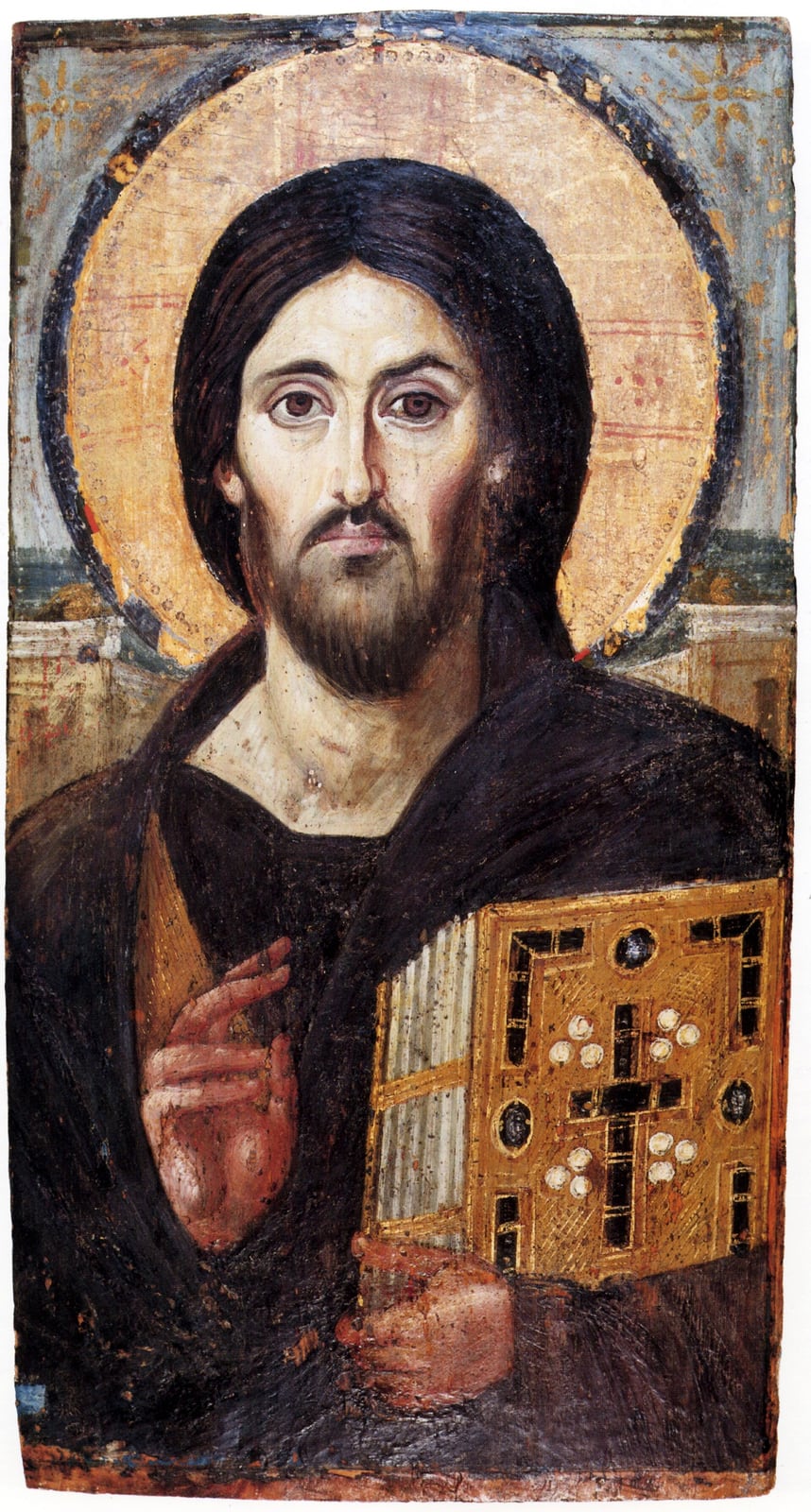
Jesus of Nazareth
يتّفقان في: ما المطلق؟ هل الله موجود؟ · من أنا؟ هل توجد ذات حقيقية؟ · لماذا نتألّم؟
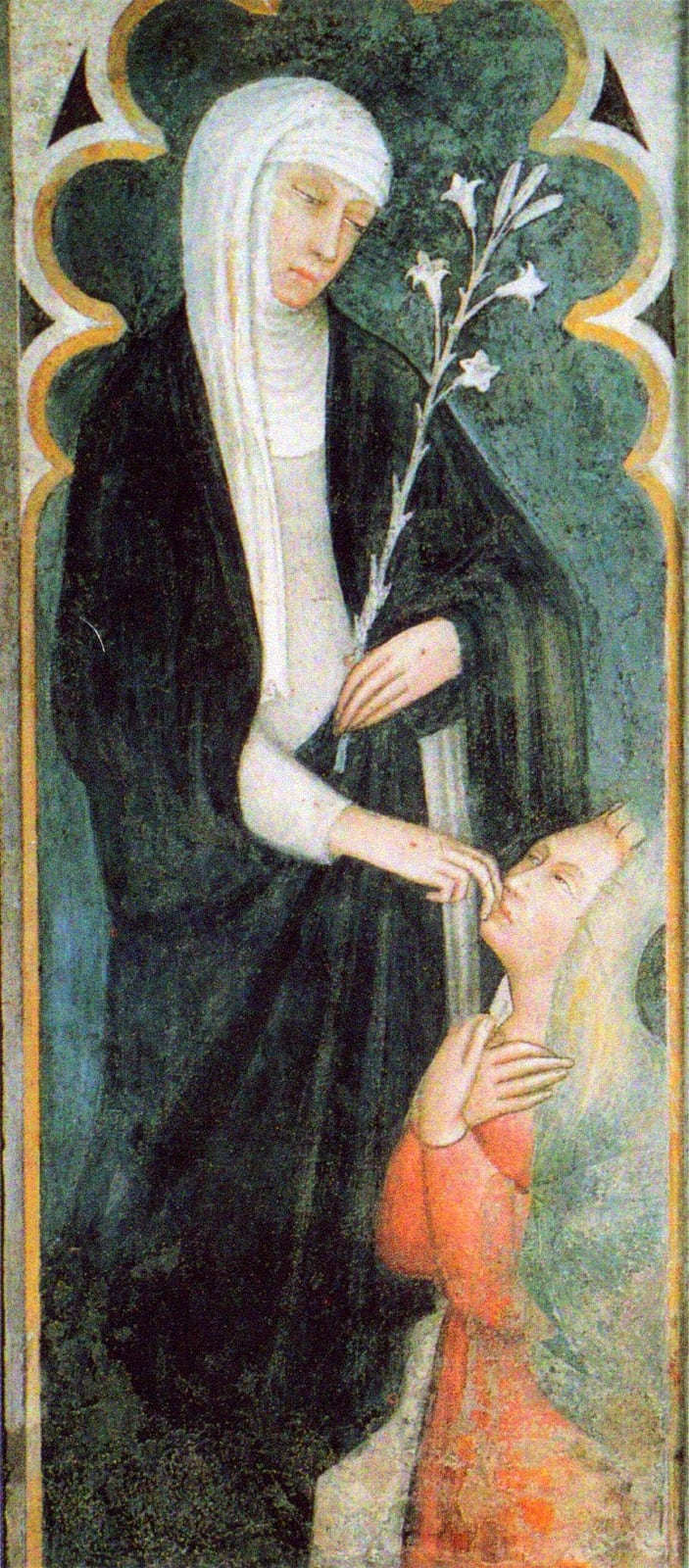
Catherine of Siena
يتّفقان في: ما المطلق؟ هل الله موجود؟ · من أنا؟ هل توجد ذات حقيقية؟ · لماذا نتألّم؟

Theophan the Recluse
يتّفقان في: ما المطلق؟ هل الله موجود؟ · من أنا؟ هل توجد ذات حقيقية؟ · لماذا نتألّم؟

Ignatius Brianchaninov
يتّفقان في: ما المطلق؟ هل الله موجود؟ · من أنا؟ هل توجد ذات حقيقية؟ · لماذا نتألّم؟
يبتعد في تفكيره عن

Pema Chödrön
يختلفان في: ما المطلق؟ هل الله موجود؟ · من أنا؟ هل توجد ذات حقيقية؟ · ماذا يحدث بعد الموت؟

Dōgen
يختلفان في: ما المطلق؟ هل الله موجود؟ · من أنا؟ هل توجد ذات حقيقية؟ · ماذا يحدث بعد الموت؟

Patañjali
يختلفان في: ما المطلق؟ هل الله موجود؟ · من أنا؟ هل توجد ذات حقيقية؟ · ماذا يحدث بعد الموت؟

Nāgārjuna
يختلفان في: ما المطلق؟ هل الله موجود؟ · من أنا؟ هل توجد ذات حقيقية؟ · ماذا يحدث بعد الموت؟
حكايات وروايات
حكايات وروايات
مختلَف فيه1759
The Stockholm fire
أصل الرواية: Kant's letter to Charlotte von Knobloch (10 August 1763) and accounts collected by Tafel (Documents, 1875–1877); critical discussion of dates in Bergquist (1999/2005).
المصدر: Kant, Immanuel. Carta a Charlotte von Knobloch, 10 de agosto de 1763. En Kant's gesammelte Schriften (Akademie-Ausgabe), vol. X: Briefwechsel I, Berlín, 1900 (a menudo fechada erróneamente en 1758); trad. inglesa en Tafel, Documents, vol. I.
مختلَف فيه1761
The queen's secret
أصل الرواية: Versions collected by Tafel (Documents) and Kant's 1763 letter; Bergquist (pp. 314–315) stresses that the diversity of accounts makes it impossible to establish the facts.
المصدر: Tafel, Rudolph Leonhard (ed.). Documents Concerning the Life and Character of Emanuel Swedenborg. 2 vols. en 3. Londres: Swedenborg Society, 1875–1877 (incluye las memorias de Carl Robsahm, las declaraciones de Arvid Ferelius y de la familia Shearsmith y la carta de Kant a Charlotte von Knobloch).
مختلَف فيهc. 1761
Madame de Marteville's receipt
أصل الرواية: Kant's letter (1763); memoirs of Carl Robsahm and a pastor's letter to the widow, in Tafel (Documents); critical assessment in Bergquist (p. 316).
المصدر: Tafel, Rudolph Leonhard (ed.). Documents Concerning the Life and Character of Emanuel Swedenborg. 2 vols. en 3. Londres: Swedenborg Society, 1875–1877 (incluye las memorias de Carl Robsahm, las declaraciones de Arvid Ferelius y de la familia Shearsmith y la carta de Kant a Charlotte von Knobloch).
شهادة1745
'Do not eat so much'
أصل الرواية: Memoirs of Carl Robsahm (Anteckningar om Swedenborg), written after 1772 and published in English translation by Tafel (Documents, vol. I).
المصدر: Tafel, Rudolph Leonhard (ed.). Documents Concerning the Life and Character of Emanuel Swedenborg. 2 vols. en 3. Londres: Swedenborg Society, 1875–1877 (incluye las memorias de Carl Robsahm, las declaraciones de Arvid Ferelius y de la familia Shearsmith y la carta de Kant a Charlotte von Knobloch).
موثّق1763–1766
Kant buys the Arcana
أصل الرواية: Kant's letter to Charlotte von Knobloch (1763), Träume eines Geistersehers (1766) and Kant's letter to Mendelssohn (8 April 1766).
موثّق1744
The night at Delft
أصل الرواية: Swedenborg, Drömboken, entries of April 1744 (ed. Klemming, 1859); the text is autograph, the interpretation of the experience is his.
المصدر: Swedenborg, Emanuel. Swedenborgs drömmar 1744 (Drömboken). Ed. G. E. Klemming. Estocolmo, 1859. Trad. inglesa: Swedenborg's Journal of Dreams, ed. William Ross Woofenden, Nueva York: Swedenborg Foundation, 1977.
التعاليم
التعاليم
المفاهيم التي ينتظم بها فكره، مشروحة في سياقها.
Correspondencescorrespondencias
Regnum animale, Clavis hieroglyphica, Arcana Coelestia, Heaven and Hell (nn. 87–115).
The Grand Man (Maximus Homo)maximus-homo
Heaven and Hell, nn. 59–86; Arcana Coelestia, nn. 3624–3649 ff.; Angelic Wisdom concerning Divine Love, n. 11.
World of spirits and ruling lovemundo-de-los-espiritus
Heaven and Hell, nn. 421–535; Arcana Coelestia, memorable relations.
One God, the Lord (the Trinity in one person)dios-hombre
Doctrine of the Lord (1763); True Christian Religion (1771), ch. 1–3.
Charity, uses and freedomcaridad-y-usos
Doctrine of Life (1763); Divine Providence (1764); Heaven and Hell, nn. 528–535; True Christian Religion.
The Last Judgment of 1757 and the New Churchjuicio-final-y-nueva-iglesia
The Last Judgment (1758); Continuation (1763); True Christian Religion, ch. 14.
المصدر: Lachman, Gary. Swedenborg: An Introduction to His Life and Ideas. Nueva York: Tarcher/Penguin, 2012.
مقاطع الفيديو
مقاطع الفيديو
تسجيلات ومقابلات وأفلام وثائقية. تُشغَّل مقاطع الفيديو من YouTube؛ ولا تُستضاف هنا.
Splendors of the Spirit: Swedenborg's Quest for Insight (Biographical Documentary)
فيلم وثائقي· EN· 2006· 59 min
Swedenborg Foundationالقناة الرسمية
Who Was Swedenborg?
فيلم وثائقي· EN· 8 min
Swedenborg Foundationالقناة الرسمية
Heaven, Hell and Other Places | a documentary about Emanuel Swedenborg
فيلم وثائقي· EN· 33 min
Swedenborg Houseالقناة الرسمية
The Other Side of Life - Swedenborg Foundation
فيلم وثائقي· EN· 28 min
Swedenborg Foundationالقناة الرسمية
What is Swedenborgianism?
محاضرة· EN· 3 min
Harvard Universityالقناة الرسمية
Swedenborg 101: The Basic Nature of Everything - Swedenborg and Life
محاضرة· EN· 90 min
Off The Left Eyeالقناة الرسمية
The Life and Ideas of Emanuel Swedenborg with Gary Lachman
مقابلة· EN· 57 min
New Thinking Allowed with Jeffrey Mishlove
Why Metaphysics had to be Destroyed to Save It - Kant & Mysticism
تحليل· EN· 43 min
ESOTERICA
Dreams of a Spirit-Seer by Immanuel Kant read by Peter Tucker | Full Audio Book
تسجيل من طرف ثالث· EN· 126 min
LibriVox Audiobooksالقناة الرسمية
Swedenborg An Example of Difficulties in Entering Spiritual Worlds - Rudolf Steiner
محاضرة· EN· 35 min
Rudolf Steiner Press Audioالقناة الرسمية
Emanuel Swedenborg's Spiritual Experiences and the NDE Connection
محاضرة· EN· 92 min
IANDS
Emanuel Swedenborg: A most unusual mystic
تحليل· EN· 51 min
The Christian Mysticism Podcast
المعرض
المعرض
صور بترخيص متحقَّق منه. كل منها تحتفظ بمؤلّفها ونسبتها.
المخطوطات
المخطوطات
شواهد مخطوطة ونصوص قديمة، مع جهة حفظها وشروط الاطّلاع عليها.
LA · Latina (cursiva del siglo XVIII) · c. 1710–1771
Colección de manuscritos de Emanuel Swedenborg
- الشاهد المحفوظ
- Borradores y copias en limpio de obras científicas y teológicas, diarios e índices; incluye el manuscrito de los Arcana Coelestia
- جهة الحفظ
- Real Academia Sueca de Ciencias (Kungliga Vetenskapsakademien), Estocolmo
العلاقات
العلاقات
تأثيرات وتلمذة وتقارب في الأفكار. تُميَّز العلاقة الموثّقة عن التشابه المستخلَص بالتحليل.
أفكار قريبة من
Two Protestant visionaries who described the spiritual worlds and a correspondence between the visible and the invisible; the Pietist Oetinger compared them in the eighteenth century. Swedenborg acknowledged no debt to Böhme, and his Latin, systematic language is very different from the shoemaker's torrential German.
تشابه مستخلَص بالتحليل
أثّر في
Blavatsky quotes him frequently in Isis Unveiled (1877), where she regards him as a genuine seer though limited by his Christian theology, and adopts his language of correspondences. An acknowledged affinity, not discipleship.
علاقة موثّقة
أثّر في
Jung read Swedenborg as a student, cited him in his Zofingia lectures (1896–1899) and in his memoirs recalls reading several volumes; the Stockholm fire episode served him as an example of synchronicity.
علاقة موثّقة
أثّر في
In London in 1875 Solovyov read Swedenborg alongside Böhme, the Gnostics and the Kabbalah, readings that fed his early sophiology.
علاقة موثّقة
أفكار قريبة من
The historian Martin Lamm (1915) argued that Swedenborg's theology develops Neoplatonic ideas (emanation, degrees, correspondence between levels of reality) already present in his scientific period; Swedenborg did not regard himself as a disciple of Plotinus.
تشابه مستخلَص بالتحليل
اختلف مع
Steiner devoted several lectures to him in which he acknowledges his clairvoyance but judges it distorted by the concepts of his scientific training, as an example of the difficulties of entering the spiritual worlds.
علاقة موثّقة
مرتبط من صفحات أخرى
المصادر
المصادر
المراجع والفهارس التي رُوجعت لهذه الصفحة.
- Wikidata, Q185832 «Emanuel Swedenborg» (P31=Q5; 88 enlaces entre wikis; P569 1688-01-29; P570 1772-03-29; P20 Londres).
- Bergquist, Lars. Swedenborg's Secret: The Meaning and Significance of the Word of God, the Life of the Angels, and Service to God. A Biography. Londres: Swedenborg Society, 2005 (orig. sueco: Swedenborgs hemlighet, Estocolmo: Natur och Kultur, 1999).
- Lachman, Gary. Swedenborg: An Introduction to His Life and Ideas. Nueva York: Tarcher/Penguin, 2012.
- Tafel, Rudolph Leonhard (ed.). Documents Concerning the Life and Character of Emanuel Swedenborg. 2 vols. en 3. Londres: Swedenborg Society, 1875–1877 (incluye las memorias de Carl Robsahm, las declaraciones de Arvid Ferelius y de la familia Shearsmith y la carta de Kant a Charlotte von Knobloch).
- Sigstedt, Cyriel Odhner. The Swedenborg Epic: The Life and Works of Emanuel Swedenborg. Nueva York: Bookman Associates, 1952.
- Kant, Immanuel. Träume eines Geistersehers, erläutert durch Träume der Metaphysik. Königsberg: Kanter, 1766 (Project Gutenberg n.º 36076).
- Kant, Immanuel. Carta a Charlotte von Knobloch, 10 de agosto de 1763. En Kant's gesammelte Schriften (Akademie-Ausgabe), vol. X: Briefwechsel I, Berlín, 1900 (a menudo fechada erróneamente en 1758); trad. inglesa en Tafel, Documents, vol. I.
- Swedenborg, Emanuel. Heaven and its Wonders and Hell. Trad. John C. Ager. Nueva York: Swedenborg Foundation (Project Gutenberg n.º 17368).
- Swedenborg, Emanuel. Swedenborgs drömmar 1744 (Drömboken). Ed. G. E. Klemming. Estocolmo, 1859. Trad. inglesa: Swedenborg's Journal of Dreams, ed. William Ross Woofenden, Nueva York: Swedenborg Foundation, 1977.
- Swedenborg, Emanuel. The Delights of Wisdom Pertaining to Conjugial Love. Trad. inglesa de 1850, reimpr. 1892 (Project Gutenberg n.º 11248).
- Swedenborg, Emanuel. The True Christian Religion; containing the Universal Theology of the New Church. Nueva York: American Swedenborg Printing and Publishing Society, 1886.
- Swedenborg, Emanuel. Angelic Wisdom concerning the Divine Love and the Divine Wisdom. Trad. John C. Ager. Nueva York: Swedenborg Foundation (Project Gutenberg n.º 16627).
- Hyde, James. A Bibliography of the Works of Emanuel Swedenborg, Original and Translated. Londres: Swedenborg Society, 1906.
- Jonsson, Inge. Emanuel Swedenborg. Trad. Catherine Djurklou. Nueva York: Twayne (Twayne's World Authors Series), 1971.
- Jung, C. G. Memories, Dreams, Reflections. Ed. Aniela Jaffé. Nueva York: Pantheon, 1963 (cap. «Student Years»: lectura de Swedenborg); y The Zofingia Lectures (1896–1899), Collected Works, suppl. vol. A. Princeton: Princeton University Press, 1983; y «Synchronicity: An Acausal Connecting Principle» (1952), Collected Works 8, donde cita la visión del incendio de Estocolmo.
- Blavatsky, H. P. Isis Unveiled. 2 vols. Nueva York: J. W. Bouton, 1877 (pasajes sobre Swedenborg y las correspondencias).
- Borges, Jorge Luis. «Emanuel Swedenborg», conferencia en la Universidad de Belgrano (1978). En Borges oral. Buenos Aires: Emecé/Editorial de Belgrano, 1979.
- Emerson, Ralph Waldo. «Swedenborg; or, the Mystic». En Representative Men: Seven Lectures. Boston: Phillips, Sampson, 1850 (Project Gutenberg n.º 6312).
- UNESCO, Memory of the World Register: «The Emanuel Swedenborg Collection» (Suecia, inscrita en 2005), conservada en la Real Academia Sueca de Ciencias.
- Open Library (Internet Archive): registros consultados por autor, título e ISBN para las ediciones listadas.
- Wikimedia Commons: metadatos de licencia (extmetadata) de cada fichero, leídos por la API imageinfo el 2026-10-25.
- Swedenborg Foundation (West Chester, Pensilvania): New Century Edition y Portable New Century Edition de las obras teológicas.
- Swedenborg Society (Londres), editorial y biblioteca de Swedenborg House.
- Kornblatt, Judith Deutsch (ed. y trad.). Divine Sophia: The Wisdom Writings of Vladimir Solovyov. Ithaca: Cornell University Press, 2009.
- Benz, Ernst. Emanuel Swedenborg: Visionary Savant in the Age of Reason. Trad. Nicholas Goodrick-Clarke. West Chester: Swedenborg Foundation, 2002 (orig. alemán, Múnich, 1948).
- Gross, Charles G. «Emanuel Swedenborg: A Neuroscientist before His Time». En Brain, Vision, Memory: Tales in the History of Neuroscience. Cambridge (Mass.): MIT Press, 1998, pp. 119–135.
- Steiner, Rudolf. «Swedenborg: An Example of Difficulties in Entering Spiritual Worlds», conferencia (lectura en audio publicada por Rudolf Steiner Press).
- صاحب الحقوق
- Dominio público (Swedenborg murió en 1772). Las traducciones del siglo XIX son de dominio público; las modernas (New Century Edition de la Swedenborg Foundation, Swedenborg Society, Siruela) pertenecen a sus editores y traductores.
- الموقع الرسمي
- swedenborg.com/
في انتظار التأكيد
ما لم تتمكّن هذه الصفحة من حسمه بعد. نفضّل أن نقول ذلك على أن نملأ الفراغ.
- Cotejar las citas con el original latino (De caelo et inferno, Sapientia angelica, De amore conjugiali): hoy se dan en las traducciones inglesas de dominio público.
- Arcana Coelestia: localizar un texto completo y limpio (latín de 1749–1756 o traducción inglesa del siglo XIX) con todos los volúmenes; en Internet Archive aparecen series incompletas.
- Las cuatro doctrinas de 1763 comparten volumen en las ediciones antiguas (Four Leading Doctrines, 1892): buscar una URL propia para cada una antes de registrarlas en la sala de lectura.
- Verificar las fechas de muerte de William F. Wunsch y de James R. Rendell e Isaiah Tansley para levantar la cautela sobre Divine Providence y los Principia.
- Ediciones en español: solo se ha localizado con ISBN Del cielo y del infierno (Siruela, 2003; traductor por confirmar). Confirmar el contenido de El habitante de dos mundos (Trotta, 2000) y Arquitectura del cielo (Adriana Hidalgo, 2004), probablemente antologías, y la traducción española de 1912 de la Sociedad Americana Swedenborg.
- Vídeos: no se han encontrado vídeos en español ni en sueco de canales solventes; los doce registrados están en inglés.
- Precisar el año exacto del traslado de sus restos a Upsala (1908, según The Gist of Swedenborg, 1920; otras fuentes dan 1910–1913 para la inauguración del sarcófago).
- Fijar la fecha y el destinatario de la carta de Arvid Ferelius sobre los últimos días de Swedenborg.
- Programas de afiliación: ninguno verificado; lista vacía.
بُحث بتاريخ 2026-10-25