المسيحية · التصوف المسيحي · المسيحية الأرثوذكسية
Ignatius Brianchaninov
Игнатий (Брянчанинов) · Дмитрий Александрович Брянчанинов
1807 – 1867شخصية موثّقة تاريخيًا
أسقف وكاتب نسكي روسي (1807–1867). مهندس عسكري رفض المسار الذي أعدّته له أسرته ونيقولا الأول، فكان خمساً وعشرين سنة أرشمندريتاً على منسك القديس سرجيوس قرب سانت بطرسبورغ، ثم أسقفاً على القوقاز، وفي اعتزاله في باباييفو مؤلّفاً لـ«خبرات نسكية» و«تقدمة إلى الرهبنة المعاصرة» و«كلمة في الموت»، وللكتابات في صلاة يسوع والضلال الروحي (البريليست) التي جعلت منه المعلّم الكبير لليقظة في الأرثوذكسية الحديثة. أُعلنت قداسته سنة 1988.
- مؤلَّفًا
- 52مؤلَّفًا
- طبعة
- 52طبعة
- اقتباسًا
- 9اقتباسًا
- مقطع فيديو
- 13مقطع فيديو
- صورة
- 7صورة

Retrato de Ignati Brianchanínov · Public domain
بكلماته
«Delusion is the damaging of human nature by falsehood. Delusion is the state of all human beings without exception, produced by the fall of our forefathers. We are all in delusion. Knowing this is the greatest protection against delusion. The greatest delusion is to consider oneself free from delusion.»«О молитве Иисусовой», Отдел II, «О прелести» (Аскетические опыты, t. I, cap. 27).

فكرته المحورية
Prelest, or spiritual delusion: Prelest (from lest, deceit, seduction) is for Ignatius the damaging of human nature by falsehood: a state in which we have all been since the Fall and from which only the truth, which is Christ, frees us.
السيرة
4 دقيقة قراءة
ترجمة مُعانة من الأصل الإسباني، بانتظار مراجعة مترجم من أهل اللغة.
شابّ من نبلاء فولوغدا
وُلد ديمتري ألكسندروفيتش بريانشانينوف في 5 شباط/فبراير 1807 بحسب التقويم اليولياني (17 منه بحسب الغريغوري) في بوكروفسكويه، ضيعة الأسرة في قضاء غريازوفيتس بمحافظة فولوغدا. وكان آل بريانشانينوف أسرة نبيلة عريقة ترجع بنسبها إلى ميخائيل برينكو، حامل سلاح الأمير الأكبر ديمتري دونسكوي. كان أكبر الأولاد الذين عاشوا، ونشأ على الصرامة: إذ تروي سيرته المتوارثة أنه أصيب بزكام شديد ظلّت آثاره ترافقه طوال حياته، لأنه لم يجرؤ على الخروج من النهر المتجمّد قبل أبيه. وتعلّم اللاتينية واليونانية، وكان يرسم ويغنّي ويعزف على الكمان؛ ويقرأ سِيَر القدّيسين ويطيل الصلاة. ولمّا أسرّ إلى أبيه بأنه يريد أن يصير راهباً، لم يأخذ الأب كلامه مأخذ الجدّ: فقد كان يُعدّه للحياة العسكرية وللبلاط.
المهندس الذي لم يُرد أن يكون مهندساً
في سنة 1822 دخل مدرسة الهندسة العليا في سانت بطرسبورغ بأفضل امتحان في دفعته، ولفت فيها نظر الدوق الأكبر نيقولا، مفتّش سلاح الهندسة والإمبراطور المقبل. وتردّد على الصالونات الأرستقراطية والأدبية؛ وتذكر السيرة التي وضعتها جماعته كريلوف وجوكوفسكي وبوشكين وباتيوشكوف وغلينكا بين معارفه. لكنه كان يبحث عند آباء الكنيسة عن الأجوبة التي لم يمنحه إيّاها العلم ولا الفلسفة. وكان يتناول القربان كلّ أسبوع مع صديقه ميخائيل تشيخاتشوف، وهو أمر لم يكن مألوفاً آنذاك، وفي سنة 1826 تعرّف في لافرا القديس ألكسندر نيفسكي إلى الراهب الكاهن ليونيد (ناغولكين)، شيخ أوبتينا فيما بعد، الذي ثبّته في دعوته. وعند انتهاء دراسته طلب الإعفاء من الخدمة؛ فرفض نيقولا الأول، وأرسل إليه أطبّاءه حين أصابه السلّ، وعرض عليه قيادة فوج في مناخ الجنوب المعتدل. أما ديمتري فلم يكن يريد إلا الإعفاء. فنُقل إلى قلعة دينابورغ، وفي تشرين الثاني/نوفمبر 1827 ناله أخيراً لأسباب صحية.
سنوات الابتداء
تبع ليونيد مبتدئاً إلى دير القديس ألكسندر سفيرسكي، ثم إلى منسك بلوشانسك. عمل خبّازاً وصيّاد سمك وحوذياً، لكنه بدأ أيضاً يشكّ في بعض أساليب معلّمه. وفي سنة 1829، وهو في طريقه إلى أوبتينا، توقّف مع تشيخاتشوف في منسك بيلوبيريجسك عند الراهب الكاهن المتوشّح بالإسكيم الكبير أثناسيوس، تلميذ باييسيوس فيليتشكوفسكي والممارس لصلاة القلب. وعاد مريضاً إلى بيت أبويه حيناً، وفي 1830–1831، في منسك سيميغورودنايا، كتب «نوح الراهب»، الذي رأى فيه أحد معاصريه أمراً لا يُصدَّق من شابّ بالكاد بلغ سنّ الرشد. وفي 28 حزيران/يونيو 1831 ألبسه أسقف فولوغدا الإسكيم الرهباني باسم إغناطيوس، تكريماً لإغناطيوس الأنطاكي؛ وفي تموز/يوليو سيم شمّاساً وكاهناً.
منسك القديس سرجيوس
بعد أن رمّم دير بيلشما الخرب، الذي جُعل رئيساً له سنة 1833، استدعاه نيقولا الأول. وقال له الإمبراطور، بحسب التقليد السِّيَري، إنه مدين له بالتعليم الذي تلقّاه، وإنه ما دام قد اختار طريقاً آخر فليوفِ دَينه فيه: فعهد إليه بمنسك الثالوث والقديس سرجيوس على طريق بيترهوف، ليجعل منه ديراً نموذجياً تحت أنظار العاصمة. وأداره إغناطيوس، الأرشمندريت منذ 1834 والمشرف على أديار الأبرشية منذ 1838، قرابة خمس وعشرين سنة: فملأ الجماعة بالرهبان، ونظّم الخدم الإلهية، واستعان بنصائح غلينكا للجوقة، وحظي بصداقة الرسّام كارل بريولوف. وعانى أيضاً من الافتراءات والعقوبات المهينة. وتشفّع لدى المتروبوليت فيلاريت في ليونيد، الذي عاقبه أسقفه، وفي سنة 1847 طلب، وهو مريض، أن يعتزل؛ فلم يُمنح إلا إجازة أحد عشر شهراً قضاها في دير القديس نيقولاوس في باباييفو على ضفاف الفولغا.
أسقفاً في القوقاز
في 27 تشرين الأول/أكتوبر 1857 سيم أسقفاً على القوقاز والبحر الأسود، ومقرّه ستافروبول، وهي أبرشية لا دار أسقفية فيها ولا موارد، نصف سكانها من القوزاق الخارجين عن ولايته، وفيها كثير من المؤمنين القدامى المعادين. وفي أربع سنوات، بمعونة أخيه بيوتر، نائب الحاكم، نظّم الخدم الإلهية، وحسّن رواتب الإكليروس، وبنى إكليريكية جديدة. وهناك كتب «تقدمة إلى الرهبنة المعاصرة»، ورسائل في الخلاص والكمال المسيحي، وفي رؤية الأرواح، وفي التعليم الأرثوذكسي عن والدة الإله، كتبها في مواجهة العقيدة الكاثوليكية في الحبل بلا دنس. وفي سنة 1861، وقد أنهكه التعب، نال الإعفاء.
باباييفو
في 13 تشرين الأول/أكتوبر 1861 استقرّ في باباييفو. وهناك كتب أو أتمّ «كلمة في الموت» (1862)، التي ذهب فيها إلى أن للنفوس والملائكة جسداً لطيفاً أثيرياً — وهي أطروحة اعترض عليها ثيوفان الحبيس —، وراجع جميع كتاباته ووحّدها بتشجيع من الناشر إيفان غلازونوف. وظهر الجزءان الأولان من أعماله، «خبرات نسكية»، سنة 1865. وأقام آخر قدّاس إلهي في أحد الفصح، 16 نيسان/أبريل 1867؛ وفي الحادي والعشرين تسلّم الجزأين الثالث والرابع حديثَي الطبع، ومات في 30 نيسان/أبريل (12 أيار/مايو بحسب التقويم الغريغوري). ووُجدت في جيب جبّته بضعة كوبيكات.
معلّم اليقظة
جوهر عمله تحذير. فقد دافع إغناطيوس عن صلاة يسوع وعن قراءة الآباء، لكنه ألحّ على أن الحياة الروحية، من غير تواضع ومن غير مرشد، تنحطّ إلى «البريليست»، أي الضلال الروحي الذي يخلط بين هياج الحواسّ والخيال وبين النعمة. ومن هنا ريبته في التصوّف الغربي — فقد وصف كتاب «الاقتداء بالمسيح» بأنه «ساحر»، وقال كلاماً بالغ القسوة في فرنسيس الأسيزي وتيريزا الأفيلية — ونصيحته، لعصر خلا من الشيوخ ذوي الخبرة، بأن يعيش المرء «بالمشورة»، مسترشداً بالكتاب المقدّس والآباء. وقد جعلت نثرُه الواضح ومعرفتُه بالنفس الحديثة من أعماله، التي لم تنقطع طبعاتها، واحدة من أوسع القراءات النسكية انتشاراً في الكنيسة الروسية. وجعله نيكولاي ليسكوف شخصية في «المهندسون الزاهدون في المال» (1887)، واستشهد به بافيل فلورنسكي بوصفه المرجع في مسألة الضلال الروحي.
وأعلن مجمع الكنيسة الروسية قداسته في 6 حزيران/يونيو 1988، مع ثيوفان الحبيس؛ ورفاته موضع إكرام في دير تولغا قرب ياروسلافل.
المصادر: Ignati (Brianchanínov). Аскетические опыты, t. I. San Petersburgo: I. I. Glazunov, 1865; texto según Полное собрание творений и писем, 2.ª ed., Moscú: Palómnik, 2014, t. 1 (ISBN 978-5-88060-031-1). Texto en Azbuka very. · Ignati (Brianchanínov). Приношение современному монашеству. San Petersburgo, 1867; texto según Полное собрание творений и писем, Moscú: Palómnik, 2014, t. 4. Texto en Azbuka very. · Semiónova, T. N., y Redkina, Yu. R. (eds.). Полное жизнеописание святителя Игнатия Кавказского. Moscú–San Petersburgo: Izd-vo im. Sv. Ignatia Stavropolskogo / Biblioteca Nacional de Rusia, 2002. ISBN 5-88904-028-8. · Florenski, Pável. Столп и утверждение истины. Moscú: Put', 1914 (cita a Ignati en las cartas quinta, sexta, novena y décima: prelest, «Imitación de Cristo», monacato). Texto en Azbuka very. · Leskov, Nikolái S. Инженеры-бессребреники (1887). Texto en Wikisource.
الخط الزمني
الحياة عامًا بعد عام
كل نقطة حدث موثّق. انقر لتقرأه مع مصدره ودرجة اليقين فيه.
17 فبراير 1807أقل من عامPokróvskoie (prov. de Vólogda)
Birth
Dmitry Brianchaninov is born on the family estate (5 February, Julian).
موثّق«Игнатий (Брянчанинов)», Wikipedia en ruso (biografía, teología —prelest, angelología, apologética—, Briulov, Leskov, bibliografía). Consultada el 25-10-2026.
بعد وفاته
- 1870Posthumous Paterikon
- 6 يونيو 1988Canonisation
17 فبراير 1807 · أقل من عام
Birth
Dmitry Brianchaninov is born on the family estate (5 February, Julian).
موثّق
1822 · 15 عامًا
Main Engineering School
He enters directly into the second year after the best examination of his intake.
موثّق
1826 · 19 عامًا
Meeting with Leonid (Nagolkin)
He meets the future Optina elder at the Alexander Nevsky Lavra; Nicholas I refuses his request to resign.
موثّق
6 نوفمبر 1827 · 20 عامًا
Discharge from the army
With the rank of engineer lieutenant, he obtains his discharge on grounds of illness against his parents' wishes and enters the Alexander-Svirsky monastery as a novice.
موثّق
أبريل 1829 · 22 عامًا
With Paisius's disciple
With Mikhail Chikhachev he visits the hieroschemamonk Athanasius, a disciple of Paisius Velichkovsky, and passes through Optina.
موثّق
28 يونيو 1831 · 24 عامًا
Monastic tonsure: Ignatius
He is tonsured with the name Ignatius; in July he is ordained deacon (5th) and priest (20th).
موثّق
نوفمبر 1833 · 26 عامًا
Superior of the St Sergius hermitage
Nicholas I entrusts him with the Trinity-St Sergius hermitage; archimandrite on 1 January 1834.
موثّق
1838 · 31 عامًا
Dean of the monasteries
Appointed dean (blagochinny) of the monasteries of the St Petersburg diocese.
موثّق
1847 · 40 عامًا
Leave and first publications
He spends eleven months at Babayevo monastery; his first articles appear in Biblioteka dlya chteniya.
موثّق
27 أكتوبر 1857 · 50 عامًا
Bishop of the Caucasus and the Black Sea
Consecrated in the Kazan Cathedral; he arrives in Stavropol on 4 January 1858.
موثّق
13 أكتوبر 1861 · 54 عامًا
Retirement to Babayevo
Retired through illness, he settles at Babayevo monastery in Kostroma province.
موثّق
1862 · 55 عامًا
Word on Death
He publishes the Word on Death and The Cup of Christ; in 1863–1864 follow the Word on Salvation, the one on the vision of spirits and the Supplement.
موثّق
1865 · 58 عامًا
Ascetic Experiences
The publisher Ivan Glazunov issues the first two volumes of his works.
موثّق
12 مايو 1867 · 60 عامًا
Death
He dies on 30 April (Julian), the Sunday of the Myrrhbearers, days after receiving volumes III and IV of his works.
موثّق
1870
Posthumous Paterikon
His annotated collection of sayings of the Desert Fathers, the Otechnik, is published.
موثّق
6 يونيو 1988
Canonisation
Proclaimed a saint; on 26 May his relics had been translated to the Tolga monastery (Yaroslavl).
موثّق
المؤلَّفات
المؤلَّفات الأساسية
المؤلَّفات التي لا يُفهم إرثه من دونها.
مؤلَّف مكتوب · 1865
Ascetic Experiences, vol. I
Аскетические опыты. Том I
The first volume of his works, gathered at Babayevo with the publisher Ivan Glazunov: fifty-seven pieces written over thirty years, from the prose poems of his youth ('The Garden in Winter', 'The Tree in Winter before the Cell Window', 'Thought on the Seashore') to the treatises on reading the Gospel and the Fathers, avoiding heterodox books, love of God and neighbour, fasting, prayer, the eight passions and their opposite virtues, tears, humility, patience, monasticism and the Gospel commandments. It includes the three sections 'On the Jesus Prayer' (with the one on spiritual delusion), the 'Rule of Attention to Oneself for Those Living in the World', 'The Cup of Christ' and 'My Lament'. It is the book through which most Russian readers have come to know Ignatius.
4 طبعات · amazon.com
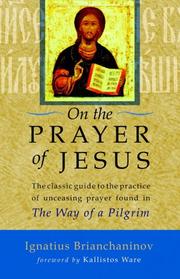
مؤلَّف مكتوب · 1867
On the Prayer of Jesus (a conversation between an elder and his disciple)
О молитве Иисусовой. Беседа между старцем и учеником
A treatise in dialogue form, in three parts—the Jesus Prayer in general, spiritual delusion and the practice of the prayer—which belongs to the first volume of the Experiences and was also published separately in 1867. Ignatius maintains that the Jesus Prayer is the duty of every monk and the good of every Christian, recalls that at Sarov it was taught to every novice and that Seraphim recommended it, but insists on practising it with attention and humility, enclosing the mind in the words, without seeking sensations or resorting to the bodily techniques of the ancient hesychasts, which he considers dangerous without an experienced guide. He distinguishes oral prayer, mental prayer and prayer of the heart, which is God's gift and not the fruit of method. It is his most translated text.
6 طبعات · amazon.com

مؤلَّف مكتوب · 1867
An Offering to Contemporary Monasticism (The Arena)
Приношение современному монашеству
His 'spiritual testament' for monks, written largely at Stavropol and published as the last volume of his works. It opens with the 'Rules of Outward Conduct for Novice Monks', continues with fifty chapters of 'Counsels on the Inner Work of the Monk'—study and keeping of the Gospel commandments, reading the Fathers, the dangers of the hermit life, obedience to an elder and life 'by counsel' in an age without experienced guides, prayer and the Jesus Prayer, remembrance of death, sobriety, fasting, almsgiving, fallen angels, dreams—and ends with the 'Lament of a Monk'. It holds that the monasticism of his day must rest on Scripture and the Fathers rather than on charismatic directors, now almost non-existent. Translated into English as The Arena.
4 طبعات · amazon.com
جميع مؤلَّفاته (52)

Ascetic Experiences, vol. II
1865
Ignatius Brianchaninov
On Spiritual Delusion (prelest)
The Conscious LibraryOn Spiritual Delusion (prelest)
1865
Ignatius Brianchaninov
A Word on Death
The Conscious LibraryA Word on Death
1862
Ignatius Brianchaninov
Supplement to the Word on Death
The Conscious LibrarySupplement to the Word on Death
1864
Ignatius Brianchaninov
A Word on the Sensory and Spiritual Vision of Spirits
The Conscious LibraryA Word on the Sensory and Spiritual Vision of Spirits
1863
Ignatius Brianchaninov
A Word on Man
The Conscious LibraryA Word on Man
1862
Ignatius Brianchaninov
A Word on Angels
The Conscious LibraryA Word on Angels
Ignatius Brianchaninov
Letter to a Clergyman on Why He Called the Human Soul 'Ethereal'
The Conscious LibraryLetter to a Clergyman on Why He Called the Human Soul 'Ethereal'
Ignatius Brianchaninov
A Word on Salvation and Christian Perfection
The Conscious LibraryA Word on Salvation and Christian Perfection
1863
Ignatius Brianchaninov
On the Various States of Human Nature in Relation to Good and Evil
The Conscious LibraryOn the Various States of Human Nature in Relation to Good and Evil
Ignatius Brianchaninov
Exposition of the Teaching of the Orthodox Church on the Mother of God
The Conscious LibraryExposition of the Teaching of the Orthodox Church on the Mother of God

Ascetic Sermons
1867
Ignatius Brianchaninov
The Paterikon (Selected Sayings of the Holy Monks)
The Conscious LibraryThe Paterikon (Selected Sayings of the Holy Monks)
1870
Ignatius Brianchaninov
The Lament of a Monk for His Brother Who Has Fallen into Sinful Temptation
The Conscious LibraryThe Lament of a Monk for His Brother Who Has Fallen into Sinful Temptation
1831
Ignatius Brianchaninov
My Lament
The Conscious LibraryMy Lament
Ignatius Brianchaninov
The Cup of Christ
The Conscious LibraryThe Cup of Christ
1862
Ignatius Brianchaninov
The Garden in Winter
The Conscious LibraryThe Garden in Winter
Ignatius Brianchaninov
The Tree in Winter before the Cell Window
The Conscious LibraryThe Tree in Winter before the Cell Window
Ignatius Brianchaninov
A Rule of Attention to Oneself for Those Living in the World
The Conscious LibraryA Rule of Attention to Oneself for Those Living in the World
Ignatius Brianchaninov
The Judgements of God
The Conscious LibraryThe Judgements of God
1867
Ignatius Brianchaninov
On Monasticism (a dialogue between a layman and a monk)
The Conscious LibraryOn Monasticism (a dialogue between a layman and a monk)
1869
Ignatius Brianchaninov
On Miracles and Signs
The Conscious LibraryOn Miracles and Signs
1870
Ignatius Brianchaninov
On the End of the World (three teachings)
The Conscious LibraryOn the End of the World (three teachings)
1870
Ignatius Brianchaninov
Rules of Outward Conduct for Novice Monks
The Conscious LibraryRules of Outward Conduct for Novice Monks
الأقوال
أقوال محدَّدة الموضع في مؤلَّف بعينه. كل منها يحمل مصدره ودرجة الثقة به.
Delusion is the damaging of human nature by falsehood. Delusion is the state of all human beings without exception, produced by the fall of our forefathers. We are all in delusion. Knowing this is the greatest protection against delusion. The greatest delusion is to consider oneself free from delusion.Прелесть есть повреждение естества человеческого ложью. Прелесть есть состояние всех человеков, без исключения, произведенное падением праотцов наших. Все мы – в прелести. Знание этого есть величайшее предохранение от прелести. Величайшая прелесть – признавать себя свободным от прелести.
متحقَّق منه«О молитве Иисусовой», Отдел II, «О прелести» (Аскетические опыты, t. I, cap. 27).
أقوال منحولة أو مختلَف في نسبتها (2)
«"He who is careless about prayer is careless about his salvation; he who quits prayer renounces his salvation."»
It circulates in English under his name (the English Wikipedia quotes it) without reference to a specific work; it has not been located in the chapters on prayer of the Ascetic Experiences consulted. It is consistent with his teaching, but the exact wording remains to be verified.
«Prophecies about Russia's destiny and the Antichrist attributed to him in devotional compilations.»
They have an authentic core—letter 29 to Muravyov-Karsky on Russia's 'enormous significance' and his teachings on the end of the world—but popular anthologies expand and rearrange them without citing the source.
الكلمات الأخيرة
لا توجد سجلات يمكن التحقق منها لكلماته الأخيرة.
The sources consulted (Russian Wikipedia, Azbuka very biography) record his last liturgy on Easter Sunday 1867, the arrival of volumes III and IV of his works on 21 April and his death on 30 April, the Sunday of the Myrrhbearers, but give no final words. The full biographies (2002, 2010) have not been consulted directly.
المصدر: Azbuka very, «святитель Игнатий (Брянчанинов)»: biografía (familia, Escuela de Ingenieros, noviciado, ermita de San Sergio, episcopado, muerte), legado y catálogo de obras y cartas.
اسأل
بماذا يجيب أثره
اثنا عشر سؤالًا كبيرًا من أسئلة الإنسانية، وما تتيح نصوصه الإجابة به عنها، مع المراجع. ولا نقوّله ما لم يقل أبدًا.
ما المطلق؟ هل الله موجود؟
God is known through humility and prayer, not through speculation
إله شخصييقوله صراحةً
Ignatius Brianchaninov places God within the frame of Orthodox faith, Trinitarian and creator, and devotes his work not to proving him but to showing how one comes to him. In the Ascetic Essays the way to God is prayer, and its measure the states of prayer through which one who prays steadily advances. The precondition is to recognise oneself as fallen: what belongs to man impoverished by the fall is to pray, as what belongs to a beggar is to ask. He warns insistently against spiritual delusion, which consists in imagining God or feeling him according to one's own fancies; whoever believes himself free of delusion is in the greatest delusion of all. Ignatius's God is therefore personal, but hidden from pride and accessible only to humility, repentance and attentive reading of the Fathers.
قارن هذا السؤال مع معلّمين آخرينمن أنا؟ هل توجد ذات حقيقية؟
A created, immortal and fallen soul, incorporeal only in comparison with God
روح مخلوقة خالدةيقوله صراحةً
Ignatius Brianchaninov starts from the Orthodox doctrine of the created, immortal soul, but stresses its fallen condition: in the Ascetic Essays and the Word on Man he insists that human nature has been damaged by falsehood since the fall, and that we all live in some degree of delusion about ourselves. In the Word on Death and in his letter on why he called the soul ethereal he held a disputed thesis: that souls and angels, compared with God, the only absolutely incorporeal spirit, possess a subtle corporeality, so that after death the soul keeps a form resembling that of the body. Theophan the Recluse replied to him. What matters to him is practical: to know oneself as fallen is the condition for the self to be healed by grace.
قارن هذا السؤال مع معلّمين آخرينلماذا نتألّم؟
Fallen nature suffers; accepting sorrows is drinking the cup of Christ
الانفصال عن اللهيقوله صراحةً
Ignatius Brianchaninov places the origin of suffering in the fall: human nature, damaged by falsehood, lives in a state of sickness that shows itself in the passions, death and delusion about oneself. In his essays he distinguishes several states of human nature with regard to good and evil, from the fallen natural state to the one renewed by grace. In the face of afflictions, his teaching is that of the Fathers he collected on patience in sorrows: they are not sought, but accepted as permitted by God, with thanksgiving and without murmuring, because they heal pride. In The Cup of Christ he presents sufferings as the cup the Lord drank first and offers to his disciples. He rejects every explanation that turns pain into energy or an impersonal law: it is a matter between the fallen creature and its God.
قارن هذا السؤال مع معلّمين آخرينماذا يحدث بعد الموت؟
The soul passes the aerial trials and awaits judgement: death is prepared for
الحياة الأبدية والقيامةيقوله صراحةً
Ignatius Brianchaninov devoted a specific treatise to the question, the Word on Death of 1862, later enlarged with a supplement. There he sets out, relying on the Fathers and the lives of the saints, that after death the soul, separated from the body but keeping a subtle form, passes through the aerial trials, in which the fallen spirits accuse it of its sins, and receives a particular judgement that determines its state until the resurrection and the last judgement. His intention is not to feed the imagination but to awaken sobriety: the memory of death is for him one of the Christian's fundamental exercises, because it undoes the illusion of an endless earthly life. His teaching on the aerial trials provoked debate within Russian Orthodoxy itself.
قارن هذا السؤال مع معلّمين آخرينكيف يُبلَغ التحرّر أو الخلاص؟
Christ saves us; man brings repentance, humility and keeping the commandments
بالنعمة والمحبةيقوله صراحةً
In the Word on Salvation and Christian Perfection, Ignatius Brianchaninov holds that salvation is the work of Christ, received through faith and baptism and kept or recovered through repentance. What falls to man is not to earn it but to dispose himself: to recognise his fall, weep over his sins, keep the Gospel commandments and pray with attention. He warns sharply against the opposite path, that of one who seeks lofty spiritual states, visions or consolations before being purified: it is the way of delusion, which mistakes one's own imagination for grace. That is why he advises his contemporaries, who in his view lack true elders, to be guided by reading the Fathers and by prudent counsel. Perfection is God's gift to the humble.
قارن هذا السؤال مع معلّمين آخرينهل نحتاج إلى معلّم؟
True elders are lacking: one must live by counsel and be guided by the Fathers
مفيد لكنه ليس ضروريًايقوله صراحةً
Ignatius Brianchaninov knew in his youth the elders of the tradition of Paisius Velichkovsky and corresponded with the elders Leonid and Macarius of Optina. Yet his diagnosis of his own age is sober: authentic elders, bearers of the Spirit, have almost entirely disappeared, and surrendering oneself unreservedly to an inexperienced director is dangerous, because it can lead both into spiritual delusion. He therefore proposes, in The Arena: An Offering to Contemporary Monasticism, life by counsel: to be guided by Scripture and the Fathers, whose reading he considers indispensable for making their thought one's own, and to consult experienced brethren prudently, without depending blindly on anyone. The human teacher helps, but the sure authority lies in the Gospel as interpreted by the saints.
قارن هذا السؤال مع معلّمين آخرينهل العالم حقيقي؟
The created world is good; the «world» to be rejected is that of the passions
خلقٌ صالح وحقيقييُستنتج من تعاليمه
Ignatius Brianchaninov affirms the goodness of creation, but his attention centres on the distinction, classic in ascetic writing, between the world as God's work and the world as the sum of passions that draw away from him. A former military engineer, he knew the science of his time well, and in the Word on the Sensory and Spiritual Vision of Spirits he holds that reality is not exhausted by what the senses perceive: around the human being there are spirits, angels and demons, which fallen nature does not see and which rarely manifest themselves. He warns, however, against the desire to see such realities, which he regards as a gateway to delusion. The visible world is real and good, but it is only part of creation, and fallen man perceives it in a limited way.
قارن هذا السؤال مع معلّمين آخرينما الحب؟
True love is born from keeping the commandments, not from emotion
محبة الله والقريبيقوله صراحةً
In the Ascetic Essays, Ignatius Brianchaninov devotes chapters to love of neighbour and love of God, and his teaching is characteristically sober. He distinguishes natural love, mixed with passion, preference and attachment, from the spiritual love taught by the Gospel, which sees in each person the image of God and loves it in God. This second love is born not from feeling or exaltation, but from keeping the commandments, from humility and from prayer; whoever seeks to feel an ardent love before being purified risks mistaking for love an emotion of fallen nature. Love of neighbour is the path to love of God, and both culminate in a gift God grants to the humble.
قارن هذا السؤال مع معلّمين آخرينهل نحن أحرار أم أن كل شيء مقدَّر؟
Free but wounded by the fall, man must surrender his will to God
إرادة حرة حقيقيةيقوله صراحةً
Ignatius Brianchaninov affirms human freedom with Orthodox tradition, but stresses how much the fall has damaged it: the will of natural man is inclined to evil and deceived by delusion, so that its freedom, without grace, tends to choose badly even while believing it chooses well. That is why his ascetic teaching insists on renouncing one's own will and surrendering to God's, by keeping the commandments. In The Judgements of God, written in his last years, he reflects on the providence that governs human events, painful ones included, and advises submitting to it humbly instead of judging it. That surrender, however, is a free act: no one can be saved without willing it, and personal responsibility never disappears.
قارن هذا السؤال مع معلّمين آخرينلماذا نتأمّل أو نصلّي؟
Prayer is what belongs to fallen man: asking with attention and humility
صداقة مع اللهيقوله صراحةً
For Ignatius Brianchaninov the way to God is prayer, and the measure of the way travelled is the states of prayer into which one who prays steadily gradually enters. His starting point is the fallen condition: what belongs to the beggar is to ask, and what belongs to man impoverished by the fall is to pray. The soul of every exercise is attention, without which prayer is dead; that is why he teaches enclosing the mind in the words of the prayer, and recommends the Jesus Prayer said slowly and attentively. He warns strongly against seeking sensations, images or mystical warmth, in which he sees the gateway to spiritual delusion, and prefers humble, repentant prayer to any psychophysical method practised without guidance.
قارن هذا السؤال مع معلّمين آخرينهل يستطيع العقل أن يعرف الحقيقة القصوى؟
Fallen reason deceives itself; it must be formed by the Gospel and the Fathers
النصّ المقدّس والاستدلاليقوله صراحةً
Ignatius Brianchaninov, trained as an engineer, does not despise natural reason, but considers it damaged by the fall: the human mind is exposed to delusion and tends to take its own constructions for truth. It therefore cannot be the judge of revelation. The remedy is to form it with the Gospel, to which he devotes chapters of the Ascetic Essays, and with the writings of the holy Fathers, whose thought and spirit he urges making one's own through assiduous reading. With equal firmness he advises keeping away from books on Christianity written by false teachers, and judges severely works such as the Imitation of Christ, which he regards as the fruit of delusion. Reason, healed by humility and guided by tradition, can understand revealed truth.
قارن هذا السؤال مع معلّمين آخرينالانسحاب من العالم أم تغييره؟
Monk means solitary: inner solitude is the condition of prayer
الانسحاب لكي نجديقوله صراحةً
Ignatius Brianchaninov chose monastic life against the will of his family and of Nicholas I himself, who had destined him for military engineering, and he lived for monasticism, to which he devoted The Arena: An Offering to Contemporary Monasticism. His ideal is solitude: monk means solitary, and whoever has not gathered himself within is not yet a monk, even if he lives in the remotest monastery. That solitude is above all inward, which is why he also wrote a rule of attention to oneself for one living in the world, showing lay people how to guard mind and heart amid their occupations. But he does not trust the world: he sees it as a place of distraction and delusion, and considers withdrawal, outward when possible and inward always, the condition of the encounter with God.
قارن هذا السؤال مع معلّمين آخرين
التقارب والتوتّر
التقارب والتوتّر
محسوبة سؤالًا سؤالًا انطلاقًا من مواقفه. وسبب كل اتفاق أو اختلاف يظهر بالنقر.
يقترب في تفكيره من
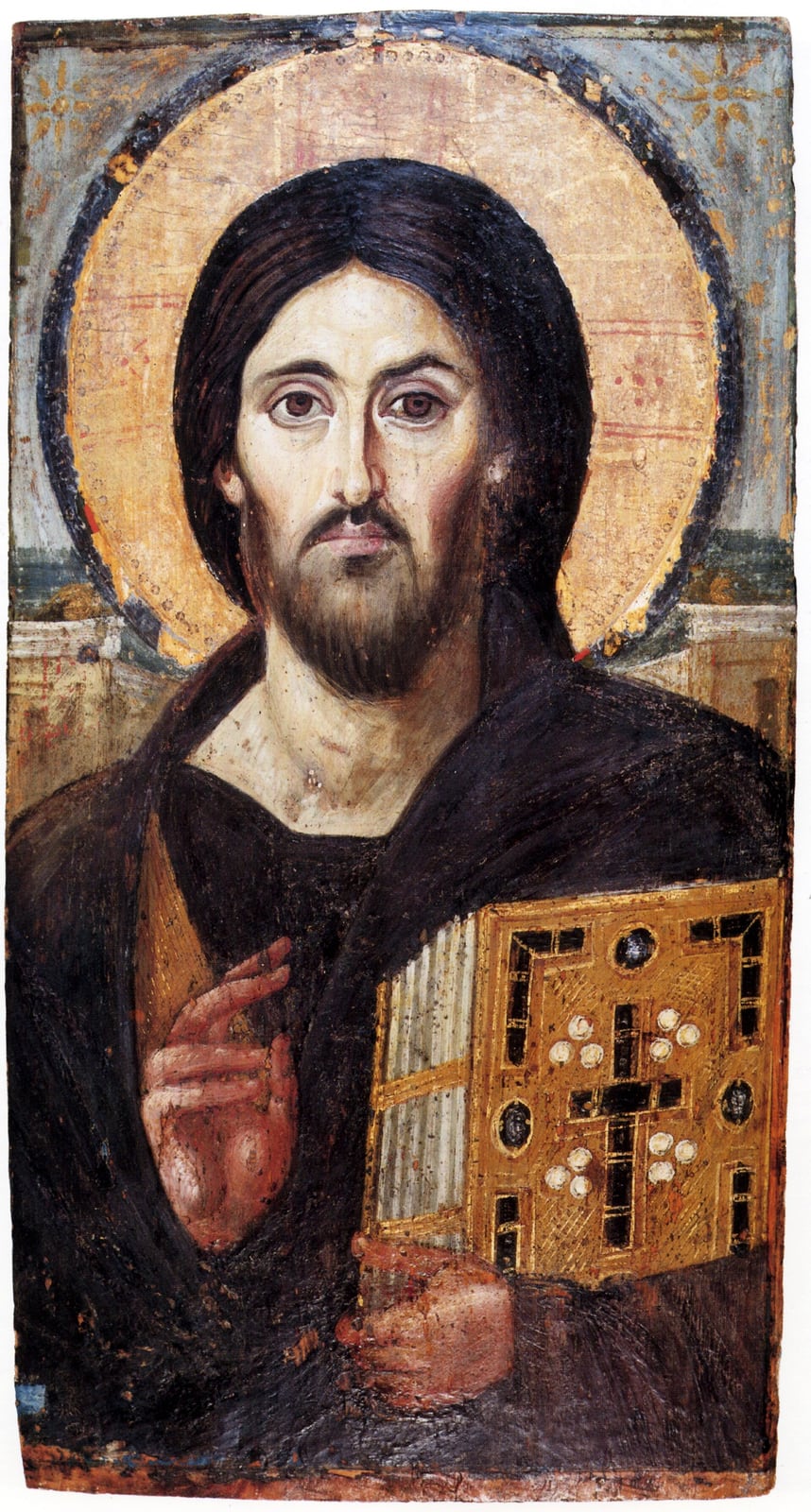
Jesus of Nazareth
يتّفقان في: ما المطلق؟ هل الله موجود؟ · هل العالم حقيقي؟ · من أنا؟ هل توجد ذات حقيقية؟

Teresa of Ávila
يتّفقان في: ما المطلق؟ هل الله موجود؟ · من أنا؟ هل توجد ذات حقيقية؟ · لماذا نتألّم؟
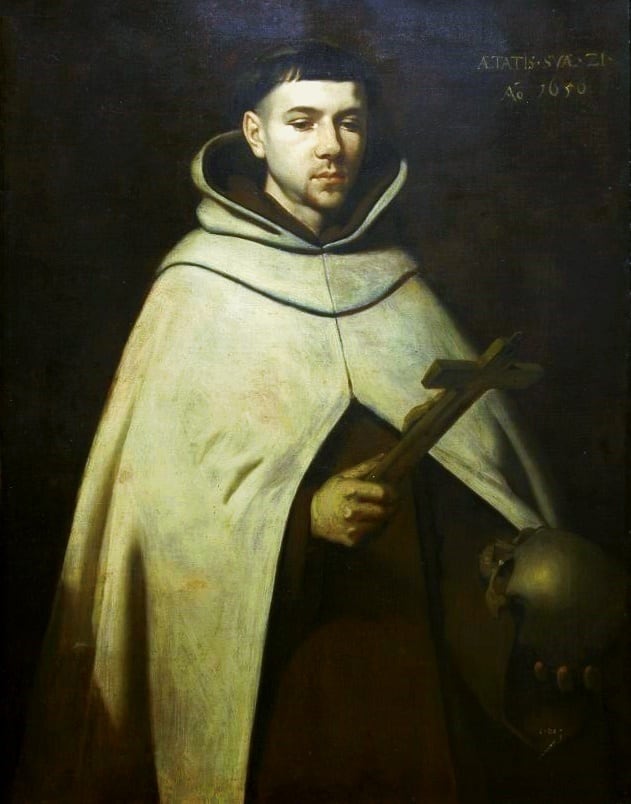
John of the Cross
يتّفقان في: ما المطلق؟ هل الله موجود؟ · من أنا؟ هل توجد ذات حقيقية؟ · لماذا نتألّم؟
Seraphim of Sarov
يتّفقان في: ما المطلق؟ هل الله موجود؟ · من أنا؟ هل توجد ذات حقيقية؟ · لماذا نتألّم؟
يبتعد في تفكيره عن

Nāgārjuna
يختلفان في: ما المطلق؟ هل الله موجود؟ · من أنا؟ هل توجد ذات حقيقية؟ · ماذا يحدث بعد الموت؟

Śāntideva
يختلفان في: ما المطلق؟ هل الله موجود؟ · من أنا؟ هل توجد ذات حقيقية؟ · ماذا يحدث بعد الموت؟
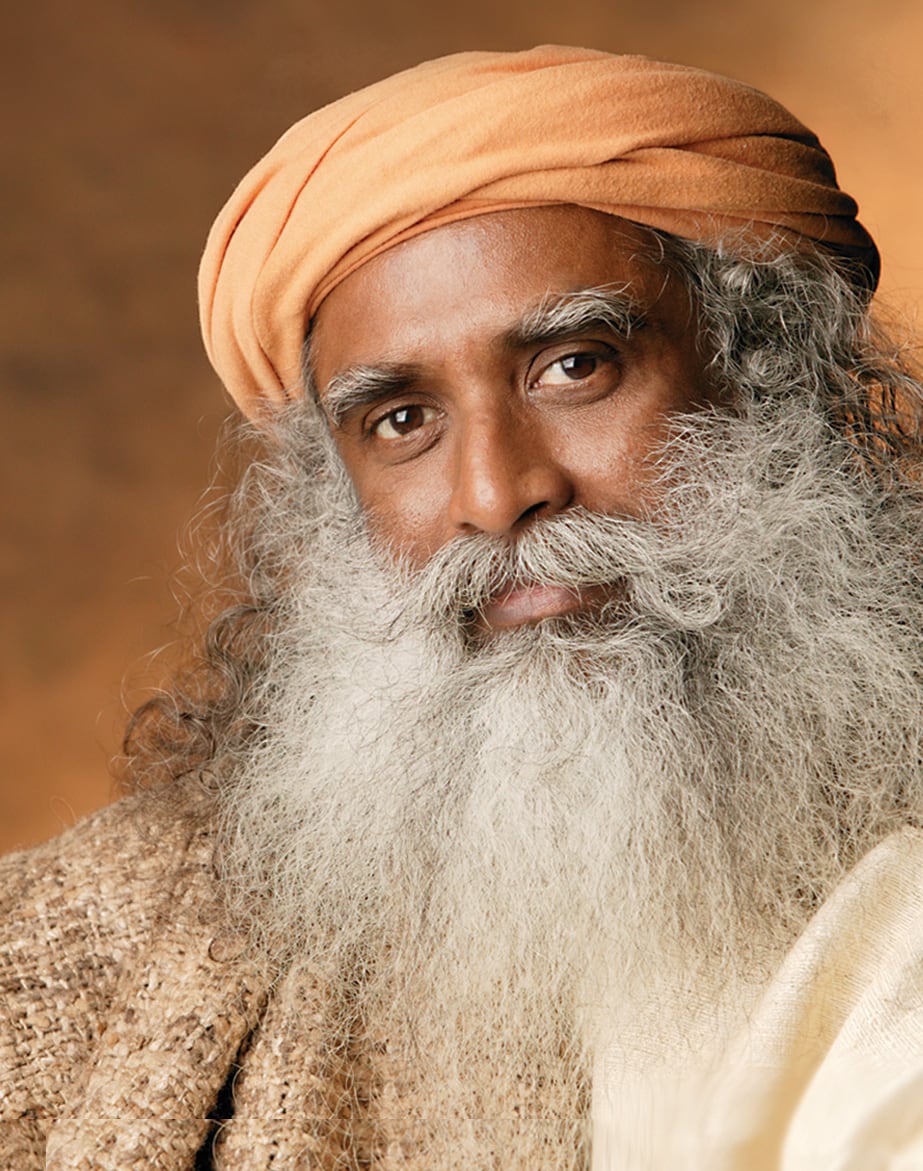
Sadhguru
يختلفان في: من أنا؟ هل توجد ذات حقيقية؟ · ماذا يحدث بعد الموت؟ · هل العالم حقيقي؟

Patañjali
يختلفان في: ما المطلق؟ هل الله موجود؟ · من أنا؟ هل توجد ذات حقيقية؟ · ماذا يحدث بعد الموت؟
حكايات وروايات
حكايات وروايات
شهادة1833
The debt to the Emperor
أصل الرواية: The Emperor's words come from the saint's traditional biography, based on the recollections of his circle (Chikhachev and the St Sergius community); the facts—the refused resignation, the offer of the regiment, the appointment in 1833—are documented.
شهادةdécada de 1830
The schemamonk Porphyry and the Ladoga ice
أصل الرواية: Ignatius's own account, who says he knew Porphyry, in 'On Delusion' (Ascetic Experiences, vol. I, ch. 27); there is no other independent source.
شهادة1822–1826
Communion every week
أصل الرواية: Azbuka very biography, based on Chikhachev's memoirs and the biography published by his disciples.
موثّق1830–1831
A novice's 'Lament of a Monk'
أصل الرواية: The date and place are given by the Russian Wikipedia together with the contemporary's remark; the text appears in the Offering (1867).
مختلَف فيه1845–1846
Bryullov and the painting from eternity
أصل الرواية: Ignatius's letter to Bryullov survives (Azbuka very); the link between it and Christ in the Tomb is an interpretation by Grigory Goldovsky reported in the Russian Wikipedia.
موثّقfinales de la década de 1830
In defence of the elder Leonid
أصل الرواية: Azbuka very biography; the correspondence with Leonid and Macarius survives among his letters.
شهادةabril de 1867
A few kopecks
أصل الرواية: The facts of the last weeks are recorded by the Russian Wikipedia and the Azbuka very biography; the detail of the kopecks comes from the traditional biography, based on the testimony of those around him.
التعاليم
التعاليم
المفاهيم التي ينتظم بها فكره، مشروحة في سياقها.
Prelest, or spiritual delusionprelest
It systematises the teaching of Gregory of Sinai, Symeon the New Theologian and John Climacus; Florensky cited it as the most detailed treatment of this 'spiritual disease'.
Living by counselvida-por-consejo
It contrasts with the revival of eldership at Optina, from which he himself came; developed in An Offering to Contemporary Monasticism, chs. 12–13.
Prayer with attentionoracion-con-atencion
It follows John Climacus ('enclose the mind in the words of the prayer'); it distances itself from a literal reading of the psychophysical methods of Nicephorus the Solitary and Gregory of Sinai.
Reading the Fatherslectura-de-los-padres
It partly replaces, for an age without elders, the living guidance of the starets; it gave his works their characteristic density of patristic quotation.
Souls and angels: spirits with an ethereal bodyalmas-y-angeles
In the Supplement he answers Western critics (among them the Abbé Bergier); the thesis also ties in with his response to the spiritualism fashionable in the 1860s.
مقاطع الفيديو
مقاطع الفيديو
تسجيلات ومقابلات وأفلام وثائقية. تُشغَّل مقاطع الفيديو من YouTube؛ ولا تُستضاف هنا.
Игнатий Брянчанинов. «Плач инока» / Библейский сюжет / Телеканал Культура
المشاهدة على YouTube
لا يسمح هذا الفيديو بالتضمين؛ وسيُفتح على YouTube.
Игнатий Брянчанинов. «Плач инока» / Библейский сюжет / Телеканал Культура
فيلم وثائقي· RU· 2019· 26 min
Телеканал Культураالقناة الرسمية
Учитель покаяния. Святитель Игнатий (Брянчанинов)
فيلم وثائقي· RU· 2020· 88 min
Свято-Елисаветинский монастырьالقناة الرسمية
Film about St. Ignatius Brianchaninov (with participation of A. Osipov)
فيلم وثائقي· RU· 2021· 97 min
Алексей Ильич Осиповالقناة الرسمية
Святитель Игнатий Брянчанинов — наставник духовной жизни
محاضرة· RU· 2019· 145 min
Алексей Ильич Осиповالقناة الرسمية
Святитель Игнатий Брянчанинов — духовное сокровище Церкви
محاضرة· RU· 2021· 45 min
Алексей Ильич Осиповالقناة الرسمية
150 лет преставления свт. Игнатия Брянчанинова — Осипов А. И.
محاضرة· RU· 2017· 59 min
Алексей Ильич Осиповالقناة الرسمية
Конференция «Святитель Игнатий Брянчанинов. 150 лет со дня преставления»
محاضرة· RU· 2017· 215 min
Алексей Ильич Осиповالقناة الرسمية
Конференция по наследию святителя Игнатия Брянчанинова. Ч. 1 (Абрамцево, 15.05.2012)
محاضرة· RU· 2012· 41 min
Алексей Ильич Осиповالقناة الرسمية
А. И. Осипов. Святитель Игнатий Брянчанинов
محاضرة· RU· 2017· 53 min
tvsoyuzالقناة الرسمية
Святитель Игнатий (Брянчанинов). Священник Валерий Духанин
محاضرة· RU· 2023· 87 min
БИБЛИЯ и толкования — Экзегет.руالقناة الرسمية
Святитель Игнатий (Брянчанинов) о прелести 1
محاضرة· RU· 2020· 102 min
ФИЛЬМИКИ © им. А. Осипова.
Book trailer: Harbor for Our Hope: St Ignatius (Brianchaninov) On Acquiring Peace Amidst Suffering
تسجيل من طرف ثالث· EN· 2020· 5 min
Holy Trinity Publicationsالقناة الرسمية
Saint Ignatius Brianchaninov — The Field: Cultivating Salvation (Part 1)
تسجيل من طرف ثالث· EN· 2023· 41 min
Orthodox Spiritual Heritage
المعرض
المعرض
صور بترخيص متحقَّق منه. كل منها تحتفظ بمؤلّفها ونسبتها.
العلاقات
العلاقات
تأثيرات وتلمذة وتقارب في الأفكار. تُميَّز العلاقة الموثّقة عن التشابه المستخلَص بالتحليل.
تلميذ
Leonid (Nagolkin) de Óptina
His first teacher: he met him in 1826 and followed him as a novice to Svir and Ploshchansk; later he doubted some of his methods but defended him before Metropolitan Philaret at the end of the 1830s.
علاقة موثّقة
تأثّر بـ
Paisi Velichkovski
He was formed in the Paisian tradition through Leonid and the hieroschemamonk Athanasius of Beloberezhsk, Paisius's direct disciple, whom he visited in 1829.
علاقة موثّقة
تأثّر بـ
In On the Jesus Prayer he quotes, on the word of old monks, 'the blessed elder Seraphim's' advice to unite outward and inward prayer, and recalls that at Sarov the Jesus Prayer was taught to every novice.
علاقة موثّقة
تراسل مع
They corresponded; in May 1865 Theophan confided to him his wish to follow him into retirement. They were canonised together in 1988.
علاقة موثّقة
اختلف مع
Theophan refuted his teaching on the ethereal body of souls and angels in The Soul and the Angel Are Not Body but Spirit; even so he valued his works and recommended them.
علاقة موثّقة
أثّر في
Florensky cites him in The Pillar and Ground of the Truth (1914) for his definition of prelest, his judgement on The Imitation of Christ, 'The Garden in Winter' and his view of monasticism.
علاقة موثّقة
اختلف مع
In On Delusion he judges The Imitation of Christ to be written 'out of opinion', that is, from the delusion of one's own holiness, and considers it dangerous for the Orthodox reader.
علاقة موثّقة
اختلف مع
He cited him, together with Teresa of Ávila, as an example of the spiritual delusion of Western mysticism, in very harsh terms.
علاقة موثّقة
اختلف مع
He regarded her, with Francis of Assisi, as an example of the spiritual delusion of Western mysticism.
علاقة موثّقة
أثّر في
Nikolái Leskov
Leskov made him a character in his story The Unmercenary Engineers (1887), about his fellow students at the Engineering School.
علاقة موثّقة
التقى بـ
Karl Briulov
Acquaintance at the St Sergius hermitage in 1845–1846 and Ignatius's letter to the painter about 'a painting from eternity'.
علاقة موثّقة
تأثّر بـ
Padres del desierto
He gathered and commented on their sayings in the Paterikon and quotes them constantly; he warns, however, against imitating them literally.
علاقة موثّقة
معاصر لـ
Contemporaries; no documented relationship has been found.
تشابه مستخلَص بالتحليل
المصادر
المصادر
المراجع والفهارس التي رُوجعت لهذه الصفحة.
- Wikidata, «Ignatius Bryanchaninov» (Q984143): P31=Q5, nacimiento 5-2-1807 (juliano), muerte 30-4-1867, 24 enlaces entre wikis.
- «Игнатий (Брянчанинов)», Wikipedia en ruso (biografía, teología —prelest, angelología, apologética—, Briulov, Leskov, bibliografía). Consultada el 25-10-2026.
- «Ignatius Brianchaninov», Wikipedia en inglés (reliquias en Tolga, traducciones inglesas). Consultada el 25-10-2026.
- Azbuka very, «святитель Игнатий (Брянчанинов)»: biografía (familia, Escuela de Ingenieros, noviciado, ermita de San Sergio, episcopado, muerte), legado y catálogo de obras y cartas.
- Ignati (Brianchanínov). Аскетические опыты, t. I. San Petersburgo: I. I. Glazunov, 1865; texto según Полное собрание творений и писем, 2.ª ed., Moscú: Palómnik, 2014, t. 1 (ISBN 978-5-88060-031-1). Texto en Azbuka very.
- Ignati (Brianchanínov). Приношение современному монашеству. San Petersburgo, 1867; texto según Полное собрание творений и писем, Moscú: Palómnik, 2014, t. 4. Texto en Azbuka very.
- Wikimedia Commons, «Category:Works of Ignatius Brianchaninov» (facsímiles de las Сочинения, 1886 y 1905, del Отечник de 1891 y de las cartas de 1913).
- Semiónova, T. N., y Redkina, Yu. R. (eds.). Полное жизнеописание святителя Игнатия Кавказского. Moscú–San Petersburgo: Izd-vo im. Sv. Ignatia Stavropolskogo / Biblioteca Nacional de Rusia, 2002. ISBN 5-88904-028-8.
- Jondzinski, P. V., Bezhanidze, G. V., Sújova, N. Yu., Yákovlev, A. I., y Bolshakova, S. E. «Игнатий (Брянчанинов)», en Православная энциклопедия, t. XXI. Moscú, 2009, pp. 74–89.
- Florenski, Pável. Столп и утверждение истины. Moscú: Put', 1914 (cita a Ignati en las cartas quinta, sexta, novena y décima: prelest, «Imitación de Cristo», monacato). Texto en Azbuka very.
- Leskov, Nikolái S. Инженеры-бессребреники (1887). Texto en Wikisource.
- Holy Trinity Publications, «Collected Works of St Ignatius (Brianchaninov)» (The Field, The Refuge, The Threshold, The Arena; trad. de Nicholas Kotar y del archimandrita Lazarus Moore).
- Open Library, registros de «On the Prayer of Jesus», «The Arena», «The Field», «The Refuge», «The Threshold» y «Harbor for Our Hope».
- Ignati (Brianchanínov). «О молитве Иисусовой» (Отделы I–III: «О молитве Иисусовой вообще», «О прелести», «Об упражнении молитвою Иисусовою»), en Аскетические опыты, t. I, caps. 26–28. Texto en Azbuka very.
- Teófano el Recluso. «Душа и ангел — не тело, а дух» y presentación de la polémica en Azbuka very («Творческое наследие» de Teófano).
- صاحب الحقوق
- Dominio público: Ignati murió en 1867. Las traducciones y ediciones modernas pertenecen a sus traductores y editoriales.
في انتظار التأكيد
ما لم تتمكّن هذه الصفحة من حسمه بعد. نفضّل أن نقول ذلك على أن نملأ الفراغ.
- Ediciones en español con ISBN: no se ha localizado ninguna traducción española de sus obras en Open Library ni en la búsqueda web (ni de «Sobre la oración de Jesús», ni de la «Ofrenda», ni de los «Ensayos»).
- Traducciones inglesas de dominio público: ninguna localizada (la de Father Lazarus, 1952, está protegida).
- Fuente primaria de los juicios sobre Francisco de Asís y Teresa de Ávila («западные сумасшедшие») y de la frase inglesa «He who is careless about prayer…»: se han tomado de la Wikipedia rusa e inglesa sin ver el pasaje.
- Fecha de redacción y primera edición de «Слово о человеке», «Слово об ангелах», «Лютеранизм», «Понятие о ереси и расколе» y «О необходимости Собора».
- Últimas palabras: consultar las biografías completas («Полное жизнеописание», 2002; «Ищите всюду Духа, а не буквы», 2010) y las memorias de su hermano Piotr y de Chijachov.
- Programa de afiliación de Holy Trinity Publications: no verificado.
- Relación con Lev Tolstói, Vladímir Soloviov y Dostoievski: no se ha encontrado ninguna documentada (Ignati murió en 1867); Dostoievski figura sólo como contemporáneo.
بُحث بتاريخ 2026-10-25