المسيحية · التصوف المسيحي · الكاثوليكية
Teresa of Ávila
1515 – 1582شخصية موثّقة تاريخيًا
راهبة كرملية وكاتبة ومؤسِّسة قشتالية (1515–1582). بعد عشرين عامًا من الفتور في دير التجسّد، قادتها توبةٌ في التاسعة والثلاثين إلى حياة صوفية متّقدة وإلى إصلاح الرهبنة الكرملية: فأسّست سبعة عشر ديرًا للكرمليات الحافيات، ومع يوحنا الصليب الفرعَ الرجالي. وكتبها — «كتاب الحياة» و«طريق الكمال» و«القصر الداخلي» و«كتاب التأسيسات» — ورسائلها ذروةٌ في النثر القشتالي وخريطةٌ للصلاة بوصفها صداقة. أُعلنت قديسةً سنة 1622، وكانت أول امرأة تُعلَن ملفانةً للكنيسة (1970).
- مؤلَّفًا
- 17مؤلَّفًا
- طبعة
- 36طبعة
- اقتباسًا
- 9اقتباسًا
- مقطع فيديو
- 11مقطع فيديو
- صورة
- 6صورة

Retrato de Santa Teresa de Jesús por fray Juan de la Miseria (1576) · CC BY-SA 4.0
بكلماته
«Let nothing disturb you, let nothing frighten you; all things pass away, God does not change; patience obtains everything; whoever has God lacks nothing: God alone suffices.»Poesías, letrilla hallada en su breviario («Nada te turbe»)

فكرته المحورية
Prayer as friendship: Teresa defines mental prayer, in Life 8,5, as 'an intimate sharing between friends, taking time frequently to be alone with him who we know loves us'.
السيرة
5 دقيقة قراءة
ترجمة مُعانة من الأصل الإسباني، بانتظار مراجعة مترجم من أهل اللغة.
نبيلةٌ من أفيلا يجري دمُها عكسَ التيار
وُلدت تيريزا سانشيث دي ثيبيدا إي أومادا في 28 آذار/مارس 1515 في أفيلا، في بيتٍ من صغار النبلاء (الإيدالغو) حديثي العهد بالنبالة، كانت وجاهته قائمةً على صمت. فجدّها لأبيها، خوان سانشيث دي توليدو، تاجر الأقمشة، كانت محكمة التفتيش في طليطلة قد «صالحته» سنة 1485 بتهمة التهوّد، ثم اشترى بعد ذلك، بانتقاله إلى أفيلا وبدعوى قضائية لإثبات نبالته، نسيانَ ثوب التوبة المشين الذي أُلبسه. لم تكتب تيريزا عن ذلك شيئًا قط؛ ولم تظهر الوثائق إلا في القرن العشرين، وهي تفرض قراءة حياتها بعين أخرى: عين امرأة عرفت مبكرًا كم كان الشرف يساوي في قشتالة، وكم كان الحفاظ عليه يكلّف.
كانت الثالثة بين الأبناء الذين رُزقهم ألونسو سانشيث دي ثيبيدا من زوجته الثانية بياتريث دي أومادا، في أسرة بلغ عدد إخوتها اثني عشر. وتتذكّر من بيت أبيها، في «كتاب الحياة»، روايات الفروسية التي كانت تقرؤها خفيةً مع أمها، وتقوى مبكرة دفعتها، وهي في نحو السابعة، إلى الهرب مع أخيها رودريغو نحو بلاد المسلمين لتُقطع رأساهما في سبيل المسيح. فأعادهما عمٌّ إلى البيت. وهذه الحادثة، التي ترويها هي نفسها بسخرية، تحدّد منذ البداية نغمة حياة كاملة: رغبةٌ بلا حدّ، وقدرةٌ على الضحك منها.
دير التجسّد والمرض الطويل
دفع موتُ أمها سنة 1528 ومراهقةٌ حكمت هي نفسها بأنها كانت طائشة أباها إلى إدخالها سنة 1531 مدرسة الراهبات الأوغسطينيات في سانتا ماريا دي غراثيا. هناك نبتت، من غير دعوة واضحة، فكرة الدير. وفي 2 تشرين الثاني/نوفمبر 1535 دخلت دير التجسّد الكرملي خارج أسوار أفيلا رغم إرادة أبيها، ونذرت نذورها في تشرين الثاني/نوفمبر 1537. وكان دير التجسّد يومئذ جماعة كبيرة العدد فقيرة، رخوة الحُبس، تستقبل فيه الراهبات الزوّار، وتنعم فيه ذوات الحسب منهن بقلاليّ واسعة وخادمات.
وما لبثت أن مرضت. ففي سنتي 1538 و1539 التمست الشفاء في بيثيداس وفي بيت أختها، ومرّت بنوبة دامت أربعة أيام ظُنّت فيها ميتة — حتى إنهم حفروا قبرها — وبقيت مشلولة قرابة ثلاث سنوات. وفي فترة النقاهة تلك قرأت «الأبجدية الروحية الثالثة» لفرانثيسكو دي أوسونا، فتعلّمت منها صلاة الاختلاء الباطني. ومع ذلك عاشت قرابة عقدين ما تسمّيه «بحرها العاصف»: صلاةٌ متقطّعة، ومجلسُ الزيارات، وصداقاتٌ تشتّتها، وشعورٌ بأنها تخون شيئًا لم تكن تعرف له اسمًا بعد.
التوبة وفضيحة الرؤى
في الصوم الكبير سنة 1554، انهارت أمام صورة للمسيح «المثخن بالجراح» كانت قد جيء بها إلى دير التجسّد. كانت في التاسعة والثلاثين. ومنذ ذلك الحين صارت صلاتها «فائقة للطبيعة»: سكينة، واتحاد، وانخطافات، وأحاديث باطنية، ورؤى عقلية للمسيح. وفي قشتالة التي أقلقتها حديثًا حركة «المستنيرين» (الألومبرادوس) وفهرسُ الكتب المحظورة لعام 1559، الذي سحب الكتب الروحية المكتوبة باللغة العامية، كانت راهبةٌ تعيش مثل هذه الخبرات مشكلةً. عدّها معرّفوها مخدوعة، وأمرها بعضهم بأن تقابل الرؤى بإشارة الازدراء. فكان شبّانٌ من اليسوعيين — دييغو دي ثيتينا، وخوان دي برادانوس، وبالتاسار ألباريث — والفرنسيسكاني بطرس الألكنتاري هم من طمأنوها وعلّموها التمييز.
ومن تلك السنوات الخبرةُ التي سمّتها الأجيال اللاحقة «طعنة القلب»: ملاكٌ يخترق قلبها بسهم من ذهب، وهي مرويّة في الفصل التاسع والعشرين من «السيرة»، ونحتها برنيني في الرخام بعد قرن. وتروي تيريزا ذلك بمزيج من الدقة والحياء هو بصمتها ككاتبة.
دير القديس يوسف و«الإصلاح»
مع جماعة صغيرة من صديقاتها وبدعم الأسقف ألبارو دي مندوثا، أسّست تيريزا في 24 آب/أغسطس 1562 دير القديس يوسف في أفيلا: ثلاث عشرة راهبة، بلا ريع، في ثياب من الخيش، حافيات لا ينتعلن إلا نعال القنّب، وفق القانون الأول للكرمل. فهاجت المدينة — وعُقد مجلس مفتوح ضد التأسيس — وطالبت بها رئيسة دير التجسّد. فصمدت. وكانت السنوات الخمس في دير القديس يوسف، كما تقول، أهدأ سنوات حياتها؛ وفيها كتبت «السيرة» في صيغتيها (1562 و1565)، و«طريق الكمال»، و«الدساتير» الأولى.
وفي سنة 1567 زار الرئيسُ العام للرهبنة، جوفاني باتيستا روسي — روبيو عند الإسبان — أفيلا، فأقرّ ما رآه وأذن لها بتأسيس أديرة أخرى للراهبات وديرين للرهبان. فبدأت حينئذ تيريزا «الجوّالة»: مدينة ديل كامبو (آب/أغسطس 1567)، حيث تعرّفت إلى راهب شاب، خوان دي يبيس، الذي سيصير قريبًا يوحنا الصليب؛ ثم مالاغون، وبلد الوليد، وطليطلة، وباسترانا، وسلمنقة، وألبا دي تورميس، وشقوبية، وبياس، وإشبيلية، وكارافاكا. كانت تسافر في عربات مغطّاة، في القيظ والثلج، تفاوض على البيوت والموارد والتراخيص بمهارة تكشفها رسائلها بلا تزويق. ومن 1571 إلى 1574 كانت فوق ذلك، بأمر الزائر الرسولي، رئيسةً لدير التجسّد، البيت نفسه الذي أراد أن يحتفظ بها.
محاكمات ووشايات و«القصر»
لم يكن شيء من ذلك سلميًّا. ففي سنة 1575 وشت راهبة مبتدئة سابقة بـ«السيرة» إلى محكمة التفتيش في إشبيلية، وبقيت المخطوطة محتجزة لدى مجلس التفتيش إلى ما بعد موتها؛ ودافع عنها دومينغو بانييث كتابةً وأجازها. وفي العام نفسه أمر المجمع العام في بياتشنزا بأن تعتزل في دير وتكفّ عن التأسيس. ووصفها السفير البابوي فيليبو سيغا، بحسب ما نقله الجيل الأول من كاتبي سيرتها، بأنها «امرأة قلقة جوّالة». وبين 1577 و1578 اختطف الكرمليون «المنتعلون» يوحنا الصليب وسجنوه في طليطلة. وحينئذ، في طليطلة وأفيلا، بين حزيران/يونيو وتشرين الثاني/نوفمبر 1577، كتبت دفعة واحدة «المنازل» أو «القصر الداخلي»، أكثر كتبها صفاءً وأشدّها بناءً، الذي يصف النفس قصرًا من الماس ذا سبعة منازل متّحدة المركز.
وجاء الانفصال القانوني للحفاة بالبراءة البابوية Pia consideratione للبابا غريغوريوس الثالث عشر (22 حزيران/يونيو 1580) وبمجمع ألكالا سنة 1581. وعادت تيريزا، وقد أنهكها المرض والشيخوخة، إلى الطرقات: بيانويبا دي لا خارا، وبالنثيا، وسوريا، ثم في شتاء 1582 برغش، آخر تأسيساتها، والمدينة غارقة في الفيضان ورئيس الأساقفة متمنّع.
ألبا دي تورميس
وفي طريق العودة حوّل النائب الإقليمي مسارها إلى ألبا دي تورميس إرضاءً للدوقة. فوصلتها منهكة في 20 أيلول/سبتمبر 1582. وتوفّيت في 4 تشرين الأول/أكتوبر، بين التاسعة والعاشرة ليلًا، بين ذراعي ممرّضتها وكاتبة سرّها آنا دي سان بارتولومي، وهي تردّد — بحسب شهادات الراهبات الحاضرات التي جُمعت في دعاوى التطويب — أنها تموت ابنةً للكنيسة. وفي اليوم التالي دخل الإصلاح الغريغوري للتقويم حيّز التنفيذ، فصار الخامس من تشرين الأول/أكتوبر الخامسَ عشر منه: ولذلك يُحتفل بعيدها في ذلك اليوم.
وأعدّ الراهب لويس دي ليون الطبعة الأولى لمؤلفاتها (سلمنقة، 1588). وطُوّبت سنة 1614، وأُعلنت قديسةً في 12 آذار/مارس 1622 مع إغناطيوس دي لويولا وفرنسيس كسفاريوس وإيسيدور الفلاح وفيليب نيري، وأعلنها البابا بولس السادس ملفانةً (معلّمةً) للكنيسة في 27 أيلول/سبتمبر 1970، فكانت أول امرأة تنال هذا اللقب.
ما يبقى
يبقى قبل كل شيء نثر. كانت تيريزا تكتب كما تتكلّم، باستطرادات، وبعبارات مثل «لا أدري إن كنت أُحسن الإفصاح»، وباستعارات من البستان والماء وقدور المطبخ؛ وكانت تلك الشفاهية استراتيجية: استراتيجية امرأة لا تعرف اللاتينية، ابنةِ متنصّرين من أصل يهودي، كان عليها أن تبدو غير مؤذية لتستطيع قول ما تقوله. ويبقى مذهبٌ في الصلاة بوصفها صداقة، وطوبوغرافيا للباطن الإنساني ما زال علم النفس الحديث يقرؤها، وشبكةٌ من سبعة عشر ديرًا للراهبات ورهبنةٌ من الرهبان يعترفون بها أمًّا. ويبقى وجهٌ تنازعته الثقافة الإسبانية: شفيعة الكتّاب، ورمزٌ وطني في القرن العشرين، ونسوية قبل أوانها عند بعضهم، وقديسة باروكية عند آخرين. وهي التي طلبت من بناتها أن تكون لهن «نفوس رجولية»، ونبّهت إلى أن «الأمر ليس في كثرة التفكير، بل في كثرة المحبة»، كانت ستضحك من معظم هذه التسميات.
المصادر: Efrén de la Madre de Dios, O.C.D., y Otger Steggink, O.Carm. Tiempo y vida de Santa Teresa. Madrid: Biblioteca de Autores Cristianos, 1968 (3.ª ed., 1996). · Teresa de Jesús. Obras completas. Transcripción, introducciones y notas de Efrén de la Madre de Dios y Otger Steggink. Madrid: Biblioteca de Autores Cristianos, 1962 (ediciones posteriores revisadas). · Teresa de Jesús. Obras completas. Edición de Tomás Álvarez. Burgos: Monte Carmelo, 2006 (col. Maestros Espirituales Carmelitas). ISBN 9788472398948. · Teresa of Avila. The Collected Works of St. Teresa of Avila. Translated by Kieran Kavanaugh, O.C.D., and Otilio Rodriguez, O.C.D. 3 vols. Washington, D.C.: ICS Publications, 1976–1985 (reed. 2011). · Ana de San Bartolomé. Obras completas. Edición de Julián Urkiza, O.C.D. 2 vols. Burgos: Monte Carmelo, 1998–1999 (incluye la Autobiografía con el relato de la última enfermedad y muerte de Teresa). Trad. inglesa: Autobiography and Other Writings, ed. Darcy Donahue, University of Chicago Press, 2008.
الخط الزمني
الحياة عامًا بعد عام
كل نقطة حدث موثّق. انقر لتقرأه مع مصدره ودرجة اليقين فيه.
28 مارس 1515أقل من عامÁvila
Birth
Teresa Sánchez de Cepeda y Ahumada is born to Alonso Sánchez de Cepeda and Beatriz de Ahumada. The family is of recent hidalgo status and converso descent on the father's side.
موثّقEfrén de la Madre de Dios, O.C.D., y Otger Steggink, O.Carm. Tiempo y vida de Santa Teresa. Madrid: Biblioteca de Autores Cristianos, 1968 (3.ª ed., 1996).
بعد وفاته
- 1588First edition of her works
- 12 مارس 1622Canonisation
- 27 سبتمبر 1970Doctor of the Church
28 مارس 1515 · أقل من عام
Birth
Teresa Sánchez de Cepeda y Ahumada is born to Alonso Sánchez de Cepeda and Beatriz de Ahumada. The family is of recent hidalgo status and converso descent on the father's side.
موثّق
نحو 1522 · 7 أعوام
The flight towards martyrdom
At about seven she runs away with her brother Rodrigo towards the land of the Moors to be martyred; an uncle brings them back. She tells it herself in Life 1,4.
موثّق
1528 · 13 عامًا
Death of her mother
Beatriz de Ahumada dies. Teresa, an adolescent, entrusts herself to the Virgin as her mother (Life 1,7).
موثّق
1531 · 16 عامًا
Boarder at Santa María de Gracia
Her father places her with the Augustinian nuns of Santa María de Gracia, where the idea of religious life takes root.
موثّق
2 نوفمبر 1535 · 20 عامًا
Enters the Incarnation
She enters the Carmelite monastery of the Incarnation against her father's wishes. She makes her profession in November 1537.
موثّق
أغسطس 1539 · 24 عامًا
The paroxysm that left her for dead
After treatment in Becedas she suffers a four-day attack during which she is taken for dead; she remains crippled for nearly three years. During convalescence she reads Osuna's Third Alphabet.
موثّق
1554 · 39 عامًا
The 'conversion' before the wounded Christ
In Lent, before an image of a much-wounded Christ, the definitive turn of her life of prayer takes place (Life 9).
موثّق
نحو 1560 · 45 عامًا
The transverberation
Experience of the angel piercing her heart with a golden dart (Life 29,13), dated by biographers to about 1560.
مرجَّح
24 أغسطس 1562 · 47 عامًا
Foundation of Saint Joseph's, Ávila
The first convent of Discalced Carmelite nuns is founded, without endowment and under the primitive Rule. The city opposes it in open council. That year she finishes the first redaction of the Life.
موثّق
1565 · 50 عامًا
Second redaction of the Life
She completes the definitive redaction of the Book of Her Life at her confessors' request; shortly afterwards she writes the Way of Perfection.
موثّق
15 أغسطس 1567 · 52 عامًا
Second foundation and meeting with John of the Cross
With the general Rubeo's licence she founds at Medina del Campo. There she meets Friar Juan de Santo Matía (John of the Cross), whom she wins over to the Discalced.
موثّق
1571 – 1574 · 56 عامًا
Prioress of the Incarnation
The apostolic visitor imposes her as prioress of the Incarnation (1571–1574), with John of the Cross as confessor of the community.
موثّق
1575 · 60 عامًا
Denunciation to the Inquisition and order of confinement
The Book of Her Life is denounced to the Inquisition of Seville and impounded; the general chapter of Piacenza orders her confinement to a convent.
موثّق
2 يونيو 1577 · 62 عامًا
The Interior Castle
Between 2 June and 29 November she writes the Interior Castle. In December John of the Cross is imprisoned in Toledo by the Calced friars.
موثّق
22 يونيو 1580 · 65 عامًا
Separation of the Discalced
Gregory XIII's brief Pia consideratione erects the Discalced as a separate province; the chapter of Alcalá (1581) carries it out.
موثّق
أبريل 1582 · 67 عامًا
Last foundation
She founds at Burgos, her seventeenth convent of nuns, after a winter of floods and resistance from the archbishop.
موثّق
4 أكتوبر 1582 · 67 عامًا
Death
She dies in the convent of Alba de Tormes, in the arms of Ana de San Bartolomé. The next day the Gregorian calendar comes into force (5 October becomes 15 October).
موثّق
1588
First edition of her works
Fray Luis de León edits Los libros de la Madre Teresa de Jesús (Salamanca, Guillermo Foquel), with the Life, the Way and the Castle.
موثّق
12 مارس 1622
Canonisation
Gregory XV canonises her together with Ignatius of Loyola, Francis Xavier, Isidore the Labourer and Philip Neri. She had been beatified in 1614.
موثّق
27 سبتمبر 1970
Doctor of the Church
Paul VI proclaims her a Doctor of the Universal Church: the first woman to receive the title.
موثّق
المؤلَّفات
المؤلَّفات الأساسية
المؤلَّفات التي لا يُفهم إرثه من دونها.
مؤلَّف مكتوب · 1565
The Book of Her Life
Libro de la vida
An autobiographical account in forty chapters: childhood, illness, twenty lukewarm years at the Incarnation, the conversion of 1554 and, at its centre, a treatise on prayer set out through the allegory of the 'four waters' used to irrigate a garden (chs. 11–22). The second part describes the 'favours' (locutions, visions, raptures, the transverberation) with unusual phenomenological precision, always under the gaze of the confessors who would read it. It is at once confession, a defence against the suspicion of Illuminism, and the first great work of autobiographical prose in Castilian.
5 طبعات · amazon.com

مؤلَّف مكتوب · نحو 1566
The Way of Perfection
Camino de perfección
Written for the thirteen nuns of Saint Joseph's in Ávila, who asked her to speak to them about prayer. It begins with the three virtues that make community life possible (mutual love, detachment, humility) and flows into a commentary on the Lord's Prayer, petition by petition, which is in fact a treatise on the prayer of recollection and quiet. It is her most pedagogical and direct book, with its famous demand for a 'determined determination' (ch. 21) not to abandon the way.
3 طبعات · amazon.com

مؤلَّف مكتوب · 1577
The Interior Castle (The Mansions)
Castillo interior o Las moradas
Her mature masterpiece. The soul is a castle of diamond with seven concentric dwelling places; in the centre the King dwells. The first three describe ordinary ascetic life; the fourth, the threshold of the supernatural (prayer of quiet, 'spiritual delights' versus 'consolations'); the fifth, union; the sixth, betrothal with its trials, raptures and wounds of love; the seventh, spiritual marriage, where contemplation issues in works: 'this is what prayer is for'. It is the most influential map of the inner life written in Castilian.
طبعتان · amazon.com

مؤلَّف مكتوب · 1582
The Book of the Foundations
Libro de las fundaciones
A chronicle of the foundations from Medina to Burgos, with portraits of nuns, benefactors and adversaries, negotiations over houses and incomes, journeys by cart and episodes of humour. It interleaves doctrinal chapters on obedience, melancholy in convents and the discernment of revelations. It is the principal source for the history of the Teresian reform and a first-rate document of urban and ecclesiastical life in Philip II's Castile. It contains the phrase about the Lord who 'walks among the pots and pans' (5,8).
3 طبعات · amazon.es
جميع مؤلَّفاته (17)

Spiritual Testimonies (Accounts of Conscience)
1581

Meditations on the Song of Songs
1567
Teresa of Ávila
Soliloquies (Exclamations of the Soul to God)
The Conscious LibrarySoliloquies (Exclamations of the Soul to God)
1569
Teresa of Ávila
Constitutions
The Conscious LibraryConstitutions
1567
Teresa of Ávila
On Making the Visitation
The Conscious LibraryOn Making the Visitation
1576
Teresa of Ávila
Poems
The Conscious LibraryPoems
1570
Teresa of Ávila
Letters
The Conscious LibraryLetters
1582
Teresa of Ávila
A Satirical Critique
The Conscious LibraryA Satirical Critique
1577
Teresa of Ávila
Maxims (Counsels)
The Conscious LibraryMaxims (Counsels)
1580

Complete Works (collected editions)
1588
Teresa of Ávila
Response to a Spiritual Challenge
The Conscious LibraryResponse to a Spiritual Challenge
1573
Teresa of Ávila
Ordinances for a Confraternity
The Conscious LibraryOrdinances for a Confraternity
1571
Teresa of Ávila
Seven Meditations on the Lord's Prayer
The Conscious LibrarySeven Meditations on the Lord's Prayer
1630
الأقوال
أقوال محدَّدة الموضع في مؤلَّف بعينه. كل منها يحمل مصدره ودرجة الثقة به.
Let nothing disturb you, let nothing frighten you; all things pass away, God does not change; patience obtains everything; whoever has God lacks nothing: God alone suffices.Nada te turbe, / nada te espante, / todo se pasa, / Dios no se muda; / la paciencia / todo lo alcanza; / quien a Dios tiene / nada le falta: / solo Dios basta.
متحقَّق منهPoesías, letrilla hallada en su breviario («Nada te turbe»)
أقوال منحولة أو مختلَف في نسبتها (2)
«This is how I treat my friends. — That is why you have so few.»
Dialogue with God after a fall into the mud; it appears in no work, letter or sixteenth-century testimony. See the corresponding anecdote.
«More tears are shed over answered prayers than unanswered ones.»
Modern attribution with no source in the Teresian corpus; the phrase has circulated in English since the twentieth century and seems to derive from the novel Mr. Blue (Myles Connolly, 1928) or its later diffusion.
الكلمات الأخيرة
رواية لاحقة عن شهود
«In the end, Lord, I am a daughter of the Church.»En fin, Señor, soy hija de la Iglesia.
Teresa died at Alba de Tormes on 4 October 1582 in the arms of Ana de San Bartolomé, her nurse and secretary, who recounted the last illness and death in her Autobiography (ed. Urkiza) and later testified in the beatification processes. According to those testimonies, in her final hours she repeated many times that she was dying 'a daughter of the Church' (the wording varies among witnesses: 'in the end, Lord, I am a daughter of the Church' / 'I die a daughter of the Church'), recited the verse 'Cor contritum et humiliatum, Deus, non despicies' (Ps 50:19) and, on receiving Viaticum, spoke words of joy that the hour to see her Spouse had come, also transmitted by Ribera. There is no single literal final sentence: what exists is a set of eyewitness accounts convergent in meaning and divergent in detail.
المصدر: Ana de San Bartolomé. Obras completas. Edición de Julián Urkiza, O.C.D. 2 vols. Burgos: Monte Carmelo, 1998–1999 (incluye la Autobiografía con el relato de la última enfermedad y muerte de Teresa). Trad. inglesa: Autobiography and Other Writings, ed. Darcy Donahue, University of Chicago Press, 2008.
اسأل
بماذا يجيب أثره
اثنا عشر سؤالًا كبيرًا من أسئلة الإنسانية، وما تتيح نصوصه الإجابة به عنها، مع المراجع. ولا نقوّله ما لم يقل أبدًا.
ما المطلق؟ هل الله موجود؟
God is someone with whom one keeps friendship: a Trinity dwelling in the soul
إله شخصييقوله صراحةً
For Teresa of Ávila, God's existence is not a matter for demonstration but for intimacy. Her work starts from Catholic faith and lives it as relationship: in the Book of Her Life she defines mental prayer as a friendly exchange, alone, with the One we know loves us. In the Interior Castle she describes a journey through seven dwelling places whose centre is occupied by God himself; in the seventh, the soul receives, by intellectual vision, the presence of the three Persons of the Trinity, who communicate themselves and remain there. This God knows, calls, hides and bestows; humility consists in «walking in truth» before the One who is supreme Truth. The Absolute is thus, for her, a personal and Trinitarian Thou, more intimate to the soul than the soul itself, never a faceless principle.
قارن هذا السؤال مع معلّمين آخرينمن أنا؟ هل توجد ذات حقيقية؟
The soul is a diamond castle with God dwelling at its centre
روح مخلوقة خالدةيقوله صراحةً
Teresa of Ávila answers the question of the self with an image: at the start of the Interior Castle she proposes considering the soul as a castle made entirely of diamond or very clear crystal, with many dwelling places, at whose centre is the King. She laments that most people do not know who they are: they know their body and lineage, but not the dignity and beauty of their soul. To know oneself is therefore to enter that castle, and the door is prayer. The soul is created, unique and immortal, and called to a union with God that in the seventh dwelling places she calls spiritual marriage; even then, she insists, it does not cease to be a creature nor is it confused with God. Self-knowledge and humility go together: there is no true knowledge of oneself without looking at God, nor of God without knowing oneself.
قارن هذا السؤال مع معلّمين آخرينلماذا نتألّم؟
Trials purify the soul and prepare it for union
الانفصال عن اللهيقوله صراحةً
Teresa of Ávila does not write a theory of suffering, but she knows it closely: serious illness, opposition, her confessors' suspicions, dryness in prayer. She interprets it within Catholic theology: the soul estranged from God is scattered and suffers, and pain accepted with love purifies it and makes it like the crucified Christ. In the sixth dwelling places of the Interior Castle she lists the inner and outer trials that precede spiritual marriage — gossip, unsettling praise, illnesses, fears of being deceived — and presents them as preparation. In the Book of Her Life she records her plea to suffer or to die, which expresses not a taste for pain but a desire for union: if she cannot yet enjoy God, she wishes at least to share his cross. Suffering far from God is the penalty of one's own dispersion; suffering with Him is a path.
قارن هذا السؤال مع معلّمين آخرينماذا يحدث بعد الموت؟
Death opens true life with God, which the soul already longs for
الحياة الأبدية والقيامةيقوله صراحةً
Teresa of Ávila thinks about death within the Catholic faith: judgement, purgatory, hell and glory, and the eternal life of the person before God. What is distinctive is the tone in which she lives it. In the gloss «I live without living in myself» death appears as the longed-for door to a higher life, and present life as exile: she dies because she does not die. In the Book of Her Life she recounts a vision of the place which, as she understood it, had been prepared for her in hell, and which led her to fear sin more than death; in other chapters she reports visions of glory and of souls rising to it. In the seventh dwelling places of the Interior Castle, however, the soul already united with God stops longing for death and accepts living in order to serve him: what is decisive is not the moment of dying but union, which death consummates.
قارن هذا السؤال مع معلّمين آخرينكيف يُبلَغ التحرّر أو الخلاص؟
Union with God is a free gift; the soul must dispose itself with determination
بالنعمة والمحبةيقوله صراحةً
For Teresa of Ávila, the end of the path is the soul's union with God, which in the Interior Castle culminates in the «spiritual marriage» of the seventh dwelling places. That union is not conquered: it is God's work, who enters the centre of the soul when He wills. What does belong to the person is to dispose herself: persevering prayer, humility, detachment and what The Way of Perfection calls a very determined determination not to stop until arriving. Teresa carefully distinguishes the «consolations», obtained partly by one's own meditative effort, from the «spiritual delights» or supernatural prayer, which are received. Effort prepares the ground, but the decisive step is always grace, and its proof is not ecstasy but love of neighbour and deeds.
قارن هذا السؤال مع معلّمين آخرينهل نحتاج إلى معلّم؟
A learned, experienced confessor is a great help; a bad one does harm
مفيد لكنه ليس ضروريًايقوله صراحةً
Teresa of Ávila attaches great importance to the spiritual director, but from an ambivalent experience: in the Book of Her Life she recounts the years of harm caused by poorly instructed confessors, who reassured or frightened her without grounds. Hence her insistence, in chapter 13 of the Life and in The Way of Perfection, on seeking «learned» confessors, who know Scripture and doctrine, and if possible have experience of prayer. The human teacher guides, discerns and protects from deception, but does not replace the soul's personal relationship with God, who is the one who teaches in prayer. Teresa herself acted as teacher to her nuns, and her books were born as a response to that role.
قارن هذا السؤال مع معلّمين آخرينهل العالم حقيقي؟
God is in all things, but the world passes: God alone suffices
خلقٌ صالح وحقيقييُستنتج من تعاليمه
Teresa of Ávila does not elaborate an ontology of the world; her attention is on the soul and on God. What she does make clear is her framework: the world is God's creation, real and distinct from Him. In the Book of Her Life she recounts that it took her a long time to learn that God is present in all things by presence, power and essence, and that a learned man confirmed it to her. God also walks among the pots and pans, as she writes in the Foundations. At the same time, she shares the ascetic assessment of her age: the things of the world are fleeting and vain if sought for their own sake, and the little poem she kept in her breviary recalls that all things pass and God alone does not change.
قارن هذا السؤال مع معلّمين آخرينما الحب؟
The important thing is not to think much but to love much
محبة الله والقريبيقوله صراحةً
For Teresa of Ávila love is the criterion of the whole spiritual life. In the fourth dwelling places of the Interior Castle she warns that the important thing is not to think much but to love much, and in the fifth she gives the proof that one loves God: love of neighbour, which cannot be feigned. In The Way of Perfection she devotes several chapters to love among the sisters, which she distinguishes from particular, possessive affection: true love wills the other's good and wills it for God. Her prayer is defined as friendly converse with one we know loves us, and in the Book of Her Life she recounts the transverberation, an angel wounding her heart with a dart of fire. Everything culminates in the spiritual marriage of the seventh dwelling places, which ends not in ecstasy but in works.
قارن هذا السؤال مع معلّمين آخرينهل نحن أحرار أم أن كل شيء مقدَّر؟
The soul decides to enter its castle; grace does not cancel resolve
إرادة حرة حقيقيةيقوله صراحةً
Teresa wrote no treatise on free will, but her whole teaching presupposes it. In the *Interior Castle* the soul must want to enter itself, and the door is prayer; whoever does not enter stays among the vermin of the courtyard. In *The Way of Perfection* she asks her nuns for a «great and very determined determination» not to stop until they reach the spring, and in *The Book of Her Life* she recounts her years of lukewarmness as her own responsibility, not as fate. At the same time, everything decisive in the inner mansions is God's work: the soul disposes itself and He grants. Her position is the Catholic one of her time, lived rather than argued: grace does everything, and yet the person responds and can refuse.
قارن هذا السؤال مع معلّمين آخرينلماذا نتأمّل أو نصلّي؟
Prayer is intimate friendship with the one we know loves us
صداقة مع اللهيقوله صراحةً
Teresa gives the definition this key would later borrow: mental prayer, in her view, is nothing other than an intimate sharing between friends, often spending time alone with the one we know loves us (*The Book of Her Life*, 8, 5). Prayer is neither a technique for emptying the mind nor an intellectual exercise, but a personal relationship with Christ, cultivated with perseverance even in dryness. In the *Interior Castle* prayer is the door through which one enters the soul, and the way through the mansions is the growth of that friendship up to spiritual marriage. She warns against confusing prayer with discourse: the important thing is not to think much but to love much. Its fruit is not a state but works, humility and service.
قارن هذا السؤال مع معلّمين آخرينهل يستطيع العقل أن يعرف الحقيقة القصوى؟
Loving more than thinking, yet experiences are submitted to the learned
الإيمان والعقل يتعاونانيقوله صراحةً
Teresa does not reason about the ultimate: she recounts it from experience. In the *Interior Castle* she says that in prayer the important thing is not to think much but to love much, and in the Fifth Mansions she describes union with God as a certainty the soul cannot doubt, though it cannot explain it. Yet she does not scorn theological reason. In *The Book of Her Life* (ch. 13) she praises learned confessors over those with half-knowledge, and again and again submits her visions to the judgement of theologians and the doctrine of the Church. Hers is the stance of a mystic who gives primacy to the experience of God, but trusts theological learning to discern it and avoid delusion.
قارن هذا السؤال مع معلّمين آخرينالانسحاب من العالم أم تغييره؟
Martha and Mary must go together: the Lord walks among the pots and pans
التأمّل في الفعليقوله صراحةً
Teresa of Ávila lived in an enclosed order, and her reform of the Carmel sought precisely a stricter withdrawal: small convents, poverty, silence. But her life and her teaching belie the opposition between contemplation and action. She founded seventeen convents in twenty years, negotiated with nobles, bishops and Philip II himself, travelled the roads of Castile and Andalusia and left in the Book of the Foundations a chronicle of dealings, lawsuits and house purchases. There she consoles nuns busy with domestic tasks by reminding them that the Lord walks among the pots and pans. In the seventh dwelling places of the Interior Castle she concludes that union with God has works as its end, and that Martha and Mary must go together to give the Lord lodging. The highest contemplation, for her, is proven in service, not in flight.
قارن هذا السؤال مع معلّمين آخرين
التقارب والتوتّر
التقارب والتوتّر
محسوبة سؤالًا سؤالًا انطلاقًا من مواقفه. وسبب كل اتفاق أو اختلاف يظهر بالنقر.
يقترب في تفكيره من
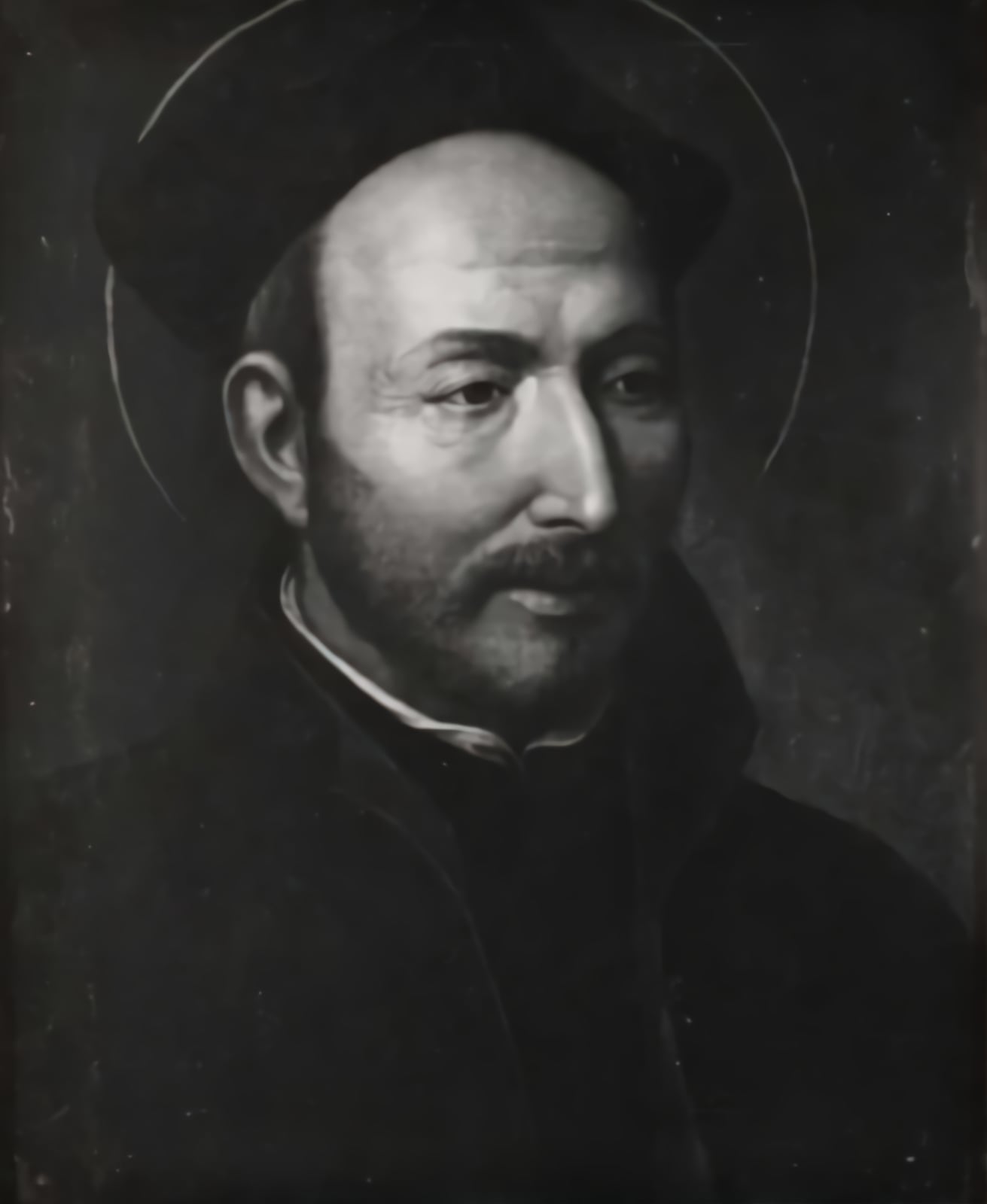
Ignatius of Loyola
يتّفقان في: ما المطلق؟ هل الله موجود؟ · من أنا؟ هل توجد ذات حقيقية؟ · لماذا نتألّم؟

Francis of Assisi
يتّفقان في: ما المطلق؟ هل الله موجود؟ · من أنا؟ هل توجد ذات حقيقية؟ · لماذا نتألّم؟
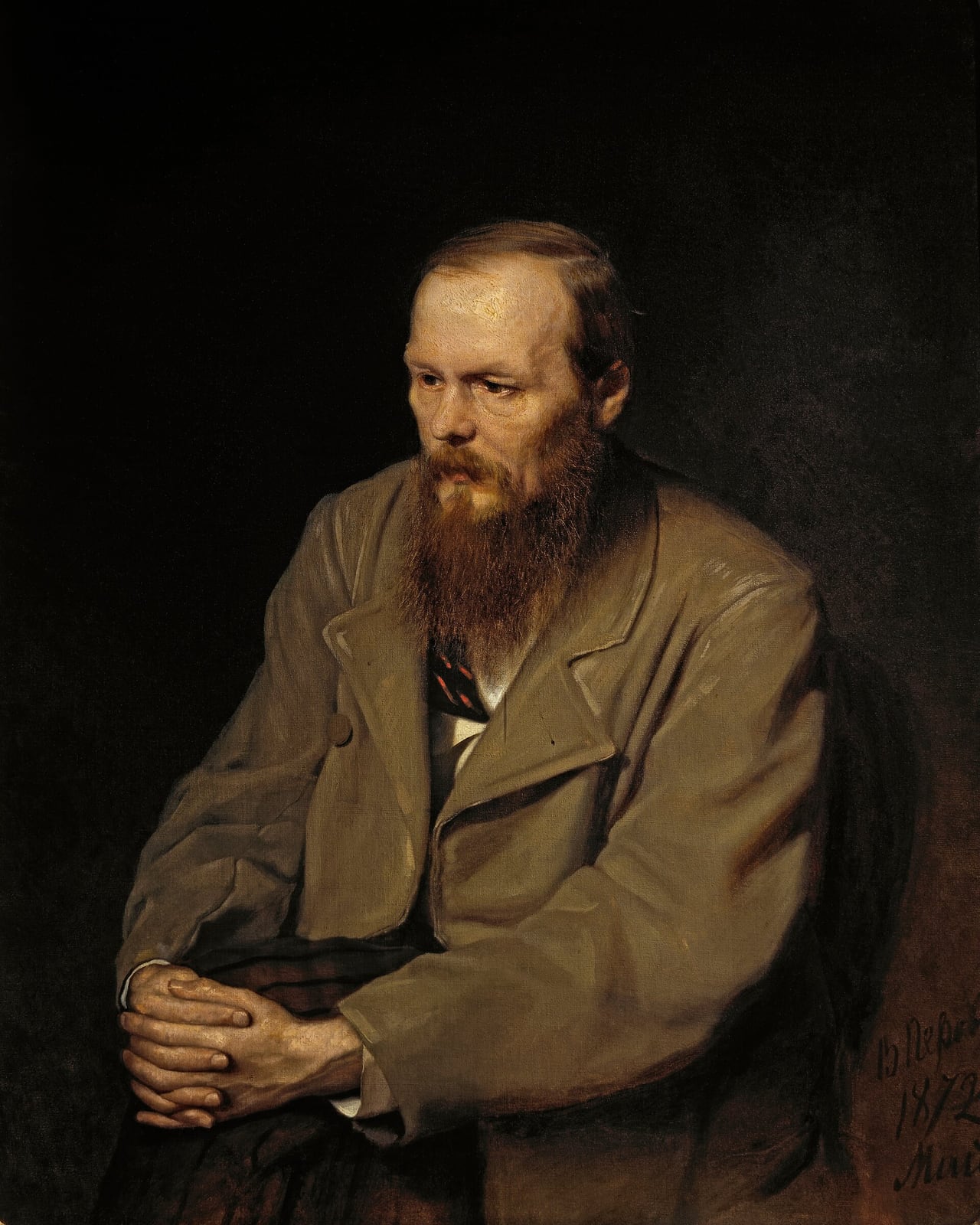
Fyodor Dostoevsky
يتّفقان في: ما المطلق؟ هل الله موجود؟ · من أنا؟ هل توجد ذات حقيقية؟ · لماذا نتألّم؟

Theophan the Recluse
يتّفقان في: ما المطلق؟ هل الله موجود؟ · من أنا؟ هل توجد ذات حقيقية؟ · لماذا نتألّم؟
يبتعد في تفكيره عن

Patañjali
يختلفان في: ما المطلق؟ هل الله موجود؟ · من أنا؟ هل توجد ذات حقيقية؟ · ماذا يحدث بعد الموت؟

Nāgārjuna
يختلفان في: ما المطلق؟ هل الله موجود؟ · من أنا؟ هل توجد ذات حقيقية؟ · ماذا يحدث بعد الموت؟
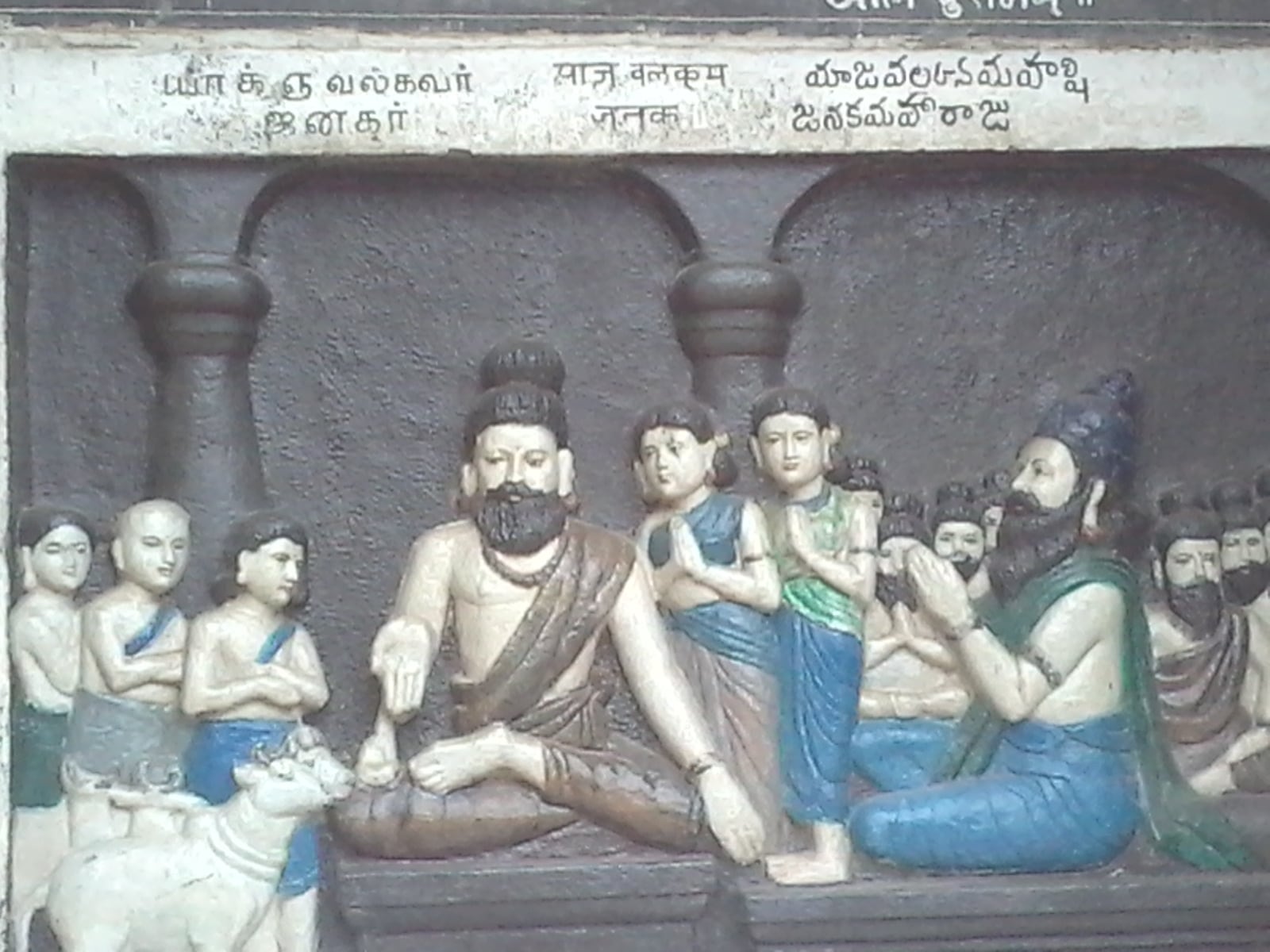
Yajnavalkya
يختلفان في: من أنا؟ هل توجد ذات حقيقية؟ · ماذا يحدث بعد الموت؟ · هل العالم حقيقي؟

Dōgen
يختلفان في: ما المطلق؟ هل الله موجود؟ · من أنا؟ هل توجد ذات حقيقية؟ · ماذا يحدث بعد الموت؟
يختلفان فيخلاف جوهري
Teresa of Ávila · Laozi
A Thou who loves versus a Way without a name
لماذا: The contradiction is substantive, not verbal. Teresa writes within the Catholic faith and for nuns who pray; her language is that of the revelation of a God who has made himself known as a person in Christ, and her whole itinerary depends on someone answering. The Daodejing is an anthology of aphorisms from the fourth and third centuries BCE, addressed partly to rulers, which describes the course of things and distrusts any preached benevolence. There is a point of contact: Teresa too admits that what is received in the higher dwelling places exceeds the understanding. But in her that ineffability is that of a friend too great; in the Daodejing, that of a principle that is no one's friend.
يتّفقان في
Teresa of Ávila · Thich Nhat Hanh
Among the pots and at the sink: attention in small things
لماذا: The convergence is one of practice, not doctrine. Teresa prays to a personal God present in all things, the kitchen included; Thich Nhat Hanh addresses no one, but looks deeply into the impermanence and interbeing of what he holds in his hands. Yet both face the same difficulty: communities with daily manual work, where contemplation cannot depend on free time. The reformed Carmel and Vietnamese Zen solve it in the same way, making the task the place of presence. No relation between them is recorded; the affinity stems from the community life both organised and from their shared distrust of a merely intellectual spirituality.
يختلفان فيتناقض ظاهري
Teresa of Ávila · Ibn Arabi
Always a creature, or He and not He: two languages for a union without confusion
لماذا: The tension is apparent because they use different categories for a similar experience. Teresa writes under the scrutiny of the Inquisition and of her learned confessors, within a theology that distinguishes creator and creature at the level of being, and so she stresses the distinction every time she describes union. Ibn Arabi works with a metaphysics of the single existence and of the mirror, in which saying that the creature has no being of its own does not mean it is God in his Essence, which remains unknowable. She speaks of what the soul lives; he, of what being is. They agree in practice: knowing oneself and knowing God go together, and the goal is intimacy without confusion.
يختلفان فيخلاف جوهري
Teresa of Ávila · G. I. Gurdjieff
The soul as gift or as achievement: the diamond castle versus an immortality to be manufactured
لماذا: The contradiction is real and touches the core of both anthropologies. Teresa speaks from the Christian doctrine of creation, in which God gives each soul its immortal being and grace precedes effort. Gurdjieff builds a cosmology of his own, of laws and materials, in which immortality is conditional and must be acquired. There is nonetheless a point of contact: both think that most people live outside themselves, in the outer courtyard of the castle or in sleep, and that knowing oneself demands long and painful work. But in Teresa what is unknown is already there, and in Gurdjieff what is unknown is that there is not yet anyone.
يتّفقان في
Teresa of Ávila · Milarepa
Suffering that purifies: Marpa's towers and the trials of the sixth dwelling places
لماذا: The affinity is comparative: there is no relation between the eleventh-century Tibetan yogi and the sixteenth-century Castilian Carmelite. They converge because their traditions share an ascetic anthropology: the human being is bound by something that must be undone, and that undoing hurts. The explanation of pain, however, differs. In the Life of Milarepa suffering is the fruit of past actions and is exhausted through purification under a master; in Teresa it is participation in the cross of Christ and preparation for a union that God grants by grace. It should also be remembered that the Life is a fifteenth-century hagiography, whereas Teresa writes in the first person about what she lived.
يختلفان فيخلاف جوهري
Teresa of Ávila · Helena Blavatsky
Praying to someone or commanding the inner god: grace versus self-effort
لماذا: The contradiction is real and Blavatsky framed it as such: her Theosophy was born in polemic against the ecclesiastical Christianity of her day and against scientific materialism, and sought to offer a wisdom-religion without a personal God or redemption by another. Teresa writes within the Catholic faith, for which grace precedes and accompanies effort, and her language is that of a relationship between persons. There is, however, a point of contact that should not be forgotten: both seek the divine within the soul, at the centre of the castle or in the higher Self, and neither accepts a religion of formulas without transformation. They differ over whether that interior answers or simply is.
يتّفقان في
Teresa of Ávila · Rumi
It is not a matter of thinking much: love knows more than reasoning
لماذا: The affinity is comparative: there is no relation between the Castilian Carmelite and the poet of Konya. They converge because both speak from monotheistic traditions with a highly developed scholastic theology, Christian and Islamic, which reserved for mysticism a knowledge through love and experience that does not contradict theology but exceeds it. Both also write for readers who are not professional theologians: nuns in one case, disciples and listeners in the other. The difference lies in the form of that experience: Teresa lives it as friendship with a personal Christ and describes it with almost clinical precision; Rumi, as longing and fire, in poetic images.
حكايات وروايات
حكايات وروايات
موثّقc. 1522
The two children who wanted to be martyrs
أصل الرواية: Told by Teresa herself in the Book of Her Life 1,4–5. The detail of the uncle who found them is added by Ribera (1590) from family information.
المصدر: Teresa de Jesús. Obras completas. Transcripción, introducciones y notas de Efrén de la Madre de Dios y Otger Steggink. Madrid: Biblioteca de Autores Cristianos, 1962 (ediciones posteriores revisadas).
موثّق1573–1582
'The Lord walks among the pots and pans'
أصل الرواية: Literal text of the Book of the Foundations 5,8.
المصدر: Teresa de Jesús. Obras completas. Transcripción, introducciones y notas de Efrén de la Madre de Dios y Otger Steggink. Madrid: Biblioteca de Autores Cristianos, 1962 (ediciones posteriores revisadas).
موثّق1574–1588
The book impounded by the Inquisition
أصل الرواية: Reconstructed by Efrén de la Madre de Dios and Steggink (Tiempo y vida) from the Inquisition file and Báñez's autograph censure (7 July 1575) preserved in the Escorial codex.
المصدر: Efrén de la Madre de Dios, O.C.D., y Otger Steggink, O.Carm. Tiempo y vida de Santa Teresa. Madrid: Biblioteca de Autores Cristianos, 1968 (3.ª ed., 1996).
تقليد شفهي1567–1568
'A friar and a half'
أصل الرواية: The expression 'a friar and a half' belongs to Carmelite oral tradition and popular biographies; it appears neither in the letters nor in the Foundations. The meeting and her judgement of John are documented (Foundations 3,16–17; Tiempo y vida).
المصدر: Efrén de la Madre de Dios, O.C.D., y Otger Steggink, O.Carm. Tiempo y vida de Santa Teresa. Madrid: Biblioteca de Autores Cristianos, 1968 (3.ª ed., 1996).
لا يمكن التحقق منهs. XVI (tradición)
'This is how you treat your friends'
أصل الرواية: In circulation since at least the nineteenth century in devotional biographies and anthologies; it has not been traced to any sixteenth-century source or to the processes. Recorded here as a characteristic legend, not as fact.
المصدر: Efrén de la Madre de Dios, O.C.D., y Otger Steggink, O.Carm. Tiempo y vida de Santa Teresa. Madrid: Biblioteca de Autores Cristianos, 1968 (3.ª ed., 1996).
شهادة1578
'A restless, gadabout female'
أصل الرواية: The nuncio's words are known through the tradition of the first Discalced generation (Gracián and the chroniclers), not from a document by Sega himself; Efrén/Steggink record them with that caution. Philip II's intervention and the ordered confinement are documented.
المصدر: Efrén de la Madre de Dios, O.C.D., y Otger Steggink, O.Carm. Tiempo y vida de Santa Teresa. Madrid: Biblioteca de Autores Cristianos, 1968 (3.ª ed., 1996).
موثّق1582
The night ten days went missing
أصل الرواية: Ana de San Bartolomé's Autobiography (ed. Urkiza) and the process depositions; the date and the calendar reform, in Tiempo y vida and in the Gregorian bull itself. The 1583 exhumation is recorded in the processes.
المصدر: Ana de San Bartolomé. Obras completas. Edición de Julián Urkiza, O.C.D. 2 vols. Burgos: Monte Carmelo, 1998–1999 (incluye la Autobiografía con el relato de la última enfermedad y muerte de Teresa). Trad. inglesa: Autobiography and Other Writings, ed. Darcy Donahue, University of Chicago Press, 2008.
التعاليم
التعاليم
المفاهيم التي ينتظم بها فكره، مشروحة في سياقها.
Prayer as friendshiporacion-como-amistad
Sixteenth-century Castilian mental prayer (Osuna, Laredo, Granada), under Inquisitorial suspicion of 'wordless' prayer.
المصدر: Teresa de Jesús. Obras completas. Transcripción, introducciones y notas de Efrén de la Madre de Dios y Otger Steggink. Madrid: Biblioteca de Autores Cristianos, 1962 (ediciones posteriores revisadas).
The interior castle and the seven dwelling placescastillo-interior
The tradition of the 'degrees' of the spiritual life (Bernard, Bonaventure, Richard of Saint Victor) rewritten from experience and in the vernacular.
المصدر: Teresa de Jesús. Obras completas. Transcripción, introducciones y notas de Efrén de la Madre de Dios y Otger Steggink. Madrid: Biblioteca de Autores Cristianos, 1962 (ediciones posteriores revisadas).
The degrees of prayer: the four waterscuatro-aguas
Teresa's first systematisation of the degrees of prayer, earlier than and complementary to the dwelling places.
المصدر: Teresa de Jesús. Obras completas. Transcripción, introducciones y notas de Efrén de la Madre de Dios y Otger Steggink. Madrid: Biblioteca de Autores Cristianos, 1962 (ediciones posteriores revisadas).
Determined determinationdeterminada-determinacion
The psychology of the faculties (intellect, memory, will) inherited from scholasticism, placed at the service of a pedagogy of perseverance.
المصدر: Teresa de Jesús. Obras completas. Transcripción, introducciones y notas de Efrén de la Madre de Dios y Otger Steggink. Madrid: Biblioteca de Autores Cristianos, 1962 (ediciones posteriores revisadas).
Humility as walking in truthhumildad-andar-en-verdad
The doctrine of self-knowledge (Augustine, Bernard) reformulated as a criterion against false humility and conventual melancholy.
المصدر: Teresa de Jesús. Obras completas. Transcripción, introducciones y notas de Efrén de la Madre de Dios y Otger Steggink. Madrid: Biblioteca de Autores Cristianos, 1962 (ediciones posteriores revisadas).
The Humanity of Christ as the wayhumanidad-de-cristo
The sixteenth-century debate on 'imageless' prayer (recollection versus abandonment) in the context of suspicion of Illuminism.
المصدر: Teresa de Jesús. Obras completas. Transcripción, introducciones y notas de Efrén de la Madre de Dios y Otger Steggink. Madrid: Biblioteca de Autores Cristianos, 1962 (ediciones posteriores revisadas).
الخلوات
خلوات ومراكز
أماكن ولقاءات مرتبطة بتعليمه. نضعك على تواصل مع من ينظّمها.
Ávila, Alba de Tormes, Medina del Campo, Toledo, Sevilla y otras fundaciones · España
Footprints of Teresa: network of Teresian cities
Red de Ciudades Teresianas de España – Huellas de Teresa
Footprints of Teresa is the network linking the cities where Teresa of Jesus founded her reformed convents, from Ávila, where she was born and opened San José, to Alba de Tormes, where she died and is buried, by way of Medina del Campo, Valladolid, Segovia, Salamanca, Toledo, Pastrana, Caravaca de la Cruz, Beas de Segura and Seville. It grew out of the fifth centenary of her birth and offers a self-guided route through the heritage linked to the saint, with an interactive map, an app and a virtual tour. It is the most faithful way to follow the travels of a woman who called herself a wanderer of God.
Alba de Tormes, Salamanca · España
Alba de Tormes: tomb of Saint Teresa
Carmelitas Descalzas de la Anunciación (información: Turismo de Castilla y León)
In the convent of the Annunciation at Alba de Tormes, the eighth foundation of Teresa of Jesus, the saint died in October 1582, and her body and principal relics rest there. The church of the Discalced Carmelite nuns keeps her tomb above the high altar, and a Teresian museum completes the site. Alba is the natural end point of any Teresian pilgrimage and the destination of the route linking it with Ávila, known as from the cradle to the tomb. Visiting information is published by the official tourism body of the Castilla y León regional government, which should be checked before travelling.
Ávila, Castilla y León · España
CITeS – University of Mysticism, Ávila
Centro Internacional Teresiano Sanjuanista (Carmelitas Descalzos)
The International Teresian-Sanjuanist Centre, known as the University of Mysticism, was established by the Discalced Carmelite Order in 1986 in Ávila, the birthplace of Teresa of Jesus. It is devoted to the study and dissemination of the teaching of Teresa and John of the Cross, and hosts summer courses, gatherings, specialisation programmes and a master's degree run with a partner university, both in person and online. It has also promoted dialogue between Christian mysticism and other traditions. Its website sometimes rejects automated requests, but it is the centre's official site.
مقاطع الفيديو
مقاطع الفيديو
تسجيلات ومقابلات وأفلام وثائقية. تُشغَّل مقاطع الفيديو من YouTube؛ ولا تُستضاف هنا.
Teresa de Jesús: Capítulo 1 - Camino de perfección | RTVE Archivo
تسجيل من طرف ثالث· ES· 1984· 61 min
RTVE Archivoالقناة الرسمية
Teresa de Jesús: Capítulo 5 - Fundaciones | RTVE Archivo
تسجيل من طرف ثالث· ES· 1984· 55 min
RTVE Archivoالقناة الرسمية
Santa Teresa de Jesús: un don para la humanidad
فيلم وثائقي· ES· 2024· 93 min
Testimonios católicos
Santa Teresa de Jesús (1961). Película completa
تسجيل من طرف ثالث· ES· 1961· 127 min
Alma Católica
Teresa de Jesús, teología de la amistad – Maximiliano Herráiz García
محاضرة· ES· 43 min
Universidad de la Mística (CITeS, Ávila)القناة الرسمية
Lectura y comentario de textos del libro de las Moradas – Maximiliano Herráiz
محاضرة· ES· 45 min
Universidad de la Mística (CITeS, Ávila)القناة الرسمية
Santa Teresa, escritora de cartas – Juan Luis Rodríguez
محاضرة· ES· 47 min
Iglesia en Valladolidالقناة الرسمية
Rev. Kieran Kavanaugh, OCD on the Book of Life by St. Teresa of Avila
محاضرة· EN· 14 min
russelocd
Rev. Kieran Kavanaugh, OCD on the Way of Perfection by St. Teresa of Avila
محاضرة· EN· 15 min
russelocd
Carmelite Authors 101: St. Teresa of Avila
محاضرة· EN· 54 min
BC Clough School of Theology and Ministryالقناة الرسمية
Founder of Discalced Carmel and author of The Interior Castle: Saint Teresa of Jesus
فيلم وثائقي· EN· 42 min
Fides Viva in English
المعرض
المعرض
صور بترخيص متحقَّق منه. كل منها تحتفظ بمؤلّفها ونسبتها.
المخطوطات
المخطوطات
شواهد مخطوطة ونصوص قديمة، مع جهة حفظها وشروط الاطّلاع عليها.
ES · Latina (cursiva castellana del s. XVI) · 1562–1565
Libro de la vida (autógrafo)
- الشاهد المحفوظ
- Autógrafo completo, con la censura autógrafa de Domingo Báñez (1575)
- جهة الحفظ
- Real Biblioteca del Monasterio de San Lorenzo de El Escorial (Patrimonio Nacional)
ES · Latina · c. 1566
Camino de perfección (primera redacción, códice de El Escorial)
- الشاهد المحفوظ
- Autógrafo
- جهة الحفظ
- Real Biblioteca del Monasterio de San Lorenzo de El Escorial (Patrimonio Nacional)
ES · Latina · c. 1566–1569
Camino de perfección (segunda redacción, códice de Valladolid)
- الشاهد المحفوظ
- Autógrafo revisado; base de las ediciones modernas
- جهة الحفظ
- Monasterio de las Carmelitas Descalzas de la Concepción, Valladolid
ES · Latina · 2 de junio – 29 de noviembre de 1577
Castillo interior o Las moradas (autógrafo)
- الشاهد المحفوظ
- Autógrafo con notas de Gracián y de otros censores
- جهة الحفظ
- Monasterio de las Carmelitas Descalzas de San José, Sevilla
ES · Latina · 1573–1582
Libro de las fundaciones (autógrafo)
- الشاهد المحفوظ
- Autógrafo
- جهة الحفظ
- Real Biblioteca del Monasterio de San Lorenzo de El Escorial (Patrimonio Nacional)
ES · Latina · 1546–1582
Cartas (autógrafos dispersos)
- الشاهد المحفوظ
- Unos 470 originales y copias antiguas, muchos fragmentarios por el reparto como reliquias
- جهة الحفظ
- Diversos (destacan los carmelos de Valladolid, Sevilla, Alba de Tormes y la Biblioteca Nacional de España)
العلاقات
العلاقات
تأثيرات وتلمذة وتقارب في الأفكار. تُميَّز العلاقة الموثّقة عن التشابه المستخلَص بالتحليل.
التقى بـ
They met at Medina del Campo in 1567; Teresa won him over to the reform and he was confessor at the Incarnation during her priorate (1572–1574). Teresa calls him 'my little Seneca' in her letters.
علاقة موثّقة
أثّر في
John received from Teresa the project of the male reform and her reading of the degrees of prayer; his work systematises the same experience in another register.
علاقة موثّقة
تأثّر بـ
The unendowed poverty of Saint Joseph's in Ávila was expressly inspired by the Franciscan ideal, transmitted by Peter of Alcántara, Franciscan reformer and Teresa's adviser (Life 35).
علاقة موثّقة
أفكار قريبة من
Two women without formal theological training who wrote under their confessors' command, justified their authority by experience and were proclaimed Doctors of the Church (1970 and 2012). There is no evidence Teresa read Hildegard.
تشابه مستخلَص بالتحليل
أفكار قريبة من
Both describe a 'ground' or centre of the soul where God dwells; Teresa, however, expressly refuses to leave behind the Humanity of Christ, distancing herself from the abstract reading of Rhenish mysticism.
تشابه مستخلَص بالتحليل
أثّر في
Merton read and commented on Teresa as a teacher of contemplation; the relation is one of reception, not contact.
تشابه مستخلَص بالتحليل
مرتبط من صفحات أخرى
- John of the Cross · التقى بـ
- John of the Cross · تأثّر بـ
- Francis of Assisi · أثّر في
- Hildegard of Bingen · أفكار قريبة من
- Catherine of Siena · أفكار قريبة من
- Ignatius of Loyola · معاصر لـ
- Thomas à Kempis · أثّر في
- Julian of Norwich · أفكار قريبة من
- Thomas Merton · أفكار قريبة من
- Jakob Böhme · أفكار قريبة من
- Mirabai · أفكار قريبة من
- Meister Eckhart · أفكار قريبة من
- Rabia al-Adawiyya · أفكار قريبة من
- Augustine of Hippo · أثّر في
- Ignatius Brianchaninov · اختلف مع
المصادر
المصادر
المراجع والفهارس التي رُوجعت لهذه الصفحة.
- Wikidata, Q174880 «Teresa de Jesús / Teresa of Ávila» (P31=Q5; 110 enlaces entre wikis).
- Efrén de la Madre de Dios, O.C.D., y Otger Steggink, O.Carm. Tiempo y vida de Santa Teresa. Madrid: Biblioteca de Autores Cristianos, 1968 (3.ª ed., 1996).
- Teresa de Jesús. Obras completas. Transcripción, introducciones y notas de Efrén de la Madre de Dios y Otger Steggink. Madrid: Biblioteca de Autores Cristianos, 1962 (ediciones posteriores revisadas).
- Teresa de Jesús. Obras completas. Edición de Tomás Álvarez. Burgos: Monte Carmelo, 2006 (col. Maestros Espirituales Carmelitas). ISBN 9788472398948.
- Teresa of Avila. The Collected Works of St. Teresa of Avila. Translated by Kieran Kavanaugh, O.C.D., and Otilio Rodriguez, O.C.D. 3 vols. Washington, D.C.: ICS Publications, 1976–1985 (reed. 2011).
- Ana de San Bartolomé. Obras completas. Edición de Julián Urkiza, O.C.D. 2 vols. Burgos: Monte Carmelo, 1998–1999 (incluye la Autobiografía con el relato de la última enfermedad y muerte de Teresa). Trad. inglesa: Autobiography and Other Writings, ed. Darcy Donahue, University of Chicago Press, 2008.
- Procesos de beatificación y canonización de Santa Teresa de Jesús. Edición de Silverio de Santa Teresa, O.C.D. Biblioteca Mística Carmelitana, vols. 18–20. Burgos: Monte Carmelo, 1934–1935.
- Ribera, Francisco de, S.J. La vida de la Madre Teresa de Jesús, fundadora de las Descalzas y Descalzos Carmelitas. Salamanca: Pedro Lasso, 1590.
- Pablo VI. Carta apostólica Multiformis sapientia Dei por la que se proclama a Santa Teresa de Jesús doctora de la Iglesia universal, 27 de septiembre de 1970.
- Egido, Teófanes. El linaje judeoconverso de Santa Teresa (pleito de hidalguía de los Cepeda). Madrid: Editorial de Espiritualidad, 1986.
- Weber, Alison. Teresa of Avila and the Rhetoric of Femininity. Princeton: Princeton University Press, 1990.
- Bilinkoff, Jodi. The Avila of Saint Teresa: Religious Reform in a Sixteenth-Century City. Ithaca: Cornell University Press, 1989.
- Williams, Rowan. Teresa of Avila. London: Geoffrey Chapman / Continuum, 1991.
- Open Library (Internet Archive): registros bibliográficos consultados por autor, título e ISBN para las ediciones listadas.
- Wikimedia Commons: metadatos de licencia (extmetadata) de cada fichero, leídos por la API imageinfo el 2026-10-22.
- Sitio oficial de la Orden de los Carmelitas Descalzos (Curia general, Roma).
- Monte Carmelo (ed.). «Respuesta de un desafío», en Santa Teresa en 100 fichas. teresavila.com (Burgos: Editorial Monte Carmelo).
- Monte Carmelo (ed.). «Seudoautógrafos y escritos espurios», en Santa Teresa en 100 fichas. teresavila.com (Burgos: Editorial Monte Carmelo).
- Teresa de Jesús. Escritos de Santa Teresa, añadidos e ilustrados por Vicente de la Fuente. Tomo I. Biblioteca de Autores Españoles, 53. Madrid: M. Rivadeneyra, 1861 (ejemplar digitalizado de la Universidad de Harvard en Internet Archive).
- Wikisource en español: página de autor «Santa Teresa de Jesús» (relación de obras y ediciones transcritas).
- صاحب الحقوق
- Dominio público (obra del siglo XVI). Las ediciones críticas, traducciones y aparatos modernos están sujetos a los derechos de sus editores (BAC, Monte Carmelo, Editorial de Espiritualidad, ICS Publications, Cerf, Herder…). La Orden de los Carmelitas Descalzos custodia la mayor parte de los autógrafos.
- الموقع الرسمي
- www.carmelitaniscalzi.com/es/
في انتظار التأكيد
ما لم تتمكّن هذه الصفحة من حسمه بعد. نفضّل أن نقول ذلك على أن نملأ الفراغ.
- Localizar la digitalización oficial de los autógrafos de El Escorial (Vida, Camino, Fundaciones) en la Real Biblioteca (rbme.patrimonionacional.es): la búsqueda automática no devolvió fichas de ítem y no se ha querido inventar una URL.
- Confirmar en catálogo el año de impresión correspondiente al ISBN 9788422012627 de las Obras completas de la BAC (Efrén/Steggink); Open Library indexa el ISBN pero no el registro de edición.
- Localizar ISBN en catálogo de las Œuvres complètes (Cerf) y de una edición italiana de conjunto (Opere complete, Paoline/OCD) y de ediciones en ruso y árabe: no aparecen en Open Library y Google Books devuelve cuota 0 sin clave.
- Verificar la signatura exacta (shelfmark) de los autógrafos en la Real Biblioteca de El Escorial.
- Fijar con la edición crítica de Ana de San Bartolomé (Urkiza) y con los Procesos (BMC 18–20) la formulación exacta y el testigo de cada una de las frases finales transmitidas; aquí se ha registrado la versión más difundida con nota sobre las variantes.
- El lugar de nacimiento (Ávila) es el aceptado por la biografía crítica; una tradición alternativa lo sitúa en Gotarrendura. No se ha incorporado por falta de respaldo documental.
- Programas de afiliación: ninguno verificado para las editoriales listadas (no se ha encontrado página de programa en sus webs); se deja la lista vacía.
- Wikisource (página de autor) enumera también «Apuntaciones» entre los escritos breves; no se ha podido verificar en una edición crítica su contenido ni su fecha, por lo que no se ha registrado como obra.
- Los textos de Internet Archive registrados en reading_texts son OCR de ediciones antiguas (BAE 1861–1862, BMC 1916–1919, traducciones inglesas de 1871–1921): conviene revisar la calidad de la ingesta; las versiones de Wikisource (Vida, Exclamaciones) y Gutenberg (Life) son las más limpias.
بُحث بتاريخ 2026-10-22