المسيحية · التصوف المسيحي · الكاثوليكية · الأفلاطونية المحدثة
Augustine of Hippo
354 – 430شخصية موثّقة تاريخيًا
خطيب وفيلسوف وأسقف من شمال أفريقيا (354–430م). بعد سنوات من المانوية والشكّ، قادته قراءة الأفلاطونيين ومواعظ أمبروسيوس في ميلانو إلى الاهتداء سنة 386م. وكان أسقفًا لهيبون أربعًا وثلاثين سنة، كتب فيها أكثر من تسعين مؤلَّفًا — «الاعترافات» و«مدينة الله» و«في الثالوث» — إلى جانب مئات الرسائل والعظات، وجادل المانويين والدوناتيين والبيلاجيين. وقد صاغ مذهبه في النعمة والزمن والباطن الإنساني والمدينتين اللاهوتَ والفلسفةَ في الغرب.
- مؤلَّفًا
- 139مؤلَّفًا
- طبعة
- 28طبعة
- اقتباسًا
- 14اقتباسًا
- مقطع فيديو
- 15مقطع فيديو
- صورة
- 7صورة
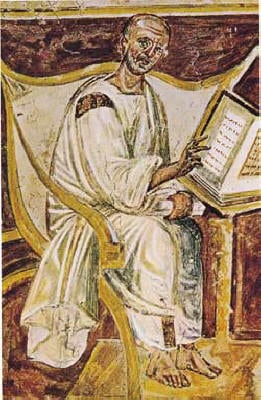
El retrato más antiguo de Agustín (fresco de Letrán, s. VI) · Public domain
بكلماته
«You have made us for yourself, and our heart is restless until it rests in you.»Confesiones I,1,1

فكرته المحورية
Inwardness (redi in te ipsum): The Augustinian road to truth runs through the interior: 'do not go outside, return into yourself; truth dwells in the inner man' (De vera religione 39.72).
السيرة
4 دقيقة قراءة
ترجمة مُعانة من الأصل الإسباني، بانتظار مراجعة مترجم من أهل اللغة.
أفريقي من طاغاست
وُلد أوريليوس أوغسطينوس في 13 نوفمبر/تشرين الثاني 354م في طاغاست، وهي بلدية في ولاية نوميديا الرومانية تقوم في موضعها اليوم مدينة سوق أهراس في الجزائر. كان أبوه باتريكيوس عضوًا في مجلس المدينة من غير أن يكون ثريًّا، وظلّ وثنيًّا حتى قُبيل وفاته؛ أما أمه مونيكا فكانت مسيحية متّقدة الإيمان، تهيمن صورتها على كتاب «الاعترافات». وقد ضحّت الأسرة كي يدرس الابن الموهوب النحو في مداوروش والبلاغة في قرطاج، بعون من رومانيانوس، أحد أثرياء بلدته. ويكاد كل ما نعرفه عن تلك السنوات يأتي من أوغسطينوس نفسه، الذي رواها بعد عقدين بقصد اعترافي ولاهوتي يفرض قراءتها بحذر.
وفي قرطاج، نحو سنة 371م، ارتبط بامرأة ارتباطًا دائمًا ولم يكتب اسمها قطّ، ووُلد له منها نحو سنة 372م ابنه أديوداتوس. وفي التاسعة عشرة أشعلت فيه قراءةُ كتاب «هورتنسيوس» لشيشرون، المفقود اليوم، حبَّ الحكمة؛ أما الكتاب المقدس اللاتيني فبدا له ركيك الأسلوب. وظلّ تسع سنوات من «السامعين» عند المانويين، أتباع ديانة ثنوية وعدت بتفسير عقلي للشرّ من غير أن تطلب الإيمان.
قرطاج، روما، ميلانو
درّس البلاغة في طاغاست ثم في قرطاج، حيث كتب أول كتبه «في الجميل والملائم» (De pulchro et apto)، الذي كان مفقودًا في زمنه. ثم برّدت خيبتُه في فاوستوس الميليفي، الأسقف المانوي العاجز عن الإجابة عن أسئلته، تعلّقَه بالمانوية. وفي سنة 383م رحل إلى روما، وفي سنة 384م نال، بدعم من الوالي سيماخوس، كرسي البلاغة الرسمي في ميلانو، وكانت آنذاك مقرّ البلاط الإمبراطوري.
وفي ميلانو استمع إلى الأسقف أمبروسيوس، الذي بيّن له تفسيرُه الرمزي أن العهد القديم يمكن أن يُقرأ بمنأى عن اعتراضات المانويين، وقرأ بترجمة ماريوس فيكتورينوس «كتب الأفلاطونيين»: رسائل لأفلوطين، وعلى الأرجح لفرفوريوس. فأعطته تلك القراءة ما كان يطلبه منذ سنين: فكرة حقيقة روحية لا تتغيّر، وفهم الشرّ بوصفه حرمانًا من الخير لا جوهرًا قائمًا بذاته. ورتّبت أمه، التي لحقت به، زواجًا لائقًا، فأُعيدت رفيقة خمس عشرة سنة إلى أفريقيا؛ ويروي أوغسطينوس ذلك جرحًا لم يندمل.
الاهتداء وكاسيكياكوم
في أغسطس/آب 386م، وفي حديقة بميلانو، سمع، كما يروي، صوت طفل يردّد «خذ واقرأ»، ففتح رسائل بولس وقرأ رومية 13: 13-14. وقد بيّن بيير كورسيل أن المشهد صيغ صياغة أدبية مقصودة؛ غير أن أحدًا لا ينازع في وقوع أزمة حاسمة أعقبها عزوف عن المهنة وعن الزواج. واعتزل أوغسطينوس مع أمه وابنه وأخيه نافيجيوس وبعض تلاميذه في ضيعة كاسيكياكوم في منطقة بريانزا شمال ميلانو، حيث كتب محاورات فلسفية — «ضد الأكاديميين» و«في الحياة السعيدة» و«في النظام» و«المناجيات» — تكشف عن أفلاطوني محدث مسيحي ما زال شديد الثقة بقدرة العقل.
وعمّده أمبروسيوس مع أديوداتوس وصديقه أليبيوس في سهرة الفصح سنة 387م. وفي طريق العودة إلى أفريقيا توفيت مونيكا في أوستيا، بعد أيام قليلة من حديث جمعها بابنها عند نافذة، جعلت منه «الاعترافات» واحدة من أسمى صفحات التصوّف المسيحي الغربي.
هيبون
عاد إلى طاغاست سنة 388م، فأسّس مع أصدقائه جماعة للحياة النسكية. وما لبث أديوداتوس أن مات. وفي سنة 391م، وهو مارّ بهيبون الملكية (عنابة اليوم)، الميناء النشيط على الساحل النوميدي، استبقاه المؤمنون، ورسمه الأسقف الشيخ فاليريوس كاهنًا يكاد يكون رغمًا عنه. وفي سنة 395م أو 396م رُسم أسقفًا مساعدًا، ثم خلف فاليريوس بعد قليل. وظلّ أربعًا وثلاثين سنة راعيًا لمدينة متوسطة: يعظ مرات عدة في الأسبوع، ويفصل في الخصومات في المحكمة الأسقفية، ويدير أملاك الكنيسة، ويفتدي العبيد، ويسافر إلى مجامع قرطاج. ونحو سنة 397م شرع في «الاعترافات»، التي يعرض فيها أسقف حديث الرسامة أمام الله وأمام قرّائه ما كانه وما صار إليه.
ثلاث مجادلات
جزء كبير من أعماله جدلي. فقد دافع، في وجه المانويين الذين عرفهم من الداخل، عن خيرية الخلق وعن حرية الإرادة. وفي وجه الدوناتيين — وكانت كنيستهم هي الغالبة في مناطق واسعة من أفريقيا وتعدّ نفسها كنيسة الشهداء الأطهار — قرّر أن صحة الأسرار لا تتوقف على قداسة خادمها، وبعد مؤتمر قرطاج سنة 411م قبل، بحجج ناقشتها الأجيال اللاحقة، أن تُكره السلطة الإمبراطورية المنشقّين. وفي وجه بيلاجيوس، ثم يوليانوس الإكلاني، دافع عن أن الإنسان، الجريح بالخطيئة الأصلية، لا يستطيع أن يريد الخير من دون النعمة، ومضى بهذه الأطروحة إلى عقيدة في القضاء والقدر أقلقت في حياته رهبان هدروميتوم وبروفانس.
«مدينة الله» والثالوث
زلزل نهبُ القوط بقيادة ألاريك لروما سنة 410م الإمبراطورية، وأحيا التهمة الوثنية بأن هجر الآلهة جلب الخراب. فردّ أوغسطينوس بين سنتي 413م و426م بكتاب «مدينة الله» في اثنين وعشرين جزءًا: نقدًا للدين والتاريخ الرومانيين، ولاهوتًا للتاريخ بوصفه تعايش مدينتين قامتا على محبّتين. وكتب في الوقت نفسه «في الثالوث» في خمسة عشر جزءًا، يبحث فيه في العقل الإنساني — الذاكرة والفهم والإرادة — عن صورة للإله الثالوث، فضلًا عن الأجزاء الاثني عشر من تفسيره الحرفي لسفر التكوين.
مراجعة أعماله
نحو سنتي 426-427م، وهو في الثانية والسبعين، عيّن الكاهن إيراكليوس خلفًا له، وأقدم على مهمة لا سابق لها: أن يعيد قراءة كتبه ويصحّحها بحسب ترتيبها الزمني. فجاءت «المراجعات» (Retractationes) تستعرض ثلاثة وتسعين مؤلَّفًا في مئتين واثنين وثلاثين كتابًا، وبقيت الرسائل والعظات خارجها. وأضاف بوسيديوس الكالامي، تلميذه وأول من كتب سيرته، إلى «السيرة» فهرسًا (Indiculum) يُحصي أيضًا المقالات والرسائل والعظات المحفوظة في مكتبة هيبون. ولم يترك لنا أي مؤلف قديم فهرسًا لنفسه بهذا الكمال.
الحصار
في سنة 429م عبر الوندال بقيادة جنسريك من إسبانيا إلى أفريقيا، وفي ربيع 430م ضربوا الحصار على هيبون. ومرض أوغسطينوس بالحمّى في الشهر الثالث من الحصار. ويروي بوسيديوس أنه أمر بنسخ مزامير التوبة وتعليقها على الجدار قبالة سريره، وكان يقرؤها باكيًا؛ وقبل وفاته بعشرة أيام طلب ألّا يدخل عليه أحد سوى الأطباء ومن يحمل إليه الطعام. وتوفي في 28 أغسطس/آب 430م. ولم يترك وصية لأنه، وهو فقير لله، لم يكن يملك شيئًا؛ لكنه أوصى بأن تُصان مكتبة الكنيسة ومخطوطاته كلها.
الإرث
قلّة من المؤلفين صاغوا حضارةً بهذا القدر. فقد رأى اللاهوتُ اللاتيني في العصور الوسطى والإصلاحُ البروتستانتي والجانسينية أنفسَهم أوغسطينيين؛ ورأى قرّاء ديكارت في عبارة «إن كنت أخطئ فأنا موجود» سابقةً للكوجيتو؛ وصعد بترارك جبل فانتو و«الاعترافات» في جيبه؛ وافتتح فيتغنشتاين «تحقيقات فلسفية» بمقطع منها، وكرّست له حنّة أرندت أطروحتها للدكتوراه. ولا تزال «قاعدته» تنظّم حياة رهبانيات قائمة. وكونه أيضًا منظّرَ الإكراه الديني وأنثروبولوجيا قاتمة للجنسانية جزءٌ من الإرث نفسه، وهو ما يفسّر لماذا يبقى محاورًا لا تمثالًا.
المصادر: Brown, Peter. Augustine of Hippo: A Biography. Londres: Faber & Faber, 1967; nueva edición con epílogo, Berkeley: University of California Press, 2000. Trad. esp.: Agustín de Hipona. Madrid: Acento, 2001. · Agustín de Hipona. Confessionum libri XIII. Ed. Lucas Verheijen. Corpus Christianorum Series Latina 27. Turnhout: Brepols, 1981. Trad. inglesa de Henry Chadwick, Oxford: Oxford University Press, 1991. · Posidio de Calama. Vita Augustini y Operum S. Augustini elenchus (Indiculum). Ed. A. Wilmart, «Operum S. Augustini Elenchus a Possidio eiusdem discipulo Calamensi episcopo digestus», en Miscellanea Agostiniana II. Roma: Tipografia Poliglotta Vaticana, 1931, pp. 149–233; Vita ed. A. A. R. Bastiaensen, Vita di Cipriano, Vita di Ambrogio, Vita di Agostino. Milán: Fondazione Lorenzo Valla / Mondadori, 1975. · Agustín de Hipona. Retractationum libri II. Ed. Almut Mutzenbecher. Corpus Christianorum Series Latina 57. Turnhout: Brepols, 1984. · Fitzgerald, Allan D. (dir.). Augustine through the Ages: An Encyclopedia. Grand Rapids: William B. Eerdmans, 1999 (trad. esp.: Diccionario de San Agustín. Burgos: Monte Carmelo, 2001).
الخط الزمني
الحياة عامًا بعد عام
كل نقطة حدث موثّق. انقر لتقرأه مع مصدره ودرجة اليقين فيه.
13 نوفمبر 354أقل من عامTagaste (Numidia)
Birth
Aurelius Augustinus is born, son of Patricius, a member of the local curia, and of Monica, a Christian. He gives the date himself in De beata vita 1.6.
موثّقPosidio de Calama. Vita Augustini y Operum S. Augustini elenchus (Indiculum). Ed. A. Wilmart, «Operum S. Augustini Elenchus a Possidio eiusdem discipulo Calamensi episcopo digestus», en Miscellanea Agostiniana II. Roma: Tipografia Poliglotta Vaticana, 1931, pp. 149–233; Vita ed. A. A. R. Bastiaensen, Vita di Cipriano, Vita di Ambrogio, Vita di Agostino. Milán: Fondazione Lorenzo Valla / Mondadori, 1975.
بعد وفاته
- 1298Doctor of the Church
- 1981The Divjak letters
- نحو 1990 – 1996The Dolbeau sermons
13 نوفمبر 354 · أقل من عام
Birth
Aurelius Augustinus is born, son of Patricius, a member of the local curia, and of Monica, a Christian. He gives the date himself in De beata vita 1.6.
موثّق
نحو 370 – 371 · 16 عامًا
Studies of rhetoric at Carthage
After an idle year at Thagaste, he goes to Carthage with Romanianus's support. There he begins his union with the mother of his son.
موثّق
نحو 372 · 18 عامًا
Adeodatus is born
His only son, Adeodatus, is born of a companion whose name Augustine never wrote.
مرجَّح
نحو 373 · 19 عامًا
The Hortensius and the Manichaeans
Reading Cicero's Hortensius awakens his philosophical vocation; soon after he becomes a Manichaean hearer, which he will remain for nine years (Conf. 3.4.7; 4.1.1).
موثّق
383 · 29 عامًا
Faustus of Milevis and the journey to Rome
His conversation with the Manichaean bishop Faustus disappoints him. He sails for Rome without his mother's knowledge.
موثّق
384 · 30 عامًا
Chair of rhetoric at Milan
On the recommendation of the prefect Symmachus he obtains the official chair of rhetoric at Milan. He hears Ambrose preach.
موثّق
386 · 31 عامًا
The books of the Platonists
He reads Neoplatonic treatises (Plotinus, probably Porphyry) in Marius Victorinus's translation, which transform his idea of God and of evil (Conf. 7.9.13).
موثّق
أغسطس 386 · 31 عامًا
The garden scene: 'take up and read'
Conversion crisis narrated in Confessions 8.12.29. He gives up his chair and the planned marriage.
موثّق
نحو 386 – 387 · 32 عامًا
Retreat at Cassiciacum
Philosophical retreat with his mother, son and pupils; he writes Contra Academicos, De beata vita, De ordine and the Soliloquia.
موثّق
أبريل 387 · 32 عامًا
Baptised by Ambrose
He is baptised at the Easter vigil, together with Adeodatus and Alypius.
موثّق
387 · 33 عامًا
The vision at Ostia and Monica's death
Contemplative conversation with his mother at a window (Conf. 9.10) and Monica's death a few days later.
موثّق
388 · 34 عامًا
Community at Thagaste
After a stay in Rome he returns to Africa and organises with his friends an ascetic common life in his family home.
موثّق
391 · 37 عامًا
Ordained priest
The faithful of Hippo present him to Bishop Valerius, who ordains him priest against his will (Possidius, Life 4).
موثّق
نحو 395 – 396 · 41 عامًا
Bishop of Hippo
Consecrated coadjutor bishop to Valerius, whom he soon succeeds.
موثّق
نحو 397 – 401 · 43 عامًا
The Confessions
Writing of the thirteen books of the Confessions (date debated between 397 and 401).
مرجَّح
يونيو 411 · 56 عامًا
Conference of Carthage against the Donatists
Great debate between Catholic and Donatist bishops presided over by the tribune Marcellinus; Augustine is the main Catholic spokesman and summarises its acts in the Breviculus collationis.
موثّق
نحو 413 – 426 · 59 عامًا
The City of God
After the sack of Rome in 410 he begins the twenty-two books of The City of God, completed around 426.
موثّق
مايو 418 · 63 عامًا
Condemnation of Pelagius
The general council of Carthage condemns Pelagian theses, which Augustine had been refuting since 411–412.
موثّق
26 سبتمبر 426 · 71 عامًا
Names his successor and begins the Retractationes
Before the people he designates the priest Eraclius as successor (Letter 213) and devotes himself to revising his works: the Retractationes record ninety-three works in two hundred and thirty-two books.
موثّق
28 أغسطس 430 · 75 عامًا
Death during the Vandal siege
He dies in the third month of the Vandal siege of Hippo, according to Possidius's testimony (Life 28–31).
موثّق
1298
Doctor of the Church
Boniface VIII recognises Ambrose, Jerome, Augustine and Gregory the Great as Doctors of the Church.
موثّق
1981
The Divjak letters
Johannes Divjak publishes in CSEL 88 twenty-nine unknown letters found in manuscripts at Marseille and Paris.
موثّق
نحو 1990 – 1996
The Dolbeau sermons
François Dolbeau identifies in a codex of the Mainz city library twenty-six sermons unknown or complete for the first time, edited between 1991 and 1996.
موثّق
المؤلَّفات
المؤلَّفات الأساسية
المؤلَّفات التي لا يُفهم إرثه من دونها.
مؤلَّف مكتوب · نحو 397
Confessions
Confessionum libri XIII
Thirteen books addressed to God in the second person. The first nine narrate Augustine's life from infancy to his conversion in 386, his baptism and Monica's death at Ostia: the theft of the pears, the death of his friend, Manichaeism, Ambrose, the books of the Platonists, the garden in Milan. Book X examines memory and the temptations of the bishop who is writing; book XI is a meditation on time as the distension of the soul; books XII and XIII interpret the first chapter of Genesis. Confessio means both acknowledgement of guilt and praise; the unity of the book, much debated by critics, lies in that double confession. It is the first great introspective autobiography of the West and one of the most read books of late antiquity.
11 طبعة · amazon.com

مؤلَّف مكتوب · نحو 413
The City of God
De civitate Dei contra paganos libri XXII
A monumental answer, in twenty-two books written between 413 and 426, to the pagans who blamed Christianity for the sack of Rome in 410. The first ten books dismantle Roman civic religion, Varro's theology and the Platonists' cult of demons; the remaining twelve narrate the origin, course and ends of two cities (the earthly, founded on love of self to the contempt of God, and the heavenly, founded on love of God to the contempt of self) which are intermingled in history until the judgement. Book XIX, on peace and order, founded medieval Christian political theory. It is the West's first great philosophy of history.
5 طبعات · amazon.com

مؤلَّف مكتوب · نحو 400
On the Trinity
De Trinitate libri XV
Fifteen books composed over some twenty years (c. 399–c. 420), published after an unfinished copy had circulated without permission. The first seven expound Trinitarian doctrine from Scripture and discuss the missions of the Son and the Spirit and the language of relations; the last eight seek in the human being, God's image, analogies of the Trinity: lover, beloved and love; mind, knowledge and love; and above all memory, understanding and will. The work is at once a dogmatic treatise and an exercise in inward ascent, and its so-called psychological analogy dominated Latin Trinitarian theology up to Thomas Aquinas and beyond.
4 طبعات · amazon.com

مؤلَّف مكتوب · نحو 396
On Christian Teaching
De doctrina christiana libri IV
A manual for interpreting and preaching Scripture. Begun around 396–397 and left off at book III, 25.35, it was completed by Augustine in 426–427 while writing the Retractationes. Book I distinguishes between things to be enjoyed (frui) and things to be used (uti) and makes charity the key to all reading; books II and III set out a theory of signs and rules for resolving ambiguities, with the appropriation of pagan learning as 'the gold of Egypt'; book IV adapts Ciceronian rhetoric to Christian preaching. It was the programme of Christian school culture throughout the Middle Ages.
طبعتان · amazon.com

مؤلَّف مكتوب · نحو 421
Enchiridion on Faith, Hope and Charity
Enchiridion ad Laurentium de fide et spe et caritate
A short compendium of the Christian faith written around 421–422 at the request of one Laurentius, who wanted a handbook. Organised according to the three theological virtues, it comments on the Creed (faith), the Lord's Prayer (hope) and charity as the end of the commandment. It summarises concisely Augustine's mature positions on creation, evil as privation, original sin, grace, predestination, purgation and resurrection, and was for centuries the most read synthesis of his theology.
0 طبعة · amazon.com

مجموعة لاحقة · نحو 392
Expositions of the Psalms
Enarrationes in Psalmos
The largest of his biblical commentaries: expositions of the hundred and fifty psalms composed between c. 392 and c. 422, some dictated and others preached before the people and taken down by stenographers, including thirty-two sermons on Psalm 118. Augustine reads the psalms as the voice of the whole Christ, head and body, singing and groaning in the pilgrim Church. It is the work in which the preacher is best heard and his spirituality of desire and praise is expressed most freely. The title Enarrationes is Erasmus's.
طبعة واحدة · amazon.es

مجموعة لاحقة · نحو 406
Tractates on the Gospel of John
In Iohannis evangelium tractatus CXXIV
One hundred and twenty-four homilies on the fourth Gospel, the first preached at Hippo around 406–407 and the later ones dictated for reading at subsequent dates, perhaps until 419–420. They combine verse-by-verse exegesis with anti-Donatist and anti-Arian polemic and with a theology of the Word and of inwardness that has shaped the Latin reading of John. They contain famous formulas on the sacrament as 'visible word' and on the Church as Christ's body.
0 طبعة · amazon.com

مراسلات · نحو 386
Letters
Epistulae
A corpus of about three hundred surviving letters (the Maurist series numbers 270, including letters from his correspondents), to which were added in 1981 the twenty-nine letters discovered by Johannes Divjak. Written between 386 and 430, they include the correspondence with Jerome on biblical translation and the useful lie, with Paulinus of Nola, with imperial officials such as Marcellinus, Macedonius or Boniface, letter-treatises such as Letter 147 on seeing God or 187 on God's presence, and pastoral matters: slaves sold by traffickers, unruly bishops, widows and virgins. They are the most direct source for the bishop's daily life.
طبعة واحدة · amazon.es

مجموعة لاحقة · نحو 391
Sermons
Sermones ad populum
About five hundred authentic sermons preached between 391 and 430 at Hippo, Carthage and other African cities and taken down by stenographers (Possidius reckons he preached several thousand). The Maurist series (1683) numbers 396, to which have been added the finds of Morin, Lambot, Étaix, the twenty-six Dolbeau sermons from Mainz (1990) and the six from Erfurt (2008). Arranged by tradition into sermons on the Old and New Testaments, for the liturgical seasons, on saints and on various topics, they show the oral Augustine: dialogical, playful with words and attentive to his audience's reactions.
طبعة واحدة · amazon.es
جميع مؤلَّفاته (139)

Homilies on the First Epistle of John
407
Augustine of Hippo
Retractations
The Conscious LibraryRetractations
426
Augustine of Hippo
On the Beautiful and the Fitting
The Conscious LibraryOn the Beautiful and the Fitting
380

Against the Academics
386
On the Happy Life
386

On Order
386
Augustine of Hippo
Soliloquies
The Conscious LibrarySoliloquies
387

On the Immortality of the Soul
387
Augustine of Hippo
On Grammar
The Conscious LibraryOn Grammar
387

On Dialectic
387
Augustine of Hippo
On Music
The Conscious LibraryOn Music
388
Augustine of Hippo
On the Morals of the Catholic Church and of the Manichaeans
The Conscious LibraryOn the Morals of the Catholic Church and of the Manichaeans
388
Augustine of Hippo
On the Greatness of the Soul
The Conscious LibraryOn the Greatness of the Soul
388

On Free Choice of the Will
388
Augustine of Hippo
On Genesis against the Manichaeans
The Conscious LibraryOn Genesis against the Manichaeans
388
Augustine of Hippo
On the Teacher
The Conscious LibraryOn the Teacher
389

On True Religion
390
On the Advantage of Believing
391
Augustine of Hippo
On the Two Souls
The Conscious LibraryOn the Two Souls
391
Augustine of Hippo
Debate with Fortunatus the Manichaean
The Conscious LibraryDebate with Fortunatus the Manichaean
392

On Faith and the Creed
393
Augustine of Hippo
Unfinished Literal Commentary on Genesis
The Conscious LibraryUnfinished Literal Commentary on Genesis
393

On the Lord's Sermon on the Mount
394
Augustine of Hippo
Psalm against the Party of Donatus
The Conscious LibraryPsalm against the Party of Donatus
393
الأقوال
أقوال محدَّدة الموضع في مؤلَّف بعينه. كل منها يحمل مصدره ودرجة الثقة به.
You have made us for yourself, and our heart is restless until it rests in you.Fecisti nos ad te et inquietum est cor nostrum, donec requiescat in te.
متحقَّق منهConfesiones I,1,1
أقوال منحولة أو مختلَف في نسبتها (3)
«In essentials, unity; in doubtful things, liberty; in all things, charity.»
It appears in no work of Augustine. The formula 'in necessariis unitas, in non necessariis libertas, in utrisque caritas' comes from the irenic treatise Paraenesis votiva pro pace ecclesiae (1626) by the Lutheran theologian Peter Meiderlin (Rupertus Meldenius), and has been attributed to Augustine since the nineteenth century.
«He who sings prays twice.»
The proverbial form ('qui cantat, bis orat') is not found in his works. It is usually linked to Enarrationes in Psalmos 72.1, where Augustine says that whoever sings praise not only praises but praises joyfully, and to his reflection on singing in Confessions X.33.49–50; the abbreviated formula is later.
«The world is a book, and those who do not travel read only one page.»
A modern attribution with no basis in the Augustinian corpus or the manuscript tradition; it circulates in quotation anthologies and travel advertising without reference to any work.
الكلمات الأخيرة
لا توجد سجلات يمكن التحقق منها لكلماته الأخيرة.
No last words survive. Possidius of Calama, witness of his last illness during the Vandal siege of Hippo, relates that Augustine had the four penitential psalms 'of David' copied, had them fixed to the wall facing his bed and read them weeping; that during the ten days before his death he asked not to be visited except by the doctors and whoever brought his food, so as to devote himself to prayer; and that he died on 28 August 430 with his limbs sound and his sight and hearing intact, in the presence of his own, who were praying (Life 31). He transmits no final sentence.
المصدر: Posidio de Calama. Vita Augustini y Operum S. Augustini elenchus (Indiculum). Ed. A. Wilmart, «Operum S. Augustini Elenchus a Possidio eiusdem discipulo Calamensi episcopo digestus», en Miscellanea Agostiniana II. Roma: Tipografia Poliglotta Vaticana, 1931, pp. 149–233; Vita ed. A. A. R. Bastiaensen, Vita di Cipriano, Vita di Ambrogio, Vita di Agostino. Milán: Fondazione Lorenzo Valla / Mondadori, 1975.
اسأل
بماذا يجيب أثره
اثنا عشر سؤالًا كبيرًا من أسئلة الإنسانية، وما تتيح نصوصه الإجابة به عنها، مع المراجع. ولا نقوّله ما لم يقل أبدًا.
ما المطلق؟ هل الله موجود؟
God is immutable, triune Being, more inward than one's inmost self
إله شخصييقوله صراحةً
Augustine reaches God by a double path: that of Platonist philosophy, which teaches him to think of God as immutable, incorporeal being and eternal truth (Confessions VII), and that of Scripture, which reveals him as creator, Father and Trinity. This Being is also someone: the Confessions are written entirely in the second person and open by declaring that the heart is restless until it rests in him. God is more inward than the soul's inmost part and higher than its highest. In On the Trinity he seeks in the human mind —memory, understanding and will— an image of the three Persons. And he warns that a God who is comprehended is no longer God: the Absolute is personal, yet exceeds every concept.
قارن هذا السؤال مع معلّمين آخرينمن أنا؟ هل توجد ذات حقيقية؟
I am a riddle to myself; I know myself by turning inward
روح مخلوقة خالدةيقوله صراحةً
Augustine made the self a philosophical problem: in the Confessions he says he had become a great question to himself. His answer is the soul: a spiritual substance, created, distinct from the body and destined for immortality, to which he devoted early works such as On the Immortality of the Soul. Against the sceptics he formulates a certainty prior to Descartes: if I am mistaken, I exist. In On the Trinity he analyses the mind that remembers, understands and loves itself, an image of the three Persons. But the self is not self-sufficient: the God it seeks is more inward than its inmost part. To know oneself is to discover a creature made for God and restless without him.
قارن هذا السؤال مع معلّمين آخرينلماذا نتألّم؟
Evil is privation of good; we suffer from disordered love
الانفصال عن اللهيقوله صراحةً
Augustine spent nine years among the Manichaeans, who explained evil as a substance opposed to good. His mature answer, in the Confessions and On the Nature of the Good, is that everything that exists is good and that evil is not a thing, but a privation of good. Moral evil arises from the will that turns away from the immutable Good toward lesser goods: it is disordered love. Human suffering —mortality, ignorance, concupiscence— is for him a consequence of original sin, which humanity inherits from Adam. But the restless heart is also a sign of its origin: it suffers because it is made for God.
قارن هذا السؤال مع معلّمين آخرينماذا يحدث بعد الموت؟
The end without end: we shall see, love and praise
الحياة الأبدية والقيامةيقوله صراحةً
Augustine awaits the resurrection of the flesh and eternal life. The City of God ends, in its book XXII, by describing that rest: there we shall rest and see, see and love, love and praise, in the end that has no end. He upholds the resurrection of bodies against the Platonists who despised the flesh, and also the eternal damnation of those not saved, which he defends harshly in book XXI. Book IX of the Confessions recounts the vision shared with his mother at Ostia, days before her death, as a foretaste of that life. On the Care of the Dead justifies prayer for the departed.
قارن هذا السؤال مع معلّمين آخرينكيف يُبلَغ التحرّر أو الخلاص؟
Give what you command and command what you will
بالنعمة والمحبةيقوله صراحةً
Augustine is the doctor of grace. His own conversion, narrated in book VIII of the Confessions, shows a divided will that cannot wholly will what it wills until a reading of Paul in the garden at Milan sets it free. Hence the prayer of book X: give what you command and command what you will, which scandalised Pelagius. In the Pelagian controversy he maintains that, after original sin, the human will cannot do the saving good without the grace of Christ, which precedes it, heals it and sustains it to the end; in his last works he speaks of predestination and of the gift of perseverance. The human being cooperates, but because he has first been moved.
قارن هذا السؤال مع معلّمين آخرينهل نحتاج إلى معلّم؟
The only Teacher is Christ, who teaches in the inner man
المعلّم في الداخليقوله صراحةً
In On the Teacher, a dialogue with his son Adeodatus, Augustine reaches a radical conclusion: human words teach nothing by themselves; at most they prompt and refer. The one who truly teaches is the Truth that dwells in the inner man, Christ, whom each person consults within. Hence, in On True Religion, the watchword is not to go outside, but to return to oneself, for truth dwells in the inner man. Yet Augustine is no individualist: he himself was a teacher and bishop, and upheld the Church's authority, to the point of writing that he would not believe the Gospel unless the authority of the Catholic Church moved him to do so.
قارن هذا السؤال مع معلّمين آخرينهل العالم حقيقي؟
Everything that exists is good, because God made it from nothing
خلقٌ صالح وحقيقييقوله صراحةً
Against the Manichaeans, who saw matter as the work of an evil principle, Augustine defends the goodness of all creation: in the Confessions he concludes that all things that exist are good, and On the Nature of the Good develops the view that every nature, as nature, is good. God created the world from nothing, not from his own substance: hence the world is real, distinct from God and changeable. Augustine also meditates on time, created with the world, in book XI of the Confessions. Creatures, when questioned, answer that they are not God, but that he made them; their beauty is a voice pointing to their author.
قارن هذا السؤال مع معلّمين آخرينما الحب؟
My weight is my love: it carries me wherever I go
الشوق والوصاليقوله صراحةً
Augustine thinks of love as a force that moves the soul toward its place, as weight moves bodies: my weight is my love, he writes in the Confessions. Every human being loves; the question is what one loves and in what order. Charity is ordered love, which loves God for his own sake and everything else in God; cupidity is love that stops at creatures. Hence two loves found two cities: love of self to the contempt of God and love of God to the contempt of self. And hence too his boldest formula: love and do what you will, because from the root of love nothing but good can come.
قارن هذا السؤال مع معلّمين آخرينهل نحن أحرار أم أن كل شيء مقدَّر؟
The will is free, but only grace frees it for the good
إرادة حرة حقيقيةيقوله صراحةً
Augustine wrote On Free Choice of the Will against the Manichaeans, to show that evil comes from free will and not from an evil substance: God gave the human being free will as a good, and sin is its misuse. Years later, in the controversy with Pelagius, he stressed that after the fall that will, though it still chooses, cannot effectively will the saving good without grace, which sets it free. In On Grace and Free Will he holds that both exist and do not cancel each other out. In his last works he radicalises the doctrine of predestination. Freedom is real, but full freedom is that of one who can no longer sin.
قارن هذا السؤال مع معلّمين آخرينلماذا نتأمّل أو نصلّي؟
Return to yourself, and then transcend yourself
العودة إلى منبع الأنايقوله صراحةً
Augustine describes the path to God as a movement inward. In On True Religion he puts it thus: do not go outside, return to yourself, truth dwells in the inner man; and if you find your nature changeable, transcend yourself as well. Book X of the Confessions roams the «vast palaces of memory» looking for where God is, and discovers that he was within while Augustine sought him outside. Prayer, moreover, is desire: in the Expositions of the Psalms he writes that desire itself is prayer, and that if desire is continuous, prayer is continuous. In the letter to Proba he teaches above all to ask for the happy life.
قارن هذا السؤال مع معلّمين آخرينهل يستطيع العقل أن يعرف الحقيقة القصوى؟
Believe in order to understand, understand in order to believe
الإيمان والعقل يتعاونانيقوله صراحةً
Augustine came to faith after passing through academic scepticism and Neoplatonism, and never stopped thinking. His formula, in sermon 43, unites the two movements: understand in order to believe, my word; believe in order to understand, the word of God. Reason prepares faith, showing that it is reasonable to believe; faith, in turn, purifies the mind and enables it to understand what it previously only accepted. Against the Academics he refutes the claim that nothing can be known with certainty. But Augustine also knows there is a limit: if you comprehend it, it is not God. On the Trinity ends by acknowledging that he has said much without reaching what he seeks.
قارن هذا السؤال مع معلّمين آخرينالانسحاب من العالم أم تغييره؟
Never so idle as to neglect others, nor so busy as to forget God
التأمّل في الفعليقوله صراحةً
Augustine dreamed of a retired life of study and prayer —he lived it at Cassiciacum and Thagaste— but was ordained priest against his will and spent more than thirty years as bishop of Hippo, preaching, judging lawsuits and engaging in controversy. In book XIX of the City of God he formulates the balance: no one should be so idle that in his leisure he does not think of his neighbour's benefit, nor so busy that he does not seek the contemplation of God; love of truth seeks holy leisure, and the necessity of charity accepts righteous work. The city of God coexists with the earthly city and makes use of its peace, though it is a pilgrim toward another homeland.
قارن هذا السؤال مع معلّمين آخرين
التقارب والتوتّر
التقارب والتوتّر
محسوبة سؤالًا سؤالًا انطلاقًا من مواقفه. وسبب كل اتفاق أو اختلاف يظهر بالنقر.
يقترب في تفكيره من

Teresa of Ávila
يتّفقان في: ما المطلق؟ هل الله موجود؟ · من أنا؟ هل توجد ذات حقيقية؟ · لماذا نتألّم؟

Francis of Assisi
يتّفقان في: ما المطلق؟ هل الله موجود؟ · من أنا؟ هل توجد ذات حقيقية؟ · لماذا نتألّم؟
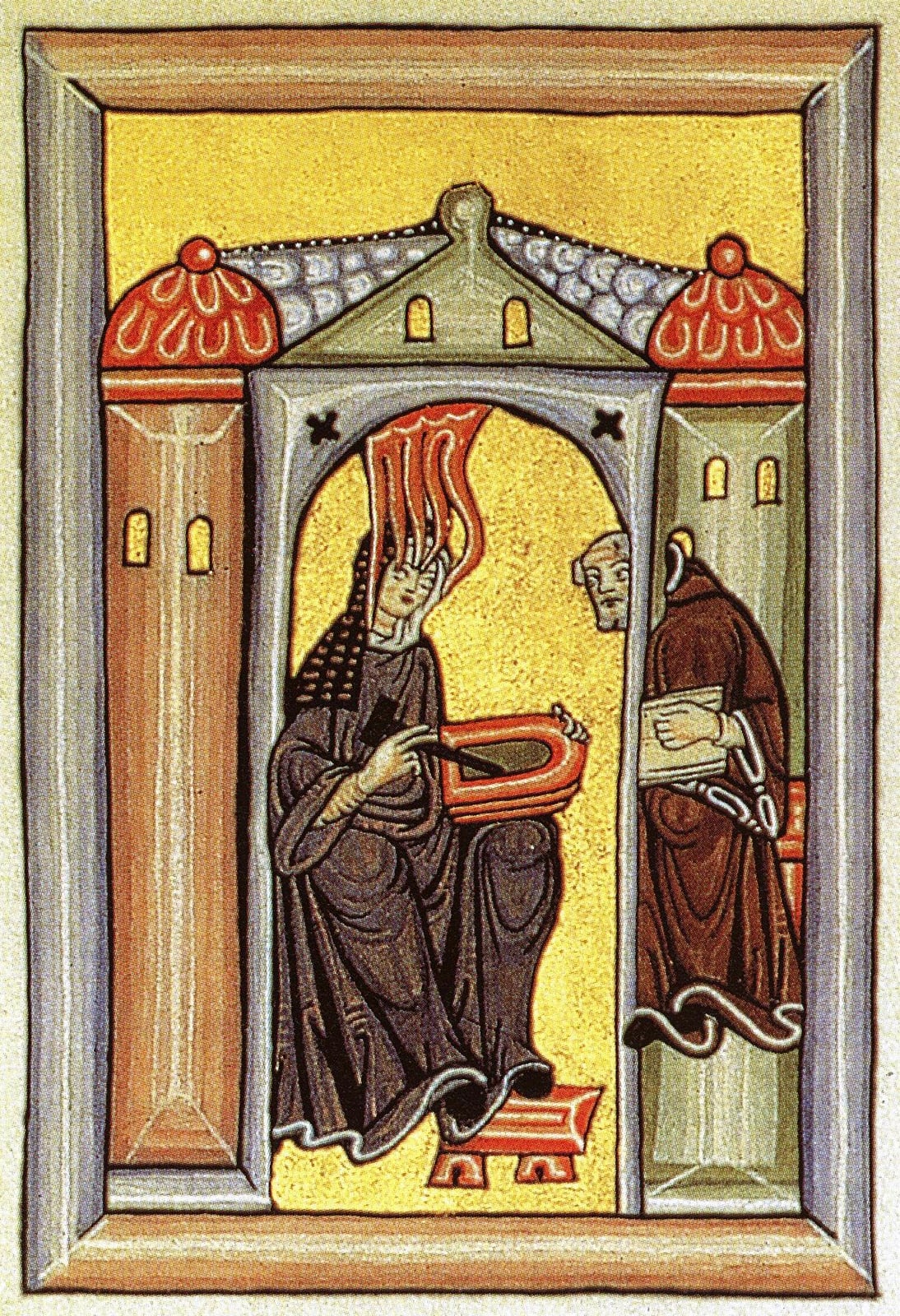
Hildegard of Bingen
يتّفقان في: ما المطلق؟ هل الله موجود؟ · من أنا؟ هل توجد ذات حقيقية؟ · ماذا يحدث بعد الموت؟
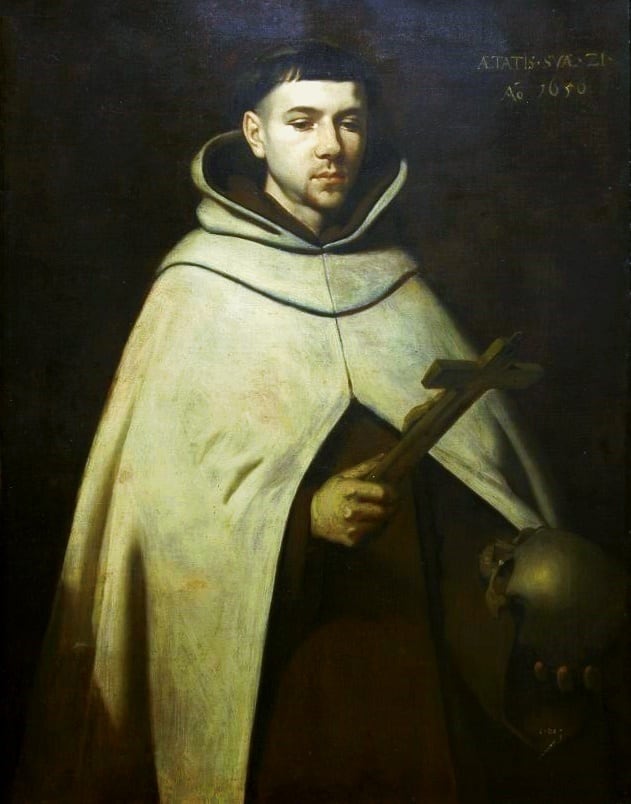
John of the Cross
يتّفقان في: ما المطلق؟ هل الله موجود؟ · من أنا؟ هل توجد ذات حقيقية؟ · لماذا نتألّم؟
يبتعد في تفكيره عن

Patañjali
يختلفان في: ما المطلق؟ هل الله موجود؟ · من أنا؟ هل توجد ذات حقيقية؟ · ماذا يحدث بعد الموت؟

Pema Chödrön
يختلفان في: ما المطلق؟ هل الله موجود؟ · من أنا؟ هل توجد ذات حقيقية؟ · ماذا يحدث بعد الموت؟

Nāgārjuna
يختلفان في: ما المطلق؟ هل الله موجود؟ · من أنا؟ هل توجد ذات حقيقية؟ · ماذا يحدث بعد الموت؟

Dōgen
يختلفان في: ما المطلق؟ هل الله موجود؟ · من أنا؟ هل توجد ذات حقيقية؟ · ماذا يحدث بعد الموت؟
حكايات وروايات
حكايات وروايات
موثّقc. 370
The stolen pears
أصل الرواية: Told by Augustine himself in Confessions II.4.9–10.18. It is the only testimony of the event.
المصدر: Agustín de Hipona. Confessionum libri XIII. Ed. Lucas Verheijen. Corpus Christianorum Series Latina 27. Turnhout: Brepols, 1981. Trad. inglesa de Henry Chadwick, Oxford: Oxford University Press, 1991.
موثّق384–386
Ambrose reads in silence
أصل الرواية: Confessions VI.3.3. The reading of the passage as evidence of the rarity of silent reading has been disputed, among others by B. M. W. Knox (1968).
المصدر: Agustín de Hipona. Confessionum libri XIII. Ed. Lucas Verheijen. Corpus Christianorum Series Latina 27. Turnhout: Brepols, 1981. Trad. inglesa de Henry Chadwick, Oxford: Oxford University Press, 1991.
شهادةagosto de 386
'Take up and read'
أصل الرواية: Autobiographical account in Confessions VIII.8.19–12.30, written about eleven years later. Pierre Courcelle (1950) emphasised its literary construction (Nathanael's fig tree, the model of the Life of Antony); later scholarship accepts the real crisis and debates the degree of stylisation.
المصدر: Agustín de Hipona. Confessionum libri XIII. Ed. Lucas Verheijen. Corpus Christianorum Series Latina 27. Turnhout: Brepols, 1981. Trad. inglesa de Henry Chadwick, Oxford: Oxford University Press, 1991.
شهادة387
The window at Ostia
أصل الرواية: Confessions IX.10.23–11.28. Scholars (Courcelle, O'Donnell) have pointed out its Plotinian vocabulary; the account is the only testimony of the conversation.
المصدر: Agustín de Hipona. Confessionum libri XIII. Ed. Lucas Verheijen. Corpus Christianorum Series Latina 27. Turnhout: Brepols, 1981. Trad. inglesa de Henry Chadwick, Oxford: Oxford University Press, 1991.
موثّق391
Ordained by force
أصل الرواية: Possidius, Life 4, and Augustine himself in Sermon 355.2 (preached in 425), where he recalls avoiding vacant sees.
المصدر: Posidio de Calama. Vita Augustini y Operum S. Augustini elenchus (Indiculum). Ed. A. Wilmart, «Operum S. Augustini Elenchus a Possidio eiusdem discipulo Calamensi episcopo digestus», en Miscellanea Agostiniana II. Roma: Tipografia Poliglotta Vaticana, 1931, pp. 149–233; Vita ed. A. A. R. Bastiaensen, Vita di Cipriano, Vita di Ambrogio, Vita di Agostino. Milán: Fondazione Lorenzo Valla / Mondadori, 1975.
لا يمكن التحقق منهsin fecha
The child and the shell
أصل الرواية: A medieval legend with no basis in the ancient sources. Scholars place it in late medieval preaching and exempla, where the protagonist was not always Augustine; its first written appearance could not be fixed here.
المصدر: Fitzgerald, Allan D. (dir.). Augustine through the Ages: An Encyclopedia. Grand Rapids: William B. Eerdmans, 1999 (trad. esp.: Diccionario de San Agustín. Burgos: Monte Carmelo, 2001).
شهادةagosto de 430
The psalms on the wall
أصل الرواية: Possidius, Life 28–31, the eyewitness account of a disciple who lived through the siege inside Hippo.
المصدر: Posidio de Calama. Vita Augustini y Operum S. Augustini elenchus (Indiculum). Ed. A. Wilmart, «Operum S. Augustini Elenchus a Possidio eiusdem discipulo Calamensi episcopo digestus», en Miscellanea Agostiniana II. Roma: Tipografia Poliglotta Vaticana, 1931, pp. 149–233; Vita ed. A. A. R. Bastiaensen, Vita di Cipriano, Vita di Ambrogio, Vita di Agostino. Milán: Fondazione Lorenzo Valla / Mondadori, 1975.
التعاليم
التعاليم
المفاهيم التي ينتظم بها فكره، مشروحة في سياقها.
Inwardness (redi in te ipsum)interioridad
Christian reception of the Plotinian ascent (Enneads I.6; V.1), filtered through the reading of the 'books of the Platonists' in Milan.
المصدر: Agustín de Hipona. Confessionum libri XIII. Ed. Lucas Verheijen. Corpus Christianorum Series Latina 27. Turnhout: Brepols, 1981. Trad. inglesa de Henry Chadwick, Oxford: Oxford University Press, 1991.
Grace and original singracia-y-pecado-original
The Pelagian controversy (411–430) and the reading of Paul (Romans, Galatians) from 394.
المصدر: Bonner, Gerald. St Augustine of Hippo: Life and Controversies. Londres: SCM Press, 1963; 3.ª ed., Norwich: Canterbury Press, 2002.
The two citiesdos-ciudades
An answer to the crisis of 410 and to the Christian imperial theology of Eusebius of Caesarea and Orosius.
المصدر: Agustín de Hipona. De civitate Dei libri XXII. Ed. Bernhard Dombart y Alfons Kalb. Corpus Christianorum Series Latina 47–48. Turnhout: Brepols, 1955.
Divine illuminationiluminacion
Platonic inheritance (the Form of the Good as sun in the Republic) and an answer to Academic scepticism.
The psychological analogy of the Trinityanalogia-psicologica
Latin Trinitarian theology after Nicaea and Constantinople, in dialogue with Marius Victorinus and Plotinus.
Time as distension of the soultiempo-distensio-animi
An answer to Aristotle's physics of time as the number of motion and to Plotinus (Enneads III.7).
Evil as privation of goodmal-como-privacion
Anti-Manichaean polemic and reception of Plotinus (Enneads I.8).
المصدر: Lancel, Serge. Saint Augustin. París: Fayard, 1999. Trad. inglesa de Antonia Nevill, Saint Augustine. Londres: SCM Press, 2002.
مقاطع الفيديو
مقاطع الفيديو
تسجيلات ومقابلات وأفلام وثائقية. تُشغَّل مقاطع الفيديو من YouTube؛ ولا تُستضاف هنا.
05. St. Augustine's Confessions
محاضرة· EN· 2012· 46 min
YaleCoursesالقناة الرسمية
Why Study St Augustine of Hippo with John Milbank
محاضرة· EN· 2016· 11 min
University of Nottinghamالقناة الرسمية
Augustine's Confessions and Language
محاضرة· EN· 2017· 40 min
Villanova Universityالقناة الرسمية
St Augustine Lecture 2012 | 'A Tangle of Two Cities' Dr. James Wetzel
محاضرة· EN· 2012· 94 min
Villanova Universityالقناة الرسمية
St. Augustine Lecture 2016 | Fr. Allan Fitzgerald, OSA 'Engaging the Gospel of John'
محاضرة· EN· 2016· 70 min
Villanova Universityالقناة الرسمية
The City of God: The Philosophical Vision of St. Augustine of Hippo with Dr. Chad Pecknold
محاضرة· EN· 2026· 79 min
Institute of Catholic Cultureالقناة الرسمية
Christians in Times of Catastrophe: Augustine's 'City of God'
محاضرة· EN· 2020· 99 min
Lumen Christi Instituteالقناة الرسمية
The Confessions (Pusey translation) by Saint AUGUSTINE OF HIPPO Part 1/2 | Full Audio Book
تسجيل من طرف ثالث· EN· 2018· 624 min
LibriVox Audiobooks
Agustín de Hipona | Un Documental por Agustín Remesal | Completo
فيلم وثائقي· ES· 2022· 61 min
Centro de Espiritualidad Agustinosالقناة الرسمية
Conferencia - Conociendo más a San Agustín por Fray Enrique Eguiarte
محاضرة· ES· 2018· 54 min
Recoletos TVالقناة الرسمية
Conferencia 'La Espiritualidad de San Agustín', Fray Enrique Eguiarte
محاضرة· ES· 2017· 65 min
Recoletos TVالقناة الرسمية
7ª.-8ª.- San Agustín de Hipona
محاضرة· ES· 2023· 161 min
Fundación Universitaria Españolaالقناة الرسمية
La Ciudad de Dios y la Ciudad de los Hombres en San Agustín
محاضرة· ES· 2020· 52 min
Instituto de Ciencias Teológicas
Augustinus | Josef Schmidt
محاضرة· DE· 2016· 10 min
uni auditorium – wissen online
Saint Augustin
فيلم وثائقي· FR· 2012· 52 min
KTO TVالقناة الرسمية
المعرض
المعرض
صور بترخيص متحقَّق منه. كل منها تحتفظ بمؤلّفها ونسبتها.
المخطوطات
المخطوطات
شواهد مخطوطة ونصوص قديمة، مع جهة حفظها وشروط الاطّلاع عليها.
LA · Semiuncial · 397–401
Confessiones (códice Sessoriano)
- الشاهد المحفوظ
- Testimonio más antiguo conocido de las Confesiones (s. VI), base de las ediciones críticas modernas
- جهة الحفظ
- Biblioteca Nazionale Centrale Vittorio Emanuele II, Roma · Sessor. 55
LA · Minúscula · 386–430
Epistulae (cartas Divjak)
- الشاهد المحفوظ
- Dos manuscritos medievales que transmiten, junto a cartas conocidas, veintinueve cartas inéditas identificadas por Johannes Divjak en 1975
- جهة الحفظ
- Bibliothèque municipale de Marseille; Bibliothèque nationale de France, París · Marseille, BM 209; Paris, BnF lat. 16861
LA · Minúscula gótica · 391–430
Sermones (códice de Maguncia, sermones Dolbeau)
- الشاهد المحفوظ
- Códice del s. XV procedente de la cartuja de Maguncia que conserva una colección africana de sermones, entre ellos veintiséis desconocidos o incompletos, identificados por François Dolbeau en 1990
- جهة الحفظ
- Stadtbibliothek Mainz · I 9
LA · Minúscula · s. V (sermones)
Sermones (códice de Erfurt)
- الشاهد المحفوظ
- Manuscrito medieval en el que Isabella Schiller, Dorothea Weber y Clemens Weidmann identificaron en 2007–2008 seis sermones desconocidos
- جهة الحفظ
- Universitätsbibliothek Erfurt
العلاقات
العلاقات
تأثيرات وتلمذة وتقارب في الأفكار. تُميَّز العلاقة الموثّقة عن التشابه المستخلَص بالتحليل.
تأثّر بـ
The 'books of the Platonists' Augustine read in Milan in 386 were, at least in part, treatises of Plotinus in Marius Victorinus's Latin translation (Confessions VII.9.13). He names him in The City of God (IX.10; X.14), and his inward ascent, his theory of evil as privation and his conception of time respond to the Enneads.
علاقة موثّقة
تأثّر بـ
Augustine did not read Greek fluently and knew Plato mainly through Cicero and the Neoplatonists; even so, in The City of God VIII he considers the Platonists the philosophers closest to Christianity and discusses the Timaeus. His theory of ideas as divine thoughts (De diversis quaestionibus 83, q. 46) Christianises Platonic doctrine.
علاقة موثّقة
تأثّر بـ
All Augustine's work is an interpretation of the figure of Christ, whom he calls the 'inner teacher' and the 'way'; his commentaries on the Gospels (the Sermon on the Mount, the Tractates on John, the harmony of the evangelists) form the largest part of his exegesis.
علاقة موثّقة
أثّر في
Teresa read the Confessions in the Castilian translation just published, at the time of her conversion in 1554, and relates in the Book of Her Life (9.7–8) that on reaching the garden scene she felt herself addressed: 'it seemed to me the Lord said it to me'.
علاقة موثّقة
أثّر في
Augustine is, with Dionysius, the authority Eckhart cites most, taking up his theme of the inner man, God's image in the soul and the Trinity of the mind; the trials of Cologne and Avignon debated precisely whether his readings of Augustine were orthodox.
علاقة موثّقة
أفكار قريبة من
Catherine's Dialogue organises the soul's life according to the Augustinian triad of memory, understanding and will, mediated by Dominican preaching; there is no evidence she read Augustine directly, since she did not know scholarly Latin.
تشابه مستخلَص بالتحليل
أفكار قريبة من
Julian reflects on sin, the fall and grace within an Augustinian horizon, but her vision of sin as 'behovely' and of a God who does not blame departs from the late Augustine's rigour. There is no documented reading.
تشابه مستخلَص بالتحليل
أفكار قريبة من
Both embody a radical conversion transforming a worldly life, but Francis is a preacher of poverty without theological pretension, and his spirituality of creation contrasts with Augustinian inwardness. No documented relation.
تشابه مستخلَص بالتحليل
أفكار قريبة من
Hildegard was formed in monastic theology of Augustinian tradition and, like Augustine, wrote a theology of salvation history; but her visionary and cosmological mode is foreign to Augustinian introspection. No specific documented reading.
تشابه مستخلَص بالتحليل
أفكار قريبة من
The Socratic 'know thyself', which Augustine knew through Cicero, reappears transformed in his search for God through self-knowledge.
تشابه مستخلَص بالتحليل
أفكار قريبة من
Al-Ghazali's spiritual memoir (The Deliverer from Error) narrates, like the Confessions, a sceptical crisis overcome by illumination and a conversion to the contemplative life. There is no historical relation.
تشابه مستخلَص بالتحليل
المصادر
المصادر
المراجع والفهارس التي رُوجعت لهذه الصفحة.
- Wikidata, Q8018 «Agustín de Hipona / Augustine of Hippo» (P31=Q5; 228 enlaces entre wikis; P569 354-11-13, P570 430-08-28).
- Brown, Peter. Augustine of Hippo: A Biography. Londres: Faber & Faber, 1967; nueva edición con epílogo, Berkeley: University of California Press, 2000. Trad. esp.: Agustín de Hipona. Madrid: Acento, 2001.
- Agustín de Hipona. Confessionum libri XIII. Ed. Lucas Verheijen. Corpus Christianorum Series Latina 27. Turnhout: Brepols, 1981. Trad. inglesa de Henry Chadwick, Oxford: Oxford University Press, 1991.
- Posidio de Calama. Vita Augustini y Operum S. Augustini elenchus (Indiculum). Ed. A. Wilmart, «Operum S. Augustini Elenchus a Possidio eiusdem discipulo Calamensi episcopo digestus», en Miscellanea Agostiniana II. Roma: Tipografia Poliglotta Vaticana, 1931, pp. 149–233; Vita ed. A. A. R. Bastiaensen, Vita di Cipriano, Vita di Ambrogio, Vita di Agostino. Milán: Fondazione Lorenzo Valla / Mondadori, 1975.
- Agustín de Hipona. Retractationum libri II. Ed. Almut Mutzenbecher. Corpus Christianorum Series Latina 57. Turnhout: Brepols, 1984.
- Fitzgerald, Allan D. (dir.). Augustine through the Ages: An Encyclopedia. Grand Rapids: William B. Eerdmans, 1999 (trad. esp.: Diccionario de San Agustín. Burgos: Monte Carmelo, 2001).
- Mendelson, Michael. «Saint Augustine». Stanford Encyclopedia of Philosophy, ed. Edward N. Zalta (primera publicación 2000; revisiones posteriores).
- Lancel, Serge. Saint Augustin. París: Fayard, 1999. Trad. inglesa de Antonia Nevill, Saint Augustine. Londres: SCM Press, 2002.
- Agustín de Hipona. De civitate Dei libri XXII. Ed. Bernhard Dombart y Alfons Kalb. Corpus Christianorum Series Latina 47–48. Turnhout: Brepols, 1955.
- Dekkers, Eligius, y Aemilius Gaar. Clavis Patrum Latinorum. 3.ª ed. Turnhout: Brepols / Steenbrugge: Abbatia Sancti Petri, 1995, núms. 250–386 (Agustín).
- Divjak, Johannes (ed.). Sancti Aureli Augustini Opera: Epistolae ex duobus codicibus nuper in lucem prolatae. Corpus Scriptorum Ecclesiasticorum Latinorum 88. Viena: Hoelder-Pichler-Tempsky, 1981.
- Dolbeau, François. Augustin d'Hippone, Vingt-six sermons au peuple d'Afrique. París: Institut d'Études Augustiniennes, 1996 (2.ª ed., 2009).
- Sant'Agostino – Augustinus Hipponensis. Opera omnia (texto latino de la Nuova Biblioteca Agostiniana y traducción italiana, Città Nuova Editrice).
- New Advent, Fathers of the Church: textos de Agustín según Nicene and Post-Nicene Fathers, First Series, vols. 1–8, ed. Philip Schaff. Buffalo: Christian Literature Publishing Co., 1886–1888; transcripción de Kevin Knight.
- Wikipedia en inglés, «Bibliography of Augustine of Hippo» (consultada para el cotejo de la lista de obras).
- O'Donnell, James J. Augustine: Confessions. Introduction, Text and Commentary. 3 vols. Oxford: Clarendon Press, 1992 (versión electrónica en stoa.org).
- Courcelle, Pierre. Recherches sur les Confessions de saint Augustin. París: De Boccard, 1950 (2.ª ed. ampliada, 1968).
- Bonner, Gerald. St Augustine of Hippo: Life and Controversies. Londres: SCM Press, 1963; 3.ª ed., Norwich: Canterbury Press, 2002.
- Machielsen, John. Clavis Patristica Pseudepigraphorum Medii Aevi. Vol. I A–B: Opera homiletica; vol. II A–B: Theologica, exegetica… Turnhout: Brepols, 1990–1994 (pseudoagustinianos).
- Schiller, Isabella, Dorothea Weber y Clemens Weidmann. «Sechs neue Augustinuspredigten. Teil 1 mit Edition dreier Sermones». Wiener Studien 121 (2008), pp. 227–284; Teil 2, Wiener Studien 122 (2009), pp. 171–213.
- Verheijen, Luc. La Règle de saint Augustin. 2 vols. París: Études Augustiniennes, 1967.
- Project Gutenberg: The Confessions of St. Augustine (trad. E. B. Pusey, n.º 3296); The City of God, vols. I–II (trad. Marcus Dods, n.º 45304–45305); Confessiones (latín, n.º 33849); Writings in Connection with the Donatist Controversy (trad. J. R. King, n.º 45843).
- The Latin Library: Augustinus (Confessiones, De civitate Dei, De Trinitate y otros textos latinos).
- Open Library (Internet Archive), registros de edición consultados por ISBN para las ediciones listadas.
- Wikisource en español: Agustín de Hipona, La ciudad de Dios, trad. José Cayetano Díaz de Beyral (Madrid: Viuda de Hernando, Biblioteca Clásica, 1893).
- صاحب الحقوق
- Dominio público (obra del siglo V). Las ediciones críticas (Brepols/Corpus Christianorum, CSEL de la Academia de Viena), traducciones y aparatos modernos (BAC, New City Press, Oxford, Penguin, Cambridge, Città Nuova) están sujetos a los derechos de sus editores.
في انتظار التأكيد
ما لم تتمكّن هذه الصفحة من حسمه بعد. نفضّل أن نقول ذلك على أن نملأ الفراغ.
- Verificar en catálogo los ISBN de las ediciones del Corpus Christianorum y del CSEL (se citan sin ISBN) y localizar ISBN de ediciones españolas de De doctrina christiana, Enchiridion, De libero arbitrio y los diálogos de Casiciaco (BAC, Obras completas I–III): Open Library no los devuelve con título fiable.
- Confirmar el contenido exacto de los volúmenes de las Obras completas de la BAC registrados por ISBN (V: Trinidad; XIX: Enarraciones; XIb: Cartas; VII: Sermones): los títulos de Open Library mezclan el título de la serie («Escritos apologéticos») con el del volumen.
- Los ISBN 9788479144593 (La ciudad de Dios, BAC, 2000) y 9788430946495 (Tecnos, 2007) aparecen en Open Library sin traductor: completar traductor y colección.
- Localizar una traducción española de dominio público de las Confesiones con texto completo (Wikisource no la tiene transcrita; Gutenberg tampoco): candidata, la de Eugenio de Zeballos (1781) en escaneos de bibliotecas digitales; no se ha registrado porque los escaneos sin OCR no sirven a la sala de lectura.
- Verificar el tipo de escritura y la datación exacta del códice Sessoriano 55 de las Confesiones y la signatura del códice de Erfurt de los sermones nuevos (Universitätsbibliothek Erfurt, Dep. Erf. CA 2° 12, según la bibliografía consultada de memoria; se ha dejado sin signatura).
- Añadir el códice de Verona (Biblioteca Capitolare, XXVIII [26]), testimonio uncial del s. V de La ciudad de Dios, tras confirmar en CLA (Lowe) qué libros contiene.
- Los traductores de NPNF registrados en reading_texts son del siglo XIX; conviene comprobar uno a uno las fechas de muerte (en especial R. E. Wallis, C. C. Starbuck y R. G. MacMullen) para la regla española de ochenta años.
- New Advent agrupa en la página 1401 las dos partes del De moribus; la segunda (De moribus Manichaeorum) está en https://www.newadvent.org/fathers/1402.htm: el importador debe tratarlas como una sola obra.
- Primera aparición escrita de la leyenda del niño y la concha: no se ha podido fijar con una fuente concreta (se marca como «unverifiable»).
- Las descripciones de obras perdidas (Contra Hilarum, Ad Emeritum, Probationum et testimoniorum, etc.) son breves porque solo las conocemos por una frase de las Retractationes; no se han alargado artificialmente.
- Programas de afiliación: ninguno verificado para las editoriales listadas; lista vacía.
- Vídeos: no se encontró una clase universitaria en italiano de canal institucional verificable; se dejan quince vídeos en inglés, español, alemán y francés.
بُحث بتاريخ 2026-10-25