البوذية · ماهايانا · البوذية التبتية
Pema Chödrön
པདྨ་ཆོས་སྒྲོན།
1936 –على قيد الحياةشخصية موثّقة تاريخيًا
راهبة بوذية أمريكية من التقليد التبتي (وُلدت عام 1936)، تلميذة تشوغيام ترونغبا، وأول أمريكية من تقليد الفاجرايانا تنال الرسامة الكاملة «بهيكشوني» (1981). كانت طوال أربعة عقود المعلّمة الأولى في دير غامبو بنوفا سكوشا، وهي رئيسته منذ عام 2025. ومن كتبها الواسعة الانتشار «حين ينهار كل شيء» و«ابدأ من حيث أنت» (Start Where You Are) و«الأماكن التي تخيفك» (The Places That Scare You).
- مؤلَّفًا
- 40مؤلَّفًا
- طبعة
- 64طبعة
- اقتباسًا
- 7اقتباسًا
- مقطع فيديو
- 13مقطع فيديو
- صورة
- 4صورة

Pema Chödrön en 2007 · CC BY-SA 2.0
بكلماته
«a big groundless moment»Entrevista con Bill Moyers (PBS), sobre el anuncio de su segundo marido; citada en Lion's Roar (2014)
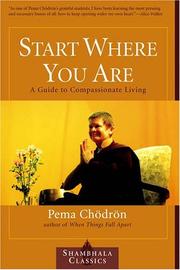
للبدء، عمل واحد
Start Where You Areفكرته المحورية
Insecurity and groundlessness are not a fault to be corrected but the real condition of life; learning to stay with them without running away is the heart of the spiritual path.
السيرة
3 دقيقة قراءة
ترجمة مُعانة من الأصل الإسباني، بانتظار مراجعة مترجم من أهل اللغة.
طفولة كاثوليكية في نيوجيرسي
وُلدت ديردري بلومفيلد براون في الرابع عشر من يوليو 1936 في نيويورك لأسرة كاثوليكية، ونشأت في مزرعة بولاية نيوجيرسي مع أخ وأخت يكبرانها. ودرست في مدرسة «ميس بورترز» الداخلية في فارمنغتون بولاية كونيتيكت، حيث استيقظ فضولها الروحي كما روت. ثم تخرّجت في الأدب الإنجليزي من كلية سارة لورانس، ونالت درجة الماجستير في التعليم الابتدائي من جامعة كاليفورنيا في بيركلي، وعملت سنوات طويلة معلّمةً في المدارس الابتدائية في نيومكسيكو وكاليفورنيا.
لحظة بلا أرض
تزوجت في الحادية والعشرين وأنجبت ولدين هما آرلين وإدوارد، وانتهى ذلك الزواج وهي في نحو الخامسة والعشرين. ثم تزوجت ثانيةً، وبعد نحو ثماني سنوات أخبرها زوجها الثاني بأنه على علاقة بامرأة أخرى وأنه يريد الطلاق. وقد وصفت تلك اللحظة، في حوار مع بيل مويرز، بأنها لحظة عظيمة انسحبت فيها الأرض من تحت قدميها: بداية بحث قادها عبر علاجات وتقاليد شتى دون أن تجد فيها راحة، إلى أن قرأت مقالًا لتشوغيام ترونغبا، من غير أن تعلم أن كاتبه بوذي، يدعو إلى العمل مع الانفعالات بدلًا من محاولة التخلص منها.
المعلّمون والرسامة
بعد ذلك بقليل التقت اللاما تشيمي رينبوتشي، فأحست نحوه بألفةٍ عميقة كأنها تعرفه؛ وقبِل أن يعلّمها في لندن، فظلت سنوات تقسم وقتها بين إنجلترا والولايات المتحدة. وبنصيحة منه قصدت ترونغبا في سان فرانسيسكو: التقته عام 1972، وظل معلّمها الجذري حتى وفاته عام 1987. وفي عام 1974 تلقّت رسامة المبتدئة على يد الكارمابا السادس عشر، رانغجونغ ريغبي دورجي، الذي حثّها عام 1977 على السعي إلى الرسامة الكاملة، وهي رسامة لم تُنقل قط إلى النساء في السلالة التبتية. وقادها هذا السعي إلى هونغ كونغ، حيث صارت في يوليو 1981، ضمن سلالة صينية، أول أمريكية من تقليد الفاجرايانا تُرسَم «بهيكشوني»، أي راهبة كاملة الرسامة. ومعنى اسمها الرهباني، بيما تشودرون، «سراج الدارما اللوتسي».
من بولدر إلى كيب بريتون
في مطلع الثمانينيات عيّنها ترونغبا مديرةً لـ«كارما دزونغ»، مركز جماعته في بولدر بولاية كولورادو. وفي عام 1984 انتقلت إلى جزيرة كيب بريتون في نوفا سكوشا لتأسيس دير غامبو، أول دير بوذي تبتي في أمريكا الشمالية للغربيين، رجالًا ونساءً. وتولّت إدارته منذ عام 1986، وكانت طوال أربعة عقود معلّمته الأولى، في ظل رئيس الدير خنتشين ثرانغو رينبوتشي.
الكتب
جمع كتابها الأول، The Wisdom of No Escape (1991)، أحاديث ألقتها في خلوة بالدير. وتلاه Start Where You Are (1994) عن تدريب الذهن التبتي المعروف بـ«اللوجونغ»، ثم «حين ينهار كل شيء» (When Things Fall Apart، 1997) الذي جعلها من أوسع المعلّمات البوذيات قراءةً في العالم الناطق بالإنجليزية. وفي عام 1993، حين تولّى ابن ترونغبا، ساكيونغ ميبهام رينبوتشي، قيادة «شامبالا»، نالت لقب «آتشاريا»، أي المعلّمة الكبرى. وفي عام 1994 شُخّصت إصابتها بمتلازمة التعب المزمن، وفي تلك السنوات التقت دزيغار كونغترول رينبوتشي الذي صار معلّمها. ثم صدرت كتب The Places That Scare You (2001)، وNo Time to Lose (2005)، وهو شرح لكتاب «بودهيتشاريافاتارا» لشانتيديفا، وPracticing Peace in Times of War (2006)، وLiving Beautifully with Uncertainty and Change (2012)، وWelcoming the Unwelcome (2019)، وHow We Live Is How We Die (2022)، فضلًا عن عشرات التسجيلات الصوتية.
صوتٌ لزمن اللايقين
تنقل تعاليمها إلى لغة بسيطة ممارساتٍ من بوذية الماهايانا والفاجرايانا: «التونغلين»، وهو تأمل يقوم على أخذ المعاناة وإعطاء الراحة؛ ووصايا «اللوجونغ»؛ و«البوديتشيتا»؛ ومفهوم «الشينبا»، وهو اللحظة التي يعلق فيها المرء بردّ فعل اعتاده. وفي مقابل البحث عن الأمان تدعو إلى الاستقرار في اللايقين، والاقتراب مما يؤلم، وجعل المصاعب نفسها طريقًا. وفي عام 2006 أُنشئت «مؤسسة بيما تشودرون» التي تؤول إليها عائدات كتبها وتسجيلاتها وتدعم الحياة التأملية، وفي عام 2016 نالت جائزة البهيكوني العالمية التي تمنحها رابطة البهيكونيات البوذيات الصينيات في تايوان.
الدير وإرث ترونغبا
قادت في دير غامبو كل شتاء خلوة «اليارني»، وهي الخلوة الرهبانية التقليدية لموسم الأمطار وقد نُقلت إلى الشتاء الكندي، ودرّست سنوات طويلة كل صيف في بيركلي كتاب «طريق البوديساتفا» لشانتيديفا. وفي عام 2005 انضمت إلى لجنة البهيكشونيات الغربيات التي تضم راهبات غربيات كاملات الرسامة. وقد جلب عليها وفاؤها لترونغبا، الذي تعرّض سلوكه لانتقادات حادة بسبب تعاطيه الكحول وعلاقاته الجنسية بتلميذاته والطابع السلطوي لجماعته، أسئلة متكررة، وقد تحدثت علنًا عن هذا الإرث المثير للجدل.
الانسحاب والعودة إلى الدير
في يناير 2020 تخلّت عن دورها «آتشاريا» في «شامبالا إنترناشونال»، ويعود ذلك في جانب منه إلى الطريقة التي عالجت بها المنظمة اتهامات بسوء السلوك الجنسي وُجّهت إلى زعيمها ساكيونغ ميبهام، وكتبت أنها لم تعد قادرة على تمثيلها في ظل الوجهة التي رأتها تفتقر إلى الحكمة. وانسحبت حينئذ من التعليم العام المنتظم. وبعد وفاة ثرانغو رينبوتشي عام 2023، قبلت في مايو 2025 أن تصبح رئيسة دير غامبو، وفي عام 2026 صدر كتابها Another Kind of Freedom، وهو شرح لعملين من أعمال ترونغبا. ولها ولدان وثلاثة أحفاد.
المصادر: Boucher, Sandy. Turning the Wheel: American Women Creating the New Buddhism. Boston: Beacon Press, 1993, pp. 93–97. · Chödrön, Pema. When Things Fall Apart: Heart Advice for Difficult Times. Boston: Shambhala Publications, 1997. · Chödrön, Pema. Start Where You Are: A Guide to Compassionate Living. Boston: Shambhala Publications, 1994. · Chödrön, Pema. The Places That Scare You: A Guide to Fearlessness in Difficult Times. Boston: Shambhala Publications, 2001. · Coleman, James William. The New Buddhism: The Western Transformation of an Ancient Tradition. Nueva York: Oxford University Press, 2001, p. 150.
الخط الزمني
الحياة عامًا بعد عام
كل نقطة حدث موثّق. انقر لتقرأه مع مصدره ودرجة اليقين فيه.
14 يوليو 1936أقل من عامNueva York / New York City
Birth
Deirdre Blomfield-Brown is born on 14 July in New York City into a Catholic family.
موثّقWikidata, «Pema Chödrön» (Q442384).
14 يوليو 1936 · أقل من عام
Birth
Deirdre Blomfield-Brown is born on 14 July in New York City into a Catholic family.
موثّق
1957 · 21 عامًا
First marriage
Marries at twenty-one; she will have two children, Arlyn and Edward.
مرجَّح
1972 · 36 عامًا
Meets Chögyam Trungpa
Meets Chögyam Trungpa, who will be her root teacher until 1987.
موثّق
1974 · 38 عامًا
Novice ordination
Receives novice ordination from the Sixteenth Karmapa, Rangjung Rigpe Dorje.
موثّق
يوليو 1981 · 45 عامًا
Full ordination in Hong Kong
In July she becomes the first American in the Vajrayana tradition to be ordained a bhikshuni.
موثّق
1984 · 48 عامًا
Move to Nova Scotia
Settles on Cape Breton to help establish Gampo Abbey.
موثّق
1986 · 50 عامًا
Director of Gampo Abbey
Becomes director of Gampo Abbey.
موثّق
1987 · 50 عامًا
Death of Trungpa
Chögyam Trungpa, her root teacher, dies.
موثّق
1991 · 55 عامًا
The Wisdom of No Escape
Publishes her first book.
موثّق
1993 · 57 عامًا
Shambhala acharya
Receives the title of acharya when Sakyong Mipham takes over the leadership of Shambhala.
مرجَّح
1994 · 58 عامًا
Illness and a new teacher
She is diagnosed with chronic fatigue syndrome; meets Dzigar Kongtrul Rinpoche. Publishes Start Where You Are.
موثّق
1997 · 61 عامًا
When Things Fall Apart
Publishes When Things Fall Apart, her best-known book.
موثّق
2006 · 70 عامًا
Pema Chödrön Foundation
The foundation that receives the royalties from her books and recordings is created.
موثّق
2016 · 80 عامًا
Global Bhikkhuni Award
Receives the Global Bhikkhuni Award from the Chinese Buddhist Bhikkhuni Association of Taiwan.
موثّق
16 يناير 2020 · 83 عامًا
Resigns as acharya
In January she resigns her role in Shambhala International over the handling of allegations against its leader.
موثّق
مايو 2025 · 88 عامًا
Abbess of Gampo Abbey
In May she agrees to become abbess of Gampo Abbey, following Thrangu Rinpoche's death (2023).
موثّق
المؤلَّفات
المؤلَّفات الأساسية
المؤلَّفات التي لا يُفهم إرثه من دونها.
مؤلَّف مكتوب · 1994
Start Where You Are
Start Where You Are: A Guide to Compassionate Living
Commentary on the 59 slogans of lojong, the Tibetan Buddhist mind training attributed to Atisha and systematised by Chekawa Yeshe Dorje, and on the practice of tonglen. It shows how difficult situations in daily life can become occasions to awaken compassion, starting with oneself.
3 طبعات

مؤلَّف مكتوب · 1997
When Things Fall Apart
When Things Fall Apart: Heart Advice for Difficult Times
Her most widely read book. Drawing on talks given at Gampo Abbey, it proposes moving towards pain, fear and loss instead of fleeing them, and presents groundlessness as the very condition of awakening. It explains the practices of tonglen and maitri, the eight worldly concerns and the bodhisattva path in accessible language, and has become a reference book for people in grief or crisis, translated into many languages.
11 طبعة
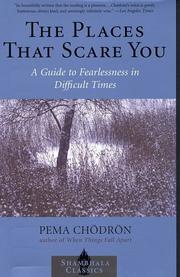
مؤلَّف مكتوب · 2001
The Places That Scare You
The Places That Scare You: A Guide to Fearlessness in Difficult Times
Guide to fear and courage grounded in bodhichitta, the awakened heart. It sets out the four limitless qualities — love, compassion, joy and equanimity — and the practices for cultivating them, and describes how the ego's protective habits distance us from others. With When Things Fall Apart, it is her most widely read work.
5 طبعات
جميع مؤلَّفاته (40)

The Wisdom of No Escape
1991

Awakening Loving-Kindness
1996

Tonglen
2001

Comfortable with Uncertainty
2002

Hooked!
2005

No Time to Lose
2005

Practicing Peace in Times of War
2006

Always Maintain a Joyful Mind
2007

The Pocket Pema Chödrön
2008

Taking the Leap
2009

Living Beautifully with Uncertainty and Change
2012

Fail, Fail Again, Fail Better
2015

The Compassion Book
2017

Welcoming the Unwelcome
2019
Pema Chödrön
How We Live Is How We Die
The Conscious LibraryHow We Live Is How We Die
2022
Pema Chödrön
Another Kind of Freedom
The Conscious LibraryAnother Kind of Freedom
2026

How to Meditate
2007

Awakening Compassion
1995

Noble Heart
1998

Good Medicine
2001

From Fear to Fearlessness
2003

Pure Meditation
2004

Getting Unstuck
2004

In Conversation with Alice Walker
2005
الأقوال
أقوال محدَّدة الموضع في مؤلَّف بعينه. كل منها يحمل مصدره ودرجة الثقة به.
a big groundless momentمتحقَّق منهEntrevista con Bill Moyers (PBS), sobre el anuncio de su segundo marido; citada en Lion's Roar (2014)
الأفكار الجوهرية (خلاصة تحريرية)
احترامًا لحقوق المؤلف، تُلخَّص هذه الأفكار بكلماتنا ولا تُقدَّم بوصفها اقتباسات حرفية.
- Insecurity and groundlessness are not a fault to be corrected but the real condition of life; learning to stay with them without running away is the heart of the spiritual path.
- Before reacting with anger or flight there is a moment of being 'hooked' that can be recognised; learning to see it and not bite the hook interrupts the cycle of habit.
- Compassion for others begins with unconditional friendship with oneself, which consists not in improving oneself but in knowing oneself with honesty and tenderness.
- Instead of rejecting pain, the practitioner can take it in with the breath and wish relief for all who suffer the same; one's own pain thus becomes a bridge to others.
- The difficult situations of daily life are the material of awakening: one starts where one is, not where one would like to be.
- World peace depends on each person learning not to feed their own aggression.
اسأل
بماذا يجيب أثره
اثنا عشر سؤالًا كبيرًا من أسئلة الإنسانية، وما تتيح نصوصه الإجابة به عنها، مع المراجع. ولا نقوّله ما لم يقل أبدًا.
ما المطلق؟ هل الله موجود؟
There is no one outside to save us: nontheism is relaxing into uncertainty
لا إله خالقيقوله صراحةً
Pema Chödrön, a nun of the Tibetan tradition trained by Chögyam Trungpa, addresses the question explicitly in When Things Fall Apart. There she presents Buddhism as nontheistic, but not in the sense of a thesis about the existence of God: nontheism consists in no longer seeking an outside figure, belief or babysitter to protect us from the ambiguity of the present moment. What she calls theism is the hope that someone will resolve our groundlessness for us; growing up means ceasing to wait for that. Instead of an absolute to be addressed, her teaching points to the openness of mind and to bodhichitta, the awakened heart, which are not held as beliefs but discovered by staying with experience as it is.
قارن هذا السؤال مع معلّمين آخرينمن أنا؟ هل توجد ذات حقيقية؟
The self is an attempt at solid ground; egolessness is openness, not loss
لا توجد ذات دائمةيُستنتج من تعاليمه
Pema Chödrön sets out the Buddhist teaching of the absence of a permanent self through the teaching of her teacher Chögyam Trungpa, whose work on ego she comments on in Another Kind of Freedom. Ego appears in her work less as a substance than as a strategy: the continual effort to manufacture a solid identity and firm ground in the face of a life that has none. In her teachings on the three marks of existence she presents egolessness as one of them, alongside impermanence and suffering. But she insists that discovering it is no threat: it is the condition of openness and of tenderness towards others, and what is found on letting go of identity is not a bleak void but an open mind that had never gone away.
قارن هذا السؤال مع معلّمين آخرينلماذا نتألّم؟
We suffer from seeking firm ground and biting the hook of reaction
التعلّق والشهوةيقوله صراحةً
Pema Chödrön describes suffering as the result of fleeing groundlessness, which is the real condition of life. In When Things Fall Apart she holds that crisis is not a fault to be corrected but a kind of testing and also a kind of healing, and that nothing ever goes away until it has taught us what we need to know. Her best-known contribution is the Tibetan notion of shenpa, developed in Taking the Leap: the hook, the instant in which something catches us and drags us into the habitual reaction of anger, desire or flight. Pain is inevitable; what turns it into repeated suffering is biting the hook again and again. Recognising the hook and staying with the discomfort without acting it out interrupts the cycle.
قارن هذا السؤال مع معلّمين آخرينماذا يحدث بعد الموت؟
The bardos teach how to die and to live: every ending is a transition
الولادة من جديد وفق الكارمايقوله صراحةً
Pema Chödrön devoted a whole book to the question, How We Live Is How We Die, based on the Tibetan teachings on the bardos, the intermediate states between death and rebirth. She sets out her tradition's view: after death consciousness passes through states in which its mental habits carry it away or in which it may recognise the open nature of mind, and rebirth depends on this. But she presents these teachings above all as a guide for living: every ending in daily life, every loss and every change is a bardo in miniature, and the way we meet them now is the way we will meet death. Already in When Things Fall Apart she linked death with giving up the hope of firm ground.
قارن هذا السؤال مع معلّمين آخرينكيف يُبلَغ التحرّر أو الخلاص؟
Start where you are: meditation, tonglen and mind training
بالممارسة المنضبطةيقوله صراحةً
Pema Chödrön proposes a path of gradual practice taken from Tibetan Buddhism. Its basis is sitting meditation, which she understands as unconditional friendship with oneself (maitri): seeing what arises with honesty and tenderness, without trying to improve oneself. On this are built lojong, the mind-training slogans she comments on in Start Where You Are, and tonglen, the practice of breathing in one's own and others' pain and breathing out relief. Her principle is that the difficult situations of daily life are the material of awakening: there is no need to wait for ideal conditions. The goal is to awaken bodhichitta, the open heart, and to live the three commitments she sets out in Living Beautifully.
قارن هذا السؤال مع معلّمين آخرينهل نحتاج إلى معلّم؟
She always sought a teacher, yet teaches a practice that starts where you are
مفيد لكنه ليس ضروريًايُستنتج من تعاليمه
Pema Chödrön's path is bound up with her teachers. She trained for years with Chögyam Trungpa, whose teachings she still comments on, and after his death, as she has recounted, she felt a longing for someone to put her questions to, until she found Dzigar Kongtrul Rinpoche, on whose instruction she bases her commentary on Shantideva in No Time to Lose. In her tradition the teacher has a central role. But her books are addressed to any reader and offer practices that can be done alone, from one's own situation. Her relationship to the institution has not been uncritical: in 2020 she stepped down as senior teacher of Shambhala, in a public letter, because she disagreed with the direction the community was taking.
قارن هذا السؤال مع معلّمين آخرينهل العالم حقيقي؟
Nothing is solid or permanent: embracing the world as it is
شبكة أسباب بلا جوهريُستنتج من تعاليمه
Pema Chödrön is not concerned with the reality of the world as a metaphysical problem; what interests her is how to live in it. Her view is the Buddhist one: everything is impermanent, nothing has a solid core, and life lacks firm ground. In Living Beautifully with Uncertainty and Change she organises her teaching around three commitments, the last of which consists in embracing the world as it is, with its chaos and unpredictability, without withdrawing into a refuge of certainties. The world is not a deception to escape from, but the only place where compassion can awaken; its instability, which frightens, is also what makes it alive and open.
قارن هذا السؤال مع معلّمين آخرينما الحب؟
Compassion begins with unconditional friendship with oneself
رحمة بلا حدوديقوله صراحةً
Compassion is the centre of Pema Chödrön's work. Her starting point is maitri, unconditional friendship with oneself, which consists not in improving oneself but in knowing oneself with honesty and tenderness; without it, she holds, compassion for others becomes idealistic or condescending. In The Places That Scare You she sets out her tradition's four limitless qualities, love, compassion, joy and equanimity, and warns against their near counterfeits. Tonglen turns one's own pain into a bridge to others: when suffering something, one thinks of all who suffer the same and wishes them relief. The goal is bodhichitta, a heart that does not close to anyone, not even to those who harm us.
قارن هذا السؤال مع معلّمين آخرينهل نحن أحرار أم أن كل شيء مقدَّر؟
Karma is habit, and habit can be interrupted in this very moment
الكارما والاختياريقوله صراحةً
Pema Chödrön presents karma less as destiny than as a pattern of habits. Each repeated reaction, anger, flight, attachment, strengthens the tendency to repeat it, and so the past conditions the present. But in that same mechanism lies freedom: in the instant when something hooks us, the shenpa she describes in Taking the Leap, there is a space in which one can recognise the impulse and not bite the hook. Each time the habit is interrupted the chain is weakened and another seed is sown. Her recorded teachings on karma develop this idea: we are not condemned to repeat ourselves, though change demands patience and the willingness to stay with discomfort.
قارن هذا السؤال مع معلّمين آخرينلماذا نتأمّل أو نصلّي؟
Meditating is befriending oneself and seeing clearly what arises
رؤية الواقع كما هويقوله صراحةً
Pema Chödrön teaches the shamatha-vipashyana meditation of Trungpa's tradition: one attends lightly to the out-breath, recognises thoughts, labelling them «thinking» if need be, and returns to the breath without self-judgement. In The Wisdom of No Escape she presents this practice as a form of unconditional friendship with oneself: one does not meditate to become someone else, but to know with precision and tenderness the person one already is. From this comes the capacity to see clearly what is happening, the impermanence of states and the hook of reactions, and to stay with discomfort without running away. Meditation is thus training of attention and of the heart at once.
قارن هذا السؤال مع معلّمين آخرينهل يستطيع العقل أن يعرف الحقيقة القصوى؟
She leaves the question aside: drop the storyline and touch experience
لم يُبدِ رأيًا
Pema Chödrön is not concerned with reason's capacity to know the ultimate; her work is practical, not epistemological. The closest thing is her advice, repeated in her books, to drop the storyline the mind tells itself, the story of why something offends or frightens us, and stay with the raw energy of experience without interpreting it. At the same time she values study: she has commented for years on Shantideva's Bodhicharyavatara and on the lojong slogans, and in Another Kind of Freedom she rereads Trungpa's work. The attitude she recommends is neither the sceptic's nor the believer's, but an open curiosity, interest in what is happening without needing to close the question.
قارن هذا السؤال مع معلّمين آخرينالانسحاب من العالم أم تغييره؟
Peace in the world begins with not feeding one's own aggression
الثورة داخليةيقوله صراحةً
Pema Chödrön, who lives as a nun at Gampo Abbey, preaches neither withdrawal nor activism, but a transformation that begins in each person. In Practicing Peace in Times of War she locates the origin of war in everyone's aggressive reactions: each time someone bites the hook of anger and clings to their position against another, they sow the same seed that on a large scale produces conflicts. Practising peace consists in recognising that impulse and not acting it out. In Welcoming the Unwelcome she applies this idea to contemporary polarisation, asking us to respond without closing down or attacking. She does not deny the value of action in the world, but holds that without that inner work the cycle repeats itself.
قارن هذا السؤال مع معلّمين آخرين
التقارب والتوتّر
التقارب والتوتّر
محسوبة سؤالًا سؤالًا انطلاقًا من مواقفه. وسبب كل اتفاق أو اختلاف يظهر بالنقر.
يقترب في تفكيره من
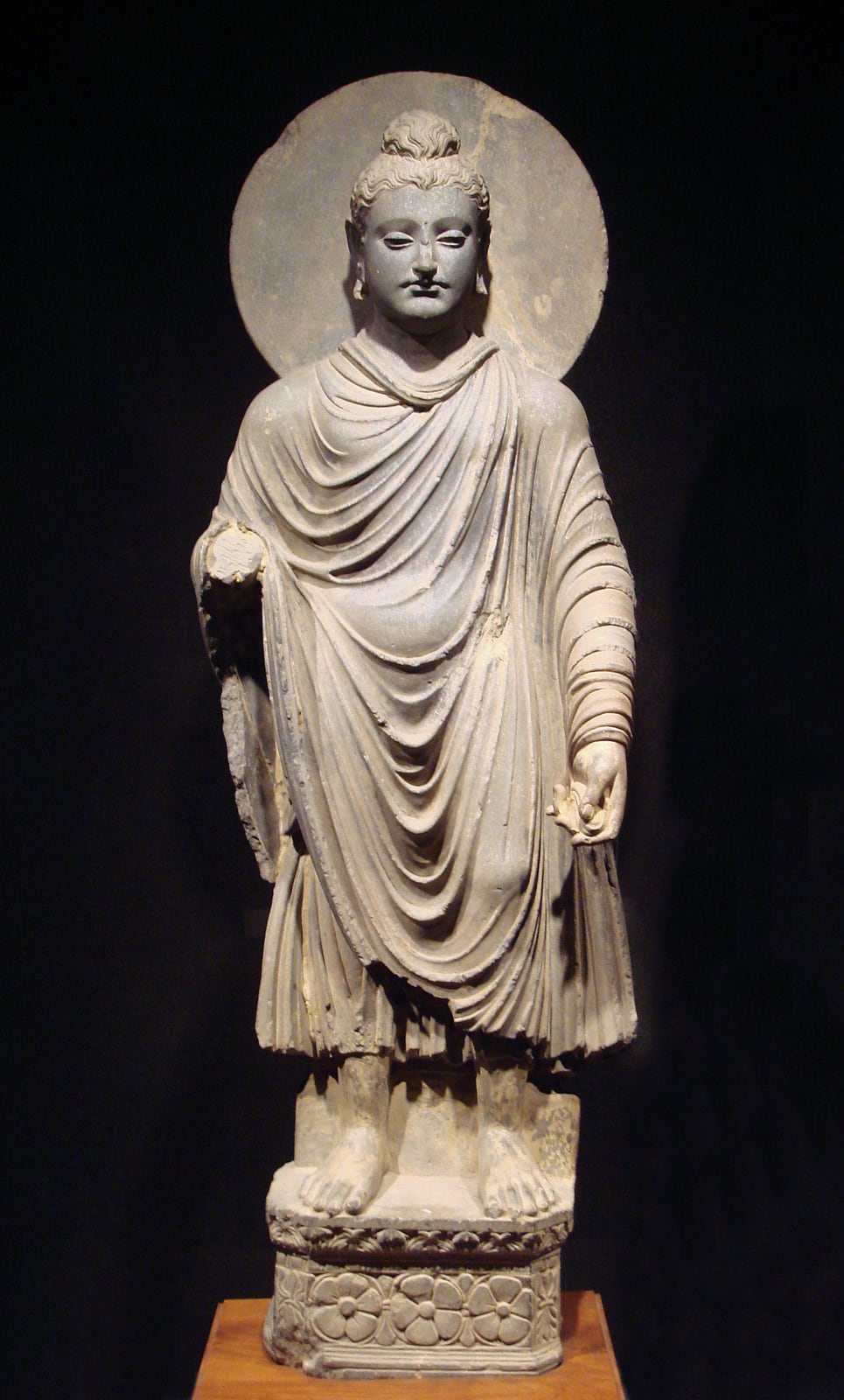
Siddhartha Gautama, the Buddha
يتّفقان في: ما المطلق؟ هل الله موجود؟ · من أنا؟ هل توجد ذات حقيقية؟ · لماذا نتألّم؟

The 14th Dalai Lama (Tenzin Gyatso)
يتّفقان في: ما المطلق؟ هل الله موجود؟ · من أنا؟ هل توجد ذات حقيقية؟ · لماذا نتألّم؟
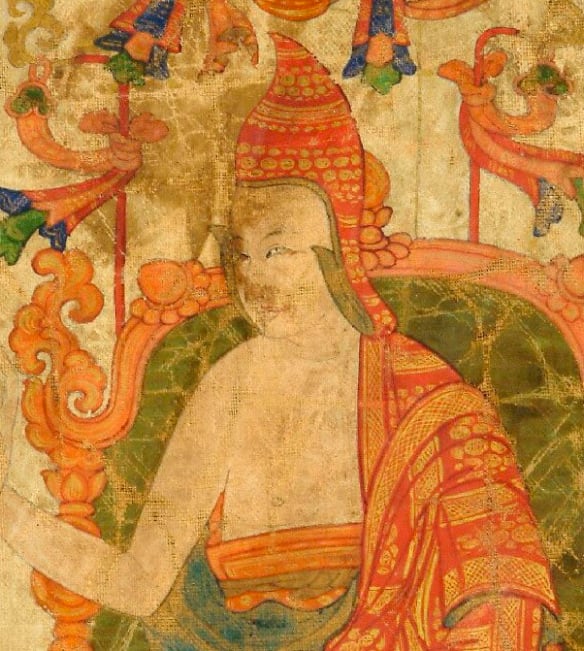
Śāntideva
يتّفقان في: ما المطلق؟ هل الله موجود؟ · من أنا؟ هل توجد ذات حقيقية؟ · لماذا نتألّم؟
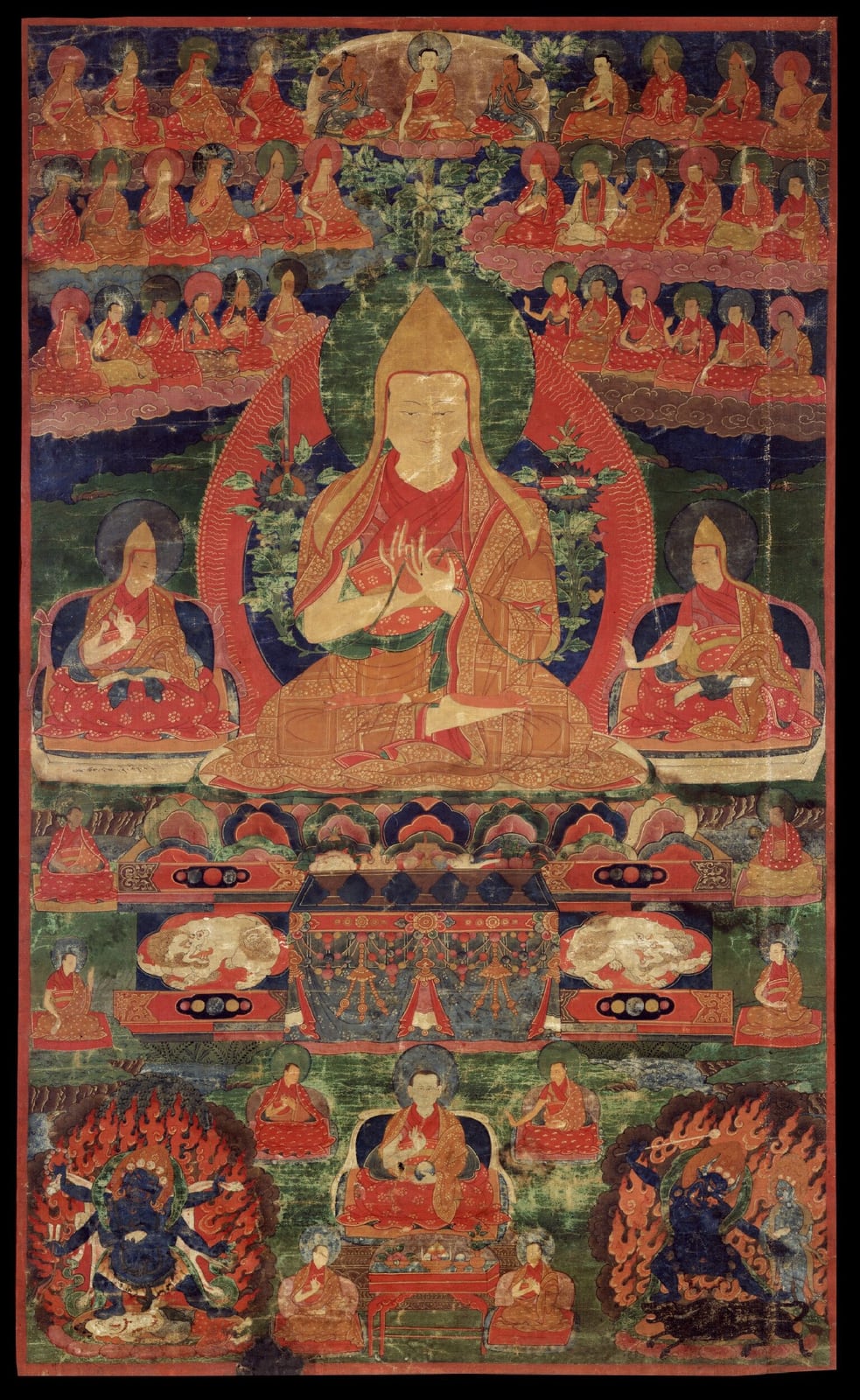
Tsongkhapa
يتّفقان في: ما المطلق؟ هل الله موجود؟ · من أنا؟ هل توجد ذات حقيقية؟ · لماذا نتألّم؟
يبتعد في تفكيره عن
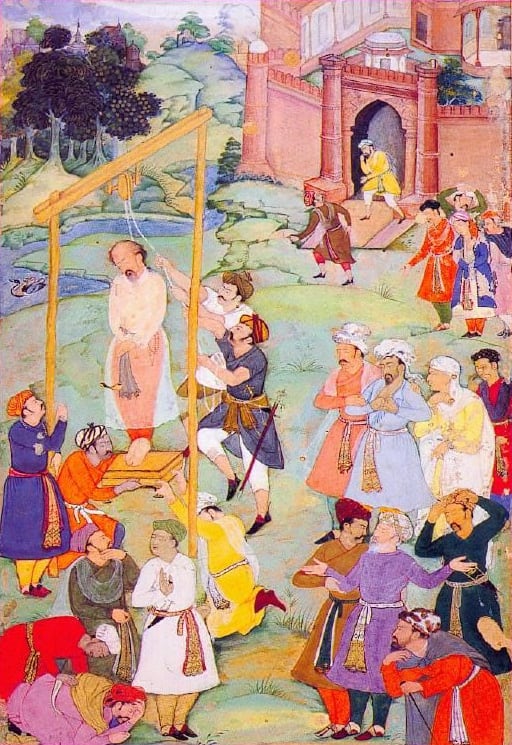
Al-Hallaj
يختلفان في: ما المطلق؟ هل الله موجود؟ · من أنا؟ هل توجد ذات حقيقية؟ · ماذا يحدث بعد الموت؟

Chaitanya Mahaprabhu
يختلفان في: ما المطلق؟ هل الله موجود؟ · من أنا؟ هل توجد ذات حقيقية؟ · ماذا يحدث بعد الموت؟
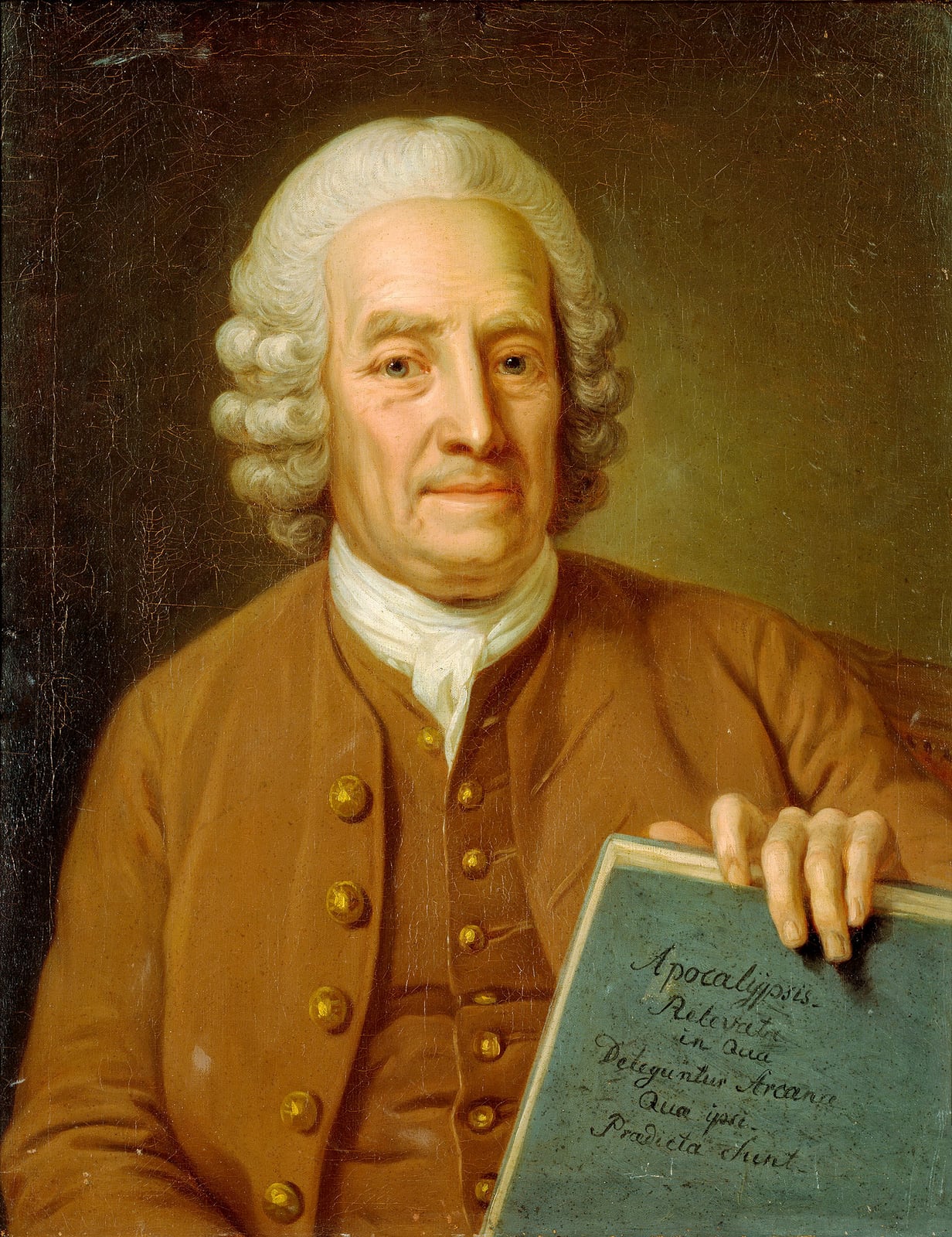
Emanuel Swedenborg
يختلفان في: ما المطلق؟ هل الله موجود؟ · من أنا؟ هل توجد ذات حقيقية؟ · ماذا يحدث بعد الموت؟

Julian of Norwich
يختلفان في: ما المطلق؟ هل الله موجود؟ · من أنا؟ هل توجد ذات حقيقية؟ · ماذا يحدث بعد الموت؟
حكايات وروايات
حكايات وروايات
شهادةaños sesenta y setenta
A groundless moment
أصل الرواية: Pema Chödrön's own account in the interview with Bill Moyers (PBS), recorded by Andrea Miller in 'Becoming Pema' (Lion's Roar, 2014).
المصدر: Miller, Andrea. «Becoming Pema». Lion's Roar, 20 de octubre de 2014.
شهادةcomienzos de los años setenta
An article with no Buddhist label
أصل الرواية: Lion's Roar, 'Becoming Pema' (2014); the date of the meeting with Trungpa comes from the Pema Chödrön Foundation biography.
المصدر: Miller, Andrea. «Becoming Pema». Lion's Roar, 20 de octubre de 2014.
موثّق1974–1981
The Hong Kong ordination
أصل الرواية: Lion's Roar (2014), Pema Chödrön Foundation and Sandy Boucher, Turning the Wheel (1993), pp. 93–97.
المصدر: Miller, Andrea. «Becoming Pema». Lion's Roar, 20 de octubre de 2014.
موثّق1984–
A monastery facing the Atlantic
أصل الرواية: Pema Chödrön Foundation, Lion's Roar (2014) and the Gampo Abbey website; the stupa and its relics, according to the description of the photographs on Wikimedia Commons.
المصدر: Pema Chödrön Foundation, «Pema Chödrön» (biografía oficial y fines de la fundación).
شهادة1994–
Someone to ask
أصل الرواية: Lion's Roar, 'Becoming Pema' (2014), with Pema Chödrön's own words.
المصدر: Miller, Andrea. «Becoming Pema». Lion's Roar, 20 de octubre de 2014.
موثّق2018–2025
The January 2020 letter
أصل الرواية: Letter published in the Shambhala Times (16 January 2020) and The Washington Post report (17 January 2020); the appointment as abbess, in the Shambhala Times (13 May 2025).
المصدر: Chödrön, Pema. «Letter from Ani Pema Chödrön». Shambhala Times, 16 de enero de 2020.
التعاليم
التعاليم
المفاهيم التي ينتظم بها فكره، مشروحة في سياقها.
Shenpa (getting hooked)shenpa
Taking the Leap (2009), Don't Bite the Hook (2007) and Practicing Peace in Times of War (2006).
Tonglen (taking and sending)tonglen
Start Where You Are (1994), When Things Fall Apart (1997) and Tonglen: The Path of Transformation (2001); it derives from Atisha's lojong.
المصدر: Chödrön, Pema. Start Where You Are: A Guide to Compassionate Living. Boston: Shambhala Publications, 1994.
Maitri (unconditional friendliness towards oneself)maitri
The Wisdom of No Escape (1991); Chögyam Trungpa's teaching.
المصدر: Open Library: obras y ediciones de Pema Chödrön (comprobación de ISBN por catálogo).
Bodhichitta (the awakened heart)bodhichitta
The Places That Scare You (2001) and No Time to Lose (2005); Shantideva's tradition.
المصدر: Chödrön, Pema. The Places That Scare You: A Guide to Fearlessness in Difficult Times. Boston: Shambhala Publications, 2001.
Groundlessnessfalta-de-suelo
When Things Fall Apart (1997); Comfortable with Uncertainty (2002); Living Beautifully with Uncertainty and Change (2012).
المصدر: Chödrön, Pema. When Things Fall Apart: Heart Advice for Difficult Times. Boston: Shambhala Publications, 1997.
Lojong (mind training)lojong
Start Where You Are (1994), Always Maintain a Joyful Mind (2007), The Compassion Book (2017).
المصدر: Chödrön, Pema. Start Where You Are: A Guide to Compassionate Living. Boston: Shambhala Publications, 1994.
مقاطع الفيديو
مقاطع الفيديو
تسجيلات ومقابلات وأفلام وثائقية. تُشغَّل مقاطع الفيديو من YouTube؛ ولا تُستضاف هنا.
New Abbess - Pema Chödrön
تسجيل أصلي· EN· 2025· 3 min
Gampo Abbeyالقناة الرسمية
Pema Chödrön reflections on Gampo Abbey
تسجيل أصلي· EN· 4 min
Gampo Abbeyالقناة الرسمية
Anam Thubten & Abbess Pema Chödrön in Conversation
مقابلة· EN· 16 min
Gampo Abbeyالقناة الرسمية
Pema Chödrön – What Is Bodhicitta?
تسجيل أصلي· EN· 10 min
Pema Chödrön Foundationالقناة الرسمية
Pema Chödrön - Welcoming the Unwelcome | Super Soul Sunday S9E18 | Full Episode
مقابلة· EN· 2019· 42 min
OWN
Breathing Space: Where Pema Chödrön Met Her True Self | SuperSoul Sunday
مقابلة· EN· 2 min
OWN
Bill Moyers' interview of Pema Chödrön (PBS special)
مقابلة· EN· 52 min
Palouse Mindfulness
Pema Chödrön on Chögyam Trungpa's controversial legacy
مقابلة· EN· 2026· 8 min
Shambhala Publicationsالقناة الرسمية
Another Kind of Freedom with Pema Chödrön: This Very Moment Episode 10
مقابلة· EN· 2026· 37 min
Shambhala Publicationsالقناة الرسمية
Smile at Fear with Pema Chödrön
محاضرة· EN· 2011· 5 min
Shambhala Publicationsالقناة الرسمية
What If Uncertainty Is the Practice: Pema Chödrön on Groundlessness
محاضرة· EN· 9 min
Sounds Trueالقناة الرسمية
Relajarse con la impermanencia y la muerte - Pema Chödrön (con subtítulos en español)
محاضرة· ES· 8 min
Sakyadhita Spain
Pema Chödrön - Cambiar tu corazón ante el dolor
محاضرة· ES· 19 min
Sakyadhita Spain
المعرض
المعرض
صور بترخيص متحقَّق منه. كل منها تحتفظ بمؤلّفها ونسبتها.
العلاقات
العلاقات
تأثيرات وتلمذة وتقارب في الأفكار. تُميَّز العلاقة الموثّقة عن التشابه المستخلَص بالتحليل.
تلميذ
Chögyam Trungpa
Her root teacher from 1972 until his death in 1987; he appointed her director in Boulder and entrusted Gampo Abbey to her.
علاقة موثّقة
تلميذ
Chime Rinpoche
Her first teacher, with whom she studied in London in the early 1970s.
علاقة موثّقة
تلميذ
Rangjung Rigpe Dorje, XVI Karmapa
Conferred novice ordination on her in 1974 and encouraged her to seek full ordination.
علاقة موثّقة
تلميذ
Dzigar Kongtrul Rinpoche
Her teacher since the mid-1990s.
علاقة موثّقة
التقى بـ
Khenchen Thrangu Rinpoche
Abbot of Gampo Abbey during the years she was principal teacher; he died in 2023.
علاقة موثّقة
اختلف مع
Sakyong Mipham Rinpoche
He gave her the title of acharya in 1993; she resigned in 2020 over the handling of the allegations against him.
علاقة موثّقة
تأثّر بـ
She commented on his Bodhicharyavatara in No Time to Lose and has taught it for decades.
علاقة موثّقة
التقى بـ
Alice Walker
Recorded dialogue published by Sounds True in 2005.
علاقة موثّقة
أفكار قريبة من
Both rendered Buddhist practice in an everyday, compassion-centred language for Western readers.
تشابه مستخلَص بالتحليل
معاصر لـ
Contemporary teachers with large English-speaking audiences who propose meeting distress rather than fleeing it, from different frameworks.
تشابه مستخلَص بالتحليل
أفكار قريبة من
The 14th Dalai Lama (Tenzin Gyatso)
They share the tradition of Tibetan mind training and the teaching of bodhichitta to Western audiences.
تشابه مستخلَص بالتحليل
المصادر
المصادر
المراجع والفهارس التي رُوجعت لهذه الصفحة.
- Wikidata, «Pema Chödrön» (Q442384).
- «Pema Chödrön» y «Pema Chödrön bibliography», Wikipedia en inglés (consultadas para cotejar hechos y bibliografía; texto propio).
- Miller, Andrea. «Becoming Pema». Lion's Roar, 20 de octubre de 2014.
- Pema Chödrön Foundation, «Pema Chödrön» (biografía oficial y fines de la fundación).
- Boucher, Sandy. Turning the Wheel: American Women Creating the New Buddhism. Boston: Beacon Press, 1993, pp. 93–97.
- Gampo Abbey, web oficial (historia del monasterio y de sus maestros).
- Open Library: obras y ediciones de Pema Chödrön (comprobación de ISBN por catálogo).
- Chödrön, Pema. When Things Fall Apart: Heart Advice for Difficult Times. Boston: Shambhala Publications, 1997.
- «Famed Buddhist nun Pema Chödrön retires, cites handling of sexual misconduct allegations against her group's leader». The Washington Post, 17 de enero de 2020.
- Chödrön, Pema. «Letter from Ani Pema Chödrön». Shambhala Times, 16 de enero de 2020.
- «Bhikshuni Pema Chödrön appointed Abbess of Gampo Abbey». Shambhala Times, 13 de mayo de 2025 (reproduce el boletín de Gampo Abbey).
- Chödrön, Pema. Start Where You Are: A Guide to Compassionate Living. Boston: Shambhala Publications, 1994.
- Chödrön, Pema. The Places That Scare You: A Guide to Fearlessness in Difficult Times. Boston: Shambhala Publications, 2001.
- «8 North American Buddhist nuns, including Pema Chödrön and Thubten Chodron, receive “Global Bhikkhuni Award”». Lion's Roar, 2016.
- Coleman, James William. The New Buddhism: The Western Transformation of an Ancient Tradition. Nueva York: Oxford University Press, 2001, p. 150.
- Bill Moyers, entrevista con Pema Chödrön (PBS); recogida en Lion's Roar (2014).
- Shambhala Publications, «Pema Chödrön on Chögyam Trungpa's controversial legacy» (vídeo, 2026).
- The Committee of Western Bhikshunis, «Ven. Bhiksuni Pema Chödrön» (2006).
- Chödrön, Pema. No Time to Lose: A Timely Guide to the Way of the Bodhisattva. Boston: Shambhala Publications, 2005.
- صاحب الحقوق
- Pema Chödrön Foundation (recibe los derechos de todos sus libros y grabaciones); edición a cargo de Shambhala Publications y Sounds True
- الموقع الرسمي
- pemachodronfoundation.org
في انتظار التأكيد
ما لم تتمكّن هذه الصفحة من حسمه بعد. نفضّل أن نقول ذلك على أن نملأ الفراغ.
- Comprobar la página exacta de las dos citas marcadas como «probable» de When Things Fall Apart en la edición impresa.
- ISBN sin verificar en catálogo: Tonglen: The Path of Transformation (edición inglesa), The Three Commitments, Natural Awareness, When Pain Is the Doorway, Walking the Walk y Giving Our Best (agrupados como «otros retiros grabados»); Becoming Bodhisattvas (2018, reedición de No Time to Lose).
- Traducciones españolas de Comienza donde estás, Vivir bellamente (Gaia/Oniro), Cómoda con la incertidumbre y otras: localizar ISBN en catálogo.
- Año exacto del primer matrimonio (deducido de «a los veintiún años»: hacia 1957) y nombres de sus maridos.
- Confirmar en la web de Gampo Abbey el alcance de su papel de abadesa (2025) y su actividad docente actual.
- Persona viva: revisar periódicamente su actividad y nuevas publicaciones.
بُحث بتاريخ 2026-10-25