البوذية · ماهايانا · زن / تشان · التأمل العلماني
Thich Nhat Hanh
Thích Nhất Hạnh · 釋一行
1926 – 2022شخصية موثّقة تاريخيًا
راهب زن فيتنامي وشاعر وناشط من أجل السلام (1926–2022)، مؤسس تقليد «قرية البرقوق» و«رهبنة الكينونة المتبادلة». صاغ عبارة «البوذية الملتزمة» إبّان حرب فيتنام، وعاش تسعة وثلاثين عامًا في المنفى، وجعل من اليقظة الذهنية (mindfulness) ممارسة يومية في متناول الغرب. ألّف أكثر من مئة كتاب، ورشّحه مارتن لوثر كينغ لجائزة نوبل للسلام سنة 1967. توفي في معبده الأم في مدينة هوي.
- مؤلَّفًا
- 135مؤلَّفًا
- طبعة
- 209طبعة
- اقتباسًا
- 7اقتباسًا
- مقطع فيديو
- 12مقطع فيديو
- صورة
- 7صورة
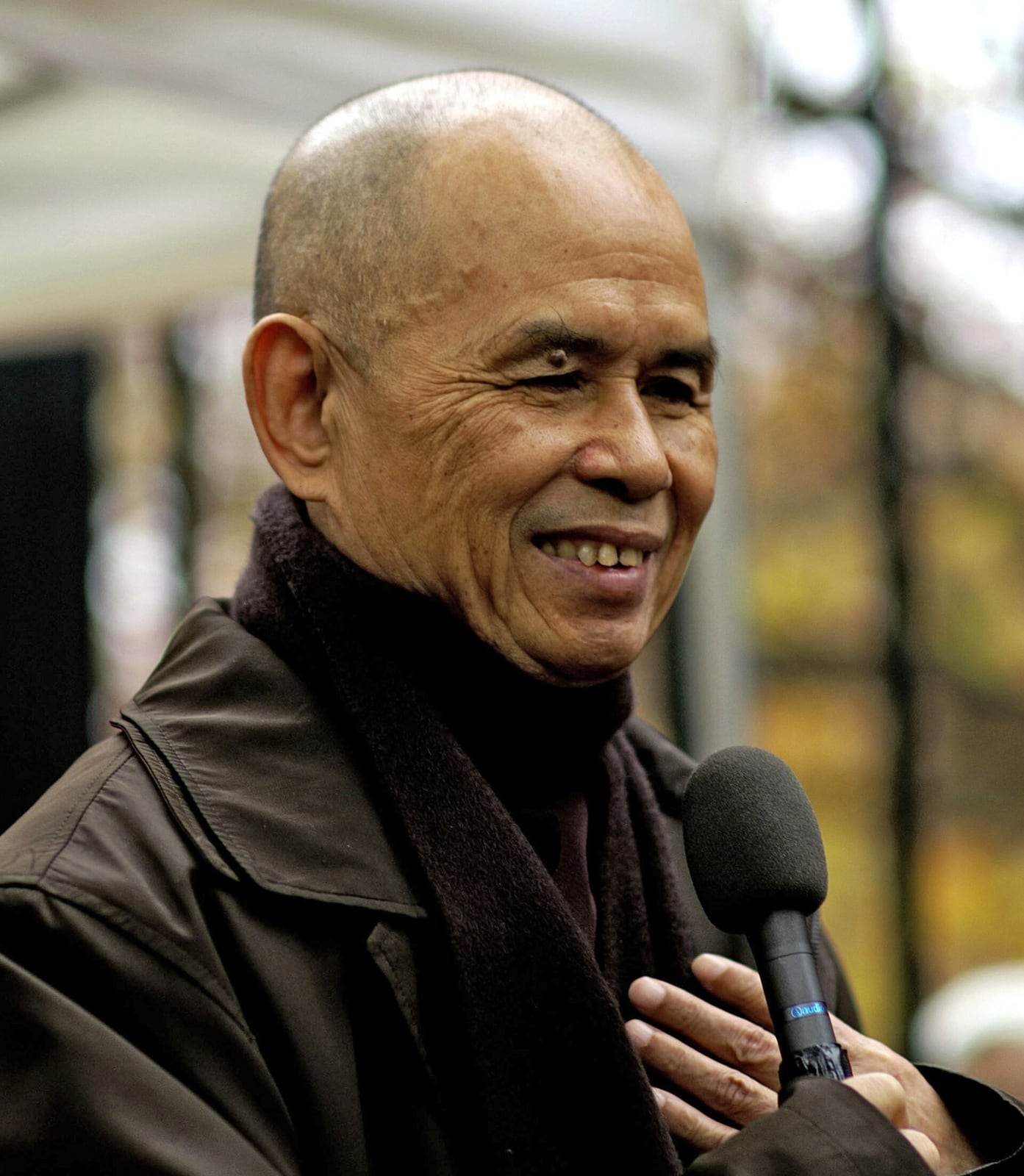
Thich Nhat Hanh en París, 2006 · CC BY-SA 2.0
بكلماته
«Breathing in, I calm my body. Breathing out, I smile. Dwelling in the present moment, I know this is the only moment.»Being Peace (1987), capítulo 1, «Suffering Is Not Enough»: la gatha de la respiración

فكرته المحورية
Peace is not the outcome of a negotiation but a way of being: whoever is not peace in their own breath cannot bring it to a conference table. Hence the title Being Peace, which reverses the usual order of means and ends.
السيرة
5 دقيقة قراءة
ترجمة مُعانة من الأصل الإسباني، بانتظار مراجعة مترجم من أهل اللغة.
الطفل الذي شرب من البئر
وُلد نغوين شوان باو في 11 أكتوبر/تشرين الأول 1926 في هوي، العاصمة الإمبراطورية القديمة لإقليم أنام، لأسرة كثيرة العدد من الموظفين والأدباء كانت تنتسب إلى الشاعر نغوين دينه تشيو. وقد ردّ هو نفسه أصل دعوته إلى صورتين من طفولته ظلّ يكررهما حتى شيخوخته: رسم لبوذا جالسًا على العشب رآه في مجلة وهو في السابعة أو الثامنة، ورحلة مدرسية إلى جبل كان يسكنه ناسك لم يعثروا عليه، غير أن الطفل اكتشف قرب مأواه بئرًا طبيعية فشرب منها حتى شعر بأنه «ارتوى تمامًا». رواها مرارًا، ويجدر القول إنه هو من رواها: فهذا جزء من الحكاية يستند إلى شهادته وحده، لا إلى أي وثيقة.
في السادسة عشرة، سنة 1942، دخل مبتدئًا معبد تو هيو على مشارف هوي، تحت إشراف المعلّم ثانه كوي تشان ثات، المنتمي إلى الجيل الحادي والأربعين من مدرسة الزن لام تي — وهي مدرسة لينجي الصينية — وإلى الجيل السابع من فرعها الفيتنامي ليو كوان. ونال اسم السلالة ترونغ كوانغ («النور الصافي المنعكس»)، ثم عند رسامته اسم فونغ شوان («ملاقاة الربيع»). أما لقب نات هانه («فعل واحد») فاتخذه حين انتقل إلى سايغون سنة 1949. وهناك، وقد ضاق بمعهد بوذي لا يعلّم الفلسفة ولا اللغات، أقدم على أمر غير مألوف لراهب في ذلك الوقت: التحق بالجامعة العلمانية، ودرس الأدب الفرنسي والفيتنامي، وأعال نفسه ببيع الكتب والقصائد. وفي سنة 1951 تلقّى نذور البهيكشو في معبد آن كوانغ.
بوذية تنزل إلى الشارع
كانت الخمسينيات سنوات احتكاك. فقد أدار المجلة الرسمية للرابطة البوذية العامة، التي أوقفها الرهبان الكبار بسبب إلحاحه على توحيد السانغات الفيتنامية؛ وشُطب اسمه من سجلات آن كوانغ؛ فاعتزل مع بعض رفاقه في غابة قرب دا لات، في «جماعة مقاومة» صغيرة تُدعى فونغ بوي. ومن 1961 إلى 1963 درس الأديان المقارنة في برينستون ودرّس البوذية في جامعة كولومبيا. وتُظهر يومياته من تلك الحقبة، التي نُشرت بعد ذلك بزمن طويل بعنوان أوراق النخيل العطرة، رجلًا في منتصف الثلاثينيات يقرأ اللاهوتيين البروتستانت ويتأمل الثلج ويدوّن، في ليلة شتوية، تجربة استنارة يصفها برصانة من يرتاب في الكلمات الكبيرة.
عاد إلى سايغون في ديسمبر/كانون الأول 1963، بعد سقوط نغو دينه ديم، مدعوًّا للمساعدة في إعادة تنظيم البوذية الفيتنامية. وفي ما يزيد قليلًا على عامين أقام المؤسسات التي ستحدد مسار حياته: مدرسة الشباب للخدمة الاجتماعية، وهي هيئة محايدة من نحو عشرة آلاف متطوع كانوا يعيدون بناء القرى ويفتحون المستوصفات دون الانحياز إلى أي طرف؛ وجامعة فان هانه البوذية؛ ودار النشر لا بوي؛ وفي فبراير/شباط 1966 «رهبنة الكينونة المتبادلة» (تييب هين)، بستة أعضاء — ثلاث نساء وثلاثة رجال — وأربعة عشر مبدأً أعادت صياغة نذور البوديساتفا لبلد يشتعل. ولم تكن عبارة «البوذية الملتزمة»، التي صاغها هو نفسه سنة 1967 في كتابه Vietnam: Lotus in a Sea of Fire («فيتنام: لوتس في بحر من نار»)، نظريةً: بل كانت اسمًا لما كانوا يفعلونه.
تسعة وثلاثون عامًا في الخارج
في الأول من مايو/أيار 1966، في تو هيو، تلقّى من تشان ثات «نقل المصباح» الذي جعله معلّمًا للدارما ووريثًا للمعبد. وبعد أيام سافر إلى الولايات المتحدة ليطالب بوقف القصف. ظهر مع مارتن لوثر كينغ في شيكاغو، وقدّم اقتراح سلام من خمس نقاط، وصام خمسة أيام، وحاور توماس ميرتون في دير جثسيماني، الذي كتب مقالة بعنوان «نات هانه أخي» حين هددت سايغون بمنعه من العودة. ونُفّذ التهديد، وأضافت هانوي تهديدها: فقد رفضت الحكومتان كلتاهما دخوله. وفي 25 يناير/كانون الثاني 1967 رشّحه كينغ لجائزة نوبل للسلام في رسالة وصفت ذلك «الراهب البوذي اللطيف من فيتنام» بأنه رسول للسلام واللاعنف؛ ولم تمنح اللجنة الجائزة في تلك السنة.
دام المنفى تسعة وثلاثين عامًا. ترأس الوفد البوذي الفيتنامي من أجل السلام في مفاوضات باريس، ودرّس في السوربون، وعاش مع اللاجئين في الضواحي، وأسس سنة 1975 قرب تروا جماعة «البطاطا الحلوة» (Les Patates Douces). وهناك كتب، للعاملين الاجتماعيين الذين بقوا في فيتنام ويعيشون كل يوم مع احتمال الموت، دليلًا موجزًا نُشر بالإنجليزية بعنوان The Miracle of Mindfulness («معجزة اليقظة الذهنية»). ولم تكن كلمة «mindfulness» تكاد توجد في الإنجليزية المتداولة سنة 1975؛ وقد أسهم كتابه إسهامًا حاسمًا في أن تصير كذلك. وبعد مسعى سرّي مؤثّر لإغاثة «لاجئي القوارب» في خليج سيام سنتي 1976–1977 — انتهى بطرده من سنغافورة —، دفعته سنة 1978 رسالة عن فتاة في الثانية عشرة اغتصبها قرصان ثم غرقت إلى كتابة «نادوني بأسمائي الحقيقية»، القصيدة التي يرى فيها نفسه الفتاة والقرصان وعضو المكتب السياسي في آن واحد.
قرية البرقوق
في سنة 1982 انتقلت الجماعة إلى دوردونيه، فوُلدت «قرية البرقوق» (Plum Village، لانغ ماي)، وإلى جانبه الأخت تشان خونغ التي رافقته منذ سنوات مدرسة الشباب. وما بدأ ضيعة صغيرة بأشجار البرقوق صار أكبر دير بوذي في أوروبا، يضم أكثر من مئتي راهب وراهبة ويستقبل آلاف الزوار كل عام، والبيت الأم لشبكة من المراكز في كاليفورنيا ونيويورك والمسيسيبي وألمانيا وتايلاند وهونغ كونغ وأستراليا، ثم في فيتنام مع الوقت. ومنذ 1986 تولّت دار Parallax Press نشر كتبه بالإنجليزية — أكثر من مئة كتاب تُرجمت إلى أكثر من أربعين لغة —، ومن هناك خرجت الأشكال التي تقترن اليوم باسمه: جرس اليقظة الذي يوقف كل نشاط، والتأمل أثناء المشي، و«التدريبات الخمسة على اليقظة» التي تعيد صياغة مبادئ العلمانيين، والخلوات المخصّصة للعائلات والمحاربين القدامى ورجال الشرطة والمشرّعين. علّم بالإنجليزية والفرنسية والفيتنامية، بصوت خفيض وجمل قصيرة، وشرح سوترا القلب وسوترا الماس وعلم نفس «العقل وحده» بالنبرة نفسها التي كان يشرح بها كيف تُغسل الصحون.
في سنة 2005، وبعد مفاوضات طويلة، سمحت له هانوي بالعودة زائرًا وبالتعليم ونشر أربعة كتب؛ وعاد سنة 2007 ليقيم مراسم كبرى لجميع قتلى الحرب، أيًّا كان الطرف الذي ينتمون إليه. ووصفت الكنيسة البوذية الموحّدة المحظورة تلك الرحلات بأنها مجاملة للنظام؛ وفي سنة 2009 طردت الشرطة وجماعات مأجورة مئات من رهبانه وراهباته بالعنف من دير بات نها. وكأن المنفى، على نحو ما، لم ينتهِ قطّ انتهاءً تامًا.
الاستمرار
في 11 نوفمبر/تشرين الثاني 2014 أصيب بنزيف دماغي أفقده النطق. وخضع لإعادة التأهيل في بوردو وسان فرانسيسكو وتايلاند، وفي أكتوبر/تشرين الأول 2018 أفهم من حوله بالإشارات أنه يريد العودة إلى تو هيو للبقاء فيه. فعاش هناك ثلاث سنوات أخرى، على كرسي متحرك، يزور أحواض المعبد، تحت رقابة متكتّمة من رجال شرطة بثياب مدنية. وتوفي بُعيد منتصف ليل 22 يناير/كانون الثاني 2022، عن خمسة وتسعين عامًا، في كوخ «الإصغاء العميق». وكان قد طلب ألا تُشاد له ستوبا؛ فإن أصرّوا، فلتقل اللوحة «لستُ هنا في الداخل»، والثانية «ولستُ هناك في الخارج أيضًا»، والثالثة «ربما تجدونني في طريقتكم في التنفس والمشي». أُحرق جثمانه في 29 يناير/كانون الثاني، وبعد تسعة وأربعين يومًا وُزّع رماده بين معبده الأم والمراكز التي أسسها.
إن ما وُثّق عنه وفير وقابل للتحقق: تواريخ ومؤسسات وكتب وأرشيف من آلاف الأحاديث المسجّلة. أما ما ينقله تلاميذه — حكاية البئر، ونبرة الخلوات، والسلاسة التي جعل بها راهب فيتنامي كلمة «interbeing» («الكينونة المتبادلة») كلمةً إنجليزية — فينتمي منذ الآن إلى ذلك الشكل الآخر من الاستمرار الذي كان هو نفسه يفضّله على الخلود.
المصادر: Nhat Hanh, Thich. Being Peace. Berkeley: Parallax Press, 1987. ISBN 9780938077008. · Nhat Hanh, Thich. The Miracle of Mindfulness: A Manual on Meditation. Trad. Mobi Ho. Boston: Beacon Press, 1975 (ed. revisada 1987; ISBN 9780807012390). · Nhat Hanh, Thich. Fragrant Palm Leaves: Journals 1962–1966. Trad. Mobi Warren. Berkeley: Parallax Press, 1998 (reed. 2020, ISBN 9781946764720). · Nhat Hanh, Thich. Vietnam: Lotus in a Sea of Fire. Prólogo de Thomas Merton. Nueva York: Hill and Wang, 1967. Digitalizado en Internet Archive (préstamo). · Nhat Hanh, Thich. The Heart of Understanding: Commentaries on the Prajñaparamita Heart Sutra. Berkeley: Parallax Press, 1988.
الخط الزمني
الحياة عامًا بعد عام
كل نقطة حدث موثّق. انقر لتقرأه مع مصدره ودرجة اليقين فيه.
11 أكتوبر 1926أقل من عامHuế, Annam (Indochina francesa)
Birth in Huế
Nguyễn Xuân Bảo is born, the fifth of six children, in the old imperial capital. His father, Nguyễn Đình Phúc, was an official of the French administration; his mother, Trần Thị Dĩ, came from Gio Linh district.
موثّقWikidata, «Thích Nhất Hạnh», QID Q310913 (VIAF 87670142; LCCN n50006399).
11 أكتوبر 1926 · أقل من عام
Birth in Huế
Nguyễn Xuân Bảo is born, the fifth of six children, in the old imperial capital. His father, Nguyễn Đình Phúc, was an official of the French administration; his mother, Trần Thị Dĩ, came from Gio Linh district.
موثّق
1942 · 16 عامًا
Enters Từ Hiếu as a novice
At sixteen he enters Từ Hiếu Temple under Zen master Thanh Quý Chân Thật of the Lâm Tế (Linji) school, Liễu Quán branch. He receives the lineage name Trừng Quang and, on ordination, the Dharma name Phùng Xuân.
موثّق
1951 · 25 عامًا
Full ordination as a bhikshu
Having left the Báo Quốc Buddhist Academy in 1950 over its neglect of philosophy and languages, he receives the bhikshu precepts in Saigon. He studies at a secular university, unusual for a monk, supporting himself by selling books and poems.
موثّق
1961 – 1963 · 35 عامًا
Princeton and Columbia
On a scholarship he studies comparative religion at Princeton Theological Seminary and in 1962 lectures on Buddhism at Columbia. His journals from these years, published as Fragrant Palm Leaves, record an awakening experience on a winter night.
موثّق
1964 · 38 عامًا
School of Youth for Social Service, Vạn Hạnh University and Lá Bối press
Back in Vietnam after Diệm's fall, he founds the School of Youth for Social Service (some ten thousand volunteers rebuilding villages without taking sides), co-founds Vạn Hạnh Buddhist University, and his students open the Lá Bối publishing house.
موثّق
فبراير 1966 · 39 عامًا
The Order of Interbeing (Tiếp Hiện) is founded
He ordains the first six members—three women and three men from the School of Youth—with fourteen precepts that recast the bodhisattva vows for a time of war.
موثّق
1 مايو 1966 · 39 عامًا
Lamp transmission
He receives the “lamp transmission” from his teacher Chân Thật, making him a Dharma teacher and spiritual heir of Từ Hiếu, days before leaving for the United States.
موثّق
31 مايو 1966 · 39 عامًا
Press conference with Martin Luther King Jr. and the start of exile
On his tour of the United States and Europe calling for an end to the war he appears with King in Chicago and visits Thomas Merton at Gethsemani. Both Saigon and Hanoi bar his return: a thirty-nine-year exile begins.
موثّق
25 يناير 1967 · 40 عامًا
King nominates him for the Nobel Peace Prize
Martin Luther King Jr. writes to the Nobel Institute proposing “this gentle Buddhist monk from Vietnam” (1967 nomination no. 48). No prize was awarded that year. He publishes Vietnam: Lotus in a Sea of Fire, coining “engaged Buddhism”.
موثّق
1969 – 1973 · 42 عامًا
Buddhist Peace Delegation at the Paris talks
He leads the Vietnamese Buddhist Peace Delegation during the negotiations leading to the Paris Accords, lectures at the Sorbonne and lives with Vietnamese refugees on the outskirts of the city.
موثّق
1975 · 49 عامًا
Sweet Potato community and The Miracle of Mindfulness
He founds the small Sweet Potato community near Troyes. There he writes The Miracle of Mindfulness, conceived as a manual for the social workers still in Vietnam, and The Sun My Heart.
موثّق
1978 · 52 عامًا
Boat-people rescue and the poem “Please Call Me by My True Names”
With Sister Chân Không he secretly organises relief for refugees at sea until Singapore expels them. After a letter about a twelve-year-old girl raped by a pirate he writes his most famous poem.
موثّق
1982 · 56 عامًا
Plum Village is founded
The community moves to south-west France and Plum Village (Làng Mai) is born; it will become the largest Buddhist monastery in Europe and the mother house of a network of centres in the United States, Germany, Thailand, Hong Kong, Australia and Vietnam.
موثّق
12 يناير 2005 · 78 عامًا
Return to Vietnam after 39 years
Hanoi allows him to visit, teach and publish four books. He returns in 2007 (great chanting ceremonies for all the war dead) and 2008; in 2009 the authorities violently expel his monastics from Bát Nhã monastery.
موثّق
11 نوفمبر 2014 · 88 عامًا
Severe stroke
A brain haemorrhage leaves him unable to speak for the rest of his life. He undergoes rehabilitation in Bordeaux, San Francisco (2015) and Thailand.
موثّق
28 أكتوبر 2018 · 92 عامًا
He returns to his root temple to stay
He signals by gestures his wish to spend his remaining days at Từ Hiếu, which he had entered as a novice seventy-six years earlier.
موثّق
22 يناير 2022 · 95 عامًا
Death
He dies shortly after midnight in the Deep Listening Hut. Five days of funeral rites, cremation on 29 January and, after forty-nine days, his ashes are divided between Từ Hiếu and the Plum Village centres.
موثّق
المؤلَّفات
المؤلَّفات الأساسية
المؤلَّفات التي لا يُفهم إرثه من دونها.
مؤلَّف مكتوب · 1975
The Miracle of Mindfulness
Phép lạ của sự tỉnh thức
The book that carried the word “mindfulness” into everyday English. Simple exercises—washing the dishes in order to wash the dishes, following the breath, the tangerine eaten with attention—and an exposition of the Sutra on the Four Establishments of Mindfulness. It was born of war, not of self-help.
5 طبعات · amazon.com
مؤلَّف مكتوب · 1991
Peace Is Every Step
His most widely read book: short pieces on breathing, smiling, walking, driving, eating, anger and “interbeing”, bringing practice into the gestures of the day. In Spanish it was titled “Hacia la paz interior” and in German “Ich pflanze ein Lächeln”.
4 طبعات · amazon.com

مؤلَّف مكتوب · 1988
Old Path White Clouds
Đường xưa mây trắng
A novelised life of the Buddha reconstructed from the Pali and Chinese canons, told in part through the young buffalo-herder Svasti. With no added miracles, in a serene prose, it is his longest work and the one he regarded as his most important.
5 طبعات · amazon.com

مؤلَّف مكتوب · 1998
The Heart of the Buddha's Teaching
His most complete doctrinal treatise: the Four Noble Truths, the Eightfold Path, the Three Dharma Seals, the twelve links of dependent arising, read from experience rather than scholasticism. The reference book of his retreats and of his monastics' training.
4 طبعات · amazon.com
جميع مؤلَّفاته (135)
Thich Nhat Hanh
Buddhism Enters Life
The Conscious LibraryBuddhism Enters Life
1964

Fragrant Palm Leaves: Journals 1962–1966
1966

Vietnam: Lotus in a Sea of Fire
1967

A Rose for Your Pocket
1962

The Sun My Heart
1982

Being Peace
1987

The Heart of Understanding
1988

Interbeing: Fourteen Guidelines for Engaged Buddhism
1987

Transformation and Healing
1990

Touching Peace
1992
Call Me by My True Names: The Collected Poems
1993

The Blooming of a Lotus
1993

Living Buddha, Living Christ
1995

Cultivating the Mind of Love
1996

Teachings on Love
1997

Going Home: Jesus and Buddha as Brothers
1999

Anger: Wisdom for Cooling the Flames
2001

No Death, No Fear
2002

True Love
1997

Understanding Our Mind
2006

The Art of Power
2007

You Are Here
2001

The Novice: A Story of True Love
2011
Thich Nhat Hanh
Fear
The Conscious LibraryFear
2012
الأقوال
أقوال محدَّدة الموضع في مؤلَّف بعينه. كل منها يحمل مصدره ودرجة الثقة به.
Breathing in, I calm my body. Breathing out, I smile. Dwelling in the present moment, I know this is the only moment.متحقَّق منهBeing Peace (1987), capítulo 1, «Suffering Is Not Enough»: la gatha de la respiración
الأفكار الجوهرية (خلاصة تحريرية)
احترامًا لحقوق المؤلف، تُلخَّص هذه الأفكار بكلماتنا ولا تُقدَّم بوصفها اقتباسات حرفية.
- Peace is not the outcome of a negotiation but a way of being: whoever is not peace in their own breath cannot bring it to a conference table. Hence the title Being Peace, which reverses the usual order of means and ends.
- Nothing exists by itself. A sheet of paper contains the cloud, the rain, the logger and his breakfast; to be is always to inter-be. The emptiness of the Heart Sutra does not mean that things do not exist but that they are empty of separate existence and therefore full of everything else.
- A cloud does not die when it becomes rain: it changes form. Birth and death are notions, not ultimate realities; what we are continues in our actions, words and thoughts, as he himself wished to be read on his non-existent stupa.
- Consciousness is a storehouse of seeds: anger, fear, joy, compassion. Each time one manifests, it is watered. Practice consists in deliberately watering the wholesome seeds and holding the painful ones without suppressing them, as a mother picks up a crying child.
- Engaged Buddhism does not add social action to Buddhism: it holds that meditating and acting are a single movement. If bombs fall on the village, sitting in the temple doing nothing is not contemplation but evasion; and acting without calm reproduces the violence one hopes to cure.
- Suffering is necessary for understanding, as mud is for the lotus. It is not to be suppressed but looked into deeply until it reveals its causes, and not allowed to grow beyond what it already is.
- Wash the dishes in order to wash the dishes: if one scrubs while thinking of the cup of tea to come, one lives neither the washing nor the tea. Mindfulness is not a concentration technique but the decision to be where one is.
- Deep listening—listening with the sole purpose of relieving the other's suffering, without correcting or judging for that time—is, for him, the political practice par excellence: the one that lets two enemies see each other as human beings again.
أقوال منحولة أو مختلَف في نسبتها (3)
«There is no way to happiness—happiness is the way.»
Attributed to Thich Nhat Hanh on thousands of pages, but it is a variant of “There is no way to peace; peace is the way”, a line of the pacifist A. J. Muste (1940s), which he occasionally quoted without claiming it. It is not found in any of his works in that wording.
«Smile, breathe and go slowly.»
A card-and-T-shirt motto that sums up his teaching but does not appear as his sentence in any locatable work; probably a condensation of several passages from Peace Is Every Step.
«To be beautiful means to be yourself. You don't need to be accepted by others. You need to accept yourself.»
Widely circulated on social media and in quotation anthologies; it could not be traced to any book or specific talk. Listed here as unverified, not as false.
الكلمات الأخيرة
لا توجد سجلات يمكن التحقق منها لكلماته الأخيرة.
There is no reliable record of any last words. After his stroke of November 2014 he lost the ability to speak and communicated by gestures in his final years. The Plum Village announcement of 22 January 2022 says only that he passed away “peacefully” in the Deep Listening Hut at Từ Hiếu Temple shortly after midnight. In place of last words the community cites his 2015 request that no stupa be built for him: “I am not in here… I may be found in your way of breathing and walking.”
المصدر: PBS NewsHour / Associated Press. «Influential Zen Buddhist monk Thich Nhat Hanh dies at 95», 22 de enero de 2022 (recoge el comunicado de Plum Village).
اسأل
بماذا يجيب أثره
اثنا عشر سؤالًا كبيرًا من أسئلة الإنسانية، وما تتيح نصوصه الإجابة به عنها، مع المراجع. ولا نقوّله ما لم يقل أبدًا.
ما المطلق؟ هل الله موجود؟
God and nirvana belong to the ultimate dimension, which no concept reaches
ما لا يُسمّىيقوله صراحةً
Thich Nhat Hanh does not defend a creator God, consistent with his Vietnamese Zen formation, but neither does he simply deny one. In Living Buddha, Living Christ he proposes reading the word God, when contemplative Christians use it, as a name for the ultimate dimension of reality, comparable to nirvana: the water as opposed to the waves, which rise and fall while the water remains water. That dimension is not described by the notions of being and non-being, birth and death, one and many; nirvana, he insists, is precisely the extinction of all notions. He therefore advises against arguing whether God exists or does not exist: both concepts fall short. What he does propose is touching that dimension here, through mindful breathing, instead of turning it into an object of belief.
قارن هذا السؤال مع معلّمين آخرينمن أنا؟ هل توجد ذات حقيقية؟
There is no separate self: we are made of non-self elements
لا توجد ذات دائمةيقوله صراحةً
Thich Nhat Hanh translates the Buddhist doctrine of non-self (anatta) into his notion of interbeing. In The Heart of Understanding, his commentary on the Heart Sutra, he invites us to see in a sheet of paper the cloud, the rain, the tree and the logger: the paper is made entirely of non-paper elements. The same holds for the person: made of ancestors, food, culture, earth and others, and not existing apart from them. In The Heart of the Buddha's Teaching he presents non-self as one of the three Dharma seals, together with impermanence and nirvana. The point is not to deny that there is anyone, but to stop conceiving that someone as an isolated and permanent entity; this view, he insists, reduces fear and makes compassion possible.
قارن هذا السؤال مع معلّمين آخرينلماذا نتألّم؟
Suffering is fed: understanding what nourishes it begins its healing
التعلّق والشهوةيقوله صراحةً
Thich Nhat Hanh starts from the four noble truths, which he comments on in The Heart of the Buddha's Teaching, but sets them out with his own accent. Suffering does not arise from nothing: it is fed by what we consume — food, sense impressions, intentions and consciousness — the four kinds of nutriment of early Buddhism. In Understanding Our Mind he explains that store consciousness holds seeds of anger, fear or desire that grow when watered; attachment, wrong perceptions and inherited habits keep the cycle going. He therefore insists on recognising suffering, embracing it with mindfulness as a mother embraces a crying child, and looking deeply into its roots. He also stresses that without mud there is no lotus: understood suffering is the material from which understanding and compassion are born.
قارن هذا السؤال مع معلّمين آخرينماذا يحدث بعد الموت؟
Nothing is born and nothing dies: there is only manifestation and continuation
ما أنا عليه لا يولد ولا يموتيقوله صراحةً
Thich Nhat Hanh devotes a whole book to death, No Death, No Fear, whose thesis is that birth and death are notions, not ultimate realities. He uses the image of the cloud: when it turns into rain it does not die but continues in another form; nothing passes from being into non-being. Relying on the Heart Sutra — no birth and no death, no increasing and no decreasing — he holds that the person does not disappear either: she continues in her acts, her children, her students, in everything she has touched, because she never existed separately from the rest (interbeing). The practice in the face of death, therefore, is not to believe in a survival but to look deeply until one sees one's own continuation already present, and so to let go of fear. When his mother died, he relates, he recognised her alive in his own hands.
قارن هذا السؤال مع معلّمين آخرينكيف يُبلَغ التحرّر أو الخلاص؟
Nirvana is touched here and now through mindfulness practised daily
بالممارسة المنضبطةيقوله صراحةً
Thich Nhat Hanh places liberation within the classical framework of the Four Noble Truths and the Noble Eightfold Path, which he sets out in The Heart of the Buddha's Teaching, and organises it around the three trainings: ethics, concentration and insight. His distinctive emphasis is that nirvana is not a future place but the extinction of notions (birth and death, being and non-being) that can be touched in the present moment. The means is mindfulness applied to breathing, walking, eating or washing the dishes, as presented in The Miracle of Mindfulness. Practice is not a means of getting elsewhere: each mindful step is already a fragment of freedom, and it is sustained by the community (sangha).
قارن هذا السؤال مع معلّمين آخرينهل نحتاج إلى معلّم؟
The sangha is refuge and teacher: one practises and awakens in community
الجماعة والتقليديقوله صراحةً
Thich Nhat Hanh, a teacher of the Vietnamese Linji Zen school, did not deny the role of the teacher, but shifted the weight towards the community. In his account of the Three Refuges, the Buddha, the Dharma and the Sangha, he insists that the Sangha is not an add-on: without a community practising together, individual practice dies out, like an ember separated from the fire. That is why he founded communities, from the Order of Interbeing in the 1960s to Plum Village in France, and proposed the fourteen precepts of Interbeing as a common framework. The teacher transmits and guides, but each person must practise in their own life, and the community sustains and corrects that effort.
قارن هذا السؤال مع معلّمين آخرينهل العالم حقيقي؟
Everything inter-is: a cloud floats in this sheet of paper
شبكة أسباب بلا جوهريقوله صراحةً
Thich Nhat Hanh renders the Buddhist doctrine of dependent arising with his own term, interbeing. In The Heart of Understanding, his commentary on the Heart Sutra, he invites us to look at a sheet of paper until we see in it the cloud without which there would be no rain, no tree, no paper, and also the logger, the sun and the very mind looking at it. Nothing has a separate, independent existence: each thing is made of elements that are not itself. That is what emptiness means, not non-existence but emptiness of a separate self. The world is not illusion; what is illusory is conceiving things as isolated entities, and that mistaken perception generates suffering.
قارن هذا السؤال مع معلّمين آخرينما الحب؟
To love is to be present and to understand: kindness, compassion, joy, equanimity
رحمة بلا حدوديقوله صراحةً
Thich Nhat Hanh defines true love through the four immeasurables of Buddhism: loving kindness (maitri), the capacity to offer joy; compassion (karuna), the capacity to relieve suffering; sympathetic joy (mudita); and equanimity or inclusiveness (upeksha), which leaves no one out. He holds that love is born of understanding: one cannot love someone one does not understand, and understanding requires looking deeply into the other's suffering. In True Love he makes it concrete in four phrases or mantras, the first of which is to recognise the other's presence: when you love someone, the best thing you can offer is your presence; how can you love if you are not there? Love begins with oneself — tending one's own wounds — and extends to all beings, not excluding the enemy, in whom suffering is also recognised.
قارن هذا السؤال مع معلّمين آخرينهل نحن أحرار أم أن كل شيء مقدَّر؟
We continue our actions, and we choose which seeds to water
الكارما والاختياريُستنتج من تعاليمه
Thich Nhat Hanh translates the Buddhist doctrine of karma into an agricultural image: store consciousness holds seeds of anger, fear, compassion or joy, inherited from ancestors and from our own acts, and what sprouts depends on which ones are watered. Mindfulness practice consists precisely in selective watering, so that the past conditions but does not decide. At the same time, his teaching of interbeing prevents us from imagining an isolated self choosing from outside the causes: every act is the fruit of countless conditions and, in turn, continues in the world. In *No Death, No Fear* he holds that we are the continuation of our thought, speech and action, which gives each present choice a lasting weight.
قارن هذا السؤال مع معلّمين آخرينلماذا نتأمّل أو نصلّي؟
Stopping and looking deeply: the attention that heals and understands
رؤية الواقع كما هويقوله صراحةً
For Thich Nhat Hanh meditation has two inseparable aspects: stopping (*śamatha*), which calms and heals, and looking deeply (*vipaśyanā*), which reveals impermanence, non-self and interbeing. His most widespread teaching, gathered in *The Miracle of Mindfulness*, consists in bringing full attention to the breath and to every daily activity —washing dishes, walking, eating— so that there is no separation between the meditation session and life. The *gathas* he offers, such as breathing in calming the body and breathing out smiling, serve to return to the present moment. But presence is not the end: it is the condition for understanding the nature of things, and from that understanding love and compassion are born.
قارن هذا السؤال مع معلّمين آخرينهل يستطيع العقل أن يعرف الحقيقة القصوى؟
Notions are rafts: they must be let go to touch reality
الحقيقة القصوى وراء العقليقوله صراحةً
Thich Nhat Hanh values study but constantly warns against attachment to ideas. The first training of the Order of Interbeing, which he drafted in the 1960s, asks one not to be idolatrous about any doctrine, theory or ideology, not even Buddhist ones: teachings are means to guide, not absolute truths, like the raft left behind after crossing the river. In *No Death, No Fear* and *The Heart of Understanding* he insists that reality lies beyond notions such as birth and death, being and non-being, one and many, and that nirvana is precisely the extinction of all notions. Conceptual thought can point; what transforms is direct contact, the deep looking born of mindfulness.
قارن هذا السؤال مع معلّمين آخرينالانسحاب من العالم أم تغييره؟
Engaged Buddhism: when villages are bombed, meditation goes into the street
الانخراط في العالميقوله صراحةً
Thich Nhat Hanh is one of the creators of so-called Engaged Buddhism. During the Vietnam War he founded the School of Youth for Social Service, which rebuilt bombed villages and cared for refugees, and in Vietnam: Lotus in a Sea of Fire (1967) he explained to Western readers the position of the Buddhists who supported neither side. He holds that practice cannot be shut up in the temple: when bombs fall, one must go out and help, and do so mindfully so as not to reproduce the violence. That is why the fourteen precepts of the Order of Interbeing, which he founded in 1966, include not closing one's eyes to suffering, not clinging to ideologies and working for peace. At the same time he insists that only one who has peace can make peace: action without practice turns into rage.
قارن هذا السؤال مع معلّمين آخرين
التقارب والتوتّر
التقارب والتوتّر
محسوبة سؤالًا سؤالًا انطلاقًا من مواقفه. وسبب كل اتفاق أو اختلاف يظهر بالنقر.
يقترب في تفكيره من
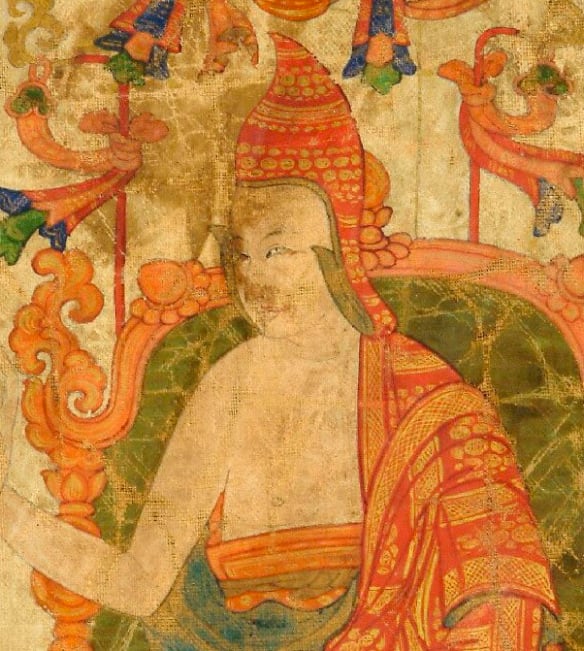
Śāntideva
يتّفقان في: من أنا؟ هل توجد ذات حقيقية؟ · لماذا نتألّم؟ · كيف يُبلَغ التحرّر أو الخلاص؟
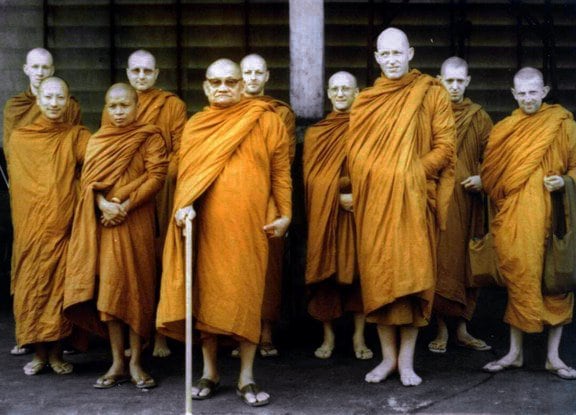
Ajahn Chah
يتّفقان في: من أنا؟ هل توجد ذات حقيقية؟ · لماذا نتألّم؟ · كيف يُبلَغ التحرّر أو الخلاص؟
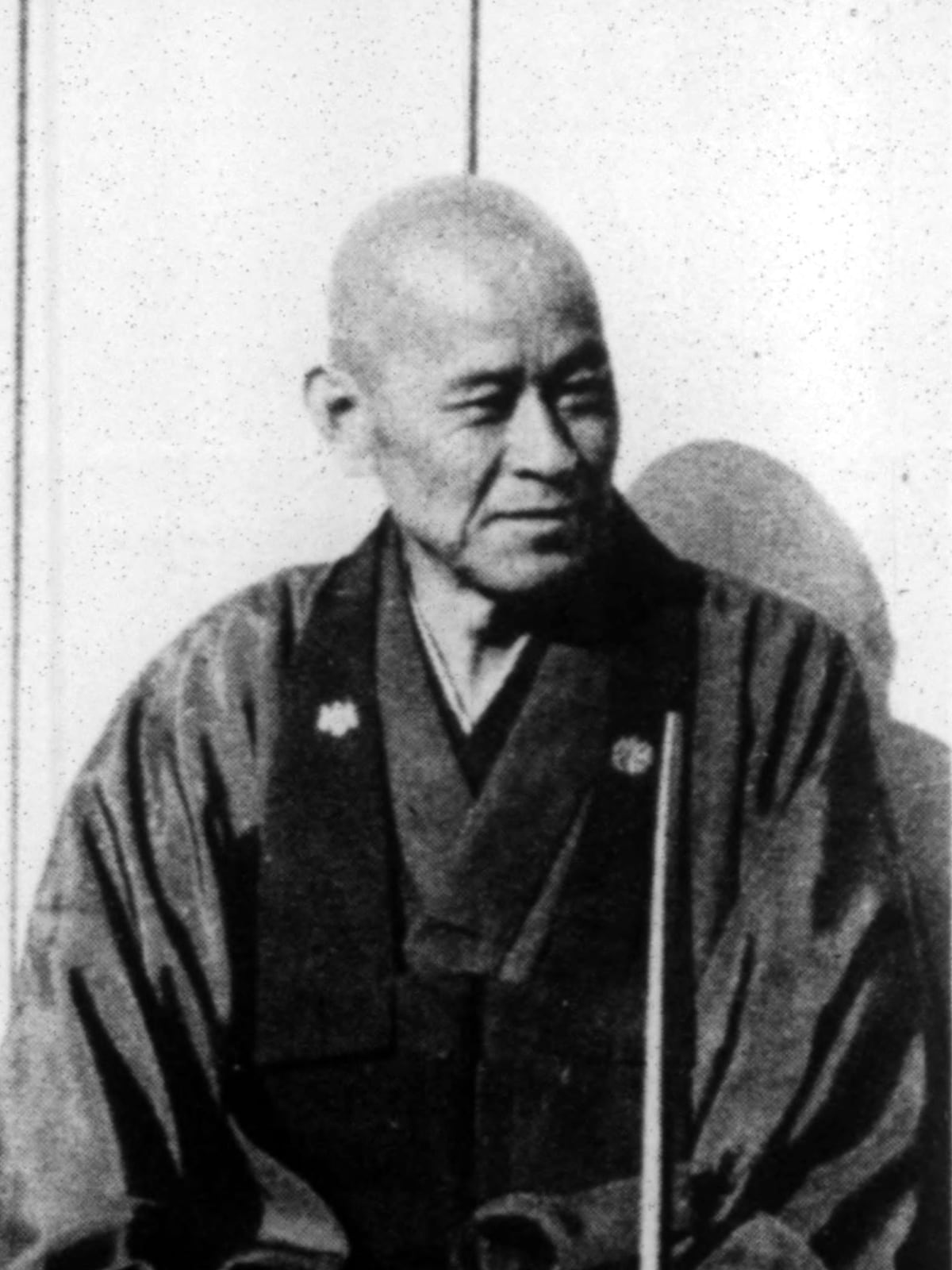
Shunryu Suzuki
يتّفقان في: ما المطلق؟ هل الله موجود؟ · من أنا؟ هل توجد ذات حقيقية؟ · لماذا نتألّم؟

Siddhartha Gautama, the Buddha
يتّفقان في: من أنا؟ هل توجد ذات حقيقية؟ · لماذا نتألّم؟ · كيف يُبلَغ التحرّر أو الخلاص؟

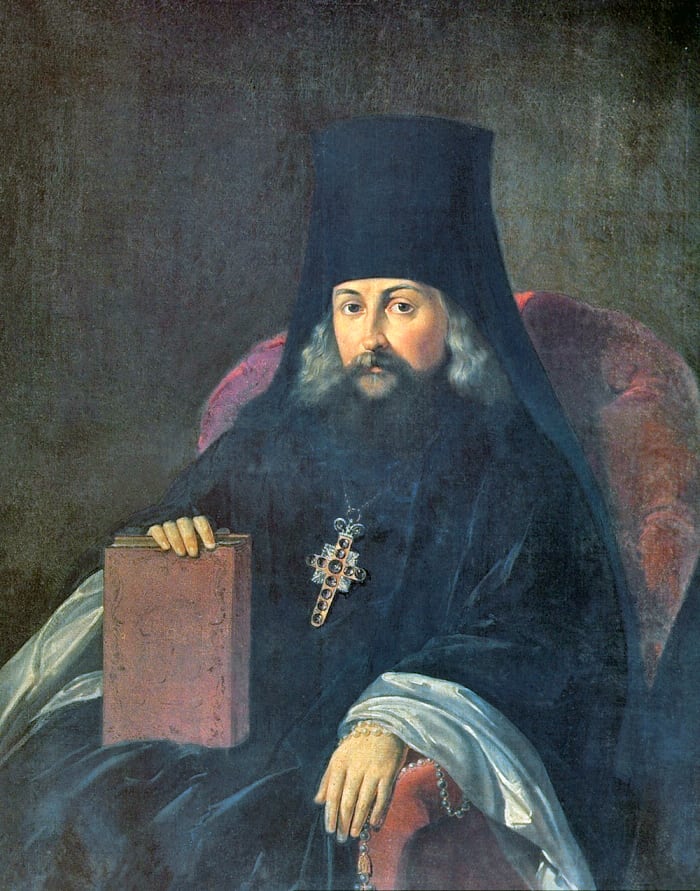
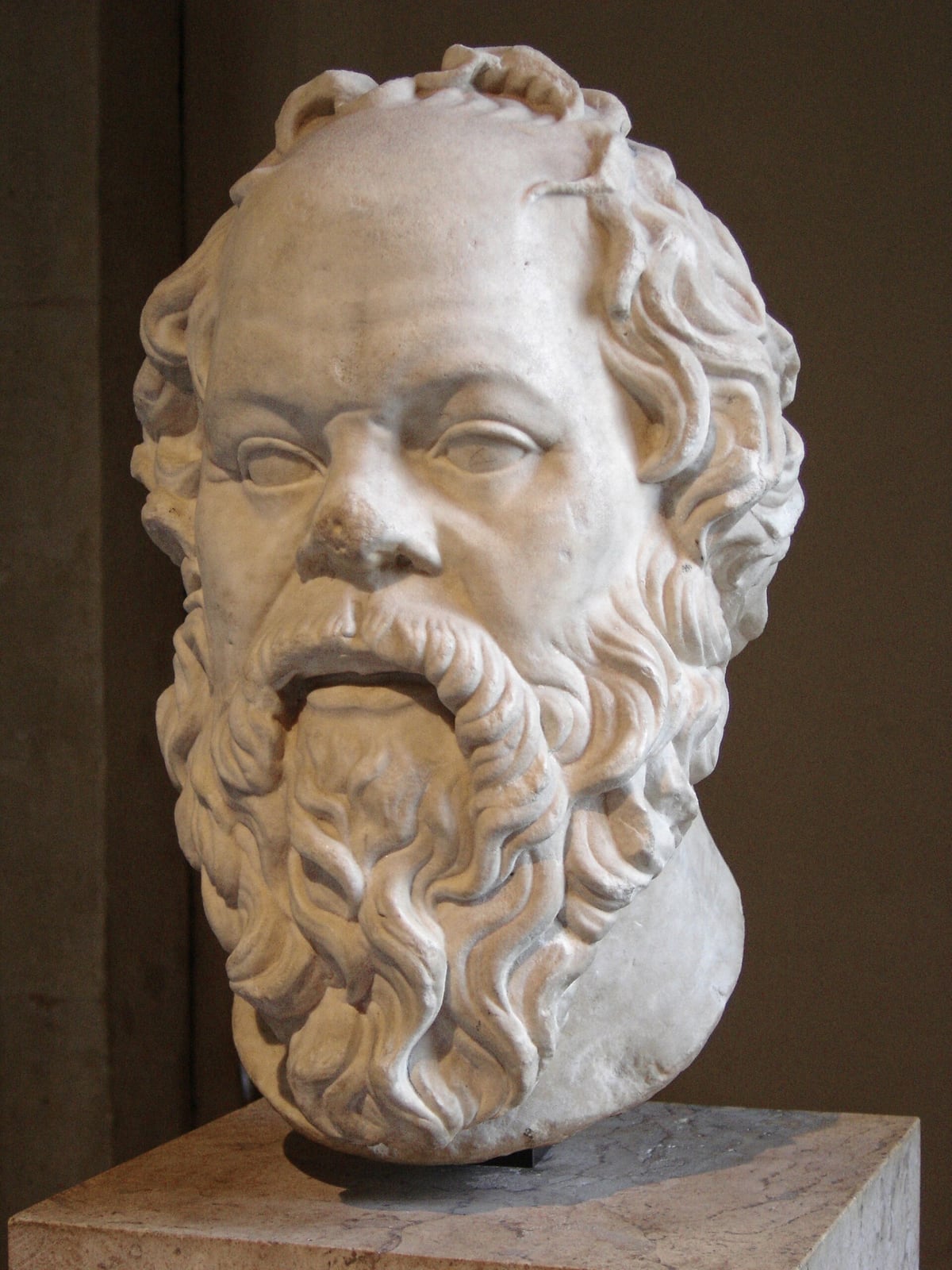
يتّفقان في
Thich Nhat Hanh · Teresa of Ávila
Among the pots and at the sink: attention in small things
لماذا: The convergence is one of practice, not doctrine. Teresa prays to a personal God present in all things, the kitchen included; Thich Nhat Hanh addresses no one, but looks deeply into the impermanence and interbeing of what he holds in his hands. Yet both face the same difficulty: communities with daily manual work, where contemplation cannot depend on free time. The reformed Carmel and Vietnamese Zen solve it in the same way, making the task the place of presence. No relation between them is recorded; the affinity stems from the community life both organised and from their shared distrust of a merely intellectual spirituality.
يختلفان فيتناقض ظاهري
Thich Nhat Hanh · The 14th Dalai Lama (Tenzin Gyatso)
No birth and no death, or a detailed map of dying: two Buddhists facing the end
لماذا: The opposition is apparent because they speak from the two truths distinguished by Mahayana Buddhism. Thich Nhat Hanh deliberately places himself in the ultimate dimension, where nothing is born or dies because nothing exists by itself; he does not deny rebirth but reformulates it as continuation. The Dalai Lama speaks on the conventional plane, that of experience and practice, and from the Tibetan tantric tradition, which has a meticulous description of dying. Audiences matter too: the Vietnamese monk writes for Western readers who fear annihilation; the Tibetan comments on a classical text for practitioners who must prepare. Each would accept the other's truth at its own level.
يختلفان فيتناقض ظاهري
Thich Nhat Hanh · Jiddu Krishnamurti
No method versus daily practice: two ways of not turning attention into a technique
لماذا: The contradiction is largely apparent: both fight meditation understood as a technique for obtaining a state. Krishnamurti, raised in the occult disciplines of the Theosophical Society, attacks the word method because it implies time, imitation and a progressing self. Thich Nhat Hanh keeps the language of practice because he teaches monastic and lay communities that need a shared discipline, but he insists that peace is not the goal of the path but the path itself. The real difference lies in pedagogy: one trusts immediate perception; the other, the habit that makes it possible. There is no record that they ever met.
يتّفقان في
Thich Nhat Hanh · Jesus of Nazareth
The Holy Spirit as the energy of mindfulness: a Zen monk before the living Christ
لماذا: The relationship is documented in one sense: Thich Nhat Hanh read and commented on the Gospels, was in dialogue with Thomas Merton and Martin Luther King, and in 1995 published Living Buddha, Living Christ to show convergences. His reading draws on Paul Tillich's theology, which speaks of God as the ground of being. The affinity, however, is asymmetrical: the Gospels present a personal God, the Father who sees, listens and forgives, and Thich Nhat Hanh translates that language into the Buddhist ultimate dimension, in which there is no creator. Many Christian and Buddhist theologians consider that the translation blurs real differences. It is a bridge built from one bank.
حكايات وروايات
حكايات وروايات
شهادةc. 1937
The hermit's well
أصل الرواية: Autobiographical story told by Thich Nhat Hanh himself in Dharma talks and published in At Home in the World (Parallax, 2016). No independent witnesses or documents.
المصدر: Nhat Hanh, Thich. At Home in the World: Stories and Essential Teachings from a Monk's Life. Berkeley: Parallax Press, 2016 (ISBN 9781941529423).
موثّق1966
Gethsemani: “Nhat Hanh Is My Brother”
أصل الرواية: The meeting and the essay are documented by Merton's own text (1966, in Faith and Violence, 1968) and by the official Plum Village biography.
المصدر: Merton, Thomas. «Nhat Hanh Is My Brother» (1966), recogido en Faith and Violence. Notre Dame: University of Notre Dame Press, 1968.
موثّق1966–1967
Martin Luther King's letter to Oslo
أصل الرواية: Nomination record in the Nobel Foundation archive (1967, no. 48); letter text transcribed by Buddhistdoor and reproduced by Plum Village. Transcriptions differ in one word (“personally”).
شهادة1978
The girl on the boat and the true names
أصل الرواية: The author's own account in Being Peace (1987) and on the poem's official page at plumvillage.org; the rescue operation and the expulsion from Singapore are documented in the official biography.
موثّق2005–2007
The return: Từ Hiếu, 2005
أصل الرواية: International press coverage of 2005 and 2007 and the official Plum Village biography; the controversy with the UBCV is recorded with statements from its spokesmen.
المصدر: Wikipedia (en). «Thích Nhất Hạnh». Consultado como índice de hechos y fechas, contrastado con s2.
موثّق2015–2022
“I am not in here”: the stupa he refused
أصل الرواية: Passage published by the author himself in 2015 (quoted in the 2022 obituaries, including PBS/AP) and the Plum Village community's announcement of 22 January 2022.
التعاليم
التعاليم
المفاهيم التي ينتظم بها فكره، مشروحة في سياقها.
Interbeing (tiếp hiện)interser
Mahāyāna; Heart Sutra, Avataṃsaka, Huayan school; a modern reformulation of Nāgārjuna's emptiness.
المصدر: Nhat Hanh, Thich. The Heart of Understanding: Commentaries on the Prajñaparamita Heart Sutra. Berkeley: Parallax Press, 1988.
Mindfulness (chánh niệm)chanh-niem
Satipaṭṭhāna and Ānāpānasati suttas; Vietnamese Zen tradition (Lâm Tế / Liễu Quán); direct precedent of secular mindfulness programmes.
المصدر: Nhat Hanh, Thich. The Miracle of Mindfulness: A Manual on Meditation. Trad. Mobi Ho. Boston: Beacon Press, 1975 (ed. revisada 1987; ISBN 9780807012390).
Engaged Buddhismbudismo-comprometido
Vietnam War; the Vietnamese Buddhist renewal of the 1950s and 1960s; bodhisattva ethics applied to social action.
The Five Mindfulness Trainingscinco-entrenamientos
Pañcaśīla; bodhisattva vows; applied Mahāyāna ethics.
المصدر: Nhat Hanh, Thich. The Heart of the Buddha's Teaching. Berkeley: Parallax Press, 1998 (ISBN 9780938077817).
No-birth, no-death (continuation)no-nacimiento-no-muerte
Heart Sutra, Prajñāpāramitā; two-truths doctrine; Mind-Only psychology.
Store consciousness and the seeds (tàng thức)conciencia-deposito
Yogācāra / Mind-Only (Vasubandhu, Xuanzang); Fa-hsiang/Duy thức tradition in Vietnam.
Deep listening and loving speechescucha-profunda
Right speech of the Eightfold Path; Avalokiteśvara of the Lotus Sutra; non-violent communication.
المصدر: Nhat Hanh, Thich. True Love: A Practice for Awakening the Heart. Boston: Shambhala, 2004 (ISBN 9781590301883).
الخلوات
خلوات ومراكز
أماكن ولقاءات مرتبطة بتعليمه. نضعك على تواصل مع من ينظّمها.
Thénac (Dordoña), Nueva Aquitania · Francia
Plum Village (France): mindfulness retreats
Plum Village Community of Engaged Buddhism
Plum Village is the monastery Thich Nhat Hanh founded in south-west France in 1982 and the heart of the practice community that bears its name. Its hamlets welcome lay visitors from around the world alongside the monks and nuns who live there. The day revolves around sitting and walking meditation, silent meals, Dharma talks, total relaxation and small-group sharing. It is the place where his understanding of practice is most tangible: not an isolated technique but a way of living each everyday gesture in community, with mindfulness as the thread running through work, rest and meals.
En línea · Internacional
Plum Village: online retreats and courses
Plum Village Community of Engaged Buddhism
For those who cannot travel to France, the Plum Village community offers online retreats and courses led by its monks and nuns. They cover the foundations of the practice Thich Nhat Hanh taught: conscious breathing, walking meditation, caring for strong emotions and deep listening. Alongside them is the free Plum Village App, with guided meditations and recorded talks by the teacher himself. It is a sober entry point that stays faithful to the lineage, designed to support practice at home and, if one wishes, to prepare a later visit to one of the community's monasteries.
Pine Bush, Nueva York · Estados Unidos
Blue Cliff Monastery (New York)
Blue Cliff Monastery – Plum Village Tradition
Blue Cliff is the Plum Village tradition's monastery in the north-eastern United States, in the Hudson Valley about two hours from New York City. Thich Nhat Hanh founded it in 2007, and a monastic community lives there and opens its doors to lay people for retreats, days of practice and stays. Its programme reproduces the way of life the teacher taught: breathing and walking mindfully, eating in silence, listening to the Dharma and sharing experience in small groups. It is an accessible option for people on the East Coast who wish to practise within the lineage.
Waldbröl, Renania del Norte-Westfalia · Alemania
European Institute of Applied Buddhism (EIAB)
Europäisches Institut für Angewandten Buddhismus (EIAB)
The EIAB is the centre Thich Nhat Hanh established in Waldbröl, Germany, in 2008, with the aim of applying Buddhist practice to education, healthcare, business and family life. Part of the Plum Village tradition, it houses a monastic community and offers retreats, courses and mindfulness training for lay people. Its approach of applied Buddhism reflects one of the teacher's central insights: that meditation is not separate from social life but is placed at its service. It is the lineage's main reference point in Central Europe, drawing practitioners from across the German-speaking world and beyond.
Escondido, California · Estados Unidos
Deer Park Monastery (California)
Deer Park Monastery – Plum Village Tradition
Deer Park is one of the Plum Village tradition's monasteries in the United States, founded by Thich Nhat Hanh in 2000 in the hills of southern California. A community of monks and nuns welcomes lay practitioners for retreats, days of mindfulness and longer stays. Practice follows the same framework as in France: sitting and walking meditation among oaks and boulders, silent meals, Dharma talks and mindful work. It is a reference point for anyone seeking the teacher's direct lineage on the American continent, with activities offered both in English and in Vietnamese for the wider community.
مقاطع الفيديو
مقاطع الفيديو
تسجيلات ومقابلات وأفلام وثائقية. تُشغَّل مقاطع الفيديو من YouTube؛ ولا تُستضاف هنا.
Where Do We Go When We Die? | Thich Nhat Hanh, 2002.07.22 (Plum Village, France)
تسجيل أصلي· EN· 2002
Plum Villageالقناة الرسمية
Practicing in a Stressful Environment | Dharma Talk by Thich Nhat Hanh, 2004.02.08
تسجيل أصلي· EN· 2004
Plum Villageالقناة الرسمية
Through the Insight of Interbeing | Dharma Talk by Thich Nhat Hanh, 2012.10.11
تسجيل أصلي· EN· 2012
Plum Villageالقناة الرسمية
The Practice of Compassion | Dharma Talk by Thich Nhat Hanh, 2013.11.03
تسجيل أصلي· EN· 2013
Plum Villageالقناة الرسمية
The Silence of Life | Dharma Talk by Thich Nhat Hanh, April 17, 2014
تسجيل أصلي· EN· 2014
Plum Villageالقناة الرسمية
Living Deeply - Dharma Talk by Thich Nhat Hanh | Barcelona Educators Retreat, 2014.05.10
تسجيل أصلي· EN· 2014
Plum Villageالقناة الرسمية
Thich Nhat Hanh - Rare Interview - 1972 Conference on The Human Environment
مقابلة· EN· 1972
Soundings Mindful Media
Thich Nhat Hanh on Compassionate Listening | SuperSoul Sunday | Oprah Winfrey Network
مقابلة· EN· 2010
OWN
Cita con la vida. Charla de Thay, Thich Nhat Hanh, del 6 de julio de 2014
تسجيل أصلي· ES· 2014
TnhSpain
Le lâcher-prise des notions - Enseignement de Thich Nhat Hanh sous-titré Français
تسجيل أصلي· FR
Village des Pruniersالقناة الرسمية
Smettere di Correre - Insegnamento di Thich Nhat Hanh
تسجيل أصلي· IT
Plum village Italiaالقناة الرسمية
Tình Yêu Chân Thật | Thiền sư Thích Nhất Hạnh (30-07-2004, Làng Mai)
تسجيل أصلي· VI· 2004
Làng Mai Officialالقناة الرسمية
المعرض
المعرض
صور بترخيص متحقَّق منه. كل منها تحتفظ بمؤلّفها ونسبتها.
العلاقات
العلاقات
تأثيرات وتلمذة وتقارب في الأفكار. تُميَّز العلاقة الموثّقة عن التشابه المستخلَص بالتحليل.
تلميذ
Thanh Quý Chân Thật
His root teacher at Từ Hiếu from 1942; from him he received the lamp transmission on 1 May 1966.
علاقة موثّقة
تأثّر بـ
Siddhartha Gautama, the Buddha
His whole work is a re-reading of the Buddha's discourses; he devoted to him the novelised biography Old Path White Clouds (1988).
علاقة موثّقة
التقى بـ
They met at Gethsemani Abbey in May 1966; Merton wrote “Nhat Hanh Is My Brother” in his defence.
علاقة موثّقة
معاصر لـ
The 14th Dalai Lama (Tenzin Gyatso)
They met at interfaith gatherings; the Dalai Lama wrote the foreword to Peace Is Every Step (1991) and sent condolences on his death. Thich Nhat Hanh's remarks on Tibet on Italian television (2008), according to his followers, precipitated the Bát Nhã crisis.
علاقة موثّقة
تأثّر بـ
A lineage relation, not a historical one: the Lâm Tế (Linji) school in which he was ordained traditionally traces its genealogy to Bodhidharma. Recorded as tradition, not as documented fact.
تشابه مستخلَص بالتحليل
أفكار قريبة من
Both teach holding difficult emotions without suppressing them or being carried away; no documented meeting.
تشابه مستخلَص بالتحليل
أفكار قريبة من
Both centre the present moment, though Tolle belongs to no tradition while Thich Nhat Hanh teaches from the Buddhist canon and the sangha.
تشابه مستخلَص بالتحليل
المصادر
المصادر
المراجع والفهارس التي رُوجعت لهذه الصفحة.
- Wikidata, «Thích Nhất Hạnh», QID Q310913 (VIAF 87670142; LCCN n50006399).
- Plum Village Community of Engaged Buddhism. «Thich Nhat Hanh: Biography». plumvillage.org (biografía oficial).
- Wikipedia (en). «Thích Nhất Hạnh». Consultado como índice de hechos y fechas, contrastado con s2.
- Nobel Prize Nomination Archive. «Nomination for Nobel Peace Prize, 1967, number 48»: nominee Thich Nhat Hanh, nominator Martin Luther King Jr.
- Nhat Hanh, Thich. Being Peace. Berkeley: Parallax Press, 1987. ISBN 9780938077008.
- Nhat Hanh, Thich. The Miracle of Mindfulness: A Manual on Meditation. Trad. Mobi Ho. Boston: Beacon Press, 1975 (ed. revisada 1987; ISBN 9780807012390).
- Nhat Hanh, Thich. Fragrant Palm Leaves: Journals 1962–1966. Trad. Mobi Warren. Berkeley: Parallax Press, 1998 (reed. 2020, ISBN 9781946764720).
- Nhat Hanh, Thich. Vietnam: Lotus in a Sea of Fire. Prólogo de Thomas Merton. Nueva York: Hill and Wang, 1967. Digitalizado en Internet Archive (préstamo).
- Plum Village. «Please Call Me by My True Names (song & poem)», con la explicación del propio autor sobre su origen.
- Merton, Thomas. «Nhat Hanh Is My Brother» (1966), recogido en Faith and Violence. Notre Dame: University of Notre Dame Press, 1968.
- Open Library (Internet Archive). Registros de autor «Thích Nhất Hạnh» y de ISBN de cada edición citada.
- PBS NewsHour / Associated Press. «Influential Zen Buddhist monk Thich Nhat Hanh dies at 95», 22 de enero de 2022 (recoge el comunicado de Plum Village).
- Nhat Hanh, Thich. The Heart of Understanding: Commentaries on the Prajñaparamita Heart Sutra. Berkeley: Parallax Press, 1988.
- Nhat Hanh, Thich. Peace Is Every Step: The Path of Mindfulness in Everyday Life. Nueva York: Bantam Books, 1991 (ISBN 9780553351392).
- Nhat Hanh, Thich. True Love: A Practice for Awakening the Heart. Boston: Shambhala, 2004 (ISBN 9781590301883).
- Nhat Hanh, Thich. The Heart of the Buddha's Teaching. Berkeley: Parallax Press, 1998 (ISBN 9780938077817).
- Nhat Hanh, Thich. At Home in the World: Stories and Essential Teachings from a Monk's Life. Berkeley: Parallax Press, 2016 (ISBN 9781941529423).
- Editorial Kairós. Página de autor «Thich Nhat Hanh» (catálogo en español).
- Wikimedia Commons, API imageinfo (licencia, autor y fecha de cada fichero citado en images[]).
- Plum Village, canal oficial de YouTube (ID de canal UCcv7KJIAsiddB2YRegvrF7g); canales hermanos «Làng Mai Official» (vietnamita), «Village des Pruniers» (francés), «Plum village Italia».
- Buddhistdoor Global. «Martin Luther King Jr.'s nomination for Thich Nhat Hanh as the Nobel Peace Prize recipient» (transcripción de la carta del 25 de enero de 1967).
- Nhat Hanh, Thich. Living Buddha, Living Christ. Nueva York: Riverhead Books, 1995 (ed. 10.º aniversario 2007, ISBN 9781594482397).
- Nhat Hanh, Thich. Call Me by My True Names: The Collected Poems. Berkeley: Parallax Press, 1993 (ISBN 9780938077619).
- Parallax Press. Catálogo de obras de Thich Nhat Hanh (editorial fundada por el autor y la comunidad de Plum Village).
- Open Library: búsqueda por autor y fichas de edición por ISBN (comprobado el 2026-10-25).
- Plum Village. «Ceremonies to Spread Thay's Ashes» (crónica de la recepción de las cenizas en Upper Hamlet y de la ceremonia de dispersión del 13 de marzo de 2022).
- Human Rights Watch. «Vietnam: Sharp Backsliding on Religious Freedom», 18 de octubre de 2009 (expulsión violenta de los monásticos de Plum Village del monasterio de Bát Nhã, 27–28 de septiembre de 2009).
- Wikipedia (vi). «Thích Nhất Hạnh», sección «Tác phẩm» (bibliografía en vietnamita por géneros, con editorial, año y seudónimos). Consultada como índice bibliográfico.
- Penguin Random House (distribuidor de Parallax Press y de Shambhala). Fichas de libro por ISBN de las obras de Thich Nhat Hanh (comprobado el 2026-10-25).
- صاحب الحقوق
- Plum Village Community of Engaged Buddhism (antes Unified Buddhist Church), a través de su editorial sin ánimo de lucro Parallax Press; derechos vigentes (fallecido en 2022)
- الموقع الرسمي
- plumvillage.org
في انتظار التأكيد
ما لم تتمكّن هذه الصفحة من حسمه بعد. نفضّل أن نقول ذلك على أن نملأ الفراغ.
- Comprobar sobre un escaneo la redacción exacta de la carta de nominación de M. L. King (25-01-1967): las transcripciones difieren en «I do not personally know» / «I do not know».
- Ediciones en ruso: ni Open Library ni Google Books (cuota cero sin clave) devolvieron registros con ISBN verificable para «Чудо осознанности» u otros títulos; queda sin edición rusa catalogada.
- Ediciones italianas (Ubaldini: «Il miracolo della presenza mentale», «La pace è ogni passo», «Essere pace»): existen en comercio, pero no se localizó ISBN en catálogo abierto; solo se incluye «Vita di Siddhartha il Buddha» (Ubaldini, 1992), verificada.
- Duraciones de los vídeos: la API oEmbed no las devuelve; quedan en null.
- Localizar página/capítulo exactos de las citas marcadas «probable» (Peace Is Every Step, True Love, Living Buddha Living Christ) sobre el texto impreso.
- Confirmar en catálogo la edición de Zenith de «El milagro de mindfulness» (ISBN 9788408180753, 2019) frente a la de Kairós de 2019 que cita un distribuidor (9788499887210 corresponde en Open Library a «Cómo luchar»): posible confusión del distribuidor.
- Las URL de Parallax Press y Shambhala responden 403 a clientes automáticos; verificadas solo como dominios oficiales, no página a página.
- Obras: publicó más de cien títulos; los libros en vietnamita sin traducción (editados por Lá Bối y por la comunidad de Plum Village) no se han inventariado uno a uno. Catálogo de referencia: Parallax Press (s24) y la bibliografía de plumvillage.org.
- Obras: no se registran como obras los productos derivados (calendarios, barajas, cuadernos y tarjetas de caligrafía, audiocursos de Sounds True como «The Present Moment» o «Mindfulness and Psychotherapy»), ni las antologías de citas que reempaquetan libros ya listados (Be Still and Know, The Pocket Thich Nhat Hanh, Wisdom from Peace Is Every Step).
- Obras: quedan por revisar títulos menores localizados en Open Library sin contenido verificado: «The Pine Gate» (White Pine Press, 1988), «A Joyful Path» (1994), «The Hermit and the Well» (2001), «Where Is the Buddha?» (2021), «Lay Bodhisattva, Monastic Bodhisattva» (2023), «Peacemaking» y «Looking Deeply».
- Obras: «Joyfully Together», «Inside the Now» y «The Mindfulness Survival Kit» registran año aproximado; Open Library solo muestra reediciones.
- Obras vietnamitas registradas en la bibliografía de vi.wikipedia sin año ni datos suficientes para describirlas con rigor, que quedan fuera de works: Tương lai văn hóa Việt Nam, Tương lai Thiền học Việt Nam, Tuổi trẻ tình yêu lý tưởng, Bưởi, Tố (Lá Bối, s. f.), la versión en prosa de Truyện Kiều (Văn hóa Sài Gòn, s. f.), Những con đường đưa về núi Thứu, Làng mai nhìn về núi Thứu, Sen búp từng cánh hé y Con gà đẻ trứng vàng (2018). Localizar año y contenido en un catálogo vietnamita (Thư viện Quốc gia) antes de añadirlas.
- Programas de audio con charlas (Sounds True y otros: The Art of Mindful Living, Mindful Living, The Ultimate Dimension, Looking Deeply, Peacemaking, Mindfulness and Psychotherapy, Drops of Emptiness, Classic Dharma Talks) no se han registrado como obras; decidir si entran con type «audiobook».
- «How to Heal» (Ebury, 2023, ISBN 9781846046551 / 9781473581708 en Open Library) no se ha podido confirmar como título de la serie Mindfulness Essentials ni localizar en el catálogo de Parallax; no se ha añadido.
- Sala de lectura: ninguna obra entra. El autor murió en 2022 y toda su obra (y la de sus traductores) tiene derechos vigentes en EE. UU., la UE y España; reading_texts queda vacío a propósito.
بُحث بتاريخ 2026-10-22