المسيحية · التصوف المسيحي · البروتستانتية · الهرمسية
Jakob Böhme
Jacob Böhme
1575 – 1624شخصية موثّقة تاريخيًا
إسكافي من غورليتس (1575–1624)، وواحد من كبار المتصوّفة النظريين في الغرب. لم ينل تعليمًا ولم يعرف اللاتينية، لكنه كتب بعد إشراق عاشه نحو سنة 1600 كتاب «الفجر الصاعد» (1612) الذي جرّ عليه المنع من الكتابة، ثم أنجز بين 1618 و1624 عملًا هائلًا: «المبادئ الثلاثة»، و«الحياة الثلاثية»، و«أربعون سؤالًا عن النفس»، و«في توقيع الأشياء»، و«السرّ الأعظم»، و«الطريق إلى المسيح»، وهو الكتاب الوحيد الذي طُبع في حياته. وقد طبعت ثيوصوفيته في اللاأساس وصوفيا وأصل الشر التقويةَ والمثاليةَ الألمانية والرومانسيةَ والفلسفةَ الدينية الروسية.
- مؤلَّفًا
- 32مؤلَّفًا
- طبعة
- 63طبعة
- اقتباسًا
- 5اقتباسًا
- مقطع فيديو
- 15مقطع فيديو
- صورة
- 9صورة
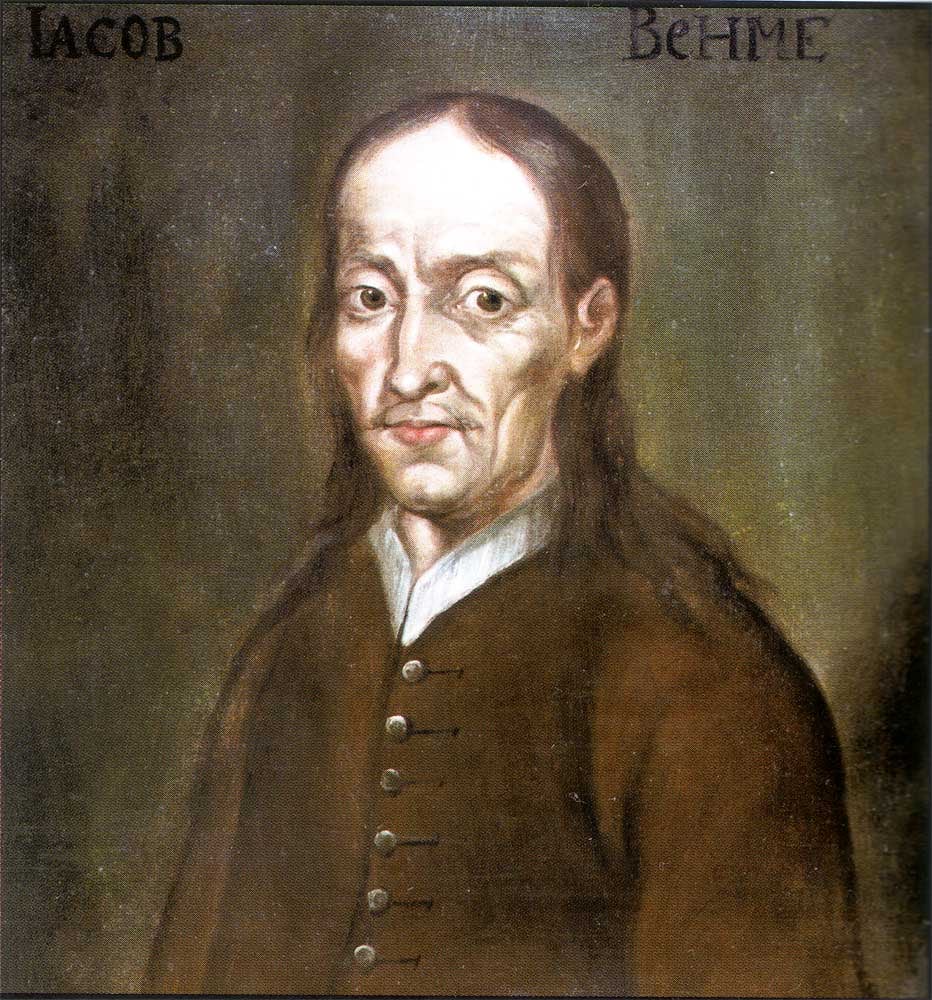
Retrato póstumo de Jakob Böhme · Public domain
بكلماته
«But when in my resolved zeal I stormed so hard against God and all the gates of hell, as if I had more strength still in reserve, ready to stake my life on it (which would not have been in my power without the help of God's Spirit), suddenly, after some hard storms, my spirit broke through the gates of hell into the innermost birth of the Godhead, and there was embraced with love, as a bridegroom embraces his dear bride.»Morgenröte im Aufgang (Aurora), cap. 19, § 11 (texto de la ed. de Friburgo, 1977, en Zeno.org)
فكرته المحورية
Ungrund (the groundless): Ungrund is the word with which Böhme names what lies 'before' God as revealed God: a bottomless abyss, without nature or determination, which is neither good nor evil, neither light nor darkness, but pure will that does not yet will anything.
السيرة
4 دقيقة قراءة
ترجمة مُعانة من الأصل الإسباني، بانتظار مراجعة مترجم من أهل اللغة.
راعي ألت زايدنبرغ
وُلد ياكوب بوهمه سنة 1575 في ألت زايدنبرغ، وهي قرية في لوساتيا العليا تبعد بضعة كيلومترات عن غورليتس، في الأراضي التابعة للتاج البوهيمي؛ أما تاريخ الرابع والعشرين من أبريل الذي تكرره بعض المعاجم فلا يستند إلى وثيقة راسخة. كان الابن الرابع لأسرة فلاحية لوثرية ميسورة الحال، وكان أبوه فوق ذلك قيّمًا على الكنيسة وعضوًا في هيئة المحلّفين بالمحكمة المحلية. ولأنه كان أضعف من أن يحتمل أعمال الحقل، رعى الماشية في صباه، ثم دخل في نحو الرابعة عشرة صبيًّا متعلّمًا عند إسكافي. والقليل الذي نعرفه عن تلك السنوات مصدره السيرة التي كتبها تلميذه أبراهام فون فرانكنبرغ سنة 1651، وهي أقرب إلى القصّ الوعظي منها إلى التأريخ: الكنز الذي لمحه في شقّ من صخور جبل لانديسكرونه، والغريب الذي بشّره بأنه سيصير عظيمًا.
وبعد سنوات قضاها صانعًا متجوّلًا استقرّ في غورليتس. ففي الرابع والعشرين من أبريل 1599 قُيّد مواطنًا في المدينة ومعلّمًا في صناعة الأحذية، واشترى أحد دكاكين الأحذية في ساحة أونترماركت، وتزوّج في العام نفسه كاتارينا كونتشمان، ابنة جزّار من أهل المدينة، فرُزق منها أربعة أبناء ذكور على الأقل. وكان بوهمه يتردّد على الحلقة التقية التي التفّت حول كبير القساوسة السابق مارتن مولر، وهي روحانية ذات نزعة صوفية داخل اللوثرية، وكان يقرأ الكتاب المقدّس بشغف لم يكد يعرفه لاهوت المدارس في عصره.
ربع ساعة
نحو سنة 1600 عاش التجربة التي انتظمت بها حياته كلها. يربطها فرانكنبرغ بانعكاس الشمس على إناء من القصدير، رأى فيه بوهمه فجأةً قرار الأشياء جميعًا. أما هو فقد رواها بعد عشرين عامًا، من غير أي إناء، في رسالة إلى كاسبار ليندنر، جابي المكوس في بويتن: فبعد كآبة طويلة وصراع عنيد مع الله «انفتح الباب»، فرأى في ربع ساعة وعرف أكثر مما لو قضى سنوات طويلة في جامعة: كينونة الكائنات جميعًا، والأساس واللاأساس، وولادة الثالوث، وأصل هذا العالم وسائر المخلوقات. ثم لم يكتب شيئًا طوال اثني عشر عامًا، ويجعل التقليد سنة 1610 موعدًا لتجدّد ذلك النور فيه.
«الفجر» والقس ريشتر
في سنة 1612 شرع يكتب، لنفسه وحده، كتاب «الفجر الصاعد» (Morgenröte im Aufgang)، الذي سيسمّيه أصدقاؤه «أورورا»: رسالة لم تكتمل في الله والملائكة وسقوط لوسيفر والطبيعة، يروي في فصلها التاسع عشر كيف اخترقت روحه أبواب الجحيم حتى بلغت أعمق ولادة للألوهة، فاحتُضنت هناك «كما يحتضن العريس عروسه الحبيبة». واطّلع النبيل كارل فون إندر على المخطوط فأمر بنسخه، ووصلت نسخة منه إلى كبير قساوسة غورليتس غريغور ريشتر، فشنّع عليه من فوق المنبر. وفي يوليو 1613 احتجز مجلس المدينة بوهمه مدة قصيرة، وصادر الأصل، ومنعه من الكتابة. فأطاع أكثر من خمس سنوات، وباع دكانه واشتغل بتجارة الغزل والقفازات، التي كثيرًا ما حملته إلى براغ.
ست سنوات من الكتابة
في سنة 1618، وبتشجيع من أصدقاء بينهم أطباء ونبلاء من سيليزيا وقرّاء لباراسيلسوس، عاد إلى القلم، فشيّد في ست سنوات عملًا يبلغ آلاف الصفحات. ففي 1619 أتمّ «في المبادئ الثلاثة للجوهر الإلهي»، وفي 1620 «في الحياة الثلاثية للإنسان»، و«أربعون سؤالًا عن النفس» — جوابًا عن أسئلة طرحها عليه الطبيب بالتازار فالتر، الرحّالة في المشرق الذي نقل إليه مفاهيم من القبالة والخيمياء —، و«في تجسّد يسوع المسيح»، و«ست نقاط ثيوصوفية»، و«السرّ البانصوفي». ثم تلت ذلك ردوده على ناقديه بالتازار تيلكه وإيزاياس شتيفل، و«في توقيع الأشياء» (1622)، وسلسلة من الرسائل التعبّدية القصيرة في التوبة والتسليم والحياة فوق الحسّية، ثم في 1623 شرحه الكبير لسفر التكوين، «السرّ الأعظم»، ومعه «في اختيار النعمة» و«في وصايا المسيح». وكان ذلك كله يتداول في نسخ مخطوطة، وتبقى رسائله، التي حُفظ منها أكثر من ستين، أفضل مدخل إلى فكره.
لم يكن بوهمه يعرف اللاتينية، ولم تطأ قدمه جامعة قط. كان يكتب بألمانية لوساتيا، يمزج معجم كتاب لوثر المقدّس بمعجم باراسيلسوس والخيمياء، ويصوغ كلمات لما لا اسم له: «اللاأساس» (Ungrund)، السابق على كل تعيين؛ و«الأرواح الينبوعية» (Quellgeister) التي تلد الطبيعة الأزلية؛ وصوفيا، عذراء الحكمة التي هي مرآة الله. وسؤاله الدائم هو أصل الشر: كيف يحمل إله هو المحبة في طبيعته الأزلية نارًا مظلمة، وكيف يستطيع الإنسان، القائم بين الغضب والمحبة، أن يولد من جديد. وقد قرأه هيغل بإعجاب لا يخلو من ضيق بلغته، وسمّاه أول فيلسوف ألماني.
«الطريق إلى المسيح» والخاتمة
في مطلع 1624 طبع أصدقاء له في غورليتس، من غير إذنه كما صرّح هو نفسه أمام المجلس، مجلدًا صغيرًا من رسائله التعبّدية بعنوان «الطريق إلى المسيح» (Der Weg zu Christo)، وهو الكتاب الوحيد من كتبه الذي رآه مطبوعًا. فردّ ريشتر بمنشور هجائي يتّهمه بالهرطقة والسُّكر، وأجابه بوهمه بدفاع. وفي السادس والعشرين من مارس دعاه المجلس إلى مغادرة المدينة. وفي مايو سافر إلى درسدن، حيث نزل في بيت طبيب البلاط وحاور لاهوتيين ومستشارين للأمير الناخب، ثم عاد دون أن يُدان، وقضى الصيف عند أصدقاء من النبلاء في سيليزيا، حيث بدأ «مئة وسبعة وسبعون سؤالًا ثيوصوفيًا». ومات ريشتر في أغسطس. وعاد بوهمه إلى غورليتس في أوائل نوفمبر مريضًا بالحمّى وبعلّة في الأمعاء، فأخضعه رجال الدين الجدد لاستجواب قبل أن يناولوه القربان. وتوفي في السابع عشر من نوفمبر 1624. وقد فرض المجلس دفنه رغم إرادة القسّ، ثم دُنّس قبره بعد قليل.
ما جاء بعده
نجت كتاباته بفضل تلاميذه، وبفضل الأراضي المنخفضة قبل كل شيء: فقد نشر يوهان غيورغ غيشتل في أمستردام سنة 1682 أول طبعة كاملة لأعماله، وظهرت سنة 1730 «الثيوصوفيا المكشوفة» (Theosophia revelata). وفي إنجلترا ترجمه جون سبارو وجون إليستون وهمفري بلاندن بين 1645 و1662، وأثّر «البوهميون» في الكويكرز وفي جماعة الفيلادلفيين، وفي القرن الثامن عشر اتخذه ويليام لو معلّمًا، حتى إن الطبعة الإنجليزية الصادرة بين 1764 و1781 تُعرف باسمه. وعن طريق أوتينغر بلغ التقويّة الشوابية وشيلنغ، وعن طريق سان مارتان بلغ فرنسا، وعن طريق نوفاليس بلغ الرومانسية. وفي القرن العشرين قرأه بيرديائيف، الذي رأى في «اللاأساس» حدسًا بحرية سابقة على الوجود، ويونغ، الذي نقل الكرة الفلسفية في «أربعين سؤالًا» بوصفها ماندالا. ومنذ 2020 تُعدّ جامعة شتوتغارت أول طبعة تاريخية نقدية لأعماله.
المصادر: Franckenberg, Abraham von. Gründlich und wahrhafftiger Bericht von dem Leben und Abschied des in Gott selig-ruhenden Jacob Böhmens (1651). En: Des gottseeligen hocherleuchteten Jacob Böhmens Teutonici Philosophi Alle Theosophische Wercken, Ámsterdam, 1682, vol. [1]; reimpr. en Theosophia revelata, 1730. Trad. inglesa en The Works of Jacob Behmen, Londres, 1764, vol. I. · Weeks, Andrew. Boehme: An Intellectual Biography of the Seventeenth-Century Philosopher and Mystic. Albany: State University of New York Press, 1991. · Hessayon, Ariel, y Sarah Apetrei (eds.). An Introduction to Jacob Boehme: Four Centuries of Thought and Reception. Nueva York y Londres: Routledge, 2014. · Martensen, Hans Lassen. Jacob Boehme: His Life and Teaching. Trad. T. Rhys Evans. Londres: Hodder and Stoughton, 1885. · Böhme, Jacob. Concerning the Three Principles of the Divine Essence. Trad. John Sparrow (1648); reed. C. J. Barker, con introducción de Paul Deussen (incluye las actas del concejo de Görlitz de 1613 y 1624 y la cronología de los últimos meses). Londres: John M. Watkins, 1910.
الخط الزمني
الحياة عامًا بعد عام
كل نقطة حدث موثّق. انقر لتقرأه مع مصدره ودرجة اليقين فيه.
1575أقل من عامAlt Seidenberg (Stary Zawidów)
Birth
Born at Alt Seidenberg, fourth child of a Lutheran peasant family. The year is secure; the day (24 April) given by some reference works is undocumented.
مرجَّحFranckenberg, Abraham von. Gründlich und wahrhafftiger Bericht von dem Leben und Abschied des in Gott selig-ruhenden Jacob Böhmens (1651). En: Des gottseeligen hocherleuchteten Jacob Böhmens Teutonici Philosophi Alle Theosophische Wercken, Ámsterdam, 1682, vol. [1]; reimpr. en Theosophia revelata, 1730. Trad. inglesa en The Works of Jacob Behmen, Londres, 1764, vol. I.
بعد وفاته
- 1682First complete edition (Amsterdam)
- 1730Theosophia revelata
- 1764 – 1781The 'William Law' English edition
- 2020Historical-critical edition
1575 · أقل من عام
Birth
Born at Alt Seidenberg, fourth child of a Lutheran peasant family. The year is secure; the day (24 April) given by some reference works is undocumented.
مرجَّح
نحو 1589 · 14 عامًا
Shoemaker's apprentice
After herding cattle as a boy, and owing to his frail constitution, he is apprenticed to a shoemaker at Seidenberg at about fourteen.
مرجَّح
24 أبريل 1599 · 24 عامًا
Citizen and master in Görlitz; marriage
On 24 April he is enrolled as a citizen of Görlitz, buys a shoe stall on the Untermarkt and that year marries Katharina Kuntzschmann.
موثّق
نحو 1600 · 25 عامًا
The illumination
An experience he himself describes in his letter to Caspar Lindner: in a quarter of an hour he saw 'the Being of all beings'. Franckenberg ties it to sunlight reflected in a pewter vessel.
موثّق
1610 · 35 عامًا
Second illumination
The biographical tradition places a renewal of the vision and the awareness of a vocation in this year.
تقليد
1612 · 37 عامًا
Aurora
He writes Morgenröte im Aufgang for himself; it remains unfinished. The nobleman Karl von Ender has it copied and it circulates.
موثّق
يوليو 1613 · 38 عامًا
Council condemnation and ban on writing
Denounced by the chief pastor Gregor Richter, the council briefly detains him, confiscates the manuscript and forbids him to write. He sells his stall and takes up the trade in yarn and gloves.
موثّق
1618 · 43 عامًا
He writes again
Encouraged by friends, he breaks his silence. He begins The Three Principles of the Divine Essence, completed in 1619.
موثّق
1620 · 45 عامًا
The year of the great treatises
He writes The Threefold Life of Man, the Forty Questions of the Soul (for Balthasar Walther), The Incarnation of Jesus Christ, the Six Theosophic Points, the Six Mystical Points and the Mysterium pansophicum.
موثّق
1622 · 47 عامًا
De signatura rerum and the devotional treatises
He composes De signatura rerum and the short treatises on repentance, resignation and the supersensual life that will form Der Weg zu Christo.
موثّق
1623 · 48 عامًا
Mysterium Magnum
He completes his commentary on Genesis, Mysterium Magnum, and writes The Election of Grace and Of Christ's Testaments.
موثّق
يناير 1624 · 48 عامًا
Der Weg zu Christo printed
At the beginning of the year his friends print Der Weg zu Christo in Görlitz, the only book of his published in his lifetime. Richter attacks it in a lampoon; Böhme answers with his Apology.
موثّق
26 مارس 1624 · 48 عامًا
The council invites him to leave
Summoned on 26 March, he declares that a nobleman printed the book without his involvement; the council warns him to leave the town.
موثّق
مايو 1624 · 49 عامًا
Stay in Dresden
From May he lives in Dresden at the house of the court physician; he converses with theologians and counsellors of the Elector of Saxony and returns uncondemned.
موثّق
17 نوفمبر 1624 · 49 عامًا
Death
Ill since his stay in Silesia, he returns to Görlitz and dies on 17 November. The new clergy had examined him before giving him communion; the burial is imposed by the council.
موثّق
1682
First complete edition (Amsterdam)
Johann Georg Gichtel publishes the complete works in Amsterdam in fifteen parts, with Franckenberg's biography.
موثّق
1730
Theosophia revelata
Johann Wilhelm Ueberfeld's edition appears, the basis of most later editions and of Peuckert's facsimile.
موثّق
1764 – 1781
The 'William Law' English edition
The Works of Jacob Behmen appear in London (1764–1781) in four volumes, based on the seventeenth-century translations and associated with the name of William Law.
موثّق
2020
Historical-critical edition
The University of Stuttgart and Frommann-Holzboog begin the Historisch-kritische Gesamtausgabe, directed by Günther Bonheim.
موثّق
المؤلَّفات
المؤلَّفات الأساسية
المؤلَّفات التي لا يُفهم إرثه من دونها.

مؤلَّف مكتوب · 1612
Aurora, or the Day-Spring (Morning Redness in the Rising)
Morgenröte im Aufgang (Aurora)
His first book, written for himself in 1612 and never finished. Subtitled 'the root or mother of philosophy, astrology and theology', it covers the Trinity, the creation of the angels, the fall of Lucifer and the seven 'source-spirits' of divine nature, and comments on the first days of creation. In chapter nineteen Böhme narrates his own illumination. Copied without his permission, it provoked Pastor Richter's denunciation and the 1613 ban on writing; the manuscript remained in the authorities' hands. It already contains his whole thought in germ, in a language still groping and impassioned.
6 طبعات · amazon.com

مؤلَّف مكتوب · 1622
De Signatura Rerum (The Signature of All Things)
De signatura rerum, oder Von der Geburt und Bezeichnung aller Wesen
His treatise on the 'signature': everything visible bears inscribed in its form, colour and sound the inner quality that generated it, and whoever can read those marks reads the being of all beings. Böhme combines the Paracelsian doctrine of signatures with an alchemical-type process (the seven properties, the death and resurrection of matter) which he applies at once to metals, plants and the rebirth of the soul. It was one of his most widely read books in England and among the German Romantics.
5 طبعات · amazon.com

مجموعة لاحقة · 1624
The Way to Christ
Der Weg zu Christo (Christosophia)
The only book of Böhme's printed in his lifetime (Görlitz, early 1624), at his friends' initiative. It gathers the devotional treatises on repentance, resignation and the supersensual life; later editions expanded it to nine 'little books' with the new birth, prayer, the dialogue of the two souls and divine contemplation. It is the most accessible way into his spirituality and the immediate cause of Richter's last persecution.
5 طبعات · amazon.com

مؤلَّف مكتوب · 1623
Mysterium Magnum, or an Exposition of the First Book of Moses called Genesis
Mysterium Magnum, oder Erklärung über das erste Buch Mosis
His longest work: a chapter-by-chapter commentary on Genesis, from creation to the death of Joseph, read as the history of God's revelation in nature and in the soul. Creation, the fall, Cain and Abel, Noah, Babel, Abraham, Isaac, Jacob and Joseph become figures of inner processes and of the struggle between wrath and love. It contains his most mature exposition of the Ungrund, Sophia and the 'language of nature'. Berdyaev considered it his chief work.
6 طبعات · amazon.com
جميع مؤلَّفاته (32)

The Three Principles of the Divine Essence
1619

The Threefold Life of Man
1620

Forty Questions of the Soul
1620
Jakob Böhme
Of the Incarnation of Jesus Christ
The Conscious LibraryOf the Incarnation of Jesus Christ
1620

Six Theosophic Points
1620

Six Mystical Points
1620
Jakob Böhme
Mysterium Pansophicum (On the Earthly and Heavenly Mystery)
The Conscious LibraryMysterium Pansophicum (On the Earthly and Heavenly Mystery)
1620
Jakob Böhme
Of the Last Times (to Paul Kaym)
The Conscious LibraryOf the Last Times (to Paul Kaym)
1620
Jakob Böhme
The Four Complexions (A Consolatory Treatise)
The Conscious LibraryThe Four Complexions (A Consolatory Treatise)
1624
Jakob Böhme
Apologies against Balthasar Tilke
The Conscious LibraryApologies against Balthasar Tilke
1621
Jakob Böhme
Antistifelius (Considerations upon Esaias Stiefel's Book)
The Conscious LibraryAntistifelius (Considerations upon Esaias Stiefel's Book)
1621
Jakob Böhme
Of the Error of the Sects of Esaias Stiefel and Ezechiel Meth
The Conscious LibraryOf the Error of the Sects of Esaias Stiefel and Ezechiel Meth
1622

Of True Repentance
1622

Of True Resignation
1622

Of the Supersensual Life (Dialogue between a Master and a Disciple)
1622
Jakob Böhme
Of the New Birth (Regeneration)
The Conscious LibraryOf the New Birth (Regeneration)
1622
Jakob Böhme
Theoscopia, or Of Divine Contemplation
The Conscious LibraryTheoscopia, or Of Divine Contemplation
1622

Of the Election of Grace
1623
Jakob Böhme
Of Christ's Testaments (Baptism and the Supper)
The Conscious LibraryOf Christ's Testaments (Baptism and the Supper)
1623
Jakob Böhme
Of Holy Prayer
The Conscious LibraryOf Holy Prayer
1624
Jakob Böhme
Dialogue between an Enlightened and an Unenlightened Soul
The Conscious LibraryDialogue between an Enlightened and an Unenlightened Soul
1624
Jakob Böhme
Apology against Gregor Richter
The Conscious LibraryApology against Gregor Richter
1624
Jakob Böhme
Written Defence to the Council of Görlitz
The Conscious LibraryWritten Defence to the Council of Görlitz
1624
Theosophic Questions (177 Questions on Divine Revelation)
1624
الأقوال
أقوال محدَّدة الموضع في مؤلَّف بعينه. كل منها يحمل مصدره ودرجة الثقة به.
But when in my resolved zeal I stormed so hard against God and all the gates of hell, as if I had more strength still in reserve, ready to stake my life on it (which would not have been in my power without the help of God's Spirit), suddenly, after some hard storms, my spirit broke through the gates of hell into the innermost birth of the Godhead, and there was embraced with love, as a bridegroom embraces his dear bride.Als ich aber in meinem angesetzten Eifer also hart wider Gott und aller Höllen Porten stürmete, als wären meiner Kräften noch mehr vorhanden, in willens, das Leben daran zu setzen – welches freilich nicht mein Vermögen wäre gewesen ohne des Geistes Gottes Beistand – alsbald nach etlichen harten Stürmen ist mein Geist durch der Höllen Porten durchgebrochen bis in die innerste Geburt der Gottheit und allda mit Liebe umfangen worden, wie ein Bräutigam seine liebe Braut umfähet.
متحقَّق منهMorgenröte im Aufgang (Aurora), cap. 19, § 11 (texto de la ed. de Friburgo, 1977, en Zeno.org)
أقوال منحولة أو مختلَف في نسبتها (1)
«He to whom time is as eternity and eternity as time is free from all strife.»
A verse circulating in German ('Wem Zeit wie Ewigkeit / und Ewigkeit wie Zeit, / der ist befreit / von allem Streit') as Böhme's motto. It is traditionally attributed to him as an album inscription, but has not been located in the 1682 or 1730 editions; it is recorded as a traditional attribution without a verified source.
الكلمات الأخيرة
رواية لاحقة عن شهود
«Now I go hence into Paradise.»Nun fahre ich hin ins Paradeis.
Transmitted by Abraham von Franckenberg in his Bericht (1651), which relies on the account of those present, in particular the physician Tobias Kober, who attended Böhme in his last illness. According to that account, in the early hours of 17 November 1624 Böhme asked his son Tobias whether he did not hear a most sweet music and asked for the door to be opened so that it might be heard better; at about six in the morning he took leave of his wife and son, spoke these words and died. The sentence belongs to a devout narrative written by a disciple, not to an official record.
المصدر: Franckenberg, Abraham von. Gründlich und wahrhafftiger Bericht von dem Leben und Abschied des in Gott selig-ruhenden Jacob Böhmens (1651). En: Des gottseeligen hocherleuchteten Jacob Böhmens Teutonici Philosophi Alle Theosophische Wercken, Ámsterdam, 1682, vol. [1]; reimpr. en Theosophia revelata, 1730. Trad. inglesa en The Works of Jacob Behmen, Londres, 1764, vol. I.
اسأل
بماذا يجيب أثره
اثنا عشر سؤالًا كبيرًا من أسئلة الإنسانية، وما تتيح نصوصه الإجابة به عنها، مع المراجع. ولا نقوّله ما لم يقل أبدًا.
ما المطلق؟ هل الله موجود؟
From the will-less Unground the self-revealing God is born
شخصي وغير شخصي معًايقوله صراحةً
Jakob Böhme places at the origin the Ungrund, the Unground: an eternal nothing, free of all determination, neither good nor evil as yet. In that abyss arises a will that longs to know itself and, to do so, gives itself a ground: thus the Trinity is begotten and, from it, eternal nature with its dark and luminous forces. The God who reveals himself is fully personal —Father, Son and Spirit, love and light overcoming wrath— but proceeds from a ground prior to all form. Böhme claims to have seen in his illumination of 1600 the ground and the Unground and the birth of the Trinity. Both aspects are true: the hidden deity and the manifested God.
قارن هذا السؤال مع معلّمين آخرينمن أنا؟ هل توجد ذات حقيقية؟
The soul is an eternal fire that must be reborn into light
روح مخلوقة خالدةيقوله صراحةً
Jakob Böhme devoted his Forty Questions on the Soul (1620) to the subject. The soul proceeds from God's eternal nature: it is a spark of fire, a centre of will with the same dark and luminous forces that exist at the origin, and is therefore an image of the whole. After the fall, the human being lives in three principles: the dark fire of wrath, the light of love and the outer world of the elements. The self-will, the will closed upon itself, is what burns in wrath; the true self is the soul that abandons its own will and is reborn in Christ, in the light. The soul does not die: it remains in the principle in which it has fixed itself.
قارن هذا السؤال مع معلّمين آخرينلماذا نتألّم؟
The will that closes on itself suffers, burning in wrath
الانفصال عن اللهيقوله صراحةً
Jakob Böhme looks for the origin of evil in eternal nature itself. In God there is a first dark principle, of fire and wrath, which in the deity is always overcome by the light of love. Lucifer, and later the human being, wanted to live in that fire by themselves, with a will of their own, and thus separated themselves from the light: hell is not an added place, but the wrath in which the will that turns from love locks itself. Suffering is the torment of that self-will. Hence the remedy is surrender (Gelassenheit): where self-love dies, God's will takes up the same space in the soul.
قارن هذا السؤال مع معلّمين آخرينماذا يحدث بعد الموت؟
At death the soul remains in the principle it has chosen
الحياة الأبدية والقيامةيقوله صراحةً
Jakob Böhme treats the soul's destiny in the Forty Questions on the Soul. When the outer body, made of the elements, dissolves, the soul remains in the principle in which it has fixed its will: if it has been reborn in Christ, in the light of love; if it has shut itself up in itself, in the dark fire of wrath, which is hell. This is not a place to which one is sent, but the manifestation of what the soul already was. Böhme keeps the Christian hope of resurrection and of the heavenly body, which the reborn person already begins to bear in this life as an inner spiritual substance.
قارن هذا السؤال مع معلّمين آخرينكيف يُبلَغ التحرّر أو الخلاص؟
Rebirth: die to self-will so that Christ is born within
بالنعمة والمحبةيقوله صراحةً
For Jakob Böhme, salvation is an inner new birth. The Way to Christ, his only book printed in his lifetime (1624), gathers treatises on true repentance, surrender and the supersensual life. The process begins with the conversion of the will: the soul recognises that it lives in the wrath of its self-will and turns toward God's mercy. Then comes Gelassenheit, self-abandonment, in which the will ceases to will on its own account. Then Christ is born in the soul as light and renews it. Böhme criticises reliance on a merely outward justification: without this rebirth, faith remains history and titles.
قارن هذا السؤال مع معلّمين آخرينهل نحتاج إلى معلّم؟
A quarter-hour of light teaches more than years at university
المعلّم في الداخليقوله صراحةً
Jakob Böhme, a shoemaker of Görlitz without university studies, recounts that after an inner struggle the gate was opened to him and in a quarter of an hour he saw and knew more than if he had spent many years at a university. His authority comes from no teacher and no school, but from the Spirit who teaches within. Hence his constant criticism of professional theologians and the «stone church», who know the history of Christ without having seen him born in themselves. Yet his Theosophical Letters show that he ended up acting as a guide for a circle of readers and friends, whom he always referred to their own experience of inner rebirth.
قارن هذا السؤال مع معلّمين آخرينهل العالم حقيقي؟
Each thing bears the signature of what it is within
تجلٍّ للإلهييقوله صراحةً
For Jakob Böhme, the visible world is the outward manifestation of the inner, eternal world. In De signatura rerum he maintains that every thing has a signature: its form, colour, taste and sound express the inner quality that formed it, as a person's face and voice reveal their mood. The outer world proceeds from the mingling of the two eternal principles, the dark and the luminous, and therefore good and evil are intertwined in it. It is real, but not ultimate: it is God's language, which the illuminated can read. The Mysterium magnum comments on Genesis as an account of that divine self-revelation.
قارن هذا السؤال مع معلّمين آخرينما الحب؟
Where self-love is banished, the love of God dwells
ما يظهر حين تتوقّف الأنايقوله صراحةً
In the dialogue Of the Supersensual Life, the master explains to the disciple that the love of God and self-love exclude one another: where self-love is banished, there the love of God dwells, and as much of the self-will as has died, so much space does the divine will, which is love, occupy in the soul. Böhme further describes love as something that, in a sense, is nothing: it appropriates nothing, and therefore it is above all things and contains them. Whoever finds it finds it in the nothingness of their own will. Love is not a virtue the self cultivates, but what appears when the self-will surrenders.
قارن هذا السؤال مع معلّمين آخرينهل نحن أحرار أم أن كل شيء مقدَّر؟
Freedom is rooted in the eternal Unground
إرادة حرة حقيقيةيقوله صراحةً
Jakob Böhme gives freedom a metaphysical foundation. The Ungrund, the Unground from which everything proceeds, is pure freedom, will without determination; and the human soul, born from eternal nature, retains something of that original freedom: it can turn toward the light of love or shut itself up in the fire of wrath. That is why in On the Election of Grace (1623) he combats the Calvinist doctrine of a predestination that would condemn some before they choose: God wills no one's evil, and each soul decides for the principle in which it wishes to live. Freedom is real and terrible: on it depends which fire the soul opens to.
قارن هذا السؤال مع معلّمين آخرينلماذا نتأمّل أو نصلّي؟
Cease for a moment from thinking and willing to hear God
أن تكون حاضرًايقوله صراحةً
In the dialogue Of the Supersensual Life, the disciple asks how to come to see God and hear him speak. The master answers that if he can cease for a moment from all his thinking and willing, he will hear the unspeakable words of God. The obstacle is one's own thinking and willing, which shuts the soul up in its self-image and in the noise of outward things; when that movement stops, even for an instant, the space opens where God speaks. Böhme also composed a prayer book, On Holy Prayer, for each day of the week, in which vocal prayer is a path toward that stillness of the will.
قارن هذا السؤال مع معلّمين آخرينهل يستطيع العقل أن يعرف الحقيقة القصوى؟
The Spirit's light reveals the ground of all beings
معرفة باطنيةيقوله صراحةً
Jakob Böhme claims a knowledge that comes not from books or school reason, but from illumination. In Aurora (1612) he recounts that, after assailing God with zeal, his spirit broke through the gates of hell to the innermost generation of the deity; in a letter of 1621 he adds that he saw and knew the being of all beings, the ground and the Unground, the birth of the Trinity and the origin of the world. That knowledge, which he calls theosophy, is expressed in a language of its own made of qualities, principles and signatures. Böhme insists that it is verifiable: whoever is reborn of the Spirit can see it for himself. Outer reason, without that rebirth, knows only the husk.
قارن هذا السؤال مع معلّمين آخرينالانسحاب من العالم أم تغييره؟
The outer man works; the inner man remains in God
التأمّل في الفعليقوله صراحةً
Jakob Böhme was neither monk nor cleric: he was a shoemaker, later a trader in gloves and wool, married and a family man in Görlitz, and wrote in the time his trade left him. His doctrine does not demand withdrawal from the world. In the dialogues of The Way to Christ, the master teaches the disciple that he may remain in his station and work with his hands and outer senses, while his will, surrendered to God, abides in the supersensual. What he rejects is outward religion of titles, disputes and the «stone church», and the confessional wars of his time. The change that matters is the inner new birth, lived in the midst of ordinary life.
قارن هذا السؤال مع معلّمين آخرين
التقارب والتوتّر
التقارب والتوتّر
محسوبة سؤالًا سؤالًا انطلاقًا من مواقفه. وسبب كل اتفاق أو اختلاف يظهر بالنقر.
يقترب في تفكيره من
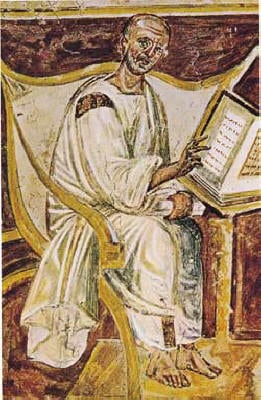
Augustine of Hippo
يتّفقان في: من أنا؟ هل توجد ذات حقيقية؟ · لماذا نتألّم؟ · ماذا يحدث بعد الموت؟
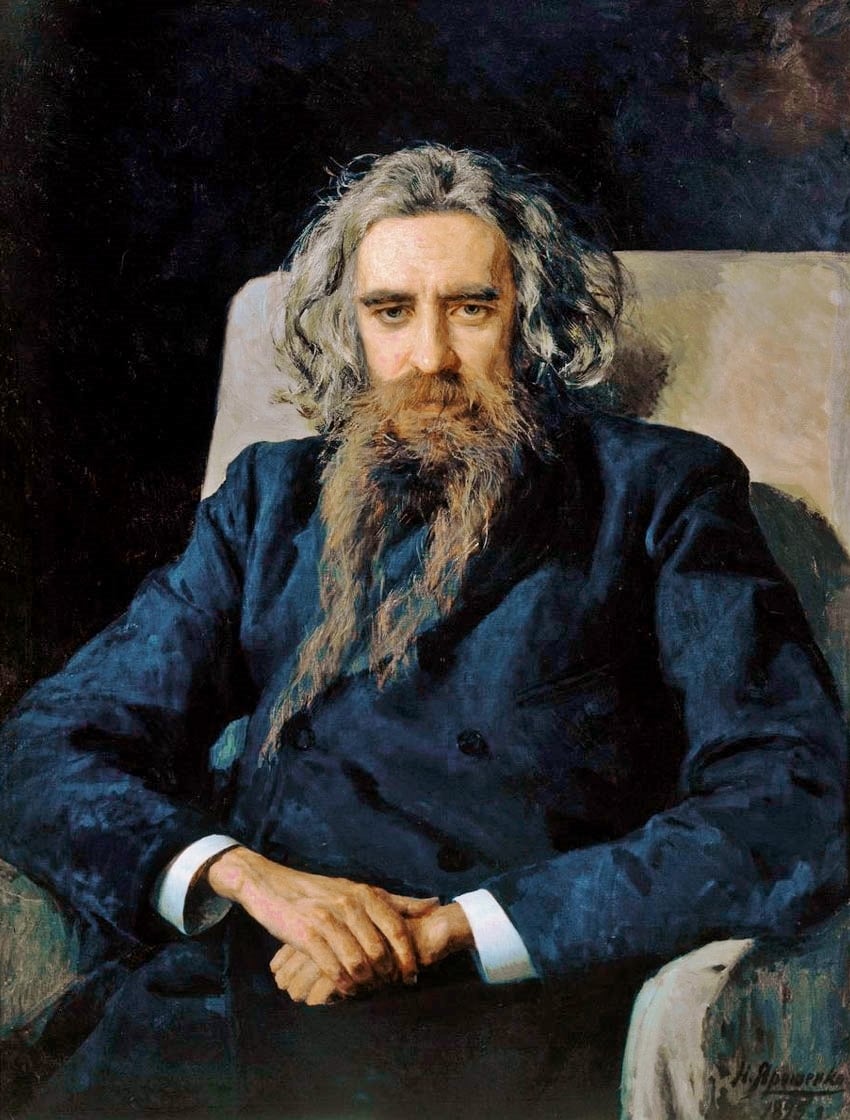
Vladimir Solovyov
يتّفقان في: ما المطلق؟ هل الله موجود؟ · من أنا؟ هل توجد ذات حقيقية؟ · لماذا نتألّم؟
Hafez
يتّفقان في: من أنا؟ هل توجد ذات حقيقية؟ · لماذا نتألّم؟ · ماذا يحدث بعد الموت؟

Nikolai Berdyaev
يتّفقان في: ما المطلق؟ هل الله موجود؟ · من أنا؟ هل توجد ذات حقيقية؟ · لماذا نتألّم؟
يبتعد في تفكيره عن



حكايات وروايات
حكايات وروايات
رواية من سِيَر القدّيسينc. 1585
The treasure of the Landeskrone
أصل الرواية: Abraham von Franckenberg, Bericht von dem Leben und Abschied Jacob Böhmens (1651); repeated by all later biographies.
رواية من سِيَر القدّيسينc. 1590
The stranger at the workshop
أصل الرواية: Franckenberg, Bericht (1651). There is no independent testimony; the story belongs to the genre of the prophecy of vocation.
مختلَف فيهc. 1600
The pewter vessel
أصل الرواية: Franckenberg, Bericht (1651); compare Böhme's letter to Caspar Lindner (1621), §§ 6–8, which describes the experience without that detail.
تقليد شفهي1613–1624
Pastor Richter's slipper
أصل الرواية: Caption of the engraving in the 1686 series (Rijksmuseum RP-P-OB-2363; Van Eeghen 501-4, catalogue of the work of Jan and Casper Luyken; Wikipedia attributes it to Joseph Mulder) for the 1686 Amsterdam edition; Richter's hostility, in the 1613 and 1624 records published by Deussen (1910).
المصدر: Hessayon, Ariel, y Sarah Apetrei (eds.). An Introduction to Jacob Boehme: Four Centuries of Thought and Reception. Nueva York y Londres: Routledge, 2014.
موثّق1624
'It smells of shoemaker's pitch'
أصل الرواية: Richter's lampoon and Böhme's letter of 2 April 1624, quoted by Paul Deussen in the introduction to Concerning the Three Principles (1910), pp. xlviii–xlix, and by Martensen (1885), p. 13.
شهادة1624
The music of the last night
أصل الرواية: Franckenberg, Bericht (1651), based on the testimony of the physician Tobias Kober; the doctrinal examination and the resistance to the burial are also recorded in the sources gathered by Deussen (1910).
التعاليم
التعاليم
المفاهيم التي ينتظم بها فكره، مشروحة في سياقها.
Ungrund (the groundless)ungrund
Mysterium pansophicum, Six Theosophic Points, Mysterium Magnum (ch. 1–3) and Clavis; reception in German Idealism and Russian religious philosophy.
المصدر: O'Regan, Cyril. Gnostic Apocalypse: Jacob Boehme's Haunted Narrative. Albany: State University of New York Press, 2002.
The three principlesdrei-prinzipien
Systematic exposition in De tribus principiis (1619) and De triplici vita (1620); synoptic tables in the Tabulae principiorum (1624).
The seven source-spirits (Quellgeister)quellgeister
Aurora, ch. 8–11; Clavis; De signatura rerum.
Sophia, the virgin of wisdomsophia
Of the Incarnation of Jesus Christ, The Threefold Life, Mysterium Magnum; reception in English Behmenism and Russian sophiology.
المصدر: Berdyaev, Nicolas. «Unground and Freedom», ensayo introductorio a Jacob Boehme, Six Theosophic Points and Other Writings, trad. John Rolleston Earle. Ann Arbor: University of Michigan Press, 1958. Y «Из этюдов о Я. Беме. Этюд I: Учение об Ungrund и свободе; Этюд II: Учение о Софии и андрогине Я. Беме и русские софиологические течения», Путь (Put'), París, 1930, n.os 20–21.
The signature of things and the language of naturesignatura-rerum
De signatura rerum (1622), Mysterium Magnum (ch. 35–36), Aurora; Paracelsian tradition.
المصدر: Weeks, Andrew. Boehme: An Intellectual Biography of the Seventeenth-Century Philosopher and Mystic. Albany: State University of New York Press, 1991.
New birth and Gelassenheitwiedergeburt
Der Weg zu Christo and its treatises (repentance, resignation, supersensual life, new birth); continuity with Eckhart, Tauler and the Theologia Deutsch.
مقاطع الفيديو
مقاطع الفيديو
تسجيلات ومقابلات وأفلام وثائقية. تُشغَّل مقاطع الفيديو من YouTube؛ ولا تُستضاف هنا.
How is Jacob Böhme relevant today? Lecture by Scott Brown
محاضرة· EN· 39 min
Embassy of the Free Mindالقناة الرسمية
7 Most Important Themes in Jacob Böhme's Philosophy | Curator's Guided Tour
فيلم وثائقي· EN· 20 min
Embassy of the Free Mindالقناة الرسمية
Infinite Fire Webinar VI - Prof. Dr. Wouter J. Hanegraaff on The Theosophical System of Jakob Böhme
محاضرة· DE· 61 min
Embassy of the Free Mindالقناة الرسمية
Jacob Böhme in Amsterdam | Curator's Guided Tour
فيلم وثائقي· EN· 25 min
Embassy of the Free Mindالقناة الرسمية
Sophia and Sophiology: From Boehme to Schelling
محاضرة· EN· 90 min
Harvard Divinity Schoolالقناة الرسمية
An Introduction to the Philosophical System of Jacob Boehme
محاضرة· EN· 77 min
Ephrata Cloisterالقناة الرسمية
ALLES IN ALLEM. Die Gedankenwelt des mystischen Philosophen Jacob Böhme
فيلم وثائقي· DE· 5 min
Staatliche Kunstsammlungen Dresdenالقناة الرسمية
"Men Who've Walked With God #12: Jacob Boehme" a sermon by Howard Thurman (July 12, 1953)
تسجيل أصلي· EN· 1953· 34 min
American Museum of Paramusicology
How Theosophy Created Spiritual Alchemy - The Alchemy of Jakob Böhme
تحليل· EN· 41 min
ESOTERICA
The Mysticism of Jacob Boehme with Aaron French
مقابلة· EN· 68 min
Hermitix Podcast
Trailer for "The Life and Legacy of Jacob Boehme"
فيلم وثائقي· EN· 3 min
BoehmeFilm / meandriaالقناة الرسمية
Jakob Böhme Tagung, Görlitz 2014: Ralf Gleide
محاضرة· DE· 77 min
Oberlausitz Leben
Jakob Böhme: El místico que atravesó el Misterio | Entrevista a Paco Martínez Albarracín (Boehme)
مقابلة· ES· 78 min
Psicología y Espiritualidad
Mysterium Magnum: Jakob Böhme y la dialéctica del Abismo, con Isidoro Reguera
مقابلة· ES· 46 min
La Taberna de Rudolf Steiner
Francisco Martínez Albarracín: Sophia en la visión cosmoteándrica de Jacob Boehme.
محاضرة· ES· 67 min
MIAS Latina
المعرض
المعرض
صور بترخيص متحقَّق منه. كل منها تحتفظ بمؤلّفها ونسبتها.
العلاقات
العلاقات
تأثيرات وتلمذة وتقارب في الأفكار. تُميَّز العلاقة الموثّقة عن التشابه المستخلَص بالتحليل.
أثّر في
Berdyaev made Böhme's Ungrund the basis of his philosophy of uncreated freedom; he devoted two studies to him in Put' (1930) and the essay 'Unground and Freedom' (1958).
علاقة موثّقة
أثّر في
Solovyov read Böhme in his formative years, particularly in London in 1875; Böhme's Sophia is one of the acknowledged sources of his sophiology.
علاقة موثّقة
أفكار قريبة من
In 1930 Berdyaev compared Böhme's Sophia with that of Russian sophiology, from Solovyov to Florensky and Bulgakov, and noted their differences.
علاقة موثّقة
أفكار قريبة من
Böhme's Ungrund and Eckhart's 'ground' (grunt), and the Gelassenheit of both, belong to the same family of German mysticism; there is no evidence that Böhme read Eckhart directly, though the tradition reached him through Tauler, the Theologia Deutsch and Weigel.
تشابه مستخلَص بالتحليل
أفكار قريبة من
Near contemporaries without theological schooling, both wrote down under inner command an experience that their church authorities examined with suspicion. Teresa describes the soul's itinerary; Böhme, the genesis of God and the world. There was no contact.
تشابه مستخلَص بالتحليل
أثّر في
Blavatsky quoted him with admiration and gave him an entry in the Theosophical Glossary (1892), where she calls him 'a mystic and great philosopher', one of the most prominent theosophists; his terminology reached the Theosophical Society through Franz Hartmann.
علاقة موثّقة
أثّر في
Jung reproduced and discussed the philosophical sphere of the Forty Questions as a mandala in 'A Study in the Process of Individuation' and cited Böhme in his works on alchemy as a witness to the union of opposites.
علاقة موثّقة
أثّر في
Steiner devoted a chapter to him in Mystics of the Renaissance (1901), placing him among the forerunners of a modern consciousness of spirit.
علاقة موثّقة
أفكار قريبة من
Two Protestant visionaries who described spiritual worlds and a correspondence between the visible and the invisible; Oetinger set them side by side in the eighteenth century. Swedenborg acknowledged no debt to Böhme and his method is very different.
تشابه مستخلَص بالتحليل
أفكار قريبة من
The devotional treatises of The Way to Christ share with The Imitation of Christ the renunciation of self-will and the distrust of knowledge that does not transform; Böhme adds a cosmology the Imitation ignores.
تشابه مستخلَص بالتحليل
المصادر
المصادر
المراجع والفهارس التي رُوجعت لهذه الصفحة.
- Wikidata, Q77017 «Jakob Böhme» (P31=Q5; 59 enlaces entre wikis; P19 Alt Seidenberg; P20 Görlitz; P570 1624-11-17).
- Franckenberg, Abraham von. Gründlich und wahrhafftiger Bericht von dem Leben und Abschied des in Gott selig-ruhenden Jacob Böhmens (1651). En: Des gottseeligen hocherleuchteten Jacob Böhmens Teutonici Philosophi Alle Theosophische Wercken, Ámsterdam, 1682, vol. [1]; reimpr. en Theosophia revelata, 1730. Trad. inglesa en The Works of Jacob Behmen, Londres, 1764, vol. I.
- Weeks, Andrew. Boehme: An Intellectual Biography of the Seventeenth-Century Philosopher and Mystic. Albany: State University of New York Press, 1991.
- Hessayon, Ariel, y Sarah Apetrei (eds.). An Introduction to Jacob Boehme: Four Centuries of Thought and Reception. Nueva York y Londres: Routledge, 2014.
- Martensen, Hans Lassen. Jacob Boehme: His Life and Teaching. Trad. T. Rhys Evans. Londres: Hodder and Stoughton, 1885.
- Böhme, Jacob. Concerning the Three Principles of the Divine Essence. Trad. John Sparrow (1648); reed. C. J. Barker, con introducción de Paul Deussen (incluye las actas del concejo de Görlitz de 1613 y 1624 y la cronología de los últimos meses). Londres: John M. Watkins, 1910.
- Böhme, Jacob. The Epistles of Jacob Boehme. Trad. John Ellistone (1649). Reimpr. Glasgow, 1886. Carta segunda, a Caspar Lindner, aduanero de Beuthen (corresponde a la 12.ª de los Theosophische Sendbriefe, 1621).
- Böhme, Jakob. Aurora oder Morgenröte im Aufgang. Freiburg i. Br.: Aurum, 1977 (texto electrónico en Zeno.org, cap. 19, §§ 10–12).
- Böhme, Jacob. Dialogues on the Supersensual Life. Trad. William Law y otros; ed. Bernard Holland. Londres: Methuen, 1901 (Project Gutenberg n.º 33742).
- Böhme, Jacob. Sämtliche Schriften. Faksimile-Neudruck der Ausgabe von 1730. Ed. Will-Erich Peuckert. 11 vols. Stuttgart-Bad Cannstatt: Frommann-Holzboog, 1955–1989.
- Buddecke, Werner. Die Jakob Böhme-Ausgaben: Ein beschreibendes Verzeichnis. 2 vols. Gotinga, 1937–1957 (vol. 1: ediciones en alemán; vol. 2: traducciones).
- Hegel, G. W. F. Vorlesungen über die Geschichte der Philosophie, III, «Bacon und Böhme. B. Jakob Böhme». En Werke in zwanzig Bänden, vol. 20. Fráncfort: Suhrkamp, 1971.
- Berdyaev, Nicolas. «Unground and Freedom», ensayo introductorio a Jacob Boehme, Six Theosophic Points and Other Writings, trad. John Rolleston Earle. Ann Arbor: University of Michigan Press, 1958. Y «Из этюдов о Я. Беме. Этюд I: Учение об Ungrund и свободе; Этюд II: Учение о Софии и андрогине Я. Беме и русские софиологические течения», Путь (Put'), París, 1930, n.os 20–21.
- Jung, C. G. «A Study in the Process of Individuation» (1934, rev. 1950). En The Archetypes and the Collective Unconscious, Collected Works 9/I. Princeton: Princeton University Press, 1959 (reproduce y comenta la figura de las Cuarenta preguntas como mandala).
- Blavatsky, H. P. The Theosophical Glossary. Londres: Theosophical Publishing Society, 1892, s. v. «Boehme (Jacob)».
- Internationale Jacob-Böhme-Gesellschaft. «Lebens-Chronik» (cronología documentada de la vida de Böhme).
- Open Library (Internet Archive): registros consultados por autor, título e ISBN para las ediciones listadas.
- Wikimedia Commons: metadatos de licencia (extmetadata) de cada fichero, leídos por la API imageinfo el 2026-10-25.
- Marcial Pons Librero: fichas de Aurora (Siruela, 2012), Mysterium Magnum (Atalanta, 2024) y Sobre la vida espiritual (Olañeta, 2007), con ISBN, editorial y fecha.
- Steiner, Rudolf. Die Mystik im Aufgange des neuzeitlichen Geisteslebens und ihr Verhältnis zur modernen Weltanschauung. Berlín, 1901 (trad. inglesa Mystics of the Renaissance, Project Gutenberg n.º 75994).
- O'Regan, Cyril. Gnostic Apocalypse: Jacob Boehme's Haunted Narrative. Albany: State University of New York Press, 2002.
- Penman, Leigh T. I. «A Second Christian Rosencreuz? Jakob Böhme's Disciple Balthasar Walther (1558–c. 1630) and the Kabbalah». En Tore Ahlbäck (ed.), Western Esotericism (Scripta Instituti Donneriani Aboensis 20). Åbo, 2008, pp. 154–172.
- Brink, Claudia, y Lucinda Martin (eds.). Alles in Allem: Die Gedankenwelt des mystischen Philosophen Jacob Böhme. Catálogo de la exposición de las Staatliche Kunstsammlungen Dresden. Dresde: Sandstein, 2017.
- Koyré, Alexandre. La philosophie de Jacob Boehme. París: Vrin, 1929.
- Jacob-Böhme-Forschungsstelle, Stuttgart Research Center for Text Studies (Universität Stuttgart): Historisch-kritische Gesamtausgabe, ed. Günther Bonheim, Stuttgart-Bad Cannstatt: Frommann-Holzboog, 2020 ss.
- Embassy of the Free Mind (Bibliotheca Philosophica Hermetica, Ámsterdam): fondo y exposiciones sobre Böhme y su recepción neerlandesa.
- Kornblatt, Judith Deutsch (ed. y trad.). Divine Sophia: The Wisdom Writings of Vladimir Solovyov. Ithaca: Cornell University Press, 2009 (sobre las lecturas de Böhme y Swedenborg en Londres, 1875).
- Rijksmuseum, Ámsterdam: fichas de los grabados RP-P-OB-2353, RP-P-OB-2361, RP-P-OB-2362 y RP-P-OB-2363 (retrato y escenas de la vida de Böhme, 1686), dominio público (CC0).
- صاحب الحقوق
- Dominio público (Böhme murió en 1624). Las traducciones del siglo XVII (Sparrow, Ellistone, Blunden) y la edición inglesa de 1764–1781 son de dominio público; las ediciones modernas (Frommann-Holzboog, Deutscher Klassiker Verlag, Siruela, Atalanta, Olañeta, Paulist Press, James Clarke/Lutterworth) están sujetas a los derechos de sus editores y traductores.
- الموقع الرسمي
- www.jacob-boehme.org/
في انتظار التأكيد
ما لم تتمكّن هذه الصفحة من حسمه بعد. نفضّل أن نقول ذلك على أن نملأ الفراغ.
- Localizar el texto alemán de la carta a Caspar Lindner (Theosophische Sendbriefe, 12) para dar las dos citas en su lengua original; hoy se citan en la traducción inglesa de Ellistone.
- Verificar la fecha de muerte de C. J. Barker, editor de las reediciones inglesas de 1909–1924 (Watkins), para confirmar el dominio público en la UE y España de esos volúmenes.
- Separar el texto de 1656/1654 de la introducción moderna en las ediciones electrónicas de D. S. Hehner (Aurora, Mysterium Magnum) o localizar escaneos limpios de las ediciones de Watkins de 1914 y 1924; hasta entonces van con caution.
- Sala de lectura: no se ha localizado texto limpio (OCR de calidad) de De signatura rerum (Ellistone, 1651), De la encarnación, Seis puntos teosóficos (trad. Earle, fecha de muerte del traductor no verificada) ni del alemán de 1730 (Fraktur con OCR deficiente). La transcripción EEBO-TCP de Signatura rerum (Oxford Text Archive, A28534) no respondió.
- Confirmar el traductor de la Aurora de Siruela (2012) y el contenido exacto de Sobre la vida espiritual (Olañeta, 2007), que se asigna por su título a Vom übersinnlichen Leben.
- Confirmar la autoría de la serie de grabados de la edición neerlandesa de 1686 (catálogo Van Eeghen de Jan y Casper Luyken frente a la atribución a Joseph Mulder).
- Fijar el lugar de custodia actual de los autógrafos (Die Urschriften, ed. Buddecke) para registrar manuscritos.
- Ediciones en español de De signatura rerum, El camino a Cristo, Los tres principios y De la triple vida: no localizadas en catálogo.
- Programas de afiliación: ninguno verificado; lista vacía.
بُحث بتاريخ 2026-10-25