المسيحية · التصوف المسيحي · المسيحية الأرثوذكسية
Nikolai Berdyaev
Николай Александрович Бердяев
1874 – 1948شخصية موثّقة تاريخيًا
فيلسوف روسي (1874–1948)، مفكّر الحرّية والشخص والإبداع. انتقل من الماركسية إلى المثالية ثم إلى مسيحية نبوية مخالفة للمألوف؛ حوكم بتهمة التجديف في عهد القيصر، واستجوبه دزيرجينسكي في عهد السوفييت، وطُرد على متن «سفينة الفلاسفة» سنة 1922. ومن باريس، بوصفه رئيس تحرير مجلة «بوت»، صار أشهر صوت للفكر الديني الروسي في أوروبا، ومن أبرز كتبه: «معنى الإبداع»، و«عصر وسيط جديد»، و«مصير الإنسان»، و«معرفة الذات».
- مؤلَّفًا
- 51مؤلَّفًا
- طبعة
- 96طبعة
- اقتباسًا
- 8اقتباسًا
- مقطع فيديو
- 13مقطع فيديو
- صورة
- 8صورة

Nikolái Berdiáyev en 1912 · Public domain
بكلماته
«The human spirit is in captivity. This captivity I call 'the world', the world's givenness, necessity.»«Смысл творчества» (1916), Introducción, primeras líneas.

فكرته المحورية
Freedom was not created by God: it springs from an abyss prior to being, Böhme's Ungrund, and so God is not responsible for the evil man chooses; God suffers with man instead of ruling him as a master.
السيرة
4 دقيقة قراءة
ترجمة مُعانة من الأصل الإسباني، بانتظار مراجعة مترجم من أهل اللغة.
أرستقراطي بين العسكريين
وُلد نيكولاي ألكسندروفيتش بيردياييف في 18 مارس 1874 (6 منه بحسب التقويم اليولياني) في ضيعة الأسرة في أوبوخوفو، بمحافظة كييف. كان أبوه، ألكسندر ميخايلوفيتش، ضابطًا سابقًا في الحرس، وتولّى منصب مارشال نبلاء المقاطعة ورئاسة المصرف الزراعي في كييف؛ أمّا أمّه، ألينا سيرغييفنا، المولودة أميرةً من آل كوداشيف، فكانت نصف فرنسية — إذ كانت أمّها كونتيسة من آل شوازول —، لا تكتب إلا بالفرنسية، وكانت، وهي أرثوذكسية المولد، أقرب في وجدانها إلى الكاثوليكية. تلقّى تعليمه في البيت ثم في فيلق الطلبة العسكريين في كييف، حيث أحسّ منذ طفولته، كما سيكتب، بأنّه «غريب في العالم». ثم ترك المسار العسكري ليستعدّ لامتحان الثانوية ويدخل الجامعة، معلنًا أنّ غايته أن يصير أستاذًا للفلسفة.
من الماركسية إلى المثالية
في جامعة كييف، حيث درس العلوم الطبيعية أولًا ثم الحقوق، انضمّ إلى الحلقات الاشتراكية الديمقراطية. فاعتُقل سنة 1897 ثم ثانيةً سنة 1898، وفُصل من الجامعة، ونُفي سنة 1900 إلى فولوغدا حيث قضى قرابة عامين، ثم أحد عشر شهرًا أخرى في جيتومير. غير أنّ ماركسيته لم تكن قطّ أرثوذكسية: فقد أراد التوفيق بينها وبين أخلاق كانط، وفي كتابه الأول «الذاتية والفردانية في الفلسفة الاجتماعية» (1901)، الذي قدّم له بيوتر ستروفه، كان المثاليّ يطلّ برأسه. ومع ستروفه وسيرغي بولغاكوف وسيميون فرانك شكّل الجماعة التي قطعت، في كتاب «مشكلات المثالية» (1902)، مع وضعية الإنتلجنسيا الثورية.
سنوات بطرسبورغ وموسكو
في 1904 ربط حياته بالشاعرة ليديا تروشيفا، المولودة رابّ، التي رافقته حتى وفاتها سنة 1945. وفي بطرسبورغ حرّر مع بولغاكوف مجلة «فوبروسي جيزني» («قضايا الحياة»)، وتردّد على آل ميريجكوفسكي وعلى الاجتماعات الدينية الفلسفية؛ وفي 1908 انتقل إلى موسكو، إلى الجمعية الدينية الفلسفية التي حملت اسم سولوفيوف. وفي 1909 كتب المقالة الافتتاحية لكتاب «فيخي» («معالم»)، الذي اتّهم الإنتلجنسيا الروسية بأنّها ضحّت بالحقيقة في سبيل العدالة المساواتية. وفي 1913 نشر «مطفئو الروح»، وهو هجوم على المجمع المقدّس بسبب قمعه رهبان جبل آثوس من أنصار «عبادة الاسم الإلهي»، فقُدّم إلى المحاكمة بتهمة التجديف، وهي جريمة عقوبتها النفي المؤبد إلى سيبيريا؛ فأجّلت الحرب المحاكمة وأسقطتها الثورة.
معنى الإبداع
في «فلسفة الحرّية» (1911)، وعلى الأخصّ في «معنى الإبداع: محاولة في تبرير الإنسان» (1916)، صاغ الحدس الذي سيحكم عمله كلّه: ليس الإنسان مجرّد مخلوق ساقط ينتظر الفداء، بل كائن مدعوّ إلى الإبداع، إلى مواصلة عمل الله في «يوم ثامن» من أيام الخلق. وكان على عصر الناموس وعصر الفداء أن ينفتحا على عصر ثالث، هو عصر الروح والإبداع. والحرّية، التي استعارها من ياكوب بومه باسم «أونغروند» (Ungrund)، أي «اللاقاع»، سابقة حتى على الوجود نفسه.
في ظلّ السوفييت
استقبل ثورة فبراير بحماسة، وثورة أكتوبر بعداء نافذ البصيرة: ففي «أرواح الثورة الروسية» (1918) قرأها على ضوء غوغول ودوستويفسكي. وأسّس سنة 1919 الأكاديمية الحرّة للثقافة الروحية، آخر منبر للفكر الحرّ في موسكو، وانتُخب سنة 1920 أستاذًا في الجامعة. وفي العام نفسه اعتُقل، وكما يروي في «معرفة الذات»، استجوبه في ساعة متأخرة من الليل فيليكس دزيرجينسكي بنفسه، فألقى عليه طوال ثلاثة أرباع الساعة درسًا في أسباب عدائه للشيوعية؛ ثم أُطلق سراحه. وفي أغسطس 1922 اعتُقل من جديد، وأُبلغ بأنّه سيُطرد من البلاد، وأُرغم على التوقيع على تعهّد بأنّه سيُعدم رميًا بالرصاص إن عاد. وفي 29 سبتمبر غادر بتروغراد على متن الباخرة «أوبربورغرمايستر هاكن»، المعروفة بـ«سفينة الفلاسفة».
باريس ومجلة «بوت»
بعد عامين في برلين، أسّس فيهما أكاديمية دينية فلسفية ونشر «معنى التاريخ» و«عصر وسيط جديد»، استقرّ سنة 1924 في باريس. وهناك حرّر من 1925 إلى 1940 مجلة «بوت» («الطريق») وأدار دار نشر «واي إم سي إيه برس»، وشارك في الحركة المسيحية للطلبة الروس، وأقام حوارًا متصلًا مع ماريتان ومونييه وغابرييل مارسيل وكارل بارت. وقد أكسبه «عصر وسيط جديد» (1924)، الذي سرعان ما تُرجم، شهرة أوروبية بفضل تشخيصه: إنّ النهار العقلاني للحداثة يميل إلى المغيب، والبشرية تدخل «ليلًا» ستعود فيه إلى البحث عن المقدّس. ثم تلاه «مصير الإنسان» (1931)، وهو أخلاقه المفارِقة، و«منابع الشيوعية الروسية ومعناها» (1937)، الذي فسّر البلشفية بوصفها مسيانية روسية معلمنة، و«عبودية الإنسان وحرّيته» (1939).
كلامار
أتاح له إرثٌ من صديقة إنجليزية الأصل، فلورنس وست، أن يملك بيتًا لأول مرّة في حياته: جناحًا ذا حديقة في كلامار، على مشارف باريس، كان يستقبل فيه كلّ أحد أصدقاءه وتلاميذه. وهناك قضى سنوات الاحتلال الألماني، وفيه شهد وفاة زوجته سنة 1945، ولم يبقَ له من رفقة سوى أخت زوجته، يفغينيا رابّ. وبعد النصر قبِل الجنسية السوفييتية، لكنه لم يعد قطّ. وفي 1947 منحته جامعة كامبريدج الدكتوراه الفخرية في اللاهوت، ورُشّح بين 1942 و1948 سبع مرّات لجائزة نوبل في الأدب. وتوفّي بنوبة قلبية وهو جالس إلى مكتبه في كلامار، في 24 مارس 1948، وكان قد أتمّ قبل أسبوعين كتاب «مملكة الروح ومملكة قيصر». ودُفن في مقبرة كلامار.
الإرث
لم يعدّ بيردياييف نفسه قطّ لاهوتيًا ولا رجل كنيسة، بل «فيلسوف الحرّية» الذي اختار المسيحية لأنّه لم يجد كرامة الشخص مؤسَّسةً إلا فيها. وكان تأثيره خارج روسيا أعظم منه في داخلها: فالشخصانية الفرنسية عند مونييه والوجودية المسيحية مدينتان له بأفكار وصيغ، وفي روسيا، حيث ظلّ محظورًا طوال الحقبة السوفييتية، صار منذ أواخر الثمانينيات من أكثر المؤلفين إعادةً للطبع. وسيرته الذاتية الفلسفية «معرفة الذات»، التي نُشرت بعد وفاته سنة 1949، من أعظم الاعترافات الفكرية في القرن العشرين.
المصادر: Berdiáyev, N. A. Самопознание. Опыт философской автобиографии [Autoconocimiento. Ensayo de autobiografía filosófica]. París: YMCA-Press, 1949. Texto en la Biblioteca «Vejí» (vehi.net). · Berdiáyev, N. A. Смысл творчества. Опыт оправдания человека [El sentido de la creación]. Moscú: G. A. Lemán y S. I. Sajárov, 1916. Texto en la Biblioteca «Vejí». · Lowrie, Donald A. Rebellious Prophet: A Life of Nicolai Berdyaev. Nueva York: Harper, 1960. · Berdiáyev, N. A. Истоки и смысл русского коммунизма [Las fuentes y el sentido del comunismo ruso]. París: YMCA-Press, 1955 (ed. alemana y ed. inglesa, 1937). Texto en Wikisource ruso. · Berdiáyev, N. A. Новое средневековье. Размышление о судьбе России и Европы [Una nueva Edad Media]. Berlín: Obelisk, 1924. Texto en Azbuka.
الخط الزمني
الحياة عامًا بعد عام
كل نقطة حدث موثّق. انقر لتقرأه مع مصدره ودرجة اليقين فيه.
18 مارس 1874أقل من عامObújovo (gobierno de Kiev)
Birth
Born on the family estate (6 March Old Style), son of Alexander Mikhailovich Berdyaev and Princess Alina Kudasheva.
موثّقWikidata, Q184656: Nikolai Berdyaev, filósofo ruso (1874–1948). P31=Q5; 74 enlaces entre wikis.
بعد وفاته
- 1949Self-Knowledge
18 مارس 1874 · أقل من عام
Birth
Born on the family estate (6 March Old Style), son of Alexander Mikhailovich Berdyaev and Princess Alina Kudasheva.
موثّق
1894 · 20 عامًا
Kiev University
Having left the Cadet Corps, he enrols in Natural Sciences and then moves to Law; he joins the Marxist circles.
مرجَّح
1898 · 24 عامًا
Arrest and expulsion
Arrested for the second time, for distributing illegal literature, and expelled from the university.
موثّق
1900 – 1902 · 26 عامًا
Exile in Vologda
Almost two years of exile in Vologda and a further eleven months in Zhitomir.
موثّق
1901 · 27 عامًا
First book
Publishes Subjectivism and Individualism in Social Philosophy, with a preface by Pyotr Struve.
موثّق
1904 · 30 عامًا
Lydia Rapp
Begins his life with the poet Lydia Trusheva (Rapp); works with Bulgakov on the journals Novyi put' and Voprosy zhizni.
موثّق
1909 · 35 عامًا
Vekhi
His essay 'Philosophical Truth and the Truth of the Intelligentsia' opens the collective volume Vekhi (Landmarks).
موثّق
1913 · 39 عامًا
Blasphemy trial
For 'Quenchers of the Spirit', against the Synod and the repression of the Athonite monks, he is prosecuted for blasphemy; the case is postponed by the war and dropped in 1917.
موثّق
1916 · 42 عامًا
The Meaning of the Creative Act
Publishes his first major work, 'An Essay in the Justification of Man'.
موثّق
1919 – 1922 · 45 عامًا
Free Academy of Spiritual Culture
Founds and chairs the Free Academy of Spiritual Culture (1919–1922), which grew out of meetings at his home.
موثّق
1920 · 46 عامًا
Interrogated by Dzerzhinsky
Elected professor at Moscow University; arrested in connection with the 'Tactical Centre' case, he is interrogated in person by Felix Dzerzhinsky and released.
موثّق
29 سبتمبر 1922 · 48 عامًا
The philosophers' ship
Expelled from Soviet Russia, he leaves Petrograd for Stettin on the steamer Oberbürgermeister Haken with some twenty-five intellectuals and their families.
موثّق
1923 · 49 عامًا
Berlin
Publishes The Meaning of History and The Philosophy of Inequality in Berlin, and Dostoevsky's Worldview in Prague; heads the Religious-Philosophical Academy.
موثّق
1924 · 50 عامًا
Paris and The End of Our Time
Settles in Paris; The End of Our Time (The New Middle Ages) brings him European fame.
موثّق
1925 – 1940 · 51 عامًا
The journal Put'
Founds and edits until 1940 Put', the organ of Russian religious thought in emigration.
موثّق
1931 · 57 عامًا
The Destiny of Man
Publishes On the Destiny of Man: An Essay in Paradoxical Ethics.
موثّق
1937 · 63 عامًا
The Origin of Russian Communism
The book appears first in German and English; the Russian version is not published until 1955.
موثّق
1939 · 65 عامًا
Slavery and Freedom
Publishes his 'essay in personalist philosophy'; he is already living in his house at Clamart.
موثّق
1942 – 1948 · 68 عامًا
Nobel nominee
The first of seven nominations for the Nobel Prize in Literature (1942–1948).
موثّق
1945 · 71 عامًا
Death of Lydia
His wife, Lydia Yudifovna, dies; her sister Evgenia Rapp stays with him.
مرجَّح
1946 · 72 عامًا
The Russian Idea and a Soviet passport
Publishes The Russian Idea and accepts Soviet citizenship, though he never returns.
موثّق
1947 · 73 عامًا
Honorary doctorate from Cambridge
Receives an honorary Doctor of Divinity from the University of Cambridge.
موثّق
24 مارس 1948 · 74 عامًا
Death
Dies of a heart attack at his desk in Clamart (some sources give 23 March). He is buried in the Clamart cemetery.
موثّق
1949
Self-Knowledge
YMCA Press posthumously publishes his philosophical autobiography.
موثّق
المؤلَّفات
المؤلَّفات الأساسية
المؤلَّفات التي لا يُفهم إرثه من دونها.
مؤلَّف مكتوب · 1916
The Meaning of the Creative Act
Смысл творчества. Опыт оправдания человека
His first major work, written in 1911–1914 and published in 1916. Against a Christianity centred only on law and redemption, it argues that man is the image of the Creator and is called to create: human creativity continues God's work and opens a third epoch, that of the Spirit. It examines the relation of creativity to redemption, knowledge, freedom, asceticism and holiness, sex and love, beauty, morality, society and mysticism.
3 طبعات · amazon.com
Nikolai Berdyaev
The End of Our Time (The New Middle Ages)
مؤلَّف مكتوب · 1924
The End of Our Time (The New Middle Ages)
Новое средневековье. Размышление о судьбе России и Европы
An essay published in Berlin in 1924 that brought him European fame. History has a rhythm of daytime and night-time epochs: the rational day of modernity, of humanism, liberalism and formal democracy, is setting; humanity is entering a new Middle Ages in which the religious returns to the centre of life, for good or ill. Communism and fascism are already forms of that inverted sacredness. Translated into French in 1927 (Un nouveau Moyen Âge) and English in 1933.
4 طبعات · amazon.com

مؤلَّف مكتوب · 1931
The Destiny of Man
О назначении человека. Опыт парадоксальной этики
His great work of ethics, published in Paris in 1931. It distinguishes three ethics — of law, of redemption and of creativity — and argues that the good itself, when it becomes an imposed norm, can turn into evil; true ethics is creative and personal, and culminates in an eschatological ethics facing death, hell and the Kingdom. In Self-Knowledge he calls it his 'most perfect' and 'most systematic' work; the plan of the book, he says, came to him all at once at a Diaghilev ballet.
5 طبعات · amazon.com

مؤلَّف مكتوب · 1937
The Origin of Russian Communism
Истоки и смысл русского коммунизма
Published first in German and English (1937) and in Russian in 1955. It explains Bolshevism not merely as an import of Marxism but as a secularised transformation of Russian messianism — the Third Rome turned Third International — heir to the schism, to nihilism and to the populism of the intelligentsia. It is his most read book outside Russia.
4 طبعات · amazon.com

مؤلَّف نُشر بعد الوفاة · 1949
Self-Knowledge: An Essay in Autobiography (Dream and Reality)
Самопознание. Опыт философской автобиографии
Written in 1940 and completed with additions until 1947, published posthumously in 1949. It is not a chronological autobiography but a 'history of the spirit and of self-consciousness': the sense of estrangement from the world, loneliness, freedom, rebellion, eros, conversion, revolution, exile, encounters with Blok, Bely, Ivanov, Rozanov or Bulgakov, and his vision of the end of history.
4 طبعات · amazon.com
جميع مؤلَّفاته (51)
Nikolai Berdyaev
F. A. Lange and Critical Philosophy in Their Relation to Socialism
The Conscious LibraryF. A. Lange and Critical Philosophy in Their Relation to Socialism
1899
Nikolai Berdyaev
Subjectivism and Individualism in Social Philosophy: A Critical Study of N. K. Mikhailovsky
The Conscious LibrarySubjectivism and Individualism in Social Philosophy: A Critical Study of N. K. Mikhailovsky
1901
Nikolai Berdyaev
The Ethical Problem in the Light of Philosophical Idealism
The Conscious LibraryThe Ethical Problem in the Light of Philosophical Idealism
1902
Nikolai Berdyaev
Sub specie aeternitatis: Philosophical, Social and Literary Essays (1900–1906)
The Conscious LibrarySub specie aeternitatis: Philosophical, Social and Literary Essays (1900–1906)
1907
Nikolai Berdyaev
The New Religious Consciousness and Society
The Conscious LibraryThe New Religious Consciousness and Society
1907
Nikolai Berdyaev
The Grand Inquisitor
The Conscious LibraryThe Grand Inquisitor
1907

Philosophical Truth and the Truth of the Intelligentsia
1909
Nikolai Berdyaev
The Spiritual Crisis of the Intelligentsia
The Conscious LibraryThe Spiritual Crisis of the Intelligentsia
1910

The Philosophy of Freedom
1911
Nikolai Berdyaev
The Old and New Testaments in the Religious Consciousness of L. Tolstoy
The Conscious LibraryThe Old and New Testaments in the Religious Consciousness of L. Tolstoy
1912

Aleksei Stepanovich Khomyakov
1912
Nikolai Berdyaev
Quenchers of the Spirit
The Conscious LibraryQuenchers of the Spirit
1913
Nikolai Berdyaev
Stylised Orthodoxy (Father Pavel Florensky)
The Conscious LibraryStylised Orthodoxy (Father Pavel Florensky)
1914
Nikolai Berdyaev
Stavrogin
The Conscious LibraryStavrogin
1914
Nikolai Berdyaev
The Soul of Russia
The Conscious LibraryThe Soul of Russia
1915
Nikolai Berdyaev
Theosophy and Anthroposophy in Russia
The Conscious LibraryTheosophy and Anthroposophy in Russia
1916

The Fate of Russia
1918

The Crisis of Art
1918
Nikolai Berdyaev
The Spirits of the Russian Revolution
The Conscious LibraryThe Spirits of the Russian Revolution
1918
Nikolai Berdyaev
The Revelation about Man in Dostoevsky's Work
The Conscious LibraryThe Revelation about Man in Dostoevsky's Work
1918
Nikolai Berdyaev
The Spiritual Foundations of the Russian Revolution
The Conscious LibraryThe Spiritual Foundations of the Russian Revolution
1918

Dostoevsky's Worldview (Dostoevsky: An Interpretation)
1923

The Philosophy of Inequality
1923

The Meaning of History
1923
الأقوال
أقوال محدَّدة الموضع في مؤلَّف بعينه. كل منها يحمل مصدره ودرجة الثقة به.
The human spirit is in captivity. This captivity I call 'the world', the world's givenness, necessity.Дух человеческий – в плену. Плен этот я называю «миром», мировой данностью, необходимостью.
متحقَّق منه«Смысл творчества» (1916), Introducción, primeras líneas.
الأفكار الجوهرية (خلاصة تحريرية)
احترامًا لحقوق المؤلف، تُلخَّص هذه الأفكار بكلماتنا ولا تُقدَّم بوصفها اقتباسات حرفية.
- Freedom was not created by God: it springs from an abyss prior to being, Böhme's Ungrund, and so God is not responsible for the evil man chooses; God suffers with man instead of ruling him as a master.
- All culture is an objectification that cools and fixes the creative impulse; authentic creativity aspires to transfigure the world, not merely to produce works, and in that sense is eschatological.
- Russian communism is the secularised transformation of Russian messianism: the Third Rome becomes the Third International, and militant atheism is a faith that keeps the religious structure of the Russian soul.
الكلمات الأخيرة
لا توجد سجلات يمكن التحقق منها لكلماته الأخيرة.
There is no record of any last words. He died of a heart attack on 24 March 1948 (some sources give the 23rd), seated at his desk in Clamart, while working; two weeks earlier he had finished The Realm of Spirit and the Realm of Caesar and already had the plan of a new book in mind.
المصدر: «Бердяев, Николай Александрович». Wikipedia en ruso (biografía y bibliografía detallada).
اسأل
بماذا يجيب أثره
اثنا عشر سؤالًا كبيرًا من أسئلة الإنسانية، وما تتيح نصوصه الإجابة به عنها، مع المراجع. ولا نقوّله ما لم يقل أبدًا.
ما المطلق؟ هل الله موجود؟
Before God the creator lies an abyss of freedom; God is not a master
شخصي وغير شخصي معًايقوله صراحةً
Berdyaev rejects both the God of school theology, conceived as monarch and cause of the world, and the idea of an indifferent Absolute. Following Böhme and the Eckhart of the Gottheit, he distinguishes between the groundless Divinity, the Ungrund, which no category reaches, and the Trinitarian God who arises from that abyss and creates. From the same ground springs an uncreated freedom, which God did not make and for which he is not responsible; hence he is not the author of evil, and instead of ruling man like a master he suffers with him. He insists that God is not an object nor a being among beings: every objectification falsifies him. In The Destiny of Man and Spirit and Reality he describes him as Spirit and as personality, yet reachable only by the apophatic way and by the experience of freedom.
قارن هذا السؤال مع معلّمين آخرينمن أنا؟ هل توجد ذات حقيقية؟
The person is free spirit, not a part of the world nor an object
روح مخلوقة خالدةيقوله صراحةً
Berdyaev opens Slavery and Freedom by stating that man is an enigma in the world, perhaps the greatest of all. He distinguishes carefully between the individual, a biological and social category forming part of the species and the State, and the person, a spiritual category which is part of nothing, but a whole containing the universal within itself. The person is not a fixed given but a task: it is realised in freedom and in the creative act, and may be lost in the slavery of objectification, when the human being treats himself or others as things. In The Destiny of Man he links it to the image of God and to immortality, which he conceives not as the soul's natural survival but as a personal victory over death. The true self is personal, unique and unrepeatable.
قارن هذا السؤال مع معلّمين آخرينلماذا نتألّم؟
Evil springs from a freedom prior to God; God suffers with man
الانفصال عن اللهيقوله صراحةً
Berdyaev rejects both theodicies that justify suffering as a divine plan and the idea that God inflicts it as punishment. Following Böhme, he places the root of evil in an uncreated freedom, prior to being, of which God is not the author: man can choose non-being, and that choice introduces the rift. To it is added objectification, the process by which spirit cools into necessity, State, class and thing; the introduction to The Meaning of the Creative Act describes the human spirit as captive to the givenness of the world. In Dostoevsky's World-View he reads the tragedy of freedom as the key to the novels. God does not watch from outside: in Christ he suffers with man, and suffering can be transfigured into creation, though it is never fully explained.
قارن هذا السؤال مع معلّمين آخرينماذا يحدث بعد الموت؟
Immortality is the person's conquest, not a natural fact; against eternal hell
الحياة الأبدية والقيامةيقوله صراحةً
In the third part of The Destiny of Man, devoted to eschatological ethics, Berdyaev holds that death is the deepest evil and, at the same time, the only thing that gives life its tragic meaning: endless life in time would be a nightmare. Immortality does not seem to him a natural property of the soul, but a spiritual conquest of the person in union with Christ, who overcomes death through resurrection. He is repelled by the idea of eternal hell as punishment, which he regards as a sadistic objectification of human justice; he prefers to think of hell as a subjective state of closure and hopes for the salvation of all, though without making it dogma. His vision is active: the human being must cooperate creatively in the transfiguration of the world, not wait passively for judgement.
قارن هذا السؤال مع معلّمين آخرينكيف يُبلَغ التحرّر أو الخلاص؟
Redemption is not enough: man answers God with the creative act
بالنعمة والمحبةيقوله صراحةً
Berdyaev accepts redemption in Christ, but considers that historical Christianity reduced it to an ethics of obedience and fear centred on the individual salvation of the soul. In The Meaning of the Creative Act he holds that creativity is not only a struggle against evil and sin, but creates another world and continues the work of creation: God expects from man a free and creative answer, not merely his repentance. In The Destiny of Man he distinguishes three ethics, of law, of redemption and of creativity, and asks that the third complete the other two. The goal is not to escape the world, but to cooperate in its eschatological transfiguration. Grace does not cancel freedom: God and man need each other, and a forced salvation would be a form of slavery.
قارن هذا السؤال مع معلّمين آخرينهل نحتاج إلى معلّم؟
Religious authority is objectification; spirit is passed on only in freedom
لا سلطة روحيةيقوله صراحةً
Berdyaev is one of the most tenacious critics of authority in religion. In Freedom and the Spirit he argues that faith imposed from outside, by an institution or a teacher, is a form of objectification that turns the truth of the spirit into external law and the believer into a subject. He was raised in Orthodoxy and defended it as a mystical tradition, but rejected its clerical and authoritarian version, which earned him a blasphemy trial in 1913 for defending the monks of Mount Athos against the Synod. In Self-Knowledge he confesses that he could never submit to any authority and that freedom was the theme of his whole life. He acknowledges masters, Böhme, Dostoevsky, Soloviev, but as interlocutors, not as guides to be obeyed: spiritual truth passes from freedom to freedom.
قارن هذا السؤال مع معلّمين آخرينهل العالم حقيقي؟
The world of objects is objectified, fallen spirit; spirit is what is real
ظاهرٌ فوق الحقيقة الواحدةيقوله صراحةً
Berdyaev distinguishes between the world as it is given to us, the world of objects, necessity and causality, and primary reality, which is spirit, freedom and person. In Solitude and Society and Spirit and Reality he argues that the objective world is not ultimate reality, but the result of a process of objectification in which spirit is alienated, cools and becomes subject to necessity; the introduction to The Meaning of the Creative Act calls that state the captivity of spirit. He does not deny its existence, but considers it a fallen and provisional state of existence, which human creativity and God's action must transfigure at the end of time. True reality is deeper than the objectified world.
قارن هذا السؤال مع معلّمين آخرينما الحب؟
Love is directed to the person and affirms it for eternity
محبة الله والقريبيقوله صراحةً
Berdyaev thinks of love from his philosophy of the person. In The Destiny of Man he distinguishes love, which is directed to the image of God in the other and affirms it for eternity, from compassion, which is directed to the other's suffering; both are necessary and neither suffices alone. Authentic love is always personal and free: it cannot be imposed or turned into law, and love for an abstract idea, be it humanity or the State, can become cruel to concrete persons. In The Meaning of the Creative Act he devotes pages to erotic love, in Soloviev's wake, and considers it a form of creativity transcending family and procreation. Love, like creativity, is man's answer to God, and a force against the objectification that turns the other into a thing.
قارن هذا السؤال مع معلّمين آخرينهل نحن أحرار أم أن كل شيء مقدَّر؟
Freedom is uncreated, prior to being; it is the first truth of spirit
إرادة حرة حقيقيةيقوله صراحةً
Few thinkers have given freedom so radical a place as Berdyaev. In The Philosophy of Freedom, Freedom and the Spirit and The Destiny of Man he holds that freedom was not created by God, but springs from an abyss prior to being, Böhme's Ungrund; hence it is not an attribute God grants and can withdraw, but the very ground of existence. Three theses follow: God is not responsible for evil, which arises from freedom; the human being is capable of creating something really new, not contained in what came before; and every form of determinism, natural, social or theological, is an objectification that enslaves. In Self-Knowledge he says freedom was the fundamental intuition of his life and that he preferred freedom with suffering to imposed happiness.
قارن هذا السؤال مع معلّمين آخرينلماذا نتأمّل أو نصلّي؟
He left no doctrine of prayer; he prefers mysticism as experience of spirit
لم يُبدِ رأيًا
Berdyaev did not write on prayer as a practice nor propose a method of meditation. In Freedom and the Spirit he devotes a chapter to mysticism and the spiritual path, where he distinguishes authentic mysticism, a free encounter of the human spirit with God, from forms that dissolve the person into the impersonal, and he warns against an asceticism reduced to technique or fear. In The Meaning of the Creative Act he holds that ascesis is necessary but not sufficient, and that the creative act is also a form of relation to God that monastic spirituality ignored. In Self-Knowledge he acknowledges that his religious life was more one of thought and inner struggle than of regular practice. No precise position on why to pray can therefore be attributed to him.
قارن هذا السؤال مع معلّمين آخرينهل يستطيع العقل أن يعرف الحقيقة القصوى؟
Objectifying knowledge cannot reach spirit; knowing is a creative act
الحقيقة القصوى وراء العقليقوله صراحةً
Berdyaev is no irrationalist: he wrote demanding philosophical works and argued with Kant, Hegel and phenomenology. But he holds that rational knowledge, as science practises it, is a form of objectification: it turns what it knows into an object separated from the subject, subject to categories and necessity, and hence cannot reach spirit, freedom or the person, which are never objects. In Solitude and Society and Truth and Revelation he proposes an existential knowledge in which the subject participates in the known and which is a creative act of spirit, not a passive reflection. Revelation, too, is not a set of objective propositions: it is given in spiritual experience and is deformed when dogmatised. The ultimate is known from within.
قارن هذا السؤال مع معلّمين آخرينالانسحاب من العالم أم تغييره؟
No kingdom of Caesar is sacred; the true revolution is of the spirit
الثورة داخليةيقوله صراحةً
Berdyaev lived political history at close range: he was a Marxist, exiled by the tsar, a witness of the revolution, which he said he lived as part of his own destiny, interrogated by the Cheka and expelled in 1922. He never preached withdrawal from the world, and from Paris he defended a personalist socialism and criticised both capitalism and communism. But his conclusion, in The Spiritual Foundations of the Russian Revolution, The Origin of Russian Communism and The Realm of Spirit and the Realm of Caesar, is that no political order can be sacred, and that social revolution without a transformation of spirit reproduces slavery in another form: Russian communism is for him secularised Russian messianism. The task is a personalist and spiritual revolution, transfiguring the world through freedom and creativity.
قارن هذا السؤال مع معلّمين آخرين
التقارب والتوتّر
التقارب والتوتّر
محسوبة سؤالًا سؤالًا انطلاقًا من مواقفه. وسبب كل اتفاق أو اختلاف يظهر بالنقر.
يقترب في تفكيره من
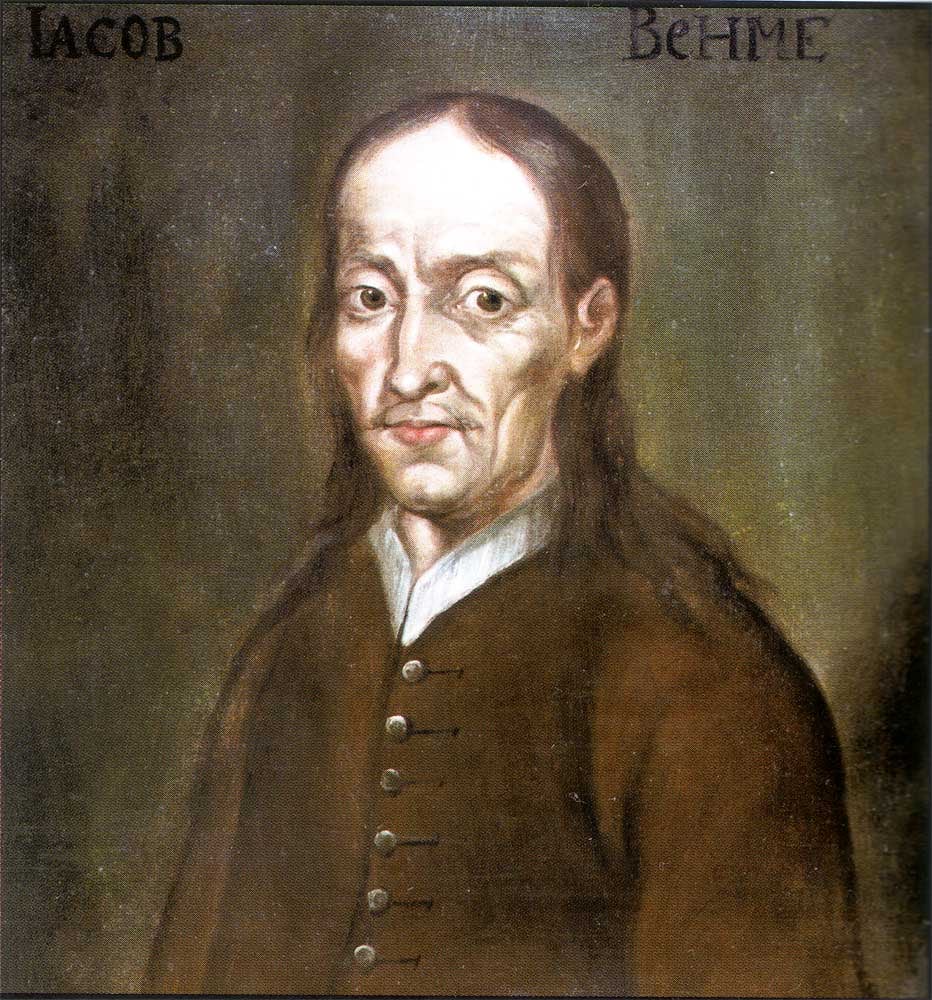
Jakob Böhme
يتّفقان في: ما المطلق؟ هل الله موجود؟ · من أنا؟ هل توجد ذات حقيقية؟ · لماذا نتألّم؟
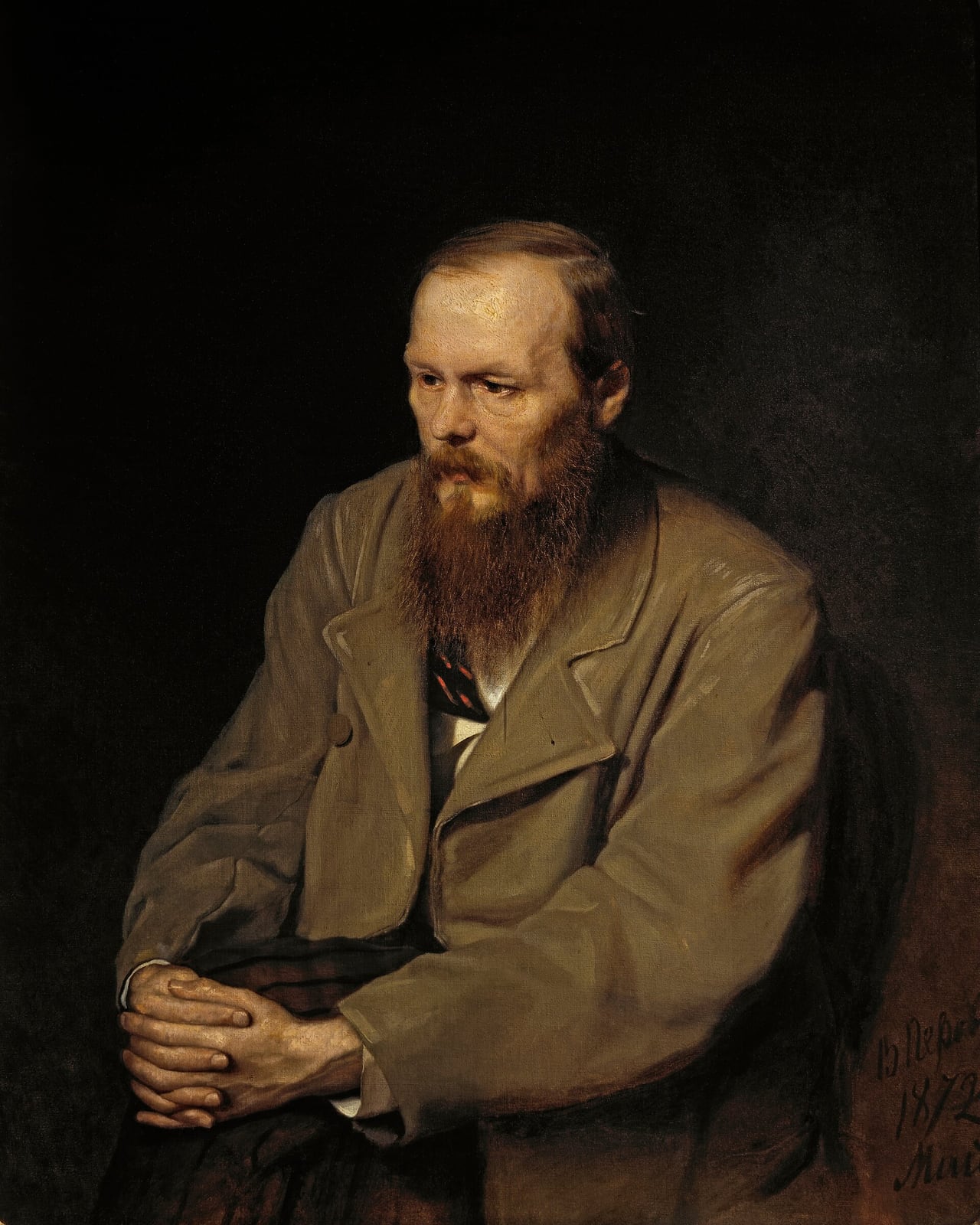
Fyodor Dostoevsky
يتّفقان في: من أنا؟ هل توجد ذات حقيقية؟ · لماذا نتألّم؟ · ماذا يحدث بعد الموت؟
Seraphim of Sarov
يتّفقان في: من أنا؟ هل توجد ذات حقيقية؟ · لماذا نتألّم؟ · ماذا يحدث بعد الموت؟
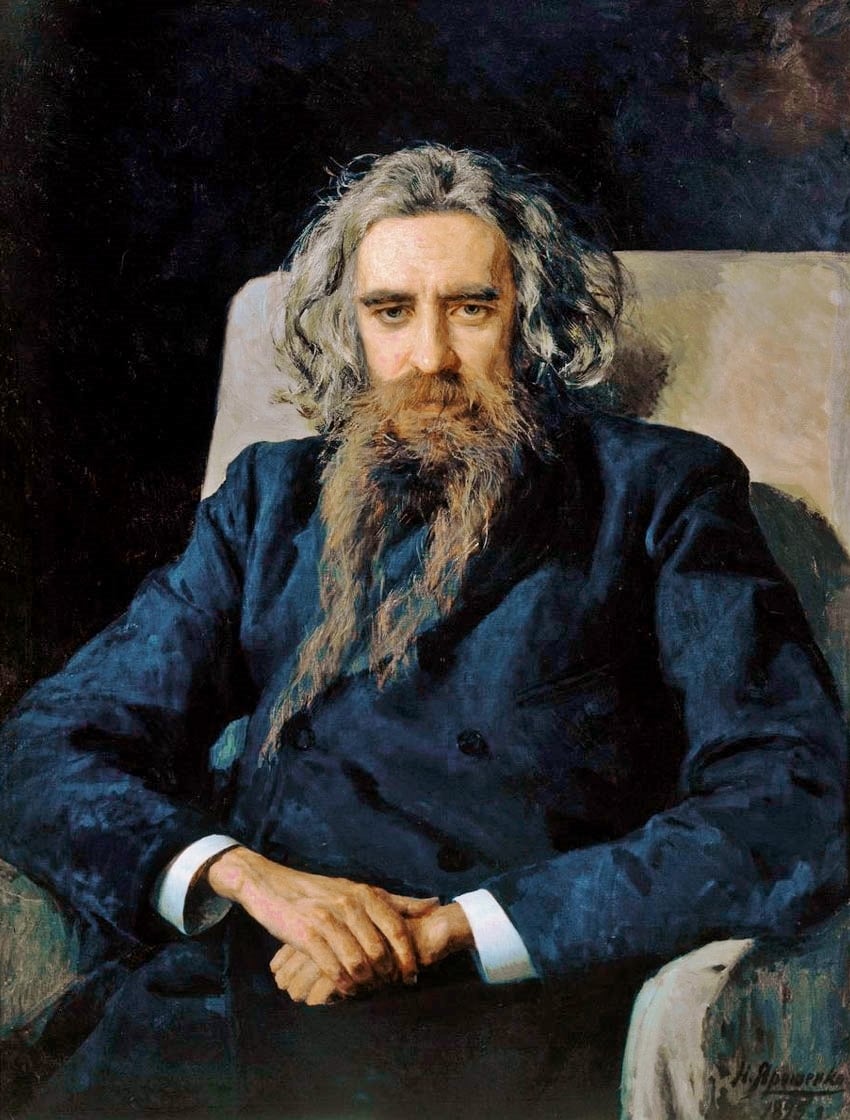
Vladimir Solovyov
يتّفقان في: ما المطلق؟ هل الله موجود؟ · من أنا؟ هل توجد ذات حقيقية؟ · لماذا نتألّم؟
يبتعد في تفكيره عن
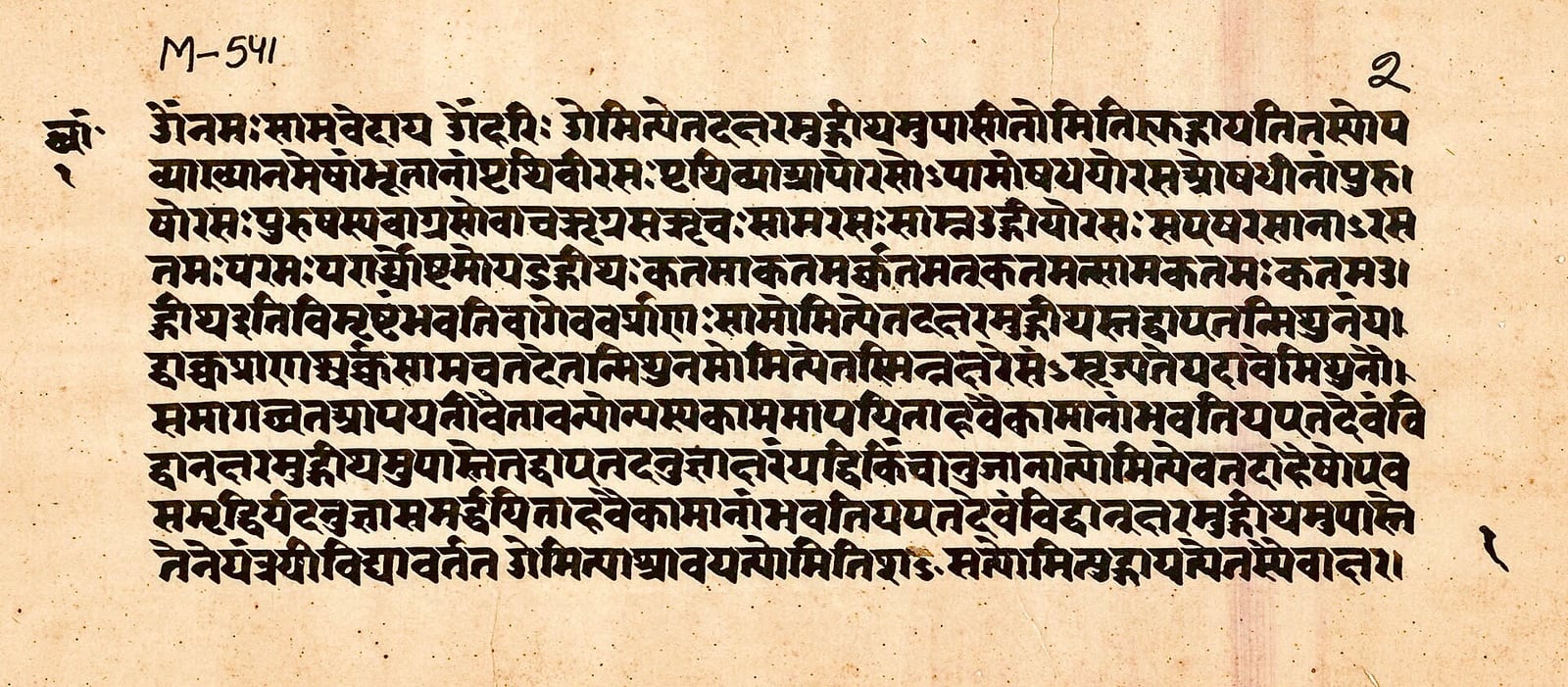
Uddalaka Aruni
يختلفان في: من أنا؟ هل توجد ذات حقيقية؟ · هل نحتاج إلى معلّم؟
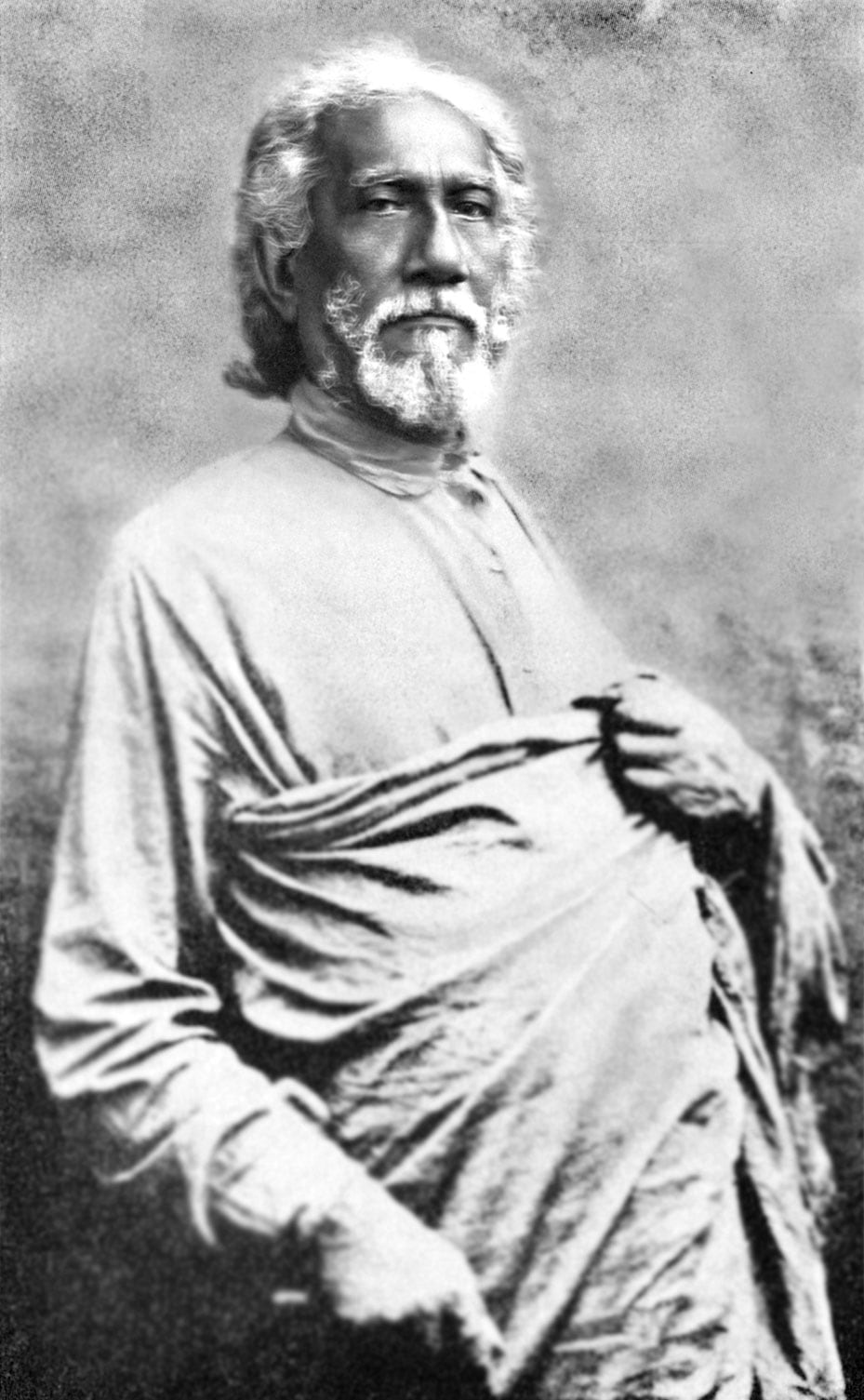
Sri Yukteswar
يختلفان في: من أنا؟ هل توجد ذات حقيقية؟ · ماذا يحدث بعد الموت؟ · هل نحتاج إلى معلّم؟

Tsongkhapa
يختلفان في: من أنا؟ هل توجد ذات حقيقية؟ · ماذا يحدث بعد الموت؟ · هل نحتاج إلى معلّم؟
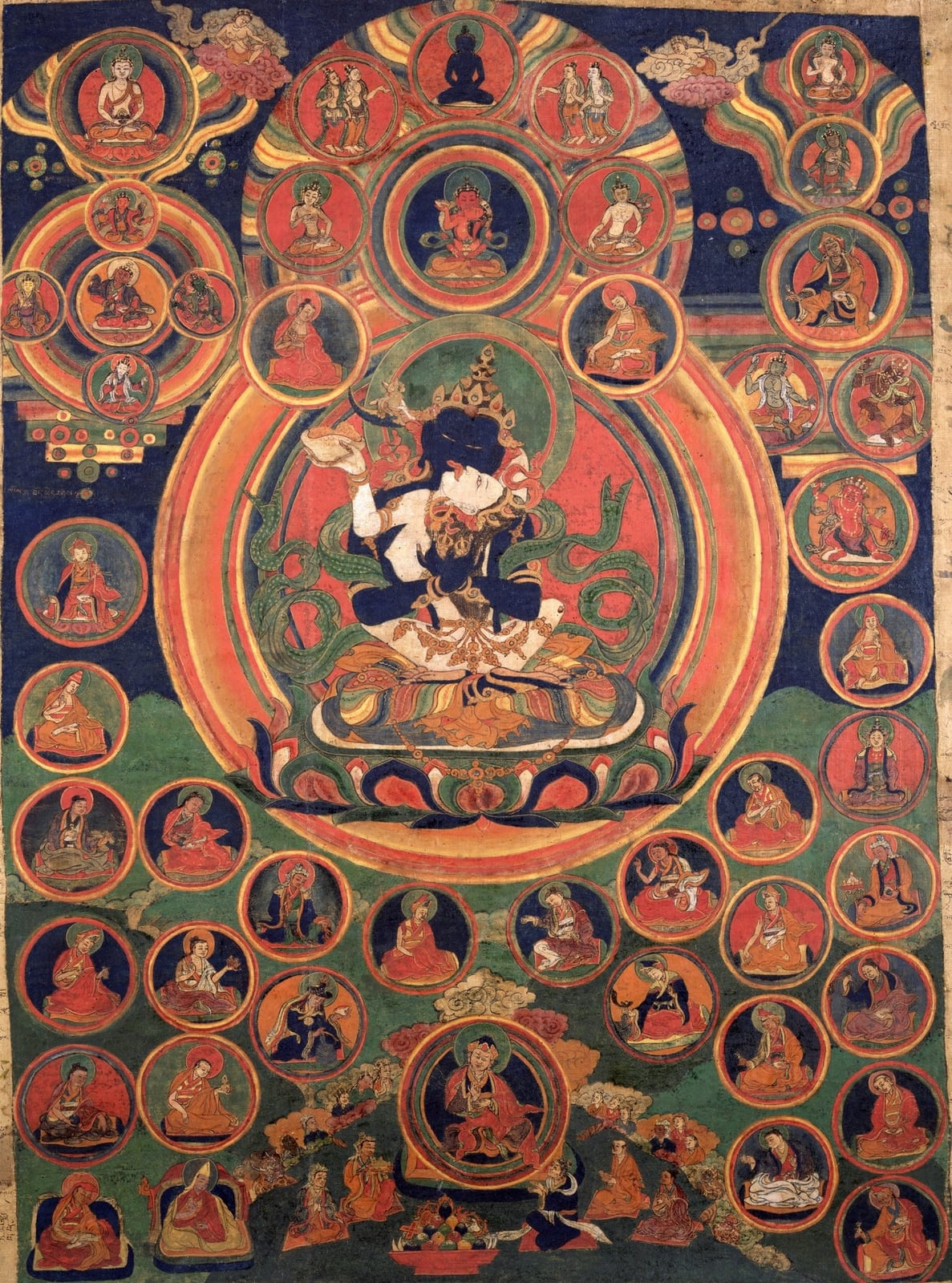
Padmasambhava
يختلفان في: من أنا؟ هل توجد ذات حقيقية؟ · ماذا يحدث بعد الموت؟ · هل نحتاج إلى معلّم؟
حكايات وروايات
حكايات وروايات
شهادة1920
A lecture for Dzerzhinsky
أصل الرواية: Berdyaev's own account in Self-Knowledge, ch. IX, written some twenty years later. There is no other published testimony of the interrogation.
شهادةagosto–septiembre de 1922
The philosophers' ship
أصل الرواية: Self-Knowledge, chs. IX and X. The departure date (29 September 1922) and the context of the expulsions of intellectuals, decided by the Bolshevik leadership, are documented by historians.
موثّق1913–1917
Tried for blasphemy
أصل الرواية: Self-Knowledge, ch. VII; the trial and its dismissal in February 1917 are also recorded in the Russian Wikipedia biography and in studies of imyaslavie.
شهادةdécada de 1940
Muri the cat
أصل الرواية: Self-Knowledge, 'Additions'. The sentence about Muri and eternal life is a summary, not a literal quotation.
موثّق1947
Cambridge doctor and Nobel candidate
أصل الرواية: Self-Knowledge, 'Additions'; the seven Nobel nominations are recorded in the Russian Wikipedia biography, based on the Nobel Foundation's nomination archive.
التعاليم
التعاليم
المفاهيم التي ينتظم بها فكره، مشروحة في سياقها.
Uncreated freedom (Ungrund)libertad-increada
Developed from Böhme, Schelling and Dostoevsky; Berdyaev himself points out in Self-Knowledge that in Böhme the Ungrund is in God, while in his own thought it is outside God.
Creativity as the eighth daycreacion
The core of The Meaning of the Creative Act and of the 'ethics of creativity' in The Destiny of Man.
Objectificationobjetivacion
He himself regarded it as his 'central philosophical idea' (Self-Knowledge, Additions).
Person and personalismpersona
Set out systematically in Slavery and Freedom (1939), which he regarded as his most radical book.
The new Middle Agesnueva-edad-media
It extends the theses of The Meaning of History (1923) and of the article 'The End of the Renaissance'.
The Russian idea and secularised messianismmesianismo-ruso
In dialogue with the Slavophiles, Dostoevsky and Solovyov, and with the historiography of the schism.
مقاطع الفيديو
مقاطع الفيديو
تسجيلات ومقابلات وأفلام وثائقية. تُشغَّل مقاطع الفيديو من YouTube؛ ولا تُستضاف هنا.
Николай Бердяев. «Я лишь бунтарь, искатель истины и правды…»
فيلم وثائقي· RU· 2008
Мудрый Философ
История Западной философии. Лекция №43. «Николай Бердяев и философия духа»
محاضرة· RU
Лекции А.Б. Зубоваالقناة الرسمية
Философия свободы и творчества Бердяева — Алексей Козырев
محاضرة· RU
ПостНаукаالقناة الرسمية
Лекция Бердниковой А. Ю. «„Новое Средневековье“ Н. Бердяева: кризис ренессансной культуры»
محاضرة· RU· 2022
Институт философии РАНالقناة الرسمية
Николай Александрович Бердяев: Философия эротической революции
محاضرة· RU· 2024
ИНИОН РАНالقناة الرسمية
Лекция Л. Люкса «Николай Бердяев о „духах“ Русской революции и о духовном кризисе Европы»
محاضرة· RU· 2020
МЛРИД HSEالقناة الرسمية
Бердяевские среды 08. А. И. Резниченко «Николай Бердяев о себе и о мире объектов»
محاضرة· RU· 2024
Библиотека-Музей Дом Лосеваالقناة الرسمية
Бердяевские среды 09. В. В. Кравченко «Н. А. Бердяев как мистический философ»
محاضرة· RU· 2024
Библиотека-Музей Дом Лосеваالقناة الرسمية
Философский пароход: Николай Бердяев / Священник Георгий Кочетков
محاضرة· RU· 2022
Свято-Филаретовский институтالقناة الرسمية
Nikolai Berdyaev: On Freedom and Responsibility
محاضرة· EN· 2021
Wirth Institute (University of Alberta)القناة الرسمية
The Harry Murray Sessions: Nikolai Berdyaev (segment)
محاضرة· EN
The Maurin Academy
Religion and the State in Russian Philosophy (Vladimir Soloviev and Nikolai Berdiaev)
محاضرة· EN· 2021
REES Queens (Queen's University)القناة الرسمية
Marie Denieuil-Hovanessian : Digressions autour du concept d'amour chez Nicolas Berdiaev
محاضرة· FR
Philosophie russe
المعرض
المعرض
صور بترخيص متحقَّق منه. كل منها تحتفظ بمؤلّفها ونسبتها.
العلاقات
العلاقات
تأثيرات وتلمذة وتقارب في الأفكار. تُميَّز العلاقة الموثّقة عن التشابه المستخلَص بالتحليل.
تأثّر بـ
He never met him but regarded him as the founder of Russian religious philosophy. He devoted 'The Problem of East and West in the Religious Consciousness of Vl. Solovyov' (1911) and 'Vladimir Solovyov and Us' (1937) to him; he took from him the idea of Godmanhood, though he reproached him for an over-rational system, a naive theocracy and a sophiology that in Self-Knowledge he judges to contradict The Meaning of Love, 'perhaps the best thing ever written about love'.
علاقة موثّقة
تأثّر بـ
He acknowledged him as his spiritual master and devoted Dostoevsky's Worldview (1923) to him, as well as essays on the Grand Inquisitor (1907) and Stavrogin (1914). From Dostoevsky he took irrational freedom, capable of evil, and the critique of all imposed happiness.
علاقة موثّقة
تأثّر بـ
In Self-Knowledge he acknowledges that Tolstoy was of great importance in his first revolt against society: he was never a Tolstoyan, but the 'Tolstoyan inoculation' lasted all his life, in his contempt for the false greatness of history; he links War and Peace to his only feeling for the homeland.
علاقة موثّقة
اختلف مع
In 'The Old and New Testaments in the Religious Consciousness of L. Tolstoy' (1912) and 'The Spirits of the Russian Revolution' (1918) he reproaches him for a rationalist moralism that ignores grace and redemption, and makes him partly responsible for the levelling spirit of the revolution.
علاقة موثّقة
اختلف مع
They shared in the Moscow religious renaissance, but Berdyaev reviewed The Pillar and Ground of the Truth harshly in 'Stylised Orthodoxy' (1914), reproaching it for aestheticism, magic, fear of freedom and an Orthodoxy of style. In Self-Knowledge he calls Florensky 'alien and hostile' to him, though he acknowledges they shared the hope of a new outpouring of the Spirit.
علاقة موثّقة
تأثّر بـ
Böhme was, with Kant, the thinker to whom he said he owed most. From him he took the notion of the Ungrund, which he reinterpreted as uncreated freedom, and that of the androgyne; he devoted two studies in Put' (1930) to him and the introduction to the French translation of Mysterium magnum (1945).
علاقة موثّقة
أفكار قريبة من
In The Meaning of the Creative Act (ch. VII, 'Creativity and Asceticism. Genius and Holiness') he contrasts Seraphim of Sarov, 'the greatest Russian saint', with Pushkin, 'the greatest Russian genius', contemporaries who never met: two incommensurable greatnesses of which the Russian soul may be equally proud. The comparison sums up his thesis that holiness does not exhaust the Christian vocation, which includes creativity.
علاقة موثّقة
اختلف مع
He criticised the modern Theosophy founded by Blavatsky — and Steiner's Anthroposophy — as a naturalistic evolutionism that dissolves the person and freedom: in The Meaning of the Creative Act (ch. XIII) he judges it far inferior to Böhme's 'theosophy', and in 'Theosophy and Anthroposophy in Russia' he examined its spread in Russian circles.
علاقة موثّقة
اختلف مع
In Self-Knowledge he presents his philosophy of freedom as a break with the ontological tradition of Parmenides, Plato, Aristotle and Thomas Aquinas, which places being above freedom; and in The Meaning of the Creative Act he rejects the Platonic doctrine of a world perfected in the ideas, which would turn the world process into a comedy.
علاقة موثّقة
المصادر
المصادر
المراجع والفهارس التي رُوجعت لهذه الصفحة.
- Wikidata, Q184656: Nikolai Berdyaev, filósofo ruso (1874–1948). P31=Q5; 74 enlaces entre wikis.
- Berdiáyev, N. A. Самопознание. Опыт философской автобиографии [Autoconocimiento. Ensayo de autobiografía filosófica]. París: YMCA-Press, 1949. Texto en la Biblioteca «Vejí» (vehi.net).
- «Бердяев, Николай Александрович». Wikipedia en ruso (biografía y bibliografía detallada).
- Berdiáyev, N. A. Смысл творчества. Опыт оправдания человека [El sentido de la creación]. Moscú: G. A. Lemán y S. I. Sajárov, 1916. Texto en la Biblioteca «Vejí».
- Lowrie, Donald A. Rebellious Prophet: A Life of Nicolai Berdyaev. Nueva York: Harper, 1960.
- Open Library, autor OL52926A: Nikolaĭ Berdi͡aev (1874–1948), obras y ediciones.
- Klépinine, Tamara. Bibliographie des œuvres de Nicolas Berdiaev. París: Institut d'études slaves, 1978.
- Berdiáyev, N. A. Истоки и смысл русского коммунизма [Las fuentes y el sentido del comunismo ruso]. París: YMCA-Press, 1955 (ed. alemana y ed. inglesa, 1937). Texto en Wikisource ruso.
- Berdiáyev, N. A. Новое средневековье. Размышление о судьбе России и Европы [Una nueva Edad Media]. Berlín: Obelisk, 1924. Texto en Azbuka.
- Berdiáyev, N. A. О рабстве и свободе человека. Опыт персоналистической философии [Esclavitud y libertad del hombre]. París: YMCA-Press, 1939. Texto en Azbuka.
- Berdiáyev, N. A. Русская идея. Основные проблемы русской мысли XIX века и начала XX века [La idea rusa]. París: YMCA-Press, 1946. Texto en Azbuka.
- Berdiáyev, N. A. «Стилизованное православие (о. Павел Флоренский)» [Ortodoxia estilizada]. Русская мысль, 1914, n.º 1. Texto en la Biblioteca «Vejí».
- Berdiáyev, N. A. «Проблема Востока и Запада в религиозном сознании Вл. Соловьева» [El problema de Oriente y Occidente en la conciencia religiosa de Vl. Soloviov], en Сборник первый. О Владимире Соловьеве. Moscú: Put, 1911. Texto en la Biblioteca «Vejí».
- Berdiáyev, N. A. Миросозерцание Достоевского [La concepción del mundo de Dostoievski]. Praga: YMCA-Press, 1923. Texto en la Biblioteca «Vejí».
- Berdiáyev, N. A. «Ветхий и Новый Завет в религиозном сознании Л. Толстого» [El Antiguo y el Nuevo Testamento en la conciencia religiosa de L. Tolstói], en О религии Льва Толстого. Moscú: Put, 1912. Texto en la Biblioteca «Vejí».
- Berdiáyev, N. A. «Из этюдов о Я. Беме. Этюд I: Учение об Ungrund и свободе; Этюд II: Учение о Софии и андрогине». Путь, 1930, n.os 20–21.
- صاحب الحقوق
- Berdiáyev murió en 1948: su obra es de dominio público en la Unión Europea desde 2019 (70 años), pero en España no lo será hasta el 1 de enero de 2029 (80 años para autores fallecidos antes de 1987), y en EE. UU. las obras publicadas a partir de 1930 pueden seguir protegidas. Las traducciones pertenecen a sus traductores y editoriales.
في انتظار التأكيد
ما لم تتمكّن هذه الصفحة من حسمه بعد. نفضّل أن نقول ذلك على أن نملأ الفراغ.
- Ediciones españolas modernas con ISBN de «El sentido de la creación», «Una nueva Edad Media», «El destino del hombre», «Autoconocimiento», «Esclavitud y libertad del hombre» y «La idea rusa»: no localizadas (Open Library sin datos; Google Books sin cuota; catálogo de la BNE inaccesible). Sólo constan ediciones antiguas sin ISBN (Losada 1938, Janés 1947, Emecé 1955) y las de Encuentro, Sígueme y Nuevo Inicio.
- Identificar la obra original de «El cristianismo y el problema del comunismo» (Espasa-Calpe Argentina, 1937) y registrarla.
- Registrar uno por uno los varios cientos de artículos de Berdiáyev (Put, Sovremennye zapiski, Rússkaia mysl, Vopros zhizni, Novi Grad…); hoy figuran sólo los de mayor entidad. La bibliografía de referencia es la de T. Klépinine (1978).
- Confirmar fecha y revista de «Teosofía y antroposofía en Rusia» (hacia 1916) y de «Verdad y mentira del comunismo» (1931).
- Fecha exacta de la muerte: 24 de marzo de 1948 según Wikidata y la mayoría de las fuentes; 23 de marzo según otras (Open Library, parte de la bibliografía rusa).
- Año de la edición de Encuentro de «El sentido de la historia» (ISBN 9788474900170).
- Duración de los vídeos y año de los no fechados: oEmbed no los proporciona.
- No se ha encontrado en YouTube ninguna grabación de la voz ni imágenes filmadas de Berdiáyev.
بُحث بتاريخ 2026-10-25