الهندوسية · البوذية · الثيوصوفية · الهرمسية
Helena Blavatsky
Елена Петровна Блаватская
1831 – 1891شخصية موثّقة تاريخيًا
هيلينا بتروفنا بلافاتسكي (1831–1891)، كاتبة روسية وإحدى مؤسّسي الجمعية الثيوصوفية في نيويورك (1875)، هي الشخصية المحورية في الباطنية الحديثة. طرحت في «إيزيس مكشوفة النقاب» و«العقيدة السرّية» «حكمةً قديمة» مشتركة بين الأديان كلّها، تناقلها معلّمون شرقيون، وعرّفت الغرب بمفاهيم مثل الكارما والتقمّص. أُعجب بها كثيرون وشنّع عليها آخرون بالقدر نفسه — فقد وصمها تقرير هودجسون سنة 1885 بالاحتيال —، ويمتدّ أثرها من الأنثروبوسوفيا إلى الطليعة الفنية.
- مؤلَّفًا
- 29مؤلَّفًا
- طبعة
- 99طبعة
- اقتباسًا
- 10اقتباسًا
- مقطع فيديو
- 15مقطع فيديو
- صورة
- 6صورة
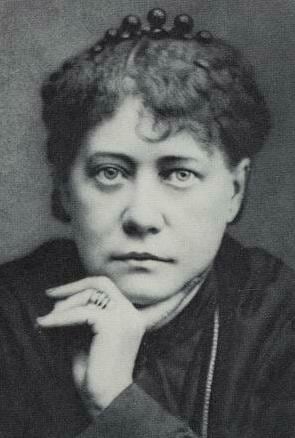
Helena Petrovna Blavatsky, 1877 · Public domain
بكلماته
«There is no religion higher than truth.»The Key to Theosophy (1889), sección I, «El significado del nombre»; lema de la Sociedad Teosófica, también en la portada de La Doctrina Secreta (1888)

فكرته المحورية
Wisdom-Religion: The guiding idea of all Blavatsky's work: there exists a primordial, single and universal wisdom of which the historical religions are fragments deformed by time, priesthood and dogma.
السيرة
4 دقيقة قراءة
ترجمة مُعانة من الأصل الإسباني، بانتظار مراجعة مترجم من أهل اللغة.
طفلة من الإمبراطورية
وُلدت هيلينا بتروفنا فون هان في 12 أغسطس 1831 (31 يوليو بحسب التقويم اليولياني) في يكاترينوسلاف، في أوكرانيا الحالية، لأسرة من النبلاء الروس ذات أصول ألمانية. كان أبوها، بيوتر فون هان، ضابطًا في المدفعية؛ أما أمها، هيلينا أندرييفنا فادييفا، فكانت روائية مبكرة النبوغ قارنها بيلينسكي بجورج صاند، وتُوفيت حين كانت الطفلة في الحادية عشرة. ونشأت هيلينا متنقّلةً بين الحاميات العسكرية وبيت جدّيها لأمها في ساراتوف وتفليس، حيث كانت جدّتها، الأميرة يلينا دولغوروكوفا، تشتغل بعلم النبات وتحتفظ بمكتبة من المؤلفات الماسونية والخيميائية من القرن الثامن عشر. وتصف الشهادات العائلية — التي جمعتها أختها فيرا جيليخوفسكايا، وجمعها أ. ب. سينيت في كتاب Incidents in the Life of Madame Blavatsky («وقائع من حياة مدام بلافاتسكي»، 1886) — فتاةً جامحة تمشي في نومها، مفتونة بالغيب وبأساطير الأقنان. وينبغي قراءة هذه الروايات بحذر: فقد كُتبت بعد أن ذاع صيتها، وبغرض تفسير شخصيتها.
وفي يوليو 1849، وهي في السابعة عشرة، تزوّجت نيكيفور بلافاتسكي، نائب حاكم يريفان، وهو رجل يكبرها بأكثر من عشرين عامًا. ولم يدم الزواج سوى أسابيع. فقد فرّت هيلينا، ومن تلك اللحظة تبدأ ما يسمّيه كاتبو سيرتها «السنوات المحجوبة»: عقدان لا تكاد توجد عنهما وثائق مستقلّة. وقد زعمت هي نفسها أنها جابت مصر وأوروبا وأمريكا والهند، ثم التبت بين 1868 و1870، حيث تلقّت، كما قالت، تعاليم «المعلّمين». ولم يتمكّن أيّ باحث من إثبات إقامتها في التبت؛ أما الثابت بالوثائق فمرورها بالقاهرة سنة 1871، حيث أسّست «جمعية روحية» (Société Spirite) انتهت بفضيحة، ووجودها في باريس في ربيع 1873.
نيويورك وميلاد الجمعية الثيوصوفية
نزلت بلافاتسكي في نيويورك في يوليو 1873. وفي أكتوبر 1874، في مزرعة الأخوين إدي في تشيتندن (فيرمونت)، التقت الكولونيل هنري ستيل أولكوت، المحامي والصحفي الذي كان يحقّق في الظواهر الروحية لحساب صحيفة New York Daily Graphic. وقد غيّر ذلك اللقاء — الذي رواه أولكوت في People from the Other World («أناس من العالم الآخر») ثم في Old Diary Leaves («أوراق يوميات قديمة») — حياتَيهما معًا. وفي 7 سبتمبر 1875، في شقة بلافاتسكي في إرفينغ بليس، قرّرت جماعة من الفضوليين تأسيس جمعية لدراسة «القوانين الخفية للطبيعة»؛ وفي 17 نوفمبر ألقى أولكوت الخطاب الافتتاحي للجمعية الثيوصوفية التي تولّى رئاستها، وكانت بلافاتسكي أمينة سرّها للمراسلات، وويليام كوان جادج مستشارها القانوني.
وبين 1875 و1877 كتبت، بإنجليزية لا تكاد تتقنها، «إيزيس مكشوفة النقاب»، في مجلّدين يتجاوزان ألفًا ومئتي صفحة، تهاجم فيهما المادية العلمية والدوغمائية المسيحية، وتنتصر لـ«دين-حكمة» أوّلي حفظته الأسرار القديمة. ونفدت الطبعة الأولى، وهي ألف نسخة، في عشرة أيام. وترك أولكوت شهادة شهيرة عن طريقتها في العمل: فبحسب قوله كانت المؤلّفة تكتب وأمامها أكداس من الاقتباسات «تراها» في الهواء، وكانت هناك صفحات بخطوط مختلفة. وقد أحصى الناقد ويليام إيميت كولمان لاحقًا نحو ألفي فقرة منقولة دون إحالة من قرابة مئة مؤلَّف، وما زال ذلك الحجّةَ الرئيسة لمن ينفون عن الكتاب أيّ أصل خارق. وفي 8 يوليو 1878 حصلت بلافاتسكي على الجنسية الأمريكية.
الهند والمعلّمون وفضيحة أديار
في ديسمبر 1878 أبحر المؤسّسان إلى الهند. فبلغا بومباي في فبراير 1879، وأطلقا في أكتوبر مجلّة The Theosophist. وتزامنت الرحلة مع حسّ جديد: فقد انحازت الجمعية إلى أديان الهند وسيلان في وجه المبشّرين، وأعلن أولكوت وبلافاتسكي التزامهما بالوصايا البوذية علنًا في غالي في مايو 1880. وفي سيملا، في خريف السنة نفسها، شهد ألفريد بيرسي سينيت، رئيس تحرير صحيفة Pioneer، الظواهرَ التي رواها في «العالم الخفي» (The Occult World، 1881)، وبدأ يتلقّى رسائل منسوبة إلى المهاتمتين كوت هومي ومورْيا، وهي محفوظة اليوم في المكتبة البريطانية. وفي ديسمبر 1882 انتقل المقرّ إلى أديار، قرب مدراس.
وهناك اختمرت الأزمة. ففي 1884، بينما كان المؤسّسان في أوروبا، سلّمت إيما كولومب، وهي معرفة قديمة من القاهرة كانت تعمل في المقرّ، إلى المبشّرين الاسكتلنديين في مدراس رسائلَ قالت إنها تثبت أن بلافاتسكي كانت تدبّر ظواهر «الهيكل» في أديار بواسطة ألواح منزلقة وأبواب سرّية. ونشرتها مجلّة Madras Christian College Magazine في سبتمبر. فأرسلت «جمعية البحوث النفسية» في لندن، وكانت قد شكّلت لجنة بشأن الجمعية الثيوصوفية، محقّقًا شابًّا إلى الهند هو ريتشارد هودجسون. وخلص تقريره، المنشور في Proceedings في ديسمبر 1885، إلى أن رسائل المهاتمات من صنع بلافاتسكي، ووصفها بأنها «واحدة من أبرع المحتالات وأكثرهن دهاءً وإثارةً للاهتمام في التاريخ». فغادرت بلافاتسكي، المريضة والمحرومة من سند الجمعية لرفع دعوى، الهندَ في 31 مارس 1885 ولم تعد إليها. وبعد قرن، في 1986، نشر خبير الخطوط فيرنون هاريسون، وهو نفسه عضو في جمعية البحوث النفسية، في مجلّتها (Journal) فحصًا مدمّرًا لمناهج هودجسون؛ ولم «تردّ» الجمعية الاعتبار لبلافاتسكي — فهي لا تُصدر أحكامًا باسمها الجماعي —، لكن القضية عادت مفتوحة.
سنوات لندن
بعد إقامتين في فورتسبورغ وأوستند، حيث شرعت في تحرير عملها الكبير، استقرّت في لندن في مايو 1887. وأسّست مجلّة Lucifer و«محفل بلافاتسكي»، ثم في أكتوبر 1888 «القسم الباطني»، وهو حلقة للتعليم الخاص. وفي الخريف نفسه صدرت «العقيدة السرّية» في مجلّدين — «نشأة الكون» و«نشأة الإنسان» — قُدّما بوصفهما شرحًا لـ«مقاطع دزيان»، وهو نصّ زعمت أنها الوحيدة التي رأته. وفي 1889 نشرت «مفتاح الثيوصوفيا»، وهو تعليمها المذهبي في صورة حوار، و«صوت الصمت»، وهو دليل موجز للطريق الروحي ستتلقّاه بوذية سريلانكا واليابان بالترحاب. وفي ربيع تلك السنة كتبت آني بيزانت، التي كانت حتى ذلك الحين من أنصار الفكر الحرّ ومن الاشتراكيين، مراجعةً لـ«العقيدة السرّية» وصارت أقرب تلميذاتها إليها؛ أما و. ب. ييتس، الذي زارها في تلك الفترة، فسيتذكّرها «فلّاحةً إيرلندية عجوزًا يعلوها مزيج من الدعابة والسطوة الجريئة».
تُوفيت بالإنفلونزا، التي فاقمها التهاب كلوي مزمن، في 8 مايو 1891، في المنزل رقم 19 بشارع أفنيو رود. وأُحرق جثمانها في ووكينغ، ووُزّع رمادها بين أديار ولندن ونيويورك. ويحيي الثيوصوفيون ذكرى هذا اليوم باسم «يوم اللوتس الأبيض».
ما الذي يبقى
الموثَّق كاتبةٌ واسعة الاطّلاع على نحو مذهل، شاركت في تأسيس منظمة دولية أشاعت في الغرب كلمات الكارما والتقمّص والمعلّمين، ودافعت عن وحدة الأديان، وكانت — في هند ثمانينيات القرن التاسع عشر — حليفةً لاعتزاز ثقافي مهّد للقومية. أما ما نقله تلاميذها فشيء آخر: ظواهر، ورحلات إلى التبت، ورسائل «مُستنزَلة». وبين هاتين الطبقتين تحرّك رودولف شتاينر وأليس بيلي وكاندينسكي وموندريان، وغاندي في سنوات شبابه في لندن، وجانب كبير من الروحانية المعاصرة التي تدين لبلافاتسكي بأكثر مما تعترف به عادةً.
المصادر: Cranston, Sylvia. HPB: The Extraordinary Life and Influence of Helena Blavatsky, Founder of the Modern Theosophical Movement. Nueva York: Tarcher/Putnam, 1993. · Goodrick-Clarke, Nicholas. Helena Blavatsky (Western Esoteric Masters). Berkeley: North Atlantic Books, 2004. · Olcott, Henry Steel. Old Diary Leaves: The True Story of the Theosophical Society. First Series. Nueva York/Londres: Putnam / Theosophical Publishing Society, 1895. · Sinnett, A. P. Incidents in the Life of Madame Blavatsky. Londres: George Redway, 1886. · Harrison, Vernon. H. P. Blavatsky and the SPR: An Examination of the Hodgson Report of 1885. Pasadena: Theosophical University Press, 1997 (incluye «J'Accuse», Journal of the SPR, vol. 53, abril de 1986, pp. 286–310).
الخط الزمني
الحياة عامًا بعد عام
كل نقطة حدث موثّق. انقر لتقرأه مع مصدره ودرجة اليقين فيه.
12 أغسطس 1831أقل من عامYekaterinoslav (hoy Dnipró)
Birth
Helena Petrovna von Hahn is born, daughter of the officer Pyotr von Hahn and the novelist Helena Fadeyeva. The date corresponds to 31 July in the Julian calendar.
موثّقCranston, Sylvia. HPB: The Extraordinary Life and Influence of Helena Blavatsky, Founder of the Modern Theosophical Movement. Nueva York: Tarcher/Putnam, 1993.
بعد وفاته
- أبريل 1986Harrison re-examines the Hodgson Report
12 أغسطس 1831 · أقل من عام
Birth
Helena Petrovna von Hahn is born, daughter of the officer Pyotr von Hahn and the novelist Helena Fadeyeva. The date corresponds to 31 July in the Julian calendar.
موثّق
1842 · 11 عامًا
Death of her mother
Helena Andreyevna Fadeyeva dies. The child goes to live with her maternal grandparents, the Fadeyevs, in Saratov and later in Tiflis.
موثّق
7 يوليو 1849 · 17 عامًا
Marriage to Nikifor Blavatsky
She marries Nikifor Blavatsky, vice-governor of Erivan, much older than herself. She leaves him within weeks and keeps the surname for life.
موثّق
1849 – 1873 · 18 عامًا
The 'veiled years'
Two decades of travel begin for which there is hardly any independent evidence. She claimed to have been in Egypt, America, India and Tibet (1868–1870), where she said the Masters instructed her. The Tibetan stay has never been confirmed.
تقليد
1871 · 40 عامًا
The 'Société Spirite'
In Cairo she founds a spiritualist society that dissolves amid accusations of fraud against the hired mediums. There she meets Emma Cutting, the future Emma Coulomb.
موثّق
7 يوليو 1873 · 41 عامًا
Arrival in New York
She lands in New York, where she lives in straitened circumstances in a working women's boarding house and writes for the press.
موثّق
14 أكتوبر 1874 · 43 عامًا
Meeting Henry Steel Olcott
At the Eddy farm she meets Colonel Olcott, who was investigating the apparitions for the New York Daily Graphic. The partnership that will give rise to the Theosophical Society begins.
موثّق
17 نوفمبر 1875 · 44 عامًا
Founding of the Theosophical Society
After the preliminary meeting of 7 September, Olcott delivers the inaugural address. Blavatsky is corresponding secretary; William Q. Judge, counsel.
موثّق
29 سبتمبر 1877 · 46 عامًا
Publication of 'Isis Unveiled'
J. W. Bouton publishes the two volumes. The first run of a thousand copies sells out in ten days. The New York Herald calls it 'one of the remarkable productions of the century'.
موثّق
8 يوليو 1878 · 46 عامًا
United States citizenship
She becomes a naturalised United States citizen, the first Russian woman to do so according to the press of the day.
موثّق
16 فبراير 1879 · 47 عامًا
Arrival in India
The founders land in Bombay. In October the first issue of The Theosophist appears.
موثّق
25 مايو 1880 · 48 عامًا
Taking the Buddhist precepts
Blavatsky and Olcott publicly take pansil (the five precepts) at a temple in Galle, among the first Westerners to do so.
موثّق
أكتوبر 1880 · 49 عامًا
The Simla phenomena
At A. P. Sinnett's house the phenomena occur (the buried cup, the Koot Hoomi letters) that Sinnett will narrate in The Occult World (1881).
موثّق
ديسمبر 1882 · 51 عامًا
Headquarters at Adyar
The Society buys the Huddlestone Gardens estate by the Adyar river, which remains its international headquarters.
موثّق
سبتمبر 1884 · 53 عامًا
The Coulomb affair
The Madras Christian College Magazine publishes letters handed over by Emma Coulomb which, according to the missionaries, prove that the Adyar phenomena were tricks. Blavatsky declares them forgeries.
موثّق
31 مارس 1885 · 53 عامًا
Final departure from India
Ill and without support to sue the Coulombs, she leaves India and settles in Europe (Naples, Würzburg, Ostend).
موثّق
ديسمبر 1885 · 54 عامًا
The Hodgson Report
The Society for Psychical Research publishes Richard Hodgson's report (Proceedings, vol. 3): it concludes that the Mahatma letters are Blavatsky's work and brands her an impostor. In 1986 Vernon Harrison, an SPR member, showed in its Journal that Hodgson's handwriting analysis was untenable.
موثّق
1 مايو 1887 · 55 عامًا
Settling in London
She settles at Maycot (Norwood) and then in Lansdowne Road. In September she founds the journal Lucifer and the Blavatsky Lodge.
موثّق
أكتوبر 1888 · 57 عامًا
'The Secret Doctrine' and the Esoteric Section
The two volumes of The Secret Doctrine appear. On 9 October the Esoteric Section of the Society is announced, under her sole direction.
موثّق
مايو 1889 · 57 عامًا
Annie Besant joins the Society
After reviewing The Secret Doctrine for the Pall Mall Gazette, Besant joins the Theosophical Society and becomes her closest disciple. That year The Key to Theosophy and The Voice of the Silence are published.
موثّق
8 مايو 1891 · 59 عامًا
Death
She dies of influenza, aggravated by chronic nephritis, at the Society's European headquarters. She is cremated at Woking on 11 May; Theosophists commemorate the date as White Lotus Day.
موثّق
أبريل 1986
Harrison re-examines the Hodgson Report
Vernon Harrison publishes 'J'Accuse' in the Journal of the SPR: the 1885 report is 'badly flawed' and its handwriting conclusions do not stand. The SPR notes that it issues no corporate verdicts.
موثّق
المؤلَّفات
المؤلَّفات الأساسية
المؤلَّفات التي لا يُفهم إرثه من دونها.
مؤلَّف مكتوب · 1877
Isis Unveiled
Isis Unveiled: A Master-Key to the Mysteries of Ancient and Modern Science and Theology
Blavatsky's first major work, in two volumes ('Science' and 'Theology'). It attacks both the materialism of Huxley and Tyndall and the dogmatism of the churches, arguing that a primordial 'Wisdom-Religion', guarded by the ancient mysteries, the Kabbalah, Hermeticism and the schools of India, underlies all religions as their fragments. It ranges over magic, spiritualism, Paracelsus, the Vedas and the Gospels with torrential and disorderly erudition. The doctrine of reincarnation does not yet appear clearly; the author would develop it later. It is, above all, the manifesto of an occultism that wants to be science.
10 طبعات · amazon.com

مؤلَّف مكتوب · 1888
The Secret Doctrine
The Secret Doctrine: The Synthesis of Science, Religion, and Philosophy
Blavatsky's major work and the founding text of modern Theosophy. It is presented as a commentary on the 'Stanzas of Dzyan', a cosmogonic poem the author claimed to have translated from a secret language and which no one else has seen. Volume I, 'Cosmogenesis', sets out the three fundamental propositions (an absolute and unknowable Principle, the universal law of periodicity, and the identity of all souls with the Universal Over-Soul) and the cyclical emanation of the cosmos. Volume II, 'Anthropogenesis', describes human evolution through seven 'root races' on vanished continents such as Lemuria and Atlantis. A third part engages with the science and religious symbolism of her day. Its readers have included Steiner, Yeats, Kandinsky, Scriabin and Mondrian.
14 طبعة · amazon.com

مؤلَّف مكتوب · 1889
The Key to Theosophy
A catechism of Theosophy written in questions and answers. It explains what the Theosophical Society is and is not, the difference between Theosophy and occultism, the sevenfold constitution of the human being, the post-mortem states (kama-loka and devachan), karma and reincarnation, and the movement's relations with spiritualism and the churches. It is Blavatsky's most accessible text and the one most used as an introduction; it contains the motto 'There is no religion higher than truth' and a long defence against the SPR's accusations.
8 طبعات · amazon.com

مؤلَّف مكتوب · 1889
The Voice of the Silence
The Voice of the Silence, being Chosen Fragments from the «Book of the Golden Precepts»
A short prose poem on the spiritual path, in three fragments: 'The Voice of the Silence', 'The Two Paths' and 'The Seven Portals'. It teaches the stilling of the mind ('the mind is the great slayer of the real'), the passage through the three halls of ignorance, learning and wisdom, and the choice between the path of personal liberation and the path of renunciation, that of the bodhisattva who remains to help others. It is the devotional text of Theosophy par excellence and one of the first to bring the Mahayana ethic of compassion to a Western public; the 14th Dalai Lama wrote a foreword to a centenary edition.
8 طبعات · amazon.com
جميع مؤلَّفاته (29)

The Theosophical Glossary
1892

From the Caves and Jungles of Hindostan
1879

Nightmare Tales
1892

Studies in Occultism
1895
Helena Blavatsky
A Modern Panarion
The Conscious LibraryA Modern Panarion
1895
Helena Blavatsky
Collected Writings
The Conscious LibraryCollected Writings
1950
Helena Blavatsky
Esoteric Instructions
The Conscious LibraryEsoteric Instructions
1889

Gems from the East
1890

Transactions of the Blavatsky Lodge
1890

The Letters of H. P. Blavatsky to A. P. Sinnett
1925

The Letters of H. P. Blavatsky, vol. 1
2003
Helena Blavatsky
The Durbar in Lahore
The Conscious LibraryThe Durbar in Lahore
1881

The Secret Doctrine, Volume III
1897

The People of the Blue Mountains
1883
Helena Blavatsky
Some Unpublished Letters of Helena Petrovna Blavatsky
The Conscious LibrarySome Unpublished Letters of Helena Petrovna Blavatsky
1929

Five Messages to the American Theosophists
1888

The Original Programme of the Theosophical Society
1931

Practical Occultism
1888

Raja-Yoga, or Occultism
1931
Helena Blavatsky
Dynamics of the Psychic World
The Conscious LibraryDynamics of the Psychic World
1972

Personal Memoirs of H. P. Blavatsky
1937

H. P. B. Speaks
1950
Helena Blavatsky
The Inner Group Teachings of H. P. Blavatsky
The Conscious LibraryThe Inner Group Teachings of H. P. Blavatsky
1985

The Esoteric Character of the Gospels
1887
الأقوال
أقوال محدَّدة الموضع في مؤلَّف بعينه. كل منها يحمل مصدره ودرجة الثقة به.
There is no religion higher than truth.متحقَّق منهThe Key to Theosophy (1889), sección I, «El significado del nombre»; lema de la Sociedad Teosófica, también en la portada de La Doctrina Secreta (1888)
أقوال منحولة أو مختلَف في نسبتها (1)
«'Occultism is not magic.'»
Often quoted as Blavatsky's. What she actually wrote, in 'Occultism versus the Occult Arts' (Lucifer, 1888), is an extended distinction between occultism as the science of the spirit and the 'occult arts' (magic, hypnotism), without that lapidary formulation.
الكلمات الأخيرة
رواية لاحقة عن شهود
«Keep the link unbroken! Do not let my last incarnation be a failure.»Keep the link unbroken! Do not let my last incarnation be a failure.
A tradition handed down by the residents of 19 Avenue Road who nursed her in her last days (Laura Cooper, Claude Falls Wright, Walter Old and Isabel Cooper-Oakley). Laura M. Cooper's account, 'How She Left Us', appeared in Lucifer (June 1891) and underlies the versions gathered by Cranston (1993). The words are said to have been spoken the day before or on the morning of her death, not with her last breath; Cooper describes the end as silent, the patient's hand in hers. No independent record exists.
المصدر: Cooper, Laura M. «How She Left Us», en Lucifer, vol. VIII, n.º 46 (junio de 1891), número en memoria de H. P. B. Londres: Theosophical Publishing Society.
اسأل
بماذا يجيب أثره
اثنا عشر سؤالًا كبيرًا من أسئلة الإنسانية، وما تتيح نصوصه الإجابة به عنها، مع المراجع. ولا نقوّله ما لم يقل أبدًا.
ما المطلق؟ هل الله موجود؟
An eternal, boundless Principle beyond speculation; no personal God
مطلق غير شخصييقوله صراحةً
Helena Blavatsky answers explicitly. The first of the three fundamental propositions in the Proem of The Secret Doctrine affirms an omnipresent, eternal, boundless and immutable Principle, on which all speculation is impossible because it transcends the power of human conception. That Principle is not a creator: universes emanate from it periodically according to the law of cycles, and gods and logoi are beings and powers within manifestation. In The Key to Theosophy, in the section on God and prayer, she rejects the idea of a personal, extra-cosmic and anthropomorphic God, which she regards as a gigantic shadow of man, and defends instead an impersonal divinity present in everything and in the human being. Prayer, accordingly, is not addressed to someone who grants favours; it is will and inner aspiration.
قارن هذا السؤال مع معلّمين آخرينمن أنا؟ هل توجد ذات حقيقية؟
An individuality that reincarnates beneath passing personalities
روح في تطوّريقوله صراحةً
Helena Blavatsky describes the human being as a compound of seven principles, from the physical body to spirit (atma), and carefully distinguishes personality from individuality. The personality is the transient set of body, vital energy, desires and lower mind that make up the individual of a given life, and it disintegrates after death. The individuality is the higher Ego, the spiritual mind (higher manas joined to buddhi), which reincarnates from life to life accumulating experience. In The Key to Theosophy she sets out this distinction in the sections on the nature of man and on reincarnation, and in The Secret Doctrine the third fundamental proposition establishes the obligatory pilgrimage of every soul through the cycle of incarnation. The true self therefore exists, but it is not the one we believe ourselves to be: it is an evolving soul.
قارن هذا السؤال مع معلّمين آخرينلماذا نتألّم؟
Karma readjusts what we disturb; pain educates the reincarnating Ego
الكارما وتعلّم الروحيقوله صراحةً
Helena Blavatsky explains suffering through karma, which she defines as a law of readjustment: every cause set in motion produces its effect, and the harmony disturbed by a selfish act is restored, in this life or another. In The Key to Theosophy, in the section on the mysteries of reincarnation, she rejects both the idea of a punishment imposed by a God and that of blind chance: each person is their own lawgiver and reaps what they sowed. She adds that karma is also collective, of families, nations and races, which explains sufferings that do not seem individually deserved. Pain, in this framework, has a pedagogical function: it forces the reincarnating Ego to learn, and forms part of the soul's evolution towards its source. The Voice of the Silence further insists on compassion for the pain of others.
قارن هذا السؤال مع معلّمين آخرينماذا يحدث بعد الموت؟
After kama-loka and devachan, the Ego reincarnates according to its karma
الولادة من جديد وفق الكارمايقوله صراحةً
Blavatsky offers one of the most detailed maps of the beyond in modern esotericism. In The Key to Theosophy she explains that at death the human being sheds the lower principles: the body, the etheric double and the life energy dissolve; in kama-loka the envelope of desires falls away, and may persist for a time as a «shell» without consciousness of its own. The higher Ego then passes into devachan, a state of subjective bliss in which it assimilates the fruits of the life lived, and afterwards reincarnates in a new body in accordance with its karma. For her this is neither punishment nor arbitrary reward, but the obligatory pilgrimage of every soul through the cycle of incarnations, which The Secret Doctrine states as its third fundamental proposition, until it consciously rejoins the universal Over-Soul.
قارن هذا السؤال مع معلّمين آخرينكيف يُبلَغ التحرّر أو الخلاص؟
Self-effort across lifetimes, without vicarious redemption, through the transcendent virtues
بالممارسة المنضبطةيقوله صراحةً
Helena Blavatsky denies that anyone can be saved by another: in The Key to Theosophy she criticises vicarious atonement and holds that each person reaps what they sow under the law of karma, across a cycle of reincarnations. Liberation is therefore the fruit of one's own effort sustained over many lives. The Voice of the Silence, which she presents as a translation of an Eastern text, describes that effort as passing through «seven portals», the transcendent virtues (paramitas) of charity, harmony, patience, dispassion, energy, meditation and wisdom. Its culmination is not individual rest in nirvana but renouncing it in order to help humanity, which the work presents as the highest path.
قارن هذا السؤال مع معلّمين آخرينهل نحتاج إلى معلّم؟
The occult path needs Masters; truth itself needs no dogmatic authority
لا غنى عنهيُستنتج من تعاليمه
Helena Blavatsky claimed that her teaching came from Masters or Mahatmas, living adepts of an occult brotherhood, and that she herself had been their disciple. In that system, progress on the occult path requires becoming a chela, an accepted disciple of a Master, a condition she wrote about in articles such as «Chelas and Lay Chelas». At the same time, The Key to Theosophy rejects any dogmatic authority for the public: the Theosophical Society imposes no beliefs, and the motto that there is no religion higher than truth invites people to examine for themselves. The position thus combines an initiatory hierarchy for those who enter the esoteric path with freedom of judgement for the ordinary student.
قارن هذا السؤال مع معلّمين آخرينهل العالم حقيقي؟
A periodic universe of seven planes emanating from an unknowable Principle
مستويات من الوجوديقوله صراحةً
Helena Blavatsky's Secret Doctrine starts from three fundamental propositions, set out in the Proem: an omnipresent, eternal and immutable Principle about which no speculation is possible; the periodicity of the universe, which appears and disappears in cycles of manifestation and rest; and the identity of all souls with the universal Oversoul and their obligatory pilgrimage through the cycles of incarnation. The manifested universe is organised into seven planes of matter and consciousness, from the densest, the physical, to the subtlest. Relative to the Absolute, the world is maya, illusion, because it is temporary; but it is real for the beings who live in it and is the necessary field of their evolution.
قارن هذا السؤال مع معلّمين آخرينما الحب؟
Compassion is no attribute but the law of laws
رحمة بلا حدوديقوله صراحةً
Blavatsky places love on the level of a cosmic law rather than a feeling. In The Voice of the Silence, inspired by the Mahayana tradition, she declares that compassion is no attribute but the law of laws: eternal harmony, the shoreless universal essence, the law of love eternal. From this she derives the ideal she proposes to the disciple: to renounce personal nirvana and remain in the world helping others, the «secret path» of the bodhisattva, which in fragment II she places above the «open path» leading to the bliss of nirvana. On the social plane, Theosophy is founded on universal brotherhood without distinction of race, creed, sex, caste or colour, the first object of the Theosophical Society. Blavatsky distrusts, on the other hand, personal and possessive love, which she considers a form of selfishness the disciple must transcend.
قارن هذا السؤال مع معلّمين آخرينهل نحن أحرار أم أن كل شيء مقدَّر؟
Karma neither creates nor designs: it is the human being who sows the causes
الكارما والاختياريقوله صراحةً
Blavatsky presents karma as a universal law of adjustment, not as blind fate. In *The Secret Doctrine* she insists that karma neither creates nor designs anything: it is man who plans and sets causes in motion, and the law merely restores the balance of their effects. In *The Key to Theosophy*, in the section on reincarnation, she defines it as the law of retribution that accompanies the ego through its lives. A real freedom within a cyclic frame follows: the soul's pilgrimage through the wheel of necessity is obligatory, but each incarnation inherits what was sown and sows again. Moral responsibility stays intact and, in her argument, becomes stricter than under the idea of forgiveness.
قارن هذا السؤال مع معلّمين آخرينلماذا نتأمّل أو نصلّي؟
Not praying to an outer god: will-prayer to the inner God
العودة إلى منبع الأنايقوله صراحةً
In section V of *The Key to Theosophy*, Blavatsky rejects prayer understood as petition to a personal, external god, which she sees as a source of selfishness and passivity. In its place she proposes what she calls «will-prayer»: an inner command addressed to the Father in secret, that is, to the divine principle in the human being. *The Voice of the Silence* develops the practice in a contemplative key: the disciple must still the mind, the great slayer of the real, and pass through the seven portals, among them that of meditation (*dhyāna*), until personal consciousness is united with the Higher Self. To meditate, for her, is to travel back to one's own divine source.
قارن هذا السؤال مع معلّمين آخرينهل يستطيع العقل أن يعرف الحقيقة القصوى؟
An ancient hidden wisdom, divine science higher than any religion
معرفة باطنيةيقوله صراحةً
For Blavatsky there is a secret doctrine, the wisdom-religion of antiquity, preserved by a brotherhood of adepts and present in veiled form in every tradition. *The Key to Theosophy* defines theosophy as divine knowledge or science, and its motto states that there is no religion higher than truth. Her method combines comparative erudition, critique of scientific materialism and ecclesiastical dogma, and the claim of inner faculties able to verify that wisdom. In the proem of *The Secret Doctrine*, however, she sets a limit: the ultimate principle is omnipresent, eternal and immutable, and all speculation about it is impossible, for it transcends the power of human conception.
قارن هذا السؤال مع معلّمين آخرينالانسحاب من العالم أم تغييره؟
Renouncing one's own nirvana to stay and serve humanity
الانخراط في العالميقوله صراحةً
Blavatsky distrusts a spirituality that seeks only one's own liberation. In The Voice of the Silence she presents as the higher ideal that of the bodhisattva who, able to enter nirvana, renounces it out of compassion for a suffering world, and warns the disciple that inaction in the face of another's misfortune is a form of sin. In The Key to Theosophy she holds that practical Theosophy consists of duty, altruism and self-sacrifice for others, and that a Theosophist is recognised by what he does, not by what he believes. The Theosophical Society she founded in 1875 had as its first object to form a nucleus of universal brotherhood without distinction of race, creed, sex, caste or colour. Her own field of action was mainly intellectual and organisational: spreading a synthesis of religion, science and philosophy against materialism and dogmatism.
قارن هذا السؤال مع معلّمين آخرين
التقارب والتوتّر
التقارب والتوتّر
محسوبة سؤالًا سؤالًا انطلاقًا من مواقفه. وسبب كل اتفاق أو اختلاف يظهر بالنقر.
يقترب في تفكيره من
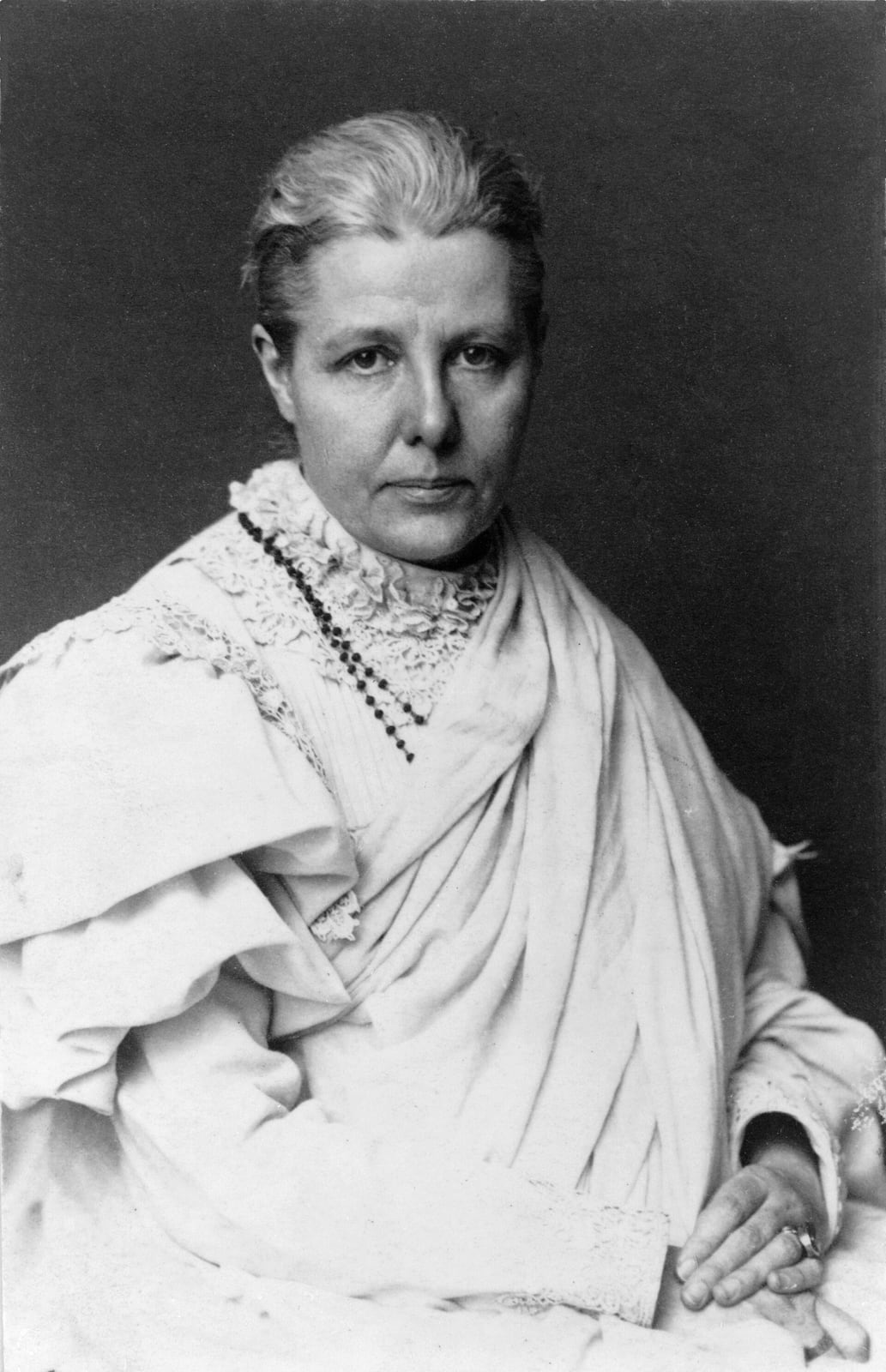
Annie Besant
يتّفقان في: هل العالم حقيقي؟ · من أنا؟ هل توجد ذات حقيقية؟ · لماذا نتألّم؟
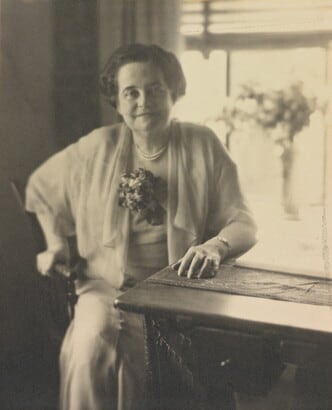
Alice A. Bailey
يتّفقان في: من أنا؟ هل توجد ذات حقيقية؟ · لماذا نتألّم؟ · ماذا يحدث بعد الموت؟
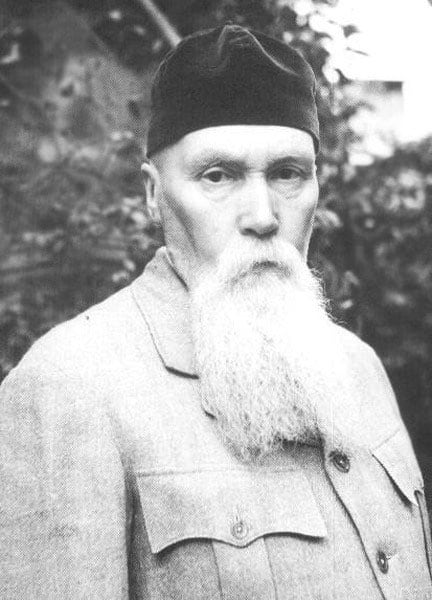
Nicholas Roerich
يتّفقان في: هل نحتاج إلى معلّم؟ · هل العالم حقيقي؟ · هل يستطيع العقل أن يعرف الحقيقة القصوى؟
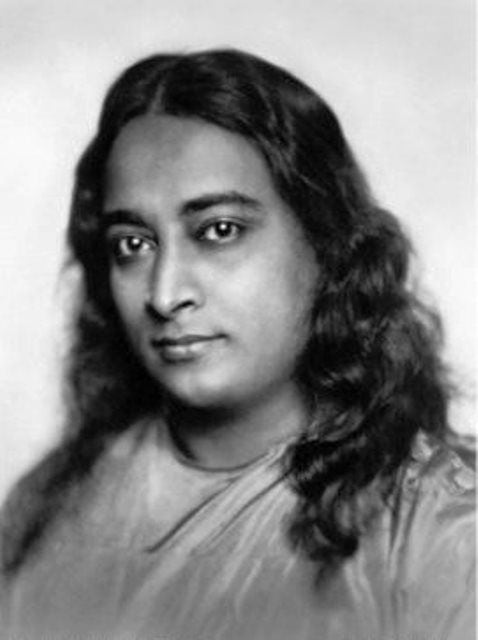
Paramahansa Yogananda
يتّفقان في: من أنا؟ هل توجد ذات حقيقية؟ · لماذا نتألّم؟ · ماذا يحدث بعد الموت؟

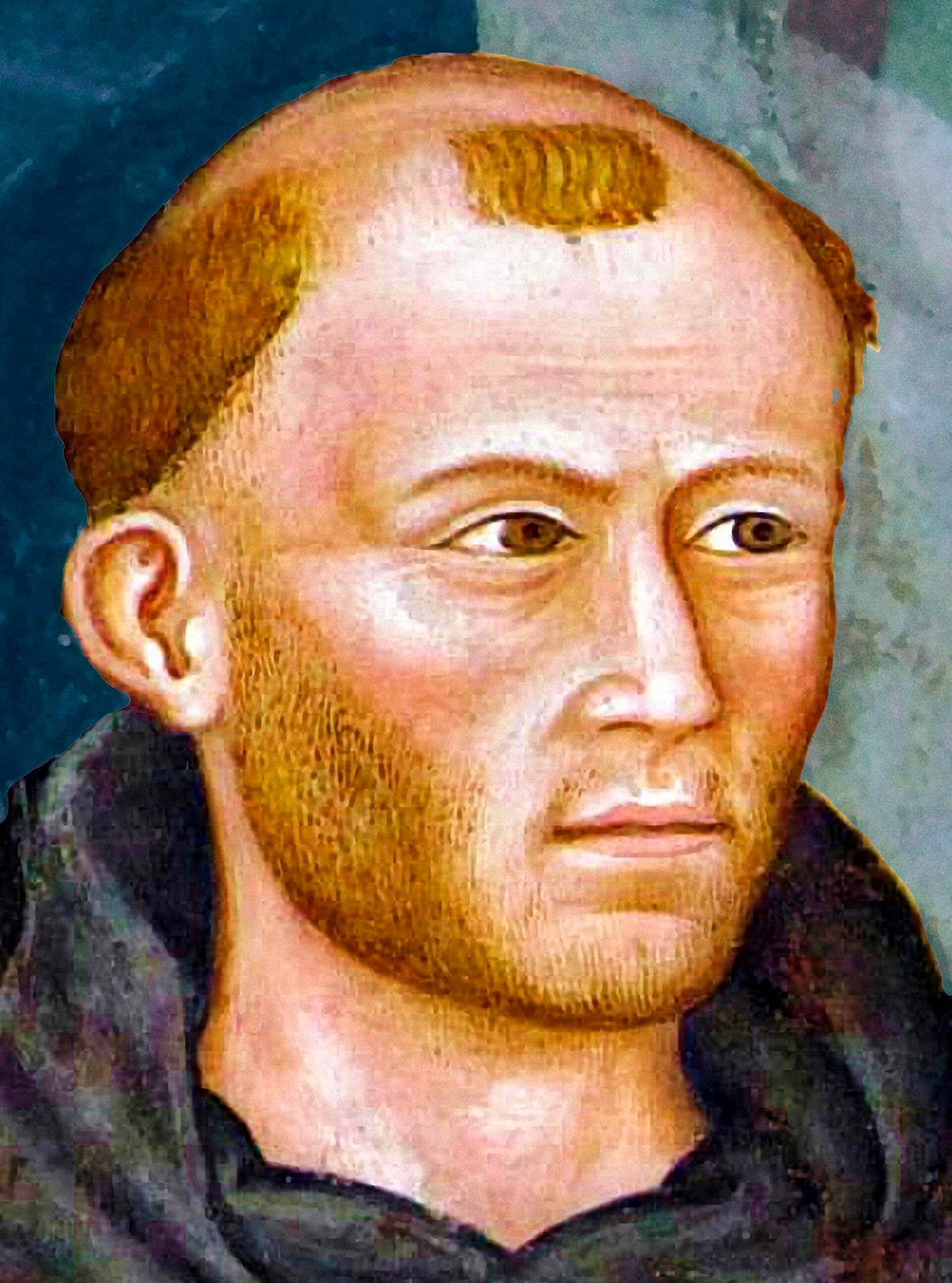
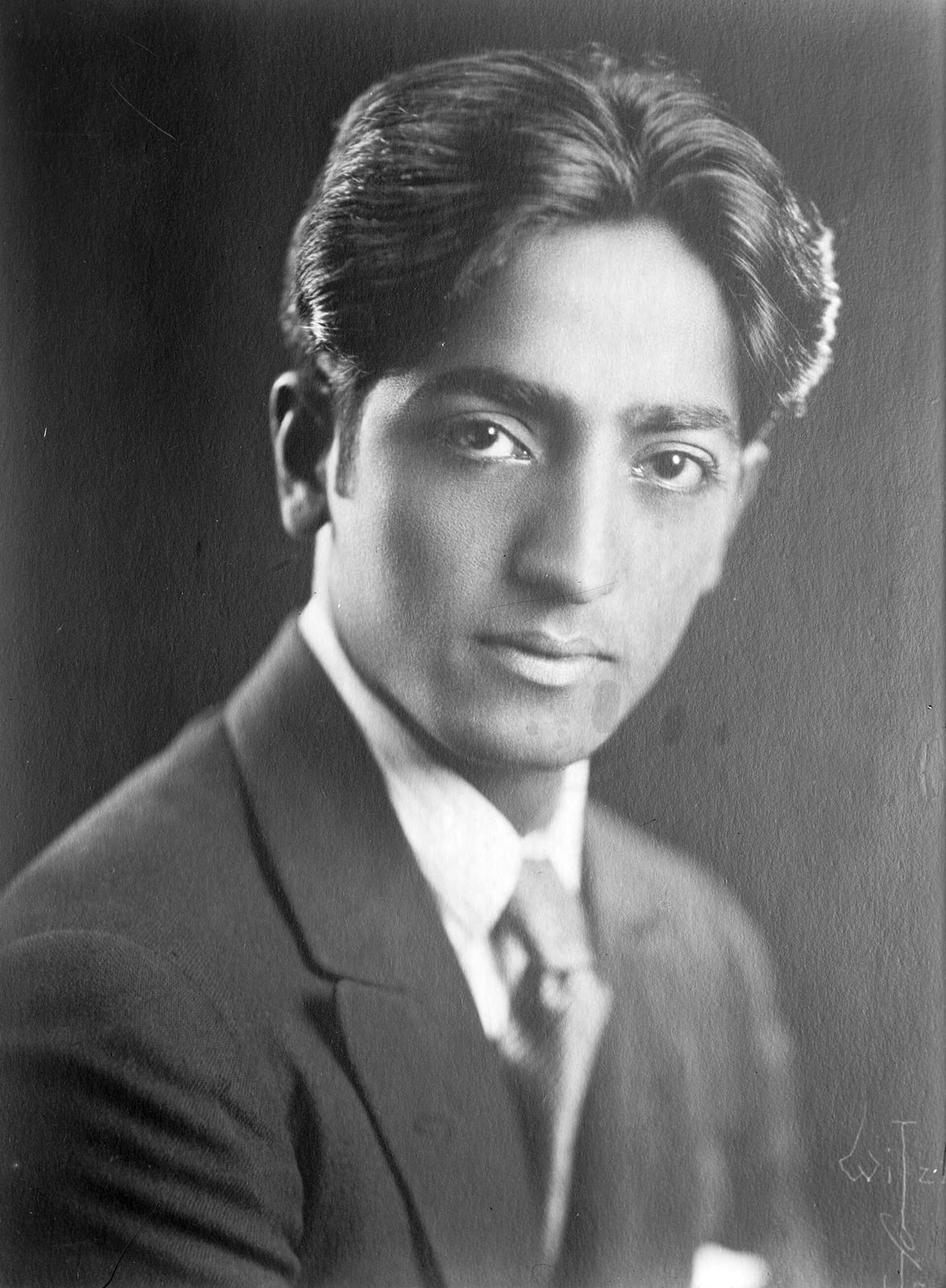

يتّفقان في
Helena Blavatsky · Annie Besant
A soul that learns from life to life: the founder and the systematiser of Theosophy
لماذا: The affinity is one of direct descent. Besant, then a freethinker and activist, reviewed The Secret Doctrine in 1889, met Blavatsky that same year and became her disciple; after Blavatsky's death in 1891 she became a central figure of the movement and presided over the Theosophical Society from 1907. The theological difference is explained by trajectory and audience: Blavatsky polemicised against ecclesiastical Christianity and materialism; Besant, who came from militant atheism, later sought to build bridges with Christianity and with the devotional Hinduism of the India where she lived. She systematised what Blavatsky had left scattered.
يختلفان فيخلاف جوهري
Helena Blavatsky · Teresa of Ávila
Praying to someone or commanding the inner god: grace versus self-effort
لماذا: The contradiction is real and Blavatsky framed it as such: her Theosophy was born in polemic against the ecclesiastical Christianity of her day and against scientific materialism, and sought to offer a wisdom-religion without a personal God or redemption by another. Teresa writes within the Catholic faith, for which grace precedes and accompanies effort, and her language is that of a relationship between persons. There is, however, a point of contact that should not be forgotten: both seek the divine within the soul, at the centre of the castle or in the higher Self, and neither accepts a religion of formulas without transformation. They differ over whether that interior answers or simply is.
يختلفان فيخلاف جوهري
Helena Blavatsky · Siddhartha Gautama, the Buddha
A Theosophist who took refuge in the Buddha, and an Ego that reincarnates
لماذا: The relationship is documented: in 1880, in Ceylon, Blavatsky and Henry Olcott publicly took the Buddhist refuges and precepts, and Theosophy contributed to the island's Buddhist revival. Her Buddhism, however, was esoteric: Theosophists held that what the Buddha denies is the passing personality and not a higher individuality, a reading the Theravada tradition does not accept. The tension is real because no-self, in the canon, also extends to any entity that transmigrates. It is explained by Blavatsky's project, which sought a primordial wisdom common to all traditions and read each of them through her own scheme of principles and planes.
يتّفقان في
Helena Blavatsky · Alice A. Bailey
Seven planes and a nameless Principle: Theosophical cosmology and its second generation
لماذا: The affinity is one of direct inheritance: Bailey was formed in the Theosophical Society, where she worked in California until her break with its leadership around 1920, and she presented her work as a continuation of the line opened by The Secret Doctrine. She attributes most of her books to a Tibetan master, Djwhal Khul, a claim of hers that cannot be verified, just as the existence of Blavatsky's Mahatmas could not be verified. The differences are of emphasis and period: Blavatsky polemicises against the dogma and materialism of the nineteenth century; Bailey writes in the interwar years, with a strong emphasis on service, goodwill and the preparation of a new age.
حكايات وروايات
حكايات وروايات
شهادة1874
The Eddy farm
أصل الرواية: Olcott's account in People from the Other World (1875) and Old Diary Leaves, First Series, ch. I (1895). There is no independent witness to the meeting.
شهادة1876–1877
How 'Isis Unveiled' was written
أصل الرواية: Olcott, Old Diary Leaves, First Series, chs. XIII–XIV; Coleman, 'The Sources of Madame Blavatsky's Writings', appendix to V. S. Solovyoff, A Modern Priestess of Isis (1895).
مختلَف فيه1880
The buried cup at Simla
أصل الرواية: Sinnett, The Occult World (1881), first-hand account; critical examination in the Hodgson Report (Proceedings SPR, vol. 3, 1885).
المصدر: Sinnett, A. P. The Occult World. Londres: Trübner & Co., 1881.
مختلَف فيه1884–1885
The Adyar shrine and the Coulomb letters
أصل الرواية: Madras Christian College Magazine (Sept.–Oct. 1884); Hodgson, Proceedings SPR vol. 3 (1885); Harrison, JSPR 53 (1986).
شهادة1887–1890
Yeats and the Irish peasant woman
أصل الرواية: Yeats, Four Years: 1887–1891 (Cuala Press, 1921), later in Autobiographies. A direct testimony, written three decades later.
المصدر: Yeats, W. B. Four Years: 1887–1891. Dundrum: Cuala Press, 1921 (recogido en Autobiographies, 1926).
شهادة1889
Annie Besant and the report she flung aside
أصل الرواية: Annie Besant, An Autobiography (1893), ch. XIV 'Through Storm to Peace'. Besant's own autobiographical account.
التعاليم
التعاليم
المفاهيم التي ينتظم بها فكره، مشروحة في سياقها.
Wisdom-Religionwisdom-religion
Foundation of the first and second of the Theosophical Society's three objects; crystallised in Isis Unveiled and systematised in The Key to Theosophy.
المصدر: Goodrick-Clarke, Nicholas. Helena Blavatsky (Western Esoteric Masters). Berkeley: North Atlantic Books, 2004.
The three fundamental propositionsthree-fundamental-propositions
Proem to The Secret Doctrine (1888), vol. I, pp. 14–17 of the first edition. The most frequently cited doctrinal synthesis of Theosophy.
The Masters or Mahatmasmahatmas
The original letters (The Mahatma Letters to A. P. Sinnett, ed. Barker, 1923) are kept in the British Library. The concept reappears in Steiner, Bailey and the New Age as 'ascended masters'.
المصدر: Goodrick-Clarke, Nicholas. Helena Blavatsky (Western Esoteric Masters). Berkeley: North Atlantic Books, 2004.
Karma and reincarnationkarma-and-reincarnation
Developed in The Key to Theosophy (sections VIII–XI) and in the third fundamental proposition of The Secret Doctrine; Annie Besant systematised it in Karma (1895) and Reincarnation (1892).
The sevenfold constitution of the human beingseven-principles
Set out in Sinnett's Esoteric Buddhism (1883) from the Masters' letters, and fixed by Blavatsky in The Key to Theosophy, section VI. Besant popularised it in The Seven Principles of Man (1892).
Root races and cyclic evolutionroot-races
Volume II of The Secret Doctrine (1888). On its later use and abuse see Goodrick-Clarke, The Occult Roots of Nazism (1985), which clearly distinguishes Blavatsky from Ariosophy.
المصدر: Goodrick-Clarke, Nicholas. Helena Blavatsky (Western Esoteric Masters). Berkeley: North Atlantic Books, 2004.
The Esoteric Sectionesoteric-section
Announced in Lucifer, October 1888; rules and instructions in Collected Writings XII. Besant and Judge directed it jointly after 1891 until the split of 1895.
الخلوات
خلوات ومراكز
أماكن ولقاءات مرتبطة بتعليمه. نضعك على تواصل مع من ينظّمها.
Adyar, Chennai, Tamil Nadu · India
International headquarters of the Theosophical Society, Adyar
The Theosophical Society (Adyar)
The Adyar campus, on the river of the same name in Chennai, has been the international headquarters of the Theosophical Society since 1882, a few years after Helena Blavatsky and Henry Olcott founded it in New York in 1875. Annie Besant presided over it for more than a quarter of a century and died there in 1933. The grounds hold the headquarters building, the Adyar Library and Research Centre, the archives, gardens with shrines of different religions and a famous banyan tree. It hosts the International Convention around each new year and offers accommodation for visitors and members.
Wheaton, Illinois · Estados Unidos
Theosophical Society in America (Olcott, Wheaton)
The Theosophical Society in America
The Theosophical Society in America is the US section of the society founded in New York in 1875 by Helena Blavatsky and Henry Olcott. Its national centre in Wheaton, near Chicago, runs a weekly lecture series, spiritual workshops, meditation retreats, yoga classes and study groups, and keeps an extensive library devoted to the traditions of East and West, with particular attention to Theosophy. It also offers online webinars, a distance school of Theosophy and Quest magazine, making it possible to study Blavatsky and Besant without travelling to its campus.
Ramas en Madrid, Barcelona y otras ciudades · España
Spanish Theosophical Society: summer school and retreats
Sociedad Teosófica Española
The Spanish Theosophical Society is the Spanish section of the Theosophical Society headquartered at Adyar. Through its branches in Madrid, Barcelona and other cities it organises lectures, study groups and an annual summer school, as well as silent retreats reserved for members and joint gatherings with the Portuguese section. It marks the movement's own dates, such as White Lotus Day in memory of Helena Blavatsky, and keeps an online programme of talks and video meetings. It is the most accessible route in Spanish for studying the work of Blavatsky and Annie Besant in a group.
Adyar, Chennai, Tamil Nadu · India
School of the Wisdom, Adyar
The Theosophical Society (Adyar)
The School of the Wisdom is the intensive study programme the Theosophical Society runs at its international headquarters in Adyar. Its multi-day sessions are devoted to particular themes in Theosophy and its founding texts, those of Helena Blavatsky and Annie Besant among them, as well as to dialogue between religious and philosophical traditions. Classes are concentrated in the morning, leaving time for personal study in the library and gardens of the campus. It draws members and scholars from many countries who wish to go deeper into the movement's sources in the very place where its leading figures lived and worked.
مقاطع الفيديو
مقاطع الفيديو
تسجيلات ومقابلات وأفلام وثائقية. تُشغَّل مقاطع الفيديو من YouTube؛ ولا تُستضاف هنا.
H. P. Blavatsky — Biographical Documentary (Theosophy UK)
فيلم وثائقي· EN· 67 min
Theosophical Society in England & Walesالقناة الرسمية
Madame Blavatsky Rediscovered (Theosophy UK)
فيلم وثائقي· EN· 63 min
Theosophical Society in England & Walesالقناة الرسمية
Who Are You, Madame Blavatsky? (documental teosófico)
فيلم وثائقي· EN· 50 min
Balham Theosophy Group
Helena Petrovna Blavatsky — Documental biográfico
فيلم وثائقي· ES· 50 min
America Teosofica - FTI Oficialالقناة الرسمية
How to Study The Secret Doctrine — Pablo Sender (parte 1)
محاضرة· EN· 52 min
Theosophical Society (in America)القناة الرسمية
Fundamental Teachings in The Secret Doctrine, Part 1
محاضرة· EN· 2019· 70 min
Theosophical Society (in America)القناة الرسمية
H.P. Blavatsky — Enlightened beings who stay in touch with humanity
تحليل· EN· 13 min
Theosophical Society (in America)القناة الرسمية
The Voice of the Silence — audiolibro íntegro
تسجيل أصلي· EN· 107 min
European School of Theosophy
H. P. Blavatsky y la Doctrina Secreta: 1.ª sesión — Àngels Torra
محاضرة· ES· 43 min
Sociedad Teosófica Española, Rama Arjunaالقناة الرسمية
La Doctrina Secreta: aspectos esotéricos
محاضرة· ES· 55 min
Sociedad Teosófica en Argentinaالقناة الرسمية
Кто Вы, мадам Блаватская? (Центрнаучфильм, 1991)
فيلم وثائقي· RU· 1991· 49 min
Deodarvostok (copia; producción Tsentrnauchfilm)
Елена Петровна Блаватская — film de Oleg Martynov (Moscú, 2018)
فيلم وثائقي· RU· 2018· 89 min
Теософия в России — Theosophy in Russiaالقناة الرسمية
Dr. Peter Michel — Helena Blavatsky und die Theosophie (Teil 1)
مقابلة· DE· 10 min
MYSTICA Magazin
H.P. Blavatsky — Le mystère de l'Unité, l'origine de l'univers
محاضرة· FR· 69 min
Nouvelle Acropole France
ONE FIRE — The enduring legacy of Theosophy and Helena Blavatsky (documental completo)
المشاهدة على YouTube
لا يسمح هذا الفيديو بالتضمين؛ وسيُفتح على YouTube.
ONE FIRE — The enduring legacy of Theosophy and Helena Blavatsky (documental completo)
فيلم وثائقي· EN· 103 min
ONE FIRE - A Film on Theosophy and H.P.B.
المعرض
المعرض
صور بترخيص متحقَّق منه. كل منها تحتفظ بمؤلّفها ونسبتها.
المخطوطات
المخطوطات
شواهد مخطوطة ونصوص قديمة، مع جهة حفظها وشروط الاطّلاع عليها.
EN · Latin · 1880–1885
The Mahatma Letters to A. P. Sinnett (Mahatma Papers)
- الشاهد المحفوظ
- Originales (cartas, telegramas, sobres) legados por A. P. Sinnett a A. T. Barker
- جهة الحفظ
- British Library, Londres · Add MS 45284–45286
العلاقات
العلاقات
تأثيرات وتلمذة وتقارب في الأفكار. تُميَّز العلاقة الموثّقة عن التشابه المستخلَص بالتحليل.
معلّم
Besant joined the Society in May 1889 after reviewing The Secret Doctrine; Blavatsky made her co-head of the Esoteric Section and lived in her house at Avenue Road until her death.
علاقة موثّقة
أثّر في
Steiner led the German Section of the Theosophical Society (1902–1912) and acknowledged his debt to The Secret Doctrine before founding Anthroposophy.
علاقة موثّقة
أثّر في
Bailey was trained in the Theosophical Society at Pacific Grove (1915) reading The Secret Doctrine and presented her own books as a continuation of Blavatsky's teaching.
علاقة موثّقة
أثّر في
Krishnamurti was raised by the Society she founded and, in rejecting the role of 'World Teacher' in 1929, broke with the doctrine of the Masters Blavatsky had introduced.
علاقة موثّقة
اختلف مع
Vivekananda publicly denied any link with the Theosophical Society ('My Plan of Campaign', Madras, 1897) and criticised the Mahatma doctrine, while acknowledging that Theosophists had awakened interest in India.
علاقة موثّقة
أفكار قريبة من
Both presented their teaching as coming from a hidden brotherhood in Central Asia and as a 'science' of human development; Ouspensky had passed through Theosophy before meeting Gurdjieff.
تشابه مستخلَص بالتحليل
أفكار قريبة من
The spiritual evolution of humanity through cycles and the unity of religions are common themes, although Aurobindo was critical of Theosophical occultism.
تشابه مستخلَص بالتحليل
مرتبط من صفحات أخرى
- Annie Besant · تلميذ
- P. D. Ouspensky · تأثّر بـ
- Nikolai Berdyaev · اختلف مع
- Emanuel Swedenborg · أثّر في
- Jiddu Krishnamurti · تأثّر بـ
- Rudolf Steiner · تأثّر بـ
- G. I. Gurdjieff · أفكار قريبة من
- Jakob Böhme · أثّر في
- Nicholas Roerich · تأثّر بـ
- Helena Roerich · تأثّر بـ
- Vladimir Solovyov · اختلف مع
- Alice A. Bailey · تأثّر بـ
المصادر
المصادر
المراجع والفهارس التي رُوجعت لهذه الصفحة.
- Cranston, Sylvia. HPB: The Extraordinary Life and Influence of Helena Blavatsky, Founder of the Modern Theosophical Movement. Nueva York: Tarcher/Putnam, 1993.
- Goodrick-Clarke, Nicholas. Helena Blavatsky (Western Esoteric Masters). Berkeley: North Atlantic Books, 2004.
- Olcott, Henry Steel. Old Diary Leaves: The True Story of the Theosophical Society. First Series. Nueva York/Londres: Putnam / Theosophical Publishing Society, 1895.
- Sinnett, A. P. Incidents in the Life of Madame Blavatsky. Londres: George Redway, 1886.
- Hodgson, Richard, et al. «Report of the Committee Appointed to Investigate Phenomena Connected with the Theosophical Society». Proceedings of the Society for Psychical Research, vol. 3 (1885), pp. 201–400.
- Harrison, Vernon. H. P. Blavatsky and the SPR: An Examination of the Hodgson Report of 1885. Pasadena: Theosophical University Press, 1997 (incluye «J'Accuse», Journal of the SPR, vol. 53, abril de 1986, pp. 286–310).
- Washington, Peter. Madame Blavatsky's Baboon: A History of the Mystics, Mediums, and Misfits Who Brought Spiritualism to America. Nueva York: Schocken, 1995 (1.ª ed. Londres: Secker & Warburg, 1993).
- Wikidata, entidad Q189454 («Helena Blavatsky»): fechas, lugares, identificadores de autoridad (VIAF 29530438, Open Library OL2889852A, Project Gutenberg 2154).
- Project Gutenberg, obras de H. P. Blavatsky (autor 2154): Isis Unveiled (#68705, #75871), The Secret Doctrine (#54824, #54488, #56880, #61626), The Key to Theosophy (#55618), Studies in Occultism (#17009), Nightmare Tales (#44559), From the Caves and Jungles of Hindostan (#6687).
- Sinnett, A. P. The Occult World. Londres: Trübner & Co., 1881.
- Cooper, Laura M. «How She Left Us», en Lucifer, vol. VIII, n.º 46 (junio de 1891), número en memoria de H. P. B. Londres: Theosophical Publishing Society.
- Yeats, W. B. Four Years: 1887–1891. Dundrum: Cuala Press, 1921 (recogido en Autobiographies, 1926).
- Lachman, Gary. Madame Blavatsky: The Mother of Modern Spirituality. Nueva York: Tarcher/Penguin, 2012.
- Open Library, autora H. P. Blavatsky (OL2889852A): registros de obras y ediciones con ISBN consultados el 2026-10-22.
- «The Collapse of Koot Hoomi». Madras Christian College Magazine, vol. II, septiembre–octubre de 1884.
- Blavatsky, H. P. Collected Writings, 15 vols. Ed. Boris de Zirkoff. Wheaton/Adyar: Theosophical Publishing House, 1950–1991.
- Blavatsky, H. P. The Voice of the Silence (1889), texto íntegro en línea (edición verbatim). Pasadena: Theosophical University Press.
- Algeo, John (ed.). The Letters of H. P. Blavatsky, Volume 1: 1861–1879. Wheaton: Quest Books, 2003.
- Besant, Annie. An Autobiography. Londres: T. Fisher Unwin, 1893 (cap. XIV, «Through Storm to Peace»).
- Santucci, James A. «Blavatsky, Helena Petrovna», en Wouter J. Hanegraaff (ed.), Dictionary of Gnosis & Western Esotericism. Leiden: Brill, 2006, pp. 177–185.
- Olcott, Henry Steel. People from the Other World. Hartford: American Publishing Company, 1875.
- Coleman, William Emmette. «The Sources of Madame Blavatsky's Writings», apéndice C en Vsevolod Sergyeevich Solovyoff, A Modern Priestess of Isis, trad. Walter Leaf. Londres: Longmans, Green & Co., 1895, pp. 353–366.
- Gandhi, M. K. An Autobiography, or The Story of My Experiments with Truth, trad. Mahadev Desai. Ahmedabad: Navajivan, 1927–1929, parte I, cap. XX («Acquaintance with Religions»).
- صاحب الحقوق
- Dominio público (obras anteriores a 1891). Los Collected Writings (ed. Boris de Zirkoff) y las ediciones críticas modernas pertenecen a la Theosophical Publishing House (Adyar/Wheaton).
- الموقع الرسمي
- www.ts-adyar.org/
في انتظار التأكيد
ما لم تتمكّن هذه الصفحة من حسمه بعد. نفضّل أن نقول ذلك على أن نملأ الفراغ.
- Confirmar en el ejemplar de Lucifer (junio de 1891) la redacción exacta de las últimas palabras según Laura Cooper: el OCR del volumen VIII en Internet Archive no permite localizar la frase «Keep the link unbroken».
- Verificar la signatura exacta de las Mahatma Letters en la British Library (Add MS 45284–45286 según la literatura teosófica; no comprobado en el catálogo en línea).
- Localizar ISBN de catálogo para ediciones italianas de editoriales establecidas (Edizioni Teosofiche Italiane): Open Library solo recoge autoediciones.
- Añadir ediciones en hindi y árabe si existen en catálogos: Open Library no devuelve ninguna.
- Obras completas (2026-10-25): no se registran como obras las antologías temáticas modernas (H.P.B. Teaches, Adyar; Foundations of Esoteric Philosophy, 1980; An Invitation to The Secret Doctrine, TUP 1988; The Vedanta Commentaries y The Veda Commentaries de H. J. Spierenburg, Point Loma 1992/1996), las recopilaciones españolas de artículos (Kier, Berbera: La cábala y los cabalistas, Misterios de los estados después de la muerte, La teosofía trascendental, Doctrinas y enseñanzas teosóficas) ni los centenares de folletos de Kessinger que extraen artículos sueltos: todo ello está dentro de los Collected Writings. Catálogo completo: Open Library OL2889852A (614 registros).
- Confirmar la fecha y la publicación rusa de la primera entrega de «Загадочные племена на «Голубых горах»» (se cita 1883–1884); en libro, Moscú 1893.
- Confirmar el año de la primera edición en folleto de los Five Messages (se cita la década de 1920; la primera fecha verificada en catálogo es la de TUP, 1979).
- Sala de lectura (2026-10-25): no se registran The Theosophical Glossary (archive.org/details/theosophicalglos00blav), A Modern Panarion (archive.org/details/modernpanarionco00blav) ni Transactions of the Blavatsky Lodge (archive.org/details/transactionsbla00lodggoog) porque su OCR tiene errores en términos sánscritos y hebreos; buscar transcripción limpia.
- Sala de lectura: no se ha localizado en línea ninguna traducción española de Blavatsky con traductor identificado y fallecido hace más de 80 años (las copias de Isis sin velo y La Doctrina Secreta en archive.org son ediciones modernas o sin traductor acreditado). Pendiente revisar las traducciones españolas de finales del siglo XIX y comienzos del XX y las fechas de muerte de sus traductores.
- Sala de lectura: la Theosophical University Press (theosociety.org) responde 406 a peticiones sin User-Agent; si el importador no lo envía, las seis entradas de ese sitio fallarán.
بُحث بتاريخ 2026-10-22