الهندوسية · اليوغا · بهاكتي · أدفايتا فيدانتا
Swami Vivekananda
স্বামী বিবেকানন্দ · নরেন্দ্রনাথ দত্ত · स्वामी विवेकानन्द
1863 – 1902شخصية موثّقة تاريخيًا
راهب بنغالي، أبرز تلاميذ راماكريشنا ومؤسّس رهبنة راماكريشنا وبعثتها. جعلته كلمته في برلمان الأديان في شيكاغو (1893) أوّلَ مفسّر كبير للهندوسية أمام الغرب. وفي تسع سنوات فحسب من التعليم العلني صاغ «فيدانتا عملية» — اليوغات الأربع، والألوهية الكامنة في كل روح، وخدمة الإنسان بوصفها عبادة — تركت أثرها في اليوغا الحديثة وفي القومية الهندية وفي الحوار بين الأديان. تُوفي في التاسعة والثلاثين من عمره.
- مؤلَّفًا
- 55مؤلَّفًا
- طبعة
- 113طبعة
- اقتباسًا
- 15اقتباسًا
- مقطع فيديو
- 12مقطع فيديو
- صورة
- 8صورة
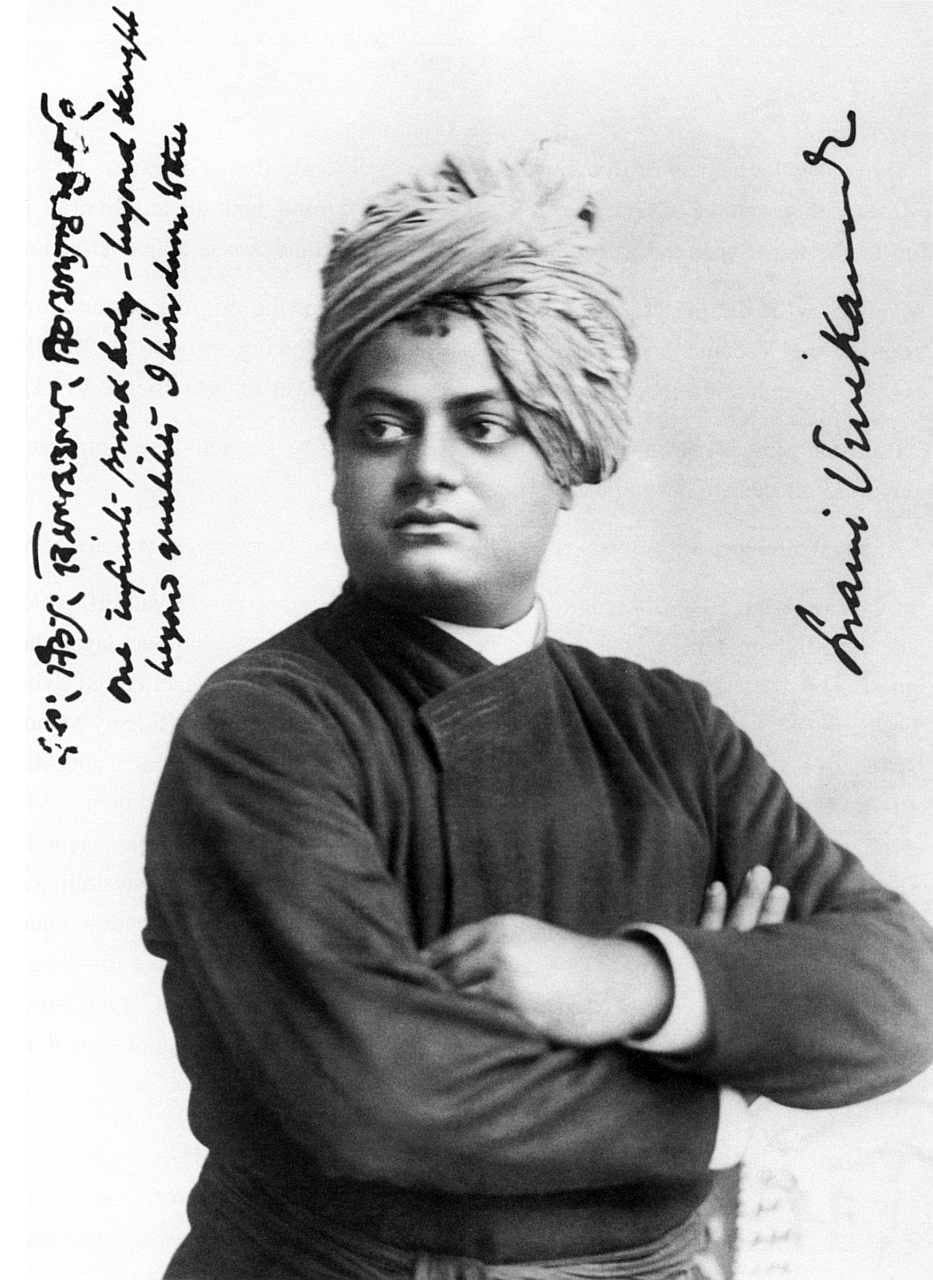
Swami Vivekananda en Chicago, septiembre de 1893 (con dedicatoria autógrafa) · Public domain
بكلماته
«Sisters and Brothers of America,»Discurso de bienvenida, Parlamento Mundial de las Religiones, Chicago, 11 de septiembre de 1893 (Complete Works, vol. 1, «Response to Welcome»)

فكرته المحورية
The four yogas: Vivekananda organised Hindu spiritual practice into four paths corresponding to four temperaments: karma yoga, for the active, purifies through work done without attachment; bhakti yoga, for the emotional, transforms love into devotion to God; raja yoga, for the contemplative, controls the mind through concentration and meditation; jnana yoga, for the intellectual, attains freedom through discrimination between the real and the unreal.
السيرة
4 دقيقة قراءة
ترجمة مُعانة من الأصل الإسباني، بانتظار مراجعة مترجم من أهل اللغة.
شابّ من كلكتا يطلب البرهان
وُلد ناريندراناث داتا في 12 يناير 1863 في كلكتا، لأسرة ميسورة من طائفة الكاياسثا في حيّ سيملا. كان أبوه، فيشواناث داتا، محاميًا لدى المحكمة العليا، رجلًا ذا أذواق كوزموبوليتية وقارئًا للشعر الفارسي؛ أما أمه، بهوفانيشواري ديفي، فنقلت إليه حكايات «الرامايانا» و«المهابهاراتا». كان ناريندرا طالبًا لامعًا متقلّبًا: موسيقى كلاسيكية، وجمباز، ومنطق غربي، وميل وسبنسر وهيوم في مؤسسة الجمعية العامة (كلية الكنيسة الاسكتلندية اليوم)، حيث تخرّج سنة 1884. وكشأن كثير من شبّان النخبة البنغالية، تردّد على «براهمو ساماج»، الحركة الإصلاحية التي استبدلت بالأصنام توحيدًا عقلانيًا. غير أن المواعظ لم تكفه. فبحسب الرواية التي ردّدها هو نفسه بعد سنوات ونقلها كاتبو سيرته، كان يسأل المعلّمين الدينيين في كلكتا: هل رأيتم الله؟ فلم يجبه أحد منهم بنعم.
داكشينيشوار
في أواخر سنة 1881 التقى راماكريشنا، الكاهن الوَجْدي في معبد الإلهة كالي في داكشينيشوار على ضفة الغانج. وعلى السؤال ذاته أجاب ذلك الرجل الذي يكاد يكون أمّيًا بنعم: إنه يراه كما يراه هو، بل أشدّ وضوحًا. وظلّت العلاقة بينهما، كما وثّقتها يوميات ماهيندراناث غوبتا («شري شري راماكريشنا كاتهامريتا»)، خمس سنوات من التجاذب بين شكّ المريد ويقين المعلّم. كان ناريندرا يسخر من عبادة الأصنام ومن مذهب الأدفايتا القائل إن «كل شيء هو البراهمان»، فيما كان راماكريشنا يعامله معاملة المصطفى. وقد ترك موت الأب المفاجئ سنة 1884 الأسرة في خراب وألقى بالفتى في مواجهة الجوع؛ أما الرواية التي تقول إن راماكريشنا أرسله ليسأل الإلهة فرجًا مادّيًا فلم يقدر إلا على أن يسألها التمييز والزهد، فمصدرها تراث الرهبنة وينبغي أن تُقرأ على هذا الأساس. وحين تُوفي راماكريشنا في أغسطس 1886 في كوسيبور، كان ناريندرا قد صار محورَ جماعة صغيرة من الشبّان انتظموا في أواخر تلك السنة جماعةً رهبانية في بيت متداعٍ في باراناغار.
الراهب الجوّال
بين 1888 و1893 طاف بالهند سيرًا على الأقدام وبالقطار، متنقّلًا بين أسماء رهبانية متبدّلة، يبيت تارةً في قصور المهراجات وتارةً في أكواخ المنبوذين. وقد منحته تلك السنوات — الموثّقة توثيقًا متفاوتًا برسائل وبشهادات جُمعت بعد عقود — معرفة مباشرة ببؤس الريف وبالمهانة التي تفرضها الطوائف، وهي المعرفة التي غذّت نقده الاجتماعي. وفي ديسمبر 1892 بلغ كانياكوماري، الطرف الجنوبي لشبه القارة، وتأمّل على صخرة قبالة الساحل؛ وهناك، كما روى لاحقًا في رسائله، اختمرت لديه فكرة أن يطلب في الغرب الوسائل التي تنهض بجماهير الهند. أما اسم فيفيكاناندا، أي «نعيم التمييز»، فقد استقرّ قبيل الرحلة، في بلاط مهراجا خيتري الذي تحمّل جانبًا من نفقات السفر.
شيكاغو، 1893
وصل إلى شيكاغو في يوليو 1893 دون أوراق اعتماد من أي هيئة. فيسّر له جون هنري رايت، أستاذ اللغة اليونانية في هارفارد، دخولَ البرلمان العالمي للأديان الذي انعقد في إطار المعرض الكولومبي. وفي 11 سبتمبر افتتح كلمته القصيرة بعبارة «Sisters and Brothers of America» (أخواتي وإخوتي في أمريكا)، فدوّى على إثرها، بحسب الوقائع التي جمعها جون هنري بارووز، تصفيق طويل. وفي الأيام التالية عرض هندوسيةً بلا طوائف ولا أصنام، محورها ألوهية الروح — «الهندوسي يأبى أن يسمّيكم خطاة» — وتآلف الأديان جميعًا. وجعلت منه الصحافة نجم البرلمان.
معلّم في الغرب
طوال أكثر من ثلاث سنوات ألقى المحاضرات في الولايات المتحدة وإنجلترا. ففي 1894 أسّس جمعية الفيدانتا في نيويورك؛ وفي صيف 1895 علّم جماعة صغيرة في ثاوزند آيلاند بارك (وهي الأحاديث التي نُشرت باسم Inspired Talks)؛ وفي لندن التقى مارغريت نوبل، التي ستُعرف لاحقًا بالأخت نيفيديتا؛ وفي أكسفورد زار ماكس مولر، وفي كيل باول دويسن. ومن تلك الدروس وُلدت الكتب الأربعة التي ثبّتت مذهبه: «كارما يوغا» و«راجا يوغا» (1896)، و«بهاكتي يوغا»، ثم المحاضرات التي جُمعت بعد وفاته بعنوان «جنانا يوغا». وقد ظلّ «راجا يوغا»، بترجمته المشروحة لـ«يوغا سوترا» باتانجالي، عقودًا طويلة بوّابةَ القارئ الغربي إلى اليوغا؛ وترى المؤرّخة إليزابيث دي ميكيليس أنه النصّ المؤسِّس لـ«اليوغا الحديثة» بقراءته النفسية والتجريبية للتأمّل.
العودة للخدمة
في يناير 1897 نزل في كولومبو، ثم جاب جنوب الهند حتى ألمورا وسط حشود غفيرة؛ وتشكّل محاضرات تلك الرحلة، المعروفة بـ«محاضرات من كولومبو إلى ألمورا»، لبَّ رسالته إلى الهنود: القوة، والثقة بالنفس، وتعليم الجماهير، والنقد الصارم للنبذ وللطقوسية. وفي الأول من مايو 1897 أسّس في كلكتا «جمعية بعثة راماكريشنا» التي جمعت بين الحياة الرهبانية والخدمة الاجتماعية؛ وفي ديسمبر 1898 كُرّس دير بيلور، وفي 1899 «أدفايتا آشرام» في مايافاتي. وكانت صيغته، المنسوبة في الأصل إلى راماكريشنا، أن يُخدَم الإنسان كما يُخدَم الله ذاته (شيفا جنانِه جيفا سيفا). وبين 1899 و1900 قام برحلة ثانية إلى الغرب — كاليفورنيا ونيويورك ومؤتمر تاريخ الأديان في باريس — وقد أنهكه داء السكّري والربو.
الموت في التاسعة والثلاثين
تُوفي في دير بيلور في 4 يوليو 1902، عند الغروب، في أثناء تأمّله، بعد يوم وصفه رفاقه بأنه عادي. كان في التاسعة والثلاثين؛ وتذكّر تلاميذه أنه أنبأ بأنه لن يبلغ الأربعين. وأُحرق جثمانه على ضفة الغانج، قبالة الموضع الذي احترق فيه جسد معلّمه قبل ستة عشر عامًا.
الموثَّق والمتوارَث
حُفظ لنا من فيفيكاناندا قدر استثنائي من المصادر الأولية: محاضرات مدوّنة بالاختزال، ورسائل، ومقالات، وأحاديث، جُمعت في المجلّدات التسعة من «الأعمال الكاملة» (Complete Works). أما سنوات الترحال وكثير من وقائع علاقته براماكريشنا فلا تُعرف في الغالب إلا من السيرة الرسمية التي وضعها تلاميذه (1912–1918) ومن شهادات متأخّرة، بما يلازم هذا الجنس من نزعة تقديسية. وقد أتاحت أبحاث ماري لويز بيرك في الصحافة الأمريكية إعادة بناء سنواته الأمريكية بدقّة وتصحيح غير أسطورة واحدة. ولم يُحفظ أي تسجيل صوتي له: فالتسجيلات المتداولة على أنها بصوته قراءاتٌ لاحقة.
الإرث
تدير رهبنة راماكريشنا وبعثتها، ومقرّهما بيلور، مئاتِ المراكز والمستشفيات والمدارس اليوم. وقد انتقد باحثون مثل أنانتاناند رامباتشان وفيلهلم هالبفاس قراءته للفيدانتا — التجربة برهانًا على الدين، ووحدة الأديان، والهندوسية دينًا كونيًا — بحجّة أنها تُسقط مقولات غربية على التراث، كما استولت عليها القومية الهندوسية بمعانٍ لم يتوقّعها. وقد أقرّ غاندي وطاغور وأوروبيندو وسوبهاس تشاندرا بوس بتأثيره، وتحتفل الهند بيوم مولده يومًا وطنيًا للشباب. وخارج الهند، لا يُفهم من دونه وصول اليوغا والفيدانتا، بل فكرة الروحانية الكونية نفسها، إلى الغرب.
المصادر: Vivekananda, Swami. The Complete Works of Swami Vivekananda. Mayavati Memorial Edition, 9 vols. Calcuta: Advaita Ashrama, 1907–1997 (vol. 9 añadido en 1997). · His Eastern and Western Disciples. The Life of Swami Vivekananda. 2 vols. Mayavati / Calcuta: Advaita Ashrama, 1912–1918; 6.ª ed. revisada, 1979–1981. · Nikhilananda, Swami. Vivekananda: A Biography. Nueva York: Ramakrishna-Vivekananda Center, 1953. · Burke, Marie Louise. Swami Vivekananda in the West: New Discoveries. 6 vols. Calcuta: Advaita Ashrama, 1983–1987 (1.ª ed. en un volumen, 1958). · Barrows, John Henry (ed.). The World's Parliament of Religions. 2 vols. Chicago: The Parliament Publishing Company, 1893.
الخط الزمني
الحياة عامًا بعد عام
كل نقطة حدث موثّق. انقر لتقرأه مع مصدره ودرجة اليقين فيه.
12 يناير 1863أقل من عامCalcuta
Birth of Narendranath Datta
Born at the family home in Gourmohan Mukherjee Street, son of the attorney Vishwanath Datta and Bhuvaneswari Devi.
موثّقHis Eastern and Western Disciples. The Life of Swami Vivekananda. 2 vols. Mayavati / Calcuta: Advaita Ashrama, 1912–1918; 6.ª ed. revisada, 1979–1981.
بعد وفاته
- 1907First Complete Works
- 1984National Youth Day
12 يناير 1863 · أقل من عام
Birth of Narendranath Datta
Born at the family home in Gourmohan Mukherjee Street, son of the attorney Vishwanath Datta and Bhuvaneswari Devi.
موثّق
1881 · 18 عامًا
First meeting with Ramakrishna
Ramakrishna hears him sing at Surendranath Mitra's house (November 1881, according to the official biography) and he soon visits Dakshineswar, where he asks whether he has seen God.
مرجَّح
1884 · 21 عامًا
Degree and father's death
He graduates (B.A.) from Calcutta University. His father's sudden death leaves the family in debt and poverty.
موثّق
16 أغسطس 1886 · 23 عامًا
Death of Ramakrishna
Ramakrishna dies of throat cancer at the Cossipore garden house, where Narendra and other young men had nursed him for months.
موثّق
ديسمبر 1886 · 23 عامًا
Birth of the monastic community
The young disciples settle in a house at Baranagar—the Order's first monastery—and at Antpur on Christmas Eve take the vow of renunciation; formal ordination (viraja homa) follows early in 1887.
موثّق
1888 – 1893 · 25 عامًا
Years of wandering
He travels India as a wandering monk until 1893, in contact with maharajas, pandits and peasants.
موثّق
ديسمبر 1892 · 29 عامًا
The rock at Kanyakumari
He meditates on a rock off Cape Comorin; in his letters he places there the decision to seek help for India's masses. The rock now holds the Vivekananda Rock Memorial (1970).
موثّق
31 مايو 1893 · 30 عامًا
Sails for America
He sails from Bombay via Ceylon, Singapore, Hong Kong, Japan and Vancouver, reaching Chicago at the end of July.
موثّق
11 سبتمبر 1893 · 30 عامًا
Welcome address at the Parliament of Religions
'Sisters and Brothers of America.' Until 27 September he speaks several times, the 'Paper on Hinduism' (19 September) being the central text.
موثّق
نوفمبر 1894 · 31 عامًا
Vedanta Society of New York
He founds the first Vedanta society in the West, still active.
موثّق
يونيو 1895 · 32 عامًا
The Thousand Island Park talks
Seven weeks of teaching a small group of disciples; Sarah Ellen Waldo's notes will be published as Inspired Talks (1908).
موثّق
نوفمبر 1895 · 32 عامًا
Meeting Margaret Noble
The Irish educator, the future Sister Nivedita, hears him in a West End drawing room.
موثّق
1896 · 33 عامًا
Raja Yoga, Karma Yoga and meetings with Max Müller and Deussen
Longmans publishes Raja Yoga in London; Karma Yoga and Bhakti Yoga appear. He visits Max Müller in Oxford (May) and Paul Deussen in Kiel (September).
موثّق
15 يناير 1897 · 34 عامًا
Triumphant return to India
He lands at Colombo and travels north to Calcutta and Almora; his speeches form Lectures from Colombo to Almora.
موثّق
1 مايو 1897 · 34 عامًا
Founding of the Ramakrishna Mission
He establishes the Ramakrishna Mission Association, joining monastic renunciation to social service.
موثّق
9 ديسمبر 1898 · 35 عامًا
Consecration of Belur Math
He installs Ramakrishna's relics in the new monastery on the Ganges, the Order's headquarters.
موثّق
20 يونيو 1899 – 1900 · 36 عامًا
Second journey to the West
He leaves with Turiyananda and Nivedita; teaches in New York and California (Shanti Ashrama) and in 1900 attends the Congress of the History of Religions in Paris.
موثّق
4 يوليو 1902 · 39 عامًا
Death
He dies in the evening in his room, during meditation; the monks speak of mahasamadhi. He is cremated the next day on the bank of the Ganges.
موثّق
1907
First Complete Works
Advaita Ashrama begins publishing the Complete Works (Mayavati Memorial Edition), which will reach nine volumes in 1997.
موثّق
1984
National Youth Day
The Government of India declares 12 January, his birthday, National Youth Day (observed since 1985).
موثّق
المؤلَّفات
المؤلَّفات الأساسية
المؤلَّفات التي لا يُفهم إرثه من دونها.
محاضرات منشورة · 1896
Raja Yoga
Raja Yoga, or Conquering the Internal Nature
The exposition of meditative yoga that most influenced the West for half a century. It presents raja yoga as an experimental science of the mind—posture, control of prana, withdrawal of the senses, concentration, meditation and samadhi—without prior faith. The second part translates and comments on Patañjali's aphorisms. Its language of energy, psychology and method, and its syncretism with notions of the time, were decisive in making yoga understood in the West as a universal technique; Elizabeth De Michelis regards it as the founding text of modern yoga.
8 طبعات · amazon.com

محاضرات منشورة · 1896
Karma Yoga
Karma-Yoga
The yoga of action: how work done without attachment to its fruits purifies the mind and leads to freedom. Drawing on the Bhagavad Gita, Vivekananda develops an ethic of duty relative to each person ('each is great in his own place'), the idea that in helping the world we help ourselves, and the ideal of work for work's sake. It is the doctrinal foundation of the Ramakrishna Mission and of social service as spiritual practice.
7 طبعات · amazon.com

محاضرات منشورة · نحو 1896
Bhakti Yoga
Bhakti-Yoga
The path of love for God. Vivekananda defines bhakti as 'a real, genuine search after the Lord' that begins, continues and ends in love, and follows it from preparatory devotion—with symbols, images, names and the need for a teacher—to supreme devotion, in which lover, love and beloved merge. He defends image worship as a legitimate step against reformist critics and reconciles it with non-dual Vedanta.
6 طبعات · amazon.com

محاضرات منشورة · نحو 1899
Jnana Yoga
Jnana-Yoga
The path of knowledge according to Advaita Vedanta: the necessity of religion, maya as a statement of facts rather than a theory, the personal and impersonal God, the unity of existence and the realisation of the Self. It is his most philosophical exposition: a defence of monism as the rational culmination of religion, in dialogue with the science and agnosticism of his time, and the basis of his thesis that all religions lead to the same unity.
8 طبعات · amazon.com
جميع مؤلَّفاته (55)
Swami Vivekananda
Chicago Addresses
The Conscious LibraryChicago Addresses
1893

The Complete Works
1907

Lectures from Colombo to Almora
1897

Inspired Talks
1908

My Master
1901
Swami Vivekananda
Letters
The Conscious LibraryLetters
1940

Practical Vedanta
1896

The Vedanta Philosophy (Harvard address)
1896
Swami Vivekananda
Memoirs of European Travel (Parivrajak)
The Conscious LibraryMemoirs of European Travel (Parivrajak)
1899
Swami Vivekananda
Modern India (Bartaman Bharat)
The Conscious LibraryModern India (Bartaman Bharat)
1899
Swami Vivekananda
The East and the West (Prachya o Paschatya)
The Conscious LibraryThe East and the West (Prachya o Paschatya)
1902
Swami Vivekananda
Poems
The Conscious LibraryPoems
1947

Talks with Swami Vivekananda
1902

Meditation and Its Methods
1976
Swami Vivekananda
Sangeet Kalpataru
The Conscious LibrarySangeet Kalpataru
1887
Swami Vivekananda
The Ideal of a Universal Religion
The Conscious LibraryThe Ideal of a Universal Religion
1896
Swami Vivekananda
The Real and the Apparent Man
The Conscious LibraryThe Real and the Apparent Man
1896
Swami Vivekananda
Vedanta Philosophy: Lecture on "The Atman"
The Conscious LibraryVedanta Philosophy: Lecture on "The Atman"
1896

Speeches and Writings of Swami Vivekananda: A Comprehensive Collection
1899
Swami Vivekananda
Christ, the Messenger
The Conscious LibraryChrist, the Messenger
1900
Swami Vivekananda
The Science and Philosophy of Religion
The Conscious LibraryThe Science and Philosophy of Religion
1908

Essentials of Hinduism
1919

Hinduism
1943

Religion of Love
1947
الأقوال
أقوال محدَّدة الموضع في مؤلَّف بعينه. كل منها يحمل مصدره ودرجة الثقة به.
Sisters and Brothers of America,متحقَّق منهDiscurso de bienvenida, Parlamento Mundial de las Religiones, Chicago, 11 de septiembre de 1893 (Complete Works, vol. 1, «Response to Welcome»)
أقوال منحولة أو مختلَف في نسبتها (3)
«'Talk to yourself once in a day, otherwise you may miss meeting an excellent person in this world.'»
It circulates massively on social media and posters under his name, but it does not appear in any of the nine volumes of the Complete Works (search of the full Wikisource text, 2026-10-23). Neither its style nor its vocabulary is Vivekananda's.
«'In a day, when you don't come across any problems – you can be sure that you are travelling in a wrong path.'»
Not located in the Complete Works (Wikisource search, 2026-10-23). It belongs to the self-help sayings attributed online without a source.
«The audio recordings circulating as 'the voice of Swami Vivekananda' delivering the Chicago address.»
No sound recording of Vivekananda survives. The recordings presented as his 'own voice' are modern readings; neither the Ramakrishna Order nor Marie Louise Burke's research on his American stay mentions any recording.
الكلمات الأخيرة
لا توجد سجلات يمكن التحقق منها لكلماته الأخيرة.
His disciples' official biography (The Life of Swami Vivekananda, 1912–1918) describes 4 July 1902 in detail—three hours of meditation in the morning, a Sanskrit grammar class, a walk, talk of a planned Vedic college—and says that around seven in the evening he withdrew to meditate and died at about nine; sources differ on the time (9:10 or 9:20). It records no words spoken at the moment of death. A remark he supposedly made that day, overheard by a brother monk, that only 'another Vivekananda' would understand what Vivekananda had done, circulates widely; it could not be checked against the primary source and is in any case not his last words.
المصدر: His Eastern and Western Disciples. The Life of Swami Vivekananda. 2 vols. Mayavati / Calcuta: Advaita Ashrama, 1912–1918; 6.ª ed. revisada, 1979–1981.
اسأل
بماذا يجيب أثره
اثنا عشر سؤالًا كبيرًا من أسئلة الإنسانية، وما تتيح نصوصه الإجابة به عنها، مع المراجع. ولا نقوّله ما لم يقل أبدًا.
ما المطلق؟ هل الله موجود؟
The personal God is the Absolute as read by the human mind
شخصي وغير شخصي معًايقوله صراحةً
Swami Vivekananda, disciple of Ramakrishna, defends Advaita Vedanta without disdaining devotion. In his Jnana Yoga lectures he holds that the only reality is the impersonal Brahman, existence, consciousness and bliss, and that the human soul is identical with it. In Bhakti Yoga, in the chapter on the philosophy of Ishvara, he explains that the personal God is that same Absolute as perceived by the human mind: not an illusion to be discarded but the highest reading of the Absolute available to one who still feels himself an individual. Hence his claim that dualism, qualified non-dualism and non-dualism are stages of one path. For Vivekananda, the divine has a face that is loved and a formless ground with which, ultimately, one is identified.
قارن هذا السؤال مع معلّمين آخرينمن أنا؟ هل توجد ذات حقيقية؟
Each soul is potentially divine; the real man is the infinite Atman
الذات هي المطلقيقوله صراحةً
Swami Vivekananda distinguishes, in the lecture «The Real and the Apparent Man» collected in Jnana Yoga, between the limited individual we believe ourselves to be and the real man, the Atman, infinite, immortal and one with Brahman. The apparent man is a passing manifestation of that Atman through body and mind; everything that limits us belongs to the level of appearance. Hence his motto, which heads his exposition of Raja Yoga: each soul is potentially divine, and the goal is to manifest this divinity within by controlling nature, external and internal, through work, devotion, psychic control or philosophy. Vivekananda stresses the ethical consequences: if we are all the same Self, serving another is serving God. The true self is not a part of the Absolute but the Absolute itself.
قارن هذا السؤال مع معلّمين آخرينلماذا نتألّم؟
Maya always mixes pleasure and pain; only the Atman is free of both
الجهل بما نحن عليهيقوله صراحةً
Swami Vivekananda treats suffering in his lectures on maya, collected in Jnana Yoga. Maya is not for him a theory of illusion but a statement of the contradiction in which we live: every pleasure drags its pain, every good its evil, and no worldly progress will remove that mixture, because it belongs to the nature of the relative world. Whoever seeks complete happiness in the finite is condemned to frustration. The root of suffering is ignorance of our true nature: we identify with body and mind, subject to contradiction, rather than with the Atman, which lies beyond it. Vivekananda does not draw indifference from this: in Karma Yoga he proposes working to relieve the pain of others without attachment to results, as a way of purifying oneself and of serving God in every being.
قارن هذا السؤال مع معلّمين آخرينماذا يحدث بعد الموت؟
The Atman is immortal; bodies change, are reborn and are finally known as illusory
ما أنا عليه لا يولد ولا يموتيقوله صراحةً
Vivekananda sets out the question of death from Vedanta in lectures such as «Immortality», included in Jnana Yoga. He denies that the soul is created or can die: what has a beginning has an end, and the Atman, which is Brahman, has none. On the relative plane he accepts reincarnation: the subtle mind, laden with impressions (samskaras), leaves the body and seeks another in accordance with its karma, and Vivekananda defends it as a more rational explanation of the differences between beings than the creation of new souls at each birth. But on the ultimate plane, that of non-duality, the soul never came and never went: the same infinite Self appears under names and forms. The goal is not an eternal life in a heaven, which would be another form of birth, but to recognise that one was never born.
قارن هذا السؤال مع معلّمين آخرينكيف يُبلَغ التحرّر أو الخلاص؟
Manifest the inner divinity through work, devotion, mental control or knowledge
بالممارسة المنضبطةيقوله صراحةً
Swami Vivekananda sums up his position in the preface to Raja Yoga: each soul is potentially divine and the goal is to manifest that divinity by controlling nature, external and internal, whether by work, by worship, by psychic control or by philosophy, by one, several or all of these means. The other elements of religion (doctrines, rites, books or temples) are secondary details. He devoted a book to each path: Karma Yoga, Bhakti Yoga, Raja Yoga and Jnana Yoga. His originality lies in presenting them as verifiable, almost experimental methods suited to different temperaments, and in joining them to service of others, whom he asked people to see as manifestations of the divine. The ultimate horizon is the Advaitic realisation of identity with Brahman.
قارن هذا السؤال مع معلّمين آخرينهل نحتاج إلى معلّم؟
Spiritual impulse passes from soul to soul: a true guru is needed
لا غنى عنهيقوله صراحةً
In Bhakti Yoga, Swami Vivekananda devotes chapters to the need for a guru and to the qualities of the aspirant and the teacher. He holds that books alone do not awaken the soul: the spiritual impulse must come from another, already awakened soul, and the one who transmits it is the guru. He asks much of the teacher: he must know the spirit of the scriptures, be free from sin and not teach for money or fame. And he asks of the disciple purity, thirst for knowledge and perseverance. His own life illustrates this position: he attributed everything he was to his master Ramakrishna. At the same time, Vivekananda rejected credulity and asked that teaching be examined; the guru is necessary, but not just anyone is one.
قارن هذا السؤال مع معلّمين آخرينهل العالم حقيقي؟
Maya is not a theory: it is a description of the world as it is
ظاهرٌ فوق الحقيقة الواحدةيقوله صراحةً
In the lectures collected in Jnana Yoga, Swami Vivekananda devotes several talks to maya and warns against understanding it as a claim that the world does not exist. Maya is, for him, a description of facts: the world is a contradictory mixture of good and evil, pleasure and pain, life and death, which cannot be resolved within itself. It is neither simply unreal nor real in the ultimate sense: it is the appearance the Absolute takes on through time, space and causality. Behind that appearance stands Brahman, the only reality, which is also the Self of each person. Hence his practical emphasis: seeing the divine in the beings one serves.
قارن هذا السؤال مع معلّمين آخرينما الحب؟
Love for love's sake, without asking or fearing, leads to union
الشوق والوصاليقوله صراحةً
Vivekananda devoted one of his four yogas to love. In Bhakti Yoga he defines devotion as the search for God through love and describes its culmination, supreme devotion (para-bhakti), through what he calls the triangle of love: love asks nothing in return, knows no fear and has no other object than love itself, which is its own ideal. He goes through the forms the relationship with God takes — as Father, as Mother, as friend, as beloved — and holds that all human love, even the most limited, is a reflection of divine love. At its height, the lover, love and the beloved become one, and devotion flows into the same non-duality that knowledge reaches. At the same time, Vivekananda joins love of God with service: to serve the human being is to serve God present in him.
قارن هذا السؤال مع معلّمين آخرينهل نحن أحرار أم أن كل شيء مقدَّر؟
We are what our acts have made us, and we can remake ourselves
الكارما والاختياريقوله صراحةً
Vivekananda stresses human responsibility with almost programmatic vigour: in *Karma Yoga* (1896) he holds that each person is the sum of his past thoughts and actions, and therefore holds in his own hands what he will become. His critique of the fatalism of the India of his day is explicit: weakness, not destiny, is the cause of misery. But as a Vedantin he distinguishes levels. In his *Jnana Yoga* lectures he explains that the will, as a phenomenon of the world of *māyā*, is subject to cause and effect and is not free in an absolute sense; what is free is the Ātman, beyond the causal chain. Practice consists in using conditioned action to reach that freedom which does not depend on choosing.
قارن هذا السؤال مع معلّمين آخرينلماذا نتأمّل أو نصلّي؟
Concentrating the mind until the soul knows itself in samadhi
العودة إلى منبع الأنايقوله صراحةً
In *Raja Yoga* (1896), his commentary on Patañjali's *Yoga Sutras*, Vivekananda presents meditation as an experimental science: just as the chemist focuses his instruments on matter, the yogi focuses the mind on itself. His ladder runs from ethics and posture through breath control, withdrawal of the senses, concentration and meditation up to *samādhi*, a superconscious state in which the soul recognises itself as free and independent of nature. He does not deny the value of devotion, to which he devotes *Bhakti Yoga*, nor of selfless action, but for him the end of meditative practice is realisation of the Ātman, identical with Brahman, not petition to a separate God.
قارن هذا السؤال مع معلّمين آخرينهل يستطيع العقل أن يعرف الحقيقة القصوى؟
Religion must withstand reason's scrutiny and culminate in superconsciousness
الإيمان والعقل يتعاونانيقوله صراحةً
Vivekananda claims for religion the same rational scrutiny applied to science: in his lecture «Reason and Religion» he holds that a religion unable to defend itself before reason does not deserve to survive, and presents Vedānta as the most rational of doctrines. But in *Raja Yoga* (ch. 7, «Dhyāna and Samādhi») he sets out a scale of knowledge: instinct, reason and superconsciousness. Reason surpasses instinct but moves within a limited circle; beyond it is *samādhi*, in which truths are known that reason cannot reach, though they never contradict it. The statements of sages and scriptures, he insists, must be verified in one's own experience.
قارن هذا السؤال مع معلّمين آخرينالانسحاب من العالم أم تغييره؟
Serving the human being is worshipping God: a practical Vedanta
الانخراط في العالميقوله صراحةً
Swami Vivekananda, a renunciant monk, set out to bring Vedanta out of the forests and caves and into daily life. In his lectures on Practical Vedanta, delivered in London in 1896, he holds that the unity of all beings in the Ātman is not an idea for isolated contemplation but the foundation of an ethic of service: if God is in every human being, serving the poor, the sick or the ignorant is worshipping God. He takes up his master Ramakrishna's teaching of serving beings by seeing them as Shiva, and in 1897 founds the Ramakrishna Mission, which joins monastic life with hospitals, schools and relief in famines and epidemics. In Karma Yoga he presents selfless action as a path to liberation. He harshly criticised a religiosity concerned with rites while the people of India went hungry.
قارن هذا السؤال مع معلّمين آخرين
التقارب والتوتّر
التقارب والتوتّر
محسوبة سؤالًا سؤالًا انطلاقًا من مواقفه. وسبب كل اتفاق أو اختلاف يظهر بالنقر.
يقترب في تفكيره من
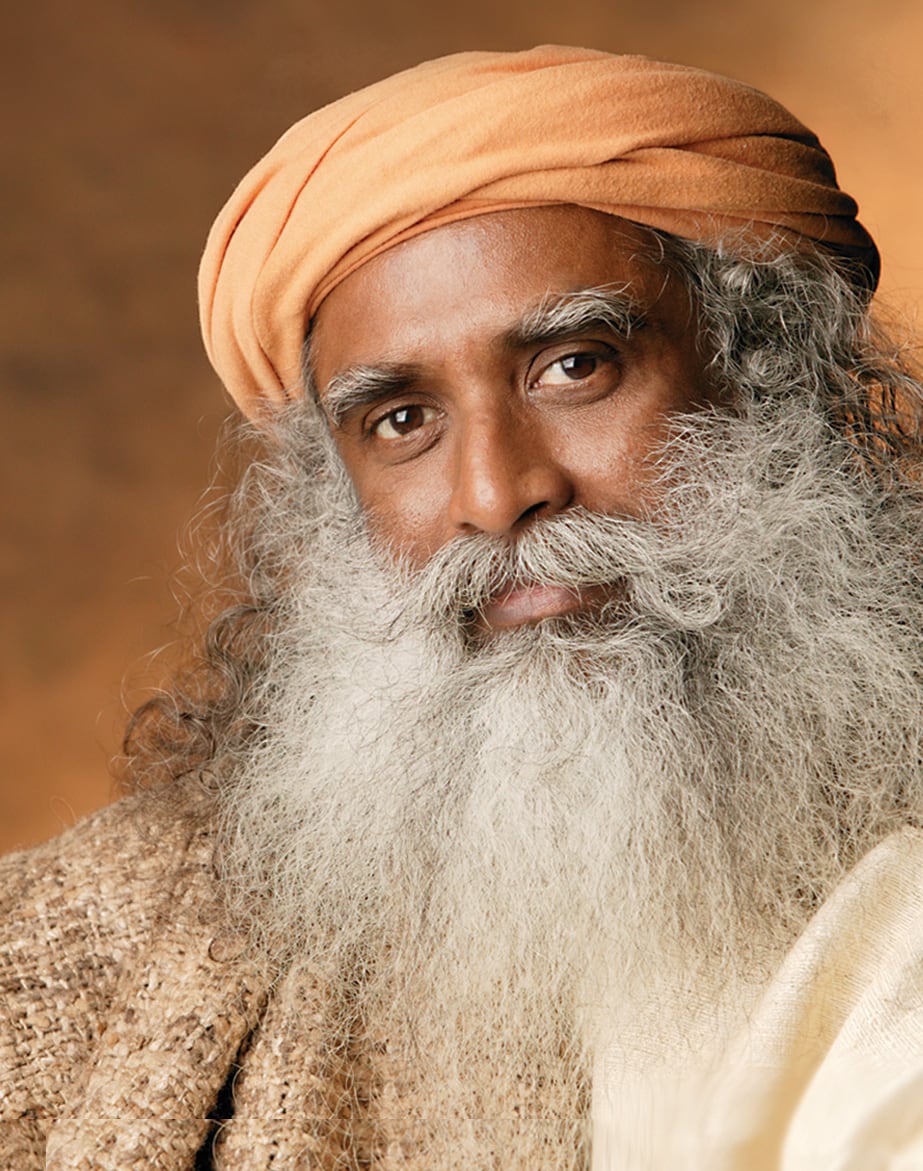
Sadhguru
يتّفقان في: من أنا؟ هل توجد ذات حقيقية؟ · كيف يُبلَغ التحرّر أو الخلاص؟ · هل نحتاج إلى معلّم؟
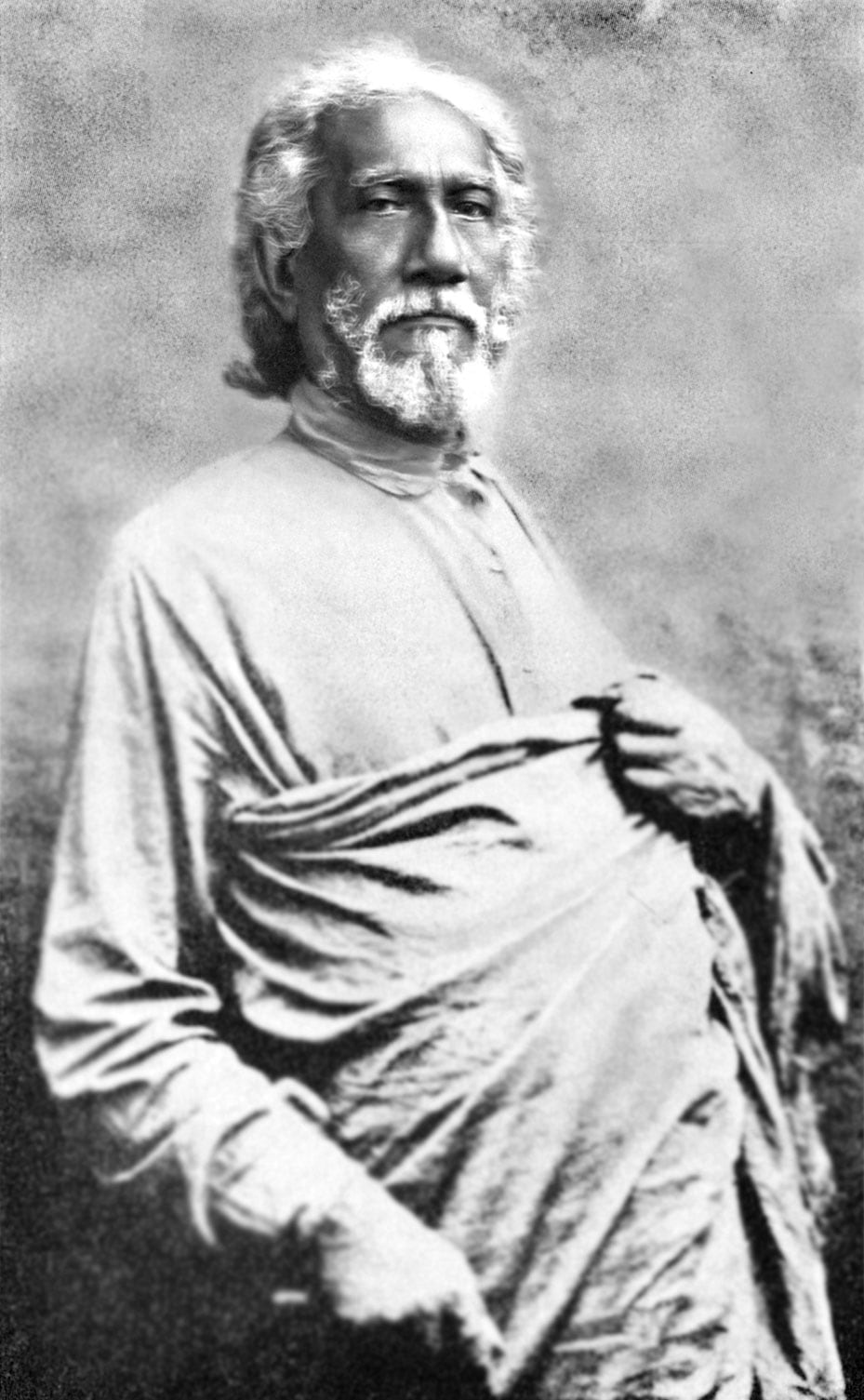
Sri Yukteswar
يتّفقان في: من أنا؟ هل توجد ذات حقيقية؟ · لماذا نتألّم؟ · كيف يُبلَغ التحرّر أو الخلاص؟
Uddalaka Aruni
يتّفقان في: من أنا؟ هل توجد ذات حقيقية؟ · ماذا يحدث بعد الموت؟ · هل نحتاج إلى معلّم؟
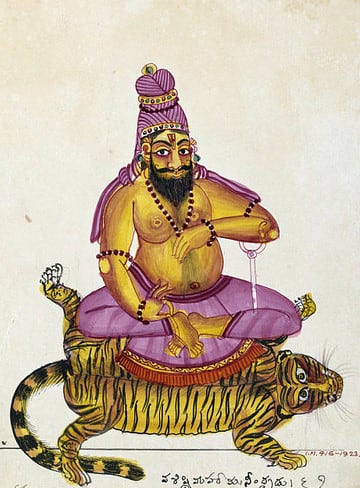
Vasishtha
يتّفقان في: من أنا؟ هل توجد ذات حقيقية؟ · لماذا نتألّم؟ · ماذا يحدث بعد الموت؟
يبتعد في تفكيره عن

Francis of Assisi
يختلفان في: من أنا؟ هل توجد ذات حقيقية؟ · هل العالم حقيقي؟
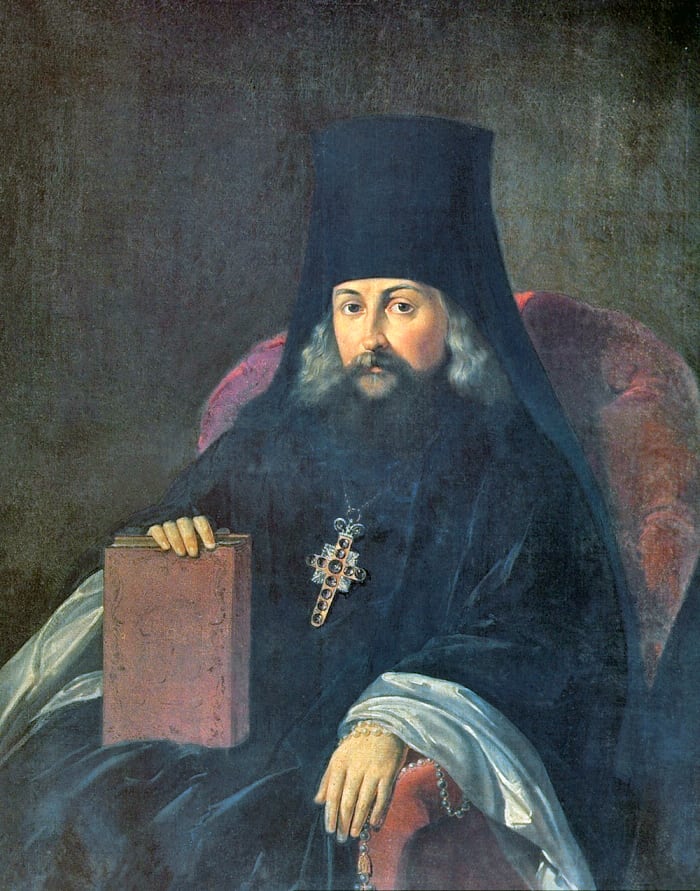
Ignatius Brianchaninov
يختلفان في: من أنا؟ هل توجد ذات حقيقية؟ · هل العالم حقيقي؟
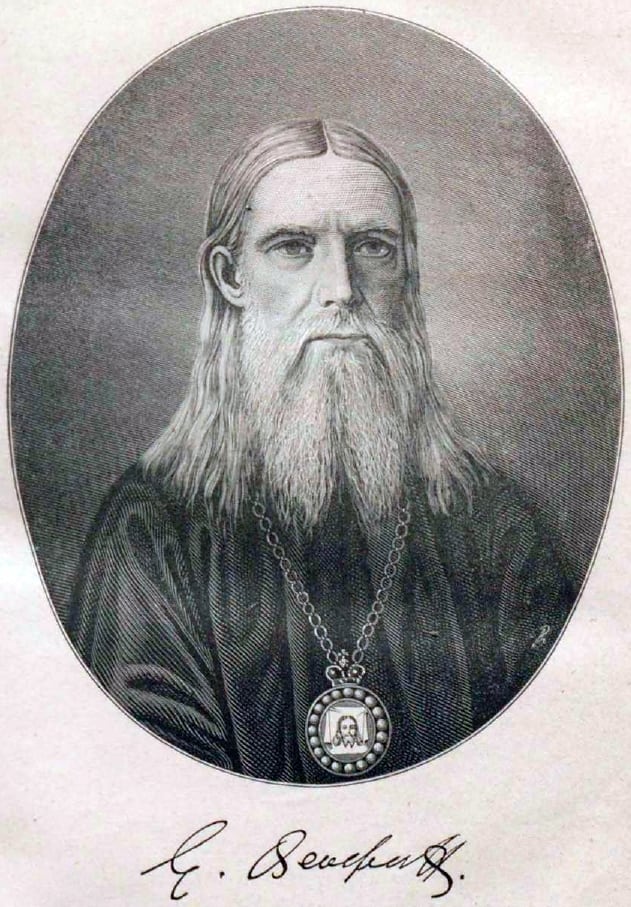
Theophan the Recluse
يختلفان في: من أنا؟ هل توجد ذات حقيقية؟ · هل العالم حقيقي؟
Seraphim of Sarov
يختلفان في: من أنا؟ هل توجد ذات حقيقية؟ · هل العالم حقيقي؟
يختلفان فيتناقض ظاهري
Swami Vivekananda · Adi Shankara
The sage who renounces and the sage who serves: two readings of the same Advaita
لماذا: The contradiction is largely apparent. Shankara does not condemn action: he regards it as the purifying duty of those who do not yet know, and Vivekananda presents karma yoga precisely as a path of purification towards a knowledge that remains, for him, the summit. What changes is audience and era. Shankara writes for renunciants, in a scholastic dispute with those who combined ritual and knowledge; Vivekananda, who saw himself as heir to Advaita, speaks to a colonised and impoverished India and to a Western public, and turns service into worship of the divine in every being. A real difference of emphasis remains: in Shankara the liberated one ceases to act; in Vivekananda, he goes on serving.
يختلفان فيخلاف جوهري
Swami Vivekananda · Annie Besant
Chicago, 1893: the wisdom of the hidden Masters versus a Vedanta to be verified
لماذا: The relationship is historical: both spoke at the 1893 Parliament of Religions in Chicago, which launched Vivekananda, and they later competed to represent India's wisdom before the West. Vivekananda publicly distanced himself from the Theosophical Society and its doctrine of the Mahatmas, which he regarded as foreign to the Vedantic tradition. The tension is not only one of rivalry: Besant inherits from Blavatsky a wisdom presented as hidden and revealed to initiates; Vivekananda, from Ramakrishna and Vedanta, a public teaching anyone can test through practice. Both wanted to reconcile religion and science; they differed over the place they left for secrecy.
يتّفقان في
Swami Vivekananda · The 14th Dalai Lama (Tenzin Gyatso)
A religion that accepts examination: the monk of Chicago and the monk of Nalanda
لماذا: The convergence is explained by context: both present an Asian tradition before a West shaped by modern science and by the critique of religion, and both want to show that their tradition does not fear that examination. Each also draws on resources specific to his tradition: Vivekananda, on the experimental reading of yoga and on Vedanta; the Dalai Lama, on the logic and epistemology of Nalanda. They differ on the goal: for Vivekananda experience culminates in identity with Brahman; for the Dalai Lama, in the understanding of emptiness, which denies precisely a permanent Self. No relationship between them is documented.
حكايات وروايات
حكايات وروايات
شهادة1881–1882
'Have you seen God?'
أصل الرواية: Vivekananda's own account transmitted by his disciples: The Life of Swami Vivekananda (1912–1918) and Nikhilananda, Vivekananda: A Biography (1953). Ramakrishna left his own version of the first meetings in the conversations recorded by M. in the Kathamrita.
المصدر: His Eastern and Western Disciples. The Life of Swami Vivekananda. 2 vols. Mayavati / Calcuta: Advaita Ashrama, 1912–1918; 6.ª ed. revisada, 1979–1981.
رواية من سِيَر القدّيسين1884–1885
The prayer before the goddess
أصل الرواية: It comes from the disciples' biography (The Life…) and Swami Saradananda's Sri Ramakrishna Lilaprasanga (1909–1919), which present it as Vivekananda's own recollection. There is no independent contemporary testimony.
المصدر: His Eastern and Western Disciples. The Life of Swami Vivekananda. 2 vols. Mayavati / Calcuta: Advaita Ashrama, 1912–1918; 6.ª ed. revisada, 1979–1981.
شهادةc. 1888–1890
'Face the brutes'
أصل الرواية: Autobiographical account in the lecture 'What Is Religion?', Complete Works, vol. 1 (Lectures and Discourses). There are no witnesses; it is his own recollection used as a moral example.
موثّقDiciembre de 1892
The rock at Kanyakumari
أصل الرواية: The plan conceived at Kanyakumari is documented in his letter to Ramakrishnananda of 19 March 1894 (Complete Works, vol. 6). The swim and the length of the meditation come from the Order's oral tradition recorded in The Life…, with no direct testimony.
شهادةSeptiembre de 1893
The night in the freight car
أصل الرواية: Account transmitted by the disciples' biography from Vivekananda's own recollections and those of the Hale family; Marie Louise Burke (Swami Vivekananda in the West: New Discoveries) checked the chronology against the Chicago press and confirms the Hales' role, though the details of the night rest on the protagonist's account.
المصدر: His Eastern and Western Disciples. The Life of Swami Vivekananda. 2 vols. Mayavati / Calcuta: Advaita Ashrama, 1912–1918; 6.ª ed. revisada, 1979–1981.
تقليد شفهي1891 o 1893
The singer of Khetri
أصل الرواية: It comes from The Life of Swami Vivekananda, which attributes it to Vivekananda's own recollections; the date (first visit to Khetri in 1891 or that of 1893) and the singer's name vary between versions. No contemporary source.
المصدر: His Eastern and Western Disciples. The Life of Swami Vivekananda. 2 vols. Mayavati / Calcuta: Advaita Ashrama, 1912–1918; 6.ª ed. revisada, 1979–1981.
التعاليم
التعاليم
المفاهيم التي ينتظم بها فكره، مشروحة في سياقها.
The four yogasfour-yogas
Karma Yoga, Raja Yoga, Bhakti Yoga and Jnana Yoga (1896–1907); Complete Works, vols. 1–3. On its role in modern yoga: De Michelis (2004).
المصدر: De Michelis, Elizabeth. A History of Modern Yoga: Patañjali and Western Esotericism. Londres / Nueva York: Continuum, 2004.
The potential divinity of the soulpotential-divinity
Raja Yoga (1896); 'Paper on Hinduism' (1893); writings on education collected in the Complete Works.
Practical Vedantapractical-vedanta
Practical Vedanta (London, 1896); Lectures from Colombo to Almora (1897). Critiques: Halbfass (1988), Rambachan (1994).
المصدر: Halbfass, Wilhelm. India and Europe: An Essay in Understanding. Albany: State University of New York Press, 1988.
Serving human beings as God (shiva jnane jiva seva)service-as-worship
Founding of the Ramakrishna Mission (1897); letters of 1894–1897; Lectures from Colombo to Almora.
المصدر: His Eastern and Western Disciples. The Life of Swami Vivekananda. 2 vols. Mayavati / Calcuta: Advaita Ashrama, 1912–1918; 6.ª ed. revisada, 1979–1981.
Universal acceptance of religionsharmony-of-religions
Chicago addresses (1893), especially 'Response to Welcome' and 'Address at the Final Session'; lectures on universal religion (Complete Works, vol. 2).
Maya as a statement of factsmaya-statement-of-facts
Jnana Yoga, lectures 'Maya and Illusion' and 'Maya and the Evolution of the Conception of God' (London, 1896; Complete Works, vol. 2).
الخلوات
خلوات ومراكز
أماكن ولقاءات مرتبطة بتعليمه. نضعك على تواصل مع من ينظّمها.
Belur, Howrah (junto a Calcuta), Bengala Occidental · India
Belur Math, headquarters of the Ramakrishna Order
Ramakrishna Math and Ramakrishna Mission
Belur Math, on the banks of the Ganges, is the headquarters of the Ramakrishna Order that Swami Vivekananda founded on his return from the West, and the place where he died in 1902. The grounds hold the Sri Ramakrishna temple, whose architecture Vivekananda conceived to bring together motifs from different religions, the temples of Sarada Devi and of Vivekananda himself, the room where he lived and a museum. The institution describes it as a place of pilgrimage for people of all faiths. It has a guest house for pilgrims, and its branch centres worldwide share the same spirit of service and study.
Kanyakumari, Tamil Nadu · India
Vivekananda Rock Memorial and Vivekananda Kendra, Kanyakumari
Vivekananda Rock Memorial & Vivekananda Kendra
At the southern tip of India, on a rock off Kanyakumari, Vivekananda meditated in December 1892 before setting out for the West; the Vivekananda Rock Memorial now stands there. Its sister organisation, Vivekananda Kendra, is based at Vivekanandapuram on the mainland and describes itself as a spiritually oriented service mission working in education, health and rural development. As well as receiving the pilgrims who visit the memorial, it runs residential yoga camps, certificate courses and spiritual retreats, taught mainly in English and Hindi, under the motto that they alone live who live for others.
Nueva York (Upper West Side) · Estados Unidos
Vedanta Society of New York
Vedanta Society of New York (Orden de Ramakrishna)
The Vedanta Society of New York is the first Vedanta society in the West: Swami Vivekananda founded it in 1894, during his first stay in the United States, and it belongs to the Ramakrishna Order. From its home on West 71st Street it offers Sunday lectures, weekday discussions on the Upanishads, the Bhagavad Gita and other texts, and daily vesper services. Its talks, particularly those of its current minister, are published openly as videos and podcasts, which has made it one of the most accessible sources for studying Advaita Vedanta in Vivekananda's line from anywhere in the world.
مقاطع الفيديو
مقاطع الفيديو
تسجيلات ومقابلات وأفلام وثائقية. تُشغَّل مقاطع الفيديو من YouTube؛ ولا تُستضاف هنا.
Swami Vivekananda in Chicago 1893: A short film
فيلم وثائقي· EN· 24 min
Ramakrishna Math & Ramakrishna Mission, Belur Mathالقناة الرسمية
Vivekananda By Vivekananda (película biográfica, versión inglesa)
فيلم وثائقي· EN· 128 min
Sri Ramakrishna Math Chennaiالقناة الرسمية
स्वामी विवेकानंद की आत्मकथा (Vivekananda Ki Atmakatha), versión hindi
فيلم وثائقي· HI· 127 min
Sri Ramakrishna Math Chennaiالقناة الرسمية
A Documentary on Swami Vivekananda's Swadesh Chetana
فيلم وثائقي· EN· 38 min
Ramakrishna Math & Ramakrishna Mission, Belur Mathالقناة الرسمية
The Life and Message of Swami Vivekananda / स्वामी विवेकानंद का जीवन और संदेश
فيلم وثائقي· EN· 71 min
Films Divisionالقناة الرسمية
BELUR MATH: The heart of Ramakrishna Movement (documental completo)
فيلم وثائقي· EN· 54 min
Ramakrishna Mission Ashrama, Narendrapurالقناة الرسمية
Swami Ranganathananda – Swami Vivekananda at the World's Parliament of Religions in Chicago 1893
محاضرة· EN· 40 min
Vedanta Video
Karma Yoga: The Path of Action (Part 1) | Swami Sarvapriyananda
محاضرة· EN· 68 min
Vedanta Society of New Yorkالقناة الرسمية
Swami Vivekananda en Chicago, 1893 | Serie de Discursos Famosos | Audio en Español
تسجيل من طرف ثالث· ES· 9 min
Moksha Life
Swami Vivekananda's 1893 Speech at the World's Parliament of Religions
تسجيل من طرف ثالث· EN· 4 min
Satchidananda Ashram – Yogaville
Swami Vivekananda – Die vier Stufen des Yoga
تحليل· DE· 10 min
Neue Akropolis – Schule der Philosophie
Swami Vivekananda's Chicago Address | Chicago Addresses | English Speech
المشاهدة على YouTube
لا يسمح هذا الفيديو بالتضمين؛ وسيُفتح على YouTube.
Swami Vivekananda's Chicago Address | Chicago Addresses | English Speech
تسجيل من طرف ثالث· EN· 4 min
Udbodhan – Ramakrishna Math Baghbazarالقناة الرسمية
المعرض
المعرض
صور بترخيص متحقَّق منه. كل منها تحتفظ بمؤلّفها ونسبتها.
العلاقات
العلاقات
تأثيرات وتلمذة وتقارب في الأفكار. تُميَّز العلاقة الموثّقة عن التشابه المستخلَص بالتحليل.
تلميذ
Chief disciple from 1881–82 until the master's death in 1886; organised his disciples into a monastic order and spread his message.
علاقة موثّقة
تأثّر بـ
His jnana yoga starts from Shankara's Advaita, which he often quotes and discusses, while reinterpreting it in a practical, universalist key.
علاقة موثّقة
تأثّر بـ
He translated and commented on the Yoga Sutras in the second part of Raja Yoga (1896).
علاقة موثّقة
معلّم
Sister Nivedita (Margaret Noble)
He met her in London in 1895 and initiated her as a brahmacharini in Calcutta in 1898; she left the portrait The Master as I Saw Him (1910).
علاقة موثّقة
أثّر في
Aurobindo wrote that during his imprisonment at Alipore (1908–09) he felt Vivekananda's presence guiding his meditation for a fortnight; they never met.
علاقة موثّقة
معاصر لـ
Both spoke at the World's Parliament of Religions in Chicago (1893). Vivekananda later criticised the Theosophical Society in his 1897 speeches.
علاقة موثّقة
أفكار قريبة من
Two successive generations of Bengali monks who founded lasting organisations in the United States to teach yoga and Vedanta and presented meditation as a universal science. Similarity identified by the editors, with no personal relationship (Yogananda was nine when Vivekananda died).
تشابه مستخلَص بالتحليل
أفكار قريبة من
Both join Vedantic spirituality to India's national regeneration and conceive spiritual realisation as transforming life in the world.
تشابه مستخلَص بالتحليل
مرتبط من صفحات أخرى
- Annie Besant · التقى بـ
- Valmiki · أثّر في
- Sri Aurobindo · تأثّر بـ
- Adi Shankara · أثّر في
- Helena Blavatsky · اختلف مع
- Dattatreya · أثّر في
- Patañjali · أثّر في
- Kapila · أثّر في
- Nicholas Roerich · تأثّر بـ
- Helena Roerich · تأثّر بـ
- Ramakrishna · معلّم
- Kahlil Gibran · معاصر لـ
- Narada · أثّر في
- Paramahansa Yogananda · أفكار قريبة من
- Sri Yukteswar · معاصر لـ
- Vasishtha · أفكار قريبة من
- Vyasa · أثّر في
- Ashtavakra · أثّر في
- Sadhguru · أفكار قريبة من
المصادر
المصادر
المراجع والفهارس التي رُوجعت لهذه الصفحة.
- Vivekananda, Swami. The Complete Works of Swami Vivekananda. Mayavati Memorial Edition, 9 vols. Calcuta: Advaita Ashrama, 1907–1997 (vol. 9 añadido en 1997).
- His Eastern and Western Disciples. The Life of Swami Vivekananda. 2 vols. Mayavati / Calcuta: Advaita Ashrama, 1912–1918; 6.ª ed. revisada, 1979–1981.
- Nikhilananda, Swami. Vivekananda: A Biography. Nueva York: Ramakrishna-Vivekananda Center, 1953.
- Burke, Marie Louise. Swami Vivekananda in the West: New Discoveries. 6 vols. Calcuta: Advaita Ashrama, 1983–1987 (1.ª ed. en un volumen, 1958).
- Barrows, John Henry (ed.). The World's Parliament of Religions. 2 vols. Chicago: The Parliament Publishing Company, 1893.
- De Michelis, Elizabeth. A History of Modern Yoga: Patañjali and Western Esotericism. Londres / Nueva York: Continuum, 2004.
- Wikidata, «Swami Vivekananda» (Q47478): nacimiento 12-01-1863, muerte 04-07-1902, 138 enlaces entre wikis.
- Gupta, Mahendranath («M.»). The Gospel of Sri Ramakrishna. Trad. de Swami Nikhilananda. Nueva York: Ramakrishna-Vivekananda Center, 1942 (original bengalí: Sri Sri Ramakrishna Kathamrita, 1902–1932).
- Sen, Amiya P. Swami Vivekananda. Nueva Delhi: Oxford University Press, 2000.
- Rambachan, Anantanand. The Limits of Scripture: Vivekananda's Reinterpretation of the Vedas. Honolulu: University of Hawaii Press, 1994.
- Nivedita, Sister (Margaret E. Noble). The Master as I Saw Him: Being Pages from the Life of the Swami Vivekananda. Londres / Nueva York: Longmans, Green and Co., 1910.
- Ramakrishna Math & Ramakrishna Mission, Belur Math. Sitio oficial (historia de la Orden, Swami Vivekananda).
- Advaita Ashrama (Mayavati), departamento de publicaciones de la Orden Ramakrishna. Sitio oficial y tienda en línea.
- Open Library, registros de ediciones de Swami Vivekananda (consultados por ISBN).
- Halbfass, Wilhelm. India and Europe: An Essay in Understanding. Albany: State University of New York Press, 1988.
- Wikimedia Commons, metadatos de licencia de las fotografías de Swami Vivekananda (API imageinfo).
- Vivekananda, Swami. Raja Yoga, or Conquering the Internal Nature. Londres / Nueva York: Longmans, Green and Co., 1896.
- Aurobindo, Sri. Sri Aurobindo on Himself and on the Mother. Pondicherry: Sri Aurobindo Ashram, 1953 (ed. ampliada en Collected Works, vol. 26, 1972).
- Rolland, Romain. La vie de Vivekananda et l'évangile universel. París: Stock, 1930.
- Wikipedia (en). «Swami Vivekananda», sección Works/Publications (lista de obras publicadas en vida y póstumas, con referencias a Chattopadhyaya 1999).
- Wikipedia (en), «National Youth Day (India)»: el Gobierno de la India declaró en 1984 el 12 de enero, aniversario del nacimiento de Vivekananda, Día Nacional de la Juventud, celebrado desde 1985; consultada el 2026-10-25.
- Ramakrishna Math & Ramakrishna Mission, Belur Math, «Fact Check and Clarifications»: la voz de Vivekananda se grabó un par de veces en vida, pero esas grabaciones no se han localizado; los vídeos que dicen contener su «voz original» son falsos. Consultada el 2026-10-25.
- صاحب الحقوق
- Dominio público (fallecido en 1902; toda su obra publicada antes de 1929 está en dominio público). Las traducciones, compilaciones y aparato editorial modernos pertenecen a sus editores, principalmente Advaita Ashrama (Ramakrishna Math, Belur), titular de la edición de referencia de las Complete Works.
- الموقع الرسمي
- belurmath.org/
في انتظار التأكيد
ما لم تتمكّن هذه الصفحة من حسمه بعد. نفضّل أن نقول ذلك على أن نملأ الفراغ.
- Cotejar en The Life of Swami Vivekananda (ed. 1979-1981) la frase atribuida a Vivekananda el 4 de julio de 1902 sobre «otro Vivekananda» y quién la oyó (se suele citar a Swami Premananda).
- Hora exacta de la muerte (9:10 o 9:20 p. m.) y diagnóstico: las fuentes de la Orden difieren.
- Resuelto (2026-10-25): Fecha y editorial de la primera edición en libro de Jnana Yoga (conferencias de Londres, 1896): el prefacio de 1907 dice que apareció «varios años antes»; no localizada. → localizada la edición de 1902 (Nueva York, The Vedânta Society; Internet Archive vedaantaphilosop00viveuoft), añadida a las ediciones.
- Ediciones con ISBN en alemán, italiano y ruso de Raja Yoga y Jnana Yoga publicadas por editoriales establecidas: Open Library solo registra ediciones antiguas sin ISBN o autoediciones.
- Ediciones bengalíes de Udbodhan Karyalaya (Bani o Rachana, 10 vols.) con ISBN: no localizadas en Open Library.
- Los cuatro primeros títulos de Kier (Raja, Karma, Gnana, Bhakti) figuran sin año en algunos registros; confirmar en el catálogo de la editorial.
- Las fotografías subidas a Commons en 2025 por «RKM Archives» llevan licencia CC BY-SA 2.5 aunque son de 1886-1899 (dominio público por antigüedad): confirmar la procedencia del escaneo.
- Identificar al fotógrafo del retrato de Chicago de septiembre de 1893 (la ficha de Commons solo nombra al usuario que lo subió).
- Obras (2026-10-25): se añadieron 26 obras (libro de 1887, folletos de conferencias de 1896-1900 publicados en vida, colecciones de Natesan y antologías de la Orden Ramakrishna). Quedan fuera, por ser folletos sueltos o extractos ya incluidos en otras obras: Six Lessons on Raja Yoga, Work and Its Secret, Is Vedanta the Future Religion?, Immortality, Powers of the Mind, Personality Development, Thus Spake Vivekananda, Ramakrishna and His Message, My India the India Eternal, Para-Bhakti, Addresses on Bhakti-Yoga, la traducción de los Narada Bhakti Sutras y decenas de antologías en lenguas indias (Open Library registra unos 550 títulos bajo su nombre, mayoritariamente ediciones y selecciones).
- Sangeet Kalpataru (1887): localizar una edición (original bengalí o reimpresión moderna) con editorial y año; no figura en Open Library.
- Bhavbar Katha (ensayos bengalíes) y Pavhari Baba: confirmar si circularon como libros independientes antes de integrarse en The Complete Works.
- Fechas de primera edición de las antologías de la Orden (Thoughts on Vedanta, Realisation and Its Methods, Teachings, To the Youth of India, Our Women, etc.): las de Open Library pueden ser reimpresiones; se marcaron como aproximadas.
- Sala de lectura (2026-10-25): confirmar la fecha y el traductor de las versiones inglesas de Bartaman Bharat (Modern India), Prachya o Paschatya (The East and the West) y Parivrajak (Memoirs of European Travel) que transcribe Wikisource; mientras tanto van con caution.
- Sala de lectura: confirmar la primera publicación de «Is Vedanta the Future Religion?» (vol. 8 de las Complete Works); si es posterior a 1930, puede no ser dominio público en EE. UU. (va con caution).
- Sala de lectura: no se ha localizado ninguna traducción española de Vivekananda en dominio público (las de Kier y otras editoriales son modernas); solo se registran textos en inglés.
- Obras (2026-10-25): añadidas 11 (Para-Bhakti, Addresses on Bhakti-Yoga, Narada-Bhakti-Sutras, Work and Its Secret, The Powers of the Mind, Is Vedanta the Future Religion?, Ramakrishna and His Message, Thus Spake Vivekananda, Personality Development, My India: The India Eternal, Living at the Source). Siguen fuera Six Lessons on Raja Yoga e Immortality (sin edición independiente localizada en Open Library) y la biografía de Pavhari Baba (artículo sin edición independiente localizada).
بُحث بتاريخ 2026-10-23