الهندوسية · اليوغا · بهاكتي · أدفايتا فيدانتا · التقليد الفيدي
Vyasa
व्यास · वेदव्यास · कृष्णद्वैपायन · Kṛṣṇa Dvaipāyana Vyāsa
رواية تجمع بين التاريخ واللاهوت والتقليد
حكيم أسطوري يُدعى كريشنا دفايبايانا، ينسب إليه التراث تقسيم الفيدا إلى أربع، ونظم «ماهابهاراتا» — ومعها «بهاغافاد غيتا» — والبورانات الثماني عشرة، ويماهيه مع بادارايانا، مؤلف «براهما سوترا»، ومع شارح «يوغا سوترا». وهو في «ماهابهاراتا» مؤلف وراوٍ وجدّ للفريقين المتحاربين في آن. ويرى فيه فقه اللغة شخصيةً تمنح السلطة، صنعتها النصوص نفسها، وهي نصوص أُلّفت على مراحل بين القرن الرابع قبل الميلاد والألف الأول للميلاد.
- مؤلَّفًا
- 30مؤلَّفًا
- طبعة
- 44طبعة
- اقتباسًا
- 5اقتباسًا
- مقطع فيديو
- 15مقطع فيديو
- صورة
- 8صورة
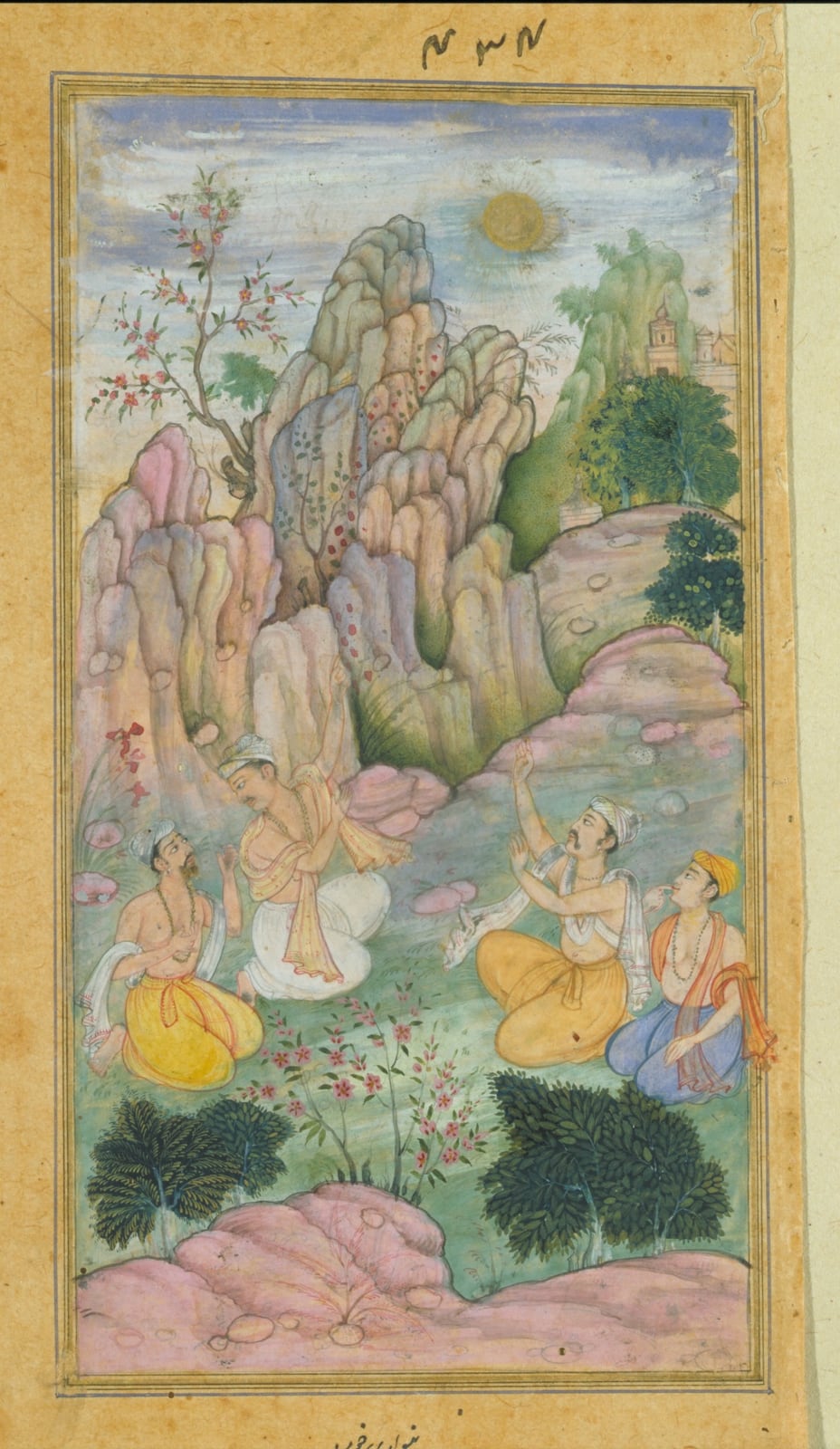
Vyāsa y sus discípulos ven llegar a Śuka (Razmnāma) · Public domain
بكلماته
«Whatever is spoken about virtue, wealth, pleasure, and salvation may be seen elsewhere; but whatever is not contained in this is not to be found anywhere.»Mahābhārata, Ādiparvan (1.56.33 de la edición crítica; sección LXII de la trad. de K. M. Ganguli, dominio público); versión española del investigador

فكرته المحورية
Subtle dharma (sūkṣma dharma): One of the ideas running through the Mahābhārata is that dharma, the right order of conduct, is 'subtle' and hard to know: norms conflict, the just lose and the victors doubt their victory.
السيرة
4 دقيقة قراءة
ترجمة مُعانة من الأصل الإسباني، بانتظار مراجعة مترجم من أهل اللغة.
الذي رتّب النصوص
تعني «فياسا» بالسنسكريتية «المُقسِّم» أو «المُرتِّب»، وهي وظيفة أكثر منها اسمًا. ويُطلق التراث هذا اللقب على كريشنا دفايبايانا، «الأسمر المولود في جزيرة»، وينسب إليه عملًا لم يكن لإنسان أن يكتبه: تقسيم الفيدا الواحدة إلى أربع مجموعات، ونظم «ماهابهاراتا» — أطول قصيدة في العالم القديم —، والبورانات الكبرى الثماني عشرة، و«براهما سوترا»، والشرح الكلاسيكي لـ«يوغا سوترا». ولا تشهد له أيّ وثيقة خارجية. ويرى فقه اللغة في فياسا شخصية مؤلف صُنعت داخل النصوص لتمنحها السلطة، ويرى فيه تاريخُ الأديان كيانًا مركّبًا ترسّبت فيه النِّسَب على مدى أكثر من ألف عام.
ابن حكيم وملّاحة
تروي «ماهابهاراتا» مولده. كان الحكيم باراشارا، حفيد فاسيشتا، يعبر نهر يامونا في قارب ساتيافاتي، ابنة صيّاد سمك؛ فاشتهاها، ولفّها بضباب، وجعلها تحمل منه في جزيرة من جزر النهر. وُلد الطفل في اليوم نفسه، وكبر في الحال، ومضى يمارس الزهد بعد أن وعدها بأن يأتي كلما دعته أمه. ولأنه وُلد في جزيرة سُمّي دفايبايانا؛ ولأنه رتّب الفيدا سُمّي فياسا. وبعد سنوات تزوّجت ساتيافاتي الملك شانتانو، ولمّا مات ابناهما بلا عقب استدعت فياسا لينجب ورثة من الأرملتين، وفقًا لعادة «نيوغا». ومن تلك الصلات وُلد دريتاراشترا الأعمى، وباندو الشاحب، وفيدورا ابن الخادمة. وهكذا يكون مؤلف القصيدة جدَّ الفريقين اللذين يُفني أحدهما الآخر فيها.
مؤلفًا وشخصيةً
يدخل فياسا عمله ويخرج منه. فهو ينصح الباندافا في منفاهم، ويمنح سانجايا البصيرة الإلهية ليروي الحرب للملك الأعمى، ويواسي الناجين، وبعد المعركة بسنوات يُخرج المحاربين القتلى من مياه الغانج ليلةً واحدة كي تراهم أسرهم من جديد. وتقدّم القصيدة نفسها سلسلةً من الإنشادات: يعلّمها فياسا لتلميذه فايشامبايانا، الذي ينشدها في قربان الأفاعي الذي أقامه الملك جاناميجايا، ثم يعيدها المنشد أوغراشرافاس أمام حكماء غابة نايميشا. وقد قرأ بروس سوليفان فياسا هذا بوصفه شخصية شبيهة ببراهما، خالقًا ورائيًا لـ«الفيدا الخامسة»؛ وقرأه ألف هيلتبايتل بوصفه المؤلف الذي يُدرج نفسه في النص ليوجّه قراءته. أما الحلقة الشهيرة التي يكتب فيها غانيشا القصيدة إملاءً، فموجودة في النص الشائع، لكن الطبعة النقدية تُنزلها إلى ملحق لأنها غائبة عن قسم كبير من المخطوطات.
مكتبة في ثمانية عشر كتابًا
تصف «ماهابهاراتا» نفسها بأنها «مجموعة من مئة ألف بيت»؛ وهي مقسّمة إلى ثمانية عشر كتابًا («بارفان») ويكمّلها «هاريفامشا»، وتروي التنافس بين الكورافا والباندافا حتى الحرب الكبرى في كوروكشيترا وما أعقبها، لكنها تضمّ أيضًا حكايات مثل حكايتَي نالا وسافيتري، وصيغة من قصة راما، وكتبًا كاملة في تعليم «الدارما» والسياسة والانعتاق. وتقول القصيدة عن نفسها: «ما هو هنا قد يوجد في غيره؛ وما ليس هنا فليس في أيّ مكان». وقد أصدر معهد بهاندركار للبحوث الشرقية في بونه طبعتها النقدية بين عامَي 1919 و1966. ولا اتفاق على تاريخها: فجون بروكينغتون يصف نموًّا امتدّ قرونًا عدة، بين القرن الرابع قبل الميلاد والقرن الرابع بعده؛ بينما يدافع هيلتبايتل وجيمس فيتزجيرالد عن تأليف مكتوب سريع نسبيًا في القرنين الأخيرين قبل الميلاد، تلته إضافات.
«بهاغافاد غيتا»
في الكتاب السادس، «بهيشمابارفان»، وقد اصطفّت الجيوش، يرفض المحارب أرجونا قتال أقاربه، فيجيبه كريشنا، سائق عربته، بسبعمئة بيت في ثمانية عشر نشيدًا: إنها «بهاغافاد غيتا». وينسبها التراث إلى فياسا بوصفه جامع القصيدة، ويضع السرد الحوار داخل الرواية التي يقصّها سانجايا على الملك الأعمى بفضل هبة الحكيم. ومنذ أول ترجمة إنجليزية، ترجمة تشارلز ويلكنز عام 1785، غدت النص الهندي الأكثر قراءة خارج الهند؛ وترجمتا كاشيناث تريمباك تيلانغ (1882) وإدوين أرنولد (1885) هما اليوم في الملك العام.
مرتّب الفيدا والبورانات
تجعل البورانات من فياسا منصبًا كونيًا: ففي كل عصر «دفابارا» من عصور العالم يظهر فياسا يوزّع الفيدا، ويعدّد «فيشنو بورانا» ثمانية وعشرين منهم، بينهم فاسيشتا وفالميكي وباراشارا، وصولًا إلى كريشنا دفايبايانا، فياسا العصر الحاضر. وهو الذي سلّم «ريغفيدا» إلى بايلا، و«ياجورفيدا» إلى فايشامبايانا، و«سامافيدا» إلى جايميني، و«أتهارفافيدا» إلى سومانتو، والتاريخ والبورانات إلى لوماهارشانا. ويضيف «بهاغافاتا بورانا» أن فياسا ظلّ بعد ذلك كله غير راضٍ، حتى نصحه نارادا بأن يتغنّى بمآثر كريشنا: وهكذا وُلد «بهاغافاتا»، الذي علّمه لابنه شوكا. وقد بيّن لودو روشيه أن نسبة البورانات إلى فياسا صيغة لإضفاء السلطة على نصوص أُلّفت على امتداد الألف الأول للميلاد وما بعده.
بادارايانا وشرح اليوغا
ويستظلّ باسمه أيضًا كتابان في الفلسفة. فـ«براهما سوترا»، أساس الفيدانتا، تُنسب إلى بادارايانا، الذي يماهيه التراث الفيدانتي اللاحق بفياسا؛ أما النقد فيميّز بينهما ويؤرّخ تدوين الحِكَم المأثورة بالقرون الأولى للميلاد — واقترح هاجيمي ناكامورا الفترة 400–450. ويُنسب شرح «يوغا سوترا» («يوغابهاشيا») إلى فياسا منذ الشرّاح في العصور الوسطى، لكن فيليب ماس ويوهانس برونكهورست يريان أن الحِكَم والشرح يؤلّفان عملًا واحدًا هو «باتانجالايوغاشاسترا»، ويعود إلى نحو 325–425.
ما يمكن الجزم به
لا يستطيع المؤرخ أن يحدّد لفياسا تواريخ ولا مكانًا. لكنه يستطيع أن يقرّر أن اسمه ظلّ ألفي عام خاتمًا للنصوص الكبرى في التراث البراهمي، وأن «ماهابهاراتا» صاغته مؤلفًا حاضرًا في عمله، جدًّا وشاهدًا وراويًا في آن. وتكرّمه الهند في كل بدر من شهر «آشادها» في عيد «غورو بورنيما»، عيد المعلّمين، وتعدّه من الخالدين الذين ما زالوا يجوبون العالم. وفي الكتاب الأخير من القصيدة يوجز فياسا تعليمه في شكوى: «بذراعين مرفوعتين أصرخ، ولا أحد يسمعني: من الدارما يولد الغنى واللذة؛ فلماذا لا تُتَّبع الدارما؟».
المصادر: Sullivan, Bruce M. Kṛṣṇa Dvaipāyana Vyāsa and the Mahābhārata: A New Interpretation. Leiden: Brill, 1990; reed. como Seer of the Fifth Veda: Kṛṣṇa Dvaipāyana Vyāsa in the Mahābhārata. Delhi: Motilal Banarsidass, 1999. · Hiltebeitel, Alf. Rethinking the Mahābhārata: A Reader's Guide to the Education of the Dharma King. Chicago: University of Chicago Press, 2001 (caps. 1–2, sobre Vyāsa como autor y la fecha de composición). · Fitzgerald, James L. (trad.). The Mahābhārata, vol. 7: Book 11, The Book of the Women; Book 12, The Book of Peace, Part One. Chicago: University of Chicago Press, 2004. Introducción. · Brockington, John. The Sanskrit Epics. Leiden: Brill, 1998 (Handbuch der Orientalistik, 2. Abt., Bd. 12). Capítulos sobre el Mahābhārata. · Sukthankar, Vishnu S. (ed.). The Mahābhārata for the First Time Critically Edited. Vol. 1: The Ādiparvan, with Prolegomena. Poona: Bhandarkar Oriental Research Institute, 1933 (edición crítica completa, 1919–1966).
الخط الزمني
الحياة عامًا بعد عام
كل نقطة حدث موثّق. انقر لتقرأه مع مصدره ودرجة اليقين فيه.
نحو 400 ق.م – 400Norte de la India
Formation of the Mahābhārata
According to John Brockington, the epic grew over some eight centuries, from an oral bardic tradition to a text of a hundred thousand stanzas. This is the range of the work ascribed to Vyāsa, not of a person.
مختلَف فيهBrockington, John. The Sanskrit Epics. Leiden: Brill, 1998 (Handbuch der Orientalistik, 2. Abt., Bd. 12). Capítulos sobre el Mahābhārata.
نحو 400 ق.م – 400
Formation of the Mahābhārata
According to John Brockington, the epic grew over some eight centuries, from an oral bardic tradition to a text of a hundred thousand stanzas. This is the range of the work ascribed to Vyāsa, not of a person.
مختلَف فيه
نحو 150 ق.م
Written composition, according to Hiltebeitel
Alf Hiltebeitel and James Fitzgerald argue that the Mahābhārata was composed in writing by a group of Brahmin authors in a relatively short period, between the mid-second century BCE and the turn of the era, and then enlarged.
مختلَف فيه
نحو 300 – 1000
The composition of the Purāṇas
The great Purāṇas, ascribed to Vyāsa, were composed and reworked throughout the first millennium and later, according to Ludo Rocher; in them Vyāsa appears as the arranger of the Veda in each age of the world.
مرجَّح
نحو 325 – 425
The Pātañjalayogaśāstra
The date Philipp Maas proposes for the Yogasūtras and their commentary, which medieval tradition ascribed to Vyāsa and which Maas regards as the work of the same author as the aphorisms.
مختلَف فيه
نحو 400 – 450
Bādarāyaṇa's Brahmasūtras
Date proposed by Hajime Nakamura for the final redaction of the Brahmasūtras, which Vedāntic tradition ascribes to Bādarāyaṇa, identified with Vyāsa.
مختلَف فيه
1598
Vyāsa in the Razmnāma
Banwari paints Vyāsa with his disciples for an illustrated copy of the Razmnāma, the Persian translation of the Mahābhārata commissioned by Akbar; the folio is in the Victoria and Albert Museum.
موثّق
1785
First English translation of the Gītā
Charles Wilkins publishes The Bhagvat-Geeta, the first translation of the Bhagavad Gītā into a European language.
موثّق
1883 – 1896
Ganguli's translation
Kisari Mohan Ganguli translates the complete Mahābhārata into English, published by Pratap Chandra Roy; it is the only complete public-domain English translation.
موثّق
1900
Vivekananda speaks on the Mahābhārata
Swami Vivekananda devotes a lecture to the Mahābhārata before an American audience and presents Vyāsa as its author.
موثّق
1919 – 1966
The Bhandarkar Oriental Research Institute's critical edition
Under the direction of V. S. Sukthankar and his successors, the Pune institute publishes the critical edition of the Mahābhārata, which relegates to appendices the passages missing from many manuscripts, such as that of Gaṇeśa as scribe.
موثّق
المؤلَّفات
المؤلَّفات الأساسية
المؤلَّفات التي لا يُفهم إرثه من دونها.
نسبة تقليدية · نحو 400 ق.م
Mahābhārata
महाभारत (Mahābhārata)
The longest epic in world literature, a 'collection of a hundred thousand stanzas' in eighteen books, with the Harivaṃśa as a supplement. It narrates the rivalry between the Kauravas and their cousins the Pāṇḍavas for the kingdom of Hastināpura, the dice game, the exile and the eighteen-day war at Kurukṣetra, with its aftermath. It includes the Bhagavad Gītā and numerous tales and treatises on dharma, politics and liberation, and regards itself as a 'fifth Veda'.
8 طبعات
نسبة تقليدية · نحو 200 ق.م
Bhagavad Gītā (The Song of the Lord)
भगवद्गीता (Bhagavadgītā)
A dialogue of seven hundred stanzas in eighteen cantos between the warrior Arjuna, who refuses to fight his kinsmen, and Kṛṣṇa, his charioteer, who teaches him to act without attachment to the fruit of action, sets out the paths of knowledge, action and devotion and reveals himself to him in his universal form. It is the most commented text of Hinduism —by Śaṅkara, Rāmānuja, Madhva and so many others— and the most widely read outside India.
9 طبعات · amazon.es
Vyasa
The eighteen great Purāṇas (traditional attribution)
مجموعة لاحقة · نحو 300
The eighteen great Purāṇas (traditional attribution)
महापुराण (mahāpurāṇa)
Encyclopaedias of mythology, cosmology, royal genealogies, ritual and devotion. According to the canonical list there are eighteen: Brahma, Padma, Viṣṇu, Śiva (or Vāyu), Bhāgavata, Nārada, Mārkaṇḍeya, Agni, Bhaviṣya, Brahmavaivarta, Liṅga, Varāha, Skanda, Vāmana, Kūrma, Matsya, Garuḍa and Brahmāṇḍa. The lists vary slightly from text to text, and alongside them there are numerous upapurāṇas or minor Purāṇas.
0 طبعة

نسبة تقليدية · نحو 400
Brahmasūtras (Aphorisms on Brahman)
ब्रह्मसूत्र (Brahmasūtra), también वेदान्तसूत्र
Some 555 aphorisms in four books systematising the teaching of the Upaniṣads on Brahman: its nature, the refutation of other schools (Sāṃkhya, Buddhists, Jains), the means of realisation and the fruit of liberation. Their concision makes them intelligible only with a commentary, and each school of Vedānta —Śaṅkara, Rāmānuja, Madhva— founded its doctrine on its own.
4 طبعات · amazon.com
جميع مؤلَّفاته (30)
Vyasa
Mahābhārata I: Ādiparvan (The Book of the Beginning)
The Conscious LibraryMahābhārata I: Ādiparvan (The Book of the Beginning)
Vyasa
Mahābhārata II: Sabhāparvan (The Book of the Assembly)
The Conscious LibraryMahābhārata II: Sabhāparvan (The Book of the Assembly)
Vyasa
Mahābhārata III: Āraṇyakaparvan (The Book of the Forest)
The Conscious LibraryMahābhārata III: Āraṇyakaparvan (The Book of the Forest)
Vyasa
Mahābhārata IV: Virāṭaparvan (The Book of Virāṭa)
The Conscious LibraryMahābhārata IV: Virāṭaparvan (The Book of Virāṭa)
Vyasa
Mahābhārata V: Udyogaparvan (The Book of the Effort)
The Conscious LibraryMahābhārata V: Udyogaparvan (The Book of the Effort)
Vyasa
Mahābhārata VI: Bhīṣmaparvan (The Book of Bhīṣma)
The Conscious LibraryMahābhārata VI: Bhīṣmaparvan (The Book of Bhīṣma)
Vyasa
Mahābhārata VII: Droṇaparvan (The Book of Droṇa)
The Conscious LibraryMahābhārata VII: Droṇaparvan (The Book of Droṇa)
Vyasa
Mahābhārata VIII: Karṇaparvan (The Book of Karṇa)
The Conscious LibraryMahābhārata VIII: Karṇaparvan (The Book of Karṇa)
Vyasa
Mahābhārata IX: Śalyaparvan (The Book of Śalya)
The Conscious LibraryMahābhārata IX: Śalyaparvan (The Book of Śalya)
Vyasa
Mahābhārata X: Sauptikaparvan (The Book of the Night Raid)
The Conscious LibraryMahābhārata X: Sauptikaparvan (The Book of the Night Raid)
Vyasa
Mahābhārata XI: Strīparvan (The Book of the Women)
The Conscious LibraryMahābhārata XI: Strīparvan (The Book of the Women)
Vyasa
Mahābhārata XII: Śāntiparvan (The Book of Peace)
The Conscious LibraryMahābhārata XII: Śāntiparvan (The Book of Peace)
Vyasa
Mahābhārata XIII: Anuśāsanaparvan (The Book of Instruction)
The Conscious LibraryMahābhārata XIII: Anuśāsanaparvan (The Book of Instruction)
Vyasa
Mahābhārata XIV: Āśvamedhikaparvan (The Book of the Horse Sacrifice)
The Conscious LibraryMahābhārata XIV: Āśvamedhikaparvan (The Book of the Horse Sacrifice)
Vyasa
Mahābhārata XV: Āśramavāsikaparvan (The Book of the Hermitage)
The Conscious LibraryMahābhārata XV: Āśramavāsikaparvan (The Book of the Hermitage)
Vyasa
Mahābhārata XVI: Mausalaparvan (The Book of the Clubs)
The Conscious LibraryMahābhārata XVI: Mausalaparvan (The Book of the Clubs)
Vyasa
Mahābhārata XVII: Mahāprasthānikaparvan (The Book of the Great Journey)
The Conscious LibraryMahābhārata XVII: Mahāprasthānikaparvan (The Book of the Great Journey)
Vyasa
Mahābhārata XVIII: Svargārohaṇaparvan (The Book of the Ascent to Heaven)
The Conscious LibraryMahābhārata XVIII: Svargārohaṇaparvan (The Book of the Ascent to Heaven)
Vyasa
Harivaṃśa (The Lineage of Hari)
The Conscious LibraryHarivaṃśa (The Lineage of Hari)
Vyasa
The division of the Veda into four collections (traditional attribution)
The Conscious LibraryThe division of the Veda into four collections (traditional attribution)

Bhāgavata Purāṇa
900
Vyasa
Viṣṇu Purāṇa
The Conscious LibraryViṣṇu Purāṇa
Vyasa
Devī Bhāgavata Purāṇa
The Conscious LibraryDevī Bhāgavata Purāṇa
Vyasa
Adhyātma Rāmāyaṇa
The Conscious LibraryAdhyātma Rāmāyaṇa
الأقوال
أقوال محدَّدة الموضع في مؤلَّف بعينه. كل منها يحمل مصدره ودرجة الثقة به.
Whatever is spoken about virtue, wealth, pleasure, and salvation may be seen elsewhere; but whatever is not contained in this is not to be found anywhere.dharme cārthe ca kāme ca mokṣe ca bharatarṣabha / yad ihāsti tad anyatra yan nehāsti na tat kvacit
متحقَّق منهMahābhārata, Ādiparvan (1.56.33 de la edición crítica; sección LXII de la trad. de K. M. Ganguli, dominio público); versión española del investigador
الكلمات الأخيرة
لا توجد سجلات يمكن التحقق منها لكلماته الأخيرة.
There is no record of his death: tradition counts him among the ciranjīvins, the immortals who will live until the end of the age. His last words in the Mahābhārata are the closing verses of the Svargārohaṇaparvan, but they are not presented as the words of a dying man.
المصدر: Wikipedia (inglés), «Vyasa», sobre la Guru Pūrṇimā (Vyāsa Pūrṇimā), los cirañjīvin y los lugares de culto asociados.
اسأل
بماذا يجيب أثره
اثنا عشر سؤالًا كبيرًا من أسئلة الإنسانية، وما تتيح نصوصه الإجابة به عنها، مع المراجع. ولا نقوّله ما لم يقل أبدًا.
ما المطلق؟ هل الله موجود؟
Formless Brahman and the supreme Lord: the Gītā holds both
شخصي وغير شخصي معًايقوله صراحةً
In the Bhagavad Gītā, which tradition ascribes to Vyāsa, the Absolute has two faces that the text does not separate. On one side is the supreme brahman, beginningless, of which it cannot be said that it is or that it is not (13.12); on the other, Kṛṣṇa presents himself as the Lord who sustains the world, the «supreme spirit» beyond both the perishable and the imperishable (15.16–18), and even says that he is the foundation of brahman itself (14.27). Chapter 12 compares those who worship the unmanifest with those who worship him, and declares the first path harder. The Brahmasūtras, ascribed to Bādarāyaṇa, whom tradition identifies with Vyāsa, define brahman as that from which the birth, subsistence and dissolution of the world proceed (1.1.2).
قارن هذا السؤال مع معلّمين آخرينمن أنا؟ هل توجد ذات حقيقية؟
The embodied one is neither born nor dies; the ego believes it acts
الذات هي المطلقيُستنتج من تعاليمه
The Bhagavad Gītā distinguishes sharply between the embodied one (dehin) and the body: the former is neither born nor dies, is not wounded by weapons nor wetted by water, and changes bodies as one changes clothes (2.20–22). The sense of being the author of one's acts belongs to material nature: one deluded by the ego (ahaṃkāra) thinks «I am the doer», when it is the qualities of nature that act (3.27). Chapter 13 identifies the knower of the field in all bodies with Kṛṣṇa himself, and the one who attains wisdom «becomes brahman» (18.54). The Gītā thus invites one to recognise oneself as an eternal Self, witness of the activity of body and mind.
قارن هذا السؤال مع معلّمين آخرينلماذا نتألّم؟
From attachment comes desire, from desire anger, and from anger ruin
التعلّق والشهوةيقوله صراحةً
The Bhagavad Gītā describes a precise chain: whoever dwells on the objects of the senses becomes attached to them; from attachment comes desire, from desire anger, from anger delusion, and thence the loss of memory and intelligence, down to ruin (2.62–63). When Arjuna asks what drives a person to do wrong even against his will, Kṛṣṇa answers that it is desire, which turns into anger, the insatiable enemy (3.37). The remedy is not to stop acting, but to act without attachment to the fruit. Behind desire lies an ignorance that veils knowledge (5.15). The Mahābhārata as a whole, for its part, shows the collective suffering to which the greed and pride of a lineage that destroys itself can lead.
قارن هذا السؤال مع معلّمين آخرينماذا يحدث بعد الموت؟
It is not slain when the body is slain: it changes bodies like clothes
ما أنا عليه لا يولد ولا يموتيقوله صراحةً
The Bhagavad Gītā's answer is born on a battlefield: Arjuna does not want to kill his kinsmen, and Kṛṣṇa teaches him that the embodied one is neither born nor dies, is eternal and ancient, and is not slain when the body is slain (2.20). As a man discards worn-out clothes and puts on new ones, so it discards worn-out bodies and enters others (2.22); for one who is born death is certain, and for one who dies, birth. What one remembers on leaving the body determines where one goes (8.6), and whoever thinks of Kṛṣṇa at death reaches him and is not born again (8.5, 8.15–16). The Mahābhārata tests this teaching in the yakṣa's question to Yudhiṣṭhira: the greatest wonder is that, seeing everyone die, each believes himself immortal.
قارن هذا السؤال مع معلّمين آخرينكيف يُبلَغ التحرّر أو الخلاص؟
Action without attachment, knowledge and, finally, refuge in the Lord alone
بالتعبّد والتسليميقوله صراحةً
The Bhagavad Gītā presents several paths: action without attachment to the fruit (karmayoga), knowledge (jñāna), meditation and devotion (bhakti). It does not set them against one another but integrates them, and the text culminates in surrender. Kṛṣṇa says that only by exclusive devotion can he be known and seen as he is (11.54); that whoever offers him with love a leaf, a flower, a fruit or water, he accepts it (9.26); and, at the end, he asks Arjuna to abandon all duties and take refuge in him alone, for he will free him from all evil (18.66). The Brahmasūtras, ascribed to Bādarāyaṇa, whom tradition identifies with Vyāsa, assert instead that the human goal is attained through the knowledge of brahman (3.4.1).
قارن هذا السؤال مع معلّمين آخرينهل نحتاج إلى معلّم؟
Learn from the sages who have seen the truth, serving and questioning them
لا غنى عنهيقوله صراحةً
The Bhagavad Gītā is itself a scene of teaching: Arjuna, paralysed, declares himself Kṛṣṇa's disciple and asks him for instruction (2.7). Kṛṣṇa explains that this knowledge was handed down from teacher to teacher since ancient times and was lost over time (4.1–2), and advises seeking it by prostrating, questioning and serving the sages who have seen the truth, for they will teach it (4.34). Tradition made Vyāsa the teacher par excellence: the one who divided the Veda and transmitted it to his disciples, and whose birth is celebrated on the full moon of āṣāḍha, Guru Pūrṇimā, the festival in which teachers are honoured. The seat from which the texts are recited is still called the «seat of Vyāsa».
قارن هذا السؤال مع معلّمين آخرينهل العالم حقيقي؟
The world is the Lord's nature, which Arjuna sees whole in his form
تجلٍّ للإلهييقوله صراحةً
In the Bhagavad Gītā, Kṛṣṇa says that the world proceeds from his twofold nature (prakṛti): the lower, made of earth, water, fire, air, space, mind, intellect and ego, and the higher, the life principle that sustains the universe (7.4–6). Everything is strung on him like pearls on a thread (7.7). In chapter 11, Arjuna receives divine sight and beholds the entire universe, with its gods and its armies, in Kṛṣṇa's body. The world here is not a dream, but the divine unfolded, although the Gītā also calls māyā the power by which the Lord produces it, which is hard to cross (7.14). The Brahmasūtras hold that brahman is both the material and the efficient cause of the world (1.4.23).
قارن هذا السؤال مع معلّمين آخرينما الحب؟
Whoever loves me is in me, and I in him; you are dear
الشوق والوصاليقوله صراحةً
In the Bhagavad Gītā love is above all devotion (bhakti), and it is reciprocal. Kṛṣṇa says he is the same towards all beings, but that those who worship him with devotion are in him and he in them (9.29). He accepts what is offered with love, be it a leaf or a little water (9.26), and at the end declares to Arjuna that he is very dear to him and that, if he fixes his mind and his devotion on him, he will come to him (18.64–65). Love so understood is the force that leads the being to its source. It also has an ethical side: the devotee the Lord loves is the one who hates no being, is friendly and compassionate, without possessiveness or egoism, equal in pain and pleasure (12.13–20).
قارن هذا السؤال مع معلّمين آخرينهل نحن أحرار أم أن كل شيء مقدَّر؟
Nature's qualities act; the deluded believes himself the author
لا يوجد فاعليُستنتج من تعاليمه
The Bhagavad Gītā states that all actions are performed by the qualities (guṇa) of nature, and that only one deluded by the ego thinks «I am the doer» (3.27). The sage, absorbed in reality, thinks that he does nothing while he sees, hears or breathes (5.8). In chapter 11, after showing him his universal form, Kṛṣṇa tells Arjuna that the warriors have already been slain by him and that Arjuna is merely his instrument (11.33); and in chapter 18, that the Lord dwells in the heart of all beings and turns them as if mounted on a machine (18.61). The freedom that remains is not that of a separate agent, but that of acting without attachment, offering one's acts and renouncing the idea of being their author.
قارن هذا السؤال مع معلّمين آخرينلماذا نتأمّل أو نصلّي؟
Fix the mind on the Lord, who calls the disciple friend
صداقة مع اللهيُستنتج من تعاليمه
The Bhagavad Gītā describes meditation in detail: sitting in a clean, steady place, holding body, head and neck erect, fixing the gaze and stilling the mind like a flame that does not flicker where no wind blows (6.10–19). But the object of that concentration is not a void: the yogin is to sit «intent on me», with his mind on Kṛṣṇa (6.14). Practice culminates in a personal relationship. Kṛṣṇa imparts his teaching to Arjuna because he is his devotee and his friend (4.3), accepts what is offered with love (9.26) and assures him that, fixing his mind on him, he will come to him (18.65). Meditating and praying thus converge in dealing with a Lord who knows and loves whoever turns to him.
قارن هذا السؤال مع معلّمين آخرينهل يستطيع العقل أن يعرف الحقيقة القصوى؟
Brahman is known through scripture; reasoning alone has no firm footing
النصّ المقدّس والاستدلاليقوله صراحةً
The Brahmasūtras, which tradition ascribes to Bādarāyaṇa and identifies with Vyāsa, establish from the outset that scripture is the source of the knowledge of brahman (1.1.3) and that reasoning on its own lacks a firm foundation, because what one thinker proves a cleverer one refutes (2.1.11). Reasoning is not discarded: the whole text is an exercise in interpretation that reconciles passages and refutes other schools, such as Sāṃkhya or Buddhism. But its role is to serve scripture, not to replace it. The Bhagavad Gītā says the same in the field of conduct: let scripture be the authority in deciding what to do and what not to do (16.24), and whoever abandons it to follow his whim does not reach perfection.
قارن هذا السؤال مع معلّمين آخرينالانسحاب من العالم أم تغييره؟
Your right is to action, never to its fruits
التأمّل في الفعليقوله صراحةً
The Bhagavad Gītā is born of a thwarted renunciation: on the battlefield, Arjuna lets fall his bow and would rather live on alms than kill his kinsmen. Kṛṣṇa replies that no one can stop acting even for an instant, that true renunciation is not abandoning action but attachment to its fruits, and that each must fulfil his own duty (svadharma) even if imperfectly. Let right deeds be the motive, not the fruit which comes from them; live in action (2.47). The model is Janaka, who attained perfection through action (3.20). The Mahābhārata, for its part, devotes two whole books to Bhīṣma's teaching on the duty of the king and on conduct in times of crisis.
قارن هذا السؤال مع معلّمين آخرين
التقارب والتوتّر
التقارب والتوتّر
محسوبة سؤالًا سؤالًا انطلاقًا من مواقفه. وسبب كل اتفاق أو اختلاف يظهر بالنقر.
يقترب في تفكيره من
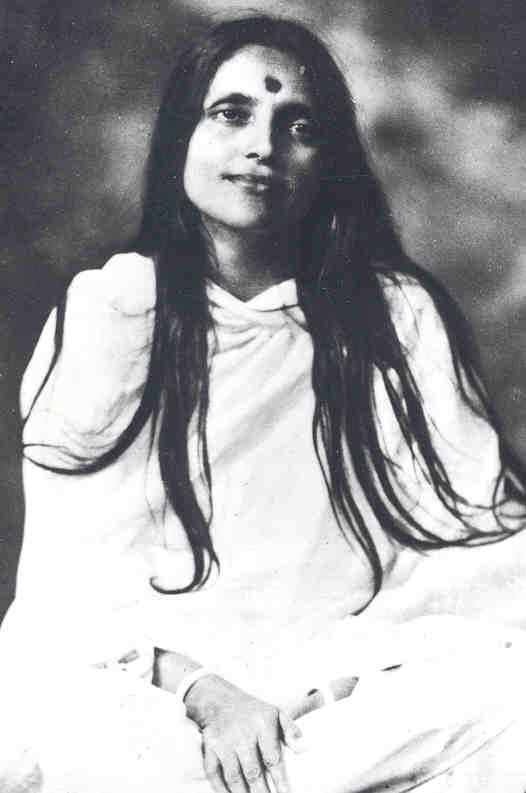
Anandamayi Ma
يتّفقان في: ما المطلق؟ هل الله موجود؟ · من أنا؟ هل توجد ذات حقيقية؟ · ماذا يحدث بعد الموت؟
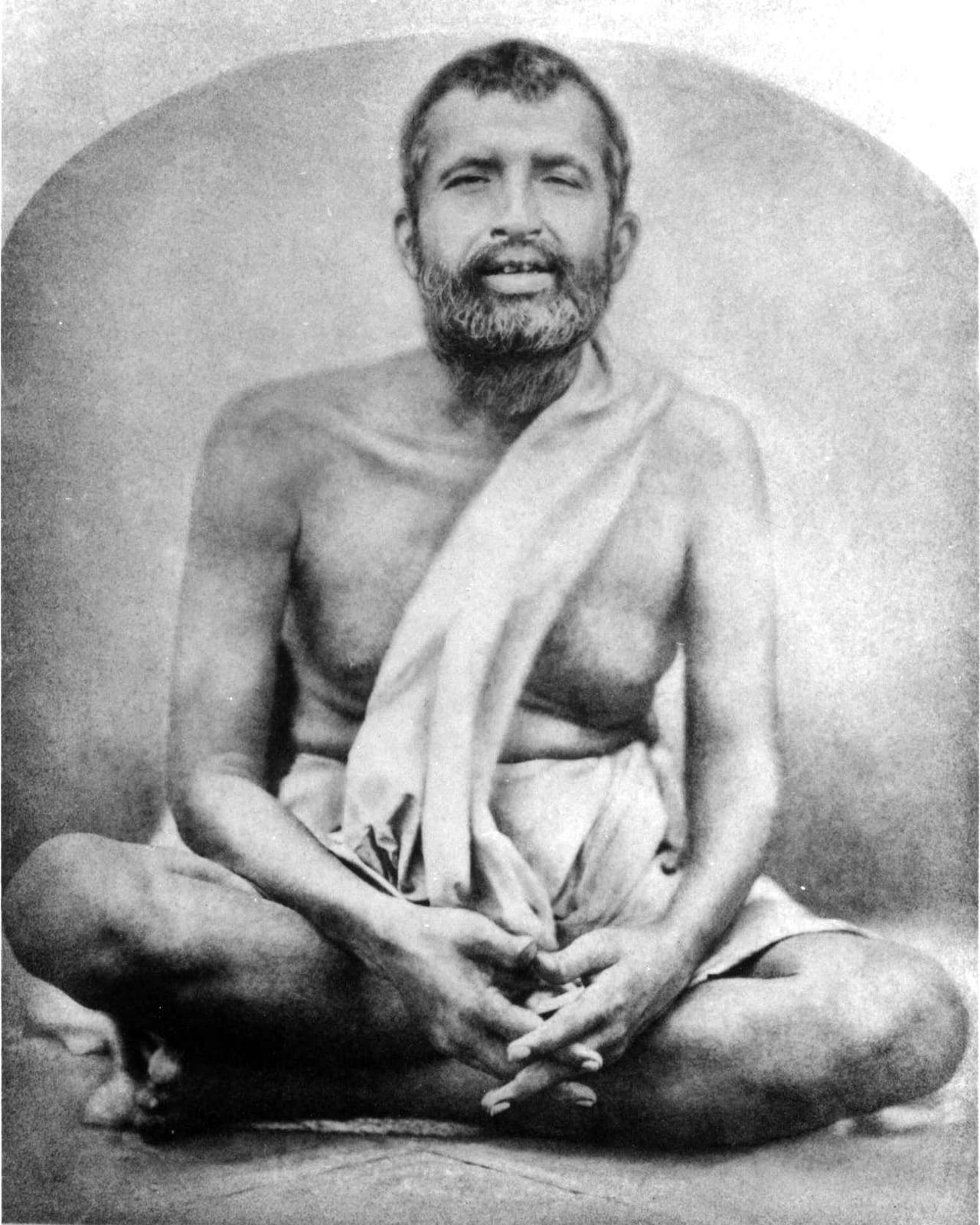
Ramakrishna
يتّفقان في: ما المطلق؟ هل الله موجود؟ · من أنا؟ هل توجد ذات حقيقية؟ · كيف يُبلَغ التحرّر أو الخلاص؟
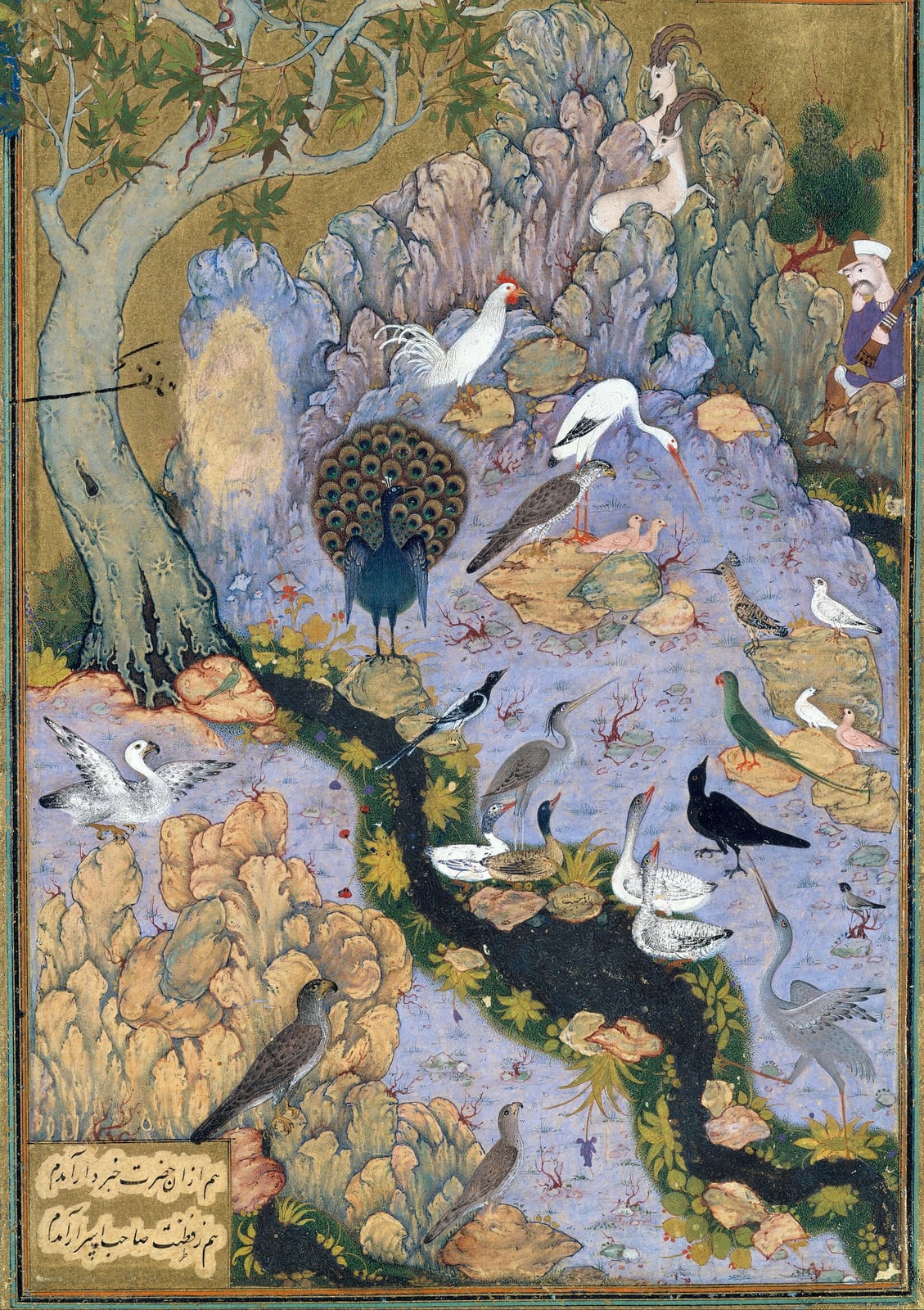
Attar
يتّفقان في: ما المطلق؟ هل الله موجود؟ · من أنا؟ هل توجد ذات حقيقية؟ · هل نحتاج إلى معلّم؟
Ibn Arabi
يتّفقان في: ما المطلق؟ هل الله موجود؟ · من أنا؟ هل توجد ذات حقيقية؟ · هل العالم حقيقي؟
يبتعد في تفكيره عن

Nikolai Berdyaev
يختلفان في: من أنا؟ هل توجد ذات حقيقية؟ · هل نحتاج إلى معلّم؟
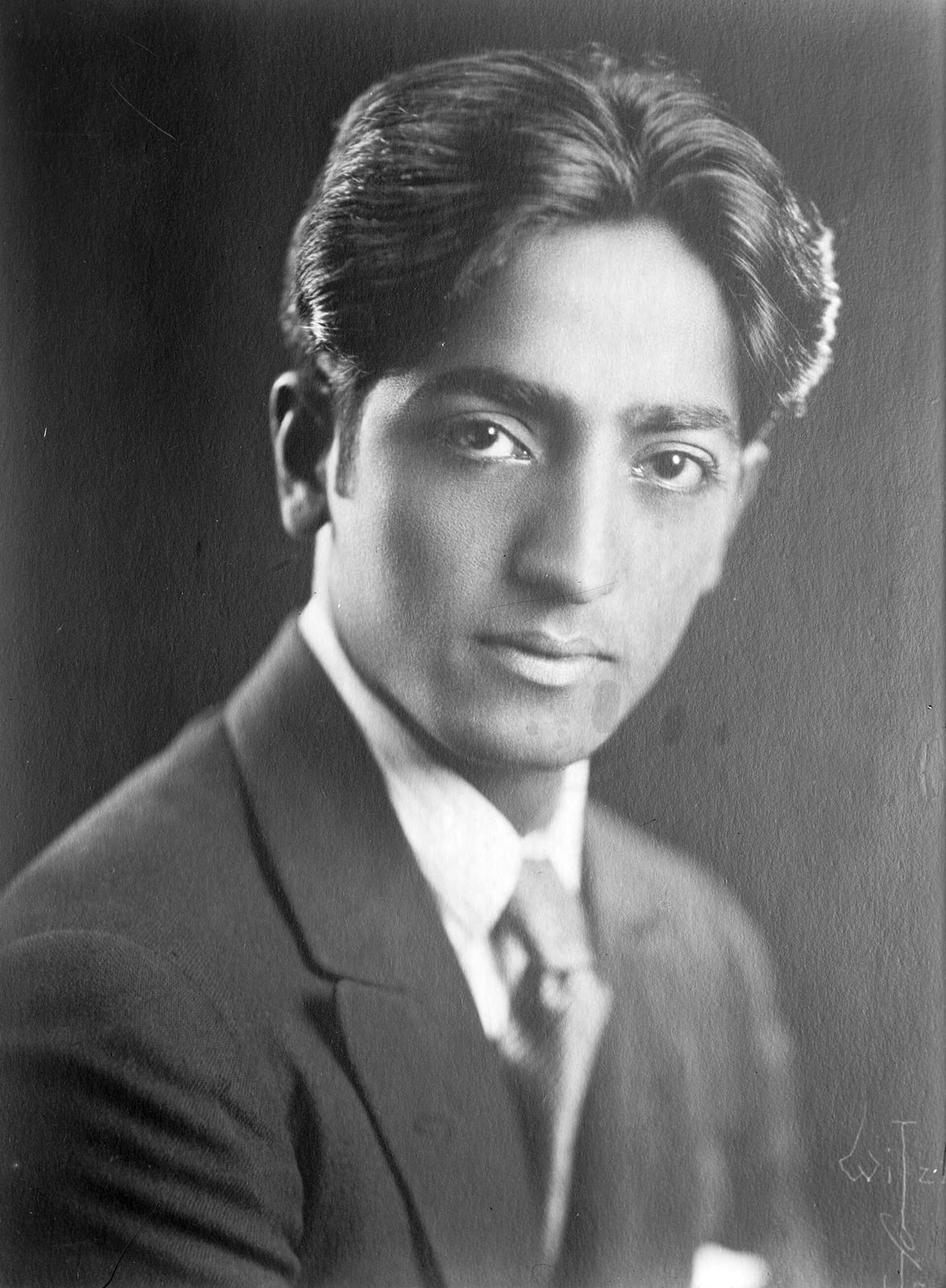
Jiddu Krishnamurti
يختلفان في: كيف يُبلَغ التحرّر أو الخلاص؟ · هل نحتاج إلى معلّم؟
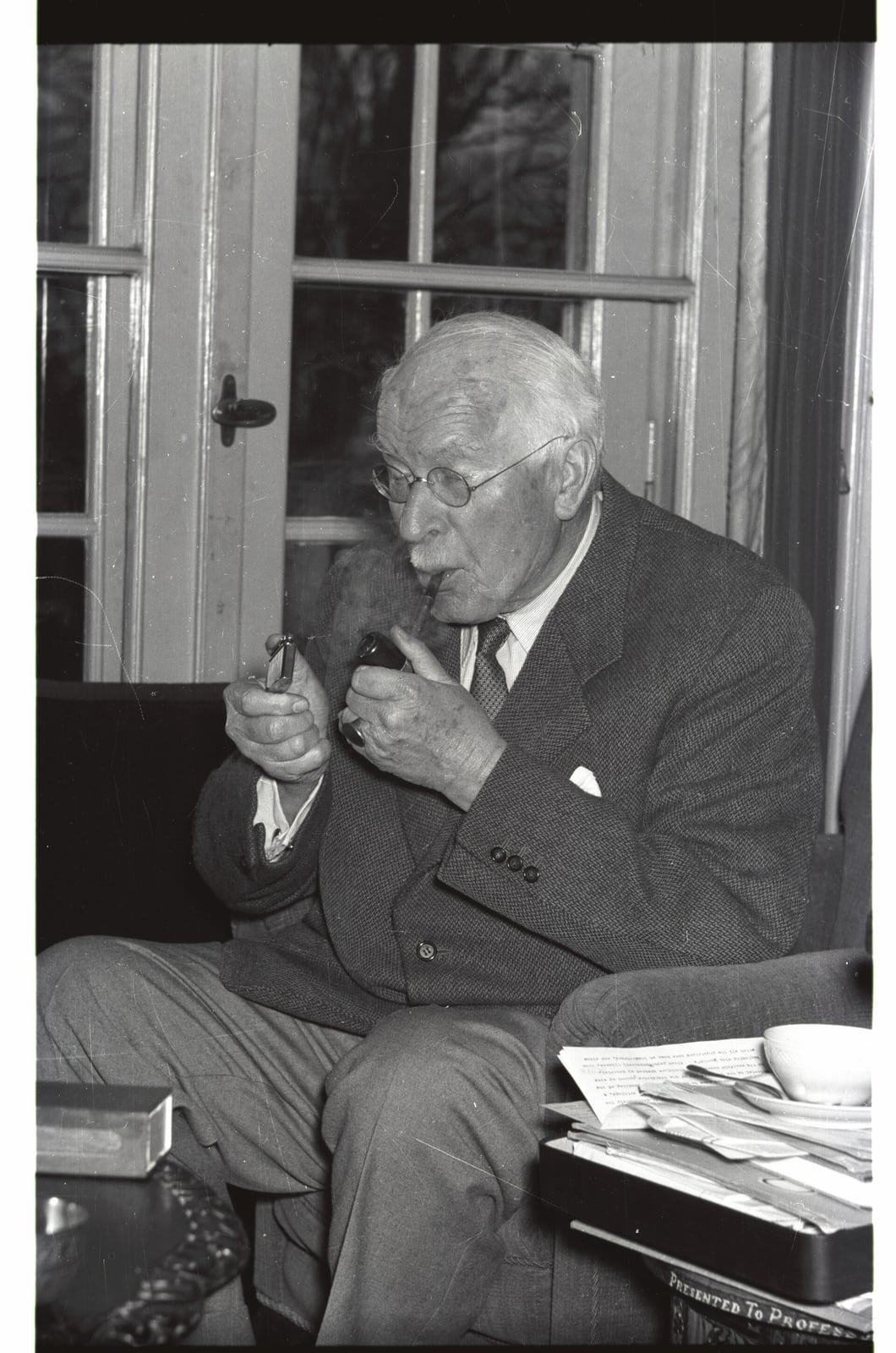
Carl Gustav Jung
يختلفان في: ما المطلق؟ هل الله موجود؟ · من أنا؟ هل توجد ذات حقيقية؟ · لماذا نتألّم؟
Seraphim of Sarov
يختلفان في: من أنا؟ هل توجد ذات حقيقية؟
حكايات وروايات
حكايات وروايات
رواية من سِيَر القدّيسينrelato épico
Born on an island in the Yamunā
أصل الرواية: Mahābhārata, Ādiparvan, section LXIII of Ganguli's translation (and Satyavatī's account to Bhīṣma, section CV). It is epic legend with no verifiable historical basis.
رواية من سِيَر القدّيسينrelato épico
The grandfather of both sides
أصل الرواية: Mahābhārata, Ādiparvan, sections CV–CVI of Ganguli's translation. Sullivan sees in this episode a central piece in the construction of Vyāsa as an author figure.
مختلَف فيهrelato épico (interpolación)
Gaṇeśa the scribe
أصل الرواية: Ādiparvan, section I of Ganguli's translation (vulgate). Sukthankar's critical edition (1933) relegates it to appendix I of the Ādiparvan because it is missing from many manuscripts: it is regarded as an interpolation.
المصدر: Sukthankar, Vishnu S. (ed.). The Mahābhārata for the First Time Critically Edited. Vol. 1: The Ādiparvan, with Prolegomena. Poona: Bhandarkar Oriental Research Institute, 1933 (edición crítica completa, 1919–1966).
رواية من سِيَر القدّيسينrelato épico
Sañjaya's divine sight
أصل الرواية: Mahābhārata, Bhīṣmaparvan, section II of Ganguli's translation (Jambū-khaṇḍa-nirmāṇa). Text checked.
رواية من سِيَر القدّيسينrelato épico
One night with the dead
أصل الرواية: Mahābhārata, Āśramavāsikaparvan, sections XXXI–XXXIII of Ganguli's translation. Text checked (section XXXII).
رواية من سِيَر القدّيسينrelato épico
Śuka's echo
أصل الرواية: Mahābhārata, Śāntiparvan (Mokṣadharma), sections CCCXXXIII–CCCXXXIV of Ganguli's translation. The Bhāgavata Purāṇa (1.2.2) preserves a version in which the trees answer.
رواية من سِيَر القدّيسينrelato purāṇico
Vyāsa's dissatisfaction
أصل الرواية: Bhāgavata Purāṇa, book I, chaps. 4–7. A self-presentation of the Purāṇa itself, composed according to scholarship around the ninth–tenth centuries; summary after Bryant's introduction (2003).
المصدر: Bryant, Edwin F. (trad. e introd.). Krishna: The Beautiful Legend of God. Śrīmad Bhāgavata Purāṇa, Book X. Londres: Penguin, 2003. Introducción (el marco del Bhāgavata y su atribución a Vyāsa).
التعاليم
التعاليم
المفاهيم التي ينتظم بها فكره، مشروحة في سياقها.
Subtle dharma (sūkṣma dharma)dharma-sutil
Ethics of the Mahābhārata.
المصدر: Hiltebeitel, Alf. Rethinking the Mahābhārata: A Reader's Guide to the Education of the Dharma King. Chicago: University of Chicago Press, 2001 (caps. 1–2, sobre Vyāsa como autor y la fecha de composición).
The fifth Veda (itihāsa)quinto-veda
The Mahābhārata's self-understanding (Ādiparvan, section LXIII).
المصدر: Sullivan, Bruce M. Kṛṣṇa Dvaipāyana Vyāsa and the Mahābhārata: A New Interpretation. Leiden: Brill, 1990; reed. como Seer of the Fifth Veda: Kṛṣṇa Dvaipāyana Vyāsa in the Mahābhārata. Delhi: Motilal Banarsidass, 1999.
Vyāsa as a function: the twenty-eight Vyāsasvyasa-de-cada-era
Viṣṇu Purāṇa, part III, chaps. 3–4.
Action without desire for the fruit (niṣkāma karma)nishkama-karma
Bhagavad Gītā, cantos 2–5.
Guru Pūrṇimā (Vyāsa Pūrṇimā)guru-purnima
Hindu religious calendar.
مقاطع الفيديو
مقاطع الفيديو
تسجيلات ومقابلات وأفلام وثائقية. تُشغَّل مقاطع الفيديو من YouTube؛ ولا تُستضاف هنا.
Understanding the Mahabharata
محاضرة· EN· 2021· 79 min
Oxford Centre for Hindu Studiesالقناة الرسمية
Mahābhārata - History or Mythology? | Prof. Robert P. Goldman
محاضرة· EN· 2022· 92 min
Argumentative Indians
Dharma and Dharmas: The Moral and Ethical Legacies of the Mahābharata and Rāmāyaṇa
محاضرة· EN· 2022· 109 min
Karwaan Heritage
The Geography of the Mahabharata
محاضرة· EN· 2022· 67 min
Bhandarkar Oriental Research Instituteالقناة الرسمية
From Manuscripts to Masterpieces - Bhandarkar Institute's Mahabharata Publications
فيلم وثائقي· EN· 2023· 3 min
Bhandarkar Oriental Research Instituteالقناة الرسمية
Dr. Vishwa Adluri - Mahābhārata: The Principal Monument to Bhakti
محاضرة· EN· 2018· 54 min
Indian Institute of World Culture - IIWCالقناة الرسمية
Wendy Doniger: Cutting the Red Cord of Vengeance — The Oresteia and the Mahabharata
محاضرة· EN· 2021· 37 min
Einstein Forumالقناة الرسمية
Peter Brook on the making of his 1985 production of The Mahabharata
مقابلة· EN· 2015· 3 min
Young Vicالقناة الرسمية
Mahabharata: the Ancient Indian Epic
فيلم وثائقي· EN· 2021· 16 min
World History Encyclopediaالقناة الرسمية
Brahma Sutra with Shankara Bhashyam | Session 13 (Sutra 1.1.4) | Swami Tattwamayananda
محاضرة· EN· 2026· 79 min
Vedanta Society of New Yorkالقناة الرسمية
Bharat Ek Khoj | Episode-5 | Mahabharata, Part I
فيلم وثائقي· HI· 1988· 49 min
Prasar Bharati Archivesالقناة الرسمية
Bharat Ek Khoj | Episode-6 | Mahabharata, Part II
فيلم وثائقي· HI· 1988· 43 min
Prasar Bharati Archivesالقناة الرسمية
Juan Arnau. Bhagavad Gita. Tesoros de la Literatura India
محاضرة· ES· 2020· 35 min
Casa de la India in Spainالقناة الرسمية
Diálogo entre Òscar Pujol y Agustín Pániker: «La Bhagavadgītā»
محاضرة· ES· 2023· 76 min
Casa Asiaالقناة الرسمية
«La Bhagavadgītā», conferencia dictada por el Dr. Òscar Pujol
محاضرة· ES· 2023· 90 min
RDenIndiaالقناة الرسمية
المعرض
المعرض
صور بترخيص متحقَّق منه. كل منها تحتفظ بمؤلّفها ونسبتها.
المخطوطات
المخطوطات
شواهد مخطوطة ونصوص قديمة، مع جهة حفظها وشروط الاطّلاع عليها.
FA · Nastaʿlīq (persa) · Mahābhārata (s. IV a. C.–IV d. C.); traducción persa de la década de 1580
Razmnāma (traducción persa del Mahābhārata), copia ilustrada de 1598
- الشاهد المحفوظ
- Copia ilustrada de 1598, hoy dispersa
- جهة الحفظ
- Folios dispersos; uno en el Victoria and Albert Museum (Londres) y otro en el Dallas Museum of Art
- الرقمنة
- collections.vam.ac.uk/item/O112323/painting-the-…
العلاقات
العلاقات
تأثيرات وتلمذة وتقارب في الأفكار. تُميَّز العلاقة الموثّقة عن التشابه المستخلَص بالتحليل.
من عائلة
According to the Mahābhārata, Vyāsa is the son of Parāśara, grandson of Śakti and great-grandson of Vasiṣṭha. A textual, not historical, genealogy.
علاقة موثّقة
تلميذ
In the Bhāgavata Purāṇa, Nārada appears as Vyāsa's teacher and advises him to compose the Bhāgavata. A textual relation.
علاقة موثّقة
أفكار قريبة من
The two 'authors' of the epics are at once characters in their works and names that authorise whole corpora; the Viṣṇu Purāṇa counts Vālmīki among the twenty-eight Vyāsas.
تشابه مستخلَص بالتحليل
تأثّر بـ
Tradition ascribes to Vyāsa the commentary (Yogabhāṣya) on Patañjali's Yogasūtras; Maas maintains that both texts are by the same author.
علاقة موثّقة
أثّر في
Śaṅkara commented on the Brahmasūtras, which he ascribes to Bādarāyaṇa (identified with Vyāsa by tradition), and on the Bhagavad Gītā.
علاقة موثّقة
أثّر في
Rāmānuja
Rāmānuja founded his Vedānta on his commentary on the Brahmasūtras (Śrī Bhāṣya) and also commented on the Gītā.
علاقة موثّقة
أفكار قريبة من
The traditional list of Advaita teachers places Gauḍapāda after Vyāsa and his son Śuka; it is a school genealogy, not historically documented.
تشابه مستخلَص بالتحليل
أثّر في
In 1900 Vivekananda devoted a lecture to the Mahābhārata and commented on the Gītā on many occasions.
علاقة موثّقة
أثّر في
Yogananda wrote an extensive commentary on the Bhagavad Gītā, God Talks with Arjuna, published posthumously in 1995.
علاقة موثّقة
أفكار قريبة من
Aurobindo made the Bhagavad Gītā one of the foundations of his integral yoga; the relation is one of reception of the work ascribed to Vyāsa.
تشابه مستخلَص بالتحليل
أفكار قريبة من
The Bhāgavata Purāṇa, ascribed to Vyāsa, was the central text of Caitanya's devotion and of the Gauḍīya school.
تشابه مستخلَص بالتحليل
المصادر
المصادر
المراجع والفهارس التي رُوجعت لهذه الصفحة.
- Wikipedia (inglés), «Vyasa», sobre la Guru Pūrṇimā (Vyāsa Pūrṇimā), los cirañjīvin y los lugares de culto asociados.
- Wikidata, «Vyasa», QID Q330521 (sabio legendario, compilador de los Veda y autor del Mahābhārata; LCCN n79109341; GND 119017687; BnF 11928738t).
- Sullivan, Bruce M. Kṛṣṇa Dvaipāyana Vyāsa and the Mahābhārata: A New Interpretation. Leiden: Brill, 1990; reed. como Seer of the Fifth Veda: Kṛṣṇa Dvaipāyana Vyāsa in the Mahābhārata. Delhi: Motilal Banarsidass, 1999.
- Hiltebeitel, Alf. Rethinking the Mahābhārata: A Reader's Guide to the Education of the Dharma King. Chicago: University of Chicago Press, 2001 (caps. 1–2, sobre Vyāsa como autor y la fecha de composición).
- Fitzgerald, James L. (trad.). The Mahābhārata, vol. 7: Book 11, The Book of the Women; Book 12, The Book of Peace, Part One. Chicago: University of Chicago Press, 2004. Introducción.
- Brockington, John. The Sanskrit Epics. Leiden: Brill, 1998 (Handbuch der Orientalistik, 2. Abt., Bd. 12). Capítulos sobre el Mahābhārata.
- Sukthankar, Vishnu S. (ed.). The Mahābhārata for the First Time Critically Edited. Vol. 1: The Ādiparvan, with Prolegomena. Poona: Bhandarkar Oriental Research Institute, 1933 (edición crítica completa, 1919–1966).
- Ganguli, Kisari Mohan (trad.). The Mahabharata of Krishna-Dwaipayana Vyasa. Calcuta: Bharata Press (P. C. Roy), 1883–1896. Ādi Parva, secc. I, LXII, LXIII y CV–CVI; Bhishma Parva, secc. II; Asramavasika Parva, secc. XXXII; Svargarohanika Parva, secc. V. Project Gutenberg n.º 15474–15477.
- Telang, Kashinath Trimbak (trad.). The Bhagavadgîtâ, with the Sanatsugâtîya and the Anugîtâ. Oxford: Clarendon Press, 1882 (Sacred Books of the East 8).
- Arnold, Edwin (trad.). The Song Celestial; or, Bhagavad-Gîtâ (from the Mahâbhârata). Londres: Trübner, 1885. Project Gutenberg n.º 2388.
- Rocher, Ludo. The Purāṇas. Wiesbaden: Otto Harrassowitz, 1986 (A History of Indian Literature, vol. II, fasc. 3).
- Dutt, Manmatha Nath (trad.). A Prose English Translation of Vishnupuranam (Based on Professor H. H. Wilson's Translation). Calcuta, 1894. Parte III, secc. III–IV (los veintiocho Vyāsa y la división del Veda). Project Gutenberg n.º 66208.
- Nakamura, Hajime. A History of Early Vedānta Philosophy, Part One. Delhi: Motilal Banarsidass, 1983 (sobre Bādarāyaṇa y la fecha de los Brahmasūtra).
- Maas, Philipp A. «A Concise Historiography of Classical Yoga Philosophy». En Eli Franco (ed.), Periodization and Historiography of Indian Philosophy. Viena: Sammlung de Nobili, 2013, pp. 53–90.
- Woods, James Haughton (trad.). The Yoga-System of Patañjali … and the Comment, called Yoga-bhāshya, attributed to Veda-Vyāsa. Cambridge (Mass.): Harvard University Press, 1914 (Harvard Oriental Series 17).
- Bryant, Edwin F. (trad. e introd.). Krishna: The Beautiful Legend of God. Śrīmad Bhāgavata Purāṇa, Book X. Londres: Penguin, 2003. Introducción (el marco del Bhāgavata y su atribución a Vyāsa).
- Thibaut, George (trad.). The Vedânta-Sûtras with the Commentary by Śaṅkarâkârya. Part I. Oxford: Clarendon Press, 1890 (Sacred Books of the East 34). Introducción. Project Gutenberg n.º 16295.
- Vivekananda, Swami. «The Mahabharata», conferencia en Pasadena, 1 de febrero de 1900. The Complete Works of Swami Vivekananda, vol. 4 (Wikisource).
- Thibaut, George (trad.). The Vedânta-Sûtras with the Commentary by Râmânuja. Oxford: Clarendon Press, 1904 (Sacred Books of the East 48). Project Gutenberg n.º 7297.
- Paramahansa Yogananda. God Talks with Arjuna: The Bhagavad Gita. Royal Science of God-Realization. 2 vols. Los Ángeles: Self-Realization Fellowship, 1995.
- Wikipedia (inglés), «Bhagavad Gita», sección de traducciones (Charles Wilkins, The Bhagvat-Geeta, Londres, 1785).
- Victoria and Albert Museum, «The sage Vyasa with disciples observes his son Suka approaching them», pintura de Banwari para una copia del Razmnāma (traducción persa del Mahābhārata), 1598 (registro O112323).
- صاحب الحقوق
- Textos sánscritos de dominio público. Traducciones con derechos propios: University of Chicago Press (van Buitenen, Fitzgerald), Penguin (Debroy, Smith, Patton, Bryant), Bantam (Miller), SUNY Press (Sargeant, Hariharānanda Āraṇya), Seuil (Biardeau), Kairós, Edaf (Barrio), Trotta (Consuelo Martín), Advaita Ashrama (Gambhirananda). Son de dominio público las de Ganguli (1883–1896), Telang (1882), Arnold (1885), Burnouf (1861), Schroeder (1912), Thibaut (1890–1904), Woods (1914) y Dutt (1894–1897).
في انتظار التأكيد
ما لم تتمكّن هذه الصفحة من حسمه بعد. نفضّل أن نقول ذلك على أن نملأ الفراغ.
- Fechas: no hay nacimiento ni muerte; la línea de tiempo usa las fechas de los textos atribuidos. Las horquillas (Brockington, Hiltebeitel, Nakamura, Maas, Rocher) se resumen sin cita de página: precisarlas.
- Ediciones en español: solo se han verificado la adaptación de R. K. Narayan (Kairós) para el Mahābhārata y las Gītā de Edaf y Trotta. Buscar con ISBN la Bhagavadgītā de Òscar Pujol (Kairós) y ediciones españolas de los Purāṇa y de los Brahmasūtra distintas de Trotta; también ediciones en italiano, ruso e hindi (Gita Press).
- Obras atribuidas menores (Vyāsa Smṛti, Devī Bhāgavata, Adhyātma Rāmāyaṇa): falta fuente académica propia y ediciones con ISBN.
- Sala de lectura: falta la segunda parte de los Vedānta-Sūtras de Thibaut (SBE 38) en una fuente con texto; no se ha encontrado traducción española de dominio público de ninguna obra. Las páginas inglesas por libro del Mahābhārata en Wikisource son esbozos y no se han registrado.
- Manuscritos: identificar las signaturas de los folios del Razmnāma de 1598 (V&A, Dallas) y añadir el manuscrito de Jaipur (1584–1586).
- Vídeos: verificar el idioma de otras charlas en hindi de canales académicos (BORI) para equilibrar las lenguas.
بُحث بتاريخ 2026-10-26