الهندوسية · التانترا · بهاكتي · أدفايتا فيدانتا
Anandamayi Ma
আনন্দময়ী মা · নির্মলা সুন্দরী · आनन्दमयी माँ
1896 – 1982شخصية موثّقة تاريخيًا
متصوفة بنغالية لم تتلقَّ تعليمًا مدرسيًّا ولم يكن لها معلّم من البشر، منحت نفسها التكريس عام 1922، وجالت في الهند نصف قرن يحيط بها مريدون رأوا فيها تجلّيًا للإلهة. لم تكتب شيئًا: فكلماتها، التي قالتها بالبنغالية وكثيرًا ما جاءت في صورة تلاعب بالألفاظ، جمعها آخرون في «ساد فاني» و«ماتري فاني» ويوميات غوروبريا ديفي. وقد عرفها يوغاناندا وغاندي وكريشنامورتي وأسرة نهرو و«الأم» في بونديشيري.
- مؤلَّفًا
- 22مؤلَّفًا
- طبعة
- 32طبعة
- اقتباسًا
- 8اقتباسًا
- مقطع فيديو
- 14مقطع فيديو
- صورة
- 7صورة
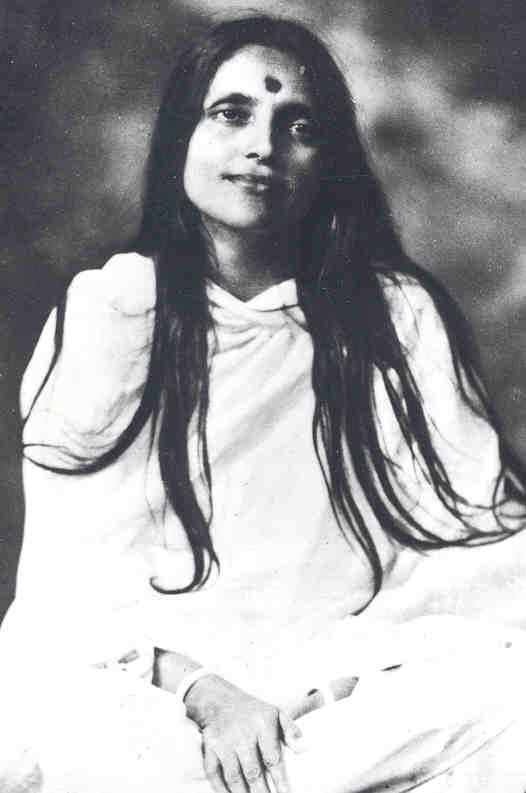
Anandamayi Ma joven · Public domain
بكلماته
«My consciousness has never associated itself with this temporary body. Before I came on this earth, Father, ‘I was the same.’ As a little girl, ‘I was the same.’»Palabras dirigidas a Yogananda en Calcuta (1935), en la versión inglesa de Autobiography of a Yogi, cap. 45
فكرته المحورية
Seeking the realisation of God is every human being’s supreme calling; other obligations are secondary, though they should not be abandoned but carried out as service.
السيرة
4 دقيقة قراءة
ترجمة مُعانة من الأصل الإسباني، بانتظار مراجعة مترجم من أهل اللغة.
نيرمالا من خيورا
وُلدت نيرمالا سونداري في 30 أبريل/نيسان 1896 في خيورا، وهي قرية في مقاطعة تريبورا بالبنغال الشرقية — بنغلاديش اليوم —، ابنةً لبيبين بيهاري بهاتاتشاريا، وهو براهمي فقير ومنشد للتراتيل الفيشنوية، ولموكشادا سونداري ديفي التي ستنذر في شيخوختها نذور الزاهدين المتخلّين عن الدنيا. ولم تذهب إلى المدرسة إلا بضعة أشهر. وما يُروى عن طفولتها — نشوة طفلة في الثانية حين سمعت الأناشيد التعبّدية، وكائن نوراني يتعبّد لها وهي في شهرها العاشر — مصدره التأريخ الذي وضعه مريدوها وما روته هي نفسها بعد عقود، وينتمي إلى سجلّ سِيَر القديسين. وفي فبراير/شباط 1909، وهي في الثانية عشرة وعشرة أشهر، زُوِّجت من راماني موهان تشاكرابارتي، من بيكرامبور، الذي ستسمّيه لاحقًا بهولاناث.
زوجة لم تكن زوجة
عاشت خمس سنوات مع أسرة صهرها، ونحو عام 1914 لحقت بزوجها في أشتاغرام. ولم يُدخَل بها قطّ: فبحسب ما روته ليوغاناندا عام 1935، تلقّى زوجها، أول مرة لمسها فيها بشهوة، ما يشبه صعقة البرق، فصار منذ ذلك الحين يعاملها معاملة المرشدة. وتحدّث الجيران عن الهستيريا، أما هو فدافع عنها أمام أهلها. وفي باجيتبور، بين عامي 1918 و1924، صارت أحوالها متصلة: أوضاع يوغية كانت تقول إن الجسد يتخذها من تلقاء نفسه، وترديد لا ينقطع للاسم الإلهي، وإنشاد، وغيبوبات وجد. وفي ليلة البدر من أغسطس/آب 1922 منحت نفسها التكريس، وشرحت لاحقًا أنها بوصفها معلّمة كشفت المانترا، وبوصفها مريدة تلقّتها. وأعقب ذلك صمت طويل، وفي أواخر ذلك العام كرّست زوجها نفسه.
دكا: الأم المفعمة بالغبطة
في عام 1924 عُيّن بهولاناث ناظرًا على حدائق نوّاب دكا في شاهباغ، وهناك أخذ المريدون يتوافدون. وأحدهم، جيوتيش تشاندرا راي، وهو موظف كبير كان الجميع يدعونه بهايجي، منحها عام 1925 اسم أناندامايي ما، أي «الأم المفعمة بالغبطة». وفي عام 1926 جاءت أداريني موكرجي، التي ستلازمها باسم غوروبريا ديفي حتى وفاتها، وستدوّن طوال عقود يوميات حياتها. وكانوا في دكا يسمّونها «كالي الحيّة»، وفي عام 1929 بنى لها أتباعها أول آشرام في رامنا، بجوار معبد كالي. وكانت تأبى أن تُدعى «غورو»، ولا تعدّ أيّ خطبة، وتتحدث عن نفسها بقولها «هذا الجسد» أو «هذه الطفلة الصغيرة».
الحاجّة الجوّالة
في عام 1932 غادرت دكا مع بهولاناث وبهايجي دون وجهة معلنة، واستقرت في دهرادون عند سفح الهيمالايا. ومنذ ذلك الحين لم يكن لها مقام ثابت: فقد جالت في الهند نصف قرن، من آشرام إلى آشرام ومن بيت إلى بيت، وفق ما كانت تسميه «خيالها» (kheyal)، أي دافعًا عفويًّا كان مريدوها يعدّونه مشيئة إلهية. وزارتها كمالا نهرو منذ عام 1933، ومن خلالها أسرة نهرو كلها؛ وستغدو إنديرا غاندي زائرة دائمة. وتوفي بهولاناث في كيشينبور في مايو/أيار 1938. والتقاها باراماهانسا يوغاناندا في كلكتا في ديسمبر/كانون الأول 1935 ورسم صورتها في كتابه «سيرة ذاتية ليوغي»؛ واستقبلها غاندي في سيفاغرام عام 1942. ونحو عام 1948 حاورت في دلهي جيدو كريشنامورتي، وعاتبته برفق على أنه، بإنكاره المعلّمين الروحيين، يصير هو نفسه معلّمًا لمن يصغون إليه، وفي عام 1952 زارت في بونديشيري «الأم» في آشرام سري أوروبيندو.
كلمات دوّنها الآخرون
لم تكتب أناندامايي ما شيئًا. كانت تتكلم البنغالية، وكثيرًا ما تلجأ إلى تلاعب بالألفاظ يكاد يستعصي على الترجمة، فدوّن غيرها عباراتها: جمع بهايجي أولاها في «ساد فاني» (1935)؛ ودوّنت غوروبريا ديفي يومياتها منذ عام 1925؛ وترجمت النمساوية بلانكا شلام، أتماناندا، التي عرفتها عام 1943، كتابَي «ماتري فاني» و«Words of Sri Anandamayi Ma» (كلمات شري أناندامايي ما) إلى الإنجليزية، ونشرت مجلة «أناندا فارتا» حواراتها منذ خمسينيات القرن العشرين. إنه عمل جماعي متعدد الأصوات، مصفّى عبر محبة مريديها وذاكرتهم، وهكذا ينبغي أن يُقرأ. ويكرّر تعليمها أن طلب الله هو الدعوة الإنسانية الوحيدة، وأن الطرق كلها مشروعة وأنه لم يكن لها طريق خاص بها، ويقترح انضباطًا بسيطًا: وقتًا محددًا كل يوم للتأمل، وترديد الاسم الإلهي، والخدمة.
الخيال
يُجمع الشهود على وصف حضورٍ أكثر من وصف مذهب. فلم تكن أناندامايي ما تتقيّد بمواعيد ولا بخطط: كانت تقول إنها تتصرف وفق «خيالها»، وهي كلمة بنغالية تعني تقريبًا الخاطر أو الدافع المفاجئ، وكان مريدوها يفهمونها على أنها المشيئة الإلهية تعبّر عن نفسها فيها دون تروٍّ. ولذلك كانت ترحل عن مكان ما في منتصف الليل، أو تعدل عن زيارة أُعدّ لها شهورًا، أو تظهر حيث لا ينتظرها أحد. وكانت تتحدث عن نفسها بضمير الغائب وترفض أن تتخذ دور المعلّمة: تجيب عن الأسئلة، وتنشد، وتمازح، وتوصي كلّ امرئ بممارسة تقليده الخاص. ومن سألها من تكون، أجابته، بحسب مدوّني سيرتها، بأنها هي ما كانت عليه دائمًا، وهي أيضًا ما يظنه كل امرئ أنها هي.
قدّيسة محافظة
تجمع شخصيتها سماتٍ يصعب التوفيق بينها. فقد كانت تستقبل المسلمين والمسيحيين والأجانب، غير أن آشراماتها كانت تلتزم القواعد البراهمية للطهارة الطقسية، التي كانت تشمل أيضًا طعام الزوار من غير الهندوس؛ وظلت هي نفسها سنوات لا تأكل إلا من يد مساعِداتها، كما لاحظ يوغاناندا. وتضع ليزا لاسل هالستروم، صاحبة الدراسة الأكاديمية الرئيسية عنها، هذا التوتر في صميم دورها: امرأة بلا تعليم تتحرك بحرية مطلقة، وتسند في الوقت ذاته محافظةَ الرهبان والعلماء المحيطين بها، كعالم السنسكريتية غوبيناث كافيراج. أما ما نسبه إليها أتباعها من شفاءات وحضور في مكانين معًا ونبوءات فينتمي إلى الشهادة التعبّدية ولم يُتحقَّق منه.
الموت والتبجيل
توفيت نحو الساعة الثامنة من مساء 27 أغسطس/آب 1982 في آشرامها في كيشينبور بدهرادون. وبعد يومين دُفن جسدها — ولم يُحرَق، كما يليق بالقديسين الزاهدين — في فناء آشرام كانكهال قرب هاريدوار، بحضور رئيسة الوزراء إنديرا غاندي. وضريحها (السمادهي) اليوم مزار للحجّاج، وقد درست عالمة الأنثروبولوجيا أوريان أيمار كيف يواصل مريدوها التعامل معها كأنها حاضرة. وتتولى جمعية «شري شري أناندامايي سانغا» رعاية آشراماتها في فاراناسي وكانكهال وفريندافان ودهرادون ومدن أخرى.
المصادر: Bhaiji (Jyotish Chandra Ray). Sad Vani: A Collection of the Teachings of Sri Anandamayi Ma (original bengalí, 1935). Trad. inglesa de Atmananda. Varanasi / Calcuta: Shree Shree Anandamayee Charitable Society, 1973 (reimpr. 1975). · Gurupriya Devi. Sri Sri Ma Anandamayi (diarios, original bengalí desde 1925). Trad. inglesa, vols. 1–9 y ss. Calcuta: Shree Shree Anandamayee Charitable Society, 1984–1996. · Hallstrom, Lisa Lassell. Mother of Bliss: Ānandamayī Mā (1896–1982). Nueva York: Oxford University Press, 1999. · Lipski, Alexander. Life and Teaching of Śrī Ānandamayī Mā. Delhi: Motilal Banarsidass, 1977. · Mukerji, Bithika. From the Life of Sri Anandamayi Ma. Varanasi: Shree Shree Anandamayee Sangha, 1970; y The Most Gracious Presence, Sri Ma Anandamayi, 3 vols., 2009–2014.
الخط الزمني
الحياة عامًا بعد عام
كل نقطة حدث موثّق. انقر لتقرأه مع مصدره ودرجة اليقين فيه.
30 أبريل 1896أقل من عامKheora
Birth of Nirmala Sundari
Born at her maternal great-grandparents’ house, daughter of Bipin Bihari Bhattacharya and Mokshada Sundari Devi.
موثّقanandamayi.org (sitio de devotos vinculado a la Shree Shree Anandamayee Sangha): «Life History» 1896–1982, cronología año por año, y páginas «Meeting with Saints and Mahatmas».
بعد وفاته
- 2014When a Goddess Dies
30 أبريل 1896 · أقل من عام
Birth of Nirmala Sundari
Born at her maternal great-grandparents’ house, daughter of Bipin Bihari Bhattacharya and Mokshada Sundari Devi.
موثّق
فبراير 1909 · 12 عامًا
Marriage to Ramani Mohan Chakrabarti
Married at twelve years and ten months; her husband will be Bholanath. Marriage never consummated.
موثّق
نحو 1914 · 18 عامًا
With her husband at Ashtagram
She joins Ramani Mohan; first states of absorption in public.
مرجَّح
1918 · 22 عامًا
The Bajitpur years
Period of spontaneous sadhana: postures, repetition of the divine name, trances (1918–1924).
تقليد
أغسطس 1922 · 26 عامًا
Self-initiation
On the full moon of August she initiates herself; a long silence follows.
تقليد
1924 · 28 عامًا
Shahbag
Bholanath is appointed manager of the Nawab’s gardens; the first devotees arrive, among them Bhaiji.
موثّق
1925 · 29 عامًا
The name Anandamayi
Bhaiji calls her Anandamayi Ma, “the bliss-permeated Mother”.
موثّق
1926 · 30 عامًا
Gurupriya Devi arrives
She meets Adarini Mukherjee (Gurupriya Devi), her companion and chronicler for more than fifty years.
موثّق
13 أبريل 1929 · 32 عامًا
First ashram at Ramna
She enters the land bought for the Ramna ashram, beside the Kali temple.
موثّق
يونيو 1932 · 36 عامًا
Departure from Dhaka
She leaves Bengal with Bholanath and Bhaiji and settles at Raipur, Dehradun. Half a century of wandering begins.
موثّق
يوليو 1933 · 37 عامًا
Kamala Nehru
Jawaharlal Nehru’s mother and wife visit her for the first time.
موثّق
ديسمبر 1935 · 39 عامًا
Meeting with Yogananda
Paramahansa Yogananda visits her at Bhowanipur and invites her to his Ranchi school.
موثّق
6 مايو 1938 · 42 عامًا
Death of Bholanath
Her husband dies at the Kishenpur ashram.
موثّق
فبراير 1942 · 45 عامًا
Meeting with Gandhi
After Jamnalal Bajaj’s death, she visits Gandhi at Sevagram.
موثّق
1943 · 47 عامًا
Atmananda arrives
She meets the Austrian Blanca Schlamm, future translator of her words into English.
موثّق
يناير 1947 · 50 عامًا
Gayatri Mahayajna
A three-year uninterrupted rite begins at the Varanasi ashram, concluded in January 1950.
موثّق
نحو 1948 · 52 عامًا
Conversation with Krishnamurti
They meet in Kitty Shiva Rao’s garden and discuss the need for a guru.
مرجَّح
3 نوفمبر 1952 · 56 عامًا
Meeting with the Mother of Pondicherry
On her southern tour she visits Mirra Alfassa at the Sri Aurobindo Ashram and Ramana Maharshi’s ashram at Tiruvannamalai.
موثّق
1959 · 63 عامًا
Arnaud Desjardins’s film
The French filmmaker films her for French television, making her known in Europe.
موثّق
27 أغسطس 1982 · 86 عامًا
Death
She dies at about eight in the evening at her Dehradun ashram.
موثّق
29 أغسطس 1982
Samadhi at Kankhal
Her body is entombed at the Kankhal ashram in the presence of Indira Gandhi.
موثّق
2014
When a Goddess Dies
Orianne Aymard publishes her study of the worship of Anandamayi Ma after her death.
موثّق
المؤلَّفات
المؤلَّفات الأساسية
المؤلَّفات التي لا يُفهم إرثه من دونها.
Anandamayi Ma
Sad Vani (true words)
مجموعة لاحقة · 1935
Sad Vani (true words)
সদ্বাণী (Sad Vani)
Short sayings arranged by theme: the search for God as life’s only goal, repetition of the divine name, surrender, the company of saints, duty done without attachment. It records the teaching of the Dhaka years with the closeness of a daily witness and the devotion of one who saw in her the divine Mother. It is the earliest source for her words.
طبعتان · amazon.com
Anandamayi Ma
Matri Vani (words of the Mother)
مجموعة لاحقة · 1963
Matri Vani (words of the Mother)
Matri Vani
Personal advice turned into general teaching: how to live in the world without losing sight of God, how to face the death of a loved one, illness or doubt, why to set aside a time each day for contemplation. The tone is intimate and practical rather than doctrinal. It is her most translated work and the one that best conveys her way of addressing each person.
3 طبعات · amazon.es
Anandamayi Ma
Sri Sri Ma Anandamayi (Gurupriya Devi’s diaries)
مجموعة لاحقة · نحو 1925
Sri Sri Ma Anandamayi (Gurupriya Devi’s diaries)
শ্রীশ্রীমা আনন্দময়ী (Sri Sri Ma Anandamayi)
The most detailed source for her life: dates, places, people, dialogues and episodes—from the first years in Dhaka to the decades of wandering—noted almost daily by a constant witness. It includes, for example, the account of the meeting with Gandhi at Wardha in 1942. Its documentary value coexists with the devotional perspective of its author.
طبعة واحدة · amazon.es
Anandamayi Ma
Mother as Revealed to Me (Matri Darshan)
مجموعة لاحقة
Mother as Revealed to Me (Matri Darshan)
মাতৃদর্শন (Matri Darshan)
Spiritual diary of Bhaiji’s relationship with Anandamayi Ma from 1924 until his death, with his interpretation of her gestures and words. It contains, among other things, the hymn that came from her lips in 1929 on leaving the Ramna ashram, only partly transcribed. It is an essential source for the Dhaka years.
طبعتان · amazon.com
جميع مؤلَّفاته (22)
Anandamayi Ma
Words of Sri Anandamayi Ma
The Conscious LibraryWords of Sri Anandamayi Ma
1961
Anandamayi Ma
Ananda Varta (journal)
The Conscious LibraryAnanda Varta (journal)
1952
Anandamayi Ma
Mother Reveals Herself
The Conscious LibraryMother Reveals Herself
2014
Anandamayi Ma
Svakriya Svarasamrita
The Conscious LibrarySvakriya Svarasamrita
Anandamayi Ma
In Association with Sri Sri Ma Anandamayi
The Conscious LibraryIn Association with Sri Sri Ma Anandamayi
1986
Anandamayi Ma
Vangmayee Ma (the Mother as word)
The Conscious LibraryVangmayee Ma (the Mother as word)
2024
Anandamayi Ma
Ma in Her Words
The Conscious LibraryMa in Her Words
Anandamayi Ma
Amar Vani (immortal words)
The Conscious LibraryAmar Vani (immortal words)
1968
Anandamayi Ma
The Teaching of Ma Ananda Moyi
The Conscious LibraryThe Teaching of Ma Ananda Moyi
1974

Pearls of Light
1995

Death Must Die (Atmananda’s diaries)
2000

Mother of Bliss (Lisa Lassell Hallstrom)
1999

Life and Teaching of Sri Anandamayi Ma (Alexander Lipski)
1977

Life and Teachings of Sri Ma Anandamayi (Bithika Mukerji)
1998

My Days with Sri Ma Anandamayi (Bithika Mukerji)
2002

Anandamayi: Her Life and Wisdom (Richard Lannoy)
1996

Encountering Bliss (Melita Maschmann)
2002

When a Goddess Dies (Orianne Aymard)
2014
الأقوال
أقوال محدَّدة الموضع في مؤلَّف بعينه. كل منها يحمل مصدره ودرجة الثقة به.
My consciousness has never associated itself with this temporary body. Before I came on this earth, Father, ‘I was the same.’ As a little girl, ‘I was the same.’متحقَّق منهPalabras dirigidas a Yogananda en Calcuta (1935), en la versión inglesa de Autobiography of a Yogi, cap. 45
الأفكار الجوهرية (خلاصة تحريرية)
احترامًا لحقوق المؤلف، تُلخَّص هذه الأفكار بكلماتنا ولا تُقدَّم بوصفها اقتباسات حرفية.
- Seeking the realisation of God is every human being’s supreme calling; other obligations are secondary, though they should not be abandoned but carried out as service.
- There is no single path: each person advances according to their innate nature, and every sincere path leads to the same end. She said she had no path of her own.
- One should set aside each day, morning and evening, a fixed time for contemplation, just as working hours are kept; with habit, contemplation becomes part of one’s nature.
- All suffering arises from perceiving duality; whoever finds the One in everything and everyone puts an end to pain.
- Everyone is right from their own standpoint: faced with doctrinal disputes, she invited people to see the point from which the other speaks.
الكلمات الأخيرة
لا توجد سجلات يمكن التحقق منها لكلماته الأخيرة.
No recorded final sentence is known. In her last months, already ill, she spoke little; the Sangha’s chronicles note that she died at about eight in the evening of 27 August 1982 at Kishenpur (Dehradun), without recording any farewell words.
المصدر: anandamayi.org (sitio de devotos vinculado a la Shree Shree Anandamayee Sangha): «Life History» 1896–1982, cronología año por año, y páginas «Meeting with Saints and Mahatmas».
اسأل
بماذا يجيب أثره
اثنا عشر سؤالًا كبيرًا من أسئلة الإنسانية، وما تتيح نصوصه الإجابة به عنها، مع المراجع. ولا نقوّله ما لم يقل أبدًا.
ما المطلق؟ هل الله موجود؟
There is nothing but Him: with form and without, all is God
شخصي وغير شخصي معًايقوله صراحةً
Anandamayi Ma set out no system, but her words, gathered by devotees in Matri Vani and Sad Vani, return again and again to one claim: there is nothing but Him alone, and everyone and everything are but a form of God. That One can be worshipped with form, as Krishna, Shiva or the Mother, or sought as the attributeless Self, and she refused to rank the two ways: with form and without form are the same, seen from different places. To those who asked about her religion she answered that she was also Christian, Muslim, or whatever they wished. For Anandamayi the existence of God is not proved: it is all there is, and the human task is to recognise it.
قارن هذا السؤال مع معلّمين آخرينمن أنا؟ هل توجد ذات حقيقية؟
‘I was the same’: consciousness was never tied to the body
الذات هي المطلقيقوله صراحةً
Anandamayi Ma spoke of herself as ‘this body’, never as ‘I’, and her devotees took this as a sign that she did not identify with the person. To Yogananda she declared that her consciousness had never associated itself with the transient body and that before birth, as a girl and as an adult she had been the same. To those who listened she put the same question: the self that identifies with a name, a family and a history is not what one is, and discovering one’s own nature is discovering God, for there is nothing but Him. That is why she recommended both remembrance of the Name and enquiry: both lead to recognising the one Self that appears in every form.
قارن هذا السؤال مع معلّمين آخرينلماذا نتألّم؟
All suffering comes from seeing duality where there is only One
الجهل بما نحن عليهيقوله صراحةً
In the words gathered by her devotees, Anandamayi Ma explains that all suffering arises from perceiving duality: from feeling separate from others and from God, and from seeking outside what one believes to be missing. Whoever finds the One in everything and everyone puts an end to pain, because there is no longer another who threatens nor anything to lose. At the same time she welcomed those who came with concrete sorrows, the death of a child or illness, and told them that suffering is also a way in which God calls his creature to himself. She neither denied pain nor idealised it: she placed it in a horizon where the only lasting cure is to recognise the Self.
قارن هذا السؤال مع معلّمين آخرينماذا يحدث بعد الموت؟
The body dies; what is does not come or go
ما أنا عليه لا يولد ولا يموتيقوله صراحةً
Anandamayi Ma said of herself that before coming to earth, as a child and in maturity, she had been the same, and that her consciousness had never associated itself with the transient body. She invited her devotees to look at death from there: what dies is the body, and the Self is neither born nor dies. At the same time she spoke naturally of successive lives and of the value of practice for the hereafter: one of her recorded sayings contrasts the earthly pension, which ends with life, with the divine pension, which continues long after death. Realisation consists in knowing oneself already, now, beyond birth and death.
قارن هذا السؤال مع معلّمين آخرينكيف يُبلَغ التحرّر أو الخلاص؟
Every sincere path leads to Him; the Name, always
بالتعبّد والتسليميقوله صراحةً
Anandamayi Ma said she had no path of her own and accepted that each person advance according to their nature: through knowledge, meditation, action or devotion, every sincere path leads to the same end. Yet what she most often recommended was constant remembrance of God, above all through repetition of the Name (nama japa), and setting aside a fixed time each day for contemplation. She organised annual weeks of intensive discipline (samyam saptah) with fasting, silence and meditation. For her, seeking God-realisation is the supreme calling of the human being, and grace accompanies whoever seeks it steadily. What matters is never to stop seeking.
قارن هذا السؤال مع معلّمين آخرينهل نحتاج إلى معلّم؟
Whoever denies the guru becomes guru to those who believe him
لا غنى عنهيقوله صراحةً
Anandamayi Ma had no human teacher: according to her biographers she initiated herself in 1922 and went through the practices of many traditions alone. Even so, she defended the need for a guru for others. One of her recorded sayings puts it ironically: when someone says no guru and no practice are needed, they automatically become the guru of those who accept their view. For her the true guru is not an individual but God himself manifesting as teacher when the seeker is ready, and he can come through a person, a book or an event. But that encounter is necessary, and the disciple must obey with trust.
قارن هذا السؤال مع معلّمين آخرينهل العالم حقيقي؟
Everyone and everything is but a form of God
تجلٍّ للإلهييقوله صراحةً
Anandamayi Ma’s answer is consistent with her central statement: there is nothing but Him alone, and everyone and everything are but a form of God. For her the world is not an illusion to be despised but the way the One shows itself; hence she asked people to serve others as forms of the divine and to carry out daily duties as an offering. At the same time she recalled that what appears changes and passes, and that whoever clings to forms without seeing what is in them suffers. The world’s reality therefore depends on how it is seen: as something separate it is transient; recognised as a form of God, it is He himself.
قارن هذا السؤال مع معلّمين آخرينما الحب؟
To love God is to love Him in every form, for He alone exists
الشوق والوصاليُستنتج من تعاليمه
Anandamayi Ma lived in an atmosphere of intense devotion: her biographers describe states of ecstasy during kirtan and a motherly tenderness towards all who approached her. In her words, true love is directed to God, and all human love, if pure, reflects that longing. Since He alone exists, loving God does not take one away from others: it includes them, because each person is a form of Him. Hence she asked people to fulfil their duties with love and serve without expecting reward. She warned, however, against attachment, which confuses love with possession of a passing form. Longing for God is, for her, the supreme calling of the human being.
قارن هذا السؤال مع معلّمين آخرينهل نحن أحرار أم أن كل شيء مقدَّر؟
All happens by His will; while you think you are the doer, strive
لا يوجد فاعليقوله صراحةً
Anandamayi Ma explained her own way of acting through the word kheyal: a spontaneous impulse that came not from a personal decision but from the divine will. Her devotees learned that there was no point asking her to make plans: whatever had to happen would happen. For her, ultimately, the only doer is God. But she did not apply that view to others as an excuse for passivity. She asked those who felt themselves authors of their acts to strive, to fulfil their duties seriously and to practise every day, because as long as there is a sense of being a doer there is also responsibility. True freedom consists in surrendering the will until only His remains.
قارن هذا السؤال مع معلّمين آخرينلماذا نتأمّل أو نصلّي؟
A fixed time each day to remember God, until it becomes natural
صداقة مع اللهيقوله صراحةً
Anandamayi Ma asked everyone, lay and monastic, to set aside each day, morning and evening, a fixed time for contemplation, with the same punctuality with which working hours are kept; with habit, she said, contemplation becomes part of one’s nature. She especially recommended repetition of God’s Name (nama japa) and devotional singing, without excluding silent meditation or enquiry. The aim was not to attain experiences but to keep the remembrance of God in every activity, until there is no moment when He is absent. To pray is to live in God’s company, even if the mind does not yet fully know it.
قارن هذا السؤال مع معلّمين آخرينهل يستطيع العقل أن يعرف الحقيقة القصوى؟
Each is right from their own standpoint; Truth lies beyond
الحقيقة القصوى وراء العقليُستنتج من تعاليمه
Anandamayi Ma received philosophers, scholars and sceptics, and answered their questions briefly, often with paradoxes. In the face of doctrinal disputes she invited people to look at the point from which the other speaks: everyone is right from their own standpoint. This attitude was not relativism but recognition that the intellect grasps only partial aspects of a Truth that exceeds it. For her, what is reached by thinking remains within the mind; God-realisation is something else, a knowing in which there is no subject separate from object. Reason can orient and purify, but the ultimate is revealed when the mind is stilled and surrendered.
قارن هذا السؤال مع معلّمين آخرينالانسحاب من العالم أم تغييره؟
Fulfil each day’s duties with love, step by step towards God
التأمّل في الفعليقوله صراحةً
Anandamayi Ma did not ask most of her devotees to leave family or work. One of her recorded sayings sums it up: with seriousness, love and goodwill, fulfil the duties of each day and try to rise step by step. Seeking God is the supreme calling, but other obligations are not abandoned: they are carried out as service, seeing in each person a form of the divine. She asked people to set aside fixed times for contemplation within the day and to regard work as an offering. She herself lived in constant movement across India, surrounded by people, and her ashrams supported schools, hospitals and relief work.
قارن هذا السؤال مع معلّمين آخرين
التقارب والتوتّر
التقارب والتوتّر
محسوبة سؤالًا سؤالًا انطلاقًا من مواقفه. وسبب كل اتفاق أو اختلاف يظهر بالنقر.
يقترب في تفكيره من
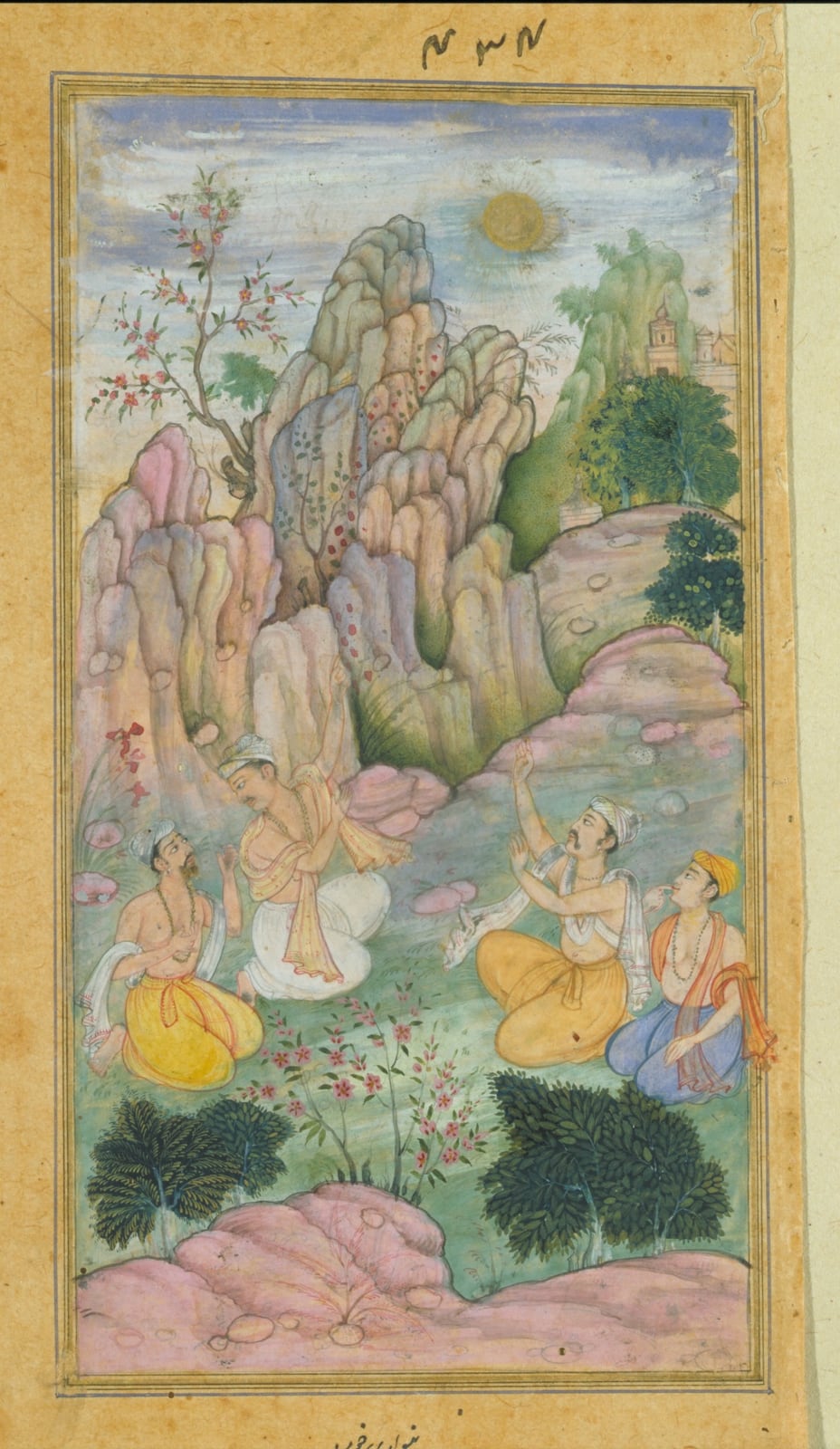
Vyasa
يتّفقان في: ما المطلق؟ هل الله موجود؟ · من أنا؟ هل توجد ذات حقيقية؟ · ماذا يحدث بعد الموت؟
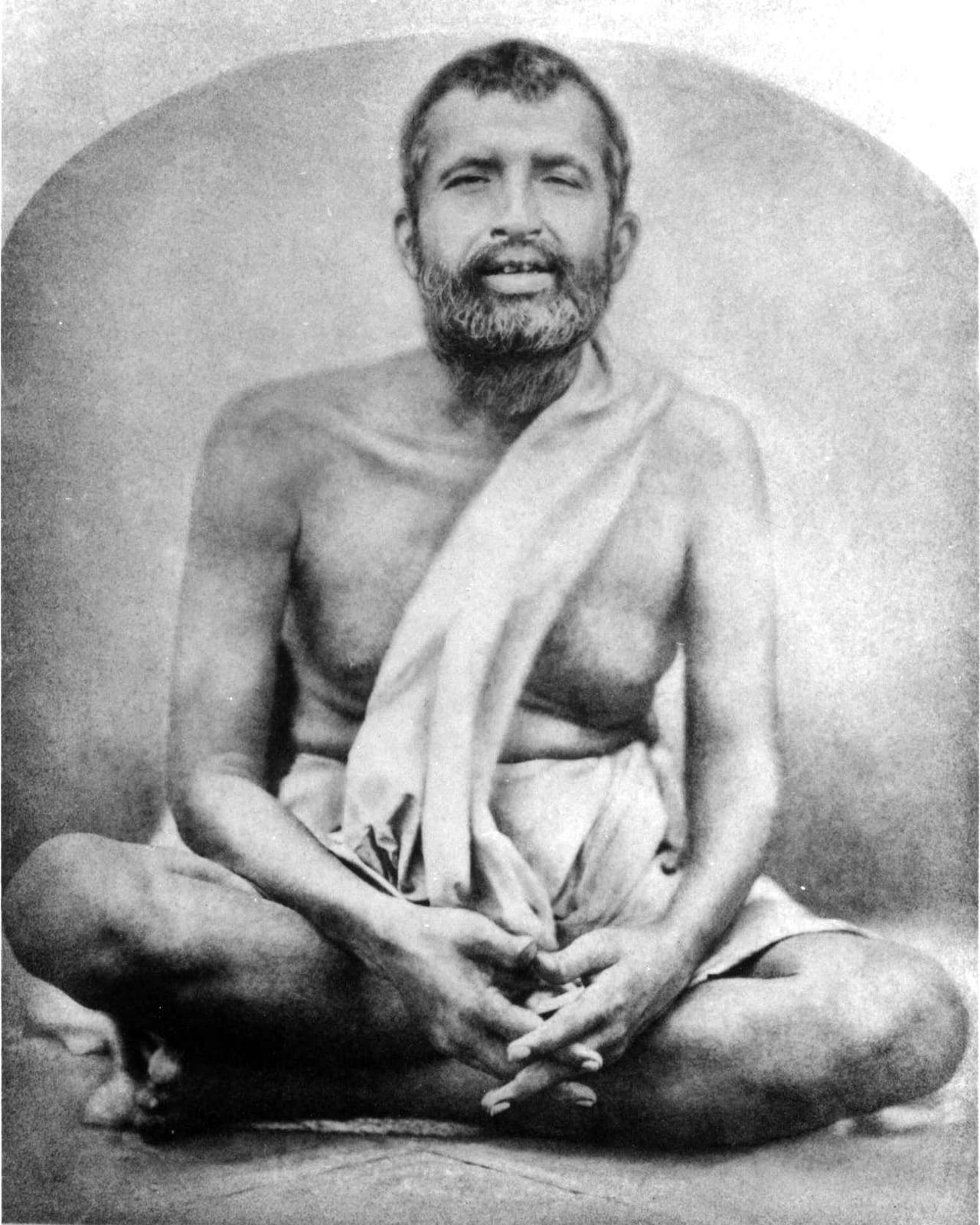
Ramakrishna
يتّفقان في: ما المطلق؟ هل الله موجود؟ · من أنا؟ هل توجد ذات حقيقية؟ · كيف يُبلَغ التحرّر أو الخلاص؟
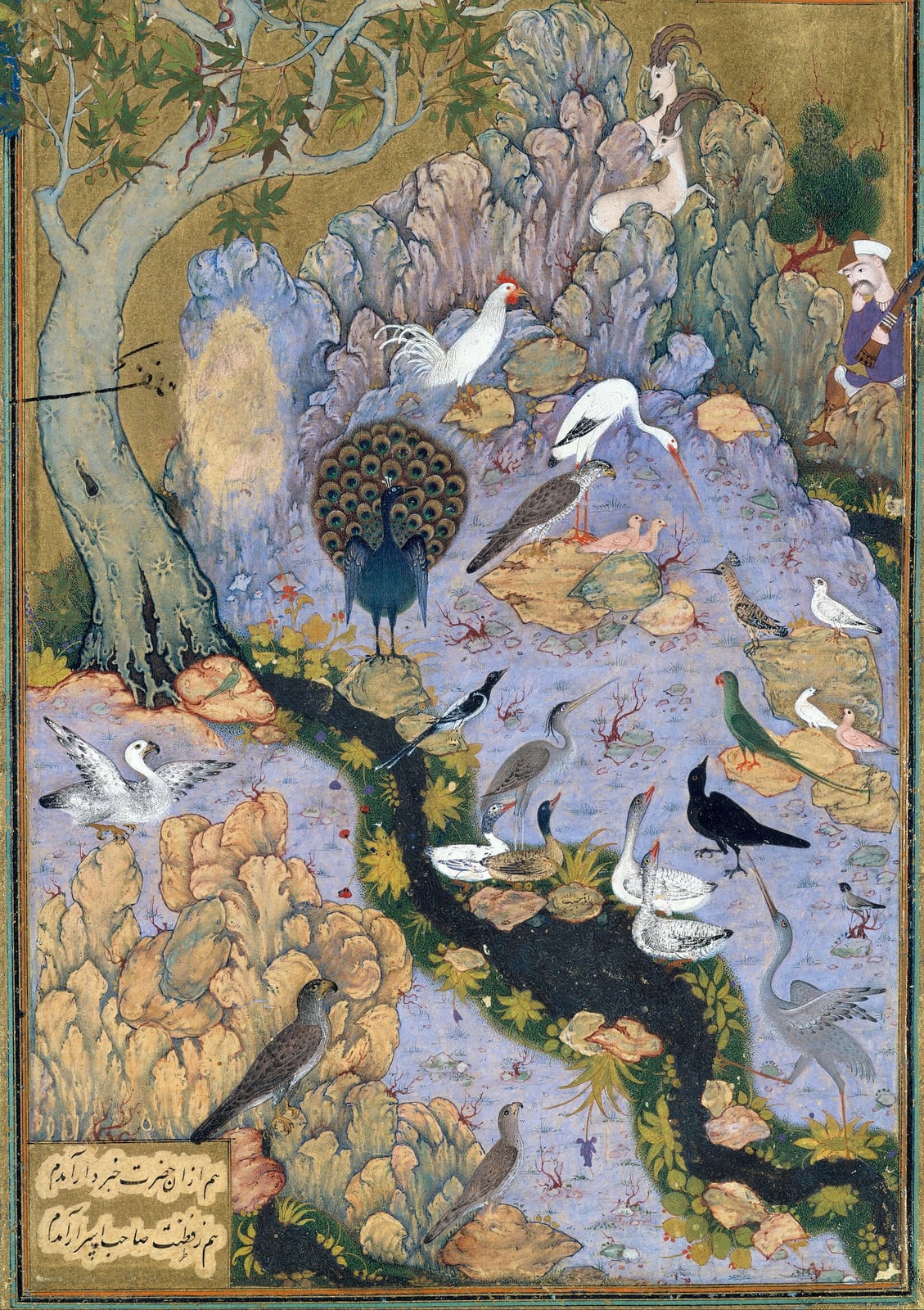
Attar
يتّفقان في: ما المطلق؟ هل الله موجود؟ · من أنا؟ هل توجد ذات حقيقية؟ · هل نحتاج إلى معلّم؟
Ibn Arabi
يتّفقان في: ما المطلق؟ هل الله موجود؟ · من أنا؟ هل توجد ذات حقيقية؟ · هل العالم حقيقي؟


حكايات وروايات
حكايات وروايات
شهادةagosto de 1922
Teacher and disciple
أصل الرواية: Known from what she herself told years later, recorded by Bhaiji and in Mother Reveals Herself; there were no witnesses to the ceremony.
المصدر: Hallstrom, Lisa Lassell. Mother of Bliss: Ānandamayī Mā (1896–1982). Nueva York: Oxford University Press, 1999.
شهادةdiciembre de 1935
“I was the same”
أصل الرواية: Yogananda’s account in Autobiography of a Yogi (1946), ch. 45; the date comes from the Sangha’s chronology. Her words are known in Yogananda’s English version.
شهادةc. 1948
The guru of those who deny gurus
أصل الرواية: Two concordant versions: Atmananda’s diary (Death Must Die), recording what Anandamayi Ma told, and Pupul Jayakar’s biography of Krishnamurti (1986). The date is inferred from a conversation of November 1948 recorded by Amulya Kumar Datta Gupta.
المصدر: Atmananda. Death Must Die: A Western Woman’s Life-Long Spiritual Quest in India with Shree Anandamayee Ma, ed. Ram Alexander. Varanasi: Indica Books, 2000.
شهادة3 de noviembre de 1952
The rose and the chocolate
أصل الرواية: Account by devotees present recorded in Anandamayee: The Universal Mother and, in Anandamayi’s own version, in Ananda Varta (vol. VII, no. 4, 1960); both reproduced by anandamayi.org.
موثّقfebrero de 1942
Eight hours at Sevagram
أصل الرواية: Entry of 20 February 1942 in Gurupriya Devi’s diaries (vol. 10 of the English translation) and a devotee’s recollection, both reproduced by anandamayi.org.
المصدر: Gurupriya Devi. Sri Sri Ma Anandamayi (diarios, original bengalí desde 1925). Trad. inglesa, vols. 1–9 y ss. Calcuta: Shree Shree Anandamayee Charitable Society, 1984–1996.
شهادةc. 1925
The name
أصل الرواية: It comes from Bhaiji’s testimony (Mother as Revealed to Me) and the Sangha’s chronology, which places the episode at Siddheswari in 1925.
المصدر: Bhaiji (Jyotish Chandra Ray). Mother as Revealed to Me (orig. bengalí Matri Darshan). Trad. de G. Das Gupta. Varanasi: Shree Shree Anandamayee Sangha, 2004.
التعاليم
التعاليم
المفاهيم التي ينتظم بها فكره، مشروحة في سياقها.
Kheyalkheyal
Analysed by Hallstrom (1999) and by Anil Ganguli in Anandamayi Ma’s Inscrutable Kheyal (1980).
المصدر: Hallstrom, Lisa Lassell. Mother of Bliss: Ānandamayī Mā (1896–1982). Nueva York: Oxford University Press, 1999.
“This body”: speaking without egoeste-cuerpo
Attested in all the sources (Yogananda, Bhaiji, Gurupriya Devi, Atmananda).
All pathstodos-los-caminos
Comparable to Ramakrishna’s teaching on the plurality of paths, though no direct influence is documented.
المصدر: Hallstrom, Lisa Lassell. Mother of Bliss: Ānandamayī Mā (1896–1982). Nueva York: Oxford University Press, 1999.
The divine name and the fixed timenama-japa
Rooted in the Bengali tradition of nama-japa (Chaitanya) and in the Tantric practice of mantra.
المصدر: Matri Vani: From the Wisdom of Sri Anandamayi Ma, vol. I (cartas recogidas por Gurupriya Devi, trad. de Atmananda, pról. de Gopinath Kaviraj). Varanasi: Shree Shree Anandamayee Sangha, 1963; vol. II (selección de Sister Uma), Calcuta, 1977.
Samyam Saptah: the week of disciplinesamyam-saptah
Described in the Sangha’s chronology and in Ananda Varta; the twenty-fifth was held in 1974.
مقاطع الفيديو
مقاطع الفيديو
تسجيلات ومقابلات وأفلام وثائقية. تُشغَّل مقاطع الفيديو من YouTube؛ ولا تُستضاف هنا.
Ma Anandamayi is present at a sacred thread ceremony at Tarapeeth in 1936
تسجيل أصلي· 1936· 8 min
SriRam108
Yogananda visits Anandamayi Ma
تسجيل أصلي· 1935· 1 min
Heart is Thy Name, O Lord
Ma Anandamayi, vidéo 1959 par Arnaud Desjardins
فيلم وثائقي· FR· 1959· 10 min
Silence Within
Ma Anandamayi 1959 (subtítulos en español)
فيلم وثائقي· ES· 1959· 10 min
CanalGanges
A compilation of cine film clips of Ma Anandamayi from 1956-1981
تسجيل أصلي· 76 min
SriRam108
Ma Anandamayi talks at Suktal in 1961 (English subtitles)
تسجيل أصلي· BN· 1961· 21 min
SriRam108
Ma Anandamayi at the samyam saptah at Rama Tirtha Mission, Dehra Dun, in 1974
تسجيل أصلي· 1974· 27 min
SriRam108
Questions and answers by Sri Ma Anandamayi at Nadiad in 1978 - No 1
تسجيل أصلي· 1978· 12 min
SriRam108
Ma & Me: The Anandamayi Ma Documentary
فيلم وثائقي· EN· 2019· 94 min
Ma Documentary
ANANDAMAYI MA (Documental subtitulado en español)
فيلم وثائقي· ES· 94 min
Anandamayi Ma
Arnaud Desjardins talks about his experiences with Ma Anandamayi
مقابلة· FR· 33 min
SriRam108
ANANDAMAYI MA 1 (Recuerdos de Arnaud Desjardins), subtitulado en español
مقابلة· ES
CanalGanges
The Life of Sri Ma Anandamayi, as narrated by Bithika Mukerjee
محاضرة· EN· 43 min
SriRam108
साधना की 10 अवस्थाएँ | सद् वाणी - भाग 4 | श्री आनंदमयी माँ सत्संग
محاضرة· HI· 72 min
MA Sharanam
المعرض
المعرض
صور بترخيص متحقَّق منه. كل منها تحتفظ بمؤلّفها ونسبتها.
العلاقات
العلاقات
تأثيرات وتلمذة وتقارب في الأفكار. تُميَّز العلاقة الموثّقة عن التشابه المستخلَص بالتحليل.
التقى بـ
They met in Calcutta in December 1935; he devoted chapter 45 of Autobiography of a Yogi to her and she visited his Ranchi school.
علاقة موثّقة
التقى بـ
They talked around 1948 in Delhi, at Kitty Shiva Rao’s house, about the need for a guru; Atmananda and Pupul Jayakar both recount it.
علاقة موثّقة
التقى بـ
La Madre (Mirra Alfassa)
Meeting at the Sri Aurobindo Ashram, Pondicherry, on 3 November 1952.
علاقة موثّقة
معاصر لـ
Bengali contemporaries; they never met. She visited his ashram in 1952, two years after his death.
تشابه مستخلَص بالتحليل
معاصر لـ
They never met in life; on her 1952 tour she visited Ramana’s ashram at Tiruvannamalai, two years after his death.
علاقة موثّقة
التقى بـ
Mahatma Gandhi
She visited him at Sevagram in February 1942 and in 1946 attended one of his prayer meetings in Delhi at his request.
علاقة موثّقة
من عائلة
Bholanath (Ramani Mohan Chakrabarti)
Her husband from 1909, in an unconsummated marriage; he received initiation from her in 1922 and died in 1938.
علاقة موثّقة
معلّم
Bhaiji (Jyotish Chandra Ray)
One of the first devotees; he gave her the name Anandamayi and compiled Sad Vani and Matri Darshan.
علاقة موثّقة
معلّم
Gurupriya Devi
Companion from 1926 and author of the diaries that are the main chronicle of her life.
علاقة موثّقة
معلّم
Gopinath Kaviraj
The great Banaras Sanskritist frequented her from 1928 and wrote the foreword to Matri Vani.
علاقة موثّقة
أفكار قريبة من
Bengali mystics of frequent ecstasies, with no writings of their own, who taught the legitimacy of all paths. Similarity identified by the editors; no personal relationship.
تشابه مستخلَص بالتحليل
أفكار قريبة من
Her insistence on the divine name and kirtan continues the Bengali Vaishnava devotion of Chaitanya, in whose tradition her father sang. Relationship noted by the editors.
تشابه مستخلَص بالتحليل
المصادر
المصادر
المراجع والفهارس التي رُوجعت لهذه الصفحة.
- Bhaiji (Jyotish Chandra Ray). Sad Vani: A Collection of the Teachings of Sri Anandamayi Ma (original bengalí, 1935). Trad. inglesa de Atmananda. Varanasi / Calcuta: Shree Shree Anandamayee Charitable Society, 1973 (reimpr. 1975).
- Gurupriya Devi. Sri Sri Ma Anandamayi (diarios, original bengalí desde 1925). Trad. inglesa, vols. 1–9 y ss. Calcuta: Shree Shree Anandamayee Charitable Society, 1984–1996.
- Hallstrom, Lisa Lassell. Mother of Bliss: Ānandamayī Mā (1896–1982). Nueva York: Oxford University Press, 1999.
- Lipski, Alexander. Life and Teaching of Śrī Ānandamayī Mā. Delhi: Motilal Banarsidass, 1977.
- Mukerji, Bithika. From the Life of Sri Anandamayi Ma. Varanasi: Shree Shree Anandamayee Sangha, 1970; y The Most Gracious Presence, Sri Ma Anandamayi, 3 vols., 2009–2014.
- Yogananda, Paramahansa. Autobiography of a Yogi. Nueva York: The Philosophical Library, 1946, cap. 45 («The Bengali “Joy-Permeated” Mother»). Texto de 1946 en Project Gutenberg (n.º 7452).
- Wikidata, «Anandamayi Ma» (Q433594): fechas y lugares, 38 enlaces entre wikis.
- Wikipedia en inglés, «Anandamayi Ma».
- anandamayi.org (sitio de devotos vinculado a la Shree Shree Anandamayee Sangha): «Life History» 1896–1982, cronología año por año, y páginas «Meeting with Saints and Mahatmas».
- Aymard, Orianne. When a Goddess Dies: Worshipping Ma Anandamayi after Her Death. Nueva York: Oxford University Press, 2014.
- Atmananda. Death Must Die: A Western Woman’s Life-Long Spiritual Quest in India with Shree Anandamayee Ma, ed. Ram Alexander. Varanasi: Indica Books, 2000.
- Jayakar, Pupul. J. Krishnamurti: A Biography. San Francisco: Harper & Row, 1986 (sobre el encuentro en casa de Kitty Shiva Rao, Delhi).
- Matri Vani: From the Wisdom of Sri Anandamayi Ma, vol. I (cartas recogidas por Gurupriya Devi, trad. de Atmananda, pról. de Gopinath Kaviraj). Varanasi: Shree Shree Anandamayee Sangha, 1963; vol. II (selección de Sister Uma), Calcuta, 1977.
- Lannoy, Richard. Anandamayi: Her Life and Wisdom. Shaftesbury: Element, 1996.
- Wikimedia Commons: fotografías de Anandamayi Ma y de sus ashrams (metadatos y licencias consultados por API).
- Shree Shree Anandamayee Sangha, catálogo de publicaciones (bookshop) con fechas, compiladores y traductores.
- Bhaiji (Jyotish Chandra Ray). Mother as Revealed to Me (orig. bengalí Matri Darshan). Trad. de G. Das Gupta. Varanasi: Shree Shree Anandamayee Sangha, 2004.
- Maschmann, Melita. Encountering Bliss: My Journey through India with Anandamayi Ma. Trad. de S. B. Shrotri. Delhi: Motilal Banarsidass, 2002.
- صاحب الحقوق
- Anandamayi Ma murió en 1982; sus palabras se conocen en recopilaciones cuyos derechos pertenecen a la Shree Shree Anandamayee Sangha (Varanasi/Kankhal), a la Shree Shree Anandamayee Charitable Society (Calcuta) y a los compiladores y traductores (Bhaiji, Gurupriya Devi, Atmananda). Ningún texto suyo es de dominio público en la UE, España o EE. UU.
- الموقع الرسمي
- www.shreeshreeanandamayeesangha.org/
في انتظار التأكيد
ما لم تتمكّن هذه الصفحة من حسمه بعد. نفضّل أن نقول ذلك على أن نملأ الفراغ.
- Sala de lectura: ningún texto de Anandamayi Ma (m. 1982) ni de sus compiladores es de dominio público; no se registra reading_texts. La única fuente libre en EE. UU. es el capítulo 45 de Autobiography of a Yogi (Gutenberg), que pertenece a la ficha de Yogananda.
- ISBN de las ediciones de la Sangha (Sad Vani, Matri Vani, Words, diarios de Gurupriya Devi): no figuran en Open Library.
- Ediciones españolas: ISBN de Palabras de la Madre (Advaitavidya, 2024), de La Madre según me fue revelada y de la traducción de Lannoy; identificar el libro con ISBN 9788497773249 («Vida y enseñanzas de Sri Anandamayi Ma», editorial desconocida en Open Library).
- Confirmar si Worte der Glückseligen Mutter (Mangalam, 1986) es la versión alemana de Words of Sri Anandamayi Ma, y el original de Leben und Weisheit der Glückseligen Mutter (Ed. Maitri, 1995).
- Año y título bengalí exactos de Matri Darshan (Bhaiji) y fecha de muerte de Bhaiji (las fuentes oscilan entre 1937 y 1938).
- Citas tomadas de anandamayi.org (respuesta al periodista irlandés, «pensión divina», encuentro con la Madre) marcadas como probables: localizar la página exacta en Matri Vani, Ananda Varta o las biografías de Bithika Mukerji.
- Último mensaje o palabras finales: revisar los diarios de Gurupriya Devi y las crónicas de 1982 por si se registró alguna frase.
- Imágenes: localizar en Commons fotografías de madurez con licencia libre verificada; las de los años cuarenta a ochenta suelen tener derechos de la Sangha o de fotógrafos identificados.
بُحث بتاريخ 2026-10-25