الأبيقورية
Epicurus
Ἐπίκουρος
341 ق.م – 270 ق.مشخصية موثّقة تاريخيًا
فيلسوف يوناني (341–270 ق.م)، مؤسس مدرسة «الحديقة» في أثينا. جمع بين طبيعيات ذرية ورثها عن ديمقراطيس وأخلاقٍ تجعل اللذة، بمعنى انتفاء الألم من البدن والاضطراب من النفس، غايةَ الحياة. علّم ألّا يخاف الإنسان الآلهة ولا الموت، وأن يرعى الصداقة. ولم يبقَ من لفائفه التي بلغت نحو ثلاثمئة إلا ثلاث رسائل، ومجموعتان من الحِكَم، وشذرات من عمله الأكبر «في الطبيعة».
- مؤلَّفًا
- 49مؤلَّفًا
- طبعة
- 58طبعة
- اقتباسًا
- 13اقتباسًا
- مقطع فيديو
- 15مقطع فيديو
- صورة
- 6صورة

Cabeza de Epicuro (Metropolitan Museum) · CC0
بكلماته
«Let no one be slow to seek wisdom when he is young nor weary in the search thereof when he is grown old. For no age is too early or too late for the health of the soul.»Carta a Meneceo, en Diógenes Laercio X 122. Griego: Diógenes Laercio X, ed. de Wikisource griega; inglés: R. D. Hicks (Loeb, 1925, dominio público); español: traducción propia.

فكرته المحورية
Pleasure (hedone) as the end: For Epicurus pleasure is "the beginning and end of the blessed life": the first good, innate in every living being, and the rule by which we judge each choice.
السيرة
4 دقيقة قراءة
ترجمة مُعانة من الأصل الإسباني، بانتظار مراجعة مترجم من أهل اللغة.
ثلاثمئة لفافة وثلاث رسائل
كان أبيقور من أغزر مؤلفي العصور القديمة إنتاجًا: إذ ينسب إليه ديوجانس اللائرتي نحو ثلاثمئة لفافة، ليس فيها استشهاد واحد بغيره. وقد ضاع كل ذلك تقريبًا. وما بقي لنا يصل إلينا من ثلاث طرق. فالكتاب العاشر من «سِيَر» اللائرتي ينقل كاملةً ثلاث رسائل — إلى هيرودوت وإلى فيثوكليس وإلى مينيكيوس — والأقوال الأساسية الأربعين ووصيّته. وطمرت السُّحب البركانية الملتهبة التي قذفها فيزوف سنة 79، في فيلا بهركولانيوم، مكتبةَ الأبيقوري فيلوديموس، وفيها لفائف متفحمة من رسالته الكبرى «في الطبيعة». وفي سنة 1888 ظهرت في مخطوطة من المكتبة الفاتيكانية مجموعة أخرى من الحِكَم. وحول ذلك تبقى أخبار الرواقيين والأكاديميين والمسيحيين، وكثيرًا ما تكون معادية، وأصداء أمينة لتلاميذ مثل لوكريتيوس.
ساموس وقولوفون وتيوس
وُلد سنة 341 ق.م في ساموس، حيث كانت أثينا قد أسكنت مستوطنين؛ وكان أبوه نيوكليس معلّم صبيان ومواطنًا أثينيًا من دائرة غارغيتوس، وأمه تُدعى خايريستراتي. وبحسب الأبيقوري أبولودوروس، اتجه إلى الفلسفة في الرابعة عشرة، ضائقًا بأن معلّميه عجزوا عن أن يشرحوا له ما «العماء» (الخاوس) عند هسيودوس. وفي الثامنة عشرة جاء أثينا ليؤدي خدمة الفتوّة العسكرية، حين كان كسانوقراطيس يعلّم في الأكاديمية وكان أرسطو قد اعتزل في خلقيس. وبعد موت الإسكندر طرد برديكاس الأثينيين من ساموس، فلحق أبيقور بأسرته في قولوفون. وعلى مقربة منها، في تيوس، استمع إلى الديمقراطي نوسيفانيس، صاحب كتاب «الحامل الثلاثي» الذي يقال إنه أخذ منه كتابه «القانون»؛ أما هو فأنكر ذلك دائمًا، وزعم أنه علّم نفسه بنفسه، وأمطر معلّمه القديم بالشتائم.
من بحر إيجة إلى الحديقة
في الثانية والثلاثين بدأ يعلّم في ميتيليني بجزيرة لسبوس، ثم بعد قليل في لامبساكوس على الهلسبونت، حيث جمع التلاميذ الذين سيرافقونه طوال حياته: ميترودوروس وبولياينوس وإيدومينيوس وكولوتيس وليونتيوس وزوجته ثيميستا. ونحو سنة 307 ق.م عاد إلى أثينا واشترى بثمانين مينا بستانًا، هو «الحديقة» (كيبوس)، الذي أعطى المدرسة اسمها. وكانت جماعة أصدقاء أكثر منها قاعة درس: يعيش فيها إخوته، ونساء مثل ليونتيون أو ثيميستا، والعبد ميس الذي كان يشارك في الدرس؛ يأكلون ببساطة، ويقنعون بالخبز والماء وقليل من النبيذ الممزوج، ولا يجعلون أموالهم مشاعًا، لأن ذلك، كما كان أبيقور يقول، يفترض انعدام الثقة بين الأصدقاء. وبعد قرون كان سينيكا يذكّر بالنقش الذي على الباب: «أيها الضيف، ستطيب لك الإقامة هنا؛ فهنا الخير الأسمى هو اللذة».
دواء للخوف
كان أبيقور يقسم الفلسفة إلى قانونيات وطبيعيات وأخلاق، ويُخضع الأوليين للثالثة: فلا معنى لدراسة الطبيعة إلا إن حررت من الخوف. فكل ما هو موجود ذرّات لا تنقسم تتحرك في الخلاء؛ والنفس أيضًا مركّب من ذرات يتفكك بتفكك البدن؛ والآلهة موجودة، لكنها تعيش سعيدة غير مكترثة، فلا تعاقب أحدًا ولا تثيبه. ومن هنا أشهر أقواله: الموت لا شيء بالنسبة إلينا، لأننا ما دمنا موجودين فهو غير موجود، وحين يوجد هو لا نكون نحن. واللذة مبدأ الحياة السعيدة وغايتها، لكنها ليست لذة المتهتكين، بل انتفاء الألم من البدن (أبونيا) وانتفاء الاضطراب من النفس (أتاراكسيا، أي الطمأنينة). وللوصول إليها ينبغي التمييز بين الرغبات الطبيعية الضرورية والرغبات الباطلة، والاختيار بحكمة عملية هي أثمن من الفلسفة نفسها. والصداقة أعظم خير تهبه الحكمة، والحياة المعتزلة — «عِشْ متواريًا»، كما سيلخّصها الأبيقوريون — تقي من الطموح ومن السياسة.
الإحساسات والذرات والانحراف
تذهب نظرية المعرفة، التي عُرضت في كتاب «القانون» المفقود، إلى أن الإحساسات كلها صادقة، وأن الخطأ ينشأ من الظن الذي نضيفه إليها؛ ومعها تكون التصورات المسبقة (برولبسيس) وانفعالات اللذة والألم معاييرَ الحقيقة. وتتبع الطبيعيات ديمقراطيس عن كثب، وكان أبيقور مدينًا له بأكثر مما يعترف، لكنها تفترق عنه في نقطة حاسمة: فلإنقاذ الحرية في وجه الضرورة، يمكن للذرات أن تنحرف عن مسارها انحرافًا ضئيلًا. وهذا الانحراف، الذي سمّاه اللاتين كليناميْن، لا يرد في نصوص أبيقور الباقية، وإنما نعرفه من لوكريتيوس وشيشرون، وإن كانت الرسالة إلى مينيكيوس تفضّل منذ ذلك الحين أساطير الآلهة على الضرورة الصارمة عند الطبيعيين، وتقرّر أن ثمة ما هو في وسعنا.
الافتراءات والمدافعون
لم تُفترَ على مدرسة قديمة كما افتُري على هذه. فقد روى تيموقراطيس، أخو ميترودوروس والمنشقّ عن الحديقة، أن أبيقور كان يتقيأ مرتين في اليوم من فرط الأكل، وينفق على مائدته مينا كل يوم؛ وأشاع الرواقي ديوتيموس خمسين رسالة فاحشة نُسبت إليه زورًا. وسمّاه إبكتيتوس داعيةَ الترف والتخنّث، وجعل آباء الكنيسة كلمة «أبيقوري» مرادفًا للملحد والمنغمس في الملذات. وديوجانس اللائرتي، الذي ينقل هذه التهم، يفنّدها بشهادة وصيّته، ووفاء أصدقائه، وتقشّف الحديقة. على أن أبيقور نفسه، والحق يقال، احتقر بلا هوادة أفلاطون وأرسطو والكلبيين والجدليين.
أسعد الأيام
مات سنة 270 ق.م، في الثانية والسبعين، بعد أربعة عشر يومًا من الألم بسبب حصاة كانت تمنعه من التبوّل، كما كان يروي خليفته هرمارخوس. وفي ذلك اليوم الأخير كتب إلى إيدومينيوس أنه يقابل آلام المثانة والأمعاء، التي لا يمكن أن تكون أشد، بفرح النفس بذكرى أحاديثهما، وأوصاه برعاية أبناء ميترودوروس. وأضاف كاتب السِّيَر هرميبوس أنه دخل حوضًا من البرونز فيه ماء فاتر، وطلب نبيذًا صرفًا، فشربه ومات بعد أن سأل أصدقاءه أن يذكروا تعاليمه. وفي وصيته ترك الحديقة للمدرسة، وأعتق عبيده ميس ونيكياس وليكون وفايدريون، وجعل لقاءً في اليوم العشرين من كل شهر إحياءً لذكراه وذكرى ميترودوروس.
العقب الطويل
بقيت الحديقة قرونًا على وفاء نادر لمؤسسها. ففي القرن الأول قبل الميلاد علّم فيلوديموس الأبيقورية في إيطاليا، وصبّها لوكريتيوس في الكتب الستة من «في طبيعة الأشياء»؛ وفي القرن الثاني للميلاد أمر ديوجانس الأوينواندي بنقش تعاليمها على جدار في مدينته بليكيا، ليقرأها من يشاء. ثم دفنتها المسيحية؛ وكان اكتشاف بوجيو براتشوليني لمخطوطة لوكريتيوس سنة 1417 بداية عودتها، وفي القرن السابع عشر وفّق بيير غاسندي بين الذرية الأبيقورية والإيمان، ووضعها في أصل العلم الحديث. واليوم، مع برديات هركولانيوم التي تُفكّ رموزها شيئًا فشيئًا، يبقى أبيقور الفيلسوف الذي قدّم السكينة بوصفها صنعةً تُتعلَّم.
المصادر: García Gual, Carlos. Epicuro. Alianza Editorial, Madrid, 1981. · Diógenes Laercio. Vidas y opiniones de los filósofos ilustres, libro X (Epicuro: vida, testamento, cartas a Heródoto, Pitocles y Meneceo, Máximas capitales), s. III d. C. Trad. inglesa de R. D. Hicks, Loeb Classical Library 185, 1925 (Wikisource en inglés); texto griego en Wikisource griega; trad. de C. D. Yonge, Bohn, 1853 (Project Gutenberg n.º 57342). · Diógenes Laercio. Los diez libros de Diógenes Laercio sobre las vidas, opiniones y sentencias de los filósofos más ilustres, trad. de José Ortiz y Sanz, tomo II (libros VI–X). Imprenta Real, Madrid, 1792 (Internet Archive). · Usener, Hermann (ed.). Epicurea. Teubner, Leipzig, 1887 (Internet Archive). Edición clásica de los textos y testimonios; numeración «Us.» de los fragmentos. · Bailey, Cyril (ed. y trad.). Epicurus: The Extant Remains. Clarendon Press, Oxford, 1926 (Internet Archive).
الخط الزمني
الحياة عامًا بعد عام
كل نقطة حدث موثّق. انقر لتقرأه مع مصدره ودرجة اليقين فيه.
341 ق.مأقل من عامSamos
Birth
Born on Samos on the 7th of the month Gamelion in the third year of the 109th Olympiad, archonship of Sosigenes (January–February 341 BCE), according to Apollodorus' chronology in Diogenes Laertius X 14. Son of Neocles and Chaerestrate, Athenian citizens. Wikidata records 342 and 341. Years BCE are expressed as negative numbers.
موثّقDiógenes Laercio. Vidas y opiniones de los filósofos ilustres, libro X (Epicuro: vida, testamento, cartas a Heródoto, Pitocles y Meneceo, Máximas capitales), s. III d. C. Trad. inglesa de R. D. Hicks, Loeb Classical Library 185, 1925 (Wikisource en inglés); texto griego en Wikisource griega; trad. de C. D. Yonge, Bohn, 1853 (Project Gutenberg n.º 57342).
بعد وفاته
- نحو 150 ق.مThe inscription of Diogenes of Oenoanda
- 79 ق.مThe Herculaneum library
- نحو 55 ق.مLucretius, On the Nature of Things
- 1417Poggio finds Lucretius
- 1888The Vatican Sayings
341 ق.م · أقل من عام
Birth
Born on Samos on the 7th of the month Gamelion in the third year of the 109th Olympiad, archonship of Sosigenes (January–February 341 BCE), according to Apollodorus' chronology in Diogenes Laertius X 14. Son of Neocles and Chaerestrate, Athenian citizens. Wikidata records 342 and 341. Years BCE are expressed as negative numbers.
موثّق
نحو 327 ق.م · 14 عامًا
Hesiod's chaos
By his own account he comes to philosophy at fourteen; Apollodorus the Epicurean says it was out of contempt for teachers who could not explain Hesiod's "chaos" to him (Diogenes Laertius X 2).
تقليد
323 ق.م · 18 عامًا
Ephebe in Athens
Comes to Athens at eighteen for his ephebic service, when Xenocrates heads the Academy and Aristotle is in Chalcis (Diogenes Laertius X 1).
موثّق
نحو 321 ق.م · 20 عامًا
Colophon and Nausiphanes
With the Athenian settlers expelled from Samos by Perdiccas, he joins his father in Colophon. At Teos he hears the Democritean Nausiphanes, though he later denied having had teachers (Diogenes Laertius X 1, 13–14).
مرجَّح
نحو 311 ق.م
First school
Around 311 BCE—Laertius says at thirty-two—he begins teaching at Mytilene and then at Lampsacus, where Metrodorus, Polyaenus, Idomeneus, Colotes, Leonteus and Themista join him (Diogenes Laertius X 15).
مرجَّح
نحو 307 ق.م · 34 عامًا
Return to Athens and purchase of the Garden
Returns to Athens in the archonship of Anaxicrates (307/306 BCE) and buys for eighty minae the garden that gives the school its name (Diogenes Laertius X 2, 11).
موثّق
نحو 277 ق.م
Death of Metrodorus
Metrodorus of Lampsacus, his closest disciple, dies seven years before Epicurus (Diogenes Laertius X 23); the master's will provides for his children.
مرجَّح
270 ق.م · 71 عامًا
Death
Dies in the second year of the 127th Olympiad, archonship of Pytharatus (271/270 BCE), aged seventy-two (ancient reckoning), after fourteen days of illness from a urinary stone. Hermarchus of Mytilene succeeds him (Diogenes Laertius X 15–22).
موثّق
نحو 150 ق.م
The inscription of Diogenes of Oenoanda
A citizen of Oenoanda, Diogenes, has a great inscription with Epicurus' doctrines carved on a stoa of his city, of which hundreds of fragments have been recovered. Approximate date (second century CE).
موثّق
79 ق.م
The Herculaneum library
The eruption of Vesuvius buries the Villa of the Papyri and Philodemus' library, with rolls of Epicurus' On Nature; the papyri will be found carbonised in the eighteenth century.
موثّق
نحو 55 ق.م
Lucretius, On the Nature of Things
Lucretius composes in Latin hexameters the six books of his poem, the fullest surviving exposition of the Epicurean system.
مرجَّح
1417
Poggio finds Lucretius
The humanist Poggio Bracciolini discovers a manuscript of On the Nature of Things in a German monastery and has it copied; the poem reintroduces Epicureanism into European culture.
موثّق
1888
The Vatican Sayings
Karl Wotke publishes, with Hermann Usener's help, the collection of 81 Epicurean sayings he had found in the codex Vaticanus graecus 1950.
موثّق
المؤلَّفات
المؤلَّفات الأساسية
المؤلَّفات التي لا يُفهم إرثه من دونها.
مراسلات
Letter to Menoeceus
Ἐπιστολὴ πρὸς Μενοικέα
Epicurus' most widely read text: a short moral treatise in the form of a letter. It opens by urging philosophy at any age, since it is never too early or too late for the health of the soul; recalls that the gods are immortal and blessed and do not concern themselves with men; shows that death is nothing to us; classifies desires as natural and necessary, natural and unnecessary, and empty; defines pleasure as the absence of pain in the body and of disturbance in the soul, not the enjoyment of the profligate; places prudence above philosophy; and closes with the portrait of the sage, who lives "like a god among men".
10 طبعات · amazon.com
مراسلات
Letter to Herodotus
Ἐπιστολὴ πρὸς Ἡρόδοτον
A summary of Epicurean physics addressed to a disciple. It sets out the principles: nothing comes from nothing or perishes into nothing; the whole consists of bodies and void; compound bodies are made of indivisible atoms, of varied though not infinite shapes, moving ceaselessly at equal speed; there are infinitely many worlds. It explains perception through the images (eidola) that flow from things, the bodily nature of the soul and its dispersal at death, and ends by showing that the study of celestial phenomena serves to free us from fear, not to foretell.
9 طبعات · amazon.com
مجموعة لاحقة
Principal Doctrines (Kyriai Doxai)
Κύριαι δόξαι
The forty maxims condense the system into short formulas meant to be learned by heart. The first four contain the so-called "fourfold remedy": the blessed and immortal being neither has troubles nor causes them; death is nothing to us; the limit of pleasure is the removal of all pain; intense pain is brief and prolonged pain is bearable. Then come maxims on prudence and justice, on desires, on the security friendship brings and, at the end, a theory of justice as a compact neither to harm nor be harmed.
9 طبعات · amazon.com
مجموعة لاحقة
Vatican Sayings
Ἐπικούρου προσφώνησις (Gnomologium Vaticanum Epicureum)
A collection of moral maxims at times more poetic and personal in tone than the Principal Doctrines. They include the most quoted sayings on friendship—"friendship dances around the world", calling everyone to wake to happiness—on gratitude for past goods, the simplicity of what is necessary, independence from fame and politics, and preparation for death. Together with the Principal Doctrines, it was the school's instrument for memorisation.
6 طبعات · amazon.com

مؤلَّف مكتوب · نحو 300 ق.م
On Nature
Περὶ φύσεως
Epicurus' major work: a series of lectures in thirty-seven rolls that set out, completely and polemically, the physics, theory of knowledge and psychology of the system. The scholia to the Letter to Herodotus refer to it for the thesis that the whole consists of bodies and void or for the variety of shapes of worlds. The Herculaneum papyri, deciphered with difficulty since the eighteenth century and today with imaging techniques, preserve discussions of moral responsibility (Book XXV) and of language and error (Book XXVIII), in a dense style very different from that of the letters.
3 طبعات · amazon.com
جميع مؤلَّفاته (49)
Letter to Pythocles

Last Will
270
Letter to Idomeneus (on his last day)
270
Epicurus
Letters (fragments)
The Conscious LibraryLetters (fragments)
Epicurus
On Atoms and Void
The Conscious LibraryOn Atoms and Void
Epicurus
On Love
The Conscious LibraryOn Love
Epicurus
Epitome of Objections to the Physicists
The Conscious LibraryEpitome of Objections to the Physicists
Epicurus
Against the Megarians
The Conscious LibraryAgainst the Megarians
Epicurus
Problems
The Conscious LibraryProblems
Epicurus
On Choice and Avoidance
The Conscious LibraryOn Choice and Avoidance
Epicurus
On the End
The Conscious LibraryOn the End
Epicurus
On the Criterion, or Canon
The Conscious LibraryOn the Criterion, or Canon
Epicurus
Chaeredemus
The Conscious LibraryChaeredemus
Epicurus
On the Gods
The Conscious LibraryOn the Gods
Epicurus
On Piety
The Conscious LibraryOn Piety
Epicurus
Hegesianax
The Conscious LibraryHegesianax
Epicurus
On Lives (4 books)
The Conscious LibraryOn Lives (4 books)
Epicurus
On Just Dealing
The Conscious LibraryOn Just Dealing
Epicurus
Neocles, to Themista
The Conscious LibraryNeocles, to Themista
Epicurus
Symposium
The Conscious LibrarySymposium
Epicurus
Eurylochus, to Metrodorus
The Conscious LibraryEurylochus, to Metrodorus
Epicurus
On Vision
The Conscious LibraryOn Vision
Epicurus
On the Angle in the Atom
The Conscious LibraryOn the Angle in the Atom
Epicurus
On Touch
The Conscious LibraryOn Touch
الأقوال
أقوال محدَّدة الموضع في مؤلَّف بعينه. كل منها يحمل مصدره ودرجة الثقة به.
Let no one be slow to seek wisdom when he is young nor weary in the search thereof when he is grown old. For no age is too early or too late for the health of the soul.Μήτε νέος τις ὢν μελλέτω φιλοσοφεῖν, μήτε γέρων ὑπάρχων κοπιάτω φιλοσοφῶν· οὔτε γὰρ ἄωρος οὐδείς ἐστιν οὔτε πάρωρος πρὸς τὸ κατὰ ψυχὴν ὑγιαῖνον.
متحقَّق منهCarta a Meneceo, en Diógenes Laercio X 122. Griego: Diógenes Laercio X, ed. de Wikisource griega; inglés: R. D. Hicks (Loeb, 1925, dominio público); español: traducción propia.
أقوال منحولة أو مختلَف في نسبتها (3)
«Is God willing to prevent evil, but not able? Then he is impotent. Is he able, but not willing? Then he is malevolent. Is he both able and willing? Whence then is evil?»
The so-called "Epicurean paradox" appears in no surviving text of Epicurus. Its source is the Christian apologist Lactantius (On the Anger of God 13, c. 314), who attributes it to Epicurus in order to refute it; many scholars think it comes from the sceptical Academy (Carneades) rather than the Garden, and the modern question form is owed mainly to Hume.
«I was not; I was; I am not; I do not care.»
A Latin funerary formula (non fui, fui, non sum, non curo) attested in Roman epitaphs of the imperial age, Epicurean in inspiration. It circulates attributed to Epicurus, but it is not in his texts nor in Greek.
«The fourfold remedy: God presents no fears; death no worries; the good is easy to get; the terrible is easy to endure.»
The doctrine is Epicurus' (Principal Doctrines I–IV), but the compact formula of the "tetrapharmakos" is by his follower Philodemus (first century BCE), in a Herculaneum papyrus. Presenting it as a literal quotation from Epicurus is inaccurate.
الكلمات الأخيرة
نسبة تقليدية
«"Remember the doctrines" (according to Hermippus, he bade his friends remember his doctrines and so died).»τοῖς τε φίλοις παραγγείλαντα τῶν δογμάτων μεμνῆσθαι οὕτω τελευτῆσαι
Diogenes Laertius X 15–16 records the account of the biographer Hermippus (third century BCE): ill with a stone for fourteen days, he got into a bronze bath of warm water, asked for unmixed wine, drank it, bade his friends remember his doctrines and died. Laertius' own epigram puts in his mouth "χαίρετε, καὶ μέμνησθε τὰ δόγματα" ("farewell, and remember the doctrines"), a literary version. The most reliable testimony of his last hours is not spoken words but the last-day letter to Idomeneus (X 22), which Cicero knows as addressed to Hermarchus (De finibus II 96): "I write this on the blissful day that is also the last of my life…". English: R. D. Hicks; Spanish: own translation.
المصدر: Diógenes Laercio. Vidas y opiniones de los filósofos ilustres, libro X (Epicuro: vida, testamento, cartas a Heródoto, Pitocles y Meneceo, Máximas capitales), s. III d. C. Trad. inglesa de R. D. Hicks, Loeb Classical Library 185, 1925 (Wikisource en inglés); texto griego en Wikisource griega; trad. de C. D. Yonge, Bohn, 1853 (Project Gutenberg n.º 57342).
اسأل
بماذا يجيب أثره
اثنا عشر سؤالًا كبيرًا من أسئلة الإنسانية، وما تتيح نصوصه الإجابة به عنها، مع المراجع. ولا نقوّله ما لم يقل أبدًا.
ما المطلق؟ هل الله موجود؟
The gods exist, happy and indifferent: they neither made the world nor govern it
لا إله خالقيقوله صراحةً
Epicurus is no atheist: in the Letter to Menoeceus he affirms that the gods exist and that knowledge of them is evident, and he defines them as incorruptible and happy beings. But precisely for that reason they cannot concern themselves with the world: the first Principal Doctrine says that the happy and incorruptible being neither has troubles nor causes them, and is subject neither to anger nor to favour. The cosmos is not their work but that of atoms combining in the void, and celestial phenomena must not be ascribed to their government. Human happiness therefore depends on no God: freedom from fear of the gods is one of the first remedies of his philosophy.
قارن هذا السؤال مع معلّمين آخرينمن أنا؟ هل توجد ذات حقيقية؟
The soul is a compound of atoms that disperses with the body
لا توجد ذات دائمةيقوله صراحةً
In the Letter to Herodotus Epicurus describes the soul as a body of fine parts spread throughout the organism, resembling breath with an admixture of heat, and adds that it cannot feel apart from the body's covering: when the body dissolves, its atoms scatter and it ceases to exist. To call the soul incorporeal, he says, is to speak idly. There is therefore no permanent self surviving the composition that forms it. Ethics rests on this physics: fear of death arises from imagining that we will still be there to suffer it, and vanishes once one understands that, the compound dissolved, nobody remains to be affected.
قارن هذا السؤال مع معلّمين آخرينلماذا نتألّم؟
Empty desires and groundless fears disturb us
التعلّق والشهوةيقوله صراحةً
Epicurus identifies the good with pleasure, understood above all as absence of pain in the body and of disturbance in the soul, and explains unhappiness by two causes. The first is ill-ordered desires: some are natural and necessary, others natural and unnecessary, and others empty, like those for wealth or glory, which have no limit and are therefore never sated. The second is false opinions that breed fear, above all of the gods and of death. The Letter to Menoeceus teaches how to classify desires and weigh pleasures and pains, and physics dissolves the fears. We suffer by desiring what we do not need and fearing what should not be feared.
قارن هذا السؤال مع معلّمين آخرينماذا يحدث بعد الموت؟
Death is nothing to us: where it is, we are not
الموت نهاية الشخصيقوله صراحةً
Epicurus keeps no reserve: he states with confidence that death is the dissolution of the compound of atoms we are and that no one remains to undergo it. Hence his most famous argument, in the Letter to Menoeceus: good and evil lie in sensation, and death is the privation of sensation; so when we are, death is not, and when death is, we are no longer. The second Principal Doctrine reduces it to one line. The fear of death is thus an error, and its remedy is not a hope but physics properly understood. What matters is the quality of present life, not its length.
قارن هذا السؤال مع معلّمين آخرينكيف يُبلَغ التحرّر أو الخلاص؟
Meditating day and night on the truths that heal the soul
بالممارسة المنضبطةيقوله صراحةً
For Epicurus philosophy is medicine for the soul, and its goal, ataraxia, is reached by sustained work. The Letter to Menoeceus begins by saying that no one is too young or too old to philosophise and ends with a watchword: meditate on these things day and night, by oneself and with someone like oneself, so as to live like a god among humans. The content of that meditation is fixed: the gods are not to be feared, death is nothing, the good is easy to obtain and pain easy to endure. The Principal Doctrines and the epitomes were written to be memorised. To this is added the study of nature, without which fears are not dissolved.
قارن هذا السؤال مع معلّمين آخرينهل نحتاج إلى معلّم؟
The Garden: learning among friends, with someone like oneself
الجماعة والتقليديقوله صراحةً
Epicurus presented himself as self-taught and denied owing anything to his teachers, but the way he proposed is communal. In the Garden at Athens men and women, free and slave, lived together, united by friendship, which according to Principal Doctrine XXVII is the greatest thing wisdom provides for happiness. The Letter to Menoeceus recommends meditating on the doctrine alone and with someone like oneself, and the school cultivated the founder's memory with feasts and portraits. Seneca transmits an Epicurean counsel: choose a good man and keep him always before your eyes, acting as if he saw you. One learns in a community of friends and with its texts.
قارن هذا السؤال مع معلّمين آخرينهل العالم حقيقي؟
Atoms and void: infinite worlds that arise and dissolve without design
نظام طبيعي في تحوّليقوله صراحةً
In the Letter to Herodotus Epicurus sets out an atomist physics: nothing comes from nothing nor is destroyed into nothing; the whole consists of bodies and void, and compound bodies result from indivisible and indestructible atoms in perpetual motion. There are infinite worlds, like and unlike ours, which form by aggregation and dissolve over time, without the gods' intervention or any purpose. The senses are reliable: they are the final criterion of truth, and what is not perceived is inferred from what is. The world is real, material and changing; knowing its natural causes is what frees from fears.
قارن هذا السؤال مع معلّمين آخرينما الحب؟
Friendship, the greatest good wisdom provides; falling in love, a risk
إحسان منظَّميقوله صراحةً
Epicurus carefully distinguishes erotic love from friendship. The first he distrusts: the sage will not fall in love, because love is not sent by the gods and usually brings more disturbance than pleasure. Friendship, by contrast, is at the centre of his ethics: of all that wisdom provides for happiness, by far the greatest is the possession of friendship. One Vatican Saying states that every friendship is desirable in itself, though it began in utility; another, that friendship dances around the inhabited world announcing to all to wake up to happiness. It is an affection cultivated with measure, among equals, sustaining the life of the Garden.
قارن هذا السؤال مع معلّمين آخرينهل نحن أحرار أم أن كل شيء مقدَّر؟
What depends on us has no master: better myth than fate
إرادة حرة حقيقيةيقوله صراحةً
Epicurus is the first philosopher to state clearly the risk that a deterministic physics might cancel responsibility. In the Letter to Menoeceus he describes the sage as one who laughs at the fate some present as master of all, knows that some things happen by necessity, others by chance and others depend on us, and that what depends on us has no master, so that blame and praise follow from it. He adds that it would be better to follow the myths about the gods than to be enslaved to the fate of the natural philosophers. The doctrine of the swerve of atoms, known chiefly through Lucretius, was devised to save that freedom.
قارن هذا السؤال مع معلّمين آخرينلماذا نتأمّل أو نصلّي؟
Honouring the gods without fear and repeating daily the truths that calm
الطقس وتهذيب الذاتيُستنتج من تعاليمه
Epicurus did not pray to the gods to obtain favours, because they do not intervene in the world, but neither did he abandon cult. According to Philodemus, he took part in civic festivals and the mysteries, and honoured the gods for their perfection, as models of an undisturbed happiness. His characteristic practice is another: the repetition of doctrine. The Letter to Menoeceus asks one to meditate on his teachings day and night, alone and with a friend; the epitomes and Principal Doctrines were composed to be memorised. Thus the truths that free from fear are fixed in the soul. Serene rite, repeated study and daily conduct make up the life of the Garden.
قارن هذا السؤال مع معلّمين آخرينهل يستطيع العقل أن يعرف الحقيقة القصوى؟
No one is too young or too old to study nature
الدراسة والتعلّميقوله صراحةً
For Epicurus reason, resting on the senses, can know the ultimate constitution of things: atoms and void. His theory of knowledge, set out in the Canon, takes sensations, preconceptions and feelings as criteria of truth; what is not directly perceived is inferred from what is evident, provided nothing contradicts it. Philosophy is a lifelong task: no one is too young or too old to philosophise, begins the Letter to Menoeceus. And study has a practical aim: without knowing the nature of the universe it is impossible to dissolve fear about the most important matters. Learning is the way to serenity.
قارن هذا السؤال مع معلّمين آخرينالانسحاب من العالم أم تغييره؟
Live unnoticed: the sage will not engage in politics, unless needed
الانسحاب لكي نجديقوله صراحةً
Epicurus advised standing apart from public life. The maxim “live unnoticed”, transmitted by Plutarch, who attacked it in a whole essay, sums up his position; Diogenes Laertius adds that the sage will not engage in politics, and a Vatican Saying urges freeing oneself from the prison of business and politics. The reason is that ambition for fame and power brings disturbance, and the security that truly matters comes from the quiet life and withdrawal from the crowd. But that withdrawal is not solitude: Epicurus founded the Garden, a community of friends living together on the outskirts of Athens. It is about withdrawing from the city in order to live with friends.
قارن هذا السؤال مع معلّمين آخرين
التقارب والتوتّر
التقارب والتوتّر
محسوبة سؤالًا سؤالًا انطلاقًا من مواقفه. وسبب كل اتفاق أو اختلاف يظهر بالنقر.
يقترب في تفكيره من
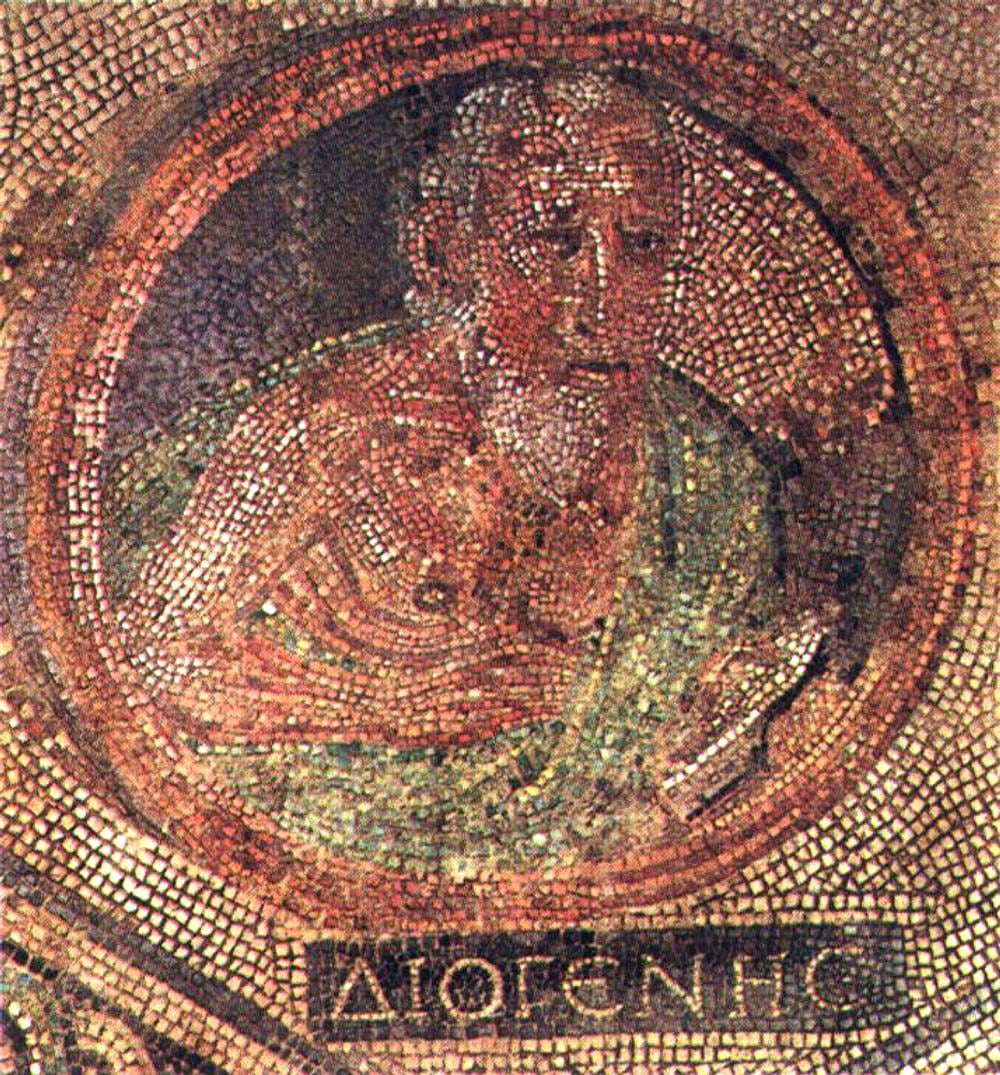
Diogenes of Sinope
يتّفقان في: لماذا نتألّم؟ · كيف يُبلَغ التحرّر أو الخلاص؟ · هل العالم حقيقي؟
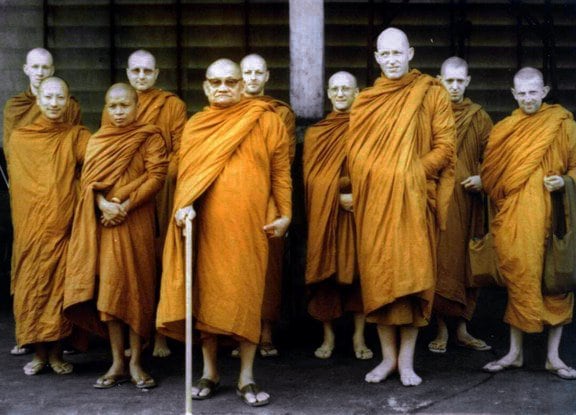
Ajahn Chah
يتّفقان في: ما المطلق؟ هل الله موجود؟ · من أنا؟ هل توجد ذات حقيقية؟ · لماذا نتألّم؟
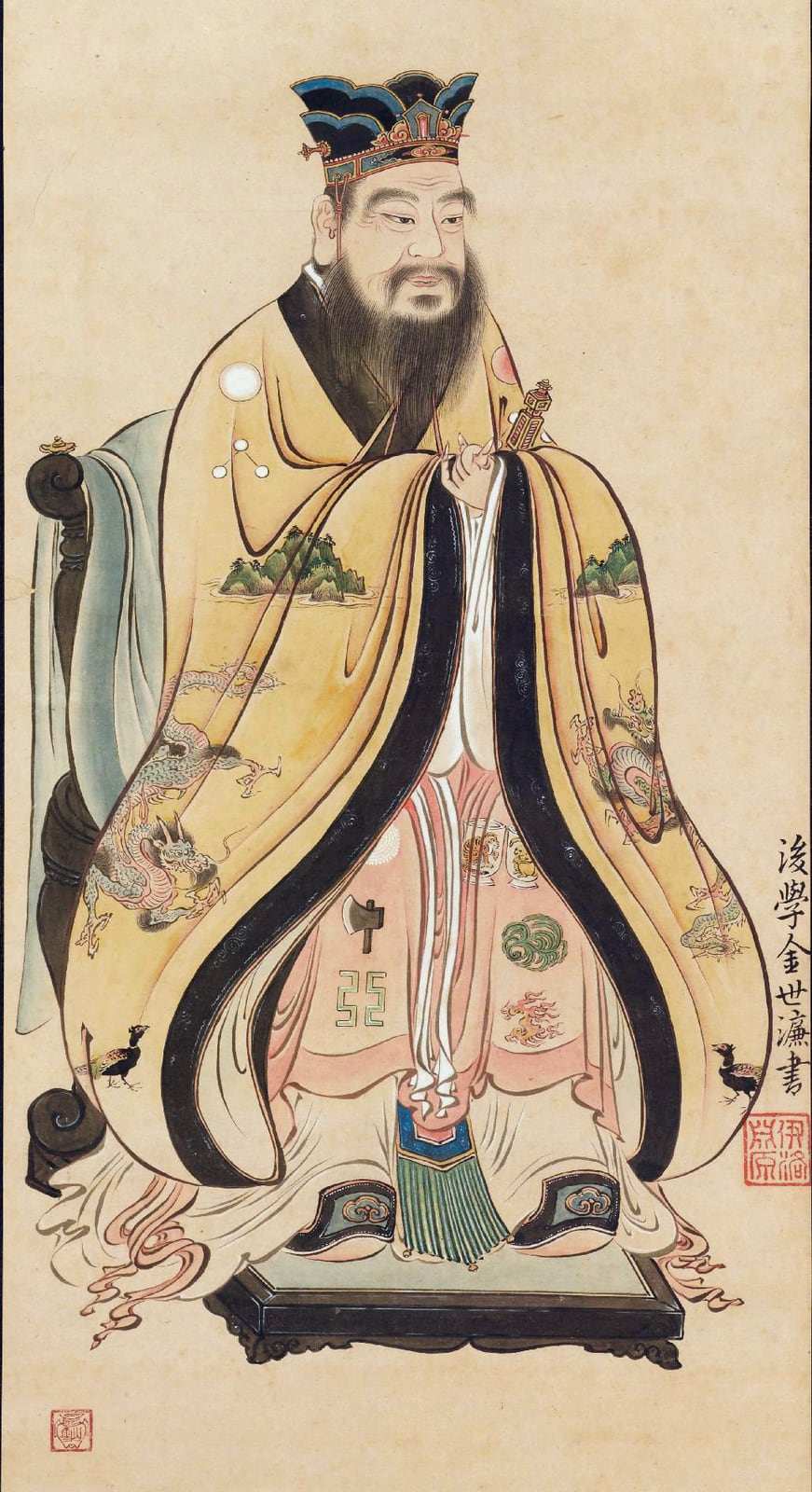
Confucius
يتّفقان في: هل نحتاج إلى معلّم؟ · هل العالم حقيقي؟ · ما الحب؟
Shunryu Suzuki
يتّفقان في: من أنا؟ هل توجد ذات حقيقية؟ · لماذا نتألّم؟ · كيف يُبلَغ التحرّر أو الخلاص؟
يبتعد في تفكيره عن
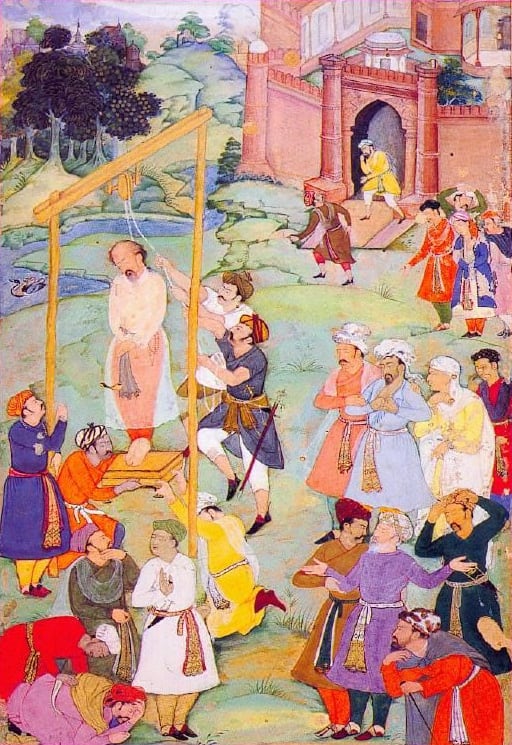
Al-Hallaj
يختلفان في: ما المطلق؟ هل الله موجود؟ · من أنا؟ هل توجد ذات حقيقية؟ · ماذا يحدث بعد الموت؟
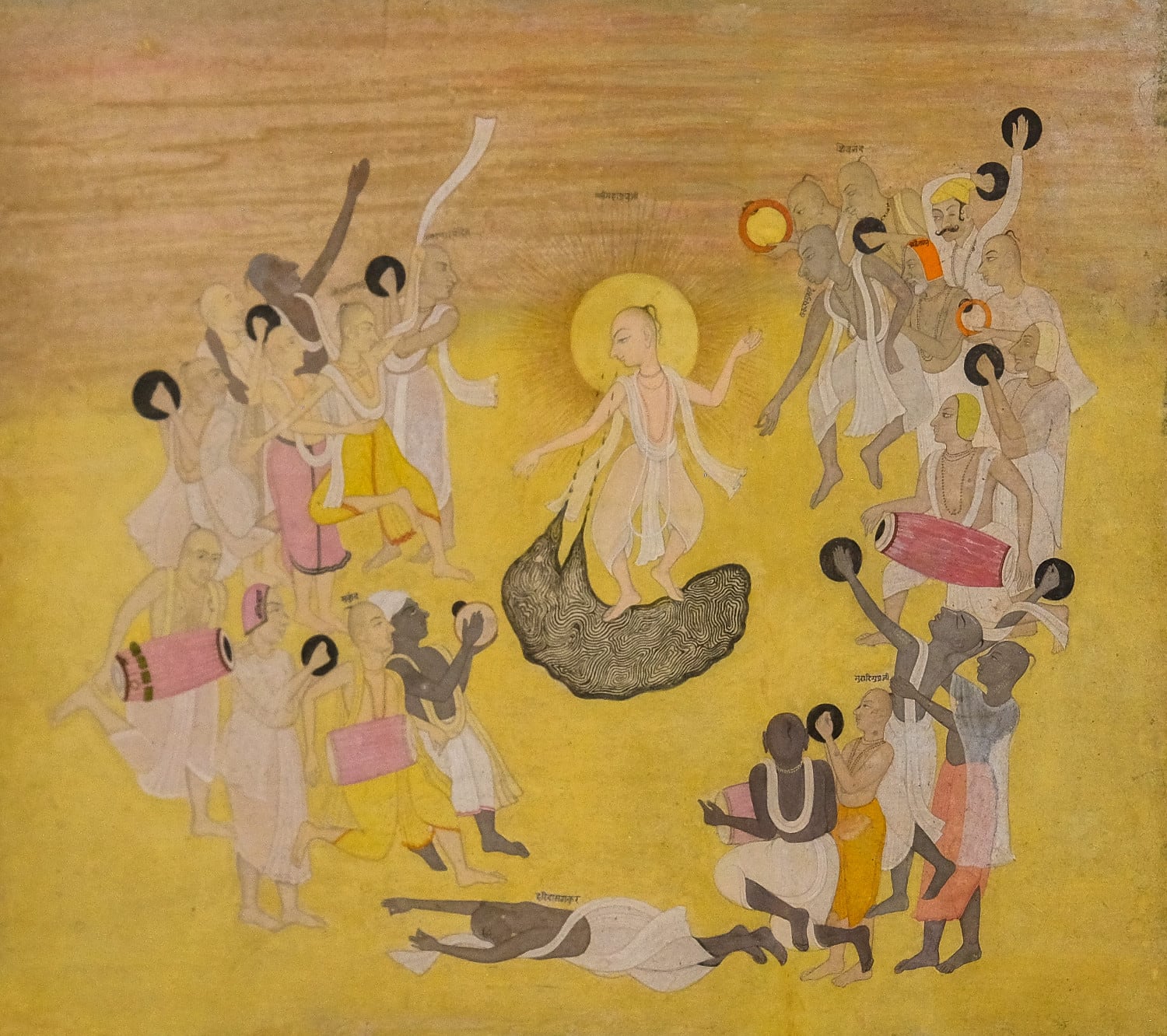
Chaitanya Mahaprabhu
يختلفان في: ما المطلق؟ هل الله موجود؟ · من أنا؟ هل توجد ذات حقيقية؟ · ماذا يحدث بعد الموت؟
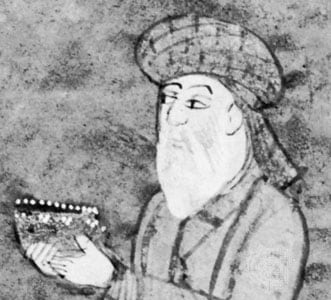
Hafez
يختلفان في: ما المطلق؟ هل الله موجود؟ · من أنا؟ هل توجد ذات حقيقية؟ · ماذا يحدث بعد الموت؟
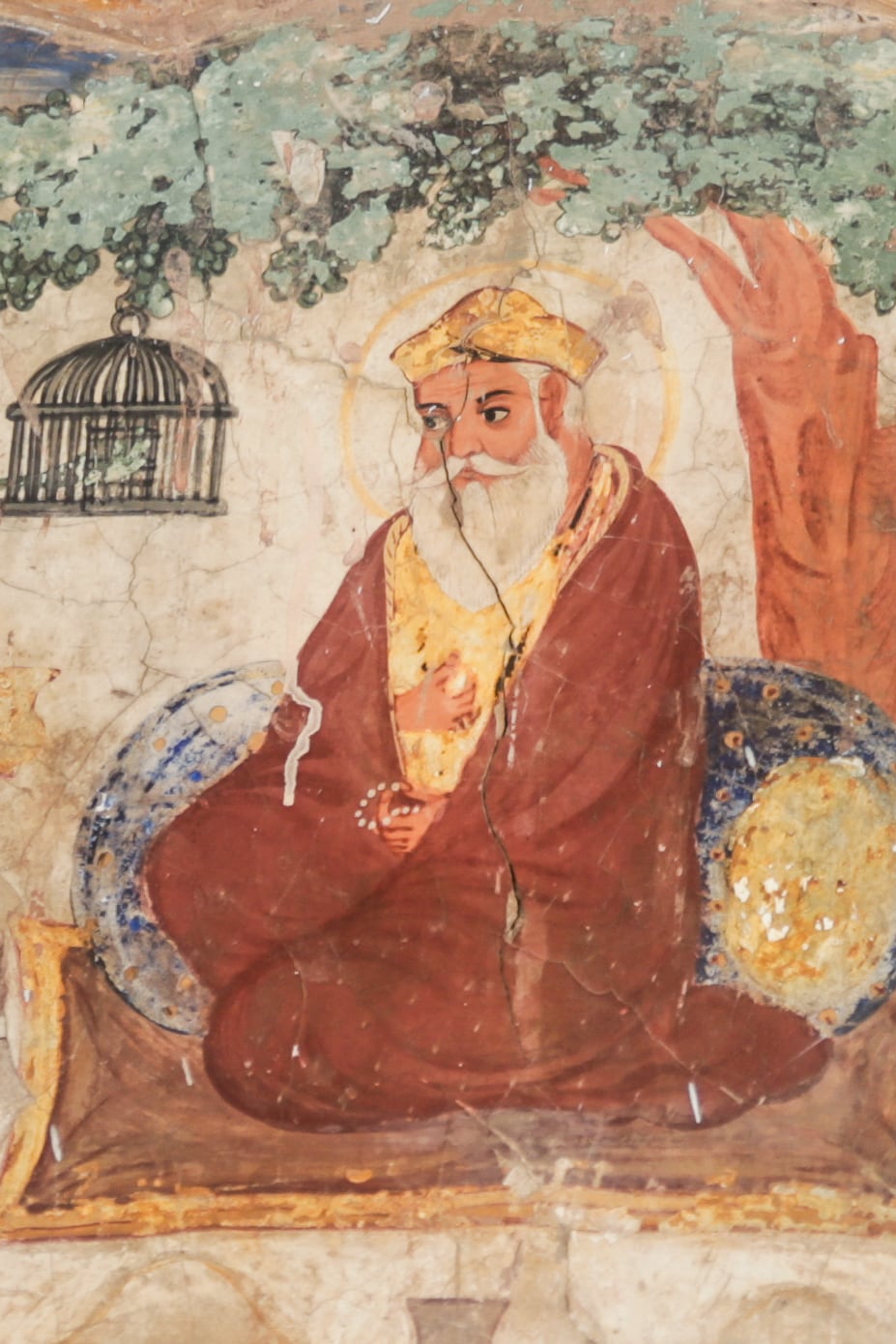
Guru Nanak
يختلفان في: ما المطلق؟ هل الله موجود؟ · من أنا؟ هل توجد ذات حقيقية؟ · ماذا يحدث بعد الموت؟
حكايات وروايات
حكايات وروايات
شهادةc. 307–270 a. C.
The Garden and its gate
أصل الرواية: Diogenes Laertius X 3, 10–11 (citing Apollodorus and Diocles); Seneca, Letters to Lucilius 21.10. The inscription is Seneca's testimony, four centuries later, and there is no evidence that it was already there in Epicurus' time.
موثّقc. 307–270 a. C.
A little pot of cheese
أصل الرواية: Diogenes Laertius X 11, quoting verbatim a now-lost letter of Epicurus; the theory, in the Letter to Menoeceus (X 130–131).
مختلَف فيهs. III a. C. en adelante
The slanders of Timocrates
أصل الرواية: Diogenes Laertius X 3–9. These are accusations by opponents or by a deserter from the school, transmitted together with their refutation; no modern historian takes them as fact, but they show the hostility that surrounded Epicureanism from the start.
شهادة270 a. C.
The last day
أصل الرواية: Diogenes Laertius X 15–16 and 22 (Hermarchus, Hermippus and the text of the letter); Cicero, De finibus II 96. The letter survives by quotation and its authenticity is not seriously disputed; the bath scene comes from a Hellenistic biographer fond of exemplary deaths.
تقليد شفهيc. 327 a. C.
Hesiod's chaos
أصل الرواية: Diogenes Laertius X 2, with two versions (Apollodorus the Epicurean and Hermippus). It is a school anecdote, transmitted by a sympathetic biographer; its value is illustrative rather than documentary.
موثّق1417–1888
How Epicurus came back
أصل الرواية: Greenblatt (2011) for the finding of Lucretius; Konstan (Stanford Encyclopedia of Philosophy) for Herculaneum and Oenoanda; Wotke (1888) for the Vatican Sayings. These are well-documented facts of the history of transmission.
التعاليم
التعاليم
المفاهيم التي ينتظم بها فكره، مشروحة في سياقها.
Pleasure (hedone) as the endhedone
Letter to Menoeceus (X 128–132), Principal Doctrines III–V and Diogenes Laertius X 136. The confusion with vulgar hedonism began with his Stoic and Christian opponents.
Ataraxia and aponiaataraxia
Letter to Menoeceus (X 128, 131), Letter to Pythocles (X 85), Principal Doctrine IV, Diogenes Laertius X 118. The term was shared by Sceptics and Epicureans, with different meanings.
The classification of desiresdeseos
Letter to Menoeceus (X 127–131), Principal Doctrines XV, XXVI, XXIX–XXX and the scholion to XXIX (X 149).
The fourfold remedy (tetrapharmakos)tetrafarmaco
Principal Doctrines I–IV (Diogenes Laertius X 139–140); Philodemus, PHerc. 1005; Long and Sedley (1987), ch. 25.
المصدر: Long, A. A. y Sedley, D. N. The Hellenistic Philosophers, vol. 1: Translations of the Principal Sources with Philosophical Commentary. Cambridge University Press, Cambridge, 1987.
Atoms, void and the swerve (clinamen)atomismo
Letter to Herodotus (X 38–68); Lucretius II 216–293; Cicero, On Fate and De finibus I. The swerve does not appear in Epicurus' surviving texts.
The canon: criteria of truthcanon
Diogenes Laertius X 31–34; Letter to Herodotus (X 37–38, 50–52).
Friendship (philia) and "live unnoticed"philia
Principal Doctrines XXVII–XXVIII; Vatican Sayings 23, 52 and 56–57; Diogenes Laertius X 119; Plutarch, Moralia 1128a–1130e.
Epicurus' godsdioses-epicureos
Letter to Menoeceus (X 123–124), Principal Doctrine I and its scholion (X 139); Cicero, On the Nature of the Gods I.
مقاطع الفيديو
مقاطع الفيديو
تسجيلات ومقابلات وأفلام وثائقية. تُشغَّل مقاطع الفيديو من YouTube؛ ولا تُستضاف هنا.
La filosofía helenista (II): Los epicúreos · La March
محاضرة· ES· 2022· 53 min
Fundación Juan Marchالقناة الرسمية
13ª . 14ª. La Filosofía de Epicuro y su escuela
محاضرة· ES· 2022· 114 min
Fundación Universitaria Españolaالقناة الرسمية
"La biblioteca de los papiros de Herculano y el gran muro epicúreo de Enoanda", C. García Gual
محاضرة· ES· 2016· 65 min
GipuzkoaKulturaالقناة الرسمية
La filosofía helenística (I) · La March
محاضرة· ES· 2022· 57 min
Fundación Juan Marchالقناة الرسمية
Diógenes, Epicuro y Crisipo | Historia de la filosofía (8/61)
محاضرة· ES· 2017· 87 min
Ernesto Castro
Cynics, Stoics, Epicureans
محاضرة· EN· 2021· 46 min
Gresham Collegeالقناة الرسمية
A History of Philosophy | 15 Epicurean Philosophy
محاضرة· EN· 2015· 63 min
wheatoncollegeالقناة الرسمية
Epicureanism - David Sedley, Angie Hobbs, James Warren
فيلم وثائقي· EN· 2021· 42 min
PhilosophyHub
Stoics vs. Skeptics vs. Epicureans | AA Long on Hellenistic Philosophy
مقابلة· EN· 2025· 86 min
Johnathan Bi
Catherine Wilson - How To Be an Epicurean
محاضرة· EN· 2019· 43 min
UNE Center for Global Humanitiesالقناة الرسمية
PHILOSOPHY - History: Epicurus’ Cure for Unhappiness [HD]
تحليل· EN· 2014· 10 min
Wireless Philosophyالقناة الرسمية
Epicurus and the Epicureans in the Ancient World | Philosophers in the Midst of History
محاضرة· EN· 2020· 86 min
Gregory B. Sadler - That Philosophy Guy
« Montaigne & Épicure : grandeur et limites de l'hédonisme » - André Comte-Sponville | ENS-PSL
محاضرة· FR· 2016· 61 min
École normale supérieure - PSLالقناة الرسمية
Ringvorlesung "Philosophie im Garten: von Epikur bis Foucault"
محاضرة· DE· 2021· 71 min
Uni Erfurt Liveالقناة الرسمية
Geschichte der Philosophie (5): Stoa, Epikureer und pyrrhonische Skepsis, Prof. Dr. Torsten Wilholt
محاضرة· DE· 2013· 76 min
InstPhilالقناة الرسمية
المعرض
المعرض
صور بترخيص متحقَّق منه. كل منها تحتفظ بمؤلّفها ونسبتها.
المخطوطات
المخطوطات
شواهد مخطوطة ونصوص قديمة، مع جهة حفظها وشروط الاطّلاع عليها.
GRC · Minúscula griega · Sentencias de los ss. IV–III a. C.; copia del s. XIV
Gnomologium Vaticanum Epicureum (Ἐπικούρου προσφώνησις)
- الشاهد المحفوظ
- Único testimonio de la colección, dentro de un códice misceláneo.
- جهة الحفظ
- Biblioteca Apostólica Vaticana, Ciudad del Vaticano · Vat. gr. 1950
GRC · Mayúscula griega (papiro) · Obra de fines del s. IV–comienzos del III a. C.; copias de época helenística tardía
Περὶ φύσεως (papiros de Herculano)
- الشاهد المحفوظ
- Rollos carbonizados de la biblioteca de Filodemo en la Villa de los Papiros, sepultada por el Vesubio en el 79 d. C.
- جهة الحفظ
- Biblioteca Nazionale «Vittorio Emanuele III», Officina dei Papiri Ercolanesi, Nápoles · PHerc. (varios números; p. ej. PHerc. 1479/1417 para el libro XXVIII)
العلاقات
العلاقات
تأثيرات وتلمذة وتقارب في الأفكار. تُميَّز العلاقة الموثّقة عن التشابه المستخلَص بالتحليل.
تأثّر بـ
Demócrito
His atomist physics derives from Democritus, whose books reportedly led him to philosophy according to Hermippus (Diogenes Laertius X 2); Epicurus played down the debt and called him "Lerocritus" (X 8).
علاقة موثّقة
تلميذ
Nausífanes de Teos
Apollodorus names him as Epicurus' teacher; Epicurus denied it and insulted him (Diogenes Laertius X 7–8, 13–14).
علاقة موثّقة
اختلف مع
Epicurus called the Platonists "toadies of Dionysius" and Plato "the golden" (Diogenes Laertius X 8); his physics and theology oppose those of the Timaeus.
علاقة موثّقة
اختلف مع
He reached Athens when Aristotle was in Chalcis (X 1) and scorned him as a profligate who squandered his patrimony (X 8).
علاقة موثّقة
اختلف مع
There is no direct testimony from Epicurus about Socrates; his disciple Colotes attacked the Socratics, and Plutarch answered him in Against Colotes.
تشابه مستخلَص بالتحليل
معاصر لـ
Epicurus came to Athens as an ephebe around 323, the year Diogenes died; there is no record that they met. He called the Cynics "foes of Greece" (Diogenes Laertius X 8) and taught that the sage will not play the Cynic (X 119).
تشابه مستخلَص بالتحليل
معاصر لـ
Both taught in Athens at the same time, the Garden and the Stoa, from the late fourth century until Epicurus' death in 270; their schools were rivals for centuries (Diogenes Laertius VII and X).
علاقة موثّقة
أثّر في
Lucrecio
Lucretius set out Epicurus' doctrine in De rerum natura and celebrates him as the liberator of humankind.
علاقة موثّقة
اختلف مع
Epictetus repeatedly argues against Epicurus, whom he calls a preacher of effeminacy (Discourses I 23, II 20, III 7; Diogenes Laertius X 6).
علاقة موثّقة
أثّر في
Though a Stoic, he quotes Epicurus approvingly on pain, which is neither unbearable nor everlasting (Meditations VII 64), and on his serenity in illness (IX 41).
علاقة موثّقة
أثّر في
Séneca
Seneca quotes Epicurus in almost all of his early Letters to Lucilius and describes the inscription of the Garden (21.10).
علاقة موثّقة
أفكار قريبة من
Siddhartha Gautama, the Buddha
A frequent typological parallel: both conceive wisdom as therapy against the suffering produced by desires and false opinions, and seek a state of peace (ataraxia, nirvana); there is no historical contact.
تشابه مستخلَص بالتحليل
المصادر
المصادر
المراجع والفهارس التي رُوجعت لهذه الصفحة.
- García Gual, Carlos. Epicuro. Alianza Editorial, Madrid, 1981.
- Wikidata, entidad Q43216 «Epicurus» (150 enlaces entre wikis; P31=Q5). Registra nacimiento en 342 o 341 a. C. y muerte en 270 a. C.; lugar de nacimiento, Samos; de muerte, Atenas.
- Diógenes Laercio. Vidas y opiniones de los filósofos ilustres, libro X (Epicuro: vida, testamento, cartas a Heródoto, Pitocles y Meneceo, Máximas capitales), s. III d. C. Trad. inglesa de R. D. Hicks, Loeb Classical Library 185, 1925 (Wikisource en inglés); texto griego en Wikisource griega; trad. de C. D. Yonge, Bohn, 1853 (Project Gutenberg n.º 57342).
- Diógenes Laercio. Los diez libros de Diógenes Laercio sobre las vidas, opiniones y sentencias de los filósofos más ilustres, trad. de José Ortiz y Sanz, tomo II (libros VI–X). Imprenta Real, Madrid, 1792 (Internet Archive).
- Usener, Hermann (ed.). Epicurea. Teubner, Leipzig, 1887 (Internet Archive). Edición clásica de los textos y testimonios; numeración «Us.» de los fragmentos.
- Bailey, Cyril (ed. y trad.). Epicurus: The Extant Remains. Clarendon Press, Oxford, 1926 (Internet Archive).
- Arrighetti, Graziano (ed. y trad.). Epicuro. Opere. Einaudi, Turín, 1960; 2.ª ed. 1973 (incluye los libros de Sobre la naturaleza conservados en Herculano).
- Konstan, David. «Epicurus». The Stanford Encyclopedia of Philosophy, ed. Edward N. Zalta; primera publicación 2005, revisión sustancial del 8 de julio de 2022.
- Inwood, Brad y Gerson, Lloyd P. (trads.). The Epicurus Reader: Selected Writings and Testimonia, introd. de D. S. Hutchinson. Hackett, Indianápolis, 1994.
- Séneca. Epístolas morales a Lucilio 21.10 (inscripción del Jardín), c. 64 d. C. Texto latino en The Latin Library.
- Plutarco. «Si está bien dicho “vive oculto”» (Εἰ καλῶς εἴρηται τὸ λάθε βιώσας), Moralia 1128a–1130e, s. I–II d. C. Texto griego en Wikisource griega.
- Lucrecio. De rerum natura, s. I a. C. Trad. inglesa de William Ellery Leonard, On the Nature of Things, Dutton, 1916 (Project Gutenberg n.º 785).
- Long, A. A. y Sedley, D. N. The Hellenistic Philosophers, vol. 1: Translations of the Principal Sources with Philosophical Commentary. Cambridge University Press, Cambridge, 1987.
- Sedley, David. Lucretius and the Transformation of Greek Wisdom. Cambridge University Press, Cambridge, 1998.
- Warren, James (ed.). The Cambridge Companion to Epicureanism. Cambridge University Press, Cambridge, 2009.
- «Epicurus», Wikipedia en inglés, y «Epicuro», Wikipedia en español (consultadas para contrastar datos y bibliografía; texto propio).
- Wotke, Karl. «Epikurische Spruchsammlung», con notas de Hermann Usener. Wiener Studien 10 (1888). Primera edición de las Sentencias vaticanas a partir del Vaticanus graecus 1950.
- Smith, Martin Ferguson (ed.). Diogenes of Oenoanda: The Epicurean Inscription. Bibliopolis, Nápoles, 1993.
- O'Keefe, Tim. «Epicurus (341–271 B.C.E.)». Internet Encyclopedia of Philosophy (ISSN 2161-0002).
- Open Library (Internet Archive): ediciones de Epicuro y de Diógenes Laercio verificadas por ISBN.
- Marco Aurelio. Meditaciones VII 64 y IX 41 (numeración estándar; en la traducción de Casaubon, VII 35 y IX 41), c. 170–180 d. C. Trad. inglesa de Meric Casaubon (1634) (Project Gutenberg n.º 2680).
- Epicteto. Disertaciones recogidas por Arriano, I 23, II 20 y III 7 (polémica contra Epicuro), c. 108 d. C. Trad. inglesa de George Long (Project Gutenberg n.º 10661).
- Lactancio. Sobre la ira de Dios 13, c. 314 d. C. Trad. inglesa de William Fletcher, Ante-Nicene Fathers, vol. VII, 1886 (Wikisource en inglés).
- Greenblatt, Stephen. The Swerve: How the World Became Modern. W. W. Norton, Nueva York, 2011 (trad. esp. El giro, Crítica, 2012).
- Wilson, Catherine. Epicureanism at the Origins of Modernity. Oxford University Press, Oxford, 2008.
- Cicerón. Del supremo bien y del supremo mal (De finibus) I–II y Sobre la naturaleza de los dioses I, 45 a. C. Trad. inglesa de C. D. Yonge (Project Gutenberg n.º 29247).
- صاحب الحقوق
- Textos antiguos en dominio público; cada traducción y edición moderna pertenece a su traductor o editorial
في انتظار التأكيد
ما لم تتمكّن هذه الصفحة من حسمه بعد. نفضّل أن نقول ذلك على أن نملأ الفراغ.
- Tradiciones: el catálogo (content/traditions.json) no tiene «epicureísmo»; se asigna provisionalmente «secular-contemplative». Valorar dar de alta una tradición «epicureanism».
- Traductores de las ediciones españolas de Cátedra (Obras completas, ISBN 9788437613307) y Tecnos (Obras, ISBN 9788430942572): no comprobados en catálogo; añadirlos cuando se verifiquen.
- Arrighetti, Epicuro. Opere (Einaudi): no se ha localizado ISBN en Open Library; registrado sin ISBN.
- Sentencias vaticanas: el texto griego de la n.º 52 se ha tomado de la edición corriente y cotejado solo en su comienzo; cotejar con la edición de Arrighetti. Localizar una traducción española de dominio público de las Sentencias vaticanas.
- Manuscritos: verificar la digitalización del Vat. gr. 1950 en DigiVatLib (la URL probada devolvió 404) y los números de inventario de los papiros de Herculano de Sobre la naturaleza (libros II, XI, XIV, XV, XXV, XXVIII, XXXIV) con el Catalogo dei Papiri Ercolanesi.
- Libros de Sobre la naturaleza conservados: se citan con seguridad el XV, el XXV y el XXVIII; confirmar la lista completa con Arrighetti y Sedley.
- Programas de afiliación: ninguno verificado. Lista vacía.
- Vídeos: el programa In Our Time de la BBC está subido por un canal no oficial; no se ha encontrado la versión oficial en YouTube.
بُحث بتاريخ 2026-10-25