الإسلام · التصوف
Hafez
خواجه شمسالدین محمد حافظ شیرازی · حافظ
نحو 1315 – نحو 1390شخصية موثّقة تاريخيًا
شاعرٌ غنائيٌّ فارسي من القرن الثامن للهجرة (شيراز، نحو 1315–1390 م)، يُعدّ ذروة فنّ الغزل. عاش في ظل الإينجويين والمظفّريين، وأهدى إلى أمرائهم قصائد، ويضمّ «ديوانه»، الذي جُمع بعد وفاته، نحو خمسمائة غزلية (495 في طبعة قزويني وغني)، تمتزج فيها المحبة والخمر والسخرية من التديّن الزائف في التباسٍ متعمَّد. وفي إيران يُفتح الديوان اعتباطًا طلبًا للفأل. أما القصائد التي ينشرها دانيال لادينسكي باسمه فليست ترجماتٍ لشعره.
- مؤلَّفًا
- 8مؤلَّفًا
- طبعة
- 25طبعة
- اقتباسًا
- 9اقتباسًا
- مقطع فيديو
- 14مقطع فيديو
- صورة
- 9صورة
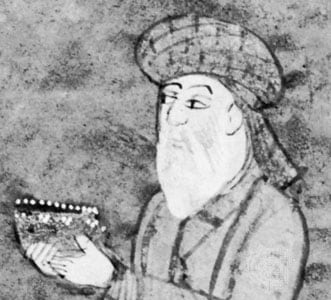
Hafez en una miniatura del siglo XVIII · Public domain
بكلماته
«Arise, oh Cup-bearer, rise! and bring / To lips that are thirsting the bowl they praise, / For it seemed that love was an easy thing, / But my feet have fallen on difficult ways.»Diván, gazal 1, v. 1 (Qazvini-Ghani; texto persa según Ganjoor); trad. inglesa de Gertrude Bell (1897), poema I; trad. española propia. El primer hemistiquio es árabe.

فكرته المحورية
The rend (sincere libertine): In ordinary Persian a *rend* was a scoundrel, a brawler of ill repute.
السيرة
5 دقيقة قراءة
ترجمة مُعانة من الأصل الإسباني، بانتظار مراجعة مترجم من أهل اللغة.
شاعرٌ بلا سيرة
خواجه شمس الدين محمد، الذي يعرفه العالم الناطق بالفارسية كله بلقبه الشعري «حافظ»، هو المثال الأقصى لشاعرٍ كلاسيكيٍّ لا تكاد حياته تُرى. فكتب تراجم الشعراء («التذكرات») التي تتحدث عنه متأخرة، وهي، بعبارة «الموسوعة الإيرانية»، كثيرًا ما تكون قليلة الوثوق أو من نسج الخيال المحض. وأقدم وثيقة هي مقدمة «ديوانه»، التي كتبها معاصرٌ له ربما كان اسمه محمد گلندام، بل إن المختصين يختلفون حتى في هذا النص. وتتفق المصادر على الاسم وعلى معنى اللقب: فالحافظ هو من يحفظ القرآن عن ظهر قلب، وهو نفسه يفخر في إحدى غزلياته بأنه يتلوه «بالروايات الأربع عشرة»: «قرآن ز بر بخوانی در چارده روایت». أما لقب «لسان الغيب» فقد أُطلق أولًا على الكتاب، ثم على الرجل.
وُلد في شيراز بين سنتي 1315 و1325 م: فاقترح قاسم غني سنة 717 هـ (1317 م)، ومحمد معين سنة 715 هـ (1315 م). وليس عن أبيه إلا أخبارٌ متأخرة متناقضة — بهاء الدين من أصفهان، أو كمال الدين من تويسركان —، أما صورة الفتى الذي كان يحمل الخبز لمخبزٍ فمن نسج الأسطورة. وتوحي بعض قصائده الرثائية، ولا سيما غزليةٌ في «قرّة العين» و«قطعة» على شاهد قبر، بأنه فقد ابنًا. وقد درس ما كان يُدرَس في عصره من علوم القرآن والعربية، وأشاد في قصيدةٍ بالأعيان الخمسة الذين ازدهر بهم إقليم فارس، ومنهم المتكلم عضد الدين الإيجي المتوفى سنة 756 هـ (1355 م).
شيراز بين الدول
عاش حافظ في الفترة المضطربة الفاصلة بين جنكيز خان وتيمورلنك، حين كانت دولٌ صغيرة تتنازع جنوب إيران. وكان أول حُماته الكبار أبو إسحاق إينجو، صاحب شيراز، الراعي الباذخ للأدب والحاكم المتهوّر، الذي قتله المظفّري مبارز الدين محمد سنة 1357 م. وقد خصّه الشاعر بقصيدة وبغزليةٍ رثائية مطلعها: «یاد باد آن که سر کوی توام منزل بود» (تذكّرْ يومَ كان منزلي عند رأس زقاقك)، تقرأها الرواية رثاءً لذلك العهد القصير. وكان المنتصر متشدّدًا في التديّن، صارمًا إلى حدّ أن ابنه نفسه لقّبه بـ«المحتسب»، أي مراقب الآداب العامة، وحافظ ينصح في أحد أبياته بالشرب خفيةً، لأن المحتسب مرهف السمع: «به بانگ چنگ مخور می که محتسب تیز است».
وفي سنة 1358 م خلع شاه شجاع أباه وسمل عينيه، وجرى معظم حياة حافظ الشعرية في عهده. وقد أحصى غني أن تسعًا وثلاثين من الإشارات السبعين إلى الملوك في «الديوان» تعنيه هو. وكان أميرًا مثقفًا وشاعرًا؛ وبحسب «حبيب السير»، كان أول ناقدٍ عاب على حافظ افتقار غزلياته إلى الوحدة، إذ تنتقل من الخمر إلى التصوف ومن التصوف إلى المحبوب. ومدح حافظ أيضًا وزراء، وشاه منصور، والجلائريين في بغداد. وتتحدث المصادر المتأخرة عن دعواتٍ من الهند، وزيارةٍ مخيّبة إلى يزد، ورحلةٍ إلى هرمز انتهت قبل ركوب البحر؛ ولا دليل موثّقًا على شيء من ذلك تقريبًا.
تيمورلنك والموت والضريح
استولى تيمورلنك على شيراز سنة 1387 م. أما اللقاء الشهير الذي يعاتب فيه الفاتحُ الشاعرَ لأنه وهب سمرقند وبخارى لخالِ فتاةٍ تركية — «اگر آن ترک شیرازی به دست آرد دل ما را / به خال هندویش بخشم سمرقند و بخارا را» — فيظهر أول مرة في «أنيس الناس» لشجاع الشيرازي (1426 م)، ثم زخرفه دولتشاه السمرقندي سنة 1486 م: إنه نادرةٌ أدبية، لا واقعة. وتتأرجح كذلك سنة الوفاة. فجامي وفصيح الخوافي يذكران سنة 792 هـ (1390 م)، وعليها قزويني وأكثر المحدثين؛ أما نقش الضريح فيعطي، بحساب الجُمَّل في بيت تأريخ، سنة 791 هـ (1389 م). ودُفن في بستان المصلّى الذي طالما تغنّى به. وشُيّد الضريح الأول سنة 1451–1452 م؛ أما البناء الحالي فصمّمه أندريه غودار في ثلاثينيات القرن العشرين.
كتابٌ لم يثبّته أحد
لا شيء يدل على أن حافظًا جمع شعره بنفسه. فبحسب مقدمة گلندام، جُمع بعد وفاته، وقد وصل النص في مئات المخطوطات التي تختلف في عدد القصائد وترتيب الأبيات والقراءات. وأقدم الشواهد من القرن التاسع للهجرة (الخامس عشر للميلاد)، كنسخةٍ في طشقند مؤرّخة بسنة 803 هـ (1401 م)، أو المخطوط المؤرّخ بسنة 827 هـ (1424 م) الذي نشره خلخالي سنة 1927 م. وعلى هذا المخطوط وسبع عشرة نسخة أخرى أصدر محمد قزويني وقاسم غني سنة 1941 م الطبعة التي لا تزال المرجع المشترك، وفيها 495 غزلية؛ أما طبعة پرويز ناتل خانلري (1959؛ منقّحة 1983)، المبنية على أربع عشرة مخطوطة قديمة، فتقبل 486، وتنزل طبعاتٌ نقدية أخرى دون 450. فالنواة الصحيحة تقارب إذن خمسمائة غزلية؛ وتكمّل القصائدُ والقطعُ و«ساقینامه» ومثنويٌّ قصير «ديوانًا» متواضع الحجم، في حين أن نسبة الرباعيات إليه أضعف بكثير.
الشكل والسخرية
تتألف غزلية حافظ في العادة من سبعة أبيات إلى تسعة، يجمعها وزنٌ وقافية، وأحيانًا «رديف». وكل بيتٍ قائمٌ بذاته، والشاعر يلعب بـ«الإيهام»، أي اللفظ الذي يعني شيئين في آنٍ واحد. وموضوعاته موضوعات الغنائية الفارسية — المحبوب النافر، والساقي، والبلبل والوردة، والحانة —، غير أن إحسان يارشاطر يبرز موضوعًا غير غنائي يستبدّ به: رياء الزاهد المتظاهر، والواعظ، والمفتي، والمحتسب، والصوفي ذي الخرقة المرقّعة أيضًا. وتظهر هذه السخرية في نحو 170 من غزليات طبعة خانلري البالغة 486، ويقابلها حافظ، باستفزازٍ متعمَّد، بـ«الرِّند»، المتحرر الصادق، و«پیر مغان»، شيخ المجوس صاحب الحانة.
وهل كان حافظ صوفيًّا؟ هذا هو السؤال الذي يقسم قرّاءه. فقد قرأه وليم جونز بوصفه پترارك الفرس؛ وقرأه ويلبرفورس كلارك صوفيًّا خمرُه مجازٌ أبدًا؛ ويرى يارشاطر أنه لم ينتمِ إلى أي طريقة صوفية، وأن أبياتًا كثيرة لا تحتمل إلا قراءةً دنيوية؛ أما ليونارد لويسون فيدرجه، على العكس، في «دين الحب» عند الصوفية الفرس. وقد كانت لغة الشعر في القرن الثامن للهجرة مشبعةً بالمعجم الروحي إلى حدٍّ يجعل الالتباس لا عيبًا في التأويل، بل مادةَ القصيدة نفسها.
الحياة الأخرى لعرّافٍ
قلّما عرفت آثارٌ أدبية حياةً اجتماعية تضاهي هذه. فـ«الديوان» يُستعمل للتفاؤل، وهو «فال حافظ»: يُفتح اعتباطًا، وتُقرأ الغزلية التي تظهر جوابًا. ويحفظ مخطوطٌ مرّ ببلاط المغول في الهند تعليقاتٍ لهمايون وجهانكير على ما خرج لهما من فأل، ولا تزال العادة حيّةً في البيوت الإيرانية ليلةَ يلدا وفي النوروز. بل تروي الرواية أنه لما اختُلف في أن شاعرًا بهذه السمعة المريبة يستحق الصلاة عليه وتشييعه، فُتح الكتاب فخرج البيت الذي يطلب ألّا يُبخَل بالخطى على جنازة حافظ، لأنه، وإن كان غارقًا في الذنوب، ماضٍ إلى الجنة: «قدم دریغ مدار از جنازهٔ حافظ / که گر چه غرق گناه است میرود به بهشت».
واكتشفته أوروبا على مراحل: الترجمة اللاتينية لتوماس هايد نحو سنة 1690، و«الأغنية الفارسية» لوليم جونز سنة 1771، وفوق ذلك الترجمة الألمانية الكاملة لجوزيف فون هامر-پورغشتال (1812–1813)، التي ألهمت غوته «الديوان الغربي الشرقي» (1819). وبالإنجليزية، تعدّ پروين لؤلؤي ترجمات غيرترود بيل (1897) أصفى الترجمات المقفّاة وأكثرها موسيقية، وترجمة كلارك (1891) كاملةً لكنها مثقلةٌ بقراءةٍ صوفيةٍ متزمّتة.
حافظٌ لم يكتبه حافظ
منذ سنة 1996 يُصدر الأمريكي دانيال لادينسكي كتبًا واسعة الانتشار — «I Heard God Laughing» و«The Subject Tonight Is Love» و«The Gift» — تُقدَّم على أنها «صِيَغ» من حافظ. ولادينسكي لا يقرأ الفارسية، وقد اعتمد على ترجمة كلارك، واعترف بأنها ليست ترجمات؛ وبيّن مختصون مثل كريستوفر شاكل وآريا فاني وأميد صافي أن هذه القصائد لا تقابل أي أصل. وكثيرٌ من «أقوال حافظ» المتداولة اليوم، كقول الشمس التي لا تقول للأرض أبدًا «أنتِ مدينةٌ لي»، هي من وضع لادينسكي نفسه. وهذه البطاقة تثبتها على حدة، بوصفها منحولة، كي يميّز القارئ شاعرَ شيراز من صداه المعاصر.
المصادر: Bell, Gertrude Lowthian (trad.). Poems from the Divan of Hafiz. Londres: William Heinemann, 1897 (introducción biográfica y notas). Project Gutenberg n.º 74883. · Clarke, H. Wilberforce (trad.). The Dīvān, written in the fourteenth century by Khwāja Shamsu-d-Dīn Muḥammad-i-Ḥāfiẓ-i-Shīrāzī. 2 vols. Calcuta: Government of India Central Printing Office, 1891. · Lewisohn, Leonard (ed.). Hafiz and the Religion of Love in Classical Persian Poetry. Londres: I. B. Tauris / Iran Heritage Foundation, 2010. ISBN 9781848853393.
الخط الزمني
الحياة عامًا بعد عام
كل نقطة حدث موثّق. انقر لتقرأه مع مصدره ودرجة اليقين فيه.
نحو 1315 – 1326أقل من عامShiraz
Birth in Shiraz
Shams al-Din Muhammad is born. Ghani proposed 717/1317 and Mo'in 715/1315; other estimates reach 1325–1326.
مرجَّحKhorramshahi, Baha al-Din y EIr. «HAFEZ ii. Hafez's Life and Times». Encyclopaedia Iranica, vol. XI, fasc. 5, pp. 465–469. Publicado el 15-12-2002, actualizado el 01-03-2012.
بعد وفاته
- نحو 1401First dated copy of the Divan
- نحو 1451First mausoleum
- 1771First English translation
- 1791First printed edition
- 1812 – 1819Hammer-Purgstall's translation
- 1897Gertrude Bell's versions
- 1941Qazvini-Ghani edition
- 1983Khanlari's revised edition
- 1996Ladinsky's first 'renderings'
نحو 1315 – 1326 · أقل من عام
Birth in Shiraz
Shams al-Din Muhammad is born. Ghani proposed 717/1317 and Mo'in 715/1315; other estimates reach 1325–1326.
مرجَّح
نحو 1343 – 1353
Under the patronage of Abu Ishaq Inju
Abu Ishaq Inju rules Shiraz (c. 1343–1353) and becomes the poet's first great patron, celebrated in a qasida and several ghazals.
موثّق
1355
Death of Adud al-Din Iji
Death of the theologian Adud al-Din Iji, one of the 'five notables' of Fars praised by Hafez in a qit'a.
موثّق
1357
Execution of Abu Ishaq
The Muzaffarid Mubariz al-Din Muhammad executes Abu Ishaq. Hafez writes a chronogram of his death and an elegiac ghazal; the new ruler imposes a rigorist morality the poet satirises through the figure of the *muhtasib*.
موثّق
1358 – 1384
Shah Shuja's reign begins
Shah Shuja deposes and blinds his father. Most of Hafez's poetic life is spent under his long reign (to 1384): 39 of his 70 allusions to rulers concern him.
موثّق
1366
Shah Shuja's triumphant return
Having lost Shiraz to his brother, Shah Shuja returns to the city (767/1366); several ghazals celebrate the event.
مرجَّح
1387
Tamerlane takes Shiraz
Tamerlane occupies Shiraz. The meeting with Hafez about 'Samarkand and Bukhara' is an anecdote first attested in 1426.
موثّق
نحو 1390
Death in Shiraz
He dies in Shiraz: 792/1390 according to Jami and Khwafi (the date Qazvini preferred), 791/1389 according to the 'Khak-e Musalla' chronogram on his tomb. He is buried in the Musalla garden.
مرجَّح
نحو 1401
First dated copy of the Divan
A Tashkent manuscript (Oriental Institute, no. 12770) dated by its colophon to 803/1401 contains some 407 ghazals; it is the oldest known copy, edited in Tehran in 2000.
مرجَّح
نحو 1451
First mausoleum
After the Timurid Abu'l-Qasim Babur conquers Shiraz (855/1451), his minister Muhammad Mamai raises a monument over the tomb.
موثّق
1771
First English translation
William Jones publishes the 'Persian Song', a version of the Shirazi Turk ghazal, in his *Grammar of the Persian Language*.
موثّق
1791
First printed edition
Abu Taleb Khan prepares in Calcutta, from twelve manuscripts, the first movable-type edition of the *Divan* (1,200 copies).
موثّق
1812 – 1819
Hammer-Purgstall's translation
Joseph von Hammer-Purgstall publishes the first complete German translation (1812–1813), which Goethe reads and which gives rise to the *West-östlicher Divan* (1819).
موثّق
1897
Gertrude Bell's versions
Gertrude Bell publishes *Poems from the Divan of Hafiz* in London, regarded by Parvin Loloi as the most lucid of the English verse translations.
موثّق
1941
Qazvini-Ghani edition
Mohammad Qazvini and Qasem Ghani publish in Tehran (1320 Š.) the edition of the *Divan* based on the 827/1424 manuscript and seventeen further copies: 495 ghazals. It remains the common reference.
موثّق
1983
Khanlari's revised edition
Parviz Natel Khanlari publishes the second edition of his *Divan* (fourteen manuscripts of 807–836 AH), with 486 ghazals.
موثّق
1996
Ladinsky's first 'renderings'
Daniel Ladinsky publishes *I Heard God Laughing*, the first of a series of original works presented as 'renderings' of Hafez; *The Gift* follows in 1999.
موثّق
المؤلَّفات
المؤلَّفات الأساسية
المؤلَّفات التي لا يُفهم إرثه من دونها.
مؤلَّف مكتوب · نحو 1390
Divan: ghazals
دیوان حافظ — غزلیات (Divan-e Hafez: gazaliyat)
The heart of Hafez's work and, by common consent, the summit of the Persian ghazal. Each poem, of seven to nine couplets on a single rhyme, links lines that stand on their own and play on double meaning (*iham*). The aloof beloved, the cupbearer, the tavern, the nightingale and the rose live alongside a constant satire of the hypocritical ascetic, the preacher and the morals inspector, and alongside lines of wisdom on transience and fate. The book opens with an Arabic line ascribed to the caliph Yazid ("O cupbearer, pass round the cup!") and its reading oscillates, never resolved, between human and divine love. It is the book of poetry most present in Iranian homes and the one consulted as an oracle.
19 طبعة · amazon.com
جميع مؤلَّفاته (8)
Hafez
Qasidas
The Conscious LibraryQasidas
Hafez
Qit'as (fragments)
The Conscious LibraryQit'as (fragments)
Hafez
Saqi-nama (Book of the Cupbearer)
The Conscious LibrarySaqi-nama (Book of the Cupbearer)
Hafez
Masnavi of the wild gazelle
The Conscious LibraryMasnavi of the wild gazelle
Hafez
Rubaiyat (attributed quatrains)
The Conscious LibraryRubaiyat (attributed quatrains)
Hafez
Attributed poems
The Conscious LibraryAttributed poems

Daniel Ladinsky's 'renderings' (The Gift and others)
1999
الأقوال
أقوال محدَّدة الموضع في مؤلَّف بعينه. كل منها يحمل مصدره ودرجة الثقة به.
Arise, oh Cup-bearer, rise! and bring / To lips that are thirsting the bowl they praise, / For it seemed that love was an easy thing, / But my feet have fallen on difficult ways.الا یا ایها الساقی ادر کأسا و ناولها / که عشق آسان نمود اول ولی افتاد مشکلها
متحقَّق منهDiván, gazal 1, v. 1 (Qazvini-Ghani; texto persa según Ganjoor); trad. inglesa de Gertrude Bell (1897), poema I; trad. española propia. El primer hemistiquio es árabe.
أقوال منحولة أو مختلَف في نسبتها (4)
«Even after all this time the sun never says to the earth, "You owe me." Look what happens with a love like that. It lights the whole sky.»
A poem by Daniel Ladinsky in *The Gift* (1999), circulated as Hafez's. Omid Safi cites it as an example of 'fake Hafez': it corresponds to no Persian ghazal. Text under its author's copyright; quoted briefly for identification.
«Fear is the cheapest room in the house. I would like to see you living in better conditions.»
A line by Daniel Ladinsky that Omid Safi identifies among the 'Hafez' quotes with no Persian original.
«I wish I could show you, when you are lonely or in darkness, the astonishing light of your own being.»
By Daniel Ladinsky. Safi acknowledges its quality but stresses that Hafez said nothing of the kind.
«Your heart and my heart are very very old friends.»
By Daniel Ladinsky; cited by Safi among the examples of poems falsely attributed to Hafez.
الكلمات الأخيرة
لا توجد سجلات يمكن التحقق منها لكلماته الأخيرة.
No account of his last moments survives. What tradition associates with his death is an augury: according to the story transmitted by late biographers (recorded by Gertrude Bell in 1897), when it was debated whether he deserved funeral rites the *Divan* was opened at random and out came the line 'Do not withhold your step from Hafez's bier…' (ghazal 79 in Qazvini-Ghani). These are not deathbed words of his.
المصدر: Bell, Gertrude Lowthian (trad.). Poems from the Divan of Hafiz. Londres: William Heinemann, 1897 (introducción biográfica y notas). Project Gutenberg n.º 74883.
اسأل
بماذا يجيب أثره
اثنا عشر سؤالًا كبيرًا من أسئلة الإنسانية، وما تتيح نصوصه الإجابة به عنها، مع المراجع. ولا نقوّله ما لم يقل أبدًا.
ما المطلق؟ هل الله موجود؟
A Friend of grace, glimpsed behind the ambiguity of the ghazal
إله شخصييُستنتج من تعاليمه
Hafez wrote no theology, and his Divan deliberately avoids definitions: the Friend or Beloved of his ghazals may be a prince, a youth of Shiraz or God, and is often all three at once. Even so, the God glimpsed in his verses is personal. He is the Lord of the pre-eternal covenant, the day of Alast when souls answered the Qur'anic question, whose memory runs through his poetry; He is a grace hoped for rather than earned, which is why the poet trusts he will reach paradise even though drowned in sin. Before this God there is no speculation about the essence, but dealings: complaint, entreaty, irony and gratitude addressed to Someone who listens. What Hafez rejects is not God but the ostentatious religion of those who preach in His name.
قارن هذا السؤال مع معلّمين آخرينمن أنا؟ هل توجد ذات حقيقية؟
A bird of the heavenly garden fallen into the world's snare
روح مخلوقة خالدةيُستنتج من تعاليمه
Hafez does not reason about the self, but his ghazals reveal an image traditional in Persian poetry. The soul is a bird of the garden of holiness that has fallen into the snare of this world's events and does not know how to tell of its separation; it comes from above and longs to return. At the same time, the empirical self, with its vanity and calculations, is the main obstacle: in a famous verse the poet tells himself that between lover and beloved there is no veil at all, that he himself is his own veil and must step out of the way. This double view, a soul of heavenly origin and an ego that gets in the way, is that of the Sufism Shiraz breathed, expressed without system and almost always with irony.
قارن هذا السؤال مع معلّمين آخرينلماذا نتألّم؟
Love seemed easy; then came the hardships of separation
الانفصال عن اللهيُستنتج من تعاليمه
Hafez's Divan opens with a confession: love seemed easy at first, but then difficulties arose. The pain running through his ghazals is that of separation (firaq) from the Beloved, whether human or divine: the dark night, the fear of the waves, the wait for the messenger, the complaint before a beauty that does not answer. To this is added the pain of an unstable world, in which kingdoms pass and fortune turns, and of a society in which preachers do not practise what they preach. Hafez offers no doctrine of suffering, but an attitude: to accept grief as part of love, to seek consolation in wine, music and grace, and not to trust those who promise salvation through the appearance of piety.
قارن هذا السؤال مع معلّمين آخرينماذا يحدث بعد الموت؟
Seize the moment; grace will bring the sinner to paradise
الحياة الأبدية والقيامةيُستنتج من تعاليمه
Hafez does not speculate about the hereafter, but neither does he deny it. His ghazals insist on the brevity of life and the fragility of kingdoms: the world is an old bride of a thousand grooms who keeps faith with none, and one should not postpone the cup or love. That urgency is not nihilism: the horizon of his verses is Islam, with its paradise and its judgement, and his wager is on grace rather than merit. In one ghazal he asks that no one refuse to follow Hafez's funeral procession, for though drowned in sin he is going to paradise. Tradition tells that when it was debated whether he deserved funeral honours, the Divan was opened at random and that very verse came out. Irony, faith in mercy and distrust of the pious mingle in his view of death.
قارن هذا السؤال مع معلّمين آخرينكيف يُبلَغ التحرّر أو الخلاص؟
Only love and grace save, not piety put on display
بالنعمة والمحبةيقوله صراحةً
Hafez distrusts salvation by merit. His favourite target is the ascetic (zahid) and the preacher who show off in the pulpit and, alone, do something else: piety turned into spectacle leads nowhere. Against it he sets love and grace. In a famous verse he states that love will come to the poet's aid even if he recites the Qur'an by heart in its fourteen readings, as if to say that not even that feat of piety saves on its own. And he trusts that he will reach paradise even though drowned in sin. Liberation, in his Divan, is a gift awaited with humility and without hypocrisy, from the condition of the rend, the sincere libertine, who claims no virtue and therefore remains open to mercy.
قارن هذا السؤال مع معلّمين آخرينهل نحتاج إلى معلّم؟
If the tavern elder bids it, stain the prayer rug with wine
لا غنى عنهيُستنتج من تعاليمه
In the first ghazal of the Divan, Hafez advises staining the prayer rug with wine if the pir-e moghan, the elder of the Magi or of the tavern, says so, for the wayfarer is not ignorant of the customs of the stages of the path. That figure, who returns again and again in his poems, is Hafez's master: not a shaykh of an order nor a preacher, but a sage of disorderly life in the eyes of the pious, who knows the way from experience. In another verse he warns not to travel this stage without the company of Khidr, the mysterious guide of Qur'anic tradition, for there is darkness and danger of going astray. Hafez needs a guide; what he rejects is the authority of the official clergy, whose piety he considers feigned.
قارن هذا السؤال مع معلّمين آخرينهل العالم حقيقي؟
The Friend's face is mirrored in the cup; the world, a faithless bride, passes
تجلٍّ للإلهييُستنتج من تعاليمه
Hafez's world has two faces. On one side it is fleeting and faithless: an old bride who has had a thousand husbands and keeps faith with none. One should not cling to its kingdoms or honours. On the other side, that same world is where beauty is reflected: in a famous verse the poet says he has seen in the cup the reflection of the Friend's face, and the cup of Jamshid, which in Persian legend showed the whole universe, becomes in his ghazals an image of the heart that sees. Hafez does not deny the reality of things; he loves them because they let something shine through that does not pass away with them.
قارن هذا السؤال مع معلّمين آخرينما الحب؟
Love is the only path, even when it brings hardships
الشوق والوصاليقوله صراحةً
Love is the theme of almost all of Hafez's ghazals, and its ambiguity is deliberate: the Beloved has a face, a mole and curls, and at the same time points to the divine. The Divan opens by recalling that love seemed easy at first and that difficulties then arose; another famous poem offers Samarkand and Bukhara for the dark mole of a girl from Shiraz. In both cases love is excess, detachment and risk, the opposite of the ascetic's calculation. If one seeks the Beloved's presence, the poet advises, one must not be absent from Him; and when one finds Him, one must leave the world. For Hafez only love saves, and only love allows one to see through the hypocrisy of those who boast of piety.
قارن هذا السؤال مع معلّمين آخرينهل نحن أحرار أم أن كل شيء مقدَّر؟
My lot was settled in pre-eternity: if you dislike it, change destiny
القدر والمسؤوليةيُستنتج من تعاليمه
Hafez often returns to the theme of the lot fixed in pre-eternity (azal): what each person is to drink was poured on the day of the primordial covenant, and no piety or calculation will change it. In a well-known verse he answers someone who reproaches him for his bad name that they did not let him pass through the street of good repute, and that if he dislikes it, he should change the divine decree. This fatalism is above all ironic: it serves to disarm the pride of the pious, who ascribe their virtue to their own merit, and to justify the sincere libertine who does not pretend. Hafez does not deny responsibility, but he places it before a grace and a destiny no one controls, and answers both with humility and humour.
قارن هذا السؤال مع معلّمين آخرينلماذا نتأمّل أو نصلّي؟
If you seek the presence, do not be absent from Him
أن تكون حاضرًايقوله صراحةً
Hafez mocks prayer turned into display — the preachers who show off in the pulpit and do something else in private — and sets against it another way of praying. The first ghazal of the Divan ends with advice addressed to himself: if you seek the presence (hozur), do not be absent from Him; when you find the one you love, leave the world. Presence here is that of the heart before the Beloved, the undivided attention Sufism asks for in prayer. In his poems there appear the dawn supplication and the night vigil, often alongside the cup and the musician. What Hafez values is not the number of prayers or their outward form, but that the heart should be where it claims to be.
قارن هذا السؤال مع معلّمين آخرينهل يستطيع العقل أن يعرف الحقيقة القصوى؟
No one has solved nor will solve the riddle of the world by wisdom
الحقيقة القصوى وراء العقليقوله صراحةً
In the same ghazal in which he offers Samarkand and Bukhara for the mole of a girl from Shiraz, Hafez advises speaking of the minstrel and the wine and seeking less the secret of time, for no one has solved nor will solve that riddle by wisdom. It is one of his most constant convictions: philosophy and speculative theology do not reach the mystery, and those who boast of knowing everything, the ascetic, the jurist, the preacher, are often the blindest. What reason does not open, love opens, or it is left open. This renunciation is not intellectual laziness: Hafez was a scholar who knew the Qur'an by heart and mastered the poetic tradition. It is the irony of one who knows learning and its limits.
قارن هذا السؤال مع معلّمين آخرينالانسحاب من العالم أم تغييره؟
Neither convent nor pulpit: sincerity is lived in the tavern of the world
التأمّل في الفعليُستنتج من تعاليمه
Hafez lived in Shiraz, in the world: a court poet under several princes, a teacher of the Qur'an according to his biographers, witness to wars and dynastic changes. His ghazals often set the dervish convent (khanqah) and the mosque of hypocrites against the tavern of the Magi (kharabat), where the rend, the sincere libertine, lives without pretence. He chooses neither the ascetic's retreat, which he mocks, nor political action, which he distrusts, but a third way: to be in the world with an awake heart, to enjoy what life gives without clinging, to unmask false piety and to keep faith with the Beloved. His poetry itself, recited everywhere, was his way of intervening.
قارن هذا السؤال مع معلّمين آخرين
التقارب والتوتّر
التقارب والتوتّر
محسوبة سؤالًا سؤالًا انطلاقًا من مواقفه. وسبب كل اتفاق أو اختلاف يظهر بالنقر.
يقترب في تفكيره من
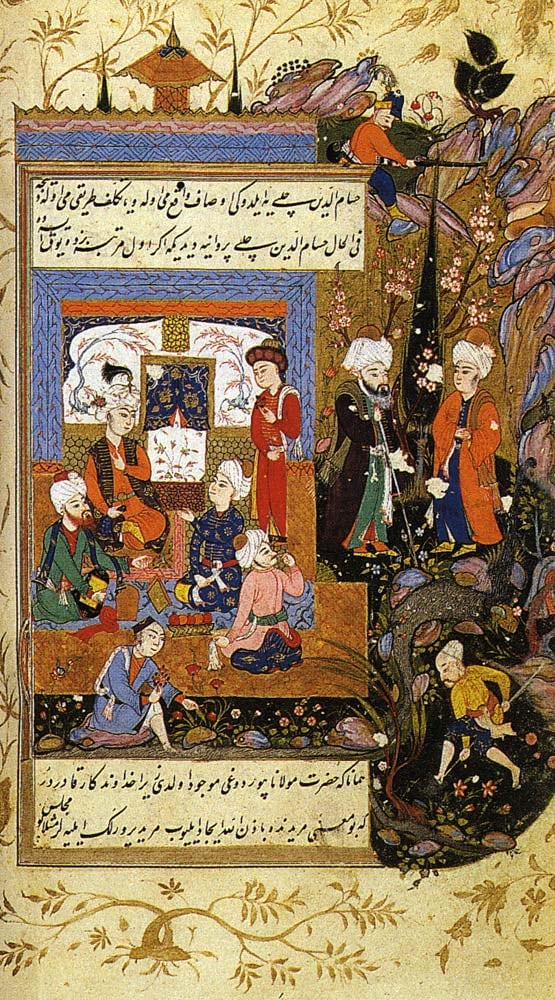
Rumi
يتّفقان في: ما المطلق؟ هل الله موجود؟ · من أنا؟ هل توجد ذات حقيقية؟ · لماذا نتألّم؟
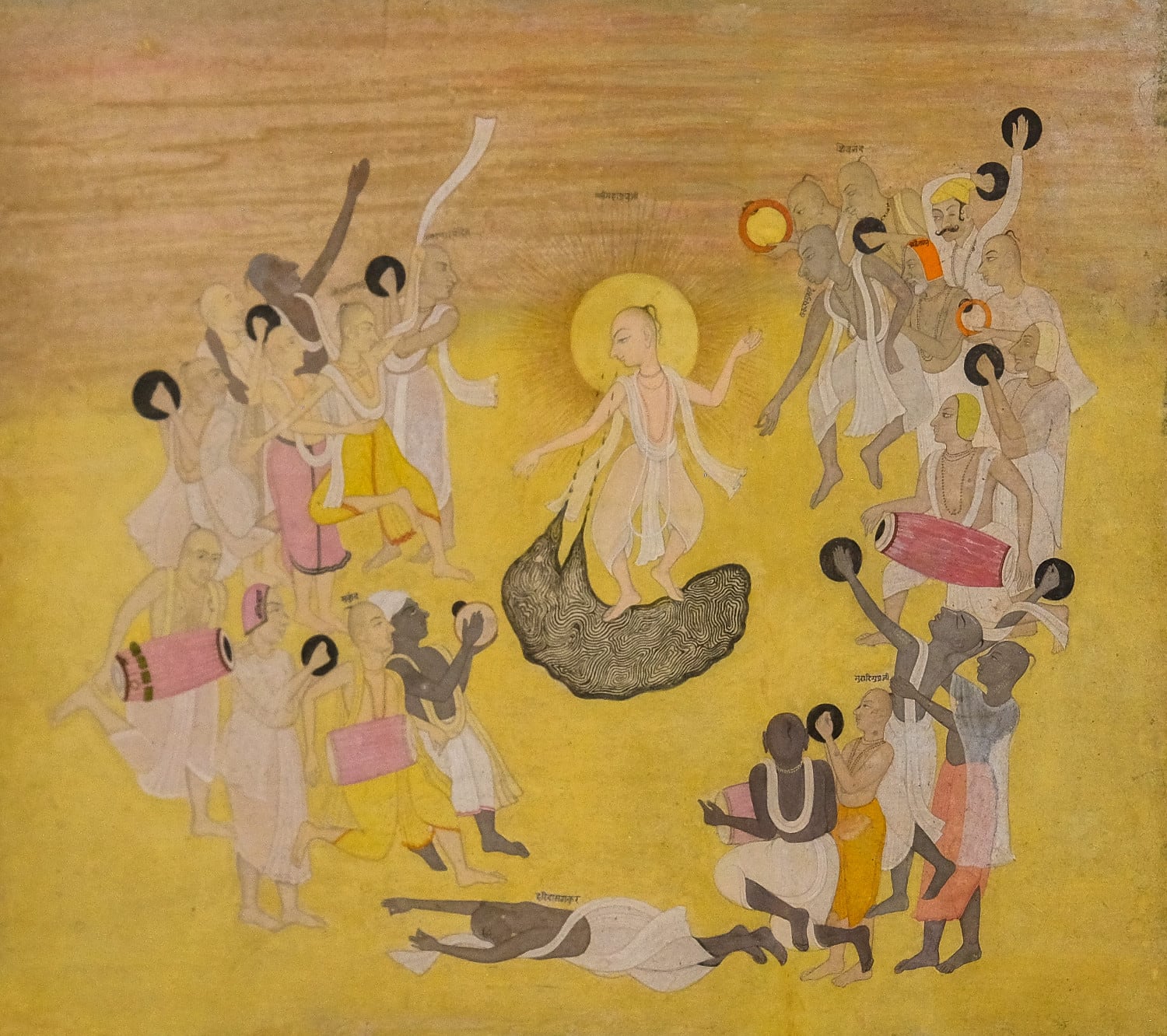
Chaitanya Mahaprabhu
يتّفقان في: ما المطلق؟ هل الله موجود؟ · من أنا؟ هل توجد ذات حقيقية؟ · لماذا نتألّم؟
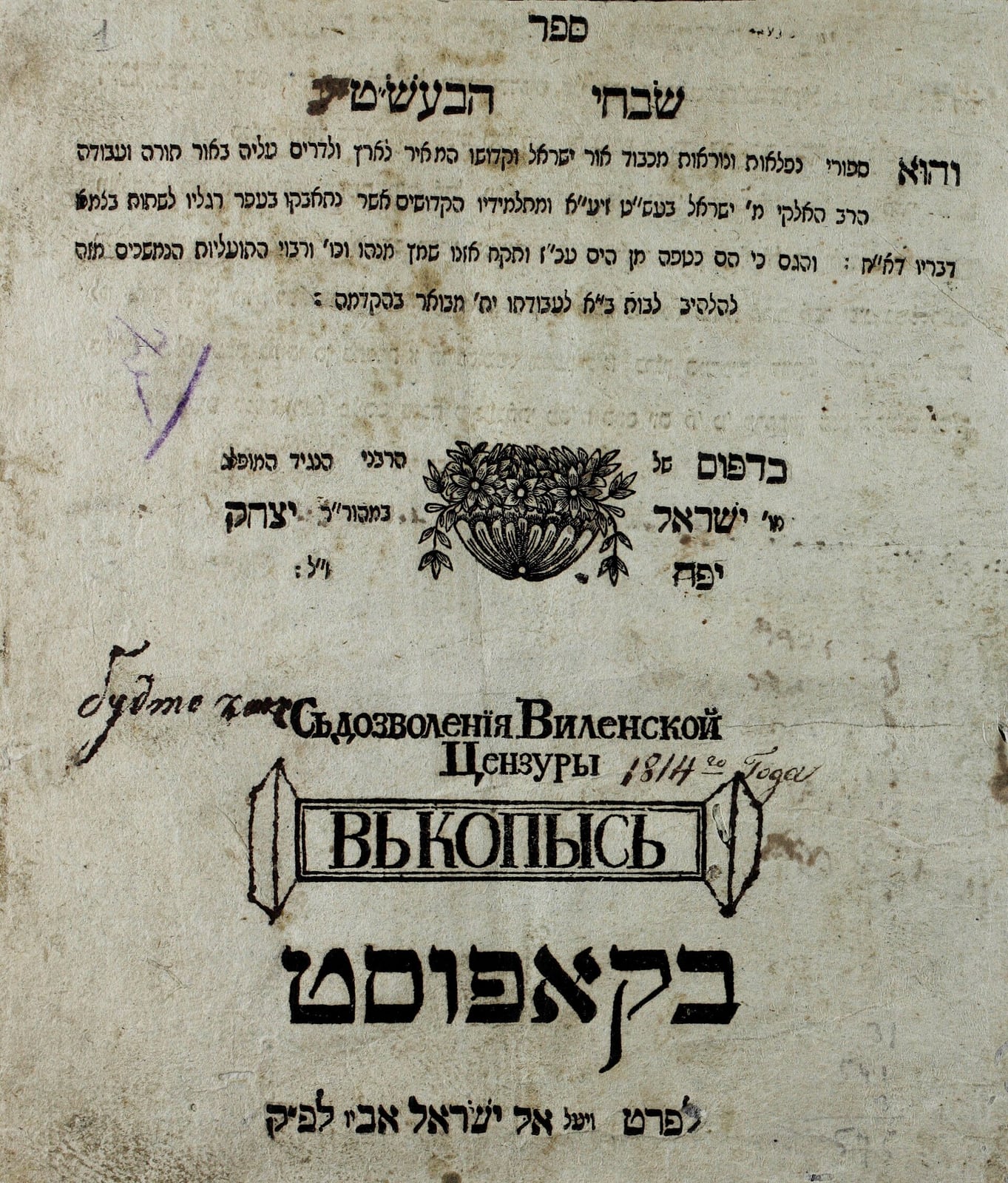
Baal Shem Tov
يتّفقان في: من أنا؟ هل توجد ذات حقيقية؟ · لماذا نتألّم؟ · ماذا يحدث بعد الموت؟

Francis of Assisi
يتّفقان في: ما المطلق؟ هل الله موجود؟ · من أنا؟ هل توجد ذات حقيقية؟ · لماذا نتألّم؟
يبتعد في تفكيره عن

Pema Chödrön
يختلفان في: ما المطلق؟ هل الله موجود؟ · من أنا؟ هل توجد ذات حقيقية؟ · ماذا يحدث بعد الموت؟

Epicurus
يختلفان في: ما المطلق؟ هل الله موجود؟ · من أنا؟ هل توجد ذات حقيقية؟ · ماذا يحدث بعد الموت؟

The 14th Dalai Lama (Tenzin Gyatso)
يختلفان في: ما المطلق؟ هل الله موجود؟ · من أنا؟ هل توجد ذات حقيقية؟ · ماذا يحدث بعد الموت؟
Kapila
يختلفان في: ما المطلق؟ هل الله موجود؟ · ماذا يحدث بعد الموت؟
حكايات وروايات
حكايات وروايات
لا يمكن التحقق منه1387 (según el relato)
Samarkand and Bukhara for a mole
أصل الرواية: It first appears in Shuja Shirazi's *Anis al-nas* (1426), some thirty-five years after the poet's death, and was expanded by Dawlatshah Samarqandi in his *Tadhkirat al-shu'ara* (1486). The *Encyclopaedia Iranica* warns that anecdotes from these sources reflect the later image of the poet and cannot be used as facts.
تقليد شفهيc. 1390
The augury at the funeral
أصل الرواية: A story transmitted by late biographers and recorded by Gertrude Bell in the introduction to *Poems from the Divan of Hafiz* (1897); it is not found in fourteenth-century sources.
مختلَف فيه1358–1384
The king who asked for unity
أصل الرواية: It comes from the *Habib al-siyar* of the historian Khwandamir (sixteenth century), more than a century later; it is recorded by Bell (1897) and the *Encyclopaedia Iranica* (Khorramshahi).
مختلَف فيهc. 1390
Persian sugar for the parrots of India
أصل الرواية: The correspondence with the sultan of Bengal is asserted in the Indo-Persian tradition and recorded by English Wikipedia; Bell (1897, note to poem XXI) ascribes the invitation to a 'Shah Mahmud Purabi' and tells of the interrupted journey. There is no contemporary documentation.
لا يمكن التحقق منهs. XIV (según la leyenda)
Shakh-e Nabat and the forty-day vigil
أصل الرواية: Modern oral tradition spread in Iran and in Western anthologies; English Wikipedia presents it as legend and the *Encyclopaedia Iranica* warns against reconstructing the poet's life from literal readings of his verse.
موثّق1812–1819
Goethe finds his twin
أصل الرواية: Facts of literary history documented in the editions of Hammer-Purgstall and Goethe; see Hamid Tafazoli, 'Hafez xi. Translations of Hafez in German', *Encyclopaedia Iranica*.
المصدر: Tafazoli, Hamid. «HAFEZ xi. Translations of Hafez in German». Encyclopaedia Iranica.
التعاليم
التعاليم
المفاهيم التي ينتظم بها فكره، مشروحة في سياقها.
The rend (sincere libertine)rendi
A figure inherited from the *qalandari* poetry of Sanai and Attar, which Hafez brings to its most elaborate form.
Riya: religious hypocrisyriya
Part of the rise of fourteenth-century Persian satire, alongside Obeyd Zakani.
Iham: amphibologyiham
A figure codified by classical Persian rhetoric; in Hafez it merges with the convergence of love lyric, panegyric and mysticism.
Wine and the cupbearermay-o-saqi
Bacchic symbolism inherited from Arabic and Persian poetry (Abu Nuwas, Khayyam, Sufi lyric), to which Hafez gives its canonical form.
المصدر: Lewisohn, Leonard (ed.). Hafiz and the Religion of Love in Classical Persian Poetry. Londres: I. B. Tauris / Iran Heritage Foundation, 2010. ISBN 9781848853393.
Fal-e Hafez: the Divan as oraclefal-e-hafez
Bibliomancy comparable to the *sortes Vergilianae*; part of the Islamic tradition of *fal-namas*.
مقاطع الفيديو
مقاطع الفيديو
تسجيلات ومقابلات وأفلام وثائقية. تُشغَّل مقاطع الفيديو من YouTube؛ ولا تُستضاف هنا.
Hafiz and the Religion of Love — Lecture by L. Lewisohn
محاضرة· EN· 115 min
Golha Project Videos
Leonard Lewisohn «One Day with Hafez», Leiden University, Sep. 2012
محاضرة· EN· 2012· 4 min
Persian Dutch Network
Scholar reflects bringing medieval Persian verse to the West
مقابلة· EN· 2013· 6 min
PBS NewsHourالقناة الرسمية
Dick Davis reads 'I see no love in anyone'
تسجيل من طرف ثالث· EN· 2013· 2 min
PBS NewsHourالقناة الرسمية
بزرگان ایرانزمین: حافظ (Grandes de Irán: Hafez)
فيلم وثائقي· FA· 2012· 24 min
BBC Persianالقناة الرسمية
Hafez and Persian Poetry in Song (Part One)
محاضرة· EN· 59 min
OxfordSongالقناة الرسمية
Hafez and Persian Poetry in Song (Part Two)
محاضرة· EN· 65 min
OxfordSongالقناة الرسمية
How to Love Like A Poet: Why Rumi, Hafez, and Saadi Shirazi Matter Today
محاضرة· EN· 2023· 80 min
Renovatio: The Journal of Zaytuna Collegeالقناة الرسمية
Hafez: inmortal y magistral poeta
محاضرة· ES· 2019· 63 min
Espacio Persa
La poesía como experiencia cotidiana en Irán
فيلم وثائقي· ES· 2020· 28 min
INAH TVالقناة الرسمية
Hafez Commemoration — Shajarian & Pirniakan (بزرگداشت حافظ)
تسجيل من طرف ثالث· FA· 1988· 52 min
Khosousi
غزلیات حافظ با دکلمه شاملو و موسیقی فرهاد فخرالدینی
تسجيل من طرف ثالث· FA· 64 min
EngineeringMath
Hafezieh | The Timeless Shrine of Hafez in Shiraz, Iran
فيلم وثائقي· EN· 3 min
Visit Iran - Official Travel Guide of Iranالقناة الرسمية
Poems from the Divan of Hafiz by Gertrude Bell — full audiobook
تسجيل من طرف ثالث· EN· 88 min
Best Audiobooks
المعرض
المعرض
صور بترخيص متحقَّق منه. كل منها تحتفظ بمؤلّفها ونسبتها.
المخطوطات
المخطوطات
شواهد مخطوطة ونصوص قديمة، مع جهة حفظها وشروط الاطّلاع عليها.
FA · Perso-árabe · s. XIV
دیوان حافظ (Divan-e Hafez), copia de Taskent
- الشاهد المحفوظ
- Copia que su colofón (fol. 140a) fecha en 803/1401, con unos 407 gazales; la más antigua conocida
- جهة الحفظ
- Instituto de Estudios Orientales, Taskent · n.º 12770
FA · Perso-árabe · s. XIV
Antología de Iskandar Sultán (con gazales de Hafez)
- الشاهد المحفوظ
- Antología copiada en 813–814/1410–1411 para el príncipe timúrida Iskandar Sultán
- جهة الحفظ
- British Library, Londres · Add. MS 27261
FA · Perso-árabe · s. XIV
دیوان حافظ، نسخهٔ خلخالی (manuscrito de Jaljali)
- الشاهد المحفوظ
- Copia fechada en 827/1424, unos treinta y cinco años después de la muerte del poeta
- جهة الحفظ
- Colección particular
FA · Nastaliq · s. XIV
دیوان حافظ، نسخهٔ شاهان مغولیه (copia real mogola)
- الشاهد المحفوظ
- Manuscrito probablemente del s. XV con inscripción de Husayn Bayqara; anotaciones de augurios de Humayun (una de 962/1554–1555) y Yahangir
- جهة الحفظ
- Khuda Bakhsh Oriental Public Library, Patna
العلاقات
العلاقات
تأثيرات وتلمذة وتقارب في الأفكار. تُميَّز العلاقة الموثّقة عن التشابه المستخلَص بالتحليل.
أفكار قريبة من
The two summits of the Persian ghazal, a century apart. Legend says Hafez knew Rumi's work by heart, but his ghazal derives rather from the school of Saadi and Khwaju of Kerman; the affinity lies in the mysticism of love and the language of wine and the tavern.
تشابه مستخلَص بالتحليل
أفكار قريبة من
The figure of the *rend* and the *qalandari* poetry that Hafez brings to its most refined form have precedents in Attar's ghazals. Farid al-Din Attar should not be confused with the shaykh Mahmud (or Zayn al-Din) Attar of Shiraz, whom tradition makes Hafez's master.
تشابه مستخلَص بالتحليل
أفكار قريبة من
Some critics (Lewisohn and others) read the *Divan* in the light of the 'religion of love' and the metaphysics of Ibn Arabi's school as spread in Iran; no direct dependence is documented.
تشابه مستخلَص بالتحليل
أفكار قريبة من
Both aim their sharpest verses at outward religion (the ascetic, the preacher, the pandit and the mullah) in the name of inner sincerity.
تشابه مستخلَص بالتحليل
المصادر
المصادر
المراجع والفهارس التي رُوجعت لهذه الصفحة.
- Wikidata, Q6240 «Hafez» (P31=Q5; 163 enlaces entre wikis; P569 1325 y 1326; P570 1389; P1559 خواجه شمسالدین محمد حافظ شیرازی).
- Khorramshahi, Baha al-Din y EIr. «HAFEZ ii. Hafez's Life and Times». Encyclopaedia Iranica, vol. XI, fasc. 5, pp. 465–469. Publicado el 15-12-2002, actualizado el 01-03-2012.
- Yarshater, Ehsan. «HAFEZ i. An Overview». Encyclopaedia Iranica, vol. XI, fasc. 5. Publicado el 15-12-2002.
- Khorramshahi, Baha al-Din y EIr. «HAFEZ vi. Printed Editions of the Divān of Hafez». Encyclopaedia Iranica. Publicado el 15-12-2002.
- Loloi, Parvin. «HAFEZ x. Translations of Hafez in English». Encyclopaedia Iranica. Publicado el 15-12-2002.
- Tafazoli, Hamid. «HAFEZ xi. Translations of Hafez in German». Encyclopaedia Iranica.
- Bell, Gertrude Lowthian (trad.). Poems from the Divan of Hafiz. Londres: William Heinemann, 1897 (introducción biográfica y notas). Project Gutenberg n.º 74883.
- Hafez. Divan, texto según la edición de Mohammad Qazvini y Qasem Ghani (Teherán, 1320 Š./1941): 495 gazales, 3 casidas, 34 qit'as, 42 rubaiyat, Saqi-nama, masnaví «Ala ey ahu-ye vahshi», prefacio del compilador y 118 poemas atribuidos. Ganjoor (biblioteca digital de poesía persa).
- Clarke, H. Wilberforce (trad.). The Dīvān, written in the fourteenth century by Khwāja Shamsu-d-Dīn Muḥammad-i-Ḥāfiẓ-i-Shīrāzī. 2 vols. Calcuta: Government of India Central Printing Office, 1891.
- Safi, Omid. «Fake Hafez: How a supreme Persian poet of love was erased». Al Jazeera, 14-06-2020.
- Fani, Aria. «Rewriting Hafez: Re-theorizing Untranslatability in Persian Poetry». Ajam Media Collective, 08-07-2014.
- «Shirazi Turk». Wikipedia en inglés (origen de la anécdota de Tamerlán: Shuja Shirazi, Anis al-nas, 1426; Dawlatshah Samarqandi, Tadhkirat al-shu'ara, 1486).
- «Daniel Ladinsky». Wikipedia en inglés (obras, método de trabajo a partir de Clarke, críticas de Christopher Shackle, Aria Fani, Murat Nemet-Nejat y Omid Safi).
- Lewisohn, Leonard (ed.). Hafiz and the Religion of Love in Classical Persian Poetry. Londres: I. B. Tauris / Iran Heritage Foundation, 2010. ISBN 9781848853393.
- «Hafez». Wikipedia en inglés (mausoleo de André Godard, día de Hafez, fal-e Hafez, correspondencia con Ghiyath al-Din Azam Shah de Bengala, traducciones modernas).
- صاحب الحقوق
- Dominio público (obra del siglo XIV). Las ediciones críticas modernas y las traducciones (Archetype, Mage, Penguin, Verdier, Gallimard, Visor…) están sujetas a los derechos de sus editores y traductores. Los libros de Daniel Ladinsky (Penguin) son obra original suya con derechos vigentes, no traducciones de Hafez.
في انتظار التأكيد
ما لم تتمكّن هذه الصفحة من حسمه بعد. نفضّل أن نقول ذلك على أن نملأ الفراغ.
- Localizar un ISBN de una reimpresión moderna de la edición de Qazvini y Ghani y de la 2.ª edición de Janlari (Jarazmi, 1983); Open Library las registra sin ISBN.
- Confirmar en catálogo el traductor y la naturaleza de «El despertar del amor» (Sufí, 2003) y «La canción de Saki» (Alif): no se han incluido porque Open Library no da traductor ni permite saber si traducen a Hafez o a Ladinsky.
- No se ha encontrado una traducción española de Hafez de dominio público; tampoco una alemana de Hammer-Purgstall o Rosenzweig transcrita en Wikisource (solo escaneos).
- Vídeos: los recitados de Shajarian y Shamlu proceden de canales no oficiales; buscar ediciones oficiales (Delawaz, herederos de Shamlu) y algún documental en francés o alemán de televisión pública.
- Comprobar el enlace estable de la British Library para Add. MS 27261 (antología de Iskandar Sultán) cuando se restablezca su visor de manuscritos.
- Verificar con una fuente impresa (Limbert, *Shiraz in the Age of Hafez*, 2004) la datación de la correspondencia con Ghiyath al-Din Azam Shah de Bengala.
- Precisar la autoría del retrato de la British Library (File:Mohammad Shams al-Din Hafez.jpg): Commons no indica signatura ni pintor.
بُحث بتاريخ 2026-10-25