الهندوسية · التصوف
Meher Baba
मेहेर बाबा · مهر بابا
1894 – 1969شخصية موثّقة تاريخيًا
ميهر بابا (1894-1969)، واسمه عند الولادة ميروان شهريار إيراني، معلّم روحي هندي وُلد في بونا لأسرة زرادشتية، وأعلن أنه «أفاتار» زمانه. لزم الصمت منذ 10 يوليو 1925 طوال أربعة وأربعين عامًا، متواصلًا بلوح أبجدي ثم بالإيماءات. وتعرض «المحاضرات» (Discourses) و«الله يتكلّم» (God Speaks)، وقد أملاهما وتولّى مريدوه تحريرهما، تصوّرًا كونيًا لرحلة الروح نحو الوعي بالله. أسّس ميهر آباد، ورعى «المَسْت» أو المجاذيب، وسافر إلى الغرب ابتداءً من عام 1931.
- مؤلَّفًا
- 31مؤلَّفًا
- طبعة
- 49طبعة
- اقتباسًا
- 7اقتباسًا
- مقطع فيديو
- 15مقطع فيديو
- صورة
- 10صورة
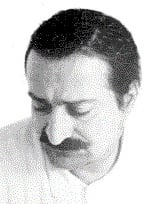
Meher Baba en 1941 · Public domain
بكلماته
«I have come not to teach but to awaken. Understand therefore that I lay down no precepts.»«The Universal Message» (1958), en The Path of Love

فكرته المحورية
God alone is real; the universe is his imagination, and each soul is God passing through that imagination in order to come to know himself consciously.
السيرة
4 دقيقة قراءة
ترجمة مُعانة من الأصل الإسباني، بانتظار مراجعة مترجم من أهل اللغة.
ابن أسرة زرادشتية في بونا
وُلد ميروان شهريار إيراني في 25 فبراير 1894 في بونا، بونه الحالية، وهو الابن الثاني لشهريار موندِغار إيراني وشيرين. كان أبوه زرادشتيًا فارسيًا قضى سنوات درويشًا جوّالًا قبل أن يستقرّ في بونا ويتزوّج، وكانت الأسرة تنتمي إلى جماعة «الإيرانيين» في الهند، القريبة من البارسيين غير أنها قدمت من فارس في زمن متأخر. تلقّى ميروان تعليمه في بونا، ودرس مدّةً في كلية الدكن. وتصفه الشهادات عن شبابه بأنه فتى اجتماعي رياضي، مولع بالموسيقى وبالشعراء — حافظ وشكسبير وشيلي — أسّس مع أصدقائه ناديًا للتداول في شؤون الساعة وجمع المال لأعمال الخير.
قبلة باباجان
في مايو 1913، وهو في طريقه إلى الدرس، لفتت انتباهه عجوز مسلمة تعيش عند جذع شجرة في بونا، يجلّها بعضهم وليّةً ويعدّها آخرون مجنونة: حضرة باباجان. وظلّ يزورها شهورًا. وفي ليلة من يناير 1914، بحسب الرواية التي أجازها هو نفسه، قبّلت جبينه، فبقي الشابّ قرابة تسعة أشهر في حال من الاستغراق شبه التامّ، غائبًا عن جسده. وفي السنوات التالية قصد شخصيات أخرى سيسمّيها لاحقًا «المعلّمين الكاملين» الخمسة في عصره: ساي بابا الشيردي، وأوباسني مهراج، وتاج الدين بابا، وناراين مهراج. وكان أوباسني، في ساكوري، هو مَن ردّه في نظره إلى الوعي العادي من غير أن يفقد تجربة الله؛ وفي أواخر عام 1921، بحسب السيرة التي كتبها تشارلز بوردم، أعلن أوباسني أمام مريديه أنه جعل ميروان «كاملًا».
ميهر آباد وبداية الصمت
في عام 1922 جمع حوله جماعة من المريدين — «المَنْدَلي» — أطلقوا عليه اسم ميهر بابا، أي «الأب الرحيم»، وافتتح في بومباي دارًا ذات انضباط صارم سمّاها «منزل ميم». وفي عام 1923 استقرّ قرب قرية أرنغاون بجوار أحمدنغر في معسكر عسكري قديم سمّاه ميهر آباد، وقامت فيه مدرسة ومستشفى ومستوصف مجانية مفتوحة لجميع الطوائف الطبقية. وفي 10 يوليو 1925 كفّ عن الكلام. فكتب طوال عام ونصف على ألواح الإردواز وفي الدفاتر، ثم صار منذ مطلع عام 1927 يتواصل بالإشارة إلى حروف لوح أبجدي، ومنذ أكتوبر 1954 بإيماءات اليدين وحدها، يترجمها بصوت عالٍ المقرّبون منه، ولا سيما إيروتش جيساوالا. ولم يفسّر صمته بوصفه رياضة زهدية، بل جزءًا من عمله الكوني، وأعلن مرارًا أنه سيكسره بكلمة توقظ البشرية. ولم يفعل: فالمصادر المعاصرة مجمعة على أنه لزم الصمت حتى وفاته، ويؤوّل أتباعه هذا الوعد الذي لم يتحقق تأويلات شتّى.
الغرب: غاندي وهوليوود والصحافة
في عام 1931 سافر إلى أوروبا للمرة الأولى على متن الباخرة SS Rajputana، وهي السفينة نفسها التي أقلّت غاندي إلى مؤتمر المائدة المستديرة، والتقى الرجلان ثلاث مرات على متنها، وإن نفى أحد معاوني غاندي أن يكون هذا قد طلب منه نصحًا روحيًا. وفي عام 1932 تتبّعت الصحافة الأمريكية خطاه: ففي الأول من يونيو أقامت ماري بيكفورد ودوغلاس فيربانكس حفل استقبال على شرفه في قصر «بيكفير». وأعلن أنه سيكسر صمته في مسرح «هوليوود باول»، ثم أبحر في اللحظة الأخيرة إلى هونغ كونغ. وترك الصحفي بول برنتون، الذي عرفه في الهند، صورة خائبة عنه في كتابه A Search in Secret India («بحث في الهند السرّية»، 1934). وفي أواخر ذلك العقد جال في الهند بالحافلة مع مجموعة من النساء الغربيات، وفي عام 1938 أسّس أتباعه مجلة Meher Baba Journal.
المجاذيب والحياة الجديدة والحادثان
في الثلاثينيات والأربعينيات جاب شبه القارة بحثًا عن «المَسْت» (المجاذيب)، وهم أناس رأى فيهم «سكارى بالله»، اختلّ توازنهم بتجارب من المستويات الباطنة؛ فكان يغسلهم ويطعمهم ويقضي معهم الساعات، وهو عمل دوّنه مريده ويليام دونكين في كتاب The Wayfarers («السالكون»، 1948). وفي أكتوبر 1949 بدأ مع عشرين رفيقًا «الحياة الجديدة»، وهي مرحلة من التسوّل والتخفّي عاشوها في «اليأس والعجز»، وانتهت في فبراير 1952. وفي العام نفسه افتتح مركز ميهر الروحي في ميرتل بيتش بولاية كارولاينا الجنوبية، وفي 24 مايو تعرّض قرب بلدة براغ في أوكلاهوما لحادث سيارة كُسرت فيه ساقه. ثم أصيب في حادث ثانٍ في ساتارا في 2 ديسمبر 1956 بكسر في الحوض، وقُتل فيه أحد رفاقه. ومنذ ذلك الحين صار يمشي بألم ومشقّة.
كلمات رجل لم يكن يتكلّم
ليس السؤال عمّن كتب كتب ميهر بابا سؤالًا بلاغيًا. فقد نشأت «المحاضرات» (Discourses) مقالاتٍ شهرية في Meher Baba Journal (1938-1942)، أملاها على اللوح الأبجدي وصاغها الأستاذ تشاكرادهار د. ديشموخ، ثم جُمعت في خمسة مجلدات بين 1939 و1943. وفي عام 1955 كتبت أخته ماني أن ديشموخ «زخرف وطوّر» النقاط المملاة، وأنه أساء فهمها أحيانًا. ونشر تشارلز بوردم صيغة مختصرة عام 1955، وأعاد آيفي أو. ديوس ودون إي. ستيفنز نشر المجموع عام 1967 بموافقته، وفي عام 1987 أعدّ إيروتش جيساوالا وبال ناتو وفلاغ كريس الطبعة السابعة. أما God Speaks («الله يتكلّم»، 1955)، أكبر أعماله الميتافيزيقية، فقد أملاه على اللوح ابتداءً من أغسطس 1953، وحرّره لودفيغ دِمبفل ودون ستيفنز. وقراءته قراءةً رصينة تقتضي تذكّر هذه الأيدي الوسيطة.
وفي سبتمبر 1954، خلال لقاءات في ميهر آباد، نشر «نداء ميهر بابا» (Meher Baba's Call) الذي قدّم فيه نفسه بوصفه «الأفاتار»، أي الوعي ذاته الذي تجلّى في رأيه في زرادشت وراما وكريشنا وبوذا ويسوع ومحمد، وفي 30 سبتمبر ألقى «إعلانه الأخير». وهو عند أتباعه شهادة إيمان، وعند المؤرّخ تعريفٌ للذات ينبغي تسجيله بوصفه كذلك.
الوفاة في ميهر آزاد والإرث
عاش سنواته الأخيرة معتزلًا في ميهر آزاد قرب أحمدنغر. وفي عام 1966 نصح الشباب الغربيين، في كتيّب God in a Pill? («الله في حبّة؟»)، بالعزوف عن تعاطي عقار «إل إس دي» لأغراض روحية. ومنذ أواخر عام 1968 عانى تشنّجات عضلية عنيفة. وتوفّي في 31 يناير 1969 في الساعة 12:15 ظهرًا في ميهر آزاد، بحسب الشهادة التي وقّعها أطباؤه، ودُفن جثمانه في الضريح الذي كان قد أمر ببنائه في ميهر آباد قبل ذلك بعقود. أما «الدرشن الأخير» الذي أُعدّ في بونه لشهر أبريل 1969 فقد أقيم من دونه. وبموجب وصية تعود إلى عام 1967، تعود حقوق كلماته إلى مؤسسة Avatar Meher Baba Perpetual Public Charitable Trust. وبلغ صداه الثقافة الشعبية: فقد أهداه بيت تاونسند أوبرا الروك Tommy، وألهم شعارُه «Don't worry, be happy» أغنيةَ بوبي ماكفيرين.
المصادر: Kalchuri, Bhau. Meher Prabhu: Lord Meher. The Biography of the Avatar of the Age, Meher Baba. Myrtle Beach: Manifestation, 1986-2001; edición en línea revisada (lordmeher.org), pp. 5286-5289 y 5400-5404. · Purdom, Charles B. The God-Man: The Life, Journeys and Work of Meher Baba with an Interpretation of His Silence and Spiritual Teaching. Londres: George Allen & Unwin, 1964. · Meher Baba. Discourses. 7.ª ed. revisada, ed. Eruch Jessawala, Bal Natu y J. Flagg Kris. Myrtle Beach: Sheriar Press, 1987 (3.ª reimpr. 1995), «Foreword» (historia editorial y carta de Mani Irani en The Awakener 3, n.º 1, 1955). Edición en línea del Avatar Meher Baba Trust. · Meher Baba. God Speaks: The Theme of Creation and Its Purpose. 2.ª ed. Walnut Creek: Sufism Reoriented, 1973 (3.ª reimpr. 1997); 1.ª ed. Nueva York: Dodd, Mead, 1955. Edición en línea del Trust. · Meher Baba. The Path of Love. Comp. Filis Frederick. Myrtle Beach: Sheriar Foundation, 2000 (1.ª ed. 1976); incluye «The Universal Message».
الخط الزمني
الحياة عامًا بعد عام
كل نقطة حدث موثّق. انقر لتقرأه مع مصدره ودرجة اليقين فيه.
25 فبراير 1894أقل من عامPoona
Birth of Merwan Sheriar Irani
Born into a Zoroastrian Irani family, second son of Sheriar Mundegar Irani and Shireen.
موثّقWikipedia (en), «Meher Baba».
25 فبراير 1894 · أقل من عام
Birth of Merwan Sheriar Irani
Born into a Zoroastrian Irani family, second son of Sheriar Mundegar Irani and Shireen.
موثّق
مايو 1913 · 19 عامًا
First meeting with Hazrat Babajan
While a student at Deccan College, he begins visiting the Muslim holy woman who lives under a tree in Poona.
موثّق
يناير 1914 · 19 عامًا
Babajan's kiss
Babajan kisses his forehead; by his own account and that of his biographers, he remains nearly nine months unaware of his surroundings.
تقليد
1915 · 21 عامًا
Meetings with Sai Baba of Shirdi and Upasni Maharaj
Meets Upasni Maharaj at Shirdi; over the following years he spends long periods with him at Sakori.
موثّق
ديسمبر 1921 · 27 عامًا
Upasni declares him 'perfect'
According to Charles Purdom, Upasni tells his disciples he has made Merwan perfect and that he is the sadguru of the age.
تقليد
1922 · 28 عامًا
Manzil-e-Meem and the name Meher Baba
Gathers his first disciples, who call him Meher Baba, and opens a house of discipline in Bombay.
موثّق
1923 · 29 عامًا
Founding of Meherabad
Settles on a former military camp near Ahmednagar; there he will open a free school, hospital and dispensary.
موثّق
10 يوليو 1925 · 31 عامًا
The silence begins
Stops speaking; he will keep silence until his death forty-four years later.
موثّق
يناير 1927 · 32 عامًا
Gives up writing for the alphabet board
After his last written message (December 1926), he communicates by pointing to letters on a board.
موثّق
أغسطس 1931 · 37 عامًا
First journey to the West; meetings with Gandhi
Travels to England on the same ship as Gandhi, with whom he meets three times.
موثّق
1 يونيو 1932 · 38 عامًا
Reception at Pickfair
Mary Pickford and Douglas Fairbanks hold a reception at which he delivers a message to Hollywood.
موثّق
نوفمبر 1938 · 44 عامًا
The Meher Baba Journal appears
Monthly magazine in which the Discourses are serialised, prepared by C. D. Deshmukh.
موثّق
16 أكتوبر 1949 · 55 عامًا
The New Life begins
With twenty companions he begins a life of begging and anonymity that will last until February 1952.
مرجَّح
24 مايو 1952 · 58 عامًا
Car accident in the United States
A head-on collision breaks his leg and injures his face.
موثّق
30 سبتمبر 1954 · 60 عامًا
'Final Declaration'
After 'Meher Baba's Call', in which he reaffirms his Avatarhood, he gives his Final Declaration; in October he gives up the alphabet board.
موثّق
1955 · 61 عامًا
Publication of God Speaks
Dodd, Mead publishes his main metaphysical work, edited by Ludwig Dimpfl and Don Stevens.
موثّق
2 ديسمبر 1956 · 62 عامًا
Second car accident
Suffers a fractured pelvis; one of his companions, Nilu, is killed.
موثّق
1966 · 72 عامًا
God in a Pill?
His rejection of the spiritual use of LSD and other drugs is published, compiled from letters to Western academics.
موثّق
17 يونيو 1967 · 73 عامًا
Last will
Signs his will, which gives particular attention to the copyrights of his books and messages.
موثّق
31 يناير 1969 · 74 عامًا
Death
Dies at 12:15 after violent spasms; the certificate gives respiratory failure. He is buried in the Meherabad tomb.
موثّق
10 أبريل 1969
The 'last darshan'
Thousands of followers, hundreds of them Westerners, attend the gathering he had prepared, held in his absence until 10 June.
موثّق
المؤلَّفات
المؤلَّفات الأساسية
المؤلَّفات التي لا يُفهم إرثه من دونها.
مؤلَّف مكتوب · 1955
God Speaks: The Theme of Creation and Its Purpose
His most systematic metaphysical exposition. It describes how God, in an original state of unconscious infinity, experiences the urge to know himself and, through imagination, identifies with ever more complex forms—gas, stone, metal, vegetable, worm, fish, bird, animal and human—in a process of evolution of consciousness; then, through reincarnation, the soul exhausts its accumulated impressions and, in involution, crosses seven inner planes until it realises God. It distinguishes ten states of God and sets out the role of the Perfect Masters and the Avatar. It includes eleven charts and an extensive supplement of Sufi and Vedantic terminology. It is dedicated 'To the Universe—the Illusion that sustains Reality'.
5 طبعات · amazon.com

محاضرات منشورة · 1939
Discourses
The practical exposition of his teaching: the *sanskaras* or mental impressions that bind consciousness, maya, the ego, reincarnation and karma, violence and non-violence, meditation, love, discipleship and God-realisation. It alternates doctrinal explanation with stories from Indian and Sufi tradition, such as that of Majnun and Layla, and prefers explaining why some actions bind and others free over laying down moral rules. It is the work most read by his followers and the one that best shows the editorial problem of a silent teacher: between dictation and printed text stand several hands and several revisions.
8 طبعات · amazon.com

محاضرات منشورة · 1963
The Everything and the Nothing
A collection of short texts, poetic in tone, on the relation of lover and Beloved, illusion, ego and realisation: 'The Lover and the Beloved', 'The Pearl Diver', 'Maya the Showman', 'The One and the Zero'. It includes a chart of the soul's four journeys. It is one of the few books his followers regard as written by him, and its language is more direct and lyrical than that of the Discourses.
طبعتان · amazon.com
جميع مؤلَّفاته (31)
Meher Baba
Tiffin Lectures
The Conscious LibraryTiffin Lectures
2017
Meher Baba
Infinite Intelligence
The Conscious LibraryInfinite Intelligence
2005

In God's Hand
1925

Listen, Humanity
1957

Beams from Meher Baba on the Spiritual Panorama
1958

Life at Its Best
1957

God to Man and Man to God
1955

The Path of Love
1976
Meher Baba
The Sayings of Shri Meher Baba
The Conscious LibraryThe Sayings of Shri Meher Baba
1933
Meher Baba
Shri Meher Baba, the Perfect Master: Questions and Answers
The Conscious LibraryShri Meher Baba, the Perfect Master: Questions and Answers
1933
Meher Baba
Divine Theme
The Conscious LibraryDivine Theme
1943
Meher Baba
Messages of Meher Baba Delivered in the East and West
The Conscious LibraryMessages of Meher Baba Delivered in the East and West
1945
Meher Baba
Gems from the Discourses
The Conscious LibraryGems from the Discourses
1945
Meher Baba
God in a Pill?
The Conscious LibraryGod in a Pill?
1966
Meher Baba
Sparks from Meher Baba
The Conscious LibrarySparks from Meher Baba
1962
Meher Baba
The New Life Circulars
The Conscious LibraryThe New Life Circulars
1949
Meher Baba
The Life Circulars
The Conscious LibraryThe Life Circulars
1952
Meher Baba
On the Fiery Free Life
The Conscious LibraryOn the Fiery Free Life
1952
Meher Baba
Be True to Your Duty
The Conscious LibraryBe True to Your Duty
1954
Meher Baba
6 Messages
The Conscious Library6 Messages
1955
Meher Baba
Final Declaration
The Conscious LibraryFinal Declaration
1954
Meher Baba
The Universal Message
The Conscious LibraryThe Universal Message
1958
Meher Baba
Meher Baba Journal
The Conscious LibraryMeher Baba Journal
1938

Early Messages to the West
2009
الأقوال
أقوال محدَّدة الموضع في مؤلَّف بعينه. كل منها يحمل مصدره ودرجة الثقة به.
I have come not to teach but to awaken. Understand therefore that I lay down no precepts.متحقَّق منه«The Universal Message» (1958), en The Path of Love
الأفكار الجوهرية (خلاصة تحريرية)
احترامًا لحقوق المؤلف، تُلخَّص هذه الأفكار بكلماتنا ولا تُقدَّم بوصفها اقتباسات حرفية.
- God alone is real; the universe is his imagination, and each soul is God passing through that imagination in order to come to know himself consciously.
- Consciousness is formed through the evolution of forms, from stone to human being; in the human it reaches its fullness but remains covered by accumulated impressions, which are exhausted in successive reincarnations.
- Mental impressions or sanskaras bind consciousness to illusion; the spiritual path consists in wearing them away through love, selfless service and surrender to the master, not through the accumulation of merit.
- In each age there are five Perfect Masters who, when the cycle comes, bring down the Avatar; the Avatar is the same consciousness that manifested, in his view, in Zoroaster, Rama, Krishna, the Buddha, Jesus and Muhammad.
- The renunciation that matters is not outward but mental: one can live in the world, with family and duties, while renouncing the limited self.
- Drug-induced experiences are not spiritual: they are discontinuous and illusory, whereas God-realisation is a continuous experience.
- Worry is a self-perpetuating habit; against it he advised doing one's best, ceasing to worry and remaining cheerful in God's love, advice that circulated on cards with the formula don't worry, be happy.
الكلمات الأخيرة
رواية لاحقة عن شهود
«Do not forget that I am God.»Do not forget that I am God.
Meher Baba did not speak: his last words were gestures interpreted by those present. According to *Lord Meher*, the biography by his disciple Bhau Kalchuri, shortly before 12:15 on 31 January 1969 he asked Dr Goher Irani to stop giving him injections with this phrase; that same morning he had told the men mandali 'Remember this, that I am God!' Eruch Jessawala recalled that in the early hours he spelled out with his fingers 'He did not come back', alluding to a story about a Tibetan monk, and added 'but I shall return'. Adi K. Irani's circular of 5 February 1969 says that at noon he was joking with those present about the medicines. These are testimonies from his inner circle, not independent, and transmitted through interpreted gestures.
المصدر: Kalchuri, Bhau. Meher Prabhu: Lord Meher. The Biography of the Avatar of the Age, Meher Baba. Myrtle Beach: Manifestation, 1986-2001; edición en línea revisada (lordmeher.org), pp. 5286-5289 y 5400-5404.
اسأل
بماذا يجيب أثره
اثنا عشر سؤالًا كبيرًا من أسئلة الإنسانية، وما تتيح نصوصه الإجابة به عنها، مع المراجع. ولا نقوّله ما لم يقل أبدًا.
ما المطلق؟ هل الله موجود؟
God alone is real: featureless infinite and Beloved who incarnates
شخصي وغير شخصي معًايقوله صراحةً
In God Speaks Meher Baba describes God in the ‘Beyond-Beyond’ state as infinite existence, knowledge and bliss, unconscious of itself, and explains creation as that God’s original whim to know himself: the question ‘Who am I?’ sets the evolution of consciousness in motion. This Absolute has no features, yet it is not merely impersonal: God is also the Beloved who is loved, and Meher Baba presented himself as the Avatar, God become man in every age. In the Discourses he insists that God alone is real and all else is illusion. The divine thus has an infinite ground and a human face, and the path is to love that face until one discovers that one is oneself God.
قارن هذا السؤال مع معلّمين آخرينمن أنا؟ هل توجد ذات حقيقية؟
The soul is God, and its long journey ends in discovering it
الذات هي المطلقيقوله صراحةً
In God Speaks Meher Baba holds that the soul (atma) is in reality identical with the Oversoul (Paramatma): it is infinite and eternal but does not know it. To know it, it undertakes a journey he describes in detail: the evolution of consciousness through ever more complex forms, from stone to human being; reincarnation in millions of human forms; and involution through the inner planes up to realisation. What prevents the soul from knowing itself are sanskaras, impressions that bind consciousness to illusion. When they are exhausted, false individuality vanishes and the soul discovers that it was always God. The ego, for Meher Baba, is the last obstacle, and renouncing it is the only renunciation needed.
قارن هذا السؤال مع معلّمين آخرينلماذا نتألّم؟
Sanskaras bind consciousness; suffering wears them away
الكارما وتعلّم الروحيقوله صراحةً
Meher Baba explains suffering through sanskaras, the impressions each experience leaves in the mind that drive new actions and new births. These impressions, accumulated through evolution and reincarnation, bind consciousness to illusion and feed the ego. In the Discourses he describes how karma operates from one life to the next and how pain, like pleasure, is the expression of sanskaras being spent. Suffering thus has no value in itself, but it is part of the process that ultimately frees the soul, especially if accepted with love and without rebellion. What truly dissolves it is love for God, which consumes impressions like fire.
قارن هذا السؤال مع معلّمين آخرينماذا يحدث بعد الموت؟
After death, states of heaven and hell and a new incarnation
الولادة من جديد وفق الكارمايقوله صراحةً
In the Discourses and God Speaks Meher Baba sets out a detailed theory of reincarnation. After death the soul keeps its sanskaras in the subtle and mental bodies and passes through states of heaven or hell, which are not places but states of consciousness in which good and bad impressions are lived intensely. When that phase is exhausted it incarnates again in a human body, alternating between male and female lives, in different places and conditions, as its impressions require. The cycle continues until the soul begins involution and attains God-realisation. For Meher Baba death is as ordinary as sleep, and as illusory as everything that is not God.
قارن هذا السؤال مع معلّمين آخرينكيف يُبلَغ التحرّر أو الخلاص؟
Love God and surrender to the Master: renounce only the self
بالتعبّد والتسليميقوله صراحةً
Meher Baba describes several paths in the Discourses, but considers love for God the most direct and surrender to a Perfect Master or to the Avatar the most effective. The ego cannot eliminate itself: it needs an object of love greater than itself. That is why he asked his followers to make him their constant companion and think of him more than of themselves. One of his best-known sayings sums up the demand: one need renounce nothing but one’s own self, which is simple yet almost impossible. He rejected shortcuts: he wrote against the use of drugs in search of spiritual experiences. Liberation, for him, is the realisation that one is God.
قارن هذا السؤال مع معلّمين آخرينهل نحتاج إلى معلّم؟
The Perfect Master and the Avatar awaken what the soul cannot alone
لا غنى عنهيقوله صراحةً
Meher Baba gives the Perfect Masters and the Avatar a decisive role. In God Speaks and the Discourses he explains that in every age there are five Perfect Masters who direct the world’s spiritual affairs, and that the Avatar, God become man, descends periodically to give humanity a new impulse. The soul cannot cross the inner planes alone without getting lost in their powers and visions; it needs the grace and guidance of a realised master. He himself asked his followers to love and obey him and to make him their constant companion. At the same time he refused to found a religion and said he had come to awaken, not to teach.
قارن هذا السؤال مع معلّمين آخرينهل العالم حقيقي؟
The universe is the Illusion that sustains Reality
ظاهرٌ فوق الحقيقة الواحدةيقوله صراحةً
Meher Baba dedicated God Speaks to the universe with a paradoxical formula: ‘the Illusion that sustains Reality’. Creation, he explains, arises from God’s whim to know himself; for that, consciousness passes through forms, worlds and planes that have no existence of their own, like images in a dream. Only God is real, and the universe is a nothing that seems to be something. But that illusion is not useless: it is the means by which the soul gains consciousness of itself and finally discovers that it is God. In The Everything and the Nothing he develops the idea that the Nothing (illusion) is the shadow of the Everything (God). The world is lived seriously but not taken for the ultimate.
قارن هذا السؤال مع معلّمين آخرينما الحب؟
Love cannot be imposed: only love awakens love
الشوق والوصاليقوله صراحةً
For Meher Baba love is the central force of the spiritual life. In the Discourses he describes it as the reflection of God’s unity in the world of duality: every being seeks, more or less consciously, union with what it loves, and at bottom what it seeks is God. He distinguishes human love, mixed with desire, from divine love, which asks for nothing and culminates in union with the Beloved. One of his recorded sayings states its nature: love and coercion can never go together, and though love cannot be forced on anyone, it can be awakened through love itself. That is why his teaching comes down to loving God.
قارن هذا السؤال مع معلّمين آخرينهل نحن أحرار أم أن كل شيء مقدَّر؟
Sanskaras push, but each present act can unbind them
الكارما والاختياريُستنتج من تعاليمه
In the Discourses Meher Baba describes a strongly conditioned human life: accumulated impressions (sanskaras) largely determine the desires, circumstances and even the place and sex of each incarnation, and karma operates from one life to the next with strict logic. But he is no fatalist: human beings can act so as not to create new bonds, serve without selfishness, accept what comes with love and surrender to a master, and so hasten the exhaustion of impressions. At the same time he recalls that from the standpoint of Reality all this belongs to illusion: only God is, and his will is in everything. Full freedom comes with realisation.
قارن هذا السؤال مع معلّمين آخرينلماذا نتأمّل أو نصلّي؟
Make the Beloved a constant companion
صداقة مع اللهيقوله صراحةً
Meher Baba devoted several chapters of the Discourses to meditation: he describes it as the path the mind cuts for itself through its own illusions and distinguishes many forms, from meditation on ideas or on the master’s form to objectless meditation. But his main recommendation was simpler: to remember and love him, make him a constant companion and think of him more than of oneself. The prayer he composed, the Master’s Prayer, praises God by many names, and another, the Prayer of Repentance, asks forgiveness for faults. Praying and meditating serve, for him, to direct towards God the energy that the ego scatters, until love replaces thought.
قارن هذا السؤال مع معلّمين آخرينهل يستطيع العقل أن يعرف الحقيقة القصوى؟
He came not to teach but to awaken: the mind must be annihilated
الحقيقة القصوى وراء العقليقوله صراحةً
Meher Baba wrote works of great doctrinal complexity, such as God Speaks, with detailed maps of planes and states of consciousness. But he insisted that such knowledge does not free: in one of his recorded sayings he states that he has come not to teach but to awaken, and therefore lays down no precepts. Real knowledge of God requires the annihilation of the mind (manonash), because the mind, however subtle, still belongs to illusion. He kept outward silence for more than forty years, which he himself explained as a service to the world, not a spiritual exercise. Reason can describe the path, but the ultimate is known only when the reasoning mind ceases.
قارن هذا السؤال مع معلّمين آخرينالانسحاب من العالم أم تغييره؟
Renounce not the world but the self, serving selflessly
التأمّل في الفعليقوله صراحةً
Meher Baba did not ask his followers to withdraw from the world: one of his recorded sayings states that one need renounce nothing but one’s own self. In the Discourses he describes the ideal life as a life in the world, active and detached, in which selfless service is a form of worship. He himself founded schools, a hospital and a shelter at Meherabad, and spent years caring for the masts, people absorbed in ecstatic states whom he considered advanced souls. At the same time he alternated periods of seclusion, fasting and silence, and in 1949 undertook with a few companions the New Life, a phase of voluntary wandering and helplessness.
قارن هذا السؤال مع معلّمين آخرين
التقارب والتوتّر
التقارب والتوتّر
محسوبة سؤالًا سؤالًا انطلاقًا من مواقفه. وسبب كل اتفاق أو اختلاف يظهر بالنقر.
يقترب في تفكيره من
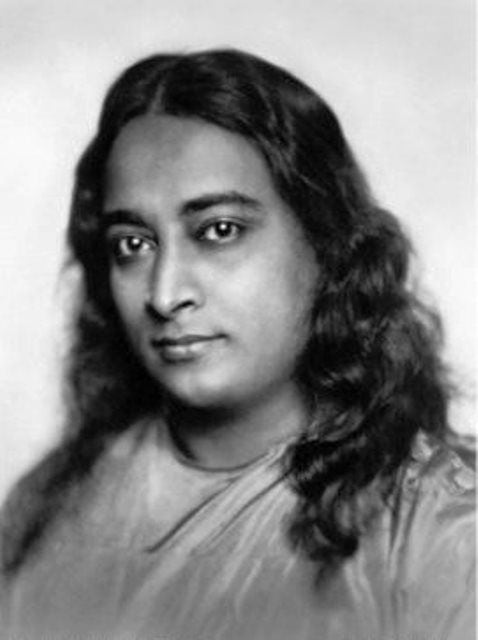
Paramahansa Yogananda
يتّفقان في: ما المطلق؟ هل الله موجود؟ · لماذا نتألّم؟ · ماذا يحدث بعد الموت؟
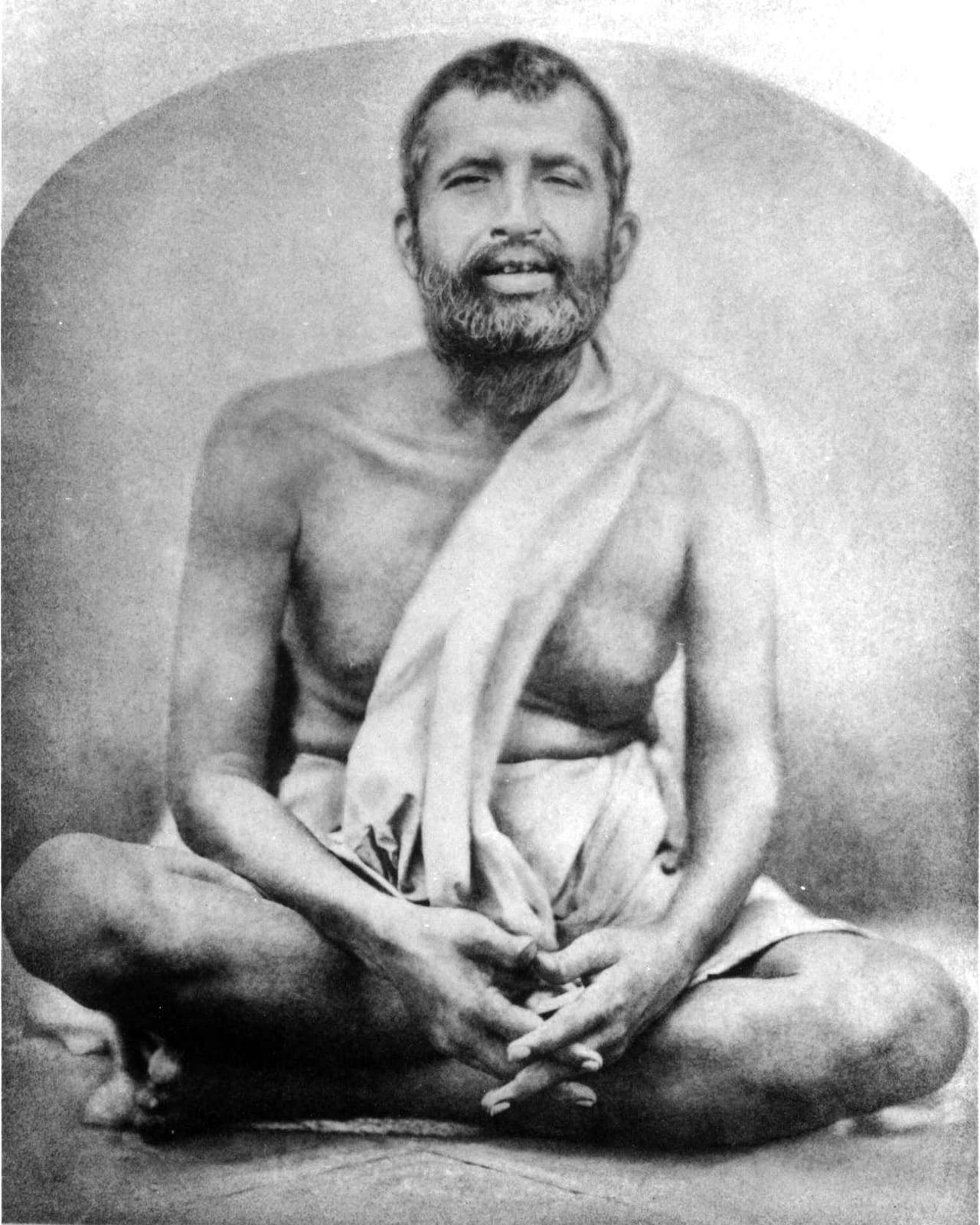
Ramakrishna
يتّفقان في: ما المطلق؟ هل الله موجود؟ · من أنا؟ هل توجد ذات حقيقية؟ · ماذا يحدث بعد الموت؟
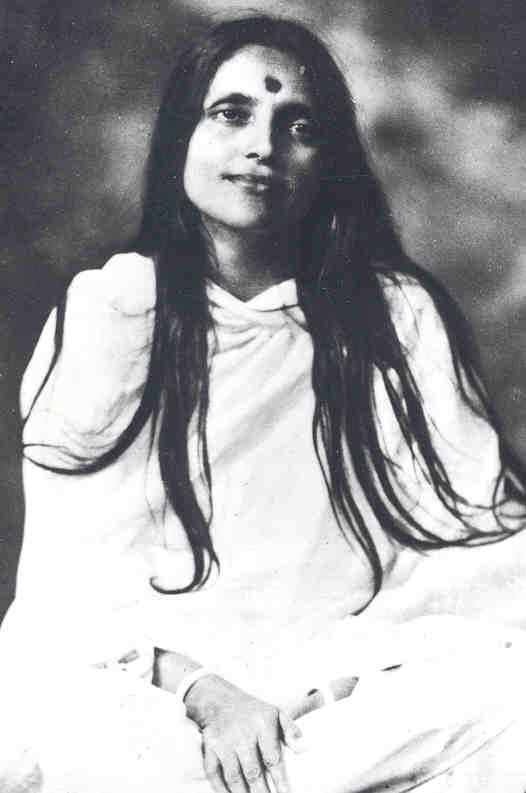
Anandamayi Ma
يتّفقان في: ما المطلق؟ هل الله موجود؟ · من أنا؟ هل توجد ذات حقيقية؟ · كيف يُبلَغ التحرّر أو الخلاص؟
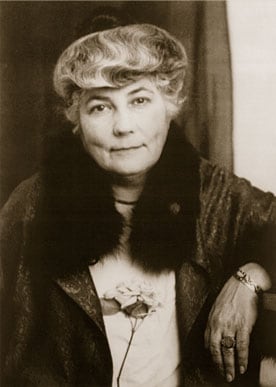
Helena Roerich
يتّفقان في: لماذا نتألّم؟ · ماذا يحدث بعد الموت؟ · كيف يُبلَغ التحرّر أو الخلاص؟
يبتعد في تفكيره عن

Emanuel Swedenborg
يختلفان في: من أنا؟ هل توجد ذات حقيقية؟ · ماذا يحدث بعد الموت؟

Julian of Norwich
يختلفان في: من أنا؟ هل توجد ذات حقيقية؟ · ماذا يحدث بعد الموت؟ · هل العالم حقيقي؟

Ignatius Brianchaninov
يختلفان في: من أنا؟ هل توجد ذات حقيقية؟ · ماذا يحدث بعد الموت؟ · هل العالم حقيقي؟

Epicurus
يختلفان في: من أنا؟ هل توجد ذات حقيقية؟ · ماذا يحدث بعد الموت؟
حكايات وروايات
حكايات وروايات
شهادة1913-1914
The kiss under the tree
أصل الرواية: Meher Baba's own account recorded by his biographers (C. B. Purdom, Bhau Kalchuri) and summarised in encyclopaedias. There are no independent testimonies of the episode.
موثّق1931
Three conversations with Gandhi at sea
أصل الرواية: Documented by the press of the time and by the denial from Gandhi's circle; the details of the conversations come from Meher Baba's biographers.
المصدر: Wikipedia (en), «Meher Baba».
موثّق1932
The word not spoken at the Hollywood Bowl
أصل الرواية: Documented by the American press (Associated Press) and by the biographies.
المصدر: Wikipedia (en), «Meher Baba».
موثّق1949-1952
The New Life
أصل الرواية: Documented by the New Life circulars (1949-1952) and by the companions' diaries recorded in Lord Meher.
المصدر: Wikipedia (en), «Meher Baba».
موثّق1967
The 1967 interview
أصل الرواية: Filmed; transcript and participants' memories in Lord Meher, pp. 5286-5289.
شهادة1969
'He did not come back'
أصل الرواية: Eruch Jessawala's recollection published by the Avatar Meher Baba Trust (Davana Brown, 2015). A single witness, from the inner circle.
التعاليم
التعاليم
المفاهيم التي ينتظم بها فكره، مشروحة في سياقها.
The Avatar and the five Perfect Mastersavatar
Set out in God Speaks and the Discourses; reaffirmed in 'Meher Baba's Call' (1954).
Evolution, reincarnation and involution of consciousnessevolucion-reencarnacion-involucion
A synthesis of Vedantic (Paramatma, atma) and Sufi (planes and journeys) terminology, with an evolutionary scheme of his own.
Sanskarassanskaras
A Sanskrit term (*saṃskāra*) from Yoga and Vedanta, reinterpreted within a framework of evolving consciousness.
The silencesilencio
A central feature of his biography and of his followers' practice (Silence Day).
المصدر: Wikipedia (en), «Meher Baba».
The mastsmasts
The Sufi notion of the *majdhub*, the one seized by God.
المصدر: Wikipedia (en), «Meher Baba».
Divine loveamor-divino
An inheritance of Persian Sufism (Hafez) and Indian *bhakti*.
مقاطع الفيديو
مقاطع الفيديو
تسجيلات ومقابلات وأفلام وثائقية. تُشغَّل مقاطع الفيديو من YouTube؛ ولا تُستضاف هنا.
Meher Baba Interview 1932 Newsreel
تسجيل أصلي· EN· 1932· 1 min
timmer17
Meher Baba in America 1932
تسجيل أصلي· EN· 1932· 15 min
Meher Spiritual Centerالقناة الرسمية
Meher Baba's 1932 Message to Hollywood
فيلم وثائقي· EN· 1932· 17 min
TechnoBaba Films
Beyond words - 1967 film of Meher Baba
تسجيل أصلي· EN· 1967· 37 min
Parabrama Ilahi
"The Awakener" - new Hi-Res scan of 35mm film, with sound
فيلم وثائقي· EN· 1969· 4 min
Meher Nazar Publicationsالقناة الرسمية
Meher Baba, The Awakener (Remastered 2021)
فيلم وثائقي· EN· 1969· 55 min
timmer17
God In Human Form The Biography of Avatar Meher Baba
فيلم وثائقي· EN· 66 min
Meher Filmworksالقناة الرسمية
Dios En Forma Humana - Película completa en español - Meher Baba
فيلم وثائقي· ES· 68 min
Meher Baba en Español - La Plata, Argentina
अवतार मेहेर बाबा के जीवन और कार्य की विशिष्टता / Meher Baba Highlights of His Life, Work and Message
فيلم وثائقي· HI· 9 min
Meher Baba Video's
Pete Townshend (The Who) • Interview (Guru Meher Baba) • 1969
مقابلة· EN· 1969· 10 min
ReelinInTheYears66
Eruch Jessawala - The Oral History Archive Project - 1996 Meherazad
مقابلة· EN· 1996· 103 min
MeherBabaLibrary
The Greatest of My Sufferings - Meher Baba's Accident in America
محاضرة· EN· 60 min
Avatar Meher Baba Heartland Centerالقناة الرسمية
Meher Baba's New Life- From the Great Seclusion to Manonash: An In-Depth Review (Session 1)
محاضرة· EN· 79 min
Meher Spiritual Centerالقناة الرسمية
"Meher Baba Begins His Work at Meherabad 1924" A talk by Peter Nordeen
محاضرة· EN· 82 min
Meher Spiritual Centerالقناة الرسمية
Avatar Meher Baba's Samadhi in Full High Definition
فيلم وثائقي· EN· 5 min
Meherabad Moments
المعرض
المعرض
صور بترخيص متحقَّق منه. كل منها تحتفظ بمؤلّفها ونسبتها.
المخطوطات
المخطوطات
شواهد مخطوطة ونصوص قديمة، مع جهة حفظها وشروط الاطّلاع عليها.
EN · Latin · c. 1925
In God's Hand
- الشاهد المحفوظ
- Manuscrito autógrafo de 39 páginas
- جهة الحفظ
- Avatar Meher Baba Perpetual Public Charitable Trust, Archives Collection (Ahmednagar)
- الرقمنة
- avatarmeherbabatrust.org/online-library/…
EN · Latin · mediados de los años veinte
Intelligence Notebooks I-II
- الشاهد المحفوظ
- Dos cuadernos manuscritos
- جهة الحفظ
- Avatar Meher Baba Perpetual Public Charitable Trust, Archives Collection (Ahmednagar)
EN · Latin · 1926-1927
Tiffin Lectures (notas de Framroze Dadachanji)
- الشاهد المحفوظ
- Manuscritos mecanografiados y manuscritos
- جهة الحفظ
- Avatar Meher Baba Perpetual Public Charitable Trust
- الرقمنة
- avatarmeherbabatrust.org/tiffin-lectures/…
العلاقات
العلاقات
تأثيرات وتلمذة وتقارب في الأفكار. تُميَّز العلاقة الموثّقة عن التشابه المستخلَص بالتحليل.
أفكار قريبة من
The Sufi language of lover and Beloved, and of love as the path to God.
تشابه مستخلَص بالتحليل
معاصر لـ
An Indian contemporary who also often taught through silence, with a very different conception.
تشابه مستخلَص بالتحليل
تلميذ
Hazrat Babajan
The Poona saint whose kiss (January 1914) marked the beginning of his transformation.
علاقة موثّقة
تلميذ
Upasni Maharaj
His master at Sakori from 1915; according to Purdom, declared him 'perfect' in 1921. Last meeting in 1941.
علاقة موثّقة
التقى بـ
Sai Baba de Shirdi
One of the five Perfect Masters of his age according to his teaching; he met him at Shirdi around 1915.
علاقة موثّقة
التقى بـ
Tajuddin Baba
Master of Nagpur, another of the five Perfect Masters he recognised.
علاقة موثّقة
التقى بـ
Narayan Maharaj
Master of Kedgaon, another of the five Perfect Masters he recognised.
علاقة موثّقة
التقى بـ
Mahatma Gandhi
Three meetings aboard the SS Rajputana in 1931.
علاقة موثّقة
تأثّر بـ
He read him from youth and often quoted his couplets on obedience to the master; he had them recited on the day of his death.
علاقة موثّقة
التقى بـ
Paul Brunton
The journalist visited him and portrayed him with disenchantment in A Search in Secret India (1934).
علاقة موثّقة
تراسل مع
Richard Alpert (Ram Dass)
Recipient of letters on psychedelic drugs collected in God in a Pill? (1966).
علاقة موثّقة
أثّر في
Pete Townshend
The Who's guitarist dedicated the rock opera Tommy (1969) and several albums to him.
علاقة موثّقة
أفكار قريبة من
Meher Baba identified himself with the same avataric consciousness that, he said, manifested in Jesus; it is a statement of faith, not a historical relation.
تشابه مستخلَص بالتحليل
المصادر
المصادر
المراجع والفهارس التي رُوجعت لهذه الصفحة.
- Kalchuri, Bhau. Meher Prabhu: Lord Meher. The Biography of the Avatar of the Age, Meher Baba. Myrtle Beach: Manifestation, 1986-2001; edición en línea revisada (lordmeher.org), pp. 5286-5289 y 5400-5404.
- Purdom, Charles B. The God-Man: The Life, Journeys and Work of Meher Baba with an Interpretation of His Silence and Spiritual Teaching. Londres: George Allen & Unwin, 1964.
- Wikidata, «Meher Baba» (Q312701).
- Wikipedia (en), «Meher Baba».
- Meher Baba. Discourses. 7.ª ed. revisada, ed. Eruch Jessawala, Bal Natu y J. Flagg Kris. Myrtle Beach: Sheriar Press, 1987 (3.ª reimpr. 1995), «Foreword» (historia editorial y carta de Mani Irani en The Awakener 3, n.º 1, 1955). Edición en línea del Avatar Meher Baba Trust.
- «A Short Publication History of the Five-volume Set», extracto de «A History of the Discourses», en Meher Baba, Discourses, 6.ª ed. revisada (Myrtle Beach: Sheriar Foundation, 2007), vol. 4, pp. 27-31; e «Introduction» al conjunto de cinco volúmenes, Avatar Meher Baba Trust.
- Meher Baba. God Speaks: The Theme of Creation and Its Purpose. 2.ª ed. Walnut Creek: Sufism Reoriented, 1973 (3.ª reimpr. 1997); 1.ª ed. Nueva York: Dodd, Mead, 1955. Edición en línea del Trust.
- Meher Baba. The Path of Love. Comp. Filis Frederick. Myrtle Beach: Sheriar Foundation, 2000 (1.ª ed. 1976); incluye «The Universal Message».
- Meher Baba. God in a Pill? San Francisco: Sufism Reoriented, 1966. Edición en línea del Trust.
- Irani, Adi K. Circular «This is the true account of Avatar Meher Baba's dropping His body, on 31st January 1969 according to the resident mandali». Ahmednagar: Meher Publications, 5 de febrero de 1969.
- Brown, Davana. «A Last Message for Us All». Avatar Meher Baba Trust, 29 de enero de 2015 (recuerdo de Eruch Jessawala).
- Avatar Meher Baba Perpetual Public Charitable Trust, Online Library «Books by Baba» (descripciones de cada título) y «Copyright and Fair Use» (testamento de 17-6-1967).
- Meher Baba. Tiffin Lectures. Ahmednagar: Avatar Meher Baba Perpetual Public Charitable Trust / Myrtle Beach: Sheriar Foundation, 2017, «Introduction». ISBN 9781880619452.
- Open Library, ediciones de Meher Baba (God Speaks, Discourses, Listen Humanity, Infinite Intelligence, Huma, Dios habla, etc.); y Meher Baba, Infinite Intelligence (Sheriar Foundation, 2005), «Acknowledgments» e introducción.
- Wikipedia (en), «Hazrat Babajan» y «Upasni Maharaj» (apoyadas en Purdom, The God-Man, y Kalchuri, Lord Meher).
- صاحب الحقوق
- Avatar Meher Baba Perpetual Public Charitable Trust (Ahmednagar), por disposición de su testamento de 17-6-1967, para la mayor parte de sus palabras; Sufism Reoriented para God Speaks (1955, 1973) y otros títulos suyos; otros derechos repartidos entre editores y compiladores. Derechos vigentes: murió en 1969.
- الموقع الرسمي
- avatarmeherbabatrust.org/
في انتظار التأكيد
ما لم تتمكّن هذه الصفحة من حسمه بعد. نفضّل أن نقول ذلك على أن نملأ الفراغ.
- Sala de lectura: ninguna obra de Meher Baba es de dominio público (murió en 1969; derechos del Trust y de Sufism Reoriented). Los libros de 1933 (Sayings, The Perfect Master) podrían no tener copyright vigente en EE. UU., pero no en la UE ni en España: no se registran. El Trust ofrece lectura gratuita con derechos reservados.
- Confirmar en Lord Meher la fecha exacta de inicio de la Nueva Vida (16-10-1949 es la que suele darse) y la de «Meher Baba's Call» (septiembre de 1954).
- Huma: precisar fechas y lengua original (urdu o persa) de los gazales de juventud.
- Ediciones en español: solo se han verificado Dios habla (Kairós, 2001) y Discursos (Companion Enterprises, 1989); buscar traducciones de The Everything and the Nothing y Listen, Humanity.
- Consultar directamente The God-Man (Purdom, 1964) y Much Silence (Hopkinson, 1974) para cotejar la cronología temprana; aquí se citan a través de fuentes secundarias.
- Verificar si existe la edición digital de los Discourses en discoursesbymeherbaba.org con la 6.ª ed. revisada (2007) y su ensayo editorial completo.
- Relaciones con slugs fuera del catálogo (hazrat-babajan, upasni-maharaj, sai-baba-de-shirdi, tajuddin-baba, narayan-maharaj, mahatma-gandhi, paul-brunton, richard-alpert, pete-townshend).
- Fecha y forma del acto por el que los derechos pasaron al Avatar Meher Baba Trust (el Trust se constituyó por escritura en 1959; se citaba un «testamento de 1967» sin fuente primaria): confirmar antes de precisarlo.
بُحث بتاريخ 2026-10-25