الهندوسية · البوذية · الثيوصوفية
Helena Roerich
Елена Ивановна Рерих
1879 – 1955شخصية موثّقة تاريخيًا
هيلينا رويريتش (1879–1955) كاتبة ومترجمة روسية، وزوجة الرسّام نيكولاس رويريتش، وهي الشخصية المحورية في «أغني يوغا» أو «الأخلاق الحيّة»، وهو تعليم ثيوصوفي جديد في أربعة عشر كتابًا (1924–1938) قدّمته على أنه مُملى من المهاتما موريا. ترجمت إلى الروسية «العقيدة السرية» لبلافاتسكي، وكتبت «أسس البوذية»، وتركت آلاف الرسائل. وشاركت في بعثة آسيا الوسطى وفي حملة «ميثاق رويريتش»، وتوفيت في كاليمبونغ بالهند.
- مؤلَّفًا
- 25مؤلَّفًا
- طبعة
- 81طبعة
- اقتباسًا
- 6اقتباسًا
- مقطع فيديو
- 12مقطع فيديو
- صورة
- 8صورة
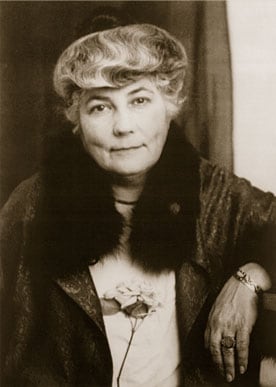
Helena Roerich en Naggar, hacia 1940 · Public domain
بكلماته
«Wayfarer, friend, let us travel together. Night is drawing near, wild beasts are all about, and our campfire may go out.»«Община» (Comunidad), párrafo inicial; Texto de la Agni Yoga, atribuido por la tradición al mahatma Morya y recibido y redactado por Helena Roerich. Versión inglesa de la Agni Yoga Society.

فكرته المحورية
Agni Yoga presents itself as a yoga for daily life: it does not demand withdrawal from the world, but the transformation of work, thought and relationships into spiritual exercise.
السيرة
4 دقيقة قراءة
ترجمة مُعانة من الأصل الإسباني، بانتظار مراجعة مترجم من أهل اللغة.
ابنة المهندس المعماري
وُلدت يلينا إيفانوفنا شابوشنيكوفا في سانت بطرسبورغ في 12 فبراير 1879 (31 يناير بحسب التقويم اليولياني). وكان أبوها، إيفان إيفانوفيتش شابوشنيكوف، مهندسًا معماريًا معروفًا في العاصمة؛ أما أمها، يكاترينا فاسيليفنا، فكانت من أسرة غولينيشتشيف-كوتوزوف العريقة، التي كان المؤلف الموسيقي موديست موسورغسكي يمتّ إليها بصلة قرابة. ونشأت بين الموسيقيين والكتب، وتعلّمت اللغات منذ طفولتها، وأتمّت سنة 1895 دراستها في ثانوية مارينسكي بميدالية ذهبية. ودرست البيانو في مدرسة يوسف بوروفكا الخاصة، لكن أسرتها حالت دون دخولها المعهد الموسيقي (الكونسرفاتوار) خشيةً من الأوساط الطلابية الثورية.
وفي صيف 1899، في ضيعة الأمير بافل بوتياتين في بولوغويه، تعرّفت إلى الرسّام وعالم الآثار نيكولاس رويريتش. وتزوجا سنة 1901، خلافًا لرأي أقاربها، في كنيسة أكاديمية الفنون الجميلة. ورُزقا بابنين: جورج (يوري) سنة 1902، عالم التبتيات في المستقبل، وسفياتوسلاف سنة 1904، الرسام. وسيُهدي إليها نيكولاس كتبه — «إلى يلينا، زوجتي وصديقتي ورفيقتي وملهمتي» —، بل سيكتب أن كثيرًا من أعماله كان ينبغي أن تحمل توقيعين.
حياةٌ مشتركة
وفي سنوات سانت بطرسبورغ رافقت زوجها في رحلتي 1903 و1904 عبر أكثر من أربعين مدينة قديمة، وصوّرت الكنائس والزخارف، وشاركت في التنقيبات في محافظتي نوفغورود وتفير، وجمعت معه مجموعة من التصوير الأوروبي القديم انتقل بعضها لاحقًا إلى متحف الإرميتاج. ورسم فالنتين سيروف صورتها سنة 1909. وكانت تقرأ راماكريشنا وفيفيكاناندا وطاغور، وفي تلك السنوات اكتشفت ثيوصوفيا هيلينا بلافاتسكي، التي ستطبع بقية حياتها.
لندن، 1920
في 1916 انتقلت الأسرة إلى كاريليا بسبب مرض نيكولاس الرئوي؛ ثم تركها استقلال فنلندا خارج روسيا، فاستقرت سنة 1919 في لندن. وهناك اقترب آل رويريتش من الجمعية الثيوصوفية: ففي يوليو 1920 تسلّموا شهادات عضوية موقّعة من رئيستها آني بيزنت. ومنذ ربيع ذلك العام كانوا يعقدون في بيتهم جلسات أرواحية بالطاولة وبالكتابة التلقائية، كان يكتب فيها خاصةً نيكولاس وجورج. وفي تلك الجلسات، بحسب يوميات الأسرة، أخذ يتجلّى «معلّم» عرّفوه بموريا، أحد مهاتمات بلافاتسكي. وكانت يلينا تؤكد دائمًا أنها لم تمارس الكتابة التلقائية: فنحو سنة 1923 صارت تتلقّى الرسائل بـ«السمع الباطني» وتدوّنها في دفاترها.
الأخلاق الحيّة
ومن تلك الدفاتر خرجت الكتب الأربعة عشر لـ«أغني يوغا» أو «تعليم الأخلاق الحيّة»: جزءا أوراق من حديقة موريا (1924 و1925)، والجماعة (1926)، وأغني يوغا (1929)، وجزءا اللانهاية (1930)، والتراتبية (1931)، والقلب (1932)، والأجزاء الثلاثة من العالم الناري (1933–1935)، وأوم (1936)، والأخوّة (1937)، وما فوق الأرض، الذي اكتمل سنة 1938 ونُشر بعد نصف قرن. وصدرت بلا اسم مؤلف، في باريس وأورغا وريغا، وقُدّمت على أنها كلام «المعلّم». وهي سلاسل من الفقرات المرقّمة تقترح توليفًا بين اليوغات يقوم على «النار» الباطنة، والطاقة النفسية، والقلب، والتعاون، والطاعة لـ«تراتبية النور».
وتحمل الطبعات الأولى آثار زمنها. فكتاب الجماعة، الموجّه إلى قرّاء روسيا السوفييتية، طُبع في أورغا سنة 1927 — وعلى غلافه تاريخ 1926 — وأُعيد طبعه في ريغا سنة 1936 مع تعديلات وإضافات؛ وكتاب أسس البوذية، الذي نُشر غفلًا من اسم مؤلفه في أورغا سنة 1926، يفتتح بالقول إن «غوتاما العظيم أعطى العالم تعليمًا مكتملًا للشيوعية»، وهي عبارة حوّلتها الطبعة الإنجليزية لسنة 1930 إلى «تعليم كامل لبناء الحياة». ويُفتتح الكتاب الأول بالروسية بعبارة «إلى روسيا الجديدة، رسالتي الأولى»؛ أما النسخة الإنجليزية فتقول «إلى العالم الجديد».
آسيا وبلافاتسكي والميثاق
منذ 1923 عاشت في الهند. وبين 1924 و1928، وقد جاوزت الأربعين، قطعت على ظهر الخيل بعثة آسيا الوسطى كلها، بما في ذلك شتاء الاحتجاز على الهضبة التبتية؛ وقد كتب زوجها أنها، ونبضها يبلغ مئة وأربعين، كانت لا تزال أول من يشدّ عزيمة القافلة. وفي أثناء الرحلة ترجمت إلى الروسية مختارات واسعة من رسائل المهاتمات (كأس الشرق، 1925، باسم مستعار هو إسكندر خانم)، وكتبت أسس البوذية، ثم نشرت في كولو رموز الشرق المشفّرة (1929) باسم جوزفين سانت-هيلير. وفي مطلع الثلاثينيات ترجمت المجلدين الأولين من العقيدة السرية لبلافاتسكي، اللذين صدرا في ريغا سنة 1937.
وكانت رئيسة فخرية لمعهد «أوروسفاتي» وللجنة الدائمة لـ«ميثاق رويريتش». وفي أثناء بعثة منشوريا تولّت المراسلة مع الجمعيات المؤيدة للمعاهدة، وبين 1933 و1936 كتبت إلى فرانكلين د. روزفلت رسائل رمزية تحدّثه فيها عن «ظروف كونية»؛ ولم يأخذها الرئيس على محمل الجدّ بقدر ما أخذها وزير زراعته هنري أ. والاس. وكتبت آلاف الرسائل إلى أكثر من مئة وأربعين مراسلًا في قارات عدة؛ وصدرت مختارات منها في ريغا سنة 1940.
كاليمبونغ
بعد وفاة نيكولاس في ديسمبر 1947 انتقلت مع جورج إلى دلهي ثم إلى خاندالا، قرب بومباي، في انتظار تأشيرات العودة إلى الاتحاد السوفييتي، التي لم تصل قط. واستقرت في كاليمبونغ، عند سفح الهيمالايا الشرقية، حيث أمضت سنواتها الأخيرة منصرفةً إلى المراسلة وإلى ترتيب أوراقها. وتوفيت في 5 أكتوبر 1955. وفي موضع حرق جثمانها أقام اللامات ستوبا بيضاء نُقش عليها: «هيلينا رويريتش، زوجة نيكولاس رويريتش، مفكّرة وكاتبة، صديقة قديمة للهند».
مؤلِّفة ومتلقّية
الموثَّق هو امرأة مثقفة متعددة اللغات ترجمت بلافاتسكي، وكتبت في البوذية، وساندت مشاريع أسرتها، وتركت مراسلات هائلة. أما ما ينتمي إلى إيمان أتباعها فهو أصل «أغني يوغا»: فقد قدّمت نفسها متلقّيةً لكلام موريا ومحرّرةً له، وصدرت الكتب بلا توقيع. والبحث العلمي، وفي طليعته ألكسندر أندرييف، يقرأ هذه النصوص بوصفها عملًا ليلينا ولمحيطها، نشأ من الثيوصوفيا والأرواحية، ويوثّق كيف كانت الأسرة تُخضع قراراتها لتلك الرسائل. وبعد سقوط الاتحاد السوفييتي انتشرت كتب «الأخلاق الحيّة» في روسيا انتشارًا واسعًا؛ وفي 1994 أدان مجمع أساقفة الكنيسة الأرثوذكسية الروسية هذا التعليم بوصفه منافيًا للمسيحية.
المصادر: Decter, Jacqueline (con el Nicholas Roerich Museum). Nicholas Roerich: The Life and Art of a Russian Master. Rochester (Vermont): Park Street Press, 1989. · Andreyev, Alexandre. The Myth of the Masters Revived: The Occult Lives of Nikolai and Elena Roerich. Leiden/Boston: Brill, 2014 (Aries Book Series, 18). · McCannon, John. Nicholas Roerich: The Artist Who Would Be King. Pittsburgh: University of Pittsburgh Press, 2022. · Znamenski, Andrei. Red Shambhala: Magic, Prophecy, and Geopolitics in the Heart of Asia. Wheaton (Illinois): Quest Books, 2011. · [Рерих, Е. И.] Основы буддизма. Urga, 1926 (anónimo). Texto íntegro en Wikisource en ruso.
الخط الزمني
الحياة عامًا بعد عام
كل نقطة حدث موثّق. انقر لتقرأه مع مصدره ودرجة اليقين فيه.
12 فبراير 1879أقل من عامSan Petersburgo
Birth
Elena Ivanovna Shaposhnikova is born, daughter of the architect Ivan Shaposhnikov and Yekaterina Golenishcheva-Kutuzova. The date corresponds to 31 January in the Julian calendar.
موثّق«Рерих, Елена Ивановна», Wikipedia en ruso (secciones de biografía, «Спиритические сеансы», «Живая Этика», «Написание книг и переводы», «Эпистолярное наследие», «Последние годы»), revisión consultada el 2026-10-25.
بعد وفاته
- 1994Condemnation by the Russian Orthodox Church
- 2005Museum at Crookety House
12 فبراير 1879 · أقل من عام
Birth
Elena Ivanovna Shaposhnikova is born, daughter of the architect Ivan Shaposhnikov and Yekaterina Golenishcheva-Kutuzova. The date corresponds to 31 January in the Julian calendar.
موثّق
1895 · 16 عامًا
Gold medal at the Mariinsky gymnasium
She finishes secondary school with a gold medal and studies piano at Iosif Borovka's school; her family prevents her from entering the conservatory.
موثّق
1899 · 20 عامًا
Meeting Nicholas Roerich
At Prince Putyatin's estate she meets the painter and archaeologist Nicholas Roerich.
موثّق
28 أكتوبر 1901 · 22 عامًا
Marriage
She marries Nicholas Roerich in the church of the Academy of Arts (Julian date). George (1902) and Svetoslav (1904) will be born.
موثّق
1909 · 30 عامًا
Serov's portrait
Valentin Serov paints her portrait.
موثّق
يوليو 1920 · 41 عامًا
Joining the Theosophical Society
The Roerichs receive membership certificates signed by Annie Besant. Since the spring they have been holding spiritualist sessions in which they identify a 'Master' as the Mahatma Morya.
موثّق
ديسمبر 1923 · 44 عامًا
Arrival in India
The family settles in India. From then on Helena records by 'clairaudience' the messages she attributes to Morya.
موثّق
1924 · 45 عامًا
Leaves of Morya's Garden: The Call
The first book of Agni Yoga is published without an author's name; in Russian it opens with 'To the New Russia, my first message'.
موثّق
1924 – 1928 · 45 عامًا
The Central Asian expedition
She takes part for four years in the family expedition, including the winter detention on the Tibetan plateau (1927–1928).
موثّق
23 أبريل 1925 · 46 عامًا
Translating the Mahatma letters
She begins translating into Russian a selection of The Mahatma Letters to A. P. Sinnett, published that year as Chalice of the East under the pseudonym Iskander Khanum.
موثّق
1926 · 47 عامًا
Foundations of Buddhism
Her anonymous essay on Buddhism is printed in Urga during the expedition, presenting the Buddha as a teacher of communism and building a 'bridge' to Lenin; the 1930 English edition will drop those formulas. The following year Community is printed there.
موثّق
1928 · 49 عامًا
Honorary president of the Urusvati Institute
The Urusvati Himalayan Research Institute is founded, with her as honorary president-founder.
موثّق
1929 · 50 عامًا
Agni Yoga and Cryptograms of the East
The book that gives the teaching its name appears and, under the pseudonym Josephine Saint-Hilaire, her collection of legends Cryptograms of the East.
موثّق
18 نوفمبر 1933 · 54 عامًا
Honorary president of the Pact committee
She is elected, with her husband, honorary president of the Permanent Committee of the Roerich Pact and Banner of Peace. That year she begins writing to Franklin D. Roosevelt.
موثّق
1937 · 58 عامًا
Translation of The Secret Doctrine
The Uguns press publishes in two volumes her Russian translation of Blavatsky's work. That year Brotherhood appears, the last book of Agni Yoga published in her lifetime.
موثّق
1940 · 61 عامًا
The Letters of Helena Roerich
The Latvian Roerich Society publishes a two-volume selection of her letters from 1929 to 1938.
موثّق
13 ديسمبر 1947 · 68 عامًا
Death of Nicholas Roerich
Her husband dies. In January 1948 she moves with George to Delhi and Khandala to wait for Soviet visas that never come.
موثّق
5 أكتوبر 1955 · 76 عامًا
Death
She dies in Kalimpong. The lamas raise a white stupa at the place of cremation.
موثّق
1994
Condemnation by the Russian Orthodox Church
The Bishops' Council declares the Agni Yoga teaching incompatible with Christianity, at the height of the spread of the Living Ethics books in post-Soviet Russia.
موثّق
2005
Museum at Crookety House
A museum devoted to Helena Roerich opens in the Kalimpong house where she spent her last years.
موثّق
المؤلَّفات
المؤلَّفات الأساسية
المؤلَّفات التي لا يُفهم إرثه من دونها.
نسبة تقليدية · 1924
Leaves of Morya's Garden I: The Call
Листы Сада Мории. Зов
The first book of the series: short aphorisms, sometimes verses, in which a voice presenting itself as the Master calls the disciple, demands discipline, joy and labour, and announces a new epoch. Its form—fragments dated between 1920 and 1923—bears the trace of the family sessions. The Russian original opens with 'To the New Russia, my first message'; the Agni Yoga Society's English translation reads 'Into the New World'.
5 طبعات · amazon.com

نسبة تقليدية · 1929
Agni Yoga
Агни Йога
The book that gives the teaching its name. It defines Agni Yoga as the yoga of 'fire', a synthesis of all the yogas adapted to daily life rather than withdrawal from the world, and develops its central notions: psychic energy, the discipline of thought, the purification of the subtle centres, collaboration with the Master and preparation for an age of 'fiery energies'. It is the reference text for anyone wishing to know the doctrine in a single volume.
4 طبعات · amazon.com

مؤلَّف مكتوب · 1926
Foundations of Buddhism
Основы буддизма
A short exposition of the Buddha's life and the central notions of his teaching—karma, rebirth, nirvana, the community—presented as a rational Buddhism without idols. The Urga edition, intended for Soviet readers, opens by stating that Gotama gave the world 'a complete teaching of communism' and draws a 'bridge' between the Buddha and Lenin; the 1930 English edition removed those formulas. It is one of the first handbooks of Buddhism written in Russian for a general public.
8 طبعات · amazon.com
Helena Roerich
The Secret Doctrine (Russian translation)
مؤلَّف مكتوب · 1937
The Secret Doctrine (Russian translation)
Тайная Доктрина (перевод Е. И. Рерих)
The first complete Russian translation of the two main volumes of Blavatsky's magnum opus, made in under two years according to her biographers. For decades it was the only Russian version of those volumes, and the Russian Wikisource now offers it in full. It is Helena Roerich's most lasting contribution to the spread of Theosophy in her language.
طبعة واحدة
جميع مؤلَّفاته (25)
Helena Roerich
Leaves of Morya's Garden II: Illumination
The Conscious LibraryLeaves of Morya's Garden II: Illumination
1925
Helena Roerich
Community (New Era Community)
The Conscious LibraryCommunity (New Era Community)
1927
Helena Roerich
Infinity I
The Conscious LibraryInfinity I
1930
Helena Roerich
Infinity II
The Conscious LibraryInfinity II
1930
Helena Roerich
Hierarchy
The Conscious LibraryHierarchy
1931
Helena Roerich
Heart
The Conscious LibraryHeart
1932
Helena Roerich
Fiery World I
The Conscious LibraryFiery World I
1933
Helena Roerich
Fiery World II
The Conscious LibraryFiery World II
1934

Fiery World III
1935
Helena Roerich
Aum
The Conscious LibraryAum
1936
Helena Roerich
Brotherhood
The Conscious LibraryBrotherhood
1937

Supermundane
1938

Cryptograms of the East (On Eastern Crossroads)
1929
Helena Roerich
Chalice of the East: Letters of the Mahatma
The Conscious LibraryChalice of the East: Letters of the Mahatma
1925
Helena Roerich
St Sergius of Radonezh
The Conscious LibrarySt Sergius of Radonezh
1934

Letters of Helena Roerich
1940
Helena Roerich
Letters to America
The Conscious LibraryLetters to America
1996
Helena Roerich
On the Threshold of the New World
The Conscious LibraryOn the Threshold of the New World
1993
Helena Roerich
Diary Leaves
The Conscious LibraryDiary Leaves
2006
Helena Roerich
Three Keys
The Conscious LibraryThree Keys
2009
Helena Roerich
The Better Country
The Conscious LibraryThe Better Country
2017
الأقوال
أقوال محدَّدة الموضع في مؤلَّف بعينه. كل منها يحمل مصدره ودرجة الثقة به.
Wayfarer, friend, let us travel together. Night is drawing near, wild beasts are all about, and our campfire may go out.Путник-друг, пойдём вместе. Ночь близка, звери кругом, и огонь костра может потухнуть.
متحقَّق منه«Община» (Comunidad), párrafo inicial; Texto de la Agni Yoga, atribuido por la tradición al mahatma Morya y recibido y redactado por Helena Roerich. Versión inglesa de la Agni Yoga Society.
الأفكار الجوهرية (خلاصة تحريرية)
احترامًا لحقوق المؤلف، تُلخَّص هذه الأفكار بكلماتنا ولا تُقدَّم بوصفها اقتباسات حرفية.
- Agni Yoga presents itself as a yoga for daily life: it does not demand withdrawal from the world, but the transformation of work, thought and relationships into spiritual exercise.
- Thought is energy: every idea acts on the one who thinks it and on his surroundings, and so the discipline of thought is the disciple's first task.
- The heart, not the intellect, is the organ that unites the human being with the subtle worlds and with the Master.
الكلمات الأخيرة
لا توجد سجلات يمكن التحقق منها لكلماته الأخيرة.
There is no reliable record of her last words. She died in Kalimpong on 5 October 1955, cared for by her son George; the available sources are limited to the date, the cremation and the stupa the lamas raised at the spot.
المصدر: «Рерих, Елена Ивановна», Wikipedia en ruso (secciones de biografía, «Спиритические сеансы», «Живая Этика», «Написание книг и переводы», «Эпистолярное наследие», «Последние годы»), revisión consultada el 2026-10-25.
اسأل
بماذا يجيب أثره
اثنا عشر سؤالًا كبيرًا من أسئلة الإنسانية، وما تتيح نصوصه الإجابة به عنها، مع المراجع. ولا نقوّله ما لم يقل أبدًا.
ما المطلق؟ هل الله موجود؟
An infinite, impersonal Absolute, served by a Hierarchy of higher beings
مطلق غير شخصييقوله صراحةً
Helena Roerich inherits from Blavatsky, whose Secret Doctrine she translated into Russian, the idea of an infinite and ineffable ultimate principle, of which the cosmos is the manifestation through energy and fire. The Agni Yoga books, which she presented as received from the mahatma Morya, speak of the Infinite, of psychic energy and of cosmic Fire, and concentrate the religious relationship on the Hierarchy: a chain of more evolved beings linking the human being to that principle. In her letters she rejects the idea of an anthropomorphic God who rewards and punishes, which she considers a distortion of institutional religions, and proposes instead the law of karma and cooperation with the Hierarchy. The personal does not vanish, but is displaced onto the Masters and the figure of the Mother of the World.
قارن هذا السؤال مع معلّمين آخرينمن أنا؟ هل توجد ذات حقيقية؟
A spiritual spark perfecting itself life after life, gathering into its chalice
روح في تطوّريقوله صراحةً
In Agni Yoga, which Helena Roerich presented as teaching received from the mahatma Morya, the human being is composed of several principles, from the dense body to the subtle and fiery bodies, around an immortal spiritual spark. That spark perfects itself over numerous incarnations, and what each life conquers is stored in what the texts call the chalice, the repository of the spirit's accumulations. The decisive organ is not the intellect but the heart, which unites the person with the subtle worlds and with the Master, and psychic energy, which each must purify through the discipline of thought. In Fiery World the aim is to transmute the subtle body until one can live consciously in the world of fire. The self is thus a soul in cosmic evolution.
قارن هذا السؤال مع معلّمين آخرينلماذا نتألّم؟
Pain is karmic consequence and a school for the evolving spirit
الكارما وتعلّم الروحيقوله صراحةً
In Agni Yoga, suffering is explained by the law of karma: every thought and every act is energy that returns to its author, in this life or in others, and present pain is largely the harvest of earlier sowing. But the texts present it not as punishment but as trial and learning: difficulties temper the spirit, widen consciousness and prepare the disciple to cooperate with the Hierarchy. In her letters Helena Roerich insists that thought is the most powerful force and that thoughts of hatred, fear or irritation poison both the one who harbours them and their surroundings; hence the importance of mental discipline. Foundations of Buddhism, her exposition of Gotama's teaching, also places the origin of suffering in ignorance and desire.
قارن هذا السؤال مع معلّمين آخرينماذا يحدث بعد الموت؟
After death, the subtle world; then new incarnations up to the fiery world
الولادة من جديد وفق الكارمايقوله صراحةً
Agni Yoga, which Helena Roerich wrote down as the teaching of the mahatma Morya, describes death as a passage: the human being leaves the dense body and comes to live in the subtle world, where his state depends on the quality of his thoughts and the accumulations of his spirit. There he remains for a time before incarnating again, according to the law of karma, until the purification of the subtle body allows him to rise to the fiery world, the higher plane that gives its title to the three volumes of Fiery World. That is why the texts insist on preparing in life: a consciousness accustomed to the lofty is not lost at death, and whoever has lived in fear or hatred carries those states along. In her letters Helena Roerich often treats the death of loved ones within this same framework.
قارن هذا السؤال مع معلّمين آخرينكيف يُبلَغ التحرّر أو الخلاص؟
Through devotion to the Hierarchy, the fire of the heart and daily labour
بالتعبّد والتسليميقوله صراحةً
Agni Yoga presents itself as a yoga of fire for the present age, without withdrawal from the world. Its way combines several elements, but the book Hierarchy orders them around one: devotion to the Master and to the chain of higher beings linking the disciple to the highest; without that connection, it holds, personal effort is scattered. The organ of that union is the heart, which gives its title to another of the books and which the teaching considers more reliable than the intellect. To devotion are added the discipline of thought, because thought is energy; daily work turned into an offering; and the accumulation of purified psychic energy. The goal is not dissolution into the Absolute, but the widening of consciousness and conscious cooperation with cosmic evolution.
قارن هذا السؤال مع معلّمين آخرينهل نحتاج إلى معلّم؟
Without the Master and the chain of the Hierarchy there is no safe ascent
لا غنى عنهيقوله صراحةً
Agni Yoga is built on the figure of the Master: Helena Roerich presented its fourteen books as the teaching of the mahatma Morya, received and written down by her, and the volume Hierarchy sets out the doctrine of a chain of more evolved beings stretching from the disciple to the highest. Joining that chain through the devotion of the heart is, according to the texts, the condition of all progress; breaking it through pride or betrayal is the greatest danger. The Master does not replace the disciple's work, who must discipline his thought and serve, but guides and protects him. In her letters Helena Roerich warns both against false masters and against those who believe they can do without any higher guidance.
قارن هذا السؤال مع معلّمين آخرينهل العالم حقيقي؟
Three worlds, dense, subtle and fiery, joined by energy and thought
مستويات من الوجوديقوله صراحةً
Agni Yoga, written down by Helena Roerich as the teaching of the mahatma Morya, describes reality as a hierarchy of planes: the dense world, in which we live with the physical body; the subtle world, which we inhabit in dreams and after death; and the fiery world, the higher plane of spirit, which gives its title to the three volumes of Fiery World. All three are crossed by a single energy, the fire of space, and human thought acts in all of them. The visible world is real, but it is neither the only nor the most important one; the human being is called to live consciously in all three and to contribute to their harmonisation. This cosmology derives from Blavatsky's Secret Doctrine, which Helena Roerich translated into Russian, and reorients it towards daily practice.
قارن هذا السؤال مع معلّمين آخرينما الحب؟
Love is the heart's fire and a magnet drawing towards the Hierarchy of light
الشوق والوصاليُستنتج من تعاليمه
In Agni Yoga, which Helena Roerich wrote down as the teaching of the mahatma Morya, love is presented not as a moral commandment but as energy. The book Heart places it at the centre: the heart is the organ uniting the human being with the subtle worlds and with the Master, and its fire, once kindled, draws upward like a magnet. The highest love is ardent devotion to the Hierarchy, which leads the soul towards the source from which it comes, and is expressed in self-denial and service. The texts also insist on compassion and brotherhood, to which they devote the book Brotherhood, and on reverence for the Mother of the World as the feminine principle of cosmic love. The affinity with the mystics of longing is real, though the language is energetic.
قارن هذا السؤال مع معلّمين آخرينهل نحن أحرار أم أن كل شيء مقدَّر؟
Karma conditions, but present thought and will transform it
الكارما والاختياريقوله صراحةً
In Agni Yoga, written down by Helena Roerich as the teaching of the mahatma Morya, the law of karma explains the circumstances of each life as the consequence of earlier thoughts and acts, in this and other existences. But the teaching is not fatalistic: it insists that thought is creative energy, and that each present thought and act sows the future and can change the course of karma. The disciple is responsible for what he thinks, because his thoughts act on him and his surroundings. At the same time, individual freedom is inscribed in a cosmic plan and in cooperation with the Hierarchy, which guides but does not force. In her letters Helena Roerich warns against passive resignation and against the idea that everything is written.
قارن هذا السؤال مع معلّمين آخرينلماذا نتأمّل أو نصلّي؟
Communion of the heart with the Master, amid daily work and without forced techniques
صداقة مع اللهيُستنتج من تعاليمه
Agni Yoga, written down by Helena Roerich as the teaching of the mahatma Morya, discourages mechanical practices and forced breathing exercises, which it considers dangerous for the unprepared, and proposes a yoga of daily life. Its centre is communion with the Master through the heart: turning to him in thought, keeping his inner image, sensing his presence in work and in difficulties. The book Heart returns again and again to that relationship, presenting it as a source of energy and protection and asking that it be continuous and simple. To this is added the discipline of thought, vigilance against irritation and attention to psychic energy. The goal is not stillness of mind, but conscious cooperation with the Hierarchy.
قارن هذا السؤال مع معلّمين آخرينهل يستطيع العقل أن يعرف الحقيقة القصوى؟
A wisdom transmitted by the Masters, which the heart verifies
معرفة باطنيةيقوله صراحةً
Helena Roerich translated Blavatsky's Secret Doctrine into Russian and wrote down the fourteen books of Agni Yoga as the teaching of the mahatma Morya: her whole work assumes that there is an ancient wisdom, kept by a Brotherhood of Masters and communicated to humanity in a form suited to each age. That wisdom is not opposed to science; the texts announce that future science will confirm psychic energy, the subtle worlds and the action of thought, and Helena Roerich followed the discoveries of her time with interest. But the decisive organ of knowledge is not the intellect, which they regard as limited and cold, but the heart, able to perceive what the mind cannot reach. Verification is inward: the teaching is tested by living it.
قارن هذا السؤال مع معلّمين آخرينالانسحاب من العالم أم تغييره؟
A yoga of daily life: work and community are spiritual exercise
التأمّل في الفعليقوله صراحةً
Agni Yoga, written down by Helena Roerich as the teaching of the mahatma Morya, presents itself expressly as a yoga for life in the world, not for retreat: it demands not abandoning family or work, but transforming them into spiritual exercise. Labour is one of its central words; disciplined thought and an ardent heart must accompany the most ordinary tasks, and cooperation with others is as important as the relationship with the Master. The book Community develops the idea of a human community based on common work and knowledge, and Brotherhood that of a fraternity of those who serve the good. Helena Roerich herself took part in the Central Asian expedition and in the campaign for the Pact that bears her husband's name.
قارن هذا السؤال مع معلّمين آخرين
التقارب والتوتّر
التقارب والتوتّر
محسوبة سؤالًا سؤالًا انطلاقًا من مواقفه. وسبب كل اتفاق أو اختلاف يظهر بالنقر.
يقترب في تفكيره من
Paramahansa Yogananda
يتّفقان في: من أنا؟ هل توجد ذات حقيقية؟ · لماذا نتألّم؟ · ماذا يحدث بعد الموت؟
Helena Blavatsky
يتّفقان في: ما المطلق؟ هل الله موجود؟ · هل العالم حقيقي؟ · من أنا؟ هل توجد ذات حقيقية؟
Meher Baba
يتّفقان في: لماذا نتألّم؟ · ماذا يحدث بعد الموت؟ · كيف يُبلَغ التحرّر أو الخلاص؟
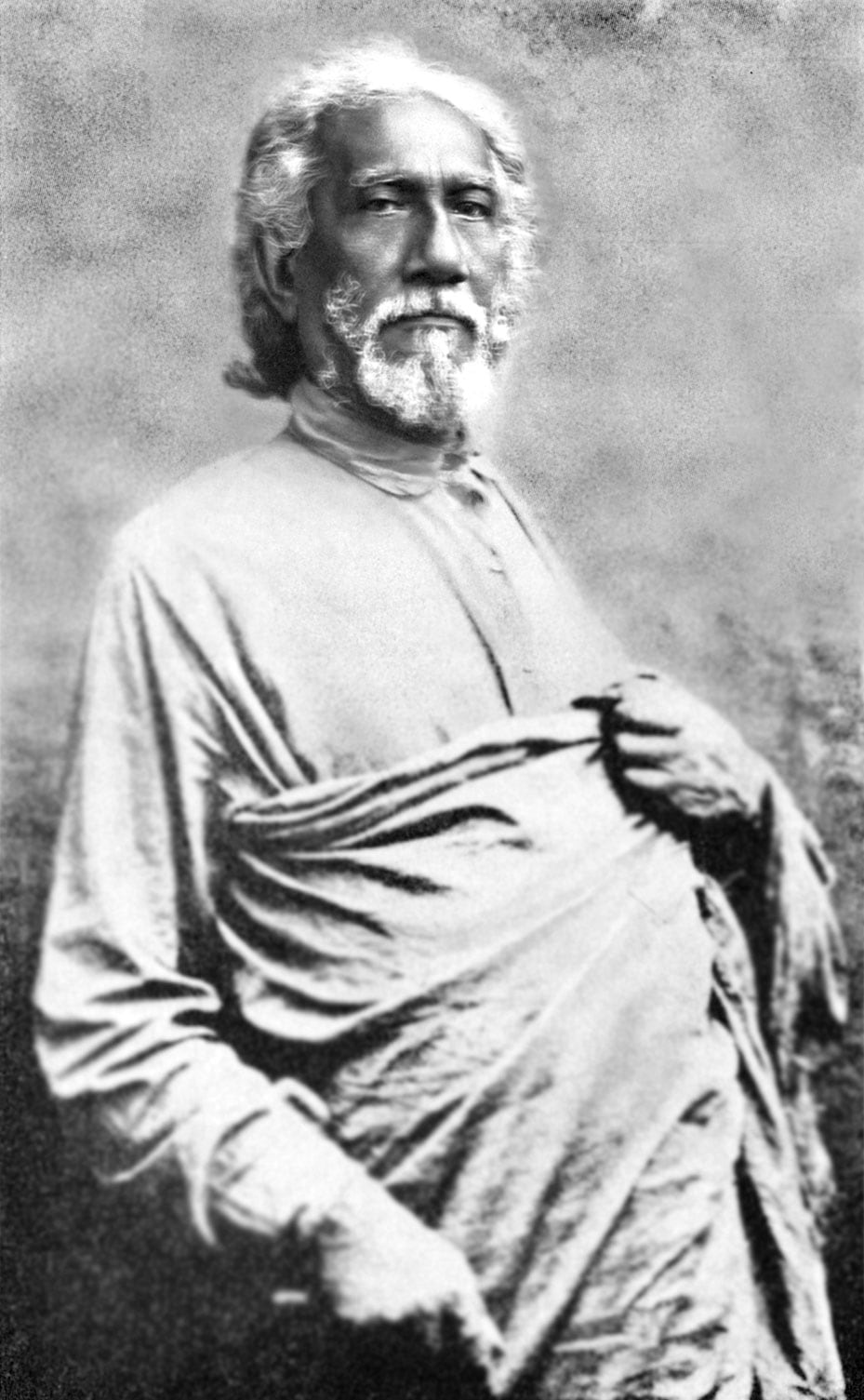
Sri Yukteswar
يتّفقان في: ما المطلق؟ هل الله موجود؟ · ماذا يحدث بعد الموت؟ · هل نحتاج إلى معلّم؟


حكايات وروايات
حكايات وروايات
شهادة1899–1901
Bologoye, 1899
أصل الرواية: The meeting is documented; the sentence comes from Nicholas Roerich's essay 'University', written in old age and reproduced on the Bologoye monument (2001).
موثّق1920–1921
The London sessions
أصل الرواية: The sessions are documented by the family diaries and correspondence, studied by Andreyev (2014) and summarised in the Russian Wikipedia. What is documented is the practice; the identity of the 'Master' belongs to the faith of the family and their followers.
المصدر: Andreyev, Alexandre. The Myth of the Masters Revived: The Occult Lives of Nikolai and Elena Roerich. Leiden/Boston: Brill, 2014 (Aries Book Series, 18).
موثّق1924–1936
Two versions of the same book
أصل الرواية: Direct comparison of the Urga edition (1926) on Wikisource, the 1930 English edition on the Internet Archive and the Russian and English texts of the Agni Yoga Society. Andreyev, Znamenski and McCannon place these changes within the evolution of the family's relationship with the USSR.
المصدر: [Рерих, Е. И.] Основы буддизма. Urga, 1926 (anónimo). Texto íntegro en Wikisource en ruso.
شهادة1927–1928
A pulse of a hundred and forty
أصل الرواية: Testimony of Nicholas Roerich, quoted in the Russian Wikipedia from his writings. The conditions of the detention are documented by the 1928 telegram and by George Roerich's Trails to Inmost Asia (1931).
موثّق1933–1936
Letters to the President
أصل الرواية: Walker, 'The New Deal and the Guru', American Heritage (1989); photocopies of the letters at Rutgers University Libraries (1933–1936).
المصدر: Walker, J. Samuel. «The New Deal and the Guru». American Heritage, vol. 40, n.º 2 (marzo de 1989).
موثّق1948–1955
The white stupa of Kalimpong
أصل الرواية: Data from the Russian and English Wikipedias (stupa inscription, Crookety House museum, George's return in 1957).
التعاليم
التعاليم
المفاهيم التي ينتظم بها فكره، مشروحة في سياقها.
Agni Yoga (Living Ethics)agni-yoga
Inter-war neo-Theosophy; mass diffusion in post-Soviet Russia.
Psychic energyenergia-psiquica
Developed above all in Agni Yoga, Infinity and Fiery World.
Hierarchy of Lightjerarquia
Inherited from Theosophy; basis of Helena's spiritual authority within the movement.
المصدر: Andreyev, Alexandre. The Myth of the Masters Revived: The Occult Lives of Nikolai and Elena Roerich. Leiden/Boston: Brill, 2014 (Aries Book Series, 18).
The heartcorazon
Theme of the book Heart (1932), present throughout the series.
Subtle World and Fiery Worldmundo-ardiente
Core of the Fiery World trilogy; taken up again in Supermundane.
The Mother of the Worldmadre-del-mundo
A theme shared by Agni Yoga, Nicholas Roerich's painting and the address 'To Women' (1931).
مقاطع الفيديو
مقاطع الفيديو
تسجيلات ومقابلات وأفلام وثائقية. تُشغَّل مقاطع الفيديو من YouTube؛ ولا تُستضاف هنا.
«Николай и Елена Рерих. Больше, чем любовь»
المشاهدة على YouTube
لا يسمح هذا الفيديو بالتضمين؛ وسيُفتح على YouTube.
«Николай и Елена Рерих. Больше, чем любовь»
فيلم وثائقي· RU· 39 min
Телеканал Культураالقناة الرسمية
«Елена Рерих» (Женщины в русской истории, n.º 100)
فيلم وثائقي· RU· 2013· 15 min
365 Дней ТВالقناة الرسمية
Лекция «Елена Ивановна Рерих»
محاضرة· RU· 2017· 77 min
RoerichSpb Museum (Museo-Instituto de la Familia Roerich, San Petersburgo)القناة الرسمية
Онлайн-лекция «Елена Ивановна Рерих – философ реального Космоса»
محاضرة· RU· 2026· 99 min
Международный Центр Рериховالقناة الرسمية
«Елена Ивановна Рерих. Эпистолярное наследие и переводы» (E. G. Petrenko)
محاضرة· RU· 2023· 135 min
Лига Культуры Одесского Дома-Музея Рерихаالقناة الرسمية
«Портреты Елены Ивановны Рерих» (E. G. Petrenko)
محاضرة· RU· 2022· 95 min
Лига Культуры Одесского Дома-Музея Рерихаالقناة الرسمية
«Елена Рерих о приходе Нового мира и новой науки» (145.º aniversario)
محاضرة· RU· 2024· 112 min
Лига Культуры Одесского Дома-Музея Рерихаالقناة الرسمية
Nicholas and Helena Roerich: Life, Vision, and a Shared Quest for the Spirit (Alex Audziayuk)
محاضرة· EN· 2026· 51 min
Theosophical Societyالقناة الرسمية
Helena Roerich
محاضرة· EN· 2023· 59 min
Brisbane Theosophical Societyالقناة الرسمية
Helena Roerich's Contribution to the Object of Theosophical Science (Martha M. Libster)
محاضرة· EN· 2025· 74 min
European School of Theosophyالقناة الرسمية
Nicholas y Helena Roerich, El Sendero del Agni Yoga
محاضرة· ES· 2022· 96 min
America Teosofica - FTI Oficialالقناة الرسمية
Matrimonio Roerich. El camino hacia Shamballa (José Rubio Sánchez)
محاضرة· ES· 2017· 104 min
Grupo de Estudios Teosóficos de Valencia
المعرض
المعرض
صور بترخيص متحقَّق منه. كل منها تحتفظ بمؤلّفها ونسبتها.
المخطوطات
المخطوطات
شواهد مخطوطة ونصوص قديمة، مع جهة حفظها وشروط الاطّلاع عليها.
RU · Cyrillic · 1920–1955
Дневники и записные книжки Е. И. Рерих
- الشاهد المحفوظ
- Cuadernos de diario manuscritos, fuente de los libros de la Agni Yoga.
- جهة الحفظ
- Museo Estatal de Arte Oriental, Moscú (edición «Листы дневника», 2006–) y otras colecciones; reparto exacto no verificado
RU · Cyrillic · 1920–1955
Эпистолярное наследие Е. И. Рерих
- الشاهد المحفوظ
- Originales y copias de cartas.
- جهة الحفظ
- Centro Internacional de los Roerich (Moscú)
EN · Latin · 1933–1936
Letters from Helena Roerich to Franklin D. Roosevelt (photocopies), 1933–1936
- الشاهد المحفوظ
- Fotocopias
- جهة الحفظ
- Rutgers University Libraries, Special Collections and University Archives (New Brunswick, Nueva Jersey)
- الرقمنة
- archives.libraries.rutgers.edu/repositories/11/a…
العلاقات
العلاقات
تأثيرات وتلمذة وتقارب في الأفكار. تُميَّز العلاقة الموثّقة عن التشابه المستخلَص بالتحليل.
من عائلة
Her husband from 1901; she shared all his undertakings, from archaeology to the Central Asian expedition and the Pact.
علاقة موثّقة
من عائلة
Sviatoslav Roerich
Younger son (1904–1993), a painter; in 1990 he gave his mother's correspondence to the International Centre of the Roerichs.
علاقة موثّقة
من عائلة
George (Yuri) Roerich
Elder son (1902–1960), a Tibetologist; he stayed with her in Kalimpong until her death and returned to Moscow in 1957.
علاقة موثّقة
تأثّر بـ
She translated into Russian the two volumes of The Secret Doctrine (Riga, 1937) and a selection of the Mahatma letters (1925); the figure of Morya and the notion of Hierarchy come from Blavatsky's Theosophy.
علاقة موثّقة
معاصر لـ
In July 1920 the Roerichs received in London membership certificates of the Theosophical Society signed by Besant as president.
علاقة موثّقة
أفكار قريبة من
Contemporaries and heirs of Theosophy, both published between the 1920s and 1940s long series of books presented as dictated by a Himalayan master—Morya in one case, 'the Tibetan' Djwal Khul in the other—and announced a new era. The English Wikipedia associates them in its 'See also' section.
تشابه مستخلَص بالتحليل
تأثّر بـ
From her youth she read Vivekananda and Ramakrishna, together with Tagore.
علاقة موثّقة
تأثّر بـ
A youthful reading, according to her biographers.
علاقة موثّقة
أفكار قريبة من
Siddhartha Gautama, the Buddha
She wrote Foundations of Buddhism (1926), and Agni Yoga incorporates Buddhist notions—karma, rebirth, Maitreya—though reinterpreted through Theosophy.
تشابه مستخلَص بالتحليل
تراسل مع
Franklin D. Roosevelt
She wrote him allegorical letters between 1933 and 1936; Roosevelt apparently answered some.
علاقة موثّقة
مرتبط من صفحات أخرى
المصادر
المصادر
المراجع والفهارس التي رُوجعت لهذه الصفحة.
- Decter, Jacqueline (con el Nicholas Roerich Museum). Nicholas Roerich: The Life and Art of a Russian Master. Rochester (Vermont): Park Street Press, 1989.
- Andreyev, Alexandre. The Myth of the Masters Revived: The Occult Lives of Nikolai and Elena Roerich. Leiden/Boston: Brill, 2014 (Aries Book Series, 18).
- McCannon, John. Nicholas Roerich: The Artist Who Would Be King. Pittsburgh: University of Pittsburgh Press, 2022.
- Znamenski, Andrei. Red Shambhala: Magic, Prophecy, and Geopolitics in the Heart of Asia. Wheaton (Illinois): Quest Books, 2011.
- Wikidata, entidad Q271493 («Helena Roerich»): fechas, lugares e identificadores (VIAF 7396456, Open Library OL267680A).
- «Рерих, Елена Ивановна», Wikipedia en ruso (secciones de biografía, «Спиритические сеансы», «Живая Этика», «Написание книг и переводы», «Эпистолярное наследие», «Последние годы»), revisión consultada el 2026-10-25.
- «Helena Roerich», Wikipedia en inglés, revisión consultada el 2026-10-25.
- Agni Yoga Society (Nueva York): textos íntegros de la serie Agni Yoga, «Letters of Helena Roerich», «On Eastern Crossroads» y «Foundations of Buddhism», con avisos de copyright y datos de edición, en inglés, ruso y español.
- Sociedad Agni Yoga Hispana (Caguas, Puerto Rico): traducciones españolas de la serie Agni Yoga (1994–2012), publicadas en el sitio de la Agni Yoga Society.
- Wikisource en ruso, «Автор:Елена Ивановна Рерих»: bibliografía (Учение Живой Этики con lugares y años de primera edición, obras, traducciones, cartas, ediciones póstumas).
- [Рерих, Е. И.] Основы буддизма. Urga, 1926 (anónimo). Texto íntegro en Wikisource en ruso.
- Rokotoff, Natalie [Helena Roerich]. Foundations of Buddhism. Nueva York: Roerich Museum Press, 1930.
- Walker, J. Samuel. «The New Deal and the Guru». American Heritage, vol. 40, n.º 2 (marzo de 1989).
- Rutgers University Libraries, Special Collections (New Brunswick): fotocopias de cartas de Helena Roerich a Franklin D. Roosevelt, 1933–1936.
- Open Library, autora Helena Roerich (OL267680A) y registros de la Agni Yoga Society como editorial, consultados el 2026-10-25.
- Рерих, Е. И. Община (Рига, 1936): nota editorial sobre la primera edición de Urga (1927, con fecha de 1926 en la portada) y la reedición de Riga con párrafos añadidos en diciembre de 1935, en la ficha de LitRes.
- Nicholas Roerich Museum (Nueva York). «Nicholas Roerich: biographical outline», con la semblanza de Helena Roerich.
- صاحب الحقوق
- Helena Roerich murió en 1955: sus textos son de dominio público en la Unión Europea y en Rusia desde el 1 de enero de 2026, pero en España (80 años) no lo serán hasta 2036, y en Estados Unidos las ediciones originales posteriores a 1930 siguen protegidas 95 años desde su publicación. Las traducciones inglesas son propiedad de la Agni Yoga Society (Nueva York) y las españolas de la Sociedad Agni Yoga Hispana, que las ofrecen gratis en línea con restricciones de uso; el Centro Internacional de los Roerich (Moscú) edita el epistolario completo.
- الموقع الرسمي
- www.agniyoga.org/
في انتظار التأكيد
ما لم تتمكّن هذه الصفحة من حسمه بعد. نفضّل أن نقول ذلك على أن نملأ الفراغ.
- Los textos íntegros de los catorce libros de la Agni Yoga en ruso están en agniyoga.org (copyright de la Agni Yoga Society) y no en Wikisource: buscar una fuente de los originales rusos (ediciones de París y Riga, 1924–1937) apta para la sala de lectura; los anteriores a 1931 ya son de dominio público en EE. UU. y, desde 2026, en Rusia y la UE.
- ISBN de ediciones impresas en español: la Sociedad Agni Yoga Hispana publica sus traducciones sin ISBN visible en línea; comprobar ediciones impresas (y las de editoriales argentinas o españolas) en la base del ISBN de España y de Argentina.
- ISBN de las ediciones de 2017 de «Hierarchy», «Aum», «Brotherhood» y de los volúmenes I, III y IV de «Supermundane» (Agni Yoga Society): no localizados en Open Library.
- Confirmar la primera edición de «Hojas del jardín de Moria I»: la Agni Yoga Society da 1923 para la edición inglesa y Wikisource 1924 (París) para la rusa.
- Verificar el contenido y la autoría de «Огонь Неопаляющий» (MCR, 2004), citado en Wikisource como obra de Helena Roerich; no se ha registrado.
- Comprobar el reparto actual de los diarios manuscritos (Museo Estatal de Arte Oriental, Centro Internacional de los Roerich, colecciones privadas).
- Localizar el texto del ensayo «Университет» de Nicolás Roerich con la frase sobre el encuentro de Bologoye, y el escrito en que describe el pulso de Helena en el Tíbet.
- Fecha exacta del traslado a Kalimpong (entre 1948 y 1949) y fecha de la cremación.
بُحث بتاريخ 2026-10-25