الثيوصوفية
Alice A. Bailey
1880 – 1949شخصية موثّقة تاريخيًا
أليس أ. بيلي (1880–1949)، كاتبة باطنية بريطانية استقرّت في الولايات المتحدة، وقّعت أربعة وعشرين كتابًا تؤلّف واحدًا من أكثر المتون تأثيرًا في الثيوصوفيا اللاحقة لبلافاتسكي. قدّمت تسعة عشر منها على أنها إملاءات تخاطرية من معلّم سمّته «التبتي» (ثم دجوال خول)، وخمسة على أنها من تأليفها. وأسّست مع زوجها فوستر بيلي «لوسيس ترست» و«المدرسة الأركانية»، ونشرت «الابتهال العظيم»، وأشاعت عبارة «العصر الجديد». وإرثها واسع بقدر ما هو موضع جدل.
- مؤلَّفًا
- 33مؤلَّفًا
- طبعة
- 55طبعة
- اقتباسًا
- 8اقتباسًا
- مقطع فيديو
- 9مقطع فيديو
- صورة
- 3صورة
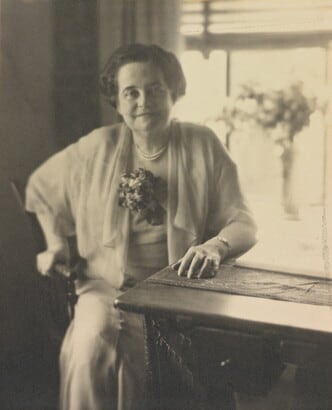
Alice A. Bailey en la década de 1940 · Public domain
بكلماته
«From the point of Light within the Mind of God / Let light stream forth into the minds of men.»La Gran Invocación (versión de 1945), en The Reappearance of the Christ, páginas preliminares

فكرته المحورية
Bailey distinguishes automatic writing, which she considers dangerous because it requires passivity, from the conscious telepathy she claimed to practise: positive attention, full control of the senses and faithful transcription, correcting only the English.
السيرة
4 دقيقة قراءة
ترجمة مُعانة من الأصل الإسباني، بانتظار مراجعة مترجم من أهل اللغة.
طفلة من البرجوازية الفيكتورية العليا
وُلدت أليس لا تروب-بيتمان في مانشستر في 16 يونيو 1880، لأسرة من المهندسين. كان جدّها، جون فريدريك لا تروب-بيتمان، من كبار بناة السدود وشبكات جرّ المياه في إنجلترا الصناعية؛ أما أبوها، فريدريك فوستر لا تروب-بيتمان، فكان يعمل في شركة الأسرة، وقد حمل الطفلة، وهي في شهورها الأولى، إلى مونتريال، حيث شارك في أعمال جسر فيكتوريا على نهر سانت لورنس. وكل ما نعرفه عن تلك السنوات مصدره شهادة واحدة: «السيرة الذاتية غير المكتملة» التي كتبتها بنفسها بين 1945 و1948 ونشرها أرملها سنة 1951. وهي مصدر ثمين، وفي الوقت نفسه مصدر منحاز، كتبته امرأة كانت تقرأ حياتها في ضوء الرسالة التي اعتقدت أنها تلقّتها.
وفي هذه الرواية تبدو الطفولة محاطة بالترف وبحزن مقيم. فقد تُوفيت الأم في التاسعة والعشرين، حين كانت أليس في السادسة؛ ثم تُوفي الأب المريض بعد قليل في رحلة بحرية إلى تسمانيا. ونشأت الأختان عند الجدّين في مور بارك (ساري)، ثم، بعد وفاة الجدّ، بين المربّيات والإقامات الطويلة في كاسترامونت، البيت الاسكتلندي لعمّة لهما، مارغريت ماكسويل. ولا تُخفي المؤلّفة ما كان كثير من كتّاب السِّيَر سيسكتون عنه: فقد حاولت، كما تقول، الانتحار ثلاث مرات قبل أن تبلغ الخامسة عشرة.
الزائر ذو العمامة
وقعت الحادثة التي تنتظم حولها سيرتها الذاتية كلّها يوم الأحد 30 يونيو 1895 في كاسترامونت. فبينما كانت وحدها في الصالون والأسرة في الكنيسة، رأت — بحسب روايتها — رجلًا طويل القامة يدخل، في ثياب أوروبية وعلى رأسه عمامة، فأنبأها بأن عملًا قد أُعدّ لها في العالم إن هي استطاعت أن تتحكّم في طبعها. وبعد سنوات، في قاعة الصور في «القسم الباطني» للجمعية الثيوصوفية في كروتونا، ظنّت أنها تعرّفت إليه في صورة المعلّم كوت هومي. ولا يؤيّد المشهدَ أيّ شاهد آخر؛ إنه، بالمعنى الدقيق، شهادة شخصية.
مبشّرة وزوجة وعاملة
وجدت الشابّة الأنغليكانية دعوتها أولًا في التبشير الإنجيلي. فعملت في دور الجنود التي كانت تديرها إليز ساندز في إيرلندا، ثم في الهند البريطانية، حيث افتتحت مراكز في أمبالا ورانيكيت. وهناك تعرّفت إلى والتر إيفانز، وهو جندي يطمح إلى الكهنوت؛ فتزوّجا في بريطانيا نحو سنة 1907 وانتقلا إلى سينسيناتي، حيث درس في معهد لين اللاهوتي قبل أن يُرسَم في الكنيسة الأسقفية. وكان الزواج، كما ترويه بقسوة، سلسلة من الضيق والعنف. ووُلدت ثلاث بنات — دوروثي وميلدريد وإليسون —، وفي 1915، وقد صار الزوجان في باسيفيك غروف (كاليفورنيا)، افترقا. ولكي تعيل بناتها، عملت حفيدة مهندس مانشستر في مصنع لتعليب السردين.
الثيوصوفيا والقطيعة
في باسيفيك غروف اصطحبتها امرأتان إنجليزيتان إلى المحفل الثيوصوفي المحلّي. وأزاحت قراءةُ «العقيدة السرّية» لبلافاتسكي الكتابَ المقدّس عن منضدة سريرها، فاستقرّت نحو 1917–1918 في كروتونا، مقرّ الجمعية الثيوصوفية في كاليفورنيا، حيث أدارت المقصف، وانضمّت إلى «القسم الباطني»، وانتهى بها الأمر إلى تحرير مجلّة The Messenger. وفي يناير 1919 تعرّفت إلى فوستر بيلي، الذي عُيّن في السنة نفسها أمينَ سرٍّ وطنيًّا للجمعية؛ وبعد أن حصلت على الطلاق تزوّجا سنة 1921.
وتصدّر الزوجان تيارًا ينتقد قيادة أديار ونفوذ «القسم الباطني» في الجمعية، في ذروة الجدل حول نبوءات آني بيزانت بشأن كريشنامورتي. وانتهى مؤتمر شيكاغو سنة 1920 بإقصائهما معًا عن منصبيهما. ويضيف المؤرّخون — بروس ف. كامبل وأولاف هامر — دافعًا أعمق: ارتياب بيزانت في الرسائل التي كانت أليس تقول إنها تتلقّاها.
صوت التبتي
في نوفمبر 1919، وهي جالسة على تلّة قرب بيتها في هوليوود، سمعت بيلي، كما روت، نغمة موسيقية وصوتًا يطلب منها أن تكتب كتبًا للجمهور. فرفضت؛ ثم عاد الصوت بعد ثلاثة أسابيع فقبلت أن تجرّب. وهكذا وُلدت الفصول الأولى من «التلقين البشري والشمسي» (1922). وطوال ثلاثين عامًا كتبت إملاءً — مؤكّدةً دائمًا أن الأمر ليس كتابة آلية، بل تخاطرٌ واعٍ — تسعة عشر مجلّدًا نسبتها إلى «التبتي»، الذي انتهت إلى تحديد هويته بأنه دجوال خول، أحد معلّمي التراث الثيوصوفي. ووقّعت خمسة كتب باسمها. ومن ثمّ فمسألة التأليف هي المسألة المركزية في أعمالها: فالقرّاء الثيوصوفيون يتقبّلونها نقلًا روحيًا، والمؤرّخون يعاملونها إنتاجًا أدبيًا لبيلي اتخذ شكل الوحي. وهي نفسها تذكر، بشيء من السخرية، أن يونغ رأى في التبتي تجسيدًا لذاتها العليا.
لوسيس ترست والمدرسة الأركانية
بعد أن استقرّ آل بيلي في نيويورك، أسّسا سنة 1922 دار النشر التي ستصدر أعمالها كلّها — وكانت أولًا «شركة لوسيفر للنشر»، وهو اسم يشير إلى النور، ثم غيّراه سريعًا إلى «لوسيس» —، وفي أبريل 1923 «المدرسة الأركانية» (Arcane School)، وهي تكوين بالمراسلة في التأمّل والخدمة لا يشترط أيّ قَسَم بالطاعة. ونشأت حولها مجلّة The Beacon، ومنظمة «الإرادة الطيّبة العالمية» (World Goodwill) التي ساندت الأمم المتحدة صراحةً، وشبكة «المثلّثات»، وهي مجموعات من ثلاثة أشخاص يتأمّلون يوميًا. وفي 1937 ظهر أول مقطع من «الابتهال العظيم»، وفي 1945 الصيغة المتداولة اليوم بعشرات اللغات.
المذهب والأثر والجدل
يعيد مذهبها صياغة ثيوصوفيا بلافاتسكي وليدبيتر: تراتبية من المعلّمين توجّه التطوّر، وسبعة أشعّة من الطاقة تَسِم الأفراد والأمم، وتنجيم وشفاء «باطنيّان»، وترقّب عودةٍ للمسيح تؤسّس دينًا كونيًا. ويفسّر إلحاحها على عبارة «العصر الجديد» (New Age) أن كثيرًا من الدارسين يعدّونها من الممهّدين للحركة التي تحمل هذا الاسم، عبر فيندهورن وجماعات أخرى.
والجدل جزء من الإرث، وينبغي تسجيله دون التخفيف منه. فنصوص مثل «التربية في العصر الجديد» و«مصير الأمم» تتضمّن نظرية في الأعراق الروحية وفقرات عن اليهودية وصفها مؤلّفون مثل يوناسان غيرشوم وهانا نيومان وفيكتور شنيرلمان بأنها معادية للسامية أو عنصرية. ويرى «لوسيس ترست» أن هذه القراءات تنتزع لغةً تطوّرية ورمزية من سياقها؛ وسيجد القارئ الحجّتين كلتيهما.
النهاية
رفضت بيلي، وهي مريضة القلب والدم، منذ 1946 أن تستسلم للعجز، وظلّت تملي الرسائل من المستشفى. وتُوفيت في نيويورك في 15 ديسمبر 1949. وبقيت سيرتها الذاتية منقطعة؛ أما «الأشعّة والتلقينات»، آخر مجلّدات «رسالة في الأشعّة السبعة»، فصدر سنة 1960. ويحتفظ «لوسيس ترست» بالحقوق، ويتيح كتبها على الإنترنت مترجمةً إلى لغات عديدة.
المصادر: Bailey, Alice A. The Unfinished Autobiography. Nueva York: Lucis Publishing Company, 1951 (© 1951, renovado 1979, Lucis Trust). · Campbell, Bruce F. Ancient Wisdom Revived: A History of the Theosophical Movement. Berkeley: University of California Press, 1980. · Hammer, Olav. Claiming Knowledge: Strategies of Epistemology from Theosophy to the New Age. Leiden: Brill, 2001. · Sutcliffe, Steven J. Children of the New Age: A History of Spiritual Practices. Londres: Routledge, 2003. · Bailey, Alice A. The Reappearance of the Christ. Nueva York: Lucis Publishing Company, 1948 (texto de la Gran Invocación en las páginas preliminares).
الخط الزمني
الحياة عامًا بعد عام
كل نقطة حدث موثّق. انقر لتقرأه مع مصدره ودرجة اليقين فيه.
16 يونيو 1880أقل من عامMánchester
Born in Manchester
Alice La Trobe-Bateman is born, daughter of the engineer Frederic Foster La Trobe-Bateman and Alice Hollinshead, granddaughter of the waterworks builder John Frederic La Trobe-Bateman.
موثّقBailey, Alice A. The Unfinished Autobiography. Nueva York: Lucis Publishing Company, 1951 (© 1951, renovado 1979, Lucis Trust).
بعد وفاته
- 1951The Unfinished Autobiography published
- 1960Last volume of the dictation
16 يونيو 1880 · أقل من عام
Born in Manchester
Alice La Trobe-Bateman is born, daughter of the engineer Frederic Foster La Trobe-Bateman and Alice Hollinshead, granddaughter of the waterworks builder John Frederic La Trobe-Bateman.
موثّق
نحو 1886 · 6 أعوام
Death of her mother
Her mother dies at twenty-nine, when Alice is six; soon after, her father dies on a voyage to Tasmania and the girls are left with their grandparents at Moor Park, Surrey.
موثّق
30 يونيو 1895 · 15 عامًا
The visitor in the turban
According to her autobiography, a stranger in a turban visits her at her aunt's house and announces a future task. She later identifies him with the Master Koot Hoomi. It is uncorroborated personal testimony.
مختلَف فيه
نحو 1900 – 1906
Evangelist in the Soldiers' Homes
She works with Elise Sandes in the evangelical homes for British soldiers, first in Ireland and then in India, where she opens homes at Umballa and Ranikhet and meets Walter Evans.
موثّق
نحو 1907 · 27 عامًا
Marriage to Walter Evans
She marries Walter Evans in a private chapel in Britain and moves with him to Cincinnati, where he studies at Lane Theological Seminary before being ordained an Episcopal priest.
مرجَّح
1915 · 35 عامًا
Separation and the sardine cannery
She separates definitively from Walter Evans and, with three young daughters (Dorothy, Mildred and Ellison), works in a sardine cannery to support them.
موثّق
نحو 1918 · 38 عامًا
Esoteric Section of the Theosophical Society
Having discovered Theosophy in Pacific Grove she settles at Krotona, joins the Esoteric Section and, in the shrine room, believes she recognises her 1895 visitor as the Master K. H.
موثّق
نوفمبر 1919 · 39 عامًا
First contact with 'the Tibetan'
According to her account, a voice asks her to write books for the public. After refusing once, she agrees to try and receives the first chapters of Initiation, Human and Solar.
مختلَف فيه
1920 · 40 عامًا
Break at the Chicago convention
The 1920 American Theosophical convention seals the confrontation between Adyar loyalists and the Baileys' group, who lose their posts and leave the Society.
موثّق
1921 · 41 عامًا
Marriage to Foster Bailey
Her divorce from Walter Evans granted, she marries Foster Bailey (1888–1977), who will be her partner in every later undertaking.
موثّق
1922 · 42 عامًا
First book and own press
Initiation, Human and Solar, Letters on Occult Meditation and The Consciousness of the Atom are published. The Baileys found the Lucifer Publishing Company, soon renamed Lucis.
موثّق
أبريل 1923 · 42 عامًا
Founding of the Arcane School
They organise the Arcane School, a correspondence training in meditation and service, with no vows of obedience to any person.
موثّق
1925 · 45 عامًا
A Treatise on Cosmic Fire
Her longest and most technical work appears, dedicated to H. P. Blavatsky.
موثّق
1936 · 56 عامًا
A Treatise on the Seven Rays begins
Esoteric Psychology I is published, the first of the treatise's five volumes; the last will appear in 1960.
موثّق
1945 · 65 عامًا
The Great Invocation
She circulates the version of the Great Invocation now used in many languages ('From the point of Light within the Mind of God…'); a first stanza had appeared in 1937.
موثّق
15 ديسمبر 1949 · 69 عامًا
Death in New York
She dies after years of heart and blood disease. Foster Bailey announces the news by letter to students around the world.
موثّق
1951
The Unfinished Autobiography published
Foster Bailey edits the autobiography left off in 1948, with a foreword and appendices on the Arcane School.
موثّق
1960
Last volume of the dictation
Lucis publishes The Rays and the Initiations, closing A Treatise on the Seven Rays and the cycle of twenty-four books.
موثّق
المؤلَّفات
المؤلَّفات الأساسية
المؤلَّفات التي لا يُفهم إرثه من دونها.
نسبة تقليدية · 1922
Initiation, Human and Solar
An account of the Hierarchy of masters that, in Theosophy, guides human evolution, and of the five initiations through which the disciple is said to pass. It describes the organisation of that Hierarchy, the role of the Lords of the Flame and the meaning of solar initiation. It is the classic entry point to Bailey's corpus.
4 طبعات · amazon.com

نسبة تقليدية · 1925
A Treatise on Cosmic Fire
The longest and most technical work in the corpus: a cosmology of over a thousand pages on the three fires (by friction, solar and electric), the planes, the devas and the evolution of solar systems, conceived as a psychological development of The Secret Doctrine. It is the reference text for advanced students of Bailey.
طبعتان · amazon.com

نسبة تقليدية · 1934
A Treatise on White Magic
A Treatise on White Magic, or The Way of the Disciple
A commentary on fifteen 'rules for magic' concerning the creation of thought-forms by the soul: 'white magic' here means the soul's creative work through the personality, in service of the group. It contains the formula that energy follows thought and extensive practical advice for the disciple.
طبعتان · amazon.com

نسبة تقليدية · 1936
Esoteric Psychology I
A Treatise on the Seven Rays, Vol. I: Esoteric Psychology I
First volume of A Treatise on the Seven Rays: it presents the seven fundamental energies (will, love-wisdom, active intelligence, harmony through conflict, concrete knowledge, devotion and ceremonial order) and their action on the kingdoms of nature. It is the foundation of 'ray psychology'.
طبعتان · amazon.com

مؤلَّف نُشر بعد الوفاة · 1951
The Unfinished Autobiography
A first-person account of childhood in the English upper middle class, evangelism in India, the unhappy marriage to Walter Evans, poverty in California, the discovery of Theosophy, the break with Adyar and the beginning of the work with the Tibetan. It is the indispensable primary source on her life.
طبعتان · amazon.com
جميع مؤلَّفاته (33)

Letters on Occult Meditation
1922

The Consciousness of the Atom
1922

The Light of the Soul
1927

The Soul and Its Mechanism
1930

From Intellect to Intuition
1932

From Bethlehem to Calvary
1937

Esoteric Psychology II
1942
Alice A. Bailey
Between War and Peace
The Conscious LibraryBetween War and Peace
1942

Discipleship in the New Age I
1944

The Problems of Humanity
1947

The Reappearance of the Christ
1948

The Destiny of the Nations
1949

Glamour: A World Problem
1950

Telepathy and the Etheric Vehicle
1950

Esoteric Astrology
1951

Esoteric Healing
1953

Education in the New Age
1954

Discipleship in the New Age II
1955

The Externalisation of the Hierarchy
1957

The Rays and the Initiations
1960

Ponder on This
1971

Serving Humanity
1972

The Soul: The Quality of Life
1974

The Labours of Hercules
1974
الأقوال
أقوال محدَّدة الموضع في مؤلَّف بعينه. كل منها يحمل مصدره ودرجة الثقة به.
From the point of Light within the Mind of God / Let light stream forth into the minds of men.متحقَّق منهLa Gran Invocación (versión de 1945), en The Reappearance of the Christ, páginas preliminares
الأفكار الجوهرية (خلاصة تحريرية)
احترامًا لحقوق المؤلف، تُلخَّص هذه الأفكار بكلماتنا ولا تُقدَّم بوصفها اقتباسات حرفية.
- Bailey distinguishes automatic writing, which she considers dangerous because it requires passivity, from the conscious telepathy she claimed to practise: positive attention, full control of the senses and faithful transcription, correcting only the English.
- The Tibetan's books are presented without any claim to authority: readers should accept them only if their intuition and practice confirm them, not out of devotion to a master.
- Service to humanity, rather than personal devotion, is for Bailey the soul's own instinct and the way of approach to the spiritual Hierarchy.
- All religions spring from one spiritual source; humanity will come to recognise this in a universal religion that does not abolish the traditions but gathers them.
- Illness has its ultimate root in a blocked soul life; healing consists in restoring the right relation between soul and personality.
الكلمات الأخيرة
رواية لاحقة عن شهود
«I have much to be thankful for. I have had a rich and full life.»I have much to be thankful for. I have had a rich and full life.
Words spoken, according to Foster Bailey, 'that last afternoon' in the New York hospital; he reproduces them in the letter sent to students the morning after her death, included in the foreword to the Unfinished Autobiography. The sentence goes on to thank the many people around the world who had been kind to her. They are not necessarily her last words in a literal sense, but the last her husband recorded. The same letter says her Master K. H. came for her, a statement of faith rather than verifiable testimony.
المصدر: Bailey, Alice A. The Unfinished Autobiography. Nueva York: Lucis Publishing Company, 1951 (© 1951, renovado 1979, Lucis Trust).
اسأل
بماذا يجيب أثره
اثنا عشر سؤالًا كبيرًا من أسئلة الإنسانية، وما تتيح نصوصه الإجابة به عنها، مع المراجع. ولا نقوّله ما لم يقل أبدًا.
ما المطلق؟ هل الله موجود؟
An Absolute of which nothing can be said, and conscious Logoi animating the worlds
شخصي وغير شخصي معًايقوله صراحةً
Alice Bailey, who attributes most of her books to a Tibetan master, Djwhal Khul, proposes a hierarchical theology. At the summit she places the One About Whom Naught May Be Said, an unknowable absolute. Below are the entities she calls Logoi: the Solar Logos, whose body of manifestation is the solar system, and the Planetary Logos, the life animating the Earth, whom she identifies with Sanat Kumara. These Logoi are conscious, purposeful and manifest as will, love-wisdom and active intelligence, so that to speak of God is to speak of real beings in evolution, in whose life, in the Pauline formula she takes up (Acts 17:28), «we live and move and have our being». In A Treatise on Cosmic Fire she develops this cosmology in detail. The divine thus has an ineffable ground and conscious faces at different scales, though none is the creator God of the Abrahamic religions.
قارن هذا السؤال مع معلّمين آخرينمن أنا؟ هل توجد ذات حقيقية؟
Monad, soul and personality: a soul learning to govern its vehicle
روح في تطوّريقوله صراحةً
Alice Bailey describes the human being on three levels: the Monad, a spiritual spark of the Logos; the soul or Ego, dwelling on the higher mental plane; and the personality, made up of the physical, emotional and mental bodies, which is the soul's vehicle in each incarnation. The everyday self is the personality, which over many lives believes itself independent and pursues its own ends. Evolution consists in the soul taking control of that vehicle, until the personality is integrated and becomes the soul's instrument, and later the soul itself merges with the Monad. In A Treatise on White Magic (1934) she presents this process as the disciple's great work, and in The Light of the Soul (1927), her commentary on the Yoga Sutras, she links it to meditation.
قارن هذا السؤال مع معلّمين آخرينلماذا نتألّم؟
Illness and pain have karmic roots, individual and collective
الكارما وتعلّم الروحيقوله صراحةً
Alice Bailey addresses suffering mainly in Esoteric Healing (1953), where she sets out the causes of disease. She distinguishes individual causes, arising from the person's emotional and mental life and karma; group causes, inherited from humanity as a whole; and planetary causes, linked to the evolution of the Earth's Logos. Pain results from friction between the soul, which seeks expression, and a personality that resists or is still unintegrated. In her framework suffering is not punishment but the consequence of causes and a means of learning: it forces the personality to reorient towards the soul and prepares the disciple for service. Bailey insists that karma is also collective, and that much of an individual's pain comes from debts of the humanity they share.
قارن هذا السؤال مع معلّمين آخرينماذا يحدث بعد الموت؟
Dying is withdrawing consciousness from the body; the soul incarnates again
الولادة من جديد وفق الكارمايقوله صراحةً
Alice Bailey treats death as a technical process of the soul's withdrawal. In Esoteric Healing, in the section on the art of dying, she describes how the soul withdraws the thread of consciousness and the thread of life, from the head and the heart, and leaves the physical body; it then sheds the etheric, astral and mental bodies in what she calls the elimination of the vehicles. The freed soul remains on its own plane assimilating experience and then incarnates again according to the law of rebirth and karma, until it completes its evolutionary and initiatory cycle. Bailey criticises the fear of death, which she attributes to identification with form and to materialism, and proposes that it should become a conscious and orderly transition. She also announces that future humanity will understand death as a mere change of state.
قارن هذا السؤال مع معلّمين آخرينكيف يُبلَغ التحرّر أو الخلاص؟
Discipleship, meditation and group service lead to the initiations under the Hierarchy
بالممارسة المنضبطةيقوله صراحةً
Alice Bailey, who attributes most of her work to a Tibetan master named Djwhal Khul, describes liberation as the result of a long evolution through successive initiations. In Initiation, Human and Solar she presents those initiations as expansions of consciousness the disciple attains after purifying the personality and placing it at the service of the soul. The method is occult meditation, control of the mind and, characteristically, service to humanity carried out in groups rather than individual perfection. A Treatise on White Magic develops the rules of that inner work. The last stage is not escape from the world but incorporation into the spiritual Hierarchy which, according to her system, guides planetary evolution.
قارن هذا السؤال مع معلّمين آخرينهل نحتاج إلى معلّم؟
The Masters of the Hierarchy guide the disciple, but are found through the soul
لا غنى عنهيقوله صراحةً
In Alice Bailey's system, spiritual evolution is guided by a Hierarchy of Masters, and discipleship consists in entering into conscious relationship with it. Initiation, Human and Solar describes initiations as events in which those Masters intervene, and Discipleship in the New Age gathers instructions she attributes to one of them, the Tibetan, addressed to groups of disciples. At the same time, Bailey insists that contact with the Master is not sought for the personality nor brought about by fascination with a figure: it is reached through the soul, once the disciple has become useful for service. The outer teacher is structural, but the way to him passes through the interior.
قارن هذا السؤال مع معلّمين آخرينهل العالم حقيقي؟
Cosmic and systemic planes: the physical world is the densest of seven
مستويات من الوجوديقوله صراحةً
Alice Bailey inherited and expanded Theosophical cosmology. In A Treatise on Cosmic Fire she describes a universe organised into seven planes, each divided into seven subplanes, which in turn form part of the cosmic physical plane of a still greater reality. All of it is the body of manifestation of a great Entity, the Solar Logos, just as the human body is the vehicle of the soul. The physical world is real, but it is the densest of these levels and a limited expression of higher energies. Bailey understands evolution as the process by which consciousness ascends through these planes, and matter is the necessary medium of that expression.
قارن هذا السؤال مع معلّمين آخرينما الحب؟
Love-wisdom is God's nature and the principle of the new age
محبة الله والقريبيقوله صراحةً
Alice Bailey places love at the centre of her cosmology. In Esoteric Psychology she describes seven rays or qualities of divine energy, and the second, that of love-wisdom, is for her the dominant quality of our solar system: God is love in a literal, energetic sense. Christ is the embodiment of that principle, and his reappearance, which she announces in The Reappearance of the Christ, would consist in the manifestation of that love in humanity. Bailey insists that this is not personal affection or sentimentality, but an impersonal, inclusive and lucid love, expressed as goodwill towards the whole and as group service. The disciple moves from love of self and of one's own to love of the group, of humanity and of the divine plan.
قارن هذا السؤال مع معلّمين آخرينهل نحن أحرار أم أن كل شيء مقدَّر؟
The soul chooses to incarnate and the personality learns to answer it
الكارما والاختياريُستنتج من تعاليمه
Bailey inherits from theosophy the law of karma as the law of cause and effect, but articulates it around the relation between soul and personality. In *Esoteric Psychology* and *A Treatise on White Magic* the soul chooses its conditions of incarnation according to its purpose and karma, while the personality at first lives ruled by its desires and environment, without true freedom. As contact with the soul is established through meditation and service, the person moves from being driven by forces to directing them consciously. Freedom, then, is not a starting point but an evolutionary achievement: it grows as personal will aligns with the soul's will and, beyond it, with the Plan.
قارن هذا السؤال مع معلّمين آخرينلماذا نتأمّل أو نصلّي؟
Meditating to align personality with soul and place oneself in service
العودة إلى منبع الأنايقوله صراحةً
Bailey devoted her early books to meditation, *Letters on Occult Meditation* (1922) and *From Intellect to Intuition* (1932). There she presents it as a gradual process: concentration, meditation and contemplation, whose aim is to establish conscious contact between the personality (body, emotions and mind) and the soul, and then to receive by intuition impressions from higher planes. But unlike other paths, contact with the soul is not the end: it must be translated into service to humanity. Hence her insistence on group meditation and on the *Great Invocation*, a prayer she spread from 1945 to be recited by people of any creed.
قارن هذا السؤال مع معلّمين آخرينهل يستطيع العقل أن يعرف الحقيقة القصوى؟
From intellect to intuition: the trained mind opens the way to higher knowledge
معرفة باطنيةيقوله صراحةً
Bailey does not set reason against spiritual knowledge: she orders them. In *From Intellect to Intuition* (1932) she holds that the concrete mind must be educated and disciplined, because only a trained intellect can, through meditation, open to intuition, which she defines as direct apprehension of truth coming from the soul. That intuition gives access to a wisdom which, according to her, is guarded by a hierarchy of masters and revealed gradually to humanity according to its capacity. Her own books are presented as telepathic transmission from one of those masters, the Tibetan. Reason is a necessary stage of the path, not its end, and esoteric knowledge is tested in the disciple's own experience.
قارن هذا السؤال مع معلّمين آخرينالانسحاب من العالم أم تغييره؟
The modern disciple serves in the world: goodwill as a spiritual task
الانخراط في العالميقوله صراحةً
Alice Bailey holds that the disciple of the new age does not withdraw to an ashram or a monastery but serves in the midst of modern life, in politics, education, science or finance. In the 1930s she launched the idea of the New Group of World Servers, an invisible network of people of goodwill working, each in their own field, for human unity, and created activities such as Triangles and World Goodwill within the Lucis Trust. In The Problems of Humanity (1947) she analyses issues of her time — post-war reconstruction, relations between races and nations, capital and labour, the churches, education — and proposes tackling them through goodwill. For her, meditation is itself a form of service, since it channels spiritual energy into the world, but it must be translated into concrete action.
قارن هذا السؤال مع معلّمين آخرين
التقارب والتوتّر
التقارب والتوتّر
محسوبة سؤالًا سؤالًا انطلاقًا من مواقفه. وسبب كل اتفاق أو اختلاف يظهر بالنقر.
يقترب في تفكيره من
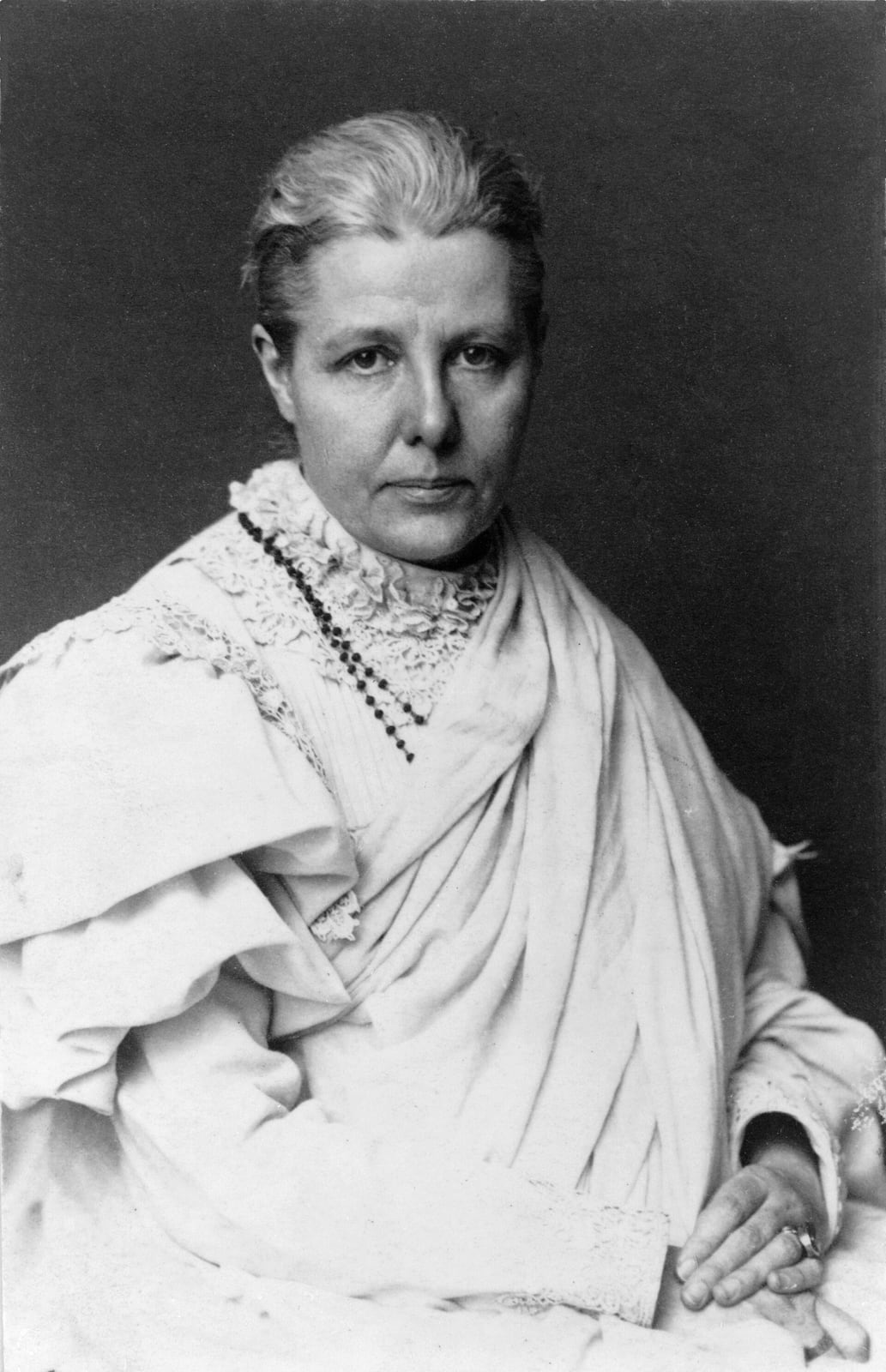
Annie Besant
يتّفقان في: ما المطلق؟ هل الله موجود؟ · هل العالم حقيقي؟ · من أنا؟ هل توجد ذات حقيقية؟
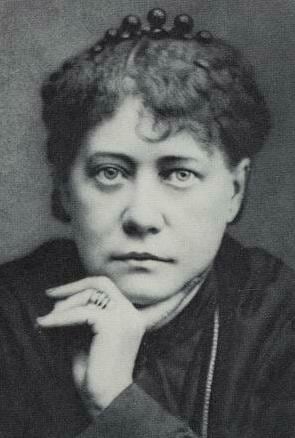
Helena Blavatsky
يتّفقان في: هل العالم حقيقي؟ · من أنا؟ هل توجد ذات حقيقية؟ · لماذا نتألّم؟
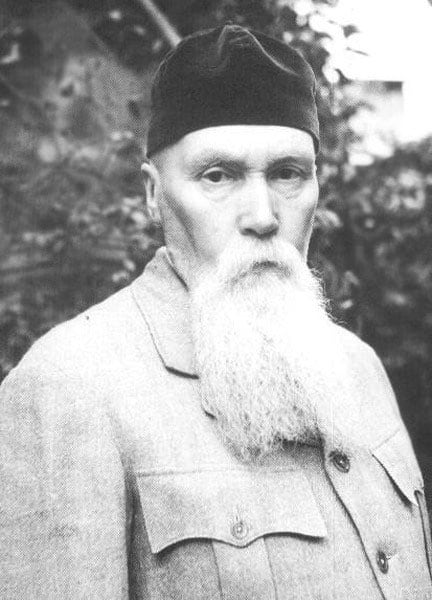
Nicholas Roerich
يتّفقان في: هل نحتاج إلى معلّم؟ · هل العالم حقيقي؟ · هل يستطيع العقل أن يعرف الحقيقة القصوى؟
Paramahansa Yogananda
يتّفقان في: ما المطلق؟ هل الله موجود؟ · من أنا؟ هل توجد ذات حقيقية؟ · لماذا نتألّم؟


يتّفقان في
Alice A. Bailey · Helena Blavatsky
Seven planes and a nameless Principle: Theosophical cosmology and its second generation
لماذا: The affinity is one of direct inheritance: Bailey was formed in the Theosophical Society, where she worked in California until her break with its leadership around 1920, and she presented her work as a continuation of the line opened by The Secret Doctrine. She attributes most of her books to a Tibetan master, Djwhal Khul, a claim of hers that cannot be verified, just as the existence of Blavatsky's Mahatmas could not be verified. The differences are of emphasis and period: Blavatsky polemicises against the dogma and materialism of the nineteenth century; Bailey writes in the interwar years, with a strong emphasis on service, goodwill and the preparation of a new age.
حكايات وروايات
حكايات وروايات
شهادة1895
The man in the turban at Castramont
أصل الرواية: Sole source: The Unfinished Autobiography, ch. I, written fifty years later. There are no other witnesses.
شهادة1918
The portrait in the Krotona shrine room
أصل الرواية: The Unfinished Autobiography, ch. IV. Bailey's own account; the person who answered her is not named.
شهادة1919
'I'm not a darned psychic'
أصل الرواية: The Unfinished Autobiography, ch. IV. Bailey says she did not even tell Foster Bailey about the first episode at the time.
شهادة1915
The engineer's granddaughter in the cannery
أصل الرواية: The Unfinished Autobiography, chs. I and III. Autobiographical account, consistent with the known chronology but without independent documentation.
لا يمكن التحقق منهdécada de 1930–1940
The parcels from India
أصل الرواية: The Unfinished Autobiography, ch. IV. Jung's opinion is hearsay ('I have been told'); it has not been located in his published work.
التعاليم
التعاليم
المفاهيم التي ينتظم بها فكره، مشروحة في سياقها.
The Tibetan (Djwhal Khul) and telepathic impressionel-tibetano-djwhal-khul
It extends the Theosophical figure of the Masters of Wisdom and the practice of receiving teachings from them, which with Blavatsky took the form of letters.
The seven rayssiete-rayos
It reworks Theosophical notions and the image of the 'seven spirits before the throne' found in several traditions.
المصدر: Campbell, Bruce F. Ancient Wisdom Revived: A History of the Theosophical Movement. Berkeley: University of California Press, 1980.
The Great Invocationgran-invocacion
It belongs to the public, service-oriented side of Bailey's work, alongside World Goodwill and Triangles.
Trianglestriangulos
It is one of the Lucis Trust's services alongside the Arcane School and World Goodwill.
The New Group of World Serversnuevo-grupo-de-servidores-del-mundo
It translates into social and political language the Theosophical idea of universal brotherhood.
The reappearance of the Christreaparicion-de-cristo
It inherits the Theosophical expectation of a world teacher that Besant and Leadbeater had projected onto Krishnamurti.
الخلوات
خلوات ومراكز
أماكن ولقاءات مرتبطة بتعليمه. نضعك على تواصل مع من ينظّمها.
Por correspondencia y en línea (sede en Asheville, Carolina del Norte) · Estados Unidos
School for Esoteric Studies
School for Esoteric Studies
The School for Esoteric Studies offers what it calls training in purposeful living based on the Ageless Wisdom, a distance school of meditation and study that works with the teachings transmitted through Alice Bailey alongside other sources of the esoteric tradition. The work is done by correspondence and online, in English, Spanish and Italian, with a quarterly newsletter and video materials. Together with the Arcane School, it is one of the two best-known organised routes for studying Bailey's books under guidance, and it is particularly accessible to Spanish-speaking students.
Por correspondencia (oficinas en Nueva York, Londres y Ginebra) · Internacional
The Arcane School (Lucis Trust)
Lucis Trust – Arcane School
The Arcane School began in 1923, when Alice Bailey, helped by her husband Foster Bailey, started answering by correspondence the questions of readers of her books. It is part of the Lucis Trust, the organisation the couple created, and offers training in meditation and study based on the teachings set out in Bailey's work, with personal written work and guidance at a distance. The Lucis Trust also keeps up activities such as full-moon meditation meetings. Its official website sometimes rejects automated requests, but it is the organisation's known website.
مقاطع الفيديو
مقاطع الفيديو
تسجيلات ومقابلات وأفلام وثائقية. تُشغَّل مقاطع الفيديو من YouTube؛ ولا تُستضاف هنا.
Life of Alice Bailey Part 1 of 3
فيلم وثائقي· EN· 10 min
Lucis Trustالقناة الرسمية
The Life of Alice Bailey Part 2 of 3
فيلم وثائقي· EN· 10 min
Lucis Trustالقناة الرسمية
Life of Alice Bailey Part 3 of 3
فيلم وثائقي· EN· 10 min
Lucis Trustالقناة الرسمية
The Great Invocation - A World Prayer
تسجيل أصلي· EN· 2 min
Lucis Trustالقناة الرسمية
Great Invocation Video
تسجيل أصلي· EN· 5 min
Lucis Trustالقناة الرسمية
Triangles Meditation Group Webinar - Alice Bailey's first recitation of The Great Invocation in 1945
محاضرة· EN· 64 min
Lucis Trustالقناة الرسمية
The Great Invocation in Greek
تسجيل أصلي· EL· 3 min
Lucis Trustالقناة الرسمية
La Gran Invocación (voces)
تسجيل أصلي· ES· 4 min
Fundación Lucisالقناة الرسمية
La Gran Invocación – 01. Introducción
محاضرة· ES· 9 min
Fundación Lucisالقناة الرسمية
المعرض
المعرض
صور بترخيص متحقَّق منه. كل منها تحتفظ بمؤلّفها ونسبتها.
العلاقات
العلاقات
تأثيرات وتلمذة وتقارب في الأفكار. تُميَّز العلاقة الموثّقة عن التشابه المستخلَص بالتحليل.
تأثّر بـ
Bailey discovered Theosophy through The Secret Doctrine, dedicated A Treatise on Cosmic Fire to Blavatsky and presented herself as continuing her teaching.
علاقة موثّقة
اختلف مع
The Baileys clashed with the leadership of Besant and the Esoteric Section in 1920; according to Hammer and Campbell, Besant distrusted the Tibetan communications.
علاقة موثّقة
معاصر لـ
Bailey cites Besant's pronouncements about Krishnamurti as one of the factors dividing the Theosophical Society when she left it.
علاقة موثّقة
تأثّر بـ
The Light of the Soul (1927) is an annotated paraphrase of the Yoga Sutras.
علاقة موثّقة
تأثّر بـ
From Bethlehem to Calvary interprets Jesus' life as five initiations; her esoteric Christology distinguishes Jesus from the Christ.
علاقة موثّقة
أفكار قريبة من
Both left the Adyar Theosophical Society and built their own systems with an esoteric Christology; no direct relationship between them is recorded.
تشابه مستخلَص بالتحليل
المصادر
المصادر
المراجع والفهارس التي رُوجعت لهذه الصفحة.
- Bailey, Alice A. The Unfinished Autobiography. Nueva York: Lucis Publishing Company, 1951 (© 1951, renovado 1979, Lucis Trust).
- Wikidata, «Alice Bailey» (Q260575): fechas y lugares de nacimiento y muerte.
- Lucis Trust. Catálogo de libros de Alice A. Bailey y biblioteca en línea.
- Open Library, autora OL2328289A (Alice A. Bailey): obras y ediciones con ISBN.
- Campbell, Bruce F. Ancient Wisdom Revived: A History of the Theosophical Movement. Berkeley: University of California Press, 1980.
- Hammer, Olav. Claiming Knowledge: Strategies of Epistemology from Theosophy to the New Age. Leiden: Brill, 2001.
- Sutcliffe, Steven J. Children of the New Age: A History of Spiritual Practices. Londres: Routledge, 2003.
- Bailey, Alice A. The Reappearance of the Christ. Nueva York: Lucis Publishing Company, 1948 (texto de la Gran Invocación en las páginas preliminares).
- Bailey, Alice A. Glamour: A World Problem. Nueva York: Lucis Publishing Company, 1950 (incluye «Extract from a Statement by the Tibetan», agosto de 1934).
- Bailey, Alice A. A Treatise on White Magic, or The Way of the Disciple. Nueva York: Lucis Publishing Company, 1934.
- Wikipedia (en), «Alice Bailey» (bibliografía, recepción y críticas, con referencias a Gershom, Newman, Shnirelman y Lubelsky).
- Blackthorn, Isobel. Alice A. Bailey: Life and Legacy. Edición independiente, 2020.
- Newman, Hannah. «Invocation, The Great», en Richard S. Levy (ed.), Antisemitism: A Historical Encyclopedia of Prejudice and Persecution. Santa Bárbara: ABC-CLIO, 2005, pp. 351–352.
- Gershom, Yonassan. «Antisemitic Stereotypes in Alice Bailey's Writings», 1997 (revisado en 2005); copia de archivo de 2007.
- Shnirelman, Victor A. Russian Neo-pagan Myths and Antisemitism. Acta, n.º 13: Analysis of Current Trends in Antisemitism. Jerusalén: Vidal Sassoon International Center for the Study of Antisemitism, Universidad Hebrea, 1998.
- صاحب الحقوق
- Lucis Trust (Nueva York, Londres, Ginebra). Bailey murió en 1949: sus obras son de dominio público en los países con plazo de 70 años post mortem, pero los libros publicados en Estados Unidos después de 1930 y las recopilaciones póstumas siguen protegidos allí.
- الموقع الرسمي
- www.lucistrust.org
في انتظار التأكيد
ما لم تتمكّن هذه الصفحة من حسمه بعد. نفضّل أن نقول ذلك على أن نملأ الفراغ.
- Ediciones españolas con ISBN de Cartas sobre meditación ocultista, Tratado sobre fuego cósmico, La luz del alma, El alma y su mecanismo, Del intelecto a la intuición, De Belén al Calvario, Psicología esotérica II, Curación esotérica, La exteriorización de la Jerarquía, El discipulado II y la Autobiografía inconclusa (Fundación Lucis las publica, pero no se han visto en catálogo).
- Años de las ediciones españolas de Fundación Lucis, Sirio y Cárcamo (el catálogo de Open Library no los consigna).
- Folletos no registrados como obra: The Next Three Years (1934), The Present World Crisis, Today (1940), The Coming World Order, The Immediate Plans, The Interlude between War and Peace y otros mensajes de guerra, absorbidos después en La exteriorización de la Jerarquía (fuente: Open Library OL2328289A).
- Fecha original de The Labours of Hercules (1974 en libro; Wikipedia cita 1957).
- Fecha exacta y lugar del matrimonio con Walter Evans (hacia 1907) y año exacto de la muerte del padre.
- Comprobar el estatus de dominio público de la fotografía de Clara E. Sipprell (fallecida en 1975) declarada PD en Commons.
- No se ha encontrado grabación sonora ni filmada verificada de Alice Bailey; confirmar si el webinario de Lucis Trust sobre 1945 contiene audio de archivo.
- Programa de afiliación: no localizado para Lucis Trust ni Editorial Sirio.
- Sala de lectura (2026-10-25): también son de dominio público en EE. UU. y en la UE (no en España hasta 2030) A Treatise on Cosmic Fire (1925), The Light of the Soul (1927) y The Soul and Its Mechanism (1930, libre en EE. UU. desde el 1 de enero de 2026), pero no se ha localizado texto completo limpio: el ejemplar de 1925 en archive.org (treatiseoncosmic0001alic) no tiene OCR y la biblioteca en línea de Lucis Trust está tras un control de Cloudflare que impide la descarga automática. Las obras publicadas desde 1931 pueden conservar derechos en EE. UU. si se renovaron (consta la renovación de la autobiografía, 1979); comprobar renovación por título.
- Sala de lectura: los tres textos registrados llevan «caution»: entran en la sala el 1 de enero de 2030, cuando expiren los derechos en España.
- Comprobar en la Autobiografía inconclusa la participación del padre en «las obras del puente Victoria» de Montreal hacia 1880: el puente se construyó en 1854–1859 y se reconstruyó en 1897–1898 (señalado al traducir, 2026-10-25).
بُحث بتاريخ 2026-10-25