اليهودية · الأرسطية
Maimonides
משה בן מימון · רמב״ם · أبو عمران موسى بن ميمون بن عبيد الله القرطبي
نحو 1138 – 1204شخصية موثّقة تاريخيًا
موسى بن ميمون (قرطبة، نحو 1138 – الفسطاط، 1204)، الحاخام والفيلسوف والطبيب، هو أعظم أعلام الفكر اليهودي في العصور الوسطى. نفاه الموحّدون من الأندلس، فاستقرّ في مصر حيث تولّى رئاسة الطائفة اليهودية وعمل طبيبًا في البلاط الأيوبي. ألّف «مشنيه توراة»، وهي مدوَّنة جامعة للشريعة اليهودية كلّها؛ و«دلالة الحائرين»، الذي يوفّق فيه بين التوراة والفلسفة الأرسطية؛ و«شرح المشناه» الذي صاغ فيه الأصول الثلاثة عشر للإيمان.
- مؤلَّفًا
- 35مؤلَّفًا
- طبعة
- 46طبعة
- اقتباسًا
- 11اقتباسًا
- مقطع فيديو
- 13مقطع فيديو
- صورة
- 9صورة
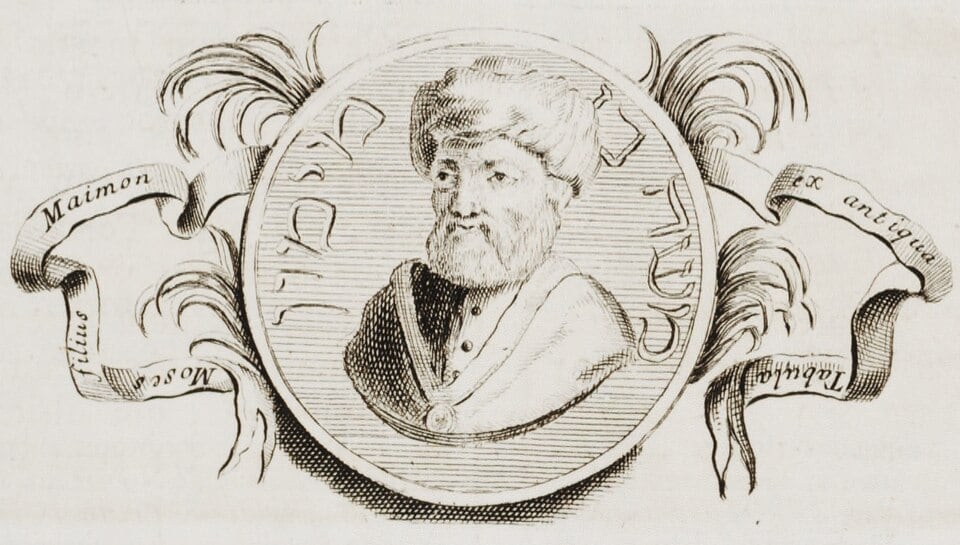
Retrato imaginario de Maimónides (Ugolini, 1744) · Public domain
بكلماته
«The foundation of foundations and the pillar of the sciences is to know that there is a First Being, and that He brings into being all that exists.»Mishné Torá, Leyes de los fundamentos de la Torá 1:1
Maimonides
كتاب السراج (Kitāb al-Sirāj) / פירוש המשניות
للبدء، عمل واحد
كتاب السراج (Kitāb al-Sirāj) / פירוש המשניותفكرته المحورية
The thirteen principles of faith: At the end of the introduction to chapter *Helek*, Maimonides lists thirteen "foundations" (*yesodot*) whose acceptance defines whoever belongs to Israel and has a share in the world to come: God's existence; His unity; His incorporeality; His eternity; that worship is due to Him alone; prophecy; the superiority of Moses's prophecy; the divine origin of the Torah; its immutability; God's knowledge of human deeds; reward and punishment; the coming of the Messiah; and the resurrection of the dead.
السيرة
4 دقيقة قراءة
ترجمة مُعانة من الأصل الإسباني، بانتظار مراجعة مترجم من أهل اللغة.
قرطبيٌّ في المنفى
وُلد موسى بن ميمون، الذي يسمّيه اليهود «الرمبام» اختصارًا من الأحرف الأولى لاسمه، وعرفه العالم اللاتيني باسم «مايمونيدس»، في قرطبة عشيّة عيد الفصح اليهودي سنة 1138، بحسب الحساب الذي يرجّحه اليوم أكثر الباحثين؛ وتذكر رواية قديمة سنة 1135. وكان أبوه ميمون قاضيًا شرعيًّا يهوديًّا وتلميذًا لكبار علماء التلمود في الأندلس، فنشأ الصبيّ في آخر ازدهار للثقافة اليهودية في الأندلس، بين عبرية الكتاب المقدّس وعربية الفلسفة والطبّ والفلك. وفي سنة 1148 استولى الموحّدون على قرطبة وألغوا التسامح الذي كان يحمي اليهود والنصارى حتى ذلك الحين؛ فبدأت الأسرة ترحالًا طويلًا في الأندلس وشمال أفريقيا، انتهى بها نحو سنة 1160 إلى فاس، وهي مدينة موحّدية أخرى. أمّا هل عاشوا في تلك السنوات مسلمين في الظاهر، كما ذكر بعض المؤلفين العرب، فمسألة لا يزال المؤرّخون يتجادلون فيها.
الفسطاط
في ربيع سنة 1165 أبحرت الأسرة إلى عكّا، في مملكة بيت المقدس الصليبية؛ وفي الخريف زار موسى القدس والخليل، ثم استقرّ بعد قليل في مصر، أولًا في الإسكندرية، ومنذ سنة 1168 في الفسطاط، العاصمة القديمة المجاورة للقاهرة. وهناك أتمّ في السنة نفسها أول كتبه الكبرى، «شرح المشناه» المعروف بـ«كتاب السراج»، وقد كتبه بالعربية بحروف عبرية، وتضمّ مقدّماته رسالة في الأخلاق هي «الفصول الثمانية»، والصياغة الشهيرة للأصول الثلاثة عشر للإيمان اليهودي. وسرعان ما تُظهره وثائق جنيزة القاهرة شخصيةً عامة: فقد نظّم فداء اليهود الذين أسرهم الصليبيون في بلبيس، وتولّى في بعض الفترات رئاسة الطائفة اليهودية في مصر.
رسائل إلى جماعات بعيدة
كان من الفسطاط يجيب عن مسائل ترد إليه من أرجاء العالم اليهودي كلّه، من اليمن إلى بروفانس. ونحو سنة 1172 كتب إلى يهود اليمن، الذين كانوا يُكرهون على تغيير دينهم ويضطربون لظهور رجل ادّعى أنه المسيح، «الرسالة اليمنية» التي واساهم فيها، ونهاهم عن حساب موعد الخلاص، وكشف زيف المدّعي. وحين سأله عوبديا، وهو متهوّد، أيجوز له أن يقول في صلاته «إله آبائنا»، أجابه بالإيجاب، لأن إبراهيم أبٌ لكلّ من يستظلّ بأجنحة الحضرة الإلهية. ولمّا اتُّهم سنة 1191 بإنكار قيامة الموتى، ردّ بـ«مقالة في تحيّة الموتى» تثبتها أصلًا من أصول الإيمان. وتكشف هذه الرسائل، المحفوظ بعضها في الجنيزة، عن الراعي الكامن وراء الفقيه والفيلسوف.
المدوَّنة
كانت الأسرة تعيش من تجارة الأحجار الكريمة التي كان يتولّاها أخوه الأصغر داود. ونحو سنة 1170 غرق داود في المحيط الهندي ومعه رأس مال الجميع؛ وكتب موسى بعد سنوات أن تلك كانت أشدّ ضربة في حياته، وأنه لزم الفراش مريضًا نحو سنة. فاضطرّ إلى كسب رزقه من الطبّ، وشرع في الوقت نفسه في العمل الذي سيجعله لا غنى عنه: «مشنيه توراة»، أي «تثنية الشريعة»، وهي مدوَّنة بعبرية واضحة ترتّب في أربعة عشر كتابًا الشريعة اليهودية كلّها، من أسس الإيمان إلى أحكام الملوك والمسيح، دون مناقشات التلمود. وقد أتمّها نحو سنة 1178. وأثار طموحه — أن يكفي المرء أن يقرأ التوراة ثم هذا الكتاب ليعرف الشريعة الشفوية كلّها — إعجابًا في المشرق ونقدًا صارمًا في بروفانس، حيث عاب عليه أبراهام بن داود البوسكييري أنه لا يذكر مصادره.
طبيب الوزير
قادته شهرته طبيبًا إلى خدمة الوزير القاضي الفاضل، كاتب صلاح الدين الأكبر، ثم الملك الأفضل ابن السلطان، الذي كتب له «في تدبير الصحة». وصنّف نحو عشر رسائل طبية بالعربية على طريقة جالينوس: الفصول، وشروحًا على أبقراط، وفي السموم، وفي الربو، وفي البواسير. وفي رسالة كتبها سنة 1199 إلى مترجمه صموئيل بن تبون وصف يومه: الصباح في القصر، وبعد الظهر في بيته يعالج جموعًا من المرضى اليهود وغير اليهود حتى يخور من التعب، ولا يبقى له لتعليم طائفته سوى يوم السبت. وتزوّج في مصر امرأة من أسرة من أهل الدواوين، ووُلد له سنة 1186 ابنه إبراهيم، الذي خلفه طبيبًا ورئيسًا للطائفة.
دلالة الحائرين
أمّا عمله الفلسفي، «دلالة الحائرين»، الذي أتمّه نحو سنة 1190، فموجَّه إلى تلميذه يوسف بن يهوذا، وإلى من كانوا مثله يلتزمون الشريعة وقد درسوا الفلسفة، فحاروا أمام نصوص التوراة التي يبدو أنها تنسب إلى الله جسمًا أو انفعالات. ويفسّر ابن ميمون هذه الألفاظ على أنها مشتركة أو مجازية؛ ويقرّر أننا لا نستطيع أن نقول عن الله إلا ما ليس هو، وأن صفاته تصف أفعاله لا ذاته؛ ويجادل أرسطو في قِدم العالم، ويدافع عن الخلق بوصفه الموقف الأرجح عقلًا؛ ويقدّم نظرية طبيعية في النبوّة، ويلتمس علل الشرائع. وقد كتب بغموض مقصود، مفرّقًا أدقّ أطروحاته، كي لا يبلبل من لم يتهيّأ لها.
الوفاة والخلافات
تُوفّي في الفسطاط في العشرين من شهر طيفيت سنة 4965 العبرية، الموافق 13 كانون الأول/ديسمبر 1204 بحسب التقويم اليولياني. وبحسب رواية مشهودة منذ القرن الثالث عشر، نُقل جثمانه إلى طبرية، حيث يُزار قبره اليوم. وفي السنة نفسها أتمّ صموئيل بن تبون ترجمة «الدلالة» إلى العبرية، وأشعلت مؤلفاته في بروفانس وقطالونيا جدلًا دام قرنًا بين أنصار دراسة الفلسفة وخصومها؛ بل أُحرقت كتبه في مونبلييه نحو سنة 1232. وقد تُرجمت «الدلالة» إلى اللاتينية بعنوان Dux neutrorum، فقرأها توما الأكويني والمعلّم إكهارت، اللذان يستشهدان به باسم «الرابي موسى»، ثم قرأها سبينوزا وساجله. وقيل فيه في التراث اليهودي: «من موسى إلى موسى لم يقم مثل موسى».
المصادر: Davidson, Herbert A. Moses Maimonides: The Man and His Works. Oxford/Nueva York: Oxford University Press, 2005. · Kraemer, Joel L. Maimonides: The Life and World of One of Civilization's Greatest Minds. Nueva York: Doubleday, 2008. · Halbertal, Moshe. Maimonides: Life and Thought. Trad. Joel Linsider. Princeton: Princeton University Press, 2014. · Maimonides, Moses. The Guide for the Perplexed. Trad. del árabe por M. Friedländer. 2.ª ed. revisada en un volumen. Londres: George Routledge & Sons, 1904 (Project Gutenberg n.º 73584). · Maimonides, Moses. The Guide of the Perplexed. Trad. Shlomo Pines, con ensayo introductorio de Leo Strauss. 2 vols. Chicago: University of Chicago Press, 1963.
الخط الزمني
الحياة عامًا بعد عام
كل نقطة حدث موثّق. انقر لتقرأه مع مصدره ودرجة اليقين فيه.
نحو 1138أقل من عامCórdoba
Birth
Born in Córdoba on the eve of Passover (14 Nisan). Most scholars prefer 1138, on the basis of a statement in his own Commentary on the Mishnah; an old tradition gives 30 March 1135.
مرجَّحDavidson, Herbert A. Moses Maimonides: The Man and His Works. Oxford/Nueva York: Oxford University Press, 2005.
بعد وفاته
- نحو 1232His books burned
- نحو 1240Dux neutrorum
نحو 1138 · أقل من عام
Birth
Born in Córdoba on the eve of Passover (14 Nisan). Most scholars prefer 1138, on the basis of a statement in his own Commentary on the Mishnah; an old tradition gives 30 March 1135.
مرجَّح
1148 · 10 أعوام
The Almohads take Córdoba
The Almohad conquest abolishes the protection of Jews and Christians; Maimon's family leaves the city and wanders through al-Andalus and the Maghreb.
موثّق
نحو 1160 · 22 عامًا
In Fez
The family settles in Fez, under Almohad rule. The Epistle on Apostasy is placed there and, according to Arabic writers, an outward conversion to Islam, now disputed.
مرجَّح
مايو 1165 · 27 عامًا
Journey to the Holy Land
After a stormy crossing he reaches Acre; in the autumn he visits the Temple Mount in Jerusalem and the Cave of the Patriarchs in Hebron, according to a note attributed to his hand.
مرجَّح
1168 · 30 عامًا
Commentary on the Mishnah
Settled in Egypt, he completes the Commentary on the Mishnah in Arabic, with the Eight Chapters and the thirteen principles of faith.
موثّق
نحو 1169 · 31 عامًا
Ransom of the Bilbeis captives
He writes to the Jewish communities of Egypt to raise the ransom of Jews captured by the crusaders at Bilbeis; the autograph letter survives in the Genizah.
موثّق
نحو 1170 · 32 عامًا
Death of his brother David
David, who traded precious stones for the family, drowns in the Indian Ocean; Maimonides spends nearly a year ill and turns to medicine.
موثّق
نحو 1172 · 34 عامًا
Epistle to Yemen
He writes to the Jews of Yemen, persecuted and stirred by a false messiah, a letter of consolation and warning.
موثّق
نحو 1178 · 40 عامًا
Mishneh Torah
Completes the Mishneh Torah, a code of the whole of Jewish law in fourteen books, written in Hebrew.
موثّق
1186 · 48 عامًا
Birth of his son Abraham
Abraham ben Moses is born, who will succeed him as court physician and head of the Jewish community of Egypt.
موثّق
نحو 1190 · 52 عامًا
Guide of the Perplexed
Completes the Dalālat al-ḥā'irīn, addressed to his disciple Joseph ben Judah.
موثّق
1191 · 53 عامًا
Treatise on Resurrection
Answers those who accused him of denying the resurrection of the dead with the Ma'amar teḥiyyat ha-metim.
موثّق
1199 · 61 عامًا
Letter to Samuel ibn Tibbon
Writes to his Hebrew translator with advice on translation and a description of his exhausting day as a physician.
موثّق
13 ديسمبر 1204 · 66 عامًا
Death
Dies in Fustat on 20 Tevet 4965. Tradition, recorded from the thirteenth century, holds that he was buried in Tiberias.
موثّق
1204
Hebrew translation of the Guide
Samuel ibn Tibbon completes the Hebrew translation of the Guide, Moreh nevukhim.
موثّق
نحو 1232
His books burned
At the height of the Maimonidean controversy, his philosophical works are burned in Montpellier after his opponents denounce them to church authorities.
مرجَّح
نحو 1240
Dux neutrorum
The Latin translation of the Guide (Dux neutrorum) appears, to be read by Thomas Aquinas and Meister Eckhart.
مرجَّح
المؤلَّفات
المؤلَّفات الأساسية
المؤلَّفات التي لا يُفهم إرثه من دونها.
Maimonides
كتاب السراج (Kitāb al-Sirāj) / פירוש המשניות
مؤلَّف مكتوب · 1168
كتاب السراج (Kitāb al-Sirāj) / פירוש המשניות
Maimonides' first great book, begun at about twenty-three during the exile and completed in Fustat in 1168. Written in Arabic in Hebrew characters, it is the first complete commentary on the Mishnah: it explains each rule clearly and indicates the legal decision. Its three introductions are independent and highly influential treatises: the general Introduction on the oral tradition and the difference between prophet and sage; the introduction to chapter *Helek* of tractate Sanhedrin, with the thirteen principles of faith; and the *Eight Chapters*, an ethical introduction to tractate *Avot*. It survives partly in autograph (Bodleian, MS. Pococke 295) and circulated in medieval Hebrew translations.
طبعة واحدة
Maimonides
הקדמה לפרק חלק (שלושה עשר עיקרים)
مؤلَّف مكتوب · 1168
הקדמה לפרק חלק (שלושה עשר עיקרים)
Eschatological essay introducing the tenth chapter of tractate Sanhedrin ("All Israel have a share in the world to come"). It distinguishes vulgar conceptions of reward from the true happiness of the soul, and concludes with thirteen principles every Jew must believe: God's existence, unity and incorporeality, His eternity, that worship is due to Him alone, prophecy, the primacy of Moses's prophecy, the divine origin of the Torah and its immutability, providence, reward and punishment, the coming of the Messiah and the resurrection. They entered the liturgy as a hymn (*Yigdal*) and a creed (*Ani maamin*) composed by others.
طبعة واحدة · amazon.es
Maimonides
Mishneh Torah (The Strong Hand)
مؤلَّف مكتوب · نحو 1178
Mishneh Torah (The Strong Hand)
משנה תורה (Mishneh Torah) / היד החזקה
Complete code of Jewish law in fourteen books (hence the nickname *Yad ha-Hazakah*, "the strong hand", since *yad* equals fourteen), written in clear Mishnaic Hebrew between about 1168 and 1178. It covers everything: the *Book of Knowledge*, with the foundations of faith, ethics and repentance; prayer, the Sabbath and festivals; marriage; food; the Temple and sacrifices; civil and criminal law; and it concludes with the laws of kings and the messianic era. It omits the Talmudic discussions and the sources to give only the decision, which provoked criticism such as the glosses of Abraham ben David of Posquières, printed ever since alongside the text. It became the basis of later codes such as the *Arba'ah Turim* and the *Shulhan Arukh*, and is still studied daily.
8 طبعات · amazon.com

مؤلَّف مكتوب · نحو 1190
دلالة الحائرين (Dalālat al-ḥā'irīn) / מורה נבוכים
His philosophical work, written in Arabic in Hebrew letters around 1185–1190 for his disciple Joseph ben Judah. In three parts: the first explains biblical terms that seem to attribute to God a body, place or passions, and develops negative theology; the second discusses the proofs of God's existence, creation versus Aristotle's eternity of the world and the nature of prophecy; the third treats Ezekiel's divine chariot, evil, providence, the reasons for the commandments and human perfection, and concludes with the imitation of God's ways. Maimonides warns that he writes with deliberate contradictions to guide only those who are prepared, which has given rise to widely divergent readings. Translated into Hebrew by Samuel ibn Tibbon (1204) and Judah al-Harizi, and into Latin as *Dux neutrorum*, it influenced Christian scholasticism and Spinoza.
12 طبعة · amazon.com
جميع مؤلَّفاته (35)

הקדמת הרמב״ם למשנה / مقدمة
1168

שמונה פרקים (Shemonah Perakim)
1168
Maimonides
كتاب الفرائض (Kitāb al-Farā'iḍ) / ספר המצוות
The Conscious Libraryكتاب الفرائض (Kitāb al-Farā'iḍ) / ספר המצוות
1170

אגרת תימן (Iggeret Teiman)
1172
אגרת השמד / מאמר קידוש השם
1165
מאמר תחיית המתים (Ma'amar teḥiyyat ha-metim)
1191

Letter on Astrology (to the Sages of Montpellier)
1195
תשובה לר׳ עובדיה הגר
1180
אגרת לר׳ שמואל אבן תבון
1199
Maimonides
תשובות הרמב״ם (Teshuvot ha-Rambam)
The Conscious Libraryתשובות הרמב״ם (Teshuvot ha-Rambam)
1204
Maimonides
איגרות הרמב״ם (Iggerot ha-Rambam)
The Conscious Libraryאיגרות הרמב״ם (Iggerot ha-Rambam)
1204
Maimonides
Laws of the Jerusalem Talmud (fragment)
The Conscious LibraryLaws of the Jerusalem Talmud (fragment)
1170
Maimonides
פירושים לתלמוד הבבלי
The Conscious Libraryפירושים לתלמוד הבבלי
1160
Maimonides
مقالة في صناعة المنطق / מלות ההגיון
The Conscious Libraryمقالة في صناعة المنطق / מלות ההגיון
1160
Maimonides
Treatise on the Calendar
The Conscious LibraryTreatise on the Calendar
1158
Maimonides
المختصرات (al-Mukhtaṣarāt)
The Conscious Libraryالمختصرات (al-Mukhtaṣarāt)
1190
Maimonides
شرح فصول أبقراط (Sharḥ Fuṣūl Abuqrāṭ)
The Conscious Libraryشرح فصول أبقراط (Sharḥ Fuṣūl Abuqrāṭ)
1195

كتاب الفصول في الطب (Fuṣūl Mūsā)
1190
Maimonides
مقالة في البواسير (Fī al-bawāsīr)
The Conscious Libraryمقالة في البواسير (Fī al-bawāsīr)
1190
Maimonides
في الجماع (Fī al-jimā')
The Conscious Libraryفي الجماع (Fī al-jimā')
1190

مقالة في الربو (Maqāla fī al-rabw)
1190
Maimonides
الرسالة الفاضلية / كتاب السموم
The Conscious Libraryالرسالة الفاضلية / كتاب السموم
1199
Maimonides
في تدبير الصحة (Fī tadbīr al-ṣiḥḥa)
The Conscious Libraryفي تدبير الصحة (Fī tadbīr al-ṣiḥḥa)
1198
Maimonides
مقالة في بيان الأعراض (Maqāla fī bayān al-a'rāḍ)
The Conscious Libraryمقالة في بيان الأعراض (Maqāla fī bayān al-a'rāḍ)
1200
الأقوال
أقوال محدَّدة الموضع في مؤلَّف بعينه. كل منها يحمل مصدره ودرجة الثقة به.
The foundation of foundations and the pillar of the sciences is to know that there is a First Being, and that He brings into being all that exists.יְסוֹד הַיְסוֹדוֹת וְעַמּוּד הַחָכְמוֹת לֵידַע שֶׁיֵּשׁ שָׁם מָצוּי רִאשׁוֹן. וְהוּא מַמְצִיא כָּל נִמְצָא
متحقَّق منهMishné Torá, Leyes de los fundamentos de la Torá 1:1
أقوال منحولة أو مختلَف في نسبتها (2)
«"It is better to acquit a thousand guilty persons than to put a single innocent one to death."»
A widely quoted paraphrase of negative commandment 290 of the Book of Commandments. The idea is his, but the figure of "a thousand" comes from modern translations of the Arabic original; the medieval Hebrew version consulted (Warsaw, 1883) states the argument without that formula.
«"The risk of a wrong decision is preferable to the terror of indecision."»
A phrase widely circulated online attributed to Maimonides. It has not been located in any of his works.
الكلمات الأخيرة
لا توجد سجلات يمكن التحقق منها لكلماته الأخيرة.
No reliable account of his last words survives. Arabic chronicles (Ibn al-Qifti, Ibn Abi Usaybi'a) and Jewish sources record his death in Fustat in December 1204 and the public mourning, without attributing a final sentence to him.
المصدر: Kraemer, Joel L. Maimonides: The Life and World of One of Civilization's Greatest Minds. Nueva York: Doubleday, 2008.
اسأل
بماذا يجيب أثره
اثنا عشر سؤالًا كبيرًا من أسئلة الإنسانية، وما تتيح نصوصه الإجابة به عنها، مع المراجع. ولا نقوّله ما لم يقل أبدًا.
ما المطلق؟ هل الله موجود؟
A free Creator of whom one can only say what He is not
إله شخصييقوله صراحةً
Maimonides places at the foundation of the whole law the knowledge that there exists a First Being who gives existence to all that exists, and in the Guide of the Perplexed he defends that the world was created by divine will, and does not emanate from God by necessity as the Aristotelians held; he grants that the question cannot be demonstrated, but holds creation to be the more reasonable thesis and the one the Torah requires. This God creates, reveals Himself to the prophets and exercises providence. But Maimonides is also the great master of negative theology: God has no positive attributes, His names describe His actions and not His essence, and everything said to praise Him contains something that diminishes Him, so that silence is most fitting. His God is personal in what He does and unsayable in what He is.
قارن هذا السؤال مع معلّمين آخرينمن أنا؟ هل توجد ذات حقيقية؟
What we are is intellect, and only the intellect that knows endures
روح مخلوقة خالدةيقوله صراحةً
Maimonides opens the Guide of the Perplexed by explaining that the image of God in which man was created is not a bodily shape but his natural form: the intellect. That is what man properly is. In the Mishneh Torah he distinguishes the soul that animates the body, which perishes with it, from the form that knows the separate intelligences, which comes from God and does not die. The world to come consists, for him, in this existence of souls without bodies, like the angels, enjoying the knowledge of God. But that immortality is not received ready-made: it depends on what each person has come to know. The true self is the intellect which, through study and right living, has passed from potentiality to act.
قارن هذا السؤال مع معلّمين آخرينلماذا نتألّم؟
Most evils we bring on ourselves by desiring the superfluous
التعلّق والشهوةيقوله صراحةً
In the third part of the Guide of the Perplexed, Maimonides classifies evils into three species. The first come from matter: man, like everything that is born, falls ill and dies, and to complain of it is to ask to be something else. The second are those some men inflict on others, wars and tyrannies, rarer than they seem. The third, the most numerous, are those each person brings on himself through his vices: excess in food, drink and sex, and above all the desire for the superfluous, which has no limit, whereas what is necessary is little and easily obtained. He has noted earlier that evils are at bottom born of ignorance, a privation of knowledge. The remedy is the middle way and knowledge.
قارن هذا السؤال مع معلّمين آخرينماذا يحدث بعد الموت؟
The world to come is the intellect's life; resurrection, a principle of faith
الحياة الأبدية والقيامةيقوله صراحةً
Maimonides distinguishes three things that tradition confused. The messianic era is a historical time of peace and study, with no alteration of the natural order. The world to come, the ultimate reward, is the soul's existence without a body, like that of the angels, enjoying the knowledge of God: there is no food or drink there, and whoever imagines it as a feast has understood nothing. The resurrection of the dead is among his thirteen principles of faith; accused of denying it because the Mishneh Torah barely mentions it, he wrote a treatise to affirm it, while maintaining that the resurrected will die again and that the final destiny remains the life of the soul. What endures is the intellect that has known God.
قارن هذا السؤال مع معلّمين آخرينكيف يُبلَغ التحرّر أو الخلاص؟
Ultimate perfection is to know God, and from that knowledge love is born
بالمعرفة المباشرةيقوله صراحةً
At the end of the Guide of the Perplexed, Maimonides distinguishes four perfections: of possessions, of the body, of the moral virtues and of the intellect. Only the last truly belongs to man and gives him eternal life: to know God as far as possible. The commandments and the virtues are necessary, for they order the body and society and prepare the mind, but they are not the end. In the Mishneh Torah he describes the love of God as the fruit of this knowledge: whoever contemplates the works and creatures and sees in them a wisdom beyond measure at once loves. And knowledge flows into action: whoever knows God seeks to imitate His ways of lovingkindness, judgement and righteousness on earth.
قارن هذا السؤال مع معلّمين آخرينهل نحتاج إلى معلّم؟
A chain of tradition from Moses, and truth from whoever speaks it
الجماعة والتقليديقوله صراحةً
Maimonides opens his Introduction to the Mishnah and the Mishneh Torah by tracing the chain of transmission of the oral law from Moses, generation after generation, down to the sages of the Talmud: Judaism is received within a community and its teachers. For the secrets of the Torah — the work of creation and the work of the chariot — he requires a master: they are transmitted only from mouth to mouth to a wise and able disciple, and the Guide itself is written as a letter to a pupil. But that authority does not replace reason. In the preface to the Eight Chapters he declares that he has taken ideas from ancient and modern philosophers and that one should hear the truth from whoever speaks it. Tradition transmits; the intellect examines.
قارن هذا السؤال مع معلّمين آخرينهل العالم حقيقي؟
A world created, ordered and good: evil is privation
خلقٌ صالح وحقيقييقوله صراحةً
Maimonides defends in the Guide of the Perplexed that the world was created by God's will and does not exist eternally by necessity, and describes it as an ordered whole, comparable to a single living individual whose parts are related to one another. His acts are neither vain nor arbitrary, though their ultimate ends are not always accessible to us. Evil is not a positive reality created by God but privation: illness is absence of health, ignorance absence of knowledge, and what proceeds from God is only existence, which is a good; hence the Torah declares the work of the six days very good. The world is real, has stable laws, and its study, the science of nature, leads to knowledge and love of its Creator.
قارن هذا السؤال مع معلّمين آخرينما الحب؟
To love God like a lover who cannot stop thinking of his beloved
الشوق والوصاليقوله صراحةً
Maimonides, the most rationalist of medieval Jewish thinkers, describes the love of God with the most passionate image. In the Mishneh Torah he says one must love Him with a great and very strong love, until the soul is bound to Him and thinks of Him always, like someone lovesick who cannot turn his thoughts from a woman and thinks of her sitting, standing, eating and drinking. But that love is born of knowledge and is proportional to it: whoever contemplates the creatures and discovers in them a wisdom beyond measure at once loves, and the more he knows, the more he loves. That is why serving God out of love, and not in hope of reward, is the rank of the wise. Love of others is ordered in charity.
قارن هذا السؤال مع معلّمين آخرينهل نحن أحرار أم أن كل شيء مقدَّر؟
Every man can be righteous like Moses or wicked like Jeroboam
إرادة حرة حقيقيةيقوله صراحةً
Maimonides makes free will a pillar of the Torah. In the laws of repentance in the Mishneh Torah he states that every man has been given the power to choose: if he wishes to incline towards the good way and be righteous, he can; if he wishes to incline towards the evil one and be wicked, he can too. Each can become righteous like Moses or wicked like Jeroboam, and no one compels him or decrees his path. Without that freedom, the commandments, repentance, reward and punishment would be meaningless. That is why he rejects astrology, which in his letter to the sages of Montpellier he calls superstition, and the opinions that make destiny something fixed. He grants that reconciling this freedom with divine knowledge exceeds human understanding.
قارن هذا السؤال مع معلّمين آخرينلماذا نتأمّل أو نصلّي؟
Prayer culminates in continuous intellectual contemplation of God
رؤية الواقع كما هويقوله صراحةً
In chapter 51 of the third part of the Guide of the Perplexed, Maimonides describes the worship proper to one who has attained knowledge of God: it is no longer the outward repetition of words but the concentration of the intellect upon Him. He proposes a gradual exercise: begin by reciting the Shema and the prayers with full attention, without being distracted by anything else; then extend that attention to the reading of the Torah and the other commandments; and finally keep one's thought on God even while eating or conversing. Solitude and retreat favour that state. In the Mishneh Torah he rules that prayer without intention is not prayer; the end of worship is to contemplate, not to ask.
قارن هذا السؤال مع معلّمين آخرينهل يستطيع العقل أن يعرف الحقيقة القصوى؟
Torah and demonstration cannot contradict each other; if they clash, the text is interpreted
النصّ المقدّس والاستدلاليقوله صراحةً
The Guide of the Perplexed was born for the reader who, trained in Torah and in philosophy, feels perplexed by their apparent contradictions. Maimonides holds that revealed truth and demonstrated truth cannot be opposed: when Scripture seems to ascribe a body or passions to God, it must be interpreted, because demonstration proves He has none. But he also marks the limits of reason: there are things the human intellect cannot reach, such as God's essence, and questions it cannot demonstrate, such as the eternity or creation of the world; on these, and only these, prophetic tradition decides. The study of science and philosophy is therefore a religious duty, and the summit of worship is knowledge.
قارن هذا السؤال مع معلّمين آخرينالانسحاب من العالم أم تغييره؟
The intellect with God and the body among men, like Moses
التأمّل في الفعليقوله صراحةً
Maimonides rejects extreme asceticism: in the Mishneh Torah he teaches the middle way and warns against those who deprive themselves of food, abstain from marriage or withdraw to the deserts thinking they thus serve God better. His ideal appears in chapter 51 of the third part of the Guide: the patriarchs and Moses had their intellect always united with God while their bodies were busy with flocks, family and the government of the people. And the Guide ends by asking us to imitate God's ways by practising lovingkindness, judgement and righteousness on earth. He lived it himself: physician at Saladin's court, head of the Jewish community of Egypt and lawgiver, without abandoning contemplation.
قارن هذا السؤال مع معلّمين آخرين
التقارب والتوتّر
التقارب والتوتّر
محسوبة سؤالًا سؤالًا انطلاقًا من مواقفه. وسبب كل اتفاق أو اختلاف يظهر بالنقر.
يقترب في تفكيره من

Theophan the Recluse
يتّفقان في: ما المطلق؟ هل الله موجود؟ · من أنا؟ هل توجد ذات حقيقية؟ · ماذا يحدث بعد الموت؟

Francis of Assisi
يتّفقان في: ما المطلق؟ هل الله موجود؟ · من أنا؟ هل توجد ذات حقيقية؟ · ماذا يحدث بعد الموت؟
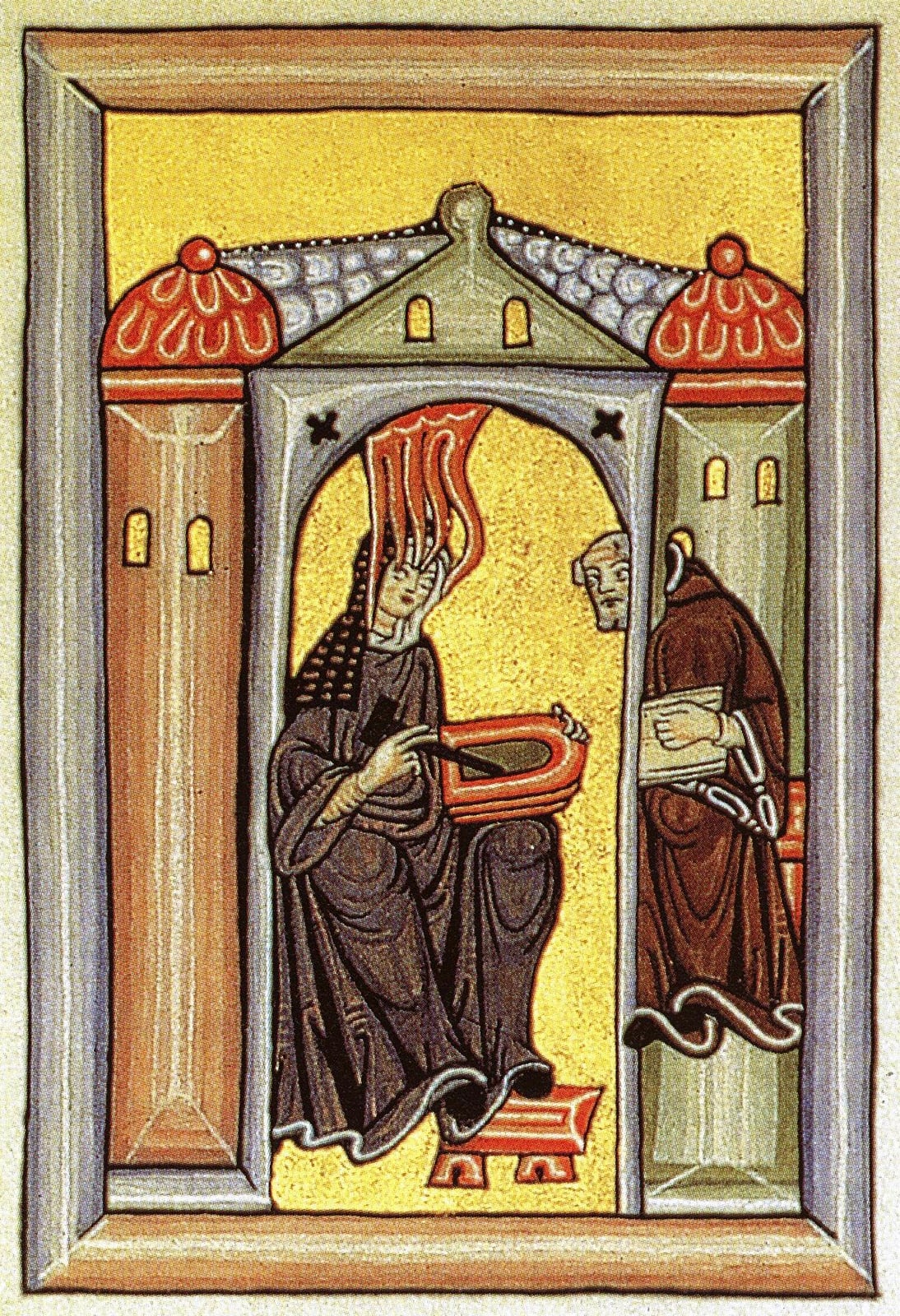
Hildegard of Bingen
يتّفقان في: ما المطلق؟ هل الله موجود؟ · من أنا؟ هل توجد ذات حقيقية؟ · ماذا يحدث بعد الموت؟
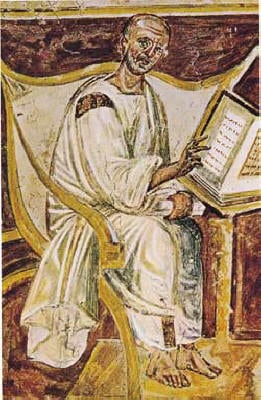
Augustine of Hippo
يتّفقان في: ما المطلق؟ هل الله موجود؟ · من أنا؟ هل توجد ذات حقيقية؟ · ماذا يحدث بعد الموت؟
يبتعد في تفكيره عن

Patañjali
يختلفان في: ما المطلق؟ هل الله موجود؟ · من أنا؟ هل توجد ذات حقيقية؟ · ماذا يحدث بعد الموت؟

Dōgen
يختلفان في: ما المطلق؟ هل الله موجود؟ · من أنا؟ هل توجد ذات حقيقية؟ · ماذا يحدث بعد الموت؟
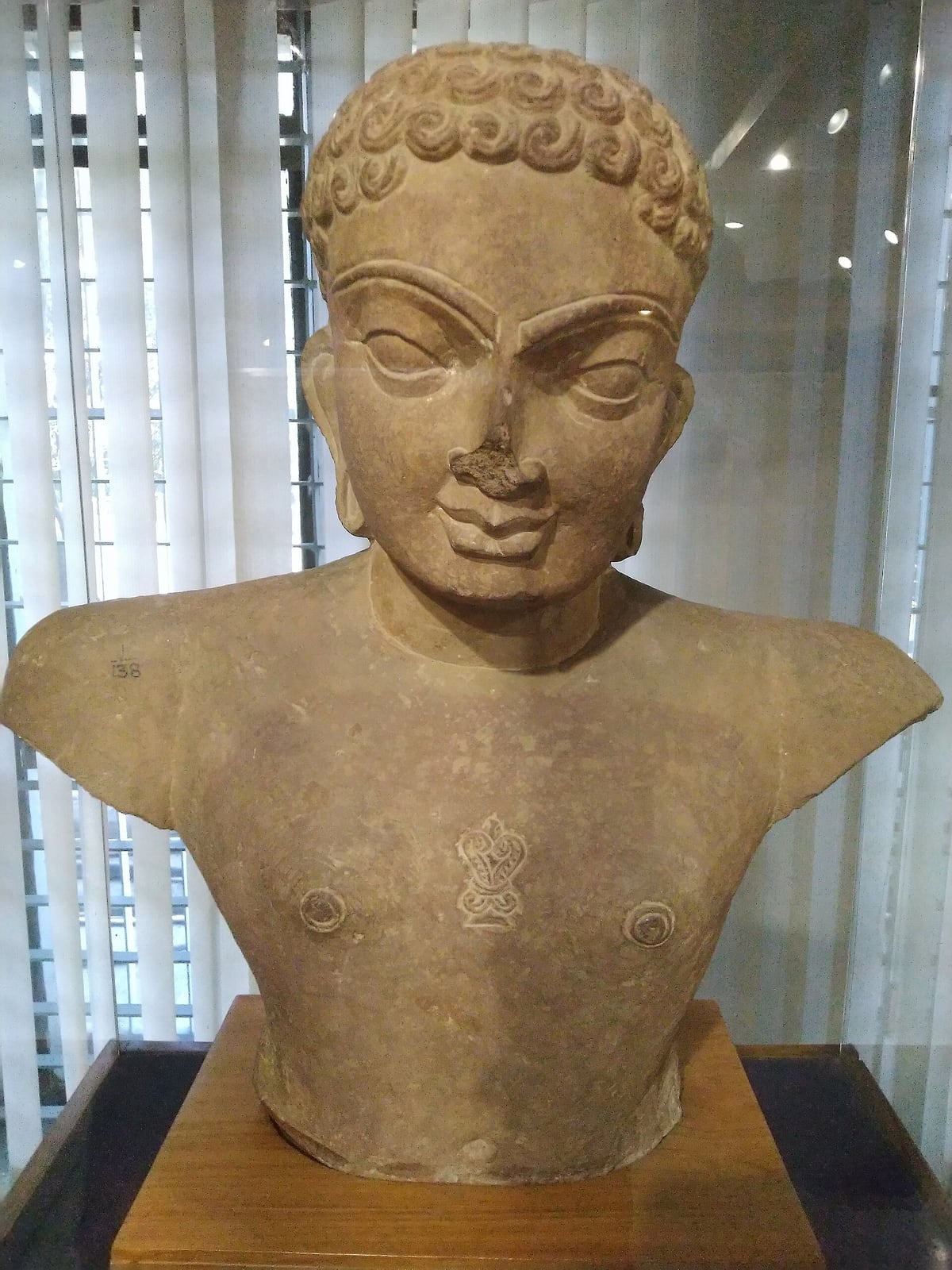
Mahāvīra
يختلفان في: ما المطلق؟ هل الله موجود؟ · ماذا يحدث بعد الموت؟
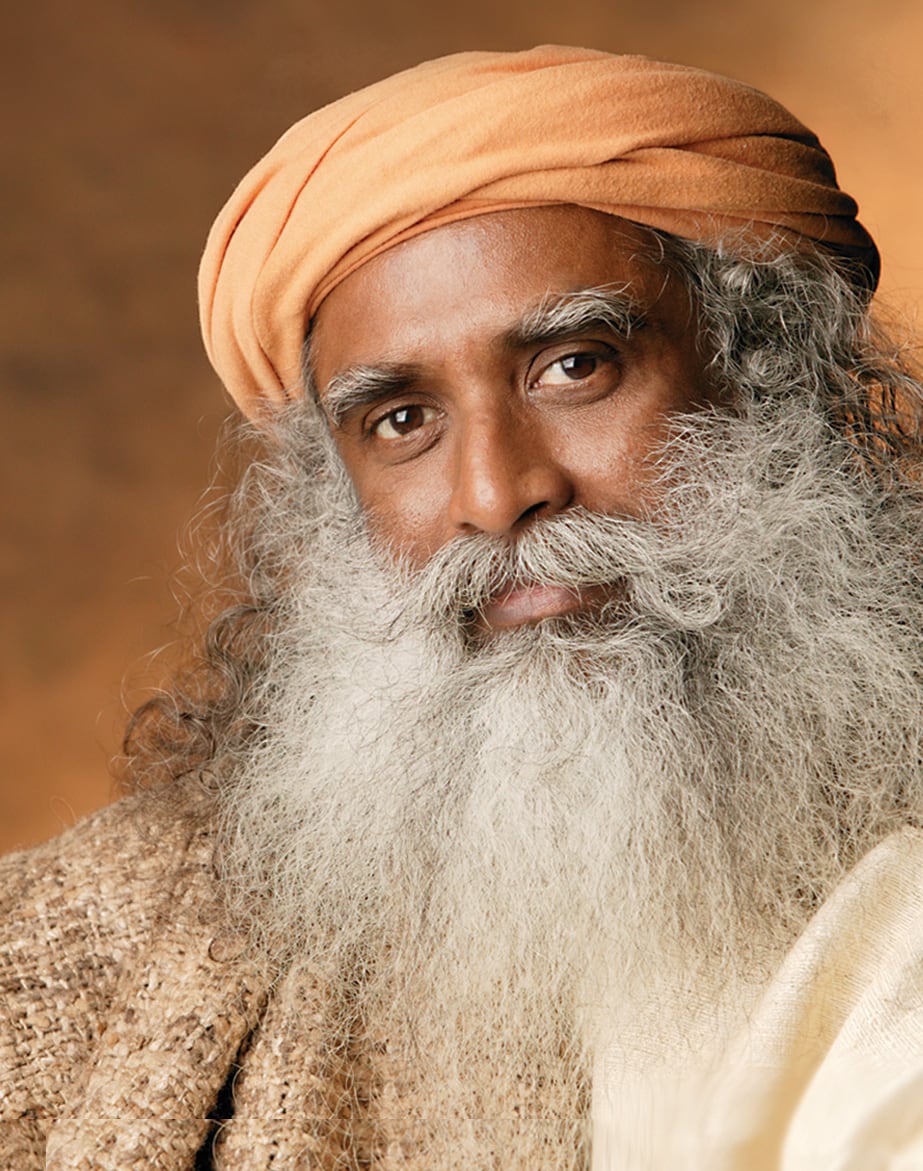
Sadhguru
يختلفان في: من أنا؟ هل توجد ذات حقيقية؟ · ماذا يحدث بعد الموت؟ · هل العالم حقيقي؟
حكايات وروايات
حكايات وروايات
شهادة1165
The storm and the Temple Mount
أصل الرواية: The note is known from Eleazar Azikri's quotation of it in Sefer Haredim (Safed, sixteenth century), who says he copied it from a writing of Maimonides; historians accept it with caution.
المصدر: Kraemer, Joel L. Maimonides: The Life and World of One of Civilization's Greatest Minds. Nueva York: Doubleday, 2008.
موثّق1168–1169
The captives of Bilbeis
أصل الرواية: Autograph letter from the Cairo Genizah, edited by S. D. Goitein and analysed by Kraemer (2008).
المصدر: Kraemer, Joel L. Maimonides: The Life and World of One of Civilization's Greatest Minds. Nueva York: Doubleday, 2008.
موثّقc. 1170–1178
The death of David
أصل الرواية: Maimonides's letter to Japheth ben Elijah, preserved in the epistolary tradition (ed. Shailat) and partly confirmed by a letter from David at Aydhab found in the Genizah.
المصدر: Kraemer, Joel L. Maimonides: The Life and World of One of Civilization's Greatest Minds. Nueva York: Doubleday, 2008.
موثّق1199
The physician's day
أصل الرواية: Maimonides's letter to Samuel ibn Tibbon (1199), preserved in Hebrew translation (ed. Shailat, Iggerot).
المصدر: Kraemer, Joel L. Maimonides: The Life and World of One of Civilization's Greatest Minds. Nueva York: Doubleday, 2008.
مختلَف فيهc. 1160–1190
The accusation of apostasy
أصل الرواية: Ibn al-Qifti, Ta'rikh al-hukama' (13th century); discussed by Davidson (2005), Kraemer (2008) and Stroumsa (2009).
المصدر: Kraemer, Joel L. Maimonides: The Life and World of One of Civilization's Greatest Minds. Nueva York: Doubleday, 2008.
موثّق1232–1242
Books on the pyre
أصل الرواية: Letters of the Maimonidean controversy and thirteenth-century Jewish chronicles; the link between the 1232 burning and the burning of the Talmuds in Paris is a contemporary interpretation taken up by historians.
المصدر: Kraemer, Joel L. Maimonides: The Life and World of One of Civilization's Greatest Minds. Nueva York: Doubleday, 2008.
مختلَف فيهs. XIII–XVI
The epitaph of Tiberias
أصل الرواية: Gedaliah ibn Yahya, Shalshelet ha-Kabbalah (Venice, 1587). Not confirmed by contemporary sources.
المصدر: Kraemer, Joel L. Maimonides: The Life and World of One of Civilization's Greatest Minds. Nueva York: Doubleday, 2008.
التعاليم
التعاليم
المفاهيم التي ينتظم بها فكره، مشروحة في سياقها.
The thirteen principles of faithtrece-principios
Commentary on the Mishnah, Sanhedrin 10; taken up in the Mishneh Torah, Laws of Repentance 3.
Negative theology and attributes of actionteologia-negativa
Guide of the Perplexed I, 50–60; sources in kalam and Arabic philosophy (Avicenna).
The middle wayjusto-medio
Eight Chapters, ch. 4; Mishneh Torah, Laws of Dispositions 1–2.
المصدر: Mishneh Torah, texto hebreo de la edición Torat Emet (dominio público) en Sefaria.
Prophecyprofecia
Guide of the Perplexed II, 32–48; Mishneh Torah, Laws of the Foundations of the Torah 7.
The reasons for the commandmentsrazones-de-los-preceptos
Guide of the Perplexed III, 25–49.
Human perfection and imitation of Godimitatio-dei
Guide of the Perplexed III, 51 and 54.
The eight degrees of charitygrados-de-la-tsedaka
Mishneh Torah, Laws of Gifts to the Poor 10:7–14.
المصدر: Mishneh Torah, texto hebreo de la edición Torat Emet (dominio público) en Sefaria.
مقاطع الفيديو
مقاطع الفيديو
تسجيلات ومقابلات وأفلام وثائقية. تُشغَّل مقاطع الفيديو من YouTube؛ ولا تُستضاف هنا.
Maimónides, entre la filosofía y la medicina | Mariano Gómez Aranda
محاضرة· ES· 53 min
Fundación Juan Marchالقناة الرسمية
MAIMONIDES
فيلم وثائقي· ES· 4 min
PTV Córdoba
Conferencia: Maimónides en los documentos de la Genizah por Dr. Mario Eduardo Cohén
محاضرة· ES· 71 min
Mem Guímel
Kenneth Seeskin, "What the Guide of the Perplexed is Really About"
محاضرة· EN· 52 min
Anne Tanenbaum Centre for Jewish Studiesالقناة الرسمية
Maimonides on Monotheism - Prof. Kenneth Seeskin
محاضرة· EN· 51 min
Institute for Tolerance Studies
The Essence of Maimonides: Sherwin B. Nuland (2005)
محاضرة· EN· 67 min
The 92nd Street Y, New Yorkالقناة الرسمية
Who Was Moses Maimonides? The Life of the Mind | Dr. Henry Abramson
محاضرة· EN· 57 min
Henry Abramson
Maimonides: The Revered & Controversial Sephardic Rabbi | The Jewish Story | Unpacked
فيلم وثائقي· EN· 5 min
Unpacked
Maimonides on Mourning: Jewish Law and Emotion
محاضرة· EN· 80 min
UC Berkeley School of Lawالقناة الرسمية
10 - רמב"ם - חלק א: תולדות חייו וכתביו
محاضرة· HE· 36 min
The Open University of Israelالقناة الرسمية
Moshe Halbertal: "Maimonides: Life and Thought" Book Launch
محاضرة· HE· 57 min
NYU School of Lawالقناة الرسمية
Maïmonide : entre judaïsme, islam et christianisme
مقابلة· FR· 30 min
Storiavoce, un podcast d'Histoire & Civilisations
René Levy : si l'Occident avait lu Maïmonide...
محاضرة· FR· 32 min
Akademالقناة الرسمية
المعرض
المعرض
صور بترخيص متحقَّق منه. كل منها تحتفظ بمؤلّفها ونسبتها.
المخطوطات
المخطوطات
شواهد مخطوطة ونصوص قديمة، مع جهة حفظها وشروط الاطّلاع عليها.
HE · Hebrew · c. 1178
משנה תורה (ספר המדע וספר אהבה)
- الشاهد المحفوظ
- Copia egipcia de finales del siglo XII con la nota autógrafa «corregido sobre mi libro, yo, Moisés hijo de Rabí Maimón» (fol. 165r)
- جهة الحفظ
- Bodleian Library, Oxford · MS. Huntington 80
- الرقمنة
- iiif.biblissima.fr/collections/manifest/de2371fd…
AR · Hebrew · c. 1167–1168
كتاب السراج (פירוש המשניות), סדר נזיקין וקדשים
- الشاهد المحفوظ
- Borrador autógrafo con correcciones del autor
- جهة الحفظ
- Bodleian Library, Oxford · MS. Pococke 295
AR · Hebrew · 1168–1204
קטעי גניזה בכתב ידו של הרמב״ם
- الشاهد المحفوظ
- Borradores de responsa, cartas y fragmentos de obras halladas en la Genizá de la sinagoga Ben Ezra de Fustat
- جهة الحفظ
- Cambridge University Library (colección Taylor-Schechter) y otras bibliotecas
- الرقمنة
- cudl.lib.cam.ac.uk/collections/genizah…
العلاقات
العلاقات
تأثيرات وتلمذة وتقارب في الأفكار. تُميَّز العلاقة الموثّقة عن التشابه المستخلَص بالتحليل.
تأثّر بـ
The *Guide* relies on Aristotle's physics, metaphysics and ethics; Maimonides regards him as the summit of human knowledge in the sublunar realm, but disagrees with him on the eternity of the world, which he does not consider demonstrated.
علاقة موثّقة
أثّر في
Eckhart frequently cites "Rabbi Moyses" and draws from the *Guide* (in Latin translation) elements of his doctrine of the divine names and of negative theology.
علاقة موثّقة
أثّر في
Spinoza studied the *Guide* and argued against its method of allegorical interpretation of the Bible in the *Theological-Political Treatise* (ch. 7); the one's critique grew out of reading the other.
علاقة موثّقة
أفكار قريبة من
Both lived the tension between Aristotelian philosophy and revelation; Maimonides knew the philosophical and theological literature of Islam, and it has been suggested that the title of the *Guide* echoes an expression used by al-Ghazali. No direct dependence is documented.
تشابه مستخلَص بالتحليل
معاصر لـ
Contemporaries born in al-Andalus (Ibn Arabi in Murcia in 1165), they represent two opposite paths of Andalusian thought: Aristotelian rationalism and visionary mysticism. There is no record that they met.
علاقة موثّقة
أفكار قريبة من
Opposite poles of Jewish spirituality in a frequent reading: the intellectualism of the *Guide* and the affective mysticism of Hasidism. Both, however, place cleaving to God at the centre of religious life.
تشابه مستخلَص بالتحليل
أفكار قريبة من
Buber opposes to Maimonidean negative theology and intellectualism the personal relation with the eternal Thou; both deny, however, that God can be an object of description.
تشابه مستخلَص بالتحليل
أفكار قريبة من
Like Augustine in *De doctrina christiana*, Maimonides proposes rules for interpreting figuratively those passages of Scripture that, read literally, would contradict reason or faith.
تشابه مستخلَص بالتحليل
المصادر
المصادر
المراجع والفهارس التي رُوجعت لهذه الصفحة.
- Davidson, Herbert A. Moses Maimonides: The Man and His Works. Oxford/Nueva York: Oxford University Press, 2005.
- Kraemer, Joel L. Maimonides: The Life and World of One of Civilization's Greatest Minds. Nueva York: Doubleday, 2008.
- Seeskin, Kenneth. «Maimonides». Stanford Encyclopedia of Philosophy (primera publicación 2006; revisión sustancial 2024).
- Halbertal, Moshe. Maimonides: Life and Thought. Trad. Joel Linsider. Princeton: Princeton University Press, 2014.
- Wikidata, Q127398: «Moshe ben Maimon» (Maimónides), 110 enlaces entre wikis.
- Maimonides, Moses. The Guide for the Perplexed. Trad. del árabe por M. Friedländer. 2.ª ed. revisada en un volumen. Londres: George Routledge & Sons, 1904 (Project Gutenberg n.º 73584).
- Maimonides, Moses. The Guide of the Perplexed. Trad. Shlomo Pines, con ensayo introductorio de Leo Strauss. 2 vols. Chicago: University of Chicago Press, 1963.
- Mishneh Torah, texto hebreo de la edición Torat Emet (dominio público) en Sefaria.
- Stroumsa, Sarah. Maimonides in His World: Portrait of a Mediterranean Thinker. Princeton: Princeton University Press, 2009.
- Gorfinkle, Joseph I. (ed. y trad.). The Eight Chapters of Maimonides on Ethics (Shemonah Perakim). Nueva York: Columbia University Press, 1912 (ejemplar digitalizado en Internet Archive).
- Wikimedia Commons, categoría «Moshe ben Maimon» y subcategorías (licencias leídas por la API imageinfo).
- Bos, Gerrit (ed. y trad.). Maimonides, Medical Aphorisms: A Parallel Arabic-English Edition (The Medical Works of Moses Maimonides). Provo: Brigham Young University Press, 2004–2017.
- Sefaria: Sefer ha-Mitzvot (Varsovia, 1883), Shemonah Perakim (Wikisource) y Moreh Nevukhim en la traducción hebrea de Samuel ibn Tibbon.
- Bodleian Library, Oxford, MS. Huntington 80 (Mishneh Torah, libros I–II, con certificación autógrafa de Maimónides) y MS. Pococke 295 (Comentario a la Misná, autógrafo); registros de Biblissima y del antiguo portal Maimonides de la Bodleiana.
- Twersky, Isadore. Introduction to the Code of Maimonides (Mishneh Torah). New Haven: Yale University Press, 1980.
- صاحب الحقوق
- Dominio público: los textos de Maimónides y sus traducciones medievales. Las ediciones críticas y las traducciones modernas (Pines, Gonzalo Maeso, Munk-Verdier, Weiss-Meiner, Touger, Bos) tienen derechos de sus editores y traductores.
في انتظار التأكيد
ما لم تتمكّن هذه الصفحة من حسمه بعد. نفضّل أن نقول ذلك على أن نملأ الفراغ.
- Confirmar la fecha de muerte de Joseph I. Gorfinkle (n. 1880) para decidir si su traducción de los Ocho capítulos es de dominio público en la UE y en España (registrada con caution: true).
- Localizar ISBN de una edición española completa de la Mishné Torá (solo hay traducciones parciales registradas) y de la Epístola al Yemen.
- Verificar en Kraemer (2008) la fecha exacta del rescate de los cautivos de Bilbeis (1168 o 1169) y de la quema de Montpellier (1232 o 1233).
- Comprobar en Digital Bodleian el enlace estable de MS. Huntington 80 y MS. Pococke 295.
- Confirmar qué traducción hebrea de la Epístola al Yemen reproduce Wikisource (Nahum ha-Ma'aravi u otra).
- Buscar vídeos en alemán (televisión pública) y en árabe sobre Maimónides; no se han encontrado en canales solventes.
- Las fichas de los tratados médicos menores no tienen ediciones con ISBN verificadas (Rosner, Maimonides Research Institute; Bos, BYU Press): completar con el catálogo de BYU Press.
بُحث بتاريخ 2026-10-25