اليهودية
Baruch Spinoza
ברוך שפינוזה
1632 – 1677شخصية موثّقة تاريخيًا
باروخ سبينوزا (1632-1677) فيلسوف هولندي من أصل يهودي برتغالي، طُرد من الجالية اليهودية في أمستردام عام 1656، وعاش من صقل العدسات. أسّست «رسالة في اللاهوت والسياسة» (1670) النقدَ الحديث للكتاب المقدّس ودافعت عن حرية الفكر، أما كتابه «الأخلاق» الذي نُشر بعد وفاته عام 1677 فيوحّد بين الله والطبيعة ويقترح طريقًا إلى الحرية عبر المعرفة. عُدّ ملحدًا طوال قرن، وهو اليوم من الأعلام المركزية في المذهب العقلاني وفي التنوير الجذري.
- مؤلَّفًا
- 22مؤلَّفًا
- طبعة
- 74طبعة
- اقتباسًا
- 12اقتباسًا
- مقطع فيديو
- 15مقطع فيديو
- صورة
- 10صورة
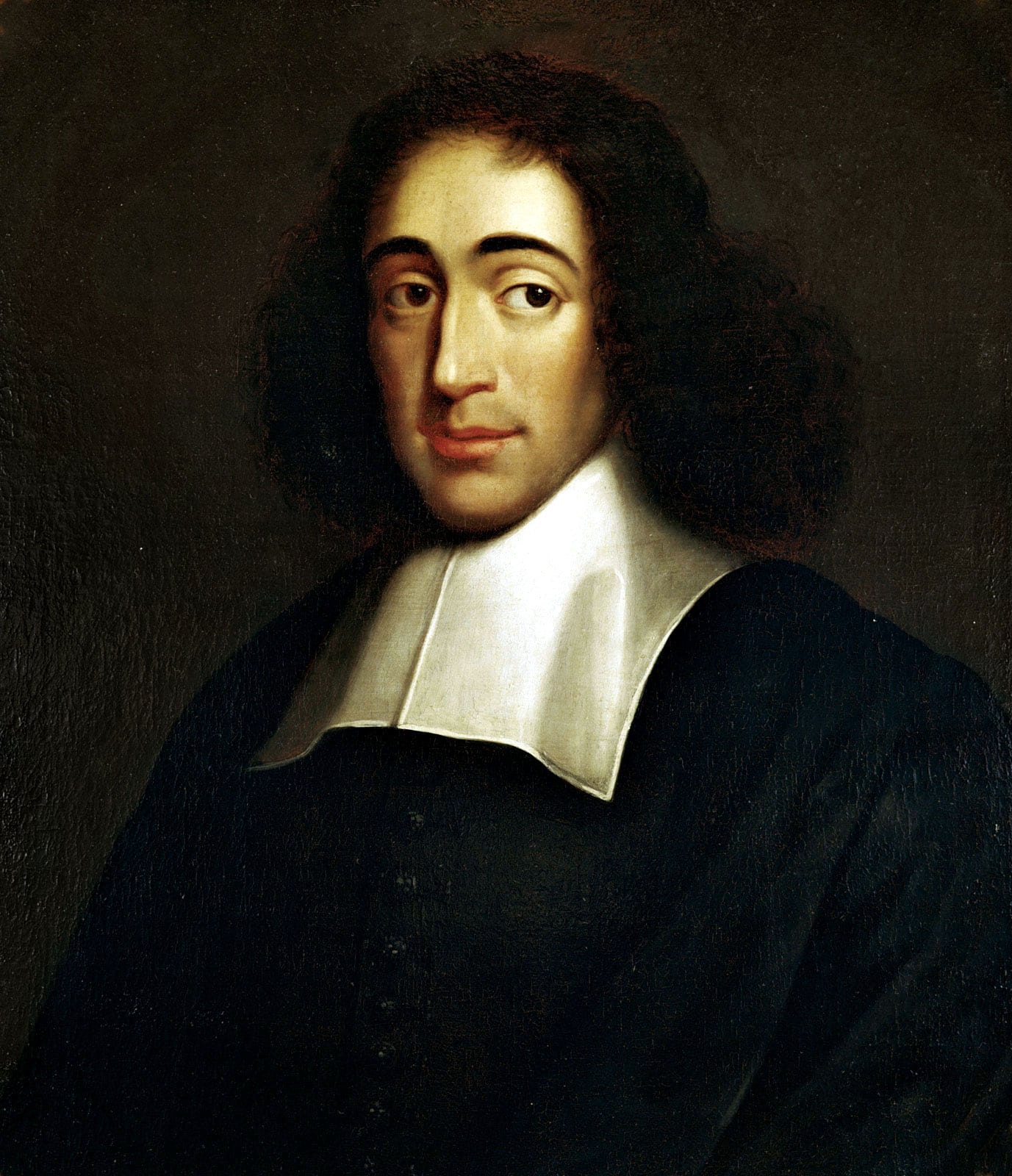
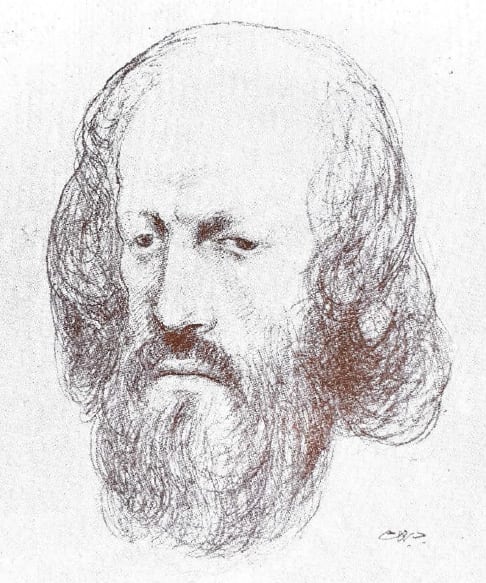
Retrato anónimo de Spinoza (Wolfenbüttel) · Public domain
بكلماته
«By God, I mean a being absolutely infinite—that is, a substance consisting in infinite attributes, of which each expresses eternal and infinite essentiality.»Ética, I, definición 6 (trad. inglesa de Elwes)

فكرته المحورية
Deus sive Natura: God or Nature: The core of the Ethics is that there exists only one substance, absolutely infinite, which is cause of itself and of which everything else is a mode or affection: that substance is God, and it is also Nature.
السيرة
4 دقيقة قراءة
ترجمة مُعانة من الأصل الإسباني، بانتظار مراجعة مترجم من أهل اللغة.
الأمة البرتغالية في أمستردام
وُلد باروخ سبينوزا في أمستردام في 24 نوفمبر 1632، في كنف الجالية اليهودية البرتغالية التي تألّفت من أحفاد «المتنصّرين» (الكونفرسوس) الفارّين من محاكم التفتيش الإيبيرية، والذين أتاحت لهم الجمهورية الهولندية العودة إلى اليهودية جهارًا. كان أبوه ميغيل تاجرًا مستوردًا محترمًا تولّى إدارة كنيس «تلمود توراة»، أما أمه حنّة دبورة فتوفّيت قبل أن يتمّ الصبي عامه السادس بأسابيع قليلة. درس باروخ في مدرسة الجالية، فتعلّم العبرية وقرأ التوراة وشروحها، وتلقّى التعليم بالإسبانية والبرتغالية، لغتَي أسرته. ونحو السابعة عشرة انقطع عن الدراسة ليعمل في تجارة العائلة التي ستُفلسها الحروب الإنجليزية الهولندية. وحين توفّي أبوه عام 1654 تولّى إدارة المؤسسة مع أخيه غابرييل.
حِرم عام 1656
في 27 يوليو 1656 أصدر زعماء الكنيس بحقّه، وهو في الثالثة والعشرين، «حِرمًا»، أي حكمًا بالطرد من الجماعة، بلغ من القسوة حدًّا لم تعرف له الجالية سابقة: فقد لعنه في النهار والليل، في نومه وقيامه، وحظر على الجميع أن يكلّموه أو يقرؤوا ما يكتب أو يقتربوا منه دون أربعة أذرع. ولا يحدّد النصّ «الهرطقات الشنيعة» التي أُخذت عليه، غير أن الشهادات اللاحقة توحي بأنه كان قد أنكر خلود النفس، ونسبةَ التوراة إلى موسى، واختيارَ بني إسرائيل. ولم يتراجع قطّ، ولم يُرفع الحكم أبدًا. ويروي كاتب سيرته الأول، القسّ اللوثري يوهانس كولروس، أنه ردّ بمرافعة دفاعية بالإسبانية لم تصل إلينا. ولم يعتنق المسيحية ولم ينضمّ إلى أيّ كنيسة، وصار منذ ذلك الحين يوقّع باسم «بنديكتوس»، الصيغة اللاتينية لاسمه.
اللاتينية وديكارت وحلقة الأصدقاء
في مدرسة فرانسيسكوس فان دن إندن، اليسوعي السابق ذي الأفكار الجذرية، تعلّم اللاتينية واكتشف فلسفة ديكارت التي ستكون منطلقه وخصمه الأكبر في آن. وخالط «الكولجيانت» والمينونايت المنشقّين، وهم مسيحيون بلا كنيسة يتدارسون الكتاب المقدّس من دون رجال دين، وأحاط نفسه بحلقة من الأصدقاء — يارِخ يِلّس، وبيتر بالينغ، ولوديفيك ماير، وسيمون دي فريس، ويوهانس باومستر، والناشر يان ريويرتس — كانوا يقرؤون في اجتماعاتهم مسوّدات فلسفته. ونحو عام 1658 حضر دروسًا في جامعة لايدن.
راينسبورغ وفوربورغ: صاقل العدسات
في عام 1661 استقرّ في راينسبورغ قرب لايدن، وكسب رزقه من صقل العدسات للمجاهر والمقاريب، وهي صنعة أثنى كريستيان هويغنز على جودة عمله فيها. وهناك كتب «رسالة في إصلاح العقل» التي بقيت ناقصة، و«الرسالة الموجزة في الله والإنسان وسعادته» التي لم تُعرف إلا في القرن التاسع عشر من خلال نسختين هولنديتين. وفي عام 1663 نشر باسمه «مبادئ فلسفة ديكارت» وفي ملحقها «أفكار ميتافيزيقية»، وهو المؤلَّف الوحيد الذي وقّعه في حياته. وفي العام نفسه انتقل إلى فوربورغ قرب لاهاي، حيث واصل العمل على «الأخلاق» وتراسل مع هنري أولدنبورغ، أمين سرّ الجمعية الملكية في لندن.
رسالة في اللاهوت والسياسة
في عام 1665 قطع العمل على «الأخلاق» ليكتب كتابًا سجاليًا. فصدرت «رسالة في اللاهوت والسياسة» (Tractatus theologico-politicus) عام 1670 غُفلًا من اسم مؤلفها، وعليها بيانات طبع مزيّفة تنسبها إلى هامبورغ. وقد ذهب فيها إلى أن الكتاب المقدّس ينبغي أن يُقرأ كأيّ نصّ تاريخي آخر، انطلاقًا من لغته وسياقه؛ وأن موسى لم يكتب الأسفار الخمسة؛ وأن المعجزات، إذا فُهمت خرقًا لقوانين الطبيعة، مستحيلة؛ وأن الدين الحقّ يرجع إلى العدل والإحسان. أما خلاصته السياسية فهي أن غاية الدولة هي الحرية، وأن حرية التفلسف لا يقتصر الأمر فيها على إمكان منحها دون إضرار بالسلم والتقوى، بل إن إلغاءها لا يكون إلا بالقضاء عليهما. ونَدّد بها لاهوتيون من كل المذاهب بوصفها عمل ملحد، وفي عام 1674 حظرتها محكمة هولندا. ومصير صديقه أدريان كورباخ، الذي مات في السجن عام 1669 بسبب أفكار مماثلة كتبها بالهولندية، يفسّر حذر المؤلف الذي طلب ألّا تُترجم رسالته.
لاهاي: «الأخلاق» والحذر
منذ عام 1670 عاش في لاهاي، أولًا في نُزُل ثم في بيت الرسام هندريك فان دير سبايك على قناة بافيليونسخراخت. وكانت حياته زاهدة: فبحسب كولروس رفض أن يكون وريث صديقه سيمون دي فريس، وخفّض من خمسمئة إلى ثلاثمئة فلورين الراتب الذي خصّصته له أسرة صديقه؛ وفي عام 1673 اعتذر كذلك عن كرسي الفلسفة الذي عرضه عليه أمير البالاتينات الناخب في هايدلبرغ، خشية أن يقيّد حريتَه شرطُ عدم الإخلال بالدين الرسمي. وكان يستقبل الزوار — فقد أمضى لايبنتس عنده أيامًا في نوفمبر 1676 — ويختم رسائله بخاتم نُقشت عليه كلمة Caute، أي «بحذر». ونحو عام 1675 أتمّ كتاب «الأخلاق» المبرهَن على الطريقة الهندسية، ثم عدل عن نشره أمام الشائعات التي تحدّثت عن كتاب يعدّه عن الله يُنكر فيه وجوده. وعمل بعد ذلك على «رسالة في السياسة» وعلى نحوٍ للغة العبرية، وكلاهما لم يكتمل.
الوفاة والمؤلفات المنشورة بعد موته
توفّي في لاهاي في 21 فبراير 1677، في الرابعة والأربعين من عمره، بمرض رئوي، يُرجَّح أنه السلّ، ولعلّ غبار الزجاج زاده سوءًا. وبحسب كولروس، الذي أعاد بناء يومه الأخير من ذكريات فان دير سبايك، نزل في ذلك الصباح ليتحدّث مع أهل البيت، وفارق الحياة نحو الثالثة بعد الظهر، ولم يكن معه سوى طبيب من أمستردام. ودُفن في 25 فبراير في الكنيسة الجديدة (نيوِه كيرك). وأنقذ أصدقاؤه مخطوطاته، ونشروا في أواخر ذلك العام، دون ذكر اسم المؤلف ولا الطابع، «المؤلفات المنشورة بعد الوفاة» (Opera posthuma) باللاتينية وترجمتها الهولندية De nagelate schriften: «الأخلاق»، و«رسالة في السياسة»، و«إصلاح العقل»، والنحو العبري، ومختارات من الرسائل. وفي عام 1678 حظرتها ولايات هولندا. وفي عام 2010 عُثر في مكتبة الفاتيكان على النسخة المخطوطة الكاملة الوحيدة المعروفة من «الأخلاق»، وكانت قد سُلّمت إلى المجمع المقدّس (ديوان التفتيش) عام 1677.
مصيره بعد الموت
ظلّ اسمه طوال قرن مرادفًا للإلحاد. ثم جعلته «مساجلة وحدة الوجود» التي اندلعت في ألمانيا عام 1785 مرجعًا لليسينغ وهردر وغوته وشيلينغ وهيغل؛ وسمّاه نوفاليس «الرجل المنتشي بالله»، وأعلن أينشتاين أنه يؤمن بإله سبينوزا. ويُقرأ اليوم في آن واحد بوصفه صاحب النسق الأكبر في المذهب العقلاني، ومؤسس النقد الحديث للكتاب المقدّس، وأحد أوائل منظّري الديمقراطية والتسامح، ولا يزال الجدل قائمًا حول عبارته Deus sive Natura («الله أو الطبيعة»): أهي وحدة وجود، أم مذهب طبيعي، أم ضرب من الإلحاد.
المصادر: Nadler, Steven. Spinoza: A Life. Cambridge: Cambridge University Press, 1999 (2.ª ed. 2018). ISBN 9780521552103. · Colerus, Johannes. Korte, dog waaragtige levens-beschryving van Benedictus de Spinosa. Ámsterdam, 1705; trad. francesa «La Vie de B. de Spinosa» (1706), en Œuvres de Spinoza, trad. Émile Saisset, t. II, París, Charpentier, 1861 (Wikisource). · B. d. S. Opera posthuma. [Ámsterdam: Jan Rieuwertsz], 1677; y De nagelate schriften van B. d. S., trad. Jan Hendriksz Glazemaker, 1677. · Spinoza, Benedictus de. Ethica ordine geometrico demonstrata (texto latino en Wikisource, a partir de la ed. bilingüe de Appuhn, Garnier, 1913); The Ethics, trad. R. H. M. Elwes (Londres, 1883), Project Gutenberg #3800. · Spinoza, Benedictus de. Tractatus theologico-politicus. «Hamburgi» [Ámsterdam], 1670 (texto latino en Wikisource, ed. Gebhardt); A Theologico-Political Treatise, trad. R. H. M. Elwes (1883), Project Gutenberg #989-992.
الخط الزمني
الحياة عامًا بعد عام
كل نقطة حدث موثّق. انقر لتقرأه مع مصدره ودرجة اليقين فيه.
24 نوفمبر 1632أقل من عامÁmsterdam (Vlooienburg)
Birth of Baruch Espinosa
Born in the Jewish quarter of Vlooienburg, son of the merchant Michael de Espinosa and Hannah Deborah.
موثّقWikipedia (en), «Baruch Spinoza»; y (es), «Baruch Spinoza».
بعد وفاته
- يونيو 1678Ban of the posthumous works
- 1785The pantheism controversy
- 2010Discovery of the Vatican manuscript of the Ethics
24 نوفمبر 1632 · أقل من عام
Birth of Baruch Espinosa
Born in the Jewish quarter of Vlooienburg, son of the merchant Michael de Espinosa and Hannah Deborah.
موثّق
1638 · 5 أعوام
Death of his mother
Hannah Deborah dies, a few days before the boy turns six.
موثّق
1649 · 16 عامًا
Leaves his studies for the family business
After the death of his brother Isaac he leaves the community school to work with his father.
موثّق
مارس 1654 · 21 عامًا
Death of his father
He takes charge of the family firm, ruined by the Anglo-Dutch war, with his brother Gabriel.
موثّق
27 يوليو 1656 · 23 عامًا
Herem of the Talmud Torah congregation
The leaders of the Portuguese community expel him with a sentence of exceptional harshness that was never lifted.
موثّق
نحو 1657 · 24 عامًا
Latin with Van den Enden
Studies Latin and Cartesian philosophy at Franciscus van den Enden's school; frequents Collegiants and Mennonites.
مرجَّح
نحو 1658 · 25 عامًا
Classes at Leiden University
Attends courses in Cartesian philosophy.
مرجَّح
1661 · 28 عامًا
Settles in Rijnsburg
Lives by grinding lenses; his surviving correspondence and the writing of the Short Treatise and the Ethics begin.
موثّق
1663 · 30 عامًا
Principles of Descartes' Philosophy; move to Voorburg
Publishes under his name the geometrical exposition of Descartes and the Metaphysical Thoughts, and moves to Voorburg.
موثّق
1665 · 32 عامًا
Begins the Theological-Political Treatise
Interrupts the Ethics to write a defence of the freedom to philosophise.
موثّق
1670 · 37 عامًا
Anonymous publication of the TTP; move to The Hague
The book appears with a false imprint and provokes condemnations from theologians of every confession.
موثّق
20 أغسطس 1672 · 39 عامًا
Murder of the De Witt brothers
According to Leibniz, Spinoza wished to post a placard with the words 'ultimi barbarorum' and his landlord prevented him by locking him in.
مرجَّح
30 مارس 1673 · 40 عامًا
Declines the Heidelberg chair
Replies to Johann Ludwig Fabritius declining the chair of philosophy offered by the Elector Palatine.
موثّق
يوليو 1673 · 40 عامًا
Journey to the French camp at Utrecht
Visits the headquarters of the invading French army; on his return, according to Colerus, the family fears a riot and he replies 'I am a good republican'.
مرجَّح
يوليو 1674 · 41 عامًا
Ban of the Theological-Political Treatise
The Court of Holland bans the book together with Hobbes' Leviathan and other heterodox writings.
موثّق
1675 · 42 عامًا
Gives up publishing the Ethics
Finishes the work and abandons printing it amid rumours that he is preparing a book denying God.
موثّق
نوفمبر 1676 · 43 عامًا
Leibniz's visit
Leibniz spends several days in conversation with him.
موثّق
21 فبراير 1677 · 44 عامًا
Death
Dies at about three in the afternoon of a lung disease; buried on 25 February in the Nieuwe Kerk.
موثّق
ديسمبر 1677
Opera posthuma
His friends publish the Ethics and the unpublished works in Latin and Dutch.
مرجَّح
يونيو 1678
Ban of the posthumous works
The States of Holland ban the Opera posthuma.
مرجَّح
1785
The pantheism controversy
The dispute between Jacobi and Mendelssohn over Lessing's alleged Spinozism revives his reading in German idealism.
موثّق
2010
Discovery of the Vatican manuscript of the Ethics
Leen Spruit and Pina Totaro identify codex Vat. lat. 12838, handed to the Holy Office by Niels Stensen in 1677.
موثّق
المؤلَّفات
المؤلَّفات الأساسية
المؤلَّفات التي لا يُفهم إرثه من دونها.
مؤلَّف نُشر بعد الوفاة · 1677
Ethics, Demonstrated in Geometrical Order
Ethica ordine geometrico demonstrata
His major work, set out like Euclid's geometry, with definitions, axioms, propositions, demonstrations and scholia, in five parts: God; the nature and origin of the mind; the origin and nature of the affects; human bondage, or the strength of the affects; the power of the intellect, or human freedom. It starts from a single infinite substance, God or Nature, of which all things are modes; denies free will and final causes; analyses the passions as natural phenomena arising from the striving to persevere in being; and proposes an ethics of joy and knowledge culminating in the intellectual love of God and the experience of the eternity of the intellect.
17 طبعة · amazon.com

مؤلَّف مكتوب · 1670
Theological-Political Treatise
Tractatus theologico-politicus
A defence of the freedom to philosophise in twenty chapters. The first fifteen subject the Bible to historical and philological examination: prophecy as imagination, the election of the Hebrews as political prosperity, miracles as ignorance of causes, the authorship of the Pentateuch and the historical books, the method of interpreting Scripture by Scripture itself. The last five ground the state in natural right, identified with power, analyse the Hebrew theocracy and conclude that the end of the state is freedom and that everyone must be able to think what he wishes and say what he thinks. It is one of the founding works of modern biblical criticism and of liberal and democratic political thought.
9 طبعات · amazon.com

مؤلَّف نُشر بعد الوفاة · 1677
Political Treatise
Tractatus politicus
A treatise of political theory which, unlike the Theological-Political Treatise, leaves biblical exegesis aside and studies how monarchy, aristocracy and democracy must be organised so that peace and freedom do not depend on the virtue of rulers. It starts from the idea that human actions are to be understood, not laughed at, lamented or detested, and that each one's right extends as far as his power. It remained unfinished just as it was to deal with democracy, the form of government he considered most absolute.
5 طبعات · amazon.es
مؤلَّف نُشر بعد الوفاة · 1677
Treatise on the Emendation of the Intellect
Tractatus de intellectus emendatione
An essay on method that opens with one of the most famous autobiographical pages in philosophy: the experience that the goods men pursue—wealth, honour, pleasure—are vain, and the resolve to seek a true good that would give continuous and supreme joy. It distinguishes four modes of perception, analyses the true idea, fiction, falsity and doubt, and seeks the way to direct the intellect towards knowledge of nature. It is the most accessible way into his thought.
7 طبعات · amazon.com
جميع مؤلَّفاته (22)

Short Treatise on God, Man and His Well-Being
1660

Principles of Cartesian Philosophy
1663
Metaphysical Thoughts
1663

Compendium of Hebrew Grammar
1677

Letters
1677
Baruch Spinoza
Posthumous Works
The Conscious LibraryPosthumous Works
1677
Baruch Spinoza
Apology for leaving the synagogue (lost)
The Conscious LibraryApology for leaving the synagogue (lost)
1656
Baruch Spinoza
Treatise on the Rainbow (lost)
The Conscious LibraryTreatise on the Rainbow (lost)
1676
Baruch Spinoza
Dutch translation of the Old Testament (lost)
The Conscious LibraryDutch translation of the Old Testament (lost)
1677
Baruch Spinoza
Algebraic Calculation of the Rainbow (doubtful attribution)
The Conscious LibraryAlgebraic Calculation of the Rainbow (doubtful attribution)
1687
Baruch Spinoza
Calculation of Chances (doubtful attribution)
The Conscious LibraryCalculation of Chances (doubtful attribution)
1687
Baruch Spinoza
Treatise of the Three Impostors (spurious)
The Conscious LibraryTreatise of the Three Impostors (spurious)
1719
Baruch Spinoza
Johannes Colerus' Life of Spinoza
The Conscious LibraryJohannes Colerus' Life of Spinoza
1705
Spinoza: A Life (biography by Steven Nadler)
1999

The Collected Works of Spinoza (ed. Edwin Curley)
1985
Spinoza: Complete Works (trans. Samuel Shirley)
2002

Spinoza Opera (ed. Carl Gebhardt)
1925
Baruch Spinoza
Opere (ed. Filippo Mignini)
The Conscious LibraryOpere (ed. Filippo Mignini)
2007
الأقوال
أقوال محدَّدة الموضع في مؤلَّف بعينه. كل منها يحمل مصدره ودرجة الثقة به.
By God, I mean a being absolutely infinite—that is, a substance consisting in infinite attributes, of which each expresses eternal and infinite essentiality.Per Deum intelligo ens absolute infinitum, hoc est, substantiam constantem infinitis attributis, quorum unumquodque aeternam et infinitam essentiam exprimit.
متحقَّق منهÉtica, I, definición 6 (trad. inglesa de Elwes)
أقوال منحولة أو مختلَف في نسبتها (2)
«'Even if I knew that tomorrow the world would end, I would still plant an apple tree today.'»
Attributed to Spinoza and, more often, to Luther; it appears in no work or letter of Spinoza's, and for Luther too there is no source before the twentieth century.
«'God would say: stop praying and beating your breast; what I want you to do is go out into the world and enjoy your life…' (the so-called 'God of Spinoza')»
A text spread on social media since the 2010s under the title 'If God Spoke' or 'The God of Spinoza'. It belongs to no work of Spinoza's: its style and personal theology (a God who speaks, loves and advises) contradict the Ethics, which denies that God has will or human affects. It is usually linked to Einstein's remark 'I believe in Spinoza's God'.
الكلمات الأخيرة
لا توجد سجلات يمكن التحقق منها لكلماته الأخيرة.
No reliable last words survive. Colerus, who questioned his landlords, relates that that morning he came down to talk with the family, took chicken broth at midday and died at about three in the afternoon, alone with a physician from Amsterdam whom he designates as 'L. M.' (later research usually identifies him with Georg Hermann Schuller). Colerus expressly denies that he said 'O God, have mercy on me, a miserable sinner' or asked for pastors to be kept away: no one in the house heard any such thing, and those repentance stories died out in the eighteenth century.
المصدر: Colerus, Johannes. Korte, dog waaragtige levens-beschryving van Benedictus de Spinosa. Ámsterdam, 1705; trad. francesa «La Vie de B. de Spinosa» (1706), en Œuvres de Spinoza, trad. Émile Saisset, t. II, París, Charpentier, 1861 (Wikisource).
اسأل
بماذا يجيب أثره
اثنا عشر سؤالًا كبيرًا من أسئلة الإنسانية، وما تتيح نصوصه الإجابة به عنها، مع المراجع. ولا نقوّله ما لم يقل أبدًا.
ما المطلق؟ هل الله موجود؟
God, or Nature: an infinite substance without will or ends
مطلق غير شخصييقوله صراحةً
Spinoza understands by God an absolutely infinite being, a substance consisting of infinite attributes, and demonstrates that apart from it no other can exist or be conceived: whatever is, is in God. This God is not a person. He does not act for ends or by a free decree of the will, but from the necessity of His nature, as its properties follow from the nature of a triangle. The appendix to the first part of the Ethics dismantles the image of a God who arranges the world for man and rewards or punishes, and the preface to the fourth states that the reason why God, or Nature, acts and exists is one and the same. The Absolute is the whole of reality understood in its necessity, accessible to the intellect and the object of an intellectual love that does not expect to be returned.
قارن هذا السؤال مع معلّمين آخرينمن أنا؟ هل توجد ذات حقيقية؟
The mind is part of the infinite intellect of God
الذات هي المطلقيُستنتج من تعاليمه
Spinoza denies that the soul is a substance: the human mind is the idea of an actually existing body and, as such, a finite mode of God's thought. From this he draws a consequence he states plainly: the human mind is part of the infinite intellect of God. Its actual essence is the striving (conatus) to persevere in its being. While it knows itself confusedly, it takes itself for a dominion within a dominion, free and independent; when it knows itself adequately, it knows that it is in God and is conceived through God. The fifth part of the Ethics adds that something of the mind is eternal, and that the intellectual love with which the mind loves God is part of the love with which God loves Himself. The true self is the one that understands itself from the Absolute.
قارن هذا السؤال مع معلّمين آخرينلماذا نتألّم؟
We suffer because we know the causes of our affects badly
الجهل بما نحن عليهيقوله صراحةً
Spinoza calls bondage human powerlessness to moderate and restrain the affects: a man subject to them is not his own master but at the mercy of fortune. Sadness is the passage to a lesser perfection, and the sad passions — hatred, fear, envy, anxious hope — arise from inadequate ideas, that is, from knowing in a mutilated and confused way what affects us and what we are. That is why the remedy is cognitive: an affect that is a passion ceases to be one as soon as we form a clear and distinct idea of it. Understanding that everything happens necessarily gives the mind greater power over the affects and makes it suffer less from them. His maxim of method sums up the attitude: not to laugh at human actions, nor weep over them, nor detest them, but to understand them.
قارن هذا السؤال مع معلّمين آخرينماذا يحدث بعد الموت؟
Something of the mind is eternal: not lasting afterwards, but outside time
ما أنا عليه لا يولد ولا يموتيقوله صراحةً
Spinoza denies personal immortality as it is usually understood: the mind can imagine or remember nothing except while the body endures, so no memory or personality survives. But he affirms that the mind cannot be entirely destroyed with the body: something of it remains that is eternal, the idea that expresses the essence of this body under the aspect of eternity. That eternity is not an endless duration that would begin after death, but a way of being outside time, and it is experienced even now: we feel and know by experience that we are eternal. The more the mind understands by the third kind of knowledge, the greater the part that does not perish and the less it fears death. That is why the free man thinks of nothing less than of death.
قارن هذا السؤال مع معلّمين آخرينكيف يُبلَغ التحرّر أو الخلاص؟
Freedom is born of understanding: happiness is virtue itself
بالمعرفة المباشرةيقوله صراحةً
Spinoza calls by the same name freedom, blessedness or salvation: the constant and eternal love of God that is born of knowledge. The fifth part of the Ethics traces the way. First, reason orders the affects and weakens them by understanding their causes; then the third kind of knowledge, intuitive science, sees each singular thing in God and produces the greatest contentment of mind. From it arises the intellectual love of God, which does not expect to be returned and in which salvation consists. Happiness is not the reward of virtue but virtue itself: we do not enjoy it because we restrain our passions; we restrain them because we enjoy it. The way is hard, he admits, but all things excellent are as difficult as they are rare.
قارن هذا السؤال مع معلّمين آخرينهل نحتاج إلى معلّم؟
Neither prophets nor theologians: in speculative matters, reason alone judges
لا سلطة روحيةيقوله صراحةً
The Theological-Political Treatise is largely a plea against spiritual authority in matters of truth. Spinoza shows that the prophets excelled in imagination and moral uprightness, not in philosophical knowledge, and that their opinions about nature bind no one. Scripture teaches only obedience, justice and charity; its interpretation belongs to each person by the natural light, without need of a caste of interpreters. That is why philosophy must not be the handmaid of theology, nor theology of philosophy, and the State must guarantee freedom to philosophise. Spinoza had teachers and correspondents, but in the Ethics the only guide is the order of the demonstrations, which anyone can follow and check.
قارن هذا السؤال مع معلّمين آخرينهل العالم حقيقي؟
Everything follows necessarily from God: nothing is contingent, nothing is a miracle
نظام طبيعي في تحوّليقوله صراحةً
For Spinoza the world is real and governed by a seamless necessity. In nature there is nothing contingent: everything is determined by the necessity of the divine nature to exist and to act in a certain way, and things could not have been produced in any other manner or order. He distinguishes natura naturans, God as free cause, from natura naturata, the totality of modes that follow from it. The Theological-Political Treatise draws the consequence: a miracle understood as a violation of natural laws is impossible, because those laws are eternal decrees of God; what we call a miracle is an event whose cause we do not know. The world is neither appearance nor a stage for man: it is the very order of the real.
قارن هذا السؤال مع معلّمين آخرينما الحب؟
Intellectual love of God and desire of the good for all men
محبة الله والقريبيقوله صراحةً
Spinoza defines love as joy accompanied by the idea of an external cause, and from there builds an ethics of love without sentimentality. Whoever loves God cannot strive for God to love him in return: the intellectual love of God, born of the third kind of knowledge, expects nothing back, and is part of the love with which God loves Himself. That love does not isolate: the good that whoever follows virtue desires for himself he also desires for others, and all the more the greater his knowledge of God. Towards others, reason counsels answering hatred with love and generosity, because hatred conquered by love turns into love, and that love is greater than if hatred had not preceded it.
قارن هذا السؤال مع معلّمين آخرينهل نحن أحرار أم أن كل شيء مقدَّر؟
We think ourselves free because we ignore the causes; freedom is understanding
نحن آلات إلى أن نستيقظيقوله صراحةً
Spinoza denies free will: in the mind there is no absolute will; it is determined to will this or that by a cause, which is determined by another, and so on to infinity. Men believe themselves free because they are conscious of their desires and ignorant of the causes that determine them; in a letter he illustrates this with a thrown stone that, if it could think, would believe it moved by its own will. While man lives under the passions he is driven by external causes like the sea by contrary winds. But there is a true freedom: to act from the necessity of one's own nature alone, guided by reason. One is free not by escaping necessity but by understanding it.
قارن هذا السؤال مع معلّمين آخرينلماذا نتأمّل أو نصلّي؟
Not praying to change the order of nature, but understanding it
رؤية الواقع كما هويُستنتج من تعاليمه
Spinoza does not pray in the usual sense: if God does not act for ends or change His decrees, asking Him to alter the course of nature makes no sense, and the Theological-Political Treatise analyses superstition as the child of fear and hope. What takes the place of prayer is meditation on life, not on death, and the exercise of understanding. In the Treatise on the Emendation of the Intellect he tells how he resolved to seek a true good which, once found, would give continuous and supreme joy, and the Ethics identifies it with knowledge of the union of the mind with the whole of Nature. His practice is to see each thing in God, under the aspect of eternity, and in this he finds contentment.
قارن هذا السؤال مع معلّمين آخرينهل يستطيع العقل أن يعرف الحقيقة القصوى؟
The human mind has adequate knowledge of the essence of God
الدراسة والتعلّميقوله صراحةً
Spinoza is the most confident in this group in the power of reason. In the Ethics he demonstrates that the human mind has adequate knowledge of the eternal and infinite essence of God, and he distinguishes three kinds of knowledge: imagination, source of error; reason, which forms common notions; and intuitive science, which sees each singular thing in God. The ultimate is not beyond the mind: it is its supreme object. At the same time he separates philosophy from faith: in the Theological-Political Treatise he holds that Scripture teaches not speculative truths but obedience and charity, and that neither must theology be the handmaid of reason nor reason of theology. Knowing is a long road, requiring method and the emendation of the intellect.
قارن هذا السؤال مع معلّمين آخرينالانسحاب من العالم أم تغييره؟
The end of the State is freedom: a political order that lets people think
تنظيم المجتمعيقوله صراحةً
Spinoza led a retired life: he ground lenses, declined a chair at Heidelberg to preserve his freedom and lived soberly in lodgings in Rijnsburg, Voorburg and The Hague. But his philosophy does not counsel flight from the world. The free man sketched in the Ethics is freer in the State, where he lives by common laws, than in solitude, and nothing is more useful to man than another man guided by reason. His two political treatises seek the conditions of a just and stable order: the Theological-Political Treatise concludes that the end of the State is in truth freedom, and defends tolerance and freedom of expression. For Spinoza the philosophical life needs a well-ordered society, and thinking about it is part of his task.
قارن هذا السؤال مع معلّمين آخرين
التقارب والتوتّر
التقارب والتوتّر
محسوبة سؤالًا سؤالًا انطلاقًا من مواقفه. وسبب كل اتفاق أو اختلاف يظهر بالنقر.
يقترب في تفكيره من
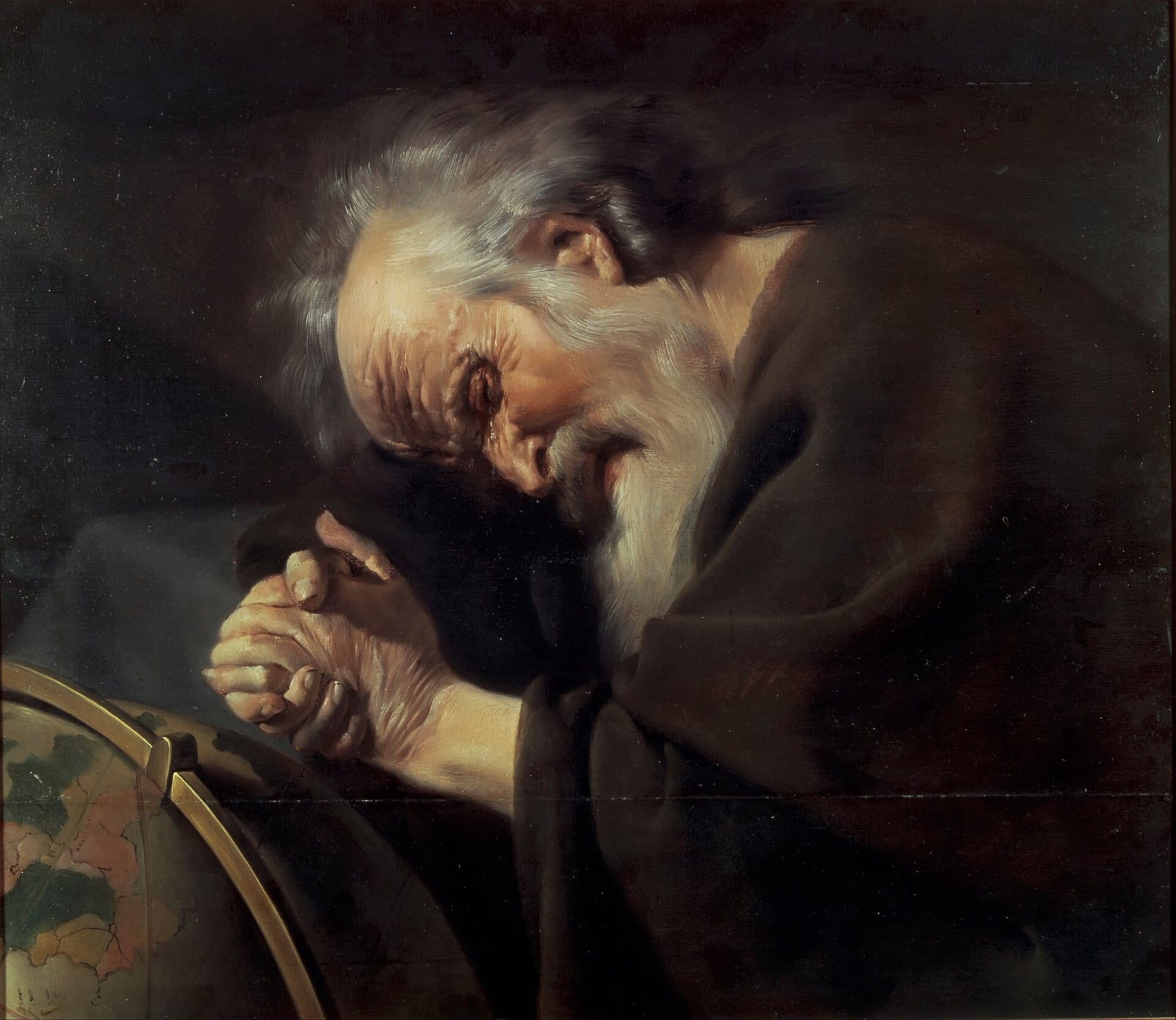
Heraclitus
يتّفقان في: ما المطلق؟ هل الله موجود؟ · من أنا؟ هل توجد ذات حقيقية؟ · لماذا نتألّم؟
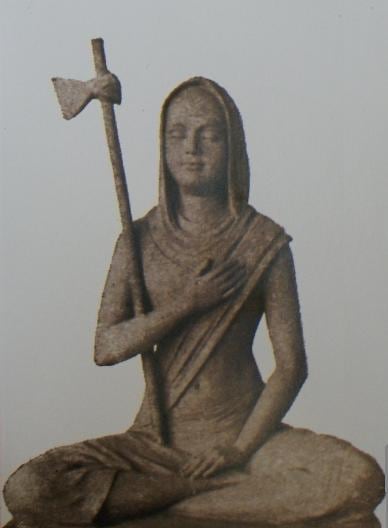
Gaudapada
يتّفقان في: ما المطلق؟ هل الله موجود؟ · من أنا؟ هل توجد ذات حقيقية؟ · لماذا نتألّم؟
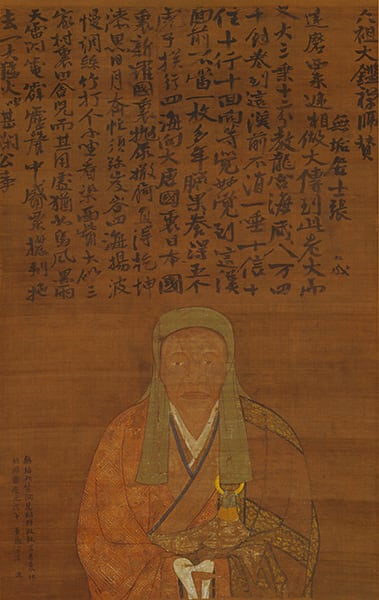
Huineng
يتّفقان في: ما المطلق؟ هل الله موجود؟ · من أنا؟ هل توجد ذات حقيقية؟ · لماذا نتألّم؟
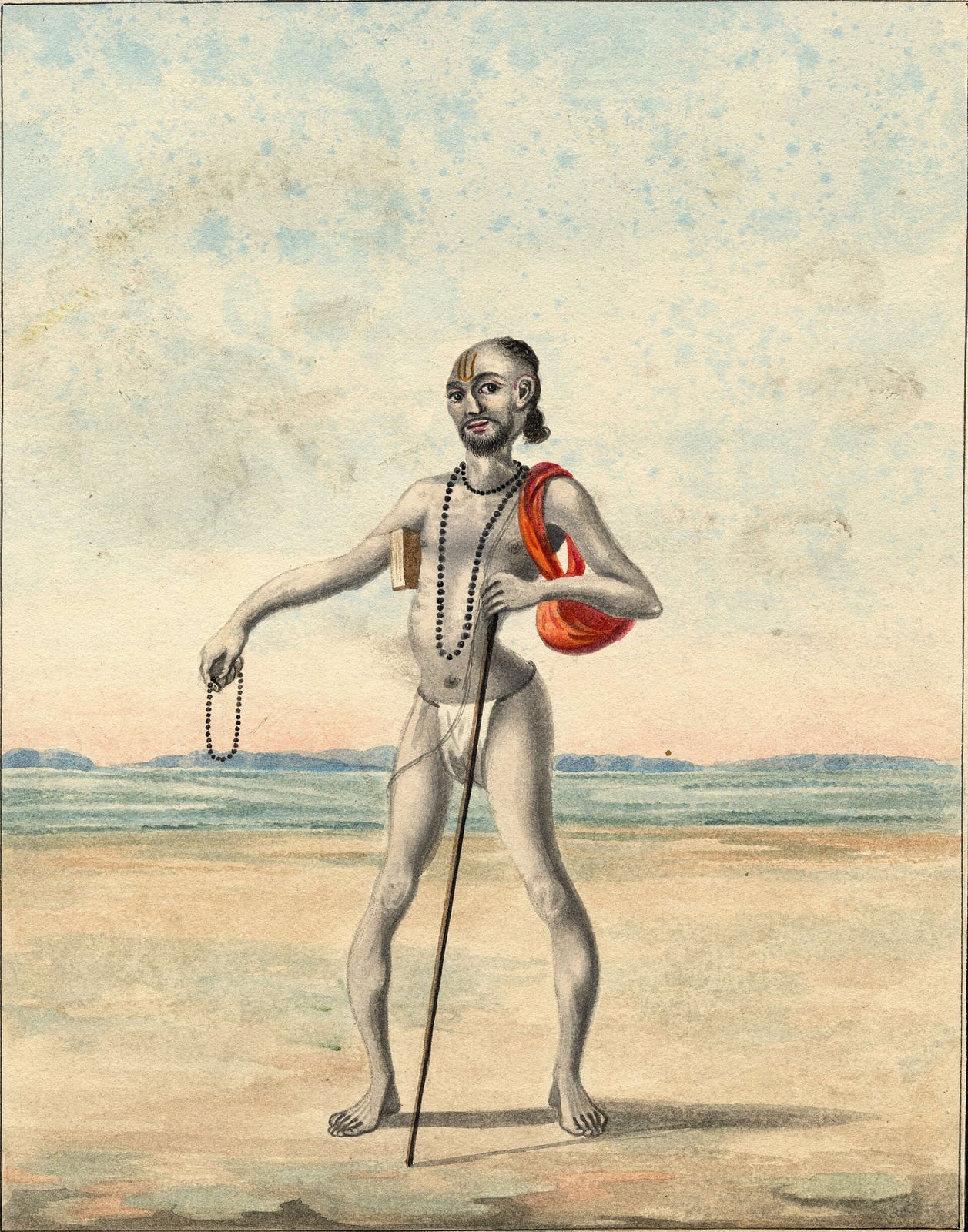
Ashtavakra
يتّفقان في: ما المطلق؟ هل الله موجود؟ · من أنا؟ هل توجد ذات حقيقية؟ · لماذا نتألّم؟

حكايات وروايات
حكايات وروايات
موثّق1656
The herem
أصل الرواية: The text is preserved in the community's book of ordinances (Stadsarchief Amsterdam) and is edited and analysed by Nadler and Wikipedia; the reasons are a matter of conjecture.
المصدر: Nadler, Steven. Spinoza: A Life. Cambridge: Cambridge University Press, 1999 (2.ª ed. 2018). ISBN 9780521552103.
مختلَف فيهc. 1656
The knife at the exit
أصل الرواية: Bayle, Dictionnaire historique et critique (1697), art. 'Spinoza'; Colerus, Life (1705), correcting Bayle from the Van der Spycks' testimony. The detail of the coat comes from later traditions.
شهادة1672
Ultimi barbarorum
أصل الرواية: Leibniz records it in a note as something Spinoza himself told him during the 1676 visit; Nadler and the biographical tradition report it.
المصدر: Nadler, Steven. Spinoza: A Life. Cambridge: Cambridge University Press, 1999 (2.ª ed. 2018). ISBN 9780521552103.
شهادة1673
'I am a good republican'
أصل الرواية: Colerus, Life (1705), from Van der Spyck's testimony. Stouppe's role and Condé's absence are recorded in Colerus and Lucas.
موثّق1673
The chair he did not want
أصل الرواية: Letters 47 (Fabritius, 16 February 1673) and 48 (Spinoza, 30 March 1673), published in the Opera posthuma.
شهادة1671-1677
Spiders, a pipe and a single bed
أصل الرواية: Colerus, Life (1705); the detail of the inheritance and the bed also in Colerus. Indirect testimony of the landlords, gathered almost thirty years later.
موثّق1676
Three days with Leibniz
أصل الرواية: Documented by Leibniz's notes and correspondence and by Leibniz's 1671 letter to Spinoza published in the Opera posthuma.
المصدر: Wikipedia (en), «Baruch Spinoza»; y (es), «Baruch Spinoza».
التعاليم
التعاليم
المفاهيم التي ينتظم بها فكره، مشروحة في سياقها.
Deus sive Natura: God or Naturedeus-sive-natura
A radical reworking of the Cartesian notion of substance; it has disputed antecedents in Jewish mysticism and Giordano Bruno.
Substance, attributes and modesatributos-y-modos
Ethics, Parts I and II.
Conatus and the affectsconatus
Ethics, Part III; antecedents in Hobbes and the Stoics.
The three kinds of knowledgetres-generos-de-conocimiento
Ethics, II, proposition 40, scholium 2; antecedent in the four modes of perception of the Treatise on the Emendation of the Intellect.
Necessity, bondage and freedomlibertad-y-servidumbre
Ethics, Parts IV and V; Letter 58 to Schuller (the stone that believes itself free).
Intellectual love of God and eternity of the mindamor-intellectualis-dei
Ethics, V, propositions 21-42; the expression sub specie aeternitatis.
Freedom to philosophise and critique of Scripturelibertas-philosophandi
Theological-Political Treatise; antecedents in Hobbes, Ibn Ezra and Uriel da Costa.
مقاطع الفيديو
مقاطع الفيديو
تسجيلات ومقابلات وأفلام وثائقية. تُشغَّل مقاطع الفيديو من YouTube؛ ولا تُستضاف هنا.
Steven Nadler on Spinoza and the Herem
محاضرة· EN· 68 min
Institute for Tolerance Studiesالقناة الرسمية
Spinoza on the Divinity of Scripture | Prof. Steven Nadler
محاضرة· EN· 73 min
The Van Leer Jerusalem Instituteالقناة الرسمية
Spinozarede 2025 Steven Nadler
محاضرة· EN· 2025· 58 min
Stichting Spinoza Den Haagالقناة الرسمية
Steven Nadler, Spinoza and Menasseh..., Spinoza's Ethics... - 20-21 maggio 2019
محاضرة· EN· 2019· 171 min
SNS Humanities (Scuola Normale Superiore)القناة الرسمية
The Philosophy of Spinoza & Leibniz - Bryan Magee & Anthony Quinton (1987)
مقابلة· EN· 1987· 44 min
Philosophy Overdose
Why Study Baruch Spinoza with Agata Bielik-Robson
محاضرة· EN· 12 min
University of Nottinghamالقناة الرسمية
Spinoza, religio, and the re-conceiving of religion, God and Nature w/ Clare Carlisle
مقابلة· EN· 82 min
John Vervaeke's Lectern
Spinoza | Por Darío Sztajnszrajber
محاضرة· ES· 142 min
Facultad Libre
Spinoza materialista. Gabriel Albiac
محاضرة· ES· 61 min
Cima & Holzenthal
El papel del Tractatus Politicus en la estructura de la Ética de Spinoza. Gabriel Albiac
محاضرة· ES· 2024· 112 min
Sociedad Filosofía Alicante
Diego Tatián: Spinoza y la filosofía de la liberación
مقابلة· ES· 39 min
Canal Abierto
Grandes documentales: Baruch Spinoza y Gottfried Leibniz
فيلم وثائقي· ES· 53 min
ABC TV Paraguay
Gilles Deleuze : cours sur Spinoza n°1/14 (remasterisé en 2023)
محاضرة· FR· 1980· 124 min
Louis Simon
Pourquoi il faut relire Spinoza aujourd'hui
مقابلة· FR· 39 min
France Cultureالقناة الرسمية
Spinoza | The Apostle of Reason, 1994
المشاهدة على YouTube
لا يسمح هذا الفيديو بالتضمين؛ وسيُفتح على YouTube.
Spinoza | The Apostle of Reason, 1994
فيلم وثائقي· EN· 1994· 51 min
STEFAN CLASSIC FILMS
المعرض
المعرض
صور بترخيص متحقَّق منه. كل منها تحتفظ بمؤلّفها ونسبتها.
المخطوطات
المخطوطات
شواهد مخطوطة ونصوص قديمة، مع جهة حفظها وشروط الاطّلاع عليها.
LA · Latin · c. 1675
Ethica ordine geometrico demonstrata
- الشاهد المحفوظ
- Copia manuscrita completa anterior a la edición de 1677
- جهة الحفظ
- Biblioteca Apostolica Vaticana · Vat. lat. 12838
NL · Latin · c. 1660-1662
Korte verhandeling van God, de mensch en deszelvs welstand (códice A)
- الشاهد المحفوظ
- Copia de finales del siglo XVII
- جهة الحفظ
- Koninklijke Bibliotheek, La Haya · 75 G 15
NL · Latin · c. 1660-1662
Korte verhandeling van God, de mensch en deszelvs welstand (códice B)
- الشاهد المحفوظ
- Copia de mediados del siglo XVIII, revisión de A
- جهة الحفظ
- Koninklijke Bibliotheek, La Haya
العلاقات
العلاقات
تأثيرات وتلمذة وتقارب في الأفكار. تُميَّز العلاقة الموثّقة عن التشابه المستخلَص بالتحليل.
تأثّر بـ
Thomas Hobbes
His theory of natural right as power and his biblical criticism engage with Leviathan.
علاقة موثّقة
اختلف مع
The Theological-Political Treatise expressly criticises his method of accommodating Scripture to philosophy.
علاقة موثّقة
تأثّر بـ
René Descartes
His starting point: he expounded his Principles in 1663 and built his system in critical dialogue with him.
علاقة موثّقة
تأثّر بـ
Uriel da Costa
A relative on his mother's side; his heterodoxy and excommunication marked the community in which Spinoza grew up.
علاقة موثّقة
التقى بـ
Gottfried Wilhelm Leibniz
Correspondence from 1671 and a visit of several days in The Hague in November 1676.
علاقة موثّقة
تراسل مع
Henry Oldenburg
Secretary of the Royal Society; his most frequent correspondent (1661-1676).
علاقة موثّقة
التقى بـ
Christiaan Huygens
A neighbour at Voorburg; he praised his lenses and they discussed optics.
علاقة موثّقة
تلميذ
Franciscus van den Enden
His teacher of Latin and modern philosophy in Amsterdam.
علاقة موثّقة
معاصر لـ
Johan de Witt
Republican Grand Pensionary whose murder in 1672 outraged him; some biographers credit him with a pension from De Witt, which is unproven.
علاقة موثّقة
أفكار قريبة من
Estoicos
An ethics of understanding necessity and of serenity before the passions.
تشابه مستخلَص بالتحليل
أفكار قريبة من
Identification of God with the rational nature of the cosmos and life according to reason.
تشابه مستخلَص بالتحليل
أفكار قريبة من
A mysticism of union with God through knowledge, in another theological frame.
تشابه مستخلَص بالتحليل
أثّر في
Critically discussed Spinoza's impersonal God from his philosophy of dialogue.
تشابه مستخلَص بالتحليل
أثّر في
Albert Einstein
Declared in 1929 that he believed in Spinoza's God, who reveals himself in the harmony of what exists.
علاقة موثّقة
أثّر في
G. W. F. Hegel
Declared that one is either a Spinozist or no philosopher at all; the pantheism controversy made Spinoza an interlocutor of German idealism.
علاقة موثّقة
مرتبط من صفحات أخرى
المصادر
المصادر
المراجع والفهارس التي رُوجعت لهذه الصفحة.
- Nadler, Steven. Spinoza: A Life. Cambridge: Cambridge University Press, 1999 (2.ª ed. 2018). ISBN 9780521552103.
- Nadler, Steven. «Baruch Spinoza». The Stanford Encyclopedia of Philosophy, publicado el 29-6-2001, revisión sustantiva del 8-11-2023.
- Wikidata, «Benedictus de Spinoza» (Q35802).
- Wikipedia (en), «Baruch Spinoza»; y (es), «Baruch Spinoza».
- Colerus, Johannes. Korte, dog waaragtige levens-beschryving van Benedictus de Spinosa. Ámsterdam, 1705; trad. francesa «La Vie de B. de Spinosa» (1706), en Œuvres de Spinoza, trad. Émile Saisset, t. II, París, Charpentier, 1861 (Wikisource).
- B. d. S. Opera posthuma. [Ámsterdam: Jan Rieuwertsz], 1677; y De nagelate schriften van B. d. S., trad. Jan Hendriksz Glazemaker, 1677.
- Spinoza, Benedictus de. Ethica ordine geometrico demonstrata (texto latino en Wikisource, a partir de la ed. bilingüe de Appuhn, Garnier, 1913); The Ethics, trad. R. H. M. Elwes (Londres, 1883), Project Gutenberg #3800.
- Spinoza, Benedictus de. Tractatus theologico-politicus. «Hamburgi» [Ámsterdam], 1670 (texto latino en Wikisource, ed. Gebhardt); A Theologico-Political Treatise, trad. R. H. M. Elwes (1883), Project Gutenberg #989-992.
- Spinoza, Benedictus de. Tractatus politicus, en Opera posthuma, 1677 (texto latino en Wikisource).
- Wikipedia (en), «Epistolae (Spinoza)» y «List of Epistolae (Letters) of Spinoza» (88 cartas: 50 de Spinoza, 38 de sus corresponsales).
- Spruit, Leen, y Pina Totaro (eds.). The Vatican Manuscript of Spinoza's Ethica. Leiden: Brill, 2011. ISBN 9789004209268.
- Koninklijke Bibliotheek (La Haya), «Korte verhandeling van God, de mensch, en deszelvs welstand by Baruch Spinoza» (KB 75 G 15) y colección especial «Benedictus de Spinoza»; Cambridge Spinoza Lexicon, «Short Treatise on God, Man and His Wellbeing».
- Bayle, Pierre. Dictionnaire historique et critique, art. «Spinoza». Rotterdam: Reinier Leers, 1697.
- Lucas, Jean-Maximilien. La Vie de feu Monsieur de Spinosa (1719), en Œuvres de Spinoza, trad. Saisset, t. II, 1861 (Wikisource).
- Open Library, ediciones de Spinoza (Ethica, Tratado teológico-político, Tratado político, Correspondencia, Collected Works de Curley, Complete Works de Shirley, Opere de Mignini, etc.).
- Wikisource: «Scriptor:Benedictus de Spinoza» (la), «Auteur:Baruch Spinoza» (fr), «Author:Benedictus de Spinoza» (en) y «Autore:Baruch Spinoza» (it).
- صاحب الحقوق
- Dominio público (el autor murió en 1677). Las traducciones modernas pertenecen a sus traductores y editoriales.
في انتظار التأكيد
ما لم تتمكّن هذه الصفحة من حسمه بعد. نفضّل أن نقول ذلك على أن نملأ الفراغ.
- Sala de lectura en español: no se ha localizado ninguna traducción española en dominio público con texto en línea. La Ética de Manuel Machado (Garnier, 1913) quedará libre en España el 1-1-2028 (murió en 1947); conviene buscar un texto digitalizado limpio para entonces.
- Correspondencia completa en inglés (Elwes, 1883-1884) solo está en escaneos de Internet Archive y en sacred-texts.com, que bloqueó la consulta; verificar una fuente de texto limpio.
- Principios de la filosofía de Descartes, Pensamientos metafísicos y Compendio de gramática hebrea: las páginas latinas enlazadas desde Wikisource no existen aún; buscar texto latino limpio (p. ej., ed. Van Vloten-Land o Bruder en Internet Archive, OCR por revisar).
- Confirmar el año de muerte de R. H. M. Elwes (Project Gutenberg indica 1892) y la signatura del códice B del Tratado breve en la Koninklijke Bibliotheek.
- Precisar el editor de la Hebrew Grammar de M. J. Bloom (Londres, 1963) y añadir ediciones con ISBN en ruso, hebreo y árabe (p. ej., el Tratado teológico-político traducido por Hasan Hanafi).
- Relaciones con slugs fuera del catálogo (rene-descartes, thomas-hobbes, uriel-da-costa, gottfried-wilhelm-leibniz, henry-oldenburg, christiaan-huygens, franciscus-van-den-enden, johan-de-witt, estoicismo, albert-einstein, g-w-f-hegel).
- Vídeos: no hay grabaciones de universidades o televisiones públicas españolas sobre Spinoza localizadas por la búsqueda; los documentales en español son divulgativos.
بُحث بتاريخ 2026-10-25