الإسلام · التصوف
Al-Ghazali
أبو حامد محمد بن محمد الغزالي الطوسي · حجة الإسلام · ابوحامد محمد غزالی
نحو 1058 – 1111شخصية موثّقة تاريخيًا
فقيه شافعي ومتكلّم أشعري وصوفي فارسي (طوس، نحو 1058 – طوس، 1111)، لُقّب بـ«حجة الإسلام» وعرفته أوروبا اللاتينية باسم «ألغازيل». درّس في نظامية بغداد، ونقد الفلاسفة في «تهافت الفلاسفة»، ثم ترك التدريس سنة 1095 م سالكًا طريق الصوفية، بعد الأزمة التي رواها في سيرته الذاتية «المنقذ من الضلال». وقد أدخل كتابه «إحياء علوم الدين»، في أربعين كتابًا، التصوّفَ في الحياة الدينية لأهل السنة، وهو من أكثر الكتب قراءةً في الإسلام بعد القرآن والحديث.
- مؤلَّفًا
- 44مؤلَّفًا
- طبعة
- 86طبعة
- اقتباسًا
- 9اقتباسًا
- مقطع فيديو
- 13مقطع فيديو
- صورة
- 7صورة
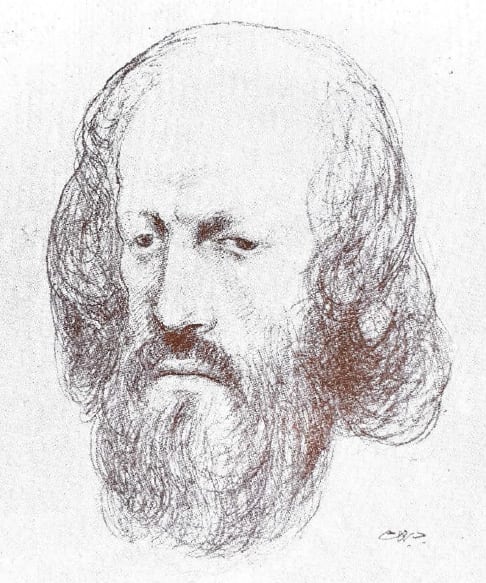
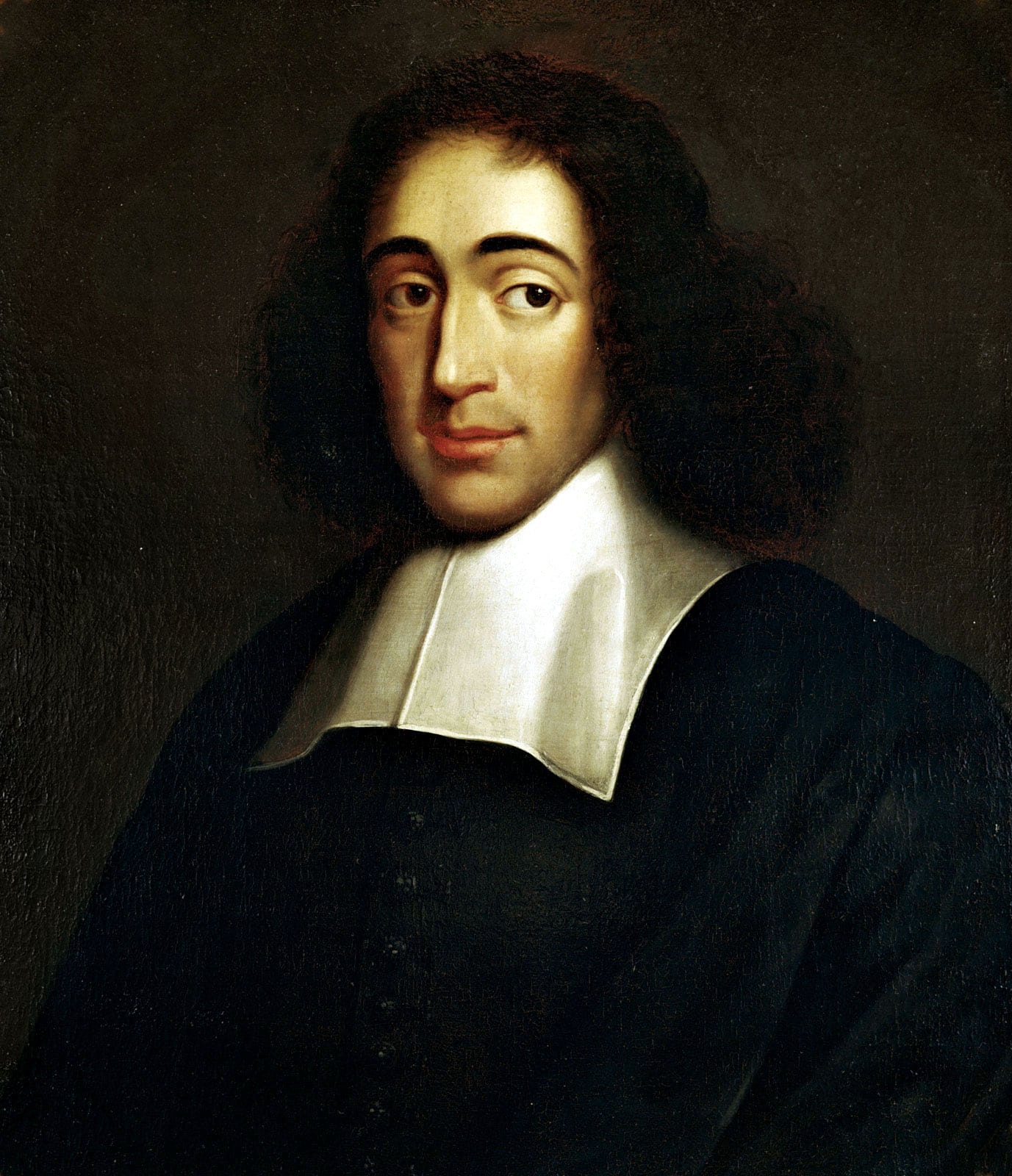
Al-Ghazali según Khalil Gibran · Public domain
بكلماته
«وقد كان التعطش إلى درك حقائق الأمور دأبي وديدني من أول أمري وريعان عمري، غريزة وفطرة من الله وضعتا في جبلتي، لا باختياري وحيلتي»al-Munqidh min al-dalal, introducción (texto árabe de Wikisource; trad. inglesa de Claud Field, 1909; trad. española propia)

فكرته المحورية
Certainty (yaqin) and the light in the breast: The *Munqidh* defines certainty as knowledge in which the known is disclosed so as to leave no room for doubt or the possibility of error.
السيرة
4 دقيقة قراءة
ترجمة مُعانة من الأصل الإسباني، بانتظار مراجعة مترجم من أهل اللغة.
يتيمٌ من طوس
وُلد أبو حامد محمد بن محمد الغزالي في الطابَران، إحدى بلدتَي طوس في خراسان، على نحو خمسة وعشرين كيلومترًا من مشهد الحالية. ويجعل المترجمون القدامى مولده سنة 450 هـ، الموافقة لسنتي 1058–1059 م؛ غير أن فرانك غريفل لاحظ أن إشاراته إلى سنّه في رسائله وفي سيرته الذاتية تدلّ بالأحرى على سنة 448 هـ/1056 م، بل على 1055 م. وبحسب الرواية التي حفظها السبكي، كان أبوه يغزل الصوف ويبيعه في دكانه — ومن هنا نسبة «الغزّالي» بالتشديد، التي تنازعها نسبة «الغزالي» بالتخفيف إلى قرية تُدعى غزالة — فلما حضرته الوفاة أوصى بولديه محمد وأحمد إلى صديق له صوفي، فعلّمهما حتى نفد ما خلّفه لهما أبوهما من يسير المال، ثم أشار عليهما بالالتحاق بمدرسة يُجرى فيها القوت على الطلبة. وقد سار الأخوان في طريقين متوازيين: فصار أحمد واعظًا وشيخًا صوفيًّا، وألّف «السوانح»، أول رسالة فارسية كبرى في العشق الصوفي.
من جرجان إلى بلاط الوزير
بعد أن قرأ طرفًا من الفقه في طوس وجرجان، انتقل إلى نيسابور ليلازم إمام الحرمين الجويني، أكبر متكلّمي الأشاعرة وفقهاء الشافعية في عصره؛ وفيها صحب أيضًا الشيخ الصوفي أبا علي الفارمذي. ولما توفي الجويني سنة 478 هـ/1085 م، التحق الشاب بمعسكر نظام الملك المتنقّل، وزير السلاطين السلاجقة الذي أنشأ شبكة المدارس المنسوبة إليه. وفي سنة 484 هـ/1091 م ولّاه الوزير التدريس في نظامية بغداد، أرفع كرسيّ علمي في العالم السني. وكان قد جاوز الثلاثين بقليل، وله من المكانة ما يُسمع به صوته عند الخليفة والسلطان معًا.
بغداد: المدرّس والفلاسفة
درّس الغزالي في بغداد الفقه الشافعي لمئات الطلبة، وصرف — كما يروي هو نفسه — أوقات فراغه إلى قراءة الفلاسفة الآخذين عن اليونان قراءةً منفردة، ولا سيما الفارابي وابن سينا. فخرج من ذلك كتابان يكمّل أحدهما الآخر: «مقاصد الفلاسفة»، وهو عرض أمين لمذهب ابن سينا، و«تهافت الفلاسفة»، الذي فرغ منه في النصف الأول من المحرّم سنة 488 هـ (كانون الثاني/يناير 1095 م)، وفيه يناقش عشرين من مسائلهم، ويحكم بأن ثلاثًا منها تخالف الإسلام: القول بقدم العالم، وبأن الله لا يعلم الجزئيات، وإنكار بعث الأجساد. وفيه تحليله الشهير للسببية: فاحتراق القطن عند ملاقاة النار عادةٌ يخلقها الله، لا اقترانٌ ضروري. وكتب كذلك، بطلب من الخليفة المستظهر، ردًّا على الإسماعيلية الباطنية الذين نُسب إليهم اغتيال نظام الملك سنة 1092 م، وهو المعروف بـ«فضائح الباطنية».
أزمة سنة 488 هـ
تروي السيرة الذاتية التي كتبها في أواخر عمره، «المنقذ من الضلال»، أزمة تلك السنوات بصراحة لا سابقة لها في الأدب العربي. فقد دامت نوبةُ شكٍّ أولى نحو شهرين، ثم انحلّت، كما يقول، لا «بنظم دليل وترتيب كلام، بل بنور قذفه الله تعالى في الصدر». وكانت الأزمة الثانية أخلاقية: إذ أدرك أن علم الصوفية لا يُحصَّل بالتعلّم من الكتب، بل بالذوق، وأن الباعث على سيرته العلمية طلبُ الجاه وانتشار الصيت. فظلّ ستة أشهر، أولها رجب سنة 488 هـ (تموز/يوليو 1095 م)، مترددًا بين جواذب الدنيا ودواعي الآخرة؛ حتى «أقفل الله على لساني حتى اعتُقل عن التدريس»، كما يكتب، وضعفت شهيته، وقطع الأطباء طمعهم في العلاج. وفي ذي القعدة سنة 488 هـ (تشرين الثاني/نوفمبر 1095 م) خرج من بغداد مُظهِرًا عزم الحج، وخلّف أخاه أحمد على التدريس. ويختلف المؤرخون في مقدار ما أسهم به في هذا القرار خيبةُ الأمل الروحية، ومقدار ما أسهم به الخوف من العنف السياسي بعد مقتل نظام الملك ووفاة السلطان ملكشاه: فـ«المنقذ» إعادةُ بناءٍ لاحقة ذات غاية دفاعية، لا يومياتٌ مدوّنة.
عشر سنوات من العزلة
أقام نحو سنتين في الشام؛ وكان في دمشق يعتكف في منارة الجامع الأموي. وزار بيت المقدس ومشهد الخليل إبراهيم عليه السلام في الخليل، حيث عاهد الله سنة 489 هـ/1096 م ألّا يخدم سلطانًا، ولا يأخذ من السلطان مالًا، ولا يناظر مناظرة تعصّب؛ ثم حجّ إلى مكة والمدينة، وعاد عن طريق دمشق وبغداد إلى طوس، فاتخذ فيها مدرسة صغيرة وخانقاه للصوفية. وفي تلك السنين ألّف كتابه الأكبر، «إحياء علوم الدين»: أربعون كتابًا في أربعة أرباع — العبادات، والعادات، والمهلكات، والمنجيات — أدخل بها التصوف في الحياة اليومية للمؤمن. واختصره بالفارسية في «كيمياى سعادت» (كيمياء السعادة). وفي المغرب المرابطي لقي الكتاب عداءً: ففي سنة 1109 م أُحرق «الإحياء» علنًا في قرطبة بتحريض من الفقهاء المالكية.
العودة إلى التدريس
وفي سنة 499 هـ/1106 م أقنعه فخر الملك، ابن نظام الملك ووزير سنجر في خراسان، بالعودة إلى التدريس في نظامية نيسابور. فنقض الغزالي عهد الخليل، مقتنعًا، كما يكتب، بأن الله يبعث على رأس كل مائة سنة من يجدّد لهذه الأمة دينها، وأن المائة السادسة للهجرة كانت من نصيبه هو. ونحو سنة 503 هـ/1109 م استُدعي إلى مجلس سنجر بسبب ما رماه به خصومه، فخرج بريئًا؛ وفي السنة نفسها أتمّ «المستصفى من علم الأصول»، كتابه الكبير في أصول الفقه. وقضى أشهره الأخيرة في طوس، حيث توفي، بحسب رواية أخيه أحمد التي نقلها ابن الجوزي، صبيحة يوم الاثنين الرابع عشر من جمادى الآخرة سنة 505 هـ، الموافق 18 كانون الأول/ديسمبر 1111 م: «توضأ أخي أبو حامد وصلّى، وقال: عليّ بالكفن، فأخذه وقبّله ووضعه على عينيه»، ثم مدّ رجليه واستقبل القبلة.
حجة الإسلام
لقّبه الخلف بـ«حجة الإسلام»، ورأت التقاليد السنية في «الإحياء» الكتابَ الذي وفّق بين الشريعة وعلم الكلام والحياة الروحية. ويبلغ ما يصحّ من مؤلفاته ستين أو سبعين عنوانًا، لكن الفهارس القديمة تنسب إليه نحو ثلاثمائة غيرها، ولا يزال النقد الحديث، منذ موريس بويج ومونتغمري وات، يناقش نسبة نصوص مثل «مشكاة الأنوار» و«منهاج العابدين» و«أيها الولد» أو القسم الثاني من «نصيحة الملوك». وعرفته أوروبا اللاتينية باسم «ألغازيل» (Algazel)، ولا سيما بوصفه صاحب منطقٍ وإلهياتٍ لم يكونا في الحقيقة سوى العرض السينوي الوارد في «المقاصد». وردّ ابن رشد على «التهافت» بكتابه «تهافت التهافت»؛ أما المقولة الشائعة بأن الغزالي «قتل الفلسفة في الإسلام» فقد راجعتها الدراسات التاريخية الحديثة، مبيّنةً إلى أي حدّ استوعب علم الكلام المتأخر المنطقَ والإلهياتِ اللذين علّم هو كيف يُستعملان.
المصادر: al-Ghazali. al-Munqidh min al-dalal. Texto árabe en Wikisource; trad. inglesa de Claud Field, The Confessions of Al Ghazzali, Londres: John Murray (Wisdom of the East), 1909. · al-Ghazali. Mishkat al-anwar («The Niche for Lights»). Trad. e introd. de W. H. T. Gairdner. Londres: Royal Asiatic Society (Monographs, vol. XIX), 1924; reimpr. Lahore: Sh. Muhammad Ashraf, 1952. · Bouyges, Maurice. Essai de chronologie des œuvres de al-Ghazali (Algazel). Ed. Michel Allard. Beirut: Imprimerie Catholique, 1959. · Badawi, Abd al-Rahman. Mu'allafat al-Ghazali. El Cairo, 1961; 2.ª ed., Kuwait, 1977. · Watt, W. Montgomery. Muslim Intellectual: A Study of al-Ghazali. Edimburgo: Edinburgh University Press, 1963; y «The Authenticity of the Works Attributed to al-Ghazali», Journal of the Royal Asiatic Society, 1952.
الخط الزمني
الحياة عامًا بعد عام
كل نقطة حدث موثّق. انقر لتقرأه مع مصدره ودرجة اليقين فيه.
نحو 1058أقل من عامTabarán, Tus (Jorasán)
Birth in Tus
Born in Tabaran (Tus, Khorasan) in 450 AH (1058–1059), according to medieval biographers; Griffel proposes 448/1056 or 1055 on the basis of his own letters.
مرجَّحBöwering, Gerhard. «Ḡazālī, Abū Ḥāmed Moḥammad i. Biography». Encyclopædia Iranica, vol. X, fasc. 4 (2001), ed. en línea.
بعد وفاته
- نحو 1150Algazel in Latin Europe
- نحو 1180Averroes replies: Tahafut al-tahafut
نحو 1058 · أقل من عام
Birth in Tus
Born in Tabaran (Tus, Khorasan) in 450 AH (1058–1059), according to medieval biographers; Griffel proposes 448/1056 or 1055 on the basis of his own letters.
مرجَّح
نحو 1075
Studies in Jurjan and Nishapur
After studying law in Tus and Jurjan, he trains in Nishapur under al-Juwayni (Ash'ari theology, Shafi'i law) and comes to know the Sufi Abu Ali al-Farmadhi.
مرجَّح
1085
In the service of Nizam al-Mulk
With al-Juwayni dead (478 AH), he joins the camp and court of the Seljuq vizier Nizam al-Mulk.
موثّق
1091
Professor at the Baghdad Nizamiyya
Appointed by Nizam al-Mulk in 484 AH (1091), he teaches Shafi'i law at the most prestigious madrasa of the Sunni world.
موثّق
1092
Assassination of Nizam al-Mulk
The vizier is assassinated (485 AH), a crime attributed to the Nizari Isma'ilis; shortly afterwards Sultan Malikshah dies.
موثّق
يناير 1095
Completes the Tahafut al-falasifa
Completes the "Incoherence of the Philosophers" in the first fortnight of 488 AH (January 1095), after setting out their doctrine in the Maqasid.
موثّق
يوليو 1095
The crisis: the locked tongue
From Rajab 488 (July 1095) he wavers for six months between career and the Sufi path; he becomes unable to speak in class, according to the Munqidh.
موثّق
نوفمبر 1095
Leaves Baghdad
In Dhu l-Qa'da 488 (November 1095) he hands the chair to his brother Ahmad and leaves on the pretext of pilgrimage.
موثّق
1096
Damascus, Jerusalem, Hebron and Mecca
Retreat in the minaret of the Damascus mosque; in Hebron he vows never to serve the powerful (489 AH); pilgrimage to Mecca and Medina.
موثّق
نحو 1097
Return to Tus; the Ihya
After passing through Baghdad (490 AH) he settles in Tus, opens a school and a Sufi convent and composes the Ihya ulum al-din and, in Persian, the Kimiya-yi saadat.
مرجَّح
1106
Returns to teach in Nishapur
In 499 AH, invited by Fakhr al-Mulk, Sanjar's vizier, he teaches at the Nishapur Nizamiyya; he presents himself as the century's renewer.
موثّق
نحو 1109
Before Sanjar; the Ihya burned in Cordoba
Around 503 AH he is summoned before Sanjar and acquitted; he completes al-Mustasfa. In Almoravid Cordoba the Ihya is publicly burned.
مرجَّح
18 ديسمبر 1111 · 53 عامًا
Death in Tus
Dies at dawn on Monday 14 Jumada al-Akhira 505 (18 December 1111), according to his brother Ahmad's account transmitted by Ibn al-Jawzi.
موثّق
نحو 1150
Algazel in Latin Europe
Dominicus Gundissalinus and John of Spain translate the Maqasid into Latin (Logica et philosophia Algazelis); Europe will read him as an Avicennian philosopher.
موثّق
نحو 1180
Averroes replies: Tahafut al-tahafut
Ibn Rushd writes the "Incoherence of the Incoherence", a point-by-point refutation of the Tahafut.
موثّق
المؤلَّفات
المؤلَّفات الأساسية
المؤلَّفات التي لا يُفهم إرثه من دونها.
مؤلَّف مكتوب · نحو 1097
إحياء علوم الدين (Ihya' 'ulum al-din)
Al-Ghazali's major work and one of the most widely read in Islam: a complete guide to religious life in four "quarters" of ten books each. The first two deal with worship and customs (prayer, fasting, eating, marriage, trade, friendship, music); the last two with the science of the heart: the vices that destroy the soul (anger, avarice, ostentation, pride) and the virtues that save it (repentance, patience, trust, the love of God). Its thesis is that the scholars of his time had reduced religion to law and polemic, and that its inner life must be restored. It draws on Abu Talib al-Makki and al-Qushayri but reorganises their material into a system of its own.
12 طبعة · amazon.com

مؤلَّف مكتوب · 1095
تهافت الفلاسفة (Tahafut al-falasifa)
A refutation of twenty theses of the Aristotelian philosophers, above all Avicenna, using their own logical methods. Three of them (the eternity of the world, that God knows only universals, and the denial of bodily resurrection) are in his judgement unbelief; the other seventeen, innovations. The seventeenth question contains his analysis of causality: the connection between what we call cause and effect is not necessary but a habit created by God, as the example of cotton and fire shows. Averroes replied with the *Tahafut al-tahafut*.
5 طبعات · amazon.com

مؤلَّف مكتوب · نحو 1108
المنقذ من الضلال (al-Munqidh min al-dalal)
Al-Ghazali's intellectual autobiography, written in reply to a "brother in faith" who asks how he reached the truth. It recounts his sceptical crisis, cured by a light God placed in his breast, and examines the four classes of seekers (theologians, philosophers, Isma'ilis and Sufis) to conclude that only the Sufi path, known by experience and not by definition, gives certainty. It also relates his departure from Baghdad and his return to teaching. It has often been compared to Saint Augustine's *Confessions*.
8 طبعات · amazon.com

مؤلَّف مكتوب · نحو 1105
The Alchemy of Happiness
کیمیای سعادت (Kimiya-yi sa'adat)
A shorter, reorganised Persian version of the *Ihya*. Four opening "headings" (knowledge of self, of God, of the world and of the hereafter) precede four "pillars" corresponding to the quarters of the *Ihya*. Its starting point is that knowledge of self is the key to knowledge of God, and its central image is the heart as a mirror that "alchemical" discipline polishes until it reflects the divine. It is one of the great works of eleventh-century Persian prose.
7 طبعات · amazon.com
جميع مؤلَّفاته (44)
Al-Ghazali
البسيط في المذهب (al-Basit fi l-madhhab)
The Conscious Libraryالبسيط في المذهب (al-Basit fi l-madhhab)
1088
Al-Ghazali
الوسيط في المذهب (al-Wasit fi l-madhhab)
The Conscious Libraryالوسيط في المذهب (al-Wasit fi l-madhhab)
1090
Al-Ghazali
الوجيز في فقه الإمام الشافعي (al-Wajiz)
The Conscious Libraryالوجيز في فقه الإمام الشافعي (al-Wajiz)
1101
Al-Ghazali
خلاصة المختصر ونقاوة المعتصر (Khulasat al-mukhtasar)
The Conscious Libraryخلاصة المختصر ونقاوة المعتصر (Khulasat al-mukhtasar)
Al-Ghazali
المنخول من تعليقات الأصول (al-Mankhul min ta'liqat al-usul)
The Conscious Libraryالمنخول من تعليقات الأصول (al-Mankhul min ta'liqat al-usul)
1085
Al-Ghazali
شفاء الغليل في بيان الشبه والمخيل ومسالك التعليل (Shifa' al-ghalil)
The Conscious Libraryشفاء الغليل في بيان الشبه والمخيل ومسالك التعليل (Shifa' al-ghalil)
1093
Al-Ghazali
المستصفى من علم الأصول (al-Mustasfa min 'ilm al-usul)
The Conscious Libraryالمستصفى من علم الأصول (al-Mustasfa min 'ilm al-usul)
1109
Al-Ghazali
أساس القياس (Asas al-qiyas)
The Conscious Libraryأساس القياس (Asas al-qiyas)
Al-Ghazali
مقاصد الفلاسفة (Maqasid al-falasifa)
The Conscious Libraryمقاصد الفلاسفة (Maqasid al-falasifa)
1094
Al-Ghazali
معيار العلم في فن المنطق (Mi'yar al-'ilm)
The Conscious Libraryمعيار العلم في فن المنطق (Mi'yar al-'ilm)
1095
Al-Ghazali
محك النظر في المنطق (Mihakk al-nazar)
The Conscious Libraryمحك النظر في المنطق (Mihakk al-nazar)
1095
Al-Ghazali
ميزان العمل (Mizan al-'amal)
The Conscious Libraryميزان العمل (Mizan al-'amal)
1095
Al-Ghazali
القسطاس المستقيم (al-Qistas al-mustaqim)
The Conscious Libraryالقسطاس المستقيم (al-Qistas al-mustaqim)
1100

الاقتصاد في الاعتقاد (al-Iqtisad fi l-i'tiqad)
1095
Al-Ghazali
الرسالة القدسية في قواعد العقائد (al-Risala al-qudsiyya)
The Conscious Libraryالرسالة القدسية في قواعد العقائد (al-Risala al-qudsiyya)
1096

فيصل التفرقة بين الإسلام والزندقة (Faysal al-tafriqa)
1101
Al-Ghazali
قانون التأويل (Qanun al-ta'wil)
The Conscious Libraryقانون التأويل (Qanun al-ta'wil)
1105
Al-Ghazali
إلجام العوام عن علم الكلام (Iljam al-'awamm 'an 'ilm al-kalam)
The Conscious Libraryإلجام العوام عن علم الكلام (Iljam al-'awamm 'an 'ilm al-kalam)
1111
Al-Ghazali
فضائح الباطنية وفضائل المستظهرية (Fada'ih al-Batiniyya; al-Mustazhiri)
The Conscious Libraryفضائح الباطنية وفضائل المستظهرية (Fada'ih al-Batiniyya; al-Mustazhiri)
1095
Al-Ghazali
الرد الجميل لإلهية عيسى بصريح الإنجيل (al-Radd al-jamil)
The Conscious Libraryالرد الجميل لإلهية عيسى بصريح الإنجيل (al-Radd al-jamil)
Al-Ghazali
كتاب الأربعين في أصول الدين (Kitab al-Arba'in fi usul al-din)
The Conscious Libraryكتاب الأربعين في أصول الدين (Kitab al-Arba'in fi usul al-din)
1100

جواهر القرآن ودرره (Jawahir al-Qur'an)
1100

المقصد الأسنى في شرح معاني أسماء الله الحسنى (al-Maqsad al-asna)
1100
Al-Ghazali
الإملاء على مشكل الإحياء (al-Imla' 'ala mushkil al-Ihya')
The Conscious Libraryالإملاء على مشكل الإحياء (al-Imla' 'ala mushkil al-Ihya')
1105
الأقوال
أقوال محدَّدة الموضع في مؤلَّف بعينه. كل منها يحمل مصدره ودرجة الثقة به.
وقد كان التعطش إلى درك حقائق الأمور دأبي وديدني من أول أمري وريعان عمري، غريزة وفطرة من الله وضعتا في جبلتي، لا باختياري وحيلتيمتحقَّق منهal-Munqidh min al-dalal, introducción (texto árabe de Wikisource; trad. inglesa de Claud Field, 1909; trad. española propia)
الكلمات الأخيرة
رواية لاحقة عن شهود
«سمعاً وطاعة للدخول على الملك»سمعاً وطاعة للدخول على الملك
Account of his brother Ahmad al-Ghazali, transmitted by Ibn al-Jawzi in *al-Thabat 'inda l-mamat*: on Monday at dawn he performed his ablutions, prayed, asked for his shroud, kissed it, laid it on his eyes, spoke these words, stretched his legs towards the qibla and died before daybreak. It is a family testimony transmitted by an author of the following century, with features of an exemplary death.
المصدر: Ibn al-Yawzi, Abu l-Faraj. al-Thabat 'inda l-mamat (relato de Ahmad al-Ghazali sobre la muerte de su hermano), citado en la introducción del editor a Jawahir al-Qur'an (texto en Wikisource árabe).
اسأل
بماذا يجيب أثره
اثنا عشر سؤالًا كبيرًا من أسئلة الإنسانية، وما تتيح نصوصه الإجابة به عنها، مع المراجع. ولا نقوّله ما لم يقل أبدًا.
ما المطلق؟ هل الله موجود؟
A living God who creates by will and is the only true light
إله شخصييقوله صراحةً
Al-Ghazali defends, as an Ash'ari theologian, a single God who is living, knowing, powerful and endowed with will, who creates the world from nothing and sustains it at every instant. In The Just Mean in Belief he argues that the world had a beginning and that whatever begins needs someone to bring it into existence; in The Incoherence of the Philosophers he rejects Avicenna's God, from whom the world emanates by necessity, because that God is denied free will and knowledge of particulars. His mystical work does not depersonalise this God but intensifies Him: in The Niche of Lights he holds that the only true light is God and that all other lights are borrowed, and his commentary on the ninety-nine names makes each divine attribute a model the believer can imitate within human measure.
قارن هذا السؤال مع معلّمين آخرينمن أنا؟ هل توجد ذات حقيقية؟
The true self is the heart, a mirror created to know God
روح مخلوقة خالدةيقوله صراحةً
Al-Ghazali opens The Alchemy of Happiness with knowledge of the self, because knowledge of the self is the key to knowledge of God. What man truly is is not the body, which is his mount and his tool, but the heart (qalb): a subtle, spiritual reality of a divine order, able to know God and destined to survive death. The book on the marvels of the heart, in the Revival, describes it as a mirror that is clouded by sins and passions and polished by discipline and remembrance of God, until it reflects the realities of the unseen world. The passional self (nafs), with its appetites, is not the absolute enemy but the animal the heart must govern. The soul is created, not eternal; but its destiny is immortal.
قارن هذا السؤال مع معلّمين آخرينلماذا نتألّم؟
A heart sick with the world is veiled from God
الانفصال عن اللهيقوله صراحةً
Al-Ghazali devotes an entire quarter of the Revival, that of the «vices leading to perdition», to the diseases of the heart: gluttony, lust, anger, envy, love of money and fame, pride, ostentation. They all share one root, love of the world, which clouds the mirror of the heart and veils it from God; that distance is the true misery, here and in the next life. He lived it himself: in Deliverance from Error he tells how, in 1095, God locked his tongue until he could no longer teach, and the physicians said the illness lay in the heart and their art had no remedy for it. Outward afflictions, by contrast, are trials to be borne with patience and gratitude, and they can bring one closer to God.
قارن هذا السؤال مع معلّمين آخرينماذا يحدث بعد الموت؟
Death is the passage to meeting the King, and the body will be raised
الحياة الأبدية والقيامةيقوله صراحةً
Al-Ghazali closes the Revival with an entire book on the remembrance of death and what comes after: the agony, the grave, the resurrection, the judgement, the balance, the bridge, paradise and the fire, and also the vision of God, which is the supreme bliss. The Precious Pearl follows the same itinerary with abundant traditions. Against the philosophers, who admitted only the immortality of the soul, he holds in The Incoherence that denying the resurrection of bodies is unbelief, for nothing prevents God from giving the soul back a body. Remembering death every day is not morbid: it detaches from the world and prepares the encounter. According to his brother Ahmad's account, he died in Tus at dawn, after asking for his shroud and declaring himself ready to enter into the presence of the King.
قارن هذا السؤال مع معلّمين آخرينكيف يُبلَغ التحرّر أو الخلاص؟
Knowing is not enough: the heart must be purified and the path tasted
بالممارسة المنضبطةيقوله صراحةً
Al-Ghazali came to the Sufi way after exhausting theology, philosophy and the teaching of the Ismailis, and what he discovered was that salvation is not reached by reading. In Deliverance from Error he puts it in an image: what a difference there is between knowing the definition of health and satiety and being healthy and sated. The Sufis, he writes, were men of lived states, not of words. That is why the Revival is a programme of practice: acts of worship performed with inner attention, discipline of the soul (riyada), struggle against vices, acquisition of virtues and constant remembrance of God. In the Letter to a Disciple he insists that knowledge without deeds is madness. The goal is knowledge of God, but the path is purification.
قارن هذا السؤال مع معلّمين آخرينهل نحتاج إلى معلّم؟
The disciple needs a master to train him, but not an infallible imam
لا غنى عنهيقوله صراحةً
Al-Ghazali distinguishes two questions. On the spiritual path the master is indispensable: in the Letter to a Disciple and in the Revival's book on the discipline of the soul he explains that whoever seeks God needs a shaykh to train him, to uproot his bad traits of character and replace them with good ones, as the farmer pulls up weeds; the disciple must entrust himself to him as the sick man to the physician. But in matters of religious truth he rejects the authority the Ismailis claimed for their hidden, infallible imam: in Deliverance from Error and in his refutations he holds that the only infallible teacher is the Prophet, and that his teaching is already in the Qur'an and the sunna, within reach of reason and of the scholars.
قارن هذا السؤال مع معلّمين آخرينهل العالم حقيقي؟
A world created anew at every instant, and none better is possible
خلقٌ صالح وحقيقييقوله صراحةً
For al-Ghazali the world is real and good, but it does not sustain itself. In The Incoherence of the Philosophers he denies any necessary connection between what we call cause and effect: cotton does not burn because fire touches it, but because God creates the burning when the contact occurs, according to a custom (ada) He can suspend. The world is thus a continuous work of the divine will. In the Revival's book on divine unity and trust in God he states that there is nothing in the realm of possibility more wonderful than what exists: the present order is the best that could have been. And in The Niche of Lights he adds that the existence of creatures is borrowed, as the moon's light comes from the sun.
قارن هذا السؤال مع معلّمين آخرينما الحب؟
Only God truly deserves love: love crowns the path
الشوق والوصاليقوله صراحةً
Al-Ghazali devotes one of the final books of the Revival to love, longing, intimacy and contentment, and presents it as the goal of all the preceding stations: repentance, patience or trust are preparations for loving. He analyses the causes for which one loves — love of one's own existence, of the benefactor, of beauty, of affinity — and shows that all of them, carried to their end, find a full object only in God, the origin of being, of every good and of all beauty. From love springs the longing to see Him and intimacy with Him. To illustrate pure love he quotes the verses of the two loves attributed to Rabia, thereby making them the canonical example of the tradition.
قارن هذا السؤال مع معلّمين آخرينهل نحن أحرار أم أن كل شيء مقدَّر؟
There is no agent but God: the pen does not write by itself
لا يوجد فاعليقوله صراحةً
In the Revival's book on divine unity and trust in God, al-Ghazali describes the highest degree of faith in unity: to see that there is no agent but God. He illustrates it with a parable: a traveller sees a blackened sheet and questions the ink, which refers him to the pen, which refers him to the hand, which refers him to will, knowledge and power, until all acknowledge that they obey another. Secondary causes are intermediaries; the only actor is God, who also creates human acts. Nevertheless, as an Ash'ari theologian he holds that man acquires (kasb) his acts and answers for them before the law and at the judgement. Trust in God does not abolish effort: the one who trusts goes on working.
قارن هذا السؤال مع معلّمين آخرينلماذا نتأمّل أو نصلّي؟
The rites of the law, lived with presence of heart, transform the believer
الطقس وتهذيب الذاتيقوله صراحةً
Al-Ghazali's great contribution was to give the rites back their soul. The first quarter of the Revival goes through purification, prayer, almsgiving, fasting, pilgrimage, recitation of the Qur'an and remembrance of God, and for each act sets out its outward rules and its inner secrets. Ritual prayer is fully valid only when accompanied by presence of heart, understanding of what is said, reverence, awe, hope and shame. The Beginning of Guidance orders the believer's day from waking to sleep. Beyond the rites lie constant remembrance (dhikr) and retreat (khalwa), which he himself practised for years; but he never set them against the law: Sufi practice flourishes within it.
قارن هذا السؤال مع معلّمين آخرينهل يستطيع العقل أن يعرف الحقيقة القصوى؟
Reason has a limit; beyond it, a light that God casts
الحقيقة القصوى وراء العقليقوله صراحةً
Al-Ghazali was a master of logic, who wrote two manuals to teach it and defended its use in law and theology; in The Incoherence of the Philosophers he fought Avicenna with his own weapons. But Deliverance from Error tells how a crisis of doubt made him distrust both the senses and the first principles of reason, and how he came out of it not through a chain of proofs but through a light God cast into his breast, the key to most knowledge. The ultimate is not demonstrated: it is tasted (dhawq). Above reason lies the degree of prophecy, of which the Sufis attain a sample. Reason is an indispensable instrument, but it is not the supreme judge.
قارن هذا السؤال مع معلّمين آخرينالانسحاب من العالم أم تغييره؟
He left his Baghdad chair to withdraw, and returned to teach years later
الانسحاب لكي نجديقوله صراحةً
Al-Ghazali's most famous decision was a withdrawal. In 1095, at the peak of his career as professor at the Nizamiyya of Baghdad, he realised he was teaching out of ambition and not for God, lost his speech and left the city. For some eleven years he lived in Damascus, Jerusalem, Hebron and Mecca, given to retreat, asceticism and the remembrance of God. In the Revival he devotes a book to weighing the advantages of seclusion and of life in company, and concludes that it depends on each person and each moment. But in 1106 he agreed to teach again in Nishapur, convinced that the corruption of his age demanded speaking out; he also wrote counsel for sultans. Retreat was for him a necessary purification, not a definitive flight.
قارن هذا السؤال مع معلّمين آخرين
التقارب والتوتّر
التقارب والتوتّر
محسوبة سؤالًا سؤالًا انطلاقًا من مواقفه. وسبب كل اتفاق أو اختلاف يظهر بالنقر.
يقترب في تفكيره من

Mirabai
يتّفقان في: ما المطلق؟ هل الله موجود؟ · لماذا نتألّم؟ · هل نحتاج إلى معلّم؟

Rabia al-Adawiyya
يتّفقان في: ما المطلق؟ هل الله موجود؟ · لماذا نتألّم؟ · ماذا يحدث بعد الموت؟
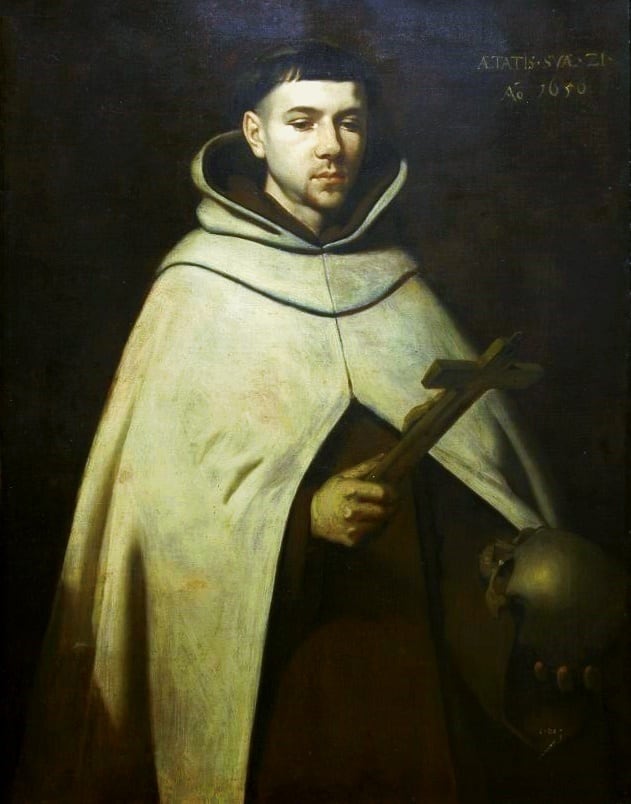
John of the Cross
يتّفقان في: ما المطلق؟ هل الله موجود؟ · من أنا؟ هل توجد ذات حقيقية؟ · لماذا نتألّم؟
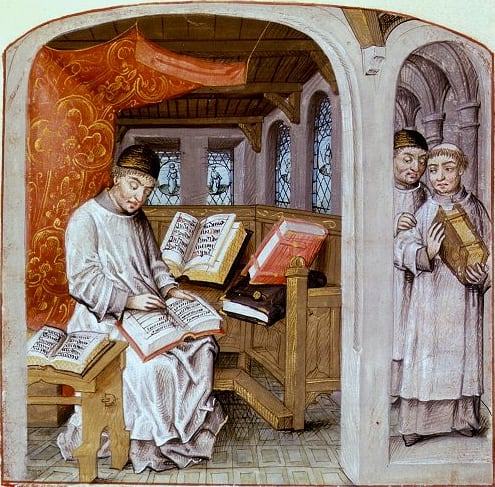
Thomas à Kempis
يتّفقان في: ما المطلق؟ هل الله موجود؟ · من أنا؟ هل توجد ذات حقيقية؟ · لماذا نتألّم؟
يبتعد في تفكيره عن


حكايات وروايات
حكايات وروايات
شهادةc. 1070s
The robbers of Jurjan
أصل الرواية: Taj al-Din al-Subki, *Tabaqat al-shafi'iyya al-kubra* (14th c.), citing As'ad al-Mayhani as hearer of the story; Griffel (2009) discusses its chronological problems.
المصدر: Griffel, Frank. Al-Ghazali's Philosophical Theology. Nueva York: Oxford University Press, 2009 (cap. 1: biografía y cronología).
شهادة1095
The locked tongue
أصل الرواية: Autobiographical account in *al-Munqidh min al-dalal* (c. 1106–1110); historians (Griffel, Garden) discuss the weight of the political factors the text passes over.
رواية من سِيَر القدّيسينc. 1096
The Damascus minaret and the lesson at the Aminiyya
أصل الرواية: The minaret: *al-Munqidh*. The Aminiyya lesson: traditional biography (Ibn Asakir, al-Subki), summarised in the editor's introduction to *Jawahir al-Qur'an* (Arabic Wikisource).
مختلَف فيه1109–1143
The bonfire of Cordoba and the legend of Ibn Tumart
أصل الرواية: The burning: Maghrebi and Andalusi chronicles studied by Bennison (2016) and Garden (2014). The meeting with Ibn Tumart: Almohad tradition, described as doubtful by the Encyclopædia Iranica.
المصدر: Bennison, Amira K. The Almoravid and Almohad Empires. Edimburgo: Edinburgh University Press, 2016, pp. 243–244 (quema del Ihya en Córdoba); y Garden, Kenneth. The First Islamic Reviver: Abu Hamid al-Ghazali and His Revival of the Religious Sciences. Oxford University Press, 2014.
شهادة1111
The shroud
أصل الرواية: Ibn al-Jawzi (d. 1201), *al-Thabat 'inda l-mamat*, citing Ahmad al-Ghazali; also recorded by al-Subki.
التعاليم
التعاليم
المفاهيم التي ينتظم بها فكره، مشروحة في سياقها.
Certainty (yaqin) and the light in the breastyaqin
The *Munqidh*'s epistemology; modern discussion of its relation to ancient scepticism and to Descartes.
Tasting (dhawq): knowledge of states, not wordsdhawq
Classical Sufi distinction between *qal* and *hal*; al-Qushayri and Abu Talib al-Makki as sources.
Divine habit (ada) and the critique of causalityada-causalidad
Ash'ari occasionalism; Averroes's reply in the *Tahafut al-tahafut*.
The heart as mirror (qalb)qalb
Sufi and Avicennian psychology; the saying "whoever knows himself knows his Lord".
The degrees of divine unity and trust in Godtawhid-tawakkul
Doctrine of *fana'* since al-Junayd; later reformulated by the school of Ibn Arabi.
The love of God (mahabba)mahabba
Love mysticism of the Baghdad school; his brother Ahmad developed the theory of love in the *Sawanih*.
مقاطع الفيديو
مقاطع الفيديو
تسجيلات ومقابلات وأفلام وثائقية. تُشغَّل مقاطع الفيديو من YouTube؛ ولا تُستضاف هنا.
Al-Ghazali's Philosophical Theology
محاضرة· EN
Yale Universityالقناة الرسمية
Special Lecture: The Philosophical Foundations of al-Ghazali's Sufism - Frank Griffel
محاضرة· EN
Centre for Advanced Irfan Studies - TRADISI
HoP 145 - Frank Griffel on al-Ghazali
مقابلة· EN
History of Philosophy without any gaps
Islamic Philosophy before the "Incoherence", w/ Prof. Frank Griffel
مقابلة· EN
Averroes
Ep 49: Al-Ghazali [feat. Frank Griffel]
مقابلة· EN
Dogs with Torches
Al-Ghazali - The Reviver of Religious Sciences
تحليل· EN
Let's Talk Religion
Al-Ghazali: The Muslim Theologian Who Lost Faith in Theology
تحليل· EN
ReligionForBreakfast
Al Ghazali - The Alchemist of Happiness - Documentary Trailer
فيلم وثائقي· EN
IslamLite
Interview mit Prof. Dr. Frank Griffel, Islamkolleg Deutschland
مقابلة· DE
Islamkolleg Deutschland e.V.القناة الرسمية
Al Ghazâlî (1058-1111) Philosophie et religion
محاضرة· FR
Hervé Pasqua
Al-Ghazali - El que salva del error
تحليل· ES
Filosofía Apuntes
La Historia del FILÓSOFO AL-GHAZALI - FILOSOFÍA ISLAMICA
تحليل· ES
Filosoando
#موسوعة_العربية .. أبو حامد الغزالي
فيلم وثائقي· AR
AlArabiya العربيةالقناة الرسمية
المعرض
المعرض
صور بترخيص متحقَّق منه. كل منها تحتفظ بمؤلّفها ونسبتها.
المخطوطات
المخطوطات
شواهد مخطوطة ونصوص قديمة، مع جهة حفظها وشروط الاطّلاع عليها.
AR · Nasj · c. 1095–1110 (textos); 509 H / 1115–1116 (copia)
مجموع رسائل الغزالي (المنقذ من الضلال، مشكاة الأنوار وغيرهما)
- الشاهد المحفوظ
- Manuscrito colectivo de obras de al-Ghazali copiado cuatro años después de su muerte; incluye el Munqidh y la Mishkat completa
- جهة الحفظ
- Biblioteca Süleymaniye, Estambul · Şehid Ali Paşa 1712
- الرقمنة
- commons.wikimedia.org/wiki/File:Munqidh_min_al-d…
AR · Nasj · c. 1100 (texto); 800 H / 1397 (copia)
بداية الهداية (Bidayat al-hidaya)
- الشاهد المحفوظ
- Copia fechada
- جهة الحفظ
- British Library, Londres · Add 9517/1
- الرقمنة
- blogs.bl.uk/asian-and-african/2017/02/arabic-man…
FA · Nasj / nastaliq · c. 1105 (texto); 2 safar 781 / 19 de mayo de 1379 (copia)
کیمیای سعادت (Kimiya-yi sa'adat)
- الشاهد المحفوظ
- Códice encuadernado para el sah de Shirván Hushang
- جهة الحفظ
- Museo de Arte Turco e Islámico, Estambul · T. 1999
- الرقمنة
- commons.wikimedia.org/wiki/File:Outer_front_cove…
AR · Nasj · c. 1100 (texto)
المقصد الأسنى (al-Maqsad al-asna)
- الشاهد المحفوظ
- Copia árabe
- جهة الحفظ
- British Library (antes British Museum), Londres · Or 7357
- الرقمنة
- commons.wikimedia.org/wiki/File:Almaqsad_alasna_…
العلاقات
العلاقات
تأثيرات وتلمذة وتقارب في الأفكار. تُميَّز العلاقة الموثّقة عن التشابه المستخلَص بالتحليل.
أثّر في
The *Masnavi* draws tales and arguments from the Ghazalian tradition; Nicholson's commentary notes many parallels with the *Ihya*. The influence of his brother Ahmad, the theorist of love, reached Rumi through Sanai and Attar.
علاقة موثّقة
أثّر في
Ibn Arabi read and cites al-Ghazali, sharing his critique of the limits of speculative reason while disagreeing with him in metaphysics. The Iranica observes that after the spread of Ibn Arabi's work dubious esoteric texts were attributed to al-Ghazali.
علاقة موثّقة
اختلف مع
In the *Mishkat al-anwar* al-Ghazali quotes al-Hallaj's "I am the Truth" as the word of a drunken lover that should be concealed: he acknowledges the experience but disapproves of its disclosure, explaining that it is not real identity but something resembling it.
علاقة موثّقة
تأثّر بـ
In book XXXVI of the *Ihya*, on the love of God, al-Ghazali quotes and comments on the verses attributed to Rabia on the "two loves" as an expression of pure love.
علاقة موثّقة
أثّر في
Attar, a poet of Nishapur a generation later, shares with al-Ghazali the critique of book learning and the pedagogy of tales; several stories in his work have parallels in the *Ihya*. No study of direct dependence is cited here.
تشابه مستخلَص بالتحليل
أفكار قريبة من
The critique of the scholars' hypocrisy and of ostentatious religiosity that runs through the *Ihya* reappears, in a poetic and ironic key, in Hafez's ghazals. A thematic affinity, not documented influence.
تشابه مستخلَص بالتحليل
أفكار قريبة من
The *Maqasid* circulated in Hebrew and were read by Jewish philosophers; Maimonides shares with al-Ghazali the critique of kalam and the debate on the creation of the world against Aristotelian eternity. A direct reading has been discussed, but Maimonides does not cite him.
تشابه مستخلَص بالتحليل
أفكار قريبة من
The *Munqidh* has often been compared with the *Confessions*: both narrate an intellectual and moral conversion, a sceptical crisis overcome by illumination and the renunciation of a brilliant career. There is no contact or influence.
تشابه مستخلَص بالتحليل
اختلف مع
The *Tahafut* attacks the Aristotelian theses transmitted by al-Farabi and Avicenna, above all the eternity of the world, while the *Mi'yar* adopts Aristotelian logic as an instrument.
علاقة موثّقة
المصادر
المصادر
المراجع والفهارس التي رُوجعت لهذه الصفحة.
- Wikidata, Q9546 «Al-Ghazali» (P31=Q5; 145 enlaces entre wikis; P569 1058 y 1056; P570 1111-12-19).
- Griffel, Frank. «al-Ghazali». Stanford Encyclopedia of Philosophy, publicado el 14 de agosto de 2007; revisión sustancial del 15 de enero de 2026.
- Böwering, Gerhard. «Ḡazālī, Abū Ḥāmed Moḥammad i. Biography». Encyclopædia Iranica, vol. X, fasc. 4 (2001), ed. en línea.
- al-Ghazali. al-Munqidh min al-dalal. Texto árabe en Wikisource; trad. inglesa de Claud Field, The Confessions of Al Ghazzali, Londres: John Murray (Wisdom of the East), 1909.
- al-Ghazali. Mishkat al-anwar («The Niche for Lights»). Trad. e introd. de W. H. T. Gairdner. Londres: Royal Asiatic Society (Monographs, vol. XIX), 1924; reimpr. Lahore: Sh. Muhammad Ashraf, 1952.
- Bouyges, Maurice. Essai de chronologie des œuvres de al-Ghazali (Algazel). Ed. Michel Allard. Beirut: Imprimerie Catholique, 1959.
- Badawi, Abd al-Rahman. Mu'allafat al-Ghazali. El Cairo, 1961; 2.ª ed., Kuwait, 1977.
- Watt, W. Montgomery. Muslim Intellectual: A Study of al-Ghazali. Edimburgo: Edinburgh University Press, 1963; y «The Authenticity of the Works Attributed to al-Ghazali», Journal of the Royal Asiatic Society, 1952.
- Griffel, Frank. Al-Ghazali's Philosophical Theology. Nueva York: Oxford University Press, 2009 (cap. 1: biografía y cronología).
- al-Ghazali. The Alchemy of Happiness. Trad. de Claud Field. Londres: John Murray (Wisdom of the East), 1910. Texto en Wikisource.
- Bennison, Amira K. The Almoravid and Almohad Empires. Edimburgo: Edinburgh University Press, 2016, pp. 243–244 (quema del Ihya en Córdoba); y Garden, Kenneth. The First Islamic Reviver: Abu Hamid al-Ghazali and His Revival of the Religious Sciences. Oxford University Press, 2014.
- Open Library, registros de ediciones de las obras de al-Ghazali (autor OL: al-Ghazzālī).
- Wikipedia (en), «Al-Ghazali», secciones Works y Works in Persian (resumen de la tesis de A. Khismatulin sobre la falsificación de Ay farzand y de la segunda parte de Nasihat al-muluk).
- Ibn al-Yawzi, Abu l-Faraj. al-Thabat 'inda l-mamat (relato de Ahmad al-Ghazali sobre la muerte de su hermano), citado en la introducción del editor a Jawahir al-Qur'an (texto en Wikisource árabe).
- Ghazali.org, «Oeuvre: Philosophy and Logic» (ediciones y traducciones de Maqasid, Tahafut, Mi'yar, Mihakk, al-Madnun, al-Qistas y Ma'arij al-quds).
- صاحب الحقوق
- Dominio público (obra del siglo XI–XII). Las ediciones críticas y las traducciones modernas (Islamic Texts Society, Fons Vitae, Brigham Young University Press, University of Chicago Press, Oxford University Press, Alianza, Trotta, Seuil…) están sujetas a los derechos de sus editores.
في انتظار التأكيد
ما لم تتمكّن هذه الصفحة من حسمه بعد. نفضّل أن نقول ذلك على أن نملأ الفراغ.
- Fecha de nacimiento: se registra 1058 (450 H, biógrafos medievales); Griffel propone 448/1056 o 1055. Wikidata da 19-12-1111 como fecha de muerte; aquí se usa el lunes 14 de yumada al-ajira de 505 = 18-12-1111 (juliano), que coincide con el día de la semana del relato de Ahmad.
- Obra completa (2026-10-25): se registran 44 títulos (auténticos, dudosos y apócrifos) a partir de la Encyclopædia Iranica, Bouyges (1959) y Ghazali.org. Quedan fuera, por falta de verificación: al-Muntakhal fi 'ilm al-jadal, Hujjat al-haqq y Qawasim al-batiniyya (refutaciones antiismailíes perdidas o parciales), Yaqut al-ta'wil (supuesto tafsir de cuarenta volúmenes, perdido), Zad-i akhirat, Adab al-suhba, Tahdhib al-usul y las Teshuvot she'elot hebreas de atribución dudosa. Catálogo completo: Badawi, Mu'allafat al-Ghazali (1961; 457 títulos).
- Ediciones en español: localizar en la BNE las traducciones parciales del Ihya y de Ayyuha l-walad, y confirmar en el catálogo de Almuzara el ISBN 9791370202217 (Tahafut, 2026), tomado de la ficha de una reseña.
- Sala de lectura: localizar un escaneo con OCR limpio de El justo medio en la creencia (Asín Palacios, 1929; libre en España, la UE y EE. UU.) y de la traducción francesa de Schmölders (1842), que en Internet Archive va dentro de un volumen con otros textos. Verificar la fecha de muerte de Syed Nawab Ali (Gutenberg 73140, marcado con caution).
- Vídeos: duraciones y años no comprobados (null); no se ha localizado un documental institucional completo en castellano ni la versión íntegra autorizada de «Al-Ghazali: The Alchemist of Happiness» (2004).
- Citas apócrifas: no se registran; circulan en redes frases como la de los «trece enemigos invisibles» atribuidas a al-Ghazali sin fuente, pero no se ha localizado un estudio que documente su origen.
- Citas: cotejar con el texto árabe de la Mishkat (ed. Afifi) las dos citas de Gairdner y con la Kimiya persa (ed. Khadiv-Jam) la cita de Field, que son traducciones indirectas.
بُحث بتاريخ 2026-10-25