المسيحية · التصوف المسيحي · الكاثوليكية
Thomas à Kempis
Thomas Hemerken a Kempis
نحو 1380 – 1471شخصية موثّقة تاريخيًا
قانوني نظامي أوغسطيني (نحو 1380–1471)، تكوّن في ديفنتر في بيئة «التقوى الحديثة» التي أطلقها خيرت خروته، وعاش راهبًا أكثر من سبعين عامًا في دير جبل القديسة أغنيس قرب زفوله. كان ناسخًا لا يكلّ، ومعلّمًا للمبتدئين، ومؤرّخًا لبيته ولمؤسّسي الحركة، وهو بحسب إجماع النقّاد مؤلف «الاقتداء بالمسيح»، أوسع الكتب المسيحية انتشارًا بعد الكتاب المقدّس، الذي نازعه في تأليفه قرونًا أنصارُ جان جرسون وأنصارُ رئيس دير مزعوم يُدعى جرسن.
- مؤلَّفًا
- 28مؤلَّفًا
- طبعة
- 49طبعة
- اقتباسًا
- 8اقتباسًا
- مقطع فيديو
- 13مقطع فيديو
- صورة
- 8صورة
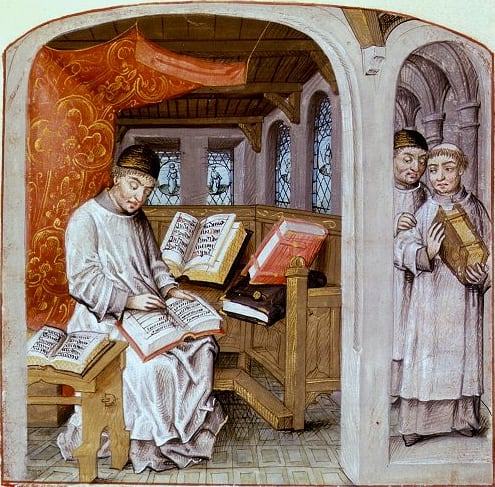
Thomas a Kempis escribiendo (miniatura de la Imitación) · Public domain
بكلماته
«'He who follows me does not walk in darkness,' says the Lord. These are the words of Christ, by which we are exhorted to imitate his life and ways if we wish to be truly enlightened and freed from all blindness of heart.»De imitatione Christi, I, 1, 1 (texto latino de Wikisource; traducción propia).

فكرته المحورية
The imitation of Christ: The idea that gives the book its title is not new (it starts from St Paul, 'be imitators of me as I am of Christ', and runs through Bernard and Francis of Assisi), but Thomas makes it a programme for daily life.
السيرة
4 دقيقة قراءة
ترجمة مُعانة من الأصل الإسباني، بانتظار مراجعة مترجم من أهل اللغة.
ابن حدّاد كمبن
وُلد توماس هيمركن نحو سنة 1379 أو 1380 في كمبن، وهي بلدة صغيرة في رئاسة أساقفة كولونيا قرب نهر الراين. ولقب أسرته، ومعناه «المطرقة الصغيرة»، الذي لُتّن إلى Malleolus، يشير على الأرجح إلى حرفة أبيه يوهان، وكان صانعًا للمعادن؛ أما أمه غيرترود فكانت، بحسب التقليد، تدير مدرسة للأطفال. وسيعرفه العالم باسم مدينته، توما الكمبيسي، إذ كان هو نفسه يوقّع Thomas Kempensis أو Thomas de Kempis. وكان له أخ اسمه يوهانس يكبره بنحو خمسة عشر عامًا، طبع كل خطوة من خطواته.
ونحو سنة 1392 أو 1393 تبع يوهانس إلى ديفنتر في الأراضي المنخفضة ليدرس في مدرستها اللاتينية الشهيرة. وكانت ديفنتر يومئذ قلب «التقوى الحديثة» (devotio moderna)، حركة الإصلاح الروحي التي أطلقها خيرت خروته (ت. 1384): علمانيون وإكليروس يعيشون حياة مشتركة دون نذور، هم إخوة الحياة المشتركة، ينسخون الكتب ليكسبوا قوتهم، وينشدون تقوى باطنية رصينة عملية تدور حول حياة المسيح. وأقام الفتى توما في بيت فلورنس راديفاينس، خليفة خروته، فتعلّم صنعة النسخ، وبقي موسومًا إلى الأبد بتلك البيئة التي سيصوّرها لاحقًا في سيَر المؤسّسين.
جبل القديسة أغنيس
في سنة 1399 قصد دير القانونيين النظاميين في جبل القديسة أغنيس (أغنيتنبرخ) على مشارف زفوله، وهو بيت من بيوت جماعة فيندسهايم التي أسّسها تلاميذ خروته، وكان أخوه قد انتُخب لتوّه رئيسًا له. وهناك سيقضي أكثر من سبعين عامًا. لبس الثوب الرهباني سنة 1406، وأبرز نذوره في العام التالي، ورُسم كاهنًا نحو سنة 1413. وتولّى نيابة رئاسة الدير مرّتين، وكان معلّمًا للمبتدئين، ووقف معظم حياته على الصلاة والوعظ داخل الدير ونسخ المخطوطات: فقد نسخ الكتاب المقدّس كاملًا مرات عدّة، وما تزال إحدى هذه النسخ، في خمسة مجلدات، محفوظة في دارمشتات.
ولم يأتِ الاضطراب الكبير الوحيد في تلك الحياة إلا من الخارج. ففي سنة 1429، إثر انشقاق أوتريخت، فرض البابا الحظر الكنسي على الأبرشية، فغادر قانونيو جبل القديسة أغنيس، الأوفياء لروما، بيتهم ولجأوا إلى لوننكيرك في فريزلاند حتى سنة 1432. وفي أثناء ذلك المنفى أُرسل توما إلى أرنهم ليرعى أخاه يوهانس المريض، فلازمه حتى وفاته في نوفمبر 1432. ثم عاد إلى زفوله، ولم يكد يغادرها بعد ذلك.
الاقتداء بالمسيح
في عشرينيات القرن الخامس عشر بدأت تتداول، دون اسم مؤلف، أربع رسائل صغيرة معدّة لتنشئة الرهبان: Admonitiones ad spiritualem vitam utiles وAdmonitiones ad interna trahentes وDe interna consolatione ورسالة في الإفخارستيا. وكانت الأولى تُفتتح بكلمات المسيح في إنجيل يوحنا: «من يتبعني فلا يمشي في الظلمة»، وبفصل عنوانه De imitatione Christi، فصار هذا العنوان اسمًا للمجموع كله. وفي سنة 1441 نسخ توما بخط يده الكتب الأربعة، مع رسائل أخرى له، في مخطوط وقّعه وأرّخه، تحفظه اليوم المكتبة الملكية البلجيكية في بروكسل. والكتاب لا يعلّم عقيدة، بل يعظ: يدعو إلى الحذر من العلم الذي لا يجعل صاحبه أفضل، وإلى حبّ الخمول وأن يبقى المرء مجهولًا، وإلى حمل صليب كل يوم، والدخول في الصمت الباطن، وترك المسيح يكلّم النفس كما يكلّم الصديق صديقه.
ولم ينتشر كتاب مسيحي، بعد الكتاب المقدّس، كما انتشر هذا الكتاب. فقد حُفظ منه أكثر من سبعمئة مخطوط، وظهرت أول طبعة له في أوغسبورغ نحو 1471–1472، وفي القرن السادس عشر كان قد تُرجم إلى سائر لغات أوروبا. غير أن طبعات مبكرة كثيرة نسبته إلى مستشار جامعة باريس جان جرسون، وفي سنة 1616 طرح الراهب البندكتي كوستانتينو غايتاني اسم رئيس دير مزعوم في فرتشيلي من القرن الثالث عشر هو جوفاني جرسن، لا أثر له في أي وثيقة. ودام الجدل ثلاثة قرون. واليوم ينسب النقد العلمي الكتاب إلى توما مستندًا إلى المخطوط الذي بخطه سنة 1441، وإلى شهادة معاصره يوهانس بوش، مؤرّخ فيندسهايم، وإلى أسلوب سائر كتاباته؛ وما يزال بعض الباحثين يناقشون إلى أي حدّ جمع موادّ سابقة من بيئة «التقوى الحديثة» وأعاد صياغتها.
المؤرّخ ومعلّم المبتدئين
ليس «الاقتداء» إلا جزءًا من نتاج واسع، كله باللاتينية، وكله تقريبًا موجّه إلى حياة الدير. فقد كتب «مناجاة النفس»، وهي حوارات باطنية مع الله؛ و«حديقة الورود الصغيرة» و«وادي الزنابق»، وهما مجموعتان من الحِكم؛ ورسائل في الندامة والعزلة والفقر والانضباط الرهباني؛ ومواعظ للمبتدئين وتأمّلات في حياة المسيح وآلامه؛ وتراتيل ورسائل وصلوات. وكان كذلك مؤرّخًا دقيقًا: فسيَره عن خيرت خروته وفلورنس راديفاينس وإخوة آخرين مصدر أساسي لتاريخ «التقوى الحديثة»، و«حولية جبل القديسة أغنيس»، التي ظلّ يدوّنها حتى قُبيل وفاته، تسجّل عامًا بعد عام حياة بيته. وألّف فوق ذلك سيرة القديسة ليدوينا من سخيدام.
الموت والذكرى
توفي في جبل القديسة أغنيس في الخامس والعشرين من يوليو 1471، وقد جاوز التسعين، ودُفن في رواق الدير. وتذكر حولية البيت، التي واصلها قانوني آخر، وفاته مع سنّه وسنوات حياته الرهبانية، وتنوّه بالكتب الكثيرة التي ألّفها ونسخها. ثم دُمّر الدير في حروب القرن السادس عشر. وفي سنة 1672 أمر الأمير الناخب في كولونيا، مكسيميليان هاينريش البافاري، بالبحث عن رفاته، التي ترقد منذ 1674 في ذخيرة؛ ومنذ 2006 تُكرَّم في بازيليكا سيدتنا في زفوله. ولم يُعلَن قديسًا قط، غير أن كمبن تكرّمه شفيعًا لها، والكنيسة الإنجيلية في ألمانيا تحيي ذكراه في الخامس والعشرين من يوليو.
أما كتابه فلم ينقطع الناس عن قراءته قط. كان إغناطيوس دي لويولا يقرؤه كل يوم ويسمّيه «جرسونسيتو»، أي «جرسون الصغير»؛ وجعلته تريزا الأفيلية بين الكتب التي ينبغي أن تقتنيها أديرتها؛ ونشر جون ويسلي صيغة مختصرة منه للميثوديين؛ وكانت تريزا من ليزيو تحفظه عن ظهر قلب تقريبًا. وقرأه الكاثوليك والبروتستانت بالخشوع نفسه، وإن لم يُعجَب به الجميع: فقد حذّر منه الأسقف الأرثوذكسي إغناطيوس بريانشانينوف بوصفه ثمرة تقوى قائمة على التخيّل. وقوّته في بساطته: جمل قصيرة موقّعة، تكاد تكون أمثالًا، لا تتطلّب علمًا، ويخال كل قارئ أنها موجّهة إليه وحده.
المصادر: Kettlewell, Samuel. Thomas à Kempis and the Brothers of Common Life. 2 vols. Londres: Kegan Paul, Trench & Co., 1882. · Van Engen, John. Sisters and Brothers of the Common Life: The Devotio Moderna and the World of the Later Middle Ages. Filadelfia: University of Pennsylvania Press, 2008. · Thomas à Kempis. The Founders of the New Devotion, being the Lives of Gerard Groote, Florentius Radewin and their Followers. Trad. J. P. Arthur. Londres: Kegan Paul, Trench, Trübner, 1905. · Pohl, Michael Joseph (ed.). Thomae Hemerken a Kempis Opera omnia. 7 vols. Friburgo de Brisgovia: Herder, 1902–1922. · Thomas à Kempis. The Chronicle of the Canons Regular of Mount St. Agnes. Trad. J. P. Arthur. Londres: Kegan Paul, Trench, Trübner, 1906 (Project Gutenberg n.º 16759; incluye la continuación con la noticia de su muerte).
الخط الزمني
الحياة عامًا بعد عام
كل نقطة حدث موثّق. انقر لتقرأه مع مصدره ودرجة اليقين فيه.
نحو 1380أقل من عامKempen
Birth
Born at Kempen, son of Johann and Gertrud Hemerken. The sources vary between 1379 and 1380.
مرجَّحKettlewell, Samuel. Thomas à Kempis and the Brothers of Common Life. 2 vols. Londres: Kegan Paul, Trench & Co., 1882.
بعد وفاته
- نحو 1472First printed edition
- 1604The Gersen thesis
- 1672Exhumation of his remains
- يونيو 2006Transfer to the Zwolle basilica
نحو 1380 · أقل من عام
Birth
Born at Kempen, son of Johann and Gertrud Hemerken. The sources vary between 1379 and 1380.
مرجَّح
نحو 1392 – 1399 · 12 عامًا
Studies at Deventer
He follows his brother Johannes to Deventer, studies at the Latin school and lives with the Brethren of the Common Life in the house of Florens Radewijns (until 1399).
موثّق
1399 · 19 عامًا
Entry into Mount St Agnes
He arrives at the monastery of canons regular of Agnietenberg, near Zwolle, where his brother is prior.
موثّق
1406 · 26 عامًا
Clothing
He receives the habit of a canon regular; he makes his profession the following year.
موثّق
1413 · 33 عامًا
Ordination to the priesthood
He is ordained priest (some sources give 1414).
مرجَّح
نحو 1424 · 44 عامًا
The Imitation circulates
The oldest known copy of the first book of the Imitation is dated around this year; the four books circulate anonymously in the 1420s.
مرجَّح
1425 · 45 عامًا
Subprior and master of novices
He is elected subprior for the first time; he takes charge of the formation of novices, for whom he writes sermons and booklets.
موثّق
1429 – 1432 · 49 عامًا
Exile over the Utrecht schism
Because of the papal interdict on the diocese of Utrecht, the community takes refuge at Lunenkerk (Friesland) until 1432.
موثّق
نوفمبر 1432 · 52 عامًا
Death of his brother Johannes
Having cared for him at Arnhem since 1431, he is present at his brother's death in November; he returns to Mount St Agnes.
موثّق
1441 · 61 عامًا
The Brussels autograph
He finishes copying in his own hand a codex with the four books of the Imitation and other treatises, signed and dated (now KBR, ms. 5855–5861).
موثّق
نحو 1448 · 68 عامًا
Subprior a second time
He again holds the office of subprior.
مرجَّح
نحو 1464 · 84 عامًا
Johannes Busch's testimony
The Windesheim chronicler Johannes Busch attributes the Imitation to Thomas in his Chronicon Windeshemense, in the author's lifetime.
موثّق
25 يوليو 1471 · 91 عامًا
Death
He dies at Mount St Agnes on 25 July, aged over ninety; the house chronicle records his death.
موثّق
نحو 1472
First printed edition
Günther Zainer prints the Imitation in Augsburg around 1471–1472; a circulation begins that will make it the most published Christian book after the Bible.
مرجَّح
1604
The Gersen thesis
The Benedictine Constantino Gaetani attributes the Imitation to a supposed abbot Johannes Gersen of Vercelli; a three-century controversy opens with the partisans of Kempis and of Gerson.
موثّق
1672
Exhumation of his remains
The Elector of Cologne, Maximilian Henry of Bavaria, has his remains sought and raised; since 1674 they rest in a reliquary.
موثّق
يونيو 2006
Transfer to the Zwolle basilica
The reliquary, which had been in St Michael's church since 1897, is carried in procession to the basilica of Our Lady in Zwolle.
موثّق
المؤلَّفات
المؤلَّفات الأساسية
المؤلَّفات التي لا يُفهم إرثه من دونها.
مؤلَّف مكتوب · 1441
The Imitation of Christ
De imitatione Christi (Libri quattuor)
Four booklets written for the spiritual formation of religious which circulated anonymously from the 1420s and which Thomas copied in his own hand, signed and dated, in 1441. The first counsels detachment from vanity and from knowledge that does not make one better; the second invites to the inner life and culminates in 'the royal way of the holy cross'; the third, the longest, is a dialogue between Christ and the disciple on inner consolation and love; the fourth prepares for communion. With more than seven hundred manuscripts and thousands of editions, it is the most widely circulated Christian book after the Bible. For centuries it was also attributed to Jean Gerson and to a supposed abbot Johannes Gersen; the Brussels autograph and Johannes Busch's testimony support Thomas's authorship.
14 طبعة

مؤلَّف مكتوب · نحو 1471
The Chronicle of the Canons Regular of Mount St Agnes
Chronica Montis Sanctae Agnetis
Annals of the monastery of Agnietenberg from its foundation (1398) to Thomas's last years: professions, deaths, works, financial difficulties, the exile of 1429–1432, with notes on his brother Johannes and his teacher Johannes Cele. Another canon continued it after his death and recorded Thomas's own.
طبعتان
جميع مؤلَّفاته (28)
Thomas à Kempis
Imitation of Christ, Book I: Admonitions Useful for the Spiritual Life
The Conscious LibraryImitation of Christ, Book I: Admonitions Useful for the Spiritual Life
1424
Thomas à Kempis
Imitation of Christ, Book II: Admonitions Drawing toward the Inner Life
The Conscious LibraryImitation of Christ, Book II: Admonitions Drawing toward the Inner Life
1427
Thomas à Kempis
Imitation of Christ, Book III: On Inner Consolation
The Conscious LibraryImitation of Christ, Book III: On Inner Consolation
1430
Thomas à Kempis
Imitation of Christ, Book IV: On the Blessed Sacrament
The Conscious LibraryImitation of Christ, Book IV: On the Blessed Sacrament
1430

The Soliloquy of the Soul
1435

The Little Garden of Roses
1440

The Valley of Lilies
1440
Thomas à Kempis
Of the Three Tabernacles
The Conscious LibraryOf the Three Tabernacles
1440
Thomas à Kempis
On the Discipline of Cloistered Religious
The Conscious LibraryOn the Discipline of Cloistered Religious
1440

Of the Faithful Steward
1440
Thomas à Kempis
Letter to a Cellarer
The Conscious LibraryLetter to a Cellarer
1440
Thomas à Kempis
Of True Compunction of Heart
The Conscious LibraryOf True Compunction of Heart
1440
Thomas à Kempis
Little Book of Spiritual Exercise
The Conscious LibraryLittle Book of Spiritual Exercise
1440
Thomas à Kempis
On the Elevation of the Mind
The Conscious LibraryOn the Elevation of the Mind
1440
Thomas à Kempis
Manual for the Young
The Conscious LibraryManual for the Young
1440
Thomas à Kempis
Manual for Little Ones
The Conscious LibraryManual for Little Ones
1440
Thomas à Kempis
Hospice of the Poor
The Conscious LibraryHospice of the Poor
1440
Thomas à Kempis
Consolation of the Poor and the Sick
The Conscious LibraryConsolation of the Poor and the Sick
1440
Thomas à Kempis
Little Alphabet of a Good Monk
The Conscious LibraryLittle Alphabet of a Good Monk
1440

Sermons to the Novices Regular
1440
Thomas à Kempis
Sermons on the Life and Passion of Our Lord; A Meditation on the Incarnation
The Conscious LibrarySermons on the Life and Passion of Our Lord; A Meditation on the Incarnation
1440

Prayers and Meditations on the Life of Christ
1440
Thomas à Kempis
Dialogues of the Novices and Lives of the Founders
The Conscious LibraryDialogues of the Novices and Lives of the Founders
1450
Thomas à Kempis
Life of St Lidwina of Schiedam
The Conscious LibraryLife of St Lidwina of Schiedam
1448
الأقوال
أقوال محدَّدة الموضع في مؤلَّف بعينه. كل منها يحمل مصدره ودرجة الثقة به.
'He who follows me does not walk in darkness,' says the Lord. These are the words of Christ, by which we are exhorted to imitate his life and ways if we wish to be truly enlightened and freed from all blindness of heart.Qui sequitur me non ambulat in tenebris, dicit Dominus. Hæc sunt verba Christi, quibus admonemur quatenus vitam eius et mores imitemur, si volumus veraciter illuminari, et ab omni cæcitate cordis liberari.
متحقَّق منهDe imitatione Christi, I, 1, 1 (texto latino de Wikisource; traducción propia).
أقوال منحولة أو مختلَف في نسبتها (1)
«In all things I have sought rest and found it nowhere save in a corner with a book.»
A Latin saying ('In omnibus requiem quaesivi et nusquam inveni nisi in angulo cum libro') which has long accompanied some portraits of Thomas and which tradition attributes to him; it does not appear in his known works and its first attestation has not been established. It expresses his ideal well, but it is a traditional attribution.
الكلمات الأخيرة
لا توجد سجلات يمكن التحقق منها لكلماته الأخيرة.
No last words survive. The continuation of the Chronicle of Mount St Agnes records his death on 25 July 1471, with his age and his years of religious life, without transmitting any final sentence.
المصدر: Thomas à Kempis. The Chronicle of the Canons Regular of Mount St. Agnes. Trad. J. P. Arthur. Londres: Kegan Paul, Trench, Trübner, 1906 (Project Gutenberg n.º 16759; incluye la continuación con la noticia de su muerte).
اسأل
بماذا يجيب أثره
اثنا عشر سؤالًا كبيرًا من أسئلة الإنسانية، وما تتيح نصوصه الإجابة به عنها، مع المراجع. ولا نقوّله ما لم يقل أبدًا.
ما المطلق؟ هل الله موجود؟
God is the Lord who speaks to the soul and consoles it
إله شخصييقوله صراحةً
Thomas à Kempis does no speculative theology; he distrusts it. In The Imitation of Christ, God is someone one speaks with: book III is built as a dialogue between the disciple and Christ, who teaches inwardly, consoles, corrects and asks for the surrender of one's own will. Book I warns that it profits little to dispute loftily about the Trinity if one lacks humility and thus displeases the Trinity. Kempis's God is that of the Catholic faith and the Modern Devotion: provident Father, Christ present in the sacrament of the altar (book IV), truth that speaks within without the noise of words. The Absolute is a personal Thou, close and demanding.
قارن هذا السؤال مع معلّمين آخرينمن أنا؟ هل توجد ذات حقيقية؟
Humble self-knowledge is the surest way to God
روح مخلوقة خالدةيُستنتج من تعاليمه
Thomas à Kempis does not speculate about the nature of the soul; he takes for granted the Christian doctrine of an immortal soul and concerns himself with practical knowledge of it. The Imitation of Christ teaches that humble self-knowledge is a surer road to God than a deep search for learning, and recommends loving to be unknown and accounted as nothing. The self to be overcome is self-will and self-love, from which restlessness and vainglory arise; book III insists on denying oneself in order to follow Christ. The true self is the soul which, stripped of itself, finds itself small and loved.
قارن هذا السؤال مع معلّمين آخرينلماذا نتألّم؟
The cross carried willingly ends up carrying you
الانفصال عن اللهيقوله صراحةً
For Thomas à Kempis, suffering is inevitable in this life and the question is how it is borne. The chapter on the royal road of the holy cross, in book II of The Imitation of Christ, holds that in the cross lie health and life, and that if one carries the cross willingly, it will carry its bearer to the desired end; if dragged by force, it weighs more. Tribulation is useful because it returns the human being to his heart, reminds him that he is in exile and keeps him from placing his hope in the world. Suffering arises from being far from one's homeland and, accepted, unites with Christ.
قارن هذا السؤال مع معلّمين آخرينماذا يحدث بعد الموت؟
Live each day as if it were your last
الحياة الأبدية والقيامةيقوله صراحةً
The Imitation of Christ devotes an entire chapter to meditation on death. Thomas à Kempis urges living in such a way that death does not find one unprepared: blessed is the one who keeps the hour of his death daily before his eyes and makes ready to die each day. He recalls that the glory of the world passes quickly, that a man is here today and gone tomorrow, and that one should make friends of the saints while there is time. After death await judgement and eternal life, which book III describes as the homeland where the soul will rest in God without fear of losing him. Death is the door to the true homeland.
قارن هذا السؤال مع معلّمين آخرينكيف يُبلَغ التحرّر أو الخلاص؟
Imitate Christ's life and love him above all things
بالتعبّد والتسليميقوله صراحةً
The Imitation of Christ is the most widely read fruit of the devotio moderna, the movement of the Brethren of the Common Life to which Thomas à Kempis belonged. Its first line marks the path: whoever follows Christ does not walk in darkness, and therefore one must imitate his life and ways. Salvation is received in grace, which book III carefully distinguishes from nature, but it is lived as personal love for Jesus: book II asks that one love him above all things and keep a familiar friendship with him. Humility, renunciation of self-will, daily examination and frequent communion (book IV) are the concrete forms of that surrender.
قارن هذا السؤال مع معلّمين آخرينهل نحتاج إلى معلّم؟
Truth speaks within, without the noise of words
المعلّم في الداخليقوله صراحةً
Thomas à Kempis lived in obedience to his superiors at the monastery of Mount Saint Agnes, and The Imitation of Christ recommends living under a superior rather than being one's own master. But his most characteristic teaching places the teacher within. Book III, built as a dialogue between the soul and Christ, opens with the request to hear what the Lord says inwardly, and states that truth speaks within without the noise of words. Later on, Christ declares that it is he who teaches man knowledge and gives the little ones a clearer understanding than any man can teach. Human masters speak; he alone teaches.
قارن هذا السؤال مع معلّمين آخرينهل العالم حقيقي؟
With an upright heart, every creature is a mirror of life
خلقٌ صالح وحقيقييقوله صراحةً
Thomas à Kempis does not dispute the reality of the world, but its value. The Imitation of Christ begins with contempt for the world: vanity of vanities, all is vanity except to love God and serve him alone; the glory of the world passes quickly. But that contempt is not dualist: it is detachment from what passes. Book II offers the other side: if the heart were upright, every creature would be a mirror of life and a book of holy doctrine, for there is no creature so small and lowly that it does not show forth God's goodness. The world is good creation, but deceives whoever stops at it; purity of heart makes it transparent.
قارن هذا السؤال مع معلّمين آخرينما الحب؟
Love is born of God and rests only in God
الشوق والوصاليقوله صراحةً
The chapter of The Imitation of Christ on the wonderful effects of divine love is one of the most widely read texts of Western piety. Thomas à Kempis praises love as a great good that makes light all that is heavy, bears the burden without burden and makes the bitter sweet; nothing is sweeter, stronger, higher or wider. The reason he gives is its origin: love is born of God and can rest only in God, above all created things. It is therefore a movement of return, a longing that rises. Book II makes it concrete as love of Jesus above all things and familiar friendship with him.
قارن هذا السؤال مع معلّمين آخرينهل نحن أحرار أم أن كل شيء مقدَّر؟
Man proposes and God disposes, yet each answers for himself
القدر والمسؤوليةيقوله صراحةً
Thomas à Kempis develops no theory of freedom, but his work holds two certainties at once. The first is providence: man proposes and God disposes, and a man's way is not in his own hands, says The Imitation of Christ, taking up a formula with biblical roots. The second is responsibility: daily resolutions, examination of conscience, the struggle against the passions and the judgement awaiting each person presuppose that one answers for one's acts. Between the two there is no contradiction, but trust: one must do all that lies in one's power and leave the outcome in God's hands. Book III insists on handing him one's own will.
قارن هذا السؤال مع معلّمين آخرينلماذا نتأمّل أو نصلّي؟
Familiar friendship with Jesus, in inner conversation
صداقة مع اللهيقوله صراحةً
Thomas à Kempis understands prayer as personal converse with Christ. Book II of The Imitation of Christ describes the inner life as Christ's frequent visiting of the inner man, with sweet conversation, consolation, peace and an astonishing familiarity, and devotes a chapter to familiar friendship with Jesus. Book III is itself written as a dialogue between the disciple and the Lord, and book IV prepares for Eucharistic communion as the meeting of beloved and lover. Kempis's meditation is affective, not speculative: he would rather feel compunction than know how to define it, and he recommends retreat, silence and the reading of Scripture in order to hear that voice.
قارن هذا السؤال مع معلّمين آخرينهل يستطيع العقل أن يعرف الحقيقة القصوى؟
I would rather feel compunction than know how to define it
الحقيقة القصوى وراء العقليقوله صراحةً
Thomas à Kempis distrusts speculative learning. The Imitation of Christ begins by asking what use it is to dispute loftily about the Trinity if one lacks humility, and states that he would rather feel compunction than know how to define it. Book I advises against wanting to know too much, for there is distraction and deceit in it, and places humble self-knowledge above learning. In book III, Christ declares that he teaches without the noise of words and that in a moment he raises the humble mind to grasp more of the reasons of eternal truth than ten years of study in the schools. He does not condemn learning, which is good in itself, but learning cut off from life.
قارن هذا السؤال مع معلّمين آخرينالانسحاب من العالم أم تغييره؟
As often as I was among men, I came back less a man
الانسحاب لكي نجديقوله صراحةً
Thomas à Kempis spent more than seventy years at the monastery of canons regular of Mount Saint Agnes, near Zwolle, copying manuscripts, writing and training novices. The Imitation of Christ devotes a chapter to the love of solitude and silence, where it quotes Seneca without naming him: as often as he was among men, he came back less a man. It recommends avoiding idle conversation, remaining in the cell, which grows sweet the more it is kept, and seeking the right time to attend to oneself. The world and its glory pass; whoever would reach what is inward and spiritual must withdraw with Jesus from the crowd.
قارن هذا السؤال مع معلّمين آخرين
التقارب والتوتّر
التقارب والتوتّر
محسوبة سؤالًا سؤالًا انطلاقًا من مواقفه. وسبب كل اتفاق أو اختلاف يظهر بالنقر.
يقترب في تفكيره من

Rabia al-Adawiyya
يتّفقان في: ما المطلق؟ هل الله موجود؟ · لماذا نتألّم؟ · ماذا يحدث بعد الموت؟

Mirabai
يتّفقان في: ما المطلق؟ هل الله موجود؟ · لماذا نتألّم؟ · كيف يُبلَغ التحرّر أو الخلاص؟
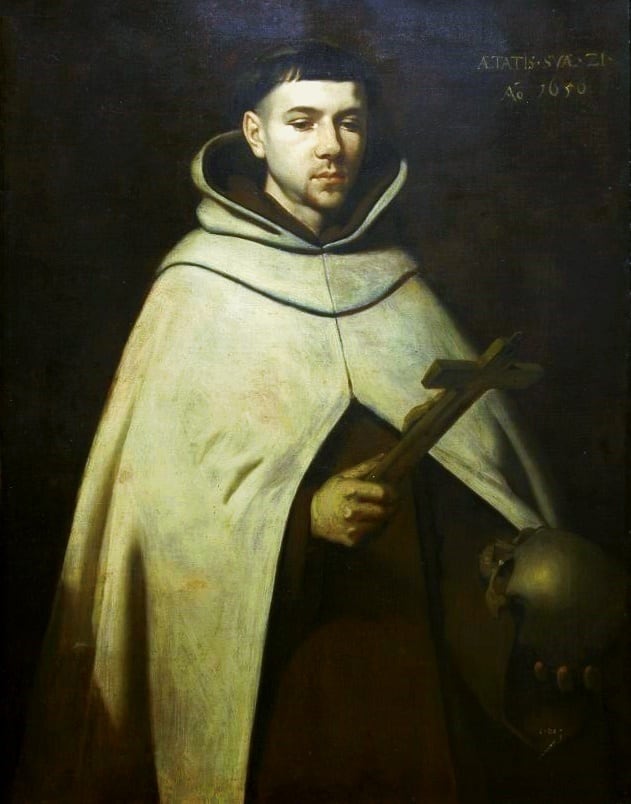
John of the Cross
يتّفقان في: ما المطلق؟ هل الله موجود؟ · من أنا؟ هل توجد ذات حقيقية؟ · لماذا نتألّم؟
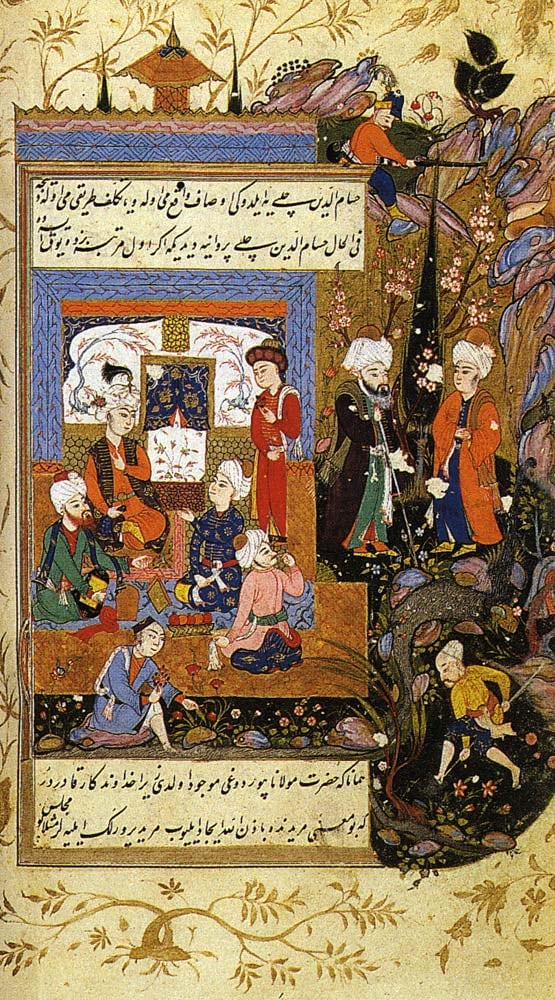
Rumi
يتّفقان في: ما المطلق؟ هل الله موجود؟ · من أنا؟ هل توجد ذات حقيقية؟ · لماذا نتألّم؟
يبتعد في تفكيره عن

Pema Chödrön
يختلفان في: ما المطلق؟ هل الله موجود؟ · من أنا؟ هل توجد ذات حقيقية؟ · ماذا يحدث بعد الموت؟

The 14th Dalai Lama (Tenzin Gyatso)
يختلفان في: ما المطلق؟ هل الله موجود؟ · من أنا؟ هل توجد ذات حقيقية؟ · ماذا يحدث بعد الموت؟
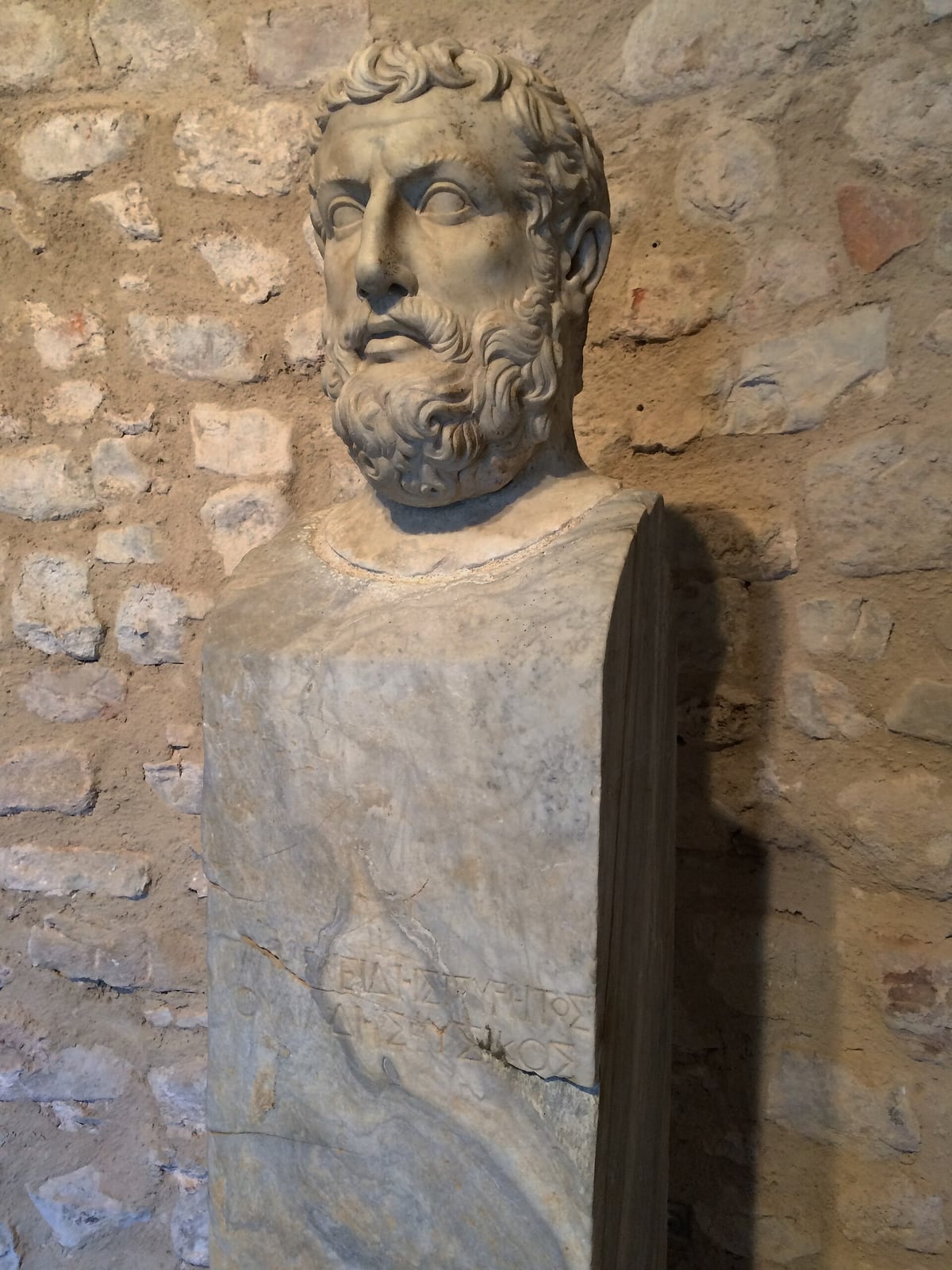
Parmenides
يختلفان في: هل العالم حقيقي؟

Nāgārjuna
يختلفان في: ما المطلق؟ هل الله موجود؟ · من أنا؟ هل توجد ذات حقيقية؟ · ماذا يحدث بعد الموت؟
حكايات وروايات
حكايات وروايات
موثّق1441
The codex of 1441
أصل الرواية: KBR, ms. 5855–5861; diplomatic edition and study by L. M. J. Delaissé (1956).
المصدر: Delaissé, L. M. J. Le manuscrit autographe de Thomas a Kempis et «L'Imitation de Jésus-Christ»: examen archéologique et édition diplomatique du Bruxellensis 5855–61. 2 vols. París y Bruselas: Érasme, 1956.
موثّق1604–1900
The war of the three authors
أصل الرواية: History of the controversy in Ampe (1973) and Van Engen (2008); Gaetani's thesis, in his Roman edition of 1616 and writings from 1604; the attribution to Thomas, in Busch's Chronicon Windeshemense (1464).
المصدر: Ampe, Albert. L'Imitation de Jésus-Christ et son auteur: réflexions critiques. Roma: Edizioni di Storia e Letteratura, 1973.
موثّق1522–1556
Ignatius's 'little Gerson'
أصل الرواية: Gonçalves da Câmara, Memoriale (1555), §§ 97–98; Spiritual Exercises, n. 100 (readings 'from the Imitation of Christ or the Gospels and lives of saints').
المصدر: Gonçalves da Câmara, Luís. Memoriale (1555), en Fontes narrativi de S. Ignatio, vol. I (Monumenta Historica Societatis Iesu 66). Roma, 1943. Trad. española: Recuerdos ignacianos. Memorial de Luis Gonçalves da Câmara, ed. Benigno Hernández Montes. Bilbao y Santander: Mensajero y Sal Terrae, 1992.
موثّق1429–1432
Exile in Friesland and his brother's death
أصل الرواية: Chronica Montis Sanctae Agnetis, years 1429–1432 (trans. Arthur, 1906); Catholic Encyclopedia (1912).
لا يمكن التحقق منه1672 (supuesto)
The legend of the scratched coffin
أصل الرواية: No printed source earlier than its internet circulation has been located; the English Wikipedia itself marks it as unsupported. The data on the exhumation come from the Catholic Encyclopedia (1912).
التعاليم
التعاليم
المفاهيم التي ينتظم بها فكره، مشروحة في سياقها.
The imitation of Christimitatio-christi
De imitatione Christi, I, 1; Christocentric spirituality of the devotio moderna.
المصدر: Thomas a Kempis. De imitatione Christi, libros I–IV (texto latino). Wikisource en latín.
Devotio modernadevotio-moderna
Lives of the founders (Dialogus noviciorum), Chronicle of Mount St Agnes; Van Engen (2008).
المصدر: Van Engen, John. Sisters and Brothers of the Common Life: The Devotio Moderna and the World of the Later Middle Ages. Filadelfia: University of Pennsylvania Press, 2008.
Compunction of heartcompunctio
De imitatione Christi, I, 1 and I, 21; De vera compunctione cordis.
المصدر: Thomas a Kempis. De imitatione Christi, libros I–IV (texto latino). Wikisource en latín.
The royal way of the holy crossvia-regia-crucis
De imitatione Christi, II, 11–12.
المصدر: Thomas a Kempis. De imitatione Christi, libros I–IV (texto latino). Wikisource en latín.
'Ama nesciri': humility and hidden lifeama-nesciri
De imitatione Christi, I, 2; I, 20; III, 50; Alphabetum parvum boni monachi.
المصدر: Thomas a Kempis. De imitatione Christi, libros I–IV (texto latino). Wikisource en latín.
مقاطع الفيديو
مقاطع الفيديو
تسجيلات ومقابلات وأفلام وثائقية. تُشغَّل مقاطع الفيديو من YouTube؛ ولا تُستضاف هنا.
The Imitation of Christ by Thomas à KEMPIS read by David Barnes | Full Audio Book
تسجيل من طرف ثالث· EN· 522 min
LibriVox Audiobooksالقناة الرسمية
De la imitación de Cristo by Thomas à Kempis read by Mongope Part 1/2 | Full Audio Book
تسجيل من طرف ثالث· ES· 404 min
LibriVox Audiobooksالقناة الرسمية
La Devotio moderna, par Benoît Beyer de Ryke
محاضرة· FR· 79 min
Académie royale de Belgiqueالقناة الرسمية
Geschichte des christlichen Mönchtums 11 – Leben in der Nachfolge – Die Brüder vom gemeinsamen Leben
محاضرة· DE· 17 min
Athina Lexutt
Thomas a Kempis - L'Imitation de Jésus-Christ
تحليل· FR· 2019· 53 min
KTO TVالقناة الرسمية
Thomas a Kempis (ca. 1380-1471) | Zwolle, Nederland
فيلم وثائقي· NL· 2010· 2 min
LetterkundigMuseum2القناة الرسمية
Thomas à Kempis Part 1: Historical Background #SpirtualMasters
محاضرة· EN· 41 min
TAN Booksالقناة الرسمية
Episode 1: Avoid Vanity, Seek Humility | The Commentaries: The Imitation of Christ
تحليل· EN· 20 min
TAN Booksالقناة الرسمية
Second Only to the Bible: The Imitation of Christ (Fr. Mike Schmitz & Fr. Gregory Pine)
تحليل· EN· 31 min
Ascension Presentsالقناة الرسمية
Pfarrer Dr. Peter Dyckhoff: Nachfolge Christi - geistlich leben nach Thomas von Kempen
مقابلة· DE· 14 min
KIRCHE IN NOT Deutschlandالقناة الرسمية
Nachfolge Christi – Grundlagen für ein geistliches Leben (Teil 1)
تحليل· DE· 12 min
KIRCHE IN NOT Deutschlandالقناة الرسمية
Imitación de Cristo - Tomás de Kempis
تحليل· ES· 41 min
Bibliopolis - Ivo Hernandez
¿Es posible imitar a CRISTO como lo hizo Tomás de Kempis?
تحليل· ES· 10 min
Creer para Comprender
المعرض
المعرض
صور بترخيص متحقَّق منه. كل منها تحتفظ بمؤلّفها ونسبتها.
المخطوطات
المخطوطات
شواهد مخطوطة ونصوص قديمة، مع جهة حفظها وشروط الاطّلاع عليها.
LA · Gótica libraria (textualis) de los Países Bajos · c. 1420–1441
De imitatione Christi libri IV et alia opuscula (autógrafo)
- الشاهد المحفوظ
- Códice autógrafo terminado en 1441 con la Imitación y otros opúsculos; colofón con su nombre y la fecha
- جهة الحفظ
- KBR, Biblioteca Real de Bélgica, Bruselas · ms. 5855–5861
LA · Gótica libraria · c. 1427–1439
Biblia (copia de Thomas a Kempis)
- الشاهد المحفوظ
- Biblia completa en cinco volúmenes, una de las varias que copió
- جهة الحفظ
- Universitäts- und Landesbibliothek Darmstadt
العلاقات
العلاقات
تأثيرات وتلمذة وتقارب في الأفكار. تُميَّز العلاقة الموثّقة عن التشابه المستخلَص بالتحليل.
أثّر في
Ignatius came to know the Imitation at Manresa (1522), read it daily, called it 'the little Gerson' and recommended it in the Spiritual Exercises (n. 100).
علاقة موثّقة
أثّر في
Teresa included the Contemptus mundi (the Castilian name of the Imitation) among the books her convents should have in the Constitutions of 1567.
علاقة موثّقة
اختلف مع
Brianchaninov judged the Imitation a fruit of 'prelest', an imaginative and exalted piety, and advised the Orthodox against reading it. The criticism is his; Thomas never knew him.
علاقة موثّقة
أفكار قريبة من
The devotio moderna comes from the same Rhenish-Netherlandish world as the mysticism of Eckhart, Tauler and Ruusbroec, and shares its detachment and inner life; but it distrusts speculation and translates mysticism into practical exercise. There is no evidence that Thomas read Eckhart.
تشابه مستخلَص بالتحليل
أفكار قريبة من
The imitation of the poor and humble Christ unites them; the Imitation expressly quotes a saying of Francis ('as much as each one is in your eyes, so much he is, and no more').
علاقة موثّقة
أفكار قريبة من
The devotional treatises of The Way to Christ share with the Imitation the renunciation of self-will and the distrust of knowledge that does not transform; Böhme adds a cosmology the Imitation ignores.
تشابه مستخلَص بالتحليل
المصادر
المصادر
المراجع والفهارس التي رُوجعت لهذه الصفحة.
- Wikidata, Q220976 «Thomas à Kempis» (P31=Q5; 78 enlaces entre wikis; P569 1379/1380; P570 1471-07-25; P20 Zwolle).
- Kettlewell, Samuel. Thomas à Kempis and the Brothers of Common Life. 2 vols. Londres: Kegan Paul, Trench & Co., 1882.
- Van Engen, John. Sisters and Brothers of the Common Life: The Devotio Moderna and the World of the Later Middle Ages. Filadelfia: University of Pennsylvania Press, 2008.
- Thomas à Kempis. The Founders of the New Devotion, being the Lives of Gerard Groote, Florentius Radewin and their Followers. Trad. J. P. Arthur. Londres: Kegan Paul, Trench, Trübner, 1905.
- Pohl, Michael Joseph (ed.). Thomae Hemerken a Kempis Opera omnia. 7 vols. Friburgo de Brisgovia: Herder, 1902–1922.
- Thomas à Kempis. The Chronicle of the Canons Regular of Mount St. Agnes. Trad. J. P. Arthur. Londres: Kegan Paul, Trench, Trübner, 1906 (Project Gutenberg n.º 16759; incluye la continuación con la noticia de su muerte).
- Delaissé, L. M. J. Le manuscrit autographe de Thomas a Kempis et «L'Imitation de Jésus-Christ»: examen archéologique et édition diplomatique du Bruxellensis 5855–61. 2 vols. París y Bruselas: Érasme, 1956.
- Thomas a Kempis. De imitatione Christi, libros I–IV (texto latino). Wikisource en latín.
- Busch, Johannes. Chronicon Windeshemense und Liber de reformatione monasteriorum (1464). Ed. Karl Grube. Halle: Otto Hendel, 1886 (Geschichtsquellen der Provinz Sachsen 19), con la atribución de la Imitación a Thomas.
- Scully, Vincent. «Thomas à Kempis». The Catholic Encyclopedia, vol. 14. Nueva York: Robert Appleton, 1912.
- Gonçalves da Câmara, Luís. Memoriale (1555), en Fontes narrativi de S. Ignatio, vol. I (Monumenta Historica Societatis Iesu 66). Roma, 1943. Trad. española: Recuerdos ignacianos. Memorial de Luis Gonçalves da Câmara, ed. Benigno Hernández Montes. Bilbao y Santander: Mensajero y Sal Terrae, 1992.
- Teresa de Jesús. Constituciones de las carmelitas descalzas (1567), «De los libros» (recomienda el Contemptus mundi). En Obras completas, ed. Efrén de la Madre de Dios y Otger Steggink. Madrid: BAC, 1962 y ediciones posteriores.
- Wesley, John (ed.). The Christian's Pattern: or, a Treatise of the Imitation of Christ. Londres: C. Rivington, 1735.
- Thérèse de l'Enfant-Jésus. Histoire d'une âme écrite par elle-même. Lisieux, 1898 (manuscrito A, cap. V: conocía casi de memoria la Imitación).
- Ignati (Brianchanínov). «О прелести», en Аскетические опыты, t. I (crítica de la Imitación de Cristo). Texto en Azbuka very.
- Open Library (Internet Archive): registros consultados por autor, título e ISBN para las ediciones listadas.
- Wikimedia Commons: metadatos de licencia (extmetadata) de cada fichero, leídos por la API imageinfo el 2026-10-25.
- KBR, Biblioteca Real de Bélgica (Bruselas): manuscrito autógrafo de Thomas a Kempis, ms. 5855–5861 (1441).
- Ampe, Albert. L'Imitation de Jésus-Christ et son auteur: réflexions critiques. Roma: Edizioni di Storia e Letteratura, 1973.
- صاحب الحقوق
- Dominio público (Thomas murió en 1471). Las traducciones antiguas (Nieremberg, Challoner, Benham, Lamennais, Sailer) son de dominio público; las modernas (Edibesa, Debate, Vintage, Mercer, Dover y otras) pertenecen a sus editores y traductores.
في انتظار التأكيد
ما لم تتمكّن هذه الصفحة من حسمه بعد. نفضّل أن نقول ذلك على أن نملأ الفراغ.
- Verificar las fechas de muerte de los traductores J. P. Arthur, Vincent Scully y William Duthoit para levantar la cautela sobre la Crónica, las Vidas de los fundadores, los Sermones a los novicios y las Oraciones y meditaciones.
- La edición española de la Imitación en Internet Archive (Nieremberg, 1876) carece de datos de imprenta: localizar una digitalización bibliotecaria (BNE, Biblioteca Digital Hispánica) de la traducción de Nieremberg o de la atribuida a fray Luis de Granada.
- No existe la Imitación en la Wikisource en español (comprobado el 2026-10-25), contra lo que se esperaba; la sala de lectura en español queda con el ejemplar de Internet Archive.
- Opúsculos menores (De tribus tabernaculis, De disciplina claustralium, Hortulus rosarum, Vallis liliorum, Doctrinale iuvenum, etc.): solo en los volúmenes de Pohl (1902–1922) en Internet Archive, que reúnen varias obras por volumen; buscar URL propia por obra.
- Precisar fechas de composición de los opúsculos (se dan aproximadas) con la introducción de la edición de Pohl.
- Confirmar traductor y año de la edición de Debate (2000) y del Libro de remedar a Christo (1495; ejemplar en la Biblioteca Digital Hispánica).
- Confirmar el ISBN de la nueva traducción alemana de Bernhard Lang (Reclam, 2022) y de Das Leben Meister Gerhards (2016): no localizados en Open Library.
- No hay retrato de Thomas hecho del natural: todas las imágenes de su persona son posteriores e imaginarias.
- Programas de afiliación: ninguno verificado; lista vacía.
- Documentar la procedencia del autógrafo de Bruselas (KBR ms. 5855–5861) entre Agnietenberg y la Biblioteca Real, y si existe digitalización pública.
بُحث بتاريخ 2026-10-25