المسيحية · التصوف المسيحي · الكاثوليكية
Ignatius of Loyola
1491 – 1556شخصية موثّقة تاريخيًا
نبيل باسكيّ من إقليم غيبوثكوا (1491–1556) جُرح في بنبلونة سنة 1521، ثم اهتدى في أثناء نقاهته فصار حاجًّا، وطالبًا في ألكالا وسلمنقة وباريس، ومؤسّسًا مع رفاقه للرهبانية اليسوعية (1540)، وكان أول رئيس عامّ لها. و«الرياضات الروحية»، التي وُلدت من تجربة منريسا، منهجٌ في الصلاة والتمييز كوّن الرهبان والعلمانيين على مدى خمسة قرون. وخلّف كذلك «قوانين» الرهبانية و«يوميات روحية» وسيرته التي أملاها ونحو سبعة آلاف رسالة.
- مؤلَّفًا
- 16مؤلَّفًا
- طبعة
- 42طبعة
- اقتباسًا
- 9اقتباسًا
- مقطع فيديو
- 15مقطع فيديو
- صورة
- 7صورة
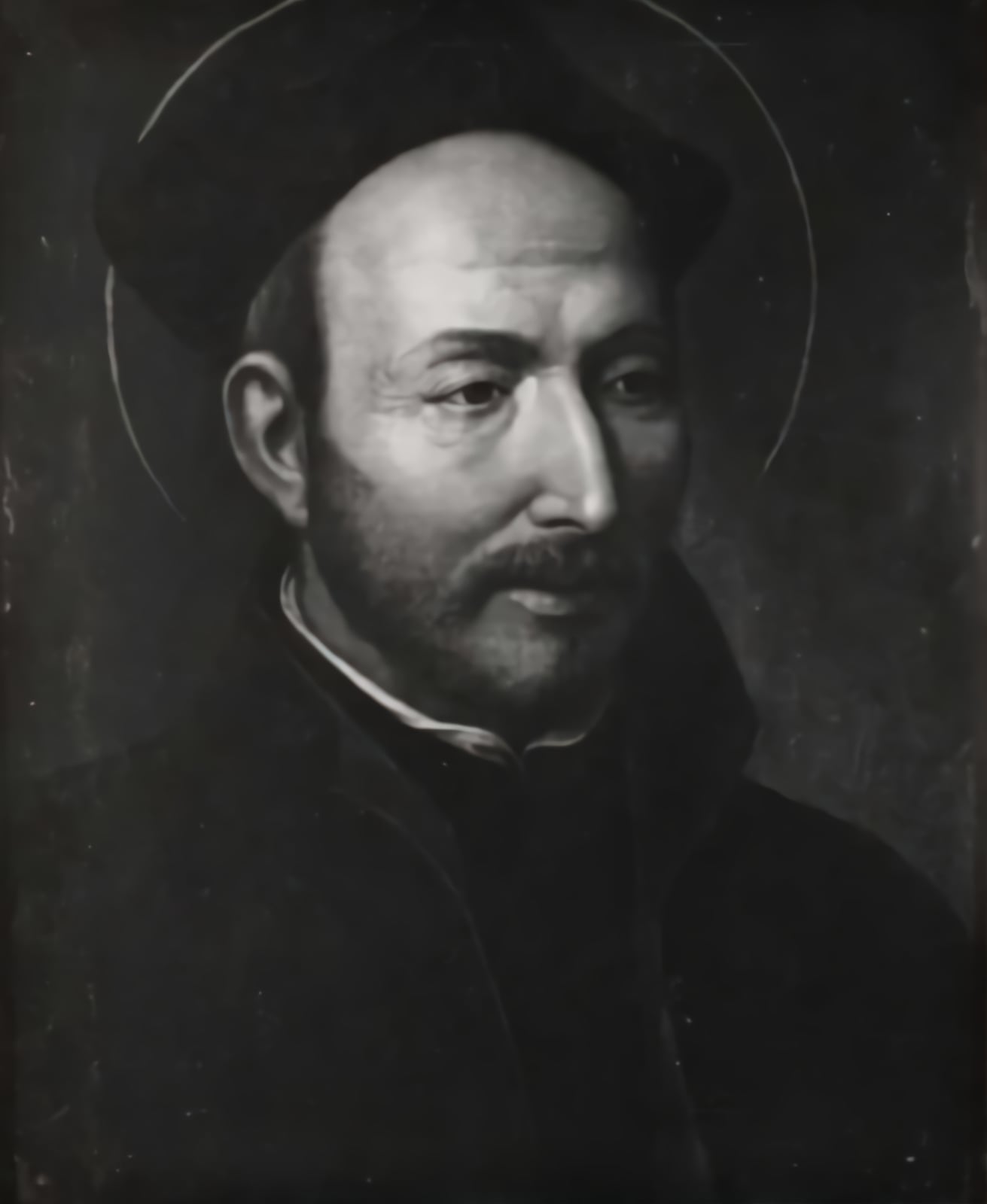
Retrato de Ignacio de Loyola · Public domain
بكلماته
«Man is created to praise, reverence, and serve God our Lord, and by this means to save his soul.»Ejercicios espirituales, [23] Principio y fundamento (trad. inglesa de Elder Mullan, 1914)

فكرته المحورية
Principle and Foundation and indifference: The Principle and Foundation ([23]) opens the first week of the Exercises: human beings are created to praise, reverence and serve God, and all other things are created to help them toward that end; it follows that they should use them 'as much as' they help and rid themselves of them 'as much as' they hinder.
السيرة
4 دقيقة قراءة
ترجمة مُعانة من الأصل الإسباني، بانتظار مراجعة مترجم من أهل اللغة.
الابن الأصغر في بيت لويولا
وُلد إينيغو لوبيث دي لويولا سنة 1491 في البيت البرجيّ لآل لويولا قرب أثبيتيا في إقليم غيبوثكوا، وكان أصغر ثلاثة عشر ولدًا لبلتران يانييث دي أونياث إي لويولا ومارينا سانشيث دي ليكونا. وسنة مولده مأخوذة من التقليد اليسوعيّ الذي ثبّته كتّاب سيرته الأوائل؛ أما اليوم فغير معروف، بل إنه هو نفسه يناقض نفسه في ذكر عمره حين أملى ذكرياته. نال القصّة الإكليريكية صبيًّا، غير أن أسرته أعدّته لحياة البلاط: فنحو سنة 1506 دخل وصيفًا في بيت خوان بيلاثكيث دي كوييار، كبير خزنة قشتالة، في أريبالو، وهناك تعلّم آداب البلاط وولع بالسلاح وبقراءة روايات الفروسية. وتذكّر دعوى رُفعت سنة 1515 في أثبيتيا بسبب جنح ارتكبها ليلًا في الكرنفال مع أخيه بيرو لوبيث بأن ذلك الشباب لم يكن مما يُقتدى به، وقد لخّصه هو فيما بعد بلا رفق: «رجل منصرف إلى أباطيل الدنيا».
بنبلونة وفترة النقاهة
بعد أن سقط بيلاثكيث من الحظوة ومات سنة 1517، انتقل إينيغو إلى خدمة دوق ناخيرا، نائب الملك في نافارا. وفي 20 مايو 1521، في أثناء حصار الفرنسيين لبنبلونة، أقنع آمر القلعة بالمقاومة حين كان الجميع يريدون الاستسلام؛ فمرّت قذيفة مدفع بين ساقيه وكسرت إحداهما. أعاده الفرنسيون محمولًا على محفّة إلى لويولا، حيث كسر الجرّاحون العظم ثانيةً لأنه التحم التحامًا سيئًا، ونشروا بطلب منه النتوء البارز تحت الركبة، لأنه كان يشوّه ساقه وكان هو «عازمًا على اتّباع الدنيا». وفي أثناء النقاهة طلب روايات فروسية، فلم يكن في البيت سوى «حياة المسيح» لِلودولف السكسونيّ ومجموعة «Flos sanctorum» لسير القديسين بالقشتالية. ومع القراءة أخذ يسأل نفسه: ماذا لو فعل ما فعله القديس فرنسيس والقديس دومينيك؟ ولاحظ أن بعض الخواطر تتركه جافًّا وبعضها يتركه فرحًا: هكذا يصف هو نفسه أول تمييز للأرواح عنده.
مونتسيرات ومنريسا والقدس
في فبراير 1522 غادر لويولا. وفي مونتسيرات أدّى اعترافًا عامًّا دام ثلاثة أيام، وعلّق سيفه وخنجره أمام العذراء، ووهب ثيابه لفقير، وسهر على سلاحه على طريقة أماديس ليلة الرابع والعشرين إلى الخامس والعشرين من مارس. ثم أقام نحو سنة في منريسا يستعطي ويخدم في المستشفى ويصلّي ساعات طويلة في مغارة قرب نهر كاردونير. وهناك اجتاز وساوس قادته إلى التفكير في الانتحار، ثم سلسلة من الإشراقات؛ أهمّها، على ضفة النهر، تركه «كأنه رجل آخر». وفي تلك الأشهر دوّن الملاحظات التي ستصير «الرياضات الروحية». وفي سنة 1523 حجّ إلى القدس مارًّا بروما والبندقية؛ فألزمه الفرنسيسكان، حرّاس الأماكن المقدسة، بالرحيل، فعاد إلى برشلونة سنة 1524 وهو يتساءل عمّا ينبغي أن يفعل.
طالب موضع ريبة
عزم على الدراسة «لمساعدة النفوس». فتعلّم اللاتينية في برشلونة بين الصبيان، ثم انتقل إلى ألكالا سنة 1526 وإلى سلمنقة سنة 1527. وفي المدينتين كان يعظ من غير شهادات، ويجمع حوله أتباعًا يلبسون الخيش، فكان ذلك كافيًا لأن تحقّق محكمة التفتيش والدومينيكان في أمره بوصفه واحدًا محتملًا من «المستنيرين» (الألومبرادوس): فسُجن اثنين وأربعين يومًا في ألكالا واثنين وعشرين في سلمنقة، وهناك أجاب من أشفق عليه بأنه ليس في المدينة من القيود والسلاسل ما لا يشتهي أكثر منه حبًّا بالله. وبُرّئ، لكنه مُنع من التعليم في الخطيئة المميتة والخطيئة العرضية حتى يُتمّ دراسته، فمضى إلى باريس «وحيدًا وماشيًا» في مطلع سنة 1528.
رفاق باريس
في معهد مونتيغو، ثم في معهد سانت باربي، تقاسم الغرفة مع السافوائيّ بيير فافر والنافاريّ فرانثيسكو دي خاسو، أي فرنسيس كسفاريوس. وأعطاهم الرياضات واحدًا واحدًا، وانضمّ إليهم دييغو لاينيث وألفونسو سالميرون ونيكولاس دي بوباديا وسيماو رودريغيش. وفي 15 أغسطس 1534، في كنيسة صغيرة على تلّة مونمارتر، نذر السبعة الفقر والسفر إلى القدس، أو، إن تعذّر عليهم الإبحار في غضون سنة، أن يضعوا أنفسهم تحت تصرّف البابا. وعاد إينيغو، الذي نال درجة الأستاذية في الفنون سنة 1535، إلى أثبيتيا ليستردّ عافيته، فأثار استياء أخيه لأنه كان يستعطي ويعلّم التعليم المسيحيّ في مستشفى المجدلية.
روما والرهبانية
اجتمعوا في البندقية سنة 1537، فخدموا في المستشفيات ورُسموا كهنة في 24 يونيو. وأغلقت الحرب مع العثمانيين الطريق إلى الأرض المقدسة. وفي الطريق إلى روما، في كنيسة لا ستورتا، في نوفمبر 1537، شعر إغناطيوس — وهو الاسم الذي بدأ يتّخذه — بأن الآب يضعه مع ابنه؛ ونقل لاينيث عبارة «Ego vobis Romae propitius ero» (سأكون لكم في روما رؤوفًا). وفي ربيع 1539 تداول الرفاق في ما إذا كان عليهم أن يتّحدوا تحت الطاعة، وفي 27 سبتمبر 1540 أقرّ البابا بولس الثالث الرهبانية اليسوعية (جمعية يسوع) بالبراءة البابوية «Regimini militantis Ecclesiae». وفي أبريل 1541 انتُخب إغناطيوس رئيسًا عامًّا بالإجماع ما عدا صوته هو، وأبرز نذوره في الثاني والعشرين من الشهر في كنيسة القديس بولس خارج الأسوار.
خمسة عشر عامًا في غرفة
لم يكد يغادر روما بعد ذلك. فمن الحجرات الصغيرة المجاورة لكنيسة سانتا ماريا ديلا سترادا أدار بالمراسلة رهبانيةً بلغ عدد أعضائها عند وفاته نحو ألف، ومعاهدها نحو أربعين. وأقرّ بولس الثالث «الرياضات الروحية» سنة 1548؛ وصاغ إغناطيوس مع أمين سرّه خوان ألفونسو دي بولانكو «القوانين»، وأسّس المعهد الروماني (1551) والمعهد الجرمانيّ (1552)، وفتح بيت القديسة مرتا للنساء التاركات للبغاء، وخلّف قرابة سبعة آلاف رسالة. وتكشف «يومياته الروحية» (1544–1545)، تحت نثر الرجل المدبّر، تصوّفًا للدموع محوره الثالوث. وبين 1553 و1555 أملى على لويس غونسالفيش دا كامارا قصة حياته، وفيها يسمّي نفسه «الحاجّ».
الموت والإرث
مات فجر 31 يوليو 1556 من غير أن تكاد جماعته تتنبّه إلى خطورة حاله: ففي اليوم السابق كان قد طلب من بولانكو أن يلتمس بركة البابا بولس الرابع، الذي لم يكن يحمل له ودًّا، فأرجأ بولانكو ذلك إلى الصباح التالي. أُعلن طوباويًّا سنة 1609، وقدّيسًا في 12 مارس 1622 مع فرنسيس كسفاريوس وتريزا الأفيلية وفيليب نيري وإيسيدور الفلاح. وإرثه ليس عقيدة بل منهج: أن يتعلّم المرء تمييز الحركات الباطنة، وأن يختار بحرية، وأن «يطلب الله ويجده في كل شيء». وقد كوّنت «الرياضات» على مدى خمسة قرون رهبانًا وعلمانيين من مذاهب مختلفة، وغدت الرهبانية اليسوعية أكبر شبكة تعليمية في الكنيسة. أما الشخصية التاريخية، وهي أقلّ أسطوريةً من صورة «الجنديّ التائب»، فشخصية رجل قصير القامة، أعرج، صبور، تعلّم أن يدبّر بالإصغاء.
المصادر: Ignacio de Loyola. Obras. Transcripción, introducciones y notas de Ignacio Iparraguirre, Cándido de Dalmases y Manuel Ruiz Jurado. Madrid: Biblioteca de Autores Cristianos, 1991 (5.ª ed.). ISBN 9788479140342. · Ignacio de Loyola. Autobiografía (Acta Patris Ignatii), recogida por Luís Gonçalves da Câmara, 1553–1555. Texto castellano en Wikisource. · Ignatius of Loyola. The Spiritual Exercises of St. Ignatius of Loyola. Translated from the Autograph by Elder Mullan, S.J. New York: P. J. Kenedy & Sons, 1914. Texto en Christian Classics Ethereal Library. · García-Villoslada, Ricardo. San Ignacio de Loyola: nueva biografía. Madrid: Biblioteca de Autores Cristianos (BAC Maior), 1986. · Tellechea Idígoras, José Ignacio. Ignacio de Loyola, solo y a pie. Madrid: Cristiandad, 1986.
الخط الزمني
الحياة عامًا بعد عام
كل نقطة حدث موثّق. انقر لتقرأه مع مصدره ودرجة اليقين فيه.
1491أقل من عامLoyola, Azpeitia
Birth
Íñigo is born, the youngest of thirteen children, in the tower house of the Oñaz and Loyola. The year is fixed by Jesuit tradition; the day is unknown.
مرجَّحPollen, John Hungerford. «St. Ignatius Loyola». The Catholic Encyclopedia, vol. 7. New York: Robert Appleton, 1910 (texto en Wikisource).
بعد وفاته
- 12 مارس 1622Canonisation
1491 · أقل من عام
Birth
Íñigo is born, the youngest of thirteen children, in the tower house of the Oñaz and Loyola. The year is fixed by Jesuit tradition; the day is unknown.
مرجَّح
نحو 1506
Page at Arévalo
He enters the household of Juan Velázquez de Cuéllar, chief treasurer of Castile, where he is trained as a courtier until 1517.
مرجَّح
1515
Lawsuit at Azpeitia
He is prosecuted together with his brother Pero López for offences committed at night during carnival; the records survive.
موثّق
20 مايو 1521 · 29 عامًا
Wounded at Pamplona
A cannonball shatters one of his legs during the French siege of the fortress. Convalescence at Loyola and reading of the Vita Christi and the Flos sanctorum.
موثّق
25 مارس 1522
Vigil of arms at Montserrat
After a three-day general confession he leaves his sword and dagger before the Virgin, gives his clothes to a beggar and keeps vigil on the night of the Annunciation.
موثّق
1522
Manresa and the Cardoner
Almost a year of prayer, penance and scruples; the 'great illumination' beside the river Cardoner and the first notes of the Exercises.
موثّق
4 سبتمبر 1523
Pilgrim in Jerusalem
He reaches Jerusalem; the Franciscan custodians order him to leave and he returns to Barcelona in 1524.
موثّق
1527
Trials and prison
Investigated as a possible alumbrado, he spends 42 days in prison at Alcalá and 22 at Salamanca; he is forbidden to define mortal and venial sin.
موثّق
فبراير 1528
Arrival in Paris
He arrives 'alone and on foot'; studies at Montaigu and at Sainte-Barbe, where he lives with Pierre Favre and Francis Xavier.
موثّق
15 أغسطس 1534
Vows of Montmartre
With Favre, Xavier, Laínez, Salmerón, Bobadilla and Rodrigues he vows poverty and a pilgrimage to Jerusalem, or else to place himself at the pope's disposal.
موثّق
24 يونيو 1537
Ordination to the priesthood
He is ordained priest in Venice with several companions; he postpones his first Mass until Christmas 1538.
موثّق
نوفمبر 1537
Vision at La Storta
On the road to Rome he feels that the Father places him with his Son; Laínez hands down the words 'Ego vobis Romae propitius ero'.
موثّق
27 سبتمبر 1540
Approval of the Society of Jesus
Paul III approves the Formula of the Institute with the bull Regimini militantis Ecclesiae.
موثّق
22 أبريل 1541
First superior general
Elected general by his companions, he makes his profession with them at Saint Paul Outside the Walls.
موثّق
2 فبراير 1544
The Spiritual Diary begins
Until February 1545 he records his movements, tears and visions while discerning the poverty of the Society's churches.
موثّق
31 يوليو 1548
Approval of the Exercises
Brief Pastoralis officii of Paul III; the Latin version is printed in Rome that year.
موثّق
فبراير 1551
Roman College
He founds the Roman College, origin of the Pontifical Gregorian University; the following year, the German College.
موثّق
4 أغسطس 1553
He dictates his account
He begins to tell his life to Luís Gonçalves da Câmara; the sessions continue in 1555.
موثّق
31 يوليو 1556 · 64 عامًا
Death
He dies at dawn in the professed house; Polanco had gone to ask for Paul IV's blessing.
موثّق
12 مارس 1622
Canonisation
Gregory XV canonises him with Francis Xavier, Teresa of Jesus, Philip Neri and Isidore the Farmer; he had been beatified in 1609.
موثّق
المؤلَّفات
المؤلَّفات الأساسية
المؤلَّفات التي لا يُفهم إرثه من دونها.
مؤلَّف مكتوب · 1548
Spiritual Exercises
Ejercicios espirituales
It is not a book to be read but a manual for the person who gives the exercises to another. It is organised in four 'weeks' of flexible length: sin and mercy; the life of Christ and the choice of a state of life; the passion; the resurrection and the 'contemplation to attain love', which culminates in the prayer 'Take, Lord, and receive'. It is framed by the Principle and Foundation, the annotations, methods of examination and prayer, the rules for the discernment of spirits, for distributing alms, on scruples and 'for thinking with the Church'. Its novelty lies in a pedagogy of inner freedom: learning to recognise consolation and desolation in order to choose without disordered attachments.
12 طبعة · amazon.com

تعليم شفهي مدوَّن · 1555
Autobiography (A Pilgrim's Testament)
Acta Patris Ignatii (Relato del peregrino)
It covers the years from Pamplona (1521) to his arrival in Rome (1538), with a short appendix on the writing of the Exercises and the Constitutions. It is a spiritual autobiography rather than a chronicle: Ignatius selects the episodes in which he learned to read 'the diversity of spirits' —the convalescence at Loyola, the scruples and the illumination at the Cardoner in Manresa, the journey to Jerusalem, the trials at Alcalá and Salamanca, the studies in Paris— and tells them with sobriety, irony and no hagiography. It is the main primary source for his conversion.
8 طبعات · amazon.com

مؤلَّف مكتوب · نحو 1556
Constitutions of the Society of Jesus
Constituciones de la Compañía de Jesús
Ten parts that follow a Jesuit's path: admission, dismissal, formation of novices, studies and colleges (Part IV, the basis of Jesuit pedagogy), final incorporation, the life of the professed, missions, union of those dispersed, the general's government and the preservation of the body. They combine legal norms with spiritual criteria: obedience 'like a dead body' that lets itself be carried, apostolic mobility, poverty, and the principle of adapting everything 'to persons, times and places'. Ignatius deliberately left them open to revision.
4 طبعات · amazon.es
مخطوطة · 1544
Spiritual Diary
Diario espiritual
A near-daily record of the movements, tears, visions and 'loquela' that accompanied Ignatius as he discerned whether the Society's churches should have fixed revenues. Written with abbreviations, signs and crossings-out, it shows both the method of election of the Exercises applied by their author and an intense Trinitarian and Eucharistic mysticism tied to the celebration of Mass. It is the most intimate document of his to survive.
4 طبعات · amazon.com
جميع مؤلَّفاته (16)
Letters and Instructions
1556

Letter to Teresa Rejadell
1536
Letter on Perfection (to the students at Coimbra)
1547
Letter on Obedience
1553
Ignatius of Loyola
Formula of the Institute
The Conscious LibraryFormula of the Institute
1539
Ignatius of Loyola
Deliberation of the First Fathers
The Conscious LibraryDeliberation of the First Fathers
1539
Deliberation on Poverty
1544
Ignatius of Loyola
Autograph Directory and dictated directories
The Conscious LibraryAutograph Directory and dictated directories
1555
Instruction for those going to Trent
1546
Ignatius of Loyola
Rules of the Society (common rules and rules of modesty)
The Conscious LibraryRules of the Society (common rules and rules of modesty)
1555
Ignatius of Loyola
'Anima Christi' (misattribution)
The Conscious Library'Anima Christi' (misattribution)
1350

Ignatian Sparks (Scintillae Ignatianae)
1705
الأقوال
أقوال محدَّدة الموضع في مؤلَّف بعينه. كل منها يحمل مصدره ودرجة الثقة به.
Man is created to praise, reverence, and serve God our Lord, and by this means to save his soul.El hombre es criado para alabar, hacer reverencia y servir a Dios nuestro Señor, y mediante esto salvar su ánima.
متحقَّق منهEjercicios espirituales, [23] Principio y fundamento (trad. inglesa de Elder Mullan, 1914)
أقوال منحولة أو مختلَف في نسبتها (3)
«'Trust in God as if all success depended on you and nothing on God; yet put all your effort into it as if you did nothing and God did everything.'»
A maxim from Gabriel Hevenesi's Scintillae Ignatianae (Vienna, 1705), with no literal counterpart in Ignatius's writings. It circulates in an inverted, simplified version ('Pray as if everything depended on God and work as if everything depended on you') that loses the paradox of the Latin original. It may sum up his spirit, but it is not his quotation.
«'Give me the child until he is seven and I will show you the man.'»
It is attributed to the Jesuits generally, sometimes to Ignatius or Francis Xavier, with no source in their writings or in the sixteenth-century narrative sources. It is a modern attribution, often used polemically against Jesuit education.
«'Go and set the world on fire' (Ite, inflammate omnia).»
A phrase widely spread in Jesuit tradition as Ignatius's farewell to his envoys, above all Francis Xavier. It does not appear in his letters or in the Autobiography; it is a formula of later piety.
الكلمات الأخيرة
رواية لاحقة عن شهود
«Ah, God!»¡Ay, Dios!
There was no solemn farewell: Ignatius died at dawn on 31 July 1556 with very few witnesses, while Polanco was on his way to the Vatican to ask for Paul IV's blessing. All that survives is the exclamation that the infirmarian brother Cannizaro believed he heard during the night, handed down in Polanco's letter of 6 August 1556 (Fontes narrativi I). José Ignacio Tellechea quotes it as 'Ay, Dios, Jesús'; other versions give only 'Ay, Dios!'. The short form, common to all, is recorded here.
المصدر: Tellechea Idígoras, José Ignacio. «Semblanza de Ignacio de Loyola». Conferencia en Forum Deusto, 24 de enero de 2006. Bilbao: Universidad de Deusto. ISBN 978-84-9830-696-5.
اسأل
بماذا يجيب أثره
اثنا عشر سؤالًا كبيرًا من أسئلة الإنسانية، وما تتيح نصوصه الإجابة به عنها، مع المراجع. ولا نقوّله ما لم يقل أبدًا.
ما المطلق؟ هل الله موجود؟
God is Creator and Lord, who deals directly with the creature
إله شخصييقوله صراحةً
Ignatius of Loyola begins, in the Principle and Foundation of the Spiritual Exercises, with a creator God to whom the human being is ordered: created to praise, reverence and serve him. This God is not distant: annotation 15 asks the one giving the exercises to let the Creator deal «immediately» with the creature. In the Contemplation to Attain Love, God dwells in creatures, labours for the human being in them, and descends like the rays of the sun. The Spiritual Diary of 1544 also shows an intense devotion to the three Persons of the Trinity, with tears and visions. The Absolute is for Ignatius a personal Lord who communicates his will and awaits a response.
قارن هذا السؤال مع معلّمين آخرينمن أنا؟ هل توجد ذات حقيقية؟
I am a creature made to praise and serve, and so save my soul
روح مخلوقة خالدةيقوله صراحةً
Ignatius of Loyola defines the human being by its end: the Principle and Foundation of the Spiritual Exercises states that it was created to praise, reverence and serve God, and by this means save its soul. The self is not a fixed datum, but a freedom traversed by movements: the Exercises teach one to distinguish within oneself one's own thoughts and those that come from outside, from the good and the evil spirit, and to order disordered affections. To know oneself is to learn to read consolations and desolations. The true self is the one that, indifferent toward created things, chooses what most leads to the end for which it was created.
قارن هذا السؤال مع معلّمين آخرينلماذا نتألّم؟
Desolation has causes, and in it one makes no change
الانفصال عن اللهيقوله صراحةً
Ignatius of Loyola does not build a theodicy; he offers discernment. In the Spiritual Exercises he calls desolation the darkness, disturbance, restlessness and lack of faith, hope and love in which the soul feels as if separated from its Creator. He assigns it three causes: one's own tepidity and negligence, the testing of one's worth without consolation, and the lesson that consolation is God's gift and not one's own merit. In time of desolation one should never change decisions already made. The first week also meditates on sin and its consequences. Spiritual suffering arises from estrangement and can become a school.
قارن هذا السؤال مع معلّمين آخرينماذا يحدث بعد الموت؟
Decide as if one were at the point of death
الحياة الأبدية والقيامةيقوله صراحةً
Ignatius of Loyola takes for granted the Christian faith in eternal life, judgement and the possibility of damnation, and puts it at the service of decision-making. The Principle and Foundation directs all of life toward saving the soul; the first week of the Exercises includes the meditation on hell with the five senses. More original is his use of death as a criterion for discernment: in the second way of making an election, he proposes considering what form and measure one would wish to have followed in the present choice if one were at the point of death, and how one will stand on the day of judgement. Death is not speculated upon: it is used to live truthfully.
قارن هذا السؤال مع معلّمين آخرينكيف يُبلَغ التحرّر أو الخلاص؟
Exercise oneself to remove disordered affections and seek God's will
بالممارسة المنضبطةيقوله صراحةً
Ignatius of Loyola is, among Christian masters, the great author of a method. The first annotation of the Spiritual Exercises defines them as every way of examining one's conscience, meditating, contemplating and praying, and compares them to bodily exercise: just as walking and running are exercises of the body, these are of the soul, to remove all disordered affections and, once they are removed, to seek and find the divine will. Four weeks, with timetables, additions, examens and rules for discernment, lead to the election. But the method does not produce salvation: in each exercise it asks for the grace desired and lets the Creator act directly with the creature.
قارن هذا السؤال مع معلّمين آخرينهل نحتاج إلى معلّم؟
The giver of the exercises lets the Creator deal with the creature
مفيد لكنه ليس ضروريًايقوله صراحةً
Ignatius of Loyola defines precisely the role of the companion. The Spiritual Exercises are designed for someone to give them to another, and their annotations offer detailed advice: adapt the exercises to the person, do not give more than they can bear, help them discern the movements. But annotation 15 marks the limit: the one giving the exercises must not incline the one receiving them toward one choice or another, but stand in the middle like the pointer of a balance and let the Creator act directly with the creature. The teacher is useful and almost necessary to avoid self-deception, but does not take God's place.
قارن هذا السؤال مع معلّمين آخرينهل العالم حقيقي؟
Things are created to help the human being toward its end
خلقٌ صالح وحقيقييقوله صراحةً
Ignatius of Loyola looks at the world in terms of its purpose. The Principle and Foundation of the Spiritual Exercises states that the other things on the face of the earth are created for the human being, to help him attain the end for which he was created; hence they should be used insofar as they help and set aside insofar as they hinder, becoming indifferent. But the Contemplation to Attain Love adds a deeper gaze: God dwells in the elements, in plants, in animals and in the human being, labours for him in all things, and all goods descend from above like the rays of the sun. The world is good creation and a place where God is found.
قارن هذا السؤال مع معلّمين آخرينما الحب؟
Love is shown more in deeds than in words
محبة الله والقريبيقوله صراحةً
The Contemplation to Attain Love, which closes the Spiritual Exercises, opens with two notes that define love for Ignatius of Loyola. The first: love ought to be put more into deeds than into words. The second: love consists in mutual communication, in which the lover gives and shares with the beloved what he has and can, and the beloved with the lover. Contemplating how much God has given leads to the offering of self: take, Lord, and receive all my liberty. That love is expressed in service, and the Constitutions extend it to the help of souls and to dealings with one's neighbour, whom the presupposition of the Exercises asks always to interpret in the best sense.
قارن هذا السؤال مع معلّمين آخرينهل نحن أحرار أم أن كل شيء مقدَّر؟
Never speak of grace so as to take away freedom
إرادة حرة حقيقيةيقوله صراحةً
Ignatius of Loyola builds the Spiritual Exercises around a free choice: the whole method seeks that the person, free of disordered affections, choose what most leads to the end for which they were created. The offering that crowns them begins precisely with freedom: take, Lord, and receive all my liberty. And in the rules for thinking with the Church, written in the midst of the controversy with the Reformation, he warns that one should not speak so much of predestination or insist so much on grace as to give rise to the idea that works and free will are of no use. Freedom is a real gift that is exercised and, in the end, surrendered.
قارن هذا السؤال مع معلّمين آخرينلماذا نتأمّل أو نصلّي؟
Speak with God as one friend speaks to another
صداقة مع اللهيقوله صراحةً
The Spiritual Exercises are a repertoire of ways of praying: examination of conscience, meditation with the three faculties, contemplation of Gospel scenes by composition of place, application of the senses, three methods of praying with words. But all lead into the colloquy, which Ignatius of Loyola defines in the first week as speaking exactly as one friend speaks to another, or a servant to his master. The second annotation gives the criterion: it is not much knowledge that fills and satisfies the soul, but feeling and relishing things interiorly. To pray is to deal with someone, and the fruit is an inner knowledge of the Lord, the better to love and follow him.
قارن هذا السؤال مع معلّمين آخرينهل يستطيع العقل أن يعرف الحقيقة القصوى؟
Not much knowing, but relishing; and still, study
الإيمان والعقل يتعاونانيقوله صراحةً
Ignatius of Loyola holds two things that complete each other. On the one hand, the second annotation of the Spiritual Exercises warns that it is not much knowledge that fills and satisfies the soul, but feeling and relishing things interiorly; and the Autobiography recounts that by the river Cardoner the eyes of his understanding were opened with such great enlightenment that everything seemed new to him. On the other, in his thirties he sat among children to learn Latin and studied at Alcalá, Salamanca and Paris, and the rules for thinking with the Church command praise of positive and scholastic theology. For him, trained reason serves faith and the help of souls.
قارن هذا السؤال مع معلّمين آخرينالانسحاب من العالم أم تغييره؟
Seek and find God in all things
التأمّل في الفعليقوله صراحةً
Ignatius of Loyola began as a hermit at Manresa, but founded an order of active life: the Society of Jesus has no choir and no enclosure, and its members must be available to go to any part of the world where greater service of God is hoped for. The Constitutions ask Jesuits to seek God in all things, removing as far as possible their love from creatures to place it in the Creator. The Contemplation to Attain Love teaches to see God present and labouring in everything. His secretary Jerónimo Nadal coined the formula that sums it up: contemplative in action. Prayer is not opposed to apostolic work: it directs and sustains it.
قارن هذا السؤال مع معلّمين آخرين
التقارب والتوتّر
التقارب والتوتّر
محسوبة سؤالًا سؤالًا انطلاقًا من مواقفه. وسبب كل اتفاق أو اختلاف يظهر بالنقر.
يقترب في تفكيره من

Teresa of Ávila
يتّفقان في: ما المطلق؟ هل الله موجود؟ · من أنا؟ هل توجد ذات حقيقية؟ · لماذا نتألّم؟

Francis of Assisi
يتّفقان في: ما المطلق؟ هل الله موجود؟ · من أنا؟ هل توجد ذات حقيقية؟ · لماذا نتألّم؟
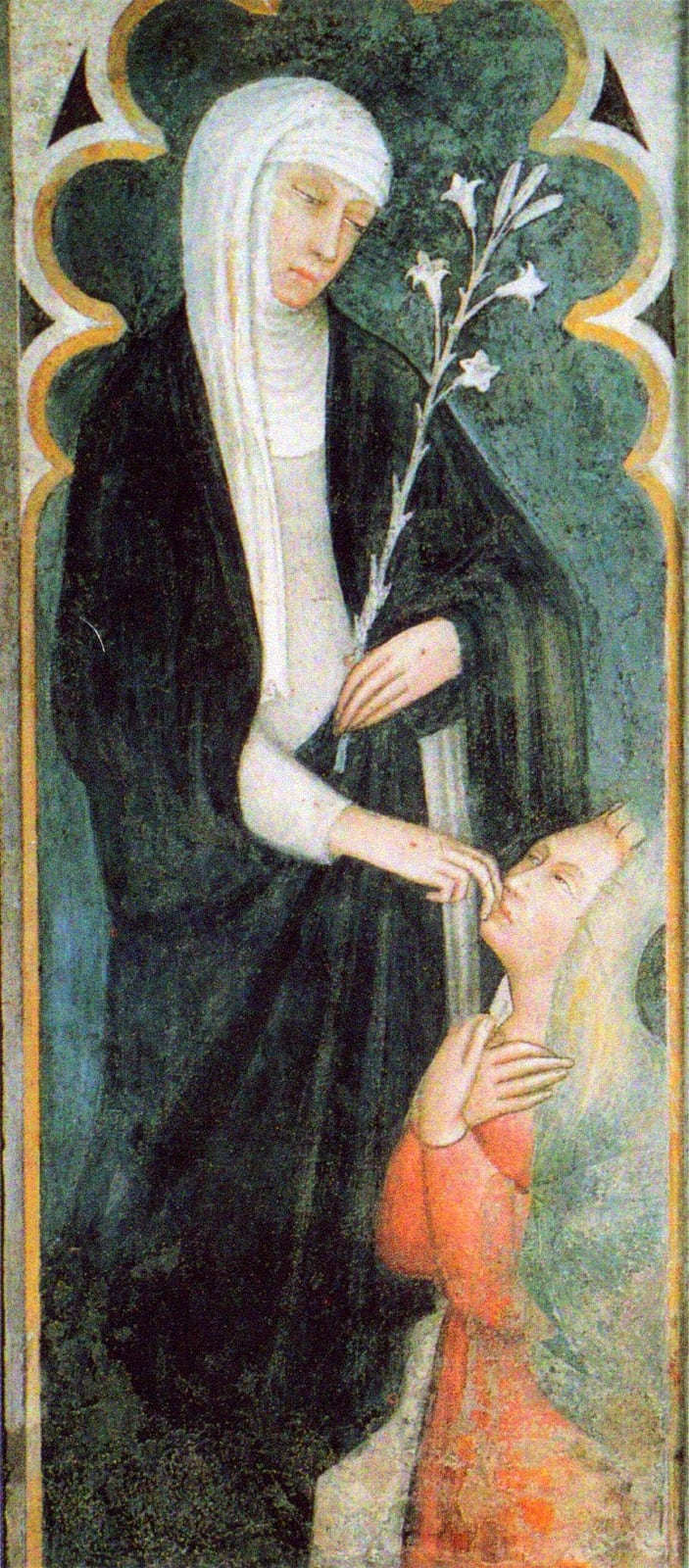
Catherine of Siena
يتّفقان في: ما المطلق؟ هل الله موجود؟ · من أنا؟ هل توجد ذات حقيقية؟ · لماذا نتألّم؟
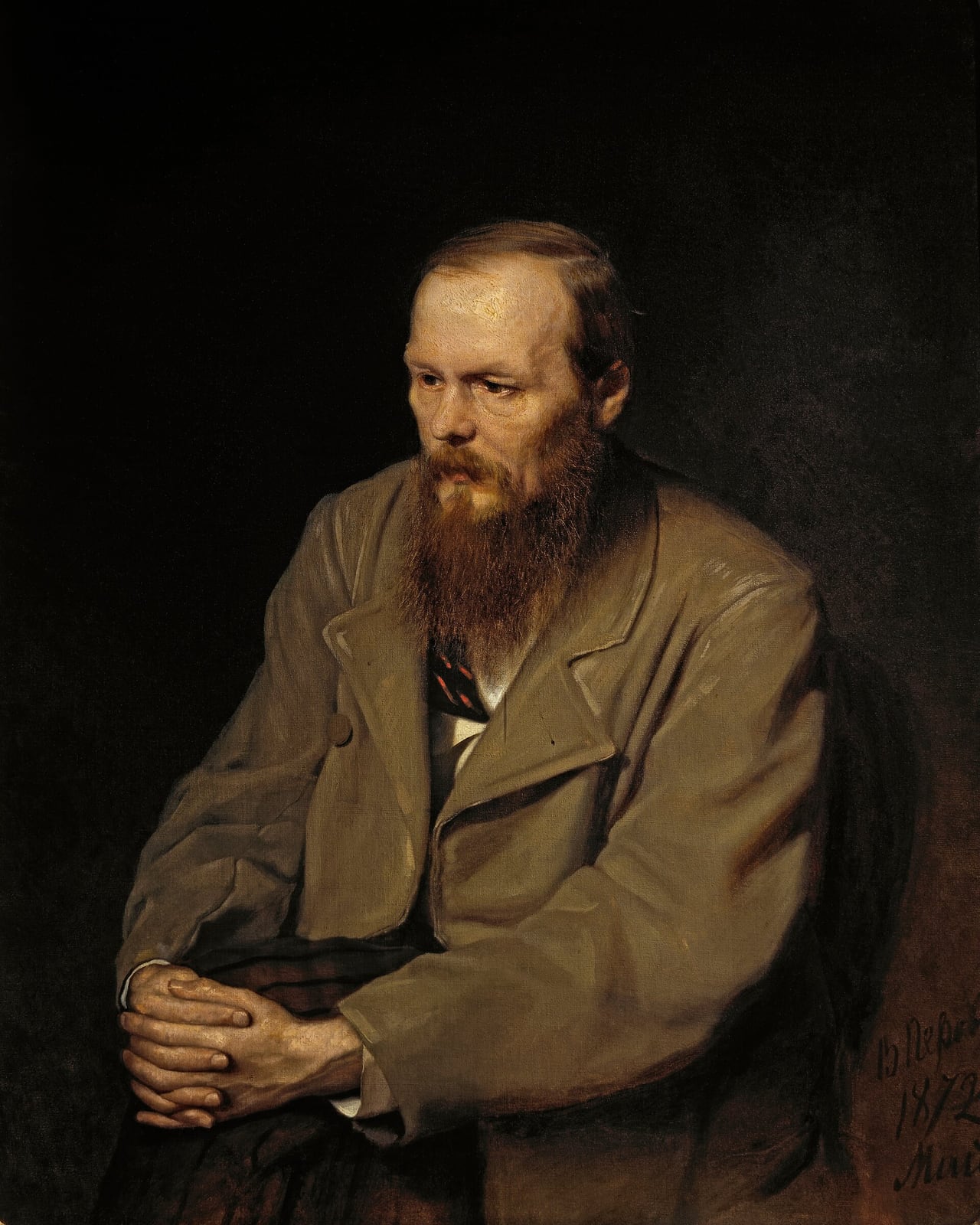
Fyodor Dostoevsky
يتّفقان في: ما المطلق؟ هل الله موجود؟ · من أنا؟ هل توجد ذات حقيقية؟ · لماذا نتألّم؟
يبتعد في تفكيره عن

Nāgārjuna
يختلفان في: ما المطلق؟ هل الله موجود؟ · من أنا؟ هل توجد ذات حقيقية؟ · ماذا يحدث بعد الموت؟
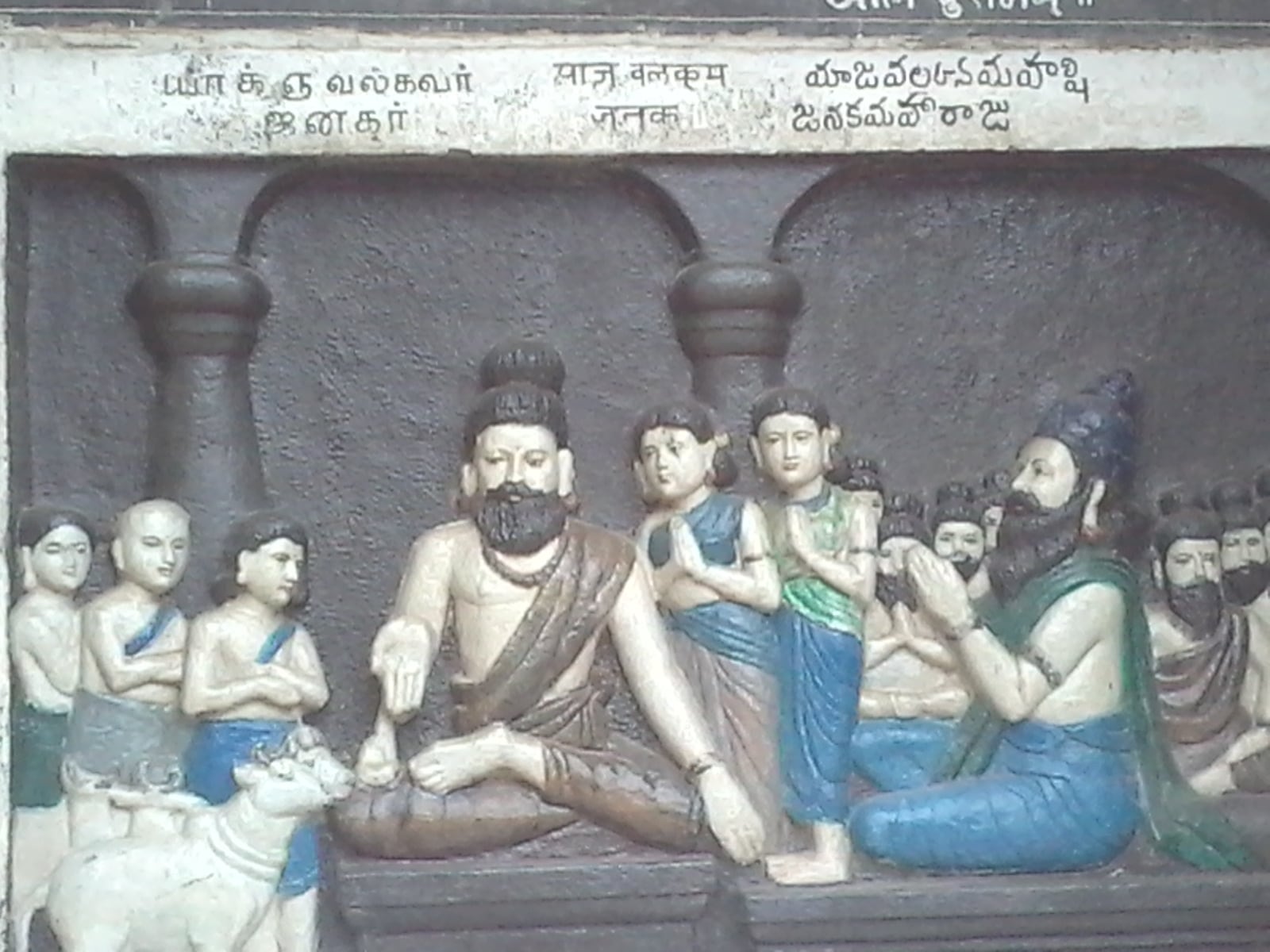
Yajnavalkya
يختلفان في: من أنا؟ هل توجد ذات حقيقية؟ · ماذا يحدث بعد الموت؟ · هل العالم حقيقي؟
Gaudapada
يختلفان في: من أنا؟ هل توجد ذات حقيقية؟ · هل العالم حقيقي؟

Patañjali
يختلفان في: ما المطلق؟ هل الله موجود؟ · من أنا؟ هل توجد ذات حقيقية؟ · ماذا يحدث بعد الموت؟
حكايات وروايات
حكايات وروايات
شهادة1521
The sawn leg
أصل الرواية: Autobiography, nos. 2–5, dictated by Ignatius to Gonçalves da Câmara in 1553: his own testimony, thirty years later.
شهادة1522
The Moor and the mule
أصل الرواية: Autobiography, nos. 15–16. It is the only testimony to the episode.
شهادة1522
The vigil of arms at Montserrat
أصل الرواية: Autobiography, nos. 17–18. The confessor's name, Jean Chanon, comes from the Montserrat tradition and the biographers, not from the Autobiography.
شهادة1522
Beside the Cardoner
أصل الرواية: Autobiography, no. 30; the term 'eximia ilustración' comes from later Jesuit tradition (Nadal, Laínez).
شهادة1527
The fetters of Salamanca
أصل الرواية: Autobiography, nos. 64–70; the Salamanca sentence and the Alcalá proceedings survive in the Monumenta (Scripta de S. Ignatio).
شهادة1540–1552
'Here I am': Xavier leaves for India
أصل الرواية: The dialogue comes from Ribadeneira's Life (book II) and is quoted by Tellechea in his 'Semblanza'; Xavier's written vote (15 March 1540) and his letters from Asia survive in the Monumenta Xaveriana.
شهادة1555
A quarter of an hour of prayer
أصل الرواية: The confidence appears in the narrative sources of the first companions (Gonçalves da Câmara's Memorial and Ribadeneira, in Fontes narrativi); the exact passage has not been checked here. The reaction to Carafa's election is told by Tellechea (s7).
المصدر: Monumenta Historica Societatis Iesu. Fontes narrativi de S. Ignatio de Loyola et de Societatis Iesu initiis, ed. Dionisio Fernández Zapico, Cándido de Dalmases et al., 4 vols. Roma: MHSI, 1943–1965 (incluye el Memorial de Gonçalves da Câmara y la carta de Polanco sobre la muerte de Ignacio, 6 de agosto de 1556).
التعاليم
التعاليم
المفاهيم التي ينتظم بها فكره، مشروحة في سياقها.
Principle and Foundation and indifferenceprincipio-y-fundamento
Programmatic text of the first week; its scholastic language comes from the Paris studies.
Discernment of spiritsdiscernimiento-de-espiritus
It reworks a patristic and monastic tradition (Cassian, Gerson) in a practical language of its own.
Consolation and desolationconsolacion-y-desolacion
Core of the rules for the first week; illustrated in his own life by the Spiritual Diary.
The election and its three timeseleccion
It is the practical aim of the Exercises according to the first annotation: 'to seek and find the divine will'.
The examenexamen
A daily practice that extends the Exercises into ordinary life.
Imaginative contemplation and composition of placecontemplacion-imaginativa
The method proper to the second, third and fourth weeks.
Magis and 'in all things to love and serve'magis
The phrase 'contemplativus in actione' is Nadal's, not Ignatius's.
المصدر: O'Malley, John W. The First Jesuits. Cambridge (Mass.): Harvard University Press, 1993.
مقاطع الفيديو
مقاطع الفيديو
تسجيلات ومقابلات وأفلام وثائقية. تُشغَّل مقاطع الفيديو من YouTube؛ ولا تُستضاف هنا.
JESUITS ON...Ignatius of Loyola
فيلم وثائقي· EN· 21 min
Loyola Productions, Inc.القناة الرسمية
John O'Malley Sacred Lecture Fall 2018: The New Spirituality of St. Ignatius
محاضرة· EN· 39 min
Georgetown University Campus Ministryالقناة الرسمية
On Magnanimity and the Magis: What St. Ignatius Loyola Really Said about Finding God's Will
محاضرة· EN· 47 min
Georgetown University Campus Ministryالقناة الرسمية
Saint Ignatius of Loyola
فيلم وثائقي· EN· 9 min
SaintLouisUniversityالقناة الرسمية
Ignatius of Loyola – Finding God In All Things
فيلم وثائقي· EN· 10 min
Jesuits in Britainالقناة الرسمية
What are the Spiritual Exercises of St Ignatius?
تحليل· EN· 4 min
Jesuits in Britainالقناة الرسمية
Ignacio - el buscador de Dios - premiado Documental de animación
فيلم وثائقي· ES· 62 min
Loyola Productions Munich – Visualizing Mindsالقناة الرسمية
La Cueva de San Ignacio de Loyola
فيلم وثائقي· ES· 11 min
Jesuïtes Catalunyaالقناة الرسمية
El Camino Ignaciano
فيلم وثائقي· ES· 12 min
JesuitasESPالقناة الرسمية
Manresa: cortometraje sobre Ignacio de Loyola
فيلم وثائقي· ES· 14 min
Jesuitas del Perúالقناة الرسمية
Saint Ignace de Loyola
فيلم وثائقي· FR· 53 min
KTO TV
Saint Ignace dans l'Histoire de l'Eglise
محاضرة· FR· 53 min
KTO TV
Ignatius of Loyola – Gott in allen Dingen finden
فيلم وثائقي· DE· 10 min
Jesuitenالقناة الرسمية
Ignatius von Loyola kurz erklärt. Heiligenportraits.
تحليل· DE· 3 min
katholisch.de
Divini Devoti - 5 ep I GESUITI Chiesa Ss Nome di Gesù e Chiesa Sant'Ignazio
فيلم وثائقي· IT· 40 min
Dialogues, raccontare l'Arte
المعرض
المعرض
صور بترخيص متحقَّق منه. كل منها تحتفظ بمؤلّفها ونسبتها.
المخطوطات
المخطوطات
شواهد مخطوطة ونصوص قديمة، مع جهة حفظها وشروط الاطّلاع عليها.
ES · Latin · c. 1541–1548
Ejercicios espirituales («Autógrafo»)
- الشاهد المحفوظ
- Manuscrito único conocido como Autógrafo
- جهة الحفظ
- Archivum Romanum Societatis Iesu (Roma)
ES · Latin · 2 de febrero de 1544 – 27 de febrero de 1545
Diario espiritual
- الشاهد المحفوظ
- Dos cuadernillos autógrafos
- جهة الحفظ
- Archivum Romanum Societatis Iesu (Roma)
ES · Latin · 1553–1555
Acta Patris Ignatii (Autobiografía)
- الشاهد المحفوظ
- Copias manuscritas del siglo XVI
- جهة الحفظ
- Archivum Romanum Societatis Iesu (Roma)
العلاقات
العلاقات
تأثيرات وتلمذة وتقارب في الأفكار. تُميَّز العلاقة الموثّقة عن التشابه المستخلَص بالتحليل.
تأثّر بـ
During his convalescence in 1521 he read Francis's life in the Flos sanctorum and resolved to imitate him ('what if I were to do what Saint Francis did…?', Autobiography no. 7).
علاقة موثّقة
تأثّر بـ
He came to know the Imitation of Christ (then circulating as Gerson's work, the 'Gersoncito') at Manresa and, according to Gonçalves da Câmara's Memorial, read it daily and recommended it.
علاقة موثّقة
أثّر في
Teilhard entered the Society of Jesus in 1899 and was formed by the Exercises; his search for God 'in all things' of matter and evolution has been read as an extension of Ignatian spirituality.
علاقة موثّقة
أثّر في
Jung devoted his 1939–1940 seminar at the ETH Zurich to a psychological commentary on the Spiritual Exercises.
علاقة موثّقة
معاصر لـ
A Spanish contemporary; she had several Jesuit confessors and was canonised on the same day in 1622. There is no record that they met.
تشابه مستخلَص بالتحليل
أفكار قريبة من
Both describe the purification of attachments as a condition of union with God; Ignatian 'indifference' and John's 'nothing' have often been compared, with different emphases (apostolic choice versus contemplative path).
تشابه مستخلَص بالتحليل
أفكار قريبة من
Merton practised and discussed the Ignatian meditation tradition in his early years, though his path was the Cistercian monastic one.
تشابه مستخلَص بالتحليل
المصادر
المصادر
المراجع والفهارس التي رُوجعت لهذه الصفحة.
- Wikidata, «Ignatius of Loyola» (Q44281).
- Ignacio de Loyola. Obras. Transcripción, introducciones y notas de Ignacio Iparraguirre, Cándido de Dalmases y Manuel Ruiz Jurado. Madrid: Biblioteca de Autores Cristianos, 1991 (5.ª ed.). ISBN 9788479140342.
- Ignacio de Loyola. Autobiografía (Acta Patris Ignatii), recogida por Luís Gonçalves da Câmara, 1553–1555. Texto castellano en Wikisource.
- Ignatius of Loyola. The Spiritual Exercises of St. Ignatius of Loyola. Translated from the Autograph by Elder Mullan, S.J. New York: P. J. Kenedy & Sons, 1914. Texto en Christian Classics Ethereal Library.
- García-Villoslada, Ricardo. San Ignacio de Loyola: nueva biografía. Madrid: Biblioteca de Autores Cristianos (BAC Maior), 1986.
- Tellechea Idígoras, José Ignacio. Ignacio de Loyola, solo y a pie. Madrid: Cristiandad, 1986.
- Tellechea Idígoras, José Ignacio. «Semblanza de Ignacio de Loyola». Conferencia en Forum Deusto, 24 de enero de 2006. Bilbao: Universidad de Deusto. ISBN 978-84-9830-696-5.
- O'Malley, John W. The First Jesuits. Cambridge (Mass.): Harvard University Press, 1993.
- Monumenta Historica Societatis Iesu. Fontes narrativi de S. Ignatio de Loyola et de Societatis Iesu initiis, ed. Dionisio Fernández Zapico, Cándido de Dalmases et al., 4 vols. Roma: MHSI, 1943–1965 (incluye el Memorial de Gonçalves da Câmara y la carta de Polanco sobre la muerte de Ignacio, 6 de agosto de 1556).
- Ribadeneira, Pedro de. Vida del P. Ignacio de Loyola, fundador de la religión de la Compañía de Jesús. Madrid, 1583 (versión latina, Nápoles, 1572). Reimpresión de 1880 en Internet Archive.
- Pollen, John Hungerford. «St. Ignatius Loyola». The Catholic Encyclopedia, vol. 7. New York: Robert Appleton, 1910 (texto en Wikisource).
- Ignatius of Loyola. The Autobiography of St. Ignatius. Ed. J. F. X. O'Conor, S.J. New York: Benziger Brothers, 1900 (Project Gutenberg n.º 24534).
- Ignatius of Loyola. Personal Writings: Reminiscences, Spiritual Diary, Select Letters, including the text of The Spiritual Exercises. Trad. Joseph A. Munitiz y Philip Endean. London: Penguin Books, 1996. ISBN 9780140433852.
- Hevenesi, Gabriel. Scintillae Ignatianae, sive S. P. Ignatii de Loyola sententiae et effata sacra. Viena, 1705.
- Rahner, Hugo. Saint Ignatius Loyola: Letters to Women. Freiburg / New York: Herder, 1960.
- Open Library, registros de edición consultados por ISBN (obras de Ignacio de Loyola).
- The Online Books Page, «Online Books by Saint Ignatius of Loyola», ed. John Mark Ockerbloom (University of Pennsylvania).
- Dalmases, Cándido de. El Padre Maestro Ignacio: breve biografía ignaciana. Madrid: BAC, 1979.
- Wikidata, «Pierre Teilhard de Chardin» (Q189564): miembro de la Compañía de Jesús (P611 = Q36380).
- Jung, Carl Gustav. Jung on Ignatius of Loyola's Spiritual Exercises: Lectures Delivered at ETH Zurich, vol. 7, 1939–1940. Ed. Martin Liebscher. Princeton: Princeton University Press, 2023. ISBN 9780691244167.
- Frisbee, S. H. «Anima Christi». The Catholic Encyclopedia, vol. 1. New York: Robert Appleton, 1907 (texto en Wikisource).
- صاحب الحقوق
- Los textos de Ignacio son de dominio público; las traducciones y ediciones críticas modernas pertenecen a sus editoriales (BAC, Sal Terrae–Mensajero, Loyola Press, Institute of Jesuit Sources, Penguin, etc.).
- الموقع الرسمي
- www.jesuits.global/
في انتظار التأكيد
ما لم تتمكّن هذه الصفحة من حسمه بعد. نفضّل أن نقول ذلك على أن نملأ الفراغ.
- Localizar una transcripción de dominio público y con OCR limpio del texto castellano de los Ejercicios espirituales (Wikisource en español no lo tiene; el facsímil de 1908 es solo imagen).
- Cotejar en Fontes narrativi (MHSI) la carta de Polanco del 6 de agosto de 1556 para fijar la forma exacta de la exclamación final («¡Ay, Dios!» / «Ay, Dios, Jesús»).
- Verificar el número exacto del Memorial de Gonçalves da Câmara donde figura la confidencia del «cuarto de hora de oración».
- Signaturas (shelfmark) del Autógrafo de los Ejercicios, del Diario espiritual y de los códices de la Autobiografía en el Archivum Romanum Societatis Iesu; buscar digitalización oficial.
- Completar ISBN de ediciones en italiano, ruso y árabe de los Ejercicios y de la Autobiografía (no localizados en Open Library), y de una edición castellana actual de las Constituciones con sus Normas complementarias.
- Fechas de muerte de Juan José de la Torre y Antonio Cabré, editores de las Cartas (1874), para cerrar la nota de derechos.
- Programas de afiliación: ninguno verificado para las editoriales listadas.
بُحث بتاريخ 2026-10-25