المسيحية · التصوف المسيحي · الكاثوليكية
Thomas Merton
1915 – 1968شخصية موثّقة تاريخيًا
راهبٌ ترابيستي في دير الجسمانية بولاية كنتاكي، وكاهنٌ وشاعرٌ وكاتبُ مقالات. قادت سيرته الذاتية «الجبل ذو الطبقات السبع» (1948) آلافًا من قرّاء ما بعد الحرب إلى الحياة الرهبانية، وجعلت مؤلّفاتٌ مثل «بذورٌ جديدة للتأمّل» من التأمّل المسيحي مسألةً تتّصل بالهوية الشخصية. وفي العقد الأخير من حياته دافع عن اللاعنف وعن الحقوق المدنية، وترجم تشوانغ تسي، وحاور البوذية في صيغتيها الزِّنية والتبتية. توفّي في تايلاند سنة 1968، خلال رحلته الوحيدة إلى آسيا.
- مؤلَّفًا
- 132مؤلَّفًا
- طبعة
- 219طبعة
- اقتباسًا
- 8اقتباسًا
- مقطع فيديو
- 11مقطع فيديو
- صورة
- 7صورة

La ermita de Thomas Merton en Getsemaní · CC BY 2.0
بكلماته
«On the last day of January 1915, under the sign of the Water Bearer, in a year of a great war, and down in the shadow of some French mountains on the borders of Spain, I came into the world.»The Seven Storey Mountain (1948), parte I, cap. 1, primera frase

للبدء، عمل واحد
The Seven Storey Mountainفكرته المحورية
Human beings habitually live identified with a false self, made of desires, roles and appearances, which tries to assert itself against others and against God; spiritual life consists in letting that mask fall so as to discover the true self, which is not possessed but received from God and coincides with one's own vocation.
السيرة
5 دقيقة قراءة
ترجمة مُعانة من الأصل الإسباني، بانتظار مراجعة مترجم من أهل اللغة.
يتيمٌ بين قارّتين
وُلد توماس ميرتون في 31 كانون الثاني/يناير 1915 في بلدة براد عند سفوح جبال البرانس الفرنسية، لأبوين رسّامين: النيوزيلندي أوين ميرتون والأمريكية روث جنكنز التي نشأت في وسطٍ من جماعة الكويكرز. وفي آب/أغسطس 1916 دفعت الحربُ الأسرةَ إلى الرحيل إلى نيويورك. ثم توفّيت روث بالسرطان سنة 1921 والصبيّ في السادسة من عمره، فغدت طفولته منذ ذلك الحين سلسلةً من المساكن المتعاقبة: بيت الجدّين في دوغلاستون، وجزر برمودا، وقرية سان أنطونان القروسطية، والقسم الداخلي في ثانوية إنغر بمونتوبان، والمدرستان الإنجليزيتان ريبلي كورت وأوكهام. وفي سنة 1931 توفّي الأب أيضًا بورمٍ في الدماغ، فانتقلت وصاية الفتى إلى عرّابه المقيم في لندن.
وكان العام الدراسي 1933 في كلية كلير بجامعة كامبريدج أدنى نقطة بلغها ذلك التيه. فقد وصفه ميرتون نفسه في سيرته الذاتية بأنه زمن شربٍ وفوضى، ووثّق كتّاب سيرته فوق ذلك أنه أنجب هناك طفلًا لم يعرفه قطّ. ونصحه مرشده بألّا يعود. وفي كانون الثاني/يناير 1935 التحق بجامعة كولومبيا في نيويورك، حيث وجد مكانه أخيرًا: تتلمذه على مارك فان دورن، وصداقته الممتدة طوال العمر مع الشاعر روبرت لاكس والرسّام آد راينهارت، والمجلات الطلابية، ورسالة ماجستير عن وليم بليك.
الاهتداء
جاء التحوّل من حيث لا يُنتظر. ففي سنة 1938 عرّفه صديقٌ بمهانامبراتا براهماتشاري، وهو راهبٌ هندوسي كان مارًّا بنيويورك، وكان ميرتون يتوقّع منه دعوةً إلى الشرق. غير أن براهماتشاري نصحه بأن يقرأ «اعترافات» القديس أوغسطينوس و«الاقتداء بالمسيح». وقادته هذه القراءات، مضافًا إليها كتاب إتيين جلسون «روح الفلسفة الوسيطة»، إلى كنيسة كوربوس كريستي الصغيرة المجاورة للحرم الجامعي، حيث قُبل في الكنيسة الكاثوليكية في 16 تشرين الثاني/نوفمبر 1938. وبعد محاولةٍ لم تتمّ للانضمام إلى الفرنسيسكان، درّس الإنجليزية في كلية سانت بونافنتورا، ثم عزم، إثر خلوةٍ روحية في أسبوع الآلام بولاية كنتاكي، على أن يصير راهبًا ترابيستيًّا.
وفي 10 كانون الأول/ديسمبر 1941، بعد ثلاثة أيام من هجوم بيرل هاربر، طرق باب دير سيدة الجسمانية. فتلقّى اسم الأخ ماري لويس — والأب لويس عند إخوته الرهبان — ولم يعش بعدها خارج الدير قطّ. أبرز نذوره البسيطة سنة 1944 ونذوره المؤبّدة سنة 1947، ورُسم كاهنًا سنة 1949.
الراهب الكاتب
مفارقة ميرتون أن رهبنة الصمت جعلت منه أكثر الرهبان مقروئيةً في القرن. فقد طلب إليه رئيس الدير فريدريك دَن أن يكتب، ومن تلك الطاعة وُلد كتاب «الجبل ذو الطبقات السبع» الذي نشرته دار هاركورت بريس سنة 1948. ولامست سيرةُ شابٍّ دنيويّ يفرّ إلى الترابيست جيلًا وسمته الحرب، فحقّقت رواجًا استثنائيًّا، وتلقّت الأديرة الترابيستية في الولايات المتحدة في السنوات التالية موجةً من الدعوات الرهبانية يربطها كتّاب سيرته بالكتاب. ثم تلتها «بذور التأمّل» (1949)، و«مياه سلوام»، و«آية يونان» — يومياته راهبًا — و«ما من إنسانٍ جزيرة».
وتولّى داخل الدير الإشراف على الرهبان الدارسين، ثم كان معلّمًا للمبتدئين بين عامَي 1955 و1965. ولا تزال محاضراته عن كاسيان وآباء البرّية وقانون القديس بندكتس والتصوّف المسيحي، المسجّلة على أشرطة والمحفوظة في مذكّراته، تصدر حتى اليوم في سلسلةٍ من عدّة مجلّدات. وقد كثّف كتاب «بذورٌ جديدة للتأمّل» (1961)، وهو إعادة كتابةٍ عميقة لكتابه الصادر سنة 1949، فكرته المحورية: ليس التأمّل تقنيةً ولا حالةً استثنائية، بل هو يقظة الذات الحقيقية المستترة في الله، في مواجهة الذات الزائفة التي تبنيها الرغبة والمظاهر.
الانفتاح على العالم
في 18 آذار/مارس 1958، عند زاويةٍ تجارية في مدينة لويفيل، عاش ميرتون التجربة التي عدّها هو نفسه نهايةَ «انفصاله» عن العالم: يقينًا مفاجئًا بأنه يحبّ جميع المارّة وبأن أحدًا منهم ليس غريبًا عنه. فدوّنها في يومياته، ثم أعاد صياغتها بعد سنوات في «تخمينات متفرّجٍ مذنب». ومنذ ذلك الحين اتّجهت كتابته إلى الحرب النووية والفصل العنصري، ثم إلى حرب فيتنام. وفي سنة 1962 منعه رؤساؤه من النشر في موضوع السلام، فظلّ يكتب إلى مراسلين في أنحاء العالم رسائل مستنسخة تُعرف اليوم باسم «رسائل الحرب الباردة».
وفي الوقت نفسه أقام حوارًا غير مسبوق مع الشرق. فراسل د. ت. سوزوكي وزاره في نيويورك سنة 1964، ونشر «طريق تشوانغ تسي» (1965)، وهو صياغةٌ حرّة للنصّ الطاوي الكلاسيكي، و«متصوّفون ومعلّمو زِن» (1967)، و«الزِّن وطيور الشهوة» (1968). وفي سنة 1966 استقبل في الجسمانية الراهب الفيتنامي تيك نات هانه، وكتب دفاعًا عنه مقالة «نات هانه أخي». أمّا مراسلاته مع بوريس باسترناك وتشيسواف ميووش وإرنستو كاردينال — الذي كان أحد مبتدئيه — ودوروثي داي ومارتن لوثر كينغ فتملأ خمسة مجلّدات.
المحبسة والحبّ
في آب/أغسطس 1965 نال الإذن بأن يعيش ناسكًا في بيتٍ صغير من الكتل الإسمنتية في غابات الدير. غير أن العزلة خبّأت له أشدّ امتحاناته مفاجأة: ففي ربيع 1966، وهو يتعافى من جراحةٍ في الظهر في أحد مستشفيات لويفيل، وقع في حبّ طالبةٍ شابّة في التمريض تسمّيها يومياته «م.». وانتهت العلاقة، التي عاشها بتمزّقٍ ترك هو نفسه شهادةً مكتوبة عليه، في ذلك الصيف حين بلغ خبرُها رئيسَ الدير. وكان ميرتون قد منع نشر يومياته قبل مرور خمسةٍ وعشرين عامًا على وفاته، فلمّا صدرت في سبعة مجلّدات بين عامَي 1995 و1998 كشفت عن رجلٍ أكثر تناقضًا وأكثر إنسانيةً من صاحب السيرة الذاتية.
آسيا والنهاية
في تشرين الأول/أكتوبر 1968، وبموافقة رئيس الدير الجديد فلافيان بيرنز، سافر ميرتون جوًّا إلى آسيا لحضور مؤتمرٍ للرهبان البندكتيين والسيسترسيين في بانكوك. وفي الهند التقى الدالاي لاما ثلاث مرات، وقد كتب هذا الأخير في سيرته الذاتية أن ميرتون كشف له المعنى الحقيقي لكلمة «مسيحي»، وفي دارجيلنغ حاور طويلًا معلّم الدزوغتشن تشاترال رينبوتشي. وفي 2 كانون الأول/ديسمبر، أمام تماثيل بوذا الحجرية في بولوناروا بجزيرة سيلان، دوّن أنه اخترق «سطح» الأشياء في استنارةٍ لخّصها بقوله إن كلّ شيءٍ خواء وكلّ شيءٍ رحمة.
وفي 10 كانون الأول/ديسمبر 1968، بعد سبعةٍ وعشرين عامًا تمامًا من وصوله إلى الجسمانية، ألقى صباحًا محاضرة «الماركسية والآفاق الرهبانية». وبعد الظهر وُجد ميتًا في غرفته بمركز الصليب الأحمر في ساموت براكان، ومروحةٌ كهربائية ساقطة على جسده. وكانت الرواية التي أذاعها إخوته الرهبان هي الصعق الكهربائي العرضي، أمّا التقارير الرسمية التايلاندية فتعزو الوفاة إلى قصورٍ قلبي سبق ملامسة الجهاز. ولم يُشرَّح الجثمان، وقد غذّى غيابُ تفسيرٍ لجرحٍ في الرأس نظرياتٍ عن اغتياله يعدّها أكثر الباحثين بلا أساس. ودُفن في الجسمانية في 17 كانون الأول/ديسمبر.
الإرث
خلّف ميرتون أكثر من خمسين كتابًا نُشرت في حياته، وتراثًا لاحقًا من اليوميات والرسائل والقصائد والمحاضرات لم يُستنفد بعد. وقد أسهم عمله إسهامًا حاسمًا في تأسيس الروحانية التأمّلية للعلمانيين في النصف الثاني من القرن العشرين، وفي الحوار الرهباني بين المسيحية والبوذية. وفي سنة 2015 ذكره البابا فرنسيس أمام الكونغرس الأمريكي بوصفه «رجل صلاة» و«رجل حوار»، إلى جانب لينكولن ومارتن لوثر كينغ ودوروثي داي. ويُحفظ أرشيفه في مركز توماس ميرتون بجامعة بلارمين في لويفيل، ويدير حقوقَ مؤلّفاته صندوقُ إرث ميرتون لصالح الدير.
المصادر: Mott, Michael. The Seven Mountains of Thomas Merton. Boston: Houghton Mifflin, 1984 (biografía autorizada por el Merton Legacy Trust). · Merton, Thomas. The Seven Storey Mountain. Nueva York: Harcourt, Brace and Company, 1948. · Merton, Thomas. The Asian Journal of Thomas Merton. Ed. Naomi Burton Stone, Patrick Hart y James Laughlin. Nueva York: New Directions, 1973 (incluye el epílogo de Patrick Hart y los apéndices VII, «Marxism and Monastic Perspectives», y VIII, carta de los delegados trapenses al abad Flavian Burns). · Shannon, William H.; Bochen, Christine M.; O'Connell, Patrick F. The Thomas Merton Encyclopedia. Maryknoll (NY): Orbis Books, 2002. · Merton, Thomas. Conjectures of a Guilty Bystander. Garden City (NY): Doubleday, 1966.
الخط الزمني
الحياة عامًا بعد عام
كل نقطة حدث موثّق. انقر لتقرأه مع مصدره ودرجة اليقين فيه.
31 يناير 1915أقل من عامPrades (Francia)
Birth in the Pyrenees
Born to Owen Merton, a New Zealand painter, and Ruth Jenkins, an American artist of Quaker upbringing, who had met while studying painting in Paris.
موثّقThomas Merton Center, Bellarmine University. «Thomas Merton: Chronology of Life and Publications».
بعد وفاته
- 1995 – 1998Publication of the complete journals
- 24 سبتمبر 2015Cited by Pope Francis before Congress
31 يناير 1915 · أقل من عام
Birth in the Pyrenees
Born to Owen Merton, a New Zealand painter, and Ruth Jenkins, an American artist of Quaker upbringing, who had met while studying painting in Paris.
موثّق
21 أكتوبر 1921 · 6 أعوام
Death of his mother
Ruth Jenkins dies of stomach cancer. The boy learns of it by letter; the loss opens an itinerant childhood between the United States, Bermuda, France and England.
موثّق
1926 – 1928 · 11 عامًا
Boarding at the Lycée Ingres
His father enrols him at the lycée in Montauban while painting in Saint-Antonin; in 1928 they move to England (Ripley Court and, from 1929, Oakham).
موثّق
1931 · 15 عامًا
Death of his father
Owen Merton dies of a brain tumour. The adolescent is placed under the guardianship of his godfather, the physician Tom Bennett.
موثّق
أكتوبر 1933 – 1934 · 18 عامًا
A disordered year at Clare College
He reads modern languages at Cambridge; a year of excess that he would later judge harshly. He loses his scholarship and returns to the United States.
موثّق
يناير 1935 – 1939 · 19 عامًا
Columbia: Van Doren, Lax and literature
He studies English literature under Mark Van Doren and forms lifelong friendships with Robert Lax and Ad Reinhardt. Graduating in 1938, he takes his master's degree in 1939 with a thesis on William Blake.
موثّق
16 نوفمبر 1938 · 23 عامًا
Received into the Catholic Church
After months of reading—Gilson, Augustine, à Kempis—and the advice of the Hindu monk Mahanambrata Brahmachari, he is baptised and receives his first communion.
موثّق
1940 – 1941 · 25 عامًا
Teaching among the Franciscans
Turned away by the Franciscan novitiate, he teaches English at St. Bonaventure and becomes a Franciscan tertiary. A Holy Week retreat at Gethsemani (1941) settles his vocation.
موثّق
10 ديسمبر 1941 · 26 عامًا
Arrival at Gethsemani
He knocks at the door of the Trappist abbey; on 13 December he is admitted as a postulant and given the name Brother Mary Louis.
موثّق
17 أبريل 1943 · 28 عامًا
Death of his brother John Paul
His only brother, an RCAF airman baptised months earlier in Kentucky, dies after his plane comes down at sea. Merton writes for him the poem that appears in his autobiography.
موثّق
19 مارس 1944 · 29 عامًا
Simple vows and Thirty Poems
He takes temporary vows; that same year James Laughlin publishes his first book, Thirty Poems, at New Directions.
موثّق
1948 · 33 عامًا
The Seven Storey Mountain
Harcourt Brace publishes the autobiography, written under obedience to his abbot. It becomes a publishing phenomenon and the most widely read conversion narrative of post-war America.
موثّق
26 مايو 1949 · 34 عامًا
Ordination to the priesthood
He is ordained priest on Ascension Day; that year he publishes Seeds of Contemplation and The Waters of Siloe.
موثّق
1955 – 1965 · 40 عامًا
Master of novices
After four years as master of scholastics, he directs the formation of novices for a decade; his recorded conferences and notes are now published as a series.
موثّق
18 مارس 1958 · 43 عامًا
The Fourth and Walnut revelation
In a Louisville shopping street he suddenly realises that he loves all the passers-by and that they are not alien to him; he records it in his journal and reworks it in Conjectures of a Guilty Bystander (1966).
موثّق
1961 · 46 عامًا
New Seeds and the turn towards the world
He publishes New Seeds of Contemplation and begins writing against nuclear war; in 1962 his superiors forbid him to publish on peace, and his texts circulate as the 'Cold War Letters'.
موثّق
يونيو 1964 · 49 عامًا
Meeting D. T. Suzuki
With exceptional permission he travels to New York to meet the great interpreter of Zen, with whom he had corresponded since 1959.
موثّق
أغسطس 1965 – 1968 · 50 عامًا
Hermit in the abbey woods
He gives up the office of novice master and moves full time into the cinder-block hermitage built on the monastery grounds.
موثّق
مارس 1966 · 51 عامًا
Love for 'M.'
After back surgery he falls in love with a young student nurse; the relationship, which ends that summer, is documented in the sixth volume of his journals.
موثّق
28 مايو 1966 · 51 عامًا
Visit of Thich Nhat Hanh
He receives the Vietnamese monk during his peace tour and afterwards writes 'Nhat Hanh Is My Brother', a plea against the Vietnam War.
موثّق
15 أكتوبر 1968 · 53 عامًا
Departure for Asia
With leave from the new abbot, Flavian Burns, he flies to Asia to attend a monastic congress and an interreligious meeting in Calcutta.
موثّق
4 نوفمبر 1968 · 53 عامًا
Three audiences with the Dalai Lama
On 4, 6 and 8 November he talks with the young Dalai Lama about epistemology, meditation and monastic life; in the following weeks he meets Chatral Rinpoche.
موثّق
2 ديسمبر 1968 · 53 عامًا
Before the Buddhas of Polonnaruwa
Barefoot before the great stone figures of the Gal Vihara he lives what he describes as an aesthetic and spiritual illumination unlike any in his life.
موثّق
10 ديسمبر 1968 · 53 عامًا
Death in Bangkok
In the morning he delivers the lecture 'Marxism and Monastic Perspectives'; in the afternoon he is found dead in his room with an electric fan lying across his body. The Thai reports speak of heart failure; accidental electrocution was the version made public by his brethren.
موثّق
17 ديسمبر 1968
Burial in the monastic cemetery
His body, flown home on a military aircraft returning from Vietnam, is buried beneath a white cross identical to those of the other monks.
موثّق
1995 – 1998
Publication of the complete journals
Once the twenty-five-year embargo he himself had imposed has expired, HarperSanFrancisco publishes his journals from 1939 to 1968 in seven volumes.
موثّق
24 سبتمبر 2015
Cited by Pope Francis before Congress
Francis names him alongside Lincoln, Martin Luther King and Dorothy Day as one of four Americans who embody the best of the nation: 'a man of dialogue'.
موثّق
المؤلَّفات
المؤلَّفات الأساسية
المؤلَّفات التي لا يُفهم إرثه من دونها.
مؤلَّف مكتوب · 1948
The Seven Storey Mountain
Autobiography of Merton's first twenty-six years, from his birth in Prades to his entry into Gethsemani, written at the suggestion of Abbot Frederic Dunne. The title alludes to Dante's mountain of Purgatory. The story of a wandering youth, of his parents' deaths, of Cambridge and Columbia, and of a conversion lived as a homecoming, it became one of the most widely read religious books of the twentieth century and moved thousands of readers towards monastic life. In Britain it appeared abridged as Elected Silence (1949), with a foreword by Evelyn Waugh.
10 طبعات

مؤلَّف مكتوب · 1949
Seeds of Contemplation
A collection of short reflections on the interior life, prayer and detachment, written in the wake of John of the Cross. Its direct language, free of scholastic apparatus, made it an immediate classic; Merton revised it in 1949 and rewrote it thoroughly in 1961 as New Seeds of Contemplation.
4 طبعات

مؤلَّف مكتوب · 1961
New Seeds of Contemplation
A complete rewriting of Seeds of Contemplation, twenty years after his entry into the monastery. Merton removes the cloistered tone of the first version and develops the opposition between the false self and the true self, contemplation as awakening to reality, and unity with other human beings. Chapters such as 'Things in Their Identity', 'Pray for Your Own Discovery' and 'The General Dance' have made it his most widely read spiritual book and a reference text of contemporary Christian spirituality.
6 طبعات

مؤلَّف مكتوب · 1966
Conjectures of a Guilty Bystander
A notebook drawn from the journals of 1956–1965: reflections on technology, race, war, Barth, Gandhi and the Council. It contains the account of the Fourth and Walnut revelation and the page on the 'point vierge', the untouched centre of the human being.
3 طبعات
جميع مؤلَّفاته (132)
Thomas Merton
Thirty Poems
The Conscious LibraryThirty Poems
1944

A Man in the Divided Sea
1946
Thomas Merton
Figures for an Apocalypse
The Conscious LibraryFigures for an Apocalypse
1947

Exile Ends in Glory
1948

What Are These Wounds?
1948
Thomas Merton
Guide to Cistercian Life
The Conscious LibraryGuide to Cistercian Life
1948
Thomas Merton
Cistercian Contemplatives
The Conscious LibraryCistercian Contemplatives
1948

The Spirit of Simplicity
1948

What Is Contemplation?
1948

The Tears of the Blind Lions
1949

The Waters of Siloe
1949
Thomas Merton
Gethsemani Magnificat
The Conscious LibraryGethsemani Magnificat
1949

The Ascent to Truth
1951

Bread in the Wilderness
1953

The Sign of Jonas
1953

The Last of the Fathers
1954

No Man Is an Island
1955

The Living Bread
1956

Praying the Psalms
1956
Thomas Merton
Silence in Heaven
The Conscious LibrarySilence in Heaven
1956

The Silent Life
1957

The Strange Islands
1957
Thomas Merton
The Tower of Babel
The Conscious LibraryThe Tower of Babel
1957

Basic Principles of Monastic Spirituality
1957
الأقوال
أقوال محدَّدة الموضع في مؤلَّف بعينه. كل منها يحمل مصدره ودرجة الثقة به.
On the last day of January 1915, under the sign of the Water Bearer, in a year of a great war, and down in the shadow of some French mountains on the borders of Spain, I came into the world.متحقَّق منهThe Seven Storey Mountain (1948), parte I, cap. 1, primera frase
الأفكار الجوهرية (خلاصة تحريرية)
احترامًا لحقوق المؤلف، تُلخَّص هذه الأفكار بكلماتنا ولا تُقدَّم بوصفها اقتباسات حرفية.
- Human beings habitually live identified with a false self, made of desires, roles and appearances, which tries to assert itself against others and against God; spiritual life consists in letting that mask fall so as to discover the true self, which is not possessed but received from God and coincides with one's own vocation.
- Contemplation is neither an extraordinary state reserved for mystics nor a technique of concentration but an awakening to reality as it is, in which God is present; it is a gift that cannot be manufactured, though it can be prepared for through silence, simplicity and attention.
- Authentic solitude is neither flight from the world nor contempt for others: whoever truly withdraws discovers a deeper solidarity with all human beings, and monastic enclosure, far from separating, ought to make the monk more responsible for the sufferings of his time.
- Christian nonviolence is not an effective tactic for obtaining results but a form of truth born of humility and respect for the adversary; whoever practises it must therefore give up measuring its worth by immediate success and rest on the truth of what is done.
- Fruitful dialogue between religions does not take place at the level of doctrines, where the differences are real, but at the level of contemplative experience: the Christian monk and the Buddhist monk can recognise each other in a shared search for inner freedom without either renouncing his tradition.
- Mass technological civilisation produces a bureaucratic sanity capable of planning genocide without losing its composure; against it, the poet, the monk and the outsider fulfil the prophetic task of recalling what cannot be measured or sold.
- At the centre of each person there is an untouched point, prior to sin and illusion, which belongs entirely to God; recognising this 'virgin point' in oneself and in others is the foundation of all compassion.
الكلمات الأخيرة
كلمات مشهودة وموثّقة
«I will conclude on that note. I believe the plan is to have all the questions for this morning's lectures this evening at the panel. So I will disappear.»I will conclude on that note. I believe the plan is to have all the questions for this morning's lectures this evening at the panel. So I will disappear.
These are his last documented public words: the close of his lecture 'Marxism and Monastic Perspectives', delivered at ten in the morning of 10 December 1968 at the monastic congress in Samut Prakan and transcribed in Appendix VII of The Asian Journal; there is also a filmed recording of the end of the talk, whose transcriptions circulate with small variants. According to Patrick Hart's epilogue, based on the reports and on delegates' testimony, after lunch he told a companion that he was tired and looking forward to a siesta; there are no witnesses to anything he said afterwards. The irony of 'I will disappear' has been noted by all his biographers.
المصدر: Merton, Thomas. The Asian Journal of Thomas Merton. Ed. Naomi Burton Stone, Patrick Hart y James Laughlin. Nueva York: New Directions, 1973 (incluye el epílogo de Patrick Hart y los apéndices VII, «Marxism and Monastic Perspectives», y VIII, carta de los delegados trapenses al abad Flavian Burns).
اسأل
بماذا يجيب أثره
اثنا عشر سؤالًا كبيرًا من أسئلة الإنسانية، وما تتيح نصوصه الإجابة به عنها، مع المراجع. ولا نقوّله ما لم يقل أبدًا.
ما المطلق؟ هل الله موجود؟
God is not an object: he is the hidden ground of love who calls
إله شخصييقوله صراحةً
Thomas Merton, a Trappist monk, confesses a personal, Trinitarian and incarnate God, but insists that he is not one object among others nor something that can be possessed by concepts. In New Seeds of Contemplation, contemplation is the living awareness that life and being proceed from an invisible, transcendent and infinitely abundant Source, known not as a thing but as a presence that calls the person by name. In his last years, in dialogue with Zen and Tibetan Buddhism, he stressed the apophatic character of this God and called him, in his letters, the hidden ground of love. For Merton the Absolute remains someone, but is found in the darkness of faith rather than in evidence.
قارن هذا السؤال مع معلّمين آخرينمن أنا؟ هل توجد ذات حقيقية؟
The false self is an illusion; the true self is hidden in God
الأنا بناءٌ من صنع الفكريقوله صراحةً
The distinction between the false self and the true self runs through Thomas Merton's work. In New Seeds of Contemplation, the false self is the person we want to be and who cannot exist, because God knows nothing about him: a self made of desires, social image and the urge to assert oneself against others, living in the illusion of separation. The true self, by contrast, is not manufactured: it is hidden in God and discovered in discovering him. Hence his formula: for him, to be a saint means to be himself. In his last years he compared this doctrine with the Buddhist anatman and with Zen, without identifying them.
قارن هذا السؤال مع معلّمين آخرينلماذا نتألّم؟
We suffer by living in a false self, cut off from our truth
الجهل بما نحن عليهيقوله صراحةً
Thomas Merton locates the root of human suffering in alienation: the human being builds a false self that lives by asserting itself against others, protects itself with possessions, prestige and violence, and therefore feels separated from God, from others and from itself. New Seeds of Contemplation identifies that false self with sin: it is to refuse the identity God gives. In his writings on peace and racism he extends the diagnosis to society, where collective illusion produces war. In Calcutta, in 1968, he put it this way: we are already one, but we imagine we are not. Awakening to what we are is the beginning of healing.
قارن هذا السؤال مع معلّمين آخرينماذا يحدث بعد الموت؟
Christ is risen: the new life begins already
الحياة الأبدية والقيامةيقوله صراحةً
Thomas Merton professes the Christian faith in resurrection and eternal life, to which he devoted the short Easter meditation He Is Risen, published posthumously. In it he insists that the resurrection is not merely a future event or a consolation for later, but the presence of the living Christ who calls us to live already as new men, free from the fear of death. In The New Man he develops the same idea: life in Christ is a present participation in his victory. His journals also show a keen awareness of his own death, which overtook him in Bangkok in December 1968, during his journey to Asia.
قارن هذا السؤال مع معلّمين آخرينكيف يُبلَغ التحرّر أو الخلاص؟
Contemplation is a gift: awakening to God's life in us
بالنعمة والمحبةيقوله صراحةً
For Thomas Merton, liberation is discovering the true self hidden in God, and that discovery cannot be manufactured. New Seeds of Contemplation opens by affirming that contemplation is a gift: an awakening to the real in all that is real, a response to a call from the One who has no voice. The human being can dispose himself —with silence, solitude, prayer, asceticism and detachment from his false self— but cannot produce by technique what can only be received. In Contemplative Prayer he warns against turning prayer into a search for experiences. Freedom comes when the false self yields and the person allows himself to be found by mercy.
قارن هذا السؤال مع معلّمين آخرينهل نحتاج إلى معلّم؟
The director helps one see; the true director is the Spirit
مفيد لكنه ليس ضروريًايقوله صراحةً
Thomas Merton wrote Spiritual Direction and Meditation (1960) and was for years master of novices at Gethsemani. For him, the spiritual director is neither a guru nor an administrator of techniques, but someone who helps recognise and follow the action of the Holy Spirit in the soul, who is the true director. Direction is especially valuable in monastic life and in moments of discernment, but it does not replace personal responsibility. In The Wisdom of the Desert he recovered the figure of the abba of the Desert Fathers, who guides with few words and by example, and in his last years he took a respectful interest in the master–disciple relationship in Zen and Tibetan Buddhism.
قارن هذا السؤال مع معلّمين آخرينهل العالم حقيقي؟
A tree gives glory to God by being a tree
خلقٌ صالح وحقيقييقوله صراحةً
Thomas Merton defends the goodness and holiness of creation against a spirituality that despises the world. In New Seeds of Contemplation, in the chapter on things in their identity, he writes that a tree gives glory to God by being a tree, because in being what God wants it to be it obeys him; each creature is holy in its singularity. Hagia Sophia contemplates divine wisdom as a hidden fullness in all visible things. In The Asian Journal, before the Buddhas of Polonnaruwa, he notes that all matter and all life are charged with dharmakaya, and that everything is emptiness and everything is compassion. The world is real, good and transparent to God.
قارن هذا السؤال مع معلّمين آخرينما الحب؟
They were mine and I theirs: love discovers we are already one
محبة الله والقريبيقوله صراحةً
In Conjectures of a Guilty Bystander, Thomas Merton recounts that in 1958, on a street corner in downtown Louisville, he was suddenly overwhelmed by the realisation that he loved all those strangers, that they were his and he theirs. That experience corrected the idea that the monk is a being apart. For Merton, Christian love is neither sentimentality nor philanthropy: it is sharing in God's love, which seeks the good of the other for the other's sake and recognises Christ in every person. No Man Is an Island develops that idea, and his writings on nonviolence, racism and war turn it into a political demand. Love reveals the hidden unity.
قارن هذا السؤال مع معلّمين آخرينهل نحن أحرار أم أن كل شيء مقدَّر؟
We are free to be real or unreal
إرادة حرة حقيقيةيقوله صراحةً
Thomas Merton understands freedom as the possibility of becoming who one is. In New Seeds of Contemplation he writes that God leaves us free to be whatever we like: we can be real or unreal, true or false; the choice is ours, and our vocation is to work together with God in creating our own identity. Holiness is not a destiny fixed in advance, but a free response to a call. The famous prayer in Thoughts in Solitude —I have no idea where I am going, I do not see the road— expresses that freedom lived without guarantees, trusting that the desire to please God does in fact please him. In his social writings he extends responsibility to collective decisions.
قارن هذا السؤال مع معلّمين آخرينلماذا نتأمّل أو نصلّي؟
Contemplation is not a technique: it is waking to the real
التأمّل ليس تقنيةيقوله صراحةً
Thomas Merton lived monastic prayer —choral office, lectio divina, the psalms— and explained it in Praying the Psalms. But he insists that contemplation is not the fruit of a method. In New Seeds of Contemplation he defines it as the highest expression of the human being's intellectual and spiritual life: a spontaneous and grateful awakening to reality and its Source, which cannot be taught or produced. In Contemplative Prayer he warns against turning prayer into a search for experiences or special states, and in his dialogue with Zen he stresses that it is a matter of seeing, not obtaining. Practice disposes, but what matters happens without technique.
قارن هذا السؤال مع معلّمين آخرينهل يستطيع العقل أن يعرف الحقيقة القصوى؟
Contemplation goes beyond concepts, without despising them
الحقيقة القصوى وراء العقليقوله صراحةً
Thomas Merton studied Thomas Aquinas and John of the Cross and devoted The Ascent to Truth (1951) to them, arguing that reason and faith have their place and that Christian mysticism is not irrational. But his doctrine of contemplation places ultimate knowledge beyond concepts: in New Seeds of Contemplation, contemplation is not the vision of an object or clear knowledge, but a dark knowing that transcends reason and in which God is known as unknown. In his dialogue with Zen, in Zen and the Birds of Appetite, he valued the direct experience prior to the division between subject and object. Thought points; the ultimate is received.
قارن هذا السؤال مع معلّمين آخرينالانسحاب من العالم أم تغييره؟
From monastery to world: contemplation turns prophetic
التأمّل في الفعليقوله صراحةً
Thomas Merton's trajectory is a journey out and back. The Seven Storey Mountain recounts his flight from the world to the Trappist abbey of Gethsemani in 1941, presented as renunciation. But from the late fifties, after the Louisville experience, he understood that the monk is not separate from others, and wrote against nuclear war, racism and the Vietnam War in Seeds of Destruction, Faith and Violence and his Cold War Letters. In 1965 he withdrew to a hermitage within the monastery. Contemplation in a World of Action argues that solitude, far from distancing, makes presence in the world more lucid and its critique freer.
قارن هذا السؤال مع معلّمين آخرين
التقارب والتوتّر
التقارب والتوتّر
محسوبة سؤالًا سؤالًا انطلاقًا من مواقفه. وسبب كل اتفاق أو اختلاف يظهر بالنقر.
يقترب في تفكيره من

Teresa of Ávila
يتّفقان في: ما المطلق؟ هل الله موجود؟ · ماذا يحدث بعد الموت؟ · كيف يُبلَغ التحرّر أو الخلاص؟
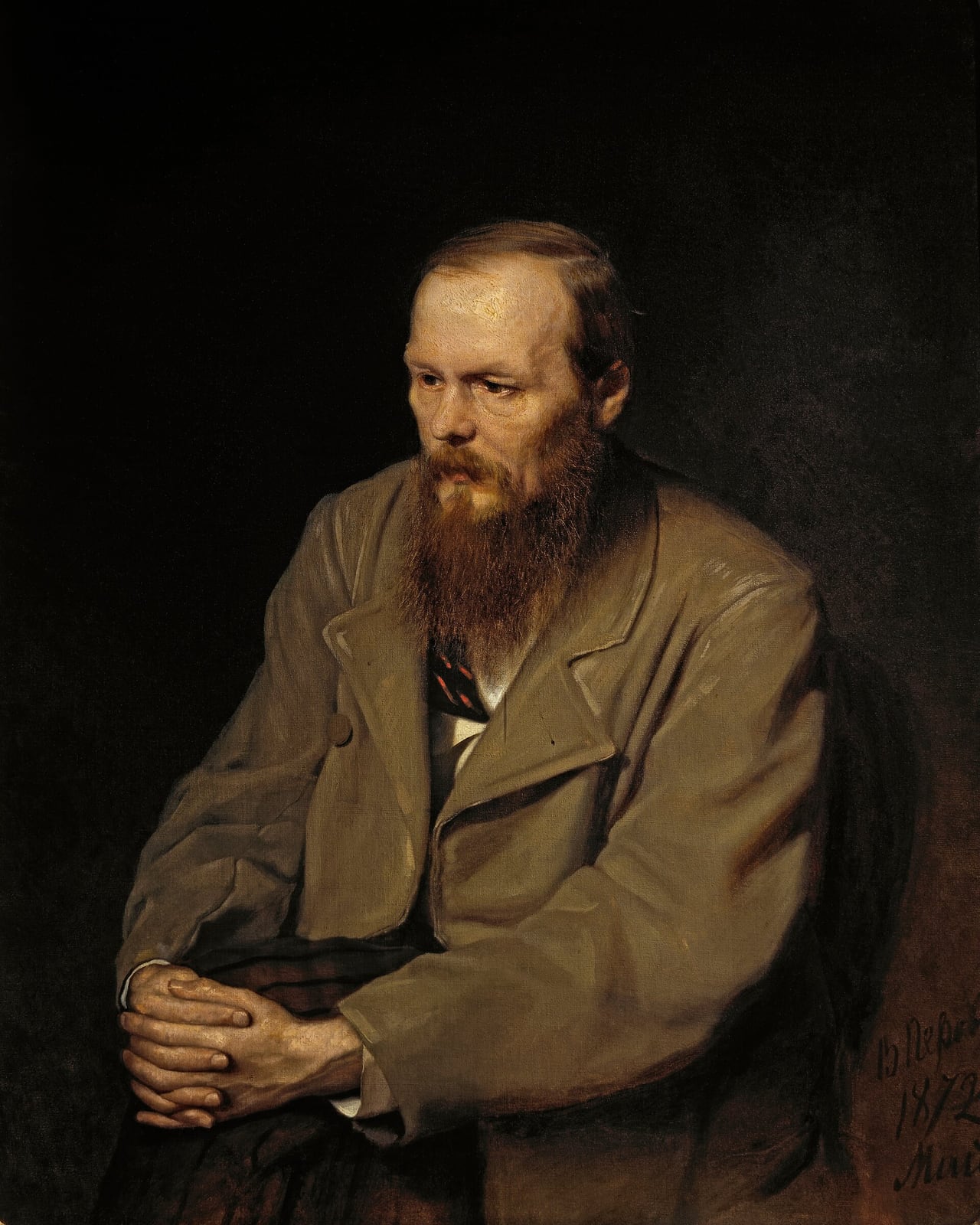
Fyodor Dostoevsky
يتّفقان في: ما المطلق؟ هل الله موجود؟ · ماذا يحدث بعد الموت؟ · كيف يُبلَغ التحرّر أو الخلاص؟
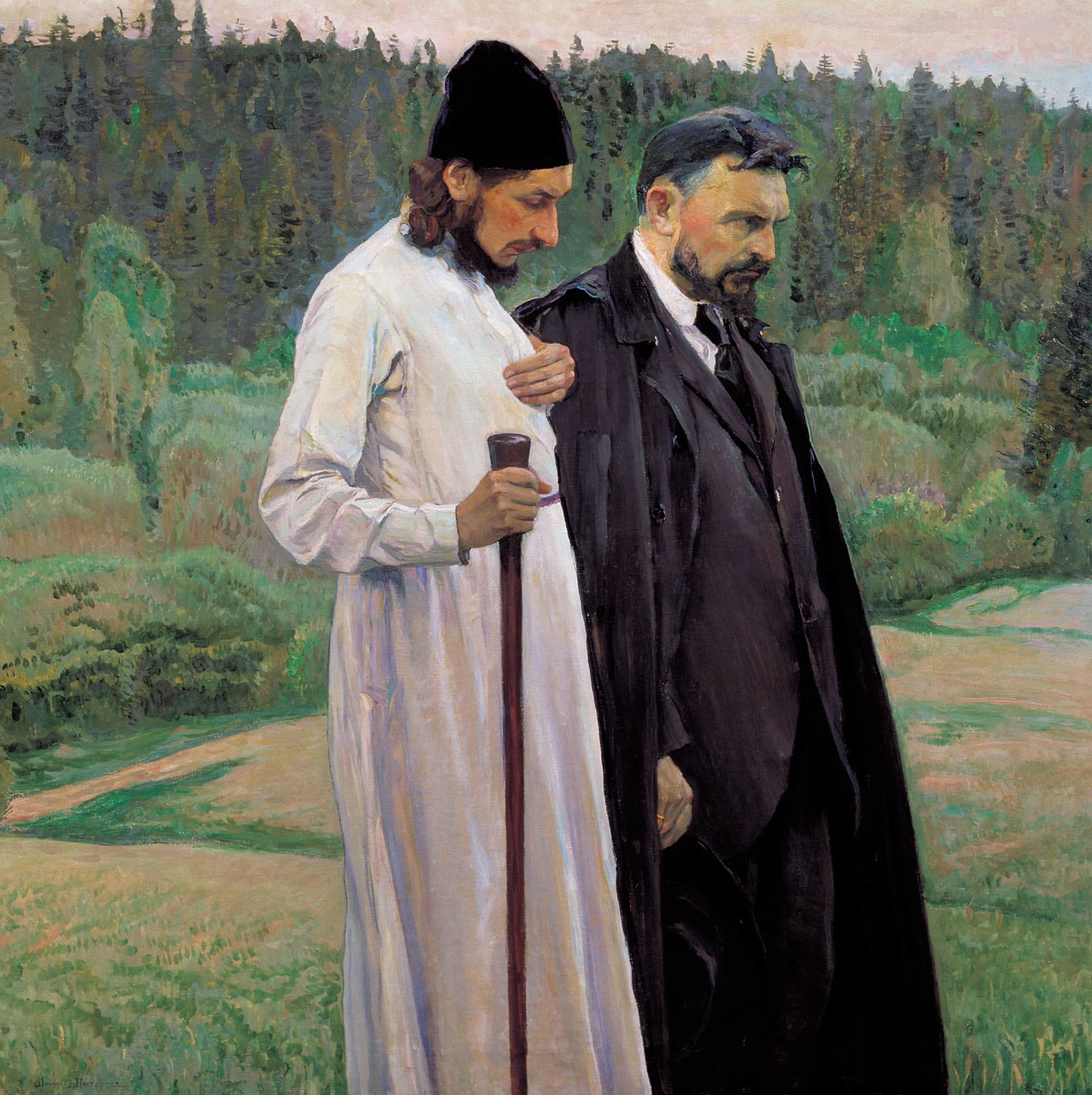
Pavel Florensky
يتّفقان في: ما المطلق؟ هل الله موجود؟ · ماذا يحدث بعد الموت؟ · كيف يُبلَغ التحرّر أو الخلاص؟

Francis of Assisi
يتّفقان في: ما المطلق؟ هل الله موجود؟ · ماذا يحدث بعد الموت؟ · كيف يُبلَغ التحرّر أو الخلاص؟


حكايات وروايات
حكايات وروايات
شهادة1938
The Hindu monk who sent him to Augustine
أصل الرواية: Merton's own account in The Seven Storey Mountain (part II). There is no other independent source for the content of the conversation.
المصدر: Merton, Thomas. The Seven Storey Mountain. Nueva York: Harcourt, Brace and Company, 1948.
موثّق1941
Three days before the door of Gethsemani
أصل الرواية: The dates are recorded in the Thomas Merton Center chronology and in Patrick Hart's epilogue to The Asian Journal; the detail of the window comes from the autobiographical account and is repeated in his biographies.
المصدر: Thomas Merton Center, Bellarmine University. «Thomas Merton: Chronology of Life and Publications».
شهادة1958
Fourth and Walnut
أصل الرواية: Merton's own testimony: journal entry of 19 March 1958 (A Search for Solitude) and reworked version in Conjectures of a Guilty Bystander (1966). The Louisville plaque is documented on Wikimedia Commons.
المصدر: Merton, Thomas. Conjectures of a Guilty Bystander. Garden City (NY): Doubleday, 1966.
موثّق1966
A Vietnamese monk at Gethsemani
أصل الرواية: The visit is documented in Merton's journals (Learning to Love) and in the article published in Jubilee in August 1966; the remark about the way of closing a door comes from the recollection of Gethsemani novices reported by his biographers (indirect testimony).
المصدر: Merton, Thomas. «Nhat Hanh Is My Brother» (Jubilee, agosto de 1966), recogido en Faith and Violence. Notre Dame: University of Notre Dame Press, 1968.
موثّق1966
'M.'
أصل الرواية: Main source: the sixth volume of his journals (Learning to Love, 1997), edited by Christine M. Bochen, which includes the 'Midsummer Diary'. Michael Mott's biography (1984) had already reported the episode with access to those papers.
المصدر: Merton, Thomas. Learning to Love: Exploring Solitude and Freedom. The Journals of Thomas Merton, vol. 6 (1966–1967). Ed. Christine M. Bochen. San Francisco: HarperSanFrancisco, 1997.
شهادة1968
'There must be something wrong here': Chatral Rinpoche
أصل الرواية: Merton's own account in The Asian Journal, mid-November 1968 entry (a photograph of the meeting is reproduced in the book). No account by Chatral has been published.
المصدر: Merton, Thomas. The Asian Journal of Thomas Merton. Ed. Naomi Burton Stone, Patrick Hart y James Laughlin. Nueva York: New Directions, 1973 (incluye el epílogo de Patrick Hart y los apéndices VII, «Marxism and Monastic Perspectives», y VIII, carta de los delegados trapenses al abad Flavian Burns).
شهادة1968
Barefoot before the Buddhas of Polonnaruwa
أصل الرواية: Account written by Merton a few days after the visit (the entry reads 'I visited Polonnaruwa on Monday. Today is Thursday'), published in The Asian Journal (1973).
المصدر: Merton, Thomas. The Asian Journal of Thomas Merton. Ed. Naomi Burton Stone, Patrick Hart y James Laughlin. Nueva York: New Directions, 1973 (incluye el epílogo de Patrick Hart y los apéndices VII, «Marxism and Monastic Perspectives», y VIII, carta de los delegados trapenses al abad Flavian Burns).
مختلَف فيه1968
Death in Bangkok: the fan and the questions
أصل الرواية: The circumstances come from Patrick Hart's epilogue and the letter of six Trappist delegates to Abbot Flavian Burns (The Asian Journal, Appendix VIII); the Thai reports were published in The Catholic Historical Review (2024). The murder thesis comes from Turley and Martin (2018), and its critique from Dekar's review in The Merton Seasonal.
المصدر: «The Official Thai Reports on Thomas Merton's Death». The Catholic Historical Review 110, n.º 2 (primavera de 2024): 384–396.
التعاليم
التعاليم
المفاهيم التي ينتظم بها فكره، مشروحة في سياقها.
True self and false selfyo-verdadero-y-yo-falso
It is rooted in the patristic tradition of the image of God, in Bernard and John of the Cross, but also engages existentialism and the Buddhist anatman, which Merton came to know through D. T. Suzuki.
المصدر: Merton, Thomas. New Seeds of Contemplation. Nueva York: New Directions, 1961.
Contemplationcontemplacion
It draws on the mystical theology of Pseudo-Dionysius, John of the Cross and the Cistercian tradition, and anticipates the renewal of lay contemplative prayer (centering prayer, Christian meditation) in the following decades.
المصدر: Merton, Thomas. New Seeds of Contemplation. Nueva York: New Directions, 1961.
Le point viergele-point-vierge
The fruit of his correspondence with Massignon (1959–1962) and his reading of the Sufi mystics, it is one of the clearest bridges between his Christian mysticism and Islam.
المصدر: Merton, Thomas. Conjectures of a Guilty Bystander. Garden City (NY): Doubleday, 1966.
Solitudesoledad
It inherits the eremitic tradition of the Desert Fathers, Guigo the Carthusian and the Camaldolese, and anticipates the eremitic renewal within cenobitic orders after Vatican II.
المصدر: Merton, Thomas. Thoughts in Solitude. Nueva York: Farrar, Straus & Cudahy, 1958.
Nonviolenceno-violencia
It belongs to the tradition of Christian pacifism (Dorothy Day, the Catholic Worker) and to Gandhi's thought, and precedes the conciliar teaching of Gaudium et spes on war.
المصدر: Shannon, William H.; Bochen, Christine M.; O'Connell, Patrick F. The Thomas Merton Encyclopedia. Maryknoll (NY): Orbis Books, 2002.
Contemplative dialogue between religionsdialogo-contemplativo-interreligioso
It developed in contact with D. T. Suzuki, John C. H. Wu, Thich Nhat Hanh, the Dalai Lama and Chatral Rinpoche, and lies at the origin of the Monastic Interreligious Dialogue founded after his death.
المصدر: Merton, Thomas. Zen and the Birds of Appetite. Nueva York: New Directions, 1968.
مقاطع الفيديو
مقاطع الفيديو
تسجيلات ومقابلات وأفلام وثائقية. تُشغَّل مقاطع الفيديو من YouTube؛ ولا تُستضاف هنا.
Thomas Merton's final talk.
تسجيل أصلي· EN· 1968
Witnify
Silence & Contemplation (PM) | Merton in His Own Words (2013)
تسجيل أصلي· EN· 2013
Festival of Faithsالقناة الرسمية
His Holiness the Dalai Lama speaks on Thomas Merton and common ground for all religious traditions
محاضرة· EN· 1994
Festival of Faithsالقناة الرسمية
His Holiness the 14th Dalai Lama Remembering Thomas Merton
مقابلة· EN· 2013
nunncenterالقناة الرسمية
The Dalai Lama reacts to Merton's death
فيلم وثائقي· EN· 2013
Morgan Atkinsonالقناة الرسمية
Thomas Merton's Legacy at Bellarmine
فيلم وثائقي· EN
bellarmineuniversityالقناة الرسمية
Thomas Merton and "M": What Merton's Affair with a Nurse Taught Him About Love and Humanity
محاضرة· EN
Curran Center for American Catholic Studiesالقناة الرسمية
Thomas Merton: Session 1
محاضرة· EN
Center for Action and Contemplationالقناة الرسمية
Bishop Barron on Thomas Merton, Spiritual Master
تحليل· EN
Bishop Robert Barronالقناة الرسمية
Fiestas Teología 2024. Conferencia de Fernando Beltrán sobre Thomas Merton
محاضرة· ES· 2024
UPSALAMANCAالقناة الرسمية
Los diarios de Thomas Merton
تحليل· ES
Grupo de Comunicación Loyolaالقناة الرسمية
المعرض
المعرض
صور بترخيص متحقَّق منه. كل منها تحتفظ بمؤلّفها ونسبتها.
العلاقات
العلاقات
تأثيرات وتلمذة وتقارب في الأفكار. تُميَّز العلاقة الموثّقة عن التشابه المستخلَص بالتحليل.
أفكار قريبة من
Merton devoted the essay 'Pacifism and Resistance in Simone Weil' (Faith and Violence) to her; both joined mysticism and commitment to the oppressed.
تشابه مستخلَص بالتحليل
التقى بـ
They met at Gethsemani on 28 May 1966; Merton then wrote 'Nhat Hanh Is My Brother'.
علاقة موثّقة
التقى بـ
The 14th Dalai Lama (Tenzin Gyatso)
Three audiences at Dharamsala on 4, 6 and 8 November 1968; the Dalai Lama remembered him in his autobiography.
علاقة موثّقة
تأثّر بـ
The Ascent to Truth (1951) is a study of his mystical theology; his doctrine of the dark night runs through all of Merton's work.
علاقة موثّقة
تأثّر بـ
Reading the Confessions, on Brahmachari's advice in 1938, was decisive for his conversion.
علاقة موثّقة
تأثّر بـ
He read The Imitation of Christ in 1938 on Brahmachari's advice, on the road to his conversion.
علاقة موثّقة
تأثّر بـ
He re-created passages of the Zhuangzi in English in The Way of Chuang Tzu (1965), one of his favourite books.
علاقة موثّقة
تأثّر بـ
In Zen and the Birds of Appetite he compares Eckhart's spiritual poverty with Zen experience.
علاقة موثّقة
تأثّر بـ
Before entering La Trappe he was a Franciscan tertiary and taught at the Franciscan college of St. Bonaventure.
علاقة موثّقة
أفكار قريبة من
Merton was formed by the Spanish Carmelite mystics; the affinity with Teresa is one of tradition rather than concrete documented influence.
تشابه مستخلَص بالتحليل
المصادر
المصادر
المراجع والفهارس التي رُوجعت لهذه الصفحة.
- «The Official Thai Reports on Thomas Merton's Death». The Catholic Historical Review 110, n.º 2 (primavera de 2024): 384–396.
- Wikidata, «Thomas Merton» (Q335011).
- Thomas Merton Center, Bellarmine University. «Thomas Merton: Chronology of Life and Publications».
- Mott, Michael. The Seven Mountains of Thomas Merton. Boston: Houghton Mifflin, 1984 (biografía autorizada por el Merton Legacy Trust).
- Merton, Thomas. The Seven Storey Mountain. Nueva York: Harcourt, Brace and Company, 1948.
- Merton, Thomas. The Asian Journal of Thomas Merton. Ed. Naomi Burton Stone, Patrick Hart y James Laughlin. Nueva York: New Directions, 1973 (incluye el epílogo de Patrick Hart y los apéndices VII, «Marxism and Monastic Perspectives», y VIII, carta de los delegados trapenses al abad Flavian Burns).
- Wikipedia (en), «Thomas Merton».
- Wikipedia (en), «Thomas Merton bibliography».
- Shannon, William H.; Bochen, Christine M.; O'Connell, Patrick F. The Thomas Merton Encyclopedia. Maryknoll (NY): Orbis Books, 2002.
- Merton, Thomas. Conjectures of a Guilty Bystander. Garden City (NY): Doubleday, 1966.
- Merton, Thomas. New Seeds of Contemplation. Nueva York: New Directions, 1961.
- Merton, Thomas. Learning to Love: Exploring Solitude and Freedom. The Journals of Thomas Merton, vol. 6 (1966–1967). Ed. Christine M. Bochen. San Francisco: HarperSanFrancisco, 1997.
- Dekar, Paul R. Reseña de Hugh Turley y David Martin, The Martyrdom of Thomas Merton: An Investigation (2018). The Merton Seasonal 43, n.º 4 (2018).
- Papa Francisco. Discurso ante la sesión conjunta del Congreso de los Estados Unidos, Washington, 24 de septiembre de 2015. Santa Sede.
- Open Library, autor «Thomas Merton» (OL26986A): obras y ediciones con ISBN.
- Merton, Thomas. Thoughts in Solitude. Nueva York: Farrar, Straus & Cudahy, 1958.
- Merton, Thomas. The Hidden Ground of Love: Letters on Religious Experience and Social Concerns. Ed. William H. Shannon. Nueva York: Farrar, Straus & Giroux, 1985.
- New Directions Publishing, ficha de autor «Thomas Merton».
- Merton, Thomas. A Search for Solitude: Pursuing the Monk's True Life. The Journals of Thomas Merton, vol. 3 (1952–1960). Ed. Lawrence S. Cunningham. San Francisco: HarperSanFrancisco, 1996.
- Merton, Thomas. The Way of Chuang Tzu. Nueva York: New Directions, 1965.
- Merton, Thomas. «Nhat Hanh Is My Brother» (Jubilee, agosto de 1966), recogido en Faith and Violence. Notre Dame: University of Notre Dame Press, 1968.
- Merton, Thomas. Zen and the Birds of Appetite. Nueva York: New Directions, 1968.
- Wikipedia (es), «Thomas Merton».
- Furlong, Monica. Merton: A Biography. San Francisco: Harper & Row, 1980.
- Dalái Lama (Tenzin Gyatso). Freedom in Exile: The Autobiography of the Dalai Lama. Londres: Hodder & Stoughton; Nueva York: HarperCollins, 1990.
- صاحب الحقوق
- Merton Legacy Trust (constituido por el propio Merton en 1967), en beneficio de la abadía de Getsemaní; las ediciones concretas pertenecen a sus editoriales
- الموقع الرسمي
- merton.org
في انتظار التأكيد
ما لم تتمكّن هذه الصفحة من حسمه بعد. نفضّل أن نقول ذلك على أن نملأ الفراغ.
- No hay en Wikimedia Commons ningún retrato fotográfico de Merton con licencia libre verificable: el único («Merton photo.jpg») declara PD-US-no notice sin fuente original fiable y se ha descartado; las fotos conocidas son de John Howard Griffin, Sibylle Akers y otros, con derechos vigentes.
- Localizar ISBN de las ediciones españolas actuales de La montaña de los siete círculos, El signo de Jonás y Ningún hombre es una isla (Edhasa, Sudamericana, PPC) y de Nuevas semillas (Sal Terrae: año de edición).
- Confirmar año y traductor de las ediciones francesa (Seuil) y alemana (Benziger) de No Man Is an Island registradas en Open Library.
- Contrastar la paginación exacta de las citas en las primeras ediciones (New Seeds, Conjectures, Thoughts in Solitude).
- Autoría del artículo «The Official Thai Reports on Thomas Merton's Death» (Catholic Historical Review 110/2, 2024): no consignada en los catálogos consultados.
- Muchas obras menores (opúsculos de la abadía, ediciones de bibliófilo) tienen descripción breve por falta de información verificable más detallada.
- Sin textos para la sala de lectura: toda su obra tiene derechos vigentes (Merton murió en 1968).
بُحث بتاريخ 2026-10-25