الطاوية
Zhuangzi
莊子 · 莊周 · 南華真人
نحو 369 ق.م – نحو 286 ق.متاريخيّته موضع جدل
مفكّر صيني من القرن الرابع قبل الميلاد، من أهل منغ في دولة سونغ، يكاد كل ما نعرفه عنه يأتي من الكتاب الذي يحمل اسمه. تُنسب إليه الفصول الداخلية السبعة من كتاب «تشوانغ تسي» لأسباب وجيهة، أما سائر الفصول فمن عمل تلاميذه ومدارس لاحقة. بالأمثال والدعابة والمفارقات قوّض يقينيات الكونفوشيين والموهيين، ودعا إلى تجوال حرّ منسجم مع التحوّل الدائم للأشياء. وهو، مع لاو تسي، المؤسس الأدبي للطاوية.
- مؤلَّفًا
- 34مؤلَّفًا
- طبعة
- 117طبعة
- اقتباسًا
- 9اقتباسًا
- مقطع فيديو
- 12مقطع فيديو
- صورة
- 5صورة
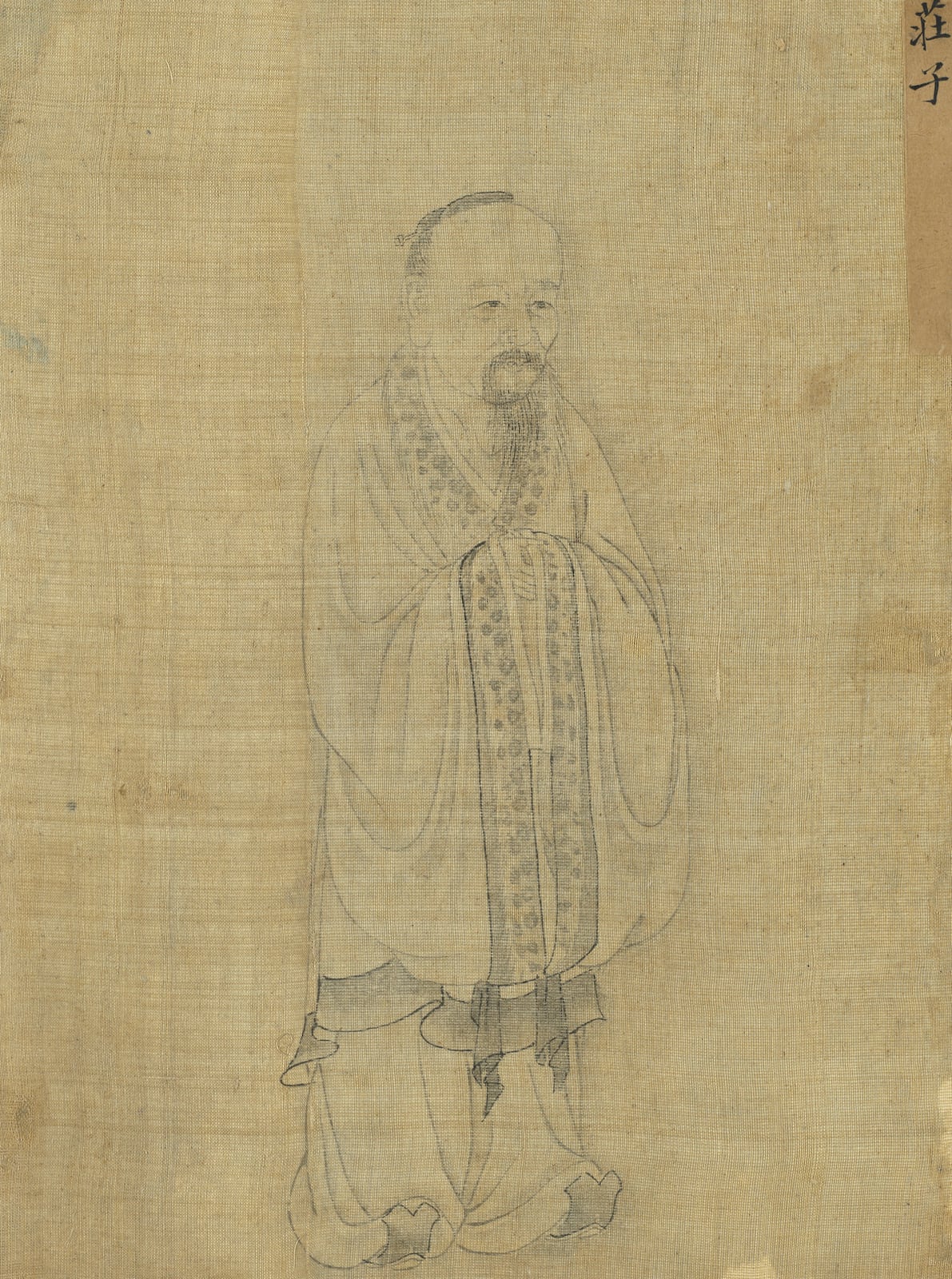
Zhuangzi en el álbum de retratos de soberanos sabios y ministros virtuosos · Public domain
بكلماته
«The universe and I came into being together; and I, and everything therein, are One.»Zhuangzi, cap. 2 «Qiwu lun» (trad. inglesa de Giles, 1889; la española es propia, del chino)
فكرته المحورية
Free and easy wandering (xiaoyao you): Title of the first chapter and emblem of the whole book.
السيرة
4 دقيقة قراءة
ترجمة مُعانة من الأصل الإسباني، بانتظار مراجعة مترجم من أهل اللغة.
رجل وراء كتاب
لم يحفظ التأريخ الصيني القديم عن تشوانغ تشو، الذي تسميه التقاليد تشوانغ تسي، أي «المعلّم تشوانغ»، سوى فقرة واحدة. كتبها سيما تشيان نحو سنة 94 ق.م في الفصل الثالث والستين من «السجلات التاريخية»، وقال فيها الجوهر في أسطر قليلة: إنه من أهل منغ في دولة سونغ الصغيرة؛ وإنه تولّى وظيفة في «بستان شجر اللَّك» في تلك البلدة؛ وإنه عاش في زمن الملك هوي ملك ليانغ والملك شوان ملك تشي، أي في النصف الثاني من القرن الرابع قبل الميلاد. أمّا التاريخان اللذان يُذكران عادةً، نحو 369–286 ق.م، فهما استنتاج حديث قائم على هذه التزامنات، ولا يردان في أي مصدر قديم.
ويضيف المؤرخ أنه كتب «أكثر من مئة ألف كلمة»، معظمها في صورة أمثال رمزية، وأنه سخر في فصول مثل «الصيّاد العجوز» و«اللص تشي» و«فتح الصناديق» من تلاميذ كونفوشيوس ليُعلي من تعاليم لاو تسي. ويختم الخبر بحكاية: عرض عليه الملك وي ملك تشو منصب رئيس الوزراء فرفضه، مشبّهًا نفسه بثور القربان الذي يُسمَّن ويُزيَّن سنوات لا لشيء إلا ليُنحر في النهاية. والمفارقة أن الفصول الثلاثة التي ينسبها إليه سيما تشيان تُعدّ عند النقد الحديث من أحدث ما في الكتاب.
كتاب كتبته أيادٍ كثيرة
ليس كتاب «تشوانغ تسي» الذي نقرؤه هو الكتاب الذي عرفه سيما تشيان. فقد سجّل فهرس المكتبة الإمبراطورية في عهد هان نسخة من اثنين وخمسين فصلًا؛ ونحو سنة 300 للميلاد اختصرها الشارح غوو شيانغ إلى ثلاثة وثلاثين فصلًا، بعد أن حذف ما عدّه زيادات منحولة، ونسخته هي الوحيدة التي وصلتنا كاملة. وغوو شيانغ هو الذي ثبّت كذلك تقسيم الكتاب إلى ثلاثة أقسام: سبعة فصول داخلية، وخمسة عشر خارجية، وأحد عشر متفرّقة. وفي سنة 742 منح الإمبراطور شوان تسونغ من أسرة تانغ تشوانغ تشو لقب «الإنسان الحقّ من نانهوا»، فصار الكتاب يُعرف باسم «كتاب نانهوا الحقّ».
وقد أكّد فقه اللغة في القرن العشرين ما كان الشرّاح القدامى يحدسونه. فميّز أ. سي. غراهام في المجموع أصواتًا عدّة: الفصول الداخلية التي يمكن نسبتها إلى تشوانغ تشو؛ وفصول أتباعه المباشرين؛ ومجموعة «بدائية» تمجّد الحياة السابقة على الحضارة؛ وأخرى «يانغية» تدور حول صون المرء حياته؛ وطبقة «توفيقية» من عصر هان ينتمي إليها الفصل الأخير، «ما تحت السماء»، الذي يرسم أول صورة جامعة للمدارس الفكرية الصينية. ودافع ليو شياوغان بحجج لغوية عن أن النواة الداخلية أقدم من سواها، وذكّرت إستر كلاين بأنه لا دليل على أن هذه النواة كانت متداولة كتلةً واحدة قبل عصر هان. ولذلك تقتضي الحيطة أن نتحدث عن فكر الفصول الداخلية أكثر مما نتحدث عن مذهب فرد بعينه.
الصورة التي رسمها التلاميذ
تأتي الحكايات التي جعلت هذه الشخصية ذائعة الصيت كلها تقريبًا من الفصول الخارجية والمتفرّقة: تشوانغ تسي الفقير الذي يمثل أمام ملك في ثوب مرقّع ونعلين مربوطين بالحبال، فيجيب بأن هذا فقر لا بؤس؛ والذي يصطاد السمك في نهر بو ويصرف رسل تشو قائلًا إنه يؤثر أن يجرّ ذيله في الوحل كسلحفاة حيّة؛ والذي يغنّي ضاربًا على قصعة بعد موت زوجته؛ والذي يرفض، وهو على فراش الموت، جنازة فاخرة لأن السماء والأرض تكفيانه تابوتًا. إنها مرويات مدرسية صيغت لتجسيد موقف من الحياة؛ قيمتها في السيرة غير مؤكدة، لكن قيمتها بوصفها صورة للمثال الأعلى عظيمة.
ومن بين هذه المشاهد تبرز صداقته مع هوي شي، أو هوي تسي، المنطقي المنتمي إلى مدرسة الأسماء والوزير في مملكة وي. يتجادلان على الجسر فوق نهر هاو في إمكان معرفة فرح الأسماك؛ ويتجادلان في شجرة لا نفع فيها وفي قرعة أكبر مما ينبغي؛ وحين يموت هوي تسي يقف تشوانغ تسي عند قبره ويروي حكاية البنّاء من يينغ، الذي لم يكن يستطيع إظهار براعته إلا مع رفيق لا يتحرك: منذ مات محاوره، يقول، لم يعد له من يحادثه. ويعدّد الفصل الأخير من الكتاب مفارقات هوي تسي، وهو ما يؤكد أنه شخصية تاريخية.
ما تعلّمه الفصول الداخلية
يُفتتح الفصل الأول بسمكة هائلة، كون، تتحوّل إلى الطائر بنغ وتطير نحو المحيط الجنوبي، فيما يضحك زيز ويمامة من كل هذا العناء. فمنذ الصفحة الأولى يلعب الكتاب بالمقاييس ويجعل وجهات النظر نسبية. والفصل الثاني، «في تساوي الأشياء»، هو أكثف نصوصه الفلسفية: كل مدرسة تقول «هكذا هو الأمر» وتنفي ما تقوله الأخرى، لكن «هذا» و«ذاك» مرهونان بالموضع الذي يُتكلَّم منه؛ والحكيم لا ينحاز إلى فريق، بل يقف عند «محور الطريق»، حيث تضيء المتقابلات بعضها بعضًا من غير أن تمحو إحداها الأخرى. ويُختتم الفصل بحلم الفراشة.
وتنقل الفصول التالية هذا الحدس إلى الحياة العملية. فالطاهي دينغ يقطّع الثيران تسعة عشر عامًا دون أن تكلّ شفرته لأنه يتّبع الفجوات الطبيعية في جسد الحيوان؛ وكونفوشيوس يعلّم تلميذه يان هوي «صوم القلب» الذي يُفرغ الذهن ليتمكن الطريق من أن يحلّ فيه؛ ويمرّ مشوّهون وحُدب ومجرمون نالوا عقابهم، يجرّد امتلاؤهم الداخلي أصحاب السلطان من سلاحهم؛ ويوصف «الإنسان الحقّ» في الأزمنة القديمة، الذي لم يكن يحب الحياة ولا يكره الموت، ورياضة «الجلوس والنسيان». ويختم الفصل الداخلي الأخير بموت هوندون، أي العماء، الذي ثقب له أصدقاؤه سبع فتحات ليشبه سائر الناس.
أثر لا حدود له
يظهر أثر الكتاب منذ «هواي نان تسي» في القرن الثاني قبل الميلاد. وكان في صميم «فلسفة الغامض» (شوان شيويه) في القرنين الثالث والرابع، ومنح المترجمين الأوائل للبوذية مفرداتهم، وغذّى روح مدرسة التشان التي عُرفت لاحقًا باسم الزِّن. وأقبل عليه شعراء مثل تاو يوانمينغ ولي باي وسو شي بوصفه نصًّا كلاسيكيًا في الحرية الباطنة، وأدرجته الديانة الطاوية في قانونها.
وفي الغرب، حظيت ترجمة هربرت جايلز سنة 1889 بمراجعة حماسية من أوسكار وايلد، الذي رأى في ذلك الحكيم الصيني ناقدًا لا يرحم للإحسان وللحكم؛ ونشره جيمس ليغ سنة 1891 في سلسلة «الكتب المقدسة للشرق»، ونقله مارتن بوبر إلى الألمانية سنة 1910، وليون فيجيه إلى الفرنسية سنة 1913. وأعاد توماس ميرتون صياغته سنة 1965 في نصوص حرّة، وجعل بورخيس حلم الفراشة واحدة من الصور المركزية في أدبه. وإلى الإسبانية ترجمه اليسوعي كارميلو إلوردوي سنة 1967، ثم إينياكي بريثيادو الذي نشر سنة 1996 الترجمة الكاملة للفصول الثلاثة والثلاثين؛ وللفصول الداخلية فضلًا عن ذلك ترجمة بيلار غونثاليث إسبانيا وجان كلود باستور فيرير.
المصادر: Sima Qian. Shiji (Memorias históricas), juan 63, «Laozi Han Fei liezhuan», noticia sobre Zhuang Zhou. c. 94 a. C. Ed. Zhonghua shuju, Pekín, 1959. · Graham, A. C. (trad.). Chuang-tzŭ: The Seven Inner Chapters and Other Writings from the Book Chuang-tzŭ. Londres: George Allen & Unwin, 1981 (reimpr. Hackett, 2001, como Chuang-tzu: The Inner Chapters). ISBN 9780042990101. · Watson, Burton (trad.). The Complete Works of Zhuangzi. Nueva York: Columbia University Press, 2013 (1.ª ed. The Complete Works of Chuang Tzu, 1968). ISBN 9780231164740. · Ziporyn, Brook (trad.). Zhuangzi: The Essential Writings, with Selections from Traditional Commentaries. Indianápolis: Hackett, 2009. ISBN 9780872209114. · Roth, Harold D. «Chuang tzu 莊子». En Michael Loewe (ed.), Early Chinese Texts: A Bibliographical Guide. Berkeley: Society for the Study of Early China / Institute of East Asian Studies, 1993, pp. 56–66.
الخط الزمني
الحياة عامًا بعد عام
كل نقطة حدث موثّق. انقر لتقرأه مع مصدره ودرجة اليقين فيه.
نحو 369 ق.مMeng, estado de Song
Birth (conventional date)
Modern date inferred from the Shiji's synchronisms, which make him a contemporary of King Hui of Liang and King Xuan of Qi. No ancient source gives the year. Years BCE are expressed as negative numbers.
تقليدSima Qian. Shiji (Memorias históricas), juan 63, «Laozi Han Fei liezhuan», noticia sobre Zhuang Zhou. c. 94 a. C. Ed. Zhonghua shuju, Pekín, 1959.
بعد وفاته
- نحو 139 ق.مInfluence on the Huainanzi
- نحو 94 ق.مSima Qian writes his notice
- نحو 111The Han catalogue records 52 chapters
- نحو 300Guo Xiang's 33-chapter recension
- 742Title of "True Man of Nanhua"
- 1889First complete English translation
- 1891Legge in the Sacred Books of the East
- 1910Martin Buber translates Zhuangzi
- 1965Thomas Merton's The Way of Chuang Tzu
نحو 369 ق.م
Birth (conventional date)
Modern date inferred from the Shiji's synchronisms, which make him a contemporary of King Hui of Liang and King Xuan of Qi. No ancient source gives the year. Years BCE are expressed as negative numbers.
تقليد
نحو 340 ق.م
Official of the lacquer garden
According to Sima Qian, Zhuang Zhou held a minor post as official of the "lacquer garden" (qiyuan) of Meng. When and for how long is unknown; the date is merely indicative.
مرجَّح
نحو 335 ق.م
Refuses to become minister of Chu
The Shiji relates that King Wei of Chu (r. c. 339–329 BCE) offered him wealth and the post of chief minister, and that he refused with the parable of the sacrificial ox. Chapter 17 of the Zhuangzi gives another version, that of the sacred tortoise that would rather drag its tail in the mud.
تقليد
نحو 310 ق.م
Death of his friend Huizi
Hui Shi, logician and minister to King Hui of Wei, was his favourite interlocutor. Chapter 24 relates Zhuangzi's visit to his grave and the parable of the mason of Ying. The date of Hui Shi's death is approximate.
تقليد
نحو 286 ق.م
Death (conventional date)
Approximate modern date; Wikidata records -288. Chapter 32 of the Zhuangzi relates that, close to death, he refused a lavish burial; it is a school narrative, not a testimony.
تقليد
نحو 139 ق.م
Influence on the Huainanzi
Liu An presents the Huainanzi at the Han court, which incorporates ideas and passages parallel to the Zhuangzi: the first extensive literary reception of the work.
موثّق
نحو 94 ق.م
Sima Qian writes his notice
In chapter 63 of the Shiji, Sima Qian devotes to Zhuang Zhou the only ancient biographical note that survives.
موثّق
نحو 111
The Han catalogue records 52 chapters
The "Yiwen zhi" of the Hanshu, based on the catalogue of Liu Xiang and Liu Xin, records a Zhuangzi in 52 chapters (pian).
موثّق
نحو 300
Guo Xiang's 33-chapter recension
Guo Xiang (c. 252–312) reduces the text to 33 chapters, divides it into inner, outer and miscellaneous and writes a commentary. Every surviving complete copy derives from his edition.
موثّق
742
Title of "True Man of Nanhua"
Emperor Xuanzong of the Tang grants Zhuang Zhou the title Nanhua zhenren and elevates the book to Nanhua zhenjing, "True Classic of Nanhua".
موثّق
1889
First complete English translation
Herbert A. Giles publishes Chuang Tzŭ: Mystic, Moralist, and Social Reformer (Quaritch). Oscar Wilde reviews it in The Speaker in February 1890.
موثّق
1891
Legge in the Sacred Books of the East
James Legge includes the complete Zhuangzi in The Texts of Taoism (SBE XXXIX–XL).
موثّق
1910
Martin Buber translates Zhuangzi
Buber publishes Reden und Gleichnisse des Tschuang-Tse with Insel, a selection that spreads the book in the German-speaking world.
موثّق
1965
Thomas Merton's The Way of Chuang Tzu
The Trappist monk publishes free versions of passages from the Zhuangzi, bringing the book to Christian and contemplative readers.
موثّق
المؤلَّفات
المؤلَّفات الأساسية
المؤلَّفات التي لا يُفهم إرثه من دونها.

مجموعة لاحقة · نحو 250 ق.م
Zhuangzi (Chuang Tzu). The True Classic of Nanhua
莊子 (南華真經)
One of the two founding classics of Daoism and one of the summits of Chinese prose. In some sixty-five thousand characters it alternates fables, dialogues, aphorisms and paradoxical arguments with a humour rare in ancient literature. Its protagonists are giant birds, craftsmen, cripples, bandits, a Confucius sometimes mocked and sometimes turned into a Daoist mouthpiece, and Zhuangzi himself arguing with his friend Huizi. Its central teaching is that points of view are relative, that life and death are part of a ceaseless transformation and that freedom lies in wandering unfettered in harmony with the Way.
18 طبعة
Zhuangzi
Zhuangzi, ch. 1: "Free and Easy Wandering" (Xiaoyao you)
نسبة تقليدية · نحو 300 ق.م
Zhuangzi, ch. 1: "Free and Easy Wandering" (Xiaoyao you)
《莊子·逍遙遊》
It opens with the fish Kun turning into the bird Peng and flying to the southern ocean while the cicada and dove mock its effort. It plays with scales of size and time to relativise viewpoints, presents the perfect man "without self", Xu You refusing the empire, and ends with the dialogues with Huizi on the giant gourd and the useless tree.
3 طبعات
Zhuangzi
Zhuangzi, ch. 2: "Discussion on Making All Things Equal" (Qiwu lun)
نسبة تقليدية · نحو 300 ق.م
Zhuangzi, ch. 2: "Discussion on Making All Things Equal" (Qiwu lun)
《莊子·齊物論》
The densest philosophical chapter of the book. Ziqi of Nanguo has "lost himself" and hears the piping of heaven; the schools entangle themselves in asserting "this is" and "this is not"; the sage settles at the pivot of the Way and lets things take their course. It contains the fable of the monkeys and "three in the morning", the dialogue of penumbra and shadow, and the butterfly dream.
3 طبعات
جميع مؤلَّفاته (34)
Zhuangzi
Zhuangzi, ch. 3: "The Secret of Caring for Life" (Yangsheng zhu)
The Conscious LibraryZhuangzi, ch. 3: "The Secret of Caring for Life" (Yangsheng zhu)
300
Zhuangzi
Zhuangzi, ch. 4: "In the World of Men" (Renjian shi)
The Conscious LibraryZhuangzi, ch. 4: "In the World of Men" (Renjian shi)
300
Zhuangzi
Zhuangzi, ch. 5: "The Sign of Virtue Complete" (Dechong fu)
The Conscious LibraryZhuangzi, ch. 5: "The Sign of Virtue Complete" (Dechong fu)
300
Zhuangzi
Zhuangzi, ch. 6: "The Great and Venerable Teacher" (Da zongshi)
The Conscious LibraryZhuangzi, ch. 6: "The Great and Venerable Teacher" (Da zongshi)
300
Zhuangzi
Zhuangzi, ch. 7: "Fit for Emperors and Kings" (Ying diwang)
The Conscious LibraryZhuangzi, ch. 7: "Fit for Emperors and Kings" (Ying diwang)
300
Zhuangzi
Zhuangzi, ch. 8: "Webbed Toes" (Pianmu)
The Conscious LibraryZhuangzi, ch. 8: "Webbed Toes" (Pianmu)
200
Zhuangzi
Zhuangzi, ch. 9: "Horses' Hoofs" (Mati)
The Conscious LibraryZhuangzi, ch. 9: "Horses' Hoofs" (Mati)
200
Zhuangzi
Zhuangzi, ch. 10: "Rifling Trunks" (Quqie)
The Conscious LibraryZhuangzi, ch. 10: "Rifling Trunks" (Quqie)
200
Zhuangzi
Zhuangzi, ch. 11: "Let It Be, Leave It Alone" (Zaiyou)
The Conscious LibraryZhuangzi, ch. 11: "Let It Be, Leave It Alone" (Zaiyou)
200
Zhuangzi
Zhuangzi, ch. 12: "Heaven and Earth" (Tiandi)
The Conscious LibraryZhuangzi, ch. 12: "Heaven and Earth" (Tiandi)
200
Zhuangzi
Zhuangzi, ch. 13: "The Way of Heaven" (Tiandao)
The Conscious LibraryZhuangzi, ch. 13: "The Way of Heaven" (Tiandao)
200
Zhuangzi
Zhuangzi, ch. 14: "The Turning of Heaven" (Tianyun)
The Conscious LibraryZhuangzi, ch. 14: "The Turning of Heaven" (Tianyun)
200
Zhuangzi
Zhuangzi, ch. 15: "Constrained in Will" (Keyi)
The Conscious LibraryZhuangzi, ch. 15: "Constrained in Will" (Keyi)
200
Zhuangzi
Zhuangzi, ch. 16: "Mending the Inborn Nature" (Shanxing)
The Conscious LibraryZhuangzi, ch. 16: "Mending the Inborn Nature" (Shanxing)
200
Zhuangzi
Zhuangzi, ch. 17: "Autumn Floods" (Qiushui)
The Conscious LibraryZhuangzi, ch. 17: "Autumn Floods" (Qiushui)
200
Zhuangzi
Zhuangzi, ch. 18: "Supreme Happiness" (Zhile)
The Conscious LibraryZhuangzi, ch. 18: "Supreme Happiness" (Zhile)
200
Zhuangzi
Zhuangzi, ch. 19: "Mastering Life" (Dasheng)
The Conscious LibraryZhuangzi, ch. 19: "Mastering Life" (Dasheng)
200
Zhuangzi
Zhuangzi, ch. 20: "The Mountain Tree" (Shanmu)
The Conscious LibraryZhuangzi, ch. 20: "The Mountain Tree" (Shanmu)
200
Zhuangzi
Zhuangzi, ch. 21: "Tian Zifang" (Tian Zifang)
The Conscious LibraryZhuangzi, ch. 21: "Tian Zifang" (Tian Zifang)
200
Zhuangzi
Zhuangzi, ch. 22: "Knowledge Wandered North" (Zhi beiyou)
The Conscious LibraryZhuangzi, ch. 22: "Knowledge Wandered North" (Zhi beiyou)
200
Zhuangzi
Zhuangzi, ch. 23: "Gengsang Chu" (Gengsang Chu)
The Conscious LibraryZhuangzi, ch. 23: "Gengsang Chu" (Gengsang Chu)
200
Zhuangzi
Zhuangzi, ch. 24: "Xu Wugui" (Xu Wugui)
The Conscious LibraryZhuangzi, ch. 24: "Xu Wugui" (Xu Wugui)
200
Zhuangzi
Zhuangzi, ch. 25: "Zeyang" (Zeyang)
The Conscious LibraryZhuangzi, ch. 25: "Zeyang" (Zeyang)
200
Zhuangzi
Zhuangzi, ch. 26: "External Things" (Waiwu)
The Conscious LibraryZhuangzi, ch. 26: "External Things" (Waiwu)
200
الأقوال
أقوال محدَّدة الموضع في مؤلَّف بعينه. كل منها يحمل مصدره ودرجة الثقة به.
The universe and I came into being together; and I, and everything therein, are One.天地與我並生,而萬物與我為一。
متحقَّق منهZhuangzi, cap. 2 «Qiwu lun» (trad. inglesa de Giles, 1889; la española es propia, del chino)
أقوال منحولة أو مختلَف في نسبتها (2)
«"Flow with whatever may happen and let your mind be free: stay centred by accepting whatever you are doing. This is the ultimate."»
It circulates online as a literal quotation from Zhuangzi. It is a free modern paraphrase of a sentence in chapter 4 (乘物以遊心,託不得已以養中,至矣: "let your mind wander by riding on things, entrust yourself to the unavoidable to nourish your centre: that is the highest"), part of Confucius's counsel to the Duke of She. It matches no recognisable published translation.
«"Happiness is the absence of the striving for happiness."»
A self-help line attributed to Zhuangzi. It distantly echoes chapter 18 (an outer chapter, not his work), which says 至樂無樂, "supreme happiness is having no happiness" or "not seeking it"; the popular wording is not a translation.
الكلمات الأخيرة
نسبة تقليدية
«"With Heaven and Earth for my coffin and shell; with the sun, moon, and stars as my burial regalia; and with all creation to escort me to the grave,—are not my funeral paraphernalia ready to hand?" […] "Above ground I shall be food for kites; below I shall be food for mole-crickets and ants. Why rob one to feed the other?"»吾以天地為棺槨,以日月為連璧,星辰為珠璣,萬物為齎送。吾葬具豈不備邪?何以加此!……在上為烏鳶食,在下為螻蟻食,奪彼與此,何其偏也!
Scene from chapter 32, "Lie Yukou", one of the miscellaneous chapters written by the later school: the disciples want to give him a lavish burial and he refuses; when they fear crows will devour his body, he answers with the second sentence. It is not an eyewitness account but an exemplary tale; no other ancient source describes his death. The English is Giles's (1889); the Spanish is our own, from the Chinese.
المصدر: Giles, Herbert A. (trad.). Chuang Tzŭ: Mystic, Moralist, and Social Reformer. Londres: Bernard Quaritch, 1889. Texto íntegro en Wikisource (por capítulos) y en Project Gutenberg n.º 59709.
اسأل
بماذا يجيب أثره
اثنا عشر سؤالًا كبيرًا من أسئلة الإنسانية، وما تتيح نصوصه الإجابة به عنها، مع المراجع. ولا نقوّله ما لم يقل أبدًا.
ما المطلق؟ هل الله موجود؟
The Dao has reality but no form: it can be pointed to, not defined
ما لا يُسمّىيقوله صراحةً
In the inner chapters, the only ones scholars attribute with good grounds to Zhuang Zhou, the Dao is not a personal god. Chapter 6, «The Great and Venerable Teacher», describes it as something that has reality and signs but lacks action and form; it can be transmitted but not possessed, and it precedes heaven and earth. Chapter 2 asks whether there is a «true lord» governing body and mind, and concludes that, although it seems to act, no trace of it can be found. When the book speaks of the «Maker of things», it does so as an image of the process of transformation, not of a being that wills or judges. The ultimate can be pointed to, but every definition fixes it in one point of view; hence the text prefers parable, paradox and irony to concepts.
قارن هذا السؤال مع معلّمين آخرينمن أنا؟ هل توجد ذات حقيقية؟
«I have lost myself»: the perfect man has no self and transforms with things
لا توجد ذات دائمةيقوله صراحةً
The inner chapters of the Zhuangzi return again and again to the dissolution of the self. Chapter 1 states that the perfect man has no self. Chapter 2 opens with Nanguo Ziqi who, seated like a withered tree, declares that he has lost himself, and closes with the butterfly dream, where Zhou no longer knows whether he is a man who dreamt of being a butterfly or a butterfly dreaming of being a man; the passage from one to the other is called the transformation of things. In chapter 6, Yan Hui attains sitting and forgetting: he lets go of body and knowledge and joins the great thoroughfare. The self here is not a substance but a provisional form in the course of change; clinging to it, and to its judgements of this and not-this, is what binds.
قارن هذا السؤال مع معلّمين آخرينلماذا نتألّم؟
We suffer by resisting transformation: accepting it unties the bond
التعلّق والشهوةيقوله صراحةً
In the inner chapters, suffering arises above all from resisting the course of things. In chapter 3, at Lao Dan's death, Qin Shi reproaches those who weep without measure for fleeing from heaven: the master came when it was his time and left following the order; whoever accepts the moment and settles into the order lets neither grief nor joy enter. The ancients called this being untied by the Lord. Chapter 6 repeats the idea with the four friends who receive illness and death as transformations. To this resistance are added the disputes of chapter 2: attachment to a point of view, to what each calls «this» and «not this», shuts one into a perspective and sets people against one another.
قارن هذا السؤال مع معلّمين آخرينماذا يحدث بعد الموت؟
What comes is unknown, but death is another transformation to welcome
صمت أو تحفّظيقوله صراحةً
The inner chapters treat death with a serenity that does not depend on knowing what comes afterwards. In chapter 2, the story of Lady Li, who wept on being taken to the palace and later regretted her tears, serves to ask how one knows that the dead do not regret having clung to life. In chapter 6, the Great Clod burdens us with a form, wearies us with life, eases us with old age and rests us with death; therefore what makes life good will make death good. When Zilai lies dying, his friend wonders whether the Creator will turn him into a rat's liver or an insect's leg. Zhuangzi neither affirms personal survival nor denies it: he accepts transformation and laughs at those who weep.
قارن هذا السؤال مع معلّمين آخرينكيف يُبلَغ التحرّر أو الخلاص؟
Fast the heart, sit and forget: wander freely in step with the Dao
بالفضيلة والانسجاميقوله صراحةً
The inner chapters speak not of salvation but of free and easy wandering, the title of chapter 1. That state is reached by emptying oneself, not by accumulating. In chapter 4, Confucius teaches Yan Hui the fasting of the heart: listening not with the ears but with the heart, and not with the heart but with the breath, which is empty and receives things. In chapter 6, Yan Hui forgets benevolence, righteousness, rites and music, and at last sits and forgets until he joins the great thoroughfare. In chapter 3, Cook Ding carves the ox without blunting his knife because he follows the natural joints. To be freed is to keep pace with the course of things with the spontaneity of one who has stopped forcing them.
قارن هذا السؤال مع معلّمين آخرينهل نحتاج إلى معلّم؟
Teachers guide, but the great teacher is the Dao, and disciples may surpass them
مفيد لكنه ليس ضروريًايُستنتج من تعاليمه
The inner chapters are full of teachers, but none is untouchable. In chapter 4, Confucius, turned into a Daoist spokesman, guides Yan Hui towards the fasting of the heart; in chapter 6, the same Yan Hui attains sitting and forgetting, and Confucius asks to be allowed to follow him. Tradition thus appears inverted: the disciple can go further than the master. The title of chapter 6, «The Great and Venerable Teacher», ultimately refers to the Dao itself. And chapter 2 warns against the most insidious teacher: the already formed heart, that of one's own prejudices, which each person takes as guide. Teachers help one to empty oneself, but the work of forgetting belongs to each and no one can do it for another.
قارن هذا السؤال مع معلّمين آخرينهل العالم حقيقي؟
Everything ceaselessly transforms; the ten thousand beings are one with me
نظام طبيعي في تحوّليقوله صراحةً
For the inner chapters, the real is the ceaseless course of transformation. Chapter 2 holds that distinctions between this and that depend on point of view; seen from the pivot of the Dao, things are equalised, and heaven and earth were born together with me, and the ten thousand beings are one with me. The same chapter ends with the butterfly dream: between Zhou and the butterfly there must be some difference, and this is called the transformation of things. The world is not an illusion: differences exist, but they are not fixed. Chapter 6 shows its characters receiving illness and death as stages of that same process. Wisdom consists in keeping pace with it, not in halting it.
قارن هذا السؤال مع معلّمين آخرينما الحب؟
Great benevolence is not benevolent: better to forget each other in rivers and lakes
ما يظهر حين تتوقّف الأنايقوله صراحةً
Zhuangzi distrusts love turned into a virtue to be cultivated and displayed, the benevolence (ren) of the Confucians. In chapter 2 he states that great benevolence is not benevolent: affection that proclaims itself has already lost something. In chapter 6 he offers a memorable image: when the spring dries up, the fish are left on land and moisten one another with their breath and spittle, but it would be better to forget one another in the rivers and lakes. The same chapter tells how four men become friends on discovering that they share the acceptance of life and death: they look at one another, smile, and there is no disagreement in their hearts. True bonding neither strains nor claims; it appears when no one turns it into a merit of their own.
قارن هذا السؤال مع معلّمين آخرينهل نحن أحرار أم أن كل شيء مقدَّر؟
Accepting what cannot be changed as fate is the height of virtue
القدر والمسؤوليةيقوله صراحةً
The inner chapters often speak of destiny (ming). In chapter 4, Confucius advises an anxious envoy that knowing what cannot be helped and accepting it calmly as destiny is the height of virtue. In chapter 6, Zisang, sick and poor, searches for who has brought him to that state and finds no one, neither his parents, nor heaven, nor earth: «it is destiny», he concludes. But this acceptance is not passivity. In the same chapters, freedom appears as unfettered wandering within what is given: Cook Ding moves with ease between the ox's joints, and the sage uses his mind like a mirror that responds without retaining. Responsibility consists in not adding resistance to the inevitable.
قارن هذا السؤال مع معلّمين آخرينلماذا نتأمّل أو نصلّي؟
Fast the heart and forget: empty oneself, not accumulate techniques
التأمّل ليس تقنيةيقوله صراحةً
The inner chapters describe two states that later tradition would turn into methods but which in the text are rather ways of emptying oneself. In chapter 4, Yan Hui proposes to Confucius a series of strategies to reform a cruel ruler; Confucius rejects them all and teaches him the fasting of the heart: listening not with the ears but with the heart, and not with the heart but with the breath, which is empty and receives things. In chapter 6, Yan Hui forgets benevolence, righteousness, rites and music, and at last sits and forgets: he lets go of body and knowledge and joins the great thoroughfare. What is practised is unlearning. The sage uses the mind like a mirror, which responds and does not retain.
قارن هذا السؤال مع معلّمين آخرينهل يستطيع العقل أن يعرف الحقيقة القصوى؟
Pursuing the limitless with the limited is perilous; all knowing is perspective
الفكر محدوديقوله صراحةً
The inner chapters are a sustained critique of the pretension to know. Chapter 3 opens by warning that life has a limit and knowledge does not, and that pursuing the limitless with the limited is perilous. Chapter 2 shows that the disputes between Confucians and Mohists depend on point of view: each affirms what the other denies, and there is no neutral arbiter. When Nie Que asks Wang Ni whether he knows what all agree on, Wang Ni answers with questions: how can I know that what I call knowing is not ignorance? But Zhuangzi does not scorn all knowledge: Cook Ding and other craftsmen possess a know-how that does not fit into words. What reasoning does not reach is reached in skill and ease.
قارن هذا السؤال مع معلّمين آخرينالانسحاب من العالم أم تغييره؟
Roam the world of men without being harmed: the usefulness of the useless
التأمّل في الفعليقوله صراحةً
The inner chapters propose neither fleeing the world nor reforming it. Chapter 4, «In the World of Men», deals precisely with how to live among dangerous rulers: Confucius dissuades Yan Hui from going to correct the lord of Wei with principles, and teaches him the fasting of the heart so as to enter his cage without being moved by renown. The same chapter ends with the song of the madman of Chu: all know the usefulness of the useful and none that of the useless; the tree that is no good for timber lives to old age. Chapter 1 tells how Xu You refused the empire Yao offered him. The sage neither retires to a monastery nor seeks office: he lives among others with the ease of Cook Ding.
قارن هذا السؤال مع معلّمين آخرين
التقارب والتوتّر
التقارب والتوتّر
محسوبة سؤالًا سؤالًا انطلاقًا من مواقفه. وسبب كل اتفاق أو اختلاف يظهر بالنقر.
يقترب في تفكيره من
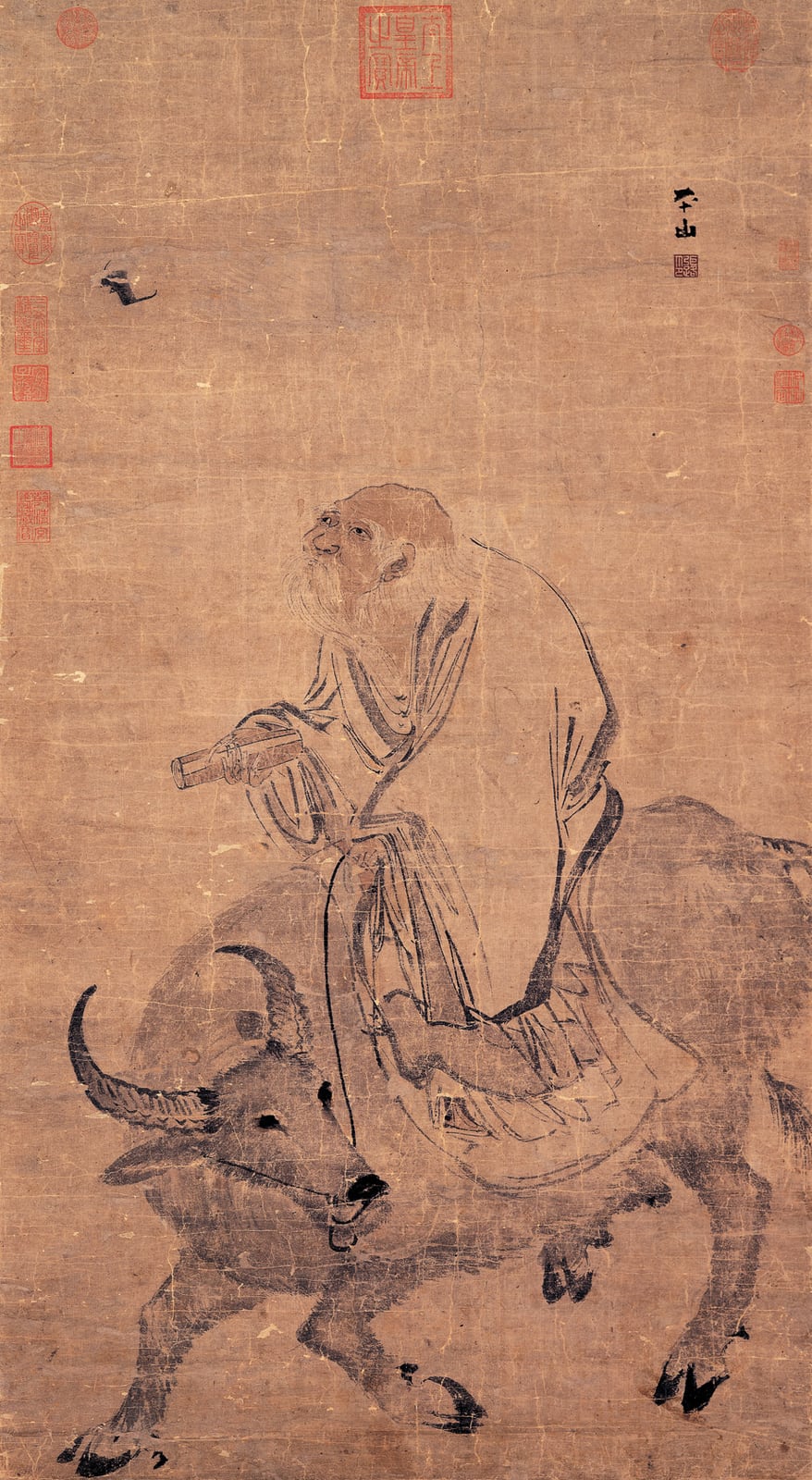
Laozi
يتّفقان في: ما المطلق؟ هل الله موجود؟ · ماذا يحدث بعد الموت؟ · كيف يُبلَغ التحرّر أو الخلاص؟
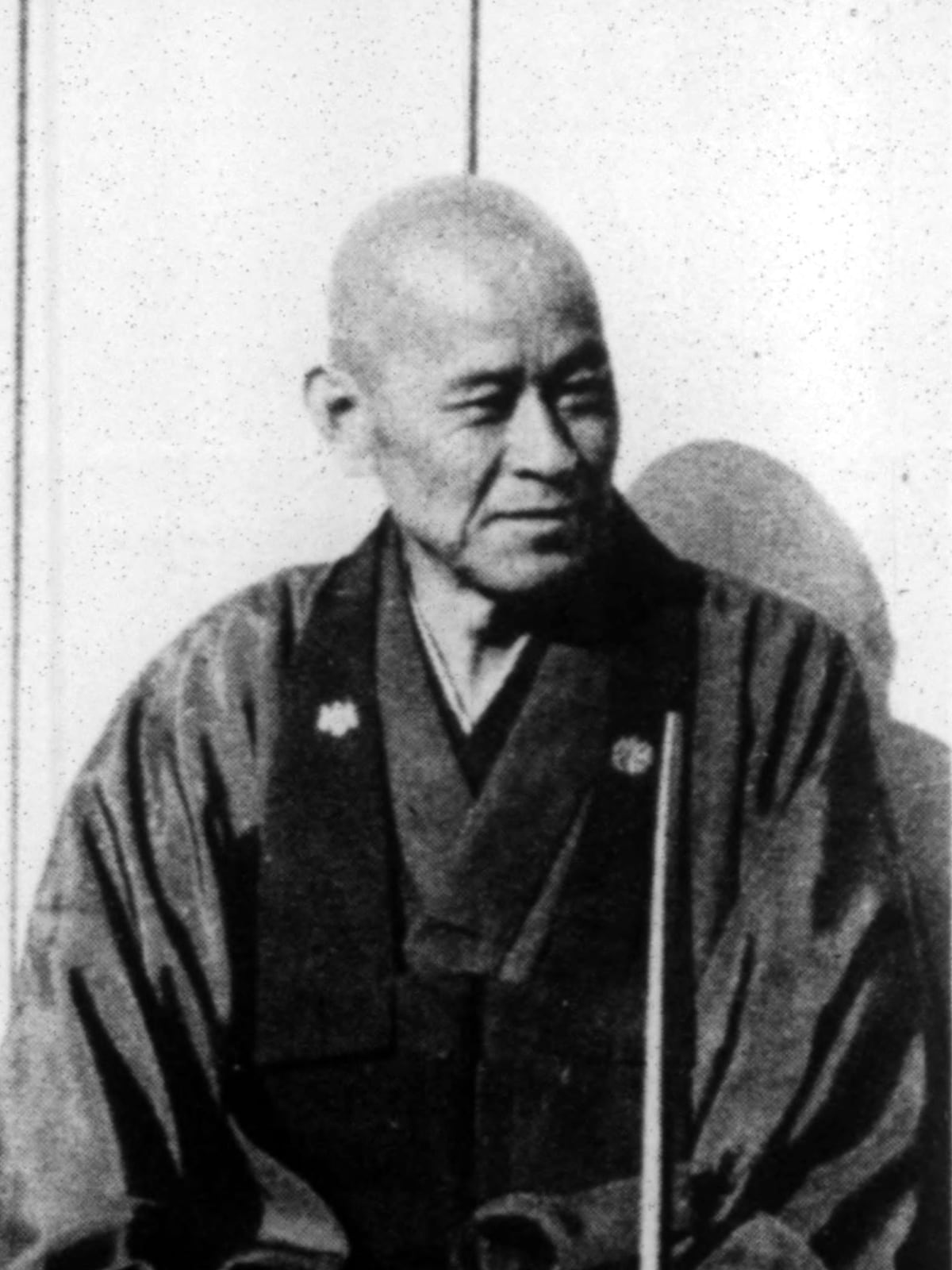
Shunryu Suzuki
يتّفقان في: ما المطلق؟ هل الله موجود؟ · من أنا؟ هل توجد ذات حقيقية؟ · لماذا نتألّم؟
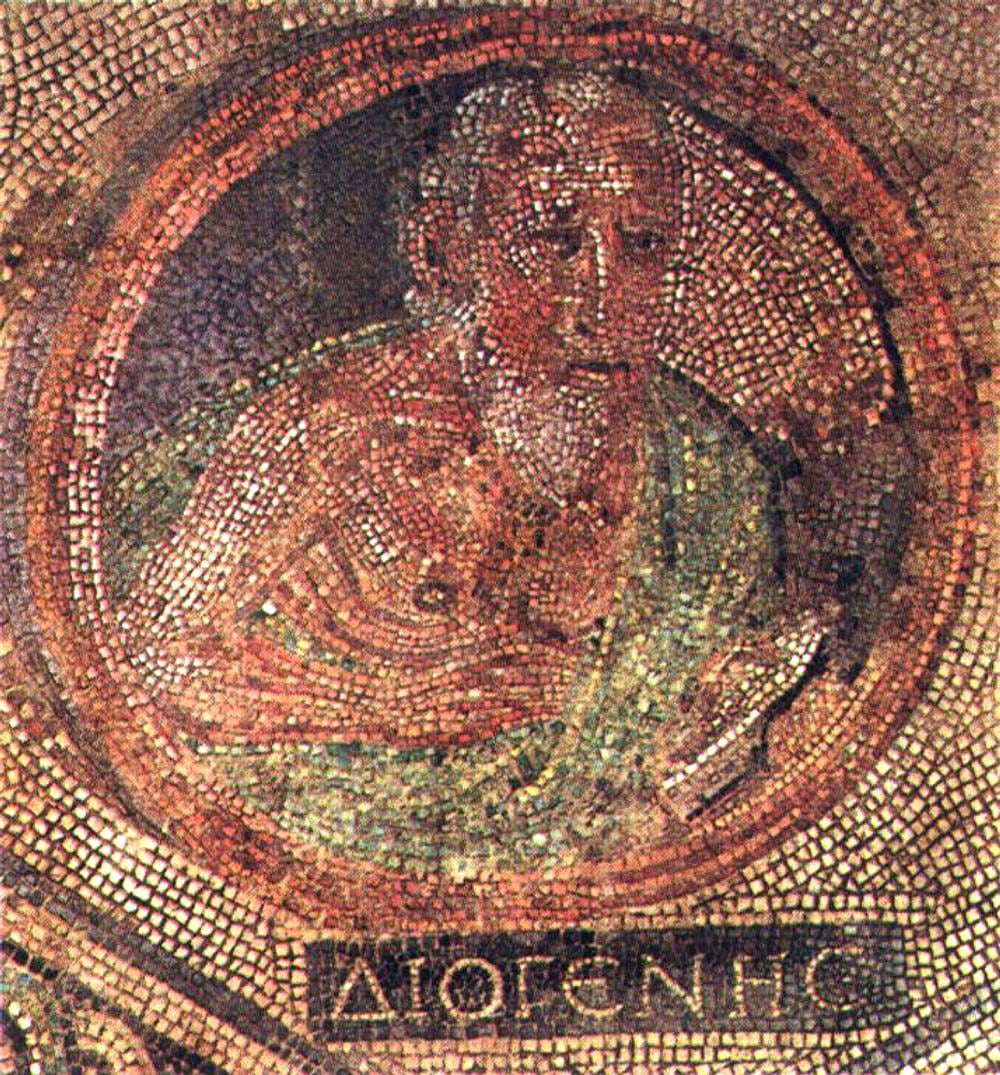
Diogenes of Sinope
يتّفقان في: لماذا نتألّم؟ · ماذا يحدث بعد الموت؟ · هل نحتاج إلى معلّم؟
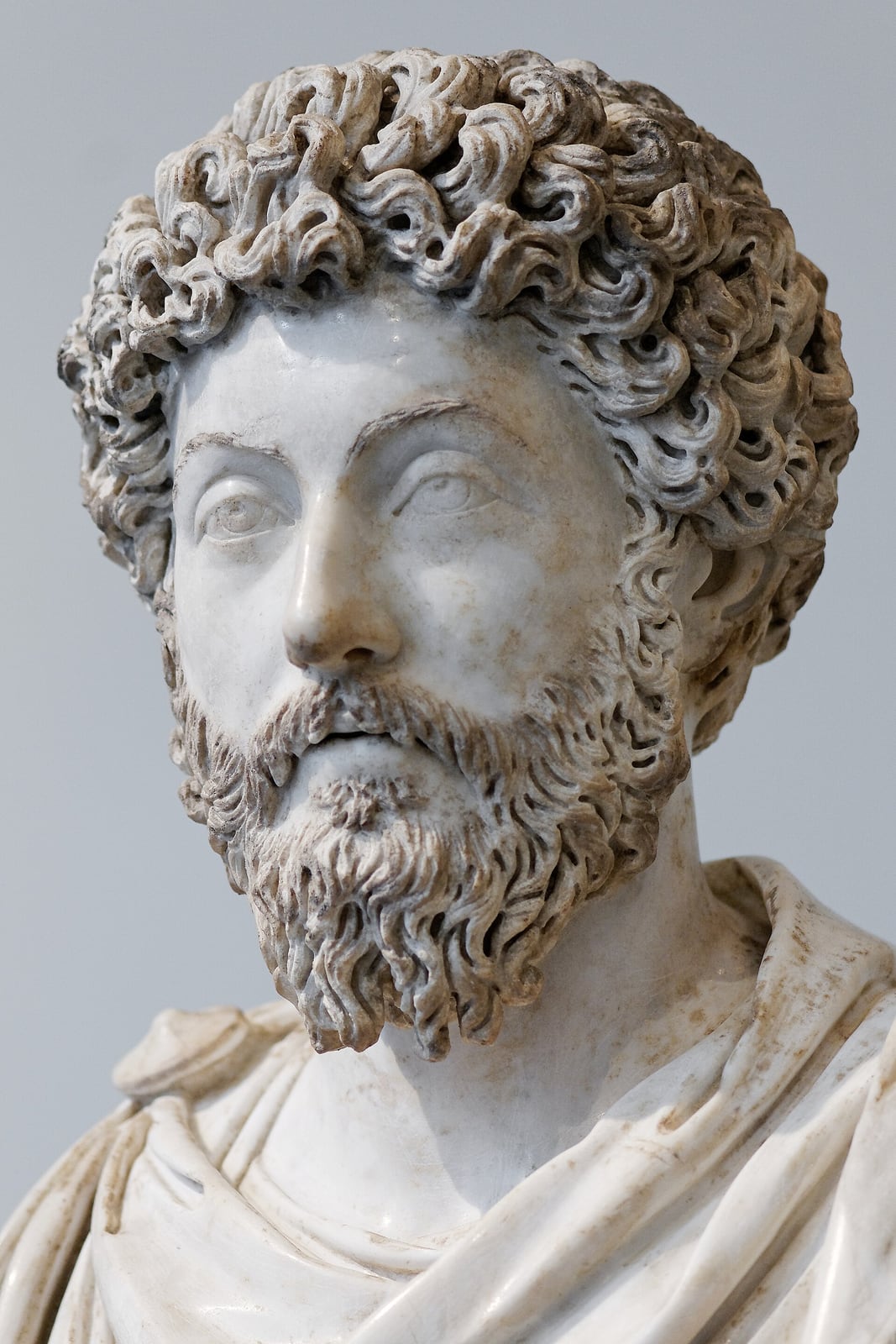
Marcus Aurelius
يتّفقان في: ماذا يحدث بعد الموت؟ · كيف يُبلَغ التحرّر أو الخلاص؟ · هل نحتاج إلى معلّم؟


حكايات وروايات
حكايات وروايات
تقليد شفهيs. IV a. C. (redacción)
The butterfly dream
أصل الرواية: Zhuangzi, ch. 2 (inner), final passage. It is a literary first-person parable, attributable to the oldest core of the book; there is no way of knowing whether it reflects a real dream.
تقليد شفهيs. IV a. C. (redacción)
Cook Ding and the ox
أصل الرواية: Zhuangzi, ch. 3 (inner). A literary fable; the identification of Lord Wenhui with King Hui of Liang comes from the commentators.
تقليد شفهيc. 339–329 a. C. (según el Shiji)
The tortoise in the mud and the sacrificial ox
أصل الرواية: The tortoise version is in ch. 17 (outer) and the ox version in ch. 32 (miscellaneous) and in Shiji 63, which adopts it as a biographical fact. The agreement of sources does not make it documented: Sima Qian draws on the book itself.
تقليد شفهيs. IV a. C. (escena); s. III a. C. (redacción probable)
The joy of the fish
أصل الرواية: Zhuangzi, ch. 17 (outer), last passage. A school composition; Hui Shi is a historical figure, but the dialogue is literary.
تقليد شفهيs. IV a. C. (escena)
The bowl and his wife's death
أصل الرواية: Zhuangzi, ch. 18 (outer). There is no other source on Zhuangzi's wife; the scene is exemplary and comes from the school.
تقليد شفهيc. 310 a. C. (escena)
At Huizi's grave: the mason of Ying
أصل الرواية: Zhuangzi, ch. 24 (miscellaneous). A school narrative presupposing that Huizi died before Zhuangzi.
تقليد شفهيs. IV a. C. (redacción)
The death of Hundun
أصل الرواية: Zhuangzi, ch. 7 (inner), final passage. A literary mythological fable.
التعاليم
التعاليم
المفاهيم التي ينتظم بها فكره، مشروحة في سياقها.
Free and easy wandering (xiaoyao you)xiaoyao-you
Inner chapters, above all ch. 1; taken up by the Learning of the Mysterious (Guo Xiang) as "each thing content in its own nature".
Equalising things (qiwu)qiwu
Chapter 2 (inner), in critical dialogue with Mohist logic and with Hui Shi.
The transformation of things (wuhua)wuhua
Chapters 2 and 6 (inner) and 18 (outer).
المصدر: Graham, A. C. (trad.). Chuang-tzŭ: The Seven Inner Chapters and Other Writings from the Book Chuang-tzŭ. Londres: George Allen & Unwin, 1981 (reimpr. Hackett, 2001, como Chuang-tzu: The Inner Chapters). ISBN 9780042990101.
Fasting of the heart (xinzhai)xinzhai
Chapter 4 (inner); a forerunner of Daoist meditative practices and of their Chan reading.
Sitting and forgetting (zuowang)zuowang
Chapter 6 (inner).
المصدر: Graham, A. C. (trad.). Chuang-tzŭ: The Seven Inner Chapters and Other Writings from the Book Chuang-tzŭ. Londres: George Allen & Unwin, 1981 (reimpr. Hackett, 2001, como Chuang-tzu: The Inner Chapters). ISBN 9780042990101.
The usefulness of the useless (wuyong zhi yong)wuyong-zhi-yong
Chapters 1 and 4 (inner) and 20 (outer).
Goblet words and imputed words (zhiyan, yuyan)zhiyan
Chapters 27 and 26 (miscellaneous), applied to the whole book.
مقاطع الفيديو
مقاطع الفيديو
تسجيلات ومقابلات وأفلام وثائقية. تُشغَّل مقاطع الفيديو من YouTube؛ ولا تُستضاف هنا.
Professor Michael Puett on Zhuangzi in Relation to Confucius
محاضرة· EN· 2013· 44 min
China X (HarvardX)القناة الرسمية
The Greatest Daoist Philosopher: Zhuangzi
محاضرة· EN· 2021· 58 min
Bryan Van Norden
Brook Ziporyn - Losing the Self in the Philosophy of Zhuangzi
محاضرة· EN· 2017· 93 min
School of History Tel Aviv Universityالقناة الرسمية
Finding a Way Together: Interpersonal Ethics in the Zhuāngzǐ
محاضرة· EN· 2022· 106 min
4TH SPACE Concordia Universityالقناة الرسمية
Zhuangzi and the Tragedy of Personal Freedom in Chinese History
محاضرة· EN· 2021· 102 min
Department of Classics & Religion UCalgaryالقناة الرسمية
Zhuangzi In-Depth: Professor Edward Slingerland
مقابلة· EN· 2020· 55 min
George Thompson
Zhuangzi - The Sage of Uncertainty
تحليل· EN· 2020· 24 min
Let's Talk Religion
France culture - Du jour au lendemain - Notes sur Tchouang-Tseu de J.F. Billeter
مقابلة· FR· 2011· 34 min
EditionsAlliaالقناة الرسمية
《逍遥游》流传两千多年 里面到底藏着哪些人生道理?《百家讲坛》 崆峒论道 2 吾心安处
محاضرة· ZH· 2026· 38 min
CCTV百家讲坛官方频道القناة الرسمية
读懂庄子的《人间世》《百家讲坛》 崆峒论道 4 人间处世
محاضرة· ZH· 2026· 38 min
CCTV百家讲坛官方频道القناة الرسمية
老子与庄子 | 易中天讲先秦诸子百家争鸣 第六部《继往开来》| CCTV《百家讲坛》
محاضرة· ZH· 2013· 38 min
CCTV百家讲坛官方频道القناة الرسمية
Ding el cocinero Zhuang Zi
تسجيل من طرف ثالث· ES· 2016· 3 min
Pilar Gonzalez Españaالقناة الرسمية
المعرض
المعرض
صور بترخيص متحقَّق منه. كل منها تحتفظ بمؤلّفها ونسبتها.
المخطوطات
المخطوطات
شواهد مخطوطة ونصوص قديمة، مع جهة حفظها وشروط الاطّلاع عليها.
ZH · Caracteres chinos (escritura regular) · Copias de época Tang (ss. VII–VIII)
莊子 (fragmentos de Dunhuang)
- الشاهد المحفوظ
- Fragmentos manuscritos que cubren aproximadamente doce capítulos de la edición de Guo Xiang
- جهة الحفظ
- British Library (Londres) y Bibliothèque nationale de France (París), entre otras colecciones
ZH · Caracteres chinos · Periodo Muromachi según la fuente consultada (datación pendiente de confirmar)
莊子 (高山寺本)
- الشاهد المحفوظ
- Manuscrito con siete secciones completas de los capítulos exteriores y misceláneos, emparentado con la edición comentada de Cheng Xuanying (s. VII)
- جهة الحفظ
- Kōzan-ji (Kioto)
ZH · Caracteres chinos (impresión xilográfica) · Dinastía Song (s. XIII según la ficha de Commons)
莊子 (edición Song, 宋刊本)
- الشاهد المحفوظ
- Edición impresa; la imagen conocida reproduce el comienzo del capítulo 19, «Dasheng»
- جهة الحفظ
- Seikadō Bunko (Tokio)
- الرقمنة
- commons.wikimedia.org/wiki/File:Zhuangzi_Song_Ed…
العلاقات
العلاقات
تأثيرات وتلمذة وتقارب في الأفكار. تُميَّز العلاقة الموثّقة عن التشابه المستخلَص بالتحليل.
تأثّر بـ
Sima Qian states that Zhuang Zhou's doctrine "goes back in essence to the words of Laozi". In the book itself, Lao Dan appears as Confucius's teacher in several outer chapters; chapter 33 presents them as distinct currents.
علاقة موثّقة
اختلف مع
According to the Shiji, Zhuang Zhou attacked Confucius's disciples. In the book, Confucius is sometimes mocked and sometimes a mouthpiece for Daoist ideas (chs. 4 and 6).
علاقة موثّقة
التقى بـ
Hui Shi (Huizi)
Friend and dialectical adversary; protagonist of several dialogues in the book (chs. 1, 5, 17, 18, 24), and his paradoxes are listed in chapter 33. The relationship is documented only by the Zhuangzi itself.
علاقة موثّقة
أثّر في
Buber published Reden und Gleichnisse des Tschuang-Tse in 1910, a translated selection with an afterword on the teaching of the Tao.
علاقة موثّقة
أثّر في
Merton published The Way of Chuang Tzu in 1965, free versions based on existing translations.
علاقة موثّقة
أفكار قريبة من
The Zhuangzi's critique of language, praise of spontaneity and paradoxical humour are part of the Chinese background of Chan; the relation is one of affinity, not documented direct influence.
تشابه مستخلَص بالتحليل
أفكار قريبة من
Both think of reality as ceaseless transformation and distrust fixed concepts; an affinity noted by modern interpreters, not documented influence.
تشابه مستخلَص بالتحليل
أفكار قريبة من
A frequent comparison: the flux of all things and the unity of opposites. No historical contact.
تشابه مستخلَص بالتحليل
أفكار قريبة من
The refusal of power, chosen poverty and mockery of conventions bring the literary figure of Zhuangzi close to the Greek Cynic. No historical contact.
تشابه مستخلَص بالتحليل
المصادر
المصادر
المراجع والفهارس التي رُوجعت لهذه الصفحة.
- Wikidata, entidad Q47739 «Zhuang Zhou» (P31=Q5; 98 enlaces entre wikis; nombre nativo 莊子; nacimiento -369, muerte -288 con precisión de año). Entidad del libro: Q1074987 «Zhuangzi».
- Sima Qian. Shiji (Memorias históricas), juan 63, «Laozi Han Fei liezhuan», noticia sobre Zhuang Zhou. c. 94 a. C. Ed. Zhonghua shuju, Pekín, 1959.
- Graham, A. C. (trad.). Chuang-tzŭ: The Seven Inner Chapters and Other Writings from the Book Chuang-tzŭ. Londres: George Allen & Unwin, 1981 (reimpr. Hackett, 2001, como Chuang-tzu: The Inner Chapters). ISBN 9780042990101.
- Watson, Burton (trad.). The Complete Works of Zhuangzi. Nueva York: Columbia University Press, 2013 (1.ª ed. The Complete Works of Chuang Tzu, 1968). ISBN 9780231164740.
- Ziporyn, Brook (trad.). Zhuangzi: The Essential Writings, with Selections from Traditional Commentaries. Indianápolis: Hackett, 2009. ISBN 9780872209114.
- Hansen, Chad. «Zhuangzi». En Edward N. Zalta (ed.), The Stanford Encyclopedia of Philosophy. Publicado el 17-12-2014; revisión sustancial del 24-03-2024.
- Roth, Harold D. «Chuang tzu 莊子». En Michael Loewe (ed.), Early Chinese Texts: A Bibliographical Guide. Berkeley: Society for the Study of Early China / Institute of East Asian Studies, 1993, pp. 56–66.
- Liu Xiaogan. Classifying the Zhuangzi Chapters. Trad. de William E. Savage. Ann Arbor: Center for Chinese Studies, University of Michigan, 1994 (Michigan Monographs in Chinese Studies, 65).
- Klein, Esther. «Were there "Inner Chapters" in the Warring States? A New Examination of Evidence about the Zhuangzi». T'oung Pao 96, n.º 4/5 (2010): 299–369. doi:10.1163/156853210X546825.
- Giles, Herbert A. (trad.). Chuang Tzŭ: Mystic, Moralist, and Social Reformer. Londres: Bernard Quaritch, 1889. Texto íntegro en Wikisource (por capítulos) y en Project Gutenberg n.º 59709.
- Legge, James (trad.). The Texts of Taoism, partes I–II (The Writings of Kwang-ze). Sacred Books of the East, vols. XXXIX–XL. Oxford: Clarendon Press, 1891.
- Wieger, Léon (trad.). Les Pères du système taoïste: Lao-tzeu, Lie-tzeu, Tchoang-tzeu. Hien-hien: Imprimerie de Hien-hien, 1913. «Œuvre de Tchoang-tzeu» en Wikisource francés, por capítulos y en texto completo.
- 莊子 (recensión de Guo Xiang en 33 capítulos), texto chino en Wikisource, con índice de capítulos interiores, exteriores y misceláneos.
- Wikipedia en inglés. «Zhuangzi (book)», secciones «Textual history» y «Manuscripts» (Fuyang, Zhangjiashan, Dunhuang, manuscrito del Kōzan-ji). Consultado el 25-10-2026; usado solo como orientación y contrastado con Roth (1993).
- Ban Gu. Hanshu (Libro de los Han), juan 30, «Yiwen zhi» (catálogo bibliográfico), entrada «莊子五十二篇». c. 111 d. C.
- Mair, Victor H. (trad.). Wandering on the Way: Early Taoist Tales and Parables of Chuang Tzu. Nueva York: Bantam Books, 1994. ISBN 9780553374063.
- Billeter, Jean François. Leçons sur Tchouang-tseu. París: Allia, 2002. ISBN 9782844850805.
- Buber, Martin. Reden und Gleichnisse des Tschuang-Tse. Leipzig: Insel, 1910.
- Wilde, Oscar. «A Chinese Sage» (reseña de la traducción de Giles). The Speaker, 8 de febrero de 1890.
- Merton, Thomas. The Way of Chuang Tzu. Nueva York: New Directions, 1965 (reed. 2010, ISBN 9780811218511).
- Borges, Jorge Luis; Ocampo, Silvina; Bioy Casares, Adolfo (eds.). Antología de la literatura fantástica. Buenos Aires: Sudamericana, 1940 (incluye «Sueño de Chuang Tzu», en versión de los antólogos a partir de Giles).
- Editorial Kairós. Ficha de «Zhuang Zi. Maestro Chuang Tsé», trad. de Iñaki Preciado Idoeta (col. Clásicos), ISBN 9788472453357.
- Open Library: Elorduy, Carmelo (trad.), Chuang-Tzu: literato, filósofo y místico taoísta, Manila, East Asian Pastoral Institute, 1967; y Lao Tse, Chuang Tzu, Dos grandes maestros del taoísmo, ed. de Carmelo Elorduy, Madrid, Editora Nacional, 1977 (ISBN 9788427603912).
- Editorial Trotta. Ficha de «Los capítulos interiores de Zhuang Zi», trad. de Pilar González España y Jean Claude Pastor-Ferrer (col. Pliegos de Oriente), ISBN 9788481642391.
- صاحب الحقوق
- Obra en dominio público; cada traducción moderna pertenece a su traductor o editorial
في انتظار التأكيد
ما لم تتمكّن هذه الصفحة من حسمه بعد. نفضّل أن نقول ذلك على أن نملأ الفراغ.
- Fechas de nacimiento y muerte (c. 369–286 a. C.) convencionales: no constan en ninguna fuente antigua; Wikidata da -369 y -288.
- Sala de lectura: la traducción de James Legge (SBE XXXIX–XL, 1891) no está transcrita en Wikisource ni en Gutenberg como texto limpio separado; solo hay escaneos del volumen completo.
- Sala de lectura: no hay traducción española del Zhuangzi en dominio público localizada en línea.
- Manuscritos: confirmar con bibliografía especializada los fragmentos Han de Fuyang (Shuanggudui) y Zhangjiashan que menciona la bibliografía divulgativa, y la datación y la condición de Tesoro Nacional del manuscrito del Kōzan-ji (la fuente consultada lo sitúa en el periodo Muromachi). No se han incorporado como datos firmes.
- Clasificación de los capítulos según Graham: verificada en líneas generales (interiores, escuela de Zhuangzi 17–22, primitivista 8–11, yangista 28–31, sincretista 12–15 y 33); la adscripción del capítulo 16 queda abierta.
- Ediciones: ISBN de la traducción rusa de V. V. Maliavin y de ediciones en árabe e hindi no verificados; la edición de Elorduy de 1967 (Manila) consta en Open Library sin ISBN.
- Vídeos: no se ha localizado una conferencia universitaria en español específica sobre Zhuangzi en canal institucional; se incluye la lectura de su traductora.
- Comprobar en la colección del Museo Nacional del Palacio la datación del álbum 聖君賢臣全身像冊 (imagen principal).
بُحث بتاريخ 2026-10-25