اليهودية · التأمل العلماني
Martin Buber
מרטין בובר · מארטין בובער
1878 – 1965شخصية موثّقة تاريخيًا
مارتن بوبر (1878–1965)، فيلسوف ومفكّر ديني يهودي وُلد في فيينا، صاغ في كتابه «أنا وأنت» (1923) التمييز بين علاقة «أنا–أنت»، أي اللقاء الذي ينخرط فيه الإنسان بكامل كيانه، وتجربة «أنا–هو» التي تحوّل الآخر إلى مجرّد موضوع. وأعاد كتابة الأساطير الحسيدية للجمهور الأوروبي، وترجم الكتاب المقدّس العبري إلى الألمانية بالاشتراك مع فرانتس روزنتسفايغ، ودافع في القدس عن قيام دولة يهودية عربية ثنائية القومية.
- مؤلَّفًا
- 65مؤلَّفًا
- طبعة
- 127طبعة
- اقتباسًا
- 8اقتباسًا
- مقطع فيديو
- 13مقطع فيديو
- صورة
- 9صورة
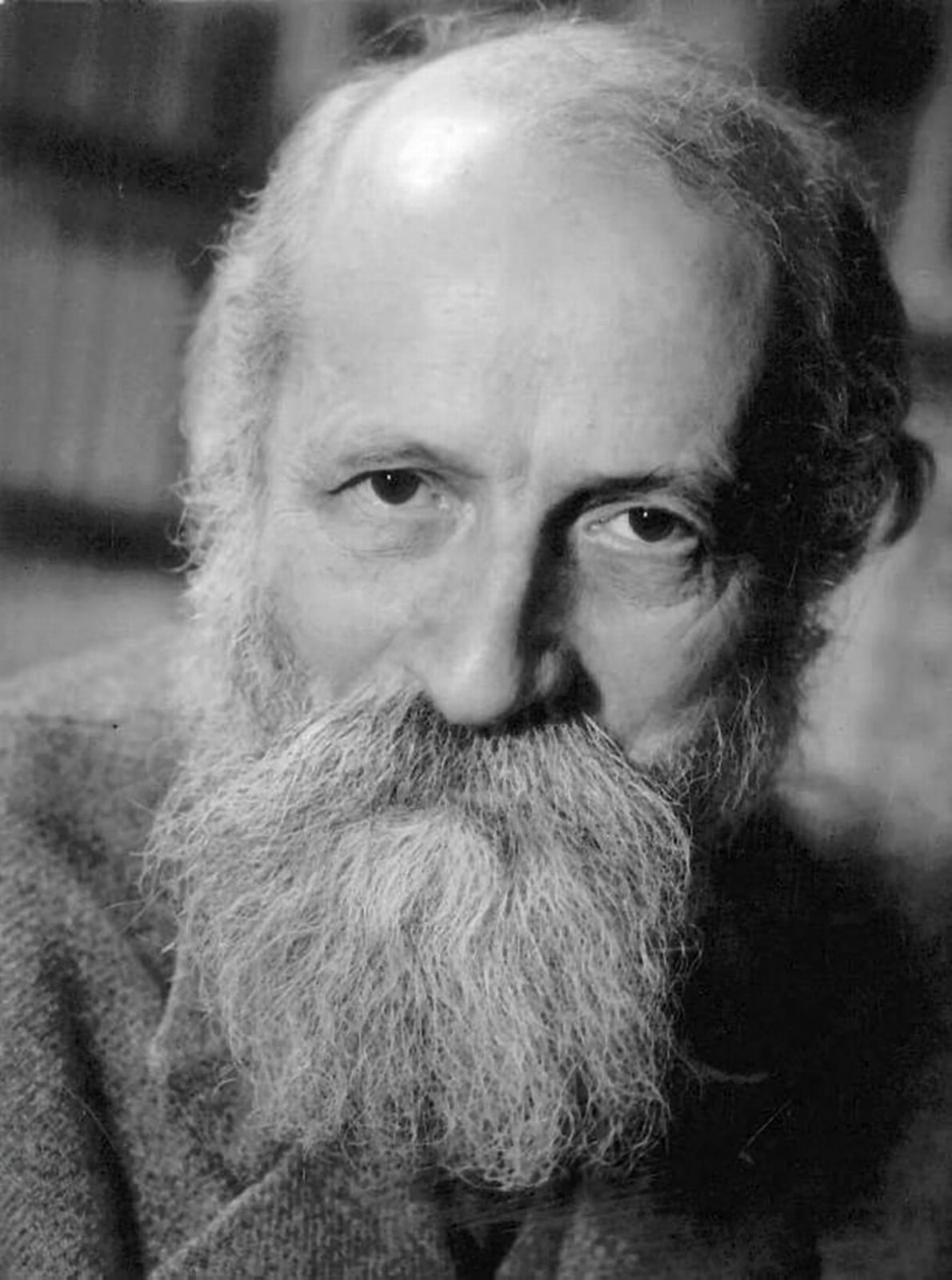
Retrato de Martin Buber · Public domain
بكلماته
«All real living is meeting.»Ich und Du (1923), primera parte

فكرته المحورية
The primary word I-It is not an evil: without it there would be no science, technology or social order. The danger is that the world of It grows until it stifles the capacity for relation, and that we treat persons too merely as objects of experience and use.
السيرة
4 دقيقة قراءة
ترجمة مُعانة من الأصل الإسباني، بانتظار مراجعة مترجم من أهل اللغة.
طفلٌ بلا وداع
وُلد مارتن بوبر في فيينا في 8 شباط/فبراير 1878، في أسرة يهودية ميسورة من رعايا الملكية الهابسبورغية. ولم يكن قد أتمّ الرابعة حين انفصل أبواه واختفت أمّه من حياته دون كلمة؛ فأُرسل الطفل إلى لمبرغ (لفيف اليوم)، في غاليسيا النمساوية، ليعيش في بيت جدّه وجدّته لأبيه. وكان سالومون بوبر باحثًا في المدراش ومحقّقًا للنصوص الربّانية ورجل أعمال، وكانت جدّته أديل قارئة شغوفة بالأدب الألماني. ونشأ مارتن بين اليديشية والألمانية وبولندية المدرسة الثانوية وعبرية الكنيس، وقد وسمته هذه التعدّدية اللغوية، كما روى هو نفسه، إلى الأبد. وأوحت إليه تجربة الأم الغائبة لاحقًا بكلمة Vergegnung، أي «اللالقاء» أو «اللقاء الفائت»، ليسمّي بها إخفاق اللقاء الحقيقي بين شخصين.
من الصهيونية الثقافية إلى الحسيدية
درس الفلسفة وتاريخ الفن والدراسات الألمانية وعلم النفس في فيينا ولايبزيغ وزيورخ وبرلين، حيث حضر دروس فيلهلم دلتاي وغيورغ زيمل، ونال الدكتوراه في فيينا عام 1904 بأطروحة عن مشكلة التفرّد عند نيقولا الكوزاني ويعقوب بوهمه. ومنذ عام 1898 انخرط في الحركة الصهيونية: فرأس لفترة وجيزة تحرير «دي فلت»، لسان حال هرتسل، وانتمى إلى «الكتلة الديمقراطية» التي كانت تطالب بنهضة ثقافية يهودية قبل أي حلّ دبلوماسي محض. وفي زيورخ تعرّف عام 1899 إلى باولا فينكلر، الكاتبة الكاثوليكية الأصل التي ستعتنق اليهودية وتصير رفيقة عمره. ونحو عام 1904 انسحب من العمل السياسي وانغمس في النصوص الحسيدية التي لمحها طفلًا في غاليسيا: فأعاد كتاباه «حكايات الحاخام نحمان» (1906) و«أسطورة بعل شيم» (1908) صياغة تلك الحكايات بنثر ألماني بالغ الرهافة، وقدّماها للجمهور الأوروبي تعبيرًا عن تديّن حيّ.
من التصوّف إلى الحوار
كانت السنوات السابقة للحرب العالمية الأولى سنوات طوره الصوفي: فقد جمع مختارات بعنوان «اعترافات وجدية» (1909) لمتصوّفة من شتّى التقاليد، وترجم تشوانغ تسي، ونشر «دانيال» (1913)، وهي محاورات في «التحقّق». وحين اندلعت الحرب رحّب بها، شأن كثير من المثقفين الألمان، بحماسة أخذها عليه صديقه الفوضوي غوستاف لانداور بقسوة. وقد ردّ بوبر نفسه تحوّله إلى حادثة ضئيلة: فبعد صباح من النشوة الدينية استقبل شابًّا جاء يستشيره؛ فأحسن استقباله، لكن دون أن يكون حاضرًا حضورًا تامًّا، ثم علم لاحقًا أن ذلك الزائر، الذي كان قد مات، جاءه بسؤال مصيري بين الحياة والموت. ومنذ ذلك الحين، كما كتب، تخلّى عن «الديني» بوصفه استثناءً ونشوة، ولم يعد يملك «شيئًا سوى اليومي».
أنا وأنت
في عام 1916 استقرّ مع أسرته في هبنهايم، عند طريق البيرغشتراسه، وأسّس مجلة «دير يوده» التي رأس تحريرها حتى عام 1924. وهناك كتب «أنا وأنت» (1923)، أحد أعظم الكتب الفلسفية أثرًا في القرن. وأطروحته تتّسع لها سطور قليلة: للإنسان موقفان من العالم، يعبّر عنهما «كلمتان أساسيتان». فبالكلمة «أنا–هو» (Ich-Es) يختبر الأشياء والأشخاص ويستعملهم بوصفهم موضوعات؛ وبالكلمة «أنا–أنت» (Ich-Du) يدخل معهم في علاقة بكلّ كيانه، بلا وسيط ولا غاية. فلا يستطيع الإنسان أن يعيش بغير الـ«هو»، لكنّ من يعيش به وحده ليس إنسانًا. وكلّ علاقة حقيقية بـ«أنت» تتيح لمح «الأنت الأزلي»، أي الله، الذي لا يمكن وصفه، وإنما يمكن مخاطبته فحسب.
الكتاب المقدّس بالألمانية
بين عامي 1923 و1933 درّس الفلسفة والأخلاق اليهوديتين في جامعة فرانكفورت، وتعاون مع فرانتس روزنتسفايغ في «بيت التعليم اليهودي الحرّ». وفي عام 1925 شرعا معًا في ترجمة ألمانية جديدة للكتاب المقدّس العبري تسعى إلى الحفاظ على إيقاع الأصل وجذوره وطابعه الشفاهي؛ ومات روزنتسفايغ عام 1929، فأتمّها بوبر وحده في القدس عام 1961. ومع وصول هتلر إلى السلطة تخلّى عن كرسيّه الجامعي وأدار مكتب تعليم الكبار لليهود الألمان، الذي كان يسعى إلى تزويدهم بزاد روحي يعينهم على الصمود؛ وفي عام 1935 منعه الغستابو من الكلام في العلن. وفي آذار/مارس 1938 قبل كرسيّ الفلسفة الاجتماعية في الجامعة العبرية في القدس؛ وبعد أشهر نُهب بيته في هبنهايم في مذبحة تشرين الثاني/نوفمبر.
صهيونية غير مريحة
دعا في فلسطين، مع يهودا ماغنس وجماعة «إيحود» (الاتحاد)، إلى دولة ثنائية القومية يتقاسم فيها اليهود والعرب السلطة، وانتقد النزعة القومية التي رآها تتنامى في الحركة الصهيونية. وفي عام 1939 ردّ على غاندي، الذي كان قد نصح يهود ألمانيا بالمقاومة اللاعنفية وأنكر حقّهم في فلسطين، برسالة مفتوحة دافع فيها في آنٍ معًا عن القضية اليهودية وعن ضرورة اتفاق عادل مع العرب. وبعد عام 1948 ظلّ يطالب بعودة اللاجئين وبقيام اتحاد إقليمي، فنال في الدولة الجديدة مزيجًا من التبجيل والعزلة. وفي عام 1953 قبل في فرانكفورت جائزة السلام التي يمنحها اتحاد تجارة الكتب الألماني، وهي خطوة أثارت جدلًا واسعًا في إسرائيل، وفي عام 1962 طالب بألّا يُعدَم أدولف أيخمان.
السنوات الأخيرة والإرث
مدّت كتب نضجه مبدأ الحوار إلى الكتاب المقدّس («موسى»، «إيمان الأنبياء»)، وإلى نقد الدين الحديث («كسوف الله»، وفيه سجاله مع كارل غوستاف يونغ)، وإلى التربية، وإلى العلاج النفسي — إذ حاور كارل روجرز علنًا عام 1957 — وإلى الفلسفة الاجتماعية («طرق إلى اليوتوبيا»). ونال جائزة إسرائيل عام 1958 وجائزة إيراسموس عام 1963. وماتت باولا في البندقية عام 1958، ومات هو في بيته بحيّ الطالبية في القدس في 13 حزيران/يونيو 1965. وقد أخذ عليه جرشوم شوليم أنه حوّل الحسيدية إلى فلسفة وجودية، فانتقى الأساطير وأغفل العقيدة؛ وناقش إيمانويل ليفيناس تبادلية علاقة «أنا–أنت». وما زال أثره في اللاهوت والتربية وعلم نفس اللقاء حيًّا، وقد اكتملت الطبعة النقدية لأعماله في واحد وعشرين مجلدًا عام 2019.
المصادر: Mendes-Flohr, Paul. Martin Buber: A Life of Faith and Dissent. New Haven/Londres: Yale University Press (Jewish Lives), 2019. · Friedman, Maurice. Martin Buber's Life and Work. 3 vols. (The Early Years 1878–1923; The Middle Years 1923–1945; The Later Years 1945–1965). Nueva York: E. P. Dutton, 1981–1983; reed. Detroit: Wayne State University Press, 1988. · Buber, Martin. Ich und Du. Leipzig: Insel-Verlag, 1923 (ejemplar digitalizado en Internet Archive, «ich-und-du»). · Buber, Martin. Begegnung. Autobiographische Fragmente. Stuttgart: W. Kohlhammer, 1960 (trad. ingl.: Meetings, ed. Maurice Friedman, La Salle, Open Court, 1973). · Martin Buber Werkausgabe (MBW), ed. Paul Mendes-Flohr, Peter Schäfer y Bernd Witte, por encargo de la Academia de Ciencias de Berlín-Brandeburgo, la Israel Academy of Sciences and Humanities y la Universidad Heinrich Heine de Düsseldorf. 21 vols. Gütersloh: Gütersloher Verlagshaus, 2001–2019.
الخط الزمني
الحياة عامًا بعد عام
كل نقطة حدث موثّق. انقر لتقرأه مع مصدره ودرجة اليقين فيه.
8 فبراير 1878أقل من عامViena
Birth
Born in Vienna, son of Carl Buber and Elise Wurhaft.
موثّقWikidata, Q84423: «Martin Buber» (8 de febrero de 1878 – 13 de junio de 1965), 79 enlaces entre wikis.
بعد وفاته
- 2019Werkausgabe completed
8 فبراير 1878 · أقل من عام
Birth
Born in Vienna, son of Carl Buber and Elise Wurhaft.
موثّق
نحو 1882 · 4 أعوام
With his grandparents in Lemberg
After his parents' separation he grows up in the home of his grandparents Solomon and Adele Buber, in Austrian Galicia.
موثّق
1896 – 1899 · 18 عامًا
Student years
Studies philosophy, art history, German literature and psychology; hears Dilthey and Simmel in Berlin.
موثّق
1898 · 20 عامًا
Joins the Zionist movement
Joins Zionism and takes part in its congresses; in 1901 he briefly edits Die Welt and joins the "democratic faction".
موثّق
1899 · 21 عامًا
Meets Paula Winkler
Meets the writer Paula Winkler; Rafael (1900) and Eva (1901) are born. They marry in 1907, after Paula's conversion to Judaism.
موثّق
1904 · 26 عامًا
Doctorate and retreat into Hasidism
Takes his doctorate with a thesis on individuation in Nicholas of Cusa and Jakob Böhme and withdraws from politics to study Hasidic texts.
موثّق
1906 · 28 عامًا
The tales of Rabbi Nachman
Publishes Die Geschichten des Rabbi Nachman; in 1908, Die Legende des Baalschem.
موثّق
1909 – 1911 · 31 عامًا
Addresses on Judaism
Delivers before the Bar Kochba student association in Prague the addresses collected in Drei Reden über das Judentum (1911).
موثّق
1916 · 38 عامًا
Heppenheim and Der Jude
Settles in Heppenheim and founds the journal Der Jude, which he edits until 1924.
موثّق
1923 · 45 عامًا
Ich und Du
Publishes Ich und Du with Insel, the statement of his philosophy of dialogue. Begins teaching at the University of Frankfurt (until 1933).
موثّق
1925 · 47 عامًا
Bible translation begins with Rosenzweig
With Franz Rosenzweig he undertakes Die Schrift, a new German version of the Hebrew Bible; after Rosenzweig's death (1929) he continues alone.
موثّق
1933 · 55 عامًا
Resigns his chair
After Hitler comes to power he leaves the university and directs the Mittelstelle für jüdische Erwachsenenbildung; in 1935 he is banned from speaking in public.
موثّق
مارس 1938 · 60 عامًا
Emigration to Jerusalem
Accepts a chair of social philosophy at the Hebrew University; in November his Heppenheim house is ransacked.
موثّق
فبراير 1939 · 61 عامًا
Open letter to Gandhi
Answers Gandhi's article "The Jews" (1938) with a letter defending the Jewish claim to Palestine and the need for a just agreement with the Arabs.
موثّق
1942 · 64 عامًا
Founding of Ihud
With Judah Magnes and others he founds Ihud, advocating a binational Jewish-Arab state.
موثّق
1949 · 71 عامًا
The Hasidic tales
Publishes Die Erzählungen der Chassidim (Manesse), his great collection of Hasidic tales.
موثّق
1952 · 74 عامًا
Controversy with Jung
Criticises C. G. Jung's psychology of religion in Merkur; Jung replies, and the debate is collected in Gottesfinsternis (1953).
موثّق
27 سبتمبر 1953 · 75 عامًا
Peace Prize of the German Book Trade
Receives the prize in the Paulskirche and delivers "Das echte Gespräch und die Möglichkeit des Friedens"; his acceptance is much disputed in Israel.
موثّق
أبريل 1957 · 79 عامًا
Public dialogue with Carl Rogers
Holds a public conversation with the psychologist Carl Rogers at the University of Michigan on the therapeutic relationship and encounter.
موثّق
1958 · 80 عامًا
Paula's death and the Israel Prize
Paula Buber dies in Venice on the way back from a journey; Buber receives the Israel Prize for the humanities.
موثّق
1961 · 83 عامًا
Die Schrift completed
Completes the German Bible translation begun with Rosenzweig thirty-six years earlier.
موثّق
مايو 1962 · 84 عامًا
Plea for clemency for Eichmann
With Hugo Bergmann, Gershom Scholem and others he asks President Ben-Zvi to commute Adolf Eichmann's death sentence.
موثّق
3 يوليو 1963 · 85 عامًا
Erasmus Prize
Prince Bernhard presents him with the Erasmus Prize at the Tropenmuseum in Amsterdam.
موثّق
13 يونيو 1965 · 87 عامًا
Death
Dies at his home in Talbiyeh, Jerusalem.
موثّق
2019
Werkausgabe completed
The 21-volume critical edition of his works (Martin Buber Werkausgabe) is completed.
موثّق
المؤلَّفات
المؤلَّفات الأساسية
المؤلَّفات التي لا يُفهم إرثه من دونها.
مؤلَّف مكتوب · 1923
I and Thou
Ich und Du
His principal philosophical work, written in Heppenheim and published by Insel in 1923. In three parts of aphoristic prose it distinguishes two human attitudes, expressed in the "primary words" I-Thou and I-It: relation, which occurs with the whole being and in the present, and experience, which objectifies and uses. It then examines how modern civilisation has hypertrophied the world of It and concludes with the relation to the "eternal Thou", God, who can only be addressed, not described. In 1957 he added an afterword. Translated into dozens of languages, it influenced twentieth-century theology, pedagogy, psychotherapy and philosophy.
11 طبعة · amazon.com
Martin Buber
Die Schrift (German Bible translation, with Franz Rosenzweig)
مؤلَّف مكتوب · 1926
Die Schrift (German Bible translation, with Franz Rosenzweig)
Die Schrift (verdeutscht von Martin Buber gemeinsam mit Franz Rosenzweig)
Translation of the Hebrew Bible into German undertaken in 1925 with Franz Rosenzweig and completed by Buber in 1961. It renounces Luther's literary language in order to reproduce the structure of Hebrew: its recurrent roots (*Leitwörter*), its breathing rhythm and its character as a text to be spoken aloud. Fifteen volumes appeared up to 1938; the complete version, in four volumes, between 1954 and 1962. It is, with Moses Mendelssohn's Torah, the great Jewish Bible in German.
3 طبعات

محاضرات منشورة · 1948
The Way of Man according to the Teaching of Hasidism
Der Weg des Menschen nach der chassidischen Lehre
Short book born of a lecture at Bentveld (Netherlands) in 1947. In six chapters (heart-searching, the particular way, resolution, beginning with oneself, not to be preoccupied with oneself, here where one stands) it condenses into Hasidic tales an ethic of personal responsibility; it includes the story of Rabbi Zusya, who in the world to come will not be asked why he was not Moses, but why he was not Zusya. It is his most widely read work outside academia.
5 طبعات · amazon.com

مؤلَّف مكتوب · 1949
Tales of the Hasidim
Die Erzählungen der Chassidim (Or ha-ganuz)
His great collection of Hasidic tales, published by Manesse in 1949 (in Hebrew, *Or ha-ganuz*, 1946–1947). Organised by masters, from the Baal Shem Tov to the rabbis of the nineteenth century, it presents hundreds of short anecdotes and sayings rewritten with a sobriety very different from the ornamental style of his first books. It is the way most Western readers have come to know Hasidism, and the main target of Scholem's critique.
7 طبعات · amazon.com
جميع مؤلَّفاته (65)
Martin Buber
On the History of the Problem of Individuation (Nicholas of Cusa and Jakob Böhme)
The Conscious LibraryOn the History of the Problem of Individuation (Nicholas of Cusa and Jakob Böhme)
1904

A Jewish University
1902
Martin Buber
Jewish Artists
The Conscious LibraryJewish Artists
1903

The Tales of Rabbi Nachman
1906

The Legend of the Baal-Shem
1908

Ecstatic Confessions
1909
Martin Buber
Sayings and Parables of Zhuangzi
The Conscious LibrarySayings and Parables of Zhuangzi
1910

Chinese Ghost and Love Stories
1911

Three Addresses on Judaism
1911

Daniel: Dialogues on Realization
1913

The Four Branches of the Mabinogi
1914

On the Spirit of Judaism
1916

The Jewish Movement: Collected Essays and Addresses
1916

Events and Meetings
1917
Martin Buber
The Discourse, the Teaching and the Song
The Conscious LibraryThe Discourse, the Teaching and the Song
1917
Martin Buber
My Way to Hasidism
The Conscious LibraryMy Way to Hasidism
1918
Martin Buber
The Holy Way
The Conscious LibraryThe Holy Way
1919

Words to the Time
1919
Martin Buber
The Great Maggid and His Succession
The Conscious LibraryThe Great Maggid and His Succession
1922

The Hidden Light
1924
Martin Buber
The Baal Shem Tov's Instruction in Intercourse with God
The Conscious LibraryThe Baal Shem Tov's Instruction in Intercourse with God
1927
Martin Buber
The Hasidic Books
The Conscious LibraryThe Hasidic Books
1928
Dialogue
1932

Kingship of God
1932
الأقوال
أقوال محدَّدة الموضع في مؤلَّف بعينه. كل منها يحمل مصدره ودرجة الثقة به.
All real living is meeting.Alles wirkliche Leben ist Begegnung.
متحقَّق منهIch und Du (1923), primera parte
الأفكار الجوهرية (خلاصة تحريرية)
احترامًا لحقوق المؤلف، تُلخَّص هذه الأفكار بكلماتنا ولا تُقدَّم بوصفها اقتباسات حرفية.
- The primary word I-It is not an evil: without it there would be no science, technology or social order. The danger is that the world of It grows until it stifles the capacity for relation, and that we treat persons too merely as objects of experience and use.
- God is not an object that can be spoken about in the third person, but the eternal Thou who can only be spoken to. Every genuine relation with a human being, an animal, a tree or a work of art affords a glimpse of that Thou, who never becomes an It.
- True dialogue does not consist in exchanging opinions but in turning toward the other and accepting him in his uniqueness, even in disagreement. Buber distinguishes genuine dialogue, technical dialogue, which seeks only understanding about something, and monologue disguised as dialogue.
- Buber described his position as that of someone walking a narrow ridge between two abysses: without doctrinal certainties to support him, but with the certainty of meeting what remains inexpressible.
- The modern age has not witnessed the death of God but his eclipse: something has come between man and the divine light, above all the tendency to turn God into an idea, a psychic function or a cultural product.
- Zionism, for Buber, made sense only as Hebrew humanism: the task of building in the land of Israel a just community, which could not be raised on injustice toward the Arabs. Hence his advocacy of a binational state and, after 1948, of a regional federation.
- Education consists neither in imposing nor in letting grow without guidance, but in a relation in which the teacher, while remaining himself, selects the world for the pupil and wins his trust; only thus can character be formed.
- Redemption is not forced through politics or magic: it is prepared in the turning of the heart and the hallowing of everyday life. That is the thesis of his novel Gog and Magog and of his reading of Hasidism.
الكلمات الأخيرة
لا توجد سجلات يمكن التحقق منها لكلماته الأخيرة.
No reliable record of his last words is known. He died at his home in Jerusalem on 13 June 1965 after some weeks of illness; the biographies by Friedman and Mendes-Flohr describe his last days without attributing a final sentence to him.
المصدر: Mendes-Flohr, Paul. Martin Buber: A Life of Faith and Dissent. New Haven/Londres: Yale University Press (Jewish Lives), 2019.
اسأل
بماذا يجيب أثره
اثنا عشر سؤالًا كبيرًا من أسئلة الإنسانية، وما تتيح نصوصه الإجابة به عنها، مع المراجع. ولا نقوّله ما لم يقل أبدًا.
ما المطلق؟ هل الله موجود؟
God is the eternal Thou: not spoken about, but spoken to
إله شخصييقوله صراحةً
For Buber, God is the eternal Thou: the one who by essence cannot become an It and in whom the lines of all relations with beings are extended. God cannot be spoken about as an object; He can only be addressed. That is why Buber distrusts both the metaphysics that defines Him and the mysticism that dissolves Him into a unity with no one to address. In the afterword he added to I and Thou in 1957 he admits that calling God a person is indispensable for whoever meets Him, though the word does not exhaust Him: He is the absolute Person, the one without limits who nevertheless enters into direct relation with man. Eclipse of God describes the modern age as a time when the Thou is hidden behind the It that man interposes, not as proof that He does not exist.
قارن هذا السؤال مع معلّمين آخرينمن أنا؟ هل توجد ذات حقيقية؟
There is no I as such: man becomes an I through the Thou
ذات تُصقَل في العلاقةيقوله صراحةً
For Buber there is no I as such, prior to relations. There are two primary words, I-Thou and I-It, and the I of one is not the I of the other: when a man says Thou with his whole being he is a person; when he says It he is a subject who uses and knows things. In the beginning is the relation, and man becomes an I through the Thou: the child discovers his I after having lived the encounter. That is why Buber shifts the question what is man? towards the sphere of the interhuman, the between: human reality lies neither in the isolated individual nor in the collective, but in what happens between one and another. The true self is not discovered by looking inward but by responding.
قارن هذا السؤال مع معلّمين آخرينلماذا نتألّم؟
We suffer when the It invades everything and God is eclipsed
الانفصال عن اللهيُستنتج من تعاليمه
Buber answers not with a theory of evil but with a reading of the texts in which the righteous man suffers. In his commentary on the Psalms he dwells on Psalm 73: the psalmist sees the wicked prosper and nearly stumbles, until he enters the sanctuary and understands that his good is nearness to God; suffering is not explained, but relation passes through it. From Job he retains that God gives him not reasons but presence. On the scale of the age, the diagnosis of I and Thou is that the world of It grows without measure and modern man no longer knows how to say Thou; Eclipse of God describes this time in which something interposes itself between heaven and earth. The deepest suffering is broken relation, with God and with others.
قارن هذا السؤال مع معلّمين آخرينماذا يحدث بعد الموت؟
Of death we know nothing; the life entrusted to us is enough
صمت أو تحفّظيقوله صراحةً
Buber keeps a deliberate reserve before the hereafter. In a short reply written for a survey on life after death, collected in his last book, he acknowledges that of death we know nothing except that we shall die, and that the fitting thing is to accept it as the limit of what we can imagine, without claiming to picture what lies beyond. This sobriety is consistent with his reading of the Hebrew Bible, which centres faith on the relationship with God in this world, and with all his thought: eternity is touched in the present encounter with the Thou, not in speculation about an afterwards. He does not deny Jewish hope or trust in God in the face of death; he refuses to turn them into knowledge.
قارن هذا السؤال مع معلّمين آخرينكيف يُبلَغ التحرّر أو الخلاص؟
The Thou comes by grace, but answering is an act of one's whole being
بالنعمة والمحبةيقوله صراحةً
Buber distrusts the word salvation understood as flight from the world or as a technique. In I and Thou he puts it precisely: the Thou meets one through grace, it is not found by seeking; but speaking the primary word to it is an act of one's own being. Relation is at once choosing and being chosen, suffering and action. In The Way of Man according to the Teaching of Hasidism he translates this into a practice without method: to examine oneself, to discover the unique way that belongs to each person, to begin with oneself without ending with oneself, and to do things with one's whole being, in the place where one stands. Redemption is not elsewhere: the world is hallowed in dealings with beings and things, and God answers to that.
قارن هذا السؤال مع معلّمين آخرينهل نحتاج إلى معلّم؟
The master gives no doctrine: he shows something and helps one find one's way
مفيد لكنه ليس ضروريًايقوله صراحةً
Buber said of himself that he had no doctrine: he only showed something. That is also his idea of the master. In his Hasidic books he admires the tsaddik as a helper: someone who, through his presence and whole life, helps each person find his unique way without exempting him from travelling it. In The Way of Man he recalls Rabbi Zusya's saying: in the world to come he will not be asked why he was not Moses, but why he was not Zusya. Buber criticised the degeneration of Hasidism into dynasties of righteous men before whom the faithful abdicate their responsibility. In his addresses on education, the good educator influences by what he is, not by what he imposes, and respects the other side of the relation.
قارن هذا السؤال مع معلّمين آخرينهل العالم حقيقي؟
The world is not divine play but divine destiny: it is hallowed, not abandoned
خلقٌ صالح وحقيقييقوله صراحةً
Buber affirms the world as real creation, addressed to man like a word. In I and Thou he writes that the world is not divine play but divine destiny, and that God is found neither by abandoning the world nor by staying in it as a possession, but by saying Thou to beings. Things can become It, objects of use and knowledge, and that is not bad in itself; what is grave is that the It should invade everything. Against mysticisms that declare reality illusory, Buber defends the concreteness of this world and this moment. His reading of Hasidism insists on the same thing: meaning is not sought elsewhere but realised by hallowing the everyday, here.
قارن هذا السؤال مع معلّمين آخرينما الحب؟
Love is not a feeling: it is an I's responsibility for a Thou
محبة الله والقريبيقوله صراحةً
Buber carefully distinguishes love from the feelings that accompany it. Feelings are had; love happens: it is not in the I as its content but between the I and the Thou. That is why, he writes in I and Thou, love is the responsibility of an I for a Thou, and in this lies the equality of all who love, from the least to the greatest. Whoever loves in this way can love even someone he does not find agreeable, because he loves not a quality but the whole person. In his Bible translation with Rosenzweig, the commandment in Leviticus asks one to love one's neighbour as one like oneself. Love of God and love of the other are not two loves: the eternal Thou is met in every Thou.
قارن هذا السؤال مع معلّمين آخرينهل نحن أحرار أم أن كل شيء مقدَّر؟
Freedom and destiny embrace: destiny needs the free man
القدر والمسؤوليةيقوله صراحةً
In the second part of I and Thou, Buber writes that freedom and destiny belong to each other. The free man is not the one who does what he likes, but the one who wills without arbitrariness: he believes in reality, in the real bond between I and Thou, and he believes in destiny and that destiny needs him. It does not lead him; it waits for him; he must go out to meet it without knowing where it is, but knowing that he must go with his whole being. The opposite is not determinism but the arbitrariness of one who knows only the world of It, for whom everything is causality or whim. For Buber decision is real, and in it man answers a call he has not chosen.
قارن هذا السؤال مع معلّمين آخرينلماذا نتأمّل أو نصلّي؟
To pray is to say Thou, not to sink into oneself
صداقة مع اللهيقوله صراحةً
For Buber, prayer is the purest form of the I-Thou relation: speaking to God instead of speaking about Him. In the third part of I and Thou he criticises the doctrines of absorption, which propose sinking into oneself or dissolving the I into the One, because they abolish precisely the two who speak to each other; he himself, in his youth, had sought ecstatic states and abandoned them after an episode he recounts in his autobiographical fragments. From Hasidism he retains prayer with one's whole being, without reserve, and the idea that there is no profane place or hour for turning to God. Eclipse of God laments that modern man no longer knows how to say Thou and merely thinks of God in the third person.
قارن هذا السؤال مع معلّمين آخرينهل يستطيع العقل أن يعرف الحقيقة القصوى؟
God is not thought as an object: He is met in relation
الحقيقة القصوى وراء العقليقوله صراحةً
Buber was a philosopher and a university professor, and he did not despise reason; but he held that the ultimate is not an object of knowledge. In Eclipse of God he analyses how philosophy, by turning God into an idea, concept or postulate, transforms Him into an It and loses precisely what religion affirms: a Thou who can be addressed. Faith is not accepting propositions but trust in Someone within a relationship; in Two Types of Faith he thus distinguishes it from faith as assent to statements. That is why knowledge of God is not the culmination of reasoning but an encounter that cannot be proved or reduced to doctrine. Reason orders the world of It; the Thou is given in another sphere.
قارن هذا السؤال مع معلّمين آخرينالانسحاب من العالم أم تغييره؟
The individual is not saved by withdrawing: he answers the world and his people
الانخراط في العالميقوله صراحةً
Buber explicitly rejected salvation through withdrawal. In The Question to the Single One he argues with Kierkegaard: the Single One does not meet God by turning his back on the crowd but by taking on his responsibility in the world, politics included. His life was consistent with this: he took part in cultural Zionism from 1900, directed Jewish adult education in Nazi Germany, defended in Palestine a binational state and understanding with the Arabs, and in Paths in Utopia proposed a communal socialism of small living communities against centralised socialism. For Buber religion that takes refuge in inwardness is suspect: the holy is realised in common life, in relation to the other.
قارن هذا السؤال مع معلّمين آخرين
التقارب والتوتّر
التقارب والتوتّر
محسوبة سؤالًا سؤالًا انطلاقًا من مواقفه. وسبب كل اتفاق أو اختلاف يظهر بالنقر.
يقترب في تفكيره من
Guru Nanak
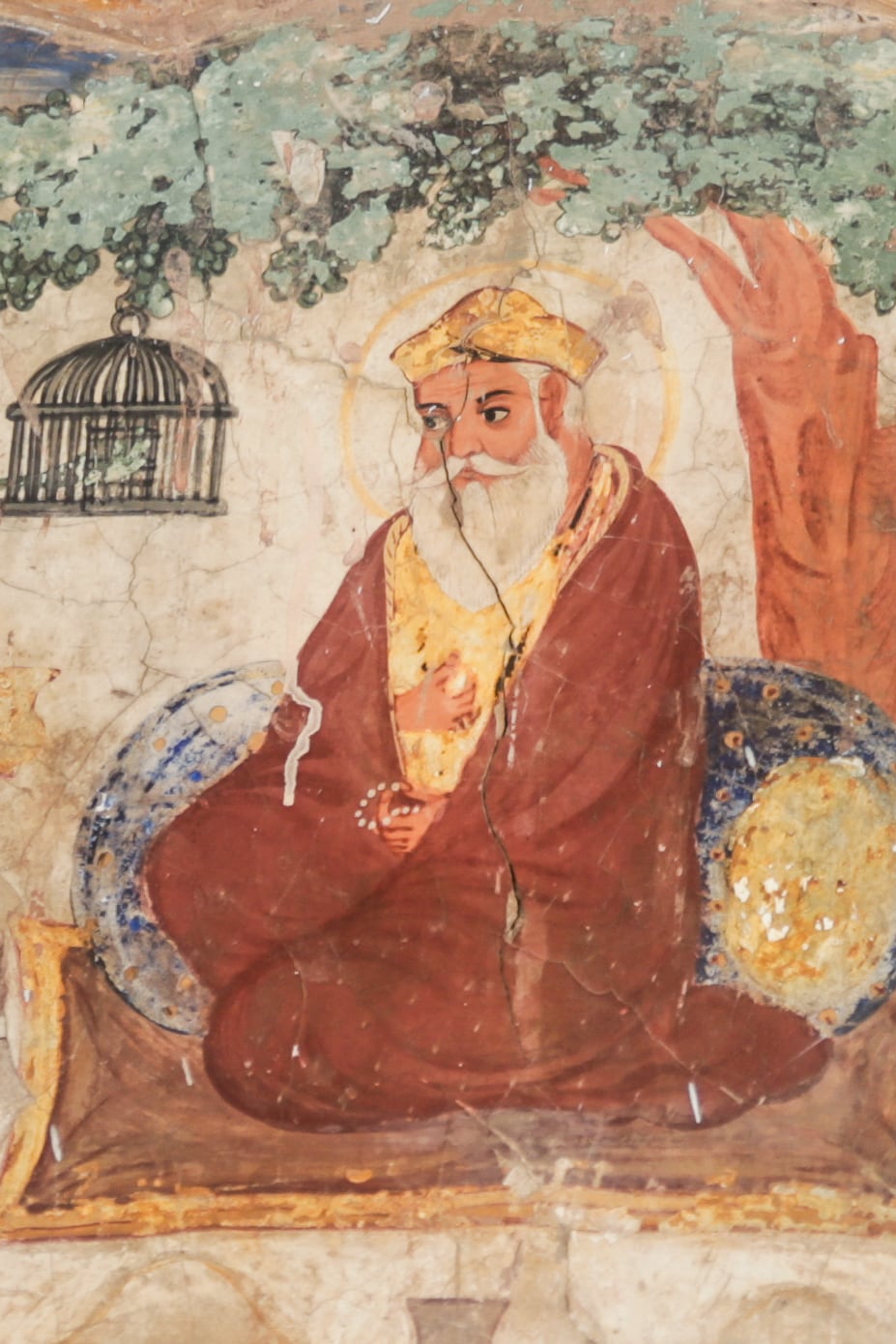
يتّفقان في: ما المطلق؟ هل الله موجود؟ · لماذا نتألّم؟ · كيف يُبلَغ التحرّر أو الخلاص؟

Francis of Assisi
يتّفقان في: ما المطلق؟ هل الله موجود؟ · لماذا نتألّم؟ · كيف يُبلَغ التحرّر أو الخلاص؟
Jesus of Nazareth
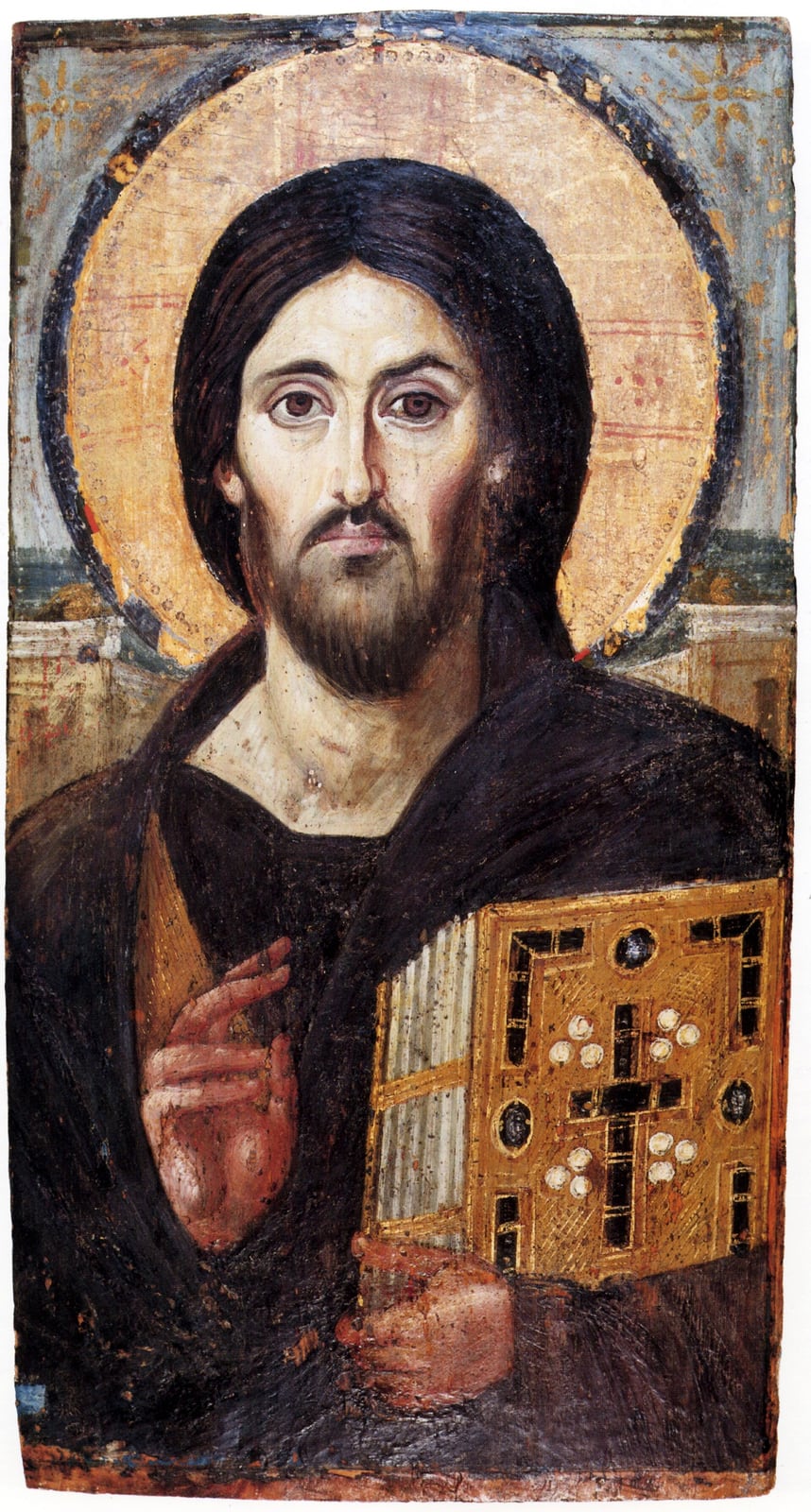
يتّفقان في: ما المطلق؟ هل الله موجود؟ · هل العالم حقيقي؟ · لماذا نتألّم؟
Teresa of Ávila
يتّفقان في: ما المطلق؟ هل الله موجود؟ · لماذا نتألّم؟ · كيف يُبلَغ التحرّر أو الخلاص؟


حكايات وروايات
حكايات وروايات
شهادة1882 y después
"Mismeeting"
أصل الرواية: Begegnung. Autobiographische Fragmente (1960), first fragment; taken up by Friedman and Mendes-Flohr.
المصدر: Buber, Martin. Begegnung. Autobiographische Fragmente. Stuttgart: W. Kohlhammer, 1960 (trad. ingl.: Meetings, ed. Maurice Friedman, La Salle, Open Court, 1973).
شهادةc. 1889
The dapple-grey horse
أصل الرواية: Zwiesprache (1929/1932) and Begegnung (1960): Buber's own autobiographical account.
المصدر: Buber, Martin. Zwiesprache. Berlín: Schocken, 1932 (primera publicación en Die Kreatur, 1929); reunido en Das dialogische Prinzip, Heidelberg: Lambert Schneider, 1962.
شهادةc. 1892–1895
Kant in adolescence
أصل الرواية: Begegnung (1960), fragment "Philosophers".
المصدر: Buber, Martin. Begegnung. Autobiographische Fragmente. Stuttgart: W. Kohlhammer, 1960 (trad. ingl.: Meetings, ed. Maurice Friedman, La Salle, Open Court, 1973).
شهادةc. 1914
A conversion
أصل الرواية: Zwiesprache (1929/1932), section "Eine Bekehrung", and Begegnung (1960). Some biographers identify the young man; Buber does not give his name.
المصدر: Buber, Martin. Zwiesprache. Berlín: Schocken, 1932 (primera publicación en Die Kreatur, 1929); reunido en Das dialogische Prinzip, Heidelberg: Lambert Schneider, 1962.
موثّق1938–1939
The letter to Gandhi
أصل الرواية: The letter was published in 1939 in the pamphlet Two Letters to Gandhi (with Judah Magnes's) and is included in A Land of Two Peoples (1983).
المصدر: Mendes-Flohr, Paul R. (ed.). A Land of Two Peoples: Martin Buber on Jews and Arabs. Nueva York: Oxford University Press, 1983.
موثّق1953
In the Paulskirche
أصل الرواية: Official text of the speech "Das echte Gespräch und die Möglichkeit des Friedens" published by the Friedenspreis des Deutschen Buchhandels.
موثّق1962
Against Eichmann's gallows
أصل الرواية: National Library of Israel blog ("Who Opposed Eichmann's Execution?") and Mendes-Flohr's biography (2019).
المصدر: National Library of Israel Blog. «Who Opposed Eichmann's Execution?».
التعاليم
التعاليم
المفاهيم التي ينتظم بها فكره، مشروحة في سياقها.
I-Thou (Ich-Du)ich-du
Set out in I and Thou (1923), in dialogue with Feuerbach, Kierkegaard, Hermann Cohen, Ferdinand Ebner and Franz Rosenzweig.
I-It (Ich-Es)ich-es
Second part of I and Thou, devoted to the critique of modern civilisation.
The eternal Thouewiges-du
Third part of I and Thou; developed in Eclipse of God (1952–1953).
The between (das Zwischen)das-zwischen
What Is Man? (1942/1948) and Elements of the Interhuman (1954).
Genuine dialogueechtes-gespraech
Dialogue (1929/1932) and the 1953 speech.
المصدر: Buber, Martin. Zwiesprache. Berlín: Schocken, 1932 (primera publicación en Die Kreatur, 1929); reunido en Das dialogische Prinzip, Heidelberg: Lambert Schneider, 1962.
Eclipse of Godgottesfinsternis
Eclipse of God (1952) / Gottesfinsternis (1953).
المصدر: Buber, Martin. Gottesfinsternis. Betrachtungen zur Beziehung zwischen Religion und Philosophie. Zúrich: Manesse, 1953 (ed. ingl.: Eclipse of God, Nueva York: Harper, 1952), con el debate con C. G. Jung publicado en Merkur (1952).
Vergegnung (mismeeting)vergegnung
Meetings: Autobiographical Fragments (1960).
المصدر: Buber, Martin. Begegnung. Autobiographische Fragmente. Stuttgart: W. Kohlhammer, 1960 (trad. ingl.: Meetings, ed. Maurice Friedman, La Salle, Open Court, 1973).
مقاطع الفيديو
مقاطع الفيديو
تسجيلات ومقابلات وأفلام وثائقية. تُشغَّل مقاطع الفيديو من YouTube؛ ولا تُستضاف هنا.
Martin Buber - Das Wort, das gesprochen wird (Audio)
تسجيل أصلي· DE· 61 min
PhilosophieKanal
BUBER - PRIZE - NO SOUND
تسجيل أصلي· EN· 1 min
British Movietoneالقناة الرسمية
Martin Buber and Martin Heidegger in Dialogue, Paul Mendes-Flohr
محاضرة· EN· 80 min
The University of Chicagoالقناة الرسمية
Martin Buber: A Life of Faith and Dissent by Paul Mendes-Flohr (Jewish Lives Book Club)
مقابلة· EN· 71 min
Jewish Livesالقناة الرسمية
Dissent and Dialogue: On Buber, Faith and Jewish Identity (Paul Mendes-Flohr)
محاضرة· EN· 58 min
JBS
Wish You Were Here: Martin Buber
محاضرة· EN· 65 min
thejewishmuseumالقناة الرسمية
Martin Buber and His Legacy | 08/16 Buber, Levinas, and the Idea of Hebrew... - Guy G. Stroumsa
محاضرة· EN· 21 min
The Israel Academy of Sciences and Humanitiesالقناة الرسمية
Martin Buber and His Legacy | 10/16 Buber: A Jewish Icon for the World after... - Dominique Bourel
محاضرة· EN· 21 min
The Israel Academy of Sciences and Humanitiesالقناة الرسمية
On The Life & Philosophy of Martin Buber (1878-1965) With Dr. Zachary J. Braiterman (Syracuse Uni)
مقابلة· EN· 42 min
The Young Idealist
19 - מרטין בובר ופרנץ רוזנצווייג - חלק א
محاضرة· HE· 29 min
The Open University of Israelالقناة الرسمية
Martin Buber, La révolution hassidique, avec Catherine Chalier, Dominique Bourel et Macha Fogel
محاضرة· FR· 32 min
Akademالقناة الرسمية
Begegnungen mit Martin Buber
محاضرة· DE· 96 min
Katholische Akademie Berlinالقناة الرسمية
Martín Buber: El humanismo del encuentro
محاضرة· ES· 72 min
Universidad Católica del Uruguayالقناة الرسمية
المعرض
المعرض
صور بترخيص متحقَّق منه. كل منها تحتفظ بمؤلّفها ونسبتها.
العلاقات
العلاقات
تأثيرات وتلمذة وتقارب في الأفكار. تُميَّز العلاقة الموثّقة عن التشابه المستخلَص بالتحليل.
تأثّر بـ
Buber devoted *Die Legende des Baalschem* (1908) and an anthology of sayings (1927) to the founder of Hasidism, and saw in Hasidism a model of the hallowing of everyday life. Scholem reproached him for a selective reading.
علاقة موثّقة
تأثّر بـ
He translated and commented on a selection from the *Zhuangzi* in *Reden und Gleichnisse des Tschuang-Tse* (1910), with the afterword "Die Lehre vom Tao".
علاقة موثّقة
تأثّر بـ
His afterword on the Tao (1910) and the course on the *Tao Te Ching* he gave at Monte Verità in 1924 show his interest in Taoism as a doctrine of realised unity.
علاقة موثّقة
تأثّر بـ
His doctoral thesis (Vienna, 1904) studied the problem of individuation in Nicholas of Cusa and Jakob Böhme.
علاقة موثّقة
اختلف مع
In 1952 Buber accused Jung's psychology in *Merkur* of reducing God to an immanent psychic reality; Jung answered and Buber replied. The debate is collected in *Eclipse of God*.
علاقة موثّقة
اختلف مع
Siddhartha Gautama, the Buddha
The third part of *I and Thou* discusses the Buddha at length: it admires his capacity to say Thou to men but rejects the goal of an absorption or extinction that abolishes relation.
علاقة موثّقة
أفكار قريبة من
Buber included medieval mysticism in his *Ecstatic Confessions* and mentions the Eckhartian idea of God's birth in the soul in *I and Thou*, in order to distance himself from every mysticism of immersion.
تشابه مستخلَص بالتحليل
أفكار قريبة من
In the preface to *Two Types of Faith* (1950) Buber declares that since his youth he has felt Jesus to be his "great brother", and places his teaching within Jewish faith-as-trust (*emunah*).
علاقة موثّقة
أفكار قريبة من
Two opposite models of Jewish thought about God: Maimonides's negative theology and intellectualism versus personal relation with the eternal Thou; both deny that God can be an object of description.
تشابه مستخلَص بالتحليل
أفكار قريبة من
Both share the critique of religion reduced to an institution and the pursuit of dialogue between religious traditions; no direct relationship is documented here.
تشابه مستخلَص بالتحليل
المصادر
المصادر
المراجع والفهارس التي رُوجعت لهذه الصفحة.
- Mendes-Flohr, Paul. Martin Buber: A Life of Faith and Dissent. New Haven/Londres: Yale University Press (Jewish Lives), 2019.
- Friedman, Maurice. Martin Buber's Life and Work. 3 vols. (The Early Years 1878–1923; The Middle Years 1923–1945; The Later Years 1945–1965). Nueva York: E. P. Dutton, 1981–1983; reed. Detroit: Wayne State University Press, 1988.
- Zank, Michael, y Zachary Braiterman. «Martin Buber». Stanford Encyclopedia of Philosophy (primera publicación 2004; revisión sustancial 2026).
- Buber, Martin. Ich und Du. Leipzig: Insel-Verlag, 1923 (ejemplar digitalizado en Internet Archive, «ich-und-du»).
- Buber, Martin. Begegnung. Autobiographische Fragmente. Stuttgart: W. Kohlhammer, 1960 (trad. ingl.: Meetings, ed. Maurice Friedman, La Salle, Open Court, 1973).
- Wikidata, Q84423: «Martin Buber» (8 de febrero de 1878 – 13 de junio de 1965), 79 enlaces entre wikis.
- Martin Buber Werkausgabe (MBW), ed. Paul Mendes-Flohr, Peter Schäfer y Bernd Witte, por encargo de la Academia de Ciencias de Berlín-Brandeburgo, la Israel Academy of Sciences and Humanities y la Universidad Heinrich Heine de Düsseldorf. 21 vols. Gütersloh: Gütersloher Verlagshaus, 2001–2019.
- Scholem, Gershom. «Martin Buber's Interpretation of Hasidism». Commentary 32 (octubre de 1961); reimpr. en The Messianic Idea in Judaism, Nueva York: Schocken, 1971.
- Cohn, Margot, y Rafael Buber. Martin Buber: A Bibliography of His Writings, 1897–1978. Jerusalén: Magnes Press; Múnich: K. G. Saur, 1980.
- Buber, Martin. Zwiesprache. Berlín: Schocken, 1932 (primera publicación en Die Kreatur, 1929); reunido en Das dialogische Prinzip, Heidelberg: Lambert Schneider, 1962.
- Buber, Martin. «Das echte Gespräch und die Möglichkeit des Friedens», discurso de aceptación del Premio de la Paz del Comercio Librero Alemán, Paulskirche de Fráncfort, 27 de septiembre de 1953 (PDF oficial del Friedenspreis des Deutschen Buchhandels).
- Mendes-Flohr, Paul R. (ed.). A Land of Two Peoples: Martin Buber on Jews and Arabs. Nueva York: Oxford University Press, 1983.
- National Library of Israel Blog. «Who Opposed Eichmann's Execution?».
- Wikimedia Commons, categoría «Martin Buber» (licencias leídas por la API imageinfo).
- Wikipedia en alemán, «Martin Buber» (sección «Schriften»), contrastada con el catálogo de Open Library por autor.
- Anderson, Rob, y Kenneth N. Cissna. The Martin Buber–Carl Rogers Dialogue: A New Transcript with Commentary. Albany: State University of New York Press, 1997.
- Buber, Martin. Gottesfinsternis. Betrachtungen zur Beziehung zwischen Religion und Philosophie. Zúrich: Manesse, 1953 (ed. ingl.: Eclipse of God, Nueva York: Harper, 1952), con el debate con C. G. Jung publicado en Merkur (1952).
- Berlin-Brandenburgische Akademie der Wissenschaften, documento sobre la Martin Buber Werkausgabe que cita «Aus einer philosophischen Rechenschaft» (1961), en Werke I, Múnich/Heidelberg, 1962.
- صاحب الحقوق
- Herederos de Martin Buber (murió en 1965: sus obras están protegidas en la UE hasta el 1 de enero de 2036 y en España hasta 2046). Las primeras ediciones alemanas anteriores a 1930 son de dominio público en EE. UU. El archivo personal se conserva en la Biblioteca Nacional de Israel. Las traducciones tienen derechos propios de sus traductores y editores.
في انتظار التأكيد
ما لم تتمكّن هذه الصفحة من حسمه بعد. نفضّل أن نقول ذلك على أن نملأ الفراغ.
- Sala de lectura: no se registra ningún texto. Ich und Du (Insel, 1923) está escaneado en Internet Archive (ich-und-du) y es de dominio público en EE. UU., pero no en la UE (hasta 2036) ni en España (hasta 2046); no hay traducciones libres.
- Confirmar en Mendes-Flohr (2019) el mes exacto de la emigración a Jerusalén (marzo de 1938) y la fecha de la carta a Gandhi (24 de febrero de 1939).
- Verificar el editor y el año de la primera edición de Worte an die Zeit (1919) y de Die vier Zweige des Mabinogi (1914) en el catálogo de la DNB.
- Comprobar la titularidad de la grabación sonora «Das Wort, das gesprochen wird» (Sj7Y0cTz3R4); buscar la versión oficial del archivo de la Bayerische Akademie der Schönen Künste o de la radio pública.
- Identificar el premio que muestra el noticiario de British Movietone (k5JMxWWDpGs).
- Ediciones italianas (Il principio dialogico, Il cammino dell'uomo) y árabes sin ISBN verificado en Open Library.
- Localizar el texto alemán exacto de «Ich habe keine Lehre. Ich zeige nur etwas» en Werke I (1962) para pasar la cita de probable a verificada.
بُحث بتاريخ 2026-10-25