المسيحية · أبحاث الوعي · الهرمسية
Carl Gustav Jung
1875 – 1961شخصية موثّقة تاريخيًا
طبيب نفسي سويسري (1875–1961)، مؤسّس علم النفس التحليلي. كان معاونًا لسيغموند فرويد ثم انشقّ عنه، وصاغ مفاهيم اللاوعي الجمعي، والنموذج الأصلي (الأركيتايب)، والظلّ، والأنيما، والأنماط النفسية، والتفرّد، والتزامن. واستكشف الخيمياء والغنوصية والأديان الشرقية بوصفها مرايا للنفس الإنسانية، وترك في «الكتاب الأحمر» سجلّ مواجهته الشخصية مع اللاوعي. وقد أثّر عمله تأثيرًا عميقًا ودائمًا في العلاج النفسي ودراسات الأديان والأساطير وفي ثقافة القرن العشرين بأسرها.
- مؤلَّفًا
- 56مؤلَّفًا
- طبعة
- 121طبعة
- اقتباسًا
- 8اقتباسًا
- مقطع فيديو
- 13مقطع فيديو
- صورة
- 10صورة
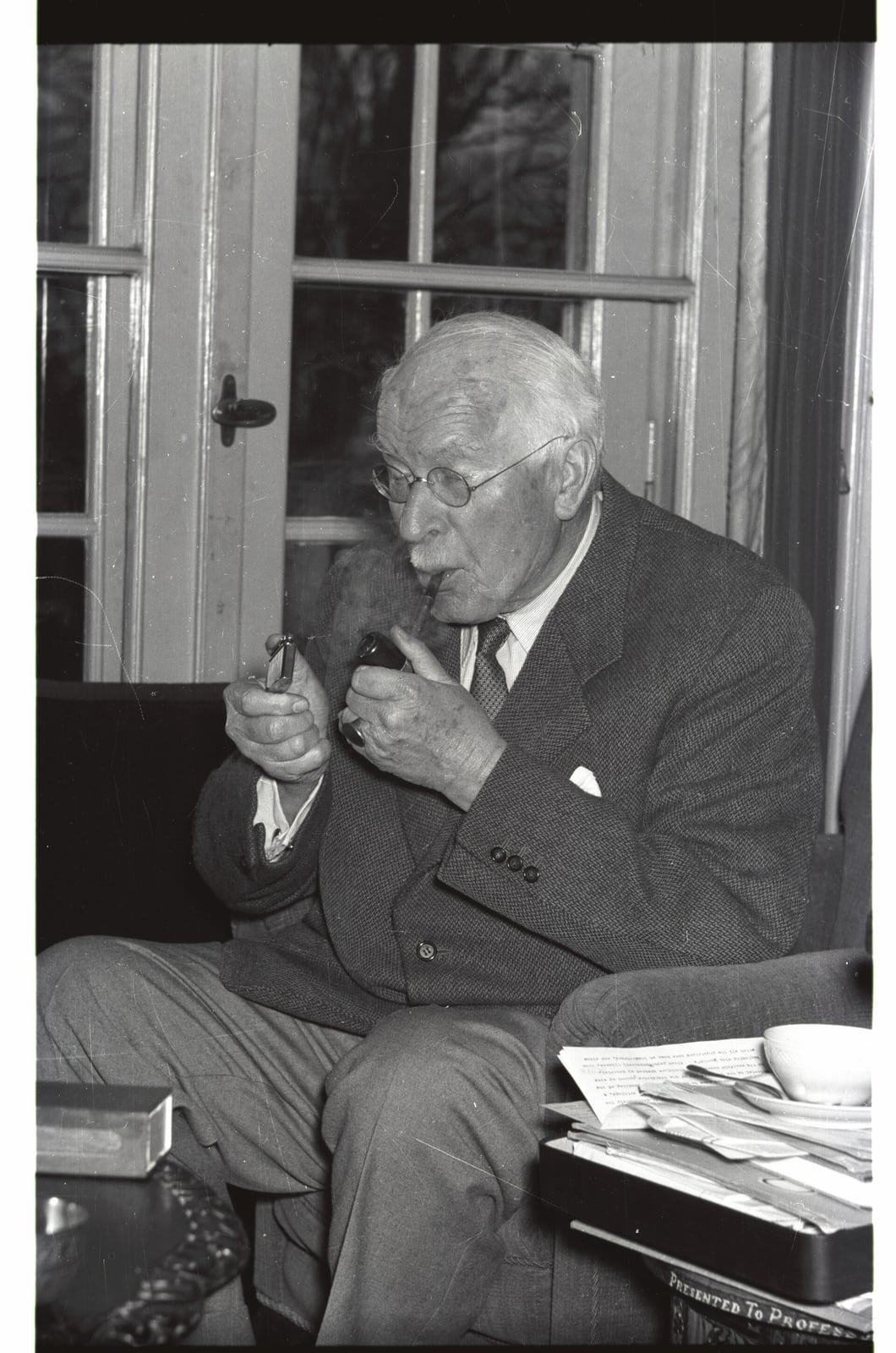
C. G. Jung en Küsnacht, 1955 · CC BY-SA 4.0
بكلماته
«My life is a story of the self-realization of the unconscious.»Erinnerungen, Träume, Gedanken (1962), prólogo, primera frase

فكرته المحورية
The unconscious is not merely the store of what each individual has repressed: it has a collective layer, common to the species, which shows itself in images and motifs that recur in the myths, religions, dreams and delusions of times and cultures with no contact with one another.
السيرة
4 دقيقة قراءة
ترجمة مُعانة من الأصل الإسباني، بانتظار مراجعة مترجم من أهل اللغة.
ابن قسّ على ضفاف الراين
وُلد كارل غوستاف يونغ في السادس والعشرين من يوليو 1875 في كيسفيل، على ضفاف بحيرة كونستانس، في كانتون تورغاو السويسري. كان أبوه باول أخيل يونغ قسًّا في الكنيسة الإصلاحية وحاملًا للدكتوراه في اللغات الشرقية، وكانت أمه إميلي برايسفيرك من أسرة لاهوتيين في بازل ذات ميول روحانية تحضيرية. وسرعان ما انتقلت الأسرة إلى لاوفن قرب شلالات الراين، ثم في عام 1879 إلى كلاين-هونينغن قرب بازل. وظلّ الابن الوحيد تسع سنوات — إذ وُلدت أخته غيرترود عام 1884 — فكان طفلًا منعزلًا. وفي الذكريات التي أملاها في أواخر حياته وصف طفولة عامرة بأحلام حاسمة، وريبةً مبكرة في إيمان أبيه الذي كان يحسّه خابيًا؛ ومن تلك الصفحات جاءت صورة الفتى — وربما أعادت الذاكرة تشكيلها — الذي كان يعلم أن «شخصيتين» تسكنانه.
الطب والطب النفسي والبورغهولزلي
درس الطب في جامعة بازل بين 1895 و1900، وكان في الوقت نفسه يحضر جلسات تحضير الأرواح التي كانت تعقدها ابنة خاله هيلين برايسفيرك، والتي غدت مادة أطروحته للدكتوراه «في سيكولوجيا ما يُسمّى بالظواهر الخفية وأمراضها» (1902). وفي ديسمبر 1900 التحق طبيبًا مساعدًا بالبورغهولزلي، العيادة النفسية التابعة لجامعة زيورخ التي كان يديرها أويغن بلويلر، وهي من أكثر المراكز تجديدًا في أوروبا. وهناك طوّر مع فرانتس ريكلين تجربة تداعي الكلمات، التي كانت تقيس أزمنة الاستجابة والأجوبة المضطربة للكشف عن نوى وجدانية لا واعية سمّاها «العُقد». وفي عام 1903 تزوّج إيما راوشنباخ، ابنة أحد الصناعيين في شافهاوزن، وأنجب منها خمسة أبناء؛ وفي عام 1907 نشر «في سيكولوجيا الخَرَف المبكر»، وهي دراسة في الفصام أكسبته مكانة دولية.
فرويد
قرّبه ذلك الكتاب من سيغموند فرويد، الذي كان يراسله منذ عام 1906. والتقيا في فيينا في الثالث من مارس 1907، وتحدّثا — كما سيتذكّر يونغ — ثلاث عشرة ساعة متواصلة. رأى فرويد فيه الوريث القادر على إخراج التحليل النفسي من الدائرة الفيينية؛ فرافقه يونغ عام 1909 إلى جامعة كلارك في ماساتشوستس، وصار أول رئيس للجمعية الدولية للتحليل النفسي (1910). وتشهد المراسلات بينهما على قوة هذا التحالف وعلى سرعة تصدّعه. ففي «تحوّلات الليبيدو ورموزه» (1911–1912) وسّع يونغ مفهوم الليبيدو حتى جعله طاقة نفسية عامة، وقرأ الأساطير بوصفها تعبيرًا عن طبقة جمعية في النفس. ورأى فرويد في ذلك انحرافًا؛ وفي أواخر عام 1912 كانت القطيعة قد صارت شخصية، وفي 1913–1914 ترك يونغ الجمعية والتدريس الجامعي.
المواجهة مع اللاوعي
تلت ذلك سنوات سمّاها هو نفسه «المواجهة مع اللاوعي». فمنذ نوفمبر 1913 أخذ يدوّن خيالاته ورؤاه في دفاتر — هي «الكتب السوداء» — ثم نقلها بخطّ قوطي، مع لوحات من رسمه، إلى مجلّد كبير مجلّد بالجلد الأحمر هو «الكتاب الجديد» (Liber Novus)، وظلّ يعمل فيه حتى عام 1930. وفيه يحاور شخصيات مثل إيليا وسالومي وفيليمون، وهو شيخ مجنّح عدّه مرشدًا باطنيًّا. وظلّ «الكتاب الأحمر» غير منشور حتى عام 2009، وقد أظهرت طبعته التي أعدّها سونو شمداساني أن أفكاره اللاحقة كلّها تقريبًا وُلدت من تلك التجربة. وفي عام 1916 طبع طبعةً خاصة «المواعظ السبع إلى الموتى»، وأسّس النادي النفسي في زيورخ؛ وفي عام 1921 نشر «الأنماط النفسية»، الذي أدخل فيه مفهومي الانطواء والانبساط.
الأسفار وبولينغن والخيمياء
في عشرينيات القرن العشرين سافر إلى شمال أفريقيا، وإلى هنود البويبلو في تاوس (نيو مكسيكو)، وإلى جبل إلغون بين كينيا وأوغندا؛ ثم إلى الهند في 1937–1938. كان يبحث عن موقع للنظر من خارج الوعي الأوروبي. ومنذ عام 1923 أخذ يبني بيديه، على ضفاف بحيرة زيورخ، برج بولينغن، وهو ملاذ بلا كهرباء ظلّ يوسّعه طوال عقود. وفتحت له صداقته مع عالم الصينيات ريشارد فيلهلم، الذي نشر معه عام 1929 «سرّ الزهرة الذهبية»، طريقَ الخيمياء، التي درسها ثلاثين عامًا بوصفها مرآة تاريخية لعمليات التحوّل التي كان يرصدها لدى مرضاه: وكانت «علم النفس والخيمياء» (1944) و«أيون» (1951) و«سرّ الاقتران» (Mysterium coniunctionis، 1955–1956) ثمار ذلك البحث.
رئاسة موضع جدل
في عام 1933 قبِل رئاسة الجمعية الطبية العامة الدولية للعلاج النفسي، التي أُخضع فرعها الألماني للنظام الجديد تحت إدارة ماتياس هاينريش غورينغ. وأكّد يونغ أنه قبل المنصب ليحمي المعالجين النفسيين اليهود، وعدّل النظام الأساسي ليتيح لهم الانتساب بصفة فردية؛ غير أن بعض تصريحاته في تلك السنوات عن الفرق بين علم نفس «يهودي» وآخر «جرماني» جلبت عليه اتهامات بمعاداة السامية لا يزال المؤرخون يتناقشون فيها. واستقال عام 1940.
الشيخوخة والإرث
في عام 1944 أُصيب بكسر وبنوبة قلبية، ورأى في فترة نقاهته رؤى وصفها بأنها أجمل ما عرف في حياته. وفي عام 1948 تأسّس في زيورخ معهد كارل غوستاف يونغ. وفي سنواته الأخيرة كتب «جواب على أيوب» (1952)، أكثر نصوصه إثارة للجدل في صورة الإله، والدراسة عن التزامن، في حوار مع الفيزيائي فولفغانغ باولي. وتوفّيت إيما عام 1955؛ وفي عام 1959 أجرى مع هيئة الإذاعة البريطانية (بي بي سي) مقابلة شهيرة، سُئل فيها هل يؤمن بالله، فأجاب بأنه لا يحتاج إلى أن يؤمن، لأنه يعرف. وتوفّي في بيته في كوسناخت في السادس من يونيو 1961 عن خمسة وثمانين عامًا. وصدر بعد وفاته «ذكريات، أحلام، تأملات» (1962)، الذي حرّره مع أنييلا يافيه، و«الإنسان ورموزه» (1964). وقد ترك علم النفس التحليلي الذي أسّسه، وإن نازعه فيه العلم التجريبي، أثرًا باقيًا في العلاج النفسي ودراسات الأديان والأساطير وثقافة القرن العشرين.
المصادر: Jung, C. G. Erinnerungen, Träume, Gedanken von C. G. Jung. Aufgezeichnet und herausgegeben von Aniela Jaffé. Zúrich: Rascher, 1962 (trad. ingl. Memories, Dreams, Reflections, Nueva York: Pantheon, 1963; trad. esp. Recuerdos, sueños, pensamientos, Barcelona: Seix Barral). · Bair, Deirdre. Jung: A Biography. Boston: Little, Brown and Company, 2003. · Shamdasani, Sonu. Jung and the Making of Modern Psychology: The Dream of a Science. Cambridge: Cambridge University Press, 2003. · McGuire, William (ed.). The Freud/Jung Letters: The Correspondence between Sigmund Freud and C. G. Jung. Trad. R. Manheim y R. F. C. Hull. Princeton: Princeton University Press (Bollingen Series XCIV), 1974. · Jung, C. G. The Red Book: Liber Novus. Ed. e introducción de Sonu Shamdasani. Nueva York: W. W. Norton / Philemon Series, 2009.
الخط الزمني
الحياة عامًا بعد عام
كل نقطة حدث موثّق. انقر لتقرأه مع مصدره ودرجة اليقين فيه.
26 يوليو 1875أقل من عامKesswil, Turgovia (Suiza)
Birth
Born in the parsonage at Kesswil, son of the pastor Paul Achilles Jung and Emilie Preiswerk.
موثّقBair, Deirdre. Jung: A Biography. Boston: Little, Brown and Company, 2003.
بعد وفاته
- 1962Memories, Dreams, Reflections
- أكتوبر 2009Publication of The Red Book
26 يوليو 1875 · أقل من عام
Birth
Born in the parsonage at Kesswil, son of the pastor Paul Achilles Jung and Emilie Preiswerk.
موثّق
1879 · 4 أعوام
Move to Klein-Hüningen
After some years in Laufen by the Rhine Falls, the family settles in Klein-Hüningen near Basel.
موثّق
1895 – 1900 · 20 عامًا
Medical studies
He enters the Faculty of Medicine at Basel; he takes part in the Zofingia student society and in séances with his cousin Hélène Preiswerk. His father dies in 1896.
موثّق
10 ديسمبر 1900 · 25 عامًا
Assistant at the Burghölzli
He joins Zurich's university psychiatric clinic under Eugen Bleuler, where he develops the word-association experiment.
مرجَّح
1902 · 27 عامًا
Doctoral thesis
He publishes Zur Psychologie und Pathologie sogenannter occulter Phänomene; in the winter of 1902–1903 he studies with Pierre Janet in Paris.
موثّق
14 فبراير 1903 · 27 عامًا
Marriage to Emma Rauschenbach
He marries Emma Rauschenbach (1882–1955), with whom he will have five children; in 1908–1909 they build their house in Küsnacht.
مرجَّح
3 مارس 1907 · 31 عامًا
First meeting with Freud
After a year of correspondence he visits Freud in Vienna; according to Jung they talk for thirteen hours. He publishes Über die Psychologie der Dementia praecox.
موثّق
سبتمبر 1909 · 34 عامًا
Clark University
He travels with Freud and Ferenczi to the United States; both receive honorary doctorates at Clark University.
موثّق
1910 · 35 عامًا
President of the IPA
Elected first president of the International Psychoanalytical Association at the Nuremberg congress.
موثّق
1912 · 37 عامًا
Transformations and Symbols of the Libido
He publishes the second part of the book and lectures at Fordham University; the break with Freud is consummated at the year's end.
موثّق
نوفمبر 1913 – 1930 · 38 عامًا
The confrontation with the unconscious
He begins recording his fantasies in the Black Books, the origin of the Liber Novus (Red Book), on which he works until 1930.
موثّق
1921 · 46 عامًا
Psychological Types
He publishes Psychologische Typen, introducing introversion, extraversion and the four functions.
موثّق
1923 · 48 عامًا
The tower at Bollingen
He begins building the tower by Lake Zurich, extended in several stages until 1955. His mother dies.
موثّق
يناير 1925 · 49 عامًا
Visit to the Pueblo Indians
In Taos he talks with chief Ochwiay Biano (Mountain Lake); in October he sets out for Mount Elgon in East Africa.
موثّق
1929 · 54 عامًا
The Secret of the Golden Flower
He publishes with Richard Wilhelm the commentary on the Taoist treatise, the starting point of his studies of alchemy.
موثّق
1933 – 1940 · 58 عامًا
Presidency of the psychotherapy society
He agrees to preside over the International General Medical Society for Psychotherapy; the Eranos lectures begin at Ascona. He resigns in 1940.
موثّق
ديسمبر 1937 – 1938 · 62 عامًا
Journey to India
Invited to the jubilee of the University of Calcutta, he travels in India until 1938 and receives honorary doctorates.
موثّق
فبراير 1944 · 68 عامًا
Heart attack and visions
After breaking a foot he suffers a heart attack; during convalescence he has the visions narrated in his memoirs. He publishes Psychologie und Alchemie.
موثّق
24 أبريل 1948 · 72 عامًا
C. G. Jung Institute
The C. G. Jung Institute for the training of analysts is founded in Zurich.
مرجَّح
1952 · 77 عامًا
Answer to Job and synchronicity
He publishes Antwort auf Hiob and, with Wolfgang Pauli, Naturerklärung und Psyche, including his essay on synchronicity.
موثّق
27 نوفمبر 1955 · 80 عامًا
Death of Emma Jung
His wife dies; that year he completes Mysterium Coniunctionis.
موثّق
22 أكتوبر 1959 · 84 عامًا
'Face to Face' interview
The BBC broadcasts John Freeman's interview, filmed at his home in Küsnacht.
موثّق
6 يونيو 1961 · 85 عامًا
Death
He dies at home after several weeks of circulatory illness.
موثّق
1962
Memories, Dreams, Reflections
The memoirs written with Aniela Jaffé are published.
موثّق
أكتوبر 2009
Publication of The Red Book
W. W. Norton and the Philemon Foundation publish the Liber Novus in facsimile, edited by Sonu Shamdasani.
موثّق
المؤلَّفات
المؤلَّفات الأساسية
المؤلَّفات التي لا يُفهم إرثه من دونها.
مؤلَّف مكتوب · 1921
Psychological Types
Psychologische Typen
A large treatise distinguishing two attitudes—introversion and extraversion—and four functions—thinking, feeling, sensation and intuition—whose combinations yield eight types. Half the book is a history of the problem of types in theology, philosophy and poetry (Tertullian, Schiller, Nietzsche, Spitteler); it includes a glossary of concepts. It later inspired, without Jung's involvement, the Myers-Briggs indicator. GW/CW 6.
4 طبعات · amazon.com

مؤلَّف نُشر بعد الوفاة · 1962
Memories, Dreams, Reflections
Erinnerungen, Träume, Gedanken von C. G. Jung
An inner autobiography: Jung tells his life not through outward events but through dreams, visions and inner encounters, from childhood in Klein-Hüningen to old age at Bollingen. It covers the relationship with Freud, the confrontation with the unconscious, his travels and the visions of 1944. It appeared a year after his death and is his most widely read book.
5 طبعات · amazon.com

مؤلَّف نُشر بعد الوفاة · 1964
Man and His Symbols
A popular work conceived for the general public at the request of John Freeman after the BBC interview. Jung wrote the first chapter, 'Approaching the Unconscious', shortly before his death; the others are by his collaborators Marie-Louise von Franz, Joseph L. Henderson, Jolande Jacobi and Aniela Jaffé. Richly illustrated.
4 طبعات · amazon.com

مخطوطة · 2009
The Red Book: Liber Novus
Liber Novus (Das Rote Buch)
A large folio volume bound in red leather, written between 1914 and 1930 in medieval script and adorned with 53 paintings by Jung. It contains, reworked, the fantasies of the Black Books: the descent into the unconscious, dialogues with the soul, with Elijah and Salome, with Philemon and with Izdubhar, and a visionary theology. It remained with the family until its facsimile edition in 2009 and is the source of all his later work.
4 طبعات · amazon.com
جميع مؤلَّفاته (56)

On the Psychology and Pathology of So-Called Occult Phenomena
1902

Studies in Word-Association
1906

The Psychology of Dementia Praecox
1907

Psychology of the Unconscious (Transformations and Symbols of the Libido)
1912
Carl Gustav Jung
Seven Sermons to the Dead
The Conscious LibrarySeven Sermons to the Dead
1916

Collected Papers on Analytical Psychology
1916

The Relations between the Ego and the Unconscious
1928
Carl Gustav Jung
The Secret of the Golden Flower
The Conscious LibraryThe Secret of the Golden Flower
1929

Modern Man in Search of a Soul
1931
Psychology and Religion
1938

Psychology and Alchemy
1944

The Psychology of the Transference
1946

Aion: Researches into the Phenomenology of the Self
1951

Answer to Job
1952

Synchronicity: An Acausal Connecting Principle
1952

Symbols of Transformation
1952

Mysterium Coniunctionis
1955

The Undiscovered Self
1957

Flying Saucers: A Modern Myth of Things Seen in the Skies
1958
Carl Gustav Jung
The Black Books
The Conscious LibraryThe Black Books
2020
Carl Gustav Jung
Introduction to Jungian Psychology: Notes of the Seminar on Analytical Psychology Given in 1925
The Conscious LibraryIntroduction to Jungian Psychology: Notes of the Seminar on Analytical Psychology Given in 1925
1925

Dream Analysis
1928

Visions
1930

The Psychology of Kundalini Yoga
1932
الأقوال
أقوال محدَّدة الموضع في مؤلَّف بعينه. كل منها يحمل مصدره ودرجة الثقة به.
My life is a story of the self-realization of the unconscious.Mein Leben ist eine Geschichte der Selbstverwirklichung des Unbewußten.
متحقَّق منهErinnerungen, Träume, Gedanken (1962), prólogo, primera frase
الأفكار الجوهرية (خلاصة تحريرية)
احترامًا لحقوق المؤلف، تُلخَّص هذه الأفكار بكلماتنا ولا تُقدَّم بوصفها اقتباسات حرفية.
- The unconscious is not merely the store of what each individual has repressed: it has a collective layer, common to the species, which shows itself in images and motifs that recur in the myths, religions, dreams and delusions of times and cultures with no contact with one another.
- The task of the second half of life differs from the first: having adapted to the outer world, a person must turn inward, integrate what was left aside and orient towards meaning rather than success.
- The shadow—what we do not wish to be—is not overcome by denying it or projecting it onto others, but by recognising it as one's own; much collective evil arises from unacknowledged shadows projected onto an enemy.
- Religious symbols are not errors for science to dispel but expressions of psychic realities; when a civilisation loses them without replacing them, the energy they held pours into mass ideologies.
- Neurosis is not merely a disorder to be removed: it is often the psyche's still clumsy attempt at a development the conscious attitude prevents; hence the symptom may contain an indication of the way forward.
- The therapist cannot take the patient further than he himself has gone; analysis is an encounter between two persons in which both are involved, which is why the analyst must have been analysed.
- The West should not imitate the spiritual techniques of the East like a borrowed garment: it must find its own way inward from its own tradition, from Christianity, Gnosticism and alchemy.
أقوال منحولة أو مختلَف في نسبتها (2)
«"Until you make the unconscious conscious, it will direct your life and you will call it fate."»
One of the most widely circulated sayings under his name, but it does not appear in his work. It is a modern paraphrase of Aion (CW 9/II, § 126), where Jung writes that an inner situation not made conscious happens outside as fate.
«"I am not what happened to me, I am what I choose to become."»
Attributed to Jung on social media since the 2010s without any reference; it does not appear in the collected works, letters or memoirs, and its voluntarist tone contradicts his emphasis on the weight of the unconscious.
الكلمات الأخيرة
رواية لاحقة عن شهود
«Now I know the truth down to a very little bit that is still missing. When I know this too, then I will have died.»Now I know the truth down to a very little bit that is still missing. When I know this too, then I will have died.
These are not literally his last words: according to the account Barbara Hannah gives on the testimony of Ruth Bailey, his housekeeper and companion, he said this on the terrace at Küsnacht in his last weeks while recounting a dream. He died on the afternoon of 6 June 1961, peacefully and with no recorded final words, after several days in a semi-conscious state. Marie-Louise von Franz also reported his last dream: a great round stone on a high place inscribed 'And this shall be a sign unto you of Wholeness and Oneness'. The wording varies between sources.
المصدر: Hannah, Barbara. Jung: His Life and Work. A Biographical Memoir. Nueva York: G. P. Putnam's Sons, 1976.
اسأل
بماذا يجيب أثره
اثنا عشر سؤالًا كبيرًا من أسئلة الإنسانية، وما تتيح نصوصه الإجابة به عنها، مع المراجع. ولا نقوّله ما لم يقل أبدًا.
ما المطلق؟ هل الله موجود؟
Psychology reaches only the God-image in the soul, not God Himself
تحفّظ أمام المتعالييقوله صراحةً
Jung insists on distinguishing between the image of God in the psyche and God in Himself. As a psychologist, he says, he can speak only of the former: of numinous experience, of symbols of wholeness and of the archetype of the self, which empirically cannot be distinguished from the God-image. About the existence of a metaphysical God he declares that science can neither affirm nor deny anything. That is why Psychology and Religion presents itself as a study of psychic facts and not as an apology, and Answer to Job deals with the divine image as Western man experiences it, not with God. This methodological reserve coexists with a personal conviction: asked by the BBC in 1959 whether he believed in God, he answered that he did not need to believe, he knew.
قارن هذا السؤال مع معلّمين آخرينمن أنا؟ هل توجد ذات حقيقية؟
The self, greater than the ego, is realised over a lifetime
روح في تطوّريُستنتج من تعاليمه
Jung distinguishes between the ego (Ich), the centre of consciousness and one complex among others in the psyche, and the self (Selbst), which is both the centre and the totality of the conscious and unconscious psyche. The persona, the social mask, is not the true self; the shadow and the anima or animus are parts of oneself that go unrecognised. The process of individuation consists in integrating them so as to become the individual one is, and it lasts a lifetime. Jung said this of himself at the start of his autobiography: his life was the story of a self-realisation of the unconscious. The true self is not given in advance nor reached by denying the ego: it becomes conscious in stages.
قارن هذا السؤال مع معلّمين آخرينلماذا نتألّم؟
What is not made conscious is lived outside, as fate
الجهل بما نحن عليهيقوله صراحةً
Jung locates the root of much psychic suffering in unconsciousness: what a person does not recognise in himself, his shadow, his complexes, his one-sidedness, acts behind his back. According to the psychological rule he formulates, when an inner situation is not made conscious, it happens outside, as fate. Neurosis, he wrote in Psychology and Religion, is always a substitute for legitimate suffering: it appears when one evades the pain that belongs to life. And in his essays on modern man he defined it as the suffering of a soul that has not found its meaning. Jung does not promise the absence of pain: he considers conscious suffering part of individuation, and what is pathological is the suffering endured without understanding it.
قارن هذا السؤال مع معلّمين آخرينماذا يحدث بعد الموت؟
On life after death he can only tell myths, not prove
صمت أو تحفّظيقوله صراحةً
Jung devoted a chapter of Memories, Dreams, Reflections to life after death, and opens it by warning that he can prove nothing: he can only tell stories, mythologise. He offers dreams, experiences of his own and the vision he had in 1944, on the brink of death after a heart attack. His psychological argument is that the psyche is not wholly subject to space and time, as synchronistic phenomena suggest, so it is not absurd to think that something of it continues. He adds that it is healthy for psychic life to have a myth about death, and that reason alone cannot provide one. In The Structure and Dynamics of the Psyche he holds that death, seen from the soul, is a goal rather than an end.
قارن هذا السؤال مع معلّمين آخرينكيف يُبلَغ التحرّر أو الخلاص؟
One is not enlightened by imagining light but by making the darkness conscious
بالعمل الداخلي الواعييقوله صراحةً
Jung speaks not of salvation but of individuation: the process by which a person becomes the indivisible individual he is. It is not travelled with imported techniques or luminous ideals; one does not become enlightened by imagining figures of light but by making the darkness conscious. The work consists in recognising the shadow, differentiating oneself from the social persona, entering into dialogue with the anima or animus through dreams and active imagination, and letting the self, the centre of psychic totality, manifest in symbols. It is conscious, long and often painful work, which Jung compared to the opus of the alchemists. It promises not a final state of perfection but a greater wholeness, with its opposites integrated.
قارن هذا السؤال مع معلّمين آخرينهل نحتاج إلى معلّم؟
His own guide was Philemon, an inner figure
المعلّم في الداخليقوله صراحةً
Jung asked for no disciples to follow him and advised Westerners against imitating the methods of Eastern gurus. His own decisive master was inner. In Memories, Dreams, Reflections he tells that during his confrontation with the unconscious there appeared in his fantasies Philemon, an old man with kingfisher's wings with whom he conversed and who taught him the objectivity of the psyche: that there are things in it the ego does not produce. Years later a cultivated Indian, a friend of Gandhi, told him that his guru was Shankaracharya, dead for centuries; Jung then understood that Philemon had been a guru of that kind for him. The analyst accompanies, but the true guide of individuation is the self that speaks in dreams and symbols.
قارن هذا السؤال مع معلّمين آخرينهل العالم حقيقي؟
We know the world only as psychic image; its essence remains open
لم يُبدِ رأيًا
Jung gives no metaphysical answer to the question, and does so on purpose. As a psychologist he holds that the only thing we experience immediately is psychic reality: the world always reaches us as an image in the psyche. In Psychological Types he proposes the formula esse in anima to escape both idealism, which reduces everything to idea, and naive materialism. He does not thereby deny the outer world. In his last works, starting from synchronicity and his dialogue with the physicist Wolfgang Pauli, he takes from the alchemists the notion of unus mundus: the hypothesis of a single reality of which psyche and matter would be two aspects. He presents it as conjecture, not knowledge; about what the world is in itself he keeps his reserve.
قارن هذا السؤال مع معلّمين آخرينما الحب؟
Before the mystery of love, Jung turns to Paul: it bears all things
محبة الله والقريبيقوله صراحةً
Jung admitted he could not say what love is. In the closing reflections of his autobiography he writes that he felt unable to find a language for its paradoxes: love, Eros, is for him a cosmogonic power, prior and superior to consciousness, of which man is not master but victim and instrument. Before that mystery, he says, nothing expresses it better than Paul's words in the first letter to the Corinthians: love bears all things, hopes all things. In his clinical writings he sets it against the will to power: where love reigns there is no will to power, and where power predominates love is lacking. Human love, with its projections, is also a field of individuation.
قارن هذا السؤال مع معلّمين آخرينهل نحن أحرار أم أن كل شيء مقدَّر؟
The unconscious is lived as fate; making it conscious is taking it on
القدر والمسؤوليةيقوله صراحةً
Jung defends neither unlimited free will nor complete determinism. Ego-consciousness is small before the autonomous forces of the psyche: complexes and archetypes act on their own, and what is not made conscious, according to his psychological rule, happens outside as fate. Freedom, for him, grows with consciousness: integrating the shadow and unconscious contents widens the margin of choice and, at the same time, responsibility, because one can no longer blame others for what one now recognises in oneself. In his autobiography he describes his life as the self-realisation of the unconscious: something given to him which he had to take on and work through. Destiny becomes a task.
قارن هذا السؤال مع معلّمين آخرينلماذا نتأمّل أو نصلّي؟
Who looks outside, dreams; who looks inside, awakes
العودة إلى منبع الأنايقوله صراحةً
Jung proposes no prayers and no Eastern techniques; indeed he warned Westerners against imitating yoga and Asian meditation, which in his view uproot the European from his own psychic history. His practice was different: active imagination, that is, letting the images of the unconscious emerge and conversing with them in full consciousness, attention to dreams, and the drawing of mandalas, which he himself did for years. All of this points inward: in a letter he wrote that who looks outside dreams and who looks inside awakes. His commentaries on The Secret of the Golden Flower and on Buddhist texts read those practices as paths towards the self.
قارن هذا السؤال مع معلّمين آخرينهل يستطيع العقل أن يعرف الحقيقة القصوى؟
We cannot leave the psyche: of the transcendent, reason can affirm nothing
الفكر محدوديقوله صراحةً
Jung declared himself an empiricist and, in theory of knowledge, relied on Kant: everything we know reaches us through the psyche, and we cannot step outside it to check whether its images correspond to a transcendent reality. That is why reason can neither affirm nor deny anything about God, the immortal soul or ultimate meaning; metaphysical statements are, for the psychologist, psychic facts whose truth in itself remains open. At the same time Jung distrusted the hypertrophy of intellect in Western man, which cuts him off from symbols and feeling. Numinous experience has its own evidence, and he himself claimed to know, not to believe; but that knowing is not a rational demonstration.
قارن هذا السؤال مع معلّمين آخرينالانسحاب من العالم أم تغييره؟
The only real danger is man: change begins in the individual
الثورة داخليةيقوله صراحةً
Jung lived in the world as a physician, teacher and father, and did not preach withdrawal; but he distrusted collective solutions. In The Undiscovered Self, written in the midst of the Cold War, he argues that mass society, the totalitarian State and ideologies absorb the individual and make him irresponsible, and that the only counterweight is the self-aware individual, who recognises his own shadow instead of projecting it onto the enemy. Already in his writings on the age, such as the 1936 essay «Wotan», he had read mass movements as psychic epidemics. In 1959 he told the BBC that the only real danger that exists is man himself. The transformation of the world passes through that of each person.
قارن هذا السؤال مع معلّمين آخرين
التقارب والتوتّر
التقارب والتوتّر
محسوبة سؤالًا سؤالًا انطلاقًا من مواقفه. وسبب كل اتفاق أو اختلاف يظهر بالنقر.
يقترب في تفكيره من
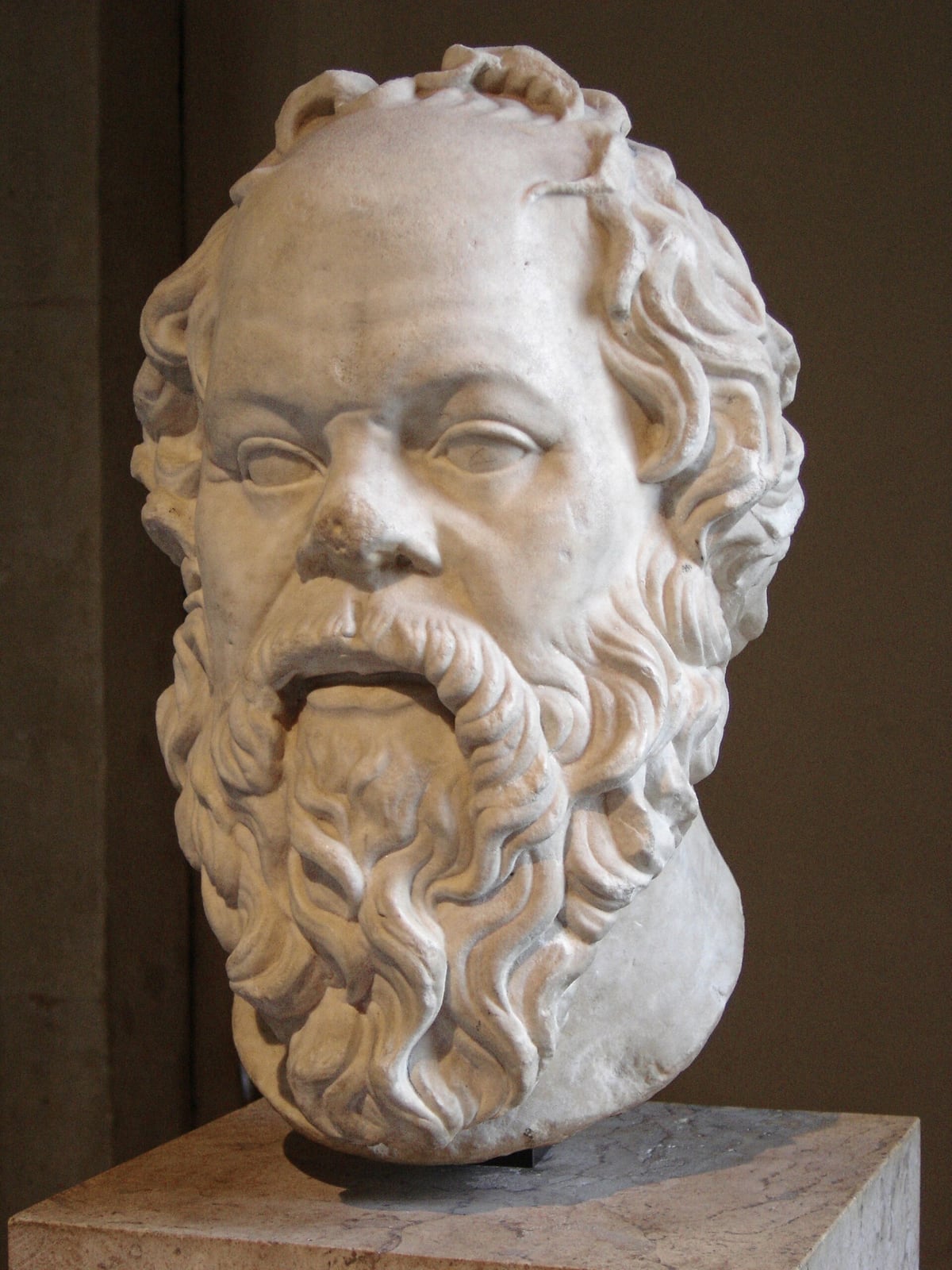
Socrates
يتّفقان في: لماذا نتألّم؟ · ماذا يحدث بعد الموت؟ · هل نحتاج إلى معلّم؟
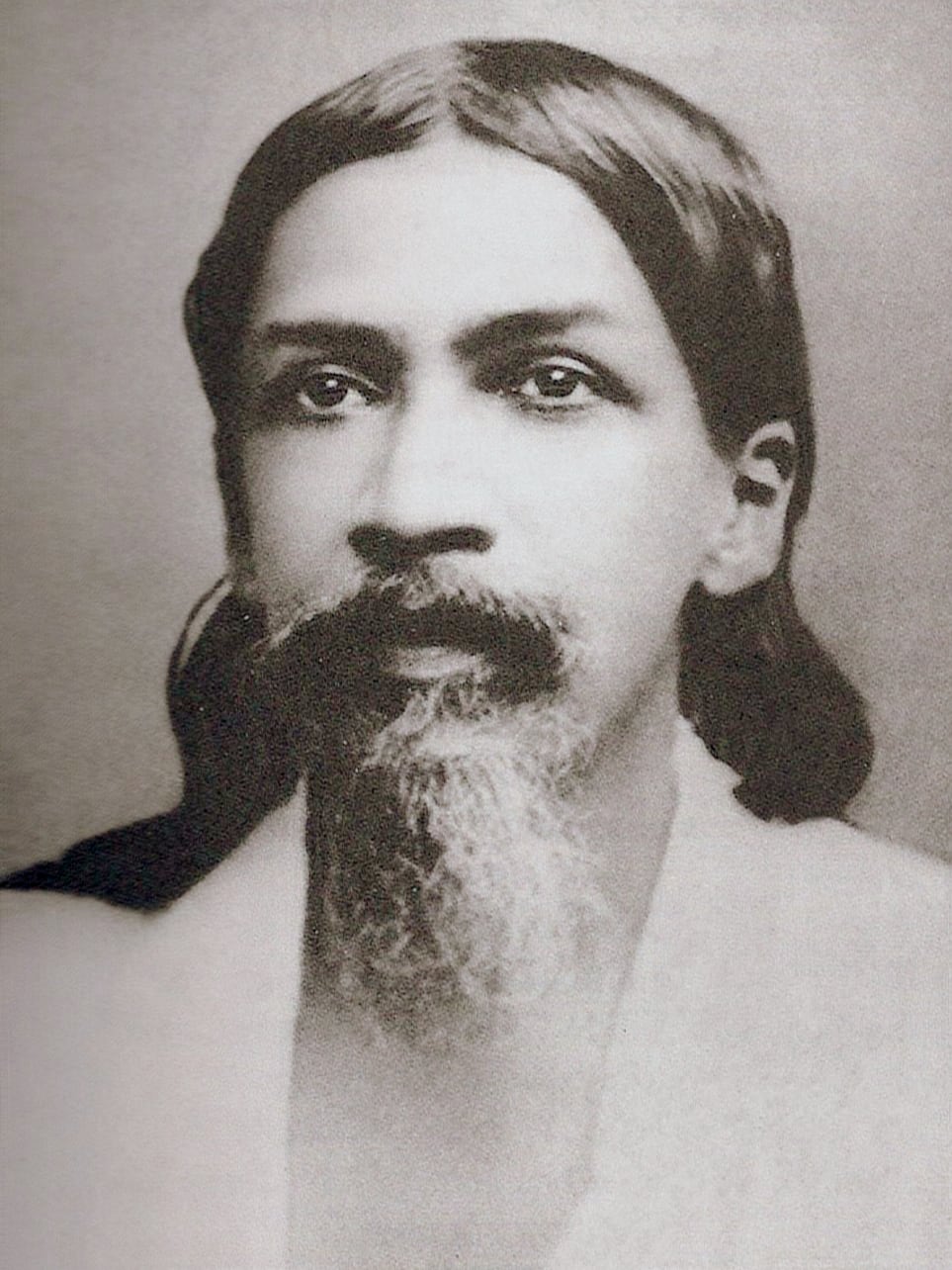
Sri Aurobindo
يتّفقان في: من أنا؟ هل توجد ذات حقيقية؟ · لماذا نتألّم؟ · هل نحتاج إلى معلّم؟
- BKByron Katie
Byron Katie
يتّفقان في: ماذا يحدث بعد الموت؟ · هل نحتاج إلى معلّم؟ · لماذا نتأمّل أو نصلّي؟
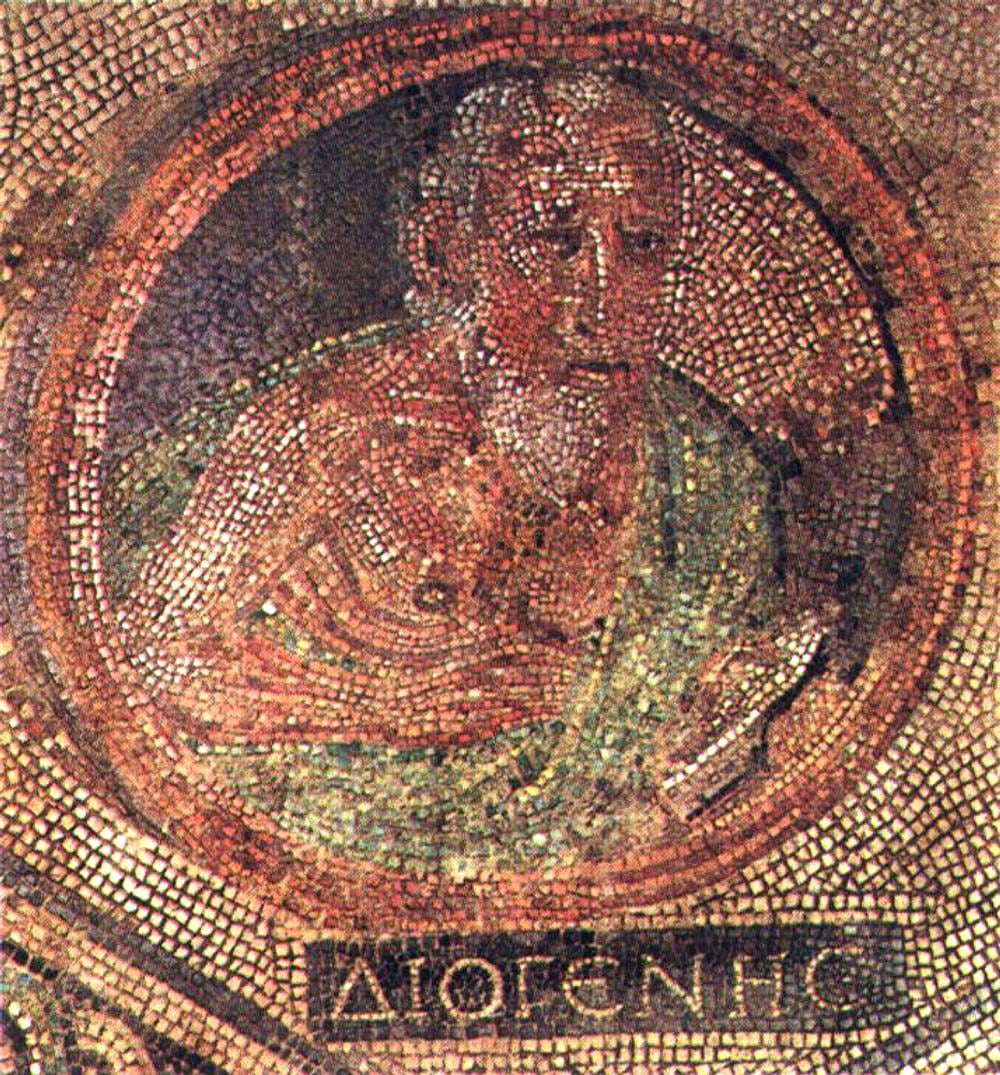
Diogenes of Sinope
يتّفقان في: ما المطلق؟ هل الله موجود؟ · ماذا يحدث بعد الموت؟ · الانسحاب من العالم أم تغييره؟
يبتعد في تفكيره عن
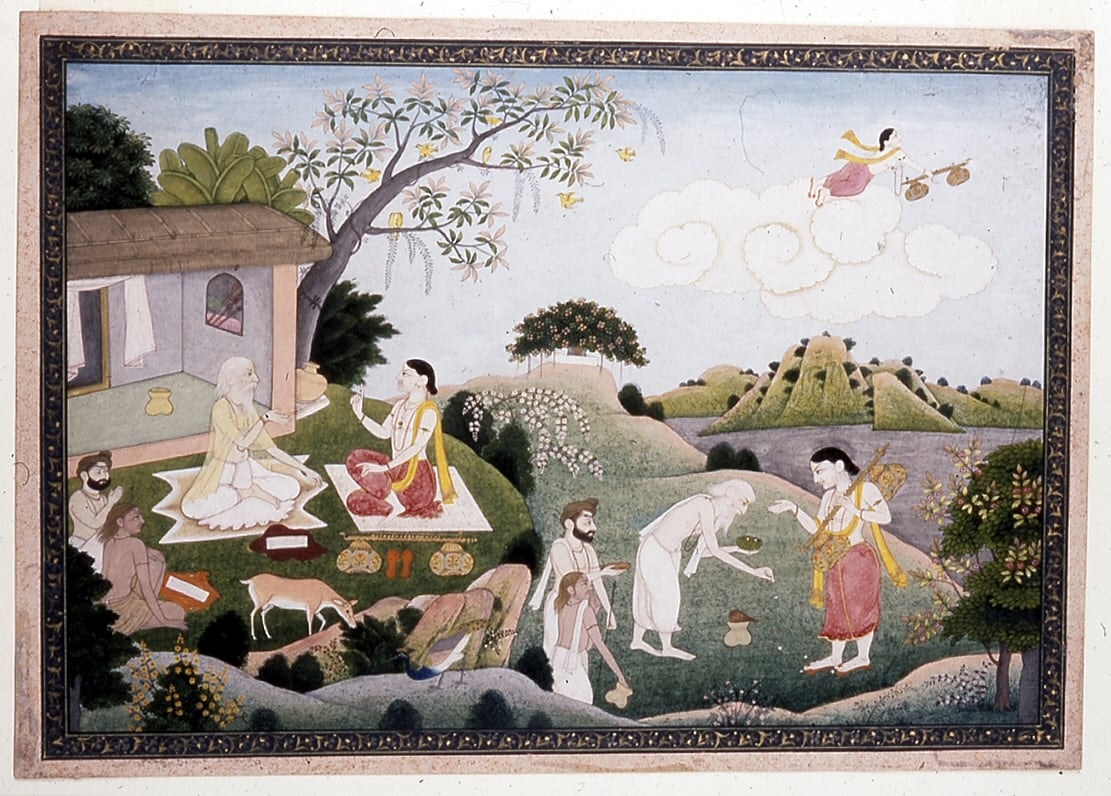
Narada
يختلفان في: ما المطلق؟ هل الله موجود؟ · لماذا نتألّم؟ · كيف يُبلَغ التحرّر أو الخلاص؟
Uddalaka Aruni
يختلفان في: ما المطلق؟ هل الله موجود؟ · من أنا؟ هل توجد ذات حقيقية؟ · ماذا يحدث بعد الموت؟
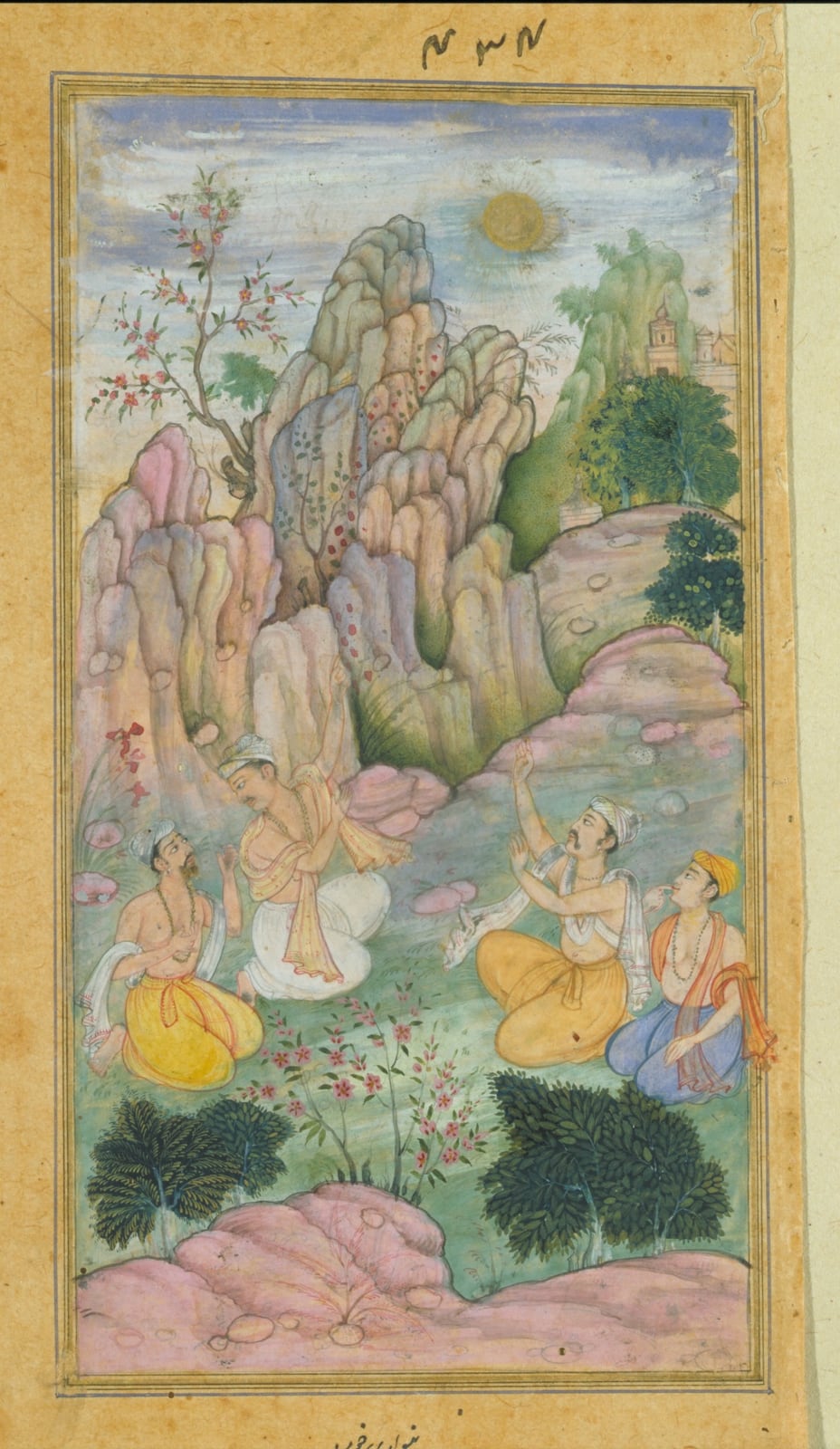
Vyasa
يختلفان في: ما المطلق؟ هل الله موجود؟ · من أنا؟ هل توجد ذات حقيقية؟ · لماذا نتألّم؟
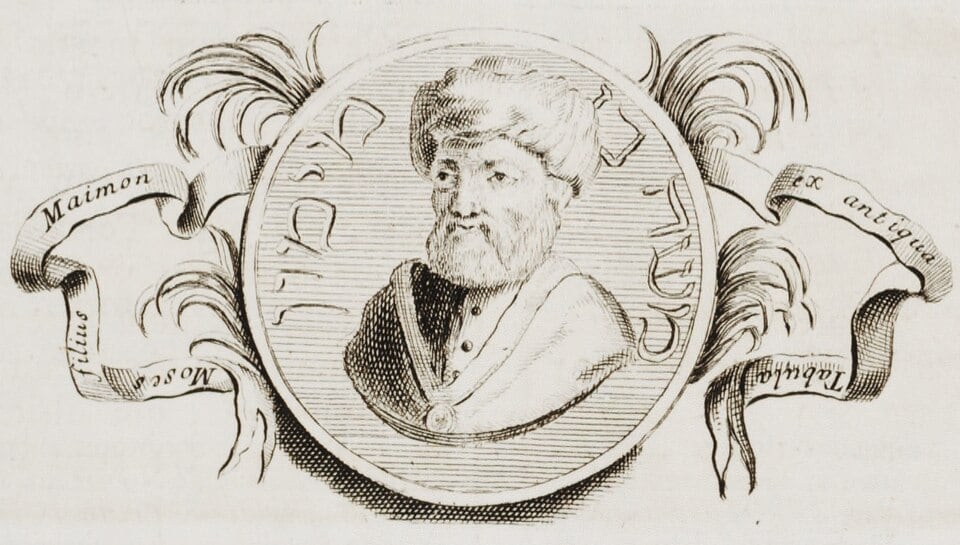
Maimonides
يختلفان في: ما المطلق؟ هل الله موجود؟ · من أنا؟ هل توجد ذات حقيقية؟ · لماذا نتألّم؟
حكايات وروايات
حكايات وروايات
شهادةc. 1882–1884
The stone in the garden
أصل الرواية: Autobiographical account in Memories, Dreams, Reflections, ch. 'First Years', written by Jung himself around 1957–1958; there is no other source.
المصدر: Jung, C. G. Erinnerungen, Träume, Gedanken von C. G. Jung. Aufgezeichnet und herausgegeben von Aniela Jaffé. Zúrich: Rascher, 1962 (trad. ingl. Memories, Dreams, Reflections, Nueva York: Pantheon, 1963; trad. esp. Recuerdos, sueños, pensamientos, Barcelona: Seix Barral).
شهادة1909
The crack in the bookcase
أصل الرواية: Jung's account in his memoirs (ch. 'Sigmund Freud') and Freud's letter to Jung of 16 April 1909 (Freud/Jung Letters, 139F), which confirms the conversation from his side.
المصدر: McGuire, William (ed.). The Freud/Jung Letters: The Correspondence between Sigmund Freud and C. G. Jung. Trad. R. Manheim y R. F. C. Hull. Princeton: Princeton University Press (Bollingen Series XCIV), 1974.
شهادةdécada de 1920 (fecha no precisada)
The golden scarab
أصل الرواية: Related by Jung in 'Synchronicity: An Acausal Connecting Principle' (1952; CW 8, §§ 843 and 982); there is no independent testimony from the patient.
المصدر: Jung, C. G. y Pauli, Wolfgang. Naturerklärung und Psyche. Zúrich: Rascher, 1952 (incluye «Synchronizität als ein Prinzip akausaler Zusammenhänge»; CW 8).
شهادة1925
'The whites think with their heads'
أصل الرواية: Account in the memoirs (ch. 'Travels. America: The Pueblo Indians'); Jung already cited it in writings of the 1930s. The identification of the chief with Antonio Mirabal comes from later studies.
المصدر: Jung, C. G. Erinnerungen, Träume, Gedanken von C. G. Jung. Aufgezeichnet und herausgegeben von Aniela Jaffé. Zúrich: Rascher, 1962 (trad. ingl. Memories, Dreams, Reflections, Nueva York: Pantheon, 1963; trad. esp. Recuerdos, sueños, pensamientos, Barcelona: Seix Barral).
شهادة1944
The visions of 1944
أصل الرواية: Autobiographical account in Memories, Dreams, Reflections, ch. 'Visions'. The illness and death of Dr Haemmerli in 1944 are documented; the content of the visions is known only from Jung.
المصدر: Jung, C. G. Erinnerungen, Träume, Gedanken von C. G. Jung. Aufgezeichnet und herausgegeben von Aniela Jaffé. Zúrich: Rascher, 1962 (trad. ingl. Memories, Dreams, Reflections, Nueva York: Pantheon, 1963; trad. esp. Recuerdos, sueños, pensamientos, Barcelona: Seix Barral).
شهادة1914
Philemon and the kingfisher
أصل الرواية: Account in the memoirs (ch. 'Confrontation with the Unconscious'); the painting of Philemon is reproduced in The Red Book (2009 ed.). The Bollingen inscription survives.
المصدر: Jung, C. G. Erinnerungen, Träume, Gedanken von C. G. Jung. Aufgezeichnet und herausgegeben von Aniela Jaffé. Zúrich: Rascher, 1962 (trad. ingl. Memories, Dreams, Reflections, Nueva York: Pantheon, 1963; trad. esp. Recuerdos, sueños, pensamientos, Barcelona: Seix Barral).
التعاليم
التعاليم
المفاهيم التي ينتظم بها فكره، مشروحة في سياقها.
Collective unconsciousinconsciente-colectivo
Analytical psychology; break with the Freudian theory of the unconscious.
المصدر: Jung, C. G. The Collected Works of C. G. Jung. Ed. Herbert Read, Michael Fordham, Gerhard Adler y William McGuire; trad. R. F. C. Hull. 20 vols. Princeton: Princeton University Press (Bollingen Series XX) / Londres: Routledge & Kegan Paul, 1953–1979. Ed. alemana: Gesammelte Werke, Olten/Zúrich: Walter-Verlag, 1958–1994.
Archetypearquetipo
Platonism, Kant and comparative ethnology (Bastian, Lévy-Bruhl).
المصدر: Jung, C. G. The Collected Works of C. G. Jung. Ed. Herbert Read, Michael Fordham, Gerhard Adler y William McGuire; trad. R. F. C. Hull. 20 vols. Princeton: Princeton University Press (Bollingen Series XX) / Londres: Routledge & Kegan Paul, 1953–1979. Ed. alemana: Gesammelte Werke, Olten/Zúrich: Walter-Verlag, 1958–1994.
Shadowsombra
Personality psychology; ethics and collective psychology.
المصدر: Jung, C. G. The Collected Works of C. G. Jung. Ed. Herbert Read, Michael Fordham, Gerhard Adler y William McGuire; trad. R. F. C. Hull. 20 vols. Princeton: Princeton University Press (Bollingen Series XX) / Londres: Routledge & Kegan Paul, 1953–1979. Ed. alemana: Gesammelte Werke, Olten/Zúrich: Walter-Verlag, 1958–1994.
Anima and animusanima-animus
Analytical psychology; symbolism of the syzygy in Gnosticism and alchemy.
المصدر: Jung, C. G. The Collected Works of C. G. Jung. Ed. Herbert Read, Michael Fordham, Gerhard Adler y William McGuire; trad. R. F. C. Hull. 20 vols. Princeton: Princeton University Press (Bollingen Series XX) / Londres: Routledge & Kegan Paul, 1953–1979. Ed. alemana: Gesammelte Werke, Olten/Zúrich: Walter-Verlag, 1958–1994.
Self and individuationsi-mismo-individuacion
Analytical psychology, comparative mysticism and alchemy.
المصدر: Jung, C. G. The Collected Works of C. G. Jung. Ed. Herbert Read, Michael Fordham, Gerhard Adler y William McGuire; trad. R. F. C. Hull. 20 vols. Princeton: Princeton University Press (Bollingen Series XX) / Londres: Routledge & Kegan Paul, 1953–1979. Ed. alemana: Gesammelte Werke, Olten/Zúrich: Walter-Verlag, 1958–1994.
Synchronicitysincronicidad
Dialogue with physics (Pauli); I Ching; philosophy of nature.
المصدر: Jung, C. G. y Pauli, Wolfgang. Naturerklärung und Psyche. Zúrich: Rascher, 1952 (incluye «Synchronizität als ein Prinzip akausaler Zusammenhänge»; CW 8).
Psychological typestipos-psicologicos
Differential psychology; history of ideas.
المصدر: Jung, C. G. The Collected Works of C. G. Jung. Ed. Herbert Read, Michael Fordham, Gerhard Adler y William McGuire; trad. R. F. C. Hull. 20 vols. Princeton: Princeton University Press (Bollingen Series XX) / Londres: Routledge & Kegan Paul, 1953–1979. Ed. alemana: Gesammelte Werke, Olten/Zúrich: Walter-Verlag, 1958–1994.
Complexcomplejo
Early twentieth-century experimental psychiatry.
المصدر: Ellenberger, Henri F. The Discovery of the Unconscious: The History and Evolution of Dynamic Psychiatry. Nueva York: Basic Books, 1970 (cap. 9, «Carl Gustav Jung and Analytical Psychology»).
مقاطع الفيديو
مقاطع الفيديو
تسجيلات ومقابلات وأفلام وثائقية. تُشغَّل مقاطع الفيديو من YouTube؛ ولا تُستضاف هنا.
Face to Face: Carl Gustav Jung (BBC, 1959)
مقابلة· EN· 1959· 38 min
KidMillions
Richard Evans interviews Carl Jung — Personality, organization, fundamental concepts (1957)
المشاهدة على YouTube
لا يسمح هذا الفيديو بالتضمين؛ وسيُفتح على YouTube.
Richard Evans interviews Carl Jung — Personality, organization, fundamental concepts (1957)
مقابلة· EN· 1957· 59 min
Cummings Center for the History of Psychologyالقناة الرسمية
Richard Evans interviews Carl Jung — Introversion, extroversion and other contributions (1957)
المشاهدة على YouTube
لا يسمح هذا الفيديو بالتضمين؛ وسيُفتح على YouTube.
Richard Evans interviews Carl Jung — Introversion, extroversion and other contributions (1957)
مقابلة· EN· 1957· 36 min
Cummings Center for the History of Psychologyالقناة الرسمية
Carl Gustav Jung & The Red Book (part 1)
محاضرة· EN· 2010· 150 min
Library of Congressالقناة الرسمية
Sonu Shamdasani introduces The Red Book
محاضرة· EN· 2009· 7 min
Rubin Museum of Himalayan Artالقناة الرسمية
Sternstunde Philosophie — Das Rote Buch von C. G. Jung
فيلم وثائقي· DE· 2009· 62 min
Schweizer Radio und Fernsehenالقناة الرسمية
150 Jahre C. G. Jung und das Erbe der modernen Psychotherapie (Sternstunde Philosophie)
محاضرة· DE· 2025· 59 min
SRF Kultur Sternstundenالقناة الرسمية
Carl Gustav Jung (1875–1961) – Une vie, une œuvre (France Culture, 1985)
فيلم وثائقي· FR· 1985· 83 min
Rien ne veut rien dire
Jung. La sabiduría de los sueños (documental completo)
فيلم وثائقي· ES· 155 min
Casa Jung - Psicología
Matter of Heart (1986)
فيلم وثائقي· EN· 1986· 106 min
Howl in the Wilderness
The World Within: C. G. Jung in His Own Words (1990)
فيلم وثائقي· EN· 1990· 44 min
History of Ideas
Jung's ETH Lectures on Yoga and Meditation
تسجيل من طرف ثالث· EN· 2021· 1 min
Philemon Foundationالقناة الرسمية
The Black Books by C. G. Jung
تسجيل من طرف ثالث· EN· 2020· 1 min
Philemon Foundationالقناة الرسمية
المعرض
المعرض
صور بترخيص متحقَّق منه. كل منها تحتفظ بمؤلّفها ونسبتها.
المخطوطات
المخطوطات
شواهد مخطوطة ونصوص قديمة، مع جهة حفظها وشروط الاطّلاع عليها.
DE · Latin (escritura gótica caligráfica) · 1914–1930
Liber Novus (Das Rote Buch)
- الشاهد المحفوظ
- Volumen autógrafo en folio, encuadernado en piel roja, con 53 pinturas
- جهة الحفظ
- Stiftung der Werke von C. G. Jung (Zúrich), en depósito
DE · Latin · 1913–1932
Schwarze Bücher
- الشاهد المحفوظ
- Siete cuadernos autógrafos
- جهة الحفظ
- Familia Jung / Stiftung der Werke von C. G. Jung
DE · Latin · 1896–1961
Nachlass C. G. Jung
- الشاهد المحفوظ
- Manuscritos, correspondencia y documentos
- جهة الحفظ
- ETH-Bibliothek, Hochschularchiv, Zúrich (Hs 1055 y otros) · Hs 1055
العلاقات
العلاقات
تأثيرات وتلمذة وتقارب في الأفكار. تُميَّز العلاقة الموثّقة عن التشابه المستخلَص بالتحليل.
تأثّر بـ
Sigmund Freud
Close collaborator from 1906 to 1913; Freud designated him his successor before the break.
علاقة موثّقة
اختلف مع
Sigmund Freud
Break of 1912–1913 over the theory of libido, the role of sexuality and religion.
علاقة موثّقة
تلميذ
Eugen Bleuler
His chief at the Burghölzli (1900–1909), who introduced him to Freud's work.
علاقة موثّقة
تلميذ
Pierre Janet
He attended Janet's lectures in Paris in the winter of 1902–1903; his idea of dissociation influenced the theory of the complex.
علاقة موثّقة
تراسل مع
Richard Wilhelm
Sinologist and friend; they published The Secret of the Golden Flower together (1929).
علاقة موثّقة
تراسل مع
Wolfgang Pauli
Patient and later interlocutor for 26 years on psyche, matter and synchronicity.
علاقة موثّقة
تأثّر بـ
Friedrich Nietzsche
A decisive youthful reading; he devoted a five-year seminar to Thus Spoke Zarathustra.
علاقة موثّقة
تأثّر بـ
Jung cites him in Psychological Types and in his memoirs as the author in whom he found 'the breath of life'.
علاقة موثّقة
تأثّر بـ
A source for his study of mandala symbolism and of the inner opposition in God (GW 9/I).
علاقة موثّقة
تأثّر بـ
Read in his student years; discussed in the Zofingia lectures and in the essay on synchronicity.
علاقة موثّقة
تأثّر بـ
He commented on the Yoga Sutras in his ETH lectures of 1938–1939.
علاقة موثّقة
تأثّر بـ
He analysed the Spiritual Exercises in his ETH lectures of 1939–1940.
علاقة موثّقة
تأثّر بـ
The Tao as the union of opposites is a constant reference from Psychological Types onwards.
علاقة موثّقة
معاصر لـ
Jung did not visit him on his 1937–1938 journey to India, but wrote about him in 'The Holy Men of India' (1944), foreword to Heinrich Zimmer's book.
علاقة موثّقة
أثّر في
Watts discussed Jung's psychology at length in Psychotherapy East and West (1961).
علاقة موثّقة
التقى بـ
Hermann Hesse
Hesse was analysed by J. B. Lang, a pupil of Jung, and met Jung; they corresponded.
علاقة موثّقة
معلّم
Marie-Louise von Franz
His closest collaborator from 1933 in the study of alchemy and fairy tales.
علاقة موثّقة
من عائلة
Emma Jung
Wife (1903–1955) and analyst; co-author of The Grail Legend with Marie-Louise von Franz.
علاقة موثّقة
معاصر لـ
Contemporaries in the German-speaking world with shared interests (Goethe, Gnosis, the spiritual), with no documented relationship.
تشابه مستخلَص بالتحليل
أفكار قريبة من
Siddhartha Gautama, the Buddha
Jung compared the Buddhist path with individuation in his writings on the East; the analogy is interpretive.
تشابه مستخلَص بالتحليل
المصادر
المصادر
المراجع والفهارس التي رُوجعت لهذه الصفحة.
- Jung, C. G. Erinnerungen, Träume, Gedanken von C. G. Jung. Aufgezeichnet und herausgegeben von Aniela Jaffé. Zúrich: Rascher, 1962 (trad. ingl. Memories, Dreams, Reflections, Nueva York: Pantheon, 1963; trad. esp. Recuerdos, sueños, pensamientos, Barcelona: Seix Barral).
- Bair, Deirdre. Jung: A Biography. Boston: Little, Brown and Company, 2003.
- Shamdasani, Sonu. Jung and the Making of Modern Psychology: The Dream of a Science. Cambridge: Cambridge University Press, 2003.
- McGuire, William (ed.). The Freud/Jung Letters: The Correspondence between Sigmund Freud and C. G. Jung. Trad. R. Manheim y R. F. C. Hull. Princeton: Princeton University Press (Bollingen Series XCIV), 1974.
- Jung, C. G. The Red Book: Liber Novus. Ed. e introducción de Sonu Shamdasani. Nueva York: W. W. Norton / Philemon Series, 2009.
- Hannah, Barbara. Jung: His Life and Work. A Biographical Memoir. Nueva York: G. P. Putnam's Sons, 1976.
- Wikidata, «Carl Gustav Jung» (Q41532).
- Jung, C. G. The Collected Works of C. G. Jung. Ed. Herbert Read, Michael Fordham, Gerhard Adler y William McGuire; trad. R. F. C. Hull. 20 vols. Princeton: Princeton University Press (Bollingen Series XX) / Londres: Routledge & Kegan Paul, 1953–1979. Ed. alemana: Gesammelte Werke, Olten/Zúrich: Walter-Verlag, 1958–1994.
- Wikipedia (en), «Carl Jung» y «Carl Jung publications», consultadas el 25 de octubre de 2026.
- Ellenberger, Henri F. The Discovery of the Unconscious: The History and Evolution of Dynamic Psychiatry. Nueva York: Basic Books, 1970 (cap. 9, «Carl Gustav Jung and Analytical Psychology»).
- Jung, C. G. y Pauli, Wolfgang. Naturerklärung und Psyche. Zúrich: Rascher, 1952 (incluye «Synchronizität als ein Prinzip akausaler Zusammenhänge»; CW 8).
- «Face to Face: Professor Carl Gustav Jung», entrevista de John Freeman, BBC Television, emitida el 22 de octubre de 1959.
- Philemon Foundation: edición de las obras inéditas de C. G. Jung (Philemon Series).
- Haus C.G. Jung (Stiftung C. G. Jung Küsnacht), casa-museo de Jung en Küsnacht.
- Wikisource en inglés: Author:Carl Gustav Jung (traducciones inglesas anteriores a 1930).
- Jung, C. G. Briefe. Ed. Aniela Jaffé y Gerhard Adler. 3 vols. Olten: Walter-Verlag, 1972–1973 (trad. ingl. Letters, 2 vols., Princeton University Press, 1973–1975).
- Cocks, Geoffrey. Psychotherapy in the Third Reich: The Göring Institute. Nueva York: Oxford University Press, 1985 (2.ª ed. Transaction, 1997).
- Jung, C. G. Psychology of Yoga and Meditation: Lectures Delivered at ETH Zurich, vol. 6: 1938–1940. Ed. Martin Liebscher. Princeton: Princeton University Press (Philemon Series), 2021.
- Watts, Alan. Psychotherapy East and West. Nueva York: Pantheon Books, 1961.
- Von Franz, Marie-Louise. C. G. Jung: His Myth in Our Time. Nueva York: Putnam / C. G. Jung Foundation, 1975 (orig. alemán, 1972).
- صاحب الحقوق
- Stiftung der Werke von C. G. Jung (Zúrich), titular de los derechos de autor; en vigor hasta el 31 de diciembre de 2031 en la UE (70 años post mortem) y de 2041 en España para las obras publicadas en vida. En EE. UU. son de dominio público las ediciones publicadas antes de 1930.
- الموقع الرسمي
- philemonfoundation.org/
في انتظار التأكيد
ما لم تتمكّن هذه الصفحة من حسمه بعد. نفضّل أن نقول ذلك على أن نملأ الفراغ.
- Cotejar con las ediciones impresas las citas marcadas como «probable» (Aion § 126, CW 13 § 335, carta a Fanny Bowditch, Modern Man in Search of a Soul, MDR «Late Thoughts»).
- Confirmar fechas exactas marcadas como probables en la cronología: ingreso en el Burghölzli (10-XII-1900), boda (14-II-1903) y fundación del Instituto (24-IV-1948).
- Fechas de publicación de cada volumen de las Gesammelte Werke (Walter-Verlag) registradas como aproximadas: verificar en el catálogo de la Deutsche Nationalbibliothek.
- Registrar uno por uno los volúmenes de seminarios y lecciones de la Philemon Series aún no incluidos (ETH vols. 1–8, seminarios de 1931 sobre imaginación activa, de Berlín de 1933, Children's Dreams, sueños de Pauli, correspondencias con White, Neumann, Keller, Kirsch).
- Localizar ediciones con ISBN en italiano, ruso, árabe e hindi de Recuerdos, sueños, pensamientos y de El libro rojo.
- Comprobar en la ETH-Bibliothek las signaturas exactas del legado (Hs 1055 es la principal; hay otras).
بُحث بتاريخ 2026-10-25