اللاثنائية المعاصرة · التأمل العلماني
Byron Katie
1942 –على قيد الحياةشخصية موثّقة تاريخيًا
كاتبة ومحاضرة أمريكية (وُلدت عام 1942)، صاحبة «العمل» (The Work)، وهو منهج في مساءلة الذات يقوم على أربعة أسئلة وعلى قلب الأفكار التي تولّد المعاناة. وبعد عقد من الاكتئاب عاشت عام 1986 تحوّلًا تردّه إلى صباحٍ قضته في مركز علاجي في لوس أنجلوس. ألّفت مع ستيفن ميتشل كتابي «أن تحبّ ما هو كائن» و«عقل في سلام مع ذاته» (A Mind at Home with Itself).
- مؤلَّفًا
- 12مؤلَّفًا
- طبعة
- 27طبعة
- اقتباسًا
- 7اقتباسًا
- مقطع فيديو
- 11مقطع فيديو
- صورة
- 0صورة
بكلماته
«I discovered that when I believed my thoughts, I suffered, but that when I didn't believe them, I didn't suffer»Relato de su experiencia de 1986 en la web oficial y en Loving What Is (2002)
فكرته المحورية
Suffering does not come from events but from believing the thoughts we have about them; when a stressful thought is examined and no longer believed, the distress it produced fades.
السيرة
4 دقيقة قراءة
ترجمة مُعانة من الأصل الإسباني، بانتظار مراجعة مترجم من أهل اللغة.
طفولة في صحراء موهافي
وُلدت بايرون كاثلين ريد في السادس من ديسمبر 1942 في بريكنريدج بولاية تكساس، ونشأت في بارستو، وهي بلدة صغيرة في صحراء موهافي بولاية كاليفورنيا. كان أبوها، رودني ريد، سائق قاطرات، وأمها، ماريون كامبل، ربة بيت. وفي عام 1963، وهي في التاسعة عشرة، تزوجت روبرت روبنسون في سان برناردينو، وأنجبت ثلاثة أبناء هم بوب وروس وروكسان، وكسبت عيشها من العمل العقاري بتأجير المساكن. وستصف ابنتها تلك البيئة بعد سنوات بأنها كانت غريبة تمامًا عن العلاج النفسي وعن الروحانية.
عشر سنوات من الظلمة
في منتصف الثمانينيات، وكانت قد تزوجت للمرة الثانية، كانت كاتي قد أمضت عقدًا كاملًا تغوص في الاكتئاب ورهاب الساح والأكل القهري والإدمان على الكوديين والكحول. ويتذكرها أبناؤها في تلك الأيام امرأةً غاضبة متقلّبة لا تكاد تغادر فراشها. وفي فبراير 1986، وهي في الثالثة والأربعين، أحالتها شركة تأمينها الصحي إلى «هوب هاوس»، وهو مركز إقامة علاجية في لوس أنجلوس للنساء المصابات باضطرابات الأكل لم يعد له وجود اليوم.
صباح الصرصور
تروي أنها استيقظت ذات صباح، بعد أقل من أسبوعين على دخولها المركز، وهي تحس بصرصور يدبّ على قدمها. وحين فتحت عينيها، كما تحكي في كتاب «أن تحبّ ما هو كائن»، بدا لها كأن شيئًا آخر قد استيقظ وراح ينظر من خلال عينيها، ثملًا بالفرح؛ وكان الغضب والخوف قد زالا. واكتشفت، كما تقول، أنها حين كانت تصدّق أفكارها كانت تتألم، وأنها حين كفّت عن تصديقها لم تعد تتألم. ومن تلك اللحظة تُرجع ميلاد الأسئلة التي ستصوغها لاحقًا باسم «العمل» (The Work). وقد أكّد أبناؤها وإحدى معالِجات المركز لصحيفة «لوس أنجلوس تايمز» أن شخصيتها تبدّلت تبدّلًا جذريًا، أما سائر تفاصيل الحادثة فلا تُعرف إلا من شهادتها.
من بارستو إلى العالم
لما عادت إلى بارستو فقدت من وزنها، وأقلعت عن الكحول، وصارت تمكث ساعات بلا حراك في صمتٍ حيّر أسرتها. وأخذ غرباء ممن تصادفهم يزورونها ليروا كيف تعيش، فكانت تعلّمهم أن يدوّنوا ما يقلقهم وأن يُخضعوه للمساءلة. وانتهى زواجها الثاني. ثم جاءت دعوة من مجموعة من علماء النفس والمعالجين في منطقة بيركلي فأعطت ورشها الأولى شكلها، ومنذ عام 1992 جابت الولايات المتحدة وأوروبا في لقاءات عامة كانت تعمل فيها على المنصة مع متطوعين. ونشأت مؤسسة «وورك فاونديشن» غير الربحية وشركة «بايرون كاتي إنترناشونال». وفي عام 1999 نظر مجلس علم النفس في ولاية كاليفورنيا في ما إذا كان نشاطها يُعدّ علاجًا نفسيًا، ثم حفظ التحقيق دون أن يخلص إلى شيء ضدها.
المنهج
يقوم «العمل» على تدوين الأفكار التي تسبّب الضيق، من قبيل «ينبغي لزوجي أن يصغي إليّ»، ثم إخضاع كل واحدة منها لأربعة أسئلة: هل هذا صحيح؟ هل يمكنك أن تعرف يقينًا مطلقًا أنه صحيح؟ كيف تتصرف، وماذا يحدث، حين تصدّق هذه الفكرة؟ ومن تكون من دونها؟ ثم يأتي «القلب»: تُقلب العبارة، فتصير «ينبغي لي أن أصغي إلى نفسي» و«ينبغي لي أن أصغي إلى زوجي»، ويُبحث عن أمثلة ملموسة تبيّن كيف يمكن أن تكون صحيحة صحة العبارة الأصلية. وتؤكد كاتي أنها لا تعلّم عقيدة بل طريقة يستطيع أي إنسان أن يمارسها بنفسه، وترفض أن تقدّم نفسها معلّمةً مستنيرة. وقد أشار بعض علماء النفس إلى قرابة هذا المنهج من العلاج المعرفي.
بين الروحانية وتطوير الذات
رسم التحقيق الذي نشرته أليسون أداتو في «لوس أنجلوس تايمز» عام 2002 صورة متوازنة لهذه الظاهرة. فقد كان المنهج آنذاك معتمدًا ضمن التعليم المستمر للأخصائيين الاجتماعيين والممرضات ومعالجي الأزواج؛ وكانت اللقاءات العامة مجانية، أما «مدرسة العمل» (School for The Work)، وهي دورة مكثفة تزيد قليلًا على أسبوع، فكانت تكلّف ما بين 1800 و3000 دولار، وكانت الشركة تبيع تسجيلات ومقتنيات تحمل شعارها. ولاحظت عالمة نفس استُطلع رأيها أن السؤالين الأولين هما سؤالا العلاج المعرفي السلوكي، وأن العمل مع أشخاص بأعيانهم أمام الجمهور يقع على تخوم ملتبسة مع العلاج النفسي؛ وأخذ بعض المشاركين على المنهج شيئًا من السلبية إزاء ما يجري. أما كاتي فكانت تقول إنها لا تذهب إلا حيث تُدعى، إلى سجن في تكساس عام 1996 وإلى مجموعات في ألمانيا، وإنها بلا أي طموح: «أنا امرأة بلا مستقبل»، كما قالت للصحفية.
الكتب والانتشار
في عام 2000 خصّصت لها مجلة «تايم» تحقيقًا. وفي عام 2002 أصدرت مع زوجها، المترجم والكاتب ستيفن ميتشل الذي كانت قد اقترنت به قبل ذلك بقليل، كتاب «أن تحبّ ما هو كائن» (Loving What Is)، وهو العرض المنهجي لطريقتها، وقد تُرجم إلى لغات كثيرة. وتلته كتب I Need Your Love—Is That True? (2005، بالاشتراك مع مايكل كاتس)، وA Thousand Names for Joy (2007) الذي يعلّق على مقاطع من «تاو تي تشينغ» بترجمة ميتشل، وWho Would You Be Without Your Story? (2008)، وقصتان مصوّرتان للأطفال برسوم هانز فيلهلم، وA Mind at Home with Itself (2017) المبني على «سوترا الماس». وابنها روس روبنسون منتج موسيقي معروف.
ممارسة تحت الدراسة
منذ العقد الثاني من القرن الحادي والعشرين يُدرس هذا المنهج في الأوساط الأكاديمية باسم «الحدّ من الضغط النفسي القائم على التقصّي» (IBSR)، ولا سيما على أيدي فرق بحثية إسرائيلية. وقد جمعت مراجعة منهجية نُشرت عام 2021 سبع عشرة دراسة، أفاد عدد منها بتحسّن في الضغط النفسي والقلق والرفاه، لكن ثلاثًا منها فقط كانت تجارب معشّاة، وخلصت إلى الحاجة إلى أبحاث أعلى جودة؛ وفي العام نفسه نشرت تجربة سريرية أُجريت على نساء يحملن متغيّرات في جينات BRCA نتائج مواتية. وتدير شركة «بايرون كاتي إنترناشونال»، ومقرها أوهاي في كاليفورنيا، «مدرسة العمل» وشبكة دولية من الميسّرين المعتمدين، ولا تزال مؤسستها تعلّم في لقاءات حضورية وعبر الإنترنت.
المصادر: Katie, Byron y Mitchell, Stephen. Loving What Is: Four Questions That Can Change Your Life. Nueva York: Harmony Books, 2002 (prólogo de Stephen Mitchell). · Katie, Byron y Mitchell, Stephen. A Thousand Names for Joy: Living in Harmony with the Way Things Are. Nueva York: Harmony Books, 2007. · Katie, Byron y Mitchell, Stephen. A Mind at Home with Itself: How Asking Four Questions Can Free Your Mind, Open Your Heart, and Turn Your World Around. Nueva York: HarperOne, 2017. · Mitchell, Stephen (ed.). Question Your Thinking, Change the World: Quotations from Byron Katie. Carlsbad: Hay House, 2007.
الخط الزمني
الحياة عامًا بعد عام
كل نقطة حدث موثّق. انقر لتقرأه مع مصدره ودرجة اليقين فيه.
6 ديسمبر 1942أقل من عامBreckenridge, Texas
Birth
Byron Kathleen Reid is born on 6 December in Breckenridge, Texas; she will grow up in Barstow, California.
موثّقWikidata, «Byron Katie» (Q437339).
6 ديسمبر 1942 · أقل من عام
Birth
Byron Kathleen Reid is born on 6 December in Breckenridge, Texas; she will grow up in Barstow, California.
موثّق
1963
First marriage
Marries Robert Robinson in San Bernardino; they will have three children.
موثّق
فبراير 1986 · 43 عامًا
The Hope House transformation
In February, while staying at Hope House (Los Angeles), she undergoes by her account the awakening from which The Work arises.
موثّق
1992 · 49 عامًا
First travelling workshops
Begins travelling across the United States and Europe with public events on The Work.
موثّق
1996 · 53 عامًا
The Work in a Texas prison
Takes her method to a Texas prison at the institution's request.
موثّق
1998 · 55 عامًا
Losing the Moon
The Work Foundation publishes Losing the Moon, the first collection of her dialogues.
موثّق
1999 · 56 عامًا
Board of Psychology inquiry
The California Board of Psychology examines her activity and closes the inquiry.
موثّق
2001 · 58 عامًا
Marriage to Stephen Mitchell
Marries the translator and writer Stephen Mitchell (date inferred from 2002 press coverage).
مرجَّح
2002 · 59 عامًا
Loving What Is
Publishes Loving What Is with Stephen Mitchell (Harmony Books).
موثّق
2007 · 64 عامًا
A Thousand Names for Joy
Publishes A Thousand Names for Joy, based on the Tao Te Ching.
موثّق
2010 · 67 عامًا
Peace in the Present Moment
Peace in the Present Moment, a book shared with Eckhart Tolle, appears.
موثّق
2017 · 74 عامًا
A Mind at Home with Itself
Publishes A Mind at Home with Itself with Stephen Mitchell (HarperOne).
موثّق
2021 · 78 عامًا
Scientific review of the method
A systematic review in the Journal of Clinical Psychology assesses seventeen studies on IBSR; the revised edition of Loving What Is is also published.
موثّق
المؤلَّفات
المؤلَّفات الأساسية
المؤلَّفات التي لا يُفهم إرثه من دونها.
مؤلَّف مكتوب · 2002
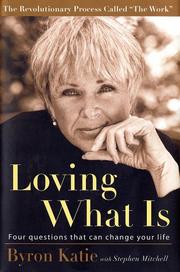
Loving What Is
Loving What Is: Four Questions That Can Change Your Life
Systematic account of The Work, written with Stephen Mitchell, who signs the foreword and narrates the 1986 awakening. It explains the Judge-Your-Neighbor Worksheet, the four questions and the turnaround, illustrating them with many transcripts of real dialogues about couples, family, work, money, illness or fear of death. It is the method's reference book, translated into many languages; a revised edition appeared in 2021.
6 طبعات · amazon.com
مؤلَّف مكتوب · 2007
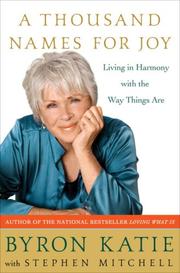
A Thousand Names for Joy
A Thousand Names for Joy: Living in Harmony with the Way Things Are
Book structured on the 81 chapters of the Tao Te Ching: Stephen Mitchell selected passages from his version of the Taoist classic and Katie responds to each by describing her experience of living in harmony with what is, with no mind opposing reality. It is her most personal work and the closest to contemplative literature.
4 طبعات · amazon.com

مؤلَّف مكتوب · 2017
A Mind at Home with Itself
A Mind at Home with Itself: How Asking Four Questions Can Free Your Mind, Open Your Heart, and Turn Your World Around
Written with Stephen Mitchell on his version of the Diamond Sutra: Katie comments on passages of the Buddhist text from her own experience, alternating them with dialogues of The Work and autobiographical episodes. It is her most extensive book on the nature of mind and self.
4 طبعات · amazon.com
جميع مؤلَّفاته (12)
Byron Katie
Losing the Moon
The Conscious LibraryLosing the Moon
1998
The Work of Byron Katie: An Introduction
2002
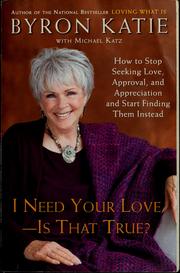
I Need Your Love—Is That True?
2005
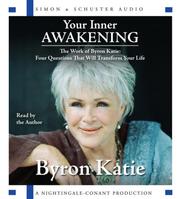
Your Inner Awakening
2005
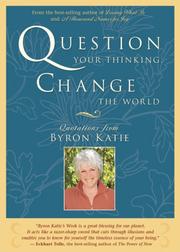
Question Your Thinking, Change the World
2007

Who Would You Be Without Your Story?
2008

Tiger-Tiger, Is It True?
2009
Byron Katie
Peace in the Present Moment
The Conscious LibraryPeace in the Present Moment
2010

The Four Questions
2016
الأقوال
أقوال محدَّدة الموضع في مؤلَّف بعينه. كل منها يحمل مصدره ودرجة الثقة به.
I discovered that when I believed my thoughts, I suffered, but that when I didn't believe them, I didn't sufferمتحقَّق منهRelato de su experiencia de 1986 en la web oficial y en Loving What Is (2002)
الأفكار الجوهرية (خلاصة تحريرية)
احترامًا لحقوق المؤلف، تُلخَّص هذه الأفكار بكلماتنا ولا تُقدَّم بوصفها اقتباسات حرفية.
- Suffering does not come from events but from believing the thoughts we have about them; when a stressful thought is examined and no longer believed, the distress it produced fades.
- Arguing with reality — thinking that what happens should not happen — is a battle lost in advance; accepting what is does not mean resignation but seeing clearly before acting.
- Much anguish comes from mentally minding other people's business, or reality's, instead of one's own.
- The judgements we make about others usually describe ourselves; turning them around reveals what truth they hold about the person making them.
- Inquiry does not seek positive thoughts to replace negative ones, but to understand the thought until it loses its power.
- Anyone can practise the method alone, with pen and paper, without believing in anything or depending on a teacher.
اسأل
بماذا يجيب أثره
اثنا عشر سؤالًا كبيرًا من أسئلة الإنسانية، وما تتيح نصوصه الإجابة به عنها، مع المراجع. ولا نقوّله ما لم يقل أبدًا.
ما المطلق؟ هل الله موجود؟
She calls reality as it is God, because it is reality that rules
مطلق غير شخصييُستنتج من تعاليمه
Byron Katie does not develop a theology. In Loving What Is she uses the word God in a deliberately bare way: she calls reality, what is, God, for the simple reason that it always prevails. Hence her maxim that arguing with reality is a battle lost one hundred per cent of the time. Her work contains no God who listens or intervenes, nor any doctrine of a hidden principle: the ultimate is the present fact, and what separates us from it are the thoughts we believe about it. In A Thousand Names for Joy, built on the Tao Te Ching, she describes that living in accord with what is as her experience, not as a thesis.
قارن هذا السؤال مع معلّمين آخرينمن أنا؟ هل توجد ذات حقيقية؟
The self is a story believed; without it, someone remains who cannot be described
الأنا بناءٌ من صنع الفكريقوله صراحةً
Byron Katie's question is the fourth in her method: who would you be without that thought. Her whole work applies it to identity. What we call self, in her account, is made of stories we believe about ourselves and about others: I am someone who was abandoned, someone who needs approval, someone who ought to be different. Who Would You Be Without Your Story?, a collection of dialogues with participants, shows how those identities loosen when examined. Katie proposes no alternative true self and no doctrine about one; she describes what remains when thought is no longer believed as something free, open and hard to name. In the account of her 1986 experience she puts it this way: it was as if something else had woken up.
قارن هذا السؤال مع معلّمين آخرينلماذا نتألّم؟
We suffer not from what happens but from believing what we think about it
الفكر والزمن النفسييقوله صراحةً
Byron Katie's diagnosis comes from her 1986 experience, which she sums up as follows: she discovered that when she believed her thoughts she suffered, and that when she did not believe them she did not suffer. Suffering is caused not by events but by the stressful thoughts we believe about them, especially those that argue with reality: he should not have left, I should be different. Since what has already happened cannot not have happened, that argument is always lost. In Loving What Is she adds that much anguish comes from mentally minding other people's business, or reality's, instead of one's own. The remedy is not positive thinking but examining each thought with the four questions until it loses its power.
قارن هذا السؤال مع معلّمين آخرينماذا يحدث بعد الموت؟
No speculation about the hereafter: she examines the thoughts that make death fearsome
صمت أو تحفّظيُستنتج من تعاليمه
Byron Katie offers no doctrine about what happens after death. What she does is apply her method to death as to any other stressful situation: fear, in her account, comes not from death, which no one has experienced, but from the thoughts one has about it. In Who Would You Be Without Your Story? she collects dialogues with people facing the death of a child or a serious illness, and shows how beliefs such as «he shouldn't have died» or «I won't be able to bear it» produce the suffering attributed to the event. In A Thousand Names for Joy she describes her own serenity before death as the result of not arguing with what is. What matters is how one looks at what is happening now.
قارن هذا السؤال مع معلّمين آخرينكيف يُبلَغ التحرّر أو الخلاص؟
Four questions and a turnaround: inquiry undoes what was believed
بالمعرفة المباشرةيقوله صراحةً
What Byron Katie offers is neither years of practice nor a grace, but a method of inquiry anyone can apply with pen and paper. One writes down the stressful thought and asks it four questions: is it true?, can you absolutely know that it's true?, how do you react when you believe that thought?, who would you be without that thought? Then the statement is turned around, to oneself, to the other or to its opposite, and one looks for examples of how the turnaround is as true or truer. The aim is not to replace negative thoughts with positive ones but to understand them until they lose their power. Freedom, in Loving What Is, is that clarity: seeing what is without the story that covered it.
قارن هذا السؤال مع معلّمين آخرينهل نحتاج إلى معلّم؟
The answers lie with the one asking; the method needs no teacher
المعلّم في الداخليُستنتج من تعاليمه
Byron Katie does not present herself as a guru or ask for adherence. Her method was designed so that anyone could practise it alone, with pen and paper, without believing anything or depending on anyone: one asks the questions oneself, and the answers can come only from the one who answers them. In her public sessions, collected in Loving What Is and in Who Would You Be Without Your Story?, she simply asks the questions and waits; she describes her role in a terse sentence: she clears people's minds. At the same time she suggests that those who irritate us can act as teachers, because they show the judgements we still believe. Authority lies in one's own inquiry, not in her.
قارن هذا السؤال مع معلّمين آخرينهل العالم حقيقي؟
The world we suffer is the story we tell; what is, is kind
ظاهرٌ فوق الحقيقة الواحدةيُستنتج من تعاليمه
Byron Katie distinguishes two things we usually confuse: what is and the story we tell about it. The first is not to be argued with; the second is projection. Much of what we call the world, the hostility of others, the injustice of what happens to us, is for her the image of our own thoughts projected outwards, which is why turning judgements around returns to the one judging what was attributed to the world. In A Mind at Home with Itself, her commentary on Stephen Mitchell's version of the Diamond Sutra, she relates this experience to the Buddhist teaching that things are not what the mind fixes in them. Without the story, what is always seems to her kinder than what was imagined.
قارن هذا السؤال مع معلّمين آخرينما الحب؟
Seeking love and approval drives it away; without the search, love is already there
ما يظهر حين تتوقّف الأنايقوله صراحةً
Byron Katie devoted a book to the question, I Need Your Love: Is That True?, written with Michael Katz. Her thesis is that the search for love, approval and recognition arises from thoughts we believe without examining them: I need her to love me, I cannot be happy without him. Those thoughts produce dependence, manipulation and fear, and drive away precisely what they seek. When they are examined and no longer believed, what remains is not a lack but a way of loving that needs nothing in return. In her account love is neither obtained from others nor cultivated as a technique: it is what appears when one is not busy defending one's own story.
قارن هذا السؤال مع معلّمين آخرينهل نحن أحرار أم أن كل شيء مقدَّر؟
Things do themselves; the problem is believing they should be otherwise
لا يوجد فاعليُستنتج من تعاليمه
Byron Katie does not frame the problem philosophically, but her descriptions come close to the idea that there is no separate doer. In A Thousand Names for Joy, commenting on the Tao Te Ching, she describes her own life as something that happens, rather than as a series of decisions taken by someone in control of it. Hence her maxim that arguing with what is is always lost: what happened could not have been otherwise, because it is what happened. This does not lead to passivity; she holds that without the argument with reality action is clearer and kinder. The responsibility she proposes is to mind one's own business.
قارن هذا السؤال مع معلّمين آخرينلماذا نتأمّل أو نصلّي؟
Inquiry is her meditation: questioning until the thought lets go
العودة إلى منبع الأنايقوله صراحةً
Byron Katie teaches no techniques of concentration or prayer. What she proposes instead is inquiry, which she describes as a form of meditation: after writing down a stressful thought, one asks it the four questions and waits in silence for the answer to arise, instead of reasoning it out. The decisive question is the fourth, who would you be without that thought?, which leads one to observe what the present moment would be like without the story that covers it. The aim is not to reach a special state, but to see clearly what the mind believed, until it lets go of itself. In A Mind at Home with Itself she alternates this work with commentary on the Diamond Sutra.
قارن هذا السؤال مع معلّمين آخرينهل يستطيع العقل أن يعرف الحقيقة القصوى؟
You cannot absolutely know that a thought is true
الفكر محدوديُستنتج من تعاليمه
The second of Byron Katie's four questions, can you absolutely know that it's true?, contains her epistemology. The thoughts that cause suffering present themselves as facts, but when examined turn out to be interpretations that cannot be proved. Katie does not despise the mind; in A Mind at Home with Itself she speaks of a mind that, by questioning itself, stops fighting with itself. But thought gives no access to an ultimate truth: the only incontestable thing is what is, before the story. Her method uses questions that look like reasoning, but the answers it seeks are not arguments but what is seen in silence while contemplating the question.
قارن هذا السؤال مع معلّمين آخرينالانسحاب من العالم أم تغييره؟
Question your thinking, change the world
الثورة داخليةيقوله صراحةً
The title of the anthology Stephen Mitchell compiled from her sayings sums up Byron Katie's position: Question Your Thinking, Change the World. She proposes neither withdrawal nor activism, but examining the thoughts through which one looks at what happens. She holds that action born of anger or fear, of the belief that the world should not be as it is, tends to reproduce what it fights, while action born of clarity is more effective and kinder. Loving what is, she insists, does not mean resignation or approving of injustice: it is seeing clearly before acting. Changing the world passes through changing the one who looks at it, one person at a time.
قارن هذا السؤال مع معلّمين آخرين
التقارب والتوتّر
التقارب والتوتّر
محسوبة سؤالًا سؤالًا انطلاقًا من مواقفه. وسبب كل اتفاق أو اختلاف يظهر بالنقر.
يقترب في تفكيره من
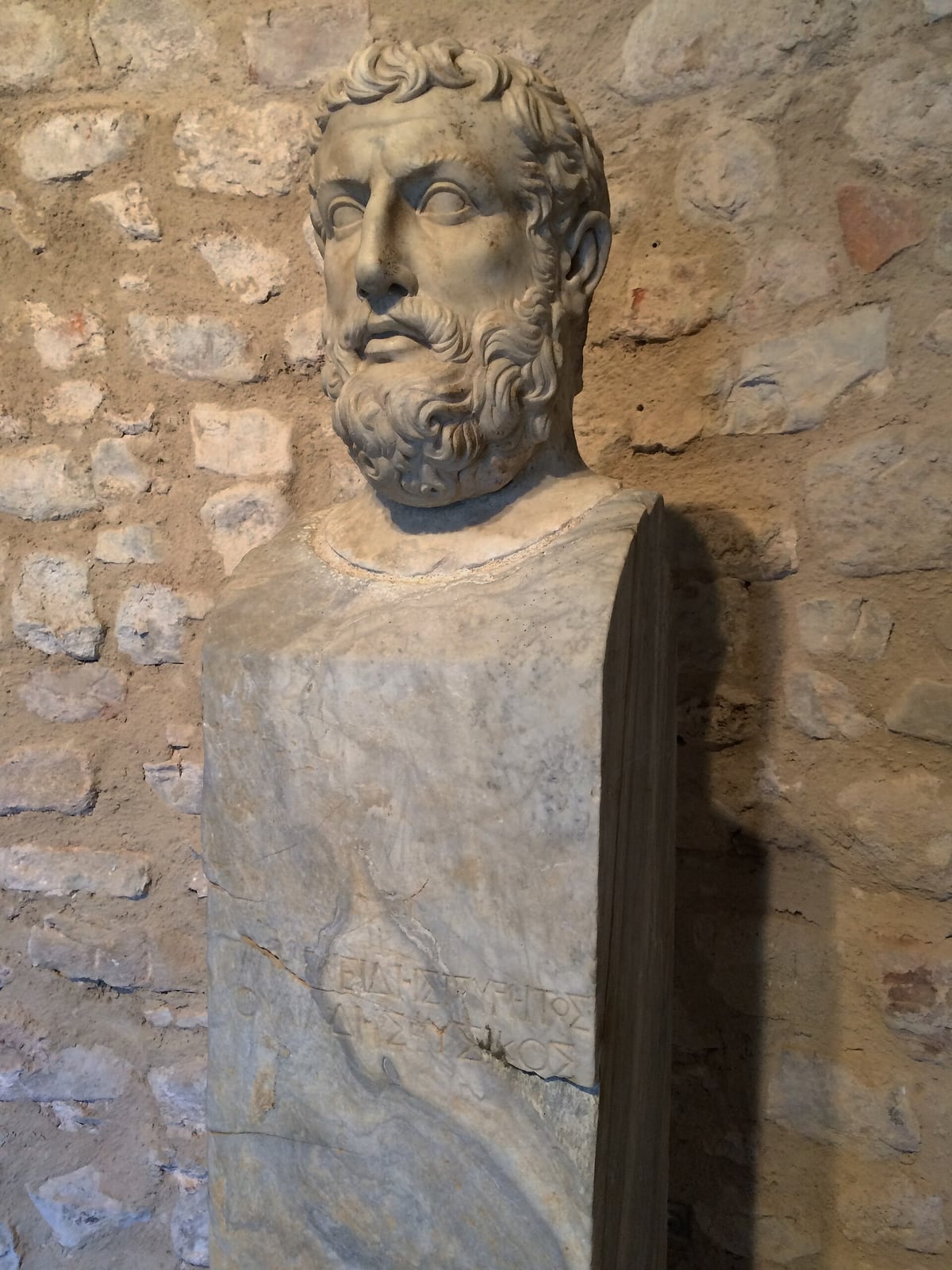
Parmenides
يتّفقان في: ما المطلق؟ هل الله موجود؟ · كيف يُبلَغ التحرّر أو الخلاص؟ · هل العالم حقيقي؟
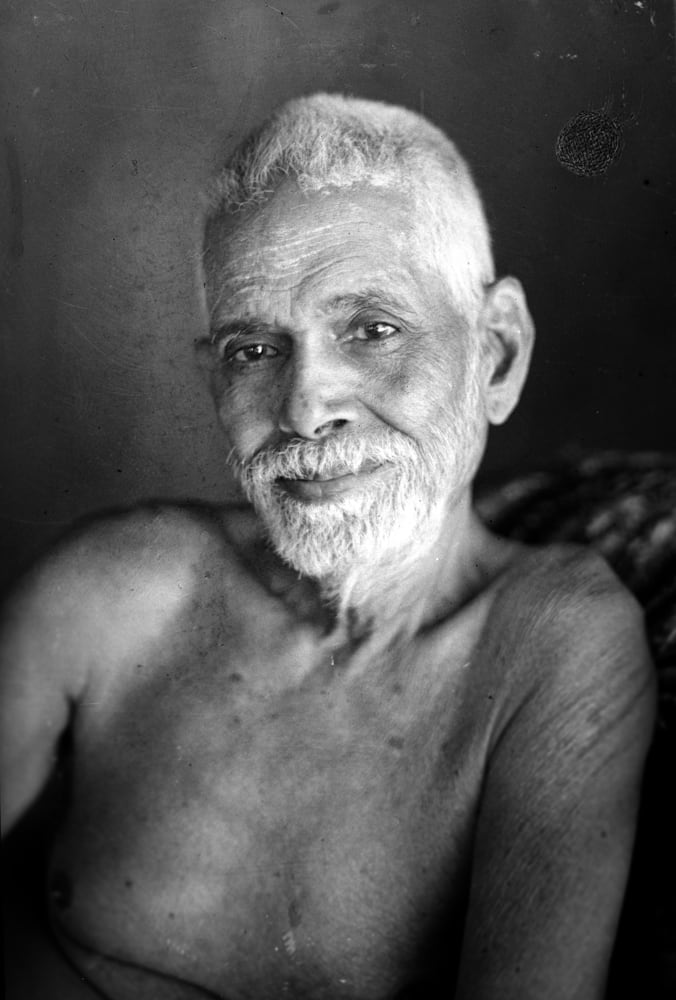
Ramana Maharshi
يتّفقان في: ما المطلق؟ هل الله موجود؟ · هل العالم حقيقي؟ · كيف يُبلَغ التحرّر أو الخلاص؟

Nisargadatta Maharaj
يتّفقان في: كيف يُبلَغ التحرّر أو الخلاص؟ · هل نحتاج إلى معلّم؟ · هل العالم حقيقي؟
Osho
يتّفقان في: ما المطلق؟ هل الله موجود؟ · من أنا؟ هل توجد ذات حقيقية؟ · لماذا نتألّم؟
حكايات وروايات
حكايات وروايات
شهادةfebrero de 1986
A cockroach on her foot
أصل الرواية: Katie's own account in the foreword of Loving What Is (2002) and in interviews. Allison Adato (Los Angeles Times, 2002) noted that the episode had been left out of the method's early literature and that several details cannot be corroborated; the detail of the mattress on the floor comes from her own account.
المصدر: Katie, Byron y Mitchell, Stephen. Loving What Is: Four Questions That Can Change Your Life. Nueva York: Harmony Books, 2002 (prólogo de Stephen Mitchell).
شهادة1986
'As if they had dropped off a different person'
أصل الرواية: Testimonies gathered by Allison Adato for the Los Angeles Times Magazine (24 November 2002).
شهادة1986–1992
The Barstow living room
أصل الرواية: Katie's account and testimony from her son Bob Robinson and Judith Avalon in the Los Angeles Times Magazine (2002).
موثّق1999
A tape before the Board of Psychology
أصل الرواية: Los Angeles Times Magazine (2002), based on Katie's account; the Board declined to comment and did not release the file.
موثّق1992–
Only for those who ask
أصل الرواية: Los Angeles Times Magazine (2002) and the official website, which offers the method in more than thirty languages.
التعاليم
التعاليم
المفاهيم التي ينتظم بها فكره، مشروحة في سياقها.
The Workel-trabajo
Formulated from 1986; systematic account in Loving What Is (2002). In academic research it is called inquiry-based stress reduction (IBSR).
المصدر: Katie, Byron y Mitchell, Stephen. Loving What Is: Four Questions That Can Change Your Life. Nueva York: Harmony Books, 2002 (prólogo de Stephen Mitchell).
The turnaroundla-inversion
Loving What Is (2002) and the official worksheet.
المصدر: Katie, Byron y Mitchell, Stephen. Loving What Is: Four Questions That Can Change Your Life. Nueva York: Harmony Books, 2002 (prólogo de Stephen Mitchell).
The three kinds of businesstres-asuntos
Loving What Is (2002), ch. 1.
المصدر: Katie, Byron y Mitchell, Stephen. Loving What Is: Four Questions That Can Change Your Life. Nueva York: Harmony Books, 2002 (prólogo de Stephen Mitchell).
Loving what isamar-lo-que-es
Loving What Is (2002); A Thousand Names for Joy (2007).
Inquiry-based stress reduction (IBSR)ibsr
Hook et al., Journal of Clinical Psychology (2021); Landau et al., JAMA Network Open (2021).
مقاطع الفيديو
مقاطع الفيديو
تسجيلات ومقابلات وأفلام وثائقية. تُشغَّل مقاطع الفيديو من YouTube؛ ولا تُستضاف هنا.
No One Can Wrong Me—The Work of Byron Katie
تسجيل أصلي· EN· 18 min
Byron Katieالقناة الرسمية
I Want Mom to Be Happy—The Work of Byron Katie
تسجيل أصلي· EN· 41 min
Byron Katieالقناة الرسمية
How to be Successful—The Work of Byron Katie
تسجيل أصلي· EN· 57 min
Byron Katieالقناة الرسمية
I'm Afraid of Trump—The Work of Byron Katie
تسجيل أصلي· EN· 2016· 37 min
Byron Katieالقناة الرسمية
The Work: A Two Hour Intensive | Byron Katie | Wisdom 2.0
محاضرة· EN· 119 min
Wisdom 2.0 with Soren Gordhamer
The four questions that can help your mind heal | Byron Katie
مقابلة· EN· 7 min
Big Think
Why You Shouldn't Look for Mr. Right | SuperSoul Sunday
مقابلة· EN· 2 min
OWN
The Question to Ask Yourself Every Day | SuperSoul Sunday
مقابلة· EN· 3 min
OWN
Cómo encontrar la iluminación con el poder de la auto indagación | Byron Katie & Lewis Howes
مقابلة· ES· 87 min
Lewis Howes Español
El cáncer frente a la indagación - El Trabajo de Byron Katie (subtítulos en español)
تسجيل أصلي· ES· 49 min
Sofía Torre
Le Travail de Byron Katie : Qui es tu sans ton histoire ?
تسجيل أصلي· FR· 23 min
Le Travail en Francophonie
العلاقات
العلاقات
تأثيرات وتلمذة وتقارب في الأفكار. تُميَّز العلاقة الموثّقة عن التشابه المستخلَص بالتحليل.
من عائلة
Stephen Mitchell
Her husband since the early 2000s, translator and writer; co-author of Loving What Is, A Thousand Names for Joy and A Mind at Home with Itself.
علاقة موثّقة
من عائلة
Ross Robinson
Her son, a music producer who credits The Work with improving his life.
علاقة موثّقة
معاصر لـ
The two share the book of texts and photographs Peace in the Present Moment (2010).
علاقة موثّقة
تراسل مع
Michael Katz
Co-author of I Need Your Love—Is That True? (2005).
علاقة موثّقة
أفكار قريبة من
A Thousand Names for Joy (2007) comments on the 81 chapters of the Tao Te Ching in Stephen Mitchell's version.
علاقة موثّقة
أفكار قريبة من
Ramana's self-enquiry ('who am I?') and Katie's fourth question ('who would you be without the thought?') share the same movement back to the subject, though she comes from no tradition.
تشابه مستخلَص بالتحليل
أفكار قريبة من
Both teach non-identification with thoughts and put direct experience above doctrine.
تشابه مستخلَص بالتحليل
معاصر لـ
Contemporary teachers with large English-speaking audiences who propose meeting distress rather than fleeing it, from different frameworks.
تشابه مستخلَص بالتحليل
مرتبط من صفحات أخرى
المصادر
المصادر
المراجع والفهارس التي رُوجعت لهذه الصفحة.
- Wikidata, «Byron Katie» (Q437339).
- «Byron Katie», Wikipedia en inglés y en español (consultadas para cotejar hechos y bibliografía; texto propio).
- Adato, Allison. «How a Self-Help Guru Is Born». Los Angeles Times Magazine, 24 de noviembre de 2002 (entrevistas con Byron Katie, Stephen Mitchell, sus hijos Roxann Burroughs, Bob y Ross Robinson y la terapeuta Pat Scales).
- Katie, Byron y Mitchell, Stephen. Loving What Is: Four Questions That Can Change Your Life. Nueva York: Harmony Books, 2002 (prólogo de Stephen Mitchell).
- The Work of Byron Katie, web oficial de Byron Katie International (método, hoja de trabajo, libros y actividades).
- «New Age: Four Questions to Inner Peace». Time, 11 de diciembre de 2000.
- Katie, Byron y Mitchell, Stephen. A Thousand Names for Joy: Living in Harmony with the Way Things Are. Nueva York: Harmony Books, 2007.
- Katie, Byron y Mitchell, Stephen. A Mind at Home with Itself: How Asking Four Questions Can Free Your Mind, Open Your Heart, and Turn Your World Around. Nueva York: HarperOne, 2017.
- Hook, Joshua N.; Penberthy, J. Kim; Davis, Don E.; Van Tongeren, Daryl R. «Inquiry-based stress reduction: A systematic review of the empirical literature». Journal of Clinical Psychology 77, n.º 6 (2021): 1280–1295.
- Landau, C. et al. «Effect of Inquiry-Based Stress Reduction on Well-being and Views on Risk-Reducing Surgery Among Women With BRCA Variants in Israel: A Randomized Clinical Trial». JAMA Network Open 4, n.º 12 (2021): e2139670.
- Open Library: obras y ediciones de Byron Katie (búsqueda por autor y por título).
- Matousek, Mark. «Quit Your Pain». AARP The Magazine, mayo-junio de 2006.
- Mitchell, Stephen (ed.). Question Your Thinking, Change the World: Quotations from Byron Katie. Carlsbad: Hay House, 2007.
- Registro bibliográfico de Mil nombres para el gozo (Barcelona: La Liebre de Marzo, 2009, trad. de Brianda Domecq), catálogo de bibliotecas públicas de Extremadura.
- صاحب الحقوق
- Byron Katie International, Inc. (marca «The Work of Byron Katie»); derechos de los libros según cada editorial
- الموقع الرسمي
- thework.com
في انتظار التأكيد
ما لم تتمكّن هذه الصفحة من حسمه بعد. نفضّل أن نقول ذلك على أن نملأ الفراغ.
- Imágenes: no hay en Wikimedia Commons ningún retrato de Byron Katie con licencia libre verificada; no se incluye ninguna.
- ISBN sin verificar en catálogo: Losing the Moon (1998), Peace in the Present Moment (2010), las ediciones españolas de Faro (Cuestiona tu pensamiento, cambia el mundo, 2011; Necesito que me quieran, ¿es eso verdad?, 2012) y otras traducciones (francés, italiano, portugués).
- Año exacto del matrimonio con Stephen Mitchell (la prensa de noviembre de 2002 lo sitúa unos dieciocho meses antes).
- Localizar la página de la cita «When I argue with reality, I lose…» en la edición impresa de Loving What Is.
- Vídeos: no hay en el canal oficial versiones en español; los dos vídeos en castellano son de terceros (doblaje y subtítulos).
- Persona viva: revisar periódicamente su actividad y nuevas publicaciones.
بُحث بتاريخ 2026-10-25