التانترا · البوذية · ماهايانا · البوذية التبتية
Tsongkhapa
ཙོང་ཁ་པ་བློ་བཟང་གྲགས་པ། · tsong kha pa blo bzang grags pa · རྗེ་རིན་པོ་ཆེ། · 宗喀巴
1357 – 1419شخصية موثّقة تاريخيًا
راهبٌ وفيلسوف ومصلح تبتي (1357–1419)، وُلد في إقليم أمدو وتلقّى تكوينه على مدى عقدين كاملين لدى معلّمين من جميع مدارس التبت الوسطى. وقد أسّس بتوليفه بين الانضباط الرهباني والدراسة القائمة على الاستدلال والطريق المتدرّج (لامريم) والتنترا، وبقراءته البراسانغيكية لناغارجونا، مدرسةَ الغيلوغ التي نشأت حول دير غاندن الذي أسّسه سنة 1409، وإليها ينتمي الدالاي لامات. وتقع مؤلفاته الكاملة في ثمانية عشر مجلدًا.
- مؤلَّفًا
- 175مؤلَّفًا
- طبعة
- 58طبعة
- اقتباسًا
- 5اقتباسًا
- مقطع فيديو
- 13مقطع فيديو
- صورة
- 7صورة

Tsongkhapa, pintura del siglo XVI (Rubin Museum of Art) · Public domain
بكلماته
«Without the wisdom that realises how things are, even if you have trained in renunciation and the mind of awakening you cannot cut the root of existence; therefore strive in the means of realising dependent origination.»Los tres aspectos principales del camino, estrofa 9 (texto tibetano de Lotsawa House; traducción del investigador)
فكرته المحورية
Stages of the path (lamrim): The lamrim is a way of organising all the Buddha's teachings as a graded itinerary for a single person.
السيرة
4 دقيقة قراءة
ترجمة مُعانة من الأصل الإسباني، بانتظار مراجعة مترجم من أهل اللغة.
راهبٌ من أمدو
وُلد تسونغخابا سنة 1357، في الشهر العاشر من عام ديك النار، في تسونغخا، وهي ناحية رعوية من إقليم أمدو في الشمال الشرقي من العالم التبتي؛ ومن اسم هذا المكان جاء اللقب الذي عرفه به التاريخ. وكان اسمه الرهباني لوبسانغ دراكبا، وسمّاه تلاميذه جي رينبوتشي، أي «السيّد النفيس». ويكاد كل ما نعرفه عن طفولته يرجع إلى السِّيَر التي كتبها هؤلاء التلاميذ أنفسهم، ولا سيما خيدروب غيليك بيلزانغ، في السنوات التي أعقبت وفاته: فبحسبها تلقّى في الثالثة من عمره نذور العلمانيين على يد الكارمابا الرابع رولبي دورجي، ورُسِم مبتدئًا في السابعة على يد معلّمه الأول تشوجي دوندروب رينتشين، الذي نشّأه في تقليد الكادامبا.
عشرون عامًا من التعلّم
في سنة 1372، وهو في السادسة عشرة، رحل إلى التبت الوسطى، ولم يعد منها قطّ. وتلا ذلك تكوينٌ بلغ من الاتساع حدًّا استثنائيًا حتى بمقاييس عصره: الطبّ وممارسات الكاغيو في دريكونغ لدى تشينغا تشوكيي غيالبو، و«كمال الحكمة» في مدرسة نييثانغ ديواتشين، والأبهيدارما و«الطريق الأوسط» لدى العالم الساكيّ ريندوا جونّو لودرو، معلّمه الحاسم، والكالاتشاكرا لدى معلّمين من تقليد الجونانغ. وفي التاسعة عشرة خاض أولى مناظراته العلنية، ونحو الخامسة والعشرين نال الرسامة الرهبانية الكاملة. وسجلّ التعاليم التي تلقّاها، المحفوظ في المجلد الأول من مؤلفاته، يعدّد سلاسل إسناد من المدارس كلها، وهو ما يفسّر لماذا يقدّمه التقليد بوصفه مُركِّبًا عظيمًا لا مؤسسًا لفرقة.
وفي 1388–1389 أتمّ أول أعماله الكبرى، «الإكليل الذهبي للبيان الحسن»، وهو شرح ضخم على «زينة التحقق الجليّ» كرّسه عالمًا. غير أن المدرسيّ الشاب لم يكن راضيًا عن فهمه للخواء. ونحو 1390 تعرّف إلى لاما أومابا، وهو متصوّف من شرق التبت كان، بحسب السِّيَر، وسيطًا لدى مانجوشري، بوديساتفا الحكمة؛ ومن خلاله، ثم مباشرةً — دائمًا بحسب تلك الروايات — يُقال إن تسونغخابا عرض شكوكه الفلسفية على الإله. فجاء الجواب وصيةً عملية: أن يترك التعليم حينًا، ويعتزل، ويطهّر نفسه.
خلوة وولخا
ابتداءً من 1392 اعتزل مع جماعة صغيرة من التلاميذ، ثمانية بحسب التقليد، في وادي وولخا جنوب شرق لاسا. وهناك، كما يروي كتّاب سيرته، أدّى مئات الآلاف من السجدات أمام بوذات الاعتراف الخمسة والثلاثين، ورمّم التمثال الكبير لمايتريا في دير دزينغتشي، وتلقّى من المعلّم لودراك نامخا غيالتسن تعاليم الكادامبا في الطريق المتدرّج. ونحو 1397–1398، بعد أن رأى في المنام ناغارجونا وتلاميذه، يُقال إنه بلغ الفهم النهائي للخواء وهو يقرأ شرح بوذاباليتا على «الأبيات الأساسية في الطريق الأوسط». والأحلام والرؤى من شأن أدب المناقب؛ أما الثابت فهو تحوّل عمله نحو القراءة البراسانغيكية لناغارجونا، التي ظلّ يدافع عنها حتى النهاية، والقصيدة التي تحتفي بها، «مديح النشوء المترابط».
الرسائل الكبرى
في سنة 1402، في دير رادرينغ (ريتينغ)، الذي أسّسه في القرن الحادي عشر درومتونبا، تلميذ أتيشا، أتمّ «الرسالة الكبرى في مراتب الطريق إلى اليقظة»، أي «لامريم تشينمو». وفي العام نفسه جمع الجماعة الرهبانية في نامتسي دينغ لإحياء الالتزام بالفينايا، اقتناعًا منه بأن الانضباط شرطُ كل ما عداه. ثم تلتها الرسائل في أخلاق البوديساتفا والأخلاق التنترية (1403)، و«العرض الكبير للمانترا السرية» (1405)، و«جوهر البيان الحسن» و«محيط الاستدلال»، اللذان وضعهما في صومعة سيرا تشودينغ بين 1407 و1408، و«السراج الذي يضيء المراتب الخمس» (1411)، و«اللامريم الأوسط» (1415)، ثم في 1418 «إيضاح المقصد»، آخر شروحه الكبرى.
ثمة قناعة واحدة تسري في هذه الكتب. فالاستدلال عند تسونغخابا ليس عدوّ التأمل بل أداته: إذ ينبغي إدراك الخواء بالتحليل، ومجرّد تعليق الفكر لا يفضي إليه. ثم إن الخواء لا يهدم العالم الاصطلاحي؛ بل لأن لا شيء يوجد بذاته تحديدًا، تُنتج الأسبابُ نتائجَها ويكون للأخلاق معنى. ومن هنا إلحاحه على تعيين «موضوع النفي» بدقة، كي لا يُنفى أقلّ مما ينبغي ولا أكثر، ونقده لمن كانوا في التبت يخلطون بين الخواء والعدم، أو بين التأمل وغياب الأفكار.
لاسا، 1409
بلغت مكانته البلاط الصيني. ففي 1407، ثم مرة أخرى في 1413، دعاه الإمبراطور يونغله من سلالة مينغ إلى زيارته؛ فاعتذر تسونغخابا، ورسالته الجوابية محفوظة بين كتاباته المتفرقة. وبدلًا منه سافر إلى البلاط، بعد سنوات، تلميذه شاكيا يِشي. وفي الشهر الأول من سنة 1409، برعاية الحاكم الفاغمودروبي دراكبا غيالتسن، افتتح في معبد جوخانغ بلاسا «مهرجان الدعاء الكبير» (مونلام تشينمو)، الذي ظلّ يُقام كل عام حتى 1959. وفي العام نفسه أسّس على جبل دروك ريوو دير غاندن، أي «البهيج»، وهو اسم الأرض الطاهرة لمايتريا.
وحول غاندن تكوّنت الجماعة التي ستسمّيها الأجيال اللاحقة «غيلوغ»، أي «أهل التقليد الفاضل». وأكثر تلاميذه من تأسيس الأديرة: فافتتح جاميانغ تشوجي تاشي بالدن دير دريبونغ سنة 1416، وجامتشن تشوجي شاكيا يِشي دير سيرا سنة 1419. وكان غيالتساب دارما رينتشين وخيدروب غيليك بيلزانغ خليفتيه في العلم، فيما اعتُرف لاحقًا بتلميذ آخر، غيندون دروب، بوصفه أول دالاي لاما.
الموت والإرث
توفي تسونغخابا في غاندن سنة 1419، في اليوم الخامس والعشرين من الشهر التبتي العاشر، وهو تاريخ تحييه أديرة الغيلوغ منذ ذلك الحين بعيد المصابيح «غاندن نغامتشو». ويروي التقليد أنه سلّم قبل وفاته قلنسوته وعباءته إلى غيالتساب جي، أول من اعتلى عرش غاندن. وظلّ جسده، المحفوظ في ستوبا من فضة وذهب، موضع تبجيل أكثر من خمسة قرون؛ وبعد تدمير الدير سنة 1959 وفي أثناء الثورة الثقافية أُحرق، ولم يَنجُ منه، بحسب الشهادة التي دوّنها توماس ليرد، سوى الجمجمة وجزء من الرماد.
قليلةٌ هي شخصيات البوذية التبتية التي أحاطت بها الأسطورة إلى هذا الحد. ففي 1845 وجد المبشّر الفرنسي إيفاريست هوك في كومبوم، الدير المشيَّد في مسقط رأسه، شجرةً قال الرهبان إن أوراقها تُظهر حروفًا مقدسة منذ أن ألقت أمّه شعرها هناك؛ ورآها هوك ولم يعرف لها تفسيرًا. وتتحدث السِّيَر عن رؤى لمانجوشري وعن علامات خارقة؛ أما كتاباته هو فتكشف قارئًا لا يكلّ للنصوص الهندية، متشددًا في التعامل مع المصادر، يكتب كي يستطيع الآخرون أن يستدلّوا بأنفسهم. وهذا العمل، الذي يقع في ثمانية عشر مجلدًا في طبعة تاشي لونبو، لا يزال لبّ التكوين في أديرة الغيلوغ وفي تعاليم الدالاي لاما الحالي.
المصادر: Jinpa, Thupten. Tsongkhapa: A Buddha in the Land of Snows. Boulder: Shambhala Publications, 2019. ISBN 9781611806465. · Thurman, Robert A. F. (ed.). The Life and Teachings of Tsong Khapa. Dharamsala: Library of Tibetan Works and Archives, 1982; nueva ed. 2006, ISBN 9788186470442. Incluye la traducción de la biografía tradicional y de varias obras breves. · Tsong-kha-pa. The Great Treatise on the Stages of the Path to Enlightenment. Trad. Lamrim Chenmo Translation Committee; ed. Joshua W. C. Cutler y Guy Newland. 3 vols. Ithaca (NY): Snow Lion, 2000–2004. ISBN 9781559391528, 9781559391689, 9781559391665. · Tsongkhapa. Ocean of Reasoning: A Great Commentary on Nāgārjuna's Mūlamadhyamakakārikā. Trad. Geshe Ngawang Samten y Jay L. Garfield. Nueva York: Oxford University Press, 2006. ISBN 9780195147339. · Thurman, Robert A. F. Tsong Khapa's Speech of Gold in the Essence of True Eloquence: Reason and Enlightenment in the Central Philosophy of Tibet. Princeton: Princeton University Press, 1984. ISBN 9780691072852 (reed. como The Central Philosophy of Tibet, 1991, ISBN 9780691020679).
الخط الزمني
الحياة عامًا بعد عام
كل نقطة حدث موثّق. انقر لتقرأه مع مصدره ودرجة اليقين فيه.
1357أقل من عامTsongkha, Amdo
Birth
Born in the tenth month of the fire-bird year at Tsongkha (Amdo), into a herding family.
موثّقSparham, Gareth, y Chandra Chiara Ehm. «Tsongkhapa». En Edward N. Zalta (ed.), The Stanford Encyclopedia of Philosophy. Primera publicación 18 de julio de 2011; revisión sustancial 17 de abril de 2024.
بعد وفاته
- 1845Huc at Kumbum
- نحو 1966Destruction of the tomb
1357 · أقل من عام
Birth
Born in the tenth month of the fire-bird year at Tsongkha (Amdo), into a herding family.
موثّق
نحو 1360 · 3 أعوام
Lay vows from the fourth Karmapa
According to his biographies he receives lay vows and the name Kunga Nyingpo from the fourth Karmapa, Rolpe Dorje.
تقليد
نحو 1363 · 7 أعوام
Novice ordination
He is ordained a novice by Chöje Döndrub Rinchen, his first teacher, receiving the name Losang Drakpa.
تقليد
1372 · 16 عامًا
Departure for central Tibet
He leaves Amdo to study in central Tibet and will never return home. He reaches Drikung in the autumn of 1373.
موثّق
1375 · 19 عامًا
First public debates
He holds his first formal debates on the great treatises.
موثّق
نحو 1381 · 25 عامًا
Full ordination
He receives full monastic ordination at about twenty-five.
مرجَّح
نحو 1389 · 32 عامًا
The Golden Garland
He completes his commentary on the Abhisamayālaṃkāra (1388–1389), his first major work; that year he makes a Cakrasaṃvara retreat in Yarlung.
موثّق
نحو 1390 · 33 عامًا
Meeting Lama Umapa
He meets the mystic Umapa, through whom, according to the biographies, he consults Mañjuśrī.
تقليد
نحو 1392 · 35 عامًا
The Wölkha retreat
He withdraws with eight disciples to Wölkha; prostrations, purification and restoration of the Dzingchi Maitreya.
تقليد
نحو 1397 · 40 عامًا
Insight into emptiness
After dreaming of Nāgārjuna and his disciples he attains, according to tradition, a definitive understanding of emptiness while reading Buddhapālita; he composes the Praise of Dependent Origination.
تقليد
1402 · 45 عامًا
The Lamrim Chenmo
He completes the Great Treatise on the Stages of the Path and gathers the community at Namtsé Deng to restore the vinaya.
موثّق
1405 · 48 عامًا
The Ngagrim Chenmo
He completes the Great Exposition of Secret Mantra.
موثّق
1407 · 50 عامًا
The Yongle emperor's invitation; the Essence of Eloquence
He declines the invitation to the Ming court (repeated in 1413) and composes the Essence of Eloquence and the Ocean of Reasoning at Sera Chöding (1407–1408).
موثّق
1409 · 52 عامًا
Great Prayer Festival and founding of Ganden
He institutes the Monlam Chenmo at the Jokhang in the first month, with Drakpa Gyaltsen's patronage, and founds Ganden monastery.
موثّق
1415 · 58 عامًا
The Middle-Length Lamrim
He composes the middle-length version of the stages of the path.
موثّق
1416 · 59 عامًا
Founding of Drepung
His disciple Jamyang Chöje Tashi Palden founds Drepung.
موثّق
1418 · 61 عامًا
Illuminating the Intent
He composes his last great commentary, on Candrakīrti's Entering the Middle Way.
موثّق
1419 · 62 عامًا
Death
He dies at Ganden on the 25th day of the tenth Tibetan month; that year his disciple Shakya Yeshe founds Sera.
موثّق
1845
Huc at Kumbum
The missionary Évariste Huc describes Kumbum's 'tree of ten thousand images' and the legend of its origin.
موثّق
نحو 1966
Destruction of the tomb
After Ganden's destruction (1959) and during the Cultural Revolution his preserved body is burned; remains were saved according to testimonies.
موثّق
المؤلَّفات
المؤلَّفات الأساسية
المؤلَّفات التي لا يُفهم إرثه من دونها.

مؤلَّف مكتوب · 1402
Great Treatise on the Stages of the Path to Enlightenment (Lamrim Chenmo)
སྐྱེས་བུ་གསུམ་གྱི་ཉམས་སུ་བླང་བའི་རིམ་པ་ཐམས་ཅད་ཚང་བར་སྟོན་པའི་བྱང་ཆུབ་ལམ་གྱི་རིམ་པ། (skyes bu gsum gyi nyams su blang ba'i rim pa thams cad tshang bar ston pa'i byang chub lam gyi rim pa)
His most widely read work and the founding text of the Geluk school. Finished in 1402 at Radreng (Reting) monastery, it expands Atiśa's Lamp for the Path into a complete course for the 'three types of person': one who seeks a good rebirth, one who seeks liberation and one who aspires to buddhahood for the sake of others. Its last two sections, on calm abiding (śamatha) and special insight (vipaśyanā), contain his mature account of emptiness and of the 'object of negation'. It fills vol. 13 (pa) of the collected works.
11 طبعة

مؤلَّف مكتوب · 1405
Great Exposition of Secret Mantra (Ngagrim Chenmo)
རྒྱལ་བ་ཁྱབ་བདག་རྡོ་རྗེ་འཆང་ཆེན་པོའི་ལམ་གྱི་རིམ་པ་གསང་བ་ཀུན་གྱི་གནད་རྣམ་པར་ཕྱེ་བ། (rgyal ba khyab bdag rdo rje 'chang chen po'i lam gyi rim pa gsang ba kun gyi gnad rnam par phye ba)
The tantric counterpart of the Lamrim Chenmo, completed in 1405. It sets out systematically the four classes of tantra (action, performance, yoga and highest yoga), the difference between the perfection vehicle and the mantra vehicle, the requirements of initiation and vows, deity yoga and the generation and completion stages of Guhyasamāja. Its central thesis is that tantra does not replace renunciation, bodhicitta and the view of emptiness but presupposes them. It fills vol. 3 (ga).
7 طبعات

مؤلَّف مكتوب · 1407
Essence of Eloquence: Treatise Differentiating the Interpretable and the Definitive
དྲང་བ་དང་ངེས་པའི་དོན་རྣམ་པར་འབྱེད་པའི་བསྟན་བཅོས་ལེགས་བཤད་སྙིང་པོ། (drang ba dang nges pa'i don rnam par 'byed pa'i bstan bcos legs bshad snying po)
Composed in 1407–1408 at the Sera Chöding hermitage above Lhasa, it is his hermeneutical work: how to decide which of the Buddha's teachings are to be taken literally and which require interpretation. It goes through the Mind-Only (Yogācāra) reading of the Saṃdhinirmocana, then those of Bhāviveka and Candrakīrti within Madhyamaka, concluding in favour of the Prāsaṅgika approach. Tradition regards it as the most difficult of his books. Vol. 14 (pha).
3 طبعات

مراسلات
The Three Principal Aspects of the Path
ལམ་གྱི་གཙོ་བོ་རྣམ་གསུམ། (lam gyi gtso bo rnam gsum)
Fourteen stanzas sent as a letter to his disciple Tsakho Önpo Ngawang Drakpa in Gyalmorong (eastern Tibet), and preserved among the miscellaneous writings (vol. 2, kha). They reduce the whole path to three dispositions: renunciation or the determination to be free, bodhicitta, and the correct view of emptiness understood as compatible with dependent origination. It is probably the most widely taught and memorised text by Tsongkhapa in the Tibetan world.
4 طبعات
جميع مؤلَّفاته (175)

Ocean of Reasoning: Great Commentary on the Fundamental Verses of the Middle Way
1408
Tsongkhapa
Illuminating the Intent: Extensive Exposition of Entering the Middle Way
The Conscious LibraryIlluminating the Intent: Extensive Exposition of Entering the Middle Way
1418

Middle-Length Treatise on the Stages of the Path to Enlightenment
1415

Concise Presentation of the Practice of the Stages of the Path (Lines of Experience)

In Praise of Dependent Origination: The Essence of Eloquence
1398

Golden Garland of Eloquence: Commentary on the Ornament for Clear Realization
1389

A Lamp to Illuminate the Five Stages
1411

Fulfilling All the Hopes of Disciples: Commentary on the Fifty Verses on the Guru

Ear of Accomplishments: Explanation of the Ethics of Secret Mantra
1403

The Main Path to Awakening: Explanation of Bodhisattva Ethics
1403

A Book of Three Inspirations: Guide to the Six Yogas of Nāropa

Ocean of Eloquence: Extensive Commentary on the Difficult Points of Mind and the Foundation Consciousness
Tsongkhapa
Gateway to the Seven Treatises: Dispelling the Darkness of the Mind of Seekers
The Conscious LibraryGateway to the Seven Treatises: Dispelling the Darkness of the Mind of Seekers

Stairway for Clear Minds: Presentation of the Great Beings who Enter and Abide in the Fruits
Tsongkhapa
Illumination of All Hidden Meanings: Extensive Commentary on the Concise Cakrasaṃvara Tantra
The Conscious LibraryIllumination of All Hidden Meanings: Extensive Commentary on the Concise Cakrasaṃvara Tantra
Tsongkhapa
Commentary on the Jñānavajrasamuccaya
The Conscious LibraryCommentary on the Jñānavajrasamuccaya
1410
Tsongkhapa
Annotations on the Brilliant Lamp (Candrakīrti's Guhyasamāja commentary)
The Conscious LibraryAnnotations on the Brilliant Lamp (Candrakīrti's Guhyasamāja commentary)
Tsongkhapa
How He Met the Great Adept of Lhodrak; and the Cycle of the Tooth Given to Khedrup Je
The Conscious LibraryHow He Met the Great Adept of Lhodrak; and the Cycle of the Tooth Given to Khedrup Je
Tsongkhapa
Profound and Special Guru Yoga, Given by Tsongkhapa to Khedrup as a Single-Lineage Transmission
The Conscious LibraryProfound and Special Guru Yoga, Given by Tsongkhapa to Khedrup as a Single-Lineage Transmission
Tsongkhapa
Guru Yoga Given to Baso Chöje as a Single-Lineage Transmission
The Conscious LibraryGuru Yoga Given to Baso Chöje as a Single-Lineage Transmission
Tsongkhapa
Record of Teachings Received (gsan yig)
The Conscious LibraryRecord of Teachings Received (gsan yig)
Tsongkhapa
Garland of Nectar of Supreme Medicine: Replies
The Conscious LibraryGarland of Nectar of Supreme Medicine: Replies
Tsongkhapa
Precepts for the Fully Ordained Monk, Known as 'of Namtsé Deng'
The Conscious LibraryPrecepts for the Fully Ordained Monk, Known as 'of Namtsé Deng'
Tsongkhapa
Precepts for the Novice, Known as 'of Namtsé Deng'
The Conscious LibraryPrecepts for the Novice, Known as 'of Namtsé Deng'
الأقوال
أقوال محدَّدة الموضع في مؤلَّف بعينه. كل منها يحمل مصدره ودرجة الثقة به.
Without the wisdom that realises how things are, even if you have trained in renunciation and the mind of awakening you cannot cut the root of existence; therefore strive in the means of realising dependent origination.གནས་ལུགས་རྟོགས་པའི་ཤེས་རབ་མི་ལྡན་ན། །ངེས་འབྱུང་བྱང་ཆུབ་སེམས་ལ་གོམས་བྱས་ཀྱང༌། །སྲིད་པའི་རྩ་བ་བཅད་པར་མི་ནུས་པས། །དེ་ཕྱིར་རྟེན་འབྲེལ་རྟོགས་པའི་ཐབས་ལ་འབད། །
متحقَّق منهLos tres aspectos principales del camino, estrofa 9 (texto tibetano de Lotsawa House; traducción del investigador)
أقوال منحولة أو مختلَف في نسبتها (1)
«The more you understand emptiness, the more respect you will have for the law of cause and effect.»
Circulates online as a literal quotation from Tsongkhapa. It has not been located in this form in any of his works; it is a popular paraphrase of an idea he does develop (the compatibility of emptiness and dependent origination in the Three Principal Aspects and the Praise of Dependent Origination).
الكلمات الأخيرة
لا توجد سجلات يمكن التحقق منها لكلماته الأخيرة.
No reliable last words survive. His disciples' biographies describe his death at Ganden, in meditation, on the 25th of the tenth month of 1419, and tradition adds that he handed his hat and cloak to Gyaltsab Je as a sign of succession, but they transmit no final sentence that can be attributed to him.
المصدر: Jinpa, Thupten. Tsongkhapa: A Buddha in the Land of Snows. Boulder: Shambhala Publications, 2019. ISBN 9781611806465.
اسأل
بماذا يجيب أثره
اثنا عشر سؤالًا كبيرًا من أسئلة الإنسانية، وما تتيح نصوصه الإجابة به عنها، مع المراجع. ولا نقوّله ما لم يقل أبدًا.
ما المطلق؟ هل الله موجود؟
Nothing escapes emptiness, neither a god nor an Absolute
لا إله خالقيُستنتج من تعاليمه
Tsongkhapa does not devote a treatise to denying God: together with all the Indian scholasticism he comments on, he takes for granted the Buddhist critique of an eternal creator. What occupies his work is more radical. In the Praise of Dependent Origination he venerates the Buddha precisely for having seen and taught that everything arises dependently, and in the section on special insight in the Great Treatise on the Stages of the Path he carefully defines the «object of negation»: intrinsic existence, which nothing possesses. Neither a god nor an impersonal Absolute escapes this analysis; emptiness itself is empty. The buddhas, to whom he addresses prayers and praises, are not creators but beings who have completed the path; taking refuge in them is justified because they teach how to be liberated, not because they govern the world.
قارن هذا السؤال مع معلّمين آخرينمن أنا؟ هل توجد ذات حقيقية؟
The self exists only as a designation; what is negated is its intrinsic existence
لا توجد ذات دائمةيقوله صراحةً
Tsongkhapa devoted much of his work to specifying exactly what is negated when one says there is no self. In the section on special insight in the Great Treatise on the Stages of the Path he distinguishes the conventional self, which acts, remembers and reaps the fruits of its deeds, from the self that exists by itself, which is the «object of negation». Negating too much leads to nihilism and destroys ethics; negating too little leaves clinging intact. The person exists as a mere designation on the aggregates, and precisely for that reason it functions: if it had its own existence it could not change. The Three Principal Aspects of the Path sums up the consequence: without the wisdom that understands how things are, neither renunciation nor the mind of awakening cuts the root of existence.
قارن هذا السؤال مع معلّمين آخرينلماذا نتألّم؟
The root of saṃsāra is clinging to an existence that nothing has
التعلّق والشهوةيقوله صراحةً
The Great Treatise on the Stages of the Path devotes its middle section to contemplating the suffering of cyclic existence in order to awaken renunciation: the suffering of pain, that of change and the one that pervades all that is conditioned. Its origin is the afflictions and the karma they impel, and among them attachment keeps the wheel turning. But Tsongkhapa insists that the root is not cut by renunciation or compassion alone: in the Three Principal Aspects of the Path he warns that, without the wisdom that understands how things are, the root of existence cannot be cut (verse 9). That root is the ignorance that clings to self and things as though they existed intrinsically. We suffer because we cling to what we believe solid.
قارن هذا السؤال مع معلّمين آخرينماذا يحدث بعد الموت؟
Death is certain, its hour uncertain, and only the Dharma helps
الولادة من جديد وفق الكارمايقوله صراحةً
In the section on the initial scope of the Great Treatise on the Stages of the Path, Tsongkhapa arranges the meditation on death around three roots: death is certain, its moment uncertain, and at that moment nothing helps except the Dharma. From there he moves to the sufferings of the lower destinies, to refuge and to the law of karma, because what determines the next birth is one's actions. Rebirth is not for him an inherited, unexamined belief: mind does not arise from matter but from a previous instant of the same nature, which requires a continuity before and after this life. His work also includes tantric instructions for the moment of death, such as the transference of consciousness.
قارن هذا السؤال مع معلّمين آخرينكيف يُبلَغ التحرّر أو الخلاص؟
A path in stages: renunciation, the mind of awakening and correct view
بالممارسة المنضبطةيقوله صراحةً
Tsongkhapa's work is the most systematic exposition of the gradual path in Tibetan Buddhism. The Great Treatise on the Stages of the Path arranges practice into three scopes: that of one who seeks a good rebirth, that of one who seeks liberation from the cycle and that of one who aspires to buddhahood for the good of all. The Three Principal Aspects of the Path condenses it into renunciation, the mind of awakening and correct view of emptiness, and warns that without the last the other two do not cut the root. Wisdom is not a sudden intuition: it is cultivated by uniting mental calm and special insight, with study, reflection and analytical meditation. Monastic ethics and, at its culmination, tantra complete a path that demands discipline and perseverance.
قارن هذا السؤال مع معلّمين آخرينهل نحتاج إلى معلّم؟
Relying on the master is the root of the path; examining him first, too
لا غنى عنهيقوله صراحةً
The Great Treatise on the Stages of the Path opens its practical exposition with how to rely on the spiritual master, which it presents as the root of the whole path. Tsongkhapa lists the qualities the master must have, drawing on the Ornament of the Sūtras: disciplined, serene, pacified, wiser than the disciple, with knowledge of emptiness and compassion. He asks the disciple to examine him before committing and then to serve him in thought and deed. In the tantric domain, his commentary on the Fifty Verses on the Master regulates the relationship in detail. The figure of the master is indispensable because the path is long and subtle; but it does not cancel critical study, which he himself practised rigorously on the Indian texts.
قارن هذا السؤال مع معلّمين آخرينهل العالم حقيقي؟
Appearance dispels the extreme of existence; emptiness, that of nothingness
شبكة أسباب بلا جوهريقوله صراحةً
Tsongkhapa made dependent origination the centre of his work and of his devotion. In the Praise of Dependent Origination he venerates the Buddha for having seen and taught it, and in the Three Principal Aspects of the Path he formulates his most characteristic thesis: as long as the understanding of appearances, which arise dependently and do not deceive, and that of emptiness present themselves separately, one has not yet understood the Buddha's intent (verse 11). The two imply each other: precisely because things arise dependently they are empty, and because they are empty they can arise and function. Hence, he adds, appearance dispels the extreme of existence and emptiness that of non-existence (verse 13). The world is fully valid conventionally and lacks intrinsic existence.
قارن هذا السؤال مع معلّمين آخرينما الحب؟
See all as mothers swept by four rivers and take on their liberation
رحمة بلا حدوديقوله صراحةً
In the Great Treatise on the Stages of the Path, Tsongkhapa systematised the two Indian and Tibetan methods for generating the mind of awakening: the seven instructions of cause and effect, which begin by recognising all beings as mothers in previous lives, remembering their kindness and wishing to repay it, and the method of equalising and exchanging self with others, inherited from Śāntideva. From love, which wishes their happiness, arises compassion, which cannot bear their suffering, and from it the extraordinary intention to take their liberation upon oneself. The Three Principal Aspects of the Path condenses it in an image: beings are swept along by the four rivers of birth, ageing, sickness and death, and seeing this awakens the supreme mind.
قارن هذا السؤال مع معلّمين آخرينهل نحن أحرار أم أن كل شيء مقدَّر؟
Karma is certain and grows, but it can be purified and redirected
الكارما والاختياريقوله صراحةً
In the section on the initial scope of the Great Treatise on the Stages of the Path, Tsongkhapa sets out the laws of karma as the Indian tradition records them: it is certain, because happiness arises from virtue and suffering from non-virtue; it multiplies, because a small act can yield a great fruit; one does not meet what one has not done; and what has been done is not lost by itself. But this determinism is not closed: the same treatise teaches how to purify negative karma through regret, the antidote, the resolve not to repeat it and refuge. Emptiness, far from cancelling causality, is what makes it possible, because only what lacks intrinsic existence can change. Present choice is real on the conventional level.
قارن هذا السؤال مع معلّمين آخرينلماذا نتأمّل أو نصلّي؟
Unite mental calm and special insight; meditation is also analysis
رؤية الواقع كما هويقوله صراحةً
The last two sections of the Great Treatise on the Stages of the Path are devoted to mental calm (śamatha) and special insight (vipaśyanā). Tsongkhapa explains how to develop stable concentration, without laxity or agitation, and how to use it to examine the nature of things. His most characteristic thesis is that analytical meditation is not an obstacle to concentration but part of it: whoever merely fixes the mind without examining does not cut the root of cyclic existence. Special insight consists in understanding emptiness with a concentrated mind, until calm and analysis sustain each other. Prayer, supplications to the lineage and tantric practice have their place, but in the service of that understanding.
قارن هذا السؤال مع معلّمين آخرينهل يستطيع العقل أن يعرف الحقيقة القصوى؟
Reason decides which scripture is definitive and leads to emptiness
النصّ المقدّس والاستدلاليقوله صراحةً
Tsongkhapa grants reason a larger role than almost any other Tibetan Buddhist author. In the Essence of Eloquence he addresses a classic problem: the sūtras say different things, and one must distinguish those of interpretable meaning from those of definitive meaning. That distinction cannot be made by appeal to another scripture, which would be circular, but by reasoning. Scripture is a source of knowledge, but reason interprets it. Likewise, emptiness is first understood inferentially, through analysis, and only afterwards, by meditative familiarisation, directly and non-conceptually. Hence he criticises those who scorn analysis in the name of a thought-free experience: without reasoning, meditation does not cut the root of ignorance.
قارن هذا السؤال مع معلّمين آخرينالانسحاب من العالم أم تغييره؟
Withdraw into solitude and fulfil your purpose soon; then reform the community
الانسحاب لكي نجديقوله صراحةً
The Three Principal Aspects of the Path ends with an exhortation: when you have understood the essential points for yourself, withdraw into solitude, rouse the strength of effort and soon fulfil your ultimate purpose (verse 14). Tsongkhapa practised what he taught: he spent years in retreat with a small group of disciples before his maturity as a teacher. But his life is not exhausted in retreat. He restored monastic discipline, founded the monastery of Ganden, instituted the Great Prayer of Lhasa in 1409, with rules he himself set, and wrote letters of advice to rulers and to the Ming emperor. Retreat is the condition of realisation; the well-ordered monastic community is the place where that realisation is preserved and transmitted.
قارن هذا السؤال مع معلّمين آخرين
التقارب والتوتّر
التقارب والتوتّر
محسوبة سؤالًا سؤالًا انطلاقًا من مواقفه. وسبب كل اتفاق أو اختلاف يظهر بالنقر.
يقترب في تفكيره من
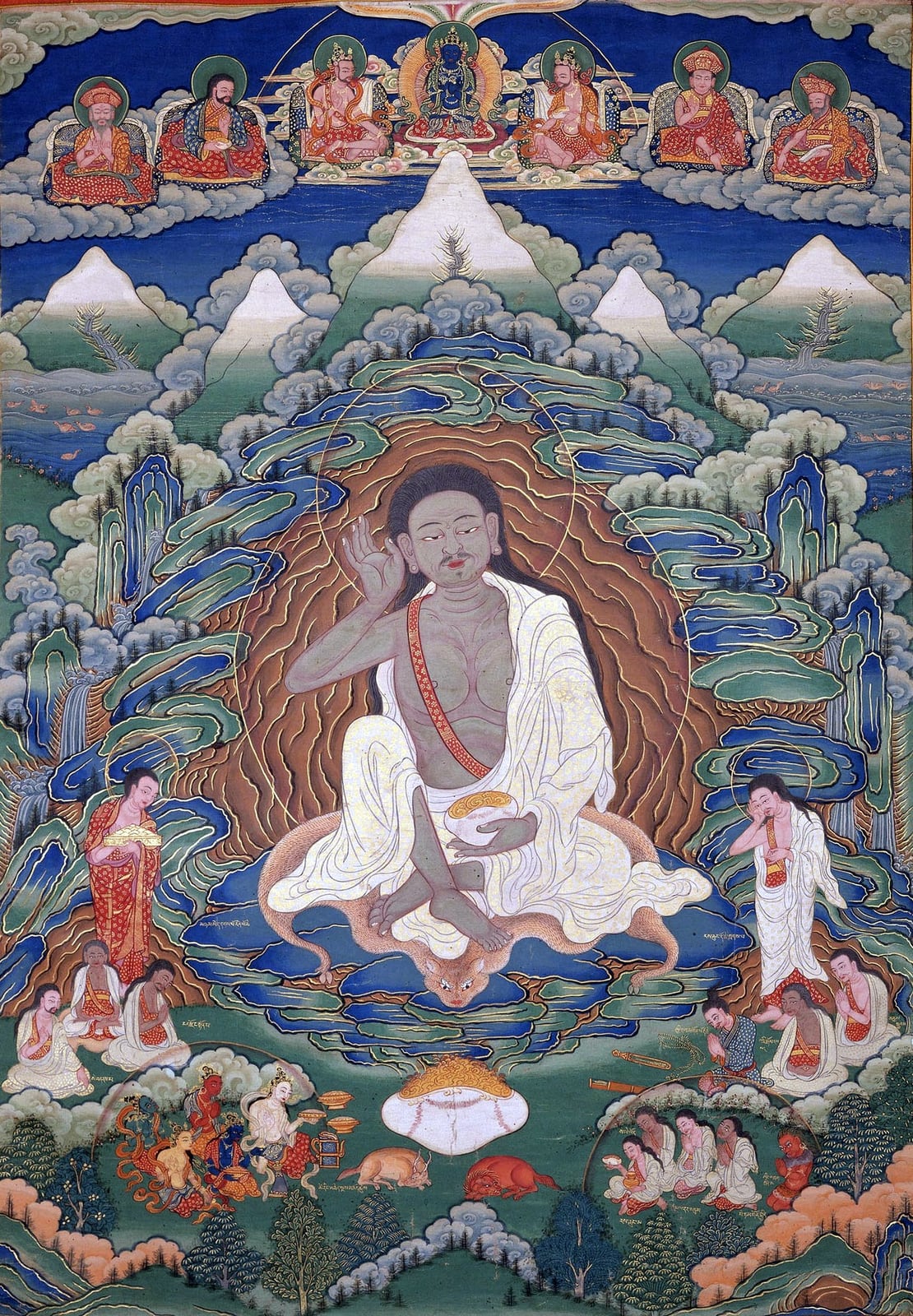
Milarepa
يتّفقان في: ما المطلق؟ هل الله موجود؟ · من أنا؟ هل توجد ذات حقيقية؟ · هل العالم حقيقي؟

Siddhartha Gautama, the Buddha
يتّفقان في: ما المطلق؟ هل الله موجود؟ · من أنا؟ هل توجد ذات حقيقية؟ · لماذا نتألّم؟
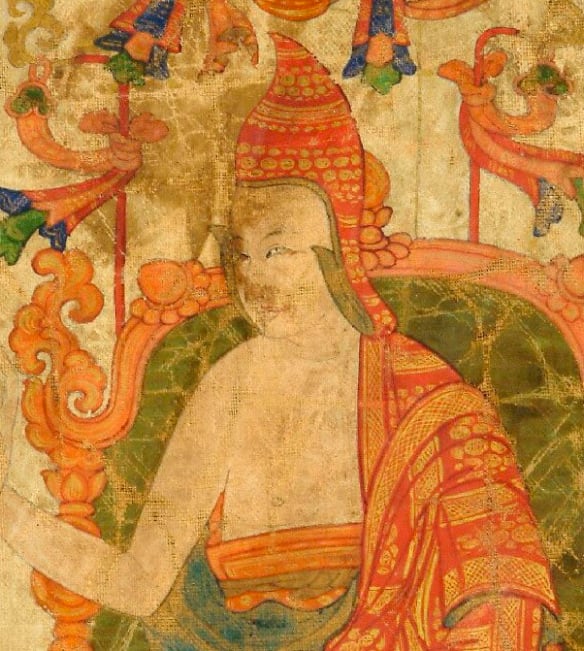
Śāntideva
يتّفقان في: ما المطلق؟ هل الله موجود؟ · من أنا؟ هل توجد ذات حقيقية؟ · لماذا نتألّم؟

Pema Chödrön
يتّفقان في: ما المطلق؟ هل الله موجود؟ · من أنا؟ هل توجد ذات حقيقية؟ · لماذا نتألّم؟
يبتعد في تفكيره عن

Al-Hallaj
يختلفان في: ما المطلق؟ هل الله موجود؟ · من أنا؟ هل توجد ذات حقيقية؟ · ماذا يحدث بعد الموت؟

Francis of Assisi
يختلفان في: ما المطلق؟ هل الله موجود؟ · من أنا؟ هل توجد ذات حقيقية؟ · ماذا يحدث بعد الموت؟

Nikolai Berdyaev
يختلفان في: من أنا؟ هل توجد ذات حقيقية؟ · ماذا يحدث بعد الموت؟ · هل نحتاج إلى معلّم؟
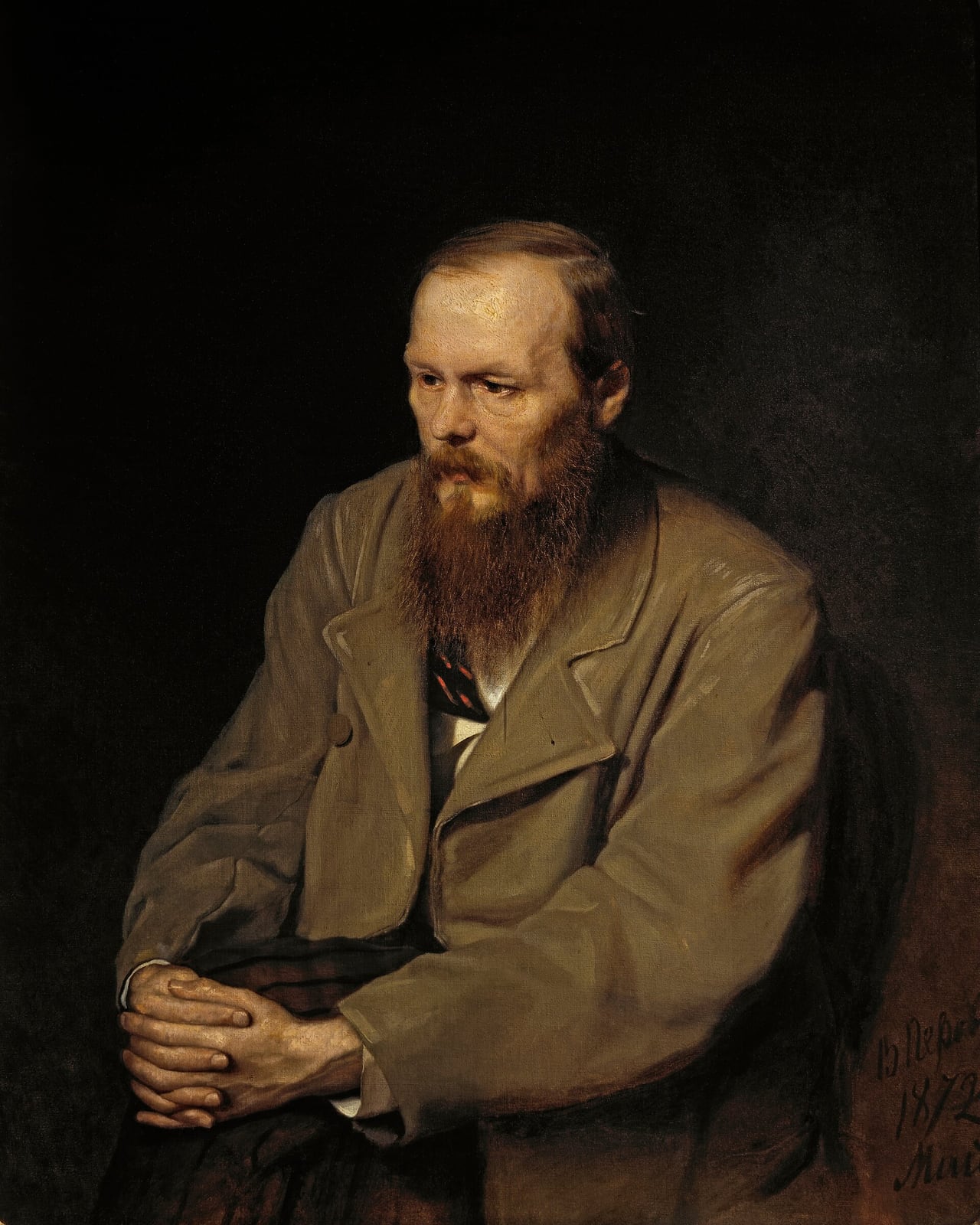
Fyodor Dostoevsky
يختلفان في: ما المطلق؟ هل الله موجود؟ · من أنا؟ هل توجد ذات حقيقية؟ · ماذا يحدث بعد الموت؟
حكايات وروايات
حكايات وروايات
شهادة1845–1846
The tree of ten thousand images
أصل الرواية: Huc, Souvenirs d'un voyage dans la Tartarie, le Thibet et la Chine (1850), vol. II, chapter on Kumbum; English translation by William Hazlitt (1852), vol. 2, 'The Tree of Ten Thousand Images' (Project Gutenberg no. 33269). The legend of the tree's birth is hagiographic; the description of the tree is Huc's direct testimony. Huc's closing comment is summarised, not quoted.
المصدر: Huc, Évariste-Régis. Souvenirs d'un voyage dans la Tartarie, le Thibet et la Chine pendant les années 1844, 1845 et 1846. 2 vols. París: Adrien Le Clere, 1850 (descripción de Kumbum y del «árbol de las diez mil imágenes»).
رواية من سِيَر القدّيسينc. 1390–1398
Questions to Mañjuśrī
أصل الرواية: Khedrup Gelek Pelzang's biographies, especially the 'secret' one (gsang ba'i rnam thar, vol. 1 of the collected works); summarised and analysed in Jinpa 2019, chs. 5–7. Tsongkhapa left a note on the signs seen at Wölkha (bka' 'bum thor bu 02.3.037) and a letter to Umapa (02.3.045).
المصدر: Jinpa, Thupten. Tsongkhapa: A Buddha in the Land of Snows. Boulder: Shambhala Publications, 2019. ISBN 9781611806465.
رواية من سِيَر القدّيسين1392–1393
The prostrations of Wölkha
أصل الرواية: Traditional biographies (Khedrup) and their oral circulation in Geluk monasteries; Jinpa 2019 discusses the retreat. The specific figures come from oral tradition and later biographies, not from Tsongkhapa's writings.
المصدر: Jinpa, Thupten. Tsongkhapa: A Buddha in the Land of Snows. Boulder: Shambhala Publications, 2019. ISBN 9781611806465.
رواية من سِيَر القدّيسينc. 1397–1398
The dream of Nāgārjuna
أصل الرواية: Khedrup Gelek Pelzang's biography (dad pa'i 'jug ngogs); Jinpa 2019; Thurman (ed.) 1982. The dating varies between 1397 and 1398 according to the sources.
المصدر: Jinpa, Thupten. Tsongkhapa: A Buddha in the Land of Snows. Boulder: Shambhala Publications, 2019. ISBN 9781611806465.
موثّق1407–1414
The emperor's invitation
أصل الرواية: Sparham and Ehm (SEP) give the invitations of 1407 and 1413; the letter appears in the bka' 'bum thor bu (BDRC index 02.3.110). Shakya Yeshe's journey to court and the founding of Sera are documented in Geluk historiography and Chinese sources.
تقليد شفهيfinales del s. XIV
The prayer that returned to its author
أصل الرواية: An account from the Geluk tradition, recorded by Jinpa 2019 and by Lotsawa House in its introduction to the 'Prayer to Rendawa'. The praises to Rendawa appear in the bka' 'bum thor bu (02.3.004–006).
المصدر: Jinpa, Thupten. Tsongkhapa: A Buddha in the Land of Snows. Boulder: Shambhala Publications, 2019. ISBN 9781611806465.
مختلَف فيه1959–1969
What remained of his body
أصل الرواية: Laird, The Story of Tibet (2006), cited in Wikipedia's 'Ganden Monastery' article; the tooth version comes from the same encyclopaedia ('Je Tsongkhapa') and from unverified exile accounts. The exact date of the cremation could not be established.
المصدر: Laird, Thomas. The Story of Tibet: Conversations with the Dalai Lama. Nueva York: Grove Press, 2006.
التعاليم
التعاليم
المفاهيم التي ينتظم بها فكره، مشروحة في سياقها.
Stages of the path (lamrim)lamrim
Heir to Atiśa's Kadam tradition; the axis of Geluk training, also adopted with variations by other Tibetan schools.
المصدر: Tsong-kha-pa. The Great Treatise on the Stages of the Path to Enlightenment. Trad. Lamrim Chenmo Translation Committee; ed. Joshua W. C. Cutler y Guy Newland. 3 vols. Ithaca (NY): Snow Lion, 2000–2004. ISBN 9781559391528, 9781559391689, 9781559391665.
The three principal aspects of the pathtres-aspectos-principales
A synthesis of the lamrim; received according to tradition as an instruction from Mañjuśrī.
المصدر: Jinpa, Thupten. Tsongkhapa: A Buddha in the Land of Snows. Boulder: Shambhala Publications, 2019. ISBN 9781611806465.
The object of negationdgag-bya
Prāsaṅgika Madhyamaka; Tibetan scholastic controversy of the fifteenth and sixteenth centuries.
Emptiness and dependent originationorigen-dependiente-vacuidad
Nāgārjuna's Madhyamaka in Candrakīrti's Prāsaṅgika interpretation.
المصدر: Tsongkhapa. Ocean of Reasoning: A Great Commentary on Nāgārjuna's Mūlamadhyamakakārikā. Trad. Geshe Ngawang Samten y Jay L. Garfield. Nueva York: Oxford University Press, 2006. ISBN 9780195147339.
The eight difficult pointsocho-puntos-dificiles
Tibetan Madhyamaka doxography.
Union of calm abiding and special insightshamatha-vipashyana
The final section of the Lamrim Chenmo and the Middle-Length Lamrim; Tibetan polemic against the 'sudden' model attributed to Chan.
المصدر: Tsong-kha-pa. The Great Treatise on the Stages of the Path to Enlightenment. Trad. Lamrim Chenmo Translation Committee; ed. Joshua W. C. Cutler y Guy Newland. 3 vols. Ithaca (NY): Snow Lion, 2000–2004. ISBN 9781559391528, 9781559391689, 9781559391665.
مقاطع الفيديو
مقاطع الفيديو
تسجيلات ومقابلات وأفلام وثائقية. تُشغَّل مقاطع الفيديو من YouTube؛ ولا تُستضاف هنا.
Thupten Jinpa PhD - "Tsongkhapa: Philosopher, Teacher and Yogi"
محاضرة· EN· 138 min
Tse Chen Ling Center
Thubten Jinpa | Tsongkhapa: Philosopher, Teacher & Yogi
محاضرة· EN· 143 min
Jamyang Buddhist Centre
Tsongkhapa's Vision of Manjushri in Wölkha – Thupten Jinpa PhD
محاضرة· EN· 90 min
Tse Chen Ling Center
Mystical Dimensions of Tsongkhapa with Thupten Jinpa (Full Talk)
محاضرة· EN· 43 min
Sacred Stream
Thupten Jinpa on Tsongkhapa and Negating Too Much
تحليل· EN· 8 min
Wisdom Publications Inc.القناة الرسمية
Robert Thurman - "The Life and Legacy of Lama Tsongkhapa"
محاضرة· EN· 119 min
Tse Chen Ling Center
What is Tsongkhapa's Essence of True Eloquence? Robert A.F. Thurman Exploring Buddhism
محاضرة· EN· 117 min
Tibet House US NYC | Menla Resort Onlineالقناة الرسمية
“Three Principal Aspects of the Path" & "Concise Stages of the Path to Enlightenment"
محاضرة· EN· 71 min
Dalai Lamaالقناة الرسمية
«Los Tres Aspectos Principales del Camino» y el «Lamrim Abreviado», de Tsongkhapa
محاضرة· ES· 71 min
El Dalái Lamaالقناة الرسمية
Tsongkhapa's "Praise to Dependent Origination"
محاضرة· EN· 171 min
Dalai Lama Archive
Day6-pm: Great Treatise on the Stages of the Path to Enlightenment
محاضرة· EN· 117 min
Dalai Lamaالقناة الرسمية
Las cualidades especiales de las enseñanzas de Lama Tsong Khapa
محاضرة· ES· 80 min
FPMT Españolالقناة الرسمية
La Vida de Lama Tsongkhapa - Dr. Alexander Berzin
تسجيل من طرف ثالث· ES· 22 min
Narraciones Budismo
المعرض
المعرض
صور بترخيص متحقَّق منه. كل منها تحتفظ بمؤلّفها ونسبتها.
المخطوطات
المخطوطات
شواهد مخطوطة ونصوص قديمة، مع جهة حفظها وشروط الاطّلاع عليها.
BO · Tibetano (dbu can) · 1388–1419
རྗེ་ཙོང་ཁ་པའི་གསུང་འབུམ། (gsung 'bum, bkras lhun par rnying)
- الشاهد المحفوظ
- Xilografía de las planchas antiguas de Tashi Lhunpo, 18 vols.; reimpresión fotográfica de Dharamsala (Sherig Parkhang), 1997
- جهة الحفظ
- Buddhist Digital Resource Center (BDRC), copia digital · bdr:MW29193 (índice bdr:O2DB2379)
- الرقمنة
- library.bdrc.io/show/bdr:MW29193…
العلاقات
العلاقات
تأثيرات وتلمذة وتقارب في الأفكار. تُميَّز العلاقة الموثّقة عن التشابه المستخلَص بالتحليل.
تأثّر بـ
Candrakīrti
His principal authority in Madhyamaka; Illuminating the Intent comments on his Entering the Middle Way.
علاقة موثّقة
تأثّر بـ
His philosophy is a reading of Nāgārjuna; the Ocean of Reasoning comments chapter by chapter on the Mūlamadhyamakakārikā, and he also annotated the Sixty Stanzas of Reasoning.
علاقة موثّقة
تأثّر بـ
He taught and annotated the wisdom chapter of the Bodhicaryāvatāra and the Śikṣāsamuccaya (vols. 14 and 16 of his works); Śāntideva is one of the sources of the great-scope lamrim.
علاقة موثّقة
تأثّر بـ
Siddhartha Gautama, the Buddha
The Praise of Dependent Origination addresses the Buddha as unsurpassed teacher for teaching dependent origination; the Essence of Eloquence is a hermeneutics of his words.
علاقة موثّقة
تأثّر بـ
A lineage relationship, not a personal one: the six yogas of Nāropa that Tsongkhapa expounded in the Book of Three Inspirations are the cycle Marpa transmitted to Milarepa, which he received at Kagyu centres such as Drikung.
علاقة موثّقة
أثّر في
The 14th Dalai Lama (Tenzin Gyatso)
The 14th Dalai Lama, spiritual head of the Geluk lineage descending from Tsongkhapa through his disciple Gendun Drub (1st Dalai Lama), has taught and commented on the Lamrim Chenmo (From Here to Enlightenment, 2012), the Three Principal Aspects and the Great Exposition of Secret Mantra.
علاقة موثّقة
اختلف مع
An indirect, not historical, relationship: the Lamrim Chenmo criticises the concept-free meditation that Tibetan tradition attributed to the Chan master Heshang Moheyan (Samye debate, eighth century), heir of the school that claimed descent from Bodhidharma. Tsongkhapa does not mention Bodhidharma.
تشابه مستخلَص بالتحليل
تلميذ
Rendawa Zhönnu Lodrö (1349–1412)
His principal teacher of Madhyamaka and Abhidharma; he dedicated praises, letters and an instruction to him (vols. 2, 12 and 14).
علاقة موثّقة
تأثّر بـ
Atiśa Dīpaṃkara Śrījñāna
The Lamrim Chenmo develops Atiśa's Lamp for the Path to Enlightenment and the Kadam tradition.
علاقة موثّقة
معلّم
Gyaltsab Darma Rinchen (1364–1432)
Chief disciple and first holder of the Ganden throne; he recorded several of his teachings in writing.
علاقة موثّقة
معلّم
Khedrup Gelek Pelzang (1385–1438)
Disciple and author of his principal biographies; retrospectively, the first Panchen Lama.
علاقة موثّقة
معلّم
Gendun Drub (1391–1474)
Disciple, founder of Tashi Lhunpo and posthumously recognised as the first Dalai Lama.
علاقة موثّقة
تراسل مع
Emperador Yongle (dinastía Ming)
He invited him to court in 1407 and 1413; Tsongkhapa declined by letter.
علاقة موثّقة
مرتبط من صفحات أخرى
المصادر
المصادر
المراجع والفهارس التي رُوجعت لهذه الصفحة.
- Wikidata, «Tsongkhapa», QID Q323439 (VIAF 65296968; LCCN n80017690; BDRC bdr:P64; Treasury of Lives 8986).
- Jinpa, Thupten. Tsongkhapa: A Buddha in the Land of Snows. Boulder: Shambhala Publications, 2019. ISBN 9781611806465.
- Sparham, Gareth, y Chandra Chiara Ehm. «Tsongkhapa». En Edward N. Zalta (ed.), The Stanford Encyclopedia of Philosophy. Primera publicación 18 de julio de 2011; revisión sustancial 17 de abril de 2024.
- Buddhist Digital Resource Center (BDRC). gsung 'bum/ tsong kha pa (bkras lhun par rnying / d+ha sar bskyar par brgyab pa), reimpresión de las planchas antiguas de Tashi Lhunpo, Dharamsala, 1997, 18 vols., instancia bdr:MW29193, índice bdr:O2DB2379 (contenido volumen por volumen).
- Thurman, Robert A. F. (ed.). The Life and Teachings of Tsong Khapa. Dharamsala: Library of Tibetan Works and Archives, 1982; nueva ed. 2006, ISBN 9788186470442. Incluye la traducción de la biografía tradicional y de varias obras breves.
- Tsong-kha-pa. The Great Treatise on the Stages of the Path to Enlightenment. Trad. Lamrim Chenmo Translation Committee; ed. Joshua W. C. Cutler y Guy Newland. 3 vols. Ithaca (NY): Snow Lion, 2000–2004. ISBN 9781559391528, 9781559391689, 9781559391665.
- Tsongkhapa. Ocean of Reasoning: A Great Commentary on Nāgārjuna's Mūlamadhyamakakārikā. Trad. Geshe Ngawang Samten y Jay L. Garfield. Nueva York: Oxford University Press, 2006. ISBN 9780195147339.
- Thurman, Robert A. F. Tsong Khapa's Speech of Gold in the Essence of True Eloquence: Reason and Enlightenment in the Central Philosophy of Tibet. Princeton: Princeton University Press, 1984. ISBN 9780691072852 (reed. como The Central Philosophy of Tibet, 1991, ISBN 9780691020679).
- Jinpa, Thupten. Self, Reality and Reason in Tibetan Philosophy: Tsongkhapa's Quest for the Middle Way. Londres: RoutledgeCurzon, 2002.
- Ary, Elijah S. Authorized Lives: Biography and the Early Formation of Geluk Identity. Somerville (MA): Wisdom Publications, 2015.
- Laird, Thomas. The Story of Tibet: Conversations with the Dalai Lama. Nueva York: Grove Press, 2006.
- Wikipedia (en). «Je Tsongkhapa», «Ganden Monastery» y «Monlam Prayer Festival». Usadas como índice de traducciones y bibliografía secundaria; contrastadas con t2, t3 y t4.
- Wikimedia Commons, API imageinfo (licencia, autor, fecha y descripción de cada fichero citado en images[]).
- Open Library (Internet Archive). Registros de ISBN de cada edición citada en works[].
- Huc, Évariste-Régis. Souvenirs d'un voyage dans la Tartarie, le Thibet et la Chine pendant les années 1844, 1845 et 1846. 2 vols. París: Adrien Le Clere, 1850 (descripción de Kumbum y del «árbol de las diez mil imágenes»).
- Ium, Michael. «Tsongkhapa as a mahāsiddha». Journal of the International Association of Buddhist Studies 45 (2022): 73–117. doi:10.2143/JIABS.45.0.3291577.
- Kilty, Gavin (trad.). The Splendor of an Autumn Moon: The Devotional Verse of Tsongkhapa. Boston: Wisdom Publications, 2001. ISBN 9780861711925.
- Mullin, Glenn H. Tsongkhapa's Six Yogas of Naropa. Ithaca (NY): Snow Lion, 1996. ISBN 9781559390583.
- Dalai Lama (Tenzin Gyatso). From Here to Enlightenment: An Introduction to Tsong-kha-pa's Classic Text The Great Treatise on the Stages of the Path to Enlightenment. Ed. y trad. Guy Newland. Boston: Snow Lion, 2012. Trad. esp.: De aquí a la iluminación, Madrid: Gaia Ediciones, 2014, ISBN 9788484454854.
- YouTube: conferencias y documentales verificados por oEmbed el 2026-10-25 (detalle en videos[]).
- Lotsawa House. «Three Principal Aspects of the Path» (lam gyi gtso bo rnam gsum), texto tibetano con colofón; y presentación de «Prayer to Rendawa Zhönnu Lodrö».
- صاحب الحقوق
- Obra original en dominio público (m. 1419). Las traducciones modernas tienen derechos propios: Shambhala Publications/Snow Lion (Lamrim Chenmo; Gran exposición del mantra secreto; Seis yogas), Wisdom Publications (Iluminación del pensamiento, Lamrim medio, Lámpara de las cinco etapas, ética tántrica), Oxford University Press (Océano de razonamiento), Princeton University Press (Esencia de la elocuencia), SUNY Press, Ediciones Dharma (versión española del Lamrim Chenmo), Gaia Ediciones.
في انتظار التأكيد
ما لم تتمكّن هذه الصفحة من حسمه بعد. نفضّل أن نقول ذلك على أن نملأ الفراغ.
- Sala de lectura: no se ha encontrado ningún texto de Tsongkhapa en dominio público con texto completo en Gutenberg, Wikisource (inglés, chino, multilingüe) ni Internet Archive con OCR limpio. Todas las traducciones occidentales son posteriores a 1970 y la china de Fazun (m. 1980) tiene derechos en la UE y en España. El texto tibetano original (libre en todas partes) solo está en BDRC, que el importador no lee. Revisar si BDRC o el ACIP ofrecen e-textos importables.
- Ediciones españolas: solo se han verificado en catálogo las de Ediciones Dharma (Lamrim Chenmo, 2000, 2007, 2011; el catálogo no indica qué volumen es cada una) y el comentario del Dalái Lama (Gaia, 2014). No se ha localizado con ISBN una edición española de Los tres aspectos principales, la Alabanza del origen dependiente ni de la Gran exposición del mantra secreto.
- Las obras secundarias de las obras completas (vols. 1–12, 14–18) se han registrado a partir del índice de BDRC; sus títulos se han traducido y descrito según el título y el género, sin lectura del texto. Algunas identificaciones quedan por confirmar: 01.09 (zhu lan sman mchog), 07.6 («Los cuatrocientos cincuenta»), 11.07 (a tsa la gar b+ha), 14.4 (relación con el Lamrim medio) y 02.3.056 (identificación con Yon tan gzhir gyur ma).
- Los textos del vol. 1 que son biografías de Tsongkhapa escritas por discípulos (01.01–01.04, entre ellas las de Khedrup) y el colofón de impresión del vol. 13 no se registran como obras suyas; se mencionan en la entrada «gsung-bum».
- Fechas: ordenación completa (c. 1381) y novicio (c. 1363) proceden de la tradición biográfica resumida en Jinpa 2019; no se ha podido leer el libro directamente. Treasury of Lives (8986) devuelve 403 a clientes automáticos.
- Citas: el texto tibetano de Los tres aspectos principales se ha cotejado con Lotsawa House; las traducciones al español e inglés son del investigador. La primera estrofa de la Alabanza del origen dependiente se da de memoria y está marcada como «probable»: cotejar con una edición.
- Relación con Padmasambhava: no se ha documentado ninguna relación directa entre ambos (separados por seis siglos y escuelas distintas); no se registra.
- Duraciones de vídeo tomadas de la página de resultados de YouTube; el año de publicación no se ha registrado (la API oEmbed no lo devuelve).
بُحث بتاريخ 2026-10-25