البوذية · ماهايانا · البوذية التبتية
The 14th Dalai Lama (Tenzin Gyatso)
བསྟན་འཛིན་རྒྱ་མཚོ་ · ལྷ་མོ་དོན་འགྲུབ།
1935 –على قيد الحياةشخصية موثّقة تاريخيًا
تنزين غياتسو، الدالاي لاما الرابع عشر، وُلد سنة 1935 في قرية من إقليم أمدو ونُصّب في لهاسا سنة 1940. تولّى السلطة في الخامسة عشرة من عمره إزاء دخول الجيش الصيني، ثم لجأ سنة 1959 إلى الهند حيث يعيش منذ ذلك الحين في دارامسالا. نال جائزة نوبل للسلام سنة 1989، وتخلّى سنة 2011 عن سلطته السياسية. وهو معلّم في مدرسة غيلوغ، نشر أخلاقًا علمانية قوامها الرحمة، وأقام حوارًا متواصلًا مع العلم الحديث.
- مؤلَّفًا
- 166مؤلَّفًا
- طبعة
- 279طبعة
- اقتباسًا
- 8اقتباسًا
- مقطع فيديو
- 10مقطع فيديو
- صورة
- 8صورة

El Dalai Lama en 2012 · CC BY-SA 4.0
بكلماته
«I feel honoured, humbled and deeply moved that you should give this important prize to a simple monk from Tibet.»Discurso de aceptación del Premio Nobel de la Paz, Oslo, 10 de diciembre de 1989

فكرته المحورية
All human beings want happiness and shun suffering; for him this basic equality, prior to any belief, is the foundation of ethics and human rights.
السيرة
5 دقيقة قراءة
ترجمة مُعانة من الأصل الإسباني، بانتظار مراجعة مترجم من أهل اللغة.
طفل من أمدو
وُلد لهامو دوندوب في 6 يوليو/تموز 1935 في تاكتسر، وهي قرية من الفلاحين والرعاة في إقليم أمدو، في الشمال الشرقي من العالم التبتي، على أرض كانت الإدارة الصينية تُلحقها آنذاك بمقاطعة تشينغهاي. كان ابن تشويكيونغ تسيرينغ وديكي تسيرينغ، وواحدًا من أبناء أسرة كبيرة سبق أن اعتُرف فيها، قبله، بأخ أكبر هو ثوبتن جيغمي نوربو تجسّدًا جديدًا لأحد اللامات.
في سنة 1937 وصل إلى القرية أحد فرق البحث التي أُرسلت من لهاسا للعثور على التجسّد الجديد للدالاي لاما الثالث عشر، ثوبتن غياتسو، الذي توفي في ديسمبر/كانون الأول 1933. والروايات التبتية عن ذلك البحث — الرؤى عند بحيرة لهامو لاتسو، والعلامات التي أشارت نحو الشرق، واختبار الأشياء التي كانت للراحل — تنتمي إلى التقليد وينبغي أن تُقرأ على هذا الأساس؛ أما الموثّق فهو أنّ الطفل قُبل مرشّحًا، وأنّ نقله تأخّر بسبب المطالب المالية لأمير الحرب الذي كان يحكم تشينغهاي، ما بوفانغ، وأنّ القافلة بلغت لهاسا في أكتوبر/تشرين الأول 1939. وفي 22 فبراير/شباط 1940 نُصّب في قصر بوتالا باسمه الديني جيتسون جامفيل نغاوانغ لوبسانغ يشي تنزين غياتسو.
تكوين راهب
سار تعليمه وفق منهج الأديرة الكبرى لمدرسة غيلوغ، الوريثة المعلنة لجامعة نالاندا الهندية: المنطق، ونظرية المعرفة، وكمال الحكمة، والطريق الأوسط عند ناغارجونا، والانضباط الرهباني، وميتافيزيقا الأبهيدارما، فضلًا عن اللغة والشعر والطب. وكان معلّماه الرئيسيان لينغ رينبوتشي وتريجانغ رينبوتشي. وفي سنة 1959، في خضمّ عيد المونلام وقد بلغ التوتر السياسي ذروته، خضع للامتحان في معبد جوخانغ أمام مئات الرهبان ونال درجة «غيشي لهارامبا»، أعلى درجات ذلك التكوين المدرسي. وكان ذلك، على نحو يكاد يكون حرفيًا، آخر عمل علني له في لهاسا.
مراهق في مواجهة التاريخ
في أكتوبر/تشرين الأول 1950 دخل جيش التحرير الشعبي التبت الشرقية وهزم القوات التبتية في تشامدو. وفي 17 نوفمبر/تشرين الثاني من ذلك العام، تولّى الدالاي لاما، وهو في الخامسة عشرة، السلطة الزمنية الكاملة قبل أوانها. وفي سنة 1951 وقّع وفد تبتي في بكين ما سُمّي «اتفاقية النقاط السبع عشرة»، التي قبلتها الحكومة التبتية تحت الضغط والتي سيتبرأ منها هو في المنفى. وفي سنة 1954 سافر إلى بكين حيث التقى ماو تسي تونغ وتشو إن لاي ودنغ شياو بينغ؛ وفي سنة 1956 زار الهند بمناسبة الذكرى الـ2500 لبوذا، وتحادث مع نهرو في إمكان عدم العودة. ثم عاد.
في 10 مارس/آذار 1959 طوّق سكان لهاسا قصر نوربولينغكا خشية أن تعتقل السلطات الصينية الدالاي لاما. وفي ليلة 17 مارس/آذار غادر القصر متنكرًا في زيّ جندي، وبعد أسبوعين من السير عبر ممرات الهيمالايا عبر الحدود الهندية في أواخر الشهر. وفي سيرتيه الذاتيتين — أرضي وشعبي (1962) والحرية في المنفى (1990) — ترك روايته للفرار، وهي تتفق في جوهرها مع شهادات مرافقيه ومع دراسات مؤرخين مثل ملفين غولدستين.
دارامسالا
بعد إقامة أولى في موسوري، استقر سنة 1960 في ماكليود غانج، فوق دارامسالا، في ولاية هيماشال براديش الهندية الحالية، التي أصبحت مقرّ الإدارة التبتية المركزية. ومن هناك نظّم بقاء جماعة بلغ عددها عشرات الآلاف من اللاجئين: مدارس، ومستوطنات زراعية، وإعادة تأسيس الأديرة الكبرى سيرا ودريبونغ وغاندن في جنوب الهند، ومكتبة للمؤلفات والمحفوظات التبتية. وفي سنة 1963 قدّم مسودة دستور ديمقراطي للتبتيين في المنفى، فكانت الخطوة الأولى في مسار من الدمقرطة دفعه هو نفسه رغم تحفظات جزء من شعبه.
وعلى الصعيد السياسي صاغ ما سيُعرف لاحقًا بـ«الطريق الأوسط»: التخلي عن المطالبة بالاستقلال والسعي بدلًا من ذلك إلى حكم ذاتي حقيقي للتبت داخل جمهورية الصين الشعبية. وعرضه أمام الكونغرس الأمريكي في 21 سبتمبر/أيلول 1987 بوصفه «خطة السلام ذات النقاط الخمس»، ثم فصّله أمام البرلمان الأوروبي في ستراسبورغ في 15 يونيو/حزيران 1988. ولم تقبله بكين قط، ورأى فيه جزء من الشتات تنازلًا مفرطًا.
نوبل والصوت العام
في سنة 1989 نال جائزة نوبل للسلام. وأبرزت لجنة أوسلو أنّ نضاله من أجل التبت عارض العنف على الدوام، وأنّ مقترحاته سعت إلى حلول قائمة على التسامح والاحترام المتبادل. ومنذ ذلك الحين صار من أكثر الشخصيات الدينية حضورًا في العالم: رحلات إلى عشرات البلدان، ولقاءات مع قادة أديان أخرى، ومحاضرات أمام جماهير غفيرة، وإنتاج من الكتب — موقّعة باسمه أو مُملاة أو مجموعة من تعاليمه — يقدّره مكتبه بأكثر من مئة كتاب.
وفي هذا النتاج ينبغي التمييز بين سجلّين. أولهما سجلّ المعلّم البوذي الذي يشرح النصوص الكلاسيكية — شانتيديفا وكامالاشيلا وتسونغكابا وناغارجونا — أمام جمهور من الممارسين، وغالبًا بترجمة ثوبتن جينبا أو جيفري هوبكنز. والآخر سجلّ المبسِّط لـ«أخلاق علمانية» لا تشترط الإيمان: فكتابا أخلاقيات للألفية الجديدة (1999) ثم ما وراء الدين (2011) يذهبان إلى أنّ الرحمة والتمييز يمكن تربيتهما دون الاحتكام إلى أي عقيدة. وبينهما تقع الكتب المؤلفة بالاشتراك، مثل فن السعادة (1998) الذي حرّره الطبيب النفسي هوارد كاتلر انطلاقًا من محاوراتهما، أو كتاب البهجة (2016) الذي وُلد من لقائه بديزموند توتو في دارامسالا وكتبه دوغلاس أبرامز.
حوار مع العلم
كان العلم من أكثر اهتماماته ثباتًا. فمنذ 1987، ومع رجل الأعمال آدم إنغل وعالم الأعصاب فرانسيسكو فاريلا، أطلق لقاءات «العقل والحياة» (Mind & Life) التي جمعت في دارامسالا فيزيائيين وعلماء نفس وعلماء أعصاب برهبان ومتأملين؛ ومنها وُلد معهد Mind & Life وخطّ بحثي في التأمل والانفعال أثّر في مختبرات مثل مختبر ريتشارد ديفيدسون. وفي كتاب الكون في ذرة واحدة (2005) شرح موقفه: إذا أثبت العلم أنّ قولًا بوذيًا ما خاطئ، فعلى البوذية أن تتخلى عنه.
التخلي عن السلطة ومسألة الخلافة
في 14 مارس/آذار 2011 طلب من البرلمان التبتي في المنفى أن يعفيه من سلطته الزمنية، وفي 29 مايو/أيار وقّع النقل الرسمي إلى قيادة منتخبة، منهيًا بذلك تقليدًا عمره نحو أربعة قرون كان فيه الدالاي لامات رؤساء للحكومة. ومنذ ذلك الحين يقدّم نفسه بوصفه قائدًا روحيًا فحسب.
وبقيت المسألة التي تشغل بكين والتبتيين أكثر من سواها: ما الذي سيحدث بعد موته. ففي بيان صدر في 24 سبتمبر/أيلول 2011 عرض المعايير التقليدية للاعتراف، وأعلن أنه سيستشير، حين يبلغ نحو التسعين، في ما إذا كان ينبغي للمؤسسة أن تستمر، وأسند القرار إلى صندوق «غادن فودرانغ»، أي مكتبه الخاص، مستبعدًا أي دور لحكومة ملحدة. وفي 2 يوليو/تموز 2025، قبل أيام من بلوغه التسعين، أكّد أنّ المؤسسة ستستمر وأنّ هذه الهيئة وحدها، بالتشاور مع رؤساء التقاليد البوذية، ستملك صلاحية الاعتراف بخليفته. وفي كتاب صوت لمن لا صوت لهم (2025) كتب أنّ الدالاي لاما الجديد سيولد في «العالم الحر». أما الحكومة الصينية فتؤكد أنّ الاعتراف من حقها، وهو ما يُنذر، على الأرجح، بخلافة متنازع عليها.
أضواء وظلال
لا تخلو شخصيته من الجدل. فقد أثار نهيه، منذ السبعينيات، عن عبادة الإله الحامي دورجي شوغدن خصومة جزء من جماعة غيلوغ، وأفضى إلى احتجاجات منظّمة خلال رحلاته. وفي سنة 2023 قدّم مكتبه اعتذارًا علنيًا عن مقطع مصوّر ظهر فيه يمازح طفلًا بطريقة رآها كثيرون غير لائقة. ولم تغيّر أيّ من هذه الوقائع تغييرًا جوهريًا المكانة التي يحتلها: مكانة راهب جعل، بلا أرض ولا سلطة سياسية، من المنفى التبتي قضية أخلاقية ذات بعد عالمي، ووضع الرحمة المتبصّرة في قلب الحوار الروحي المعاصر.
المصادر: Dalai Lama. Freedom in Exile: The Autobiography of the Dalai Lama. Londres: Hodder & Stoughton; Nueva York: HarperCollins, 1990. · Dalai Lama. My Land and My People. Nueva York: McGraw-Hill, 1962. · Goldstein, Melvyn C. The Snow Lion and the Dragon: China, Tibet, and the Dalai Lama. Berkeley: University of California Press, 1997. · Laird, Thomas. The Story of Tibet: Conversations with the Dalai Lama. Nueva York: Grove Press, 2006. · Dalai Lama. Ethics for the New Millennium. Nueva York: Riverhead Books, 1999.
الخط الزمني
الحياة عامًا بعد عام
كل نقطة حدث موثّق. انقر لتقرأه مع مصدره ودرجة اليقين فيه.
6 يوليو 1935أقل من عامTaktser, Amdo (hoy Qinghai, China)
Birth in Taktser
Lhamo Dhondup is born into a farming family in Amdo, the son of Choekyong Tsering and Diki Tsering.
موثّقOffice of His Holiness the Dalai Lama. «Brief Biography». dalailama.com (biografía oficial).
6 يوليو 1935 · أقل من عام
Birth in Taktser
Lhamo Dhondup is born into a farming family in Amdo, the son of Choekyong Tsering and Diki Tsering.
موثّق
1937 · عامان
Recognised as the reincarnation
A search party sent from Lhasa identifies him as the reincarnation of the Thirteenth Dalai Lama, Thubten Gyatso. The signs and tests in the story belong to tradition.
موثّق
أكتوبر 1939 · 4 أعوام
Arrival in Lhasa
After delays caused by the demands of the Qinghai governor Ma Bufang, the caravan reaches the Tibetan capital.
موثّق
22 فبراير 1940 · 4 أعوام
Enthronement
He is enthroned as the Fourteenth Dalai Lama with the religious name Tenzin Gyatso.
موثّق
17 نوفمبر 1950 · 15 عامًا
Assumes temporal authority
After the People's Liberation Army enters eastern Tibet, he assumes full political authority ahead of time.
موثّق
1954 · 19 عامًا
Journey to Beijing
He meets Mao Zedong, Zhou Enlai and Deng Xiaoping during a long stay in China.
موثّق
1956 · 21 عامًا
Visit to India for the Buddha Jayanti
He attends the celebrations of the Buddha's 2,500th anniversary and discusses the Tibetan situation with Nehru.
موثّق
1959 · 23 عامًا
Geshe lharampa degree
During the Monlam Chenmo he passes the final examination of his monastic training and receives the geshe lharampa degree.
موثّق
17 مارس 1959 · 23 عامًا
Flight into exile
After the uprising of 10 March he leaves the Norbulingka by night and, after a two-week journey, enters India at the end of the month.
موثّق
1960 · 24 عامًا
Settles in Dharamsala
He moves from Mussoorie to Dharamsala, which becomes the seat of the Central Tibetan Administration.
موثّق
1962 · 27 عامًا
Publishes My Land and My People
First autobiography, focused on his childhood, the occupation and the escape.
موثّق
1963 · 27 عامًا
Draft democratic constitution
He presents a draft constitution for Tibetans in exile, the seed of the later Charter of Tibetans in Exile.
موثّق
21 سبتمبر 1987 · 52 عامًا
Five Point Peace Plan
He presents his peace proposal for Tibet to the United States Congress, the basis of the 'Middle Way'.
موثّق
أكتوبر 1987 · 52 عامًا
First Mind & Life meeting
First dialogue between the Dalai Lama and Western scientists, organised by Adam Engle and Francisco Varela.
موثّق
15 يونيو 1988 · 52 عامًا
Strasbourg Proposal
He develops his proposal for Tibetan autonomy before the European Parliament.
موثّق
10 ديسمبر 1989 · 54 عامًا
Nobel Peace Prize
He receives the Nobel Peace Prize for his non-violent struggle for the liberation of Tibet.
موثّق
1990 · 55 عامًا
Publishes Freedom in Exile
Second autobiography, written after the Nobel.
موثّق
2005 · 70 عامًا
The Universe in a Single Atom
He publishes his personal synthesis on Buddhism and science, the fruit of two decades of Mind & Life dialogues.
موثّق
29 مايو 2011 · 75 عامًا
Transfer of political authority
He signs the document transferring his temporal authority to an elected leadership, ending a 368-year tradition.
موثّق
24 سبتمبر 2011 · 76 عامًا
Statement on his reincarnation
He sets out the criteria for recognition and assigns the decision on his successor to the Gaden Phodrang Trust.
موثّق
أبريل 2015 · 79 عامًا
Meeting with Desmond Tutu
A week of conversations with Archbishop Tutu that would become The Book of Joy (2016).
موثّق
10 أبريل 2023 · 87 عامًا
Apology over a video with a child
His office issues a public apology over a video circulated online that caused widespread controversy.
موثّق
2 يوليو 2025 · 89 عامًا
The institution will continue
Days before turning ninety, he affirms that the institution of the Dalai Lama will continue and that only the Gaden Phodrang Trust will recognise his successor.
موثّق
المؤلَّفات
المؤلَّفات الأساسية
المؤلَّفات التي لا يُفهم إرثه من دونها.
مؤلَّف مكتوب · 1990
Freedom in Exile
His second autobiography, published shortly after the Nobel Prize and written with the help of the editor Alexander Norman. It revisits the history of 1950–1959 with greater distance and tells of thirty years of exile, the rebuilding of Tibetan institutions in India, his travels, his first meetings with scientists and his Middle Way proposal. It is the most cited autobiographical source and the basis of much later biography, including on film.
8 طبعات · amazon.com

مؤلَّف مكتوب · 1998
The Art of Happiness
The Art of Happiness: A Handbook for Living
A book written by the American psychiatrist Howard C. Cutler from long conversations with the Dalai Lama in Arizona and Dharamsala. It alternates the teacher's answers with the author's reflections and clinical cases on the pursuit of happiness, suffering, anger, anxiety and compassion. Its huge commercial success made it the gateway to his thought for millions of readers and led to a series of sequels.
9 طبعات · amazon.com

مؤلَّف مكتوب · 1999
Ethics for the New Millennium
His most systematic account of an ethics that does not depend on religious faith. It starts from the observation that all beings want happiness and shun suffering, and argues that compassion, restraint and discernment can be cultivated through reason and shared experience. It proposes a universal responsibility extending to politics, economics, disarmament and the environment. In Spanish it was published as El arte de vivir en el nuevo milenio.
8 طبعات · amazon.com

مؤلَّف مكتوب · 2016
The Book of Joy
The Book of Joy: Lasting Happiness in a Changing World
The fruit of a week of conversations in Dharamsala in April 2015 between the Dalai Lama and the South African archbishop Desmond Tutu on the occasion of the former's eightieth birthday. The writer Douglas Abrams composed the book by combining the dialogue, a chronicle of those days and references to research on well-being. It examines the obstacles to joy—fear, anger, sadness, envy—and eight pillars for cultivating it, from the standpoint of two different religious traditions.
4 طبعات · amazon.com
جميع مؤلَّفاته (166)

My Land and My People
1962
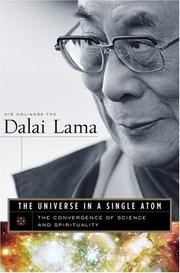
The Universe in a Single Atom
2005
The 14th Dalai Lama (Tenzin Gyatso)
Voice for the Voiceless
The Conscious LibraryVoice for the Voiceless
2025

Kindness, Clarity, and Insight
1984

The Buddhism of Tibet
1975
The 14th Dalai Lama (Tenzin Gyatso)
Opening the Eye of New Awareness
The Conscious LibraryOpening the Eye of New Awareness
1984

Ocean of Wisdom
1989

The Way to Freedom
1994

The World of Tibetan Buddhism
1995

Awakening the Mind, Lightening the Heart
1995

The Power of Compassion
1995

The Good Heart
1996

Healing Anger
1997

The Four Noble Truths
1997
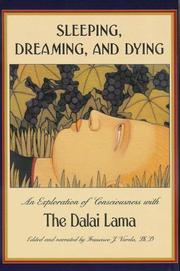
Sleeping, Dreaming, and Dying
1997

Gentle Bridges
1992

Kalachakra Tantra: Rite of Initiation
1985

Transforming the Mind
2000

An Open Heart
2001

Stages of Meditation
2001

Advice on Dying
2002

Essence of the Heart Sutra
2002

The Art of Happiness at Work
2003

Practicing Wisdom
2004
الأقوال
أقوال محدَّدة الموضع في مؤلَّف بعينه. كل منها يحمل مصدره ودرجة الثقة به.
I feel honoured, humbled and deeply moved that you should give this important prize to a simple monk from Tibet.متحقَّق منهDiscurso de aceptación del Premio Nobel de la Paz, Oslo, 10 de diciembre de 1989
الأفكار الجوهرية (خلاصة تحريرية)
احترامًا لحقوق المؤلف، تُلخَّص هذه الأفكار بكلماتنا ولا تُقدَّم بوصفها اقتباسات حرفية.
- All human beings want happiness and shun suffering; for him this basic equality, prior to any belief, is the foundation of ethics and human rights.
- Ethics can be taught without religion. Against those who make it depend on faith, he proposes a secular ethics grounded in reason, shared experience and science, valid for believers and non-believers.
- If scientific investigation conclusively shows a Buddhist claim to be false, Buddhism must accept the finding and abandon the claim (the central position of The Universe in a Single Atom).
- Universal responsibility: in an interdependent world one's own security and happiness depend on those of others, and compassion stops being a moral luxury to become a practical necessity.
- The Middle Way applied to politics: giving up Tibetan independence in exchange for genuine autonomy that protects its language, culture, religion and environment.
- His office sums up his life in three principal commitments—as a human being, to promote values such as compassion and forgiveness; as a monk, harmony among religions; as a Tibetan, to preserve the language, the culture inherited from Nalanda and the environment of Tibet—to which he has lately added a fourth: reviving among young Indians an interest in India's ancient knowledge of mind and emotions.
- The enemy is the best teacher of patience: following Shantideva, whoever harms us offers the only real occasion to practise tolerance.
- The succession of the Dalai Lamas must be decided according to Tibetan religious tradition and not by a government that denies reincarnation; a candidate chosen for political ends must not be recognised.
أقوال منحولة أو مختلَف في نسبتها (1)
«Asked what surprised him most about humanity, he answered: man, because he sacrifices his health to make money and then sacrifices money to recuperate his health…»
Widely circulated under the Dalai Lama's name since the early 2010s, but not found in any of his books or speeches or in the dalailama.com archive. There is no primary source; it has been linked to an anonymous email text known as 'The Interview with God'.
اسأل
بماذا يجيب أثره
اثنا عشر سؤالًا كبيرًا من أسئلة الإنسانية، وما تتيح نصوصه الإجابة به عنها، مع المراجع. ولا نقوّله ما لم يقل أبدًا.
ما المطلق؟ هل الله موجود؟
Buddhism does not accept a creator, and respects those who do
لا إله خالقيقوله صراحةً
Tenzin Gyatso, the Fourteenth Dalai Lama, states the Buddhist position clearly: the universe has no first creator, and phenomena arise dependent on beginningless causes and conditions. In The Universe in a Single Atom (2005) he relates this thesis to scientific cosmology and explains why Buddhism needs no creating principle. But he refuses to turn the difference into polemic: in Toward a True Kinship of Faiths (2010) and in The Good Heart (1996), his commentary on Gospel passages, he holds that faith in a creator God can sustain compassion, humility and love in the believer, and that this is what matters. He distinguishes between the truth each tradition affirms and the pluralism with which it is wise to live. For one's own liberation, however, no God is needed.
قارن هذا السؤال مع معلّمين آخرينمن أنا؟ هل توجد ذات حقيقية؟
The self exists conventionally, but not in itself
لا توجد ذات دائمةيقوله صراحةً
The Fourteenth Dalai Lama presents non-self from the Madhyamaka Prasangika school of Tibetan Buddhism. In How to See Yourself as You Really Are (2006) he invites the reader to search for the self we identify with so strongly when offended or afraid, and to verify that it is found neither in the body, nor in the mind, nor in their combination, nor apart from them. This does not mean there is no one: the self exists conventionally, as a designation dependent on the aggregates, and it is what acts, remembers and answers for its deeds. What does not exist is a self existing by itself, independently and intrinsically. Clinging to that appearance of solidity is, for him, the root of afflictive emotions; understanding its emptiness opens the door to compassion.
قارن هذا السؤال مع معلّمين آخرينلماذا نتألّم؟
Afflictive emotions, born of clinging to a self, are the root of pain
التعلّق والشهوةيقوله صراحةً
The Fourteenth Dalai Lama sets out in The Four Noble Truths (1997) the classical doctrine: suffering originates in karma and afflictive emotions — attachment, aversion and confusion — whose root is the ignorance that conceives self and phenomena as existing by themselves. In The Art of Happiness (1998), written with the psychiatrist Howard Cutler, he translates this teaching into accessible terms: attachment to what is desired and rejection of what displeases generate anxiety, anger and frustration, and the undisciplined mind is the main source of unhappiness. He insists that some suffering is unavoidable — illness, old age, death — but that one's attitude towards it changes its effect. The remedy is to train the mind, cultivate compassion, which reduces self-absorption, and understand the emptiness of the self.
قارن هذا السؤال مع معلّمين آخرينماذا يحدث بعد الموت؟
Subtle mind continues from life to life; dying well is prepared by living
الولادة من جديد وفق الكارمايقوله صراحةً
The Dalai Lama sets out the Tibetan Buddhist view of death, above all in Advice on Dying and Living a Better Life (2002), where he comments on a classic text on dying. He distinguishes levels of mind: the gross mind, tied to the senses, dissolves at death; the mind of clear light, the subtlest, continues and is the basis of rebirth. He describes the stages of dissolution of the elements, the appearance of the clear light and the intermediate state (bardo) preceding the new life, whose character depends on karma and on one's last state of mind. He therefore advises preparing throughout life, thinking of death every day without morbidity. He regards himself as the fourteenth incarnation of a lineage and, in his 2011 statement, explained how his successor should be recognised, or whether the institution should continue.
قارن هذا السؤال مع معلّمين آخرينكيف يُبلَغ التحرّر أو الخلاص؟
A gradual path joining compassion and wisdom about emptiness, examined with reason
بالممارسة المنضبطةيقوله صراحةً
The Fourteenth Dalai Lama sets out liberation according to the Gelug tradition of Tibetan Buddhism: suffering derives from afflictive emotions, and these from the ignorance that conceives things as having inherent existence. In The Four Noble Truths he explains that this ignorance can be removed because it does not rest on reality, and that the antidote is the wisdom realising emptiness. The path is gradual (lamrim) and combines ethical discipline, analytical and concentrative meditation, and the generation of the awakening mind (bodhicitta), the wish to attain enlightenment for the sake of all beings. He insists that practice must undergo rational examination and that transforming the mind takes time and sustained effort.
قارن هذا السؤال مع معلّمين آخرينهل نحتاج إلى معلّم؟
The teacher is valuable, but must be examined carefully before being accepted
مفيد لكنه ليس ضروريًايُستنتج من تعاليمه
The Fourteenth Dalai Lama teaches within a tradition in which reliance on the spiritual teacher is the first topic of the gradual path (lamrim) and in which tantra requires initiation. He does not minimise that role. But he constantly insists on two precautions: the disciple must examine the teacher at length before accepting him, checking his knowledge and conduct, and must not follow instructions contrary to the Dharma or to ethics, even if they come from him. He also encourages studying the texts critically, in line with the Nalanda university tradition, and not accepting even the Buddha's words without analysing them. The teacher guides; understanding is each person's responsibility.
قارن هذا السؤال مع معلّمين آخرينهل العالم حقيقي؟
Things exist, but not by themselves: they depend on causes, parts and designation
شبكة أسباب بلا جوهريقوله صراحةً
The Fourteenth Dalai Lama explains reality according to the Madhyamaka Prasangika school, as interpreted by the Gelug tradition. Things exist conventionally and function, but lack intrinsic existence: they depend on their causes, their parts and the mental designation that identifies them. That is emptiness, which does not deny the world but a mistaken way of conceiving it. In The Universe in a Single Atom he places this doctrine in dialogue with modern physics and points out convergences with the interdependence of phenomena described by science, without conflating the two. For him, understanding interdependence has ethical consequences: no being or interest exists in isolation.
قارن هذا السؤال مع معلّمين آخرينما الحب؟
Wishing all beings to be happy and free from suffering
رحمة بلا حدوديقوله صراحةً
The Dalai Lama defines love and compassion according to Tibetan Buddhism: love is the wish that others be happy, and compassion the wish that they be free from suffering. He distinguishes genuine compassion from ordinary affection, which depends on the other seeming close or pleasant to us and is mixed with attachment; true compassion is based on recognising that everyone, the enemy included, wishes just as we do to be happy and avoid pain. In The Art of Happiness and in Ethics for the New Millennium he presents compassion as the source of one's own happiness and the foundation of a secular ethic of universal responsibility, valid for believers and non-believers alike. In the Tibetan practice he teaches, it culminates in bodhicitta: the aspiration to awaken for the benefit of all beings.
قارن هذا السؤال مع معلّمين آخرينهل نحن أحرار أم أن كل شيء مقدَّر؟
Karma is intentional action: the future depends on what we do now
الكارما والاختياريقوله صراحةً
The Dalai Lama presents the Tibetan doctrine of karma by insisting that it is not fatalism. Karma means action, and in particular action motivated by an intention; its fruits depend on causes and conditions and can therefore be changed. In *The Universe in a Single Atom* (2005) he places karma within general causality and relates it to the experience of sentient beings, without claiming it explains every natural phenomenon on its own. In his popular works, such as *How to Practice*, he stresses the practical consequence: since the present state is the fruit of past actions, ethical discipline and the cultivation of the mind are the way to shape what is to come. Personal responsibility and interdependence go together.
قارن هذا السؤال مع معلّمين آخرينلماذا نتأمّل أو نصلّي؟
Analytical meditation: familiarising the mind with compassion and emptiness
رؤية الواقع كما هويقوله صراحةً
The Dalai Lama explains that the Tibetan word for meditation, *gom*, means familiarisation: to meditate is to habituate the mind to virtuous states and to a correct understanding of reality. He distinguishes two modes, both necessary: calm meditation, which stabilises attention on an object, and analytical meditation, which examines through reasoning impermanence, suffering, compassion and above all emptiness, the absence of intrinsic existence in phenomena. In *How to Practice* and in his commentary on Kamalaśīla's *Stages of Meditation* he presents practice as a progressive training whose fruit is a clearer mind and a more compassionate heart, useful also outside Buddhism.
قارن هذا السؤال مع معلّمين آخرينهل يستطيع العقل أن يعرف الحقيقة القصوى؟
If science refutes a Buddhist claim, Buddhism must change it
الإيمان والعقل يتعاونانيقوله صراحةً
The Dalai Lama presents himself as heir to the Nālandā tradition, which gives reason a central role: the Buddha's own teaching, he recalls, must be examined as a goldsmith examines gold, by burning, cutting and rubbing it, and not accepted out of mere reverence. In *The Universe in a Single Atom* (2005) he goes so far as to state that, if scientific investigation conclusively proved a Buddhist claim false, it would have to be abandoned. Understanding of emptiness is reached first through logical analysis, and only afterwards does meditation turn it into direct experience. The faith he defends is trust grounded in reason, not its opposite.
قارن هذا السؤال مع معلّمين آخرينالانسحاب من العالم أم تغييره؟
Monk and statesman: universal responsibility demands acting for others
الانخراط في العالميقوله صراحةً
The Dalai Lama embodies the tension between monastic renunciation and public responsibility. He has been a monk since childhood and devotes hours each day to meditation, but for decades he was the political head of the Tibetans in exile, until in 2011 he transferred that authority to an elected government. He proposed a five-point peace plan (1987) and a «middle way» of autonomy for Tibet, and received the Nobel Peace Prize in 1989 for his defence of nonviolence. In Ethics for the New Millennium he holds that compassion must be translated into universal responsibility: caring for the well-being of all, including future generations and the planet, is an obligation for anyone, believer or not. He has promoted dialogue with science and between religions. Inner practice is indispensable, but its proof is action.
قارن هذا السؤال مع معلّمين آخرين
التقارب والتوتّر
التقارب والتوتّر
محسوبة سؤالًا سؤالًا انطلاقًا من مواقفه. وسبب كل اتفاق أو اختلاف يظهر بالنقر.
يقترب في تفكيره من

Pema Chödrön
يتّفقان في: ما المطلق؟ هل الله موجود؟ · من أنا؟ هل توجد ذات حقيقية؟ · لماذا نتألّم؟

Siddhartha Gautama, the Buddha
يتّفقان في: ما المطلق؟ هل الله موجود؟ · من أنا؟ هل توجد ذات حقيقية؟ · لماذا نتألّم؟

Śāntideva
يتّفقان في: ما المطلق؟ هل الله موجود؟ · من أنا؟ هل توجد ذات حقيقية؟ · لماذا نتألّم؟

Tsongkhapa
يتّفقان في: ما المطلق؟ هل الله موجود؟ · من أنا؟ هل توجد ذات حقيقية؟ · لماذا نتألّم؟
يبتعد في تفكيره عن

Francis of Assisi
يختلفان في: ما المطلق؟ هل الله موجود؟ · من أنا؟ هل توجد ذات حقيقية؟ · ماذا يحدث بعد الموت؟

Rabia al-Adawiyya
يختلفان في: ما المطلق؟ هل الله موجود؟ · ماذا يحدث بعد الموت؟
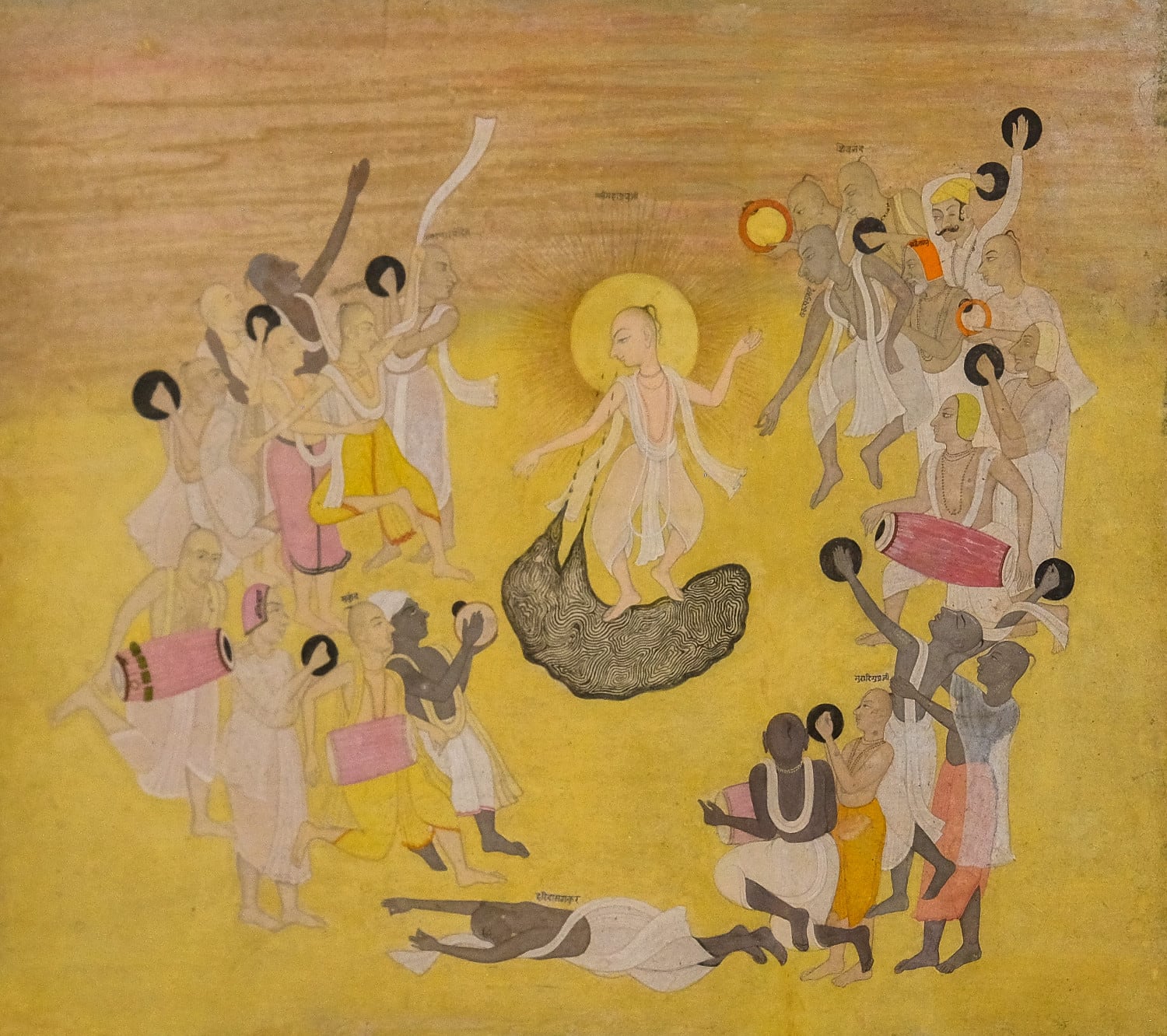
Chaitanya Mahaprabhu
يختلفان في: ما المطلق؟ هل الله موجود؟ · من أنا؟ هل توجد ذات حقيقية؟ · ماذا يحدث بعد الموت؟
Hafez
يختلفان في: ما المطلق؟ هل الله موجود؟ · من أنا؟ هل توجد ذات حقيقية؟ · ماذا يحدث بعد الموت؟
يختلفان فيتناقض ظاهري
The 14th Dalai Lama (Tenzin Gyatso) · Thich Nhat Hanh
No birth and no death, or a detailed map of dying: two Buddhists facing the end
لماذا: The opposition is apparent because they speak from the two truths distinguished by Mahayana Buddhism. Thich Nhat Hanh deliberately places himself in the ultimate dimension, where nothing is born or dies because nothing exists by itself; he does not deny rebirth but reformulates it as continuation. The Dalai Lama speaks on the conventional plane, that of experience and practice, and from the Tibetan tantric tradition, which has a meticulous description of dying. Audiences matter too: the Vietnamese monk writes for Western readers who fear annihilation; the Tibetan comments on a classical text for practitioners who must prepare. Each would accept the other's truth at its own level.
يختلفان فيتناقض ظاهري
The 14th Dalai Lama (Tenzin Gyatso) · Milarepa
Total obedience in the cave or critical discernment in the world: the guru in Tibet
لماذا: The contradiction is apparent for two reasons. The first is genre: the Life of Milarepa is a fifteenth-century hagiography composed to exalt the Kagyu lineage, and its portrait of the perfect disciple is not a manual for choosing a master; the Dalai Lama speaks in public teachings, before global audiences exposed to unscrupulous teachers. The second is stage: the Tibetan tradition itself asks that the master be examined before acceptance and fully trusted afterwards, so the Dalai Lama's advice precedes the moment the Life recounts. Withdrawal and engagement, for their part, answer to different vocations, and Milarepa himself ended up teaching herdsmen, hunters and villagers.
يتّفقان في
The 14th Dalai Lama (Tenzin Gyatso) · Jesus of Nazareth
Loving the enemy too: the Tibetan monk reads the Sermon on the Mount
لماذا: The relationship is documented: at the 1994 John Main Seminar in London the Dalai Lama commented on Gospel passages, among them the Sermon on the Mount, and his remarks were published as The Good Heart. He acknowledged the ethical affinity and pointed out frankly the underlying difference. In the Gospels love of the enemy is grounded in imitation of a Father who loves all; in Tibetan Buddhism, in the equality of all beings before the wish for happiness and in interdependence, without a creator God. They agree on the practice and its demands, not on the ultimate reason that sustains it, and neither seeks to erase that distance.
يختلفان فيخلاف جوهري
The 14th Dalai Lama (Tenzin Gyatso) · David R. Hawkins
Calibrating truth or letting science refute: two attitudes towards evidence
لماذا: The contradiction is real and concerns method. The Dalai Lama speaks from the university tradition of Nalanda, with its developed logic and epistemology, and from decades of dialogue with scientists: he distinguishes what Buddhism says about the mind, which can be tested, from what it affirms about the path. Hawkins, a psychiatrist by training, presents kinesiology as a bridge between science and spirituality, but his procedure lacks independent experimental validation, and the library presents it as doctrine, not as a result. Both agree on the place of reason, necessary but not ultimate; they clash over whether a claim about truth can rest on a measurement no one else can replicate.
يتّفقان في
The 14th Dalai Lama (Tenzin Gyatso) · Swami Vivekananda
A religion that accepts examination: the monk of Chicago and the monk of Nalanda
لماذا: The convergence is explained by context: both present an Asian tradition before a West shaped by modern science and by the critique of religion, and both want to show that their tradition does not fear that examination. Each also draws on resources specific to his tradition: Vivekananda, on the experimental reading of yoga and on Vedanta; the Dalai Lama, on the logic and epistemology of Nalanda. They differ on the goal: for Vivekananda experience culminates in identity with Brahman; for the Dalai Lama, in the understanding of emptiness, which denies precisely a permanent Self. No relationship between them is documented.
يتّفقان في
The 14th Dalai Lama (Tenzin Gyatso) · Confucius
An ethics that needs no metaphysics: humaneness and universal responsibility
لماذا: The convergence is comparative and responds to similar situations: Confucius teaches in a China divided by war between states, and the Dalai Lama in a plural, secularised world, as the leader of a people in exile. Both seek a moral basis that can be shared without requiring a common faith. They differ, however, in the scope of love. Confucius wants it graded, beginning with parents, and rejects repaying evil with good (14.34); the Dalai Lama, from Buddhist compassion, extends it to all beings equally, the enemy included. One orders affection; the other universalises it. And ritual, central in Confucius, carries little weight in the Dalai Lama's secular ethics.
حكايات وروايات
حكايات وروايات
تقليد شفهي1937
The boy who recognised the disguised lama
أصل الرواية: It comes from members of the search party and the family and was set down by the Dalai Lama in My Land and My People (1962) and Freedom in Exile (1990), where he makes clear he tells it at second hand. It is the official Tibetan version of the recognition; there are no independent records of the tests.
المصدر: Dalai Lama. Freedom in Exile: The Autobiography of the Dalai Lama. Londres: Hodder & Stoughton; Nueva York: HarperCollins, 1990.
شهادة1940s
The Potala projector
أصل الرواية: Double testimony: Harrer's book (1952) and the Dalai Lama's autobiographies, especially Freedom in Exile and The Universe in a Single Atom. Harrer's Nazi past, revealed in 1997, does not affect this episode but does bear on how his figure is read.
المصدر: Harrer, Heinrich. Sieben Jahre in Tibet. Viena: Ullstein, 1952 (trad. ingl. Seven Years in Tibet, Londres: Rupert Hart-Davis, 1953).
شهادة1954–1955
'Religion is poison'
أصل الرواية: The only source is the Dalai Lama's own testimony in Freedom in Exile (1990) and later interviews; it does not appear in published Chinese records. It is given as testimony, not as a verified fact.
المصدر: Dalai Lama. Freedom in Exile: The Autobiography of the Dalai Lama. Londres: Hodder & Stoughton; Nueva York: HarperCollins, 1990.
شهادةmarzo de 1959
The escape from the Norbulingka
أصل الرواية: Recounted by the Dalai Lama in My Land and My People and Freedom in Exile, and by several companions; historians (Goldstein, Shakya) confirm the general chronology. The consultation of the oracle rests on his own testimony.
المصدر: Dalai Lama. Freedom in Exile: The Autobiography of the Dalai Lama. Londres: Hodder & Stoughton; Nueva York: HarperCollins, 1990.
موثّقnoviembre de 1968
The Trappist in Dharamsala
أصل الرواية: Documented in The Asian Journal of Thomas Merton (1973), edited from his notebooks, and recalled by the Dalai Lama in Freedom in Exile. Each man's impressions are paraphrased here, not quoted.
المصدر: Merton, Thomas. The Asian Journal of Thomas Merton. Ed. Naomi Burton, Patrick Hart y James Laughlin. Nueva York: New Directions, 1973.
موثّقabril de 2015
A week with Tutu
أصل الرواية: Documented in The Book of Joy (2016), in the footage behind Mission: Joy and in the condolence message published on dalailama.com in December 2021.
المصدر: Dalai Lama, Desmond Tutu y Douglas Abrams. The Book of Joy: Lasting Happiness in a Changing World. Nueva York: Avery, 2016.
التعاليم
التعاليم
المفاهيم التي ينتظم بها فكره، مشروحة في سياقها.
Bodhicitta and compassionbodhichitta
A central Mahayana doctrine in the Gelug school, systematised in Tsongkhapa's stages of the path (lamrim).
المصدر: Open Library (Internet Archive), registros de ediciones e ISBN de las obras del Dalai Lama.
Emptiness and dependent originationsunyata-y-origen-dependiente
The philosophical axis of the curriculum of the Gelug monasteries, heirs to Nalanda.
المصدر: Dalai Lama. The Middle Way: Faith Grounded in Reason. Trad. Thupten Jinpa. Boston: Wisdom Publications, 2009.
Universal responsibilityresponsabilidad-universal
A secular translation of the bodhisattva ideal into the language of international relations and human rights.
Secular ethicsetica-secular
A Buddhist response to Western secularisation, in dialogue with psychology and neuroscience.
المصدر: Dalai Lama. Ethics for the New Millennium. Nueva York: Riverhead Books, 1999.
Middle Way Approach (Umaylam)via-intermedia
Official policy of the Central Tibetan Administration.
المصدر: Office of His Holiness the Dalai Lama. «Brief Biography». dalailama.com (biografía oficial).
Tulku and the recognition of reincarnationtulku
A religious and political institution in Tibet since the thirteenth century (the Karmapas) and, for the Dalai Lamas, since the sixteenth.
المصدر: Dalai Lama. «Reincarnation» (declaración del 24 de septiembre de 2011). dalailama.com.
الخلوات
خلوات ومراكز
أماكن ولقاءات مرتبطة بتعليمه. نضعك على تواصل مع من ينظّمها.
McLeod Ganj, Dharamsala, Himachal Pradesh · India
Tushita Meditation Centre, Dharamsala
Tushita Meditation Centre (FPMT)
Tushita is a centre for the study and practice of Tibetan Mahayana Buddhism in the forest above McLeod Ganj, a few minutes from the Dalai Lama's residence. Affiliated with the FPMT, it is known for its ten-day residential introduction to Buddhism courses, held in partial silence, which combine meditation with teachings on the lamrim, the graded path the Dalai Lama has emphasised throughout his life. It also offers intermediate, weekend and online courses, and drop-in sessions by donation. For many Westerners it is the first doorway to Tibetan Buddhism in the setting of the exile community.
Gangchen Kyishong, Dharamsala, Himachal Pradesh · India
Library of Tibetan Works and Archives (LTWA)
Library of Tibetan Works and Archives
The Library of Tibetan Works and Archives is the Tibetan library and cultural institution in Dharamsala, established at the Dalai Lama's initiative in 1970 to preserve the texts, manuscripts and objects the community was able to save in exile. Besides its archive and museum, it offers courses in Buddhist philosophy and Tibetan language attended by students from many countries and taught by teachers of the tradition. Its website explains registration, fees and accommodation. It is a more academic and unhurried path of study that complements attending the Dalai Lama's public teachings in the same town.
Templo principal tibetano (Tsuglagkhang), McLeod Ganj, Dharamsala · India
Public teachings of the Dalai Lama in Dharamsala
Office of His Holiness the Dalai Lama
When the Dalai Lama teaches in Dharamsala, seat of the Tibetan government in exile, he does so at the main temple in McLeod Ganj, before monks, Tibetans and visitors from around the world. His office publishes the schedule of teachings and events, notes that dates may change, and webcasts many of them live with translation. Events are free unless otherwise noted: the Dalai Lama himself accepts no fees for his talks. To attend in Dharamsala one must register a few days beforehand in the temple courtyard with the documents listed on the website.
مقاطع الفيديو
مقاطع الفيديو
تسجيلات ومقابلات وأفلام وثائقية. تُشغَّل مقاطع الفيديو من YouTube؛ ولا تُستضاف هنا.
Dalai Lama In India (1959) | British Pathé
فيلم وثائقي· EN· 1959· 2 min
British Pathé
US Congressional Gold Medal Acceptance Speech
تسجيل أصلي· EN· 2007· 26 min
Dalai Lamaالقناة الرسمية
InterSpiritual Discussion with His Holiness the Dalai Lama and Desmond Tutu: A.M. Session, Part 1
تسجيل أصلي· EN· 2008· 57 min
UW Video
Mind and Life XXV - Part 05 - Dialogue with His Holiness and Audience Q&A
تسجيل أصلي· EN· 2012· 60 min
Mind & Life Instituteالقناة الرسمية
Mind & Life Conversations with the Dalai Lama - Session 1
تسجيل أصلي· EN· 2019· 121 min
Dalai Lamaالقناة الرسمية
El sentido de la vida
محاضرة· ES· 2020· 88 min
El Dalái Lamaالقناة الرسمية
Flex Your Joy Muscle • Mission: JOY • Documentary Excerpt • Desmond Tutu & the Dalai Lama
فيلم وثائقي· EN· 2021· 1 min
MISSION: JOYالقناة الرسمية
Interdependence, Ethics, and Social Networks - Mind & Life Conversation - Day 1
تسجيل أصلي· EN· 2022· 129 min
Dalai Lamaالقناة الرسمية
His Holiness the Dalai Lama's 90th Birthday Celebration
تسجيل أصلي· EN· 2025· 12 min
Dalai Lamaالقناة الرسمية
Apostrophes : Le Dalaï Lama et le rire
مقابلة· FR· 2 min
INA Cultureالقناة الرسمية
المعرض
المعرض
صور بترخيص متحقَّق منه. كل منها تحتفظ بمؤلّفها ونسبتها.
العلاقات
العلاقات
تأثيرات وتلمذة وتقارب في الأفكار. تُميَّز العلاقة الموثّقة عن التشابه المستخلَص بالتحليل.
تأثّر بـ
Siddhartha Gautama, the Buddha
A Buddhist teacher trained in the Nalanda tradition; he comments on the Buddha's discourses and the Four Noble Truths.
علاقة موثّقة
تأثّر بـ
Nagarjuna's Madhyamaka philosophy, read through Tsongkhapa, is the axis of his teaching on emptiness.
علاقة موثّقة
تلميذ
Kyabje Ling Rinpoche (Thubten Lungtok Namgyal Trinley)
His senior tutor and preceptor of his full ordination.
علاقة موثّقة
تلميذ
Kyabje Trijang Rinpoche
His junior tutor in Lhasa and in the first years of exile.
علاقة موثّقة
التقى بـ
Three meetings in Dharamsala in November 1968, a few weeks before Merton's death, recorded in his Asian Journal and recalled by the Dalai Lama in Freedom in Exile.
علاقة موثّقة
التقى بـ
Desmond Tutu
A friendship of decades; in 2015 they spent a week together in Dharamsala, the origin of The Book of Joy.
علاقة موثّقة
التقى بـ
Francisco J. Varela
Chilean neuroscientist and co-founder of the Mind & Life meetings in 1987.
علاقة موثّقة
أفكار قريبة من
Two exiled monks who brought Buddhism into the Western public sphere with a message of compassion and non-violence, from different traditions (Gelug Vajrayana and Vietnamese Zen).
تشابه مستخلَص بالتحليل
أفكار قريبة من
A founding figure of Tibetan Buddhism according to tradition; the Dalai Lama has taught Dzogchen texts of the Nyingma school, which reveres him as its founder.
تشابه مستخلَص بالتحليل
معاصر لـ
A contemporary who, from the Kagyu–Shambhala lineage, has popularised mind training and compassion in the West.
تشابه مستخلَص بالتحليل
المصادر
المصادر
المراجع والفهارس التي رُوجعت لهذه الصفحة.
- Office of His Holiness the Dalai Lama. «Brief Biography». dalailama.com (biografía oficial).
- Dalai Lama. Freedom in Exile: The Autobiography of the Dalai Lama. Londres: Hodder & Stoughton; Nueva York: HarperCollins, 1990.
- Dalai Lama. My Land and My People. Nueva York: McGraw-Hill, 1962.
- Nobel Prize Outreach. «The Nobel Peace Prize 1989: The 14th Dalai Lama (Tenzin Gyatso)». NobelPrize.org.
- Dalai Lama. «Reincarnation» (declaración del 24 de septiembre de 2011). dalailama.com.
- Dalai Lama. «Statement Affirming the Continuation of the Institution of Dalai Lama» (2 de julio de 2025). dalailama.com.
- Mind & Life Institute. «Celebrating 35 Years: Weaving Origin Stories» (historia institucional; primer diálogo Mind & Life I, Dharamsala, 1987, con Adam Engle y Francisco Varela). mindandlife.org, 2022.
- Wikidata, «Tenzin Gyatso» (14.º Dalai Lama), QID Q17293.
- Goldstein, Melvyn C. The Snow Lion and the Dragon: China, Tibet, and the Dalai Lama. Berkeley: University of California Press, 1997.
- Laird, Thomas. The Story of Tibet: Conversations with the Dalai Lama. Nueva York: Grove Press, 2006.
- Open Library (Internet Archive), registros de ediciones e ISBN de las obras del Dalai Lama.
- Dalai Lama. Ethics for the New Millennium. Nueva York: Riverhead Books, 1999.
- Dalai Lama. The Universe in a Single Atom: The Convergence of Science and Spirituality. Nueva York: Morgan Road Books, 2005.
- Dalai Lama y Howard C. Cutler. The Art of Happiness: A Handbook for Living. Nueva York: Riverhead Books, 1998.
- Dalai Lama, Desmond Tutu y Douglas Abrams. The Book of Joy: Lasting Happiness in a Changing World. Nueva York: Avery, 2016.
- Office of His Holiness the Dalai Lama. Comunicado de disculpa del 10 de abril de 2023, recogido por la prensa internacional (BBC News, «Dalai Lama apologises after video asking boy to 'suck my tongue'», 10-04-2023).
- Dalai Lama. Voice for the Voiceless: Over Seven Decades of Struggle with China for My Land and My People. Nueva York: William Morrow, 2025.
- Central Tibetan Administration. «Devolution of His Holiness the Dalai Lama's Political Authority», tibet.net.
- Nobel Prize Outreach. «The 14th Dalai Lama – Acceptance Speech» (Oslo, 10 de diciembre de 1989). NobelPrize.org.
- Nobel Prize Outreach. «The 14th Dalai Lama – Nobel Lecture» (Oslo, 11 de diciembre de 1989). NobelPrize.org.
- Merton, Thomas. The Asian Journal of Thomas Merton. Ed. Naomi Burton, Patrick Hart y James Laughlin. Nueva York: New Directions, 1973.
- Wikimedia Commons, páginas de los ficheros citados en images[] (licencias consultadas por la API imageinfo/extmetadata).
- YouTube, canales oficiales «Dalai Lama» (@dalailama) y «El Dalái Lama» (@ElDalaiLama, canal oficial en español de la Oficina), y canal del Mind & Life Institute (@mindandlifeinstitute); vídeos verificados por oEmbed.
- Goodreads, entrada «The Dalai Lama, when asked what surprised him most about humanity…» (circulación de la cita sin fuente primaria; anotada como disputada desde 2012).
- Dalai Lama. The Middle Way: Faith Grounded in Reason. Trad. Thupten Jinpa. Boston: Wisdom Publications, 2009.
- Office of His Holiness the Dalai Lama. «Principal Commitments». dalailama.com.
- Office of His Holiness the Dalai Lama. «Dolgyal (Shugden)», sección documental de dalailama.com.
- Harrer, Heinrich. Sieben Jahre in Tibet. Viena: Ullstein, 1952 (trad. ingl. Seven Years in Tibet, Londres: Rupert Hart-Davis, 1953).
- Office of His Holiness the Dalai Lama. «Books» (catálogo de publicaciones, 142 títulos).
- Open Library: búsqueda por autor y fichas de edición por ISBN (comprobado el 2026-10-25).
- Dalai Lama. «Five Point Peace Plan». Discurso ante el Congressional Human Rights Caucus, Washington D. C., 21 de septiembre de 1987. dalailama.com.
- Dalai Lama. «Strasbourg Proposal 1988». Discurso ante el Parlamento Europeo, Estrasburgo, 15 de junio de 1988. dalailama.com.
- صاحب الحقوق
- Derechos vigentes (autor vivo). La Oficina de Su Santidad el Dalai Lama / Gaden Phodrang Trust gestiona sus textos y enseñanzas; los libros en colaboración comparten derechos con sus coautores (Howard C. Cutler, Desmond Tutu Peace Foundation/Douglas Abrams, Thubten Chodron, etc.) y cada edición con su editorial.
- الموقع الرسمي
- www.dalailama.com
في انتظار التأكيد
ما لم تتمكّن هذه الصفحة من حسمه بعد. نفضّل أن نقول ذلك على أن نملأ الفراغ.
- Confirmar editorial y año de la edición española «Mi vida y mi pueblo. Memorias del Premio Nobel de la Paz 1989» (ISBN 9788427938861 en Open Library, sin autor ni editorial en el registro).
- Confirmar editorial (presumiblemente Grijalbo, por el prefijo 84-253) de «El libro de la alegría», ISBN 9788425353949.
- Localizar ISBN de ediciones españolas editadas en España de Libertad en el exilio, Más allá de la religión, Un corazón abierto y Cómo verse a uno mismo tal como uno es; y de ediciones italiana, rusa, hindi y árabe de las obras principales.
- Localizar ISBN de Buddhism: One Teacher, Many Traditions (Wisdom, 2014) y de los demás volúmenes de The Library of Wisdom and Compassion y de Science and Philosophy in the Indian Buddhist Classics.
- Completar buy[] por edición con URLs de ficha de las editoriales (no se añadieron enlaces sin verificar).
- Fecha exacta de entrada en la India en 1959 (las fuentes secundarias dan el 31 de marzo) y fecha de incorporación del Mind & Life Institute (1990 o 1991 según la fuente).
- Fecha de emisión del fragmento de Apostrophes (INA) y búsqueda de vídeos oficiales en otros idiomas (tibetano, hindi, alemán).
- Las obras traducidas del tibetano (Opening the Eye of New Awareness, The Buddhism of Tibet, Kalachakra Tantra) tienen fecha de composición aproximada; conviene contrastarla con el catálogo de la Library of Tibetan Works and Archives.
- Obras (2026-10-25): se añadieron 108 obras a partir del catálogo oficial dalailama.com/books (142 títulos) y de Open Library. Quedan fuera a propósito: «Inner World» (2020), que es un álbum musical de mantras y no un libro; y los ~800 registros de Open Library que son traducciones, ediciones de bolsillo, selecciones de citas de terceros, prólogos o atribuciones erróneas (p. ej. Steps on the Path to Enlightenment, de Geshe Lhundub Sopa).
- Confirmar si «Refining Gold: Stages in Buddhist Contemplative Practice» (Shambhala, 2019, ISBN 9781611807332) es reedición de «The Path to Enlightenment» (Snow Lion, 1994; comentario a la Esencia del oro refinado del Tercer Dalai Lama). No se añadió como edición hasta comprobarlo.
- Confirmar que «Answers: Discussions with Western Buddhists» (Snow Lion, 2001, ed. J. I. Cabezón) es la nueva edición de «The Bodhgaya Interviews» (1988); se registró como edición de esa obra.
- ISBN no localizados para: Introduction to Buddhism (Paljor, 1999), Four Essential Buddhist Commentaries, Words of Truth (Wisdom, 1993), Speeches 1987-1995 (DIIR), The Little Book of Buddhism (Penguin India), Warm Heart Open Mind, Lighting the Path (Lothian), Happiness (PRH India, 2018), The Little Book of Encouragement (2021), The Book of Compassion (2024) y la edición ampliada de 2017 de The Dalai Lama on Environment.
- Ediciones españolas sin localizar en catálogo de las obras añadidas en 2026-10-25 marcadas con «título traducido» (p. ej. El arte de la felicidad en un mundo problemático, El camino del líder, Cómo practicar); Open Library registra títulos españoles como «En mis propias palabras», «De aquí a la iluminación» o «El corazón de la meditación» sin editorial ni ISBN.
- Sala de lectura: ninguna obra entra. El autor vive y toda su obra (y la de sus traductores) tiene derechos vigentes en EE. UU., la UE y España; reading_texts queda vacío a propósito.
- Cotejo de obras 2026-10-25: las 142 entradas del catálogo oficial de dalailama.com/books están todas registradas. Quedan sin añadir títulos de Open Library de identidad dudosa o que son de otros autores con prólogo suyo: «Heart Full of Peace» (Wisdom, 2007; posible confusión con el libro homónimo de Joseph Goldstein), la serie «Be Angry / Be Happy / Be Kind / Be Here / Be Brave» (Hampton Roads, 2019–2022; posible reedición de «Dalai Lama on What Matters Most»), «L’enseignement du Dalaï-Lama» (Albin Michel, 1976) y «La Lumière du Dharma» (Seghers, 1973), que pueden ser traducciones francesas de obras ya registradas.
بُحث بتاريخ 2026-10-23