الإسلام · التصوف
Rabia al-Adawiyya
رابعة العدوية القيسية · رابعة بنت إسماعيل · رابعه عدویه
نحو 717 – نحو 801تاريخيّته موضع جدل
زاهدةٌ ومعلّمةٌ من البصرة في القرن الثاني للهجرة (ت نحو 185 هـ/801 م)، تُجَلّ بوصفها أولى قدّيسات الإسلام الكبيرات، والرائدة في تصوّف الحبّ الإلهي المنزَّه عن الغرض. لم تترك أثرًا مكتوبًا: فأقوالها والأبيات القليلة المنسوبة إليها وصلت عبر مصادر متأخرة، من ابن أبي الدنيا وأبي طالب المكي إلى السيرة الأسطورية التي كتبها الشاعر الفارسي فريد الدين العطار بعد أربعة قرون. ويميّز النقد الحديث، ولا سيما ركية كورنيل، بين رابعة التاريخية، التي لا يُعرف عنها إلا القليل، ورابعة التي صنعتها الرواية.
- مؤلَّفًا
- 9مؤلَّفًا
- طبعة
- 17طبعة
- اقتباسًا
- 7اقتباسًا
- مقطع فيديو
- 14مقطع فيديو
- صورة
- 4صورة

Rabia de Basora y su sirvienta en oración · Public domain
بكلماته
«أحبك حبين: حب الهوى * وحباً لأنك أهل لذاكا / فأما الذي هو حب الهوى * فشغلي بذكرك عمن سواكا / وأما الذي أنت أهل له * فكشفك لي الحجب حتى أراكا / فلا الحمد في ذا ولا ذاك لي * ولكن لك الحمد في ذا وذاكا»Atribuido; Abu Talib al-Makki, Qut al-qulub (s. X), y al-Ghazali, Ihya ulum al-din, libro XXXVI. Texto árabe según la versión que reproduce Abd al-Ghani al-Nabulsi (Wikisource); traducción propia.

للبدء، عمل واحد
أحبك حبين: حب الهوى * وحباً لأنك أهل لذاكافكرته المحورية
Disinterested love of God: The idea associated with Rabia is that God must be loved for His own sake and not as a means of escaping Hell or gaining Paradise.
السيرة
4 دقيقة قراءة
ترجمة مُعانة من الأصل الإسباني، بانتظار مراجعة مترجم من أهل اللغة.
امرأة من البصرة
لا يُعرف عن رابعة العدوية على وجه اليقين إلا القليل: أن امرأةً زاهدةً معلّمةً تحمل هذا الاسم — أو اسم رابعة القيسية، نسبةً إلى قبيلتها، في حين تدلّ «العدوية» على بطنها — عاشت في البصرة، جنوبيّ العراق، في القرن الثاني للهجرة (الثامن للميلاد). وتسمّيها المصادر رابعة بنت إسماعيل، وتكنّيها أمّ عمرو، وتصفها بأنها مولاة آل عتيك. أما تاريخ مولدها الذي يتردّد عادةً، نحو سنة 717 م، وتاريخ وفاتها سنة 185 هـ (801 م)، فمصدرهما مؤلفون متأخرون كثيرًا، وليسا الروايتين الوحيدتين: فالذهبي يذكر أنها عاشت نحو ثمانين سنة وتوفيت سنة 180 هـ (796 م)، ويجعل آخرون وفاتها سنة 135 هـ (752 م). وتخلص ركية العروي كورنيل، صاحبة أوفى دراسة عنها، إلى أنه لا يمكن أن يُنسب إليها بيقينٍ أيُّ مكتوب.
بصرة الزهّاد
كانت البصرة، التي أُسّست معسكرًا للجند سنة 638 م، مدينةً غنيّة في القرن الثاني، ومرفأً على الخليج، ومركزًا لعلوم النحو والكلام والفقه. وفيها ازدهرت أيضًا حركة من التقوى الصارمة: رجالٌ ونساءٌ يبكون ذنوبهم، ويصومون، ويحيون الليل، ويرتابون في أموال الولاة. والحسن البصري ومالك بن دينار ورياح القيسي وعبد الواحد بن زيد أشهر أسمائها، غير أن كتاب السلمي في «النسوة المتعبّدات الصوفيات» يبيّن أنه كانت فيها أيضًا عابداتٌ ومعلّماتٌ كثيرات، بعضهنّ من الموالي. وإلى هذه البيئة تنتمي رابعة: بيئة «البكّائين» والعُبّاد في البصرة، الذين سبقت روحانيتُهم القائمةُ على الخوف من الله تصوّفَ المحبة.
ما تقوله أقدم المصادر
خيرُ دليلٍ على وجودها الذاكرةُ المحلية: فمؤلّفان بصريان من القرن الثالث للهجرة، منهما الجاحظ، يذكرانها بوصفها شخصيةً معروفة. وتحفظ مجاميعُ ابن أبي الدنيا (ت 281 هـ/894 م) في أقوال الزهّاد، كما نقلها الذهبي، مشاهدَ رصينةً يُسمّى فيها الشهود بأسمائهم. فقد روت خادمتها عَبْدة أن رابعة كانت تصلّي الليل كله، فإذا طلع الفجر عاتبت نفسها على نومتها القصيرة: «يا نفسُ، كم تنامين؟ وإلى كم تقومين؟ يوشك أن تنامي نومةً لا تقومين منها إلا لصرخة يوم النشور». وزارها سفيان الثوري، محدّث الكوفة الكبير، فلما قال متأوّهًا: «واحزناه!» ردّته قائلة: «لا تكذب، بل قل: وا قلّة حزناه!». وكانت تمنع من الدخول عليها الزوّارَ الذين يتحدثون في أمر الدنيا. إنها صورة زاهدةٍ شديدة المطالبة، ومعلّمةٍ يجلّها أعلم رجال زمانها، أكثر منها صورة شاعرةٍ في الحبّ.
ثلاث رابعات وشبهة
سرعان ما خلطت الرواية بين عدّة نساء. فالسلمي (ت 412 هـ/1021 م) يميّز في كتابه عن النسوة الصوفيات بين رابعة العدوية ورابعتين أخريين من ذلك العصر: رابعة الأزدية، زوجة الزاهد عبد الواحد بن زيد، ورابعة بنت إسماعيل الدمشقية، زوجة أحمد بن أبي الحواري (ت 230 هـ/844 م). وبهذا الخلط يُفسَّر القبرُ المنسوب إليها على جبل الطور (جبل الزيتون) في القدس، الذي يذكره ابن كثير؛ وقد نبّه ابن بطوطة من قبلُ إلى أن المدفونة هناك امرأةٌ أخرى. ولم تخلُ سيرتها من الشبهات: فبحسب ابن كثير، رماها المحدّث أبو داود السجستاني بالزندقة، واضطرّ الذهبي إلى الذبّ عنها أمام من قرأوا في أحد أبياتها — «ولقد جعلتُك في الفؤادِ محدِّثي، وأبحتُ جسمي مَن أرادَ جلوسي» — عقيدةَ الحلول.
قدّيسة المحبة
أما رابعة التي عرفتها الأجيال اللاحقة فتولد بين القرنين الرابع والسابع للهجرة. فأبو طالب المكي (ت 386 هـ/996 م) ينسب إليها بيتَي «الحُبَّين» — «أحبّك حبّين: حبَّ الهوى، وحبًّا لأنك أهلٌ لذاكا» — اللذين سيشرحهما الغزالي في «الإحياء»؛ ويكثّر القشيري وأبو نعيم وابن الجوزي، الذي أفرد لها جزءًا، من أقوالها. غير أن السيرة الكبرى هي سيرة الشاعر الفارسي فريد الدين العطار في «تذكرة الأولياء»، وقد كتبها في مطلع القرن السابع للهجرة، بعد أكثر من أربعة قرون: ففيها البنتُ الرابعة لأسرةٍ فقيرة — ومن هنا اسمها «رابعة» —، والمجاعة، وبيعُها أمةً، والنورُ فوق رأسها الذي حمل سيدها على عتقها، ومحاوراتها مع الحسن البصري، ومناجاتها الشهيرة: «إلهي، إن كنتُ أعبدك خوفًا من النار فأحرقني بنار جهنم، وإن كنتُ أعبدك طمعًا في الجنة فاحرمنيها». وكثيرٌ من هذه الأخبار ممتنعٌ تاريخيًّا — فقد توفي الحسن البصري سنة 110 هـ (728 م)، حين كانت هي طفلة — وهو يحتذي نماذج معروفة في أدب المناقب.
ما أتاحته صورتها
تميّز كورنيل في هذا المسار بين عدّة «رابعات» متراكبة: المعلّمة، والزاهدة، والمحبّة لله، والصوفية. والثالثة هي التي غلبت. ففيها وجدت الرواية أصفى تعبير عن فكرةٍ غيّرت التديّن الإسلامي: أن الله يُحَبّ لذاته، لا خوفًا من عقابه ولا طمعًا في ثوابه. وانتقل هذا المعنى إلى كبار المنظّرين للمحبة الصوفية، من أحمد الغزالي إلى جلال الدين الرومي، وبلغ أوروبا أيضًا. إذ يروي جان دي جوانفيل في «حياة القديس لويس» (1309) أن راهبًا من رهبان الحملة الصليبية، هو إيف البريتاني، لقي في دمشق عجوزًا تحمل نارًا في يدٍ وماءً في الأخرى لتحرق الجنة وتطفئ النار، كي لا يفعل أحدٌ الخير خوفًا ولا طمعًا؛ وفي فرنسا القرن السابع عشر صار هذا المشهد رمزًا لـ«الحب الخالص». أما الروايات الإسلامية المتأخرة فتضع هذه الإشارة في يدَي رابعة.
حضورٌ لا يكفّ عن الاتساع
في القرن العشرين أُعيد الاعتبار لرابعة بوصفها أولى قدّيسات الإسلام ورمزًا نسائيًّا للمرجعية الدينية. فقد خصّتها مارغريت سميث سنة 1928 بأول دراسة غربية مفردة؛ وخصّها عبد الرحمن بدوي بكتابٍ سمّاها فيه «شهيدة العشق الإلهي»؛ وخصّتها السينما المصرية والتركية بأفلامٍ شعبية، منها في مصر فيلم «رابعة العدوية» (1963)، واثنان عُرضا في تركيا سنة 1973. وتنسب إليها المختارات الحديثة قصائد وأدعيةً مجهولة المصدر، وكثيرٌ من عباراتها يتداوله الناس بلا إسناد. وإذا قُرئت رابعة من خلال المصادر، كانت في آنٍ واحد امرأةً حقيقيةً من بصرة الأمويين والعباسيين لا نكاد نعرف عنها شيئًا، وبناءً جماعيًّا امتدّ قرونًا وأعطى شكلًا لفكرة الحبّ الإلهي المنزَّه عن الغرض.
المصادر: Cornell, Rkia Elaroui. Rabi'a from Narrative to Myth: The Many Faces of Islam's Most Famous Woman Saint, Rabi'a al-'Adawiyya. Londres: Oneworld Academic, 2019. · Smith, Margaret. Rabi'a the Mystic and Her Fellow-Saints in Islam. Cambridge: Cambridge University Press, 1928; reed. 1984 con introducción de Annemarie Schimmel. · al-Dhahabi, Shams al-Din. Siyar a'lam al-nubala', entrada «Rabi'a al-'Adawiyya» (texto árabe en Wikisource). · Ibn Kathir. al-Bidaya wa-l-nihaya, vol. X, obituarios del año 185 H, entrada «Rabi'a al-'Adawiyya» (texto árabe en Wikisource). · Attar, Farid al-Din. Tadhkirat al-awliya', capítulo de Rabia; en la adaptación inglesa de Claud Field, Mystics and Saints of Islam, Londres: Francis Griffiths, 1910, cap. III «Rabia, the Woman Sufi» (Project Gutenberg 24314).
الخط الزمني
الحياة عامًا بعد عام
كل نقطة حدث موثّق. انقر لتقرأه مع مصدره ودرجة اليقين فيه.
نحو 717أقل من عامBasora
Birth (traditional date)
The usual date (c. 95–99 AH / 714–718) comes from late sources of uncertain origin, according to Cornell; placed in Basra.
تقليدCornell, Rkia Elaroui. Rabi'a from Narrative to Myth: The Many Faces of Islam's Most Famous Woman Saint, Rabi'a al-'Adawiyya. Londres: Oneworld Academic, 2019.
بعد وفاته
- نحو 869Al-Jahiz mentions her
- نحو 996The verses of the "two loves"
- نحو 1021Al-Sulami distinguishes three Rabias
- نحو 1221Attar's biography
- 1309The woman of fire and water reaches Europe
- 1928First Western monograph
- 2019From narrative to myth
نحو 717 · أقل من عام
Birth (traditional date)
The usual date (c. 95–99 AH / 714–718) comes from late sources of uncertain origin, according to Cornell; placed in Basra.
تقليد
728
Death of Hasan al-Basri
Death of the great preacher of Basra (110 AH). The dialogues between him and Rabia narrated by Attar are therefore chronologically impossible.
موثّق
نحو 770
Visits of Sufyan al-Thawri
Ibn Abi l-Dunya and others transmit encounters with the traditionist Sufyan al-Thawri (d. 778) and other Basran ascetics; this is the oldest layer of her memory.
مرجَّح
801
Death (185 AH, most cited date)
Ibn Kathir lists her among those who died in 185 AH (801); al-Dhahabi gives 180 (796) and other sources 135 (752). She probably died in Basra.
مختلَف فيه
نحو 869
Al-Jahiz mentions her
The Basran polymath al-Jahiz (d. 868–869) is one of the two ninth-century authors who cite her: the oldest surviving mention.
موثّق
نحو 996
The verses of the "two loves"
Abu Talib al-Makki (d. 996) attributes to her in the Qut al-qulub the verses on the two loves, which al-Ghazali would comment on in the Ihya.
موثّق
نحو 1021
Al-Sulami distinguishes three Rabias
In his book on Sufi women, al-Sulami (d. 1021) separates Rabia al-Adawiyya from Rabia al-Azdiyya and Rabia of Damascus.
موثّق
نحو 1221
Attar's biography
Farid al-Din Attar writes in Persian the biography that fixes the legend: slavery, liberation, dialogues with Hasan al-Basri, the Kaaba coming out to meet her.
موثّق
1309
The woman of fire and water reaches Europe
Joinville narrates in his Life of Saint Louis Yves the Breton's encounter in Damascus with a woman who wanted to burn Paradise and quench Hell.
موثّق
1928
First Western monograph
Margaret Smith publishes Rabi'a the Mystic and Her Fellow-Saints in Islam in Cambridge.
موثّق
2019
From narrative to myth
Rkia Elaroui Cornell publishes the critical study separating the historical and legendary layers of her figure.
موثّق
المؤلَّفات
المؤلَّفات الأساسية
المؤلَّفات التي لا يُفهم إرثه من دونها.
نسبة تقليدية · نحو 996
أحبك حبين: حب الهوى * وحباً لأنك أهل لذاكا
The most famous of the poems attributed to Rabia distinguishes two loves for God: the "love of desire", which occupies her in remembering Him to the exclusion of all else, and the love owed to Him "because He is worthy of it", in which God lifts the veils until He lets Himself be seen. It ends by denying any merit of her own: the praise, in both cases, belongs to God alone. Al-Ghazali made it the canonical example of pure love, and since then it has summed up the doctrine tradition associates with her name.
3 طبعات

نسبة تقليدية · نحو 1221
Prayers and Sayings in Attar's Memorial of the Saints
تذکرة الاولیاء، ذکر رابعه عدویه (Tadhkirat al-awliya', capítulo de Rabia)
The chapter devoted to Rabia in the *Tadhkirat al-awliya* is the fullest and most influential biography: it narrates her poor childhood, slavery, liberation, the pilgrimage in which the Kaaba comes out to meet her, her dialogues with the ascetics of Basra and her prayers. The most famous of these asks God to burn her in Hell if she worships Him from fear and to shut Paradise to her if she worships Him from hope. Attar presents her as "the woman worth a hundred men".
4 طبعات · amazon.com
جميع مؤلَّفاته (9)
Rabia al-Adawiyya
إني جعلتك في الفؤاد محدثي * وأبحت جسمي من أراد جلوسي
The Conscious Libraryإني جعلتك في الفؤاد محدثي * وأبحت جسمي من أراد جلوسي
1000
Rabia al-Adawiyya
أخبار رابعة في كتب الزهد (Ibn Abi l-Dunya; al-Dhahabi, Siyar)
The Conscious Libraryأخبار رابعة في كتب الزهد (Ibn Abi l-Dunya; al-Dhahabi, Siyar)
894

ذكر النسوة المتعبدات الصوفيات؛ الرسالة القشيرية
1045
Rabia al-Adawiyya
أم الخير رابعة العدوية / عاشقة متصوفة (Widad El Sakkakini)
The Conscious Libraryأم الخير رابعة العدوية / عاشقة متصوفة (Widad El Sakkakini)
1982

Rabi'a the Mystic and Her Fellow-Saints in Islam
1928
Rabia al-Adawiyya
Rabi'a from Narrative to Myth
The Conscious LibraryRabi'a from Narrative to Myth
2019

Doorkeeper of the Heart: Versions of Rabi'a
1988
الأقوال
أقوال محدَّدة الموضع في مؤلَّف بعينه. كل منها يحمل مصدره ودرجة الثقة به.
أحبك حبين: حب الهوى * وحباً لأنك أهل لذاكا / فأما الذي هو حب الهوى * فشغلي بذكرك عمن سواكا / وأما الذي أنت أهل له * فكشفك لي الحجب حتى أراكا / فلا الحمد في ذا ولا ذاك لي * ولكن لك الحمد في ذا وذاكامختلَف فيهAtribuido; Abu Talib al-Makki, Qut al-qulub (s. X), y al-Ghazali, Ihya ulum al-din, libro XXXVI. Texto árabe según la versión que reproduce Abd al-Ghani al-Nabulsi (Wikisource); traducción propia.
أقوال منحولة أو مختلَف في نسبتها (1)
«I carry a torch in one hand and a bucket of water in the other: with these I will set fire to Heaven and put out the flames of Hell, so that voyagers to God can rip the veils and see the real goal.»
A modern poem, spread above all through Charles Upton's free versions (1988), that puts a hagiographical anecdote into the first person. The story of the woman with fire and water appears without a name in Joinville's *Life of Saint Louis* (1309), and later Islamic versions attribute it to Rabia; no Arabic poem by Rabia with this text exists.
الكلمات الأخيرة
لا توجد سجلات يمكن التحقق منها لكلماته الأخيرة.
No attested last words survive. The early sources do not even agree on the year of her death. Attar and later hagiography narrate an exemplary death (Rabia asks those with her to make way for God's messengers, and the verse "O soul at peace, return to your Lord!" (Qur'an 89:27–28) is heard), but it is a late account and is not recorded as testimony.
المصدر: Attar, Farid al-Din. Tadhkirat al-awliya', capítulo de Rabia; en la adaptación inglesa de Claud Field, Mystics and Saints of Islam, Londres: Francis Griffiths, 1910, cap. III «Rabia, the Woman Sufi» (Project Gutenberg 24314).
اسأل
بماذا يجيب أثره
اثنا عشر سؤالًا كبيرًا من أسئلة الإنسانية، وما تتيح نصوصه الإجابة به عنها، مع المراجع. ولا نقوّله ما لم يقل أبدًا.
ما المطلق؟ هل الله موجود؟
God is the Beloved, loved for His own sake
إله شخصييقوله صراحةً
Rabia left no writings and formulated no theology: what we know of her comes through sayings and verses gathered by later authors, from Ibn Abi l-Dunya and al-Makki to Attar, four centuries later. In those texts the Absolute is always a Thou: the Beloved spoken to at night, whom she asks to worship for His own sake, not in hope of paradise nor for fear of hell. The poem of the two loves, made canonical by al-Makki and al-Ghazali, distinguishes the love of desire, which turns her away from everything that is not God, from the love God deserves, in which He lifts the veils until He lets Himself be seen. There is no speculation about the divine essence: there is a personal, demanding and exclusive relationship, in which all praise returns to God.
قارن هذا السؤال مع معلّمين آخرينمن أنا؟ هل توجد ذات حقيقية؟
She did not theorise the self: she urged a sleeping soul to wake
لم يُبدِ رأيًا
Rabia left no writings, and among the sayings her biographers attribute to her there is no doctrine of the self. The closest thing is her exhortations to the soul. According to the oldest ascetic accounts, she kept vigil at night and at dawn reproached herself for having slept: she asked her soul how long it would sleep, for soon it would sleep a sleep from which it would wake only on the Day of Resurrection. That soul is the soul of Islam: created, responsible and called to account. What the later tradition adds is a demand for sincerity: to strip worship of all self-interest, not to worship for paradise or for fear of hell, and to deny any merit, for praise belongs to God alone. It is an ascesis of the self-interested self, not a metaphysics of the subject.
قارن هذا السؤال مع معلّمين آخرينلماذا نتألّم؟
The only true pain is not knowing whether God is pleased
الانفصال عن اللهيُستنتج من تعاليمه
Rabia did not write, and what is attributed to her on pain consists of transmitted scenes. In the oldest she corrects Sufyan al-Thawri when he laments his sadness: he should not lie, but rather say how little sadness he has. The only worthy grief is that of one who knows herself far from God, and hardly anyone feels it enough. Attar, four centuries later, tells that as a child and a slave she fell and broke her wrist, and that in her prayer she said she did not grieve over being orphaned, enslaved or wounded, but only over not knowing whether God was pleased with her. Outward suffering is received with contentment (rida); what truly wounds is the Beloved's distance, and the only thing that matters is His good pleasure.
قارن هذا السؤال مع معلّمين آخرينماذا يحدث بعد الموت؟
Resurrection and judgement, yes; but God is not loved for paradise
الحياة الأبدية والقيامةيقوله صراحةً
Rabia did not write, but the sayings her biographers attribute to her take Islamic eschatology for granted. In the oldest ascetic accounts she reproaches herself for having slept and warns her soul that soon it will sleep a sleep from which it will wake only on the Day of Resurrection. What is distinctive of the tradition bearing her name is not denying the hereafter but displacing it: the prayer recorded by Attar asks God to burn her in hell if she worships Him from fear, to shut paradise to her if she worships Him from hope, and not to deny her His eternal beauty if she worships Him for Himself. The paradise desired is not a garden but the vision of the Beloved. The image of a Rabia who wants to burn paradise and quench hell is much later.
قارن هذا السؤال مع معلّمين آخرينكيف يُبلَغ التحرّر أو الخلاص؟
To love God expecting nothing, and to know that returning is His gift
بالتعبّد والتسليميقوله صراحةً
The tradition bearing Rabia's name, transmitted by her biographers and not written by her, makes disinterested love the path. Worshipping God from fear of hell or desire for paradise is still trading with Him; the only thing that saves is to love Him for Himself. Her poem of the two loves describes that surrender: a love that turns away from all that is not God and another in which He lifts the veils. But the surrender is not her own merit. The manuals of al-Sulami and al-Qushayri attribute to her a reply to someone who asked whether God would accept his repentance: no, unless He first turns towards you; if He turns towards you, you will turn towards Him. Love is the way; grace, its source.
قارن هذا السؤال مع معلّمين آخرينهل نحتاج إلى معلّم؟
With no known master, tradition shows her teaching the masters
لم يُبدِ رأيًا
No saying attributed to Rabia deals with the need for a master, and the sources know of none for her. On the contrary, the accounts show her correcting men of authority. In the oldest ascetic sources she rebukes Sufyan al-Thawri for boasting of his sadness; in Attar's Memorial of the Saints her dialogues with Hasan of Basra place her above the famous preacher, though chronology makes such meetings unlikely. What these scenes convey is the figure of a saint taught directly by God, whose authority springs from her sincerity and asceticism, not from a chain of initiation. It is not a doctrine about masters but the portrait of someone who depended on none.
قارن هذا السؤال مع معلّمين آخرينهل العالم حقيقي؟
Come in to see the Creator instead of going out to look at creation
لم يُبدِ رأيًا
Rabia did not pronounce on the reality of the world, and nothing in the sayings attributed to her suggests she took it for an illusion. What they convey is an ascetic attitude: the world distracts. The early sources show her shutting the door on those who came to talk to her about worldly matters. Attar, much later, tells that one spring morning her servant invited her to come out and contemplate the works of God, and she answered that the servant should rather come in and contemplate the One who had made them. Creation is good, but whoever has known the Creator no longer needs to linger over it. It is a hierarchy of attention, not a metaphysics of the real.
قارن هذا السؤال مع معلّمين آخرينما الحب؟
Two loves: the love of desire and the love God deserves for Himself
الشوق والوصاليقوله صراحةً
The figure of Rabia has become the emblem of mystical love in Islam, though what survives are verses and sayings transmitted by others. In the poem of the two loves, the first is the love of desire, which keeps her occupied in remembering God and turns her away from everything else; the second is the love God deserves because He is worthy of it, in which He lifts the veils until He lets Himself be seen. In other verses she says she has made God the confidant of her heart: her body keeps company with whoever sits beside her, but the Beloved is her only intimate companion. And the prayer transmitted by Attar sums up the demand: to love God not for paradise nor from fear of hell, but for His eternal beauty.
قارن هذا السؤال مع معلّمين آخرينهل نحن أحرار أم أن كل شيء مقدَّر؟
She did not debate freedom: she practised contentment with what God disposes
لم يُبدِ رأيًا
The question of free will, which divided the theologians of Basra in her time, does not appear in the sayings attributed to Rabia. What her biographers transmit is an attitude towards what happens: contentment (rida) with the divine will. According to the accounts, she did not ask God to free her from poverty or illness, because to desire anything other than what He wills would be to oppose her Beloved. Al-Qushayri and other manuals also attribute to her the idea that repentance itself is a gift: man turns towards God when God has first turned towards him. There is no theory of freedom in this, but a spirituality of surrender that leaves the initiative to God.
قارن هذا السؤال مع معلّمين آخرينلماذا نتأمّل أو نصلّي؟
Keeping vigil at night alone with the Beloved, confidant of the heart
صداقة مع اللهيقوله صراحةً
The scenes transmitted about Rabia show her above all praying at night. The oldest ascetic sources tell that she kept vigil until dawn and reproached herself for every sleep as time stolen from God. Later tradition attributes to her night prayers in which, with the doors of kings closed and lovers lying together, she remains alone with her Beloved. Her verses say the same: she has made God the confidant of her heart, and while her body keeps visitors company, her heart converses with Him. Prayer is not for her a means of obtaining anything, not even paradise, but the very form of intimacy with God, an exclusive friendship that admits no third party.
قارن هذا السؤال مع معلّمين آخرينهل يستطيع العقل أن يعرف الحقيقة القصوى؟
No word on reason: her authority did not come from learning
لم يُبدِ رأيًا
Rabia did not write, and among the sayings attributed to her there is no reflection on the powers or limits of reason. What the sources convey is an implicit contrast. In them Rabia appears alongside traditionists, ascetics and preachers of Basra, men of religious learning, and her authority comes not from study or argument but from her sincerity, her asceticism and the intensity of her love for God. When she corrects Sufyan al-Thawri she does not oppose an argument to him, but a truth about his heart. Later tradition made her an example of a knowledge of God that does not pass through the schools, but that is a reading by her biographers, not a doctrine of hers.
قارن هذا السؤال مع معلّمين آخرينالانسحاب من العالم أم تغييره؟
Poverty, celibacy and a door shut to whoever spoke of the world
الانسحاب لكي نجديقوله صراحةً
The Rabia transmitted by the sources is a withdrawn ascetic. The oldest accounts show her shutting the door on those who came to talk of worldly matters and preferring conversation about God to any comfort. Later tradition, recorded by Attar, adds that she turned down marriage proposals from powerful and pious men because her heart was occupied, and that she accepted no gifts or help, not even from those who venerated her, so as to owe nothing to anyone but God. She lived, according to those sources, in the voluntary poverty of Basra. She preached no reforms and did not intervene in public life: her testimony is a life set apart, devoted to prayer and the love of God.
قارن هذا السؤال مع معلّمين آخرين
التقارب والتوتّر
التقارب والتوتّر
محسوبة سؤالًا سؤالًا انطلاقًا من مواقفه. وسبب كل اتفاق أو اختلاف يظهر بالنقر.
يقترب في تفكيره من
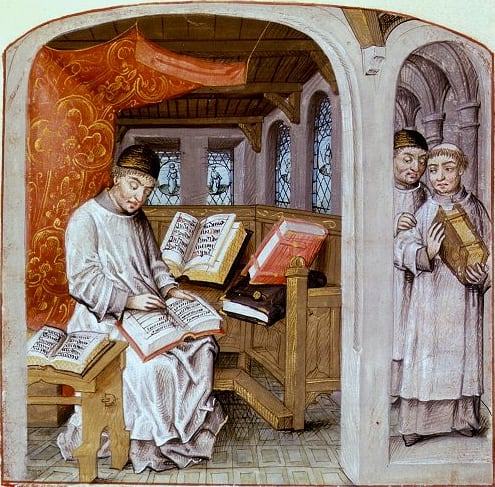
Thomas à Kempis
يتّفقان في: ما المطلق؟ هل الله موجود؟ · لماذا نتألّم؟ · ماذا يحدث بعد الموت؟

Mirabai
يتّفقان في: ما المطلق؟ هل الله موجود؟ · لماذا نتألّم؟ · كيف يُبلَغ التحرّر أو الخلاص؟
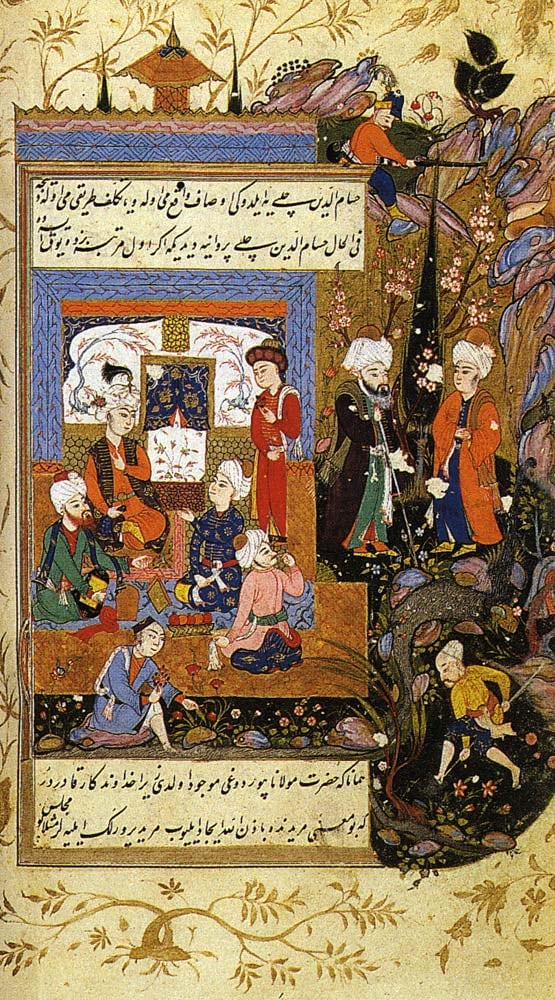
Rumi
يتّفقان في: ما المطلق؟ هل الله موجود؟ · لماذا نتألّم؟ · ماذا يحدث بعد الموت؟
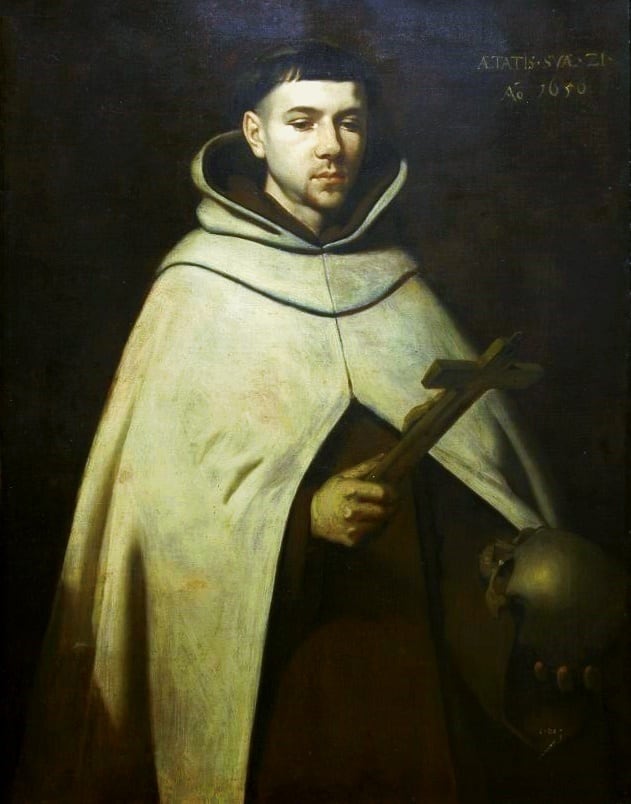
John of the Cross
يتّفقان في: ما المطلق؟ هل الله موجود؟ · لماذا نتألّم؟ · ماذا يحدث بعد الموت؟
يبتعد في تفكيره عن

Pema Chödrön
يختلفان في: ما المطلق؟ هل الله موجود؟ · ماذا يحدث بعد الموت؟

Śāntideva
يختلفان في: ما المطلق؟ هل الله موجود؟ · ماذا يحدث بعد الموت؟

The 14th Dalai Lama (Tenzin Gyatso)
يختلفان في: ما المطلق؟ هل الله موجود؟ · ماذا يحدث بعد الموت؟

Nāgārjuna
يختلفان في: ما المطلق؟ هل الله موجود؟ · ماذا يحدث بعد الموت؟
حكايات وروايات
حكايات وروايات
لا يمكن التحقق منهc. 1250 (relato de Joinville)
Fire and water
أصل الرواية: Joinville, *Vie de saint Louis* (1309), without a name; later attribution to Rabia in the Persian Sufi tradition. Schimmel (1975) and Cornell (2019) discuss its spread.
المصدر: Schimmel, Annemarie. Mystical Dimensions of Islam. Chapel Hill: University of North Carolina Press, 1975 (sobre Rabia y la difusión europea del relato del fuego y el agua a través de Joinville).
رواية من سِيَر القدّيسينs. VIII (según Attar)
The freed slave
أصل الرواية: Attar, *Tadhkirat al-awliya* (13th c.); English adaptation in Field (1910). Cornell notes that slavery does not appear in the ninth- to eleventh-century sources, which call her the freedwoman of a clan.
رواية من سِيَر القدّيسينs. VIII (según Attar)
The Kaaba comes out to meet her
أصل الرواية: Attar, *Tadhkirat al-awliya*. Ibrahim ibn Adham died around 777; the meeting has no basis in the early sources.
شهادةc. 760–778
Sufyan al-Thawri and sorrow
أصل الرواية: Al-Dhahabi, *Siyar a'lam al-nubala'*, entry on Rabia (Arabic Wikisource), with chains going back to Ibn Abi l-Dunya and Basran witnesses.
رواية من سِيَر القدّيسينs. VIII (según la tradición)
Hasan al-Basri's proposal
أصل الرواية: Attar, *Tadhkirat al-awliya*, adapted by Field (1910). Wikipedia (en), summarising Cornell, stresses that there is no evidence they ever met.
التعاليم
التعاليم
المفاهيم التي ينتظم بها فكره، مشروحة في سياقها.
Disinterested love of Godhubb-ilahi
The passage from the asceticism of fear (*khawf*) to the mysticism of love (*mahabba*); Nicholson, Schimmel and Cornell.
المصدر: Cornell, Rkia Elaroui. Rabi'a from Narrative to Myth: The Many Faces of Islam's Most Famous Woman Saint, Rabi'a al-'Adawiyya. Londres: Oneworld Academic, 2019.
Asceticism (zuhd)zuhd
Basran asceticism in the seventh and eighth centuries.
المصدر: Cornell, Rkia Elaroui. Rabi'a from Narrative to Myth: The Many Faces of Islam's Most Famous Woman Saint, Rabi'a al-'Adawiyya. Londres: Oneworld Academic, 2019.
Sincerity (sidq)sidq
Sufi doctrine of states and stations; *ikhlas* and *sidq* in al-Qushayri.
Contentment with the divine will (rida)rida
The station of *rida* in Sufi manuals; link with trust (*tawakkul*).
Repentance as gracetawba-como-gracia
Sufi doctrine of *tawba*; Nicholson, The Mystics of Islam (1914).
المصدر: Nicholson, Reynold A. The Mystics of Islam. Londres: G. Bell & Sons, 1914 (Project Gutenberg 67388).
مقاطع الفيديو
مقاطع الفيديو
تسجيلات ومقابلات وأفلام وثائقية. تُشغَّل مقاطع الفيديو من YouTube؛ ولا تُستضاف هنا.
The Woman Who Rejected Heaven and Hell
تحليل· EN· 50 min
Let's Talk Religion
Mystical Love & Sufi Women
تحليل· EN· 20 min
Let's Talk Religion
"The life and significance of Rab'ia al-Adawiyya" - Dr. Sophia Pandya
محاضرة· EN· 43 min
Salaam Islamic Center
First Female Sufi - Rabia al-Adawiyya
محاضرة· EN· 27 min
Claudia Yaghoobi
Great Figures of Islam – Rabi'a al-'Adawiyyah - Lecture Series (Session 6)
محاضرة· EN· 39 min
ISRA Academyالقناة الرسمية
Episode 4: Rabiah Al-Adawiyya | Inspirational Muslim Women
تحليل· EN· 6 min
Yaqeen Instituteالقناة الرسمية
Conferencia: Rabi'a Al-'adawiyya. Dra. Paulina Pezzat
محاضرة· ES· 89 min
Seminario de Historia de la Filosofía Canal
Dolors Bramon - Los sufíes Al-Khallaj y la ex esclava Rabia Al-Adawiyya
محاضرة· ES· 49 min
Espacio Ronda Barcelona
Hasnat Mustafa Hashmi - Rabiya Basri, la mujer sufí
محاضرة· ES· 58 min
Espacio Ronda Barcelona
Mundo Poesía. Capítulo 17: Poesía sufí. Primera parte. Rābia'a al-'Adawiyya
تحليل· ES· 3 min
Culturas Veintidós
Râbi'a al-'Adawiyya : Femme, Mystique et Sainte musulmane - Focus #1
تحليل· FR· 30 min
Ave'Roes
Râbi'a al-'Adawiyya, mystique et liberté, par Asma Lamrabet
محاضرة· FR· 85 min
Conscience Soufie
RÂBI'AH al-'Adawiyyah – Une Vie, une Œuvre : l'amour spirituel (France Culture, 2006)
فيلم وثائقي· FR· 2006· 88 min
ÉCLAIR BRUT
Rabia-i Adviyye Hazretleri: Hazreti Rabia (ARŞİV FİLM)
تسجيل من طرف ثالث· TR· 77 min
TGRT Belgesel TV
المعرض
المعرض
صور بترخيص متحقَّق منه. كل منها تحتفظ بمؤلّفها ونسبتها.
العلاقات
العلاقات
تأثيرات وتلمذة وتقارب في الأفكار. تُميَّز العلاقة الموثّقة عن التشابه المستخلَص بالتحليل.
أثّر في
Al-Ghazali quotes and comments on the verses of the "two loves" attributed to Rabia in book XXXVI of the *Ihya* as an example of pure love.
علاقة موثّقة
أثّر في
Attar wrote in the *Tadhkirat al-awliya* the legendary biography of Rabia that fixed her image in the Persian, Turkish and Indian worlds.
علاقة موثّقة
أفكار قريبة من
Rumi, Attar's heir, develops the mysticism of disinterested love that tradition associates with Rabia. No direct mention in his work is cited here.
تشابه مستخلَص بالتحليل
أفكار قريبة من
Both are central figures of love mysticism in early Sufism and appear together in modern anthologies and studies; there was no contact (Rabia died around 801, al-Hallaj was born around 858).
تشابه مستخلَص بالتحليل
أفكار قريبة من
Ibn Arabi studied with women Sufi masters in al-Andalus and defended women's full spiritual capacity, a theme Rabia's figure embodies in the tradition. An affinity, not influence documented here.
تشابه مستخلَص بالتحليل
أفكار قريبة من
Rabia's detachment before the Kaaba has been compared with Teresa of Jesus's degrees of prayer (Salto Sánchez del Corral, 2017). An academic comparison, with no contact.
تشابه مستخلَص بالتحليل
أفكار قريبة من
Rabia's hagiographical stories share with the Christian tradition of women saints and desert fathers motifs such as voluntary poverty and the love of God for His own sake; the story of fire and water circulated in Christian Europe. A thematic affinity.
تشابه مستخلَص بالتحليل
المصادر
المصادر
المراجع والفهارس التي رُوجعت لهذه الصفحة.
- Wikidata, Q256506 «Rabia of Basri» (P31=Q5; 65 enlaces entre wikis; P569 710 (década); P570 801).
- Cornell, Rkia Elaroui. Rabi'a from Narrative to Myth: The Many Faces of Islam's Most Famous Woman Saint, Rabi'a al-'Adawiyya. Londres: Oneworld Academic, 2019.
- Smith, Margaret. Rabi'a the Mystic and Her Fellow-Saints in Islam. Cambridge: Cambridge University Press, 1928; reed. 1984 con introducción de Annemarie Schimmel.
- al-Dhahabi, Shams al-Din. Siyar a'lam al-nubala', entrada «Rabi'a al-'Adawiyya» (texto árabe en Wikisource).
- Ibn Kathir. al-Bidaya wa-l-nihaya, vol. X, obituarios del año 185 H, entrada «Rabi'a al-'Adawiyya» (texto árabe en Wikisource).
- Attar, Farid al-Din. Tadhkirat al-awliya', capítulo de Rabia; en la adaptación inglesa de Claud Field, Mystics and Saints of Islam, Londres: Francis Griffiths, 1910, cap. III «Rabia, the Woman Sufi» (Project Gutenberg 24314).
- Nicholson, Reynold A. The Mystics of Islam. Londres: G. Bell & Sons, 1914 (Project Gutenberg 67388).
- al-Sulami, Abu Abd al-Rahman. Dhikr al-niswa al-muta'abbidat al-sufiyyat. Ed. y trad. de Rkia Elaroui Cornell: Early Sufi Women. Louisville: Fons Vitae, 1999.
- al-Qushayri. al-Risala al-qushayriyya. Trad. de Alexander D. Knysh: Al-Qushayri's Epistle on Sufism. Reading: Garnet, 2007.
- Schimmel, Annemarie. Mystical Dimensions of Islam. Chapel Hill: University of North Carolina Press, 1975 (sobre Rabia y la difusión europea del relato del fuego y el agua a través de Joinville).
- Abu Talib al-Makki, Qut al-qulub (s. X), y al-Ghazali, Ihya ulum al-din, libro XXXVI (Kitab al-mahabba), trad. Eric Ormsby, Love, Longing, Intimacy and Contentment, Islamic Texts Society, 2012; texto árabe de los versos reproducido por Abd al-Ghani al-Nabulsi en Wikisource.
- Wikipedia (en), «Rabia of Basra» (citas de Cornell 2019 sobre la escasez de datos históricos, las tres Rabias de al-Sulami y su recepción moderna).
- Ibn Battuta. Tuhfat al-nuzzar fi ghara'ib al-amsar, vol. I, descripción de Jerusalén: la tumba del monte de los Olivos es de «Rabi'a al-Badawiyya», distinta de la célebre al-Adawiyya (texto árabe en Wikisource).
- Open Library, registros de ediciones de Smith, Cornell, al-Sulami, al-Qushayri, Attar (Arberry, Pavet de Courteille), Lings, Upton y Oudaimah.
- صاحب الحقوق
- Sin titular: no hay obra de Rabia. Los textos que se le atribuyen proceden de autores medievales de dominio público; las traducciones y estudios modernos (Cambridge University Press, Oneworld, Fons Vitae, Islamic Texts Society, Arfuyen, Seuil…) están sujetos a los derechos de sus editores.
في انتظار التأكيد
ما لم تتمكّن هذه الصفحة من حسمه بعد. نفضّل أن نقول ذلك على أن نملأ الفراغ.
- Obra: Rabia no dejó escritos. Se registran como «obras» los conjuntos de versos y dichos que se le atribuyen, cada uno con su fuente de transmisión (al-Makki, al-Dhahabi/Ibn Abi l-Dunya, al-Sulami, al-Qushayri, Attar), y los estudios y antologías principales como academic_about o compilation. No se ha podido verificar en el texto de Kitab al-luma' de al-Sarraj (ed. Nicholson, 1914) qué dichos de Rabia recoge: el OCR de Internet Archive no permite buscarlos.
- Ediciones en español: no se ha localizado ninguna traducción castellana con ISBN de los dichos o poemas atribuidos a Rabia, ni del Tadhkirat al-awliya de Attar.
- Sala de lectura: los textos de dominio público que contienen sus dichos (Attar en la edición persa de Nicholson, 1905–1907; la traducción francesa de Pavet de Courteille, 1889; Field, Mystics and Saints of Islam, 1910; Nicholson, The Mystics of Islam, 1914) son libros de otros autores en los que Rabia ocupa un capítulo; no se registran porque el importador no puede separar el capítulo. Margaret Smith (1928) es libre en EE. UU. pero no en la UE ni en España (Smith murió en 1970).
- Fechas: el nacimiento c. 717 y la muerte en 185/801 son tradicionales; Cornell subraya que su origen es incierto. Verificar en Cornell 2019 qué dos autores basrenses del siglo IX la mencionan (se cita a al-Jahiz).
- Citas: cotejar con el texto árabe de Qut al-qulub y del Ihya los versos de los «dos amores» (se ha usado la versión reproducida por al-Nabulsi en Wikisource) y localizar el texto árabe del dicho sobre el arrepentimiento citado por Nicholson.
- Vídeos: no se ha localizado un documental institucional; el programa de France Culture (2006) está subido por un canal no oficial.
بُحث بتاريخ 2026-10-25