البوذية · ثيرافادا
Ajahn Chah
ชา สุภทฺโท · หลวงพ่อชา · พระโพธิญาณเถร
1918 – 1992شخصية موثّقة تاريخيًا
راهبٌ بوذي تايلاندي من تقليد الغابة في مذهب الثيرافادا، وتلميذٌ في السلسلة الروحية لأجان مون. أسّس سنة 1954 دير وات نونغ باه بونغ في شمال شرق تايلاند، وسنة 1975 دير وات باه ناناتشات، أوّل دير في البلاد للرهبان الغربيّين. لم يكتب كتبًا، بل فرّغ تلاميذه مواعظه المسجّلة بالتايلاندية وبلهجة إيسان وترجموها. وعلى أيديهم — أجان سوميدو وجاك كورنفيلد وأجان براهم — انتشر تعليمه القائم على اليقظة الذهنية والبساطة والتحرّر من التعلّق في أوروبا وأمريكا وأوقيانوسيا.
- مؤلَّفًا
- 23مؤلَّفًا
- طبعة
- 34طبعة
- اقتباسًا
- 8اقتباسًا
- مقطع فيديو
- 11مقطع فيديو
- صورة
- 6صورة
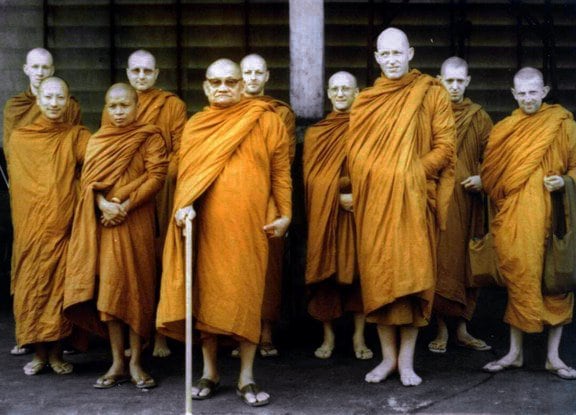
Ajahn Chah con su comunidad (1980) · Public domain
بكلماته
«Is there enough time to breathe? This is your meditation: mindfulness, naturalness in whatever you do.»Bodhinyana, «Questions and Answers» (traducción inglesa de la Sangha de Wat Pah Nanachat; original oral en tailandés o lao de Isan)

فكرته المحورية
Practice does not consist in reaching special states or pursuing results: the very wish to be free becomes an obstacle. It is a matter of observing attentively what arises and letting it take its natural course, without clinging or rejecting.
السيرة
4 دقيقة قراءة
ترجمة مُعانة من الأصل الإسباني، بانتظار مراجعة مترجم من أهل اللغة.
ابنُ إيسان
وُلد تشا تشوانغتشوت في 17 حزيران/يونيو 1918 في بان كور، وهي قريةٌ تحيط بها حقول الأرز على بُعد كيلومترات قليلة جنوب مدينة أوبون راتشاثاني، في إقليم إيسان، الهضبة الكبرى في شمال شرق تايلاند، القريبة لغةً وثقافةً من لاوس. وكان الخامس بين أحد عشر ولدًا لماه وبيم تشوانغتشوت، وهما من الفلّاحين الميسورين بمقاييس القرية المتواضعة. وكسائر صبيان المنطقة تقريبًا، أمضى بضع سنين مبتدئًا في دير القرية حيث تعلّم القراءة والكتابة، ثم عاد إلى البيت ليعين أهله في الحقل. وكلّ ما يُعرف عن طفولته مصدره ذكرياته هو، التي رواها على مرّ السنين في مواعظه وأحاديثه، والإعادةُ الصبورة لبنائها على يد كاتب سيرته، الراهب الإنجليزي أجان جاياسارو.
وفي 26 نيسان/أبريل 1939، وهو في العشرين، تلقّى الرسامة الكبرى في وات كور ناي واسمَه البالي سوبهادّو. وكانت سنواته الأولى راهبًا (بِكّو) سنواتِ راهبٍ قرويّ مجتهد: درس الدَّمّا وقواعد الحياة الرهبانية واللغة البالية، واجتاز الامتحانات الرسمية. ثم إن وفاة أبيه جعلته يشعر، بحسب شهادته، بأن كلّ ذلك الدرس لا يقرّبه من انقضاء المعاناة. ففي مطلع سنة 1947 ترك الدراسة وانطلق في «التودونغ»، حياة التجوال التي يحياها رهبان الغابة.
الغابة والمعلّم
سبع سنين ظلّ يجوب سيرًا على قدميه شمال شرق تايلاند ووسطها، ينام تحت المظلّة ذات الناموسية التي يعلّقها الرهبان على الأشجار، ويستعطي طعامه في القرى، ويبحث عن معلّمي السلسلة التي أسّسها أجان مون بوريداتّو، المجدِّد الكبير لرهبنة الغابة. وقضى خلوة موسم الأمطار عند لوانغ بو كيناري، فتعلّم منه انضباطًا دقيقًا، وفي مطلع سنة 1948 بلغ دير نونغ بيو في ساكون ناخون، حيث كان يقيم أجان مون. ولم يمكث هناك سوى ثلاثة أيام. وبحسب الرواية المتناقلة في الدير، قال له المعلّم الشيخ إن التعاليم، على اتّساعها، بسيطةٌ جدًّا في جوهرها: أن ترى، واليقظة الذهنية راسخة، أن كلّ شيء ينشأ في القلب-العقل. وروى أجان تشا لاحقًا أن تلك النصيحة أنارت له الطريق.
وكانت السنوات التالية سنوات ممارسةٍ قصوى. فقد حكى بنفسه، في موعظةٍ من أواخر الستينيات، الليلة التي قضاها وحيدًا في ساحةٍ لحرق الموتى بجوار قبرٍ حُفر للتوّ لطفل، ثم الليلة التالية أمام محرقةٍ مشتعلة، وقد استبدّ به خوفٌ وصفه بروح الدعابة ومن غير أن يضنّ بالتفاصيل. ومارس التأمّل في الكهوف وفي أدغالٍ تسكنها النمور والكوبرا، وتعلّم أن يتّخذ من التأمّل في الموت أداة. وتقوم رواية تلك السنوات أساسًا على كلماته هو وعلى شهادات رفاقه التي جمعها جاياسارو، وينبغي أن تُقرأ على هذا الأساس.
وات نونغ باه بونغ
في سنة 1954 قبِل أن يستقرّ في أَيْكةٍ مهجورة قرب قريته، مكانٍ كان الناس يتجنّبونه خوفًا من الكوبرا والنمور والأشباح، فرآه لهذا السبب نفسه مثاليًّا لراهب الغابة. وهناك نما دير وات نونغ باه بونغ. وكان التدريب قاسيًا: وجبةٌ واحدة في اليوم، والتزامٌ صارم بالفينايا (قواعد الانضباط الرهباني)، وأعمالٌ طويلة لا جدوى ظاهرة منها غايتها إحباط التعلّق بالسكينة، ومعلّمٌ يدفع رهبانه إلى أقصى حدود صبرهم. أمّا أسلوبه في التعليم فكان بسيطًا مفعمًا بالدعابة: يتكلّم بلغة الفلّاحين، ويضرب الأمثال بالجواميس والقدور والبطّيخ والنمل، ويرتاب في التقنيات وفي الأحوال الخارقة على السواء. وكان يقول إن التأمّل لا يكون جلوسًا فحسب، بل يكون أثناء التنفّس، وأثناء الكنس، وأثناء خياطة الثوب الرهباني.
واجتذبت شهرته آلافًا من العامّة والرهبان التايلانديين، ثم منذ سنة 1967 غربيّين أيضًا. وكان أوّلهم سوميدو، وهو أمريكيّ حديث الرسامة قبله من غير تساهل: يأكل ما يأكله الآخرون ويمارس كما يمارسون. وتبعه آخرون، وفي سنة 1975 أذن أجان تشا بتأسيس وات باه ناناتشات، الدير الدولي للغابة، وهو أوّل دير في تايلاند يديره رهبانٌ ناطقون بالإنجليزية ومن أجلهم. وفي سنة 1976 نال اللقب الكنسي «فرا بوديناناثيرا»، لكنه ظلّ عند الجميع «لوانغ بور»، أي «الأب الجليل».
نحو الغرب
في سنة 1977 دعاه صندوق السَّنغا الإنجليزي (English Sangha Trust) إلى لندن. ولمّا رأى اهتمامًا جادًّا ترك هناك أجان سوميدو مع رهبانٍ آخرين، ثم عاد سنة 1979 والجماعة تنتقل إلى دير تشيثيرست الجديد في مقاطعة ساسكس، وسافر بعدها إلى الولايات المتحدة وكندا، حيث تحدّث في «جمعية تأمّل البصيرة» (Insight Meditation Society) التي شارك في تأسيسها تلميذه السابق جاك كورنفيلد. ومن تلك الشبكة وُلدت أديرة أمارافاتي في إنجلترا، وبوديِنيانا في أستراليا، وأبهاياغيري في كاليفورنيا، وعشراتٌ غيرها في أوروبا وأوقيانوسيا. وكان كورنفيلد قد عرّف بشخصيته في كتاب «Living Buddhist Masters» (1977)، ثم نشر سنة 1985 مع بول برايتر «A Still Forest Pool»، وهي المختارات التي جعلته مشهورًا بين قرّاء الإنجليزية.
لم يكتب أجان تشا كتبًا. فما يُقرأ اليوم باسمه إنما هو تفريغٌ لمواعظ سُجّلت على أشرطة كاسيت، كثيرًا ما كانت رديئة الجودة، بالتايلاندية أو بلهجة إيسان، ترجمها رهبانٌ من وات باه ناناتشات، وثانيسّارو بِكّو، وبول برايتر، أو حرّرها أجان أمارو. وتوزّعها أديرته مجّانًا، بوصفها عطيّةً من الدَّمّا، بموجب تراخيص تبيح نسخها ولا تبيح بيعها ولا تحريفها.
عشر سنوات من الصمت
منذ أواخر السبعينيات أخذ داء السكّري ينخر صحّته: دوارٌ، وفقدانٌ للذاكرة، وعمليةٌ جراحية سنة 1981 لم توقف الشلل. وفي 20 كانون الثاني/يناير 1983، بعد خمسة أشهر في أحد مستشفيات بانكوك، أعادته طائرةٌ تابعة لسلاح الجوّ إلى أوبون، وأنزله راهبٌ غربيّ على ذراعيه عبر سلّم الطائرة. ولم يتكلّم بعد ذلك قطّ. وظلّ أكثر من تسع سنوات ساكنًا صامتًا، يتناوب رهبانه على رعايته، وقال تلاميذه إن ذلك المرض كان آخر دروسه في الزوال وعدم الدوام. وتوفّي في الساعة الخامسة وعشرين دقيقة من صباح 16 كانون الثاني/يناير 1992، عن ثلاثةٍ وسبعين عامًا.
وجمع حرقُ جثمانه، بعد عامٍ تامّ، في الدير الأسرةَ الملكية وحشدًا يقدّره كاتب سيرته بنحو أربعمئة ألف شخص، وتقدّره مصادر أخرى بأكثر من مليون. ويضمّ وات نونغ باه بونغ اليوم أكثر من مئتي دير فرعي في تايلاند وشبكةً دولية تُبقي انضباط الغابة حيًّا. أمّا مواعظه، المترجمة إلى عشرات اللغات، فهي من أكثر النصوص البوذية المعاصرة قراءةً في الغرب.
المصادر: The Sangha, Wat Nong Pah Pong (comp. Bhikkhus Dhammajoti y Gavesako). The Teachings of Ajahn Chah: A Collection of Ajahn Chah's Dhamma Talks. Ubon Ratchathani: Wat Nong Pah Pong, 2007 (ed. 4.3), con la semblanza «About Ajahn Chah». Distribución gratuita. · Ajahn Jayasaro. Stillness Flowing: The Life and Teachings of Ajahn Chah. Panyaprateep Foundation, 2017. Distribución gratuita. · Ajahn Jayasaro. Quietud que fluye: la vida y las enseñanzas de Ajahn Chah. Trad. Ricardo Szwarcer. Panyaprateep Foundation, 2023 (ISBN 978-1-78432-207-6; licencia CC BY-NC-ND 4.0). · Kornfield, Jack; Breiter, Paul (comp. y ed.). A Still Forest Pool: The Insight Meditation of Achaan Chah. Wheaton (IL): Theosophical Publishing House / Quest Books, 1985. · Ajahn Chah. Food for the Heart: The Collected Teachings of Ajahn Chah. Ed. Ajahn Amaro, prólogo de Jack Kornfield. Boston: Wisdom Publications, 2002.
الخط الزمني
الحياة عامًا بعد عام
كل نقطة حدث موثّق. انقر لتقرأه مع مصدره ودرجة اليقين فيه.
17 يونيو 1918أقل من عامBahn Kor, Ubon Ratchathani
Birth in an Isan village
Born on the seventh day of the seventh moon of the Year of the Horse, fifth of the eleven children of Mah and Pim Chuangchot, rice farmers from a well-off village family.
موثّقAjahn Jayasaro. Quietud que fluye: la vida y las enseñanzas de Ajahn Chah. Trad. Ricardo Szwarcer. Panyaprateep Foundation, 2023 (ISBN 978-1-78432-207-6; licencia CC BY-NC-ND 4.0).
بعد وفاته
- 16 يناير 1993Cremation before a multitude
- 2017Stillness Flowing
17 يونيو 1918 · أقل من عام
Birth in an Isan village
Born on the seventh day of the seventh moon of the Year of the Horse, fifth of the eleven children of Mah and Pim Chuangchot, rice farmers from a well-off village family.
موثّق
نحو 1927 · 9 أعوام
Novice in the village monastery
Following Isan custom he enters the local monastery as a novice, where he learns to read and write; after some years he returns home to help his parents.
موثّق
26 أبريل 1939 · 20 عامًا
Ordination as a bhikkhu
He receives higher ordination and the monastic name Subhaddo; in the following years he studies the Dhamma, the Vinaya and Pali in village monasteries.
موثّق
1947 – 1954 · 28 عامًا
Tudong years
After his father's death he gives up his studies and takes up the wandering life of the forest monks: forests, caves and cremation grounds, following teachers such as Luang Pu Kinaree.
موثّق
1948 · 29 عامًا
Three days with Ajahn Mun
Early in 1948 he visits the great forest master, who teaches him that although the texts are extensive, at heart practice is very simple: to see with mindfulness that everything arises in the heart-mind.
موثّق
1954 · 36 عامًا
Founding of Wat Nong Pah Pong
He settles in an uninhabited grove near his home village, feared for its cobras and ghosts; there grows the monastery that will give its name to a network of over two hundred branches.
موثّق
1967 · 49 عامًا
The first Western disciple arrives
The newly ordained American Sumedho arrives at the monastery; Ajahn Chah accepts him without granting him any privilege for being a Westerner.
موثّق
1975 · 57 عامًا
Wat Pah Nanachat
The International Forest Monastery is founded, the first in Thailand run by and for English-speaking monks, with Ajahn Sumedho as abbot.
موثّق
1976 · 58 عامًا
Title of Phra Bodhiñāṇathera
He receives the ecclesiastical title under which he appears in official documents, though to his disciples he remains Luang Por, 'venerable father'.
موثّق
1977 · 59 عامًا
First journey to England
Invited by the English Sangha Trust, he travels with Ajahn Sumedho to the Hampstead Buddhist Vihara and leaves his disciple there to found a monastic community in the West.
موثّق
1979 · 61 عامًا
Chithurst and the American tour
He returns to England as the monks move to the new monastery of Chithurst (Cittaviveka) and afterwards teaches at the Insight Meditation Society in Massachusetts and in Canada.
موثّق
20 يناير 1983 · 64 عامًا
Return to Ubon, paralysed and speechless
After surgery in 1981 and five months in a Bangkok hospital, diabetes and its consequences leave him paralysed; a Western monk carries him in his arms from a military aircraft. He will never speak again.
موثّق
16 يناير 1992 · 73 عامًا
Death
He dies at 5.20 in the morning, after more than nine years motionless and silent, tended in shifts by his monks.
موثّق
16 يناير 1993
Cremation before a multitude
Exactly a year after his death the cremation takes place, attended by the royal family. His biographer estimates some four hundred thousand people; other sources speak of more than a million.
موثّق
2017
Stillness Flowing
Ajahn Jayasaro publishes the standard biography, the fruit of decades of interviews with disciples; it is distributed free and translated into Spanish in 2023 as Quietud que fluye.
موثّق
المؤلَّفات
المؤلَّفات الأساسية
المؤلَّفات التي لا يُفهم إرثه من دونها.
مجموعة لاحقة · 1980
A Taste of Freedom
A selection of talks to lay people and monks—'Training this Mind', 'On Meditation', 'The Path in Harmony', 'The Middle Way Within', 'Opening the Dhamma Eye', 'Convention and Liberation'—translated by the Wat Pah Nanachat community. It is one of the most reprinted collections and the first many readers encounter; it sets out the middle way, mindfulness in daily life and the difference between conventions and liberation.
3 طبعات · amazon.com

مجموعة لاحقة · 1985
A Still Forest Pool
A Still Forest Pool: The Insight Meditation of Achaan Chah
A thematic anthology of sayings and talk fragments gathered by Jack Kornfield and Paul Breiter, both former monks in his monasteries. Arranged by theme—right understanding, meditation, monastic life, questions and answers—it made Ajahn Chah an author known beyond Buddhist circles. The title comes from his image of the attentive mind growing still like a clear forest pool where strange animals come to drink.
طبعتان · amazon.com

مجموعة لاحقة · 2002
Food for the Heart
Food for the Heart: The Collected Teachings of Ajahn Chah
The standard anthology published by Wisdom Publications, edited by Ajahn Amaro with a foreword by Jack Kornfield: it gathers in a single volume revised talks from the free-distribution collections, with an introduction on the forest tradition. It is the most widely read gateway to his teaching in English.
طبعة واحدة · amazon.com

مجموعة لاحقة · 2005
Everything Arises, Everything Falls Away
Everything Arises, Everything Falls Away: Teachings on Impermanence and the End of Suffering
Talks and fragments on impermanence and the end of suffering translated by Paul Breiter, not included in the Wat Pah Nanachat collections. Its tone is especially direct and aimed at lay readers.
3 طبعات · amazon.com
جميع مؤلَّفاته (23)
Ajahn Chah
Fragments of a Teaching
The Conscious LibraryFragments of a Teaching
1972
Ajahn Chah
Bodhinyana
The Conscious LibraryBodhinyana
1982

Living Dhamma
1992

Food for the Heart (1992 collection)
1992
Ajahn Chah
A Tree in a Forest
The Conscious LibraryA Tree in a Forest
1994

No Ajahn Chah
1994
Ajahn Chah
The Path to Peace
The Conscious LibraryThe Path to Peace
1996
Ajahn Chah
Clarity of Insight
The Conscious LibraryClarity of Insight
2000

Being Dharma
2001
Ajahn Chah
Unshakeable Peace
The Conscious LibraryUnshakeable Peace
2003

Everything Is Teaching Us
2004
Ajahn Chah
The Teachings of Ajahn Chah
The Conscious LibraryThe Teachings of Ajahn Chah
2007
Ajahn Chah
Still, Flowing Water: Eight Dhamma Talks
The Conscious LibraryStill, Flowing Water: Eight Dhamma Talks
2007
Ajahn Chah
In Simple Terms
The Conscious LibraryIn Simple Terms
2010

The Collected Teachings of Ajahn Chah
2011
Ajahn Chah
On Meditation
The Conscious LibraryOn Meditation
2018
Ajahn Chah
The Training of the Heart
The Conscious LibraryThe Training of the Heart
Ajahn Chah
Our Real Home
The Conscious LibraryOur Real Home
Ajahn Chah
Beyond Cause and Effect
The Conscious LibraryBeyond Cause and Effect
1990
الأقوال
أقوال محدَّدة الموضع في مؤلَّف بعينه. كل منها يحمل مصدره ودرجة الثقة به.
Is there enough time to breathe? This is your meditation: mindfulness, naturalness in whatever you do.متحقَّق منهBodhinyana, «Questions and Answers» (traducción inglesa de la Sangha de Wat Pah Nanachat; original oral en tailandés o lao de Isan)
الأفكار الجوهرية (خلاصة تحريرية)
احترامًا لحقوق المؤلف، تُلخَّص هذه الأفكار بكلماتنا ولا تُقدَّم بوصفها اقتباسات حرفية.
- Practice does not consist in reaching special states or pursuing results: the very wish to be free becomes an obstacle. It is a matter of observing attentively what arises and letting it take its natural course, without clinging or rejecting.
- Meditation is not confined to the sitting posture: it can be done walking, working, eating or sewing, because it consists in sustaining mindfulness and naturalness in any activity; whoever claims to have no time to meditate still has time to breathe.
- Everything perceived as certain is in fact uncertain. Answering every desire and every aversion with a 'not sure' cuts identification with mental states and is, for him, the standard of the noble ones.
- Letting go is neither passivity nor negligence: it is a demanding practice, learned like someone who at last drops a heavy rock he had been carrying and only then discovers how light he can be.
- Monastic discipline and ascetic practices are not ends in themselves but a framework that exposes attachment and strengthens patience; monastic training should therefore be hard and, at the same time, free of fanaticism.
- The body, the house and possessions are borrowed homes that belong to the world; the only true home is the peace born of understanding impermanence, and one can return to that peace even in old age and in the face of death.
الكلمات الأخيرة
لا توجد سجلات يمكن التحقق منها لكلماته الأخيرة.
There are no recorded last words. From early 1983, after years of diabetes and a failed operation in 1981, he was paralysed, unable to express himself coherently, and stopped speaking; he died in silence on 16 January 1992, after more than nine years cared for by his monks. Ajahn Jayasaro, his biographer, notes that many disciples expected some marvel before his death and that there was none.
المصدر: Ajahn Jayasaro. Quietud que fluye: la vida y las enseñanzas de Ajahn Chah. Trad. Ricardo Szwarcer. Panyaprateep Foundation, 2023 (ISBN 978-1-78432-207-6; licencia CC BY-NC-ND 4.0).
اسأل
بماذا يجيب أثره
اثنا عشر سؤالًا كبيرًا من أسئلة الإنسانية، وما تتيح نصوصه الإجابة به عنها، مع المراجع. ولا نقوّله ما لم يقل أبدًا.
ما المطلق؟ هل الله موجود؟
No god intervenes: it is enough to see the transient and let it go
لا إله خالقيُستنتج من تعاليمه
Ajahn Chah wrote no books: his teachings are talks in Thai or in the Lao of Isan, recorded and transcribed by his disciples. In them no creator God appears, nor is his existence discussed. His framework is that of the Pali canon and the Thai forest tradition: what matters is to see clearly that everything that arises is transient, imperfect and ownerless, and to let it go. When he speaks of what remains, he calls it peace or «the one who knows», and describes it as a quality of the liberated mind, not as a being. His work allows one to answer that liberation depends on no god, although he himself never made the question a subject of debate: he always turned it back to practice.
قارن هذا السؤال مع معلّمين آخرينمن أنا؟ هل توجد ذات حقيقية؟
There is no Ajahn Chah: everything is transient, imperfect and ownerless
لا توجد ذات دائمةيقوله صراحةً
In the talks transcribed by his disciples, Ajahn Chah applies the Pali teaching of non-self to the most immediate experience. Whatever arises in the mind, pleasure or pain, is to be seen as transient, imperfect and ownerless; none of it is «mine» or «I». One of his collections is entitled No Ajahn Chah, and he himself would repeat that the teacher's name and figure are useful conventions, not an entity. Identification with the body and with mental states is what produces suffering; letting go does not mean denying them but ceasing to carry them. What remains when one lets go he called «the one who knows», a quality of attentive knowing, not a soul or a Self.
قارن هذا السؤال مع معلّمين آخرينلماذا نتألّم؟
We suffer from grasping; the glass is already broken
التعلّق والشهوةيقوله صراحةً
Ajahn Chah's talks, transcribed and translated by his disciples, return suffering again and again to its cause in the second noble truth: clinging. In «Still, Flowing Water», from the 1981 rains retreat, he offers a domestic image: if one reflects beforehand that the glass is already broken, even when it is not, the cause of suffering ceases. It is not a matter of not using the glass, but of not demanding that it last. Phenomena he invites us to see as transient, imperfect and ownerless; everything is uncertain, and answering every desire and every aversion with «not sure» cuts identification. Pain exists, but the added suffering arises from carrying what cannot be held.
قارن هذا السؤال مع معلّمين آخرينماذا يحدث بعد الموت؟
The body is a borrowed home; the true home is inner peace
صمت أو تحفّظيُستنتج من تعاليمه
Ajahn Chah's best-known talk on death, «Our Real Home», was addressed to an elderly lay disciple who was dying, and his monks transcribed it. He does not speak to her of what will come afterwards. He asks her to look at the body as what it is: something that belongs to nature and follows its course, like flowing water or an ageing tree. The body, the house and possessions are borrowed homes; the only true home is inner peace, and one can return to that peace even at the end. The task in the face of death is not to speculate but to let go now of what will have to be let go anyway. Thus he resolves the question: by shifting it from the hereafter to present practice.
قارن هذا السؤال مع معلّمين آخرينكيف يُبلَغ التحرّر أو الخلاص؟
Ethics, concentration and wisdom in every posture, without chasing results
بالممارسة المنضبطةيقوله صراحةً
Ajahn Chah taught the classical Theravāda path of ethics, concentration and wisdom, but insisted that they are not separate nor confined to the sitting posture. In his forest monasteries, the Vinaya and some ascetic practices were the framework that exposes attachment and strengthens patience. Mindfulness had to be sustained while walking, working or eating: whoever says they have no time to meditate does have time to breathe. At the same time, he warned against spiritual ambition: one should not try to get anywhere in practice, because the very desire to be free or enlightened is what prevents freedom. Liberation is the fruit of letting go with perseverance, day after day, of what is seen as transient, imperfect and ownerless.
قارن هذا السؤال مع معلّمين آخرينهل نحتاج إلى معلّم؟
One learns by living in the forest community, under its discipline
الجماعة والتقليديُستنتج من تعاليمه
Ajahn Chah trained his disciples, Thai and Western, in forest monasteries where teaching was not separated from communal life. Strict observance of the Vinaya, the monastic code, and of some ascetic practices served to expose each person's attachment, impatience and pride; the teacher observed and corrected, but the school was the whole community with its rules, its timetable and its work. At the same time, his talks always return responsibility to the practitioner: the teacher only points, and what is decisive is looking at one's own mind. That a collection of his teachings is entitled No Ajahn Chah well expresses this double attitude: a demanding presence that does not want to become an object of attachment.
قارن هذا السؤال مع معلّمين آخرينهل العالم حقيقي؟
Everything arises, everything passes: conditioned phenomena, without an owner
شبكة أسباب بلا جوهريُستنتج من تعاليمه
Ajahn Chah did no metaphysics; he described the world as it appears to someone who observes it attentively. What presents itself to the senses and the mind arises, lasts a while and ceases, according to its causes; it must be seen as transient, imperfect and ownerless. One of his collections is titled precisely Everything Arises, Everything Falls Away. He often spoke of «nature» to refer to this course of things: the body belongs to nature and follows it, like flowing water. The world is not unreal, but neither is it certain; the certainty we attribute to it is what makes us suffer. Understanding dependent origination, in his teaching, is exercised by watching how a sensation gives way to a desire, rather than in abstract analysis.
قارن هذا السؤال مع معلّمين آخرينما الحب؟
He did not make love a theme; he taught seeing affection as attachment
لم يُبدِ رأيًا
The talks of Ajahn Chah that have been transcribed and translated contain no developed teaching on love. When affection appears, it usually does so as a form of attachment to be seen clearly: loved ones, like the body and possessions, are transient, and clinging to them prepares pain. This does not mean coldness. The Theravāda tradition in which he was trained cultivates loving-kindness (mettā) and compassion as practices, and he himself was known for his patience and humour with monks and lay people. But his emphasis lay elsewhere: on the peace that arises from letting go. From his work one can infer that mature love is the kind that does not demand that the other be certain or permanent.
قارن هذا السؤال مع معلّمين آخرينهل نحن أحرار أم أن كل شيء مقدَّر؟
Kamma is action: what one does now with mindfulness changes the course
الكارما والاختياريُستنتج من تعاليمه
Ajahn Chah taught within the Theravāda framework of kamma, understood as intentional action and its consequences. In his talks, transcribed by his disciples, the emphasis falls less on the past that conditions than on what can be done now: observing what arises in the mind and not acting moved by desire or aversion. Answering every impulse with «not sure» cuts automatic reaction and opens a margin of freedom. At the same time, his teaching on non-self discourages thinking that there is someone in control: mental states follow their course according to their causes. The freedom he proposes is not that of a sovereign subject but that of an attention that stops feeding the causes of suffering.
قارن هذا السؤال مع معلّمين آخرينلماذا نتأمّل أو نصلّي؟
Mindfulness and naturalness in everything: seeing the transient until letting go
رؤية الواقع كما هويقوله صراحةً
For Ajahn Chah, meditation is not reduced to time spent cross-legged. To anyone who said they had no time, he would ask whether they had enough time to breathe: that is meditation, mindfulness and naturalness in whatever one does. Practice consists in being mindful and letting things take their natural course; thus the mind grows quiet in any surroundings, like a clear forest pool. That stillness is not an end: in it one sees clearly that what arises is transient, imperfect and ownerless, and this seeing is what liberates. He also warned against meditative ambition: one should not try to get anywhere, because the wish for enlightenment becomes another obstacle.
قارن هذا السؤال مع معلّمين آخرينهل يستطيع العقل أن يعرف الحقيقة القصوى؟
Knowing by hearsay is not knowing: understanding arises in the heart
الحقيقة القصوى وراء العقليُستنتج من تعاليمه
Ajahn Chah insistently distinguished between knowledge that comes from books or from thinking about the Dhamma and knowledge born of practice. In his talks, known through his disciples' transcriptions, study appears as a useful map that does not replace the path: knowing what the texts say does not by itself transform the mind. Thought can analyse impermanence and reach correct conclusions without anything changing; true understanding occurs when the mind, quietened, sees directly that things are transient, imperfect and ownerless, and lets go. He called «the one who knows» that quality of attentive knowing which is not thought. He did not scorn the study of texts, which his monks practised, but subordinated it to experience.
قارن هذا السؤال مع معلّمين آخرينالانسحاب من العالم أم تغييره؟
Practice in every posture: whoever breathes has time to meditate
التأمّل في الفعليقوله صراحةً
Ajahn Chah was a forest monk and founded secluded monasteries where life followed a strict discipline; for monks, retreat was the condition of practice. But his teaching to laypeople, and to a large extent to the monks themselves, insisted that meditation is not confined to the sitting posture or to a place. To anyone who complained of having no time he would ask whether they had time to breathe: that is meditation, mindfulness and naturalness in whatever one does. The mind can grow quiet in any surroundings, like a clear forest pool. He did not propose reforming society, but living in its midst with attention, seeing the transience of each situation and letting go of what presents itself.
قارن هذا السؤال مع معلّمين آخرين
التقارب والتوتّر
التقارب والتوتّر
محسوبة سؤالًا سؤالًا انطلاقًا من مواقفه. وسبب كل اتفاق أو اختلاف يظهر بالنقر.
يقترب في تفكيره من
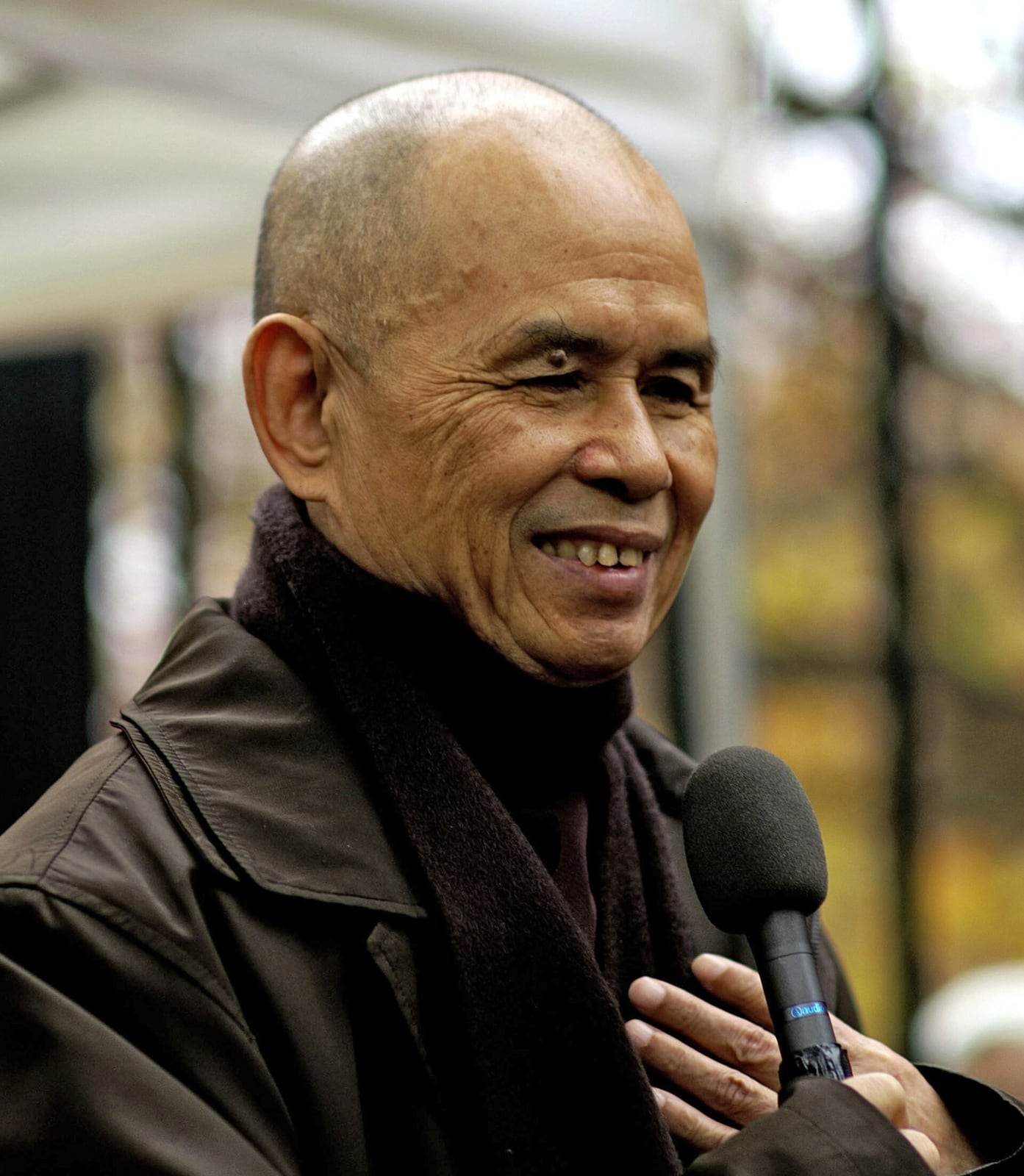
Thich Nhat Hanh
يتّفقان في: من أنا؟ هل توجد ذات حقيقية؟ · لماذا نتألّم؟ · كيف يُبلَغ التحرّر أو الخلاص؟

Siddhartha Gautama, the Buddha
يتّفقان في: ما المطلق؟ هل الله موجود؟ · من أنا؟ هل توجد ذات حقيقية؟ · لماذا نتألّم؟

Śāntideva
يتّفقان في: ما المطلق؟ هل الله موجود؟ · من أنا؟ هل توجد ذات حقيقية؟ · لماذا نتألّم؟

Pema Chödrön
يتّفقان في: ما المطلق؟ هل الله موجود؟ · من أنا؟ هل توجد ذات حقيقية؟ · لماذا نتألّم؟
يبتعد في تفكيره عن

Emanuel Swedenborg
يختلفان في: ما المطلق؟ هل الله موجود؟ · من أنا؟ هل توجد ذات حقيقية؟

Ignatius Brianchaninov
يختلفان في: ما المطلق؟ هل الله موجود؟ · من أنا؟ هل توجد ذات حقيقية؟
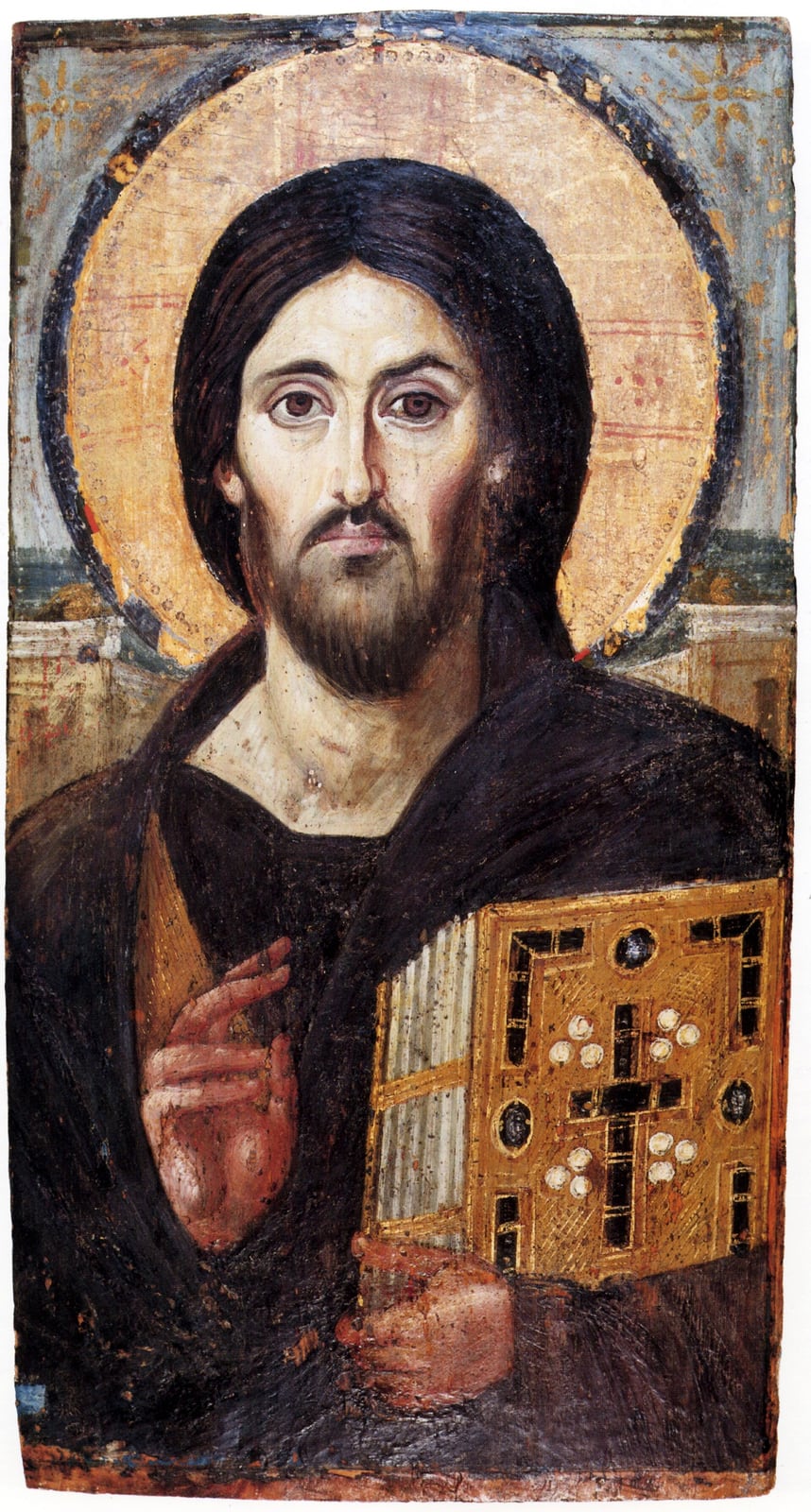
Jesus of Nazareth
يختلفان في: ما المطلق؟ هل الله موجود؟ · من أنا؟ هل توجد ذات حقيقية؟

Rabia al-Adawiyya
يختلفان في: ما المطلق؟ هل الله موجود؟
حكايات وروايات
حكايات وروايات
شهادةc. 1947–1954
Two nights in the cremation ground
أصل الرواية: Ajahn Chah's own account in the talk 'In the Dead of Night…', given on an uposatha night at Wat Nong Pah Pong in the late 1960s and published in Food for the Heart (1992) and The Teachings of Ajahn Chah (2007). Jayasaro (Stillness Flowing) places it in the wandering years.
شهادة1948
Three days with Ajahn Mun
أصل الرواية: The visit and its length are recorded in Ajahn Jayasaro's biography, based on companions' testimony; the content of the teaching comes from Ajahn Chah's own account as given in the official Wat Nong Pah Pong profile. Ajahn Mun's supposed recognition is oral tradition that Jayasaro presents as hearsay.
موثّق1966
No privileges for the first Westerner
أصل الرواية: Official profile 'About Ajahn Chah' in The Teachings of Ajahn Chah (Wat Nong Pah Pong, 2007) and Ajahn Sumedho's own testimony, gathered by Jayasaro.
تقليد شفهيc. 1970s–1981
The glass that is already broken
أصل الرواية: The narrative version comes from Mark Epstein, Thoughts Without a Thinker (1995), who does not specify when or to whom Ajahn Chah said it. The simile is documented in the talk 'Still, Flowing Water' (Living Dhamma; The Teachings of Ajahn Chah, 2007).
المصدر: Epstein, Mark. Thoughts Without a Thinker: Psychotherapy from a Buddhist Perspective. Nueva York: Basic Books, 1995.
رواية من سِيَر القدّيسينc. 1947–1954
The vision of the child in the grave
أصل الرواية: It circulates without a precise source in the 'Described Miracles' section of the English Wikipedia and in Thai devotional material. It does not appear in the autobiographical talk or in the Jayasaro biography consulted; it is recorded as a hagiographic tale.
المصدر: Wikipedia (en), «Ajahn Chah».
موثّق1983–1992
Ten years without words
أصل الرواية: Opening scene of Ajahn Jayasaro's biography (Stillness Flowing, 2017; Quietud que fluye, 2023), based on eyewitnesses.
التعاليم
التعاليم
المفاهيم التي ينتظم بها فكره، مشروحة في سياقها.
'Not sure' (mai nae)mai-nae
A practical application of anicca, one of the three characteristics of existence in Theravada Buddhism.
Still, flowing wateragua-quieta-que-fluye
It expresses the unity of samatha and vipassana characteristic of Ajahn Mun's forest tradition.
Letting gosoltar
A practical interpretation of non-clinging (anupādāna) and the middle way.
Practice in every posturepractica-en-todas-las-posturas
It develops the Satipaṭṭhāna Sutta's teaching on mindfulness in the four postures.
'The one who knows' (Buddho)el-que-sabe
A characteristic term of the Thai forest tradition (phu ru), linked to the recitation of Buddho in Ajahn Mun's meditation.
Forest discipline (Vinaya and dhutanga)disciplina-del-bosque
The legacy of Ajahn Mun's renewal movement, which returned the Vinaya to the centre of monastic life in Isan.
مقاطع الفيديو
مقاطع الفيديو
تسجيلات ومقابلات وأفلام وثائقية. تُشغَّل مقاطع الفيديو من YouTube؛ ولا تُستضاف هنا.
Ajahn Chah I The mindful Way I BBC Documentary I 1977
فيلم وثائقي· EN· 1977
Buddhist Teachings
Ajahn Chah - Talk About Nong Pah Pong Monastery (in Thai & English)
تسجيل أصلي· TH
The Noble Path
Ajahn Chah / Talks during visit of Insight Meditation Society (IMS) in 1979 / 8/11
تسجيل أصلي· TH· 1979
Buddhist Teachings
Life at Wat Nong Pah Pong with Ajahn Chah | Ajahn Tiradhammo
مقابلة· EN
Wat Buddha Dhamma - Theravadin Forest Monasteryالقناة الرسمية
Reading: "Koṇḍañña Knows" by Ajahn Chah | Ajahn Pasanno
تسجيل أصلي· EN
Abhayagiriالقناة الرسمية
The Art of Ajahn Chah's Training Method | Ajahn Anan
محاضرة· EN· 2026
Ajahn Anan Dhammaالقناة الرسمية
Why are We Here? | Ajahn Chah
تسجيل أصلي· EN
Ajahn Anan Dhammaالقناة الرسمية
Insegnamenti Ajahn Chah [40] - Che cos'è la contemplazione
تسجيل أصلي· IT
Santacittarama Monastero Buddhistaالقناة الرسمية
Ajahn Chah Relic Stupa at Night | Wat Nong Pah Pong | Ajahn Dhammasiha
فيلم وثائقي· EN
Dhamma Talks at Dhammagiriالقناة الرسمية
Ajahn Chah en español - "Entrenando esta mente"
تسجيل أصلي· ES
Meditemosuy
Ajahn Chah - Fragments d'un enseignement [Théravada]
تسجيل أصلي· FR
Le Vieux Sage
المعرض
المعرض
صور بترخيص متحقَّق منه. كل منها تحتفظ بمؤلّفها ونسبتها.
العلاقات
العلاقات
تأثيرات وتلمذة وتقارب في الأفكار. تُميَّز العلاقة الموثّقة عن التشابه المستخلَص بالتحليل.
تأثّر بـ
Siddhartha Gautama, the Buddha
All his teaching presents itself as practice of the Buddha's Dhamma and Vinaya according to the Pali canon.
علاقة موثّقة
معاصر لـ
A contemporary and parallel figure in spreading mindfulness from Asia to the West; no meeting between them is recorded.
تشابه مستخلَص بالتحليل
أفكار قريبة من
Both insisted on simple everyday practice rather than the pursuit of special states, and both formed Western communities in the 1960s and 1970s; there is no documented contact.
تشابه مستخلَص بالتحليل
معاصر لـ
The 14th Dalai Lama (Tenzin Gyatso)
A contemporary in transmitting Buddhism to the West, from the Theravada forest tradition and the Tibetan tradition respectively.
تشابه مستخلَص بالتحليل
مرتبط من صفحات أخرى
المصادر
المصادر
المراجع والفهارس التي رُوجعت لهذه الصفحة.
- Wikidata, «Ajahn Chah» (Q411930).
- The Sangha, Wat Nong Pah Pong (comp. Bhikkhus Dhammajoti y Gavesako). The Teachings of Ajahn Chah: A Collection of Ajahn Chah's Dhamma Talks. Ubon Ratchathani: Wat Nong Pah Pong, 2007 (ed. 4.3), con la semblanza «About Ajahn Chah». Distribución gratuita.
- Ajahn Jayasaro. Stillness Flowing: The Life and Teachings of Ajahn Chah. Panyaprateep Foundation, 2017. Distribución gratuita.
- Ajahn Jayasaro. Quietud que fluye: la vida y las enseñanzas de Ajahn Chah. Trad. Ricardo Szwarcer. Panyaprateep Foundation, 2023 (ISBN 978-1-78432-207-6; licencia CC BY-NC-ND 4.0).
- Wikipedia (en), «Ajahn Chah».
- Wikipedia (es), «Ajahn Chah».
- Kornfield, Jack; Breiter, Paul (comp. y ed.). A Still Forest Pool: The Insight Meditation of Achaan Chah. Wheaton (IL): Theosophical Publishing House / Quest Books, 1985.
- Ajahn Chah. Food for the Heart: The Collected Teachings of Ajahn Chah. Ed. Ajahn Amaro, prólogo de Jack Kornfield. Boston: Wisdom Publications, 2002.
- Breiter, Paul. Venerable Father: A Life with Ajahn Chah. Nueva York: Paraview, 2004.
- Open Library, autor «Ajahn Chah» (OL2924730A, OL6725661A, OL3810410A): obras y ediciones con ISBN.
- Epstein, Mark. Thoughts Without a Thinker: Psychotherapy from a Buddhist Perspective. Nueva York: Basic Books, 1995.
- ajahnchah.org — Dhammatalks by Ajahn Chah (índice de charlas y ediciones, © Wat Nong Pah Pong).
- Kornfield, Jack. Living Buddhist Masters. Santa Cruz: Unity Press, 1977 (reed. como Living Dharma, Boston: Shambhala, 1996).
- Ajahn Chah. El sabor de la libertad. Trad. Hilda Patricia Castañeda Corona. Hemel Hempstead: Publicaciones Amaravati, 2018 (página de créditos; CC BY-NC-ND 4.0).
- Wat Nong Pah Pong, sitio oficial.
- dhammatalks.org, «Ajaan Chah Subhaddo»: traducciones de Ṭhānissaro Bhikkhu (Still, Flowing Water; In Simple Terms).
- صاحب الحقوق
- Wat Nong Pah Pong (The Sangha) y monasterios de su red (Amaravati / Aruno Publications, Wat Pah Nanachat, Abhayagiri) para las traducciones de distribución gratuita; las ediciones comerciales pertenecen a sus editoriales y traductores (Wisdom Publications, Shambhala, Quest Books)
- الموقع الرسمي
- www.watnongpahpong.org
في انتظار التأكيد
ما لم تتمكّن هذه الصفحة من حسمه بعد. نفضّل أن نقول ذلك على أن نملأ الفراغ.
- La foto principal («AjahnChahSangha.jpg») está declarada en Commons como dominio público por cesión de la comunidad («Published into the public domain by the Sangha»), con fuente en un blog; conviene confirmar la cesión con Wat Nong Pah Pong.
- Cifra de asistentes a la cremación de 1993: unas 400 000 según Ajahn Jayasaro; más de un millón según otras fuentes (Wikipedia). Sin cifra oficial localizada.
- Faltan ISBN y fechas de muchas ediciones de distribución gratuita (A Taste of Freedom 1980, Bodhinyana 1982, Living Dhamma 1992, Food for the Heart 1992, The Path to Peace, Clarity of Insight) y de las ediciones españolas «Un árbol en el bosque» y «Dhamma viviente».
- Ediciones españolas de A Still Forest Pool y Food for the Heart: no localizadas en catálogo.
- Año de In Simple Terms (Ṭhānissaro Bhikkhu) sin confirmar; fechas de los opúsculos de la Buddhist Publication Society (Bodhi Leaves 107 y 111).
- Inventario de las compilaciones originales en tailandés (ediciones de Wat Nong Pah Pong y de discípulos): solo se ha registrado una, la de Open Library.
- Sin textos para la sala de lectura: las traducciones circulan gratis, pero con licencias CC BY-NC-ND o «solo distribución gratuita», no en dominio público (Ajahn Chah murió en 1992 y los traductores viven).
- Más vídeos oficiales en tailandés (Wat Nong Pah Pong) y en español: los localizados en español son lecturas de canales no oficiales.
بُحث بتاريخ 2026-10-25