البوذية · ماهايانا · زن / تشان
Shunryu Suzuki
鈴木俊隆 · 祥岳俊隆
1904 – 1971شخصية موثّقة تاريخيًا
راهبٌ ومعلّمٌ ياباني من مدرسة سوتو في الزِّن، وابنُ رئيس معبدٍ قروي. وصل إلى سان فرانسيسكو سنة 1959، وهو في الخامسة والخمسين، ليخدم الجالية اليابانية في معبد سوكوجي، فانتهى به الأمر إلى تكوين الجيل الأول من ممارسي الزِّن الأمريكيين. أسّس مركز الزِّن في سان فرانسيسكو ودير تاساخارا، أول دير للزِّن خارج آسيا. وقد صارت أحاديثه العفوية، التي حرّرتها ترودي ديكسون بعنوان «عقل الزِّن، عقل المبتدئ» (1970)، من أكثر الكتب عن الزِّن قراءةً في الغرب.
- مؤلَّفًا
- 8مؤلَّفًا
- طبعة
- 27طبعة
- اقتباسًا
- 8اقتباسًا
- مقطع فيديو
- 13مقطع فيديو
- صورة
- 7صورة
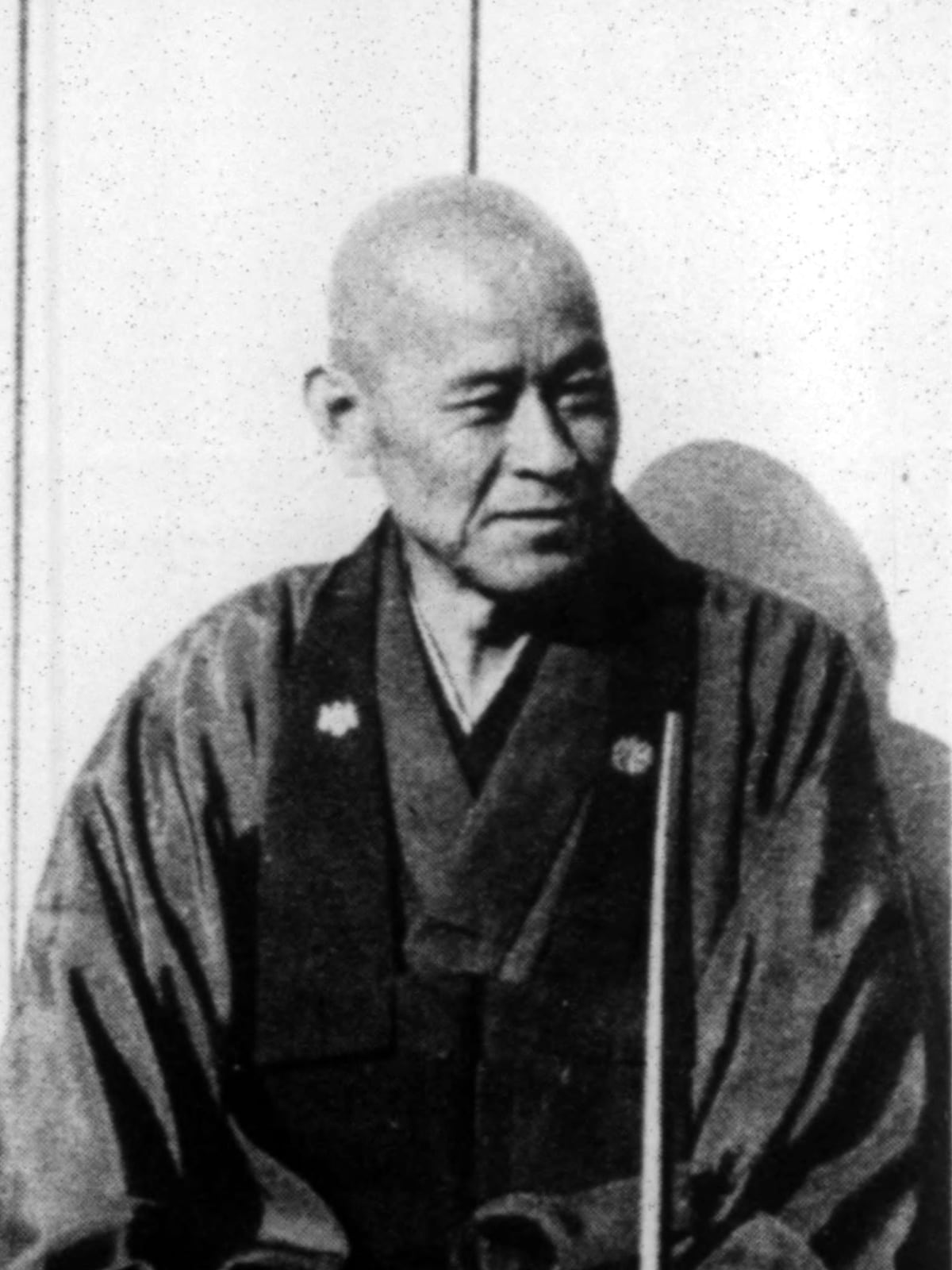
Shunryu Suzuki en el Zen Mountain Center (1969) · Public domain
بكلماته
«In the beginner's mind there are many possibilities, but in the expert's there are few.»Zen Mind, Beginner's Mind (Weatherhill, 1970), prólogo «Beginner's Mind», primera frase (charla oral editada por Trudy Dixon)

للبدء، عمل واحد
Zen Mind, Beginner's Mindفكرته المحورية
Beginner's mind—shoshin—is an empty and ready mind, open to every possibility; the aim of practice is not to accumulate experience or knowledge but to keep that freshness, which the expert loses when he thinks he knows what Zen is.
السيرة
4 دقيقة قراءة
ترجمة مُعانة من الأصل الإسباني، بانتظار مراجعة مترجم من أهل اللغة.
ابنُ رئيس المعبد
وُلد شونريو سوزوكي في 18 أيار/مايو 1904 في هيراتسوكا، على خليج ساغامي جنوب غرب طوكيو، لأبٍ هو بوتسومون سوغاكو سوزوكي، رئيس معبد شوغان-جي الصغير التابع لمدرسة سوتو في الزِّن، ولأمٍّ هي يوني، ابنة كاهن. وكان المعبد فقيرًا والأسرة تعيش في ضيق؛ أمّا الصبيّ، المرهف المقبل على الدرس، فكان يعاني سخرية أترابه من رأسه الحليق. وفي الثانية عشرة رحل، خلافًا لرأي والديه في البداية، إلى معبد زوون-إن في موري ليتتلمذ على غيوكوجون سو-أون، تلميذ أبيه والمعلّم ذي الصرامة الأسطورية. وفي 18 أيار/مايو 1917 رسمه سو-أون مبتدئًا باسم شوغاكو شونريو، وأطلق عليه لقبًا ظلّ التلميذ يحمله بروح الدعابة طوال حياته: «الخيارة المعوجّة»، لشرود ذهنه وتقلّبه.
وظلّ سو-أون معلّمه حتى وفاته سنة 1934. ودرس سوزوكي في المدرسة التحضيرية لمدرسة سوتو وفي جامعة كومازاوا التي تخرّج فيها سنة 1930، وتلقّى من سو-أون نقل الدارما في آب/أغسطس 1926. وبين عامَي 1927 و1929 عمل مترجمًا ومساعدًا لنونا رانسوم، وهي مدرّسة إنجليزية كانت قد علّمت آخر أباطرة الصين؛ وجعلته أحاديثه معها، وقد كانت في البدء متشكّكة، يفكّر لأول مرة في أن الغربيّين قادرون على فهم الزِّن. ثم مارس في إيهي-جي وسوجي-جي، الديرين الرئيسيّين للمدرسة، ودرس منذ سنة 1932 طوال عشرين عامًا على كيشيزاوا إيان، الشارح الكبير لدوغن.
رينسو-إن
في سنة 1936 صار رئيسًا لمعبد رينسو-إن في يايزو بمحافظة شيزوكا، حيث عاش مع أسرته أكثر من عقدين. وكان قد تزوّج سنة 1935 من تشيه موراماتسو، وأنجب منها أربعة أولاد. وشغلته سنوات الحرب وما بعدها بإعادة بناء المعبد، وتنظيم حلقات تأمّل للعامّة، وتأسيس روضة للأطفال. أمّا موقفه في أثناء الحرب، الذي يعيد كاتب سيرته ديفيد تشادويك بناءه انطلاقًا من الشهادات، فقد كان موضع نقاش بين الباحثين؛ وفي ربيع 1945 سافر إلى منشوريا. وفي 25 آذار/مارس 1952 قُتلت زوجته في المعبد نفسه على يد راهبٍ مضطرب عقليًّا كان سوزوكي قد سمح له بالبقاء رغم تحفّظ الأسرة. ويرى تشادويك في تلك الجريمة أعمق جراح حياته.
سان فرانسيسكو
في سنة 1958 قبِل سوزوكي منصبًا كان كثيرٌ من الكهنة يتهرّبون منه: معبد سوكوجي في سان فرانسيسكو، المركز الديني للجالية اليابانية في المدينة. وفي كانون الأول/ديسمبر من ذلك العام تزوّج من ميتسو ماتسونو، التي لحقت به لاحقًا، ووصل إلى كاليفورنيا في 23 أيار/مايو 1959 وهو في الخامسة والخمسين. وفي غضون أسابيع قليلة بدأ شبّانٌ أمريكيون، اجتذبتهم موجة الزِّن التي أشاعها د. ت. سوزوكي وآلان واتس وكتّاب «جيل البيت»، يجلسون معه على مقاعد المعبد. ولم يكن يقدّم لهم نظرياتٍ ولا تجارب خارقة، بل الزازن كلّ صباح: الجلوس في الوضعية الصحيحة، والتنفّس، والعودة. وحين كانوا يخلطون بينه وبين العالِم الشهير، كان يجيب، كما روى تلاميذه، بأن ذاك هو سوزوكي الكبير، وهو سوزوكي الصغير.
ونمت الجماعة بسرعة. ففي سنة 1962 سُجّلت رسميًّا باسم «مركز الزِّن» وعقدت أول «سيشين» (خلوة تأمّل مكثّفة) لها مدّتها ستة أيام، ورسم سوزوكي أوائل تلاميذه الأمريكيين وافتتح حلقاتٍ فرعية حول الخليج، منها حلقة لوس ألتوس حيث كانت تلميذته ماريان ديربي تسجّل أحاديثه. وفي كانون الأول/ديسمبر 1966 اشترى مركز الزِّن منتجعًا قديمًا للمياه الحارّة في جبال لوس بادريس، وفي سنة 1967 افتُتح هناك زِنشين-جي، أي مركز تاساخارا الجبلي للزِّن: أول ديرٍ لتدريب رهبان الزِّن خارج آسيا. وفي تشرين الثاني/نوفمبر 1969 غادرت الجماعة سوكوجي وانتقلت إلى مبنًى سكني في شارع بيج بوسط سان فرانسيسكو.
عقل الزِّن، عقل المبتدئ
كتب سوزوكي قليلًا. فقد كان تعليمه شفويًّا، بإنجليزيةٍ تعلّمها متأخّرًا، حافلةٍ بتعابير خاصّة به أحبّها تلاميذه مع الوقت. وانطلاقًا من تفريغات ماريان ديربي، أعدّت تلميذته ترودي ديكسون طوال أشهر، بالاشتراك مع المعلّم نفسه، الكتاب الذي نشرته دار ويذرهيل سنة 1970 بعنوان «Zen Mind, Beginner's Mind» (بالعربية «عقل الزِّن، عقل المبتدئ»): فقسّمت الأحاديث إلى ثلاثة أقسام، ووضعت لها عناوين، واختارت التصديرات. وتوفّيت ديكسون بالسرطان في الثلاثين، بُعيد إنجازها العمل، فأكمل ريتشارد بيكر التحرير وكتب المقدّمة. والكتاب، الذي يبدأ بالعبارة عن الإمكانات الكثيرة في عقل المبتدئ، هو الوحيد الذي رآه سوزوكي منشورًا، وقد صار من أكثر نصوص الزِّن قراءةً في الغرب. أمّا سائر المؤلّفات التي تحمل اسمه فهي طبعاتٌ بعد وفاته لأحاديثه: «Branching Streams Flow in the Darkness» (1999) عن نصّ «ساندوكاي»، و«Not Always So» (2002).
كان الزِّن الذي يعلّمه زِنَ دوغن ومدرسة سوتو: «شيكانتازا»، أي «الجلوس فحسب»، من غير السعي إلى الاستنارة بوصفها غايةً تُدرك، لأن الممارسة ذاتها تعبيرٌ عن طبيعة البوذا. وكان يحدّث الأمريكيين الذين يأتون بحثًا عن تجارب مكثّفة عن العقل الكبير، وعن ألّا يترك المرء أثرًا فيما يفعل، وعن أن يشكر أعشاب العقل الضارّة لأنها تنتهي إلى إغناء الممارسة. وكان يلحّ على الشكل — الوضعية والانحناءات والطقس — بوصفه شيئًا ليس وسيلةً إلى أيّ غاية، بل هو الممارسة نفسها.
النهاية
في سنة 1971 شُخّصت إصابته بالسرطان. وفي 21 تشرين الثاني/نوفمبر ظهر علنًا للمرة الأخيرة، في المراسم التي نصّب فيها ريتشارد بيكر خليفةً له على رأس مركز الزِّن. وتوفّي فجر 4 كانون الأول/ديسمبر 1971، إثر قرع الجرس الذي افتتح خلوة «روهاتسو» المخصّصة لذكرى استنارة البوذا، وإلى جانبه زوجته وابنه أوتوهيرو وبيكر. وفي الجنازة روى بيكر أنه سأل المعلّم قبل أيام، وقد كاد يعجز عن الكلام، أين سيلقونه، فأخرج سوزوكي يدًا من تحت الأغطية، وانحنى انحناءةً صغيرة، ورسم دائرةً في الهواء.
ويُعدّ مركز الزِّن في سان فرانسيسكو، بتاساخارا والمعبد الحضري ومزرعة غرين غالش التي افتُتحت بُعيد وفاته، اليوم من أكثر المؤسسات البوذية نفوذًا في الولايات المتحدة، وتتحدّر من تلاميذه عشراتٌ من مراكز الزِّن في أنحاء البلاد. وخلفه ابنه هويتسو في رينسو-إن. وقد أتاحت سيرة تشادويك «Crooked Cucumber» («الخيارة المعوجّة»، 1999) وأرشيف أحاديثه المسجّلة التعرّفَ، فيما وراء الكتاب الشهير، إلى الإنسان: ضئيل القامة، ضحوك، متطلّب، ومحيّر أحيانًا.
المصادر: Chadwick, David. Crooked Cucumber: The Life and Zen Teaching of Shunryu Suzuki. Nueva York: Broadway Books, 1999. · Suzuki, Shunryu. Zen Mind, Beginner's Mind: Informal Talks on Zen Meditation and Practice. Ed. Trudy Dixon; introducción de Richard Baker; prefacio de Huston Smith. Nueva York y Tokio: Weatherhill, 1970. · Suzuki, Shunryu. Branching Streams Flow in the Darkness: Zen Talks on the Sandokai. Ed. Mel Weitsman y Michael Wenger. Berkeley: University of California Press, 1999. · Suzuki, Shunryu. Not Always So: Practicing the True Spirit of Zen. Ed. Edward Espe Brown. Nueva York: HarperCollins, 2002. · Chadwick, David (ed.). Zen Is Right Here: Teaching Stories and Anecdotes of Shunryu Suzuki. Boston: Shambhala, 2007 (versión revisada de To Shine One Corner of the World, Broadway, 2001).
الخط الزمني
الحياة عامًا بعد عام
كل نقطة حدث موثّق. انقر لتقرأه مع مصدره ودرجة اليقين فيه.
18 مايو 1904أقل من عامHiratsuka (Kanagawa)
Born in a village temple
Born to Butsumon Sogaku Suzuki, abbot of the small Sōtō temple of Shōgan-ji, and to Yone; the family lives frugally.
موثّقChadwick, David (comp.). «Shunryu Suzuki Roshi – Dates», cronología de trabajo del Cucumber Project (cuke.com).
بعد وفاته
- 1999Crooked Cucumber
18 مايو 1904 · أقل من عام
Born in a village temple
Born to Butsumon Sogaku Suzuki, abbot of the small Sōtō temple of Shōgan-ji, and to Yone; the family lives frugally.
موثّق
1916 · 12 عامًا
Disciple of Gyokujun So-on
Aged twelve he goes to live at Zōun-in temple with So-on Suzuki, his father's disciple and a strict teacher, who will be his master for life.
موثّق
18 مايو 1917 · 13 عامًا
Novice ordination: the 'crooked cucumber'
So-on ordains him a novice with the name Shōgaku Shunryū and nicknames him 'crooked cucumber' for being forgetful and unpredictable.
موثّق
أغسطس 1926 · 22 عامًا
Dharma transmission
While a student at Komazawa University, he receives Dharma transmission (shihō) from So-on; sources differ between 21 and 26 August.
موثّق
1 أغسطس 1927 – 1929 · 23 عامًا
Interpreter for Nona Ransom
He lives as interpreter and assistant to the English teacher Nona Ransom; his conversations with her about Buddhism convince him that Westerners can understand Zen.
موثّق
10 أبريل 1930 · 25 عامًا
Komazawa and the great monasteries
He graduates from Komazawa University and trains at the head monasteries of the Sōtō school, Eihei-ji (1930–1931) and Sōji-ji (1931–1932); from 1932 he studies with Kishizawa Ian.
موثّق
23 أبريل 1936 – 1959 · 31 عامًا
Abbot of Rinsō-in
After So-on's death (1934) he takes over the temple of Rinsō-in, where he will live with his family until he leaves for America.
موثّق
25 مارس 1952 · 47 عامًا
Murder of his wife Chie
His wife Chie is killed at the temple by a disturbed monk whom Suzuki had allowed to stay; she leaves four children. His biographer regards it as the great wound of his life.
موثّق
23 مايو 1959 · 55 عامًا
Arrival in San Francisco
He arrives to serve as head priest of Sokoji, the Japanese community's temple; within weeks young Americans begin to sit zazen with him.
موثّق
1962 · 58 عامًا
The San Francisco Zen Center is born
The practice group is legally registered as Zen Center; that year the first six-day sesshin is held.
موثّق
1967 · 63 عامًا
Tassajara, a monastery in the mountains
Having bought an old hot-springs resort in 1966, he founds Zenshin-ji, the Tassajara Zen Mountain Center, the first Zen training monastery outside Asia.
موثّق
نوفمبر 1969 · 65 عامًا
The Page Street city center
He leaves Sokoji and moves Zen Center to a residential building on Page Street, where practice is organised as a community.
موثّق
1970 · 66 عامًا
Zen Mind, Beginner's Mind
Weatherhill publishes the talks to the Los Altos group edited by Trudy Dixon, who had died of cancer in 1969; the book is his only work published in his lifetime.
موثّق
21 نوفمبر 1971 · 67 عامًا
Richard Baker's succession
Already ill with cancer, he makes his last public appearance at the ceremony installing Richard Baker as his successor at the head of Zen Center.
موثّق
4 ديسمبر 1971 · 67 عامًا
Death at the start of the Rohatsu sesshin
He dies early in the morning, just after the bell opening the sesshin commemorating the Buddha's enlightenment, with his wife Mitsu, his son Otohiro and Richard Baker at his side.
موثّق
1999
Crooked Cucumber
David Chadwick, a former student, publishes the standard biography, based on interviews in Japan and the United States; his talks on the Sandōkai also appear that year.
موثّق
المؤلَّفات
المؤلَّفات الأساسية
المؤلَّفات التي لا يُفهم إرثه من دونها.
مجموعة لاحقة · 1970
Zen Mind, Beginner's Mind
Zen Mind, Beginner's Mind: Informal Talks on Zen Meditation and Practice
Informal talks Suzuki gave over several years in the late 1960s to the meditation group in Los Altos (California), recorded and transcribed by Marian Derby and edited over many months by Trudy Dixon with the teacher himself; Richard Baker completed the editing after Dixon's death. The book, divided into 'Right Practice', 'Right Attitude' and 'Right Understanding', explains Sōtō zazen in plain language: posture as the expression of Buddha nature, breathing, big mind, leaving no trace, beginner's mind. It is the only book Suzuki saw published and one of the most widely read texts on Zen in the West; its prologue opens with the sentence on the many possibilities of the beginner's mind.
11 طبعة

محاضرات منشورة · 1999
Branching Streams Flow in the Darkness
Branching Streams Flow in the Darkness: Zen Talks on the Sandokai
A series of talks Suzuki gave at Tassajara in 1970 commenting on the Sandōkai, the Chinese poem by master Shitou Xiqian (8th century) on the identity of the absolute and the relative, chanted daily in Sōtō temples. Edited by Mel Weitsman and Michael Wenger, they show him as a commentator on texts and his way of grounding the doctrine of non-duality in everyday practice.
4 طبعات

محاضرات منشورة · 2002
Not Always So
Not Always So: Practicing the True Spirit of Zen
The second major anthology of talks, prepared by Edward Espe Brown—Tassajara's cook and Suzuki's disciple—from transcriptions not used in Zen Mind. The title echoes one of his favourite formulas: the truth of a moment is not always so. It deals with goalless practice, acceptance of impermanence and the everyday ethics of Zen.
5 طبعات
جميع مؤلَّفاته (8)
Shunryu Suzuki
Talks published in Wind Bell
The Conscious LibraryTalks published in Wind Bell
1961
Shunryu Suzuki
Shunryu Suzuki Lectures (archive)
The Conscious LibraryShunryu Suzuki Lectures (archive)
1959

To Shine One Corner of the World
2001
Shunryu Suzuki
Dogen's Genjo Koan: Three Commentaries
The Conscious LibraryDogen's Genjo Koan: Three Commentaries
2011

Zen Is Right Now
2021
الأقوال
أقوال محدَّدة الموضع في مؤلَّف بعينه. كل منها يحمل مصدره ودرجة الثقة به.
In the beginner's mind there are many possibilities, but in the expert's there are few.متحقَّق منهZen Mind, Beginner's Mind (Weatherhill, 1970), prólogo «Beginner's Mind», primera frase (charla oral editada por Trudy Dixon)
الأفكار الجوهرية (خلاصة تحريرية)
احترامًا لحقوق المؤلف، تُلخَّص هذه الأفكار بكلماتنا ولا تُقدَّم بوصفها اقتباسات حرفية.
- Beginner's mind—shoshin—is an empty and ready mind, open to every possibility; the aim of practice is not to accumulate experience or knowledge but to keep that freshness, which the expert loses when he thinks he knows what Zen is.
- Zazen is not a method for attaining enlightenment: sitting in the right posture is already the expression of Buddha nature. Practising in pursuit of a result turns practice into a transaction and estranges it from itself.
- The thoughts that arise in meditation are not to be fought; like waves, they settle when given room, and like weeds pulled up and buried beside the plant, they end up nourishing practice.
- Doing something fully, burning oneself up in it, leaves no residue of oneself; what leaves a trace and breeds attachment is activity done by halves, with the mind divided between what one is doing and what one expects.
- Forms—posture, bowing, ritual—are neither mere means nor empty conventions: in the Sōtō school the right form is practice itself, and in it the person is freed from his small self.
- Everything changes: the truth of a moment is not always so. Accepting impermanence rather than resisting it is the condition of serenity, and practice consists in living each moment without clinging to it.
أقوال منحولة أو مختلَف في نسبتها (1)
«'Each of you is perfect the way you are, and you can use a little improvement.'»
Widely circulated and attributed to Suzuki by his students, but it does not appear in Zen Mind and has not been located in a dated transcript; it is handed down as an oral recollection.
الكلمات الأخيرة
رواية لاحقة عن شهود
«(No words.) Asked by his disciple Richard Baker 'Where will we meet you?', he brought a hand out from under the covers, made a small bow and drew a circle in the air.»No last words are recorded. The gesture was related by Richard Baker in his statement at the funeral of 12 December 1971—'a few days before he died, when it was difficult for him to speak'—published by Zen Center in Wind Bell. The letter of Yvonne Rand, Zen Center's president, specifies that he died early on 4 December, just after the bell opening the Rohatsu sesshin, with his wife Mitsu, his son Otohiro and Baker present. The circle (ensō) is a classic Zen symbol.
المصدر: Zen Center. «Suzuki-roshi's Funeral» / memorial de diciembre de 1971 (carta de Yvonne Rand y declaración de Richard Baker en el funeral del 12 de diciembre de 1971), Wind Bell, 1972; reproducido en cuke.com.
اسأل
بماذا يجيب أثره
اثنا عشر سؤالًا كبيرًا من أسئلة الإنسانية، وما تتيح نصوصه الإجابة به عنها، مع المراجع. ولا نقوّله ما لم يقل أبدًا.
ما المطلق؟ هل الله موجود؟
The absolute is the darkness where nothing is distinguished, inseparable from the relative
ما لا يُسمّىيُستنتج من تعاليمه
Shunryu Suzuki does not speak of a creator God. When he refers to the ultimate he does so in the language of his school: big mind as opposed to small mind, the emptiness from which things arise and to which they return. His most explicit treatment is in the 1970 Tassajara talks on the Sandōkai, Shitou's poem recited daily in Sōtō temples, collected in Branching Streams Flow in the Darkness. There he reads light as the relative world of distinguishable things and darkness as the absolute, where there are no distinctions to name. But he insists that these are not two realities: the absolute is found only in the relative, and practice consists in living that identity, not in describing it.
قارن هذا السؤال مع معلّمين آخرينمن أنا؟ هل توجد ذات حقيقية؟
In breathing there is no self: only a swinging door
لا توجد ذات دائمةيقوله صراحةً
Shunryu Suzuki approaches the question through practice. In Zen Mind, Beginner's Mind he describes zazen in terms of breathing: air comes in and goes out, and if one follows it attentively there is no self that breathes and no world outside, but something like a swinging door that moves. He distinguishes small mind, which clings to itself and measures everything against its own interest, from big mind, which includes everything. He does not present that big mind as a higher self to be possessed, but as what is expressed when practice is done without leaving a trace, burning oneself up completely like a good bonfire. The small self is not fought: it is given room until it loses importance.
قارن هذا السؤال مع معلّمين آخرينلماذا نتألّم؟
Without accepting that everything changes, no composure is possible
التعلّق والشهوةيقوله صراحةً
For Shunryu Suzuki, suffering arises from not accepting impermanence. In Zen Mind, Beginner's Mind he holds that the basic teaching of Buddhism is that everything changes, and that without accepting this fact composure cannot be found; we suffer when we want something to remain as it is. His favourite formula for this would give its title to the second anthology of his talks, Not Always So: the truth of a moment is not always so. Practice eliminates neither change nor pain, but the resistance to them. That is why he advises not fighting the thoughts that trouble meditation, but being grateful for them as weeds which, buried beside the plant, end up nourishing practice.
قارن هذا السؤال مع معلّمين آخرينماذا يحدث بعد الموت؟
The drop returns to the river: separate, we fear death; united, nothing to fear
ما أنا عليه لا يولد ولا يموتيقوله صراحةً
Shunryu Suzuki left a celebrated image in a talk collected in Zen Mind, Beginner's Mind: that of a great waterfall. The water comes down from the river as a single body, but in falling it separates into drops, and each drop has difficulties as it falls; on reaching the bottom it becomes river again. Life, he says, is like water separated into drops, and death like the return to the river of which it never ceased to be part. If we understand that we are one with the river, there is nothing to fear; fear arises from feeling ourselves isolated drops. Suzuki does not present this image as a doctrine of what survives, but as a way of living life without a trace and accepting death with composure.
قارن هذا السؤال مع معلّمين آخرينكيف يُبلَغ التحرّر أو الخلاص؟
One does not practise to obtain something: the posture is already the purpose
بالممارسة المنضبطةيقوله صراحةً
Shunryu Suzuki conveys Dōgen's teaching to American listeners in simple words. Zazen practice, he says in Zen Mind, Beginner's Mind, is the direct expression of our true nature, and the forms of the posture are not a means of obtaining the right state of mind: to take them is itself the purpose of practice. Practising with the idea of obtaining enlightenment turns practice into a transaction. That is why enlightenment, once attained, is nothing special. What is cultivated is not an achievement but an attitude: beginner's mind, open and unpretentious, which accumulated experience tends to close and which daily practice must preserve.
قارن هذا السؤال مع معلّمين آخرينهل نحتاج إلى معلّم؟
One practises with others and with forms, not by following a person
الجماعة والتقليديُستنتج من تعاليمه
Shunryu Suzuki, a Sōtō priest who arrived in San Francisco in 1959, became the teacher of a large community and founded with it the San Francisco Zen Center and Tassajara monastery. His way of teaching, as his students remember it in the anecdotes collected by David Chadwick in To Shine One Corner of the World, was not that of a guru: he practised with them, corrected posture, cleaned and worked in the temple. He gave great importance to shared forms, posture, bowing, the schedule, and to practising together; in Zen Mind, Beginner's Mind he presents the practice of the group as what sustains that of each person. As a priest of his lineage he transmitted the Dharma to disciples, but without making himself the centre.
قارن هذا السؤال مع معلّمين آخرينهل العالم حقيقي؟
Everything changes and everything depends on everything: the absolute lives in the relative
شبكة أسباب بلا جوهريُستنتج من تعاليمه
Shunryu Suzuki does not regard the world as an illusion to be left behind: it is the place of practice. His talks insist that everything changes, that nothing has a fixed and separate existence, and that each thing exists in relation to the others. In the commentaries on the Sandōkai collected in Branching Streams Flow in the Darkness he develops the poem's teaching on the identity of absolute and relative: each thing has its own place and function, distinct from the others, and yet is not separate from the whole, like a box and the lid that fits it. His formula for being in that world is big mind, which does not divide it into what it wants and what it rejects.
قارن هذا السؤال مع معلّمين آخرينما الحب؟
He barely thematised love; he speaks of big mind and welcoming what arises
لم يُبدِ رأيًا
In Shunryu Suzuki's published talks love is not a topic of its own; he offers no definition or doctrine of it. The closest thing is his description of big mind, which does not separate what it likes from what it dislikes and welcomes everything, and his insistence on treating each thing, each person and each object, with the same attention. In Zen Mind, Beginner's Mind he even asks us to be grateful for the weeds in our own mind instead of fighting them. The anecdotes his students collected show him kind, patient and attentive to each person. But that attitude appears as the fruit of practice, not as an explicit teaching on love or compassion.
قارن هذا السؤال مع معلّمين آخرينهل نحن أحرار أم أن كل شيء مقدَّر؟
He did not address the dilemma; he speaks of freedom within form
لم يُبدِ رأيًا
Shunryu Suzuki did not concern himself with the philosophical problem of free will and determinism. The closest thing in his teaching is an idea of freedom that is not opposed to limitation: the fixed posture, the schedule and the forms of the temple are for him not obstacles but the place where the person is freed from his small self. In Zen Mind, Beginner's Mind he illustrates it with an image about control: the way to control a sheep or a cow is to give it a large, spacious meadow; likewise the mind is not mastered by repressing it but by giving it room. The freedom that interests him is not that of choosing between options, but that of acting completely, without leaving a trace.
قارن هذا السؤال مع معلّمين آخرينلماذا نتأمّل أو نصلّي؟
The posture is not a means to a state: taking it is the purpose
التأمّل ليس تقنيةيقوله صراحةً
Shunryu Suzuki teaches his school's shikantaza, «just sitting», with the same thesis as Dōgen. In Zen Mind, Beginner's Mind he describes the posture in detail, but warns that these forms are not a means of obtaining the right state of mind: to take them is itself the purpose of practice. Meditating in search of enlightenment, calm or any other result turns practice into something other than itself. Thoughts are not fought: they are allowed to come and go, like waves that settle by themselves, and are even welcomed as weeds that enrich practice. What is sought, if one can put it that way, is to keep beginner's mind, without the pretension of already knowing what Zen is.
قارن هذا السؤال مع معلّمين آخرينهل يستطيع العقل أن يعرف الحقيقة القصوى؟
In the beginner's mind there are many possibilities; in the expert's, few
الفكر محدوديقوله صراحةً
The sentence with which Shunryu Suzuki opens Zen Mind, Beginner's Mind sums up his position: in the beginner's mind there are many possibilities; in the expert's, few. Accumulated knowledge is not useless, but it tends to close the mind: whoever believes he knows what Zen is can no longer receive it. That is why the real secret of the arts is always to be a beginner. Suzuki does not despise study, and devoted whole series of talks to the Sandōkai or Dōgen's Genjōkōan; but he warns that intellectual understanding does not replace practice, and that the truth of a moment is not always so. The ultimate is not possessed as knowledge, but expressed in practice.
قارن هذا السؤال مع معلّمين آخرينالانسحاب من العالم أم تغييره؟
Doing each thing completely, like a good bonfire, leaving no trace
التأمّل في الفعليقوله صراحةً
Shunryu Suzuki founded the first Zen monastery in the West, Tassajara, but most of his students were lay people who worked, had families and practised in the city. His teaching does not separate practice from daily life: in Zen Mind, Beginner's Mind he asks that, when one does something, one burn oneself completely, like a good bonfire, leaving no trace of oneself. What leaves a trace and breeds attachment is activity done by halves, with a divided mind. Cooking, cleaning or talking with someone are as much practice as zazen if done in this way. He preached neither social engagement nor withdrawal, but a way of being anywhere with full attention.
قارن هذا السؤال مع معلّمين آخرين
التقارب والتوتّر
التقارب والتوتّر
محسوبة سؤالًا سؤالًا انطلاقًا من مواقفه. وسبب كل اتفاق أو اختلاف يظهر بالنقر.
يقترب في تفكيره من
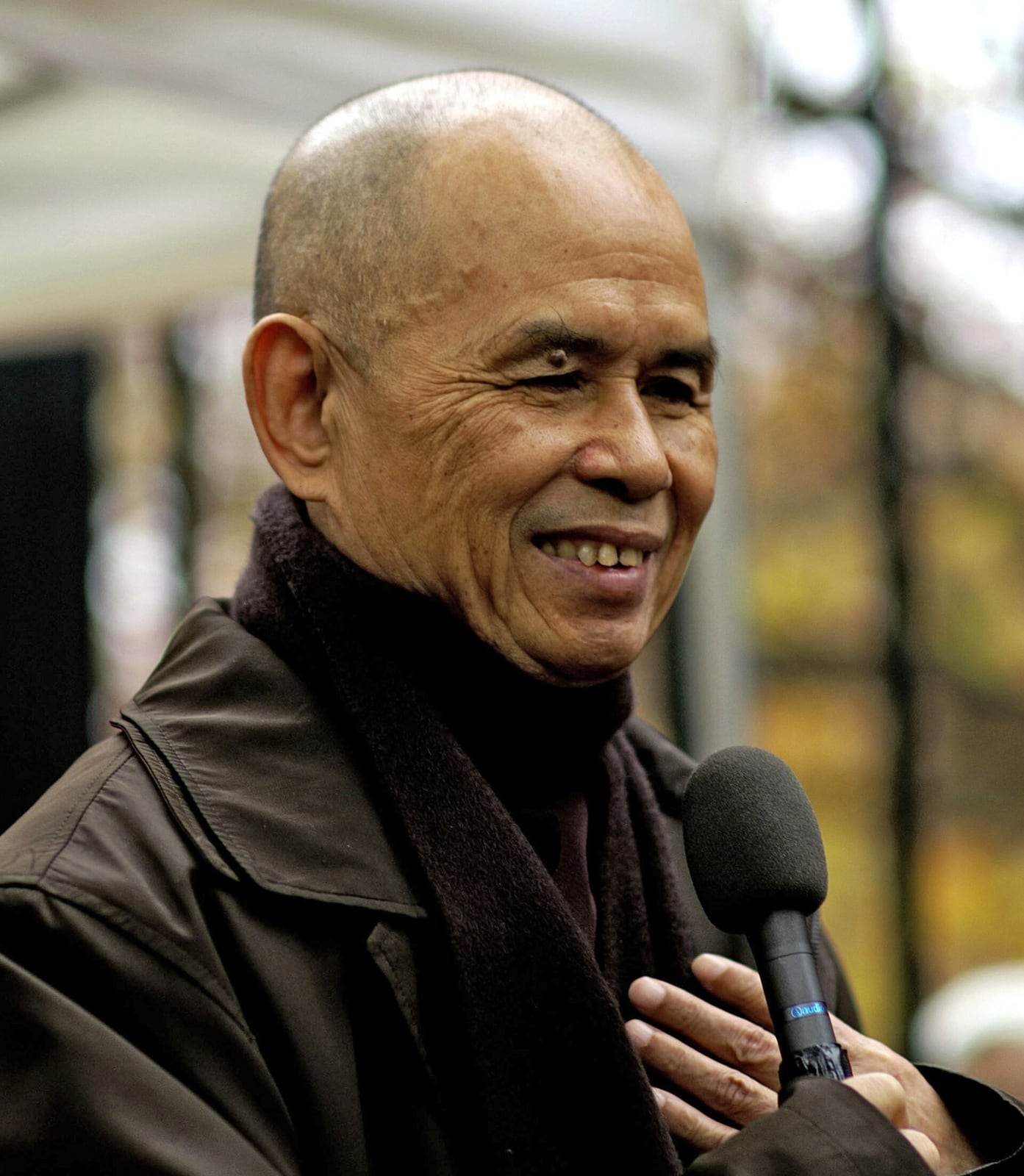
Thich Nhat Hanh
يتّفقان في: ما المطلق؟ هل الله موجود؟ · من أنا؟ هل توجد ذات حقيقية؟ · لماذا نتألّم؟
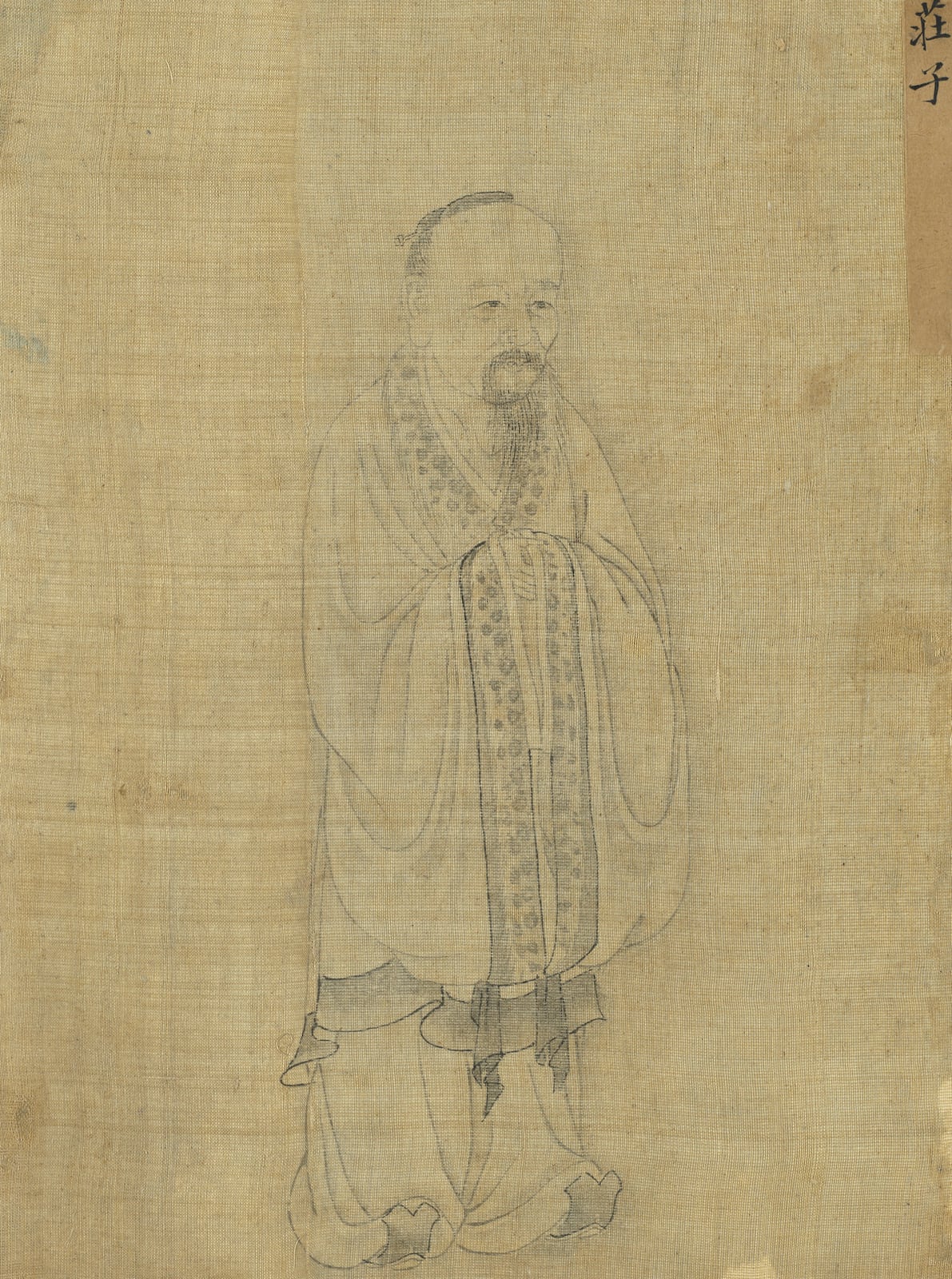
Zhuangzi
يتّفقان في: ما المطلق؟ هل الله موجود؟ · من أنا؟ هل توجد ذات حقيقية؟ · لماذا نتألّم؟
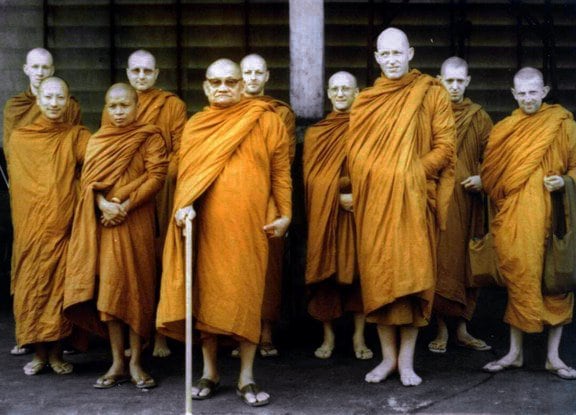
Ajahn Chah
يتّفقان في: من أنا؟ هل توجد ذات حقيقية؟ · لماذا نتألّم؟ · كيف يُبلَغ التحرّر أو الخلاص؟

Pema Chödrön
يتّفقان في: من أنا؟ هل توجد ذات حقيقية؟ · لماذا نتألّم؟ · كيف يُبلَغ التحرّر أو الخلاص؟


حكايات وروايات
حكايات وروايات
شهادة1916–1918
The crooked cucumber
أصل الرواية: Told by Suzuki himself in his talks and recorded by David Chadwick in Crooked Cucumber (1999) and in the Cucumber Project chronology.
المصدر: Chadwick, David. Crooked Cucumber: The Life and Zen Teaching of Shunryu Suzuki. Nueva York: Broadway Books, 1999.
شهادة1927–1929
The English teacher
أصل الرواية: Dates from the Cucumber Project chronology; the story comes from Suzuki's recollections as recorded by Chadwick in Crooked Cucumber.
المصدر: Chadwick, David. Crooked Cucumber: The Life and Zen Teaching of Shunryu Suzuki. Nueva York: Broadway Books, 1999.
موثّق1952
The crime at Rinsō-in
أصل الرواية: Date from the Cucumber Project chronology (25 March 1952); circumstances according to David Chadwick's Crooked Cucumber and reviews of the book. The insanity verdict comes from a letter by a Japanese witness published on cuke.com, who reports it at second hand.
المصدر: Chadwick, David. Crooked Cucumber: The Life and Zen Teaching of Shunryu Suzuki. Nueva York: Broadway Books, 1999.
تقليد شفهيc. 1959–1966
'I am the little Suzuki'
أصل الرواية: Handed down by his students and repeated in the Spanish Wikipedia and popular literature; it has not been located in a dated transcript.
موثّق1966–1967
A spa in the mountains
أصل الرواية: Dates from the Cucumber Project chronology and the Wikipedia article on the San Francisco Zen Center; the talks of the first sesshin in August 1967 are preserved in the Zen Center archive.
شهادة1971
The circle in the air
أصل الرواية: Richard Baker's statement at the funeral of 12 December 1971 and Yvonne Rand's letter, published by Zen Center (Wind Bell) and reproduced on cuke.com.
التعاليم
التعاليم
المفاهيم التي ينتظم بها فكره، مشروحة في سياقها.
Beginner's mind (shoshin)shoshin
A common Japanese term, traditionally applied to the resolve of one beginning a path; Suzuki reinterpreted it as the permanent attitude of practice.
المصدر: Suzuki, Shunryu. Zen Mind, Beginner's Mind: Informal Talks on Zen Meditation and Practice. Ed. Trudy Dixon; introducción de Richard Baker; prefacio de Huston Smith. Nueva York y Tokio: Weatherhill, 1970.
Just sitting (shikantaza)shikantaza
Dōgen's (13th-century) doctrine of the oneness of practice and realisation (shushō ittō), transmitted in the Sōtō school and commented on by Kishizawa Ian, Suzuki's teacher.
المصدر: Suzuki, Shunryu. Zen Mind, Beginner's Mind: Informal Talks on Zen Meditation and Practice. Ed. Trudy Dixon; introducción de Richard Baker; prefacio de Huston Smith. Nueva York y Tokio: Weatherhill, 1970.
Big mindmente-grande
A colloquial reformulation of the Mahayana doctrine of one mind and Buddha nature; the scheme of the three minds comes from Dōgen's Instructions for the Cook (Tenzo kyōkun).
المصدر: Suzuki, Shunryu. Zen Mind, Beginner's Mind: Informal Talks on Zen Meditation and Practice. Ed. Trudy Dixon; introducción de Richard Baker; prefacio de Huston Smith. Nueva York y Tokio: Weatherhill, 1970.
Leaving no tracesin-rastro
An everyday application of emptiness and non-self (anātman) in the monastic ethic of the Sōtō school.
المصدر: Suzuki, Shunryu. Zen Mind, Beginner's Mind: Informal Talks on Zen Meditation and Practice. Ed. Trudy Dixon; introducción de Richard Baker; prefacio de Huston Smith. Nueva York y Tokio: Weatherhill, 1970.
'Not always so'no-siempre-es-asi
An expression of anitya (impermanence) and of the two-truths doctrine in the Mahayana tradition.
المصدر: Suzuki, Shunryu. Not Always So: Practicing the True Spirit of Zen. Ed. Edward Espe Brown. Nueva York: HarperCollins, 2002.
مقاطع الفيديو
مقاطع الفيديو
تسجيلات ومقابلات وأفلام وثائقية. تُشغَّل مقاطع الفيديو من YouTube؛ ولا تُستضاف هنا.
Beginner's Mind – Shunryu Suzuki Roshi – Archived Dharma Talk – Nov. 11, 1965
تسجيل أصلي· EN· 1965
San Francisco Zen Centerالقناة الرسمية
Most Of You Are Beginners — Shunryu Suzuki Roshi — Archived Dharma Talk — Dec. 11, 1965
تسجيل أصلي· EN· 1965
San Francisco Zen Centerالقناة الرسمية
Genjo Koan — Shunryu Suzuki Roshi — Archived Dharma Talk — Aug. 20, 1967
تسجيل أصلي· EN· 1967
San Francisco Zen Centerالقناة الرسمية
Buddhism Is Not a Special Teaching — Shunryu Suzuki Roshi — Archived Dharma Talk — Aug. 23, 1967
تسجيل أصلي· EN· 1967
San Francisco Zen Centerالقناة الرسمية
To Polish a Tile — Shunryu Suzuki Roshi — Archived Dharma Talk — Aug. 23, 1967 — Tassajara Sesshin
تسجيل أصلي· EN· 1967
San Francisco Zen Centerالقناة الرسمية
Think the Unthinkable — Shunryu Suzuki Roshi — Archived Dharma Talk — Dec. 4, 1967
تسجيل أصلي· EN· 1967
San Francisco Zen Centerالقناة الرسمية
Bodhidharma — Shunryu Suzuki Roshi — Archived Dharma Talk — July 23, 1968
تسجيل أصلي· EN· 1968
San Francisco Zen Centerالقناة الرسمية
On the way to Zen Mt. Center - Tassajara - Shunryu Suzuki
فيلم وثائقي· EN· 1968
cuke video
Introduction to Zen Mt. Center film - Richard Baker
فيلم وثائقي· EN· 1968
cuke video
Suzuki, Baker, Katagiri at Sokoji
تسجيل أصلي· EN
cuke video
Rinso Ed Sattizahn on the death of Shunryu Suzuki Roshi
مقابلة· EN
Zen in America
Shunryu Suzuki: Aprovecha tu Mente de Principiante (Audio Podcast)
تحليل· ES
Almas de la Historia
Mente Zen, mente da principiante. Parte Prima: Retta Pratica, Discorsi di Suzuki Roshi
تسجيل أصلي· IT
La voce di Doeia
المعرض
المعرض
صور بترخيص متحقَّق منه. كل منها تحتفظ بمؤلّفها ونسبتها.
العلاقات
العلاقات
تأثيرات وتلمذة وتقارب في الأفكار. تُميَّز العلاقة الموثّقة عن التشابه المستخلَص بالتحليل.
تأثّر بـ
Founder of the Japanese Sōtō school; his goalless zazen (shikantaza) and texts such as the Genjōkōan are the basis of Suzuki's teaching.
علاقة موثّقة
تأثّر بـ
Siddhartha Gautama, the Buddha
He died during the sesshin commemorating the Buddha's enlightenment; his teaching presents itself as transmission of the Buddha's Dharma.
علاقة موثّقة
معاصر لـ
Watts, a populariser of Zen in California, knew Suzuki and moved in Zen Center circles; he was one of the influences that brought young Americans to Sokoji.
علاقة موثّقة
تأثّر بـ
Founding patriarch of Chan in tradition; Suzuki devoted talks to him, such as the one of 23 July 1968 preserved by Zen Center.
تشابه مستخلَص بالتحليل
أفكار قريبة من
Suzuki's insistence on the original, empty mind recalls the Sixth Patriarch's teaching on original nature; an affinity of tradition, not concrete documented influence.
تشابه مستخلَص بالتحليل
أفكار قريبة من
Both offered the West a simple, everyday practice in plain language; no meeting between them is recorded.
تشابه مستخلَص بالتحليل
أفكار قريبة من
They shared a distrust of the pursuit of special states and both formed Western communities in the 1960s and 1970s; no contact is documented.
تشابه مستخلَص بالتحليل
معاصر لـ
Contemporaries in the dialogue between Zen and the West; Merton dealt with D. T. Suzuki, not with Shunryu Suzuki.
تشابه مستخلَص بالتحليل
المصادر
المصادر
المراجع والفهارس التي رُوجعت لهذه الصفحة.
- Wikidata, «Shunryu Suzuki» (Q572599).
- Chadwick, David. Crooked Cucumber: The Life and Zen Teaching of Shunryu Suzuki. Nueva York: Broadway Books, 1999.
- Chadwick, David (comp.). «Shunryu Suzuki Roshi – Dates», cronología de trabajo del Cucumber Project (cuke.com).
- Suzuki, Shunryu. Zen Mind, Beginner's Mind: Informal Talks on Zen Meditation and Practice. Ed. Trudy Dixon; introducción de Richard Baker; prefacio de Huston Smith. Nueva York y Tokio: Weatherhill, 1970.
- Zen Center. «Suzuki-roshi's Funeral» / memorial de diciembre de 1971 (carta de Yvonne Rand y declaración de Richard Baker en el funeral del 12 de diciembre de 1971), Wind Bell, 1972; reproducido en cuke.com.
- Wikipedia (en), «Shunryū Suzuki».
- Wikipedia (es), «Shunryu Suzuki».
- Open Library, autor «Shunryū Suzuki» (OL27128A): obras y ediciones con ISBN.
- Suzuki, Shunryu. Branching Streams Flow in the Darkness: Zen Talks on the Sandokai. Ed. Mel Weitsman y Michael Wenger. Berkeley: University of California Press, 1999.
- Suzuki, Shunryu. Not Always So: Practicing the True Spirit of Zen. Ed. Edward Espe Brown. Nueva York: HarperCollins, 2002.
- San Francisco Zen Center, sitio oficial («About»).
- shunryusuzuki.com — archivo de transcripciones, audio, fotografías y vídeo de Shunryu Suzuki (Cucumber Project / San Francisco Zen Center).
- Wikipedia (en), «San Francisco Zen Center».
- Chadwick, David (ed.). Zen Is Right Here: Teaching Stories and Anecdotes of Shunryu Suzuki. Boston: Shambhala, 2007 (versión revisada de To Shine One Corner of the World, Broadway, 2001).
- Wind Bell (Zen Center, San Francisco), vol. 8, n.º 3–4, primavera de 1969, p. 4 (fotografía de Suzuki en el Zen Mountain Center). Internet Archive.
- صاحب الحقوق
- San Francisco Zen Center y herederos de Shunryu Suzuki (Mitsu Suzuki y familia) para las charlas y transcripciones; las ediciones pertenecen a sus editoriales (Weatherhill/Shambhala, University of California Press, HarperCollins)
- الموقع الرسمي
- www.sfzc.org
في انتظار التأكيد
ما لم تتمكّن هذه الصفحة من حسمه بعد. نفضّل أن نقول ذلك على أن نملأ الفراغ.
- La foto principal de 1969 es de dominio público en EE. UU. por publicarse sin aviso de copyright (PD-US-no notice); su situación en la UE y en España no está verificada (autoría dudosa entre tres fotógrafos).
- Confirmar que «Libre de soi, libre de tout» (Points, 2013) y «Seid wie reine Seide und scharfer Stahl» (Integral, 2003) son traducciones de Not Always So, y localizar traductores de las ediciones españolas.
- Fecha exacta de la transmisión del Dharma: 21 de agosto de 1926 (cronología de Chadwick) o 26 de agosto (Wikipedia).
- Posibles escritos o folletos de Suzuki en japonés anteriores a 1959 (Rinsō-in, guardería Tokiwa): no localizados en catálogo.
- El dato «el pequeño Suzuki» y la frase «Cada uno de vosotros es perfecto…» no se han localizado en transcripciones fechadas.
- Edición china de Zen Mind (禪者的初心): editorial e ISBN sin confirmar.
- Sin textos para la sala de lectura: derechos vigentes (Suzuki murió en 1971; editores vivos o fallecidos recientemente).
بُحث بتاريخ 2026-10-25