الهندوسية · أدفايتا فيدانتا
Adi Shankara
आदि शङ्कर · शङ्कराचार्य · Ādi Śaṅkarācārya · ശങ്കരാചാര്യർ
نحو 788 – نحو 820شخصية موثّقة تاريخيًا
فيلسوف ومفسّر سنسكريتي، وأعظم من نظّم مذهب الأدفايتا فيدانتا تأثيرًا، وهو مذهب اللاثنائية بين الذات (الآتمان) والمطلق (البراهمان). يكاد كل ما نعرفه عن حياته يأتي من سِيَر متأخرة؛ أما الثابت فشروحه على «براهما سوترا» و«بهاغافاد غيتا» والأوبانيشادات الرئيسة، إضافة إلى «أوباديشا ساهاسري». والتاريخ التقليدي، 788–820، موضع خلاف: إذ يضعه كثير من الباحثين نحو 700–750. وتحمل مئات الأناشيد والكتيّبات اسمه دون أن تكون له على وجه اليقين.
- مؤلَّفًا
- 34مؤلَّفًا
- طبعة
- 57طبعة
- اقتباسًا
- 7اقتباسًا
- مقطع فيديو
- 10مقطع فيديو
- صورة
- 7صورة
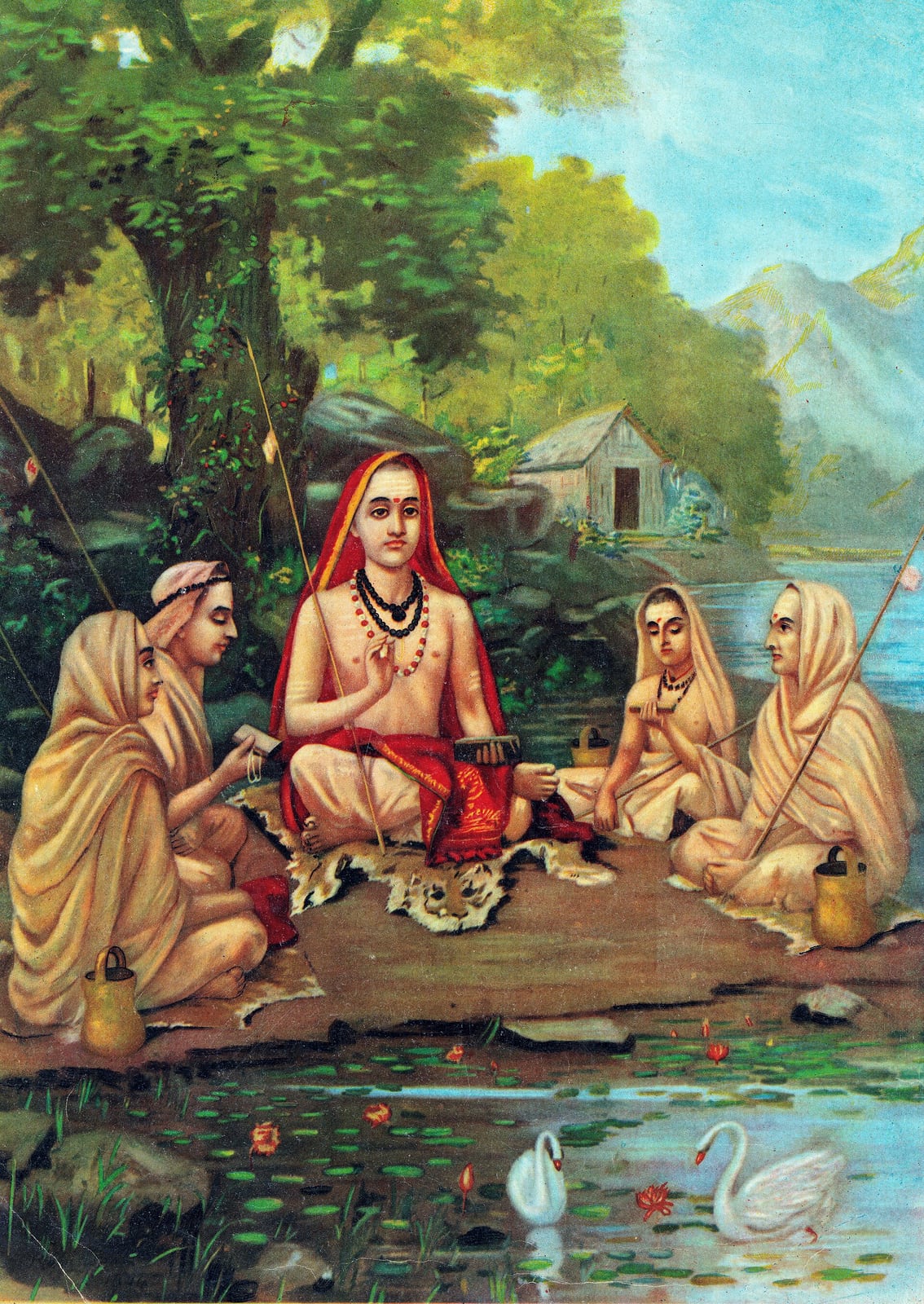
Śaṅkara con sus discípulos, de Raja Ravi Varma · Public domain
بكلماته
«It is a matter not requiring any proof that the object and the subject whose respective spheres are the notion of the 'Thou' (the Non-Ego) and the 'Ego', and which are opposed to each other as much as darkness and light are, cannot be identified.»Brahmasūtrabhāṣya, prólogo sobre la superposición (adhyāsabhāṣya), frase inicial; trad. inglesa de Thibaut, SBE 34 (1890); versión española del investigador

فكرته المحورية
Superimposition (adhyāsa): The concept with which Śaṅkara opens his commentary on the Brahmasūtras.
السيرة
4 دقيقة قراءة
ترجمة مُعانة من الأصل الإسباني، بانتظار مراجعة مترجم من أهل اللغة.
اسمٌ أكبر من حياته
قليلةٌ هي الشخصيات في الفكر الإنساني التي تركت أثرًا بهذا العمق بسيرةٍ بهذا الشحوب. فمن شنكرا — الذي تسمّيه التقاليد «آدي»، أي «الأول»، تمييزًا له عن رؤساء الأديرة الذين ورثوا لقبه — بقيت شروح ذات كثافة استدلالية استثنائية، ولا يكاد يبقى شيء سواها. فلا نقوش معاصرة له، ولا رسائل، ولا شهادات لتلاميذ يتحدثون عن شخصه. وكل ما يُروى عن طفولته وأسفاره وموته مصدره «شنكرا فيجايا»، أي «فتوحات شنكرا»، وهي قصائد في سِيَر القديسين نُظمت بعده بقرون عدة؛ وأوسعها انتشارًا، المنسوبة إلى مادهافا-فيديارانيا، نُظمت، بحسب النقد العلمي، بعد فيديارانيا (القرن الرابع عشر) بزمن طويل، والأرجح بين القرنين السابع عشر والثامن عشر. ويبيّن جوناثان بادر، الذي درسها مجتمعةً، أنها لا تنقل ذاكرة سيرية بل نموذجًا: حياة الزاهد الكامل الذي يجوب جهات الهند الأربع ويُخضعها لحقيقة الفيدانتا.
مشكلة التواريخ
حتى القرن نفسه غير مؤكد. فالتاريخ الذي تكرّره الكتب المدرسية، 788–820، مأخوذ من قراءة تعود إلى القرن التاسع عشر لحوليات تقليدية، وقد ساد في علم الهنديات المبكر بحكم العادة. وقد دافع هاجيمي ناكامورا، بعد فحص جميع الاقتراحات، عن 700–750، فيما يضعه كارل بوتر بين أواخر القرن السابع ومطلع الثامن، استنادًا إلى تأريخ ماندانا ميشرا، الأدفايتي الذي عرفه شنكرا أو قرأه على الأقل. وتتمسك بعض الأديرة بتواريخ أقدم بكثير، تبلغ القرن الخامس قبل الميلاد، لا يقبلها النقد التاريخي. وتحتفظ هذه البطاقة بالتاريخ التقليدي مرجعًا، بدقة تقريبية، وتنبّه إلى أن الهامش المعقول يمتد قرابة قرن.
ما ترويه السِّيَر
بحسب تلك الروايات، وُلد في كالادي، على ضفة نهر بورنا، في ولاية كيرالا الحالية، لأسرة من براهمة النامبودري؛ وتوفي أبوه، شيفاغورو، وهو طفل، فربّته أمه، آريامبا، وحدها. وكان طفلًا نابغة أتقن الفيدا قبل الثامنة. وأراد أن يصير زاهدًا فرفضت أمه، إلى أن أمسك به تمساح في النهر فطلب منها الإذن بأن ينذر نذوره وهو على شفا الموت؛ فوافقت، وأطلقه الحيوان، ومضى الفتى شمالًا. وعلى ضفاف نارمادا وجد معلّمه، غوفيندا بهاغافاتبادا، وهو بدوره تلميذ غاودابادا، صاحب «ماندوكيا كاريكا». ثم جاءت بنارس، والتلاميذ الأوائل — ساناندانا، الذي سُمّي لاحقًا بادمابادا —، وتأليف الشروح الكبرى في ريعان المراهقة، وسلسلة من المناظرات الظافرة، أشهرها مع ماندانا ميشرا، الذي يُقال إنه انتهى تلميذًا له باسم سوريشفارا. وتنسب إليه السِّيَر تأسيس أربعة أديرة في أطراف شبه القارة — شرينغيري ودواركا وبوري وجيوتيرمات — وموتًا مبكرًا في الثانية والثلاثين في الهيمالايا.
ولا يكاد شيء من هذا يمكن إثباته. فمطابقة ماندانا بسوريشفارا موضع شك، لأن مذهبيهما يختلفان؛ والوجود الموثّق للأديرة بوصفها كراسيَ «لشنكرا» لا يبدأ إلا بعد زمن طويل، وفي حالة شرينغيري لم يترسّخ إلا برعاية مملكة فيجاياناغارا في القرن الرابع عشر. وقد بيّن ماثيو كلارك أن تنظيم زهّاد «الداشانامي» حول تلك المراكز بناءٌ تشكّل على المدى الطويل، لا فعلُ تأسيس.
ما كتبه
ما يحدّد شنكرا حقًّا هو عمله التفسيري. فقد ألّف أقدم الشروح الكاملة الباقية على «براهما سوترا» لبادارايانا، وعلى «بهاغافاد غيتا»، وعلى الأوبانيشادات العشر الرئيسة — إيشا، وكينا، وكاتها، وبراشنا، وموندكا، وماندوكيا (مع «كاريكا» غاودابادا)، وأيتاريا، وتايتيريا، وتشاندوغيا، وبريهادارانياكا —، أي القانون الثلاثي («براستهانا ترايي») للفيدانتا. وكتب فضلًا عن ذلك رسالة مستقلة نثرًا ونظمًا، هي «أوباديشا ساهاسري»، أي «التعاليم الألف»، الكتاب الوحيد له الذي لا يشرح كتابًا آخر.
وحول هذه النواة نشأت سحابة من أكثر من ثلاثمئة عمل تحمل اسمه: كتيّبات تمهيدية مثل «فيفيكا تشوداماني» و«آتما بودها»، وأناشيد مثل «بهاجا غوفيندام» و«نيرفانا شاتكام» و«ساونداريا لاهاري»، ورسائل تانترية، بل وشرح على شرح «يوغا سوترا». وفي عام 1947 اقترح باول هاكر معايير مصطلحية — استعمال «أفيديا» و«نامارُوبا» و«مايا» و«إيشفارا» — للتمييز بين مؤلف الشروح والحاملين المتعاقبين للقب «شنكراتشاريا»؛ وطبّقها سينغاكو مايدا فأكّد أصالة «أوباديشا ساهاسري» وشرح «الغيتا» ومعظم شروح الأوبانيشادات. ويكاد يُجمع الباحثون على أن الأناشيد والكتيّبات الشعبية، مهما بلغ جمالها، أعمال لاحقة من إنتاج المدرسة؛ وتوردها هذه البطاقة بوصفها منسوبة إليه.
الفكر
نقطة انطلاق شنكرا ملاحظةٌ: إننا نخلط على الدوام بين الذات العارفة وما تعرفه. فننسب إلى الذات، وهي وعي محض، صفاتِ الجسد والذهن، وننسب إلى الجسد والذهن نورَ الوعي. وهذا الإسقاط («أدهياسا») هو الجهل («أفيديا»)، ولا يُصلَح بالأعمال الطقسية ولا بالاستحقاقات، بل بالمعرفة. فالأوبانيشادات لا تُخبر عن موضوع جديد، بل تزيل ما أُسقط، حتى يُعرف أن «الآتمان» هو «البراهمان»، عينه، بلا ثانٍ. والعالم ليس عدمًا؛ له الواقعية العملية («فيافاهاريكا») لما يُختبر، لا الواقعية القصوى («بارامارثيكا»). ومن هنا التمييز بين «براهمان» بلا صفات و«إيشفارا» يُعبد عن حقّ في نطاق الممارسة.
والتحرّر لا يُصنع، بل يُعرف، ويمكن أن يتحقق في الحياة نفسها («جيفانموكتي»). غير أن شنكرا كان يشترط انضباطًا سابقًا — التمييز، والتجرّد، والفضائل الست، والتوق إلى الانعتاق — ومعلّمًا يلقّن النص. ومنهجه تفسيري قبل أن يكون صوفيًّا؛ ولا يزال الشرّاح يختلفون في الدور الذي كان يمنحه للتأمل ولحالات الاستغراق.
الإرث
أطلق تلميذاه المباشران، بادمابادا وسوريشفارا، تقليدًا تفسيريًّا نشأت منه المدرستان اللتان هيمنتا على الفيدانتا ألف عام — مدرسة «فيفارانا»، التي تعود إلى بادمابادا، ومدرسة «بهاماتي»، التي تعود إلى فاتشاسباتي ميشرا —، واللتان جادلتا رامانوجا ومادهفا، القائلَين بإلهٍ مشخَّص. وفي القرن التاسع عشر قدّم فيفيكاناندا الأدفايتا بوصفها الفلسفة الكونية للهند، فغدت صورة شنكرا رمزًا وطنيًّا. وترجم رامانا مهارشي إلى التاميلية نصوصًا تُنسب إليه، وكانت مدرسة نيسارغاداتا تقرؤه بوصفه مرجعًا. والمسافة بين المفسّر الصارم الذي تكشف عنه الشروح والقديس صاحب الخوارق في السِّيَر لا تنقص من أهمية أيٍّ منهما: بل تقول الكثير عن الطريقة التي يحوّل بها تقليدٌ مفكّرًا إلى مؤسِّس.
المصادر: Brown, W. Norman (ed. y trad.). The Saundaryalaharī or Flood of Beauty, Traditionally Ascribed to Śaṅkarācārya. Harvard Oriental Series 43. Cambridge (Mass.): Harvard University Press, 1958. · Leggett, Trevor (trad.). Śaṅkara on the Yoga Sūtra-s: The Vivaraṇa Sub-commentary to Vyāsa-bhāṣya on the Yoga-sūtra-s of Patañjali. Londres: Routledge & Kegan Paul, 1981–1983; The Complete Commentary by Śaṅkara on the Yoga Sūtra-s, Londres: Kegan Paul International, 1990 (ISBN 0710302770). · Clark, Matthew. The Daśanāmī-Saṃnyāsīs: The Integration of Ascetic Lineages into an Order. Leiden: Brill, 2006. · Isayeva, Natalia. Shankara and Indian Philosophy. Albany: SUNY Press, 1993. · Pande, Govind Chandra. Life and Thought of Śaṅkarācārya. Delhi: Motilal Banarsidass, 1994.
الخط الزمني
الحياة عامًا بعد عام
كل نقطة حدث موثّق. انقر لتقرأه مع مصدره ودرجة اليقين فيه.
نحو 788أقل من عامKālaḍi (Kerala)
Birth according to the traditional chronology
The hagiographies have him born at Kālaḍi, son of the Nambudiri brahmin Śivaguru and of Āryāmbā. The year 788 is the traditional date circulated since the nineteenth century; Nakamura proposes c. 700 and Potter the late seventh century.
مختلَف فيهBader, Jonathan. Conquest of the Four Quarters: Traditional Accounts of the Life of Śaṅkara. Nueva Delhi: Aditya Prakashan, 2000.
بعد وفاته
- نحو 1346Vijayanagara patronage of Śṛṅgeri
- 1887First complete European translation of the Brahmasūtrabhāṣya
- 1947Hacker raises the authorship problem
نحو 788 · أقل من عام
Birth according to the traditional chronology
The hagiographies have him born at Kālaḍi, son of the Nambudiri brahmin Śivaguru and of Āryāmbā. The year 788 is the traditional date circulated since the nineteenth century; Nakamura proposes c. 700 and Potter the late seventh century.
مختلَف فيه
نحو 791 · 3 أعوام
Death of his father
According to the Śaṅkaravijayas, Śivaguru dies when the child is about three and his mother takes charge of his Vedic education.
تقليد
نحو 796 · 8 أعوام
The crocodile and renunciation
Hagiographic episode: seized by a crocodile in the river, he obtains his mother's leave in extremis to become a saṃnyāsin, promising to return for her funeral.
تقليد
نحو 797 · 9 أعوام
Meeting Govinda Bhagavatpāda
He receives initiation from Govinda, a disciple of Gauḍapāda. Śaṅkara himself names Gauḍapāda as a teacher of the tradition in his commentaries; the place and circumstances of the meeting are traditional.
تقليد
نحو 800 · 12 عامًا
Benares and the first disciples
Tradition places in Benares the arrival of Sanandana (Padmapāda) and the writing of the great commentaries, between the ages of twelve and sixteen. Padmapāda is historically his disciple, author of the Pañcapādikā.
تقليد
نحو 804 · 16 عامًا
The commentaries on the triple canon
Composition of the bhāṣyas on the Brahmasūtras, the Bhagavadgītā and the principal Upaniṣads, and of the Upadeśasāhasrī. The works are certain; their internal chronology and the author's age are not.
موثّق
نحو 806 · 18 عامًا
Debate with Maṇḍana Miśra
The hagiographies narrate the debate judged by Ubhaya Bhāratī and the conversion of Maṇḍana, who would have taken the name Sureśvara. Hiriyanna and others doubt the identification because of doctrinal differences between the two.
مختلَف فيه
نحو 810 · 22 عامًا
His mother's funeral
True to his promise, he returns to Kālaḍi for Āryāmbā's death and cremates her himself despite the opposition of his kin, according to traditional accounts.
تقليد
نحو 812 · 24 عامًا
Traditional founding of the four maṭhas
Daśanāmī tradition credits Śaṅkara with the four cardinal monasteries. Clark (2006) shows that the order's organisation around them was a construction of later centuries.
مختلَف فيه
نحو 820 · 32 عامًا
Death at thirty-two
The hagiographies disagree on the place: Kedārnāth in the Himalaya, Kāñcīpuram in the Kāmakoṭi Pīṭha tradition, Trichur in Keralan accounts. The age of thirty-two is traditional.
مختلَف فيه
نحو 1346
Vijayanagara patronage of Śṛṅgeri
Grants by the founders of Vijayanagara to the Śṛṅgeri maṭha, in the time of Vidyātīrtha and Vidyāraṇya, consolidate the institution that presents itself as Śaṅkara's seat.
مرجَّح
1887
First complete European translation of the Brahmasūtrabhāṣya
Paul Deussen publishes in German Die Sûtra's des Vedânta with Śaṅkara's complete commentary (Brockhaus); George Thibaut's English version in the Sacred Books of the East follows (1890 and 1896).
موثّق
1947
Hacker raises the authorship problem
Paul Hacker distinguishes between the author of the commentaries and later holders of the name "Śaṅkarācārya" and proposes terminological criteria of authenticity, which Mayeda would apply in the 1960s.
موثّق
المؤلَّفات
المؤلَّفات الأساسية
المؤلَّفات التي لا يُفهم إرثه من دونها.
مؤلَّف مكتوب · نحو 800
Commentary on the Brahmasūtras
ब्रह्मसूत्रभाष्य (Brahmasūtrabhāṣya / Śārīrakamīmāṃsābhāṣya)
Śaṅkara's major work and one of the great texts of Sanskrit philosophy. It comments on Bādarāyaṇa's aphorisms, which summarise the teaching of the Upaniṣads, and reads them as affirming the identity of ātman and brahman. It opens with the famous "preamble on superimposition" (adhyāsabhāṣya), which defines ignorance as the confusion of subject and object, and argues at length against Sāṃkhya, Nyāya-Vaiśeṣika, the Buddhist and Jaina schools and the ritualism of Mīmāṃsā. It became the base text of the Bhāmatī and Vivaraṇa schools.
4 طبعات · amazon.com

مؤلَّف مكتوب · نحو 800
Commentary on the Bhagavadgītā
भगवद्गीताभाष्य (Bhagavadgītābhāṣya)
The oldest surviving commentary on the Gītā. Śaṅkara reads it as a teaching of liberating knowledge: disinterested action purifies the mind, but only knowledge of the self liberates, and renunciation is the way of life that befits it. The introduction sets out the twofold Vedic path of action and renunciation, and the commentary argues against those who combined works and knowledge. It is one of the three legs of the Vedāntic canon and, being accessible, the usual gateway into his thought.
3 طبعات · amazon.com

مؤلَّف مكتوب
Upadeśasāhasrī (A Thousand Teachings)
उपदेशसाहस्री (Upadeśasāhasrī)
A treatise in two parts, one in prose (three chapters on how to teach a pupil) and one in verse (nineteen chapters). It is the only book by Śaṅkara that does not comment on another, and the best way to know his teaching method: the teacher leads the pupil through questions to discriminate between the conscious witness and what is observed. Sengaku Mayeda published its critical edition and the standard translation.
3 طبعات · amazon.com
جميع مؤلَّفاته (34)
Adi Shankara
Commentaries on the principal Upaniṣads
The Conscious LibraryCommentaries on the principal Upaniṣads
Adi Shankara
Commentary on the Bṛhadāraṇyaka Upaniṣad
The Conscious LibraryCommentary on the Bṛhadāraṇyaka Upaniṣad
Adi Shankara
Commentary on the Chāndogya Upaniṣad
The Conscious LibraryCommentary on the Chāndogya Upaniṣad
Adi Shankara
Commentary on the Māṇḍūkya Upaniṣad and Gauḍapāda's Kārikā
The Conscious LibraryCommentary on the Māṇḍūkya Upaniṣad and Gauḍapāda's Kārikā

Vivekacūḍāmaṇi (The Crest-Jewel of Discrimination)
Adi Shankara
Ātmabodha (Self-Knowledge)
The Conscious LibraryĀtmabodha (Self-Knowledge)
Adi Shankara
Aparokṣānubhūti (Direct Experience)
The Conscious LibraryAparokṣānubhūti (Direct Experience)
Adi Shankara
Bhaja Govindam (Mohamudgara)
The Conscious LibraryBhaja Govindam (Mohamudgara)
Adi Shankara
Nirvāṇaṣaṭkam (Six Verses on Nirvāṇa)
The Conscious LibraryNirvāṇaṣaṭkam (Six Verses on Nirvāṇa)
Adi Shankara
Saundaryalaharī (Flood of Beauty)
The Conscious LibrarySaundaryalaharī (Flood of Beauty)
Adi Shankara
Hymn to Dakṣiṇāmūrti
The Conscious LibraryHymn to Dakṣiṇāmūrti

Sub-commentary on the Yogasūtras
Adi Shankara
Commentary on the Śvetāśvatara Upaniṣad
The Conscious LibraryCommentary on the Śvetāśvatara Upaniṣad
Adi Shankara
Commentary on the Viṣṇusahasranāma
The Conscious LibraryCommentary on the Viṣṇusahasranāma
Adi Shankara
Pañcīkaraṇa (The Quintuplication of the Elements)
The Conscious LibraryPañcīkaraṇa (The Quintuplication of the Elements)
Adi Shankara
Vākyavṛtti (Exposition of the Great Saying)
The Conscious LibraryVākyavṛtti (Exposition of the Great Saying)
Adi Shankara
Method of Teaching Self-Knowledge
The Conscious LibraryMethod of Teaching Self-Knowledge
Adi Shankara
Laghuvākyavṛtti (Short Exposition of the Great Saying)
The Conscious LibraryLaghuvākyavṛtti (Short Exposition of the Great Saying)
Adi Shankara
Discrimination between the Seer and the Seen
The Conscious LibraryDiscrimination between the Seer and the Seen
Adi Shankara
Tattvabodha (Knowledge of Truth)
The Conscious LibraryTattvabodha (Knowledge of Truth)
Adi Shankara
Śataślokī (A Hundred Verses)
The Conscious LibraryŚataślokī (A Hundred Verses)

Svātmanirūpaṇa (Definition of One's Own Self)
Adi Shankara
Śivānandalaharī (Wave of Śiva's Bliss)
The Conscious LibraryŚivānandalaharī (Wave of Śiva's Bliss)
Adi Shankara
Sādhana Pañcakam (Five Verses on Practice)
The Conscious LibrarySādhana Pañcakam (Five Verses on Practice)
الأقوال
أقوال محدَّدة الموضع في مؤلَّف بعينه. كل منها يحمل مصدره ودرجة الثقة به.
It is a matter not requiring any proof that the object and the subject whose respective spheres are the notion of the 'Thou' (the Non-Ego) and the 'Ego', and which are opposed to each other as much as darkness and light are, cannot be identified.yuṣmadasmatpratyayagocarayor viṣayaviṣayiṇos tamaḥprakāśavad viruddhasvabhāvayor itaretarabhāvānupapattau siddhāyām…
متحقَّق منهBrahmasūtrabhāṣya, prólogo sobre la superposición (adhyāsabhāṣya), frase inicial; trad. inglesa de Thibaut, SBE 34 (1890); versión española del investigador
أقوال منحولة أو مختلَف في نسبتها (2)
«Brahman is real, the world is illusory; the individual soul is none other than brahman.»
It is the summary of Advaita most often quoted under Śaṅkara's name, but it does not appear in the authentic commentaries. The first half-line is in Vivekacūḍāmaṇi 20 (attributed); the full formula, with "jīvo brahmaiva nāparaḥ", circulates as a verse of the Brahmajñānāvalīmālā, another traditionally ascribed work. It is a school summary faithful in essence, not a quotation from the author of the bhāṣyas.
«Truth is one; the wise call it by many names.»
Often ascribed to Śaṅkara on quotation websites, it actually comes from the Ṛgveda (1.164.46: "ekaṃ sad viprā bahudhā vadanti"), centuries earlier than him.
الكلمات الأخيرة
لا توجد سجلات يمكن التحقق منها لكلماته الأخيرة.
There is no reliable record of his last words. The hagiographies do not even agree on where he died: the Śaṅkaradigvijaya attributed to Mādhava places his death at Kedārnāth in the Himalaya; the tradition of the Kāñcī maṭha at Kāñcīpuram; some Keralan accounts at Trichur. None of these sources is contemporary (Bader 2000).
المصدر: Bader, Jonathan. Conquest of the Four Quarters: Traditional Accounts of the Life of Śaṅkara. Nueva Delhi: Aditya Prakashan, 2000.
اسأل
بماذا يجيب أثره
اثنا عشر سؤالًا كبيرًا من أسئلة الإنسانية، وما تتيح نصوصه الإجابة به عنها، مع المراجع. ولا نقوّله ما لم يقل أبدًا.
ما المطلق؟ هل الله موجود؟
Only attributeless Brahman is real; Ishvara is its relative aspect
مطلق غير شخصييقوله صراحةً
Adi Shankara, the great systematiser of Advaita Vedanta, distinguishes two levels of truth. On the absolute plane (paramarthika) there is only attributeless Brahman (nirguna), pure existence and consciousness, without parts or relations. On the plane of ordinary experience (vyavaharika), that same Brahman, associated with the limiting conditions of maya, appears as Ishvara, the Lord with attributes (saguna), cause of the world, object of worship and dispenser of the fruits of action. In his commentary on the Brahma Sutras he defines Brahman as that from which the world proceeds, in which it subsists and into which it is reabsorbed, and he explains the error of superimposing what is not the Self onto the Self. Worship of Ishvara is legitimate and purifying, but the ultimate is not a person: it is consciousness without a second.
قارن هذا السؤال مع معلّمين آخرينمن أنا؟ هل توجد ذات حقيقية؟
Atman is Brahman; the error is superimposing the non-Self on the Self
الذات هي المطلقيقوله صراحةً
Adi Shankara opens his commentary on the Brahma Sutras with an analysis of superimposition (adhyasa): through ignorance we attribute to the Self, which is pure consciousness, the properties of body, senses and mind, and vice versa, like someone who sees a snake where there is a rope. From this confusion arises the sense of being an agent and a subject who enjoys and suffers. The true Self (atman) neither acts nor suffers: it is the unchanging witness of all states, and it is identical with Brahman, as the great Upanishadic sayings affirm, «that thou art» or «I am Brahman». In the Upadesa Sahasri he develops this discernment as a dialogue between teacher and disciple. The individual (jiva) is Brahman apparently limited by conditions; once ignorance dissolves, no one remains distinct from the Absolute.
قارن هذا السؤال مع معلّمين آخرينلماذا نتألّم؟
Ignorance superimposes body and mind on the Self: hence suffering
الجهل بما نحن عليهيقوله صراحةً
Adi Shankara locates the root of suffering in ignorance (avidya), and defines it at the start of his commentary on the Brahma Sutras as superimposition: we attribute to the Self, which is pure consciousness, the qualities of body, senses and mind, and say «I am fat», «I am blind», «I suffer». From this confusion arise the sense of being an agent who acts and a subject who enjoys and suffers, desire, action and the cycle of births (samsara). The Self does not suffer: it is the unchanging witness of the states in which suffering appears. Liberation is therefore not attained by acts, not even by meritorious rites, which only produce new fruits within the cycle, but by the knowledge that dissolves ignorance, as light dispels the confusion between rope and snake.
قارن هذا السؤال مع معلّمين آخرينماذا يحدث بعد الموت؟
The Atman is neither born nor dies; the one who knows it does not transmigrate
ما أنا عليه لا يولد ولا يموتيقوله صراحةً
For Adi Shankara the question has two answers depending on the plane. On the empirical plane, subject to ignorance (avidyā), the individual soul transmigrates: with its subtle body and its karma it passes from one body to another, along the paths described in the Upanishads, until knowledge frees it. On the ultimate plane, the Self (Ātman) is identical with Brahman and is neither born nor dies; birth, death and transmigration belong to what is superimposed, not to what is real. Commenting on the Bhagavad Gita (2.20), he insists that the Self is not slain when the body is slain. And in the commentary on the Brahma Sutras he holds that the vital breaths of the knower of Brahman do not go forth anywhere at death: they dissolve right there, because there is nowhere to go. Liberation does not happen after death; it is the recognition of what was never born.
قارن هذا السؤال مع معلّمين آخرينكيف يُبلَغ التحرّر أو الخلاص؟
Only knowledge of the identity of atman and Brahman liberates; works only purify
بالمعرفة المباشرةيقوله صراحةً
For Adi Shankara bondage is not a real state to be undone but a superimposition (adhyasa) due to ignorance: the Self is confused with the body, the senses and the mind. Since the cause is ignorance, the only remedy is knowledge, just as only light dispels the confusion of mistaking a rope for a snake. In his commentary on the Brahma Sutras he holds that liberation is not the product of any action, since whatever is produced would be perishable: it is the eternal nature of the Self, revealed by the teachings of the Upanishads. Ritual works and devotion purify the mind and prepare it, but do not liberate; knowledge is received by hearing the teacher, reflecting and meditating on scripture.
قارن هذا السؤال مع معلّمين آخرينهل نحتاج إلى معلّم؟
Knowledge of Brahman is received from a teacher versed in scripture
لا غنى عنهيقوله صراحةً
For Adi Shankara, liberating knowledge comes from revealed scripture, the Upanishads, and is received through a teacher. Commenting on the Mundaka Upanishad (1.2.12), which enjoins approaching, fuel in hand, a teacher versed in the texts and established in Brahman, he stresses that even someone who knows the scriptures should not seek that knowledge on his own. The prose part of the Upadesa Sahasri opens by describing how the teacher should instruct a disciple who approaches him duly prepared, and how to answer his doubts. The teacher is not a mediator of grace but the one who makes the great Upanishadic sayings intelligible, and in that role he is indispensable.
قارن هذا السؤال مع معلّمين آخرينهل العالم حقيقي؟
The world is real for experience, superimposed on Brahman, the only reality
ظاهرٌ فوق الحقيقة الواحدةيقوله صراحةً
Adi Shankara distinguishes levels of reality. From the ultimate point of view, only Brahman is real; the world of names and forms is a superimposition due to ignorance, like the snake seen in a rope, and its status is indefinable: neither real nor unreal. But from the empirical point of view the world is fully valid: actions have consequences, the scriptures govern and objects exist outside the mind. In his commentary on the Brahma Sutras (2.2.28 ff.) he refutes the Buddhist idealists who reduced the world to ideas, insisting that external objects are perceived as such. The world is not a subjective dream but an objective appearance upon Brahman.
قارن هذا السؤال مع معلّمين آخرينما الحب؟
All is loved for the sake of the Self; supreme devotion is inquiry into it
ما يظهر حين تتوقّف الأنايُستنتج من تعاليمه
Adi Shankara does not treat love as a theme of its own, but his work allows a position to be reconstructed. Commenting on the Brihadaranyaka Upanishad, where Yajnavalkya teaches Maitreyi that husband, wife or children are not dear for their own sake but for the sake of the Self, Shankara explains that all affection is ultimately directed to the Ātman, which is bliss; love for objects is a deflected reflection of that bliss, superimposed through ignorance. When the empirical self, with its sense of agency and ownership, is recognised as superimposition, what remains is Brahman, which is being, consciousness and fullness. The Vivekachudamani, which tradition attributes to him, defines devotion as inquiry into one's own true nature. Shankara is also credited by tradition with devotional hymns, but he subordinates devotion to knowledge.
قارن هذا السؤال مع معلّمين آخرينهل نحن أحرار أم أن كل شيء مقدَّر؟
The Self does not act: agency is a superimposition
لا يوجد فاعليقوله صراحةً
Shankara deals with the question in his commentary on the *Brahma Sutras* (2.3.33-40). There he grants that the individual soul is an agent, since otherwise the injunctions and prohibitions of scripture would be meaningless; but he clarifies that this agency does not belong to it by nature. It is a condition superimposed by the limiting adjuncts (*upādhi*) of body and mind, like the carpenter who works when he takes up his tools and rests when he lays them down (2.3.40). On the empirical level, therefore, there is action, karma and responsibility; on the ultimate level, the Ātman identical with Brahman has never done anything. Liberation does not consist in choosing better, but in knowing that one was never the doer.
قارن هذا السؤال مع معلّمين آخرينلماذا نتأمّل أو نصلّي؟
Neither action nor meditation liberates, but knowing one is Brahman
العودة إلى منبع الأنايقوله صراحةً
Shankara rigorously distinguishes action from knowledge. Liberation is not an effect produced by a ritual or a meditation, for then it would be something new and perishable; it is the recognition of what one already is, the Ātman identical with Brahman (commentary on the *Brahma Sutras*, 1.1.4). The way is to hear the Upaniṣads from a teacher (*śravaṇa*), reflect on them (*manana*) and assimilate them through sustained contemplation (*nididhyāsana*). Devotional meditations (*upāsana*) and rites purify the mind and prepare, but do not liberate. In the *Upadeśasāhasrī* he teaches the disciple to discern the Self, the unchanging witness, from everything that can be known as an object.
قارن هذا السؤال مع معلّمين آخرينهل يستطيع العقل أن يعرف الحقيقة القصوى؟
Brahman is known only through Scripture; reason serves it, does not replace it
النصّ المقدّس والاستدلاليقوله صراحةً
Shankara is the reference for this key. In his commentary on the *Brahma Sutras* he holds that Brahman cannot be known by perception or inference, for it is not an object, and that its only valid means of knowledge (*pramāṇa*) is the revelation of the Upaniṣads (1.1.3-4). Commenting on sutra 2.1.11 he argues that independent reasoning lacks firm foundation: what one thinker proves today, a cleverer one refutes tomorrow. Yet reason has an indispensable role: interpreting scripture correctly, refuting rival doctrines —Sāṃkhya, Buddhist, Nyāya— and reflecting (*manana*) until doubts are removed. The knowledge that liberates is born of scripture understood, not of argument alone.
قارن هذا السؤال مع معلّمين آخرينالانسحاب من العالم أم تغييره؟
Only knowledge liberates; renunciation belongs to the knower
الانسحاب لكي نجديقوله صراحةً
Adi Shankara holds that liberation is not the fruit of any action, because it is the recognition of what one already is; ritual or moral action only purifies the mind and prepares it for knowledge. Against those who proposed combining knowledge and action, he argues in his commentary on the Bhagavad Gita that they are incompatible in the same subject: action presupposes an agent and a fruit, which knowledge dissolves. Hence he assigns to the mature seeker renunciation (saṃnyāsa), the wandering, propertyless life of the monk, and the teaching of the Upadeśasāhasrī is addressed to a renunciant disciple. According to tradition, he himself organised Advaita monasticism and founded monasteries (maṭhas) in different parts of India. Action in the world is legitimate for one who does not yet know, as a purifying duty; for the knower it ceases.
قارن هذا السؤال مع معلّمين آخرين
التقارب والتوتّر
التقارب والتوتّر
محسوبة سؤالًا سؤالًا انطلاقًا من مواقفه. وسبب كل اتفاق أو اختلاف يظهر بالنقر.
يقترب في تفكيره من
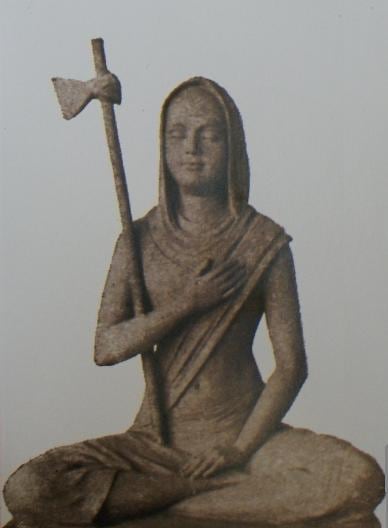
Gaudapada
يتّفقان في: ما المطلق؟ هل الله موجود؟ · من أنا؟ هل توجد ذات حقيقية؟ · لماذا نتألّم؟
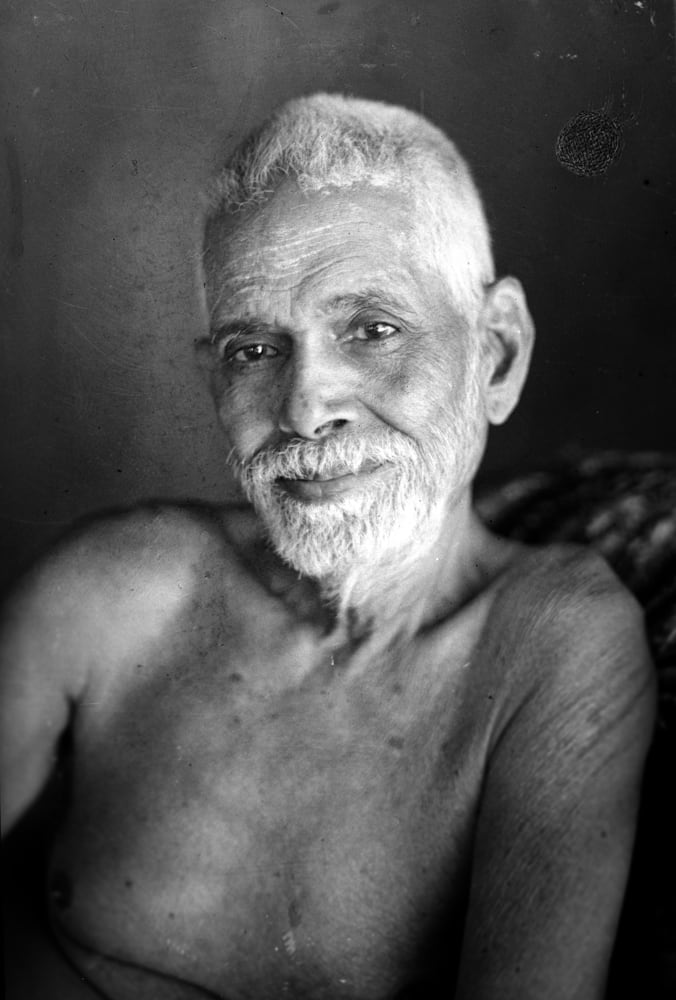
Ramana Maharshi
يتّفقان في: ما المطلق؟ هل الله موجود؟ · هل العالم حقيقي؟ · من أنا؟ هل توجد ذات حقيقية؟
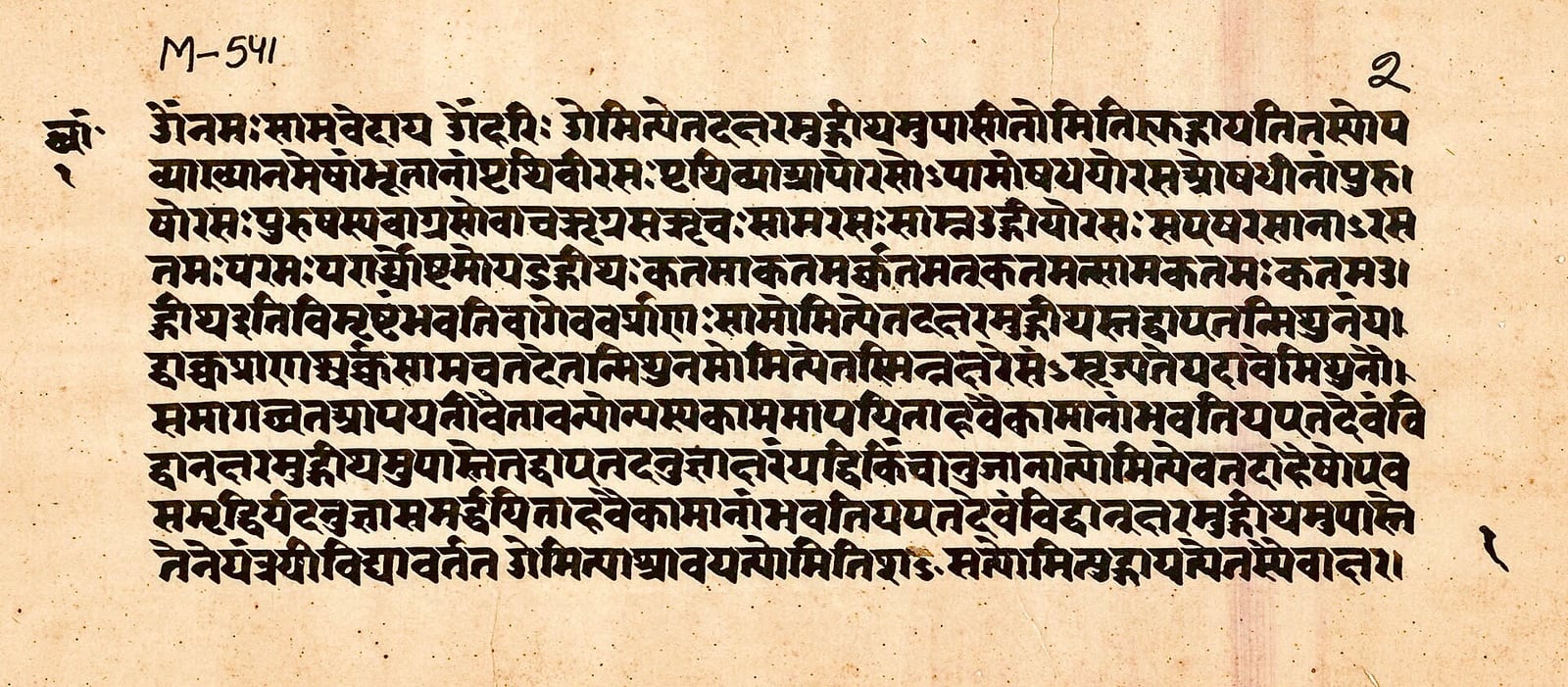
Uddalaka Aruni
يتّفقان في: ما المطلق؟ هل الله موجود؟ · من أنا؟ هل توجد ذات حقيقية؟ · ماذا يحدث بعد الموت؟
Nisargadatta Maharaj
يتّفقان في: من أنا؟ هل توجد ذات حقيقية؟ · لماذا نتألّم؟ · ماذا يحدث بعد الموت؟
يبتعد في تفكيره عن

Francis of Assisi
يختلفان في: من أنا؟ هل توجد ذات حقيقية؟ · هل العالم حقيقي؟
Fyodor Dostoevsky
يختلفان في: من أنا؟ هل توجد ذات حقيقية؟ · هل العالم حقيقي؟
Ignatius of Loyola
يختلفان في: من أنا؟ هل توجد ذات حقيقية؟ · هل العالم حقيقي؟
Catherine of Siena
يختلفان في: من أنا؟ هل توجد ذات حقيقية؟ · هل العالم حقيقي؟
يختلفان فيخلاف جوهري
Adi Shankara · Siddhartha Gautama, the Buddha
The Self that is Brahman versus the absence of self: India's great controversy
لماذا: The clash is not a modern construction: Shankara devotes sutras 2.2.18–32 of his Brahma Sutra commentary to refuting the Buddhist schools, realist, idealist and those of emptiness, and concludes that the Buddha's teaching is incoherent. Some scholars argue that no-self denies the empirical self rather than the atman, so the distance would be smaller than both believed; but the canon itself rejects the eternal self in MN 22, and Shankara held that denying a permanent subject made memory and liberation impossible. The two traditions start from a similar analysis of experience and reach incompatible metaphysical conclusions, which is why they treated each other as rivals for centuries.
يتّفقان في
Adi Shankara · Ibn Arabi
Two metaphysics of unity, in Murcia and in Kerala
لماذا: The affinity comes from the same question pushed to its limit: how can there be multiplicity if the Absolute is one. Both answer with a doctrine of levels, empirical and ultimate truth in one, Essence and Names in the other, which allows them to keep worship and law without giving up unity. There is no historical relation between them, and the differences are serious: for Ibn Arabi the world is a self-revelation willed by a God who loves to be known, and the servant remains a servant; for Shankara the world is a superimposition due to ignorance, and the liberated one retains no distinction. One thinks a theophany; the other, an error that dissolves. They agree in structure, not in feeling.
يختلفان فيتناقض ظاهري
Adi Shankara · Swami Vivekananda
The sage who renounces and the sage who serves: two readings of the same Advaita
لماذا: The contradiction is largely apparent. Shankara does not condemn action: he regards it as the purifying duty of those who do not yet know, and Vivekananda presents karma yoga precisely as a path of purification towards a knowledge that remains, for him, the summit. What changes is audience and era. Shankara writes for renunciants, in a scholastic dispute with those who combined ritual and knowledge; Vivekananda, who saw himself as heir to Advaita, speaks to a colonised and impoverished India and to a Western public, and turns service into worship of the divine in every being. A real difference of emphasis remains: in Shankara the liberated one ceases to act; in Vivekananda, he goes on serving.
يتّفقان في
Adi Shankara · Ramana Maharshi
The Advaita of the commentaries and the Advaita of silence
لماذا: The relationship is documented in one sense: Ramana rendered into Tamil texts attributed to Shankara, such as the Vivekachudamani and the Atmabodha, although scholars dispute Shankara's authorship of them. The difference is one of method and authority. Shankara is a commentator who holds that Brahman is known only through scripture, with reason in its service, and who assigns monastic renunciation to the sage. Ramana never received scholastic training, spoke from an experience lived at sixteen, proposed a single question as method and considered that true renunciation is of the ego, not of home or work. One argues for the identity; the other invites one to verify it.
يختلفان فيخلاف جوهري
Adi Shankara · Nisargadatta Maharaj
Scripture as the only means of knowing Brahman, or a cigarette seller without books
لماذا: The contradiction is real at the level of method, even if the goal is the same. Shankara is a Brahmin commentator debating rival schools and needs to establish what counts as valid knowledge: for him, without the word of scripture there is no way of knowing that the Self is Brahman. Nisargadatta belongs to a devotional lineage from Maharashtra that transmitted the teaching in the vernacular and through the master's direct instruction, and he speaks to modern seekers, often saturated with reading. Neither trusts free-standing reasoning, and both rely on a master; they differ over whether ultimate authority lies in the revealed word or in the evidence of one's own existing.
يختلفان فيتناقض ظاهري
Adi Shankara · Eckhart Tolle
Is the world an illusion? Superimposition on Brahman or form in which consciousness awakens
لماذا: The contradiction is largely apparent: both distinguish two levels, a formless source and a world dependent on it, and both locate the error in the subject who confuses the levels, ignorance in Shankara, identification in Tolle. Vocabulary separates them more than structure: maya sounds like negation to a modern reader, although in Shankara it does not amount to a subjective dream. A real difference of evaluation remains. For Shankara multiplicity has no purpose and vanishes for one who knows; for Tolle, along a line closer to manifestation than to illusion, form is the place where consciousness recognises itself, and the universe has an evolutionary meaning.
حكايات وروايات
حكايات وروايات
رواية من سِيَر القدّيسينinfancia (fecha tradicional c. 796)
The crocodile of the Pūrṇā
أصل الرواية: An account from the Śaṅkaravijayas, in particular the Śaṅkaradigvijaya attributed to Mādhava-Vidyāraṇya; Bader (2000) compares its variants. No contemporary source.
المصدر: Bader, Jonathan. Conquest of the Four Quarters: Traditional Accounts of the Life of Śaṅkara. Nueva Delhi: Aditya Prakashan, 2000.
رواية من سِيَر القدّيسينadolescencia
"Who are you?" on the banks of the Narmadā
أصل الرواية: A scene from the hagiographies; its association with the Daśaślokī and the Nirvāṇaṣaṭkam is traditional and late. That Govinda was his teacher is historically accepted (SEP); the dialogue is not.
المصدر: Bader, Jonathan. Conquest of the Four Quarters: Traditional Accounts of the Life of Śaṅkara. Nueva Delhi: Aditya Prakashan, 2000.
رواية من سِيَر القدّيسينestancia en Benarés
The outcaste of Benares
أصل الرواية: It appears in the hagiographies and in the traditional preamble to the Manīṣāpañcaka, itself a hymn of disputed attribution. Advaita Ashrama publishes a popular version ("Sankaracharya and an Untouchable").
المصدر: Bader, Jonathan. Conquest of the Four Quarters: Traditional Accounts of the Life of Śaṅkara. Nueva Delhi: Aditya Prakashan, 2000.
رواية من سِيَر القدّيسينjuventud
Ubhaya Bhāratī's garlands
أصل الرواية: Śaṅkaravijayas (the Mādhavīya and others). Potter (1981) and other scholars distinguish Maṇḍana Miśra, author of the Brahmasiddhi, from Sureśvara on doctrinal grounds.
المصدر: Bader, Jonathan. Conquest of the Four Quarters: Traditional Accounts of the Life of Śaṅkara. Nueva Delhi: Aditya Prakashan, 2000.
رواية من سِيَر القدّيسينjuventud
King Amaruka's body
أصل الرواية: Śaṅkaradigvijaya attributed to Mādhava; Bader (2000). No historical basis; the link with the Amaruśataka is traditional.
المصدر: Bader, Jonathan. Conquest of the Four Quarters: Traditional Accounts of the Life of Śaṅkara. Nueva Delhi: Aditya Prakashan, 2000.
تقليد شفهيedad adulta
Āryāmbā's funeral
أصل الرواية: Hagiographies and local tradition at Kālaḍi; the explanation of the custom of cremating on household land is aetiological and unverifiable. The shrine is photographed on Wikimedia Commons ("Aryamba Samadhi").
المصدر: Bader, Jonathan. Conquest of the Four Quarters: Traditional Accounts of the Life of Śaṅkara. Nueva Delhi: Aditya Prakashan, 2000.
التعاليم
التعاليم
المفاهيم التي ينتظم بها فكره، مشروحة في سياقها.
Superimposition (adhyāsa)adhyasa
Preamble of the Brahmasūtrabhāṣya; developed by Padmapāda in the Pañcapādikā and by the Vivaraṇa school.
المصدر: Thibaut, George (trad.). The Vedânta-Sûtras with the Commentary by Śaṅkarâkârya. Sacred Books of the East, vols. 34 (1890) y 38 (1896). Oxford: Clarendon Press. Reimpr. Dover, 1962; Motilal Banarsidass (ISBN 8120801393).
Ignorance (avidyā) and māyāavidya
Debate between the Bhāmatī and Vivaraṇa schools on the locus of ignorance; Hacker's studies (1950, repr. 1995).
المصدر: Hacker, Paul. «Śaṅkarācārya and Śaṅkarabhagavatpāda: Preliminary Remarks Concerning the Authorship Problem» (New Indian Antiquary 9, 1947) y «Distinctive Features of the Doctrine and Terminology of Śaṅkara: Avidyā, Nāmarūpa, Māyā, Īśvara», ambos en Wilhelm Halbfass (ed.), Philology and Confrontation: Paul Hacker on Traditional and Modern Vedānta. Albany: SUNY Press, 1995.
Identity of ātman and brahmanatman-brahman
Later controversy with Rāmānuja's Viśiṣṭādvaita and Madhva's Dvaita, which reject strict identity.
Practical and ultimate realitydos-niveles-de-realidad
Comparable to the two truths of Buddhist Madhyamaka, a parallel that earned the school the charge of being "crypto-Buddhist".
Liberation while living (jīvanmukti)jivanmukti
Contested by the theistic schools, which admit liberation only after death.
The four qualifications of the aspirantsadhana-chatushtaya
Brahmasūtrabhāṣya 1.1.1; Vivekacūḍāmaṇi 18–27.
الخلوات
خلوات ومراكز
أماكن ولقاءات مرتبطة بتعليمه. نضعك على تواصل مع من ينظّمها.
Sringeri, distrito de Chikkamagaluru, Karnataka · India
Sringeri Sharada Peetham
Dakshinamnaya Sri Sharada Peetham, Sringeri
Sringeri, on the banks of the Tunga river in the Western Ghats, is home to the first of the four monasteries tradition attributes to Adi Shankara, the Dakshinamnaya Sri Sharada Peetham, guardian of the south. Since then it has been led by an unbroken line of jagadgurus, the teachers who safeguard the Advaita teaching. The site brings together the temple of the goddess Sharada and the Vidyashankara temple, and the monastery remains a centre for the study of the Vedas and Vedanta. It offers pilgrim accommodation through its portal and publishes temple timings and the history of its lineage on its website.
Saylorsburg, Pensilvania · Estados Unidos
Arsha Vidya Gurukulam, Pennsylvania
Arsha Vidya Gurukulam
Arsha Vidya Gurukulam was founded in 1986 by Swami Dayananda Saraswati in the Pocono Mountains of Pennsylvania to teach Advaita Vedanta by the traditional method, that is, through the Upanishads, the Bhagavad Gita and the Brahma Sutras read with Shankara's commentaries. It is run by resident teachers and offers Vedanta courses on campus, weekend classes, retreats and online studies, such as one on the Brahma Sutras. According to its website, Vedanta classes carry no fee: they are funded by donations and gurudakshina, with only nominal registration and lodging charges.
Veliyanad, Ernakulam, Kerala · India
Chinmaya International Foundation, Adi Sankara Nilayam
Chinmaya International Foundation (Chinmaya Mission)
Chinmaya International Foundation is the academic centre of the Chinmaya Mission devoted to preserving and disseminating India's knowledge traditions. It is based at Adi Sankara Nilayam in Veliyanad, Kerala, the ancestral home of Adi Shankara's mother's family, which Swami Chinmayananda acquired and restored. It offers courses in Vedanta, the Bhagavad Gita and the Upanishads and in Sanskrit, online and by post, as well as short residential retreats devoted to texts attributed to the teacher and longer immersion camps.
مقاطع الفيديو
مقاطع الفيديو
تسجيلات ومقابلات وأفلام وثائقية. تُشغَّل مقاطع الفيديو من YouTube؛ ولا تُستضاف هنا.
Vedanta-Advaita: Sankara
محاضرة· ES· 25 min
UNED Documentosالقناة الرسمية
Advaita-Vedanta: generalidades
محاضرة· ES· 20 min
UNED Documentosالقناة الرسمية
Shankara & Advaita Vedanta
تحليل· EN· 45 min
Let's Talk Religion
Adhyasa Bhashya 1 | Swami Sarvapriyananda
محاضرة· EN· 77 min
Vedanta Society of New Yorkالقناة الرسمية
Brahma Sutra with Shankara Bhashyam | Session 1 | Swami Tattwamayananda
محاضرة· EN· 86 min
Vedanta Society of New Yorkالقناة الرسمية
Vivekachudamani - Retreat (Part 1) | Swami Sarvapriyananda
محاضرة· EN· 129 min
Vedanta Society of New Yorkالقناة الرسمية
Kalady: The Triumph of Faith Over Time (Rediscovery of Sri Adi Shankaracharya's Birth Place)
فيلم وثائقي· EN· 81 min
sharadapeethamالقناة الرسمية
The Jagadguru Shankaracharya of Sringeri (Full Film)
فيلم وثائقي· EN· 83 min
sharadapeethamالقناة الرسمية
GFO2021: Adi Shankaracharya Sanskrit Movie: A panel discussion
تحليل· EN· 74 min
Advaita Academy
Auto-Conocimiento, Teatrización de Atma Bodha - por Shankara (Swami Tadatmananda)
تسجيل من طرف ثالث· ES· 71 min
Raul Campos
المعرض
المعرض
صور بترخيص متحقَّق منه. كل منها تحتفظ بمؤلّفها ونسبتها.
المخطوطات
المخطوطات
شواهد مخطوطة ونصوص قديمة، مع جهة حفظها وشروط الاطّلاع عليها.
SA · Devanagari · c. siglo VIII (fecha del autor discutida)
ऐतरेयोपनिषद्भाष्य (Aitareyopaniṣadbhāṣya)
- الشاهد المحفوظ
- Manuscrito en papel; la descripción de Commons da a la vez 1593 y 1863 como fecha de copia, contradicción no resuelta
- جهة الحفظ
- Cambridge University Library · MS Add.2092
العلاقات
العلاقات
تأثيرات وتلمذة وتقارب في الأفكار. تُميَّز العلاقة الموثّقة عن التشابه المستخلَص بالتحليل.
تلميذ
Govinda Bhagavatpāda
His teacher, according to tradition and scholarship (Dalal, SEP); almost nothing is known of his life.
علاقة موثّقة
تأثّر بـ
Author of the Māṇḍūkya-kārikā and teacher of Govinda; Śaṅkara commented on his verses and cites him as an authority of the tradition.
علاقة موثّقة
معلّم
Padmapāda
Direct disciple, author of the Pañcapādikā, a commentary on the opening of the Brahmasūtrabhāṣya from which the Vivaraṇa school derives.
علاقة موثّقة
معلّم
Sureśvara
Direct disciple, author of the Vārttikas on the Bṛhadāraṇyaka and Taittirīya commentaries and of the Naiṣkarmyasiddhi. His identification with Maṇḍana Miśra is disputed.
علاقة موثّقة
معاصر لـ
Maṇḍana Miśra
Contemporary Advaitin and Mīmāṃsaka, author of the Brahmasiddhi; the debate with Śaṅkara is hagiographic, and Potter uses his chronology to date Śaṅkara.
تشابه مستخلَص بالتحليل
أثّر في
Ramana translated into Tamil the Vivekacūḍāmaṇi (in prose) and the Ātmabodha (in verse), works attributed to Śaṅkara, and recommended reading them.
علاقة موثّقة
أثّر في
Vivekananda spread Śaṅkara's Advaita in the West as India's universal philosophy, reinterpreting it in a practical key.
تشابه مستخلَص بالتحليل
أفكار قريبة من
Nisargadatta's Inchegeri lineage read Śaṅkara as an authority; his teaching of the "I am" and of the witness extends, without exegetical method, the distinction between consciousness and object.
تشابه مستخلَص بالتحليل
أفكار قريبة من
The distinction between conventional and ultimate reality recalls the two truths of Madhyamaka; theistic critics accused Advaita of being "crypto-Buddhism" (pracchanna-bauddha).
تشابه مستخلَص بالتحليل
أفكار قريبة من
Rudolf Otto systematically compared Śaṅkara and Eckhart in West-östliche Mystik (1926); the likeness is drawn by the comparativist, not by any historical contact.
تشابه مستخلَص بالتحليل
اختلف مع
Rāmānuja
Posthumous relation: Rāmānuja (11th–12th c.) criticised Advaita's doctrine of ignorance and strict identity in the Śrībhāṣya.
تشابه مستخلَص بالتحليل
مرتبط من صفحات أخرى
- Kabir · أفكار قريبة من
- Uddalaka Aruni · أثّر في
- Alan Watts · أفكار قريبة من
- Ramana Maharshi · تأثّر بـ
- Sri Aurobindo · اختلف مع
- Swami Vivekananda · تأثّر بـ
- Mahāvīra · اختلف مع
- Dattatreya · أفكار قريبة من
- Nāgārjuna · أفكار قريبة من
- Patañjali · أثّر في
- Gaudapada · أثّر في
- Kapila · اختلف مع
- Nisargadatta Maharaj · أفكار قريبة من
- Ramakrishna · أفكار قريبة من
- Parmenides · أفكار قريبة من
- Meister Eckhart · أفكار قريبة من
- Plato · أفكار قريبة من
- Vasishtha · أفكار قريبة من
- Vyasa · أثّر في
- Yajnavalkya · أثّر في
- Ashtavakra · أفكار قريبة من
المصادر
المصادر
المراجع والفهارس التي رُوجعت لهذه الصفحة.
- Advaita Ashrama (Mayavati/Kolkata), tienda en línea: catálogo de traducciones de los comentarios de Śaṅkara.
- Editorial Kairós, ficha de La esencia del Vedanta (Śaṅkara, trad. Raphael; versión castellana de Eleonora Berla), ISBN 9788472453579.
- Brown, W. Norman (ed. y trad.). The Saundaryalaharī or Flood of Beauty, Traditionally Ascribed to Śaṅkarācārya. Harvard Oriental Series 43. Cambridge (Mass.): Harvard University Press, 1958.
- Cambridge University Library, MS Add.2092: Aitareya Upaniṣad con el comentario de Śaṅkara, manuscrito sánscrito en devanagari procedente de un bhaṇḍār jaina de Benarés; reproducción fotográfica en Wikimedia Commons (CC BY-SA 4.0).
- Menon, Sangeetha. «Vedanta, Advaita». Internet Encyclopedia of Philosophy.
- Leggett, Trevor (trad.). Śaṅkara on the Yoga Sūtra-s: The Vivaraṇa Sub-commentary to Vyāsa-bhāṣya on the Yoga-sūtra-s of Patañjali. Londres: Routledge & Kegan Paul, 1981–1983; The Complete Commentary by Śaṅkara on the Yoga Sūtra-s, Londres: Kegan Paul International, 1990 (ISBN 0710302770).
- Clark, Matthew. The Daśanāmī-Saṃnyāsīs: The Integration of Ascetic Lineages into an Order. Leiden: Brill, 2006.
- Isayeva, Natalia. Shankara and Indian Philosophy. Albany: SUNY Press, 1993.
- Pande, Govind Chandra. Life and Thought of Śaṅkarācārya. Delhi: Motilal Banarsidass, 1994.
- Ramana Maharshi. The Collected Works of Ramana Maharshi. Ed. Arthur Osborne. Tiruvannamalai: Sri Ramanasramam (incluye sus versiones del Vivekacūḍāmaṇi y del Ātmabodha).
- Otto, Rudolf. West-östliche Mystik: Vergleich und Unterscheidung zur Wesensdeutung. Gotha: Leopold Klotz, 1926 (trad. ingl. Mysticism East and West, 1932).
- Sri Sringeri Sharada Peetham, web oficial del maṭha de Śṛṅgeri.
- Open Library, registros de ediciones de las obras menores atribuidas a Śaṅkara (Vākyavṛtti, Dṛg-dṛśya-viveka, Tattvabodha, Śivānandalaharī, Śataślokī, Svātmanirūpaṇa, Sanatsujātīya-bhāṣya…), consultados el 2026-10-25.
- Conway, Timothy. «Sri Nisargadatta Maharaj (1897–1981): Life & Teachings of Bombay's Fiery Sage of Liberating Wisdom». Enlightened-Spirituality.org, © 1981/2007 (enumera entre las lecturas de Nisargadatta «Sankara's treatises»).
- The Works of Sri Sankaracharya in the Original Sanskrit (Sri Vani Vilas Edition), ed. T. K. Balasubrahmanya Aiyar. Srirangam: Sri Vani Vilas Press, 1910–1913, 20 vols. (1–3 Brahmasūtrabhāṣya; 4–10 Upaniṣadbhāṣyas, con el Nṛsiṃhapūrvatāpanī; 11–12 Gītābhāṣya; 13 Viṣṇusahasranāma y Sanatsujātīya; 14 Vivekacūḍāmaṇi y Upadeśasāhasrī; 15–16 prakaraṇas, Aparokṣānubhūti, Prabodhasudhākara y otros 30; 17–18 stotras, 65, con el Lalitātriśatī-bhāṣya; 19–20 Prapañcasāra). Escaneos en Internet Archive, wg1056–wg1075.
- Open Library: Prapanchasāra Tantra. Calcuta: Sanskrit Press Depository, 1914 (serie Tantrik Texts dirigida por Arthur Avalon, seudónimo de Sir John Woodroffe), registro OL59251172M; Vedānta in ten verses (Daśaślokī) of Śaṅkarācārya, ed. y trad. T. M. P. Mahadevan y N. Veezhinathan, Madrás: Śaṅkara Vihār, 1965 (OL62265675M); Śrī Kanakadhārā stotram, Chennai: Śrī Tayā Papḷikēṣan, 1977 (OL47937733M).
- Wikidata, «Ādi Shankara», QID Q180967 (VIAF 54116823; LCCN n79073884; GND 118642278; BnF 119236417).
- Dalal, Neil. «Śaṅkara». En Edward N. Zalta (ed.), The Stanford Encyclopedia of Philosophy, primera publicación 4 de octubre de 2021.
- Nakamura, Hajime. A History of Early Vedānta Philosophy. Part One. Delhi: Motilal Banarsidass, 1983 (pp. 48–88 sobre la datación).
- Potter, Karl H. (ed.). Encyclopedia of Indian Philosophies, vol. III: Advaita Vedānta up to Śaṃkara and His Pupils. Princeton University Press / Delhi: Motilal Banarsidass, 1981.
- Mayeda, Sengaku. «The Authenticity of the Upadeśasāhasrī Ascribed to Śaṅkara». Journal of the American Oriental Society 85, n.º 2 (1965): 178–196. doi:10.2307/597989.
- Mayeda, Sengaku. «The Authenticity of the Bhagavadgītābhāṣya Ascribed to Śaṅkara». Wiener Zeitschrift für die Kunde Süd- und Ostasiens 9 (1965): 155–197; y «On Śaṅkara's Authorship of the Kenopaniṣadbhāṣya». Indo-Iranian Journal 10, n.º 1 (1967): 33–55.
- Mayeda, Sengaku (trad. y ed.). A Thousand Teachings: The Upadeśasāhasrī of Śaṅkara. Tokio: University of Tokyo Press, 1979; Albany: State University of New York Press, 1992. ISBN 0791409449.
- Hacker, Paul. «Śaṅkarācārya and Śaṅkarabhagavatpāda: Preliminary Remarks Concerning the Authorship Problem» (New Indian Antiquary 9, 1947) y «Distinctive Features of the Doctrine and Terminology of Śaṅkara: Avidyā, Nāmarūpa, Māyā, Īśvara», ambos en Wilhelm Halbfass (ed.), Philology and Confrontation: Paul Hacker on Traditional and Modern Vedānta. Albany: SUNY Press, 1995.
- Bader, Jonathan. Conquest of the Four Quarters: Traditional Accounts of the Life of Śaṅkara. Nueva Delhi: Aditya Prakashan, 2000.
- Śaṅkarācārya. Brahma-Sūtra-Bhāṣya of Śrī Śaṅkarācārya. Trad. Swami Gambhirananda. Calcuta: Advaita Ashrama, 1965 (reed. 1977, ISBN 9780702500770; 2000, ISBN 9788175051058).
- Thibaut, George (trad.). The Vedânta-Sûtras with the Commentary by Śaṅkarâkârya. Sacred Books of the East, vols. 34 (1890) y 38 (1896). Oxford: Clarendon Press. Reimpr. Dover, 1962; Motilal Banarsidass (ISBN 8120801393).
- Sundaresan, Vidyasankar. «What Determines Śaṅkara's Authorship? The Case of the Pañcīkaraṇa». Philosophy East and West 52, n.º 1 (2002): 1–35. doi:10.1353/pew.2002.0006.
- Śaṅkarācārya (atrib.). Vivekachudamani of Sri Sankaracharya. Trad. Swami Madhavananda. Mayavati: Advaita Ashrama, 1921 (reed. 1932 y sucesivas).
- Editorial Trotta, ficha de catálogo de las ediciones de Consuelo Martín: Bhagavad Gita con los comentarios advaita de Śaṅkara; Upaniṣad con los comentarios advaita de Śaṅkara; Gran Upaniṣad del bosque.
- صاحب الحقوق
- Obra original en dominio público (siglos VII–IX). Las traducciones modernas tienen derechos propios: Advaita Ashrama y Ramakrishna Math (Gambhirananda, Madhavananda, Nikhilananda), Editorial Trotta (Consuelo Martín), Editorial Kairós (Raphael/Berla), SUNY Press (Mayeda), Vedanta Press (Prabhavananda e Isherwood), Harvard University Press (Brown), Motilal Banarsidass. La de Thibaut (1890–1896) es de dominio público.
في انتظار التأكيد
ما لم تتمكّن هذه الصفحة من حسمه بعد. نفضّل أن نقول ذلك على أن نملأ الفراغ.
- Confirmar en el catálogo de Cambridge University Library la fecha de copia de MS Add.2092 (1593 o 1863) y si existe digitalización en Cambridge Digital Library (la consulta devolvió 403).
- Localizar ISBN de las traducciones de Gambhirananda al Chāndogya, Māṇḍūkya y Śvetāśvatara y de la Aparokṣānubhūti (Vimuktananda), no hallados en Open Library.
- No se ha encontrado traducción castellana en catálogo del Upadeśasāhasrī: verificar en la BNE (se cita a veces una versión de Consuelo Martín).
- Buscar ediciones con ISBN en francés, italiano (Raphael, Edizioni Āśram Vidyā), ruso e hindi de los comentarios principales.
- Verificar en una edición crítica la numeración y el texto exacto de BSBh 1.1.2 (cita marcada como probable).
- Confirmar el año de la primera edición de la Aparokṣānubhūti de Advaita Ashrama.
- Google Books devolvió 429 (sin cuota): las comprobaciones de ISBN se hicieron solo con Open Library.
- Obras completas (2026-10-25): la tradición atribuye a Shankara más de trescientas obras (comentarios, tratados introductorios o prakaraṇas e himnos o stotras). Se registran los comentarios auténticos y las obras atribuidas principales. Quedan fuera los numerosos stotras breves (Kanakadhārā, Annapūrṇā, Bhavānyaṣṭaka, Govindāṣṭaka, Śivāparādhakṣamāpaṇa…), los prakaraṇas menores (Maniṣāpañcaka, Praśnottararatnamālikā, Ekaślokī, Brahmajñānāvalīmālā, Ātmānātmaviveka, Sarvavedāntasiddhāntasārasaṅgraha) y los atribuidos dudosos como el Prapañcasāra Tantra. Los comentarios a cada una de las Upaniṣads menores (Īśa, Kena —pada y vākya—, Kaṭha, Praśna, Muṇḍaka, Taittirīya, Aitareya) quedan agrupados en «upanishad-bhashyas». Catálogo de referencia: Potter (a4) y la colección de obras completas de Vani Vilas Press (Srirangam, primeras décadas del siglo XX).
- Verificar con catálogo una edición en Advaita Ashrama de la Dṛg-dṛśya-viveka (trad. Swami Nikhilananda), citada con frecuencia pero no localizada en Open Library.
- Obras (2026-10-25, 2.ª pasada): añadidas seis atribuidas con edición verificada (Prapañcasāra Tantra, Daśaślokī, Kanakadhārā Stotra, comentarios a la Nṛsiṃhapūrvatāpanī y a la Lalitātriśatī, Prabodhasudhākara). La edición Vani Vilas (a29) contiene además unos 30 prakaraṇas menores (vols. 15–16) y 65 stotras (vols. 17–18) cuya lista exacta no se pudo leer en el OCR del escaneo: cotejar con su índice impreso para completar la relación.
- Sala de lectura (2026-10-25): faltan traducciones libres del Upadeśasāhasrī (la de Swami Jagadananda, 1941, depende de la fecha de muerte del traductor, no verificada), de la Aparokṣānubhūti y de los comentarios upaniṣádicos de S. Sitarama Sastri y Ganganath Jha (Natesan, 1898–1901), así como cualquier texto en español de dominio público (es.wikisource no tiene ninguno). Los volúmenes sánscritos de Vani Vilas restantes (wg1059–wg1065, wg1068, wg1070–wg1073, wg1075) pueden añadirse como facsímiles.
بُحث بتاريخ 2026-10-25