الجاينية
Mahāvīra
महावीर · वर्धमान · Mahāvīra / Vardhamāna · Samaṇe Bhagavaṃ Mahāvīre / Vaddhamāṇe
نحو 599 ق.م – نحو 527 ق.متاريخيّته موضع جدل
زاهدٌ ومعلّم من وادي الغانج، الرابع والعشرون والأخير بين تيرثانكارا الجاينية، ومعاصرٌ للبوذا أكبر منه سنًّا بقليل، عرفه البوذيون باسم نيغانثا ناتابوتّا. اسمه فاردهامانا، نبذ الدنيا في الثلاثين، وبلغ العلم الكلّي بعد اثني عشر عامًا من الزهد، وعلّم طريقًا قوامه اللاعنف والنذور والتقشّف لتحرير الروح من الكارما. ولم يكتب شيئًا: فالقانون الجايني الذي ينقل تعليمه دُوّن في فالابهي في القرن الخامس للميلاد.
- مؤلَّفًا
- 51مؤلَّفًا
- طبعة
- 20طبعة
- اقتباسًا
- 8اقتباسًا
- مقطع فيديو
- 12مقطع فيديو
- صورة
- 7صورة
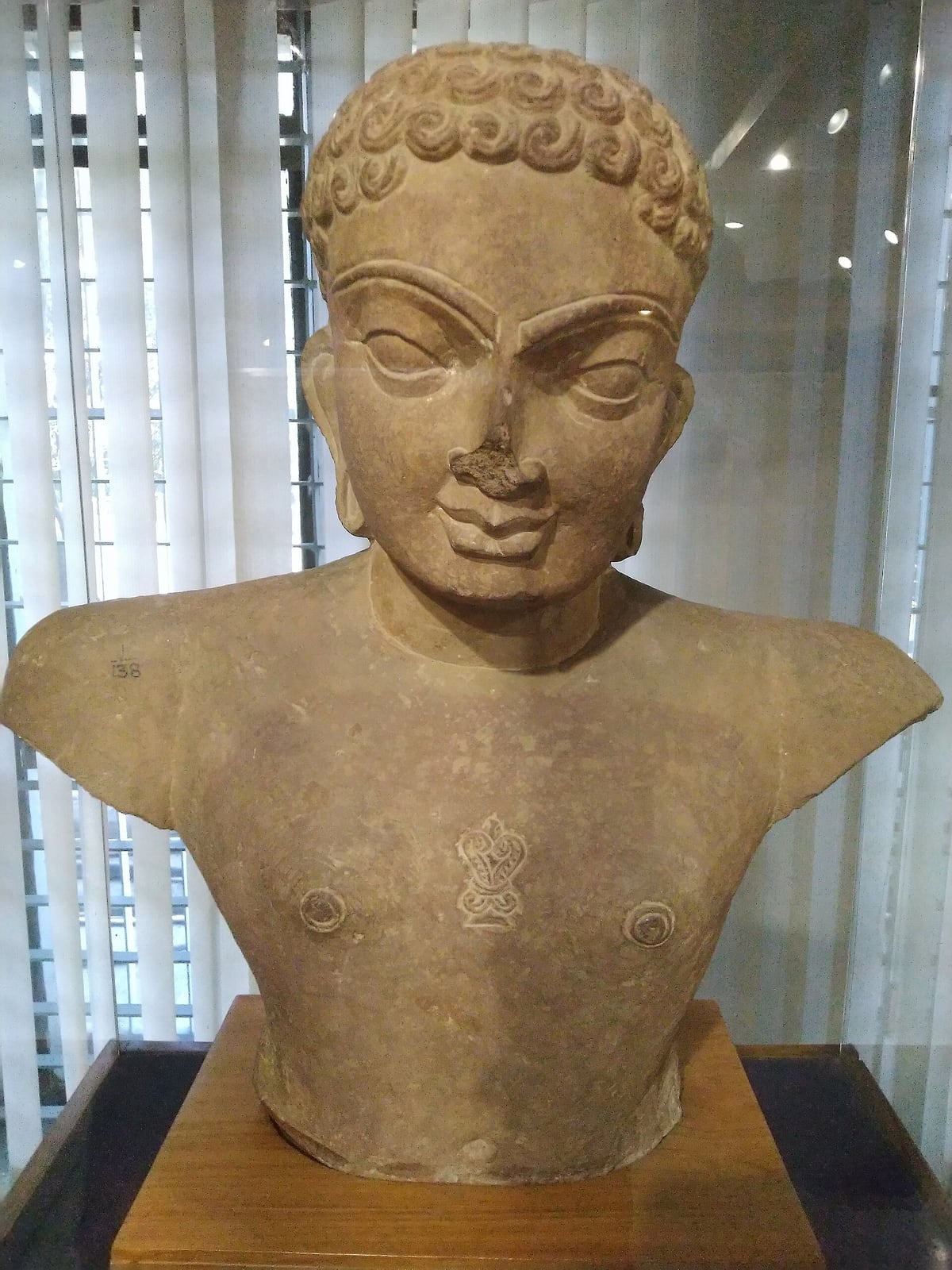
Busto de Mahāvīra, período kuṣāṇa (Museo de Chandigarh) · CC BY 3.0
بكلماته
«All breathing, existing, living, sentient creatures should not be slain, nor treated with violence, nor abused, nor tormented, nor driven away.»Ācārāṅga I.4.1.1; trad. de Hermann Jacobi, SBE 22 (1884), verificada en el texto; versión española del investigador; palabras que el canon atribuye a Mahāvīra

فكرته المحورية
Non-violence (ahiṃsā): The central principle of Jain ethics and the first of the vows.
السيرة
3 دقيقة قراءة
ترجمة مُعانة من الأصل الإسباني، بانتظار مراجعة مترجم من أهل اللغة.
آخر صانعي المعابر
لم يؤسّس ماهافيرا، في نظر الجاينيين، دينًا. بل كان الرابع والعشرين والأخير بين التيرثانكارا في هذه الدورة من الزمان، آخر «صانعي المعابر» الذين يفتحون للكائنات سبيل العبور فوق نهر الوجودات، وقد جدّد تعليمُه تعليمَ سلفٍ له هو بارشفا، الذي كانت جماعته قائمة من قبل. وكان اسمه الشخصي فاردهامانا، أي «النامي»؛ أما ماهافيرا، أي «البطل العظيم»، فلقب، شأنه شأن جينا، أي «الظافر»، الذي اشتُقّ منه اسم أتباعه. ووجوده التاريخي ثابتٌ بشهادة خارجية معادية: فالنصوص البوذية باللغة البالية تذكر مرارًا نيغانثا ناتابوتّا، «ابن عشيرة الناتا، زعيم الذين لا قيود لهم»، بوصفه واحدًا من المعلّمين المنافسين للبوذا، وتنسب إليه تعاليم تتطابق مع تعاليم الجاينية.
متى عاش
تحدّد التقاليد وفاته بعام 527 ق.م، أي قبل بدء تقويم فيكراما بـ470 عامًا، وولادته قبل ذلك باثنين وسبعين عامًا، أي عام 599 ق.م. وفي القرن الثاني عشر كان الراهب هيماتشاندرا ينقل حسابًا مختلفًا يفضي إلى عام 467 ق.م، رآه هيرمان ياكوبي أرجح الحسابات. وتقدّم النصوص البالية ماهافيرا معاصرًا للبوذا أكبر منه سنًّا بقليل، يبلغ خبرُ وفاته في بافا الجماعةَ البوذية، والنقد العلمي الحالي، الذي أخّر تواريخ البوذا إلى أواخر القرن الخامس قبل الميلاد، يميل إلى تأخير تواريخه هو أيضًا. وتحتفظ هذه المادة بالتواريخ التقليدية مرجعًا، مع التنبيه إلى أنها قد تسبق التواريخ الحقيقية بقرن.
سيرتان
ما يُعرف عن حياته مصدره نصوص قانونية أُلّفت ودُوّنت بعده بقرون، والجماعتان الجاينيتان الكبريان لا ترويان القصة نفسها. وأقدم شهادة قصيدةٌ في «آتشارانغا»، الكتاب الأول من القانون، تصف بلا خوارق سنوات الزهد: البرد، والحشرات، والكلاب التي كان فلاحو لادها يُغرونها به، والصمت الذي كان يحتمل به ذلك كلّه. أما السيرة الكاملة فتظهر في «كالبا سوترا» المنسوب إلى المعلّم بهادراباهو، وهي التي يتّبعها الشفيتامبارا، «لابسو البياض». وللديغامبارا، «لابسي السماء»، سيرتهم الخاصة في نصوص سنسكريتية من القرنين الثامن والتاسع، وهم يخالفون الأولى في مسائل جوهرية: فينكرون أن جنين ماهافيرا نُقل من رحم امرأة برهمية إلى رحم ملكة، وينكرون أنه تزوّج ورُزق ابنة، ويقولون إنه نبذ كل لباس منذ اليوم الأول.
ما ترويه التقاليد
بحسب رواية الشفيتامبارا، وُلد في كونداغراما قرب فايشالي، في ولاية بيهار الحالية، ابنًا لسيدهارتا، وهو نبيل من عشيرة الجناتري، ولتريشالا التي كانت تمتّ بصلة القرابة إلى زعماء اتحاد الليتشافي. وقبل ولادته رأت أمه أربعة عشر حلمًا مبشّرًا. وتزوّج ياشودا ورُزق منها ابنة هي بريادارشانا. وفي الثلاثين، بعد وفاة أبويه، نتف شعره وهجر البيت؛ وطوال اثني عشر عامًا ونصف هام زاهدًا، يصوم فترات طويلة ويلزم الصمت، وبعد ثلاثة عشر شهرًا ألقى عنه الثوب الوحيد الذي كان يلبسه. وفي الثانية والأربعين، على ضفة نهر ريجوباليكا، بلغ العلم الكلّي (كيفالا). ثم علّم ثلاثين عامًا في ممالك وادي الغانج؛ وكان تلاميذه الأحد عشر الرئيسيون، الغاناذارا، برهميين اهتدوا إلى طريقه، يتقدّمهم إندرابهوتي غوتاما، وضمّت الجماعة رهبانًا وراهبات وعلمانيين من الجنسين. ومات في الثانية والسبعين في بافا؛ وفي تلك الليلة، كما يقول «كالبا سوترا»، أوقد ملوك تلك الناحية المصابيح لأن نور المعرفة قد انطفأ، ومن ذلك يأتي احتفال الجاينيين بعيد ديبافالي.
تعليمٌ في اللاعنف
الكون، عند ماهافيرا، عامرٌ بأرواح (جيفا) لا تُحصى، لا في البشر والحيوان فحسب، بل في النبات والماء والتراب والنار والهواء؛ وكل روح، وهي بطبيعتها عالمة بكل شيء ومنعَّمة، يحجبها الكارما، الذي تتصوّره الجاينية مادةً لطيفة تلتصق بها بفعل الأعمال والأهواء. ومن هنا مركزية اللاعنف (أهيمسا): «كل الكائنات تحبّ الحياة»، كما يقول «آتشارانغا»، وإيذاء أيّ منها تكبيلٌ للنفس. ويقوم الطريق على وقف تدفّق الكارما الجديد بالنذور — عدم الإيذاء، وعدم الكذب، وعدم السرقة، والعفّة، والتجرّد من كل تملّك — وعلى إحراق المتراكم منه بالزهد، حتى تصعد الروح المتحرّرة إلى قمّة الكون. ومن النذور الأربعة في تقليد بارشفا يُروى أن ماهافيرا أفرد العفّة نذرًا خامسًا، بحسب الحوار بين كيشين وغوتاما في «أوتارادهيايانا». وليس في تعليمه إلهٌ خالق.
القانون وتدوينه
لم يكتب ماهافيرا شيئًا. وبحسب التقاليد جمع تلاميذه تعليمه في اثني عشر كتابًا، هي الأنغا، تُنقل بالحفظ؛ وقد ضاع الثاني عشر منها، الذي كان يضمّ البورفا الأربعة عشر، في وقت مبكر. وبعد مجامع عدّة دُوّن قانون الشفيتامبارا كتابةً في فالابهي، في غوجارات، برئاسة ديفارديغاني، بعد 980 أو 993 عامًا من وفاة المعلّم، أي نحو 453 أو 466 للميلاد. ويضمّ، بحسب الفروع، 45 أو 32 نصًّا باللغة البراكريتية الأردهاماغادية. أما الديغامبارا فيعدّون القانون الأصلي ضائعًا، ويجلّون بوصفهما كتابين مقدسين «شاتكهاندآغاما» و«كاسايباهودا». وتُثبت هذه المادة هذه النصوص كلّها بوصفها مجموعات منسوبة إلى تعليم ماهافيرا، لا مؤلفاتٍ له.
الإرث
أثبتت ترجمات هيرمان ياكوبي في سلسلة «الكتب المقدسة للشرق» (Sacred Books of the East، 1884 و1895) لعلم الهنديات الأوروبي أن الجاينية ليست فرعًا من البوذية كما كان يُظنّ، بل تقليدٌ مستقلّ وعريق. ويبلغ عدد الجاينيين اليوم بضعة ملايين، معظمهم في غرب الهند؛ وهم يحتفلون بمولد ماهافيرا كل ربيع، وقد أثّروا في أخلاق اللاعنف أبعد بكثير من حدود جماعتهم: فقد اعترف غاندي بأثر الجوهريّ والمفكّر الجايني رايتشاندبهاي ميهتا في تكوينه الأخلاقي.
المصادر: Jacobi, Hermann (trad.). Gaina Sûtras, Part I: The Âkârâṅga Sûtra. The Kalpa Sûtra. Oxford: Clarendon Press, 1884 (Sacred Books of the East 22). Introducción y textos; reimpr. Motilal Banarsidass (ISBN 9788120801233). · Dundas, Paul. The Jains. 2.ª ed. Londres / Nueva York: Routledge, 2002 (Library of Religious Beliefs and Practices). ISBN 9780415266055. · Jaini, Padmanabh S. The Jaina Path of Purification. Berkeley: University of California Press, 1979; reimpr. Delhi: Motilal Banarsidass, 1998. ISBN 9788120815780. · Jacobi, Hermann (trad.). Gaina Sûtras, Part II: The Uttarâdhyayana Sûtra. The Sûtrakritâṅga Sûtra. Oxford: Clarendon Press, 1895 (Sacred Books of the East 45). Reimpr. Motilal Banarsidass (ISBN 9788120801462). · Pániker, Agustín. El jainismo. Historia, sociedad, filosofía y práctica. Barcelona: Kairós, 2001; ed. 2007. ISBN 9788472454842.
الخط الزمني
الحياة عامًا بعد عام
كل نقطة حدث موثّق. انقر لتقرأه مع مصدره ودرجة اليقين فيه.
نحو 599 ق.مأقل من عامKuṇḍagrāma, junto a Vaiśālī
Birth at Kuṇḍagrāma (traditional date)
Son of Siddhārtha and Triśalā according to the Kalpasūtra, which relates the mother's fourteen dreams and, in the Śvetāmbara version, the transfer of the embryo from the womb of the brahmin woman Devānandā. Traditional date; scholars lower it by up to a century.
تقليدJacobi, Hermann (trad.). Gaina Sûtras, Part I: The Âkârâṅga Sûtra. The Kalpa Sûtra. Oxford: Clarendon Press, 1884 (Sacred Books of the East 22). Introducción y textos; reimpr. Motilal Banarsidass (ISBN 9788120801233).
بعد وفاته
- نحو 453 ق.م – 466 ق.مThe Council of Valabhī
- نحو 300 ق.مCouncil of Pāṭaliputra
- نحو 150 ق.مThe Ṣaṭkhaṇḍāgama
- نحو 80 ق.مThe Śvetāmbara–Digambara split
- نحو 1160Hemacandra's life of Mahāvīra
- 1884 – 1895Jacobi and the Sacred Books of the East
- 19742500 years since the nirvāṇa
نحو 599 ق.م · أقل من عام
Birth at Kuṇḍagrāma (traditional date)
Son of Siddhārtha and Triśalā according to the Kalpasūtra, which relates the mother's fourteen dreams and, in the Śvetāmbara version, the transfer of the embryo from the womb of the brahmin woman Devānandā. Traditional date; scholars lower it by up to a century.
تقليد
نحو 569 ق.م · 30 عامًا
Renunciation
At thirty, his parents dead, he tears out his hair in five handfuls and leaves home. The Śvetāmbaras hold that he had previously married Yaśodā and had a daughter; the Digambaras deny it.
تقليد
نحو 569 ق.م – 557 ق.م
Twelve and a half years of asceticism
He wanders as an ascetic, fasts and keeps silence; the Ācārāṅga describes the hardships suffered in the land of the Lāḍhas. According to the Śvetāmbara tradition he spends six years with Gośāla Maṅkhaliputta, future head of the Ājīvikas.
تقليد
نحو 557 ق.م · 42 عامًا
Omniscience
At forty-two, beside the river Ṛjupālikā near Jṛmbhikagrāma, he attains absolute knowledge (kevala) and becomes a Jina.
تقليد
نحو 557 ق.م – 527 ق.م
Thirty years of teaching
He teaches in the Ganges kingdoms; eleven brahmins led by Indrabhūti Gautama become his chief disciples (gaṇadharas). The Pali texts present him as a rival of the Buddha under the name Nigaṇṭha Nātaputta.
تقليد
نحو 527 ق.م · 72 عامًا
Death at Pāvā (traditional date)
He dies at seventy-two at Pāvā; the kings of the region light lamps, origin of the Jain celebration of Dīpāvalī. The Pali canon (DN 29) records the news of his death and the division of his followers.
مختلَف فيه
نحو 453 ق.م – 466 ق.م
The Council of Valabhī
Under the presidency of Devarddhigaṇi Kṣamāśramaṇa, the Śvetāmbara canon is written down, 980 or 993 years after Mahāvīra's death according to the Kalpasūtra (§ 148).
مرجَّح
نحو 300 ق.م
Council of Pāṭaliputra
According to tradition, after a great famine the monks who had stayed in Magadha assemble the Aṅgas at Pāṭaliputra under Sthūlabhadra while Bhadrabāhu is absent; the Digambaras do not recognise the result.
تقليد
نحو 150 ق.م
The Ṣaṭkhaṇḍāgama
Puṣpadanta and Bhūtabali write down in Śaurasenī Prakrit a treatise on karma that the Digambaras revere as their oldest scripture. Date much disputed (1st–3rd c.).
مرجَّح
نحو 80 ق.م
The Śvetāmbara–Digambara split
The two traditions date their separation only three years apart: 609 years after Mahāvīra (82 CE) according to the Śvetāmbaras, 136 years after Vikrama (79 CE) according to the Digambaras. The actual division was a gradual process.
تقليد
نحو 1160
Hemacandra's life of Mahāvīra
The monk Hemacandra (1089–1172) narrates Mahāvīra's life in the tenth book of the Triṣaṣṭiśalākāpuruṣacarita and transmits the chronology placing his death 155 years before Candragupta.
مرجَّح
1884 – 1895
Jacobi and the Sacred Books of the East
Hermann Jacobi translates the Ācārāṅga and the Kalpasūtra (SBE 22, 1884) and, in 1895, the Uttarādhyayana and the Sūtrakṛtāṅga (SBE 45); he shows that Jainism is independent of Buddhism.
موثّق
1974
2500 years since the nirvāṇa
India officially celebrates the 2500th anniversary of Mahāvīra's nirvāṇa according to the traditional chronology, the occasion on which the different Jain branches adopt a common flag and emblem.
موثّق
المؤلَّفات
المؤلَّفات الأساسية
المؤلَّفات التي لا يُفهم إرثه من دونها.
مجموعة لاحقة
Ācārāṅga (The Book of Conduct)
आयारंग (Āyāraṃga) / आचाराङ्ग (Ācārāṅga)
The first Aṅga and probably the oldest Jain text, in two parts. The first, in archaic prose and verse, sets out non-violence towards all beings —including earth, water, fire, air and plants— and the ascetic's discipline; its ninth chapter, the "Uvahāṇasuya", is the oldest account of Mahāvīra's austerities. The second, later part regulates monastic life and adds a biography of the master.
3 طبعات · amazon.com
Mahāvīra
Sūtrakṛtāṅga (The Book of Doctrines)
مجموعة لاحقة
Sūtrakṛtāṅga (The Book of Doctrines)
सूयगड (Sūyagaḍa) / सूत्रकृताङ्ग (Sūtrakṛtāṅga)
The second Aṅga, also of an early stratum. It sets out and refutes the doctrines of the rival teachers of Mahāvīra's time —materialists, fatalists, agnostics, ritualists— and warns the monk against the world's temptations. It is a key source for the panorama of the ascetics of the Ganges valley in the time of Mahāvīra and the Buddha. The second part includes Ārdraka's dialogue with Gośāla and with a Buddhist.
طبعتان
Mahāvīra
Kalpasūtra (Lives of the Jinas)
نسبة تقليدية
Kalpasūtra (Lives of the Jinas)
कप्पसुत्त (Kappasutta) / कल्पसूत्र (Kalpasūtra), también Pajjosavaṇākappa (Paryuṣaṇākalpa)
The eighth chapter of the Daśāśrutaskandha turned into an independent book, and the most copied and illustrated Jain text. It has three parts: the lives of the Jinas, above all Mahāvīra's —the transfer of the embryo, the fourteen dreams, renunciation, asceticism, omniscience and death at Pāvā—, the list of successors (sthavirāvalī) and the rules for the rainy-season retreat. It is read aloud every year during the festival of Paryuṣaṇa. The illuminated manuscripts from Gujarat of the fourteenth to sixteenth centuries are held in museums around the world.
4 طبعات
Mahāvīra
Uttarādhyayana (The Last Lectures)
مجموعة لاحقة
Uttarādhyayana (The Last Lectures)
उत्तरज्झयण (Uttarajjhayaṇa) / उत्तराध्ययन (Uttarādhyayana)
Thirty-six lectures in verse and prose, one of the oldest and most beautiful texts of the canon, which tradition identifies with the "thirty-six unasked questions" Mahāvīra recited on the night of his death (Kalpasūtra § 147). It contains teachings on the monk's discipline, parables, King Nami's dialogue with Indra, the exhortation to Gautama "not to be careless for a moment" and the meeting of Keśin, a disciple of Pārśva, with Gautama, which explains the reform of the vows.
3 طبعات
جميع مؤلَّفاته (51)
Mahāvīra
The Śvetāmbara canon (the Āgamas)
The Conscious LibraryThe Śvetāmbara canon (the Āgamas)
453
Mahāvīra
Sthānāṅga (The Stations)
The Conscious LibrarySthānāṅga (The Stations)
Mahāvīra
Samavāyāṅga (The Groupings)
The Conscious LibrarySamavāyāṅga (The Groupings)
Mahāvīra
Bhagavatī Sūtra (Vyākhyāprajñapti)
The Conscious LibraryBhagavatī Sūtra (Vyākhyāprajñapti)
Mahāvīra
Jñātādharmakathā (Parables and Stories of the Doctrine)
The Conscious LibraryJñātādharmakathā (Parables and Stories of the Doctrine)
Mahāvīra
Upāsakadaśā (The Ten Lay Followers)
The Conscious LibraryUpāsakadaśā (The Ten Lay Followers)
Mahāvīra
Antakṛddaśā (Those Who Made an End)
The Conscious LibraryAntakṛddaśā (Those Who Made an End)
Mahāvīra
Anuttaraupapātikadaśā (Those Reborn in the Highest Heavens)
The Conscious LibraryAnuttaraupapātikadaśā (Those Reborn in the Highest Heavens)
Mahāvīra
Praśnavyākaraṇa (Explanation of Questions)
The Conscious LibraryPraśnavyākaraṇa (Explanation of Questions)
Mahāvīra
Vipākaśruta (The Ripening of Deeds)
The Conscious LibraryVipākaśruta (The Ripening of Deeds)
Mahāvīra
Dṛṣṭivāda (The Exposition of Views, lost)
The Conscious LibraryDṛṣṭivāda (The Exposition of Views, lost)
Mahāvīra
The fourteen Pūrvas (lost)
The Conscious LibraryThe fourteen Pūrvas (lost)
Mahāvīra
Aupapātika (On Rebirths)
The Conscious LibraryAupapātika (On Rebirths)
Mahāvīra
Rājapraśnīya (The King's Questions)
The Conscious LibraryRājapraśnīya (The King's Questions)
Mahāvīra
Jīvājīvābhigama (Understanding the Living and the Non-living)
The Conscious LibraryJīvājīvābhigama (Understanding the Living and the Non-living)
Mahāvīra
Prajñāpanā (The Exposition)
The Conscious LibraryPrajñāpanā (The Exposition)
Mahāvīra
Sūryaprajñapti (Exposition on the Sun)
The Conscious LibrarySūryaprajñapti (Exposition on the Sun)
Mahāvīra
Jambūdvīpaprajñapti (Exposition on Jambūdvīpa)
The Conscious LibraryJambūdvīpaprajñapti (Exposition on Jambūdvīpa)
Mahāvīra
Candraprajñapti (Exposition on the Moon)
The Conscious LibraryCandraprajñapti (Exposition on the Moon)
Mahāvīra
Nirayāvalikā (The Series of Hells)
The Conscious LibraryNirayāvalikā (The Series of Hells)
Mahāvīra
Kalpāvataṃsikā (The Ornaments of the Heavens)
The Conscious LibraryKalpāvataṃsikā (The Ornaments of the Heavens)
Mahāvīra
Puṣpikā (The Flowers)
The Conscious LibraryPuṣpikā (The Flowers)
Mahāvīra
Puṣpacūlikā (The Flower Crests)
The Conscious LibraryPuṣpacūlikā (The Flower Crests)
Mahāvīra
Vṛṣṇidaśā (The Ten Vṛṣṇis)
The Conscious LibraryVṛṣṇidaśā (The Ten Vṛṣṇis)
الأقوال
أقوال محدَّدة الموضع في مؤلَّف بعينه. كل منها يحمل مصدره ودرجة الثقة به.
All breathing, existing, living, sentient creatures should not be slain, nor treated with violence, nor abused, nor tormented, nor driven away.savve pāṇā savve bhūyā savve jīvā savve sattā na haṃtavvā na ajjāveyavvā na parighetavvā na pariyāveyavvā na uddaveyavvā
متحقَّق منهĀcārāṅga I.4.1.1; trad. de Hermann Jacobi, SBE 22 (1884), verificada en el texto; versión española del investigador; palabras que el canon atribuye a Mahāvīra
أقوال منحولة أو مختلَف في نسبتها (2)
«Live and let live.»
A slogan widely spread as a summary of Mahāvīra's teaching (in Hindi, "jiyo aur jīne do"), present on posters, stamps and twentieth-century celebrations. It is not a quotation from any canonical text; it condenses the doctrine of non-violence in a modern formula.
«Non-violence is the highest law (ahiṃsā paramo dharmaḥ).»
A Sanskrit formula the Jain community has adopted as a motto and which is often ascribed to Mahāvīra. It appears in the Mahābhārata, in brahmanical contexts, and not in the Prakrit Jain canon, which expresses the idea in other words (see the Daśavaikālika quotation).
الكلمات الأخيرة
لا توجد سجلات يمكن التحقق منها لكلماته الأخيرة.
No final words of Mahāvīra survive. The Kalpasūtra (§ 147) says he died at Pāvā, alone and seated, while reciting the fifty-five lectures on the fruits of karma and the thirty-six "unasked questions", which tradition identifies with the Uttarādhyayana, but it quotes no sentence. For the Digambaras the omniscient Jina does not speak in human words but with a "divine sound" (divyadhvani), and he died in silent meditation.
المصدر: Jacobi, Hermann (trad.). Gaina Sûtras, Part I: The Âkârâṅga Sûtra. The Kalpa Sûtra. Oxford: Clarendon Press, 1884 (Sacred Books of the East 22). Introducción y textos; reimpr. Motilal Banarsidass (ISBN 9788120801233).
اسأل
بماذا يجيب أثره
اثنا عشر سؤالًا كبيرًا من أسئلة الإنسانية، وما تتيح نصوصه الإجابة به عنها، مع المراجع. ولا نقوّله ما لم يقل أبدًا.
ما المطلق؟ هل الله موجود؟
An eternal universe with no creator; the divine is the liberated soul
لا إله خالقيقوله صراحةً
In the Jain canon attributed to him, Mahavira teaches that the universe is eternal and created by no god: it is made of souls (jiva) and non-living substances (ajiva) that follow their own laws. The Sutrakritanga examines and rejects the doctrines that ascribe the world to a creator god, to Brahma or to Ishvara. What Jainism venerates is not a lord of the cosmos but the tirthankaras, human souls who by their own effort shed karma and attained omniscience (kevala). These perfected souls do not intervene in the world or grant favours: they are model and guide. Liberation therefore depends on each soul’s conduct and knowledge, not on the will of a God.
قارن هذا السؤال مع معلّمين آخرينمن أنا؟ هل توجد ذات حقيقية؟
Each being is an eternal individual soul, veiled by karmic matter
روح في تطوّريقوله صراحةً
The Jainism that goes back to Mahavira affirms countless souls (jiva), eternal, uncreated and individual, whose nature is consciousness, knowledge and bliss. These qualities are veiled by subtle particles of karma that cling to the soul through action driven by the passions. The soul transmigrates through the four destinies (hells, animals and plants, humans and gods) and can be purified life after life. When it sheds all karma it attains omniscience and rises to the summit of the universe, where it keeps its individuality forever. The true self is neither body nor passions, but neither does it merge into an Absolute: it is a soul recovering its original purity.
قارن هذا السؤال مع معلّمين آخرينلماذا نتألّم؟
Karma, drawn by violence and passions, binds the soul to pain
الكارما وتعلّم الروحيقوله صراحةً
In the Jain canon suffering is explained by karma, understood as a subtle matter that flows into the soul when it acts driven by the passions (kashaya): anger, pride, deceit and greed. Violence is the action that attracts the most karma, and the Acaranga insists that all beings love life, desire pleasure and hate pain. Accumulated karma ripens into experiences of suffering in this life and the next. But Mahavira does not teach resignation: karma can be stopped through right conduct and destroyed through asceticism (tapas). Hardships voluntarily accepted by the monk burn up past karma. Pain is thus the consequence of one’s own acts and an occasion for purification.
قارن هذا السؤال مع معلّمين آخرينماذا يحدث بعد الموت؟
The soul transmigrates through four destinies until freed and ascending
الولادة من جديد وفق الكارمايقوله صراحةً
According to the Jain canon, at death the soul, drawn by its karma, is reborn in one of four destinies: the hells, animals and plants, humans or gods. None is final, not even the heavenly. Only the soul that has destroyed all its karma escapes the cycle and rises to the summit of the universe, where it abides in omniscience and bliss. The Uttaradhyayana recalls with the image of the dry leaf that human life is short and must not be wasted: Gautama must not be careless for a single moment. The tradition also values voluntary death by fasting (sallekhana), accepted in full awareness and without passion when life can no longer sustain the practice.
قارن هذا السؤال مع معلّمين آخرينكيف يُبلَغ التحرّر أو الخلاص؟
Right faith, knowledge and conduct; asceticism that burns karma
بالممارسة المنضبطةيقوله صراحةً
Mahavira’s path, as handed down by the Jain canon, is one of self-effort. Chapter 28 of the Uttaradhyayana, devoted to the road to liberation, sums it up as right knowledge, faith, conduct and asceticism. Conduct takes concrete form in the monk’s five great vows: non-violence, truthfulness, non-stealing, chastity and non-possession. Asceticism (tapas), inner and outer, destroys accumulated karma, and vigilance prevents new karma from entering. No one can do this work for another; one of the sayings attributed to him asks one to fight oneself rather than external enemies, since conquering oneself is the greatest victory. The fruit is omniscience (kevala) and final liberation.
قارن هذا السؤال مع معلّمين آخرينهل نحتاج إلى معلّم؟
The Jina shows the ford, but each soul crosses alone
مفيد لكنه ليس ضروريًايقوله صراحةً
For Jains Mahavira is a tirthankara, a ‘ford-maker’ who shows the crossing through the ocean of rebirths. His teaching was handed down by his chief disciples (ganadharas) and is preserved in a fourfold community of monks, nuns, laymen and laywomen, with detailed rules of obedience to superiors and of communal life. But the teacher neither saves nor grants grace: the Acaranga says, in a line recorded among his sayings, that one is one’s own friend and need not seek friends outside. The tirthankara teaches and gives example, the community sustains, and the work of purifying the soul is done by each through their own effort.
قارن هذا السؤال مع معلّمين آخرينهل العالم حقيقي؟
An eternal universe of substances that endure and change
نظام طبيعي في تحوّليقوله صراحةً
Jainism teaches that the world is real, eternal and uncreated, made up of six substances: souls, matter, the principle of motion, that of rest, space and time. Each substance endures in its essence while its modes arise and pass away: everything is at once permanent and changing. The universe passes through immense cycles of ascent and descent, without beginning or end, and is ordered in regions: the hells below, the middle world of humans and the heavens above. This vision goes with the doctrine of many-sidedness (anekantavada): no statement about reality exhausts it. The world is no illusion, but its truth requires looking at it from many sides.
قارن هذا السؤال مع معلّمين آخرينما الحب؟
Friendship with all beings, enmity towards none
رحمة بلا حدوديقوله صراحةً
Love, in Mahavira’s Jainism, takes the form of universal non-violence. The Acaranga grounds it in reciprocity: all beings love life, desire pleasure and shrink from pain, and therefore no breathing being should be killed, mistreated or tormented. The confession formula preserved in the Avasyaka, which Jains recite every year, asks forgiveness of all beings, forgives them and declares friendship with all and enmity towards none. That benevolence extends to insects, plants and invisible beings, and demands meticulous care in every act. Affective attachment, by contrast, is considered a binding passion: Jain love is benevolence without possession.
قارن هذا السؤال مع معلّمين آخرينهل نحن أحرار أم أن كل شيء مقدَّر؟
Against fatalism: human effort changes the course of karma
الكارما والاختياريقوله صراحةً
Mahavira shared his time and setting with Makkhali Gosala, head of the Ajivikas, who taught that everything is determined by fate (niyati) and that human effort is useless. The Jain canon presents him as Mahavira’s great adversary. In the Upasakadasa Mahavira refutes a potter who follows Gosala with a practical argument: if someone broke his pots, would he punish them or think it was all determined? For Jainism karma truly conditions the present, but the soul can stop its inflow through vigilance and destroy it through asceticism. Effort (purushartha) is real and decisive: without it the doctrine of liberation would make no sense.
قارن هذا السؤال مع معلّمين آخرينلماذا نتأمّل أو نصلّي؟
The daily duties: equanimity, confession and abandonment of the body
الطقس وتهذيب الذاتيقوله صراحةً
Jainism does not pray to a God who answers: the liberated tirthankaras do not intervene in the world. Their veneration is a remembrance of their example. Daily practice is organised in the six obligatory duties preserved in the Avasyaka: equanimity (samayika), praise of the tirthankaras, veneration of the teacher, confession of faults (pratikramana), motionless abandonment of the body (kayotsarga) and voluntary renunciation. Tradition attributes to Mahavira long periods of motionless meditation in which he bore cold, heat and assaults without reacting. Meditation serves to stop the inflow of karma and burn what has accumulated, and ultimately leads to omniscience.
قارن هذا السؤال مع معلّمين آخرينهل يستطيع العقل أن يعرف الحقيقة القصوى؟
The pure soul’s omniscience surpasses all sensory and textual knowledge
الحقيقة القصوى وراء العقليقوله صراحةً
Jain epistemology, which the canon attributes to Mahavira’s teaching, distinguishes five kinds of knowledge: sensory and mental, scriptural, clairvoyance, knowledge of others’ minds and omniscience (kevala). The first two are indirect, mediated by senses and mind; the last is direct, proper to the soul freed from all karma, and knows all things in all their modes. Mahavira is said to have attained it after twelve years of asceticism. Meanwhile human reasoning is partial, and the doctrine of many-sidedness (anekantavada) teaches one not to absolutise any statement. Reason is useful and necessary, but the ultimate is seen only by the purified soul.
قارن هذا السؤال مع معلّمين آخرينالانسحاب من العالم أم تغييره؟
The monk’s total renunciation is the path; the layperson follows halfway
الانسحاب لكي نجديقوله صراحةً
According to the Kalpa Sutra and the Acaranga, Mahavira left his princely life at thirty, renounced his possessions and wandered for twelve years as an ascetic, enduring hunger, cold and assault, until he attained omniscience. The path he taught has renunciation at its centre: the monk’s five great vows demand owning nothing and leaving family life. Laypeople keep milder versions of those vows and support the monastic community, but their liberation lies through a future renunciation. This withdrawal is not indifference to the world: non-violence towards every living being is its way of relating to it.
قارن هذا السؤال مع معلّمين آخرين
التقارب والتوتّر
التقارب والتوتّر
محسوبة سؤالًا سؤالًا انطلاقًا من مواقفه. وسبب كل اتفاق أو اختلاف يظهر بالنقر.
يقترب في تفكيره من

Patañjali
يتّفقان في: ما المطلق؟ هل الله موجود؟ · ماذا يحدث بعد الموت؟ · كيف يُبلَغ التحرّر أو الخلاص؟
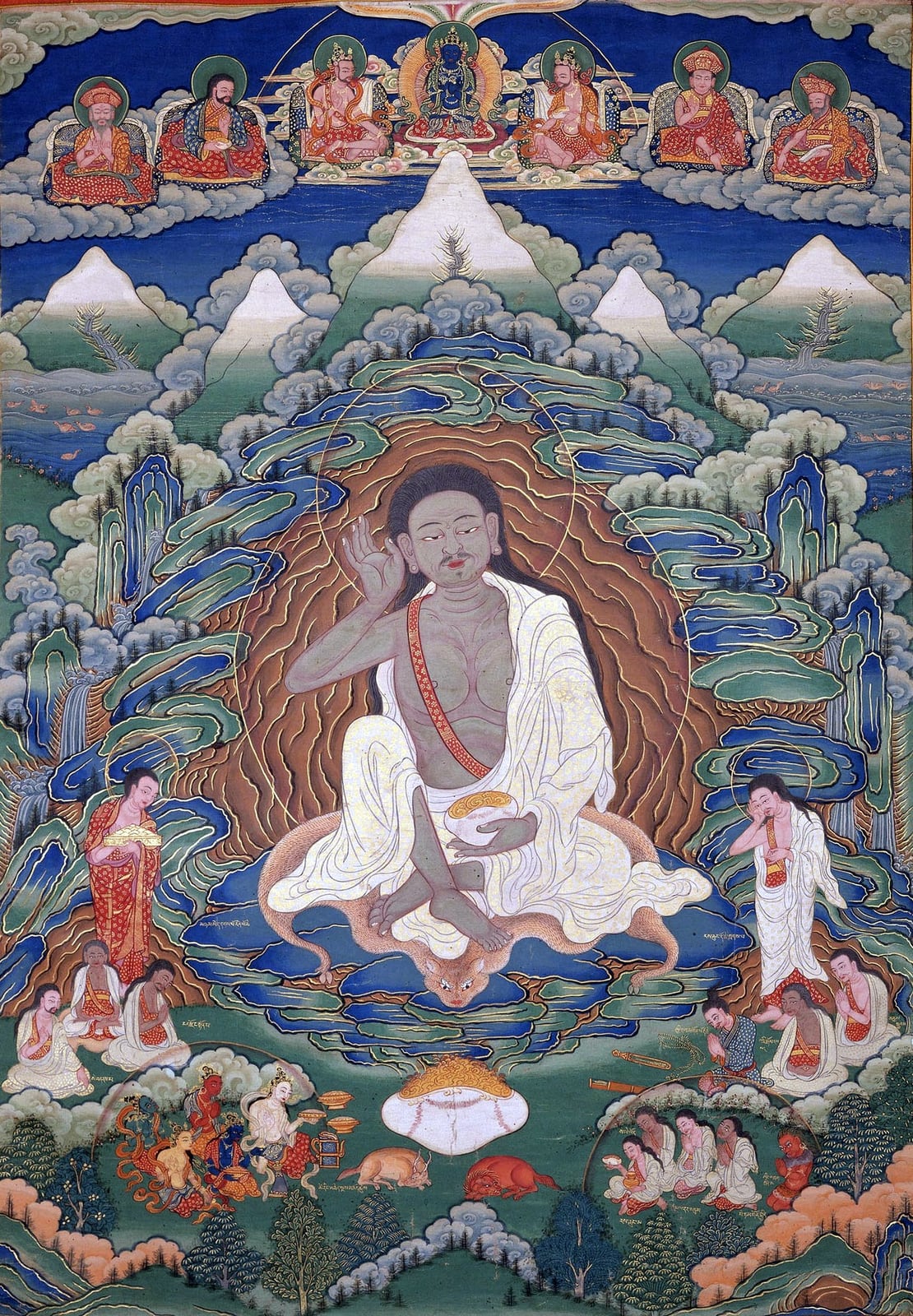
Milarepa
يتّفقان في: ما المطلق؟ هل الله موجود؟ · لماذا نتألّم؟ · ماذا يحدث بعد الموت؟
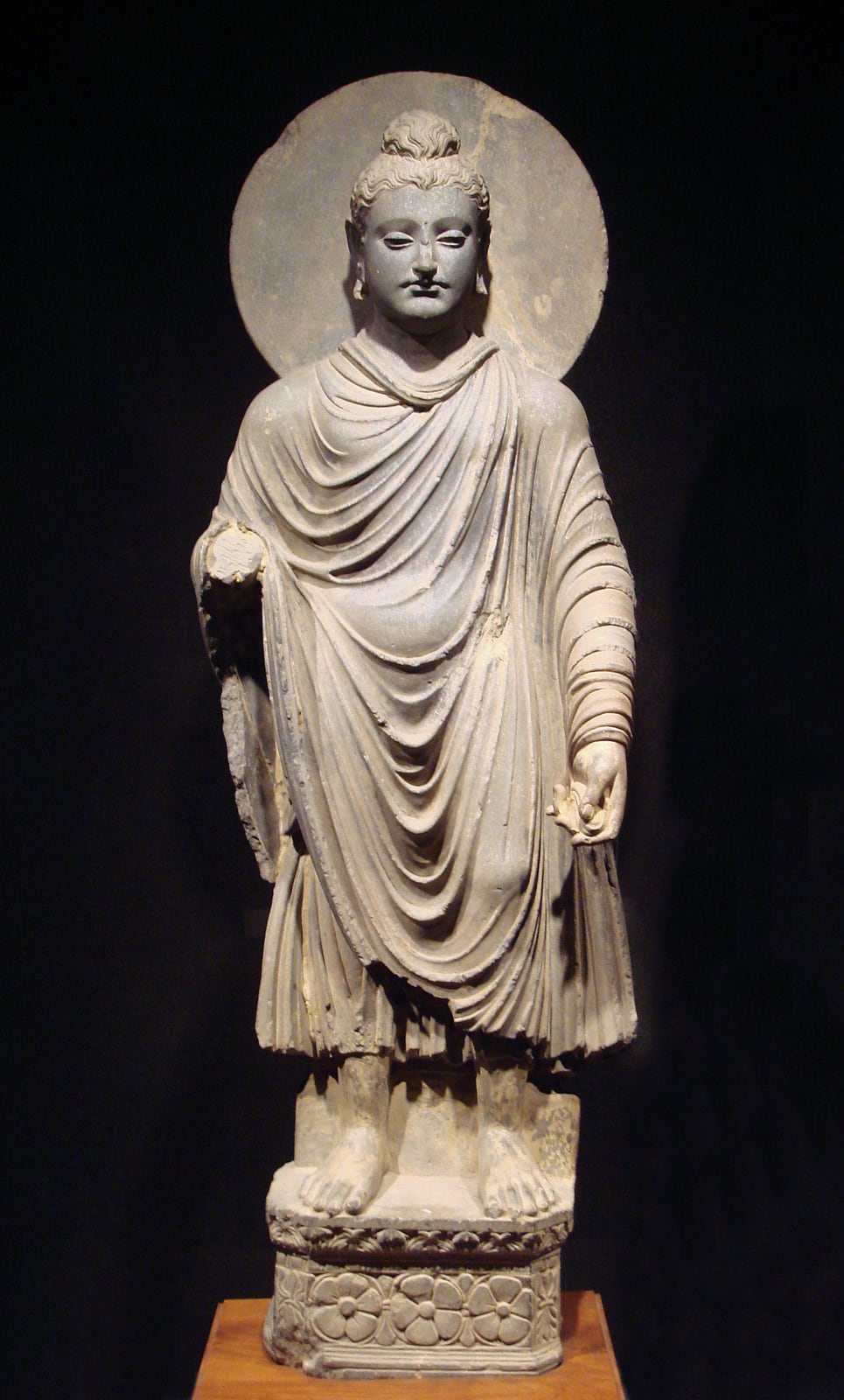
Siddhartha Gautama, the Buddha
يتّفقان في: ما المطلق؟ هل الله موجود؟ · ماذا يحدث بعد الموت؟ · كيف يُبلَغ التحرّر أو الخلاص؟

Dōgen
يتّفقان في: ما المطلق؟ هل الله موجود؟ · ماذا يحدث بعد الموت؟ · كيف يُبلَغ التحرّر أو الخلاص؟
يبتعد في تفكيره عن

Francis of Assisi
يختلفان في: ما المطلق؟ هل الله موجود؟ · ماذا يحدث بعد الموت؟
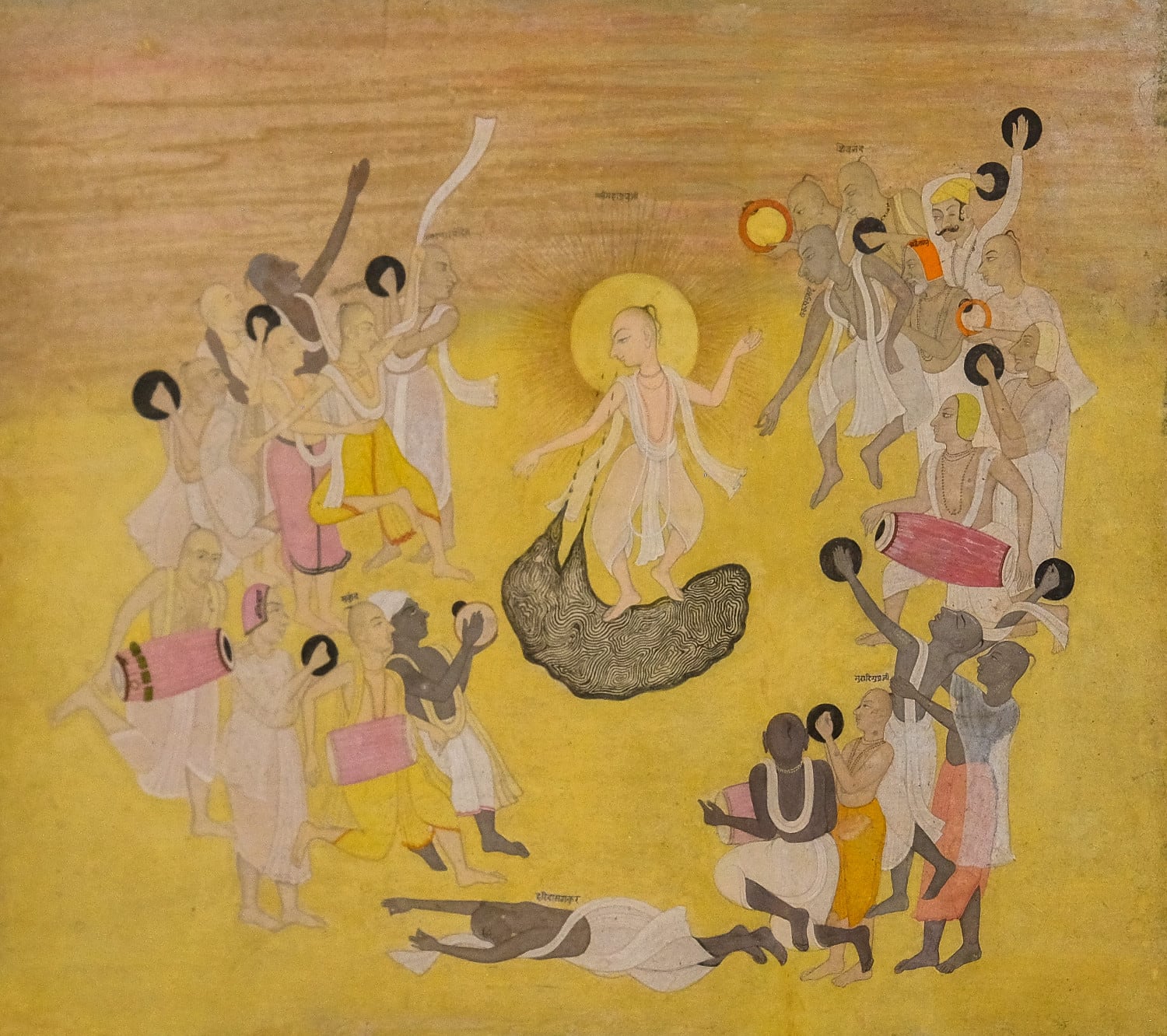
Chaitanya Mahaprabhu
يختلفان في: ما المطلق؟ هل الله موجود؟ · ماذا يحدث بعد الموت؟
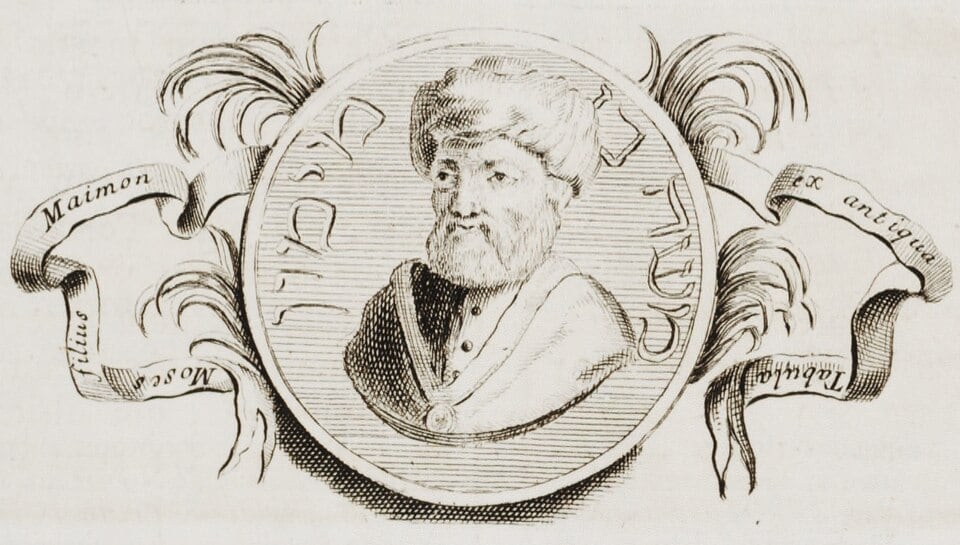
Maimonides
يختلفان في: ما المطلق؟ هل الله موجود؟ · ماذا يحدث بعد الموت؟

Theophan the Recluse
يختلفان في: ما المطلق؟ هل الله موجود؟ · ماذا يحدث بعد الموت؟
حكايات وروايات
حكايات وروايات
رواية من سِيَر القدّيسينconcepción (fecha tradicional c. 600 a. C.)
The transferred embryo
أصل الرواية: Kalpasūtra, Life of Mahāvīra, §§ 2–31 (trans. Jacobi, SBE 22), also in the second part of the Ācārāṅga. Exclusive to the Śvetāmbara tradition.
المصدر: Jacobi, Hermann (trad.). Gaina Sûtras, Part I: The Âkârâṅga Sûtra. The Kalpa Sûtra. Oxford: Clarendon Press, 1884 (Sacred Books of the East 22). Introducción y textos; reimpr. Motilal Banarsidass (ISBN 9788120801233).
تقليد شفهيaños de ascesis (c. 569–557 a. C., fechas tradicionales)
The dogs of Lāḍha
أصل الرواية: Ācārāṅga I.9 ("Uvahāṇasuya"), 3.1–3.8 (trans. Jacobi, SBE 22), the oldest stratum of the canon according to scholarship. Lāḍha is identified with the region of Rāḍha, in western Bengal.
المصدر: Jacobi, Hermann (trad.). Gaina Sûtras, Part I: The Âkârâṅga Sûtra. The Kalpa Sûtra. Oxford: Clarendon Press, 1884 (Sacred Books of the East 22). Introducción y textos; reimpr. Motilal Banarsidass (ISBN 9788120801233).
مختلَف فيهc. 560–540 a. C. (fechas tradicionales)
Gośāla, the companion who became a rival
أصل الرواية: Bhagavatī Sūtra, book 15, and the Āvaśyaka-cūrṇi; critical study in Basham (1951). Buddhist texts mention Makkhali Gosāla as another of the Buddha's six rival teachers.
المصدر: Basham, A. L. History and Doctrines of the Ājīvikas: A Vanished Indian Religion. Londres: Luzac, 1951.
رواية من سِيَر القدّيسينnoche de la muerte de Mahāvīra
Gautama's night
أصل الرواية: Kalpasūtra, Life of Mahāvīra, § 127, and Jacobi's note (SBE 22); Indrabhūti's arrival to debate is narrated in the commentarial literature (Āvaśyaka-niryukti).
المصدر: Jacobi, Hermann (trad.). Gaina Sûtras, Part I: The Âkârâṅga Sûtra. The Kalpa Sûtra. Oxford: Clarendon Press, 1884 (Sacred Books of the East 22). Introducción y textos; reimpr. Motilal Banarsidass (ISBN 9788120801233).
رواية من سِيَر القدّيسينmuerte (527 a. C. según la tradición)
The lamps of Pāvā
أصل الرواية: Kalpasūtra, Life of Mahāvīra, § 128 (trans. Jacobi, SBE 22, quotation verified in the text); on the Jain celebration of Dīpāvalī, Dundas (2002).
المصدر: Jacobi, Hermann (trad.). Gaina Sûtras, Part I: The Âkârâṅga Sûtra. The Kalpa Sûtra. Oxford: Clarendon Press, 1884 (Sacred Books of the East 22). Introducción y textos; reimpr. Motilal Banarsidass (ISBN 9788120801233).
مختلَف فيهfinales de la vida de Mahāvīra
Nātaputta as seen by the Buddhists
أصل الرواية: Upāli Sutta (MN 56) and Pāsādika Sutta (DN 29), in Bhikkhu Sujato's translations (SuttaCentral, CC0). A Buddhist and polemical witness; the death at Pāvā agrees with Jain tradition.
المصدر: Upāli Sutta (Majjhima Nikāya 56), trad. Bhikkhu Sujato (CC0), SuttaCentral.
التعاليم
التعاليم
المفاهيم التي ينتظم بها فكره، مشروحة في سياقها.
Non-violence (ahiṃsā)ahimsa
Ācārāṅga I.1–I.4; Sūtrakṛtāṅga I.11; Daśavaikālika 1.1.
المصدر: Jacobi, Hermann (trad.). Gaina Sûtras, Part I: The Âkârâṅga Sûtra. The Kalpa Sûtra. Oxford: Clarendon Press, 1884 (Sacred Books of the East 22). Introducción y textos; reimpr. Motilal Banarsidass (ISBN 9788120801233).
Soul and non-soul (jīva and ajīva)jiva-ajiva
Ācārāṅga I.1; Jīvājīvābhigama; Prajñāpanā; Uttarādhyayana 36.
المصدر: Jaini, Padmanabh S. The Jaina Path of Purification. Berkeley: University of California Press, 1979; reimpr. Delhi: Motilal Banarsidass, 1998. ISBN 9788120815780.
Karma as matterkarma-jaina
Uttarādhyayana 33; Ṣaṭkhaṇḍāgama; systematised in Umāsvāti's Tattvārthasūtra.
المصدر: Jaini, Padmanabh S. The Jaina Path of Purification. Berkeley: University of California Press, 1979; reimpr. Delhi: Motilal Banarsidass, 1998. ISBN 9788120815780.
The five great vows (mahāvrata)mahavrata
Ācārāṅga II.15; Uttarādhyayana 23; Upāsakadaśā.
المصدر: Jacobi, Hermann (trad.). Gaina Sûtras, Part II: The Uttarâdhyayana Sûtra. The Sûtrakritâṅga Sûtra. Oxford: Clarendon Press, 1895 (Sacred Books of the East 45). Reimpr. Motilal Banarsidass (ISBN 9788120801462).
Tīrthaṅkara (ford-maker)tirthankara
Kalpasūtra (lives of the Jinas); Samavāyāṅga; Jambūdvīpaprajñapti.
المصدر: Dundas, Paul. The Jains. 2.ª ed. Londres / Nueva York: Routledge, 2002 (Library of Religious Beliefs and Practices). ISBN 9780415266055.
Omniscience (kevala-jñāna)kevala
Kalpasūtra § 120–121; Nandīsūtra (the five kinds of knowledge).
المصدر: Jaini, Padmanabh S. The Jaina Path of Purification. Berkeley: University of California Press, 1979; reimpr. Delhi: Motilal Banarsidass, 1998. ISBN 9788120815780.
Many-sidedness (anekāntavāda)anekantavada
Bhagavatī Sūtra; Anuyogadvāra (the nayas); later development in the 5th–8th centuries.
المصدر: Pániker, Agustín. El jainismo. Historia, sociedad, filosofía y práctica. Barcelona: Kairós, 2001; ed. 2007. ISBN 9788472454842.
مقاطع الفيديو
مقاطع الفيديو
تسجيلات ومقابلات وأفلام وثائقية. تُشغَّل مقاطع الفيديو من YouTube؛ ولا تُستضاف هنا.
What is Jainism?
تحليل· EN· 2021· 28 min
Let's Talk Religion
2 Mahavira and the Fordmakers
محاضرة· EN· 2020· 56 min
Dr. Christopher Miller
Session 1 - Textual Studies, 17th Jaina Studies Workshop, SOAS, University of London
محاضرة· EN· 2015· 55 min
SOAS University of Londonالقناة الرسمية
19th Jaina Studies Workshop, Jainism and Buddhism, Session 1, SOAS University of London
محاضرة· EN· 2017· 113 min
SOAS University of Londonالقناة الرسمية
In Conversation with Professor Padmanabh S. Jaini: Jaina and Buddhist Karma Theory – Part 1
مقابلة· EN· 2022· 53 min
Sahapediaالقناة الرسمية
Inaugural Bhagwaan Mahavir Lecture in Jain Studies | Feb. 3, 2023 lecture by Anil Mundra
محاضرة· EN· 2023· 70 min
Rice Humanities and Artsالقناة الرسمية
Jain Manuscripts: A Unique Cultural Heritage
محاضرة· EN· 2025· 70 min
University of Toronto Mississauga Alumniالقناة الرسمية
Prof. Nalini Balbir on Illustrated Manuscripts of a 17th-Century Jain Tale
محاضرة· EN· 2023· 40 min
Pure Soul Exhibition @ SOAS Londonالقناة الرسمية
Jaïnisme - leçon 2 : Origines
محاضرة· FR· 2022· 21 min
Jaïnisme - Une introduction
II Módulo Ciencias contemplativas. Agustín Pániker. El Jainismo: La religión de la no violencia
محاضرة· ES· 2024· 68 min
Javier García Campayo
Agustín Pániker: «Pluralismo filosófico en el Jainismo»
المشاهدة على YouTube
لا يسمح هذا الفيديو بالتضمين؛ وسيُفتح على YouTube.
Agustín Pániker: «Pluralismo filosófico en el Jainismo»
محاضرة· ES· 2022· 59 min
Raquel Ferrández
Frontiers of Peace, Jainism
المشاهدة على YouTube
لا يسمح هذا الفيديو بالتضمين؛ وسيُفتح على YouTube.
Frontiers of Peace, Jainism
فيلم وثائقي· EN· 80 min
Edward Bastian Filmsالقناة الرسمية
المعرض
المعرض
صور بترخيص متحقَّق منه. كل منها تحتفظ بمؤلّفها ونسبتها.
المخطوطات
المخطوطات
شواهد مخطوطة ونصوص قديمة، مع جهة حفظها وشروط الاطّلاع عليها.
PRA · Devanagari (escritura jaina) · Redacción final c. 453/466 d. C. (Valabhī)
कल्पसूत्र (Kalpasūtra), manuscrito iluminado
- الشاهد المحفوظ
- Manuscrito en papel con oro y pigmentos, Gujarat, fechado en 1461 (Saṃvat 1519)
- جهة الحفظ
- Metropolitan Museum of Art, Nueva York
PRA · Devanagari (escritura jaina) · Redacción final c. 453/466 d. C.
कल्पसूत्र (Kalpasūtra), manuscrito iluminado
- الشاهد المحفوظ
- Folios ilustrados de Gujarat, c. 1460–1500
- جهة الحفظ
- Victoria and Albert Museum, Londres
العلاقات
العلاقات
تأثيرات وتلمذة وتقارب في الأفكار. تُميَّز العلاقة الموثّقة عن التشابه المستخلَص بالتحليل.
معاصر لـ
Siddhartha Gautama, the Buddha
Contemporaries and rivals in the Ganges valley. The Pali canon mentions Nigaṇṭha Nātaputta among the six non-Buddhist teachers (DN 2), narrates the conversion of his lay follower Upāli (MN 56) and the news of his death at Pāvā (DN 29). No personal meeting is recorded.
علاقة موثّقة
تأثّر بـ
Pārśva (Pārśvanātha)
The twenty-third tīrthaṅkara, whose community existed before Mahāvīra; the Uttarādhyayana (23) narrates the meeting of his disciple Keśin with Gautama and the adoption of the fifth vow.
علاقة موثّقة
معلّم
Indrabhūti Gautama
His first and chief disciple (gaṇadhara), interlocutor of almost the whole Bhagavatī; he attained omniscience on the night of Mahāvīra's death according to the Kalpasūtra.
علاقة موثّقة
معلّم
Sudharman
The gaṇadhara who, according to the Śvetāmbara tradition, transmitted the Aṅgas to his disciple Jambū and from whom the monastic lineages descend.
علاقة موثّقة
اختلف مع
Gośāla Maṅkhaliputta
Companion in asceticism for six years and later a rival, founder of the Ājīvikas; the Bhagavatī (book 15) narrates his break with Mahāvīra.
علاقة موثّقة
أفكار قريبة من
The five restraints (yama) of the Yogasūtra coincide with the five great Jain vows, and the text calls them the "great vow" when kept without exception; Chapple (2003) studies the dialogue between yoga and Jainism.
تشابه مستخلَص بالتحليل
أفكار قريبة من
Jain pluralism of standpoints and Nāgārjuna's four-cornered analysis are often compared as Indian answers to absolute assertions, although they start from opposite assumptions.
تشابه مستخلَص بالتحليل
اختلف مع
Posthumous relation: Śaṅkara refutes the Jain doctrine of multiple predication (syādvāda) and the variable size of the soul in his commentary on Brahmasūtra 2.2.33–36.
علاقة موثّقة
أثّر في
Mahatma Gandhi
Indirect influence, through the Jain tradition: Gandhi acknowledged in his autobiography the mark of the Jain thinker Raychandbhai Mehta on his moral formation and his idea of non-violence.
علاقة موثّقة
المصادر
المصادر
المراجع والفهارس التي رُوجعت لهذه الصفحة.
- Jacobi, Hermann (trad.). Gaina Sûtras, Part I: The Âkârâṅga Sûtra. The Kalpa Sûtra. Oxford: Clarendon Press, 1884 (Sacred Books of the East 22). Introducción y textos; reimpr. Motilal Banarsidass (ISBN 9788120801233).
- Wikidata, «Mahavira», QID Q9422 (líder religioso indio). No confundir con Q2269861, el matemático jaina Mahāvīra (s. IX).
- Dundas, Paul. The Jains. 2.ª ed. Londres / Nueva York: Routledge, 2002 (Library of Religious Beliefs and Practices). ISBN 9780415266055.
- Jaini, Padmanabh S. The Jaina Path of Purification. Berkeley: University of California Press, 1979; reimpr. Delhi: Motilal Banarsidass, 1998. ISBN 9788120815780.
- Jacobi, Hermann (trad.). Gaina Sûtras, Part II: The Uttarâdhyayana Sûtra. The Sûtrakritâṅga Sûtra. Oxford: Clarendon Press, 1895 (Sacred Books of the East 45). Reimpr. Motilal Banarsidass (ISBN 9788120801462).
- Pániker, Agustín. El jainismo. Historia, sociedad, filosofía y práctica. Barcelona: Kairós, 2001; ed. 2007. ISBN 9788472454842.
- Hoernle, A. F. Rudolf (ed. y trad.). The Uvâsagadasâo, or the Religious Profession of an Uvâsaga, being the Seventh Anga of the Jains. 2 vols. Calcuta: Asiatic Society of Bengal, 1885–1890 (Bibliotheca Indica). Vol. II: traducción inglesa (1888).
- Pāsādika Sutta (Dīgha Nikāya 29), trad. Bhikkhu Sujato (CC0), SuttaCentral: noticia de la muerte de Nigaṇṭha Nātaputta en Pāvā y de la división de sus discípulos.
- Upāli Sutta (Majjhima Nikāya 56), trad. Bhikkhu Sujato (CC0), SuttaCentral.
- Sāmaññaphala Sutta (Dīgha Nikāya 2), trad. Bhikkhu Sujato (CC0), SuttaCentral: doctrina atribuida a Nigaṇṭha Nātaputta.
- Schubring, Walther. The Doctrine of the Jainas, Described after the Old Sources. Trad. Wolfgang Beurlen. Delhi: Motilal Banarsidass, 1962 (original alemán: Die Lehre der Jainas, 1935).
- Wiley, Kristi L. Historical Dictionary of Jainism. Lanham: Scarecrow Press, 2004.
- Basham, A. L. History and Doctrines of the Ājīvikas: A Vanished Indian Religion. Londres: Luzac, 1951.
- Wisdom Library, textos de las traducciones de Hermann Jacobi (Ācārāṅga, Kalpasūtra, Uttarādhyayana, Sūtrakṛtāṅga) con índice de capítulos, consultados el 2026-10-25 para verificar las citas.
- Wikimedia Commons, ficheros de imagen citados en images[] (licencias comprobadas por la API imageinfo el 2026-10-25).
- Open Library (openlibrary.org), fichas por ISBN y búsquedas por autor y título consultadas el 2026-10-25.
- Long, Jeffrey D. Jainism: An Introduction. Londres: I. B. Tauris, 2009.
- Chapple, Christopher Key. Reconciling Yogas: Haribhadra's Collection of Views on Yoga. Albany: State University of New York Press, 2003. ISBN 9780791458990.
- Lalwani, Kastur Chand (trad.). Kalpa Sūtra of Bhadrabāhu Svāmī. Delhi: Motilal Banarsidass, 1979. ISBN 9780861862306.
- Gandhi, M. K. An Autobiography, or The Story of My Experiments with Truth. Ahmedabad: Navajivan, 1927–1929, parte II, cap. 1 («Raychandbhai»).
- Thibaut, George (trad.). The Vedânta-Sûtras with the Commentary by Śaṅkarâkârya, Part I. Oxford: Clarendon Press, 1890 (Sacred Books of the East 34), comentario a Brahmasūtra 2.2.33–36 (refutación de la doctrina jaina).
- صاحب الحقوق
- Textos canónicos prácritos en dominio público. Las traducciones de Hermann Jacobi (1884, 1895), A. F. R. Hoernle (1888) y L. D. Barnett (1907, sujeta a cautela en la UE y España por la muerte del traductor en 1960) son anteriores; las modernas tienen derechos propios: Motilal Banarsidass (Lalwani y reimpresiones de los SBE), Dover, Routledge (Dundas), University of California Press y Motilal (Jaini), Kairós (Pániker), Jain Vishva Bharati y Prakrit Bharati Academy (traducciones del canon).
في انتظار التأكيد
ما لم تتمكّن هذه الصفحة من حسمه بعد. نفضّل أن نقول ذلك على أن نملأ الفراغ.
- Fechas: se conservan las tradicionales (599–527 a. C.) con precisión aproximada; Hemacandra lleva la muerte a c. 467 a. C. (preferida por Jacobi) y la crítica reciente, a finales del s. V a. C. Comprobar en Dundas (2002), cap. 2, la datación exacta que propone.
- Ediciones en español: no se ha encontrado en Open Library ninguna traducción castellana de textos del canon jaina (Ācārāṅga, Kalpasūtra, Uttarādhyayana); solo el estudio de Agustín Pániker (Kairós). Verificar en la BNE y en catálogos latinoamericanos.
- Ediciones con ISBN de las traducciones modernas del canon (Jain Vishva Bharati, Prakrit Bharati Academy, Āgama Prakāśana Samiti) para los Aṅga y Upāṅga menores: no verificadas.
- Sala de lectura: localizar la URL exacta de un escaneo con OCR limpio de la traducción de Barnett (1907; con cautela de derechos) y textos de dominio público de los demás Aṅga y Upāṅga. No hay textos en español de dominio público.
- Manuscritos: obtener las signaturas (números de acceso) del Kalpasūtra de 1461 en el Metropolitan Museum y de los folios del Victoria and Albert Museum.
- Las listas de los diez Prakīrṇaka y de los Mūlasūtra varían según las fuentes; se registra la lista habitual de los mūrtipūjaka (Dundas, Wiley).
بُحث بتاريخ 2026-10-25