الهندوسية · التانترا · بهاكتي · أدفايتا فيدانتا
Ramakrishna
শ্রীরামকৃষ্ণ পরমহংস · গদাধর চট্টোপাধ্যায় · रामकृष्ण परमहंस
1836 – 1886شخصية موثّقة تاريخيًا
متصوف بنغالي، وكاهن معبد الإلهة كالي في داكشينسوار قرب كلكتا. كان شبه أمّي، فسلك طرق التانترا والمحبّة الفيشنوية والفيدانتا اللاثنائية (الأدفايتا)، ومارس الإسلام والمسيحية مدة وجيزة، واستخلص من ذلك تعليمه الشهير: بقدر ما تتعدد العقائد تتعدد الطرق. لم يكتب شيئًا بيده، وإنما وصلتنا كلمته عبر يوميات ماهيندراناث غوبتا («الكاثامريتا») وعبر تلاميذه، ومن بينهم فيفيكاناندا الذي أسس باسمه رهبنة راماكريشنا وبعثة راماكريشنا.
- مؤلَّفًا
- 18مؤلَّفًا
- طبعة
- 48طبعة
- اقتباسًا
- 9اقتباسًا
- مقطع فيديو
- 13مقطع فيديو
- صورة
- 7صورة
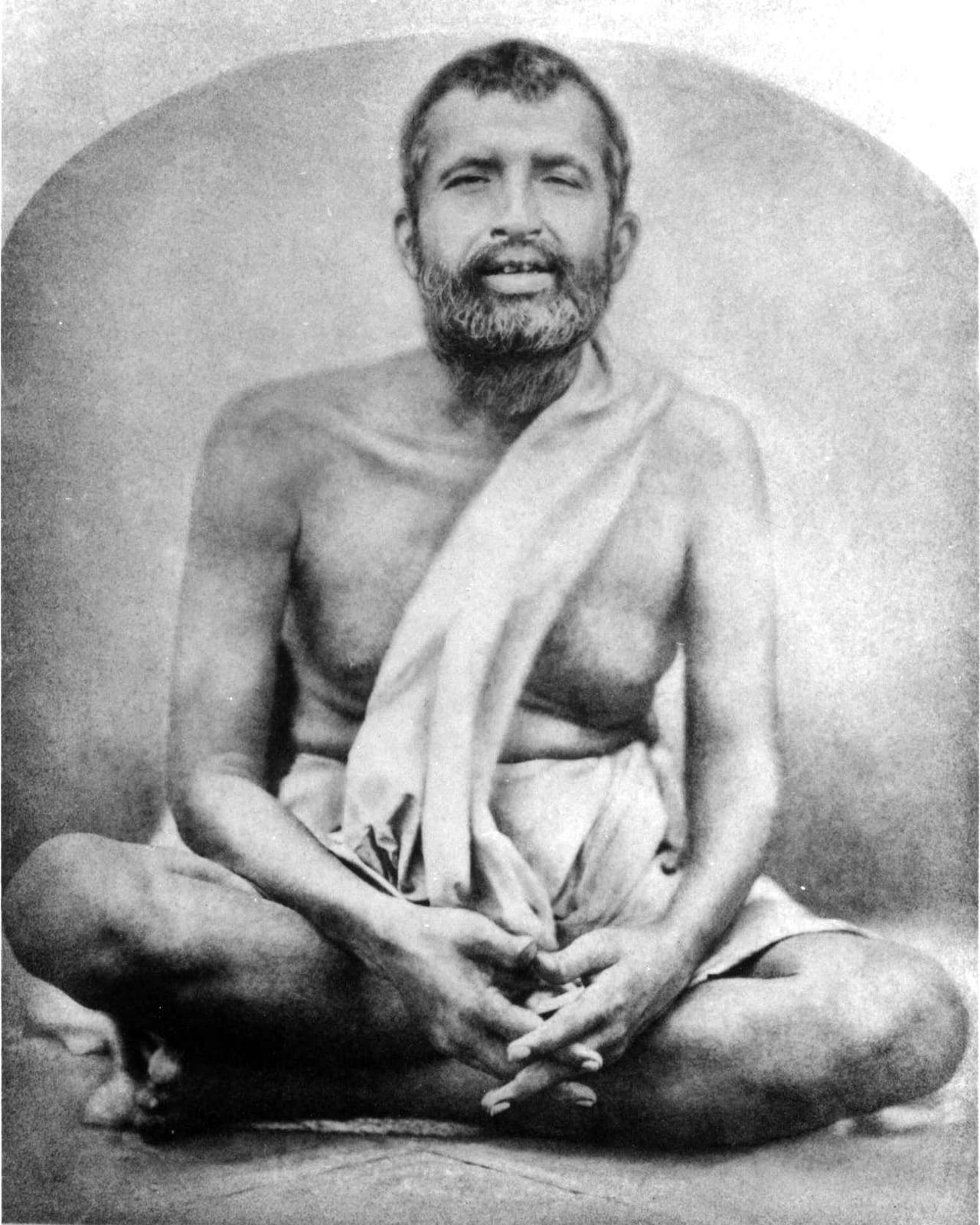
Ramakrishna sentado, la fotografía más difundida · Public domain
بكلماته
«Thou seest many stars at night in the sky, but findest them not when the sun rises. Canst thou say that there are no stars, then, in the heaven of day? So, O man, because thou beholdest not the Almighty in the days of thy ignorance, say not that there is no God.»Müller, Râmakrishna: His Life and Sayings (1898), dicho n.º 1 (versión inglesa de los discípulos)
فكرته المحورية
As many faiths, so many paths: The Bengali formula yato mat, tato path—as many views, so many paths—sums up Ramakrishna’s most quoted teaching.
السيرة
5 دقيقة قراءة
ترجمة مُعانة من الأصل الإسباني، بانتظار مراجعة مترجم من أهل اللغة.
براهمي فقير من كامربوكور
وُلد غاداذار تشاتوبادياي في 18 فبراير/شباط 1836 في كامربوكور، وهي قرية في مقاطعة هوغلي بالبنغال، رابعَ أبناء براهمي أفقرته الأيام يُدعى خوديرام تشاتوبادياي، وأمّه تشاندراماني ديفي. وجلّ ما نعرفه عن طفولته مصدره روايات متأخرة لتلاميذه، ولا سيما كتاب شري شري راماكريشنا ليلابراسانغا الذي كتبه سوامي ساراداناندا بين عامي 1909 و1919. وفيه تُروى الرؤى المنامية التي بشّرت بمولده: فيشنو يَعِد الأب في غايا بأن يولد ابنًا له، ونورٌ ينبعث من لينغا معبد القرية فيدخل جسد الأم؛ وهي روايات تنتمي إلى أدب سِيَر القديسين وينبغي أن تُقرأ على هذا الأساس. وأقرب إلى التصديق، لأنه هو نفسه كان يرويها، حكايةُ الطفل ذي السنوات الست أو السبع الذي رأى سربًا من الكراكي البيضاء يعبر سحابة عاصفة داكنة فسقط مغشيًّا عليه: كانت تلك نشوته الأولى. ولم يمكث في مدرسة القرية إلا قليلًا، فتعلّم القراءة والكتابة بالبنغالية ونفر من الحساب؛ أما البورانات والرامايانا والمهابهاراتا فقد أخذها عن الرواة المنشدين وعن الرهبان الذين كانوا يمرّون بكامربوكور في طريقهم إلى بوري.
كاهن كالي
توفي أبوه عام 1843، وفي عام 1852 اصطحبه أخوه الأكبر رامكومار إلى كلكتا ليعينه في أعمال الكهانة؛ ورفض غاداذار الالتحاق بمدرسة السنسكريتية بحجة تنسبها إليه الرواية، وهي أنه لا يريد علمًا غايته كسب الرزق. وفي مايو/أيار 1855 كرّست راني راسماني، وهي أرملة ثرية من طائفة يعدّها البراهمة المحافظون وضيعة، معبدًا كبيرًا للإلهة كالي في داكشينسوار على ضفة نهر هوغلي؛ فقبل رامكومار أن يتولى الكهانة فيه، ولما توفي عام 1856 بقي غاداذار كاهنًا للمعبد في كنف ماثور بابو، صهر المؤسِّسة. وهناك عاش قرابة ثلاثين عامًا. وما تلا ذلك هو لبّ أسطورته وسيرته التي رواها بلسانه: شوق إلى رؤية الإلهة بلغ من العنف حدًّا جعله يكفّ عن الطعام والنوم، ثم رؤيا لكالي في هيئة محيط من النور حين مدّ يده، يائسًا، إلى سيف المحراب. وظنّه أهل المعبد مجنونًا؛ ولتهدئته زوّجته أسرته عام 1859 من ساراداماني موكوبادياي، وهي طفلة في الخامسة من قرية جايرامباتي المجاورة. وتُجمع المصادر كلها على أن الزواج لم يُدخَل به قطّ.
كلّ الطرق
بين عام 1861 ومطلع سبعينيات القرن التاسع عشر سلك، بإرشاد معلّمين شتى، الطيفَ الكامل تقريبًا للتديّن الهندي. فقد لقّنته ناسكة جوّالة تُعرف ببهايرافي براهماني الممارساتِ التانترية، وكانت أول من أعلن أمام جمع من العلماء أنه تجسُّد إلهي. وعلّمه راهب فيشنوي يُدعى جاتاذاري عبادةَ راما طفلًا، وعاش هو نفسه شهورًا في حال المحبّة التي كانت لرادها نحو كريشنا. ونحو عام 1864 أو 1865 منحه توتابوري، وهو راهب جوّال من طريقة شانكارا، تكريس الزاهد المتخلّي عن الدنيا، وأدخله في الفيدانتا اللاثنائية (الأدفايتا)؛ وتقول الرواية إنه بلغ السمادهي الخالي من الصورة في ثلاثة أيام، وإن المعلم مكث، مذهولًا، أحد عشر شهرًا. ونحو عام 1866 مارس الإسلام بإرشاد هندوسي اعتنق التصوف يُدعى غوفيندا راي، ونحو عام 1874، بعدما سمع من يقرأ الكتاب المقدس، رأى في رؤيا المسيحَ يذوب فيه. ومن هذا التتابع، الذي نعرفه من روايته هو لتلاميذه، وُلد التعليم الذي سيشتهر به: بقدر ما تتعدد العقائد تتعدد الطرق. وقد أبرز والتر نيفيل وجيفري كريبال، خلافًا للقراءة الفيدانتية التي سادت بعد ذلك، ثقلَ التانترا في هذا التكوين.
سارادا والبراهمو
في عام 1872 وصلت زوجته الشابة إلى داكشينسوار. فاستقبلها راماكريشنا وعلّمها، وفي العام نفسه عبدها عبادة طقسية بوصفها تجلّيًا للإلهة؛ وعاشت سارادا ديفي إلى جواره، في حجرة ضيقة داخل حرم المعبد، حتى النهاية، ثم غدت لاحقًا «الأم المقدسة» للرهبنة. وفي عام 1875 التقى كيشاب تشاندرا سين، الزعيم ذا الجاذبية لأحد فروع البراهمو ساماج، وهي الحركة الإصلاحية التي نبذت الصور والتماثيل. فافتُتن به كيشاب ونشر في صحافة البراهمو عرضًا موجزًا لتعاليمه وبعضًا من أقواله؛ وخصّه بروتاب تشاندرا موزومدار عام 1879 بمقالة عنوانها «The Hindu Saint» (القديس الهندوسي)، أعاد ماكس مولر نشرها بعد سنوات. وهكذا أخذت الطبقة الوسطى المثقفة في كلكتا تتوافد على داكشينسوار — طلاب ومعلمون وأطباء والكاتب المسرحي غيريش تشاندرا غوش — ثم جاء في أواخر عام 1881 شاب متشكك اسمه ناريندراناث داتا، فيفيكاناندا لاحقًا، فسأله هل رأى الله، فتلقّى جوابًا بالإيجاب لا تردّد فيه.
الشاهد صاحب الدفتر
في فبراير/شباط 1882 ظهر معلّم مدرسة يُدعى ماهيندراناث غوبتا. وكان يدوّن يومياته منذ الثالثة عشرة من عمره، فأخذ يسجّل، عند عودته إلى بيته، ما رآه وسمعه: التاريخ والساعة والمكان ومن حضر والأناشيد التي أُنشدت. ومن تلك المدوّنات خرج كتاب شري شري راماكريشنا كاثامريتا، في خمسة مجلدات صدرت بتوقيع «م.» بين عامي 1902 و1932. وهو المصدر الرئيسي لتعاليمه ومن عيون النثر البنغالي، لكنه ليس محضرًا: فقد لاحظ المؤرخ سوميت سركار أنه لا يغطي إلا نحو مئة وستة وثمانين يومًا من السنوات الأربع الأخيرة، وأنه نُشر بعد الوقائع بما بين خمسة عشر وخمسين عامًا، وأنه نصّ مُصاغ له استراتيجياته التأليفية. وفي صفحاته يتكلم راماكريشنا بنغالية فلاحية حافلة بالأمثال والدعابات والمشاهد المنزلية؛ يسخر من العلماء، ويرتاب في المال والشهوة — «المرأة والذهب»، كاميني-كانتشانا — ويقع في النشوة في منتصف الحديث.
كوسيبور
في مطلع عام 1885 تبيّن أن علّة في حلقه سرطان. فنقله تلاميذه في الخريف إلى بيت في شيامبوكور بكلكتا، ثم في ديسمبر/كانون الأول إلى بيت ذي حديقة في كوسيبور، حيث عالجه أطباء منهم ماهيندرالال سركار، بينما ظلّ هو يتكلم خلافًا لنصيحة الجميع. وهناك، في الأول من يناير/كانون الثاني 1886، بارك جماعة من المريدين في الحديقة — وهو اليوم الذي تسميه الرواية «كالباتارو»، نسبة إلى الشجرة التي تحقق الأماني — وهناك، حول ناريندرا، تكوّنت نواة الشبّان الذين سيصيرون أوائل الرهبان. وتوفي بُعيد الواحدة من فجر 16 أغسطس/آب 1886. وتحدّث تلاميذه عن «الماهاسمادهي»؛ أما الشهادات حول كلماته الأخيرة فمتباينة.
قدّيس يقرؤه الآخرون
لم يكتب راماكريشنا شيئًا. فكل ما نعرفه عنه يصلنا عبر غيره: يوميات «م.»، والسيرة التعبّدية التي كتبها ساراداناندا، والقصيدة السردية لأكشاي كومار سين، وذكريات تلاميذه، وقراءة فيفيكاناندا الذي أسس عام 1897 «بعثة راماكريشنا» وقدّم المعلم إلى الغرب بوصفه الخلاصة الحيّة للفيدانتا. ونشر ماكس مولر عام 1898 سيرته وأقواله، بعدما طلب من فيفيكاناندا رواية رأى هو نفسه أنها لا تخلو من عناصر تقليدية؛ وخصّه رومان رولان بكتاب آخر عام 1929. ثم جعلت الترجمة الإنجليزية لـالكاثامريتا التي أنجزها سوامي نيخيلاناندا (1942)، بمقدمة من ألدوس هكسلي، من الكتاب نصًّا روحيًّا كلاسيكيًّا. ومنذ تسعينيات القرن العشرين صارت شخصيته أيضًا موضع جدل أكاديمي: فقد اقترح كتاب طفل كالي (1995) لجيفري كريبال قراءة تحليلية نفسية وتانترية لنشواته، رفضتها الرهبنة بشدة وردّ عليها سوامي تياغاناندا وبرافراجيكا فراجابرانا عام 2010. وبين «الأفاتار» الذي يراه المريدون والمتصوف الخاضع للتحليل يبقى رجل قروي ما زالت كلمته المنطوقة، مصفّاةً عبر من كانوا يصغون إليه، من أكثر الكلمات قراءةً في الهند الحديثة.
المصادر: Gupta, Mahendranath («M.»). Sri Sri Ramakrishna Kathamrita (শ্রীশ্রীরামকৃষ্ণকথামৃত). 5 vols. Calcuta, 1902, 1904, 1908, 1910 y 1932. Trad. inglesa: The Gospel of Sri Ramakrishna, trad. e introd. de Swami Nikhilananda, prólogo de Aldous Huxley. Nueva York: Ramakrishna-Vivekananda Center, 1942. · Saradananda, Swami. Sri Sri Ramakrishna Lilaprasanga. 5 partes. Calcuta: Udbodhan, escrita entre 1909 y 1919. Trad. inglesa: Sri Ramakrishna, the Great Master, trad. de Swami Jagadananda. Madrás: Sri Ramakrishna Math, 1952; y Sri Ramakrishna and His Divine Play, trad. de Swami Chetanananda. St. Louis: Vedanta Society of St. Louis, 2003. · Müller, F. Max. Râmakrishna: His Life and Sayings. Londres / Nueva York: Longmans, Green and Co., 1898 (reimpr. 1899). · Rolland, Romain. La Vie de Ramakrishna (Essai sur la mystique et l’action de l’Inde vivante, I). París: Stock, 1929. Trad. inglesa de E. F. Malcolm-Smith: The Life of Ramakrishna. Almora / Calcuta: Advaita Ashrama, 1930. · Kripal, Jeffrey J. Kālī’s Child: The Mystical and the Erotic in the Life and Teachings of Ramakrishna. Chicago: University of Chicago Press, 1995 (2.ª ed., 1998).
الخط الزمني
الحياة عامًا بعد عام
كل نقطة حدث موثّق. انقر لتقرأه مع مصدره ودرجة اليقين فيه.
18 فبراير 1836أقل من عامKamarpukur
Birth of Gadadhar
Born in Kamarpukur, fourth child of Khudiram Chattopadhyay and Chandramani Devi, poor Brahmins.
موثّقWikidata, «Ramakrishna» (Q183126): fechas y lugares de nacimiento y muerte, 114 enlaces entre wikis.
بعد وفاته
- أغسطس 1896Max Müller’s “A Real Mahatman”
- 1 مايو 1897Founding of the Ramakrishna Mission
- 1902First volume of the Kathamrita
- 1942The Gospel of Sri Ramakrishna
- 1995The Kali’s Child controversy
18 فبراير 1836 · أقل من عام
Birth of Gadadhar
Born in Kamarpukur, fourth child of Khudiram Chattopadhyay and Chandramani Devi, poor Brahmins.
موثّق
1843 · 7 أعوام
Father’s death and first ecstasy
Khudiram dies. Tradition places in these years the boy’s ecstasy at the sight of white cranes against a dark cloud.
تقليد
1852 · 16 عامًا
To Calcutta with his brother
His brother Ramkumar takes him to Calcutta to assist him as a priest; he refuses the Sanskrit school.
مرجَّح
31 مايو 1855 · 19 عامًا
Consecration of the Kali temple
Rani Rasmani consecrates the Dakshineswar temple; Ramkumar is its first priest and Gadadhar accompanies him.
موثّق
1856 · 20 عامًا
Priest of Kali
Ramkumar dies and Gadadhar becomes priest of the temple. The years of longing follow, and the vision of Kali he would later recount.
مرجَّح
مايو 1859 · 23 عامًا
Marriage to Saradamani
His family marries him to the five-year-old Saradamani Mukhopadhyay. The marriage is never consummated.
موثّق
1861 · 25 عامًا
The Bhairavi Brahmani and Tantra
A wandering ascetic initiates him into Tantric practice, which tradition says he completed around 1863.
مرجَّح
نحو 1864 · 28 عامًا
Initiation by Totapuri
The Advaita monk Totapuri gives him monastic initiation (sannyasa) and teaches him non-dual Vedanta; sources waver between late 1864 and 1865.
مرجَّح
نحو 1866 · 30 عامًا
Practice of Islam
Guided by Govinda Ray, a Hindu convert to Sufism, he lives for some days according to Muslim practice.
تقليد
1872 · 36 عامًا
Sarada Devi arrives; the shodashi puja
His wife settles at Dakshineswar. Ramakrishna ritually worships her as the Goddess.
موثّق
نحو 1874 · 38 عامًا
Vision of Christ
After hearing Shambhu Charan Mallick read the Bible, he recounts a vision of Jesus merging into him.
تقليد
1875 · 39 عامًا
Meeting with Keshab Chandra Sen
He meets the Brahmo leader, who spreads his fame in Calcutta’s reformist press.
موثّق
21 سبتمبر 1879 · 43 عامًا
First photograph and Mozoomdar’s article
At Keshab’s house he is photographed in ecstasy; that year Mozoomdar publishes “The Hindu Saint”.
موثّق
نوفمبر 1881 · 45 عامًا
Narendranath Datta arrives
He meets the future Vivekananda, who asks him whether he has seen God.
مرجَّح
فبراير 1882 · 45 عامًا
M.’s first visit
Mahendranath Gupta begins noting down the conversations that will become the Kathamrita.
موثّق
11 ديسمبر 1885 · 49 عامًا
Move to Cossipore
Ill with throat cancer, after some months at Shyampukur, he moves to the garden house at Cossipore.
مرجَّح
1 يناير 1886 · 49 عامًا
Kalpataru day
He blesses a group of lay devotees in the garden; the order celebrates the date every year.
موثّق
16 أغسطس 1886 · 50 عامًا
Death
He dies shortly after one in the morning. His disciples call it mahasamadhi.
موثّق
أغسطس 1896
Max Müller’s “A Real Mahatman”
The Indologist introduces Ramakrishna to the British public in The Nineteenth Century; in 1898 he publishes his life and sayings.
موثّق
1 مايو 1897
Founding of the Ramakrishna Mission
Vivekananda founds the association that bears his name.
موثّق
1902
First volume of the Kathamrita
M. publishes the first of the five volumes (the last in 1932).
موثّق
1942
The Gospel of Sri Ramakrishna
Swami Nikhilananda publishes the English translation of the Kathamrita, with a foreword by Aldous Huxley.
موثّق
1995
The Kali’s Child controversy
Jeffrey Kripal publishes his psychoanalytic and Tantric reading; Tyagananda and Vrajaprana reply in 2010.
موثّق
المؤلَّفات
المؤلَّفات الأساسية
المؤلَّفات التي لا يُفهم إرثه من دونها.

مجموعة لاحقة · 1902
Sri Sri Ramakrishna Kathamrita (The Gospel of Sri Ramakrishna)
শ্রীশ্রীরামকৃষ্ণকথামৃত (Sri Sri Ramakrishna Kathamrita)
The principal source for Ramakrishna’s teaching and a classic of Bengali prose. Every scene is dated and placed: the master’s room at Dakshineswar, visits to devotees’ houses in Calcutta, the last illness at Shyampukur and Cossipore. Brahmos, pandits, actors, schoolboys and widows pass through its pages, and Ramakrishna answers with rustic parables, songs of Ramprasad and sudden ecstasies. Its themes are all there: God-realisation as life’s only goal, the harmony of religions, the divine Mother as identical with Brahman, the danger of “woman and gold”, service and devotion for those who live in the world. Aldous Huxley compared it with Boswell’s Johnson; the historian Sumit Sarkar reads it as a constructed text covering only 186 days.
10 طبعات

مجموعة لاحقة · نحو 1909
Sri Ramakrishna, the Great Master (Lilaprasanga)
শ্রীশ্রীরামকৃষ্ণলীলাপ্রসঙ্গ (Sri Sri Ramakrishna Lilaprasanga)
The tradition’s great biography: childhood in Kamarpukur, the years of longing at Dakshineswar, the successive disciplines—Tantra with the Bhairavi Brahmani, Vaishnava devotion, Advaita with Totapuri, Islam and Christianity—, the relationship with Sarada Devi and the arrival of the disciples. Saradananda writes as theologian as well as witness and devotes chapters to explaining the master as a divine incarnation, but his information on the years before 1879, which he did not witness, comes from what Ramakrishna and others told him. Translated into English by Swami Jagadananda (1952) and again by Swami Chetanananda (2003).
5 طبعات
Ramakrishna
Râmakrishna: His Life and Sayings
مجموعة لاحقة · 1898
Râmakrishna: His Life and Sayings
Müller expands his article “A Real Mahatman” (The Nineteenth Century, August 1896) with a biography, a critical assessment—he warns that Vivekananda’s account is not free of traditional elements and discusses Mozoomdar’s judgement—and a long series of sayings and parables: the water called by many names, the chameleon, the blind men and the elephant, the salt doll, the lamp without oil. It is the channel through which many of Ramakrishna’s images entered European culture.
3 طبعات
جميع مؤلَّفاته (18)
Ramakrishna
The Gospel of Sri Ramakrishna according to M. (M.’s own English version)
The Conscious LibraryThe Gospel of Sri Ramakrishna according to M. (M.’s own English version)
1897

The Gospel of Râmakrishna (Abhedananda edition, 1907)
1907

Sayings of Sri Ramakrishna
1903
Ramakrishna
Tales and Parables of Sri Ramakrishna
The Conscious LibraryTales and Parables of Sri Ramakrishna

Teachings of Sri Ramakrishna
1934
Ramakrishna
Words of the Master
The Conscious LibraryWords of the Master
Ramakrishna
Sri Sri Ramakrishna Punthi (A Portrait of Sri Ramakrishna)
The Conscious LibrarySri Sri Ramakrishna Punthi (A Portrait of Sri Ramakrishna)
1901
Ramakrishna
Life of Sri Ramakrishna Paramahamsa (Ramchandra Datta)
The Conscious LibraryLife of Sri Ramakrishna Paramahamsa (Ramchandra Datta)
1890

Ramakrishna as We Saw Him
1990

The Life of Ramakrishna (Romain Rolland)
1929

Ramakrishna and His Disciples (Christopher Isherwood)
1965

Kali’s Child (Jeffrey J. Kripal)
1995
Ramakrishna
Interpreting Ramakrishna (Tyagananda and Vrajaprana)
The Conscious LibraryInterpreting Ramakrishna (Tyagananda and Vrajaprana)
2010
Ramakrishna
Ramakrishna Paramahamsa: Sadhaka of Dakshineswar (Amiya P. Sen)
The Conscious LibraryRamakrishna Paramahamsa: Sadhaka of Dakshineswar (Amiya P. Sen)
2010

Great Swan (Lex Hixon)
1992
الأقوال
أقوال محدَّدة الموضع في مؤلَّف بعينه. كل منها يحمل مصدره ودرجة الثقة به.
Thou seest many stars at night in the sky, but findest them not when the sun rises. Canst thou say that there are no stars, then, in the heaven of day? So, O man, because thou beholdest not the Almighty in the days of thy ignorance, say not that there is no God.متحقَّق منهMüller, Râmakrishna: His Life and Sayings (1898), dicho n.º 1 (versión inglesa de los discípulos)
الكلمات الأخيرة
روايات متضاربة
«“Kali!” (three times), according to one account; “Ma” (“Mother”), according to another.»কালী
There is no final sentence recorded by M., whose Kathamrita ends on 24 April 1886. The versions come from disciples present at Cossipore on the night of 15–16 August 1886 and were written down years later: according to one, he uttered the name of Kali three times in a clear voice and entered samadhi; according to another, his last word was “Ma”, mother. Swami Chetanananda brings both together in Ramakrishna as We Saw Him (1990, pp. 56 and 408). Both fit his devotion to the divine Mother, but neither can be taken as literal.
المصدر: Chetanananda, Swami (ed. y trad.). Ramakrishna as We Saw Him. St. Louis: Vedanta Society of St. Louis, 1990.
اسأل
بماذا يجيب أثره
اثنا عشر سؤالًا كبيرًا من أسئلة الإنسانية، وما تتيح نصوصه الإجابة به عنها، مع المراجع. ولا نقوّله ما لم يقل أبدًا.
ما المطلق؟ هل الله موجود؟
Brahman and Shakti are one: the divine with form and without form
شخصي وغير شخصي معًايقوله صراحةً
According to the conversations recorded by Mahendranath Gupta (M.) in the Kathamrita, Ramakrishna holds that the motionless Brahman and the active Shakti, the divine Mother he worshipped as Kali, are one and the same reality, like fire and its power to burn. When the divine is inactive it is called Brahman; when it creates, preserves and destroys, Shakti. So he need not choose between a personal God and an impersonal Absolute: the same Sat-chit-ananda appears with form to the devotee and without form to one who follows the path of knowledge. His image of the single substance that some call water and others aqua or pani, recorded among his sayings, also serves to argue that the different names of God point to the same thing. To one who denies God he replies that the stars are still in the sky even though they cannot be seen by day.
قارن هذا السؤال مع معلّمين آخرينمن أنا؟ هل توجد ذات حقيقية؟
The salt doll dissolves in the ocean; the servant’s ‘I’ remains
الذات هي المطلقيقوله صراحةً
According to the Kathamrita, Ramakrishna teaches that the true self is not the ego that says ‘mine’: in samadhi the individual dissolves into Brahman like the salt doll that went to measure the depth of the ocean and never came back to tell. A human being is like a pillowcase: they come in different colours, but all contain the same cotton. Yet he distinguishes the ‘unripe I’, which thinks itself doer and owner, from the devotee’s ‘ripe I’, which knows itself child or servant of God; this second, harmless self may be kept in order to love and to teach. His ideal of vijnana is to have known the unity and to return to live the relationship with the divine without losing it.
قارن هذا السؤال مع معلّمين آخرينلماذا نتألّم؟
God is in all, but not all are in God: hence suffering
الانفصال عن اللهيقوله صراحةً
One of Ramakrishna’s sayings gathered by his disciples sums it up: God is in all men, but not all men are in God, and that is why they suffer. Pain does not come from God’s absence but from the human being living turned towards something else. In the Kathamrita that something else has a name: ‘woman and gold’ (kamini-kanchana), that is, lust and greed, which bind the mind to the world and draw it away from the divine. Ramakrishna compares the attached mind to a damp match that will not light. The remedy is not resignation but longing: to cry for God as a child cries for its mother, until the Mother answers.
قارن هذا السؤال مع معلّمين آخرينماذا يحدث بعد الموت؟
One is reborn while desire remains; boiled paddy no longer sprouts
الولادة من جديد وفق الكارمايقوله صراحةً
In the conversations of the Kathamrita Ramakrishna takes the doctrine of rebirth for granted: as long as desires and attachment to the world remain, the soul is born again. His best-known image is agricultural: paddy in its husk, if sown, will sprout; paddy that has been boiled will not. So whoever has realised God is not reborn, for knowledge has cooked the seed of desire. Ramakrishna does not dwell on describing intermediate worlds or the soul’s fate after death; what matters to him is the urgency of seeking God in this life. His biographers relate that in his last months, ill with throat cancer, he kept speaking of God and entering samadhi.
قارن هذا السؤال مع معلّمين آخرينكيف يُبلَغ التحرّر أو الخلاص؟
Cry for God as a child cries for its mother
بالتعبّد والتسليميقوله صراحةً
According to his biographers, Ramakrishna practised the disciplines of Tantra, Vedanta, Vaishnava devotion and even Islam and Christianity, and concluded that every sincere path leads to the same goal: as many faiths, so many paths. But for his age he chiefly recommended bhakti. One of his recorded sayings asks where the aspirant’s strength lies and answers: in his tears; just as a mother finally grants the child who cries insistently what it asks for, so God gives himself to one who truly longs for him. In the Kathamrita he advises chanting the Name, the company of holy people and periodic retreat into solitude. What is decisive is not technique but the intensity of longing.
قارن هذا السؤال مع معلّمين آخرينهل نحتاج إلى معلّم؟
Sachchidananda alone is the guru; the human is its instrument
المعلّم في الداخليقوله صراحةً
Ramakrishna had several human teachers, among them the Bhairavi Brahmani, who guided him in Tantra, and the monk Totapuri, who initiated him into Advaita. Yet according to the Kathamrita he resisted being called guru and repeated that Sachchidananda, the Absolute, alone is the guru: if someone in human form awakens another’s spiritual consciousness, it is God who has taken that form. He compared one who thinks himself a teacher of others to a water snake trying to swallow a frog too big for it. For most people a guide is necessary, as on an unknown road; but whoever truly longs will receive teaching from God himself, who speaks from within.
قارن هذا السؤال مع معلّمين آخرينهل العالم حقيقي؟
The Mother has become all this: the world is her play (lila)
تجلٍّ للإلهييقوله صراحةً
Ramakrishna knew in Advaita the experience in which the world vanishes, but he did not stop there. According to the Kathamrita, one who has attained full knowledge (vijnana) sees that the same Brahman which is motionless has become the universe and living beings: the world is the manifestation and play (lila) of the divine Mother. Hence he can say that God is in everything, and also, with humour, that if God is in the elephant he is also in its driver, who warns people to stand aside: seeing the divine in all does not exempt one from discernment. Against those who call the world illusory, Ramakrishna sometimes describes it as a mansion of mirth for one who has seen God.
قارن هذا السؤال مع معلّمين آخرينما الحب؟
Love God with the miser’s craving for his gold
الشوق والوصاليقوله صراحةً
In the Kathamrita Ramakrishna describes love of God as a longing that must combine three attractions at once: the miser’s for his money, the faithful wife’s for her husband and the mother’s for her child. When the desire for God reaches that intensity, God reveals himself. He distinguishes formal devotion, governed by rules, from ecstatic love (prema), in which the devotee forgets the world and even his own body, like the gopis of Vrindavan. But that love does not close in on itself: the formula he passed on to Vivekananda, serving beings as forms of Shiva, turns love of God into service of others, not out of condescending pity but out of reverence.
قارن هذا السؤال مع معلّمين آخرينهل نحن أحرار أم أن كل شيء مقدَّر؟
Thou art the operator and I the machine
لا يوجد فاعليقوله صراحةً
In the Kathamrita Ramakrishna repeats a formula of surrender in which he addresses the Mother as the operator and calls himself the machine, or the house of which She is the indweller. Whoever has seen God understands that it is He who acts through all, and that the sense of being the author of one’s acts comes from the unripe ego. But he does not preach passivity to one who still feels he chooses: as long as one thinks oneself the doer, one is responsible for what one does and must strive, pray and discern. With realisation that sense of authorship falls away of itself, like the husk of a ripe fruit. True freedom, for him, belongs to one who no longer claims anything.
قارن هذا السؤال مع معلّمين آخرينلماذا نتأمّل أو نصلّي؟
Pray like a child calling its mother, sincerely and with tears
صداقة مع اللهيقوله صراحةً
Ramakrishna’s prayer, as the Kathamrita and his biographers describe it, was a filial conversation with the divine Mother: he spoke to her, reproached her, begged her to reveal herself and wept when she did not. He advised his visitors to pray sincerely, in solitude, and above all with longing; the aspirant’s strength lies in his tears. Meditation, he said, should be done in the mind, in a corner and in the forest, and should be as continuous as oil flowing without a break. For him praying and meditating serve the same end: to make God cease to be an idea and become someone present.
قارن هذا السؤال مع معلّمين آخرينهل يستطيع العقل أن يعرف الحقيقة القصوى؟
The salt doll never returns to tell how deep the sea is
الحقيقة القصوى وراء العقليقوله صراحةً
Ramakrishna, who could barely read and write, distrusted the bookish learning of scholars (pandits), whom he compared to vultures that soar high but keep their eyes on carrion. According to the Kathamrita, Brahman is the only thing the human tongue has not defiled, because no one has been able to say what it is. His parable of the salt doll that wanted to measure the depth of the ocean and dissolved in it expresses the limit of all conceptual knowledge: whoever arrives does not come back to describe it. Yet he did not despise reflection: he considered it useful for discriminating between the real and the unreal. Reason prepares the ground; knowledge of God comes through direct experience.
قارن هذا السؤال مع معلّمين آخرينالانسحاب من العالم أم تغييره؟
Live in the world like a maidservant in another’s house
التأمّل في الفعليقوله صراحةً
Ramakrishna trained young men who would become monks, but most of his visitors were householders, and he did not ask them to abandon the world. According to the Kathamrita he proposed that they live like the maidservant of a rich house: she looks after the master’s children and calls them ‘my children’, but knows her real home is elsewhere. Or like the mudfish, which lives in the mud without being soiled. He advised withdrawing into solitude from time to time to pray, and then returning to one’s duties with the heart set on God. His formula of serving beings as forms of Shiva inspired Vivekananda’s Ramakrishna Mission, which joined monasticism with social service.
قارن هذا السؤال مع معلّمين آخرين
التقارب والتوتّر
التقارب والتوتّر
محسوبة سؤالًا سؤالًا انطلاقًا من مواقفه. وسبب كل اتفاق أو اختلاف يظهر بالنقر.
يقترب في تفكيره من
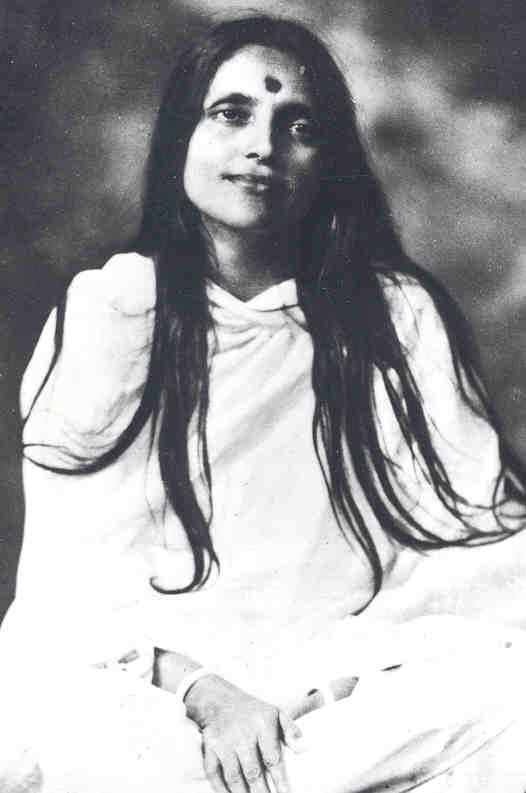
Anandamayi Ma
يتّفقان في: ما المطلق؟ هل الله موجود؟ · من أنا؟ هل توجد ذات حقيقية؟ · كيف يُبلَغ التحرّر أو الخلاص؟
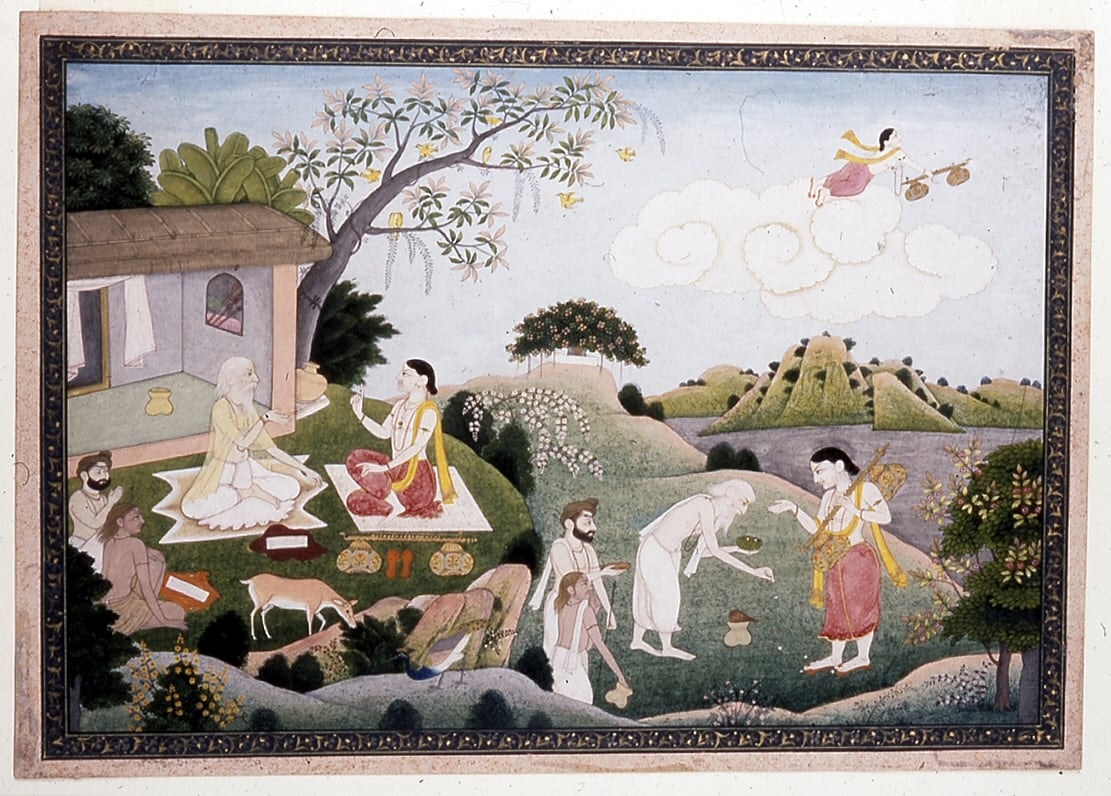
Narada
يتّفقان في: لماذا نتألّم؟ · كيف يُبلَغ التحرّر أو الخلاص؟ · هل العالم حقيقي؟
Ibn Arabi
يتّفقان في: ما المطلق؟ هل الله موجود؟ · من أنا؟ هل توجد ذات حقيقية؟ · لماذا نتألّم؟
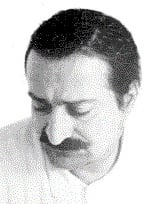
Meher Baba
يتّفقان في: ما المطلق؟ هل الله موجود؟ · من أنا؟ هل توجد ذات حقيقية؟ · ماذا يحدث بعد الموت؟
يبتعد في تفكيره عن


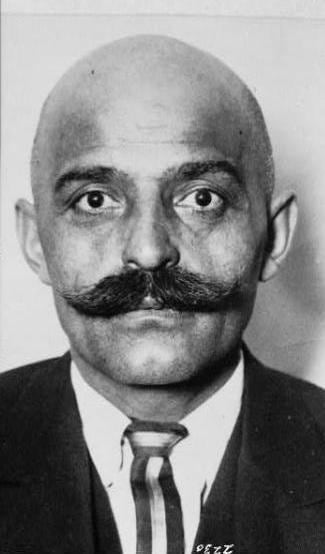
حكايات وروايات
حكايات وروايات
شهادةc. 1842-1843
The white cranes
أصل الرواية: An autobiographical account Ramakrishna gave his disciples decades later; recorded by Saradananda in the Lilaprasanga and, in short form, by other lives from the Order. There are no independent witnesses.
المصدر: Saradananda, Swami. Sri Sri Ramakrishna Lilaprasanga. 5 partes. Calcuta: Udbodhan, escrita entre 1909 y 1919. Trad. inglesa: Sri Ramakrishna, the Great Master, trad. de Swami Jagadananda. Madrás: Sri Ramakrishna Math, 1952; y Sri Ramakrishna and His Divine Play, trad. de Swami Chetanananda. St. Louis: Vedanta Society of St. Louis, 2003.
شهادةc. 1856
The sword of the shrine
أصل الرواية: It comes from what Ramakrishna told his disciples; Saradananda fixes it in the Lilaprasanga and it reappears in the Kathamrita in Ramakrishna’s own words. It is testimony of a visionary experience, not a verifiable fact.
المصدر: Saradananda, Swami. Sri Sri Ramakrishna Lilaprasanga. 5 partes. Calcuta: Udbodhan, escrita entre 1909 y 1919. Trad. inglesa: Sri Ramakrishna, the Great Master, trad. de Swami Jagadananda. Madrás: Sri Ramakrishna Math, 1952; y Sri Ramakrishna and His Divine Play, trad. de Swami Chetanananda. St. Louis: Vedanta Society of St. Louis, 2003.
شهادة1864-1865
The shard of glass
أصل الرواية: Ramakrishna’s own account recorded by Saradananda in the Lilaprasanga; the three days and Totapuri’s reaction belong to the Order’s tradition. There is no independent testimony from Totapuri.
المصدر: Saradananda, Swami. Sri Sri Ramakrishna Lilaprasanga. 5 partes. Calcuta: Udbodhan, escrita entre 1909 y 1919. Trad. inglesa: Sri Ramakrishna, the Great Master, trad. de Swami Jagadananda. Madrás: Sri Ramakrishna Math, 1952; y Sri Ramakrishna and His Divine Play, trad. de Swami Chetanananda. St. Louis: Vedanta Society of St. Louis, 2003.
شهادة1872
The worship of Sarada
أصل الرواية: Known from what Ramakrishna and Sarada Devi herself later told; Saradananda narrates it in the Lilaprasanga and Rolland repeats it. The exact date within 1872 varies between sources.
المصدر: Saradananda, Swami. Sri Sri Ramakrishna Lilaprasanga. 5 partes. Calcuta: Udbodhan, escrita entre 1909 y 1919. Trad. inglesa: Sri Ramakrishna, the Great Master, trad. de Swami Jagadananda. Madrás: Sri Ramakrishna Math, 1952; y Sri Ramakrishna and His Divine Play, trad. de Swami Chetanananda. St. Louis: Vedanta Society of St. Louis, 2003.
شهادة1881-1882
“Have you seen God?”
أصل الرواية: It comes from Vivekananda’s own recollection, told on several occasions and recorded by Saradananda (Lilaprasanga) and by the biography of Vivekananda by his disciples. The exact words vary from version to version.
المصدر: Saradananda, Swami. Sri Sri Ramakrishna Lilaprasanga. 5 partes. Calcuta: Udbodhan, escrita entre 1909 y 1919. Trad. inglesa: Sri Ramakrishna, the Great Master, trad. de Swami Jagadananda. Madrás: Sri Ramakrishna Math, 1952; y Sri Ramakrishna and His Divine Play, trad. de Swami Chetanananda. St. Louis: Vedanta Society of St. Louis, 2003.
شهادة1 de enero de 1886
Kalpataru day
أصل الرواية: Testimonies from several of those present, gathered in Saradananda’s Lilaprasanga and in Ramakrishna as We Saw Him (Chetanananda, 1990). The young monks were not in the garden; the name Kalpataru is later.
المصدر: Chetanananda, Swami (ed. y trad.). Ramakrishna as We Saw Him. St. Louis: Vedanta Society of St. Louis, 1990.
شهادةfebrero-marzo de 1882
The schoolmaster and the rebuke
أصل الرواية: M.’s own narrative at the opening of the Kathamrita (vol. 1), written from his diary and published twenty years later; it is the only testimony of the meeting.
المصدر: Gupta, Mahendranath («M.»). Sri Sri Ramakrishna Kathamrita (শ্রীশ্রীরামকৃষ্ণকথামৃত). 5 vols. Calcuta, 1902, 1904, 1908, 1910 y 1932. Trad. inglesa: The Gospel of Sri Ramakrishna, trad. e introd. de Swami Nikhilananda, prólogo de Aldous Huxley. Nueva York: Ramakrishna-Vivekananda Center, 1942.
التعاليم
التعاليم
المفاهيم التي ينتظم بها فكره، مشروحة في سياقها.
As many faiths, so many pathsjato-mat-tato-path
Recorded in the Kathamrita in many conversations; historians debate whether it is full pluralism or an inclusion of other religions within a Vedantic frame, as part of the academic critique holds.
المصدر: Gupta, Mahendranath («M.»). Sri Sri Ramakrishna Kathamrita (শ্রীশ্রীরামকৃষ্ণকথামৃত). 5 vols. Calcuta, 1902, 1904, 1908, 1910 y 1932. Trad. inglesa: The Gospel of Sri Ramakrishna, trad. e introd. de Swami Nikhilananda, prólogo de Aldous Huxley. Nueva York: Ramakrishna-Vivekananda Center, 1942.
Brahman and Shakti: the Motherbrahman-y-shakti
It derives from the Bengali Shakta tradition, from Ramprasad Sen and from the Tantra the Bhairavi Brahmani taught him; Neevel and Kripal see here the Tantric matrix of his thought.
المصدر: Neevel, Walter G. «The Transformation of Śrī Rāmakrishna». En Bardwell L. Smith (ed.), Hinduism: New Essays in the History of Religions. Leiden: E. J. Brill, 1976, pp. 53–97.
“Woman and gold” (kamini-kanchana)kamini-kanchana
Sumit Sarkar relates the insistence on gold to the experience of the Bengali middle class subject to office work (chakri) in colonial Calcutta; Kripal and Tyagananda debate the scope of the sexual part.
المصدر: Sarkar, Sumit. «“Kaliyuga”, “Chakri” and “Bhakti”: Ramakrishna and His Times». Economic and Political Weekly 27, n.º 29 (1992): 1543–1566. Ampliado en An Exploration of the Ramakrishna Vivekananda Tradition. Shimla: Indian Institute of Advanced Study, 1993.
Vijnana: knowing God in everythingvijnana
Recent studies from within the Order (Swami Medhananda) propose reading vijnana as a philosophy in its own right, distinct from Shankara’s Advaita; the classic reading subordinates it to non-dual Vedanta.
المصدر: Gupta, Mahendranath («M.»). Sri Sri Ramakrishna Kathamrita (শ্রীশ্রীরামকৃষ্ণকথামৃত). 5 vols. Calcuta, 1902, 1904, 1908, 1910 y 1932. Trad. inglesa: The Gospel of Sri Ramakrishna, trad. e introd. de Swami Nikhilananda, prólogo de Aldous Huxley. Nueva York: Ramakrishna-Vivekananda Center, 1942.
Samadhi and bhavasamadhi
The vocabulary combines classical yoga, Tantric kundalini and Vaishnava devotion; the debate on the nature of these states is central to Kripal (1995) and to Tyagananda and Vrajaprana’s reply (2010).
المصدر: Saradananda, Swami. Sri Sri Ramakrishna Lilaprasanga. 5 partes. Calcuta: Udbodhan, escrita entre 1909 y 1919. Trad. inglesa: Sri Ramakrishna, the Great Master, trad. de Swami Jagadananda. Madrás: Sri Ramakrishna Math, 1952; y Sri Ramakrishna and His Divine Play, trad. de Swami Chetanananda. St. Louis: Vedanta Society of St. Louis, 2003.
Serving beings as Shivashiva-jnane-jiva-seva
It comes from the Lilaprasanga, not the Kathamrita; historians stress that the social orientation is chiefly Vivekananda’s work, though the Order traces it back to this episode.
المصدر: Saradananda, Swami. Sri Sri Ramakrishna Lilaprasanga. 5 partes. Calcuta: Udbodhan, escrita entre 1909 y 1919. Trad. inglesa: Sri Ramakrishna, the Great Master, trad. de Swami Jagadananda. Madrás: Sri Ramakrishna Math, 1952; y Sri Ramakrishna and His Divine Play, trad. de Swami Chetanananda. St. Louis: Vedanta Society of St. Louis, 2003.
مقاطع الفيديو
مقاطع الفيديو
تسجيلات ومقابلات وأفلام وثائقية. تُشغَّل مقاطع الفيديو من YouTube؛ ولا تُستضاف هنا.
Ramakrishna | A documentary
فيلم وثائقي· EN· 1990· 78 min
Vedanta Brasília
মানবতার প্রস্ফুটিত শতদল: Documentary on Ramakrishna Mission
فيلم وثائقي· BN· 47 min
Ramakrishna Math & Ramakrishna Mission, Belur Mathالقناة الرسمية
BELUR MATH | The heart of Ramakrishna Movement: A Documentary on Belur Math (Full)
فيلم وثائقي· EN· 54 min
Ramakrishna Mission Ashrama, Narendrapurالقناة الرسمية
Hindi Version: BELUR MATH | The heart of Ramakrishna Movement
فيلم وثائقي· HI· 54 min
Ramakrishna Mission Ashrama, Narendrapurالقناة الرسمية
The Living Photographs of Sri Ramakrishna | Swami Harinamananda
محاضرة· EN· 2018· 76 min
Vedanta Society of New Yorkالقناة الرسمية
Teachings of Sri Ramakrishna | Swami Sarvapriyananda
محاضرة· EN· 77 min
Vedanta Society of New Yorkالقناة الرسمية
Glimpses of Sri Ramakrishna | Swami Sarvapriyananda
محاضرة· EN· 90 min
Vedanta Society of New Yorkالقناة الرسمية
Gospel | Chapter 1: Feb 1882 (Part 1) | Swami Sarvapriyananda
محاضرة· EN· 70 min
Vedanta Society of New Yorkالقناة الرسمية
Sri Ramakrishna: The Synthesis of Vedanta | Prof. Jeffery Long
محاضرة· EN· 89 min
Vedanta Society of New Yorkالقناة الرسمية
Kali's Child - Jeffrey Kripal and Host Michael Lerner
مقابلة· EN· 2025· 78 min
CommonwealNewSchool
Sri Ramakrishna & Universal Hinduism
تحليل· EN· 2025· 46 min
Let's Talk Religion
কথামৃত পাঠ ও ব্যাখ্যা (20): স্বামী ঈশাত্মানন্দ
محاضرة· BN· 60 min
RAMAKRISHNA ORDER
Una Trinidad Vedántica | Sri Ramakrishna, Vivekananda y la Santa Madre
محاضرة· ES· 32 min
Ramakrishna Ashrama Argentinaالقناة الرسمية
المعرض
المعرض
صور بترخيص متحقَّق منه. كل منها تحتفظ بمؤلّفها ونسبتها.
العلاقات
العلاقات
تأثيرات وتلمذة وتقارب في الأفكار. تُميَّز العلاقة الموثّقة عن التشابه المستخلَص بالتحليل.
تلميذ
Bhairavi Brahmani
Wandering ascetic who initiated him into Tantric practice from 1861.
علاقة موثّقة
معلّم
Narendranath Datta met him at the end of 1881 and was his disciple until 1886; as Vivekananda he founded the Ramakrishna Order and Mission and spread his message in the West.
علاقة موثّقة
من عائلة
Sarada Devi
His wife from 1859, in a marriage never consummated; he worshipped her as the Goddess in 1872 and she later became the Holy Mother of the Order.
علاقة موثّقة
معلّم
Mahendranath Gupta («M.»)
Schoolmaster who visited him from 1882 and recorded his conversations in the Kathamrita.
علاقة موثّقة
تلميذ
Totapuri
Advaita monk who gave him monastic initiation and taught him non-dual Vedanta around 1864–65.
علاقة موثّقة
التقى بـ
Keshab Chandra Sen
Brahmo leader he met in 1875; Keshab made him known in the Calcutta press, and his New Dispensation shows Ramakrishna’s influence.
علاقة موثّقة
تأثّر بـ
He revered Chaitanya as an incarnation of devotion and often cites him in the Kathamrita; he lived the devotional attitudes of the Bengali Vaishnavism Chaitanya founded.
علاقة موثّقة
تأثّر بـ
Around 1874, after hearing the Bible read, he recounted a vision of Christ merging into him; he kept a picture of Jesus in his room.
علاقة موثّقة
أثّر في
Aurobindo cites Ramakrishna’s life in the introduction to The Synthesis of Yoga as an example of a spiritual capacity that runs through all the disciplines in a short time and unites them. They never met.
علاقة موثّقة
أثّر في
Indirect influence: as a boy Yogananda frequented Mahendranath Gupta, author of the Kathamrita, to whom he devoted a chapter of his Autobiography of a Yogi; he never met Ramakrishna, who died more than six years before his birth.
علاقة موثّقة
أفكار قريبة من
Similarity identified by the editors: two mystics with almost no schooling whose teaching reaches us through dialogues recorded by disciples, and whom tradition links to Advaita. No personal relationship (Ramana was six when Ramakrishna died).
تشابه مستخلَص بالتحليل
أفكار قريبة من
Similarity identified by the editors: Bengali mystics of frequent ecstasies who did not write and whose words were recorded by devotees; both associated with devotion to the divine Mother. No personal relationship.
تشابه مستخلَص بالتحليل
أفكار قريبة من
He received Advaita through Totapuri, a monk of the order founded by Shankara, but integrated it into a vision that does not deny the reality of the world as the Mother’s play.
تشابه مستخلَص بالتحليل
المصادر
المصادر
المراجع والفهارس التي رُوجعت لهذه الصفحة.
- Gupta, Mahendranath («M.»). Sri Sri Ramakrishna Kathamrita (শ্রীশ্রীরামকৃষ্ণকথামৃত). 5 vols. Calcuta, 1902, 1904, 1908, 1910 y 1932. Trad. inglesa: The Gospel of Sri Ramakrishna, trad. e introd. de Swami Nikhilananda, prólogo de Aldous Huxley. Nueva York: Ramakrishna-Vivekananda Center, 1942.
- Saradananda, Swami. Sri Sri Ramakrishna Lilaprasanga. 5 partes. Calcuta: Udbodhan, escrita entre 1909 y 1919. Trad. inglesa: Sri Ramakrishna, the Great Master, trad. de Swami Jagadananda. Madrás: Sri Ramakrishna Math, 1952; y Sri Ramakrishna and His Divine Play, trad. de Swami Chetanananda. St. Louis: Vedanta Society of St. Louis, 2003.
- Müller, F. Max. Râmakrishna: His Life and Sayings. Londres / Nueva York: Longmans, Green and Co., 1898 (reimpr. 1899).
- Rolland, Romain. La Vie de Ramakrishna (Essai sur la mystique et l’action de l’Inde vivante, I). París: Stock, 1929. Trad. inglesa de E. F. Malcolm-Smith: The Life of Ramakrishna. Almora / Calcuta: Advaita Ashrama, 1930.
- Sarkar, Sumit. «“Kaliyuga”, “Chakri” and “Bhakti”: Ramakrishna and His Times». Economic and Political Weekly 27, n.º 29 (1992): 1543–1566. Ampliado en An Exploration of the Ramakrishna Vivekananda Tradition. Shimla: Indian Institute of Advanced Study, 1993.
- Kripal, Jeffrey J. Kālī’s Child: The Mystical and the Erotic in the Life and Teachings of Ramakrishna. Chicago: University of Chicago Press, 1995 (2.ª ed., 1998).
- Tyagananda, Swami, y Pravrajika Vrajaprana. Interpreting Ramakrishna: Kali’s Child Revisited. Delhi: Motilal Banarsidass, 2010.
- Sen, Amiya P. Ramakrishna Paramahamsa: Sadhaka of Dakshineswar. Nueva Delhi: Viking / Penguin Books India, 2010.
- Neevel, Walter G. «The Transformation of Śrī Rāmakrishna». En Bardwell L. Smith (ed.), Hinduism: New Essays in the History of Religions. Leiden: E. J. Brill, 1976, pp. 53–97.
- Chetanananda, Swami (ed. y trad.). Ramakrishna as We Saw Him. St. Louis: Vedanta Society of St. Louis, 1990.
- Isherwood, Christopher. Ramakrishna and His Disciples. Nueva York: Simon & Schuster, 1965.
- Abhedananda, Swami (ed.). The Gospel of Râmakrishna. Nueva York: The Vedanta Society, 1907 (edición autorizada para América de los diarios de M.).
- Wikidata, «Ramakrishna» (Q183126): fechas y lugares de nacimiento y muerte, 114 enlaces entre wikis.
- Wikipedia en inglés, «Sri Sri Ramakrishna Kathamrita»: historia de la publicación (1897–1932), método de M. y juicio de Sumit Sarkar sobre los 186 días que cubre el texto.
- Wikimedia Commons, «Category:Ramakrishna» y fotografías de 1879, 1881 y 1885 (metadatos y licencias consultados por API).
- Mozoomdar, Protap Chunder. «The Hindu Saint». Theistic Quarterly Review (Calcuta), 1879; reproducido en Müller 1898.
- Sen, Akshay Kumar. Sri Sri Ramakrishna Punthi (poema narrativo en bengalí, escrito entre 1887 y 1901). Trad. inglesa en prosa: A Portrait of Sri Ramakrishna. Calcuta: Ramakrishna Mission Institute of Culture, 1999.
- Wikipedia en inglés, «Ramakrishna» (cronología de las sadhanas, últimos días y versiones de sus últimas palabras, con remisión a Chetanananda 1990, pp. 56 y 408).
- Sri Aurobindo. The Synthesis of Yoga, «Introduction: The Conditions of the Synthesis» (Arya, 1914–1921). Complete Works of Sri Aurobindo, vols. 23–24. Pondicherry: Sri Aurobindo Ashram, 1999.
- Yogananda, Paramahansa. Autobiography of a Yogi. Nueva York: The Philosophical Library, 1946, cap. 9 («The Blissful Devotee and His Cosmic Romance»), sobre Mahendranath Gupta.
- صاحب الحقوق
- Las palabras de Ramakrishna (m. 1886) y el texto bengalí del Kathamrita (M., m. 1932) son de dominio público. Las traducciones modernas tienen titulares propios: The Gospel of Sri Ramakrishna de Nikhilananda, el Ramakrishna-Vivekananda Center of New York; Sri Ramakrishna, the Great Master, el Sri Ramakrishna Math de Chennai; la traducción de Dharm Pal Gupta, el Sri Ma Trust.
- الموقع الرسمي
- belurmath.org/
في انتظار التأكيد
ما لم تتمكّن هذه الصفحة من حسمه بعد. نفضّل أن نقول ذلك على أن نملأ الفراغ.
- Traducción española completa del Kathamrita o del Gospel con ISBN: solo se localizó la edición de 144 pp. (Luis Cárcamo, 2020), que es abreviada. Comprobar si existe una traducción íntegra (Kier, Ramakrishna Ashrama Argentina).
- Fecha y datos de la primera edición inglesa del propio M. (Madrás, 1907) y del folleto A Leaf from the Gospel of Sri Ramakrishna (1897).
- Año de las primeras ediciones de Tales and Parables, Teachings of Sri Ramakrishna y Words of the Master (Open Library solo da reimpresiones).
- Datación de la fotografía sentada más difundida: Commons dice octubre de 1885; la Orden, 1883 en Dakshineswar. Confirmar con el estudio de Swami Vidyatmananda o con los archivos de Belur Math.
- Rolland, La Vie de Ramakrishna: dominio público en EE. UU. (1929, desde 2025), la UE y España (Rolland m. 1944). Wikisource francés tiene el índice pero no las páginas transcritas; buscar un texto completo legible para la sala de lectura.
- Kathamrita bengalí: localizar una transcripción completa (no escaneo) para la sala de lectura; los escaneos de Internet Archive no tienen OCR fiable.
- Ramchandra Datta, Jivanvrittanta: confirmar el año (se da 1890) y editorial de la primera edición.
- Cotejar con el texto bengalí la cita exacta de las últimas palabras («Kali» tres veces / «Ma») en el Lilaprasanga y en Ramakrishna as We Saw Him.
- Suresh Chandra Datta publicó en vida de Ramakrishna (c. 1884) una colección de sus enseñanzas (Sri Sri Ramakrishnadever Upadesh); verificar título, año y si debe registrarse como obra aparte.
بُحث بتاريخ 2026-10-25