الهندوسية · اليوغا
Sri Yukteswar
শ্রীযুক্তেশ্বর গিরি · श्रीयुक्तेश्वर गिरि
1855 – 1936شخصية موثّقة تاريخيًا
سري يوكتسوار غيري (1855-1936)، واسمه عند الولادة بريا نات كارار، وُلد في سيرامبور، وكان مريدًا للاهيري ماهاسايا، ومعلّمًا للكريا يوغا، وغورو باراماهانسا يوغاناندا. ألّف «كايفاليا دارشانام» («العلم المقدّس»، 1894) الذي يسعى إلى التوحيد بين مذهب السانكيا الهندي والعهد الجديد، ويقترح تسلسلًا زمنيًا لليوغات قوامه دورة من 24000 سنة. وكان منجّمًا ومربّيًا ومؤسّس صومعتي سيرامبور وبوري، وقد وصلتنا صورته أساسًا عبر «سيرة ذاتية ليوغي».
- مؤلَّفًا
- 8مؤلَّفًا
- طبعة
- 18طبعة
- اقتباسًا
- 10اقتباسًا
- مقطع فيديو
- 12مقطع فيديو
- صورة
- 7صورة
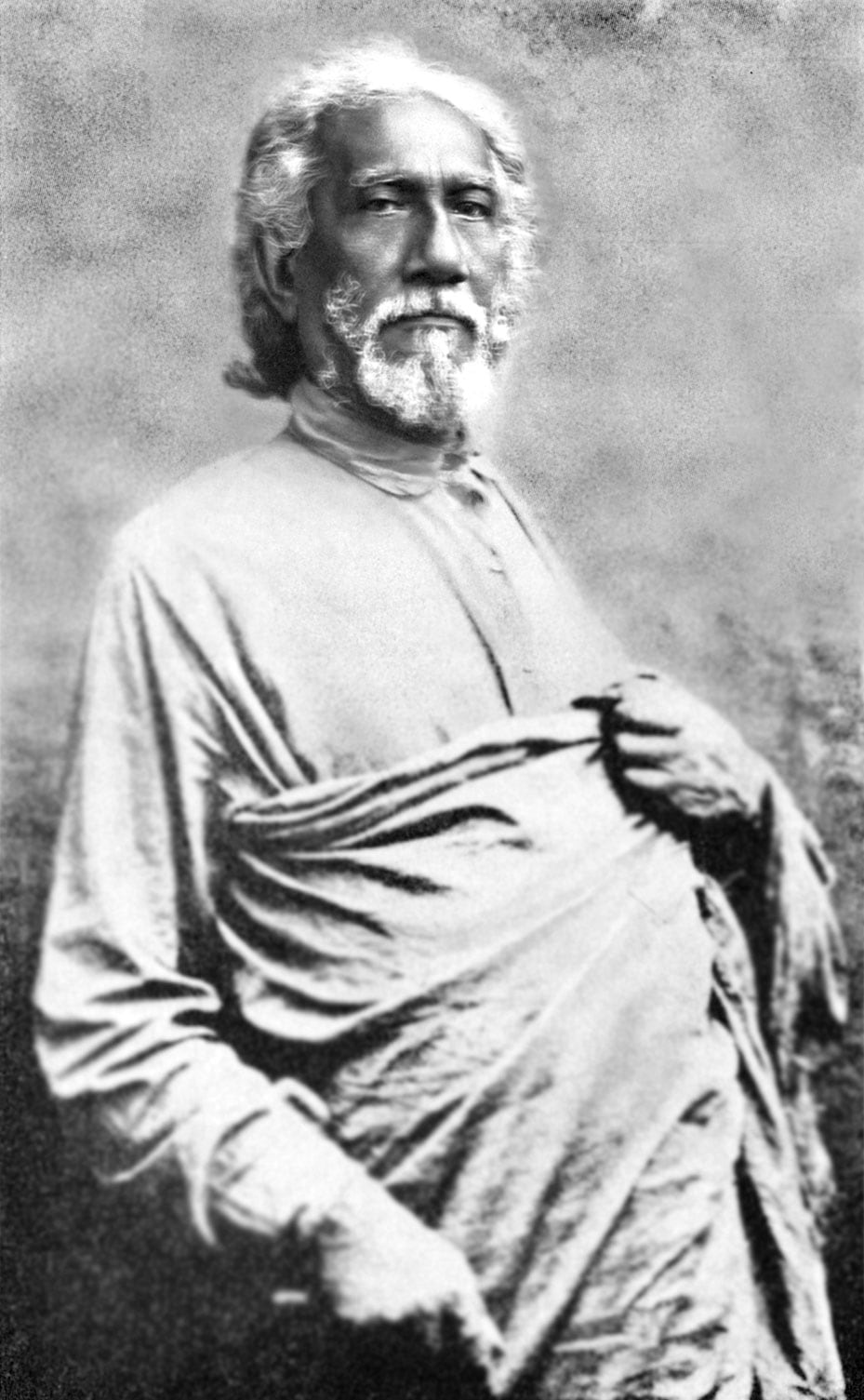
Sri Yukteswar, retrato de la primera edición de la Autobiografía · Public domain
بكلماته
«The purpose of this book is to show as clearly as possible that there is an essential unity in all religions; that there is no difference in the truths inculcated by the various faiths; that there is but one method by which the world, both external and internal, has evolved; and that there is but one Goal admitted by all scriptures.»The Holy Science, ed. SRF 1972 (texto de 1894), Introducción

للبدء، عمل واحد
Kaivalya Darsanam: The Holy Scienceفكرته المحورية
The 24,000-year cycle of the yugas: In the introduction to *The Holy Science*, Sri Yukteswar holds that the Sun, with its planets, revolves around a companion star in a period of about 24,000 years, and that nearness to or distance from a 'grand centre' of divine magnetism determines the development of human intelligence.
السيرة
4 دقيقة قراءة
ترجمة مُعانة من الأصل الإسباني، بانتظار مراجعة مترجم من أهل اللغة.
ابن ملّاك أراضٍ في سيرامبور
وُلد بريا نات كارار في 10 مايو 1855 في سيرامبور، المستعمرة الدنماركية القديمة على ضفاف نهر هوغلي، على بعد نحو عشرين كيلومترًا من كلكتا. كان أبواه، كشيترانات كارار وكادامبيني، من أسرة من ملّاك الأراضي الريفية؛ وقد توفّي الأب مبكرًا، فاضطُرّ الفتى إلى تولّي شؤون أراضي العائلة. ودرس في الكلية التبشيرية المسيحية في المدينة، حيث نشأت بينه وبين الكتاب المقدّس ألفةٌ لم يتخلّ عنها قطّ، ثم درس الطبّ قرابة عامين في كلكتا دون أن ينال شهادته. وتزوّج ورُزق ابنة، ثم ترمّل بعد سنوات قليلة. وهذه أقلّ مراحل حياته توثيقًا: فكلّ ما نعرفه عنها مصدره السيرة البنغالية التي كتبها مريده سوامي ساتياناندا غيري، والصفحات التي خصّه بها باراماهانسا يوغاناندا، وكلتاهما من تأليف مريدين.
لاهيري ماهاسايا والكريا يوغا
في عام 1884 تعرّف في بنارس إلى شياما تشاران لاهيري، الذي كان أتباعه يدعونه لاهيري ماهاسايا، وهو محاسب في الإدارة البريطانية كان يعلّم أرباب الأسر تقنية تأمّل تقوم على ضبط النَّفَس تُعرف بـ«الكريا يوغا». وتلقّى بريا نات منه التكريس، وظلّ في السنوات التالية يزوره كثيرًا. ويحفظ تراث السلسلة أن المعلّم كان يناديه تحبّبًا «بريا»، أي الحبيب. وورث عن لاهيري سمتين ستحدّدان تعليمه: الاقتناع بأن الممارسة التأمّلية يمكن أن تُعاش دون اعتزال العالم، وقراءةً للنصوص المقدّسة بوصفها خرائط لأحوال باطنية.
الله آباد، 1894: «العلم المقدّس»
في يناير 1894، في أثناء مهرجان كومبه ميلا في الله آباد، دعاه رجل مجهول، بحسب شهادته هو، إلى ضفّة الغانج واقتاده إلى باباجي، معلّم لاهيري ماهاسايا، وهو شخصية لا يوجد عنها توثيق تاريخي مستقلّ. وفي ذلك اللقاء، بحسب رواية المؤلف دائمًا، طلب منه باباجي كتابًا موجزًا يبيّن التوافق بين النصوص المسيحية والهندوسية، ومنحه لقب «سوامي». ويقدّم الكتاب، «كايفاليا دارشانام» أي «عرض الحقيقة القصوى»، نفسه في صفحته الأولى على أنه من تأليف «بريا نات سوامي» بطلب من باباجي، في السنة 194 من «دفابارا يوغا». وظهرت فصوله أولًا في مجلّته «سادهوسامباد»، ثم طبعها مريده أتول تشاندرا تشودري في كتاب عام 1920، وفي عام 1949 نشرت جمعية «زمالة تحقيق الذات» (Self-Realization Fellowship) صيغة منقّحة بعنوان The Holy Science («العلم المقدّس»).
يتألّف الكتاب من أربعة فصول — الإنجيل، والغاية، والطريقة، والوحي — مرتّبة في حِكَم سنسكريتية نظمها المؤلف نفسه وشرحها بالإنجليزية، مع استشهادات وفيرة من العهد الجديد، ولا سيما من سفر الرؤيا. هيكله كوسمولوجيا مذهب «سانكيا»، وأطروحته أن الأديان جميعًا تشترك في غاية واحدة. وتضمّ المقدّمة أشهر أجزائه وأكثرها إثارة للجدل: تسلسلًا زمنيًا لـ«اليوغات» يستبدل بمئات آلاف السنين في التراث البوراني دورةً من 24000 سنة، مرتبطة بمدار مزعوم للشمس حول نجم مرافق، ويضع البشرية لا في «كالي يوغا» بل في الطور الصاعد من «دفابارا» منذ عام 1699. ولا يؤيّد علم الفلك الأكاديمي فرضية النجم المزدوج، أما التسلسل الزمني فقد خلّف ذرّية طويلة في الأدب الروحي.
صومعتان وانضباط صارم
بعد ترسيمه الرسمي في طريقة السوامي، الذي تلقّاه من رئيس دير بوده غايا في فرع «غيري»، حوّل بيت العائلة في سيرامبور إلى صومعة، وأسّس عام 1903 صومعة ثانية في بوري، قبالة خليج البنغال، هي «كارار آشرام»، التي حدّد افتتاحها، بحسب تقليد الدار، يوم الاعتدال الربيعي. وكان يتنقّل بينهما على مدار العام. وأسّس جمعية «سادهو سابها» لجمع رجال الدين من مختلف التيارات، ووضع مناهج مدرسية في الفيزياء وعلم وظائف الأعضاء والجغرافيا والفلك، وكتابًا لتعليم الإنجليزية والهندية للبنغاليين، ورسالة مبسّطة في التنجيم، واهتمّ بتعليم المرأة. وكان يمارس «الجيوتيشا»، أي التنجيم الهندي، ويصف لمريديه أساور من المعادن والأحجار الكريمة، مقتنعًا بأن علم النجوم يمكن أن يكون طريقًا مختصرًا ما دامت الروح لم تتحرّر.
ولم يكن له إلا قليل من المريدين الدائمين. وقد ردّ يوغاناندا هذه القلّة إلى منهج «لا يمكن وصفه إلا بأنه صارم»: كان يوبّخ على الملأ، ويشترط النظام في شؤون البيت، ولا يتسامح مع الرضا عن النفس. ويتذكّره عالم الأنثروبولوجيا والتيبتيات و. ي. إيفانز-وينتز، الذي زاره في سيرامبور، رجلًا طويلًا منتصب القامة، رقيق الصوت، هادئ الحضور.
معلّم يوغاناندا
في عام 1910، في أحد شوارع بنارس، صادف موكوندا لال غوش، وهو فتى في السابعة عشرة فرّ من بيته بحثًا عن معلّم. فتعهّده بالتكوين عقدًا كاملًا في سيرامبور وبوري، وفي يوليو 1915 رسّمه سواميًا باسم يوغاناندا، وشجّعه عام 1920 على قبول دعوة إلى مؤتمر ديني في بوسطن. وحين عاد يوغاناندا إلى الهند عام 1935 منحه سري يوكتسوار لقب «باراماهانسا» وعيّنه خليفةً له على رأس «سادهو سابها» وصومعتيه. وأسّس مريدون آخرون له، مثل سوامي ساتياناندا غيري وشايلندرا بيجوي داسغوبتا وسوامي هاريهاراناندا، سلاسل موازية للكريا يوغا تقرأ شخصيته بنبرات مختلفة عن نبرة «زمالة تحقيق الذات».
الوفاة في بوري وبناء الرواية
توفّي في «كارار آشرام» في بوري في السابعة مساء يوم 9 مارس 1936، بعد حمّى قصيرة، جالسًا في وضعية اللوتس بحسب من عثروا على جثمانه. ووصل يوغاناندا، الذي كان في كلكتا، في اليوم التالي، وترأّس دفنه في حديقة الصومعة وفق عادة السوامية الذين لا تُحرق جثامينهم. وودّعته صحيفة Amrita Bazar Patrika الكلكتية بوصفه أحد كبار شرّاح «البهاغافاد غيتا». وفي «سيرة ذاتية ليوغي» (1946) أضاف يوغاناندا فصلًا يروي فيه أنه رآه بلحمه ودمه في فندق في بومباي يوم 19 يونيو 1936، وأنه تلقّى منه وصفًا مسهبًا للعالم النجمي. وهذه شهادة إيمان من المريد، لا واقعة يمكن التحقّق منها، وينبغي أن تُقرأ على هذا الأساس.
الإرث
إن صورة سري يوكتسوار المتداولة في العالم هي، إلى حدّ بعيد، تلك التي رسمها يوغاناندا: «الجنيانافاتار»، أي «تجسّد الحكمة»، المتطلّب الحنون، المنجّم وقارئ الكتاب المقدّس. ويظهر وجهه بين الوجوه على غلاف ألبوم Sgt. Pepper's Lonely Hearts Club Band (1967)، ولا يزال «العلم المقدّس» يُطبع بنحو اثنتي عشرة لغة. أما شرحه البنغالي على «الغيتا»، الذي ترجمته «يوغا نيكيتان» إلى الإنجليزية عام 2004، وسيرة ساتياناندا، فيكشفان عن مؤلف أكثر تقنيةً وأقلّ أسطوريةً، ينبغي أن يُقرأ إلى جانب الصورة التي ترسمها «السيرة الذاتية».
المصادر: Yogananda, Paramhansa. Autobiography of a Yogi. Nueva York: The Philosophical Library, 1946 (1.ª ed.), caps. 10, 12, 14-16, 36, 42 y 43; prefacio de W. Y. Evans-Wentz. Texto en Wikisource y Project Gutenberg #7452. · Yukteswar Giri, Swami Sri. The Holy Science (Kaivalya Darsanam). Los Ángeles: Self-Realization Fellowship, 7.ª ed. 1972, 3.ª reimpr. 1977 (texto de 1894; copyright de la revisión, 1949). Consultado en Internet Archive. · Satyananda Giri, Swami. «Swami Sri Yuktesvar Giri Maharaj: A Biography», en A Collection of Biographies of 4 Kriya Yoga Gurus. Trad. Yoga Niketan. Lincoln (Nebraska): iUniverse, 2006. ISBN 9780595386758. · Selbie, Joseph, y David Steinmetz. The Yugas: Keys to Understanding Our Hidden Past, Emerging Present and Future Enlightenment. Nevada City: Crystal Clarity Publishers, 2010. ISBN 9781565892538. · Dasgupta, Sailendra Bejoy. Kriya Yoga and Swami Sriyukteshvar. Calcuta: S. B. Dasgupta, 1979.
الخط الزمني
الحياة عامًا بعد عام
كل نقطة حدث موثّق. انقر لتقرأه مع مصدره ودرجة اليقين فيه.
10 مايو 1855أقل من عامSerampore
Birth of Priya Nath Karar
Born into a family of Bengali landowners, son of Kshetranath Karar and Kadambini.
موثّقYogoda Satsanga Society of India, «Swami Sri Yukteswar».
بعد وفاته
- ديسمبر 1946*Autobiography of a Yogi* spreads his figure
- 1949Revised Self-Realization Fellowship edition
- يونيو 1967On the cover of *Sgt. Pepper*
10 مايو 1855 · أقل من عام
Birth of Priya Nath Karar
Born into a family of Bengali landowners, son of Kshetranath Karar and Kadambini.
موثّق
نحو 1875
Studies at the missionary college and the medical college
Studies at the Christian missionary college of Serampore, where he becomes interested in the Bible, and spends about two years at medical college in Calcutta. Approximate dates.
مرجَّح
نحو 1880
Marriage, a daughter and widowhood
After his father's death he marries at his mother's wish; he has a daughter and is widowed a few years later.
مرجَّح
1884 · 29 عامًا
Initiation into kriya yoga by Lahiri Mahasaya
Meets Lahiri Mahasaya, who initiates him into kriya yoga; he will visit him often in the following years.
موثّق
يناير 1894 · 38 عامًا
Meeting with Babaji at the Kumbha Mela
By his own account in the introduction to *Kaivalya Darsanam*, Babaji asks him for a book on the harmony of Christian and Hindu scriptures and gives him the title of swami. Babaji has no independent historical documentation.
تقليد
1894 · 39 عامًا
Writes *Kaivalya Darsanam*
Writes the work in a short time, dated to the 194th year of the Dvapara Yuga; the chapters first appear in his journal *Sadhusambad*.
موثّق
22 مارس 1903 · 47 عامًا
Founding of the Karar Ashram
Founds his seaside hermitage in Puri; his lineage's tradition dates the opening to the spring equinox, chosen for astrological reasons.
تقليد
1910 · 55 عامًا
Meeting with Mukunda Lal Ghosh
Meets the future Paramahansa Yogananda, who will spend ten years training in his hermitages.
موثّق
يوليو 1915 · 60 عامًا
Ordains Yogananda a swami
Gives Mukunda the vows of the Swami order, Giri branch, with the name Yogananda.
موثّق
1920 · 65 عامًا
First book edition of *Kaivalya Darsanam*
His disciple Atul Chandra Chowdhury, secretary of the Sadhu Sabha, privately prints the book.
موثّق
1935 · 80 عامًا
Confers on Yogananda the title of paramahansa
During Yogananda's visit to India he grants him the monastic title of paramahansa and charges him with continuing his work.
موثّق
9 مارس 1936 · 80 عامًا
Death at the Karar Ashram
Dies at about seven in the evening after a brief fever; he is buried on 10 March in the hermitage garden. The funeral bhandara is held on 21 March.
موثّق
ديسمبر 1946
*Autobiography of a Yogi* spreads his figure
Yogananda devotes several chapters of his autobiography to him, including the account of his appearance after death, which builds his international image.
موثّق
1949
Revised Self-Realization Fellowship edition
SRF publishes *The Holy Science* with a foreword by Yogananda and changes to terminology and grammar; in 1963 an English translation of the Sanskrit sutras is added.
موثّق
يونيو 1967
On the cover of *Sgt. Pepper*
His portrait appears among the figures on the cover of the Beatles' album.
موثّق
المؤلَّفات
المؤلَّفات الأساسية
المؤلَّفات التي لا يُفهم إرثه من دونها.
مؤلَّف مكتوب · 1894
Kaivalya Darsanam: The Holy Science
Kaivalya Darsanam (The Holy Science)
A treatise in four chapters—the Gospel, the Goal, the Procedure and the Revelation—that sets out Samkhya cosmology and yogic practice through commented Sanskrit aphorisms and places them alongside passages from the New Testament and Revelation. It argues that all religions share a single goal and describes five states of the heart through which the seeker advances, guided by the 'heart's natural love'. Its introduction proposes a 24,000-year cycle of yugas, tied to a hypothetical companion star of the Sun, and places humanity in an ascending Dvapara: the most famous and most disputed part of the book.
15 طبعة

مؤلَّف مكتوب
Spiritual commentary on the Bhagavad Gita
Srimad Bhagavad Gita (comentario espiritual, bengalí)
A reading of the *Bhagavad Gita* as an allegory of kriya yoga practice, in the line begun by Lahiri Mahasaya: the poem's characters and battles are interpreted as forces and states of the practitioner's consciousness. It is the text that best shows the technical Sri Yukteswar, the meditation teacher, as against the literary character of *Autobiography of a Yogi*. Yogananda said his master encouraged him to give his own interpretation of the *Gita*, the distant origin of *God Talks with Arjuna*.
طبعة واحدة
جميع مؤلَّفاته (8)
Sri Yukteswar
First Book (English and Hindi primer)
The Conscious LibraryFirst Book (English and Hindi primer)
Sri Yukteswar
Elementary treatise on astrology
The Conscious LibraryElementary treatise on astrology
Sri Yukteswar
School science syllabi
The Conscious LibrarySchool science syllabi
Sri Yukteswar
Sadhusambad (journal)
The Conscious LibrarySadhusambad (journal)

Biography of Sri Yukteswar by Swami Satyananda Giri
Sri Yukteswar
Kriya Yoga and Swami Sriyukteshvar (S. B. Dasgupta)
The Conscious LibraryKriya Yoga and Swami Sriyukteshvar (S. B. Dasgupta)
1979
الأقوال
أقوال محدَّدة الموضع في مؤلَّف بعينه. كل منها يحمل مصدره ودرجة الثقة به.
The purpose of this book is to show as clearly as possible that there is an essential unity in all religions; that there is no difference in the truths inculcated by the various faiths; that there is but one method by which the world, both external and internal, has evolved; and that there is but one Goal admitted by all scriptures.متحقَّق منهThe Holy Science, ed. SRF 1972 (texto de 1894), Introducción
الكلمات الأخيرة
لا توجد سجلات يمكن التحقق منها لكلماته الأخيرة.
No reliable record of his last words is known. Yogananda, his main biographer, was not present (he was in Calcutta and reached Puri the next day) and says so explicitly in a note to the *Autobiography*. The words 'My task on earth is now finished; you must carry on', addressed to Yogananda when conferring the title of paramahansa in 1935, are sometimes quoted as a farewell, but they precede his death by months.
المصدر: Yogananda, Paramhansa. Autobiography of a Yogi. Nueva York: The Philosophical Library, 1946 (1.ª ed.), caps. 10, 12, 14-16, 36, 42 y 43; prefacio de W. Y. Evans-Wentz. Texto en Wikisource y Project Gutenberg #7452.
اسأل
بماذا يجيب أثره
اثنا عشر سؤالًا كبيرًا من أسئلة الإنسانية، وما تتيح نصوصه الإجابة به عنها، مع المراجع. ولا نقوّله ما لم يقل أبدًا.
ما المطلق؟ هل الله موجود؟
Parambrahma, the one eternal substance, manifests as Father, Son and Om
مطلق غير شخصييقوله صراحةً
In the Kaivalya Darsanam Sri Yukteswar opens with the statement that Parambrahma, Spirit, is the only real substance, eternal, complete and without beginning or end. From it he explains creation with a scheme meant to show the unity of Hinduism and Christianity: God the Father (Sat) is beyond creation; his manifestation as vibration, the Word or Om, is the Holy Ghost; and his conscious reflection in creation is the Son (Tat), the Christ consciousness. The ultimate is therefore not a person who acts but a substance of love and consciousness that expresses itself through vibration and maya. The personal figures of Father and Son are ways of naming those aspects, not beings distinct from the Absolute.
قارن هذا السؤال مع معلّمين آخرينمن أنا؟ هل توجد ذات حقيقية؟
Man is a son of God wrapped in five sheaths
الذات هي المطلقيقوله صراحةً
In the Kaivalya Darsanam Sri Yukteswar describes the human being as a reflection of Spirit, the ‘son of God’, covered by five sheaths (koshas) ranging from the subtlest to the physical. Out of ignorance man identifies with those sheaths and with the body, and forgets his divine nature. Wisdom consists in progressively withdrawing consciousness from these layers until one recognises that the true self is one with the eternal Father, beyond creation. To describe that return he uses both the vocabulary of Samkhya and that of the Gospel: the prodigal son coming home is the soul recovering its unity with Spirit. Kaivalya, oneness, is the name of that goal.
قارن هذا السؤال مع معلّمين آخرينلماذا نتألّم؟
Ignorance makes man think himself the body and exiles him from the inner Eden
الجهل بما نحن عليهيقوله صراحةً
In the Kaivalya Darsanam Sri Yukteswar explains that man suffers because, through avidya, ignorance, he identifies with the material body and its desires and forgets that he is a reflection of Spirit. From that identification arise attachment, aversion and fear, which he sets out in the vocabulary of yoga’s afflictions. Yogananda, in his Autobiography, attributes to him a biblical image of the same idea: outward longings drive us from the inner Eden and offer false pleasures that supplant the soul’s happiness, and the lost paradise is regained through meditation. Suffering is thus an exile from one’s own nature, and the way back is the heart’s natural love disciplined by yoga.
قارن هذا السؤال مع معلّمين آخرينماذا يحدث بعد الموت؟
The soul passes to subtle worlds and returns according to its karma
الولادة من جديد وفق الكارمايُستنتج من تعاليمه
Sri Yukteswar taught within the framework of reincarnation: as long as the soul is not freed from desires and karma it is born again, and his astrology presupposes that each birth matches that individual karma. In the Kaivalya Darsanam he describes creation as a series of spheres (lokas) of decreasing density between the physical world and Spirit, through which the soul descends and ascends. The best-known description of his teaching on the afterlife is not his own: in Autobiography of a Yogi Yogananda relates a posthumous appearance of his master in which he describes the astral and causal worlds where souls live between one incarnation and the next.
قارن هذا السؤال مع معلّمين آخرينكيف يُبلَغ التحرّر أو الخلاص؟
Kriya yoga, discipline and the heart’s natural love
بالممارسة المنضبطةيقوله صراحةً
Sri Yukteswar, a disciple of Lahiri Mahasaya, transmitted Kriya Yoga as a precise method for withdrawing consciousness from the body and directing it towards Spirit. In the Kaivalya Darsanam he makes the heart’s natural love the main requirement and defines faith (sraddha) as its intensification; from there he sets out the steps of yoga: ethical discipline, breath control, interiorisation and meditation on the vibration of Om. His teaching combines method with moral demand: according to Yogananda he was a stern master who corrected without indulgence. Liberation is a gradual process the disciple travels by his own effort, guided by a true master, until he recognises himself one with the Father.
قارن هذا السؤال مع معلّمين آخرينهل نحتاج إلى معلّم؟
The true master, the sadguru, is the disciple’s saviour
لا غنى عنهيقوله صراحةً
In the Kaivalya Darsanam Sri Yukteswar describes the meeting with the sadguru, the true master, as the decisive step: the heart’s natural love leads the seeker into the company of the saints, and from there to the master who initiates him into practice and guides him to the goal. He himself lived that relationship with Lahiri Mahasaya and exercised it with his disciples. Yogananda describes in his Autobiography the strict discipline of the Serampore ashram, where the master corrected each of the disciple’s faults so that he could receive the teaching. For Sri Yukteswar the guru does not replace the disciple’s effort, but without his transmission and guidance practice bears no fruit.
قارن هذا السؤال مع معلّمين آخرينهل العالم حقيقي؟
Creation is the vibration of Om in fourteen spheres
مستويات من الوجوديقوله صراحةً
In the Kaivalya Darsanam Sri Yukteswar explains creation as the manifestation of Spirit through the vibration of Om, which gives rise to maya, the illusion of separateness, and to a series of spheres of increasing density. He describes seven worlds (lokas), from the subtlest, close to Spirit, to the material, together with their corresponding regions of darkness, forming a hierarchical creation. To that scheme he adds a cyclical theory of time, that of the yugas, which he adjusts to his own astronomical calculations. The physical world is not false, but it is the densest plane of a stratified reality, and the human being is called to climb back through those planes to their source.
قارن هذا السؤال مع معلّمين آخرينما الحب؟
The heart’s natural love is the gateway to the holy life
الشوق والوصاليقوله صراحةً
In the Kaivalya Darsanam Sri Yukteswar places love at the start of the path: the heart’s natural love is the main requirement for a holy life, and faith (sraddha) is its intensification. That love is the soul’s attraction to its source, Spirit, and when rightly directed it leads to the company of saints and to the master. Yogananda attributes to him in his Autobiography a clear distinction: ordinary love is selfish, rooted in desires and gratifications, whereas divine love has no condition, no limit and no change. Sri Yukteswar, known for his severity, understood the demanding correction of the disciple as a form of that unconditional love.
قارن هذا السؤال مع معلّمين آخرينهل نحن أحرار أم أن كل شيء مقدَّر؟
The stars reflect karma, but spiritual effort overcomes it
الكارما والاختياريقوله صراحةً
Sri Yukteswar was an astrologer and defended astrology as a science, but not as fatalism. According to Yogananda’s account in Autobiography of a Yogi, he taught that a child is born at the moment when the celestial rays are in mathematical harmony with its individual karma: the horoscope does not cause destiny, it reflects it. And that karma can be changed. The same account attributes to him the exhortation to forget the past, since human conduct is uncertain until anchored in the divine, and all will improve if spiritual effort is made now. He even recommended astrological remedies, but insisted that wisdom and the practice of yoga are the real means of freeing oneself from such influences.
قارن هذا السؤال مع معلّمين آخرينلماذا نتأمّل أو نصلّي؟
Reverse the current inward and regain the inner Eden
العودة إلى منبع الأنايقوله صراحةً
For Sri Yukteswar meditation is the return of consciousness to its source. In the Kaivalya Darsanam he describes how, through regulation of the breath and interiorisation, the yogi withdraws attention from the senses, perceives the light and sound of Om and climbs back through the sheaths that separate him from Spirit. This is the logic of the Kriya Yoga he received from Lahiri Mahasaya: not a prayer addressed to an external God but a technique for reversing the life current that flows outward. Yogananda attributes to him the image of the lost paradise quickly regained through divine meditation. To meditate is to return home, to where the soul knows itself one with the Father.
قارن هذا السؤال مع معلّمين آخرينهل يستطيع العقل أن يعرف الحقيقة القصوى؟
A holy science that reconciles scriptures and is verified within oneself
معرفة باطنيةيقوله صراحةً
Sri Yukteswar wrote the Kaivalya Darsanam, translated as The Holy Science, with a purpose stated in its opening: to show as clearly as possible the essential unity of all religions. To that end he compares passages of the Bible and Hindu texts with reasoned arguments and presents his system as a science. But that science is not merely intellectual: it rests on a technique transmitted from master to disciple, Kriya Yoga, and on a cosmic chronology, that of the yugas, which he regards as recovered knowledge. Yogananda attributes to him the warning not to confuse understanding with a larger vocabulary: wisdom is assimilated not with the eyes but with the atoms.
قارن هذا السؤال مع معلّمين آخرينالانسحاب من العالم أم تغييره؟
From home to ashram: inner discipline does not require flight
التأمّل في الفعليُستنتج من تعاليمه
Sri Yukteswar lived most of his life as a householder and property owner in Serampore, and only after being widowed did he take monastic vows in the Giri order. His master, Lahiri Mahasaya, was the model of the yogi who attains realisation without leaving work or family, and Kriya Yoga was transmitted precisely as a practice compatible with life in the world. Sri Yukteswar took an interest in education, astronomy and medicine, wrote science syllabuses for schools and guided his disciples with practical rigour. For him what mattered was not where one lives but inner discipline and the heart’s love directed towards Spirit.
قارن هذا السؤال مع معلّمين آخرين
التقارب والتوتّر
التقارب والتوتّر
محسوبة سؤالًا سؤالًا انطلاقًا من مواقفه. وسبب كل اتفاق أو اختلاف يظهر بالنقر.
يقترب في تفكيره من
Helena Blavatsky
يتّفقان في: ما المطلق؟ هل الله موجود؟ · هل العالم حقيقي؟ · ماذا يحدث بعد الموت؟
Paramahansa Yogananda
يتّفقان في: ماذا يحدث بعد الموت؟ · كيف يُبلَغ التحرّر أو الخلاص؟ · هل نحتاج إلى معلّم؟
Sadhguru
يتّفقان في: ما المطلق؟ هل الله موجود؟ · من أنا؟ هل توجد ذات حقيقية؟ · ماذا يحدث بعد الموت؟
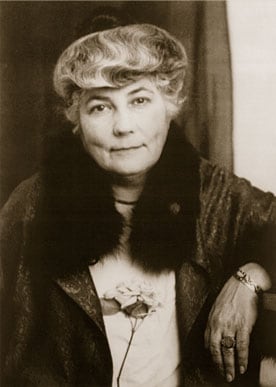
Helena Roerich
يتّفقان في: ما المطلق؟ هل الله موجود؟ · ماذا يحدث بعد الموت؟ · هل نحتاج إلى معلّم؟
يبتعد في تفكيره عن

Nikolai Berdyaev
يختلفان في: من أنا؟ هل توجد ذات حقيقية؟ · ماذا يحدث بعد الموت؟ · هل نحتاج إلى معلّم؟

Julian of Norwich
يختلفان في: من أنا؟ هل توجد ذات حقيقية؟ · ماذا يحدث بعد الموت؟

Ignatius Brianchaninov
يختلفان في: من أنا؟ هل توجد ذات حقيقية؟ · ماذا يحدث بعد الموت؟
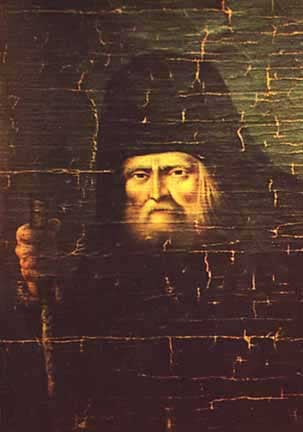
Seraphim of Sarov
يختلفان في: من أنا؟ هل توجد ذات حقيقية؟ · ماذا يحدث بعد الموت؟
حكايات وروايات
حكايات وروايات
شهادة1910
'How many years I have waited for you!'
أصل الرواية: Yogananda's account in *Autobiography of a Yogi* (1946), ch. 10, written thirty-five years later. There are no independent witnesses.
شهادةc. 1910-1915
The cauliflower robbery
أصل الرواية: *Autobiography of a Yogi* (1946), ch. 15, 'The Cauliflower Robbery'. Sole source; the element of clairvoyance is the narrator's interpretation.
شهادةc. 1910-1911
A tap on the chest
أصل الرواية: *Autobiography of a Yogi* (1946), ch. 14, 'An Experience in Cosmic Consciousness'. A subjective experience narrated by the one who lived it.
شهادة1894
The commission at Allahabad
أصل الرواية: Two sources from the protagonist himself: the introduction to *Kaivalya Darsanam* (1894) and his account recorded by Yogananda in *Autobiography of a Yogi*, ch. 36. Babaji's historical existence is not documented outside his lineage.
رواية من سِيَر القدّيسين1936
The appearance in the Bombay hotel
أصل الرواية: *Autobiography of a Yogi* (1946), ch. 43. A vision narrated by a single witness, Yogananda himself, beyond verification; the Kriya Yoga International lineage relates similar appearances to Swami Hariharananda.
شهادةc. 1915
The bangle against the stars
أصل الرواية: *Autobiography of a Yogi* (1946), ch. 16, 'Outwitting the Stars'. The prediction and its fulfilment are recorded only in the disciple's account.
التعاليم
التعاليم
المفاهيم التي ينتظم بها فكره، مشروحة في سياقها.
The 24,000-year cycle of the yugasciclo-de-los-yugas
A reinterpretation of the Puranic doctrine of the four ages (*caturyuga*) with nineteenth-century astronomical arguments.
The essential unity of religionsunidad-de-las-religiones
A commission attributed to Babaji in 1894; inherited by Self-Realization Fellowship as a founding principle.
The heart's natural love (sraddha)amor-natural-del-corazon
Aphorisms 5-6 of chapter 3; takes up the notion of *śraddhā* from the *Yoga Sutras* (I.20).
Kriya yogakriya-yoga
Lineage Babaji – Lahiri Mahasaya – Sri Yukteswar – Yogananda.
The guru as guide, not saviourguru
The conception of the guru in the kriya yoga lineage.
Astrology as a science of karmaastrologia-como-ciencia
The Indian astrological tradition (*jyotisha*) read in a yogic key.
مقاطع الفيديو
مقاطع الفيديو
تسجيلات ومقابلات وأفلام وثائقية. تُشغَّل مقاطع الفيديو من YouTube؛ ولا تُستضاف هنا.
Sri Yukteshwar video 2
تسجيل أصلي· UND· 1 min
Avatarsandyogis
Sri Yukteshwar video 1
تسجيل أصلي· UND· 1 min
Avatarsandyogis
Paramahansa Yogananda & Swami Sri Yukteswar
تسجيل أصلي· UND· 1 min
Fred McCabe (cgny69)
The Yugas and Spiritual Awakening: The Revolutionary Wisdom of Swami Sri Yukteswar
محاضرة· EN· 58 min
Ananda Sangha Worldwideالقناة الرسمية
Swami Sri Yukteswar: Inspiration from the "Holy Science"
محاضرة· EN· 44 min
Ananda Sangha Worldwideالقناة الرسمية
Sri Yukteswar's Advice on How to Develop the Natural Love of the Heart
محاضرة· EN· 51 min
Ananda Sangha Worldwideالقناة الرسمية
"What are the Yugas?" with Joseph Selbie, co-author of "The Yugas"
مقابلة· EN· 6 min
Ananda Sangha Worldwideالقناة الرسمية
Puri - with the Kriya Yoga Ashram founded by Sri Yukteswar, India 1977
فيلم وثائقي· EN· 1977· 34 min
Kriya Yoga Masters of Kriya Yoga Internationalالقناة الرسمية
Online Class on The Holy Science by Sri Yukteswar April & May 2020
محاضرة· EN· 2020· 12 min
Kriya Yoga Online with Ryan Kurczak
The Spiritual Guidance of Swami Sri Yukteswar: Navigating Life's Challenges
محاضرة· EN· 51 min
Yogacharya Ellen Grace O'Brian
Swami Sri Yukteswar Giri: O Leão da Bengala | Grandes Mestres Ep. 6
تحليل· PT· 32 min
Guilherme Romano
Home of Swami Sri Yukteshwar ji, Ananda Lok & Babaji's Banyan Tree | Serampore
فيلم وثائقي· HI· 12 min
Connect with Thyself - Ruchi Shukla
المعرض
المعرض
صور بترخيص متحقَّق منه. كل منها تحتفظ بمؤلّفها ونسبتها.
العلاقات
العلاقات
تأثيرات وتلمذة وتقارب في الأفكار. تُميَّز العلاقة الموثّقة عن التشابه المستخلَص بالتحليل.
تلميذ
Lahiri Mahasaya
His guru; initiated him into kriya yoga in 1884.
علاقة موثّقة
التقى بـ
Mahavatar Babaji
A meeting the author himself relates in his book's introduction (Allahabad, 1894); Babaji's historical existence is not documented outside the lineage.
علاقة موثّقة
معلّم
His best-known disciple (1910-1936); ordained him swami in 1915 and gave him the title of paramahansa in 1935.
علاقة موثّقة
معلّم
Swami Satyananda Giri
Disciple and biographer; ran the Ranchi school.
علاقة موثّقة
معلّم
Paramahamsa Hariharananda
Disciple who spread kriya yoga from the Karar Ashram and founded Kriya Yoga International.
علاقة موثّقة
تأثّر بـ
Comments on the words of Jesus and Revelation in *Kaivalya Darsanam* as expressions of the same truths as the Vedas.
علاقة موثّقة
تأثّر بـ
The practice and the notion of *śraddhā* in his third chapter closely follow the *Yoga Sutras*.
تشابه مستخلَص بالتحليل
التقى بـ
W. Y. Evans-Wentz
The scholar visited him at Serampore and described him in the preface to the *Autobiography*.
علاقة موثّقة
معاصر لـ
A Bengali contemporary who, like him, presented yoga to the West as a universal science of religion.
تشابه مستخلَص بالتحليل
معاصر لـ
A contemporary from the Calcutta region; both defended the convergence of religions, by different paths.
تشابه مستخلَص بالتحليل
مرتبط من صفحات أخرى
المصادر
المصادر
المراجع والفهارس التي رُوجعت لهذه الصفحة.
- Yogananda, Paramhansa. Autobiography of a Yogi. Nueva York: The Philosophical Library, 1946 (1.ª ed.), caps. 10, 12, 14-16, 36, 42 y 43; prefacio de W. Y. Evans-Wentz. Texto en Wikisource y Project Gutenberg #7452.
- Yukteswar Giri, Swami Sri. The Holy Science (Kaivalya Darsanam). Los Ángeles: Self-Realization Fellowship, 7.ª ed. 1972, 3.ª reimpr. 1977 (texto de 1894; copyright de la revisión, 1949). Consultado en Internet Archive.
- Satyananda Giri, Swami. «Swami Sri Yuktesvar Giri Maharaj: A Biography», en A Collection of Biographies of 4 Kriya Yoga Gurus. Trad. Yoga Niketan. Lincoln (Nebraska): iUniverse, 2006. ISBN 9780595386758.
- Wikidata, «Yukteswar Giri» (Q380790).
- Wikipedia (en), «Swami Sri Yukteswar Giri» (apoyada en la biografía de Satyananda y en la Autobiografía).
- «The Holy Science – 1920 Original Edition: Introduction and Study». Yogananda Harmony (estudio de la historia editorial: Sadhusambad, edición de Atul Chandra Chowdhury de 1920, revisiones de SRF de 1949, 1963 y 1972).
- Yogoda Satsanga Society of India, «Swami Sri Yukteswar».
- Kriya Yoga International (linaje de Paramahamsa Hariharananda), «Swami Shriyukteshwar Giri».
- Yoga Niketan, «Scriptural Commentaries» (Srimad Bhagavad Gita, Spiritual Commentary by Swami Sriyukteshvar Giri).
- Open Library, ediciones de The Holy Science y del comentario a la Gita (ISBN 9780876120514, 9780876120569, 9780595665211, 9788189955038, etc.).
- Selbie, Joseph, y David Steinmetz. The Yugas: Keys to Understanding Our Hidden Past, Emerging Present and Future Enlightenment. Nevada City: Crystal Clarity Publishers, 2010. ISBN 9781565892538.
- Dasgupta, Sailendra Bejoy. Kriya Yoga and Swami Sriyukteshvar. Calcuta: S. B. Dasgupta, 1979.
- صاحب الحقوق
- El texto original de 1894/1920 es de dominio público (autor fallecido en 1936). Self-Realization Fellowship (Los Ángeles) y Yogoda Satsanga Society of India son titulares de la edición revisada de 1949 y de sus traducciones; Yoga Niketan, de la traducción inglesa del comentario a la Gita.
- الموقع الرسمي
- yssofindia.org/about/swami-sri-yukteswar
في انتظار التأكيد
ما لم تتمكّن هذه الصفحة من حسمه بعد. نفضّل أن نقول ذلك على أن نملأ الفراغ.
- Localizar un facsímil o transcripción con OCR limpio de la edición de 1920 de Kaivalya Darsanam (dominio público en EE. UU., UE y España): las copias de Internet Archive son de la edición revisada de SRF (copyright 1949) y no sirven para la sala de lectura.
- Confirmar fechas y alcance del comentario bengalí a la Bhagavad Gita (¿primeros capítulos?) y la fecha de su primera edición en Bengala.
- Identificar título y ejemplares del tratado de astrología y del «First Book», conocidos solo por la biografía de Satyananda.
- Consultar directamente la biografía de Satyananda (iUniverse, 2006) para fijar las fechas de los estudios, el matrimonio y la ordenación en Bodh Gaya.
- Vídeos: no se encontró material serio en español sobre él; las filmaciones históricas están subidas por terceros sin datos de procedencia (posiblemente la película de C. Richard Wright de 1935-1936).
- Imágenes: la serie «Sri-Yukteswar-1» a «-8» de Commons tiene metadatos inverosímiles (fechas inventadas, el propio Yukteswar como autor); no se ha usado.
- Relaciones con slugs fuera del catálogo (lahiri-mahasaya, mahavatar-babaji, swami-satyananda-giri, swami-hariharananda, w-y-evans-wentz): la ficha de Yogananda usa «sri-yukteswar-giri» como slug de esta persona; conviene unificarlo con «sri-yukteswar».
بُحث بتاريخ 2026-10-25