المسيحية · التصوف المسيحي · المسيحية الأرثوذكسية
Seraphim of Sarov
Серафим Саровский · Прохор Исидорович Мошнин
1754 – 1833شخصية موثّقة تاريخيًا
راهب وشيخ روحي (ستاريتس) روسي (1754–1833) من دير ساروف، والمؤسّس الروحي لدير ديفييفو، ومن أكثر القدّيسين إكراماً في الأرثوذكسية الروسية. كان ناسكاً في الغابة، ثم حبيساً خمس عشرة سنة، ثم مرشداً روحياً للجموع التي كان يحيّيها بقوله «فرحي، المسيح قام!». لم يكتب شيئاً: فقد وصل تعليمه في اقتناء الروح القدس عبر «الإرشادات» المنشورة سنة 1839، وحوليّة ديفييفو، و«الحديث مع موتوفيلوف» الذي نُشر سنة 1903 وحرفيّته موضع خلاف. أُعلنت قداسته سنة 1903.
- مؤلَّفًا
- 11مؤلَّفًا
- طبعة
- 27طبعة
- اقتباسًا
- 11اقتباسًا
- مقطع فيديو
- 12مقطع فيديو
- صورة
- 9صورة
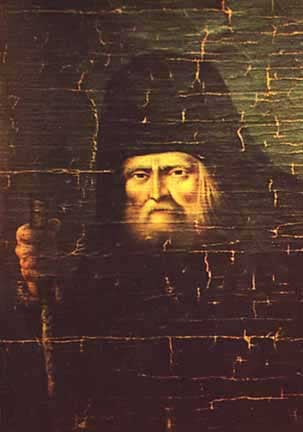
Retrato de Serafín de Sarov pintado en vida · Public domain
بكلماته
«Nothing so helps to acquire inner peace as silence and, as far as possible, constant converse with oneself and rare converse with others.»Instrucciones espirituales, cap. «О мире душевном» (De la paz del alma).
فكرته المحورية
The acquisition of the Holy Spirit: The Russian term stiazhanie means to acquire, gain, accumulate: it is the word of trade and saving.
السيرة
5 دقيقة قراءة
ترجمة مُعانة من الأصل الإسباني، بانتظار مراجعة مترجم من أهل اللغة.
فتى من كورسك
وُلد بروخور إيسيدوروفيتش موشنين في كورسك في 19 تموز/يوليو 1754 بحسب التقويم اليولياني (30 تموز/يوليو بحسب الغريغوري)، في أسرة من التجّار الميسورين. والسنة غير مؤكّدة: فقد كانت السِّيَر السابقة للثورة تذكر سنة 1759، مستنتَجةً من العمر المنقوش على شاهد قبره في ساروف، ولم تعتمد الكنيسة الروسية سنة 1754 إلا في 2004، بعد أبحاث المؤرّخ المحلّي فلاديمير ستيباشكين في سجلّات الرعايا في كورسك وفي أرشيف الدير. كان أبوه إيسيدور يبني بالتعهّد إحدى كنائس المدينة، ومات والطفل صغير؛ فأتمّت أمّه أغافيا البناء. وتروي سِيَر القدّيسين أنه في السابعة سقط من أعلى الكنيسة التي كانت قيد البناء دون أن يصيبه أذى، وأنه حين مرض في نحو العاشرة شُفي بتقبيل أيقونة والدة الإله «العلامة» التي كانت تمرّ في زيّاح أمام بيته. وهذه روايات من تقاليد الأسرة دُوّنت بعد عقود: فتفصيل برج الأجراس، مثلاً، لا يظهر إلا في السيرة المنشورة سنة 1863، ولم يكن ذلك البرج قد وُجد بعدُ سنة 1761.
ساروف
بعد حجّ إلى كييف، حيث دلّه الحبيس دوسيفي، بحسب التقليد، على طريق ساروف، دخل مبتدئاً هذا الدير القائم في غابات تامبوف في 20 تشرين الثاني/نوفمبر 1778. عمل خبّازاً ونجّاراً وقندلفتاً؛ واجتاز مرضاً، هو الاستسقاء، ألزمه الفراش قرابة ثلاث سنوات؛ ونال الإسكيم الرهباني في 13 آب/أغسطس 1786 باسم سيرافيم، ثم سيم شمّاساً بعد قليل وكاهناً في 2 أيلول/سبتمبر 1793. وكان دير ساروف يتبع قانوناً صارماً، وريثاً للنهضة الرهبانية التي أطلقها باييسيوس فيليتشكوفسكي بترجمته السلافية لكتاب «الفيلوكاليا»، وقد تكوّن الراهب الشاب على هذه النصوص: فـ«الإرشادات الروحية» المنسوبة إليه تستشهد مرة بعد مرة بإسحق السرياني ويوحنا السلّمي وبرصنوفيوس وغريغوريوس السينائي.
البرّية
في سنة 1794 اعتزل في كوخ في الغابة، على نحو خمسة كيلومترات من الدير، فيما سُمّي «البرّية البعيدة». كان يزرع بستاناً، ويقرأ الأناجيل وكتب الآباء، ويصوم حتى صار لا يقتات إلا بالخضر وبعشبة برّية تُدعى «سنيت»، ويعود إلى ساروف أيام الآحاد ليتناول القربان. وفي سنة 1804، بحسب السِّيَر، انهال عليه لصوص كانوا يبحثون عن مال الزوّار ضرباً بمقبض فأسه نفسها؛ فبقي منحنياً طوال حياته، وطلب ألّا يُعاقَبوا. وإلى هذه المرحلة تنتمي أشهر حلقات نسكه: ألف يوم وألف ليلة من الصلاة على صخرة. غير أن أقدم المصادر أكثر اعتدالاً: ففي سنة 1848 كتب رئيس الدير إشعيا أن سيرافيم أسرّ إلى أحد رفاقه، في بداية حياته النسكية، بأنه يصلّي واقفاً بلا حراك سبع عشرة ساعة في اليوم، وأنه فعل ذلك أكثر من ثلاث سنوات؛ أما «الأيام الألف على الصخرة» فقد ترسّخت في السِّيَر اللاحقة، ولا سيّما في سيرة تشيتشاغوف.
والأمر نفسه مع الدبّ. ففي سنة 1849 نشر الراهب الكاهن يواساف شهادة راهبة من ديفييفو، هي ماترونا بليشييفا، قالت إنها رأت الشيخ يُطعم دبّاً خبزاً. وبين أوراق المتروبوليت فيلاريت أسقف موسكو، المحفوظة اليوم في قسم المخطوطات بمكتبة الدولة الروسية، ملفّ يفيد بأن ماترونا نفسها اعترفت قبل موتها بأن يواساف لقّنها أن تروي ذلك إن زارت الأسرة الإمبراطورية الدير. فصورة الناسك مع الدبّ، التي نشرتها الأيقونوغرافيا، أسطورة يمكن تعيين مصدرها.
الحبس والأبواب المفتوحة
في 8 أيار/مايو 1810 عاد إلى الدير وحبس نفسه في قلّايته: خمس سنوات لا يستقبل فيها أحداً، وعشر أخرى بابه مفتوح لكلّ قادم، لكنه لا يخرج منه، حتى 25 تشرين الثاني/نوفمبر 1825. ومنذ ذلك الحين، ولا سيّما في سنواته الثماني الأخيرة، صار ساروف مقصداً للحجّاج. كان يستقبل مئات الناس، فلاحين ونبلاء، ويحيّي كلّاً منهم بـ«فرحي، المسيح قام!» في أيّ فصل من فصول السنة، وينحني أمامهم، وكثيراً ما كان يجيب قبل أن يُسأل. وتولّى رعاية الجماعة النسائية الصغيرة في ديفييفو، على بعد اثني عشر كيلومتراً، وأسّس بجانبها جماعة ثانية، سُمّيت جماعة الطاحونة، للعذارى وحدهن. وكان من زوّاره ميخائيل مانتوروف، الذي باع ضيعته ليخدم ديفييفو، وملّاك شابّ من سيمبيرسك هو نيكولاي موتوفيلوف، الذي نسب إلى صلواته شفاءه من شلل في أيلول/سبتمبر 1831.
ما تركه
لم يكتب سيرافيم كتباً. وقد وصل تعليمه من ثلاث طرق، ليس في أيّ منها خطّ يده. الأولى «الإرشادات الروحية»، التي جمعها الراهب سرجيوس الساروفي ونُشرت سنة 1839 ضمن سيرة الناسك مرقس، بعد أن صحّح المتروبوليت فيلاريت عبارات فيها «ليكون الكلام أصحّ»، وليصون بعض الأفكار «من التأويل الخاطئ»، كما كتب بنفسه سنة 1838. والثانية الأقوال والحكايات المحفوظة في ديفييفو، التي رتّبها الأرشمندريت سيرافيم تشيتشاغوف في «حوليّة دير سيرافيم-ديفييفو» (1896، وزيدت سنة 1903). والثالثة «الحديث في غاية الحياة المسيحية»، الذي تركه موتوفيلوف مخطوطاً.
وفيه، في يوم من تشرين الثاني/نوفمبر 1831، في فسحة مكسوّة بالثلج عند نهر ساروفكا، يشرح الشيخ أن الصلاة والصوم والسهر والصدقة ليست إلا وسائل، وأن الغاية الحقيقية للحياة المسيحية هي اقتناء الروح القدس؛ ثم يمسك الشابّ من كتفيه فيريه وجهه «أشدّ ضياءً من الشمس». وقد ظهر النصّ سنة 1903، عشية إعلان القداسة، في كتاب سيرغي نيلوس «العظيم في الصغير»، الذي روى أنه وجده بين أكثر من سبعين كيلوغراماً من الأوراق المغطّاة بالريش وذرق الطيور، سلّمته إيّاها أرملة موتوفيلوف. وحرفيّة النصّ موضع خلاف: فالكاهن الأول فسيفولود روشكو، الذي لا يشكّ في جوهر الحادثة، يشير إلى كثافة في الاستشهادات اللاهوتية لا تُعقل من شابّ في الثانية والعشرين، وإلى أفكار عن نفس الحيوان غريبة عن الآباء، وإلى يد نيلوس، الذي يصفه بأنه «صانع أساطير، لكنه ليس مزوّراً عن وعي»؛ وهو الناشر نفسه الذي أدرج في كتابه سنة 1905 «بروتوكولات حكماء صهيون».
الموت وإعلان القداسة
مات وحيداً في قلّايته في 2 كانون الثاني/يناير 1833 (14 منه بحسب التقويم الغريغوري). ووجده الرهبان، وقد نبّهتهم رائحة احتراق، جاثياً أمام أيقونة والدة الإله «الحنان»، التي كان يسمّيها «فرح كلّ الأفراح». ونما إكرامه في العقود التالية بسِيَر متعاقبة، كلّ واحدة منها أغنى بالمعجزات من سابقتها. وكان إعلان قداسته فوق ذلك شأناً سياسياً: فقد سعى إليه الأرشمندريت تشيتشاغوف لدى نيقولا الثاني، بدعم من الإمبراطورة التي كانت ترجو وليّاً للعهد، وعلى الرغم من تحفّظات النائب العام للمجمع المقدّس، بوبيدونوستسيف. ولم تجد اللجنة التي فحصت الرفات في كانون الثاني/يناير 1903 جسداً غير منحلّ، كما كانت التقوى الشعبية تنتظر، فاضطرّ المتروبوليت أنطوني إلى أن يشرح في الصحافة أن ذلك ليس ضرورياً. وفي 19 تموز/يوليو 1903، أمام القيصر وأكثر من مئة ألف حاجّ، أُعلن سيرافيم قدّيساً.
وصادر البلاشفة الرفات في 1920–1922، فاختفت في مخازن متحف مناهض للدين، ثم ظهرت من جديد في لينينغراد سنة 1990؛ وفي 1 آب/أغسطس 1991 أُعيدت في زيّاح إلى ديفييفو. وسيرافيم اليوم من أكثر القدّيسين إكراماً في روسيا، وتحيي ذكراه أيضاً الشركة الأنغليكانية، وقد دعاه يوحنا بولس الثاني قدّيساً. والصورة التي ترسمها أقدم المصادر — راهب صارم، ذو فرح يُجرّد محدّثه من سلاحه، انتقل من الصمت المطلق إلى الإرشاد الروحي للجموع — أقلّ إبهاراً من صورة الأسطورة، ولعلّها أندر.
المصادر: Roshko, Vsévolod, prot. [Rochcau, Vsévolod]. Преподобный Серафим: Саров и Дивеево. Исследования и материалы. Moscú: Sampo, 2001 (ed. francesa: Saint Séraphim, Sarov et Divéyevo. Bégrolles-en-Mauges: Abbaye de Bellefontaine, 1987). Primera parte, «Historia y crítica histórica». · Nilus, Serguéi A. «Цель жизни христианской» [El fin de la vida cristiana], en Великое в малом, 1.ª ed., 1903; epílogo del editor fechado el 19 de mayo de 1903. Texto en Azbuka very. · Serafín de Sarov (atrib.). Духовные наставления мирянам и инокам [Instrucciones espirituales a laicos y monjes]. Recogidas por el monje Sergio (Vasíliev) de Sarov, revisadas por el metropolita Filaret (Drozdov) y publicadas en Краткое начертание жизни старца Саровской пустыни, схимонаха и пустынника Марка. Troitse-Sérguieva Lavra, 1839. Texto cotejado (ediciones de 1839, 1856, 1863 y 1903–1904) en Azbuka very. · Serafín (Chichagov), archimandrita. Летопись Серафимо-Дивеевского монастыря Нижегородской губ. Ардатовского уезда. Moscú: Pechatnia A. I. Snegirevoi, 1896; 2.ª ed. ampliada, San Petersburgo, 1903. Reed. Diveyevo: Izd-vo Bratstva sv. Aleksandra Nevskogo, 2004 (ISBN 9785882130649). · Stepashkin, Vladímir A. Преподобный Серафим Саровский: предания и факты. 3.ª ed. corregida y aumentada. Sarov: ZAO «INFO», 2009. ISBN 978-5-89269-010-2; y Серафим Саровский. Moscú: Molodaya gvardiya (ЖЗЛ), 2018.
الخط الزمني
الحياة عامًا بعد عام
كل نقطة حدث موثّق. انقر لتقرأه مع مصدره ودرجة اليقين فيه.
30 يوليو 1754أقل من عامKursk
Birth of Prokhor Moshnin
Born into a merchant family of Kursk (19 July, Julian calendar). Nineteenth-century lives gave 1759; the Russian Church adopted 1754 in 2004 on the basis of parish registers and the Sarov archive.
مرجَّح«Серафим Саровский», Wikipedia en ruso (biografía, fuentes hagiográficas, expediente de Matrona Plescheeva en el fondo del metropolita Filaret, carta del abad Isaías II de 1848, canonización y reliquias). Consultada el 25-10-2026.
بعد وفاته
- 1839First edition of the Instructions
- 19 يوليو 1903Canonisation
- 1 أغسطس 1991Return of the relics
30 يوليو 1754 · أقل من عام
Birth of Prokhor Moshnin
Born into a merchant family of Kursk (19 July, Julian calendar). Nineteenth-century lives gave 1759; the Russian Church adopted 1754 in 2004 on the basis of parish registers and the Sarov archive.
مرجَّح
نحو 1761 · 7 أعوام
The fall from the church under construction
According to the lives, he falls from the top of the church his family was building and is unhurt. Hieromonk Sergius (1841) speaks of 'the building'; the bell tower appears in 1863.
تقليد
1776 · 22 عامًا
Pilgrimage to Kiev
He visits the Kiev Caves Lavra; tradition says the recluse Dositheus directed him to Sarov monastery.
تقليد
20 نوفمبر 1778 · 24 عامًا
Novice at Sarov
He enters Sarov monastery, in the forests of Tambov province, as a novice under the elder Joseph.
موثّق
13 أغسطس 1786 · 32 عامًا
Monastic profession as Seraphim
He is tonsured a monk with the name Seraphim; shortly afterwards he is ordained hierodeacon.
موثّق
2 سبتمبر 1793 · 39 عامًا
Priestly ordination
He is ordained hieromonk (priest-monk).
موثّق
1794 · 40 عامًا
Hermit in the forest
He withdraws to a hut some five kilometres from the monastery, with a garden and beehives; he returns on Sundays for communion.
موثّق
1804 · 50 عامًا
The robbers' attack
Robbers beat him; he is left bent for life and asks that they go unpunished. He convalesces for five months in the monastery.
مرجَّح
نحو 1807 – 1810 · 53 عامًا
Prayer on the stone
A period of standing prayer that the hagiographies fixed as 'a thousand days on a stone'. Abbot Isaiah II's letter (1848) speaks of seventeen hours a day standing for more than three years.
مختلَف فيه
8 مايو 1810 · 55 عامًا
Return to the monastery and seclusion
He returns to Sarov at the decision of the council of elders and shuts himself in his cell: five years without receiving anyone.
موثّق
1815 · 61 عامًا
He opens the door of his cell
He begins to receive visitors without leaving his cell; sources differ on whether this was 1815 or, regularly, around 1823.
مرجَّح
25 نوفمبر 1825 · 71 عامًا
End of the seclusion
He ends his seclusion and again visits his forest hermitage; he begins his spiritual direction of the Diveyevo community.
موثّق
نحو 1827 – 1829 · 73 عامًا
The Mill community
Next to the Kazan community at Diveyevo he founds a second community, for unmarried girls only; its Nativity church is built in 1828–1829.
موثّق
1828 · 74 عامًا
A portrait from life
The painter Serebryakov (later the monk Joseph of Sarov) makes the only portrait from life, the basis of later iconography.
مرجَّح
نوفمبر 1831 · 77 عامًا
Conversation with Motovilov
Date of the conversation on the acquisition of the Holy Spirit that Nikolai Motovilov left in writing; the text was published in 1903.
مختلَف فيه
14 يناير 1833 · 78 عامًا
Death
He is found dead, kneeling before the icon of the Virgin of Tenderness (2 January, Julian calendar).
موثّق
1839
First edition of the Instructions
The Spiritual Instructions, revised by Metropolitan Philaret, are published within the life of the hermit Mark; the first life of Seraphim, by the monk Sergius, appears in 1841.
موثّق
19 يوليو 1903
Canonisation
Following the Synod's decree of 29 January, his glorification is celebrated at Sarov in the presence of Nicholas II and over a hundred thousand pilgrims (19 July, Julian calendar). That same year Nilus publishes the Conversation with Motovilov.
موثّق
1 أغسطس 1991
Return of the relics
The relics, seized in 1920–1922 and found in 1990 in the Museum of the History of Religion in Leningrad, arrive in procession at Diveyevo.
موثّق
المؤلَّفات
المؤلَّفات الأساسية
المؤلَّفات التي لا يُفهم إرثه من دونها.

نسبة تقليدية · 1831
Conversation with Motovilov on the Aim of the Christian Life
О цели христианской жизни. Беседа преподобного Серафима Саровского с Н. А. Мотовиловым
In a snowy clearing by his hermitage, the elder answers the question Motovilov had asked since childhood: the aim of the Christian life is not prayer, fasting, vigil or almsgiving, which are means, but the acquisition of the Holy Spirit, likened to the accumulation of a capital 'of grace and eternal'; prayer is the means most to hand. When the young man asks how to know whether he is in the Spirit, Seraphim takes him by the shoulders and his face becomes 'brighter than the sun': Motovilov describes the light, peace, sweetness, warmth and fragrance he feels in the depth of winter. It is the most widely read text of modern Russian spirituality, the basis of Seraphim's iconography and of the interest of theologians such as Florensky and Lossky.
8 طبعات

مجموعة لاحقة · 1839
Spiritual Instructions to Laypeople and Monks
Духовные наставления мирянам и инокам
Short chapters on God, faith, hope, prayer, tears, sorrow and despondency, peace of soul and its preservation, guarding the heart, the light of Christ, attention to oneself, silence, fasting and the active and contemplative life, with advice for the novice and for the superior. Woven from quotations of Isaac the Syrian, John Climacus, Barsanuphius, Gregory of Sinai, Ephrem and John Chrysostom, they convey a sober hesychast teaching: the Jesus Prayer repeated in the mind, inner peace as the condition of all light, and caution towards contemplation without a guide. It is the earliest and least manipulated source of his teaching.
7 طبعات
Seraphim of Sarov
Chronicle of the Seraphim-Diveyevo Monastery (sayings and accounts)
مجموعة لاحقة · 1896
Chronicle of the Seraphim-Diveyevo Monastery (sayings and accounts)
Летопись Серафимо-Дивеевского монастыря
A history of the Diveyevo communities from their founder, Mother Alexandra, to the end of the nineteenth century, which is also the main collection of Seraphim's oral teaching to the sisters: advice on prayer, work, obedience and joy, prophecies about the convent, the ditch he had dug around the Mill community, his farewell words and the lives of his disciples. The second edition (1903) includes a new life of Seraphim and was the documentary basis for the canonisation.
3 طبعات
جميع مؤلَّفاته (11)
Seraphim of Sarov
The Short Prayer Rule for Laypeople
The Conscious LibraryThe Short Prayer Rule for Laypeople
Seraphim of Sarov
The Rule of the Theotokos
The Conscious LibraryThe Rule of the Theotokos
Seraphim of Sarov
Notes of Nikolai Motovilov, Servant of the Mother of God and of St Seraphim
The Conscious LibraryNotes of Nikolai Motovilov, Servant of the Mother of God and of St Seraphim
Seraphim of Sarov
The Great Mystery of Diveyevo and other prophecies
The Conscious LibraryThe Great Mystery of Diveyevo and other prophecies
Seraphim of Sarov
Account of the Life and Labours of Father Seraphim (Hieromonk Sergius, 1841)
The Conscious LibraryAccount of the Life and Labours of Father Seraphim (Hieromonk Sergius, 1841)
1841
Seraphim of Sarov
Accounts of the Life of the Elder Seraphim (Hieromonk Georgy, 1844)
The Conscious LibraryAccounts of the Life of the Elder Seraphim (Hieromonk Georgy, 1844)
1844
Seraphim of Sarov
Accounts of the Labours of the Elder Seraphim (Hieromonk Joasaph, 1849)
The Conscious LibraryAccounts of the Labours of the Elder Seraphim (Hieromonk Joasaph, 1849)
1849
Seraphim of Sarov
Life of the Elder Seraphim (Nikolai Elagin, 1863)
The Conscious LibraryLife of the Elder Seraphim (Nikolai Elagin, 1863)
1863
الأقوال
أقوال محدَّدة الموضع في مؤلَّف بعينه. كل منها يحمل مصدره ودرجة الثقة به.
The true aim of our Christian life consists in the acquisition of the Holy Spirit of God.Истинная же цель жизни нашей христианской состоит в стяжании Духа Святого Божьего.
مرجَّحConversación con Motovílov (noviembre de 1831), en Nilus, Великое в малом (1903). Atribución sujeta a las dudas sobre la literalidad del manuscrito.
أقوال منحولة أو مختلَف في نسبتها (3)
«"Acquire the spirit of peace, and thousands around you will be saved."»
It is his most quoted saying, but it is not found in this form either in the Instructions of 1839 or in the Conversation with Motovilov as published by Nilus. The idea is in the chapter 'On peace of soul' of the Instructions ('when a man comes to a peaceful state, he can pour out on others the light…'); the short formula circulates in twentieth- and twenty-first-century devotional collections without reference to a primary source.
«Prophecies about the Antichrist, the fall of the dynasty and Seraphim's resurrection ('The Great Mystery of Diveyevo').»
They come from Motovilov manuscripts published by Nilus, who presented them as the elder's exact words; no independent source confirms them and church authority banned them.
«"This is the Christian way of crossing oneself! […] Crossing oneself with two fingers is contrary to the holy statutes."»
A condemnation of the Old Believer rite that first appears in the 1863 life (Elagin), written by a censor; the episode of the four Old Believers had been expanded in the 1844 life. Mikhail Novoselov held that Seraphim's polemic with the priestless Old Believers of Nizhny Novgorod became anti-ritual under the pen of synodal censors; the question remains open.
الكلمات الأخيرة
لا توجد سجلات يمكن التحقق منها لكلماته الأخيرة.
He died alone in his cell on the night of 1–2 January 1833 (Julian) and no one heard his last words: the monks, alerted by the smell of a candle that had set some books smouldering, found him dead, kneeling before the icon of the Virgin of Tenderness. The Diveyevo tradition recorded by Chichagov preserves as his farewell the charge he had earlier given the sisters: to come to his grave and tell him their sorrows 'as to a living man', for to them he would always be alive; these are not, however, words spoken at his death.
المصدر: Serafín (Chichagov), archimandrita. Летопись Серафимо-Дивеевского монастыря Нижегородской губ. Ардатовского уезда. Moscú: Pechatnia A. I. Snegirevoi, 1896; 2.ª ed. ampliada, San Petersburgo, 1903. Reed. Diveyevo: Izd-vo Bratstva sv. Aleksandra Nevskogo, 2004 (ISBN 9785882130649).
اسأل
بماذا يجيب أثره
اثنا عشر سؤالًا كبيرًا من أسئلة الإنسانية، وما تتيح نصوصه الإجابة به عنها، مع المراجع. ولا نقوّله ما لم يقل أبدًا.
ما المطلق؟ هل الله موجود؟
God is the Trinity giving itself as the Holy Spirit to be acquired
إله شخصييقوله صراحةً
Seraphim of Sarov did not write; his teaching comes through testimonies. In them God is not an object of speculation but a presence to be received. The Spiritual Instructions of 1839 open with a chapter on God: where God is there is no evil, and everything that comes from him is peaceful and leads to humility. The Conversation with Motovilov, published in 1903, defines the aim of Christian life as the acquisition of the Holy Spirit of God, and recounts how Motovilov saw the elder's face illumined while both were, in his words, in the Spirit of God. The God of this testimony is that of the Orthodox faith: Father, Son and Spirit, who seeks the human heart as his throne and allows himself to be experienced as light, peace, sweetness and joy.
قارن هذا السؤال مع معلّمين آخرينمن أنا؟ هل توجد ذات حقيقية؟
The human being is body, soul and spirit, made to receive the Holy Spirit
روح مخلوقة خالدةيقوله صراحةً
In the Conversation with Motovilov, a testimony published in 1903, Seraphim explains the creation of the human being on the basis of Genesis: Adam was formed from dust and received from God the breath of life, so that the complete man is body, soul and spirit, and was made to live in the Spirit of God. The fall made him lose that fullness, and the meaning of Christian life is to recover it by acquiring the Holy Spirit. The true self is not, in this testimony, an impersonal consciousness nor a flow of elements, but a created and immortal person whose heart is the place where God wishes to dwell. The Spiritual Instructions add that without humility there is nothing in man but darkness: the self is illumined by receiving, not by asserting itself.
قارن هذا السؤال مع معلّمين آخرينلماذا نتألّم؟
Losing the Spirit of God darkened man; patience brings him back
الانفصال عن اللهيُستنتج من تعاليمه
In the testimony of the Conversation with Motovilov, the root of human evil lies in Adam's fall, which lost the fullness of the Spirit of God with which he had been created; since then man has lived in darkness, and Christian life consists in recovering that grace. The Spiritual Instructions draw the practical consequences: where God is there is no evil, and what comes from him brings peace and humility, while agitation reveals another source. In the face of sorrows they recommend patience and humility, without which there is nothing in man but darkness. Seraphim, who according to the lives was beaten by robbers and remained bent for ever, does not speculate on the why of pain: he treats it as an occasion for acquiring inner peace, whose fruit reaches others as well.
قارن هذا السؤال مع معلّمين آخرينماذا يحدث بعد الموت؟
Christ is risen: the joy of the Kingdom can already be tasted in this life
الحياة الأبدية والقيامةيقوله صراحةً
Seraphim greeted everyone, at any time of year, with the words of Easter: my joy, Christ is risen. In the testimonies that preserve his teaching, death is viewed from the resurrection and eternal life of Orthodox faith, and what is distinctive is that this life is not postponed: in the Conversation with Motovilov, when his companion sees his face illumined, Seraphim asks him what he feels, and describes peace, sweetness, warmth and joy as a foretaste, a very small one, of what God prepares for those who love him. The Diveyevo chronicles also record his predictions of his own death and his promise to go on speaking with those who came to his grave. He died on his knees, at prayer, in 1833.
قارن هذا السؤال مع معلّمين آخرينكيف يُبلَغ التحرّر أو الخلاص؟
The aim of Christian life is to acquire the Holy Spirit; all else is means
بالنعمة والمحبةيقوله صراحةً
Seraphim of Sarov's best-known formula, handed down by the Conversation with Motovilov, answers this question directly: the true aim of Christian life consists in the acquisition of the Holy Spirit of God. Fasting, vigil, prayer, almsgiving and every good deed done for Christ's sake are not the end, but means of acquiring it; and the acquisition of the Spirit is also a capital, but one of grace and eternal. Among the means, prayer is the most accessible, because it is always in anyone's hands. Salvation is thus God's gift, received and accumulated, not merit; and its sign is peace: according to the Instructions, whoever attains inner peace can pour out on others the light he has received. Motovilov claims to have seen it in the elder's luminous face.
قارن هذا السؤال مع معلّمين آخرينهل نحتاج إلى معلّم؟
An elder within the Church, guiding towards the Spirit and not towards himself
الجماعة والتقليديُستنتج من تعاليمه
Seraphim embodied the figure of the starets, the elder who, after years of solitude, receives those who come seeking counsel; in his last years crowds visited him, and he was spiritual director of the nuns of Diveyevo. He himself was formed in obedience to the superiors and confessors of Sarov, and his teaching, handed down by the Spiritual Instructions and testimonies, constantly relies on the Scriptures and the Fathers, whose reading he recommended. But the elder does not occupy the centre: in the Conversation with Motovilov, the true teacher is the Holy Spirit, acquired through prayer and good works within the life of the Church and its sacraments. His prayer rules for lay people show, moreover, that he did not require monastic life or constant direction of everyone.
قارن هذا السؤال مع معلّمين آخرينهل العالم حقيقي؟
Creation is good; the hermit lived in the forest at peace with the animals
خلقٌ صالح وحقيقييُستنتج من تعاليمه
Seraphim left no reflections on the nature of the world, but his teaching and life presuppose the Orthodox vision of a good creation, God's work, wounded by the fall and called to transfiguration. In the Conversation with Motovilov the Genesis account serves as the starting point: Adam lived in a world created for him, in which nothing could harm him while he possessed the Spirit. During his years as a hermit in the forest near Sarov, according to the lives compiled after his death, he shared his bread with a bear and other animals, an image tradition read as a sign of paradisal harmony recovered through holiness. The world is neither illusion nor evil: it is the place where grace can become visible, like the light Motovilov claims to have seen.
قارن هذا السؤال مع معلّمين آخرينما الحب؟
God seeks a heart full of love for him and for neighbour: that is his throne
محبة الله والقريبيقوله صراحةً
At the end of the Conversation with Motovilov, according to the testimony published in 1903, Seraphim sums up his teaching in an image: the Lord seeks a heart full of love for God and neighbour, and that is the throne on which he likes to sit and on which he appears in the fullness of his glory. Love is for him not an isolated moral effort, but the fruit and dwelling place of the acquired Spirit. His way of treating others expressed it: he called each visitor my joy, received everyone without distinction and, according to the lives, forgave the robbers who left him badly injured and asked that they not be punished. The Spiritual Instructions add that one must judge no one and that the inner peace of the one who loves is communicated to those around him.
قارن هذا السؤال مع معلّمين آخرينهل نحن أحرار أم أن كل شيء مقدَّر؟
Grace does not force: each person decides whether to acquire the Spirit
إرادة حرة حقيقيةيُستنتج من تعاليمه
Seraphim did not address the theoretical question of freedom and determinism, but the testimonies of his teaching presuppose the Orthodox doctrine of cooperation between grace and human freedom. In the Conversation with Motovilov, acquiring the Holy Spirit is compared to acquiring capital: each person chooses the good works that bear him most fruit and practises them, and what he receives depends on how he uses the means. God compels no one; he calls and awaits the answer. The Spiritual Instructions insist on vigilance over one's own thoughts and on repentance, which only make sense if the person can choose. God's providence governs all, but does not cancel each person's responsibility for his heart.
قارن هذا السؤال مع معلّمين آخرينلماذا نتأمّل أو نصلّي؟
Prayer is the most readily available means of acquiring the Holy Spirit
صداقة مع اللهيقوله صراحةً
In the Conversation with Motovilov, Seraphim explains that among all the good works that serve to acquire the Spirit, prayer is the one most easily within anyone's reach, rich or poor, learned or simple, and that when God himself comes to visit the one who prays, one must fall silent and let him act. The Spiritual Instructions advise those who wish to serve God to practise remembrance of God and unceasing prayer to Jesus Christ, saying with the mind: Lord Jesus Christ, Son of God, have mercy on me, a sinner; and a counsel handed down by Ignatius Brianchaninov warns that merely outward prayer is not enough. For lay people he left a small rule of prayer that could be said even while walking. To pray is to live before God until he himself speaks.
قارن هذا السؤال مع معلّمين آخرينهل يستطيع العقل أن يعرف الحقيقة القصوى؟
The ultimate is known by the light of grace, which illumines the pacified mind
الحقيقة القصوى وراء العقليُستنتج من تعاليمه
Seraphim did not discuss the scope of reason, but the testimonies of his teaching place the knowledge of God on another plane. In the Conversation with Motovilov, his companion wants to understand how the presence of the Spirit is recognised, and Seraphim gives him not an explanation but an experience: he lets him see his illumined face and feel peace, warmth and joy. The Spiritual Instructions speak of the enlightenment of the mind attained by one who reaches inner peace and who can pour it out on others, and they recommend silence and recollection as its condition. Reason is not despised, and Seraphim read Scripture and the Fathers assiduously; but knowledge of the ultimate is a gift of grace, received in a humble heart, not the fruit of reasoning.
قارن هذا السؤال مع معلّمين آخرينالانسحاب من العالم أم تغييره؟
Acquire peace in silence, and then you will be able to enlighten others
الانسحاب لكي نجديقوله صراحةً
Seraphim's life has two halves. For decades he withdrew: he lived as a hermit in the forest near Sarov, spent, according to the lives, a thousand nights praying on a stone, kept silence for years and remained enclosed in his cell for another fifteen. Only then did he open his door and receive crowds. The Spiritual Instructions state the logic of that itinerary: nothing helps so much to acquire inner peace as silence and rare conversation with others; and when a man reaches a state of peace, he can pour out on others the light of the enlightenment of the mind. Withdrawal is not flight from one's neighbour, but preparation to serve him. Of lay people, however, he did not demand monastic life, but a small rule of prayer compatible with work.
قارن هذا السؤال مع معلّمين آخرين
التقارب والتوتّر
التقارب والتوتّر
محسوبة سؤالًا سؤالًا انطلاقًا من مواقفه. وسبب كل اتفاق أو اختلاف يظهر بالنقر.
يقترب في تفكيره من
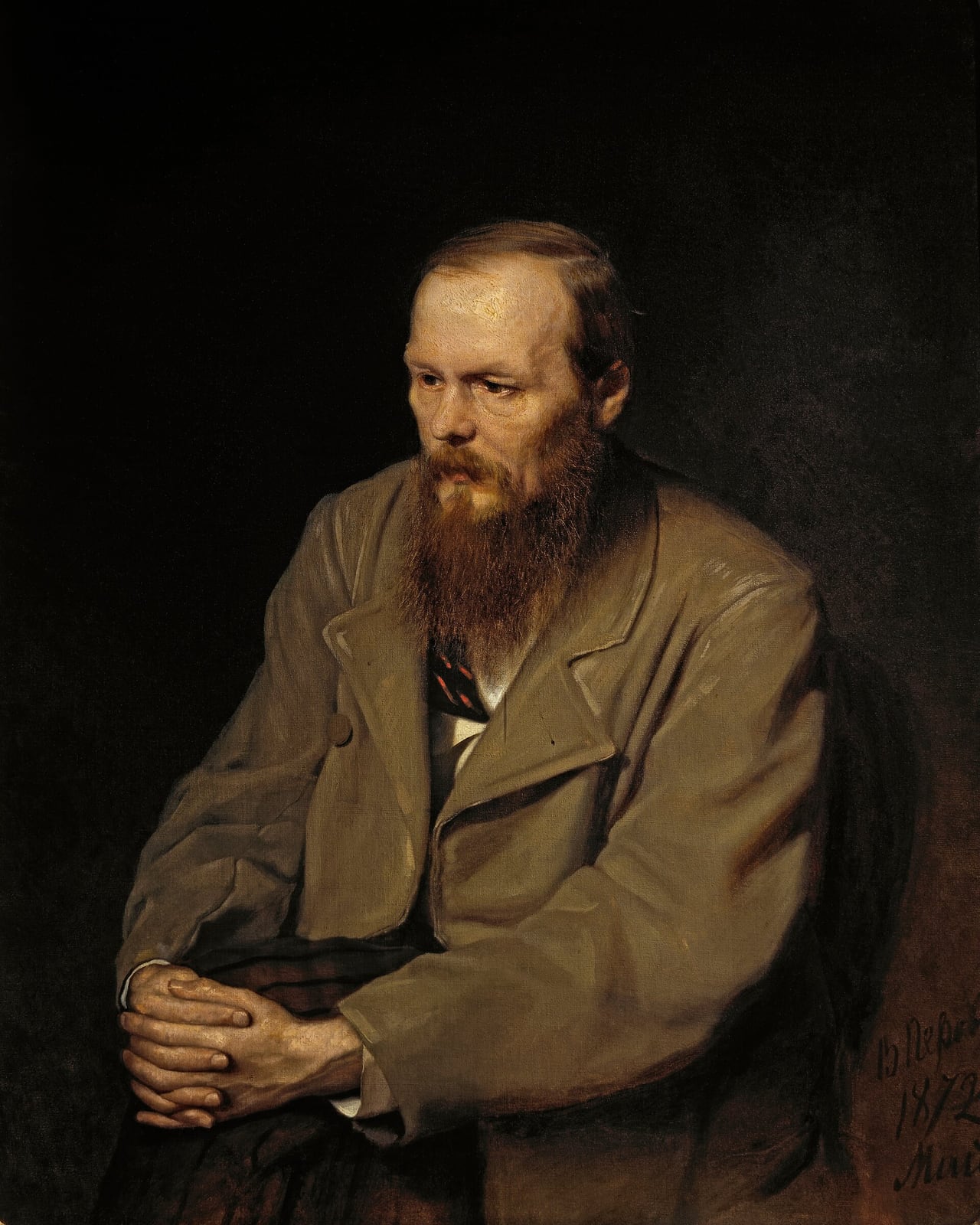
Fyodor Dostoevsky
يتّفقان في: ما المطلق؟ هل الله موجود؟ · من أنا؟ هل توجد ذات حقيقية؟ · لماذا نتألّم؟
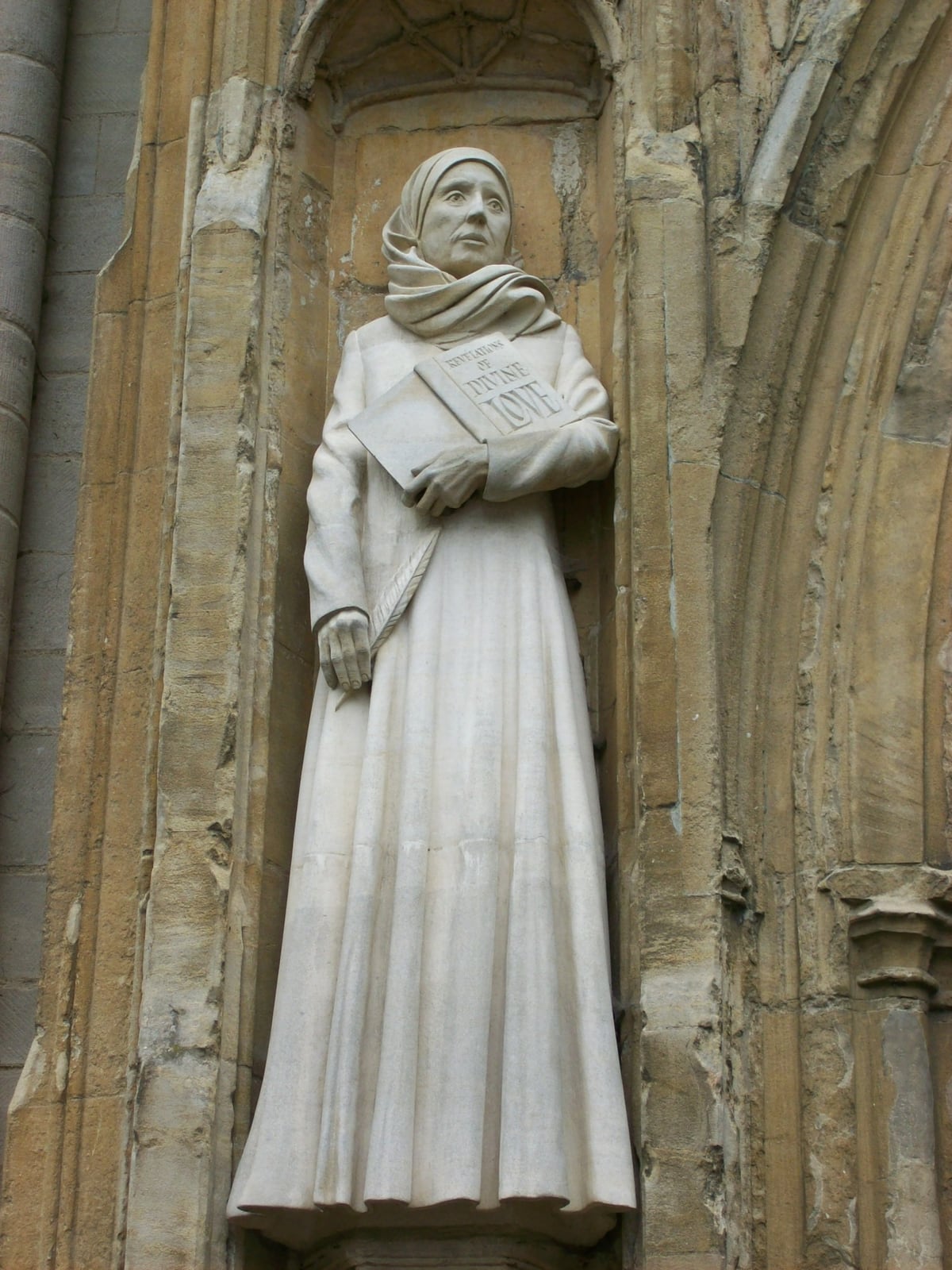
Julian of Norwich
يتّفقان في: ما المطلق؟ هل الله موجود؟ · من أنا؟ هل توجد ذات حقيقية؟ · لماذا نتألّم؟

Francis of Assisi
يتّفقان في: ما المطلق؟ هل الله موجود؟ · من أنا؟ هل توجد ذات حقيقية؟ · لماذا نتألّم؟
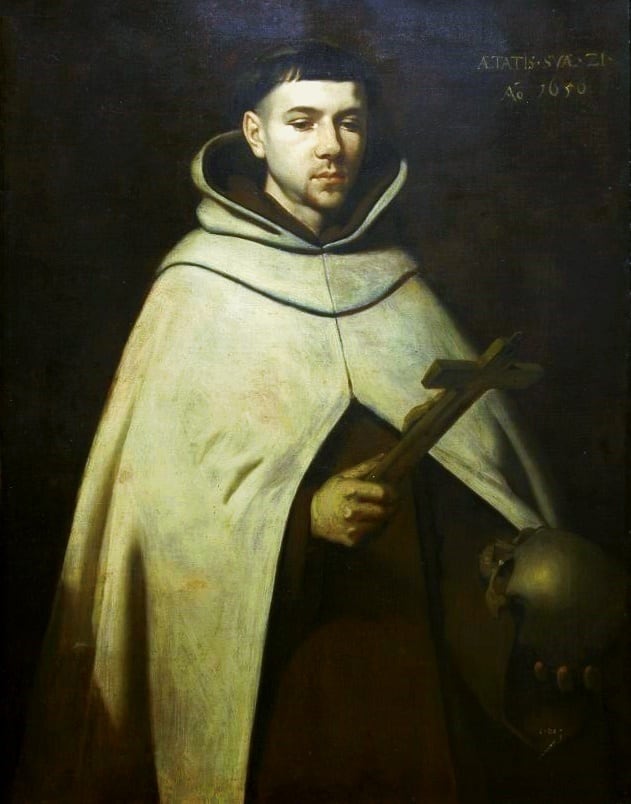
John of the Cross
يتّفقان في: ما المطلق؟ هل الله موجود؟ · من أنا؟ هل توجد ذات حقيقية؟ · لماذا نتألّم؟
يبتعد في تفكيره عن

Pema Chödrön
يختلفان في: ما المطلق؟ هل الله موجود؟ · من أنا؟ هل توجد ذات حقيقية؟ · ماذا يحدث بعد الموت؟

The 14th Dalai Lama (Tenzin Gyatso)
يختلفان في: ما المطلق؟ هل الله موجود؟ · من أنا؟ هل توجد ذات حقيقية؟ · ماذا يحدث بعد الموت؟
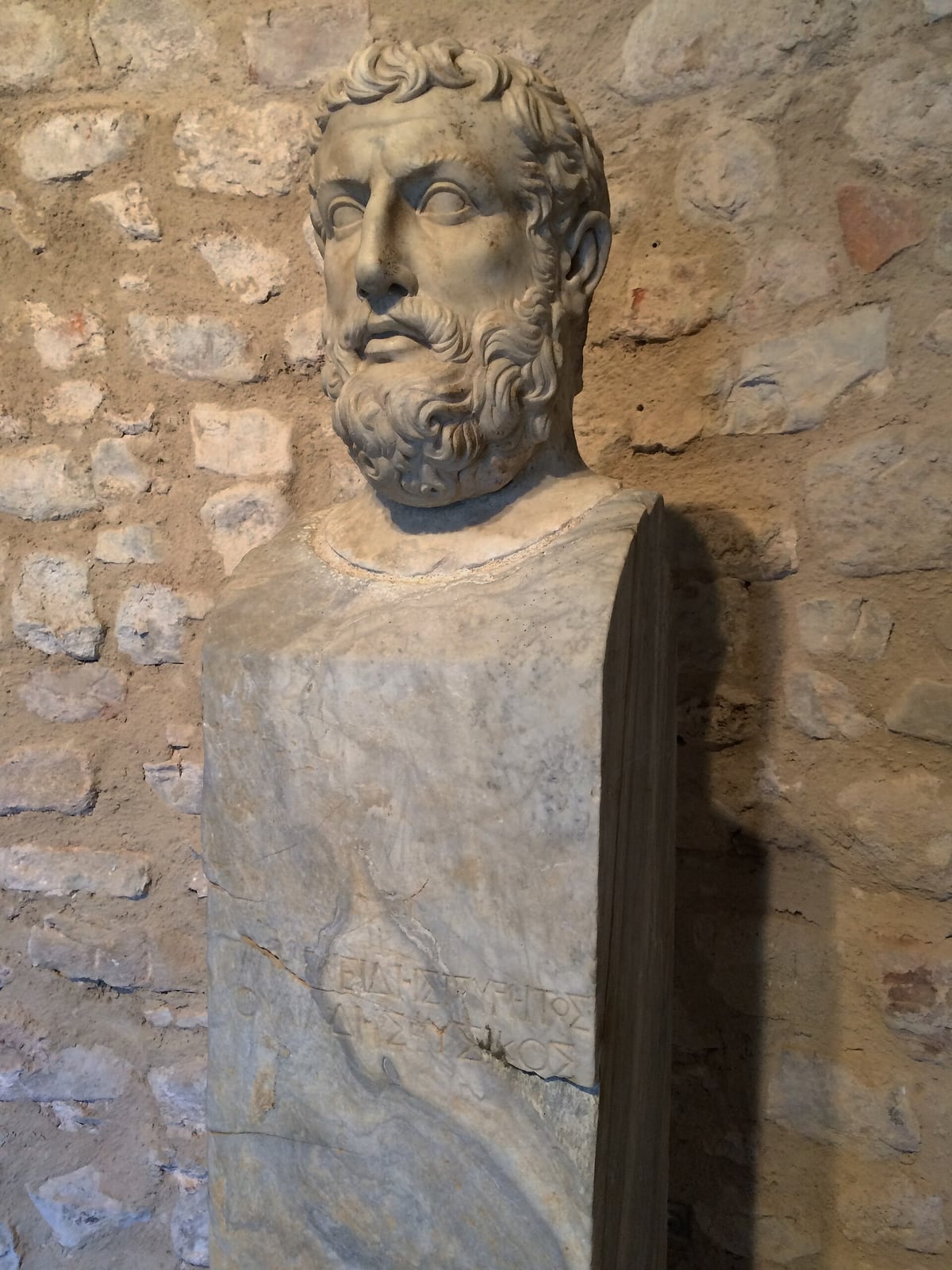
Parmenides
يختلفان في: هل العالم حقيقي؟

Nāgārjuna
يختلفان في: ما المطلق؟ هل الله موجود؟ · من أنا؟ هل توجد ذات حقيقية؟ · ماذا يحدث بعد الموت؟
حكايات وروايات
حكايات وروايات
شهادة1804
The robbers in the forest
أصل الرواية: The lives tell it from Sergius's (1841) onwards, written from the testimony of Sarov monks; the bent back is confirmed by the 1828 portrait. The apparition during convalescence is a hagiographic element of monastic transmission.
مختلَف فيهc. 1807–1810
A thousand days on the stone
أصل الرواية: Letter of Abbot Isaiah II (Putilov) to Hieromonk Abel (Vanyukov), December 1848, cited in Russian scholarship; the figure of a thousand days comes from the later lives, above all Chichagov's Chronicle (1903). The core—a long period of standing prayer—is plausible; the canonical form is undocumented.
مختلَف فيهpublicado en 1849
The bear
أصل الرواية: Published by Joasaph in 1849; the retraction is in the Manuscripts Department of the Russian State Library, papers of Metropolitan Philaret (Drozdov), according to recent Russian scholarship (Stepashkin). The 1844 life already mentioned animals coming to him; the bear as an episode with witnesses is a documented invention.
شهادة1815–1833
"My joy, Christ is risen!"
أصل الرواية: The greeting and the form of address are attested by many visitors, gathered in the Diveyevo Chronicle and the lives; the advice to keep a joyful spirit appears in the Instructions ('On preserving peace of soul').
شهادةnoviembre de 1831
The light on his face
أصل الرواية: A single witness: Motovilov's manuscript published by Nilus in 1903. Rochcau accepts the historicity of the episode; the literal wording is doubtful, and Sanidopoulos notes that another Motovilov manuscript claims he saw the illumined face many times, which weakens the uniqueness of the account. Florensky reproduced it in 1914 as an example of the light of grace.
رواية من سِيَر القدّيسينc. 1761
The fall from the church
أصل الرواية: Hieromonk Sergius, Account… (1841) for the original version; Elagin (1863) introduces the bell tower. A family tradition with no independent witnesses.
شهادة1–2 de enero de 1833
Kneeling before the Tenderness icon
أصل الرواية: The Sarov monks' account handed down by the first life (1841) and its successors; the icon's fate, in the literature on the canonisation and relics.
التعاليم
التعاليم
المفاهيم التي ينتظم بها فكره، مشروحة في سياقها.
The acquisition of the Holy Spiritadquisicion-del-espiritu-santo
It gathers the patristic doctrine of deification (theosis) and the emphasis of Symeon the New Theologian and of hesychasm on the conscious experience of grace. Twentieth-century theologians such as Vladimir Lossky made it a summary of Orthodox spirituality.
Peace of soulpaz-del-alma
It develops the hesychast notion of hesychia (stillness) from Isaac the Syrian, Barsanuphius and John Climacus, whom the Instructions cite explicitly.
The Jesus Prayer and the short ruleoracion-de-jesus
It continues the hesychast practice spread in Russia by Paisius Velichkovsky's Slavonic Philokalia (1793), which half a century later Theophan the Recluse would expand in Russian.
The light of graceluz-de-la-gracia
Related to Gregory Palamas's fourteenth-century doctrine of the uncreated light of Tabor and to the Desert Fathers' accounts of faces illumined in prayer.
The starets and spiritual directionstarchestvo
The revival of Russian eldership goes back to Paisius Velichkovsky (1722–1794); Florensky cites Seraphim alongside the Optina elders as those who 'gather as in a burning focus' popular holiness.
مقاطع الفيديو
مقاطع الفيديو
تسجيلات ومقابلات وأفلام وثائقية. تُشغَّل مقاطع الفيديو من YouTube؛ ولا تُستضاف هنا.
Великое чудо преподобного Серафима Саровского
فيلم وثائقي· RU· 2016· 43 min
Свято-Троицкий Серафимо-Дивеевский монастырьالقناة الرسمية
«Дивное Дивеево» — фильм о Серафимо-Дивеевском монастыре (2016)
فيلم وثائقي· RU· 2016· 53 min
Дивное Дивеевоالقناة الرسمية
Серафим Саровский. Рожденный пламенным
فيلم وثائقي· RU· 2008· 10 min
SpasTVالقناة الرسمية
Серафим Саровский и современность — А. И. Осипов
محاضرة· RU· 2023· 148 min
Алексей Ильич Осиповالقناة الرسمية
Преп. Серафим Саровский (святость и миф) — Вячеслав Рубский
محاضرة· RU· 2017· 89 min
Вячеслав Рубскийالقناة الرسمية
Преподобный Серафим Саровский. Священник Валерий Духанин
محاضرة· RU· 2026· 19 min
БИБЛИЯ и толкования — Экзегет.руالقناة الرسمية
Серафим Саровский. Фрагмент лекции К. В. Корепанова в Храме на Крови (23.12.2013)
محاضرة· RU· 2013· 48 min
Официальный лекторий свящ. Константина Корепановаالقناة الرسمية
Особая книга. В. Степашкин «Серафим Саровский»
تحليل· RU· 2023· 3 min
Библиотека Маяковского Саровالقناة الرسمية
Metropolitan Kallistos Ware on Saint Seraphim of Sarov (Part 1/6)
محاضرة· EN· 2017· 56 min
OLTelevisionالقناة الرسمية
AE40: Saint Seraphim of Sarov: Part 2/6
محاضرة· EN· 2025· 42 min
OLTelevisionالقناة الرسمية
Saint Séraphim de Sarov 1/4 — Un moine russe
فيلم وثائقي· FR· 2023· 26 min
RCF Hauts de Franceالقناة الرسمية
Saint Séraphim de Sarov 4/4 — Sa spiritualité
تحليل· FR· 2023· 25 min
RCF Hauts de Franceالقناة الرسمية
المعرض
المعرض
صور بترخيص متحقَّق منه. كل منها تحتفظ بمؤلّفها ونسبتها.
المخطوطات
المخطوطات
شواهد مخطوطة ونصوص قديمة، مع جهة حفظها وشروط الاطّلاع عليها.
RU · Cyrillic · Fecha de redacción desconocida (entre 1831 y 1879)
Рукопись Н. А. Мотовилова «Дух Божий, явно почивший на отце Серафиме Саровском, в беседе его о цели христианской жизни…» (гл. VI)
- الشاهد المحفوظ
- Manuscrito único, conocido sólo por la edición de Nilus (1903)
العلاقات
العلاقات
تأثيرات وتلمذة وتقارب في الأفكار. تُميَّز العلاقة الموثّقة عن التشابه المستخلَص بالتحليل.
معلّم
Nikolái Motovílov
A Simbirsk landowner (1809–1879), healed by his own account through Seraphim's prayers in September 1831 and from then on a disciple, 'servant of the Mother of God and of Seraphim' and benefactor of Diveyevo. His manuscripts are the source of the Conversation and of many accounts, and of the doubtful prophecies as well.
علاقة موثّقة
تأثّر بـ
Isaac el Sirio
The author most quoted in the Spiritual Instructions (homilies on humility, despondency and stillness), together with John Climacus, Barsanuphius and Gregory of Sinai.
علاقة موثّقة
تأثّر بـ
Padres del desierto
The Instructions quote Barsanuphius, Antiochus, Ephrem and the apophthegms; his life of forest, fasting and silence was consciously modelled on that of the ancient hermits.
علاقة موثّقة
تأثّر بـ
Paisi Velichkovski
Sarov's spirituality belongs to the hesychast revival Paisius launched with the Slavonic Philokalia (1793); no personal link has been documented.
تشابه مستخلَص بالتحليل
أفكار قريبة من
Gregorio Palamas
The light of the face in the Conversation has been read as a manifestation of the light of Tabor defended by Palamas in the fourteenth century.
تشابه مستخلَص بالتحليل
أثّر في
Florensky cites Seraphim in several letters of The Pillar and Ground of the Truth (1914) and reproduces in the fourth, 'The Light of Truth', the passage of the luminous face from the Conversation, following Nilus's 1905 edition; he places him alongside the Optina elders as a focus of Russian popular holiness.
علاقة موثّقة
أثّر في
Dmitri Merezhkovski
His essay 'The Last Saint' (in Not Peace but a Sword, 1908) examines Seraphim and his canonisation as a cipher of Russian religiosity; Florensky cites it.
علاقة موثّقة
أفكار قريبة من
The Easter joy, the bowing before each visitor and the spiritual direction of laypeople of the elder Zosima in The Brothers Karamazov have been compared with Seraphim, though Dostoevsky's declared models were Tikhon of Zadonsk and the elder Ambrose of Optina.
تشابه مستخلَص بالتحليل
أفكار قريبة من
Theophan carried into Russian, for laypeople, the hesychast teaching on the prayer of the heart and the acquisition of grace that Seraphim transmitted orally; they never met. As Bishop of Tambov he was for a few months in 1861 in charge of the Diveyevo convent founded by Seraphim, to end its disorders.
تشابه مستخلَص بالتحليل
أثّر في
In On the Jesus Prayer (Ascetic Experiences, vol. I) Ignatius relates, on the word of 'old monks', that at Sarov the Jesus Prayer was taught to everyone who entered and that 'the blessed elder Seraphim' advised monks to lead an attentive life and practise that prayer, and he quotes a saying of his on the insufficiency of merely outward prayer. There is no record that they met.
علاقة موثّقة
المصادر
المصادر
المراجع والفهارس التي رُوجعت لهذه الصفحة.
- Wikidata, «Seraphim of Sarov» (Q44717): P31=Q5, nacimiento 1754/1759, muerte 1833, 48 enlaces entre wikis.
- Roshko, Vsévolod, prot. [Rochcau, Vsévolod]. Преподобный Серафим: Саров и Дивеево. Исследования и материалы. Moscú: Sampo, 2001 (ed. francesa: Saint Séraphim, Sarov et Divéyevo. Bégrolles-en-Mauges: Abbaye de Bellefontaine, 1987). Primera parte, «Historia y crítica histórica».
- Nilus, Serguéi A. «Цель жизни христианской» [El fin de la vida cristiana], en Великое в малом, 1.ª ed., 1903; epílogo del editor fechado el 19 de mayo de 1903. Texto en Azbuka very.
- Serafín de Sarov (atrib.). Духовные наставления мирянам и инокам [Instrucciones espirituales a laicos y monjes]. Recogidas por el monje Sergio (Vasíliev) de Sarov, revisadas por el metropolita Filaret (Drozdov) y publicadas en Краткое начертание жизни старца Саровской пустыни, схимонаха и пустынника Марка. Troitse-Sérguieva Lavra, 1839. Texto cotejado (ediciones de 1839, 1856, 1863 y 1903–1904) en Azbuka very.
- Serafín (Chichagov), archimandrita. Летопись Серафимо-Дивеевского монастыря Нижегородской губ. Ардатовского уезда. Moscú: Pechatnia A. I. Snegirevoi, 1896; 2.ª ed. ampliada, San Petersburgo, 1903. Reed. Diveyevo: Izd-vo Bratstva sv. Aleksandra Nevskogo, 2004 (ISBN 9785882130649).
- Stepashkin, Vladímir A. Преподобный Серафим Саровский: предания и факты. 3.ª ed. corregida y aumentada. Sarov: ZAO «INFO», 2009. ISBN 978-5-89269-010-2; y Серафим Саровский. Moscú: Molodaya gvardiya (ЖЗЛ), 2018.
- «Серафим Саровский», Wikipedia en ruso (biografía, fuentes hagiográficas, expediente de Matrona Plescheeva en el fondo del metropolita Filaret, carta del abad Isaías II de 1848, canonización y reliquias). Consultada el 25-10-2026.
- Polovtsov, A. A. (dir.). «Серафим (Мошнин)», en Русский биографический словарь, t. 18 (Sabanéiev–Smyslov). San Petersburgo, 1904, pp. 343–344. Texto en Wikisource.
- Sanidopoulos, John. «The Authenticity of the Conversation of St. Seraphim of Sarov with Nicholas Motovilov», Mystagogy Resource Center, 2 de enero de 2020.
- Zander, Valentine. St. Seraphim of Sarov. Trad. de la hermana Gabriel Anne; introducción de Boris Bobrinskoy. Crestwood (NY): St Vladimir's Seminary Press, 1975. ISBN 9780913836286.
- «Seraphim of Sarov», Wikipedia en inglés (reliquias, conmemoración anglicana, Juan Pablo II, bibliografía). Consultada el 25-10-2026.
- Motovílov, Nikolái A. Записки Николая Александровича Мотовилова, служки Божией Матери и преподобного Серафима. Ed. de Gueorgui Pávlovich. Moscú: Otchi dom, 2005. ISBN 9785873011278.
- Freeze, Gregory L. «Subversive Piety: Religion and the Political Crisis in Late Imperial Russia», The Journal of Modern History 68, n.º 2 (1996), pp. 308–350 (sobre la canonización de 1903).
- «Нилус, Сергей Александрович», Wikipedia en ruso (recepción del archivo de Motovílov en 1902, ediciones de Великое в малом de 1903, 1905 y 1911, inclusión de los «Protocolos» en la 2.ª ed.). Consultada el 25-10-2026.
- Azbuka very, página de autor «Серафим Саровский» (textos de la Conversación, las Instrucciones, el pequeño Правило y traducciones).
- Florenski, Pável. Столп и утверждение истины. Опыт православной теодицеи в двенадцати письмах. Moscú: Put', 1914. Carta cuarta, «Свет Истины» (cita la Conversación según Nilus, Великое в малом, 2.ª ed., Tsárskoie Seló, 1905, pp. 197–199) y cartas novena a duodécima. Texto en Azbuka very.
- Ignati (Brianchanínov). «О молитве Иисусовой. Отдел I», en Аскетические опыты, t. I (1865), cap. 26. Texto en Azbuka very.
- Merezhkovski, Dmitri S. «Последний святой» [El último santo], en Не мир, но меч. San Petersburgo, 1908. Texto en Wikisource.
- صاحب الحقوق
- Dominio público: Serafín no escribió; las fuentes rusas (Motovílov †1879, Nilus †1929, Sergio, Elaguin, Chichagov) están publicadas antes de 1917. Las traducciones modernas pertenecen a sus traductores y editoriales.
في انتظار التأكيد
ما لم تتمكّن هذه الصفحة من حسمه بعد. نفضّل أن نقول ذلك على أن نملأ الفراغ.
- Primera publicación de la Conversación: confirmar editorial y lugar de la 1.ª ed. de «Великое в малом» (1903) y si hubo publicación previa en prensa (se cita a veces «Московские ведомости», julio de 1903, sin verificar).
- Paradero actual del manuscrito de Motovílov de la Conversación y de los cuadernos 40–60 del archivo de Diveyevo.
- Fuente primaria exacta de la fórmula «Стяжи дух мирен…» (no está en las Instrucciones de 1839 ni en la Conversación según el texto de Nilus): revisar la Crónica de Chichagov y la vida de Elaguin.
- Texto completo de la carta del abad Isaías II al hieromonje Abel (1848) y signatura del expediente de Matrona Plescheeva en el fondo del metropolita Filaret (Biblioteca Estatal de Rusia).
- Traductor de la versión inglesa de la Conversación (SPCK, 1936) y de las traducciones del portal Azbuka very: sin identificar, por lo que no se han incluido en la sala de lectura en inglés.
- Ediciones inglesa e italiana de la Crónica de Diveyevo con ISBN verificado; edición española de la Crónica: no localizada.
- Web oficial del convento de Diveyevo (diveevo.ru): no respondió desde fuera de Rusia el 2026-10-25; no se ha consignado como official_site.
- Relación con León Tolstói y Vladímir Soloviov: no se ha encontrado ningún vínculo documentado; no se registran.
بُحث بتاريخ 2026-10-25