الهندوسية · أدفايتا فيدانتا · التقليد الفيدي
Ashtavakra
अष्टावक्र
شخصية أسطورية
حكيمٌ من التراث السنسكريتي يعني اسمه «المعوجّ في ثمانية مواضع». تروي «المهابهاراتا» أنه، وقد لعنه أبوه قبل أن يولد، غلب في صباه المجادلَ باندين في بلاط الملك جاناكا وأنقذ أباه من قاع المياه. وينسب إليه التراث «أشتافاكرا غيتا»، وهي حوارٌ مع الملك جاناكا في عشرين فصلًا، ومن أشدّ نصوص اللاثنائية جذريةً، وهي مجهولة المؤلف والتاريخ (إذ تقع بين القرنين الثامن والرابع عشر بحسب بروكينغتون).
- مؤلَّفًا
- 3مؤلَّفًا
- طبعة
- 19طبعة
- اقتباسًا
- 6اقتباسًا
- مقطع فيديو
- 13مقطع فيديو
- صورة
- 2صورة
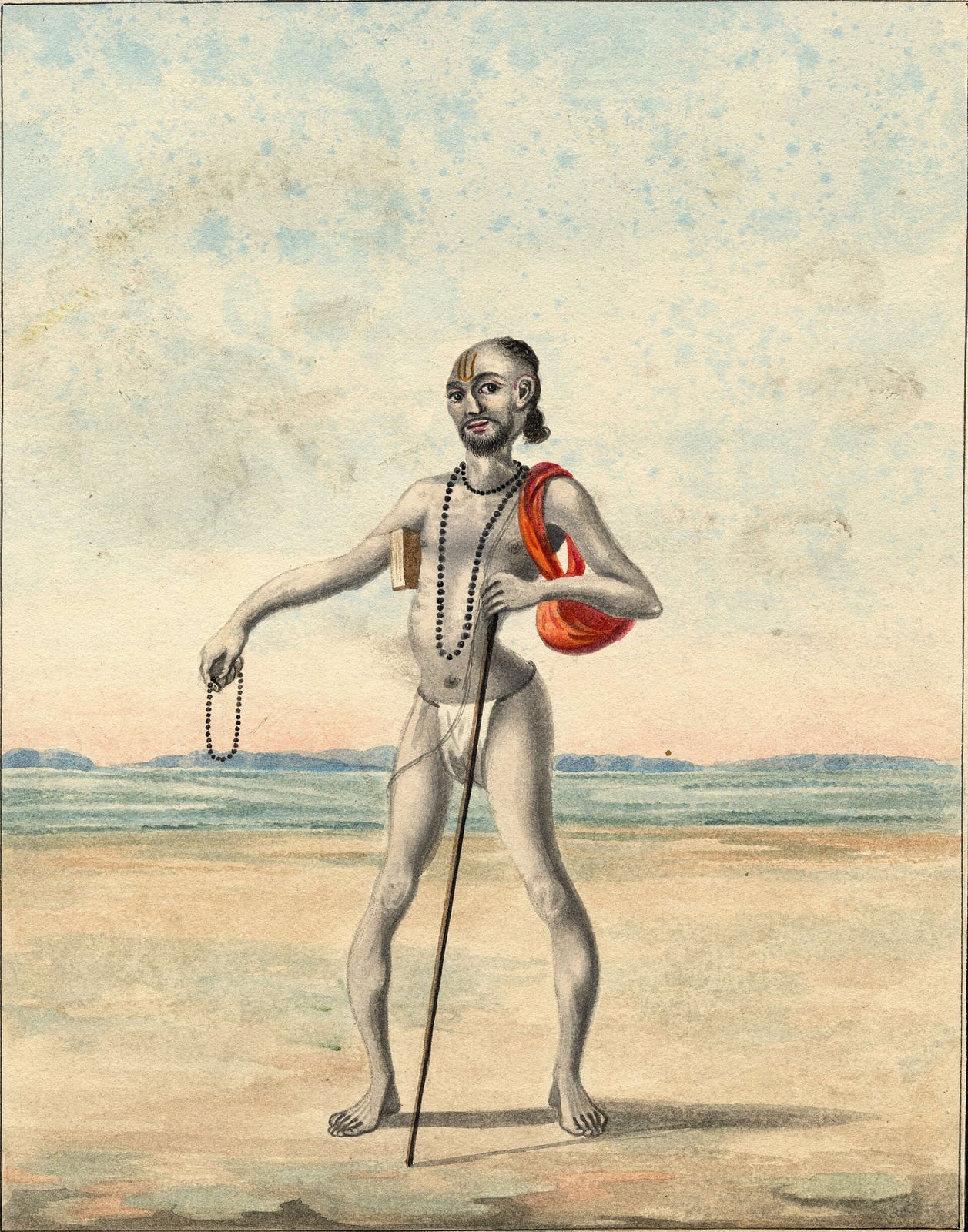
Aṣṭāvakra, acuarela de principios del siglo XIX · Public domain
بكلماته
«You are not earth, nor water, nor fire, nor air, nor space. For liberation, know yourself as the witness of all these, whose form is consciousness.»Aṣṭāvakra Gītā 1.3 (texto sánscrito de Wikisource); versiones española e inglesa del investigador

فكرته المحورية
The witness (sākṣin): This is the central notion of the Aṣṭāvakra Gītā.
السيرة
4 دقيقة قراءة
ترجمة مُعانة من الأصل الإسباني، بانتظار مراجعة مترجم من أهل اللغة.
اسمٌ هو جرح
يعني اسم أشتافاكرا «المعوجّ في ثمانية مواضع». وقليلٌ من حكماء الهند القديمة من يحمل في اسمه عاهةً، وليس فيهم من حوّلها إلى حجّةٍ بهذه البراعة: فالتراث كله الذي نشأ حوله يردّد أن الجسد ليس مقياس الحكيم، وأن السنّ ليست مقياس المعرفة، وأن الذات ليست الهيئة التي تُرى. غير أنه ينبغي الفصل منذ البداية بين مستويين اعتادت التقوى أن تخلط بينهما. فمن جهةٍ هناك شخصية الملحمة السنسكريتية، التي حُفظت أوفى رواياتها في «المهابهاراتا»؛ ومن جهةٍ أخرى القصيدة الفلسفية المتداولة باسمه، «أشتافاكرا غيتا» أو «أشتافاكرا سامهيتا»، وهي نصٌّ مجهول المؤلف لا يربطه أيّ موضعٍ قديم بتلك الشخصية. ولا يوجد تاريخٌ ولا مكانٌ ولا شهادةٌ تسمح بمعاملة أشتافاكرا شخصيةً تاريخية: إنه شخصيةٌ من شخصيات التراث.
الطفل الذي صحّح لأبيه
تشغل الرواية المعتمدة ثلاثة فصول من «آرانياكا بارفا» (3.132–134 في الطبعة النقدية)، حيث يرويها الحكيم لوماشا ليودهيشتيرا في أثناء حجّ الباندافا. يتزوّج كاهودا، تلميذ المعلّم الفيدي أودالاكا، من سوجاتا ابنة معلّمه. وبينما هي حامل يتكلّم الجنين من بطن أمه ويعيب على أبيه أنه، وإن كان يتلو طوال الليل، لا يُحسن التلاوة. فيلعنه كاهودا وقد أُذلّ أمام تلاميذه: سيولد معوجًّا في ثمانية مواضع. وبعد قليل يقصد كاهودا، وقد دفعه الفقر، بلاطَ الملك جاناكا ملك فيديها طلبًا للمال؛ وهناك يغلبه في المناظرة المجادلُ باندين (أو فاندين)، ويُلقى في الماء بحسب قاعدة المباراة. ويأمر أودالاكا بأن يُكتم الأمر عن الطفل، فينشأ أشتافاكرا معتقدًا أن جدّه أبوه، وأن شفيتاكيتو، خاله الذي في مثل سنّه، أخوه.
مباراة الأعداد
في الثانية عشرة من عمره، حين يزيحه شفيتاكيتو عن حِجر أودالاكا قائلًا: «ليس هذا حِجر أبيك»، يكتشف أشتافاكرا الحقيقة ويمضي مع خاله إلى قربان جاناكا. فيسدّ الحاجب عليه الطريق لأن الدخول مقصورٌ على البراهمة الشيوخ العلماء، فيجيبه الصبيّ بحكمةٍ ستجعلها القصيدة مشهورة: ليس الشيخ من ابيضّ رأسه، بل من عَرَف، والحكماء لم يجعلوا الفضل في السنين ولا في الشيب ولا في المال ولا في الأقارب. وأمام الملك يتحدّى باندين. والمبارزة قطعةٌ فريدة في الأدب السنسكريتي: إذ على كلٍّ من المتنافسين أن يرتجل أبياتًا في الأعداد من الواحد إلى الثلاثة عشر، وحين لا يقدر باندين إلا على النصف الأول من مقطوعة الثلاثة عشر يُتمّها أشتافاكرا ويفوز. عندئذٍ يكشف المغلوب أنه ابن الإله فارونا، وأنه كان يرسل البراهمة الغرقى إلى قربانٍ يدوم اثنتي عشرة سنة في قاع المياه؛ فيعيدهم، وكاهودا بينهم، ويأمر الأبُ ابنه بالاغتسال في نهر سامانغا، فيخرج منه مستقيمَ الأعضاء.
آثارٌ أخرى في الملحمتين والبورانات
ويعود الاسم إلى الظهور في مواضع أخرى. فـ«رامايانا» فالميكي تتّخذه رمزًا للابن الذي يفتدي أباه: ففي كتاب الحرب (6.119.17 بحسب ترقيم النصّ المتداول) يقول داشاراثا المتوفّى لراما إنه أنقذه كما أنقذ أشتافاكرا البرهميَّ كاهودا. وتروي «أنوشاسانا بارفا» من «المهابهاراتا» (الأقسام 19–21 في ترجمة غانغولي) امتحانًا آخر: فلكي يظفر أشتافاكرا بيد سوبرابها ابنة الحكيم فادانيا، يرحل إلى الشمال ويقاوم إغراء عجوزٍ يتبيّن أنها إلهة تلك الجهة، ديش. أما «فيشنو بورانا» (5.38) فتنسب إليه على العكس من ذلك نوبةَ غضب: إذ ضحكت حورياتٌ سماوية (أبساراس) كنّ يُثنين عليه حين رأينه يخرج من الماء مشوّه الخِلقة، فلعنهنّ بأن يقعن في أيدي اللصوص، وهو ما يفسّر، بحسب فياسا، اختطاف زوجات كريشنا بعد موت الإله.
قصيدةٌ بلا تاريخ
أما «أشتافاكرا غيتا» فشيءٌ آخر. إنها نحو ثلاثمئة بيت في عشرين فصلًا تتّخذ شكل حوارٍ بين جاناكا وأشتافاكرا، وإن كان الحوار سرعان ما يذوب في إعلانٍ يكاد يكون متّصلًا عن الهويّة مع الوعي. ولا يقيم النصّ ولا الملحمة صلةً بين طفل المباراة ومعلّم القصيدة؛ بل يقيمها التراث، من خلال الاسم وشخصية جاناكا. وتتباين التواريخ المقترحة تباينًا شديدًا. فقد وضعها راذاكامال موكرجي، في دراسةٍ صدرت بعد وفاته عام 1971، في حدود القرنين الخامس والرابع ق.م؛ ويعدّها ج. ل. بروكينغتون، في تقديمه لترجمة توماس بايروم (1990)، عملَ أحد أتباع الأدفايتا اللاحقين لشنكرا، من القرن الثامن أو الرابع عشر، في زمنٍ تجدّدت فيه مدرسته. ولا تزال الطبعة النقدية التي أعدّها ريشارد هاوسشيلد (برلين، 1967) الدراسةَ اللغوية المرجعية.
ما يقوله النصّ
تبدأ القصيدة بثلاثة أسئلة يطرحها الملك: كيف تُنال المعرفة، وكيف يكون الانعتاق، وكيف يُبلغ الزهد؟ والجواب حادّ: لستَ ترابًا ولا ماءً ولا نارًا ولا هواءً ولا فضاءً، بل الشاهد الواعي لذلك كله؛ فإن فصلتَ نفسك عن الجسد وسكنتَ في الوعي، صرتَ سعيدًا حرًّا في الحال. ولا يفرض النصّ شعائر ولا واجبات طبقية ولا مراحل للحياة، بل يذهب إلى حدّ القول إن القيد هو بالضبط الاستمرار في ممارسة التركيز لبلوغ ما هو المرء عليه أصلًا. وحكمته الشهيرة: «من ظنّ نفسه حرًّا فهو حرّ، ومن ظنّ نفسه مقيّدًا فهو مقيّد: فكما يفكّر المرء يصير»، تختصر تعليمًا ينفي كل تدرّج. ويصف الفصل الثامن عشر، وهو أطولها، المتحرّرَ في حياته، الذي لا يبالي بالنجاح ولا بالإخفاق، ويعمل من غير أن يرى نفسه فاعلًا.
قرّاء العصر الحديث
بلغ العملُ القرّاءَ الأوروبيين في القرن التاسع عشر: فقد ذكّر الإيطالي سيلفيو باغاني عام 1912 بالترجمة النثرية التي أعدّها كارلو جوساني ونُشرت في مجلة «ريفيستا أورينتالي» لأنجيلو دي غوبرناتيس بين عامي 1867 و1868، والتي نظمها هو شعرًا؛ وفي عام 1904 نشر لالا بايج نات أول ترجمة إنجليزية معروفة. وفي الهند الحديثة صارت كتابًا أثيرًا لدى حركة الفيدانتا: فقد كان فيفيكاناندا يستشهد ببيتها عن الحرية ليقول إن الأمر كله رهنٌ بما يراه المرء في نفسه، وكان رامانا ماهارشي يستحضر أمام زوّاره قصة أشتافاكرا وجاناكا، ونسخ بيده النصّ السنسكريتي للقصيدة، الذي أعاد «سري رامانا آشرام» إصداره بالتصوير الطبق الأصل مع ترجمة سوامي نيتياسواروبانندا (1940). وخصّها أوشو بسلسلةٍ طويلة من الأحاديث بالهندية نُشرت بعنوان «أشتافاكرا مهاغيتا»، وجعلتها ترجمتا توماس بايروم (1990) وجون ريتشاردز، الذي وضع ترجمته في الملك العام عام 1994، من أكثر نصوص اللاثنائية المعاصرة قراءةً.
المصادر: Mahābhārata, Āraṇyakaparvan 3.132–134 (ed. crítica de Poona: V. S. Sukthankar et al., Bhandarkar Oriental Research Institute, 1942). Traducción inglesa: Kisari Mohan Ganguli (trad.), The Mahabharata of Krishna-Dwaipayana Vyasa, vol. «Vana Parva», Calcuta, Bharata Press (Pratap Chandra Roy), 1884, secciones CXXXII–CXXXIV (Tirtha-yatra Parva), pp. 396–407. · Mahābhārata, Anuśāsanaparvan, secciones XIX–XXI de la traducción de Kisari Mohan Ganguli (The Mahabharata of Krishna-Dwaipayana Vyasa, vol. «Anusasana Parva», Calcuta, Pratap Chandra Roy, 1883–1896): diálogo de Aṣṭāvakra con la dama Diś. · Wilson, Horace Hayman (trad.). The Vishnu Purana: A System of Hindu Mythology and Tradition. Londres: Oriental Translation Fund / John Murray, 1840, libro V, cap. XXXVIII, pp. 617–618. · Byrom, Thomas (trad.). The Heart of Awareness: A Translation of the Ashtavakra Gita. Prólogo de J. L. Brockington. Boston y Londres: Shambhala, 1990. ISBN 9780877735748. · Hauschild, Richard (ed. y trad.). Die Aṣṭāvakra-Gītā. Berlín: Akademie-Verlag, 1967 (reimpresión De Gruyter, ISBN 9783112742679).
الخط الزمني
الحياة عامًا بعد عام
كل نقطة حدث موثّق. انقر لتقرأه مع مصدره ودرجة اليقين فيه.
نحو 300 ق.م
The story in the Āraṇyakaparvan
The Mahābhārata, composed and expanded over several centuries around the turn of the era, includes in its forest book (3.132–134) the story of Aṣṭāvakra, Kahoḍa and Bandin. The date is only an order of magnitude: the epic does not allow individual episodes to be dated.
مرجَّحMahābhārata, Āraṇyakaparvan 3.132–134 (ed. crítica de Poona: V. S. Sukthankar et al., Bhandarkar Oriental Research Institute, 1942). Traducción inglesa: Kisari Mohan Ganguli (trad.), The Mahabharata of Krishna-Dwaipayana Vyasa, vol. «Vana Parva», Calcuta, Bharata Press (Pratap Chandra Roy), 1884, secciones CXXXII–CXXXIV (Tirtha-yatra Parva), pp. 396–407.
نحو 300 ق.م
The story in the Āraṇyakaparvan
The Mahābhārata, composed and expanded over several centuries around the turn of the era, includes in its forest book (3.132–134) the story of Aṣṭāvakra, Kahoḍa and Bandin. The date is only an order of magnitude: the epic does not allow individual episodes to be dated.
مرجَّح
القرن VIII
Composition of the Aṣṭāvakra Gītā (hypothesis)
J. L. Brockington ascribes the poem to a follower of Śaṅkara in the eighth or the fourteenth century. Other authors propose much earlier dates (Mukerjee: fifth to fourth centuries BCE); there is no consensus.
مختلَف فيه
1840
Wilson translates the Viṣṇu Purāṇa
Horace Hayman Wilson publishes in London his translation of the Viṣṇu Purāṇa, which includes (5.38) Aṣṭāvakra's curse on the apsarases who laughed at his body.
موثّق
نحو 1867
First Italian translation
Carlo Giussani publishes a prose translation of the Aṣṭāvakra Gītā in Angelo De Gubernatis's Rivista Orientale (Milan, 1867–1868), as Silvio Pagani recalled in 1912.
موثّق
1884
Ganguli translates the forest book
Kisari Mohan Ganguli publishes in Calcutta the English translation of the Vana Parva, with the full story of the contest of numbers.
موثّق
1904
First English translation of the poem
Lala Baij Nath publishes The Ashtavakra Gita: A Treatise on Adwaita Philosophy, with notes and an introduction.
موثّق
1912
Pagani's verse version
Silvio Pagani publishes in Milan (Sonzogno) an Italian version in hendecasyllables based on Giussani's prose.
موثّق
6 فبراير 1937
Ramana Maharshi comments on the story of Aṣṭāvakra and Janaka
In talk 350 Ramana explains to a devotee that the point of the story of Aṣṭāvakra and Janaka is the disciple's complete surrender, and warns that "the anecdotes differ in different books".
موثّق
1940
Nityaswarupananda's translation
Advaita Ashrama publishes Swami Nityaswarupananda's Aṣṭāvakra Saṃhitā, with word-by-word translation and commentary; it would become the reference version of the Ramakrishna movement.
موثّق
1967
Hauschild's critical edition
Richard Hauschild publishes in Berlin the edition and German translation Die Aṣṭāvakra-Gītā.
موثّق
1990
The Heart of Awareness
Shambhala publishes Thomas Byrom's free rendering with a foreword by J. L. Brockington, one of the most widely read in the West.
موثّق
المؤلَّفات
المؤلَّفات الأساسية
المؤلَّفات التي لا يُفهم إرثه من دونها.
نسبة تقليدية ·
Aṣṭāvakra Gītā (The Song of Aṣṭāvakra)
अष्टावक्रगीता (Aṣṭāvakragītā), también अष्टावक्रसंहिता (Aṣṭāvakrasaṃhitā)
A Sanskrit poem of some three hundred verses in twenty chapters, cast as a dialogue between King Janaka of Mithilā and Aṣṭāvakra. After the king's opening questions on knowledge, liberation and dispassion, the teacher asserts that the self is the conscious witness, formless and actionless, and that bondage is merely a mistaken identification with body and mind. Janaka answers with songs of wonder at his own nature, and the text culminates in a long chapter (XVIII) on the one liberated while living. It dispenses with rites, duties and stages of life, and even regards the practice of concentration itself as bondage.
16 طبعة
Ashtavakra
The number debate with Bandin (Mahābhārata 3.132–134)
نسبة تقليدية
The number debate with Bandin (Mahābhārata 3.132–134)
अष्टावक्रीय (Aṣṭāvakrīya), Mahābhārata 3.132–134
Aṣṭāvakra's answers to the gatekeeper, to King Janaka and to the disputant Bandin. They include the maxim on true old age, which lies in knowledge and not in grey hair, and the tournament of improvised stanzas on the numbers from one to thirteen, in which each figure evokes ritual, cosmological and philosophical groups (two friends, Indra and Agni; twelve months of the year; thirteen metres). Commentators read in it a controversy between doctrines about the unity of the Self.
طبعتان
الأقوال
أقوال محدَّدة الموضع في مؤلَّف بعينه. كل منها يحمل مصدره ودرجة الثقة به.
You are not earth, nor water, nor fire, nor air, nor space. For liberation, know yourself as the witness of all these, whose form is consciousness.न पृथ्वी न जलं नाग्निर्न वायुर्द्यौर्न वा भवान्। एषां साक्षिणमात्मानं चिद्रूपं विद्धि मुक्तये॥
متحقَّق منهAṣṭāvakra Gītā 1.3 (texto sánscrito de Wikisource); versiones española e inglesa del investigador
الكلمات الأخيرة
لا توجد سجلات يمكن التحقق منها لكلماته الأخيرة.
There is no record of his death or of his last words. The epic and Purāṇic texts present him in isolated episodes (his birth, the contest, his marriage, the curse on the apsarases) and none narrates his end.
اسأل
بماذا يجيب أثره
اثنا عشر سؤالًا كبيرًا من أسئلة الإنسانية، وما تتيح نصوصه الإجابة به عنها، مع المراجع. ولا نقوّله ما لم يقل أبدًا.
ما المطلق؟ هل الله موجود؟
The Absolute is the witnessing consciousness, one, full and actionless
مطلق غير شخصييقوله صراحةً
The Aṣṭāvakra Gītā does not speak of a God to be addressed but of a consciousness that the disciple already is. In the first chapter the teacher describes the Self as witness, all-pervading, full, one, free, pure consciousness and actionless (1.12), and compares it to space, which is at once inside and outside a jar: so the eternal brahman is in the multitude of beings (1.20). The whole world appears in it like the snake in the rope (1.10) or the waves in the ocean (2.4), adding nothing to it and taking nothing away. The text does not expressly deny a personal God, but grants him no role: the ultimate is not someone who creates or judges, but the conscious ground of all experience, identical with the one who asks.
قارن هذا السؤال مع معلّمين آخرينمن أنا؟ هل توجد ذات حقيقية؟
You are not the elements: you are the witness, whose form is consciousness
الذات هي المطلقيقوله صراحةً
The Aṣṭāvakra Gītā answers the question from its third verse: the disciple is not earth, water, fire, air or space, but the witness of them all, whose form is consciousness (1.3). That witness belongs to no caste or stage of life, neither acts nor enjoys (1.5–1.6), and is one with the brahman that is in all beings as space is in jars (1.20). Bondage consists in seeing the seer as if it were another, that is, in taking oneself for an object (1.7). That is why the poem does not propose building a higher self, but recognising what one already is: whoever considers himself free is free, and whoever considers himself bound is bound (1.11).
قارن هذا السؤال مع معلّمين آخرينلماذا نتألّم؟
The bite of the serpent of ego: believing oneself the doer
الجهل بما نحن عليهيقوله صراحةً
The Aṣṭāvakra Gītā places the root of suffering in a mistaken identification. The disciple, says the teacher, has been bitten by the great black serpent of the pride of thinking «I am the doer», and the antidote is to drink the nectar of the conviction «I am not the doer» (1.8). Bondage consists in taking the seer for another, that is, for an object (1.7), and in identifying for a long time with the body (1.14). Desire, aversion, pleasure and pain belong to the mind, not to the Self; whoever separates from the body and rests in consciousness is happy and serene right now (1.4). Suffering is neither punishment nor trial: it is the price of not knowing what one is.
قارن هذا السؤال مع معلّمين آخرينماذا يحدث بعد الموت؟
The witness is neither born nor dies; the sage neither craves life nor fears death
ما أنا عليه لا يولد ولا يموتيقوله صراحةً
The Aṣṭāvakra Gītā does not describe what happens after death, because for it death affects something the disciple is not. From the first chapter it asks him to recognise himself as the witness of the elements (1.3) and to stop identifying with the body, the rope by which he has long been bound (1.14). Body and world arise and dissolve in consciousness like waves in the ocean (2.4); consciousness neither comes nor goes. Chapter XVIII, devoted to one liberated in life, describes someone who neither desires life nor fears death, indifferent to pleasure and pain. The text neither discusses rebirth nor expressly denies it: it simply leaves it on the side of what is not the Self.
قارن هذا السؤال مع معلّمين آخرينكيف يُبلَغ التحرّر أو الخلاص؟
You are already free: your bondage is that you keep practising concentration
بالمعرفة المباشرةيقوله صراحةً
The Aṣṭāvakra Gītā understands liberation as recognition, not achievement. The teacher asks Janaka to burn the forest of ignorance with the fire of the conviction «I am the one pure consciousness» (1.9), and assures him that if he rests in consciousness, separating from the body, he will be free right now (1.4). The most radical feature of the poem is its distrust of discipline: Janaka is already free, actionless and luminous, and his bondage consists precisely in continuing to practise concentration (1.15). Hence the text states that a disciple of pure mind reaches his goal through a mere instruction, while the other seeks all his life (15.1). In chapter II Janaka does indeed awaken at the first dialogue.
قارن هذا السؤال مع معلّمين آخرينهل نحتاج إلى معلّم؟
One instruction suffices for the ripe disciple; in the end there is no teacher or disciple
مفيد لكنه ليس ضروريًايُستنتج من تعاليمه
The Aṣṭāvakra Gītā is a dialogue between teacher and disciple, and its very form grants a role to the sage's word: Janaka asks, Aṣṭāvakra answers, and in the second chapter the king declares that he has awakened. The text explains why: the disciple of pure mind reaches his goal through a mere instruction, while the other goes on seeking all his life (15.1). But the instruction conveys nothing the disciple does not already have; it only points to what he already is. Hence the poem distrusts learning (16.1) and, in its last chapter, lists among the things that no longer exist for the liberated one the scriptures, knowledge and the distinction between the one who teaches and the one who learns. The teacher is an occasion, not a condition.
قارن هذا السؤال مع معلّمين آخرينهل العالم حقيقي؟
The world appears through not knowing the Self, like the snake in the rope
ظاهرٌ فوق الحقيقة الواحدةيقوله صراحةً
The Aṣṭāvakra Gītā treats the world as a superimposition on consciousness. It appears through not knowing the Self and ceases to appear when the Self is known, as the snake appears through not recognising the rope and vanishes once it is recognised (2.7). The poem also uses other classical Vedānta images: the silver seen in mother-of-pearl, the water of a mirage (2.9). But alongside them it offers a more conciliatory one: as waves, foam and bubbles are not different from water, the universe that has arisen from the Self is not different from it (2.4). The world is unreal as an independent reality and, at the same time, nothing but the Self appearing. That is why the liberated one need not flee it: it is enough not to take it for what it is not.
قارن هذا السؤال مع معلّمين آخرينما الحب؟
It does not speak of love: it describes the sage free from attachment and aversion
لم يُبدِ رأيًا
The Aṣṭāvakra Gītā contains no teaching on love. Its vocabulary is that of detachment: desire and aversion belong to the mind, not to the Self (15.5), and the liberated one of chapter XVIII is indifferent to pleasure and pain, praise and blame, with neither affection nor hatred towards anything. It would be a mistake to read coldness there: the text describes someone who has stopped dividing the world into what is his and what is another's, and who acts without feeling himself the doer. But it does not call that state love, nor develop it as compassion towards others. If anything follows from its doctrine, it is that the sage's equanimity arises from seeing himself in all beings and all beings in himself (6.4).
قارن هذا السؤال مع معلّمين آخرينهل نحن أحرار أم أن كل شيء مقدَّر؟
Drink the nectar of the conviction «I am not the doer» and be happy
لا يوجد فاعليقوله صراحةً
The Aṣṭāvakra Gītā answers the question by displacing it. The problem is not whether the self chooses freely or is determined, but the very belief in a self that acts: the disciple has been bitten by the great black serpent of the pride of thinking «I am the doer», and the antidote is the nectar of the conviction «I am not the doer» (1.8). The Self is witness, actionless (1.12); merit and demerit, pleasure and pain, belong to the mind (1.6). Chapter XVIII describes the liberated one as someone who does what comes without feeling himself the author, gaining nothing by acting and losing nothing by not acting. The freedom that concerns the poem is not that of the will, but that of not being identified with any agent.
قارن هذا السؤال مع معلّمين آخرينلماذا نتأمّل أو نصلّي؟
Your bondage is precisely that you practise concentration
التأمّل ليس تقنيةيقوله صراحةً
The Aṣṭāvakra Gītā is one of the texts most critical of meditative practice in all Indian literature. In the first chapter the teacher tells Janaka that he is already free, actionless, self-luminous and stainless, and that his bondage consists precisely in continuing to practise concentration (samādhi) (1.15). The idea recurs throughout the poem: whoever strives to still the mind still presupposes a self that strives and a goal to be reached, and the sage neither meditates nor ceases to meditate. This is not a recommendation of laxity: what the text points out is that what is sought is not a produced state. All it asks is to rest in the consciousness one already is (1.4).
قارن هذا السؤال مع معلّمين آخرينهل يستطيع العقل أن يعرف الحقيقة القصوى؟
Though you read and hear many scriptures, you will find no rest until you forget all
الحقيقة القصوى وراء العقليقوله صراحةً
The Aṣṭāvakra Gītā distrusts study as much as practice. In chapter XVI the teacher tells Janaka that he may expound or hear many scriptures, again and again, but that he will not attain rest in himself until he forgets everything (16.1). Reason and learning belong to the mind, and what is sought is that to which the mind appears: the witness, which is not an object of the senses or of thought (1.5). The poem does not despise instruction —it is what awakens Janaka— but it understands it as a pointer that is exhausted once understood. In the last chapter, the liberated one no longer has any scripture or knowledge to defend.
قارن هذا السؤال مع معلّمين آخرينالانسحاب من العالم أم تغييره؟
King or ascetic, it matters not: the liberated one acts without feeling the author
التأمّل في الفعليقوله صراحةً
The Aṣṭāvakra Gītā is a dialogue with a king, Janaka, whom tradition considers liberated without leaving his throne, and its answer to the question is consistent with that frame. Chapter XVIII describes the sage liberated in life as someone not distinguished by outward conduct: he may act or not act, live at court or in the forest, because he no longer feels himself the author of what he does. He neither seeks solitude nor flees it: in the fool, the poem observes, even abstention turns into activity, while in the sage activity itself bears the fruit of abstention (18.61). Nor is there in the text any programme for reforming the world: the sage's action happens, but pursues nothing. What changes is not where one lives, but who one believes is living.
قارن هذا السؤال مع معلّمين آخرين
التقارب والتوتّر
التقارب والتوتّر
محسوبة سؤالًا سؤالًا انطلاقًا من مواقفه. وسبب كل اتفاق أو اختلاف يظهر بالنقر.
يقترب في تفكيره من
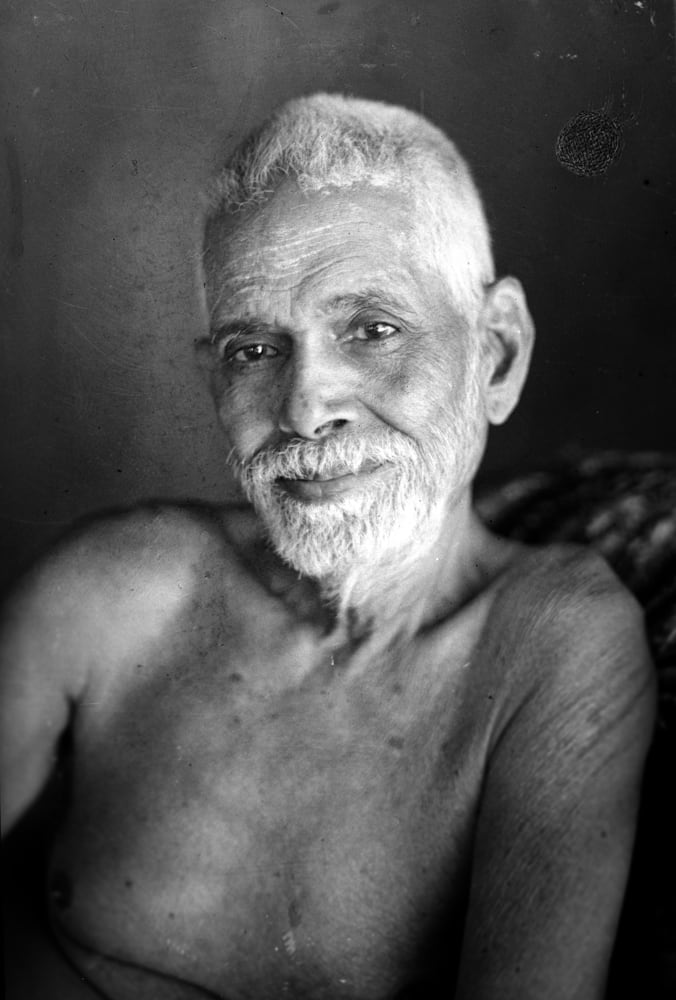
Ramana Maharshi
يتّفقان في: ما المطلق؟ هل الله موجود؟ · هل العالم حقيقي؟ · من أنا؟ هل توجد ذات حقيقية؟
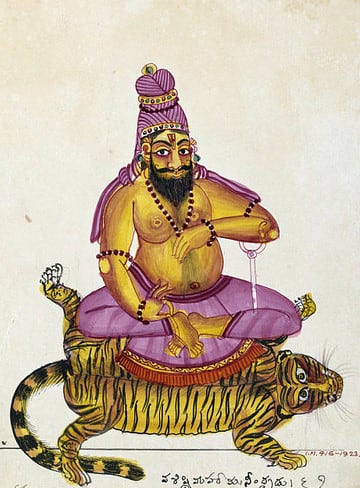
Vasishtha
يتّفقان في: ما المطلق؟ هل الله موجود؟ · من أنا؟ هل توجد ذات حقيقية؟ · لماذا نتألّم؟
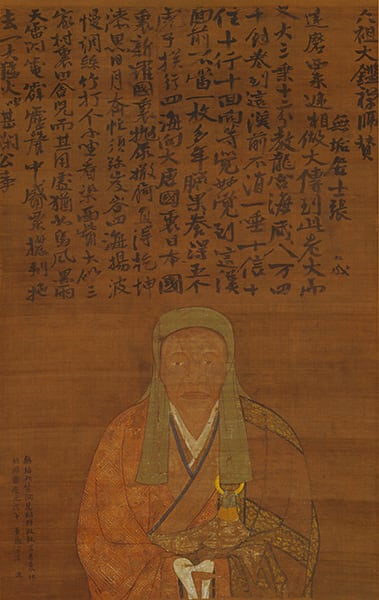
Huineng
يتّفقان في: ما المطلق؟ هل الله موجود؟ · من أنا؟ هل توجد ذات حقيقية؟ · لماذا نتألّم؟

Parmenides
يتّفقان في: ما المطلق؟ هل الله موجود؟ · كيف يُبلَغ التحرّر أو الخلاص؟ · هل نحتاج إلى معلّم؟
يبتعد في تفكيره عن

Julian of Norwich
يختلفان في: من أنا؟ هل توجد ذات حقيقية؟ · هل العالم حقيقي؟
Catherine of Siena
يختلفان في: من أنا؟ هل توجد ذات حقيقية؟ · هل العالم حقيقي؟
Jesus of Nazareth
يختلفان في: هل العالم حقيقي؟ · من أنا؟ هل توجد ذات حقيقية؟

Francis of Assisi
يختلفان في: من أنا؟ هل توجد ذات حقيقية؟ · هل العالم حقيقي؟
حكايات وروايات
حكايات وروايات
رواية من سِيَر القدّيسينtiempo legendario
The reproach from the womb
أصل الرواية: Mahābhārata 3.132 (critical edition), narrated by the sage Lomaśa to Yudhiṣṭhira; English translation by Ganguli (1884), pp. 396–397. H. H. Wilson summarises it in a note to his translation of the Viṣṇu Purāṇa (1840).
رواية من سِيَر القدّيسينtiempo legendario
The boy before Janaka's gatekeeper
أصل الرواية: Mahābhārata 3.133; Ganguli's translation (1884), pp. 398–399. The maxim on grey hair has parallels in normative Sanskrit literature.
رواية من سِيَر القدّيسينtiempo legendario
The contest of numbers
أصل الرواية: Mahābhārata 3.134; Ganguli's translation (1884), pp. 402–407, with notes interpreting each number as the thesis of a philosophical school.
رواية من سِيَر القدّيسينtiempo legendario
The bath in the Samaṅgā
أصل الرواية: Mahābhārata 3.134, end of the episode; Ganguli's translation (1884), p. 407. It is an aetiology of a sacred site (tīrtha) within the book of pilgrimages.
رواية من سِيَر القدّيسينtiempo legendario
The trial of the North
أصل الرواية: Mahābhārata, Anuśāsanaparvan, sections XIX–XXI of Ganguli's translation.
رواية من سِيَر القدّيسينtiempo legendario
The apsarases who laughed
أصل الرواية: Viṣṇu Purāṇa 5.38; H. H. Wilson's translation (1840), pp. 617–618. It is a Purāṇic story that does not appear in the Mahābhārata.
لا يمكن التحقق منهtiempo legendario (circulación moderna)
The king with one foot in the stirrup
أصل الرواية: It has not been located in the Mahābhārata, in the Purāṇas consulted or in the Aṣṭāvakra Gītā. It circulates in oral versions and in modern devotional literature, with variants; Ramana Maharshi refers to "the story of Aṣṭāvakra and Janaka" and to its differences between books in talk 350 (6 February 1937), without citing a source.
التعاليم
التعاليم
المفاهيم التي ينتظم بها فكره، مشروحة في سياقها.
The witness (sākṣin)sakshin
The notion of sākṣin, the unchanging witness, is common to Advaita Vedānta and has precedents in Sāṃkhya (puruṣa as spectator) and in the Upaniṣads.
Bondage and liberation as convictionbandha-moksha
It corresponds to the Advaita doctrine of superimposition (adhyāsa) and of liberation through knowledge, not through action.
Practice as bondagesamadhi-como-atadura
It contrasts with Patañjali's yoga, which defines yoga as the stilling of the movements of the mind and organises it into eight limbs.
Liberation while living (jīvanmukti)jivanmukti
Jīvanmukti is a classic theme of post-Śaṅkara Advaita (Vidyāraṇya's Jīvanmuktiviveka) and of texts such as the Yogavāsiṣṭha.
The contest of sages at Janaka's courtvada-certamen
The Bṛhadāraṇyaka Upaniṣad (book 3) presents another famous contest at Janaka's court, that of Yājñavalkya.
مقاطع الفيديو
مقاطع الفيديو
تسجيلات ومقابلات وأفلام وثائقية. تُشغَّل مقاطع الفيديو من YouTube؛ ولا تُستضاف هنا.
Selected Verses of the Ashtavakra Gita (Part 1) | Swami Sarvapriyananda
محاضرة· EN· 2019· 88 min
Vedanta Society of New Yorkالقناة الرسمية
Ashtavakra Samhita by Swami Sarvapriyananda
محاضرة· EN· 2017· 74 min
Vedanta Society of Southern Californiaالقناة الرسمية
Ashtavakra Gita - The Enlightened Life | Swami Sarvapriyananda
محاضرة· EN· 2022· 99 min
Vedanta Society of New Yorkالقناة الرسمية
Why Astavakra Gita Stands Apart in Spiritual Wisdom | Swami Sarvapriyananda
محاضرة· EN· 2025· 33 min
Ramakrishna Math & Ramakrishna Mission Mangaluruالقناة الرسمية
Concluding Talk on Ashtavakra Gita at Sri Ramanasramam
محاضرة· EN· 2024· 27 min
Swami Shantanandaالقناة الرسمية
Introduction to Ashtavakra Gita — Non-dual Teachings for Vedantic Contemplation
محاضرة· EN· 2026· 9 min
ArshaBodha - Swami Tadatmanandaالقناة الرسمية
Upanishad Ganga Episode 4 | Ashtavakra's Wisdom!
فيلم وثائقي· HI· 2022· 23 min
ChinmayaChannelالقناة الرسمية
The GREATEST Spiritual STORY Ever Told | Ashtavakra Gita | Gurudev
محاضرة· EN· 2022· 15 min
Gurudev Sri Sri Ravi Shankarالقناة الرسمية
A Story of Ashtavakra and Janaka Maharaj's Relationship | Sadhguru
تسجيل من طرف ثالث· EN· 2017· 13 min
Sadhguruالقناة الرسمية
అరణ్యపర్వం 32 • అష్టావక్రుని వృత్తాంతం • Chaganti • Mahabharatham
محاضرة· TE· 2023· 23 min
Sanatana Bharathi
Ashtavakra Gîta - Chapitres 1 à 6 [Advaita Vedanta]
تسجيل من طرف ثالث· FR· 2021· 32 min
Le Vieux Sage
Manik "Ashtavakra Gita 1. Kapitel - Teil 1/8 - Wie kann Erkenntnis entstehen" Satsang-Auszug
محاضرة· DE· 2025· 33 min
Manik Satsang
Day 1 Ashtavakara Gita Ch 1 Verse 1 & 2
محاضرة· ES· 2020· 45 min
Shivender Nagar Gita Vedanta
المعرض
المعرض
صور بترخيص متحقَّق منه. كل منها تحتفظ بمؤلّفها ونسبتها.
العلاقات
العلاقات
تأثيرات وتلمذة وتقارب في الأفكار. تُميَّز العلاقة الموثّقة عن التشابه المستخلَص بالتحليل.
من عائلة
According to the Mahābhārata (3.132), Aṣṭāvakra is the son of Sujātā, Uddālaka's daughter, and of Kahoḍa, Uddālaka's disciple; he grows up believing his grandfather to be his father.
علاقة موثّقة
أثّر في
Ramana commented on the story of Aṣṭāvakra and Janaka (Talks, talk 350, 1937) and copied by hand the Sanskrit text of the Aṣṭāvakra Gītā, published in facsimile by Sri Ramanasramam.
علاقة موثّقة
أثّر في
Vivekananda quotes Aṣṭāvakra Saṃhitā 1.11 ("he who considers himself free is free") in the conversations recorded by Sharat Chandra Chakravarty.
علاقة موثّقة
أثّر في
Osho devoted an extensive series of Hindi discourses to the Aṣṭāvakra Gītā, published as Ashtavakra Mahageeta.
علاقة موثّقة
أفكار قريبة من
In tradition both are protagonists of contests of knowledge at the court of Janaka of Videha (Yājñavalkya's in the Bṛhadāraṇyaka Upaniṣad, book 3).
تشابه مستخلَص بالتحليل
أفكار قريبة من
The Aṣṭāvakra Gītā sets out a radical Advaita; Brockington ascribes it to a follower of Śaṅkara (eighth or fourteenth century).
تشابه مستخلَص بالتحليل
أفكار قريبة من
Some commentators (Swami Shantananda Puri) see in the poem a seed of the doctrine of non-origination (ajātivāda) that Gauḍapāda develops in the Māṇḍūkya Kārikā.
تشابه مستخلَص بالتحليل
أفكار قريبة من
The Aṣṭāvakra Gītā and the Yogavāsiṣṭha share the ideal of the one liberated while living; Ramana Maharshi engaged with both (he copied the Gītā's Sanskrit by hand, and a selection of the Yogavāsiṣṭha was published at his ashram).
تشابه مستخلَص بالتحليل
أفكار قريبة من
The Aṣṭāvakra Gītā and the Avadhūta Gītā, ascribed to Dattātreya, are often published together (Alexandra David-Néel translated them in a single volume) because of their uncompromising non-dualism.
تشابه مستخلَص بالتحليل
أفكار قريبة من
The insistence on the self as witness and on the futility of gradual seeking brings his teaching close to that of the poem.
تشابه مستخلَص بالتحليل
المصادر
المصادر
المراجع والفهارس التي رُوجعت لهذه الصفحة.
- Mahābhārata, Āraṇyakaparvan 3.132–134 (ed. crítica de Poona: V. S. Sukthankar et al., Bhandarkar Oriental Research Institute, 1942). Traducción inglesa: Kisari Mohan Ganguli (trad.), The Mahabharata of Krishna-Dwaipayana Vyasa, vol. «Vana Parva», Calcuta, Bharata Press (Pratap Chandra Roy), 1884, secciones CXXXII–CXXXIV (Tirtha-yatra Parva), pp. 396–407.
- Mahābhārata, Anuśāsanaparvan, secciones XIX–XXI de la traducción de Kisari Mohan Ganguli (The Mahabharata of Krishna-Dwaipayana Vyasa, vol. «Anusasana Parva», Calcuta, Pratap Chandra Roy, 1883–1896): diálogo de Aṣṭāvakra con la dama Diś.
- Wilson, Horace Hayman (trad.). The Vishnu Purana: A System of Hindu Mythology and Tradition. Londres: Oriental Translation Fund / John Murray, 1840, libro V, cap. XXXVIII, pp. 617–618.
- Byrom, Thomas (trad.). The Heart of Awareness: A Translation of the Ashtavakra Gita. Prólogo de J. L. Brockington. Boston y Londres: Shambhala, 1990. ISBN 9780877735748.
- Hauschild, Richard (ed. y trad.). Die Aṣṭāvakra-Gītā. Berlín: Akademie-Verlag, 1967 (reimpresión De Gruyter, ISBN 9783112742679).
- Mukerjee, Radhakamal. Aṣṭāvakragītā (The Song of the Self Supreme). Delhi: Motilal Banarsidass, 1971 (póstumo). Datación citada según la entrada «Ashtavakra Gita» de la Wikipedia en inglés (consultada el 26-10-2026); no se ha visto el libro.
- Baij Nath, Rai Bahadur Lala (trad.). The Ashtavakra Gita: A Treatise on Adwaita Philosophy, translated into English with brief notes and introduction. Meerut: oficina del Vaishya Hitkari (impreso en Allahabad, Liddell's Printing Works), 1904.
- Nityaswarupananda, Swami (trad.). Aṣṭāvakra Saṃhitā. Mayavati: Advaita Ashrama, 1940. Edición facsímil con el texto sánscrito copiado a mano por Ramana Maharshi: Tiruvannamalai, Sri Ramanasramam, 2001 (ficha del distribuidor Society of Abidance in Truth).
- Venkataramiah, Munagala (comp.). Talks with Sri Ramana Maharshi. Tiruvannamalai: Sri Ramanasramam, 1955; charlas 104 y 350 (6 de febrero de 1937).
- Vivekananda, Swami. The Complete Works of Swami Vivekananda, vol. 7, «Conversations and Dialogues», V (notas de Sharat Chandra Chakravarty). Mayavati: Advaita Ashrama. Cita de la Aṣṭāvakra Saṃhitā 1.11.
- Wikidata: «Ashtavakra» (Q2722992, sabio védico) y «Ashtavakra Gita» (Q780145).
- Osho. Ashtavakra Mahageeta, bhāg 1 (discursos en hindi). Nueva Delhi: Diamond Books, 2021. ISBN 9788189605773 (serie en varios volúmenes).
- Vālmīki, Rāmāyaṇa, Yuddhakāṇḍa 6.119.17 (numeración de la vulgata), texto y traducción inglesa de Desiraju Hanumanta Rao y K. M. K. Murthy, Valmiki Ramayan.
- अष्टावक्रगीता (Aṣṭāvakragītā), texto sánscrito completo en veinte capítulos, Wikisource en sánscrito.
- Pagani, Silvio (versión en verso). Asht'avakragìtà o il canto di Asht'àvakra. Poemetto filosofico indiano. Milán: Sonzogno (Biblioteca Universale), 1912. Prefacio sobre la traducción en prosa de Carlo Giussani (Rivista Orientale, 1867–1868).
- صاحب الحقوق
- Texto sánscrito anónimo en dominio público. Las traducciones modernas tienen derechos propios: Shambhala (Byrom), Advaita Ashrama (Nityaswarupananda), Shanti Sadan (Shastri), José J. de Olañeta, Luis Cárcamo, Éditions du Rocher (David-Néel), Éditions de l'Éclat (Porte), De Gruyter (Hauschild), Diamond Books (Osho). La versión de John Richards fue cedida por su autor al dominio público (1994); las de Baij Nath (1904) y Pagani (1912) son de dominio público.
في انتظار التأكيد
ما لم تتمكّن هذه الصفحة من حسمه بعد. نفضّل أن نقول ذلك على أن نملأ الفراغ.
- Fechas: no existen fechas de nacimiento ni muerte; la línea de tiempo usa la recepción de los textos.
- Comprobar en el libro de Radhakamal Mukerjee (1971) la datación que le atribuye la Wikipedia (siglos V–IV a. C.); no se ha visto el volumen.
- Comprobar en la edición de Hauschild (1967) su propuesta de datación, los manuscritos utilizados y la serie exacta (Abhandlungen de la Academia Sajona de Ciencias); registrar después los manuscritos en manuscripts[].
- Traducción de Janaki Nath Mukerjee: no se ha localizado en ningún catálogo (Open Library, Internet Archive, búsqueda general). No se registra.
- Comprobar en el catálogo del British Museum (objeto 1880,0.2073) el título y la identificación de la figura de la acuarela; la identificación como Aṣṭāvakra procede de la ficha de Commons.
- Confirmar el año de publicación del fascículo del Anuśāsana Parva de Ganguli y la numeración de la edición crítica (13.19–21) del diálogo con Diś.
- Edición de Sri Ramanasramam con la caligrafía de Ramana (2001): confirmar el ISBN (el distribuidor da 8188018570).
- Osho: no se ha encontrado un canal oficial (OSHO International) con los discursos de la Ashtavakra Mahageeta; las subidas encontradas son de terceros y no se registran.
- Sala de lectura: la traducción de Baij Nath y la versión de Pagani tienen OCR deficiente; buscar transcripciones limpias. No se ha encontrado ningún texto español en dominio público.
- Vídeo ivZ9kPLxMqA: confirmar que la clase es en español.
- Project Gutenberg no tiene ninguna edición de estas obras (búsqueda en gutenberg.org el 2026-10-26: «No records found»).
بُحث بتاريخ 2026-10-26