بهاكتي · السيخية
Guru Nanak
ਗੁਰੂ ਨਾਨਕ · گرو نانک · गुरु नानक
1469 – 1539شخصية موثّقة تاريخيًا
معلّم روحي وشاعر من البنجاب (1469–1539)، أول الغوروات العشرة ومؤسس السيخية. بعد تجربة عاشها في نهر بِين أعلن أنه «لا هندوسيّ ولا مسلم»، وجال عقدين من الزمن برفقة الموسيقي مردانا، وأسّس في كارتاربور جماعة من المريدين يعملون وينشدون ويأكلون معًا. وتُحفظ نصوصه البالغة 974 نصًّا، ومنها «جابجي»، في «غورو غرانث صاحب»؛ أما «الجانامساكهي» التي تروي حياته فسِيَرٌ تقديسية.
- مؤلَّفًا
- 27مؤلَّفًا
- طبعة
- 42طبعة
- اقتباسًا
- 10اقتباسًا
- مقطع فيديو
- 15مقطع فيديو
- صورة
- 9صورة
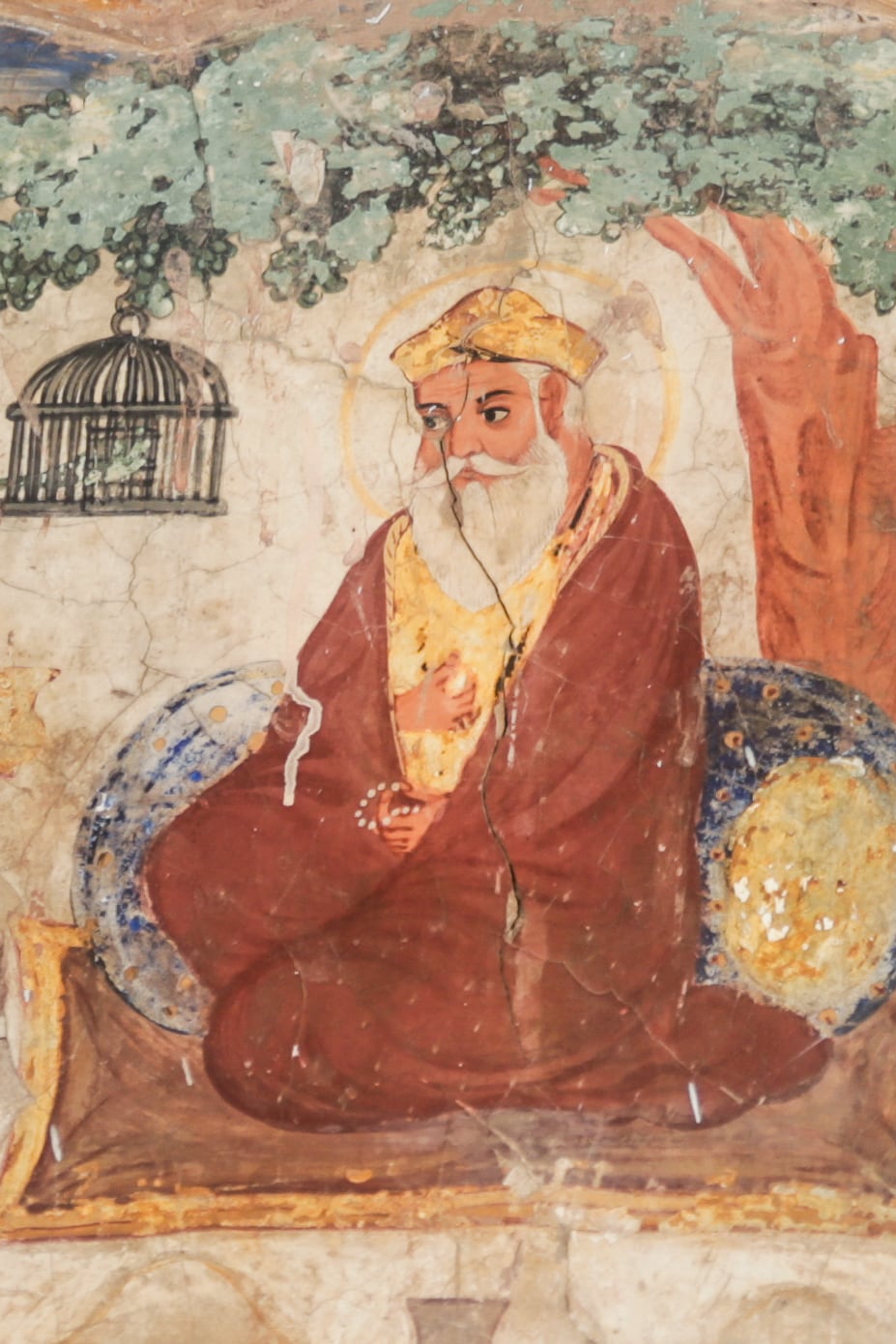
Guru Nanak en un mural del gurdwara Baba Atal Rai · CC BY-SA 4.0
بكلماته
«One God. Truth is his name. Creator, without fear, without enmity, of timeless form, unborn, self-existent; attained by the guru's grace.»Mul Mantar, Guru Granth Sahib, ang 1. Traducción propia.

فكرته المحورية
Ik Onkar: one God: The Sikh scripture opens with a sign, the numeral "one" joined to the syllable Onkar, which Nanak made the emblem of his theology: there is a single God, at once transcendent, without form (nirgun), and present throughout creation (sargun).
السيرة
3 دقيقة قراءة
ترجمة مُعانة من الأصل الإسباني، بانتظار مراجعة مترجم من أهل اللغة.
تالواندي
وُلد ناناك سنة 1469 في راي بهوي دي تالواندي، وهي قرية في البنجاب على نحو سبعين كيلومترًا غربَ لاهور، تُعرف اليوم باسم ننكانا صاحب، وتقع في باكستان. وتكاد السِّيَر التقليدية كلها تجعل مولده في شهر فايساخ، أي في أبريل — في الخامس عشر منه بحسب التحويل المعتاد —، غير أن السيخ يحتفلون بذكرى مولده في بدر شهر كاتّاك، في نوفمبر، جريًا على تقليد استقرّ في القرن التاسع عشر. وكان أبوه كالو، من طبقة الخَتري التجارية ومن سلالة بيدي، محاسبًا لدى ملّاك الأرض المحلي راي بولار، وكان مسلمًا؛ وكانت أمه تُدعى تريبتا، وستكون أخته الكبرى ناناكي أولَ من رأى فيه أمرًا استثنائيًّا. وتعلّم القراءة ومسك الحسابات، وشيئًا من الفارسية بحسب ما تقول السِّيَر.
نهر بِين
نحو سنة 1487 تزوّج في باتالا من سولاخاني، فولدت له ابنين، شري تشاند ولاخمي داس. وبوساطة زوج ناناكي دخل في خدمة دولت خان لودي، حاكم الإقليم، قيّمًا على مخزن الغلال في سلطانبور. وهناك، بحسب «الجانامساكهي» — وهي مجاميع الحكايات عن حياته —، كان يغتسل كل صباح في نهر بِين؛ وذات يوم لم يعد. فحسبوه غريقًا. ثم ظهر في اليوم الثالث، ولزم الصمت، فلما نطق قال: «لا هندوسيّ، ولا مسلم». وتصف السِّيَر تلك الأيام بأنها مثولٌ في الحضرة الإلهية تلقّى فيه التكليف بتمجيد «الاسم». والتاريخ الذي تذكره الرواية هو سنة 1499، وكان في نحو الثلاثين من عمره؛ ولا سبيل إلى التحقق منه.
الطرق
ترك وظيفته وشرع في أسفار طويلة، هي «الأوداسي»، يرافقه مردانا، وهو موسيقيّ مسلم كان يعزف على الرباب فيما يغنّي ناناك. وتأخذه الجانامساكهي شرقًا إلى بنارس والبنغال وآسام وبوري؛ وجنوبًا إلى سريلانكا؛ وشمالًا إلى الهيمالايا وجبل سوميرو، حيث يناظر يوغيي الناث؛ وغربًا إلى مكة وبغداد. وقد انتهى و. هـ. ماكلويد، الذي أخضع هذه الحكايات للنقد التاريخي، إلى أن من المرجّح جدًّا أنه أكثر من الأسفار، ولا سيما إلى مراكز الحج الهندوسية والإسلامية، وأن خطوط الرحلات المفصّلة تركيبٌ متأخر. وفي بغداد مزارٌ مكرَّس لـ«بابا ناناك» عليه نقشٌ يُختلف في قراءته وتاريخه. أما أشعار ناناك نفسها فتؤكد مَن كان يحاورهم: البراهمة، والقضاة، والزهّاد، واليوغيون.
بابر
نحو سنة 1520 نهب جيشُ بابر، الذي سيؤسّس بعد سنوات قليلة الإمبراطورية المغولية، بلدةَ سيدبور، إيمن آباد اليوم. وكان ناناك فيها أو على مقربة شديدة منها، فدخل ما رآه في شعره: أربعة أناشيد تُعرف باسم «بابَرواني» تصف المذبحة، والنساء المسوقات قسرًا، والمعابد والمساجد المهدومة، وتتوجّه إلى الله بسؤال لا نظير له في الشعر التعبّدي في عصره: كلُّ هذا الضرب وكلُّ هذا الصراخ، أفلم تشعر بالألم؟ وتضيف الجانامساكهي أن ناناك أُسر، وأن الرحى في السجن كانت تدور من تلقاء نفسها، وأن بابر انتهى إلى إطلاق سراحه؛ وهذه أسطورة، لكن الأناشيد شهادة مباشرة على حدث تاريخي.
كارتاربور
في عشرينيات القرن السادس عشر استقرّ في كارتاربور، وهي قرية أسّسها على ضفاف نهر رافي. وهناك قضى سنواته الخمس عشرة الأخيرة ربَّ أسرة وفلّاحًا، لا زاهدًا: يبدأ النهار بإنشاد «جابجي» من نظمه، وينتهي بأناشيد المساء، وكان المريدون — و«سيخ» معناها «مريد» تحديدًا — يفلحون الأرض ويتقاسمون الطعام في مطبخ مشترك. ويصف بهاي غورداس، وهو كاتب من الجيل التالي، تلك الجماعة بأنها النموذج للحياة التي كان ناناك يدعو إليها: ذِكر «الاسم»، وكسب الرزق بالحلال، ومقاسمة الآخرين ما يملكه المرء. وجماعة كارتاربور هي، في نظر المؤرخين، النواة المؤسسية لما سيصير الديانة السيخية.
الخليفة
لم يعيّن ناناك أحدًا من ابنيه. فشري تشاند، وكان زاهدًا، سيؤسس طريقة الأوداسيين؛ ولاخمي داس عاش حياة دنيوية. وكان المختار مريدًا يُدعى لِهنا، من خادور، سمّاه ناناك «أنغاد»، أي «عضوٌ من جسدي»، وسجد أمامه سجود المريد. وتشهد قصيدةٌ للمنشدَين ساتّا وبالفاند، أُدرجت في الكتاب المقدس عند السيخ ونُظمت، في صيغتها النهائية على الأقل، في عهد الغورو الخامس أرجان، على هذا انتقال السلطة: النور هو هو، ولم يتغيّر إلا الجسد. ومات ناناك في كارتاربور في 22 سبتمبر 1539. وتروي أقدم الجانامساكهي أن الهندوس والمسلمين تنازعوا جثمانه، فطلب منهم المعلّم أن يضعوا أزهارًا على جانبيه، فلما أصبحوا لم يجدوا تحت الغطاء إلا الأزهار، نديّةً بعد.
الكلمة
خلافًا لكثير من المؤسسين، ترك ناناك أثرًا واسعًا متينَ النقل: نحو 974 نصًّا — أناشيد («شَبَد») ومقاطع («سَلوك») وقصائد طويلة — بالبنجابية وبلغة مختلطة من لغات شمال الهند، مرتّبةً بحسب المقامات الموسيقية («الراغات») التي ينبغي أن تُنشَد عليها. وحفظها خلفاؤه في دفاتر، ثم جمعها الغورو الخامس أرجان سنة 1604 في «آدي غرانث» مع نصوص غوروات آخرين وقدّيسين مثل كبير ورافيداس وفريد؛ وفي سنة 1708 أعلن غوبيند سينغ ذلك الكتاب غوروًا أبديًّا للسيخ، فصار «غورو غرانث صاحب». ومنه تأتي «جابجي» و«آسا دي فار» و«سِده غوشت» و«باراه ماها». أما الجانامساكهي فمجاميع تقديسية أُلّفت منذ أواخر القرن السادس عشر: والصورة التي ترسمها لناناك هي صورته في ذاكرة أتباعه، وعلى التاريخ النقدي أن يقرأها بحذر. ومركز تعاليمه واضح: إلهٌ واحد لا صورة له، لا يُبلَغ إلا بفضله، وبالمواظبة على ذكر «الاسم»، وبحياة نزيهة في قلب العالم.
المصادر: McLeod, W. H. Gurū Nānak and the Sikh Religion. Oxford: Clarendon Press, 1968. ISBN 9780198265214 (ed. india, Delhi: Oxford University Press, 1976, ISBN 9780195608069). · Macauliffe, Max Arthur. The Sikh Religion: Its Gurus, Sacred Writings and Authors. 6 vols. Oxford: Clarendon Press, 1909. Vol. 1 en Wikisource. · Srī Gurū Granth Sāhib (Ādi Granth). Compilado por Guru Arjan en 1604; recensión de Damdama, 1706. Edición estándar de 1.430 páginas (ang). Trad. inglesa de Manmohan Singh, 8 vols. Amritsar: Shiromani Gurdwara Parbandhak Committee, 1962-1969. · McLeod, W. H. Early Sikh Tradition: A Study of the Janam-sākhīs. Oxford: Clarendon Press, 1980. · Grewal, J. S. The Sikhs of the Punjab. The New Cambridge History of India II.3. Cambridge: Cambridge University Press, 1990 (ed. rev. 1998).
الخط الزمني
الحياة عامًا بعد عام
كل نقطة حدث موثّق. انقر لتقرأه مع مصدره ودرجة اليقين فيه.
15 أبريل 1469أقل من عامRai Bhoi di Talwandi (hoy Nankana Sahib, Pakistán)
Birth
Born in Vaisakh 1469 according to most janamsakhis; the Bala janamsakhi places it in Kattak (November), the date on which the Gurpurab is celebrated today.
مرجَّحSingh, Harbans (ed.). The Encyclopaedia of Sikhism. 4 vols. Patiala: Punjabi University, 1992-1998.
بعد وفاته
- 1604The Adi Granth
- 1708The book as eternal guru
- 1968McLeod's critique
- 9 نوفمبر 2019The Kartarpur Corridor
15 أبريل 1469 · أقل من عام
Birth
Born in Vaisakh 1469 according to most janamsakhis; the Bala janamsakhi places it in Kattak (November), the date on which the Gurpurab is celebrated today.
مرجَّح
نحو 1487 · 18 عامًا
Marriage to Sulakhani
Marries Sulakhani, daughter of Mul Chand; they will have two sons, Sri Chand (1494) and Lakhmi Das (1496 or 1497).
مرجَّح
نحو 1495
In Daulat Khan Lodi's service
Through his brother-in-law Jai Ram he manages the governor's granary at Sultanpur. The exact chronology is uncertain.
مرجَّح
نحو 1499 · 30 عامًا
The Bein river experience
Disappears for three days in the river and reappears saying "There is no Hindu, there is no Muslim". Traditional date; some authors propose 1496 or 1507.
تقليد
نحو 1500 – 1520 · 31 عامًا
The journeys (udasis)
With the musician Mardana he travels to Hindu and Muslim pilgrimage centres. Scholarship accepts extensive travels, not the detailed itineraries.
تقليد
نحو 1520 · 51 عامًا
Babur's sack of Saidpur
A witness of the sack, he composes the Babarvani hymns. His imprisonment and meeting with Babur belong to legend.
مرجَّح
نحو 1522 – 1539 · 53 عامًا
Settlement at Kartarpur
Settles as a householder and farmer in the village he has founded; organises the first Sikh community with daily singing and a common kitchen.
مرجَّح
1539 · 70 عامًا
Lehna, successor under the name Angad
Appoints his disciple Lehna, whom he calls Angad, as successor, rather than his sons. The transmission is attested by Satta and Balvand's var in the scripture.
موثّق
22 سبتمبر 1539 · 70 عامًا
Death
Dies on the tenth day of Asauj, 1596 of the Bikrami era (22 September 1539), according to Sikh records.
مرجَّح
1604
The Adi Granth
Guru Arjan gathers the compositions of Nanak, of the following gurus and of Hindu and Muslim saints into the Sikh scripture.
موثّق
1708
The book as eternal guru
Before dying, Guru Gobind Singh declares that the Granth will be the guru of the Sikhs: Nanak's word becomes their living authority.
موثّق
1968
McLeod's critique
Guru Nanak and the Sikh Religion applies historical criticism to the janamsakhis and separates the few secure facts from hagiography; it opens a lasting debate in Sikh studies.
موثّق
9 نوفمبر 2019
The Kartarpur Corridor
On the 550th anniversary of his birth, India and Pakistan open a corridor allowing pilgrims to cross the border to the Kartarpur gurdwara.
موثّق
المؤلَّفات
المؤلَّفات الأساسية
المؤلَّفات التي لا يُفهم إرثه من دونها.
مؤلَّف مكتوب
Japji (Japu)
ਜਪੁ
It opens the Guru Granth Sahib with the Mul Mantar, the definition of God in one line, followed by thirty-eight stanzas (pauris) and a final salok. It traverses the impossibility of reaching God through ritual purity, silence or learning; obedience to the divine will (hukam); the power of hearing and accepting the Name; the immensity of creation, and the five realms of spiritual ascent up to the "realm of truth". Sikhs recite it every morning. The final salok recurs almost identically in a var by Guru Angad, so some attribute it to the second guru.
7 طبعات · amazon.com
Guru Nanak
Asa di Var (Ballad in raga Asa)
مؤلَّف مكتوب
Asa di Var (Ballad in raga Asa)
ਆਸਾ ਦੀ ਵਾਰ
A var or heroic ballad in twenty-four stanzas by Nanak, interspersed with saloks by him and by Guru Angad, sung every dawn in gurdwaras. It criticises the religious hypocrisy of brahmins and qadis, the sacred thread, the notion of impurity and the arrogance of power; in one of its saloks it defends the dignity of woman, from whom kings are born. It is one of the central pieces of Sikh liturgy.
4 طبعات · amazon.com
Guru Nanak
Sidh Gosht (Dialogue with the Siddhas)
مؤلَّف مكتوب
Sidh Gosht (Dialogue with the Siddhas)
ਸਿਧ ਗੋਸਟਿ
A poem of seventy-three stanzas in raga Ramkali, in the form of a dialogue between Nanak and the Nath yogis, whom tradition places at Achal Batala or on Mount Sumeru. The yogis ask who he is, where he comes from, why he does not renounce the world; Nanak replies that true yoga is to live in the world without being stained, through the guru's Word (shabad) and remembrance of the Name. It sets out the Sikh critique of asceticism.
طبعتان · amazon.de

مجموعة لاحقة · 1604
Hymns and stanzas in the Guru Granth Sahib (the complete corpus)
ਸਬਦ ਅਤੇ ਸਲੋਕ (ਮਹਲਾ ੧)
The whole body of some 974 compositions by Nanak —shabads, ashtapadis, chhants, saloks and vars— spread across nineteen ragas: Sri, Majh, Gauri, Asa, Gujri, Vadhans, Sorath, Dhanasari, Tilang, Suhi, Bilaval, Ramkali, Maru, Tukhari, Bhairo, Basant, Sarang, Malar and Prabhati. The pieces with their own titles are recorded separately; the rest are short hymns exploring the Name, grace, the ego, truth and the critique of ritual religion.
6 طبعات · amazon.com
جميع مؤلَّفاته (27)
Guru Nanak
Mul Mantar
The Conscious LibraryMul Mantar
Guru Nanak
Onkar (Ramkali Dakhni)
The Conscious LibraryOnkar (Ramkali Dakhni)
Guru Nanak
Var in raga Majh
The Conscious LibraryVar in raga Majh
Guru Nanak
Var in raga Malar
The Conscious LibraryVar in raga Malar
Guru Nanak
Barah Maha (The twelve months), raga Tukhari
The Conscious LibraryBarah Maha (The twelve months), raga Tukhari
Guru Nanak
Babarvani (The Babur hymns)
The Conscious LibraryBabarvani (The Babur hymns)
1520
Guru Nanak
Arti ("Gagan mai thal")
The Conscious LibraryArti ("Gagan mai thal")
Guru Nanak
Kirtan Sohila (Nanak's contributions)
The Conscious LibraryKirtan Sohila (Nanak's contributions)
Guru Nanak
So Dar and Rahras (Nanak's contributions)
The Conscious LibrarySo Dar and Rahras (Nanak's contributions)
Guru Nanak
Patti (The alphabet), raga Asa
The Conscious LibraryPatti (The alphabet), raga Asa
Guru Nanak
Alahanian (Dirges), raga Vadhans
The Conscious LibraryAlahanian (Dirges), raga Vadhans
Guru Nanak
Pahare (The watches), Sri Rag
The Conscious LibraryPahare (The watches), Sri Rag
Guru Nanak
Thiti (The lunar days), raga Bilaval
The Conscious LibraryThiti (The lunar days), raga Bilaval
Guru Nanak
Kuchaji and Suchaji, raga Suhi
The Conscious LibraryKuchaji and Suchaji, raga Suhi
Guru Nanak
Saloks in sahaskriti
The Conscious LibrarySaloks in sahaskriti
Guru Nanak
Pran Sangli
The Conscious LibraryPran Sangli
Guru Nanak
Puratan Janamsakhi (and the B40 manuscript)
The Conscious LibraryPuratan Janamsakhi (and the B40 manuscript)
1600
Guru Nanak
Bhai Bala Janamsakhi
The Conscious LibraryBhai Bala Janamsakhi
1650
Guru Nanak
Miharban Janamsakhi
The Conscious LibraryMiharban Janamsakhi
1640
Guru Nanak
Bhai Gurdas's first var
The Conscious LibraryBhai Gurdas's first var
1610
Guru Nanak
Guru Nanak and the Sikh Religion (W. H. McLeod)
The Conscious LibraryGuru Nanak and the Sikh Religion (W. H. McLeod)
1968
Guru Nanak
The Sikh Religion (Max Arthur Macauliffe)
The Conscious LibraryThe Sikh Religion (Max Arthur Macauliffe)
1909
Guru Nanak
Life and teachings of Guru Nanak (Premka Kaur Khalsa)
The Conscious LibraryLife and teachings of Guru Nanak (Premka Kaur Khalsa)
2004
الأقوال
أقوال محدَّدة الموضع في مؤلَّف بعينه. كل منها يحمل مصدره ودرجة الثقة به.
One God. Truth is his name. Creator, without fear, without enmity, of timeless form, unborn, self-existent; attained by the guru's grace.ੴ ਸਤਿ ਨਾਮੁ ਕਰਤਾ ਪੁਰਖੁ ਨਿਰਭਉ ਨਿਰਵੈਰੁ ਅਕਾਲ ਮੂਰਤਿ ਅਜੂਨੀ ਸੈਭੰ ਗੁਰ ਪ੍ਰਸਾਦਿ ॥
متحقَّق منهMul Mantar, Guru Granth Sahib, ang 1. Traducción propia.
أقوال منحولة أو مختلَف في نسبتها (1)
«"Nam japo, kirat karo, vand chhako" ("remember the Name, work honestly, share"), quoted as a literal saying of Nanak.»
It faithfully sums up Nanak's ethics and the Kartarpur life described by Bhai Gurdas, but it does not appear in that form in his compositions in the Guru Granth Sahib: it is a later formula of the Sikh tradition.
الكلمات الأخيرة
نسبة تقليدية
«(Paraphrase) Let the Hindus place flowers on my right and the Muslims on my left: those whose flowers are still fresh in the morning shall dispose of the body.»There is no direct testimony. The Puratan janamsakhi (B40 manuscript, copied in 1733) relates that, faced with the dispute between Hindus and Muslims over his funeral rites, Nanak gave this instruction in indirect speech, covered himself with a sheet and died; in the morning only the flowers remained, all fresh. It is a hagiographic account and the wording is not fixed.
المصدر: McLeod, W. H. (trad.). The B40 Janam-sākhī. Amritsar: Guru Nanak Dev University, 1980 (traducción del manuscrito Panjabi B40 de la British Library, copiado en 1733).
اسأل
بماذا يجيب أثره
اثنا عشر سؤالًا كبيرًا من أسئلة الإنسانية، وما تتيح نصوصه الإجابة به عنها، مع المراجع. ولا نقوّله ما لم يقل أبدًا.
ما المطلق؟ هل الله موجود؟
One creator God, whose name is Truth, reached through grace
إله شخصييقوله صراحةً
The Mul Mantar that opens the Japji sums up Guru Nanak’s theology: one God, whose name is Truth, creator, without fear or enmity, timeless in form, unborn, self-existent, reached through the grace of the guru. This God creates, orders the world through his hukam (will or command), grants his gracious glance (nadar) and receives the love of those who remember him. Nanak calls him formless (nirankar) and rejects incarnation or confinement in images, but he does not conceive him as a cold principle: the soul seeks him as the bride seeks the bridegroom. The divine is both transcendent and present in the whole creation, which Nanak describes as a great cosmic worship in which the sun and moon are the lamps.
قارن هذا السؤال مع معلّمين آخرينمن أنا؟ هل توجد ذات حقيقية؟
The soul is light of the Light, led astray by ego (haumai)
روح مخلوقة خالدةيقوله صراحةً
Guru Nanak sees in every being a light (jot) that proceeds from the divine Light: in his Arti he sings that one and the same light shines in all, and that it is God’s. What darkens that light is haumai, the ‘I-I’, the ego that thinks itself separate and appropriates what it receives; living from it is to live as a manmukh, turned towards one’s own mind. Whoever follows the guru’s word becomes gurmukh and recognises the divine order (hukam) in all things. In the Barah Maha the soul appears as a bride who, month after month, yearns for her husband and longs for union. The true self is therefore not the ego, but neither does it simply dissolve: it is a soul seeking to merge with its source, like water into water.
قارن هذا السؤال مع معلّمين آخرينلماذا نتألّم؟
Ego separates from God; pain can be a medicine
الانفصال عن اللهيقوله صراحةً
For Guru Nanak the root of suffering is haumai, the ego that thinks itself self-sufficient and forgets the Name. Whoever lives this way, as a manmukh, is caught in lust, anger, greed, attachment and pride, and turns on the wheel of births and deaths. The Asa di Var contains a characteristic reversal: suffering can be the medicine and pleasure the disease, because in comfort human beings forget God. Pain, then, is not only punishment: it can break the ego’s self-sufficiency and return the soul to the divine order (hukam). The way out is not to flee the world but to remember the Name and accept God’s will within ordinary life.
قارن هذا السؤال مع معلّمين آخرينماذا يحدث بعد الموت؟
Karma gives the body; grace opens the door of liberation
الولادة من جديد وفق الكارمايقوله صراحةً
Guru Nanak accepts the Indian framework of rebirth: the soul passes from one body to another according to its actions, and ego keeps it bound to the wheel of births and deaths. In the fourth stanza of the Japji he states his decisive nuance: through karma one obtains the garment, that is, the body; through the glance of grace, the door of liberation. Leaving the cycle is not earned by merit or ritual but received from God, and whoever remembers the Name merges with Him. In his funeral hymns (Alahanian) he recalls that death is universal and comes by divine order, and warns that it should not be called an evil if one knew how to die: dying to the ego and living in the remembrance of God.
قارن هذا السؤال مع معلّمين آخرينكيف يُبلَغ التحرّر أو الخلاص؟
By the grace of God and guru, through remembering the Name
بالنعمة والمحبةيقوله صراحةً
The Mul Mantar ends by saying that God is reached through the grace of the guru (gur prasad), and the Japji specifies that karma gives the body, but the door of liberation opens through the glance of grace (nadar). Guru Nanak does not deny effort: he asks for remembrance of the Name (nam simran), truthful living and submission to the divine order (hukam). But he rejects the idea that rites, ablutions or forced silence suffice; one of the first verses of the Japji says that washing a hundred thousand times does not make one pure. Liberation (mukti) is not escape from the world but merging with God already in this life, as a gurmukh. Grace precedes and crowns the path.
قارن هذا السؤال مع معلّمين آخرينهل نحتاج إلى معلّم؟
Without the guru there is no path, but the guru is the Word
لا غنى عنهيقوله صراحةً
For Guru Nanak the guru is indispensable: the Mul Mantar ends by saying that God is reached through the guru’s grace, and his hymns repeat that without the guru no one crosses the ocean of the world. But the guru is not, first and foremost, a person. In the Sidh Gosht, his dialogue with the yogis, Nanak replies that his guru is the Word (shabad) and the consciousness that listens to it, its disciple. The true guru is God’s voice made audible in the hymn; a human teacher is guru insofar as he transmits it. This conception explains why, after the tenth guru, authority passed to the scripture, the Guru Granth Sahib, and to the assembled community (sangat).
قارن هذا السؤال مع معلّمين آخرينهل العالم حقيقي؟
True are your worlds: creation is real and God’s work
خلقٌ صالح وحقيقييقوله صراحةً
Guru Nanak strongly affirms the reality of creation. In the Asa di Var he sings that God’s worlds and universes are true, true his forms and works; the world is not an appearance but the dwelling of the True One, who sustains it through his order (hukam). In his Arti he describes the whole cosmos as a ceremony of worship: the sky is the tray, the sun and moon are the lamps and the stars the pearls. What is false is not the world but attachment to it and forgetting its Creator. Hence he rejects the yogis’ renunciation and proposes living in the world as in a sacred place, fulfilling its duties truthfully.
قارن هذا السؤال مع معلّمين آخرينما الحب؟
The soul-bride who, month after month, yearns for her Lord
الشوق والوصاليقوله صراحةً
Guru Nanak expresses love of God through the image of the bride longing for her husband. In the Barah Maha, composed in raga Tukhari, he goes through the twelve months of the year via the feelings of the separated soul: rain, heat or cold intensify her yearning, until union comes through the Lord’s grace. That love (bhau, prem) is cultivated by remembering the Name and shows itself in conduct: Nanak asks for humility, truthfulness and service. The institutions born of his teaching, the assembled community (sangat) and the common kitchen open to all (langar), translate that love of God into practical equality between castes and sexes. Love seeks union and proves itself in shared life.
قارن هذا السؤال مع معلّمين آخرينهل نحن أحرار أم أن كل شيء مقدَّر؟
All lies within the divine order, and each reaps what they sow
القدر والمسؤوليةيقوله صراحةً
Guru Nanak sets out two claims that seem opposed. The first is hukam, the divine order or will: in the second stanza of the Japji he says that by it forms are created, greatness or lowliness, pain or joy are received, and no one stands outside it. The second is responsibility: in stanza twenty he states that each one sows and each one eats what was sown. Human beings cannot leave the hukam, but they can recognise it or resist it; whoever understands it, the Japji says, stops speaking from ego. Freedom consists in walking according to the order that is written with us, as one of his recorded verses says.
قارن هذا السؤال مع معلّمين آخرينلماذا نتأمّل أو نصلّي؟
Remember the Name with every breath, in daily life
صداقة مع اللهيقوله صراحةً
The practice Guru Nanak proposes is remembrance of God’s Name (nam simran), repeated and sung, both alone and in the assembled community. It is not a technique for reaching extraordinary states but a way of keeping the Beloved present amid daily life. In the first stanza of the Japji he warns that neither repeated washing purifies nor forced silence gives inner silence; what transforms is a living relationship with God. In the Sidh Gosht he argues with yogis who practise austerities and bodily techniques and sets the Word (shabad) against them as the means. For Nanak to pray is to be in love with the Lord and live according to his order, remembering him with every breath.
قارن هذا السؤال مع معلّمين آخرينهل يستطيع العقل أن يعرف الحقيقة القصوى؟
Thinking a hundred thousand times does not think Him: He is known by grace
الحقيقة القصوى وراء العقليقوله صراحةً
The first stanza of the Japji sets out the mind’s limit through a series of negations: by thinking He is not reached, though one think a hundred thousand times; by keeping silent silence is not attained; by sating oneself hunger is not stilled; and a thousand clevernesses go with no one at the end. For Guru Nanak the True One lies beyond calculation and speculation and is revealed only through the divine order and grace. This does not lead him to despise understanding: his hymns are reflective, argue with yogis, Brahmins and mullahs, and ask one to understand (bujh) the hukam. But decisive knowledge is not a reasoning but recognition of the Word the guru transmits.
قارن هذا السؤال مع معلّمين آخرينالانسحاب من العالم أم تغييره؟
Pure amid impurity: honest work, sharing and community
الانخراط في العالميقوله صراحةً
Guru Nanak rejects the yogis’ renunciation: in one of his hymns he says that yoga lies not in the patched cloak, the staff or the ashes, but in remaining pure amid impurity. He himself, after his travels, settled at Kartarpur as a farmer and founded a community. Sikh tradition sums up his teaching in three precepts: remember the Name, earn one’s living honestly and share with others. His engagement with the world also had a critical dimension: in the Asa di Var he defends the dignity of woman, from whom kings are born, and in the hymns of Babur he denounces the violence of the Mughal invasion and asks God whether he felt no pain.
قارن هذا السؤال مع معلّمين آخرين
التقارب والتوتّر
التقارب والتوتّر
محسوبة سؤالًا سؤالًا انطلاقًا من مواقفه. وسبب كل اتفاق أو اختلاف يظهر بالنقر.
يقترب في تفكيره من
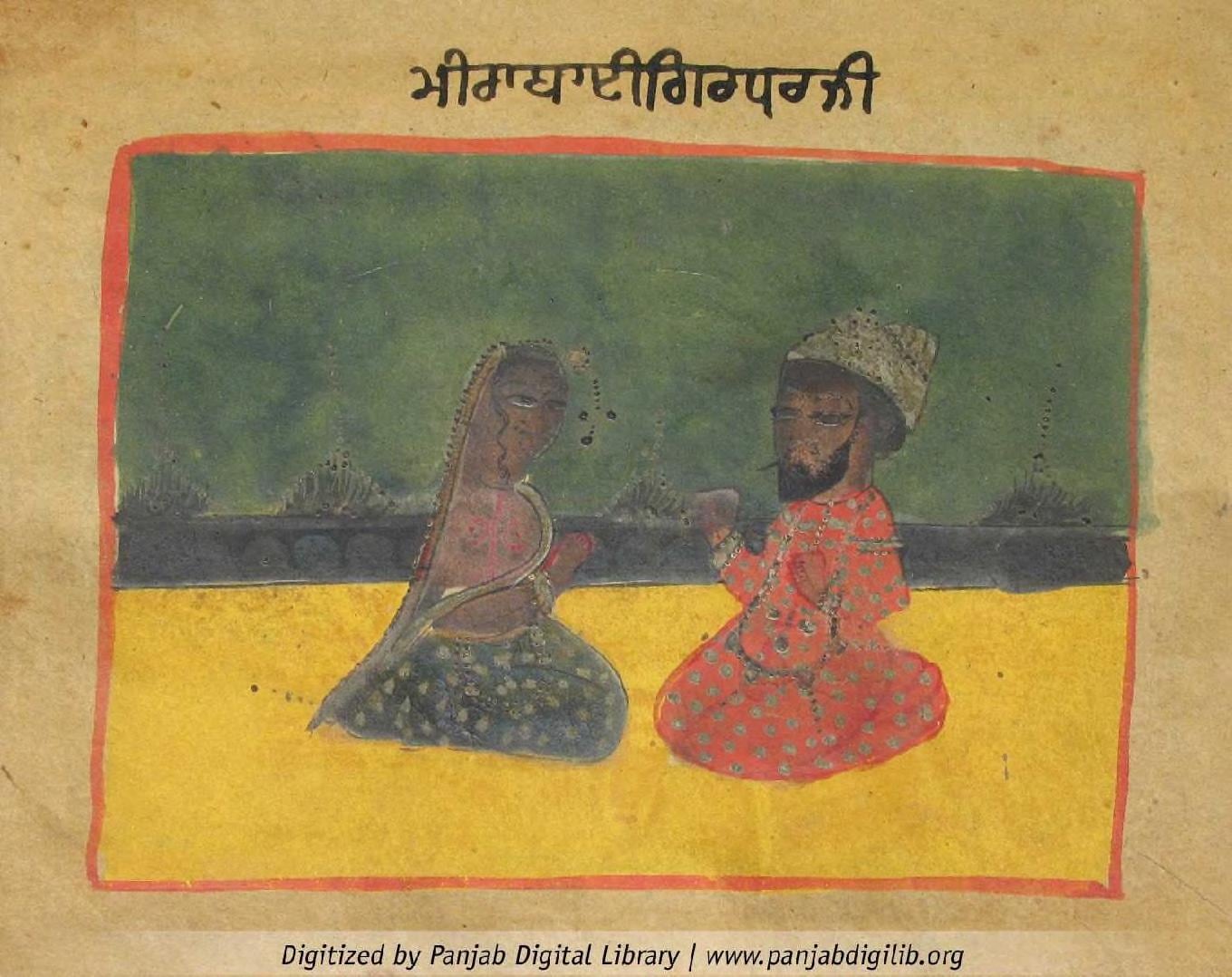
Mirabai
يتّفقان في: ما المطلق؟ هل الله موجود؟ · لماذا نتألّم؟ · هل نحتاج إلى معلّم؟
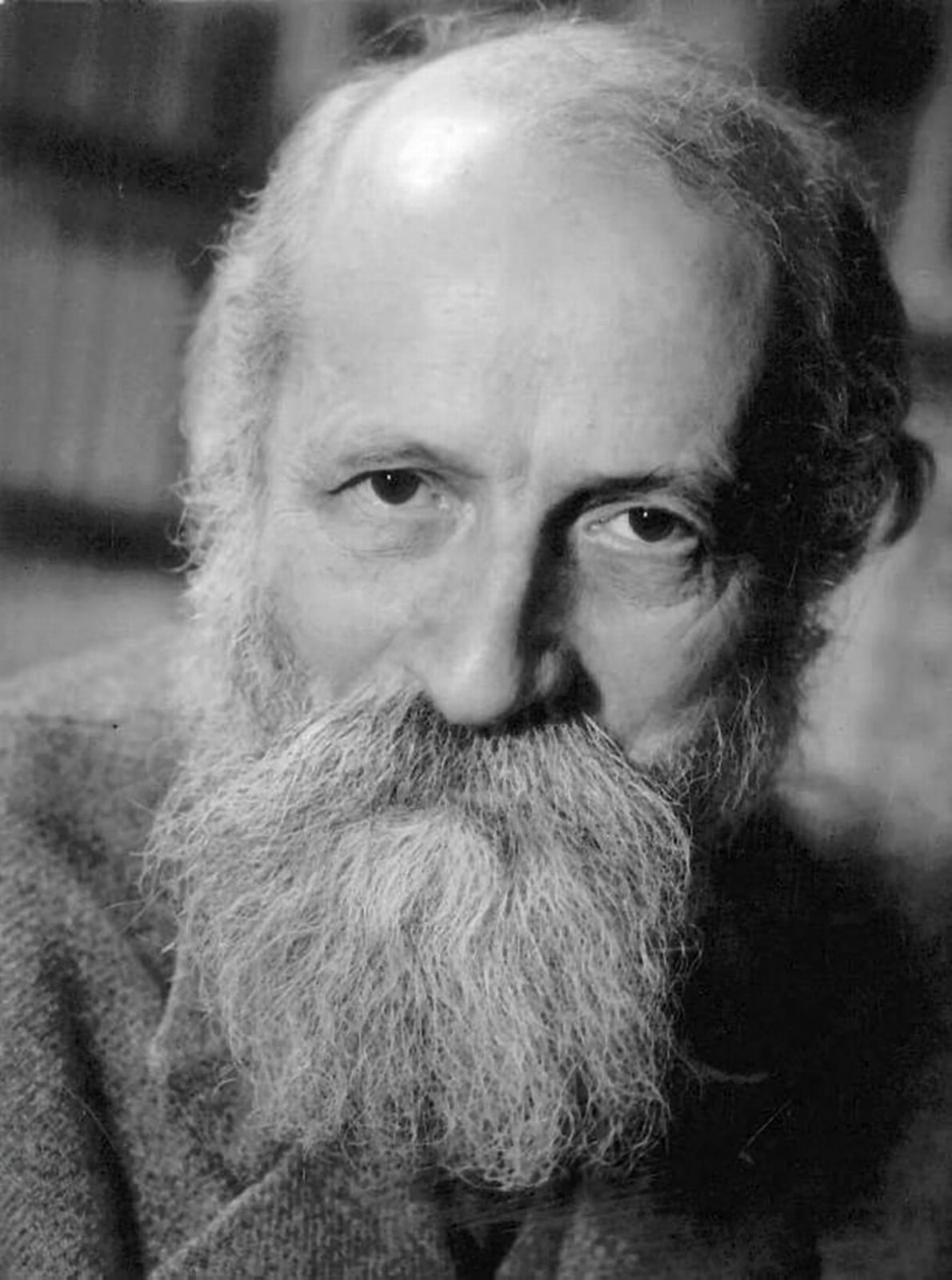
Martin Buber
يتّفقان في: ما المطلق؟ هل الله موجود؟ · لماذا نتألّم؟ · كيف يُبلَغ التحرّر أو الخلاص؟
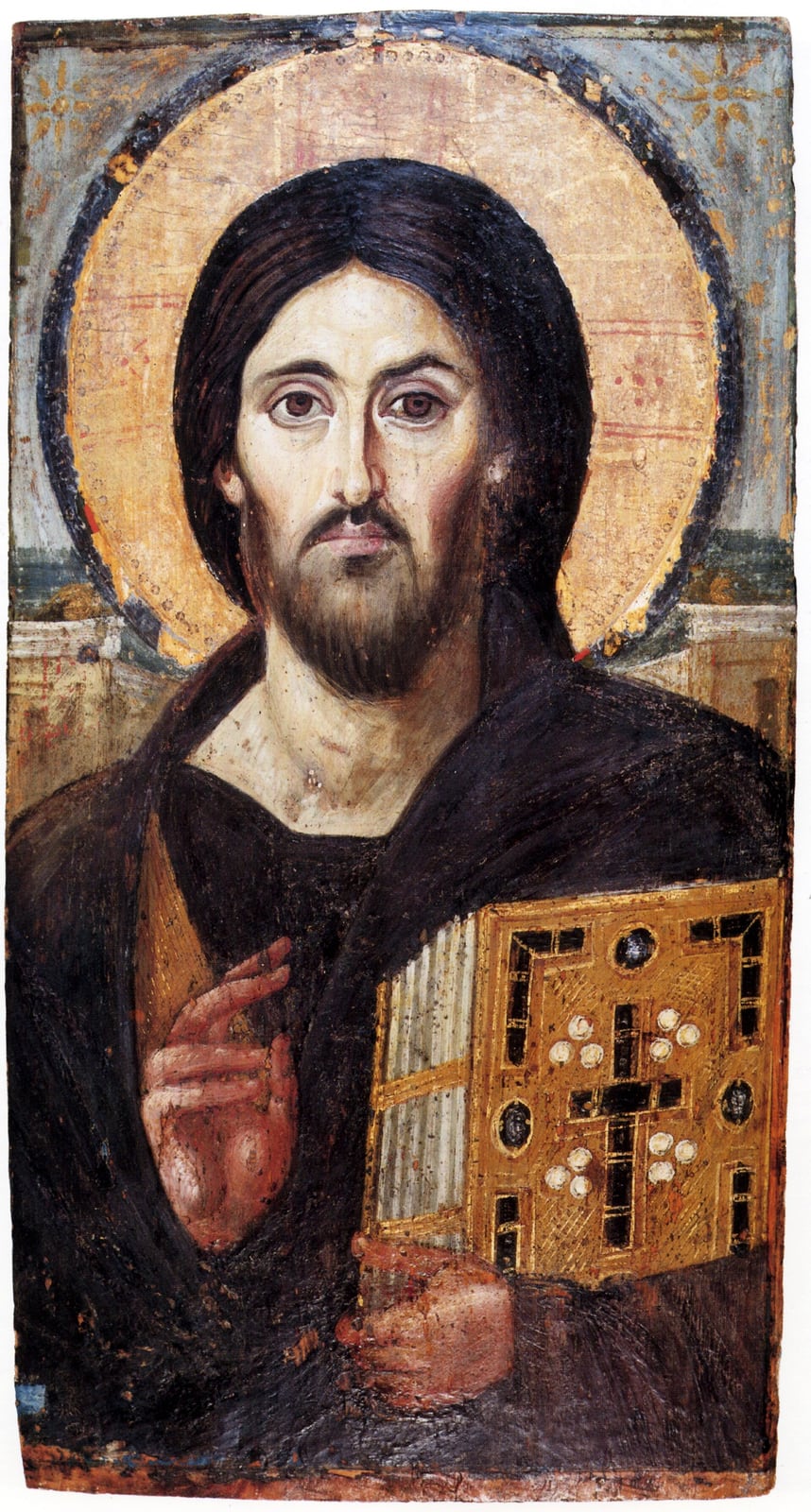
Jesus of Nazareth
يتّفقان في: ما المطلق؟ هل الله موجود؟ · هل العالم حقيقي؟ · من أنا؟ هل توجد ذات حقيقية؟

John of the Cross
يتّفقان في: ما المطلق؟ هل الله موجود؟ · من أنا؟ هل توجد ذات حقيقية؟ · لماذا نتألّم؟

حكايات وروايات
حكايات وروايات
رواية من سِيَر القدّيسينc. 1485
The true bargain (Sacha Sauda)
أصل الرواية: It comes from the later janamsakhi tradition (in particular the Bala line); it is not in the oldest core of the Puratan.
المصدر: McLeod, W. H. Early Sikh Tradition: A Study of the Janam-sākhīs. Oxford: Clarendon Press, 1980.
رواية من سِيَر القدّيسينc. 1499
Three days in the Bein river
أصل الرواية: Puratan janamsakhi (B40 manuscript) and related traditions; McLeod regards it as a vocation story built on a probable but unverifiable experience.
المصدر: McLeod, W. H. (trad.). The B40 Janam-sākhī. Amritsar: Guru Nanak Dev University, 1980 (traducción del manuscrito Panjabi B40 de la British Library, copiado en 1733).
رواية من سِيَر القدّيسينc. 1518
Feet towards the Kaaba
أصل الرواية: Bhai Gurdas, Var 1, and the Puratan and Bala janamsakhis. No external source; the visit to Mecca is disputed.
المصدر: Bhāī Gurdās. Vārāṁ Bhāī Gurdās, Vār 1 (primeras décadas del siglo XVII). Texto y trad. en J. S. Grewal y otros; ed. de la SGPC, Amritsar.
رواية من سِيَر القدّيسينc. 1520
Lalo's bread and Malik Bhago's
أصل الرواية: Later janamsakhis; Lalo's name appears in the Tilang hymn of the Babarvani ("Jaisi mai avai khasam ki bani").
المصدر: McLeod, W. H. Early Sikh Tradition: A Study of the Janam-sākhīs. Oxford: Clarendon Press, 1980.
رواية من سِيَر القدّيسينc. 1520
Babur and the millstones
أصل الرواية: Puratan janamsakhi; Gurdwara Chakki Sahib at Eminabad keeps a millstone as a relic. The meeting with Babur is not recorded in his memoirs (Baburnama).
المصدر: McLeod, W. H. (trad.). The B40 Janam-sākhī. Amritsar: Guru Nanak Dev University, 1980 (traducción del manuscrito Panjabi B40 de la British Library, copiado en 1733).
رواية من سِيَر القدّيسين1539
Lehna, the one who obeyed
أصل الرواية: The tests come from janamsakhis and later traditions; the succession is documented in Satta and Balvand's var (Ramkali), in the Guru Granth Sahib.
المصدر: Srī Gurū Granth Sāhib (Ādi Granth). Compilado por Guru Arjan en 1604; recensión de Damdama, 1706. Edición estándar de 1.430 páginas (ang). Trad. inglesa de Manmohan Singh, 8 vols. Amritsar: Shiromani Gurdwara Parbandhak Committee, 1962-1969.
رواية من سِيَر القدّيسين1539
The flowers under the sheet
أصل الرواية: Puratan janamsakhi (B40) and later tradition; the motif of the dispute over the body is also told of Kabir.
المصدر: McLeod, W. H. (trad.). The B40 Janam-sākhī. Amritsar: Guru Nanak Dev University, 1980 (traducción del manuscrito Panjabi B40 de la British Library, copiado en 1733).
التعاليم
التعاليم
المفاهيم التي ينتظم بها فكره، مشروحة في سياقها.
Ik Onkar: one Godik-onkar
The Sant tradition of northern India (nirgun bhakti); comparable to Islamic monotheism, but with an immanent God.
المصدر: McLeod, W. H. Gurū Nānak and the Sikh Religion. Oxford: Clarendon Press, 1968. ISBN 9780198265214 (ed. india, Delhi: Oxford University Press, 1976, ISBN 9780195608069).
Hukam: the divine orderhukam
Japji, stanzas 1-2; Sikh theology of grace (nadar) and will (raza).
المصدر: McLeod, W. H. Gurū Nānak and the Sikh Religion. Oxford: Clarendon Press, 1968. ISBN 9780198265214 (ed. india, Delhi: Oxford University Press, 1976, ISBN 9780195608069).
Haumai: the egohaumai
Asa di Var and other hymns; the term is shared with the yogic and Sant traditions.
المصدر: McLeod, W. H. Gurū Nānak and the Sikh Religion. Oxford: Clarendon Press, 1968. ISBN 9780198265214 (ed. india, Delhi: Oxford University Press, 1976, ISBN 9780195608069).
Nam: the Namenam
A reinterpreted Sant and Vaishnava heritage; the basis of the Sikh practice of kirtan and nitnem.
المصدر: McLeod, W. H. Gurū Nānak and the Sikh Religion. Oxford: Clarendon Press, 1968. ISBN 9780198265214 (ed. india, Delhi: Oxford University Press, 1976, ISBN 9780195608069).
Sach achar: truthful livingsach-achar
Asa di Var, Sidh Gosht, Sri Rag; the Kartarpur community according to Bhai Gurdas.
المصدر: McLeod, W. H. Gurū Nānak and the Sikh Religion. Oxford: Clarendon Press, 1968. ISBN 9780198265214 (ed. india, Delhi: Oxford University Press, 1976, ISBN 9780195608069).
Sangat and langar: the community and the common tablesangat-langar
Bhai Gurdas, Var 1; Satta and Balvand's var on Khivi's langar; Grewal.
المصدر: Grewal, J. S. The Sikhs of the Punjab. The New Cambridge History of India II.3. Cambridge: Cambridge University Press, 1990 (ed. rev. 1998).
مقاطع الفيديو
مقاطع الفيديو
تسجيلات ومقابلات وأفلام وثائقية. تُشغَّل مقاطع الفيديو من YouTube؛ ولا تُستضاف هنا.
Guru Nanak Dev | Jeevan Darshan | 550th Birth Anniversary of Guru Nanak Dev
فيلم وثائقي· HI· 25 min
Prasar Bharati Archivesالقناة الرسمية
Ritu Raag | Documentary | Birth Anniversary celebration of Guru Nanak Dev
فيلم وثائقي· HI· 32 min
Prasar Bharati Archivesالقناة الرسمية
Ekas Ke Ham Barik | Sri Guru Nanak Dev Ji | Serial | Episode 1 (Part 1)
تسجيل من طرف ثالث· HI· 28 min
Prasar Bharati Archivesالقناة الرسمية
Bharat Ek Khoj | Episode-27 | Synthesis
فيلم وثائقي· HI· 1988· 59 min
Prasar Bharati Archivesالقناة الرسمية
What is Sikhism?
تحليل· EN· 38 min
Let's Talk Religion
Pashaura Singh, April 12, 2018 (Power Play in the Formation of the Sikh Canon)
محاضرة· EN· 2018· 44 min
Center for South Asia at UW-Madisonالقناة الرسمية
Guru Nanak - Introduction (English)
فيلم وثائقي· EN· 2025· 52 min
Oneness In Diversityالقناة الرسمية
Episode 1 (English) - Allegory, A Tapestry of Guru Nanak's Travels
فيلم وثائقي· EN· 44 min
Oneness In Diversityالقناة الرسمية
Guru Nanak Dev ਨਾਲ ਜੁੜੇ ਅਸਥਾਨਾਂ ਬਾਰੇ ਜਾਣੋ
فيلم وثائقي· PA· 6 min
BBC News Punjabiالقناة الرسمية
Guru Nanak Jayanti: सिख धर्म के संस्थापक गुरु नानक के बारे में ये बातें जानते हैं आप? (BBC Hindi)
تحليل· HI· 3 min
BBC News Hindiالقناة الرسمية
Japji Sahib | Bhai Harbans Singh | Nitnem
تسجيل من طرف ثالث· PA· 17 min
Shabad Gurbani
Nanak Shah Fakir | Full HD Movie
تسجيل من طرف ثالث· PA· 2015· 137 min
Gurbani Mediaالقناة الرسمية
Wo Kon Tha - Baba Guru Nanak Biography Founder of Sikhism | Complete Documentary by Faisal Warraich
فيلم وثائقي· UR· 51 min
Dekho Suno Jano
Quién fue Gurú Nanak (Dubbed in Spanish)
تحليل· ES· 6 min
Basics of Sikhi
Mensaje de Guru Nanak para la Humanidad (En Español)
محاضرة· ES· 56 min
Bulandpuri Spiritual Light House
المعرض
المعرض
صور بترخيص متحقَّق منه. كل منها تحتفظ بمؤلّفها ونسبتها.
العلاقات
العلاقات
تأثيرات وتلمذة وتقارب في الأفكار. تُميَّز العلاقة الموثّقة عن التشابه المستخلَص بالتحليل.
أفكار قريبة من
Both belong to the Sant tradition of the formless God, criticise brahmins and qadis and make the Name the centre of practice. Guru Arjan included Kabir's poems in the Adi Granth; that Nanak knew them is plausible but unproven.
تشابه مستخلَص بالتحليل
معاصر لـ
Contemporaries. The janamsakhis take Nanak to Puri, Chaitanya's city, but no meeting is recorded.
تشابه مستخلَص بالتحليل
معاصر لـ
Contemporaries. A Mira pada appears in the Bhai Banno recension of the Adi Granth, excluded from the canon.
تشابه مستخلَص بالتحليل
أفكار قريبة من
An analogy between Nanak's sung poetry and the Sufi tradition of divine love; the Sikh scripture includes a Sufi, Farid, and the stories show Nanak conversing with pirs. No direct historical connection.
تشابه مستخلَص بالتحليل
المصادر
المصادر
المراجع والفهارس التي رُوجعت لهذه الصفحة.
- McLeod, W. H. Gurū Nānak and the Sikh Religion. Oxford: Clarendon Press, 1968. ISBN 9780198265214 (ed. india, Delhi: Oxford University Press, 1976, ISBN 9780195608069).
- Macauliffe, Max Arthur. The Sikh Religion: Its Gurus, Sacred Writings and Authors. 6 vols. Oxford: Clarendon Press, 1909. Vol. 1 en Wikisource.
- Srī Gurū Granth Sāhib (Ādi Granth). Compilado por Guru Arjan en 1604; recensión de Damdama, 1706. Edición estándar de 1.430 páginas (ang). Trad. inglesa de Manmohan Singh, 8 vols. Amritsar: Shiromani Gurdwara Parbandhak Committee, 1962-1969.
- McLeod, W. H. Early Sikh Tradition: A Study of the Janam-sākhīs. Oxford: Clarendon Press, 1980.
- Grewal, J. S. The Sikhs of the Punjab. The New Cambridge History of India II.3. Cambridge: Cambridge University Press, 1990 (ed. rev. 1998).
- Singh, Harbans. Guru Nanak and Origins of the Sikh Faith. Bombay: Asia Publishing House, 1969.
- Mandair, Arvind-Pal Singh. Sikhism: A Guide for the Perplexed. Londres: Bloomsbury, 2013.
- Singh, Nikky-Guninder Kaur (trad.). The Name of My Beloved: Verses of the Sikh Gurus. San Francisco: HarperSanFrancisco, 1995. ISBN 9780060670498.
- Wikidata, «Guru Nanak» (Q83322).
- Bhāī Gurdās. Vārāṁ Bhāī Gurdās, Vār 1 (primeras décadas del siglo XVII). Texto y trad. en J. S. Grewal y otros; ed. de la SGPC, Amritsar.
- Trumpp, Ernst. The Ādi Granth, or the Holy Scriptures of the Sikhs, Translated from the Original Gurmukhī. Londres: W. H. Allen / India Office, 1877.
- McLeod, W. H. (trad.). The B40 Janam-sākhī. Amritsar: Guru Nanak Dev University, 1980 (traducción del manuscrito Panjabi B40 de la British Library, copiado en 1733).
- Singh, Pashaura, y Louis E. Fenech (eds.). The Oxford Handbook of Sikh Studies. Oxford: Oxford University Press, 2014.
- Singh, Harbans (ed.). The Encyclopaedia of Sikhism. 4 vols. Patiala: Punjabi University, 1992-1998.
- BaniDB. Base de datos del texto gurmukhi del Guru Granth Sahib por página (ang), consultada mediante su API.
- Akashvani News (All India Radio). «Kartarpur Sahib Corridor between India and Pakistan completes 5 years». Noviembre de 2024.
- «ਜਪੁ» (Japu), texto gurmukhi con glosas. Wikisource en panyabí.
- صاحب الحقوق
- Las composiciones de Guru Nanak son de dominio público. El texto impreso oficial del Guru Granth Sahib lo edita la Shiromani Gurdwara Parbandhak Committee (SGPC); las traducciones modernas tienen titulares propios.
- الموقع الرسمي
- sgpc.net/
في انتظار التأكيد
ما لم تتمكّن هذه الصفحة من حسمه بعد. نفضّل أن نقول ذلك على أن نملأ الفراغ.
- No se localizó ninguna traducción española del Japji ni del Guru Granth Sahib con ISBN; solo el libro divulgativo de Premka Kaur Khalsa (Diana, 2004).
- Completar ediciones con ISBN del Sidh Gosht, el Barah Maha y el Onkar en inglés y panyabí, y de las janamsakhis de Bala y Miharban.
- Fichar en manuscripts[] los cuadernos de Goindval (Goindval pothis) y el manuscrito B40 de la British Library con sus signaturas.
- Verificar la fecha y la lectura de la inscripción del santuario de Baba Nanak en Bagdad.
- La página gurmukhi del Japji en Wikisource lleva glosas modernas sin autor: buscar un texto limpio en dominio público.
بُحث بتاريخ 2026-10-25