الرواقية
Marcus Aurelius
Marcus Aurelius Antoninus Augustus · Μάρκος Αὐρήλιος Ἀντωνῖνος
121 – 180شخصية موثّقة تاريخيًا
إمبراطور روماني (121–180م) وفيلسوف رواقي. حكم منذ سنة 161، في سنواته الأولى مع لوكيوس فيروس، وأمضى جزءاً كبيراً من عهده على حدود الدانوب في حرب مع الماركومانيين والكواديين والسارماتيين، بينما كان الطاعون يجتاح الإمبراطورية. وفي أثناء حملاته كتب باليونانية خواطر موجّهة إلى نفسه نعرفها باسم «التأملات»، وهو من أكثر كتب العصور القديمة قراءةً. وتُكمل صورتَه مراسلاتُه في شبابه مع الخطيب فرونتو، التي استُعيدت في القرن التاسع عشر.
- مؤلَّفًا
- 9مؤلَّفًا
- طبعة
- 24طبعة
- اقتباسًا
- 12اقتباسًا
- مقطع فيديو
- 12مقطع فيديو
- صورة
- 8صورة
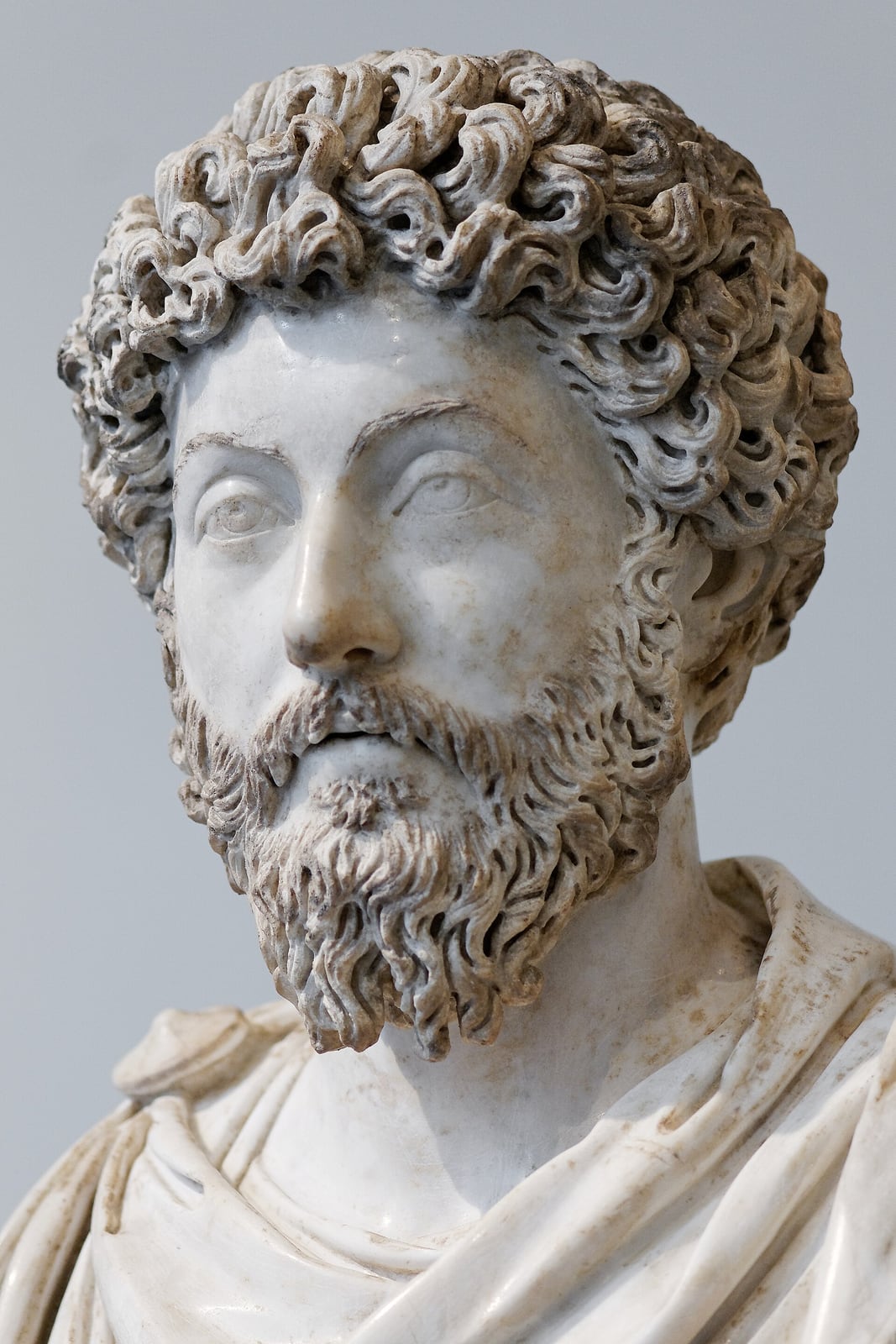
Busto de Marco Aurelio (Louvre, MR 561) · CC BY 2.5
بكلماته
«Begin the morning by saying to thyself, I shall meet with the busybody, the ungrateful, arrogant, deceitful, envious, unsocial.»Meditaciones II 1. Griego: Wikisource; inglés: George Long (1862); español: traducción propia.

فكرته المحورية
The inner citadel: The expression comes from Meditations VIII.48: "the mind which is free from passions is a citadel", the place where a person takes refuge and becomes impregnable.
السيرة
4 دقيقة قراءة
ترجمة مُعانة من الأصل الإسباني، بانتظار مراجعة مترجم من أهل اللغة.
كتاب لم يُكتب لأحد
كان بين الأوراق التي خلّفها الإمبراطور ماركوس أوريليوس بعد موته دفاترُ مكتوبة باليونانية لم تكن موجّهة إلى أيّ قارئ. ليست مذكّرات ولا رسالة في الفلسفة، بل تمارين وتنبيهات وتذكيرات يوجّهها رجل إلى نفسه، بصيغة المخاطَب في كثير من الأحيان، كي لا ينسى ما يؤمن به. والعنوان الذي تنقله المخطوطات، Ta eis heautón، معناه «إلى نفسه»؛ أما التقليد الحديث فيسمّيها التأملات. وأن يُخصّص أقوى حاكم في عصره ليالي الحملات العسكرية لفحص سلوكه بأدوات الفلسفة الرواقية، هو ما جعل منه، منذ عصر النهضة، شخصية فريدة: الإمبراطور الروماني الوحيد الذي هو أيضاً مؤلّف ما زال يُقرأ.
فيريسيموس
وُلد في روما في 26 نيسان/أبريل سنة 121م، في دارة على تلّ كايليوس. كانت أسرة أبيه، آل أنيوس فيروس، من أوكوبي في إقليم بايتيكا بإسبانيا، وقد بلغت القنصلية ومرتبة الأشراف؛ وكانت أمّه دوميتيا لوكيلا وريثة ثروة طائلة. مات أبوه وهو في منصب البريتور حين كان الطفل في نحو الثالثة، فربّته أمّه وجدّه. وكان هادريان، الذي أحبّه، يلاعب اسمه فيدعوه فيريسيموس، أي «الأصدق». ويروي كتاب تاريخ الأباطرة (Historia Augusta) أنه في الثانية عشرة ارتدى عباءة الفلاسفة الخشنة وأراد أن ينام على الأرض، حتى أقنعته أمّه بأن يتّخذ فراشاً مغطّى بالجلود. والكتاب الأول من التأملات، وهو قائمة بما يدين به لكلّ واحد من أقاربه ومعلّميه، يبدأ من تلك السنوات تحديداً.
الوريث
في شباط/فبراير سنة 138 تبنّى هادريان، وقد مرض ولم يكن له ولد، أنطونينوس، على أن يتبنّى هذا بدوره ماركوس، وكان في السادسة عشرة، والصغيرَ لوكيوس فيروس. ولمّا مات هادريان في تموز/يوليو، عاش ماركوس أكثر من عشرين سنة إلى جانب أنطونينوس بيوس خليفةً معيَّناً: قيصراً سنة 139، وقنصلاً للمرة الأولى سنة 140، وتزوّج سنة 145 ابنة عمّته فاوستينا، ابنة الإمبراطور، التي ولدت له ثلاثة عشر ولداً على الأقل مات كثيرون منهم صغاراً. وتلقّى أفضل تعليم في زمانه: الخطابة اللاتينية على يد ماركوس كورنيليوس فرونتو، واليونانية على يد هيرودس أتيكوس، والفلسفة على يد رواقيين مثل أبولونيوس الخلقيدوني وسكستوس الخيروني، وقبل كلّ شيء يونيوس روستيكوس، الذي أعاره من مكتبته الخاصة مذكّرات دروس إبكتيتوس.
رسائل فرونتو
من تلك السنوات بقيت شهادة استثنائية: المراسلات بين ماركوس وفرونتو، وهي رسائل باللاتينية — وبعضها باليونانية — كُتبت بين أواخر ثلاثينيات القرن الثاني ومنتصف ستينياته. ظلّت قروناً تُعدّ مفقودة، إلى أن اكتشف أنجيلو ماي سنتَي 1815 و1819، في المكتبة الأمبروزية بميلانو وفي مكتبة الفاتيكان، طِرساً كان راهب قد محا نصّه ليكتب فوقه أعمال أحد المجامع الكنسية. تكشف الرسائل عن شابّ ودود مجتهد، يضيق أحياناً بالخطابة، يتحدّث عن نزلات البرد التي تصيبه، وعن قطاف العنب، وعن بناته المولودات حديثاً، وعن معلّم يقول إنه يحبّه أكثر من أيّ شيء. ونحو سنة 146 يعترف لفرونتو بأن قراءة الرواقي أريستون صرفته عن تمارين الخطابة: إنه التحوّل نحو الفلسفة الذي سيشكر عليه الإمبراطور روستيكوس في التأملات.
إمبراطوران ووباء
مات أنطونينوس بيوس في 7 آذار/مارس سنة 161. فأشرك ماركوس في الحكم على الفور أخاه بالتبنّي لوكيوس فيروس، وصار لروما للمرة الأولى أوغسطسان بألقاب متساوية. افتُتح العهد بحرب على الفرثيين في أرمينيا وبلاد ما بين النهرين، قادها فيروس اسمياً؛ وعند عودة الجيش، نحو 165–166، حمل معه وباءً، هو ما يُعرف بالطاعون الأنطوني، فتك بالإمبراطورية سنوات طويلة. ومات فيروس في مطلع سنة 169، فحكم ماركوس وحده إلى أن أشرك ابنه كومودوس.
حدود الدانوب
منذ أواخر ستينيات القرن الثاني عبرت الدانوبَ شعوبُ الماركومانيين والكواديين والإيازيغ وغيرهم، وبلغت إحدى الغارات أكويليا في إيطاليا. ولتمويل الحرب، بحسب تاريخ الأباطرة، باع ماركوس بالمزاد طوال شهرين، في ساحة تراجان، أثاث القصر وجواهره. وأمضى معظم السنوات التالية في معسكرات بانونيا، في كارنونتوم وسيرميوم. وإلى تلك المرحلة تعود كتابة جزء كبير من التأملات: فالكتاب الثاني يحمل عنوان «بين الكواديين، عند نهر غرانوا»، والثالث «في كارنونتوم». ومن تلك الحملات أيضاً حكاية المطر العجيب الذي أنقذ جيشاً رومانياً أهلكه العطش، وهي التي يصوّرها عمود ماركوس أوريليوس تدخّلاً من إله للمطر، ونسبها المسيحيون لاحقاً إلى صلاة جنودهم.
التمرّد والرحلة إلى الشرق
في ربيع سنة 175 أعلن القائد أفيديوس كاسيوس، والي سوريا، نفسه إمبراطوراً حين بلغه خبر كاذب بموت ماركوس. دام التمرّد ثلاثة أشهر وانتهى بمقتل كاسيوس على أيدي ضبّاطه أنفسهم. ويروي كاسيوس ديو أن ماركوس أسف لأنه لم يتمكّن من العفو عنه، وعامل أنصاره بالرأفة، وأحرق المراسلات التي تُدينهم من غير أن يقرأها. ثم سافر إلى الشرق؛ وماتت فاوستينا أثناء الرحلة، في هالالا من بلاد كبادوكيا. وفي أثينا انضمّ إلى أسرار إليوسيس، وأنشأ كراسيَ مدفوعة الأجر للمدارس الفلسفية الأربع الكبرى: الأفلاطونية والأرسطية والرواقية والأبيقورية. وفي سنة 177 جعل كومودوس أوغسطساً، وكان الوحيد الباقي على قيد الحياة من أبنائه الذكور؛ وفي السنة نفسها، في عهده، استُشهد مسيحيّو ليون.
الموت على الجبهة
في سنة 178 عاد إلى الدانوب في حملة ثانية. ومات في 17 آذار/مارس سنة 180، في الثامنة والخمسين من عمره، في فيندوبونا — فيينا اليوم — بحسب أوريليوس فيكتور، وفي سيرميوم بحسب ترتليان. ويروي تاريخ الأباطرة أنه حين مرض امتنع عن الطعام والشراب، وطلب إلى أصدقائه ألّا يبكوه بل أن يفكّروا في الوباء وفي الموت الذي يعمّ الجميع، وأنه في اليوم السابع غطّى رأسه ومات في الليل. ويضيف ديو أنه أجاب الضابط الذي سأله كلمة السرّ: «اذهب إلى الشمس الطالعة، فأنا قد أوشكتُ على المغيب». أُلِّه بعد موته وخلفه كومودوس، وبه انتهى العصر الذي سيصفه إدوارد جيبون سنة 1776 بأنه أسعد عصور التاريخ البشري وأكثرها رخاءً.
القلعة الداخلية
نجت التأملات بشقّ الأنفس. فنحو سنة 900 يذكر الأسقف أريثاس القيصري أنه يملك نسخة قديمة منها؛ ويستشهد بها المعجم البيزنطي السودا، ونشر فيلهلم كسيلاندر في زيورخ سنة 1558 الطبعة الأولى، مع ترجمة لاتينية، عن مخطوطة ضاعت اليوم. وقد بيّن بيير هادو أن تكراراتها ليست فوضى بل منهج: إنها تمارين روحية يعيد فيها ماركوس كتابة مبادئ رواقية إبكتيتوس مرة بعد مرة — انضباط الحكم والرغبة والفعل — ليجعلها مِلكاً له. وقد ترجمه إلى الإنجليزية ميريك كازوبون سنة 1634 وجورج لونغ سنة 1862، وضرب به جون ستيوارت مِل مثلاً في كتابه عن الحرية؛ وما زال كتاب الإمبراطور الذي كان يحثّ نفسه على ألّا «يتقيصر»، بعد ثمانية عشر قرناً، واحداً من أكثر الأبواب ارتياداً إلى الفلسفة القديمة.
المصادر: Historia Augusta, «Vida de Marco Antonino el Filósofo» (Vita Marci Antonini Philosophi). Trad. inglesa de David Magie, The Scriptores Historiae Augustae, vol. I, Loeb Classical Library 139. Londres: Heinemann, 1921 (texto en LacusCurtius). Fuente tardía (finales del s. IV) y poco fiable en muchos pasajes. · Dion Casio, Historia romana, epítome de los libros LXXI–LXXII. Trad. inglesa de Earnest Cary, Dio's Roman History, vol. IX, Loeb Classical Library 177. Londres: Heinemann, 1927 (texto en LacusCurtius; numeración de Cary). · Birley, Anthony R. Marcus Aurelius: A Biography. Ed. revisada. Londres: B. T. Batsford, 1987 (reimpr. Routledge, 2000). · Hadot, Pierre. La Citadelle intérieure. Introduction aux Pensées de Marc Aurèle. París: Fayard, 1992. Trad. inglesa: The Inner Citadel, Harvard University Press, 1998; trad. española: La ciudadela interior, Alpha Decay, 2013. · Marco Aurelio. Τὰ εἰς ἑαυτόν (Meditaciones). Texto griego en Wikisource en griego; trad. inglesa de George Long, The Thoughts of the Emperor Marcus Aurelius Antoninus (Londres, 1862), en Wikisource en inglés.
الخط الزمني
الحياة عامًا بعد عام
كل نقطة حدث موثّق. انقر لتقرأه مع مصدره ودرجة اليقين فيه.
26 أبريل 121أقل من عامRoma (monte Celio)
Birth
Born on 26 April (the sixth day before the Kalends of May) in the family villa on the Caelian, son of Marcus Annius Verus and Domitia Lucilla (Historia Augusta, Marcus 1.5).
موثّقHistoria Augusta, «Vida de Marco Antonino el Filósofo» (Vita Marci Antonini Philosophi). Trad. inglesa de David Magie, The Scriptores Historiae Augustae, vol. I, Loeb Classical Library 139. Londres: Heinemann, 1921 (texto en LacusCurtius). Fuente tardía (finales del s. IV) y poco fiable en muchos pasajes.
بعد وفاته
- نحو 193The Column of Marcus Aurelius
- 1538The equestrian statue on the Capitoline
- 1558First edition of the Meditations
- 1815Discovery of the letters to Fronto
- 1992Pierre Hadot's The Inner Citadel
26 أبريل 121 · أقل من عام
Birth
Born on 26 April (the sixth day before the Kalends of May) in the family villa on the Caelian, son of Marcus Annius Verus and Domitia Lucilla (Historia Augusta, Marcus 1.5).
موثّق
نحو 124 · 3 أعوام
Death of his father
His father dies as praetor; he is raised by his mother and his grandfather, Marcus Annius Verus, three times consul. Hadrian calls him "Verissimus".
مرجَّح
نحو 133 · 12 عامًا
The philosopher's cloak
At twelve he adopts the Greek cloak and the austere life of the philosophers and sleeps on the ground until his mother persuades him to use a couch with skins (Historia Augusta, Marcus 2.6).
تقليد
فبراير 138 · 16 عامًا
Adoption by Antoninus
On 25 February Hadrian adopts Antoninus, who in turn adopts Marcus and Lucius Verus. Hadrian dies on 10 July and Antoninus (Pius) succeeds him.
موثّق
نحو 139 · 18 عامًا
Correspondence with Fronto begins
Towards the end of the 130s the letters with his teacher of Latin rhetoric, Marcus Cornelius Fronto, begin; they continue until Fronto's death, around 166–167.
مرجَّح
140 · 18 عامًا
First consulship
Consul together with Antoninus Pius, having received the title of Caesar in 139.
موثّق
145 · 24 عامًا
Marriage to Faustina the Younger
He marries his cousin Faustina, daughter of Antoninus Pius. They will have at least thirteen children; only one son, Commodus, will outlive his father.
موثّق
نحو 146 · 25 عامًا
The turn to philosophy
In a letter to Fronto he says that reading the Stoic Aristo has made him lose his taste for rhetorical exercises. His chief teacher of philosophy will be Junius Rusticus, who introduces him to the notes of Epictetus' lectures (Meditations I.7).
مرجَّح
7 مارس 161 · 39 عامًا
Emperor with Lucius Verus
Antoninus Pius dies on 7 March. Marcus takes power and shares the title of Augustus with Lucius Verus: the first time Rome has two emperors with equal prerogatives.
موثّق
نحو 165 – 180 · 44 عامًا
The Antonine plague
The army returning from the Parthian war (161–166) brings an epidemic that spreads through the Empire for more than a decade.
موثّق
نحو 167 – 180 · 46 عامًا
Marcomannic Wars
The wars against the Marcomanni, Quadi and Iazyges begin. To fund them he auctions the palace furnishings in the Forum of Trajan (Historia Augusta, Marcus 17.4). Lucius Verus dies early in 169.
موثّق
نحو 172 · 51 عامًا
The rain miracle
A surrounded and thirsty Roman army is saved by a sudden storm. Cassius Dio credits the spells of the Egyptian Arnuphis; the Column of Marcus Aurelius, a rain god; Christian writers, the prayer of Christian soldiers. The date (172 or 174) is debated.
مختلَف فيه
نحو 172 – 180 · 51 عامًا
Writing the Meditations
The headings of Books II ("Among the Quadi, on the Granua") and III ("At Carnuntum") place part of the work in the Danube campaigns of the 170s.
مرجَّح
175 · 54 عامًا
Revolt of Avidius Cassius
Avidius Cassius proclaims himself emperor; he is murdered by his officers three months later. Marcus treats his supporters with clemency and destroys their papers unread (Cassius Dio LXXII 27–29). Faustina dies at Halala during the journey east.
موثّق
176 · 55 عامًا
Eleusis and the Athenian chairs
He is initiated into the Eleusinian mysteries and endows salaried chairs for the Platonist, Aristotelian, Stoic and Epicurean schools (Cassius Dio LXXII 31). On 23 December he celebrates a triumph in Rome with Commodus.
موثّق
177 · 56 عامًا
Commodus Augustus; the martyrs of Lyon
He makes Commodus co-emperor. That year the Christians of Lyon and Vienne are martyred (Eusebius, Ecclesiastical History V.1).
موثّق
17 مارس 180 · 58 عامًا
Death
Dies on 17 March during the second Danube expedition (Cassius Dio LXXII 33). The place is uncertain: Vindobona according to Aurelius Victor, Sirmium according to Tertullian.
موثّق
نحو 193
The Column of Marcus Aurelius
The column commemorating the Marcomannic Wars is completed, with the relief of the rain miracle; it stands today in Piazza Colonna.
مرجَّح
1538
The equestrian statue on the Capitoline
Michelangelo sets the bronze equestrian statue in the Capitoline square; it had survived the Middle Ages because it was believed to represent Constantine.
موثّق
1558
First edition of the Meditations
Wilhelm Xylander publishes the Greek text with a Latin translation at Andreas Gesner's press, from a Palatine manuscript now lost.
موثّق
1815
Discovery of the letters to Fronto
Angelo Mai identifies the correspondence of Fronto with Marcus in a palimpsest in the Ambrosian Library; in 1819 he publishes the part kept in the Vatican (Vat. lat. 5750).
موثّق
1992
Pierre Hadot's The Inner Citadel
Hadot interprets the Meditations as spiritual exercises organised according to Epictetus' three disciplines, a reading that has shaped later scholarship.
موثّق
المؤلَّفات
المؤلَّفات الأساسية
المؤلَّفات التي لا يُفهم إرثه من دونها.
مؤلَّف مكتوب · نحو 172
Meditations
Τὰ εἰς ἑαυτόν
Twelve books of short notes, in Koine Greek, in which the emperor urges himself to live according to nature and reason on Stoic principles. Book I differs from the rest: an account of what he learned from his family, his teachers—Rusticus, Apollonius, Sextus, Fronto—and Antoninus Pius, and of what he owes to the gods. Book II is headed "Among the Quadi, on the Granua" and Book III "At Carnuntum". Books IV to XII alternate maxims, meditations on death and transience, the examination of one's own impressions, the view from above on human affairs, patience with others as kin in a common reason, and acceptance of what fate brings. He quotes Heraclitus, Epicurus and above all Epictetus. The first printed edition is Xylander's (Zurich, 1558); the other complete witness is the Vaticanus graecus 1950 (14th century).
10 طبعات · amazon.com

مراسلات · نحو 145
Correspondence with Fronto
Epistulae M. Cornelii Frontonis et M. Aurelii
Letters, many of them fragmentary, exchanged between Marcus and his teacher of Latin rhetoric, Marcus Cornelius Fronto, from the late 130s to the mid-160s. Arranged in books by addressee (Ad M. Caesarem, Ad Antoninum imperatorem, De feriis Alsiensibus, De eloquentia…), they show the heir's rhetorical training, his declared affection for his teacher, the domestic life of the imperial family, everyone's illnesses and Marcus' gradual move away from rhetoric to philosophy, which he confesses around 146 after reading the Stoic Aristo. They were thought lost until Angelo Mai found them in a palimpsest (Ambrosiana, 1815; Vatican, 1819). The standard critical edition is Michel van den Hout's (Teubner, 1988).
7 طبعات · amazon.com
جميع مؤلَّفاته (9)
Marcus Aurelius
Letter to the Athenians
The Conscious LibraryLetter to the Athenians
175
Marcus Aurelius
Imperial constitutions and rescripts
The Conscious LibraryImperial constitutions and rescripts
161
Marcus Aurelius
Speech to the troops on Cassius' revolt
The Conscious LibrarySpeech to the troops on Cassius' revolt
175
Marcus Aurelius
Letter to the Senate on the rain miracle
The Conscious LibraryLetter to the Senate on the rain miracle
Marcus Aurelius
Edict to the Assembly of Asia
The Conscious LibraryEdict to the Assembly of Asia
Marcus Aurelius
Letters quoted in the Historia Augusta
The Conscious LibraryLetters quoted in the Historia Augusta

The Golden Book of Marcus Aurelius
1528
الأقوال
أقوال محدَّدة الموضع في مؤلَّف بعينه. كل منها يحمل مصدره ودرجة الثقة به.
Begin the morning by saying to thyself, I shall meet with the busybody, the ungrateful, arrogant, deceitful, envious, unsocial.Ἕωθεν προλέγειν ἑαυτῷ· συντεύξομαι περιέργῳ, ἀχαρίστῳ, ὑβριστῇ, δολερῷ, βασκάνῳ, ἀκοινωνήτῳ.
متحقَّق منهMeditaciones II 1. Griego: Wikisource; inglés: George Long (1862); español: traducción propia.
أقوال منحولة أو مختلَف في نسبتها (4)
«What we do in life echoes in eternity.»
A line spoken by the general Maximus in the film Gladiator (Ridley Scott, 2000). It does not appear in the Meditations or in any ancient text about Marcus Aurelius.
«Live a good life. If there are gods and they are just, then they will not care how devout you have been, but will welcome you based on the virtues you have lived by.»
A modern text circulating online. It is not found in the Meditations; it vaguely recalls the dilemma of providence or atoms (II 11; XII 14), but neither its form nor its meaning is Marcus Aurelius'.
«Everything we hear is an opinion, not a fact. Everything we see is a perspective, not the truth.»
It does not appear in the Meditations. It is usually offered as a paraphrase of passages such as "all is opinion" (II 15; XII 26), which say something different: that our judgement about things is up to us.
«The happiness of your life depends upon the quality of your thoughts.»
A modern paraphrase, not a literal quotation, of Meditations V.16 ("the soul is dyed by the thoughts"). The original passage should be quoted instead.
الكلمات الأخيرة
روايات متضاربة
«"Go to the rising sun; I am already setting."»Cassius Dio (LXXII 34.1, in Xiphilinus' epitome) says that, at the point of death, he commended his son to the soldiers and gave this reply to the tribune asking for the day's watchword. The Historia Augusta (Marcus 28) gives another account of the last days: on the sixth day he asked his friends why they wept for him instead of thinking about the plague and the death common to all; on taking leave, that if they gave him leave to go he bade them farewell and went on ahead; on the seventh day he received only Commodus, sent him away for fear of contagion, covered his head as if to sleep and died in the night. Neither author was a witness: Dio wrote a few decades later and the Historia Augusta at the end of the fourth century. Dio's Greek text has not been checked in this pass; the translation follows Earnest Cary.
المصدر: Dion Casio, Historia romana, epítome de los libros LXXI–LXXII. Trad. inglesa de Earnest Cary, Dio's Roman History, vol. IX, Loeb Classical Library 177. Londres: Heinemann, 1927 (texto en LacusCurtius; numeración de Cary).
اسأل
بماذا يجيب أثره
اثنا عشر سؤالًا كبيرًا من أسئلة الإنسانية، وما تتيح نصوصه الإجابة به عنها، مع المراجع. ولا نقوّله ما لم يقل أبدًا.
ما المطلق؟ هل الله موجود؟
One rational living being and gods who help, or else atoms
شخصي وغير شخصي معًايقوله صراحةً
In the Meditations, Marcus Aurelius thinks of the universe in Stoic fashion as a single living being with one substance and one soul, in which everything is interwoven by a common reason. This impersonal ground coexists with a personal dealing with the gods: in book I he thanks them for good parents, teachers and friends, and in book IX he recommends asking them not to be spared something but not to fear it. Most distinctive is the alternative he repeats again and again: either providence, order and unity, or a jumble and scattering of atoms. Marcus chooses the first, but holds that his conduct must not depend on the answer: even if all were chance, he must not act by chance.
قارن هذا السؤال مع معلّمين آخرينمن أنا؟ هل توجد ذات حقيقية؟
A rational ruling part born for cooperation
ذات تُصقَل في العلاقةيقوله صراحةً
Marcus Aurelius describes himself in the Meditations as a little flesh, a little breath and a ruling part, and only the last is properly his own. He also calls that inner reason the daimon Zeus has given each person as guide, a fragment of himself. But he equally insists that this reason is social: we are born to cooperate, like feet, hands or rows of teeth; we are limbs of a single body of rational beings, and what does not benefit the hive does not benefit the bee. His first reflection of the morning already prepares him to deal with difficult people without ceasing to recognise them as kin. Marcus's self is always thought within a community.
قارن هذا السؤال مع معلّمين آخرينلماذا نتألّم؟
Only the present is lived; picturing all of life at once overwhelms
الفكر والزمن النفسييقوله صراحةً
Marcus Aurelius returns again and again to two ideas. The first, Stoic, is that what harms us is not things but our opinion about them: remove the opinion and “I have been harmed” is removed. The second is more his own: each person lives only this instant, and the rest has either been lived or is uncertain. Hence he advises not to be troubled by the picture of one's whole life and to ask, before each present thing, what in it is unbearable; isolated, the present becomes small. The Meditations invite one to circumscribe it. Suffering grows when the mind adds to what happens the past it remembers and the future it fears.
قارن هذا السؤال مع معلّمين آخرينماذا يحدث بعد الموت؟
Dispersal or transformation: either way, an operation of nature
صمت أو تحفّظيقوله صراحةً
Death is one of the most frequent themes of the Meditations, and Marcus Aurelius approaches it without taking any doctrine for certain. Sometimes he reasons with the alternative between atoms and providence: if we are atoms, dispersal; if we are a unity, extinction or change of abode. At other times he adopts Stoic physics: souls, after a time, are reabsorbed into the seminal reason of the whole, as bodies decompose in the earth; we exist as parts and will vanish into what produced us. In every case the practical conclusion is the same: death is an operation of nature, like birth, and the urgent thing is to become good while one lives.
قارن هذا السؤال مع معلّمين آخرينكيف يُبلَغ التحرّر أو الخلاص؟
Enough arguing about what a good man should be: be one
بالفضيلة والانسجاميقوله صراحةً
The Meditations do not seek to leave the world but to live in it in agreement with common nature and one's own, which is rational and social. Marcus Aurelius often lists the virtues that suffice for him — justice, truth, temperance, courage — and urges himself to act with them in each deed, as if it were the last. The inner strength he seeks is a citadel: a mind free of passions where nothing external can enter. The tone is urgent: do not live as if you were going to live ten thousand years; while you live, become good. And he often reproaches himself for the tendency to theorise instead of practise: enough of arguing about what a good man should be.
قارن هذا السؤال مع معلّمين آخرينهل نحتاج إلى معلّم؟
A whole book of gratitude to those who taught him how to live
مفيد لكنه ليس ضروريًايقوله صراحةً
The first book of the Meditations is an inventory of debts. Marcus Aurelius lists what he learned from his grandfather, his mother, his tutor, Diognetus, Rusticus — who lent him Epictetus' notes —, Apollonius, Sextus, Alexander, Fronto, his brother Severus and his adoptive father Antoninus. Each left him a concrete trait: not being carried away by rhetoric, freedom of judgement, simplicity, gentleness. The teachers were decisive, but he does the work: the rest of the book consists of exercises written for himself, and he repeats that nobody can prevent him from being good. The teacher forms; each person's ruling part decides.
قارن هذا السؤال مع معلّمين آخرينهل العالم حقيقي؟
The universe is change: everything flows and nature transforms all
نظام طبيعي في تحوّليقوله صراحةً
Marcus Aurelius contemplates the world as ceaseless flux within an order. The universe is change and life is opinion, he writes; the substance of human life is a flux, and time, a river of events. The nature of the whole loves nothing so much as transforming what exists and making new things like them; what decomposes serves as seed for what is born. But that flux is not chance: it is the work of a rational nature in which everything is interwoven and has its place. The resulting attitude is active acceptance: to love what happens, because what suits the world suits each part, and to keep step with the course of things.
قارن هذا السؤال مع معلّمين آخرينما الحب؟
Love humankind, follow God; love even those who go astray
محبة الله والقريبيقوله صراحةً
In book VII of the Meditations Marcus Aurelius gives himself a short watchword: love humankind, follow God. In another passage of the same book he states that it is proper to man to love even those who go astray, and that this is achieved by remembering that they are kin, that they err through ignorance and unwillingly, that soon we shall all be dead, and that they have not harmed us, since they have not made our ruling part worse. The foundation is common reason: all rational beings are limbs of a single body, born to help one another. This love is not a feeling dependent on how we are treated but a disposition of reason imitating the divine order.
قارن هذا السؤال مع معلّمين آخرينهل نحن أحرار أم أن كل شيء مقدَّر؟
Welcome what fate weaves and act justly in what depends on oneself
القدر والمسؤوليةيقوله صراحةً
Marcus Aurelius accepts the Stoic order of fate: everything that happens was woven from the beginning into the fabric of the whole, and one must hand oneself willingly to Clotho to spin with us what she will. Love what befalls you, he tells himself, because it was destined for you and comes from the same source as you. But that consent is not passivity. What depends on him — his judgement, his intention, his just dealing with others — is his responsibility and his field of freedom, and nobody can prevent him from using it well. Even facing the alternative between providence and atoms, he concludes that, even if all were chance, he must not act by chance.
قارن هذا السؤال مع معلّمين آخرينلماذا نتأمّل أو نصلّي؟
Do each act as if it were the last, and retreat into yourself
أن تكون حاضرًايقوله صراحةً
The Meditations are themselves an exercise: notes Marcus Aurelius addresses to himself to recall what is essential. His most constant practice is attention to the present: to do each action as if it were the last of one's life, without haste or pretence; to remember that each person lives only this instant; to circumscribe the present so that it does not overwhelm him. To this is added inner retreat: there is no quieter place than one's own soul, and one can withdraw into it whenever one wishes to be renewed. On prayer, he proposes asking the gods not to be spared something but not to fear or desire it. To pray and meditate is to return to what is here and depends on oneself.
قارن هذا السؤال مع معلّمين آخرينهل يستطيع العقل أن يعرف الحقيقة القصوى؟
Defining each thing and knowing the nature of the whole, without thirst for books
الدراسة والتعلّميقوله صراحةً
Marcus Aurelius trusts that reason, which he shares with the gods, can comprehend the order of the universe: whoever does not know what the cosmos is does not know where he is, he writes. He recommends defining and describing each object that presents itself, breaking it down into its parts and seeing what it is in itself, so as to judge it without deceit. But his study is practical: he urges himself to give up the thirst for books and regrets not having been able to read more, though he decides that living by what he has learned is enough. He also acknowledges that things are wrapped in such a veil that many philosophers find them incomprehensible. Reason knows enough to live well, though not everything.
قارن هذا السؤال مع معلّمين آخرينالانسحاب من العالم أم تغييره؟
An emperor writing to himself on campaign: the retreat is within
التأمّل في الفعليقوله صراحةً
Marcus Aurelius wrote much of the Meditations during the Danube campaigns, amid the duties of government. His answer to the question is explicit: people seek retreats in the country, on the coast or in the mountains, but wishing for that is the mark of an ordinary man, because one can retreat into oneself at any hour one likes, and there is no quieter place than one's own soul. That inner retreat does not take him away from duty: he must rise each morning to do the work of a human being, act justly in the place that has fallen to him and take care not to become a Caesar. Contemplation and action coexist in a single day.
قارن هذا السؤال مع معلّمين آخرين
التقارب والتوتّر
التقارب والتوتّر
محسوبة سؤالًا سؤالًا انطلاقًا من مواقفه. وسبب كل اتفاق أو اختلاف يظهر بالنقر.
يقترب في تفكيره من
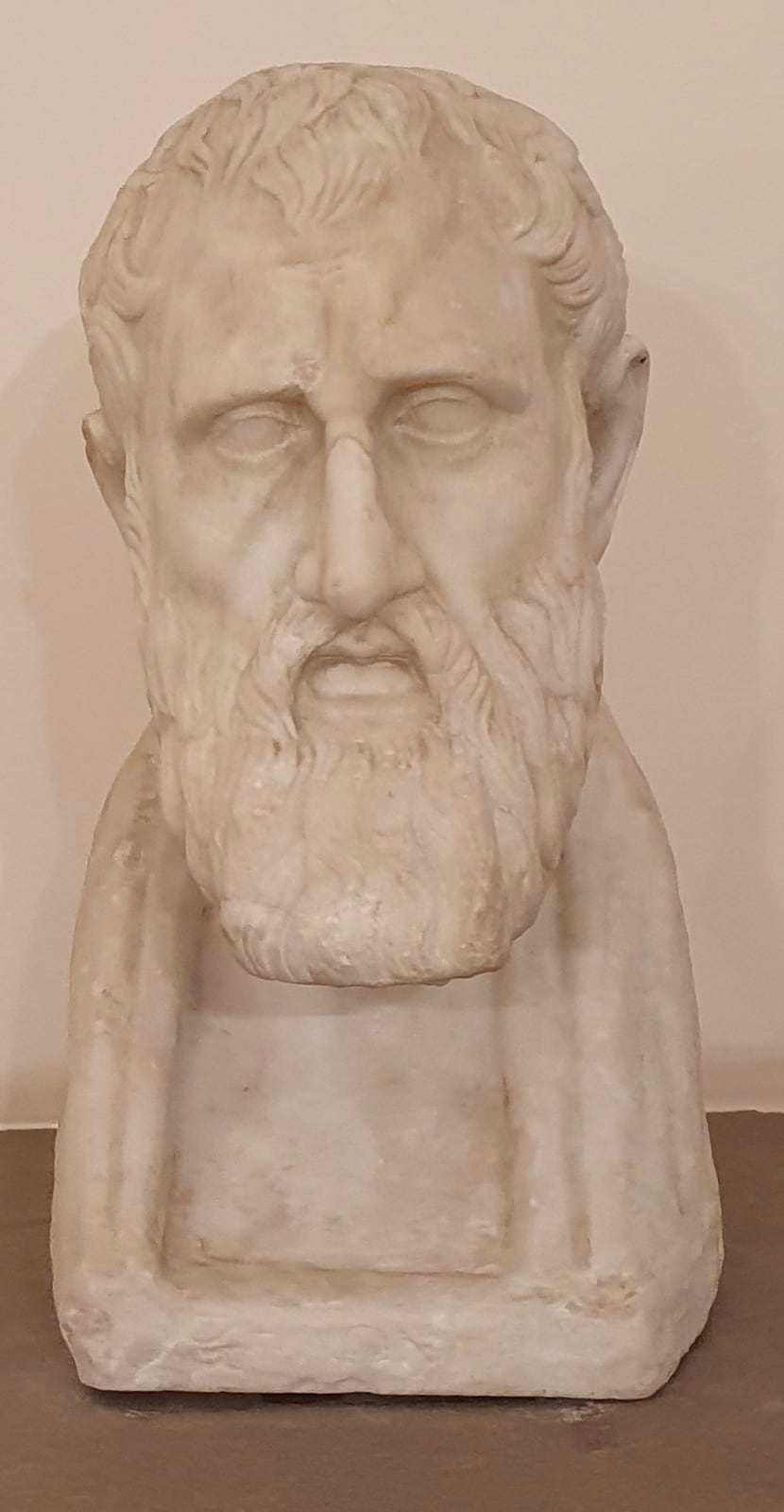
Zeno of Citium
يتّفقان في: من أنا؟ هل توجد ذات حقيقية؟ · ماذا يحدث بعد الموت؟ · كيف يُبلَغ التحرّر أو الخلاص؟
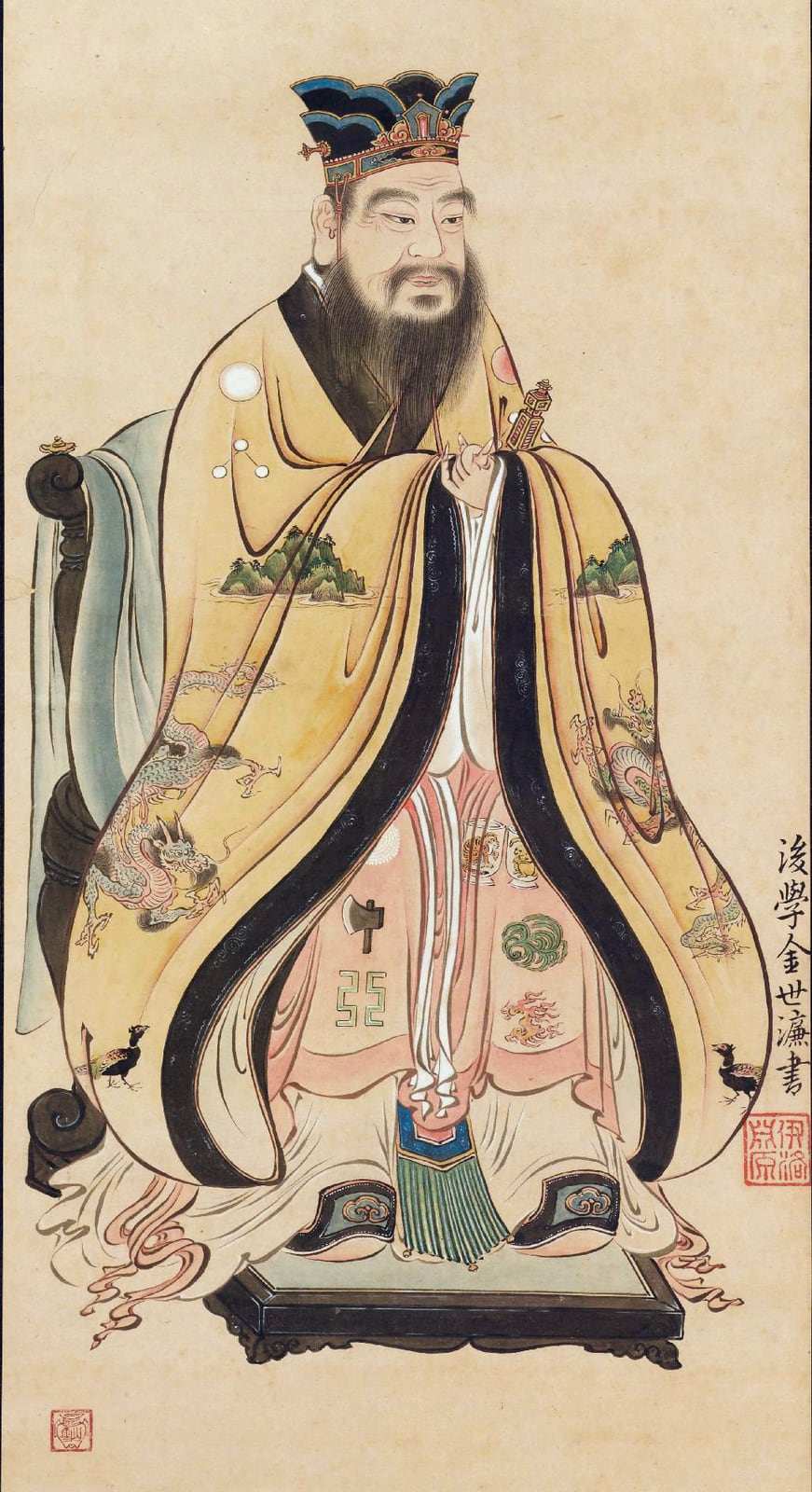
Confucius
يتّفقان في: من أنا؟ هل توجد ذات حقيقية؟ · ماذا يحدث بعد الموت؟ · كيف يُبلَغ التحرّر أو الخلاص؟
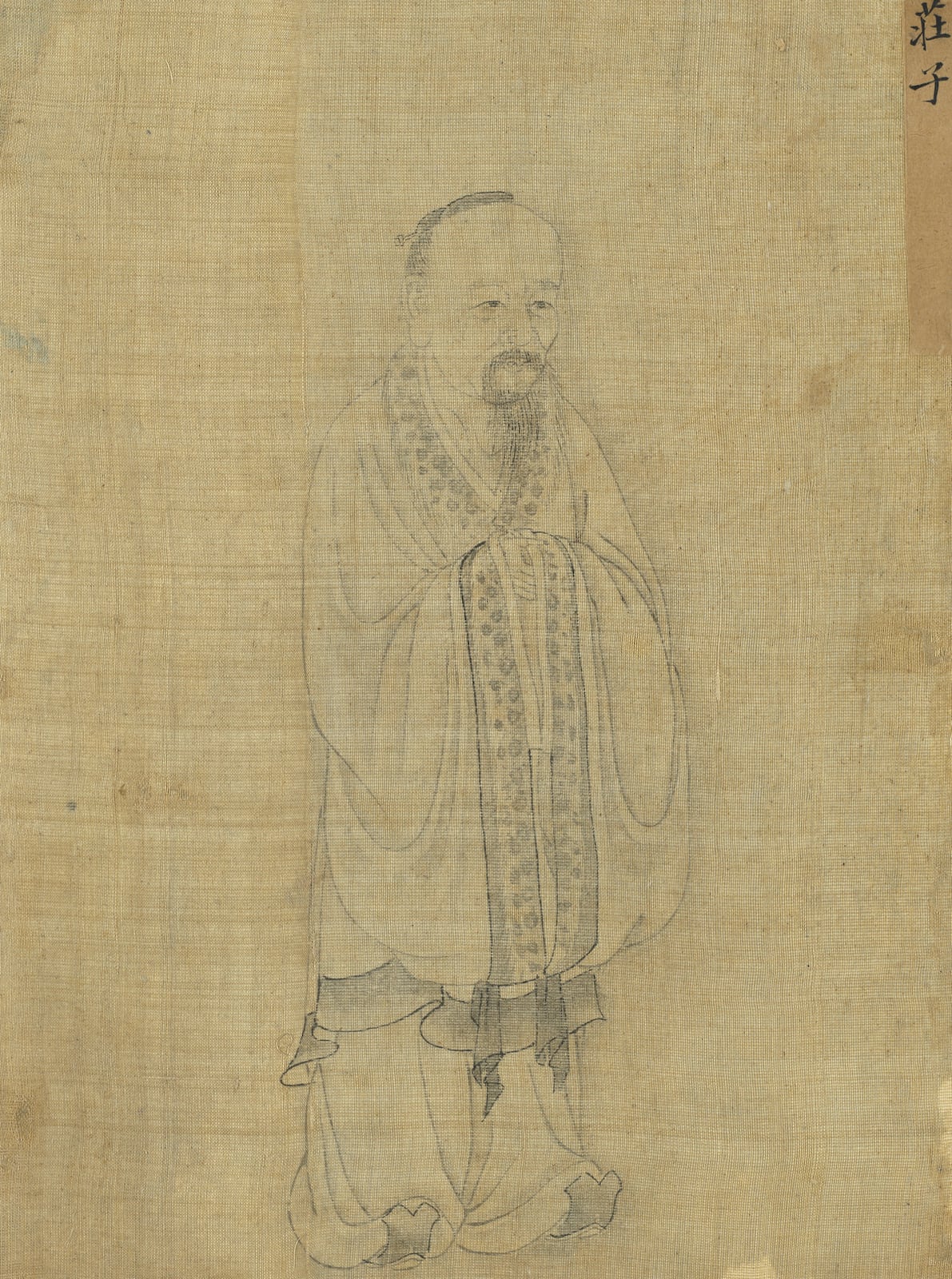
Zhuangzi
يتّفقان في: ماذا يحدث بعد الموت؟ · كيف يُبلَغ التحرّر أو الخلاص؟ · هل نحتاج إلى معلّم؟
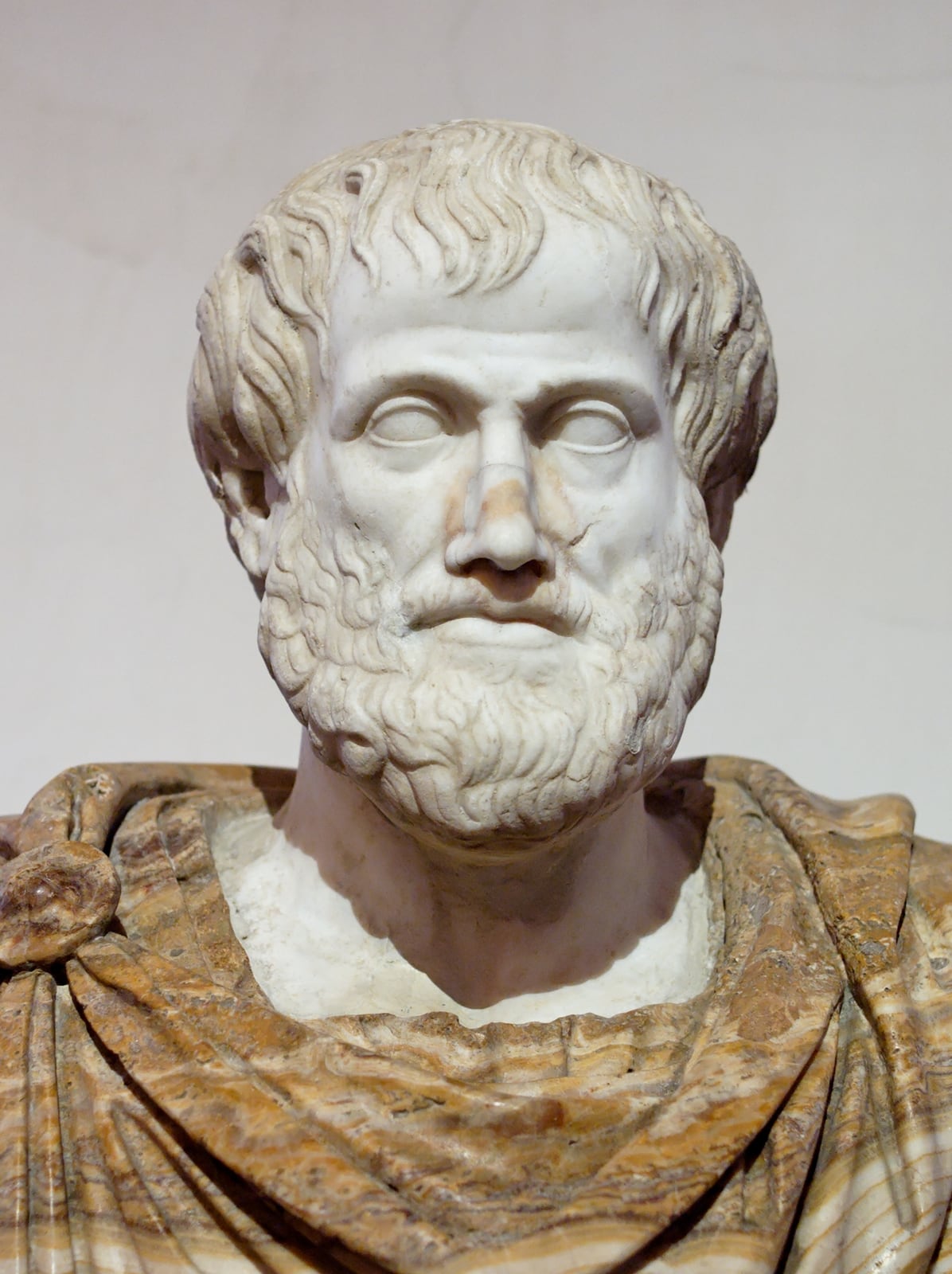
Aristotle
يتّفقان في: من أنا؟ هل توجد ذات حقيقية؟ · ماذا يحدث بعد الموت؟ · كيف يُبلَغ التحرّر أو الخلاص؟
يبتعد في تفكيره عن
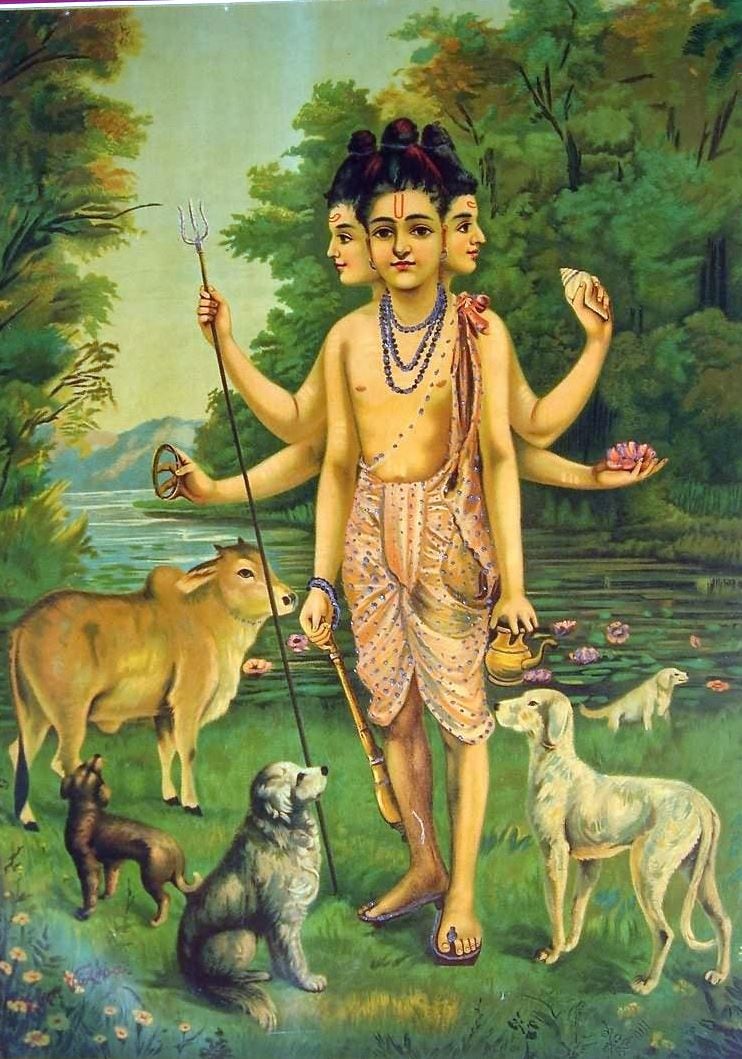
Dattatreya
يختلفان في: ما المطلق؟ هل الله موجود؟ · من أنا؟ هل توجد ذات حقيقية؟ · لماذا نتألّم؟
Gaudapada
يختلفان في: ما المطلق؟ هل الله موجود؟ · من أنا؟ هل توجد ذات حقيقية؟ · لماذا نتألّم؟
Uddalaka Aruni
يختلفان في: ما المطلق؟ هل الله موجود؟ · من أنا؟ هل توجد ذات حقيقية؟ · ماذا يحدث بعد الموت؟
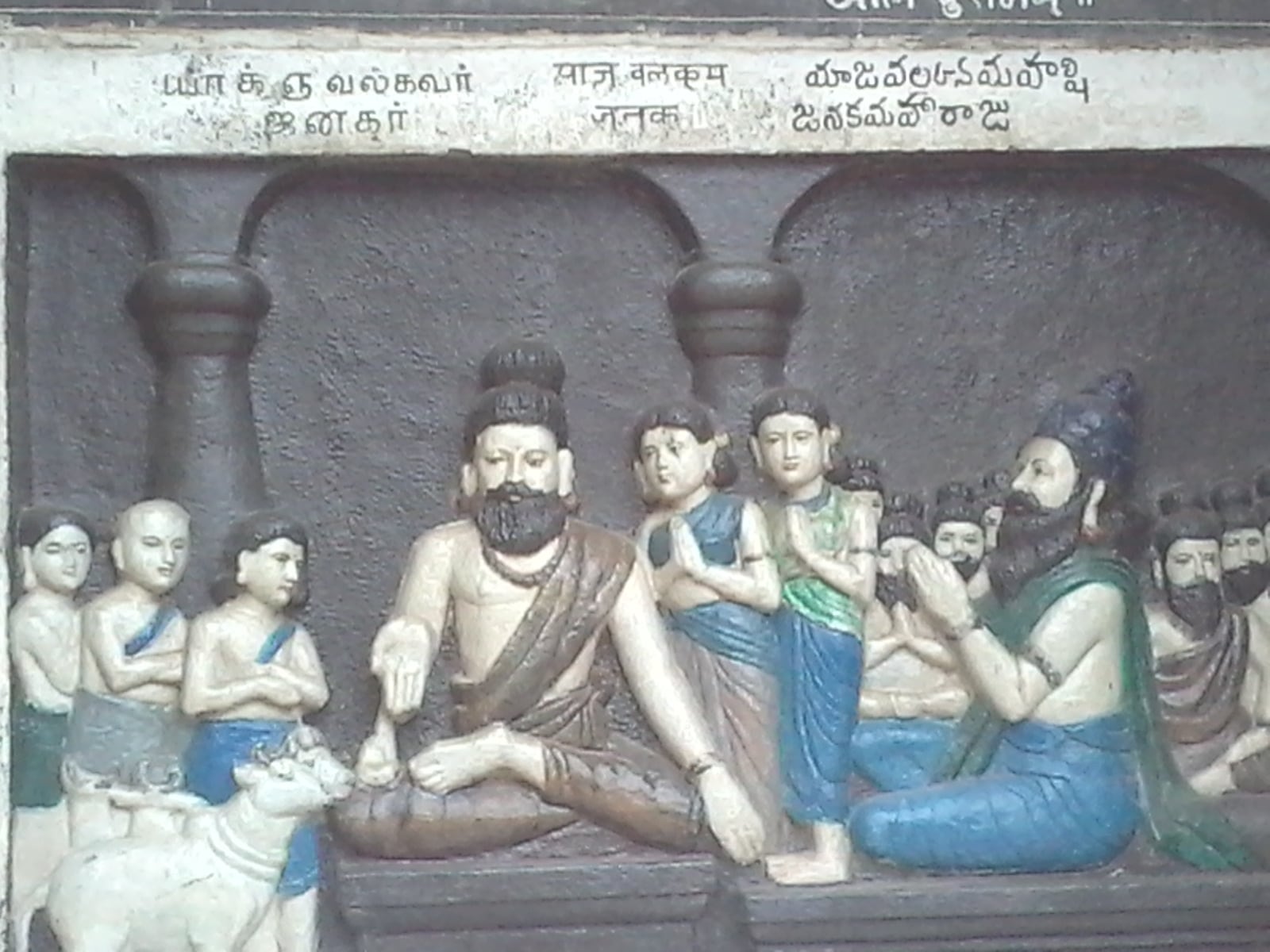
Yajnavalkya
يختلفان في: ما المطلق؟ هل الله موجود؟ · من أنا؟ هل توجد ذات حقيقية؟ · لماذا نتألّم؟
حكايات وروايات
حكايات وروايات
شهادةc. 124–133
Verissimus
أصل الرواية: The nickname is recorded by Cassius Dio (LXIX 21) and the Historia Augusta (Marcus 1.10), and the dedication in Justin, First Apology 1. The episode of the cloak and the couch comes only from the Historia Augusta (Marcus 2.6), a late source; the lines about his mother from Meditations I.3.
شهادةdécada del 160
The emperor who went to school
أصل الرواية: Cassius Dio LXXI (LXXII Cary) 1.2; Historia Augusta, Marcus 3.1–2; Meditations I.8–9. The later anecdote in which a philosopher asks the emperor where he is going with his books and is told that he is going to learn (Philostratus, Lives of the Sophists II.1) has not been checked in this pass.
شهادةc. 169
The palace auction
أصل الرواية: Historia Augusta, Marcus 17.4–5 and 21.9. There is no confirmation in Cassius Dio; Birley considers it plausible, but the source is late and prone to edifying anecdote.
مختلَف فيه172 o 174
The miraculous rain
أصل الرواية: Cassius Dio LXXII 8–10 (with the Christian rejoinder of the epitomator Xiphilinus); relief on the Column of Marcus Aurelius; Tertullian, Apology 5; Eusebius, Ecclesiastical History V.5. Péter Kovács (2009) gathers and discusses all the sources and the dating. The rain may have been a real event; its religious interpretation is partisan in every version.
المصدر: Kovács, Péter. Marcus Aurelius' Rain Miracle and the Marcomannic Wars. Leiden: Brill, 2009.
شهادة175
The letters left unread
أصل الرواية: Cassius Dio LXXII 27–29 (epitome). The Historia Augusta (Marcus 25–26 and Life of Avidius Cassius) repeats the story and embellishes it with letters scholars regard as invented.
موثّقc. 176; 1538
The statue saved by a mistake
أصل الرواية: The identification with Constantine is recorded in medieval documents that call it "the horse of Constantine"; the 1538 move and the relocation of the original are documented by the Capitoline Museums. Summarised from Smarthistory and general scholarship.
التعاليم
التعاليم
المفاهيم التي ينتظم بها فكره، مشروحة في سياقها.
The inner citadelciudadela-interior
Pierre Hadot took this image as the title of his 1992 study. It draws on the early Stoic doctrine of the soul as ruling reason and on Epictetus' insistence that only our judgements are up to us.
المصدر: Hadot, Pierre. La Citadelle intérieure. Introduction aux Pensées de Marc Aurèle. París: Fayard, 1992. Trad. inglesa: The Inner Citadel, Harvard University Press, 1998; trad. española: La ciudadela interior, Alpha Decay, 2013.
The three disciplinestres-disciplinas
The scheme comes from Epictetus' Discourses (III.2), which Marcus knew through Junius Rusticus; Hadot made it the key to reading the Meditations.
المصدر: Hadot, Pierre. La Citadelle intérieure. Introduction aux Pensées de Marc Aurèle. París: Fayard, 1992. Trad. inglesa: The Inner Citadel, Harvard University Press, 1998; trad. española: La ciudadela interior, Alpha Decay, 2013.
The view from abovemirada-desde-lo-alto
Hadot connected it with a tradition running from Plato (Theaetetus) and Cicero's Dream of Scipio to the Stoics; Marcus uses it as therapy rather than theory.
المصدر: Hadot, Pierre. La Citadelle intérieure. Introduction aux Pensées de Marc Aurèle. París: Fayard, 1992. Trad. inglesa: The Inner Citadel, Harvard University Press, 1998; trad. española: La ciudadela interior, Alpha Decay, 2013.
The river of time and deathfugacidad
The image of the river comes from Heraclitus, whom Marcus quotes several times; the doctrine that death is not an evil is shared by Stoics and Epicureans.
The city of Zeuscosmopolis
The idea of the cosmopolis goes back to Zeno of Citium and Chrysippus; Marcus gives it a personal and affective inflection, tied to patience with others.
Providence or atoms?providencia-o-atomos
It shows Marcus' free use of tradition: he quotes Epicurus respectfully and adopts his argument against fear when it serves him.
المصدر: Rutherford, R. B. The Meditations of Marcus Aurelius: A Study. Oxford: Clarendon Press, 1989.
مقاطع الفيديو
مقاطع الفيديو
تسجيلات ومقابلات وأفلام وثائقية. تُشغَّل مقاطع الفيديو من YouTube؛ ولا تُستضاف هنا.
Estoicismo romano (III): Marco Aurelio | La March
محاضرة· ES· 2023· 56 min
Fundación Juan Marchالقناة الرسمية
La filosofía helenística (III): El estoicismo · La March
محاضرة· ES· 2022· 59 min
Fundación Juan Marchالقناة الرسمية
El estoicismo romano: Marco Aurelio
محاضرة· ES· 2023· 17 min
UNED Radioالقناة الرسمية
Cynics, Stoics, Epicureans
محاضرة· EN· 2021· 45 min
Gresham Collegeالقناة الرسمية
Marcus Aurelius' Meditations: The Stoic Ideal
محاضرة· EN· 2020· 42 min
Michael Sugrue
A History of Philosophy | 16 Stoicism
محاضرة· EN· 2015· 63 min
wheatoncollegeالقناة الرسمية
The philosophy of Stoicism - Massimo Pigliucci
تحليل· EN· 2017· 5 min
TED-Edالقناة الرسمية
The Equestrian Sculpture of Marcus Aurelius
تحليل· EN· 2026· 7 min
Smarthistoryالقناة الرسمية
Equestrian Sculpture of Marcus Aurelius
تحليل· EN· 2010· 3 min
Smarthistoryالقناة الرسمية
Bernard Collette | l'action politique de Marc Aurèle à la lumière du stoïcisme
محاضرة· FR· 2018· 51 min
Faculté de philosophie - Université Lavalالقناة الرسمية
Et si on s'était trompé sur Marc Aurèle ? - Dialogue avec Pierre Vesperini
مقابلة· FR· 2024· 57 min
Dialogues par Fabrice Midal
Marco Aurelio, il principe filosofo. Stoicismo, arte del governo e diritti individuali
محاضرة· IT· 2020· 86 min
Istituto Bruno Leoniالقناة الرسمية
المعرض
المعرض
صور بترخيص متحقَّق منه. كل منها تحتفظ بمؤلّفها ونسبتها.
المخطوطات
المخطوطات
شواهد مخطوطة ونصوص قديمة، مع جهة حفظها وشروط الاطّلاع عليها.
GRC · Minúscula griega · Obra de c. 170–180; copia del s. XIV
Τὰ εἰς ἑαυτόν (en un códice misceláneo)
- الشاهد المحفوظ
- Único manuscrito medieval que conserva la mayor parte de la obra
- جهة الحفظ
- Biblioteca Apostólica Vaticana · Vat. gr. 1950
GRC · Minúscula griega · Copia medieval de fecha desconocida
Codex Palatinus (perdido)
- الشاهد المحفوظ
- Manuscrito usado por Xylander para la editio princeps de 1558; se perdió después
- جهة الحفظ
- Perdido
LA · Mayúscula latina (texto inferior) · Cartas de c. 139–166; copia de la Antigüedad tardía (s. V–VI)
Palimpsesto de Frontón (Vat. lat. 5750 + Ambrosianus E 147 sup.)
- الشاهد المحفوظ
- Palimpsesto: el texto de Frontón fue raspado para copiar encima las actas del concilio de Calcedonia
- جهة الحفظ
- Biblioteca Apostólica Vaticana y Biblioteca Ambrosiana (Milán) · Vat. lat. 5750; Ambr. E 147 sup.
- الرقمنة
- digi.vatlib.it/view/MSS_Vat.lat.5750…
العلاقات
العلاقات
تأثيرات وتلمذة وتقارب في الأفكار. تُميَّز العلاقة الموثّقة عن التشابه المستخلَص بالتحليل.
تأثّر بـ
Junius Rusticus introduced him to the notes of Epictetus' lectures (Meditations I.7). Marcus quotes him often (IV.41, XI.34–39) and adopts his distinction between what is and is not up to us.
علاقة موثّقة
تأثّر بـ
His teachers of philosophy, Junius Rusticus and Apollonius, "professed Zeno's doctrines" (Cassius Dio LXXII 35). Marcus belongs to the school Zeno founded.
علاقة موثّقة
تأثّر بـ
Socrates appears in the Meditations as a model of life and death (III.6, VII.66, XI.23–28); Marcus sets him beside Diogenes and Heraclitus against Alexander, Caesar and Pompey (VIII.3).
علاقة موثّقة
تأثّر بـ
He quotes the Republic and the Apology (VII.35, VII.44–46) and knew the maxim that states prosper if philosophers rule them, which according to the Historia Augusta he often repeated (Marcus 27.7). He endowed a Platonist chair at Athens.
علاقة موثّقة
أفكار قريبة من
He does not quote Aristotle, but studied with the Peripatetic Claudius Severus (Historia Augusta, Marcus 3.3) and endowed an Aristotelian chair at Athens (Cassius Dio LXXII 31). They agree that the human good is activity in accordance with reason and on the social nature of man.
تشابه مستخلَص بالتحليل
تأثّر بـ
Despite the rivalry between schools, he quotes Epicurus approvingly on how to bear pain and illness (VII.33, VII.64, IX.41) and often poses the dilemma "providence or atoms". He also endowed an Epicurean chair at Athens.
علاقة موثّقة
تأثّر بـ
He quotes Heraclitus several times (IV.46, VI.42) and adopts his image of time as a river.
علاقة موثّقة
أفكار قريبة من
Plotinus was born around 205, a generation after Marcus' death, and does not mention him. Both practise philosophy as an inner conversion: Marcus' "retire into yourself" and Plotinus' "go back into yourself" (Enneads I.6.9) have been compared by Pierre Hadot.
تشابه مستخلَص بالتحليل
أفكار قريبة من
There is no evidence that Augustine read the Meditations. They are compared as two great ancient writings of self-examination in the second person, although the Confessions are addressed to God and the Meditations to their own author.
تشابه مستخلَص بالتحليل
المصادر
المصادر
المراجع والفهارس التي رُوجعت لهذه الصفحة.
- Wikidata, entidad Q1430 «Marcus Aurelius» (176 enlaces entre wikis; P31=Q5). Registra nacimiento el 26-4-121 en Roma y muerte el 17-3-180 en Vindobona.
- Historia Augusta, «Vida de Marco Antonino el Filósofo» (Vita Marci Antonini Philosophi). Trad. inglesa de David Magie, The Scriptores Historiae Augustae, vol. I, Loeb Classical Library 139. Londres: Heinemann, 1921 (texto en LacusCurtius). Fuente tardía (finales del s. IV) y poco fiable en muchos pasajes.
- Dion Casio, Historia romana, epítome de los libros LXXI–LXXII. Trad. inglesa de Earnest Cary, Dio's Roman History, vol. IX, Loeb Classical Library 177. Londres: Heinemann, 1927 (texto en LacusCurtius; numeración de Cary).
- Birley, Anthony R. Marcus Aurelius: A Biography. Ed. revisada. Londres: B. T. Batsford, 1987 (reimpr. Routledge, 2000).
- Hadot, Pierre. La Citadelle intérieure. Introduction aux Pensées de Marc Aurèle. París: Fayard, 1992. Trad. inglesa: The Inner Citadel, Harvard University Press, 1998; trad. española: La ciudadela interior, Alpha Decay, 2013.
- Kamtekar, Rachana. «Marcus Aurelius». Stanford Encyclopedia of Philosophy, ed. Edward N. Zalta (publicada en 2010, revisión sustancial de 2025).
- Marco Aurelio. Τὰ εἰς ἑαυτόν (Meditaciones). Texto griego en Wikisource en griego; trad. inglesa de George Long, The Thoughts of the Emperor Marcus Aurelius Antoninus (Londres, 1862), en Wikisource en inglés.
- Frontón, Marco Cornelio. The Correspondence of Marcus Cornelius Fronto with Marcus Aurelius Antoninus, Lucius Verus, Antoninus Pius, and Various Friends. Ed. y trad. de C. R. Haines. 2 vols., Loeb Classical Library 112–113. Londres: Heinemann, 1919–1920.
- Rutherford, R. B. The Meditations of Marcus Aurelius: A Study. Oxford: Clarendon Press, 1989.
- Hays, Gregory. «Introduction», en Marcus Aurelius, Meditations: A New Translation. Nueva York: Modern Library, 2003.
- «Marcus Aurelius», Wikipedia en inglés, y «Marco Aurelio», Wikipedia en español (consultadas para hechos verificables y bibliografía; texto propio).
- Richlin, Amy. Marcus Aurelius in Love: The Letters of Marcus and Fronto. Chicago: University of Chicago Press, 2006.
- Eusebio de Cesarea. Historia eclesiástica, V 1–5. Trad. inglesa de Kirsopp Lake, Ecclesiastical History, vol. I, Loeb Classical Library 153. Londres: Heinemann, 1926; Tertuliano, Apologético 5.
- Kovács, Péter. Marcus Aurelius' Rain Miracle and the Marcomannic Wars. Leiden: Brill, 2009.
- Gibbon, Edward. The History of the Decline and Fall of the Roman Empire, vol. I, cap. III. Londres: Strahan y Cadell, 1776 (texto en Project Gutenberg).
- Mill, John Stuart. On Liberty, cap. II. Londres: John W. Parker and Son, 1859 (texto en Project Gutenberg).
- Aurelio Víctor, Liber de Caesaribus 16, 14 (muerte en Vindobona); Tertuliano, Apologeticum 25, 5 (muerte en Sirmio). Discusión de ambas noticias en Birley 1987, cap. 10.
- Harris, Beth, y Steven Zucker. «The Equestrian Sculpture of Marcus Aurelius». Smarthistory, 2026 (vídeo).
- Biblioteca Apostólica Vaticana, Vat. lat. 5750 (palimpsesto de Frontón; texto superior: actas del concilio de Calcedonia). Digitalización en DigiVatLib.
- Gill, Christopher. «Introduction», en Marcus Aurelius, Meditations, trad. de Robin Hard. Oxford World's Classics. Oxford: Oxford University Press, 2011.
- Real Academia Española. Antonio de Guevara, Libro áureo de Marco Aurelio, ed. crítica de Emilio Blanco, Biblioteca Clásica de la RAE.
- Oliver, James H. Marcus Aurelius: Aspects of Civic and Cultural Policy in the East. Hesperia Supplements 13. Princeton: American School of Classical Studies at Athens, 1970.
- Justino Mártir, Primera apología, apéndice con la «Carta de Marco Aurelio al Senado». Trad. inglesa en Ante-Nicene Fathers, vol. I, ed. A. Roberts y J. Donaldson. Buffalo: Christian Literature Publishing, 1885.
- صاحب الحقوق
- Textos antiguos en dominio público; cada traducción y edición moderna pertenece a su traductor o editorial
في انتظار التأكيد
ما لم تتمكّن هذه الصفحة من حسمه بعد. نفضّل أن نقول ذلك على أن نملأ الفراغ.
- Últimas palabras: cotejar el texto griego de Dion Casio LXXII 34, 1 (ed. Boissevain) para rellenar text_original; hoy solo se da la traducción de Cary.
- Manuscrito Vat. gr. 1950: no se ha localizado su digitalización en DigiVatLib (404 el 2026-10-25); comprobar si existe con otra signatura o en otra plataforma.
- Alianza, «Meditaciones o Soliloquios» (ISBN 9788420688466, trad. Antonio Guzmán Guerra): confirmar año en el colofón; la edición de Alianza de 1985 (ISBN 9788420636740) aparece en Open Library sin traductor.
- Libro áureo de Marco Aurelio (RAE, ed. Emilio Blanco): falta año e ISBN verificados.
- Ediciones con ISBN en francés (Les Belles Lettres, Pierre Hadot / A. I. Trannoy), alemán (Reclam, Insel) e italiano no registradas en esta pasada.
- El Digesto de Justiniano (trad. Alan Watson, 1985) se registra sin ISBN; las constituciones de Marco Aurelio no se han inventariado una a una.
- Anécdota de Filóstrato (Vidas de los sofistas II 1) sobre el emperador que va a clase: no cotejada.
- Sin programa de afiliación verificado ni titular de derechos: Marco Aurelio es autor antiguo; las editoriales citadas no se han comprobado como programas de afiliados.
بُحث بتاريخ 2026-10-25